
Ray Martin goes on a grand quest to locate a mysterious outback rock formation he spotted and photographed from an airliner 37,000 feet in the air.
Social & External
Host
An observational documentary which looks at Sydney’s first community Aboriginal radio station, 88.9 Radio Redfern. Set against a backdrop of contemporary Aboriginal music, 88.9 Radio Redfern offers a special and rare exploration of the people, attitudes and philosophies behind the lead up to a different type of celebration of Australia’s Bicentennial Year. Throughout 1988, 88.9 Radio Redfern became an important focal point for communication and solidarity within the Aboriginal community. The film reveals how urban blacks are adapting social structures such as the mass media to serve their needs.
From the remote Australian desert to the opulence of Buckingham Palace - Namatjira Project is the iconic story of the Namatjira family, tracing their quest for justice.
Drawing on original footage from National Geographic, Etched in Bone explores the impact of one notorious bone theft by a member of the 1948 American-Australian Scientific Expedition to Arnhem Land. Hundred of bones were stolen and deposited in the Smithsonian Institution in Washington DC, until it became known to Arnhem elders in the late 1990s. The return of the sacred artefacts was called for, resulting in a tense standoff between indigenous tribespeople and the Department of Anthropology at the Smithsonian.
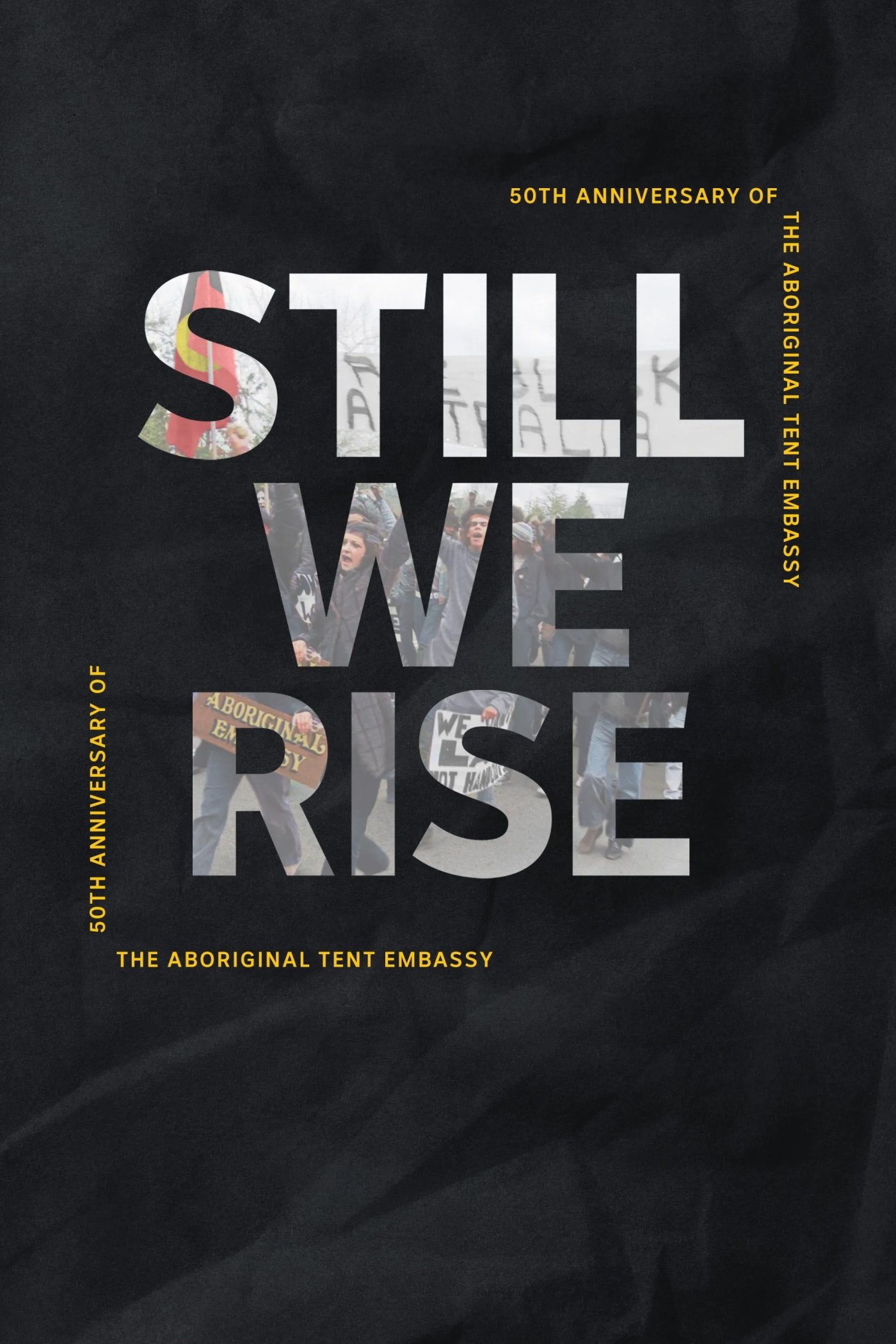
50 years on, the Aboriginal Tent Embassy is the oldest continuing protest occupation site in the world. Taking a fresh lens this is a bold dive into a year of protest and revolutionary change for First Nations people.
Essie Coffey gives the children lessons on Aboriginal culture. She speaks of the importance of teaching these kids about their traditions. Aboriginal kids are forgetting about their Aboriginal heritage because they are being taught white culture instead.
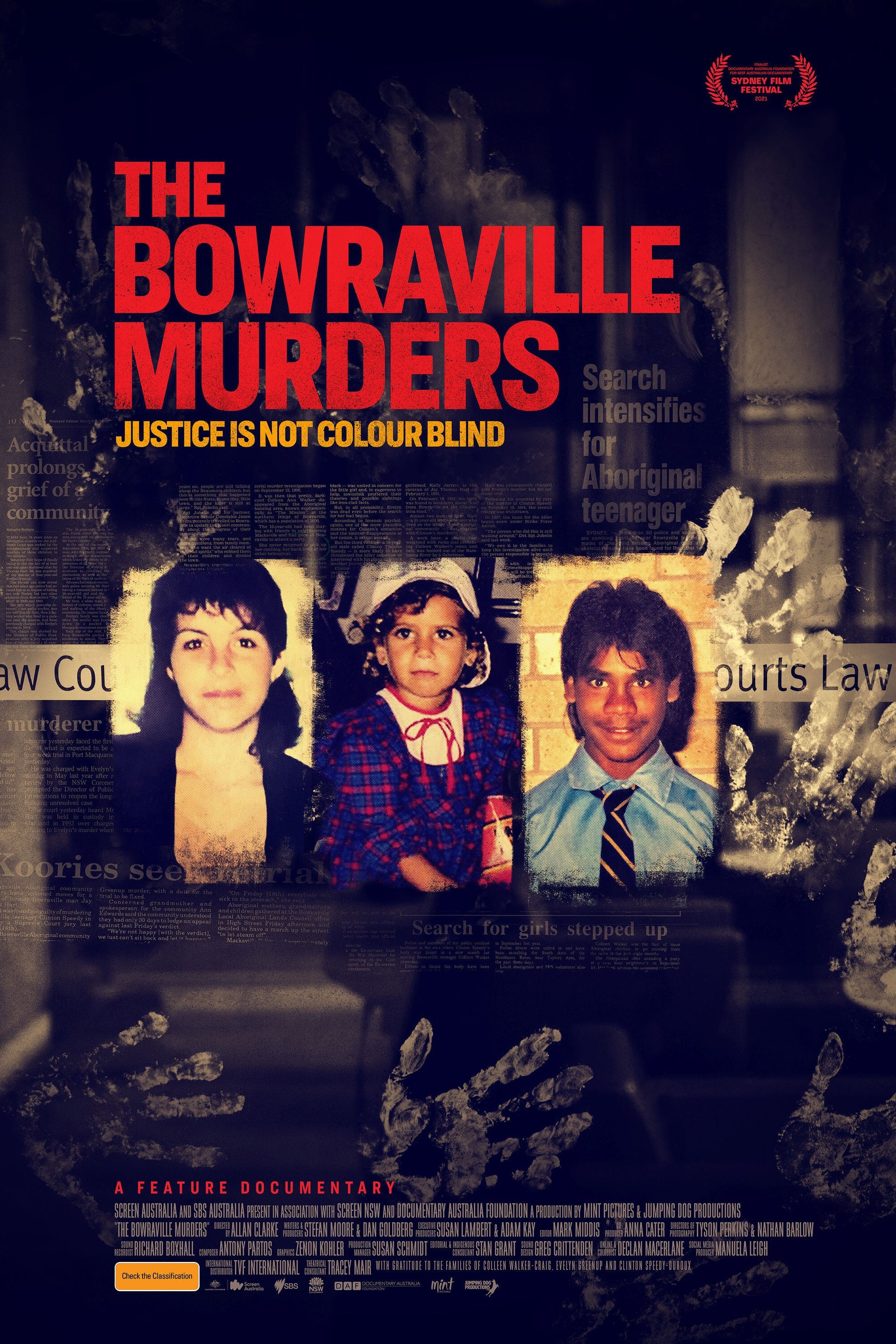
The epic David vs Goliath battle for justice waged by the families of three Aboriginal children murdered in a small rural town 30 years ago, the system that failed them, and what it reveals about racism in Australia today.
Young Aboriginal people who are traditional custodians in Victoria explore the Treaty process with questions, concerns and their opinions. Sharing their insights into what has been happening and what needs to happen.
A short documentary that follows an Australian band through their journey from jamming at a backyard party to a national tour across the country.
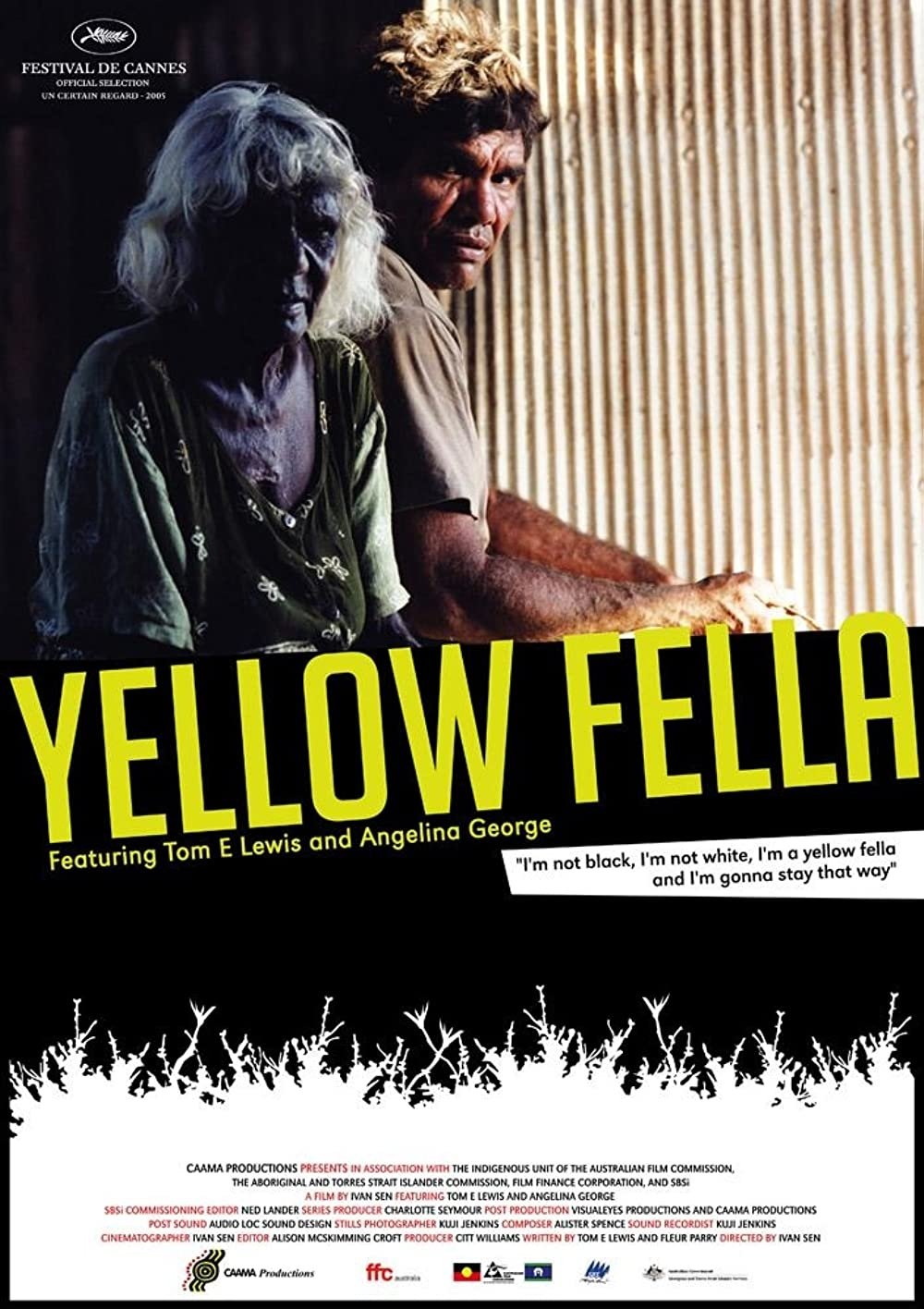
A compelling portrait of an extraordinary figure, Aboriginal WWI soldier Douglas Grant, featuring acclaimed Indigenous actor Balang Tom E. Lewis (in his final performance). Grant (c.1885-1951) was extraordinarily famous in his day, an intellectual, a journalist, a soldier, a reader of Shakespeare and a bagpipe player who could put on a fine Scottish accent. His life story connects Archduke Franz Ferdinand, Adolf Hitler, and Henry Lawson among other famous figures as he moved from Australia to Europe, UK and back. Lewis’s thoughtful and often playful reflections on Grant’s life, along with guest appearances from Max Cullen and Archie Roach, connect to the larger story of Australia’s tragic colonial history and its troubled relationship with First Australians.
Blind from birth, Dr G Yunupingu found his identity through song and the haunting voice that has already become legend. His debut album introduced Australia to the Songlines and culture of his Elcho Island community, but now Dr G Yunupingu finds himself increasingly torn between city and country, present and past, self and the community to which he owes so much.
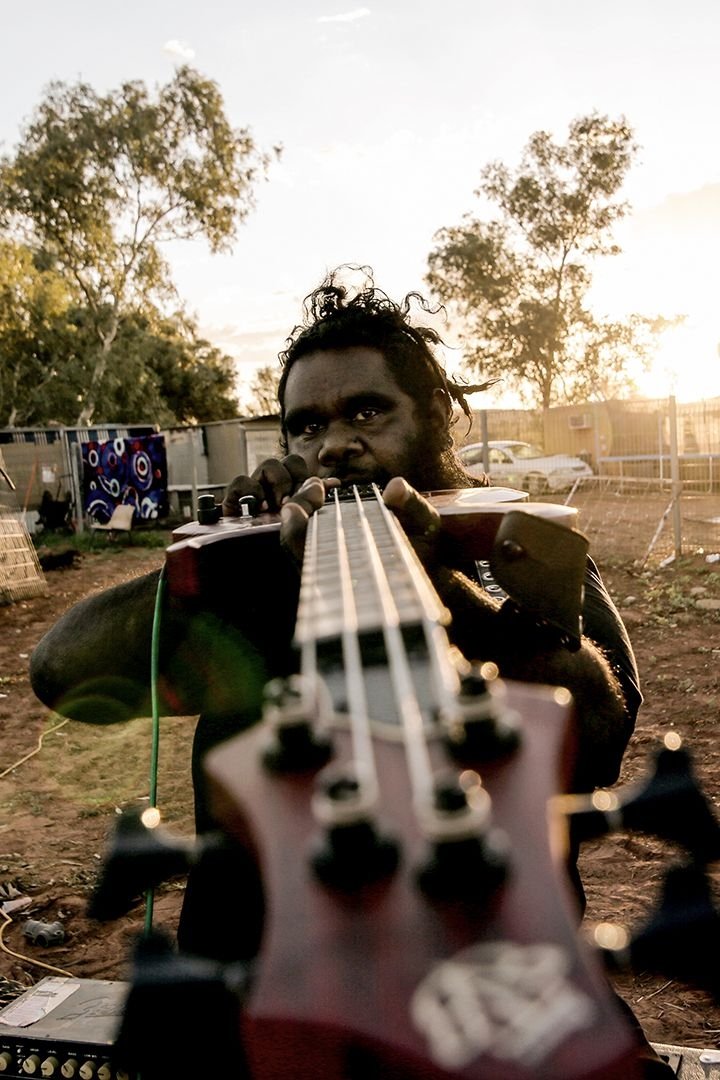
The most isolated metal band in the world, Southeast Desert Metal, and their Aunty Kathleen, share ancient Arrernte culture with the world through song and painting.
Australian documentary filmmaker Ian Darling re-examines the incidents that marked the final 3 years of Indigenous footballer Adam Goodes' playing career. Made entirely from archival footage, photos and interviews sourced from television, radio and newspapers, the film reviews the national conversation that took place over this period.
An examination of the connection between relentless government intervention since colonisation to the trauma and disadvantage experiences by Indigenous Australians - the two key drivers of incarceration.
In her second film, MY LIFE AS I LIVE IT (1993), Essie Coffey returns to her home in Dodge City where she and the A-Team are running in the shire elections. Inter-cutting between 1993 and 1978, the film presents the fascinating contrasts of a society in transition. Some of the kids we met in the earlier film now have families of their own and are involved in education, art and sports. Others are drifting, trying to cope with alcohol and depression. Most significantly, community programs offer the possibility of dignity and self-determination. In this film, Essie shows us the Community Development Employment Program (CDEP) making a real difference. Although the CDEP has now come under attack from the Federal government, MY LIFE AS I LIVE IT portrays the CDEP as providing meaningful work and services to an impoverished remote community.
A new songline for 21st century Australia - a fresh look at the Cook legend from a First Nations' perspective - the songline tells of connection to country, resistance and survival and features the cheeky, acerbic and heartfelt showman - Steven Oliver and a host of outstanding, political Indigenous singer/songwriters.
Taking us through Bangarra Dance Theatre’s spectacular growth, we follow the story of how three young Aboriginal brothers — Stephen, David and Russell Page — turned the newly born dance group into a First Nations cultural powerhouse.
The story of a nation coming together around Indigenous athlete Cathy Freeman who delivered when it mattered on the greatest stage on earth. 20 years on, Freeman sheds light on one of Australia's proudest moments. In 49.11 seconds, Cathy Freeman's win at the 2000 Sydney Olympics brought Australia together as a nation.
In the winter of 1991 an ABC film crew spent six weeks following Sydney's Redfern police. The inner city patrol of Redfern is predominantly working class with a large aboriginal and migrant population. The police in this film are general duties officers mostly on mobile patrols. At the time of filming 78% of police at Redfern were under the age of 25.
Follow filmmaker Don Meers on a paranormal road trip across the sunburnt landscapes of the Australian outback in hopes of solving one of Australia’s greatest mysteries: the Min Min light.
Not only has she got pink extensions, painted on eyebrows, glitter stockings and superman hotpants, Starlady’s a youth worker in some of Australia’s most remote and challenging places. And she reckons that hairdressing can improve people’s lives. Like a real life Priscilla, Starlady takes us on a Queen of the Desert journey to Areyonga, an indigenous community in Central Australia, where she’ll work with a group of curious and cheeky young people.