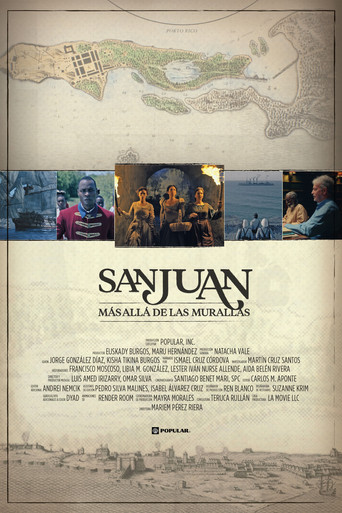
Short documentary about the life of Dr. Pedro Albizu Campos.
Social & External
Self (Archive footage)
Narrador
Part of a series of films produced by Vme TV that features aerial videography shot from a helicopter of points of interest. This film in particular features points of interest in Puerto Rico.
At least we're alive. Humberto.
Documentary on the mass sterilization of Puerto Rican women during the 1950s and '60s.
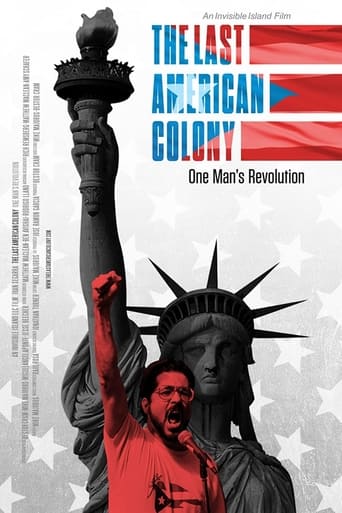
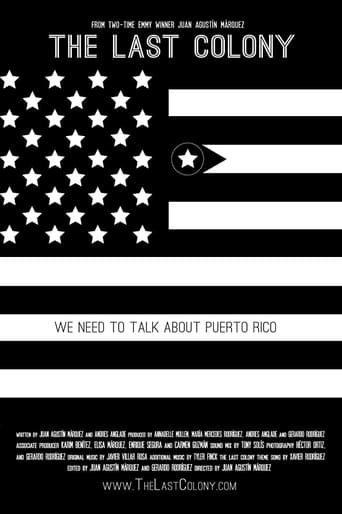
A close look at Puerto Rico's unique relationship with the United States.
Peggy Robles-Alvarado is a Jerome Hill Foundation Fellow in Literature, a Latinx Playwrights Circle Fellow, and a three-time International Latino Book Award winner who authored Conversations With My Skin, and Homage To The Warrior Women. In this film by New York-based filmmaker Matt Haller, she recounts the grief and pain of losing her father, interwoven with her Puerto Rican heritage.
“El apagón: Aquí vive gente” is a 23-minute film that explores the socio-economic challenges in Puerto Rico, focusing on the effects of power outages and gentrification driven by the real estate and energy sectors. Through visuals and personal stories, the documentary highlights the experiences of Puerto Rican communities facing these issues.
Rhesus Monkeys of Santiago Island, Puerto Rico" (1966) is an in-depth documentary that explores the establishment and subsequent study of a rhesus monkey colony on Cayo Santiago, a small island located off the southeastern coast of Puerto Rico. This colony, established by the National Institutes of Health (NIH), serves as a significant site for research into the social behavior and population ecology of rhesus monkeys (Macaca mulatta).
A musical look at the invaluable contribution made by women to Puerto Rican music.
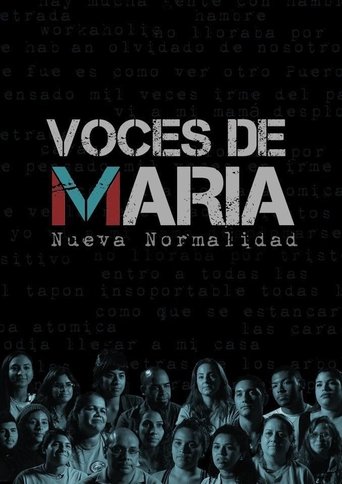
Hurricane María abated, the news crews packed up and left Puerto Rico, and the interest of the international community turned elsewhere. What happened next?
How fair is it for the government to control its citizens? Four Puerto Ricans confront their past when they open their “files”, the records obtained of the illegal surveillance and persecution that the Puerto Rican government held against citizens and organizations that disagreed with the establishment. Through their daily life, they will tell us their stories, experiences and intimate feelings of the persecution they suffered. Taking their past as an example, we will confront the present.
La otra educación (The Other Education) is about the class action suit Rosa Lydia Velez vs the Department of Education, and serves as the storyline to document 30 years of struggles that the families of disabled children in Puerto Rico have suffered. Their only request is the right to an education for their sons and daughters with special needs.
The story of the basketball players that represented Puerto Rico at the San Juan's 1979 Pan Am Games.
A poetic journey about the life and work of Puerto Rican poet Julia de Burgos.
Isla chatarra describes the phenomenon of the ubiquity of automobiles in Puerto Rico. The island measures slightly less than 9,000 square kilometers, but has 25,000 kilometers of paved road, one of the highest proportions in the planet. Puerto Rico is one of the countries with the largest number of vehicles per kilometer (of road) and third in the world in number of cars per 1,000 inhabitants. The film was produced with the idea to raise consciousness and create a dialogue about the ongoing situation of our dependence on cars. It also shows the dangerous circumstances of an island that is slowly being covered by scrap metal.
Carmen accompanies a group of women who must travel from the island of Vieques to San Juan, capital of Puerto Rico, in order to perform breast biopsies. The long journey is by water and road. Amid many fears and vicissitudes, Carmen confirms once again the need for appropriate medical services for both women and for the rest of the Vieques population.
"A Friendly Newspaper" vindicated journalists in a very important sense. For the first time, from a place as influential as television, the business power that exists behind the press was summoned and held responsible for its decline.
Documentary about how the arrival of the railway industry impacted Puerto Rican culture economically, socially, and humanistically during the first half of the 20th century. It includes photos by Jack Delano, among others, and scenarios to reconstruct the experience of what could have been the last trip made by train from San Juan to Ponce in 1953.
Strong Puerto Rican women forced to flee the island after Hurricane Maria have bonded like family in a FEMA hotel in the Bronx. They seek stability in their new life as forces try to pull them apart.
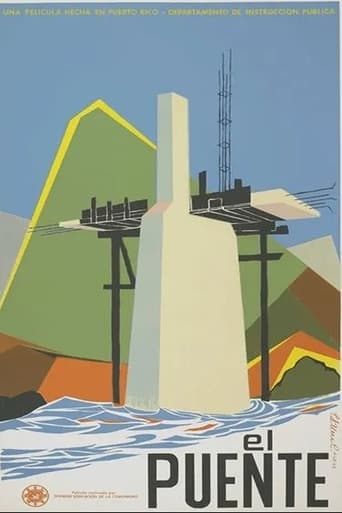
The efforts of a community to build a bridge which would allow their children to go school during the rainy season.
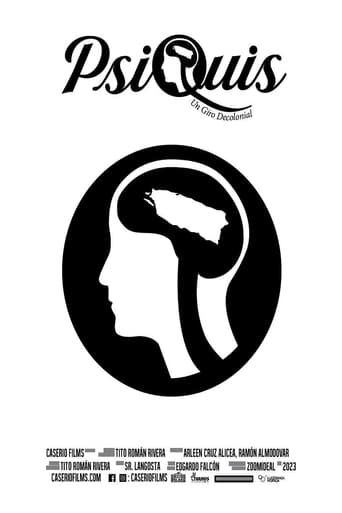
PsiQuis: Un Giro Decolonial is a documentary that presents and discusses the psychological impact that colonialism has had on the Puerto Rican people. The director analyzes the traumas generated in Puerto Rican society by that colonial experience.