Social & External
Self
There are five grandmothers, four of whom went to Jeonju Prison due to the Jeju 4.3. All of them were young people around the age of 20 at the time of the incident in 1948. The outline of the incident is formed when hearing the experiences of those who were sent to prison without trial particularly as women. The audience feels indescribable emotions by the fact that they have lived on despite what they had gone through, things that are just too much for a human being to bear.
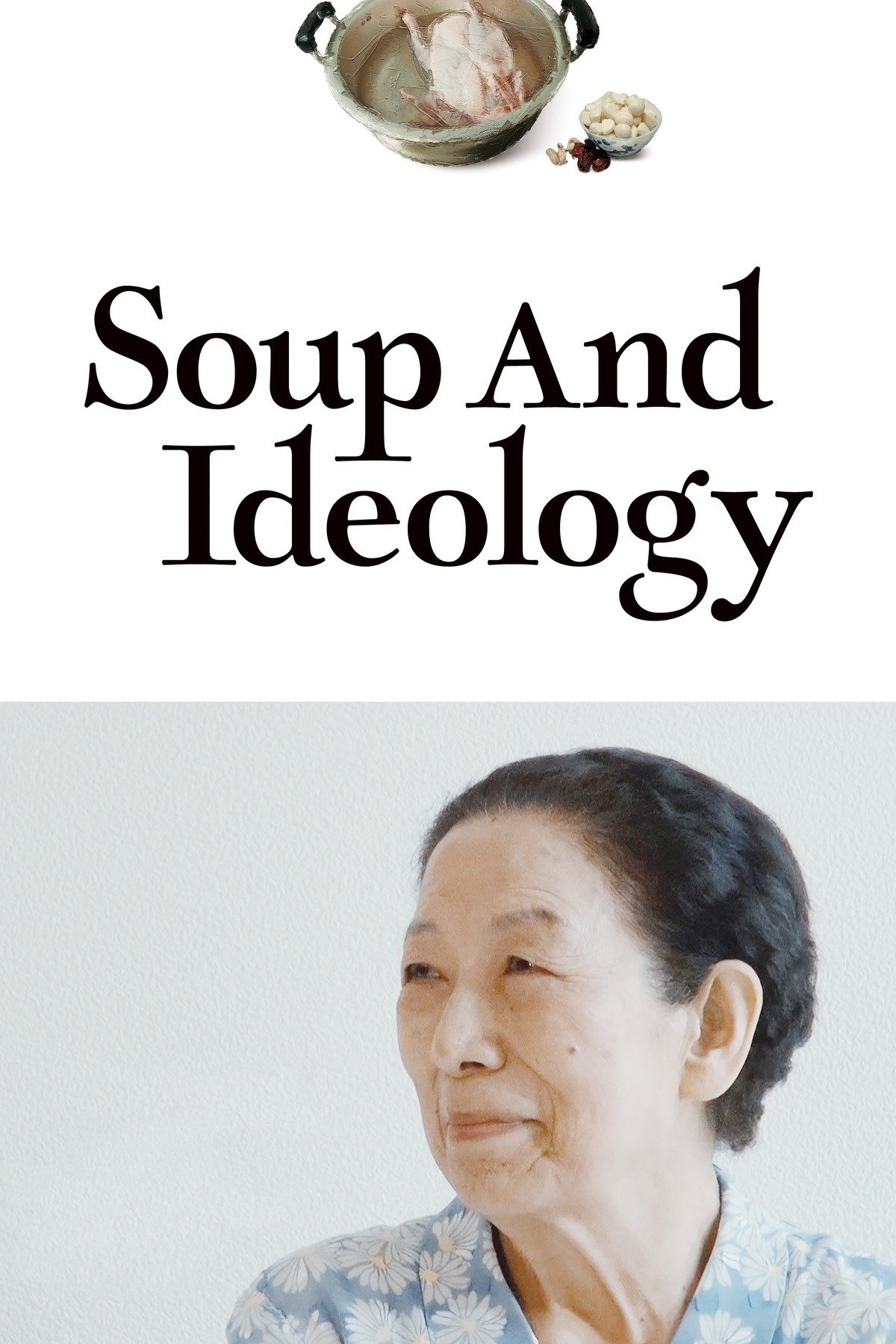
Confronting half of her mother’s life—her mother who had survived the Jeju April 3 Incident—the director tries to scoop out disappearing memories. A tale of family, which carries on from Dear Pyongyang, carving out the cruelty of history, and questioning the precarious existence of the nation-state.
Focusing on Mrs. Kang Sang-hee’s life, she lost her husband in the Jeju Uprising (March 3rd, 1948). The film views the dark-side of Jeju Island, a huge grave, which is completely opposite of the other side of the island, the famous tourist attraction. It says that the tragedy has been going on about the recent Gang-jeong village situation.
Immediately after liberation, an incident called 'Jeju Uprising' took place on Jeju Island, the Hawaii of Korea, under the control of the US military government. As a result, about one-tenth of the total population of the island at that time was sacrificed. The children who survived the massacre record the memories of that day in an animated film 70 years later.
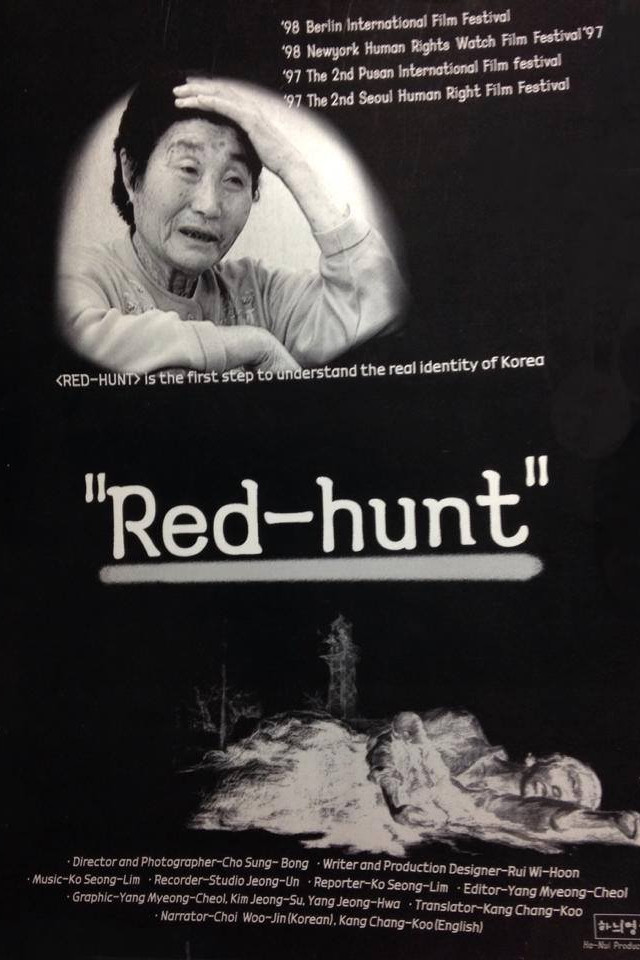
70 years ago, a massacre called ‘Red Hunt’ occurred in Jeju island. Over 6 years, countless lives were murdered in the Daranshi cave, Jungbang waterfall, and Ompang field. There was no line between life and death. There were only ideological and political strategies that surrounded Jeju. After 49 years, survivors can finally testify the memories that could not be forgotten.
A follow-up to 1996's documentary on the massacre at Cheju island, Red Hunt 2 exposes the real facts of the outrage upon personal rights and the brutal butchering occurred 50 years ago. Lives of nine survivors with their grieving testimony expose the horror of six yearlong massacres by Rhee Seung-man regime which still lingers today.
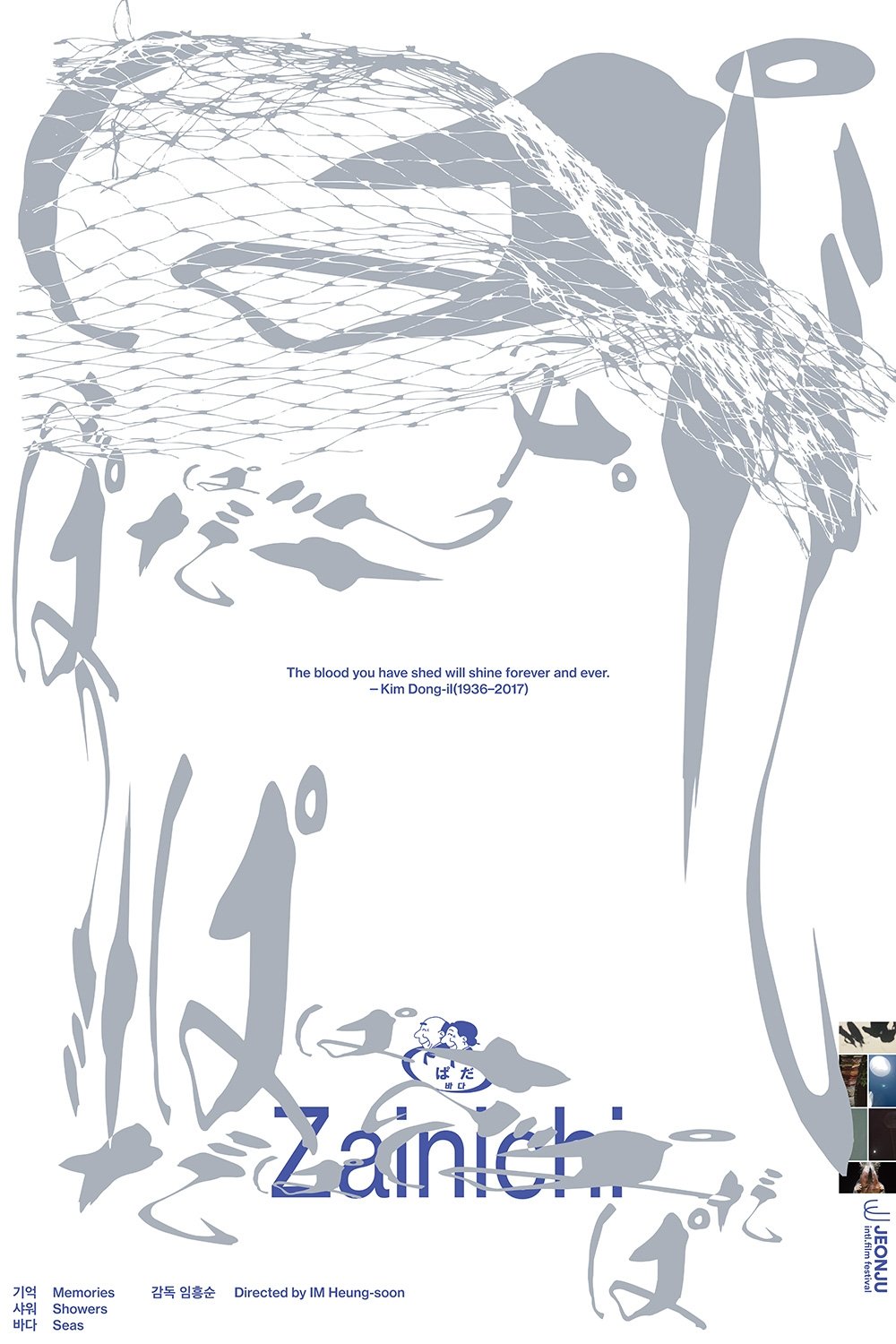
The late Kim Dong-il, a Jeju April 3 refugee in Japan, left behind over 2,000 crocheted items and pieces of clothing that preserved her memories, identity, and history. As the film traces the redistribution of her belongings, it illuminates the still-unhealed lives of various Zainichi Koreans who lived through the same era, sharing and connecting their intertwined memories.
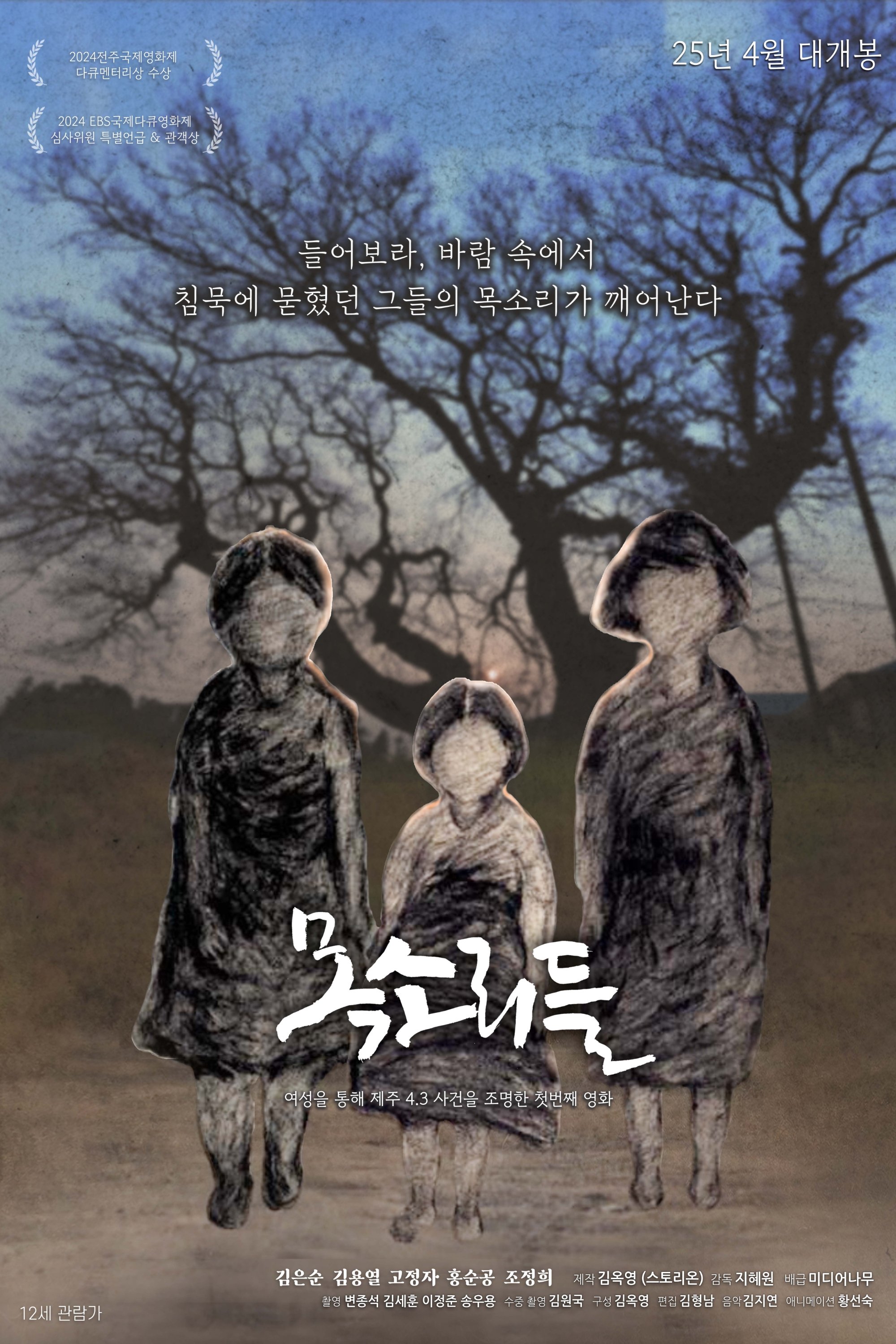
In the turmoil of the Jeju 4.3 incident, Jeju Island witnessed the loss of an estimated 25,000 to 30,000 lives, with women constituting a significant yet often unrecognized proportion of the victims. This documentary illuminates the once-shrouded experiences of these women, led by a dedicated Jeju 4.3 researcher.
The oral writer of the April 3 Uprising and a Rwandan who came to Korea to study face each other, have a conversation, and then go on a trip hand in hand. The two people, from different generations, nationalities, and occupations, have something in common: they are the daughters of massacre survivors.
How did South Korea, after liberation in 1945 defend liberal democracy against leftist and communist forces? The door to that secret is now revealed.
Wan-soon, a 9-year-old girl living on the island, managed to survive a massacre that took place 75 years ago. The lingering effects of this unresolved ordeal are emphasized, and the girl embarks on a journey to depict the vivid red fragments that remain in her memory, using a red colored pencil as her means of expression.
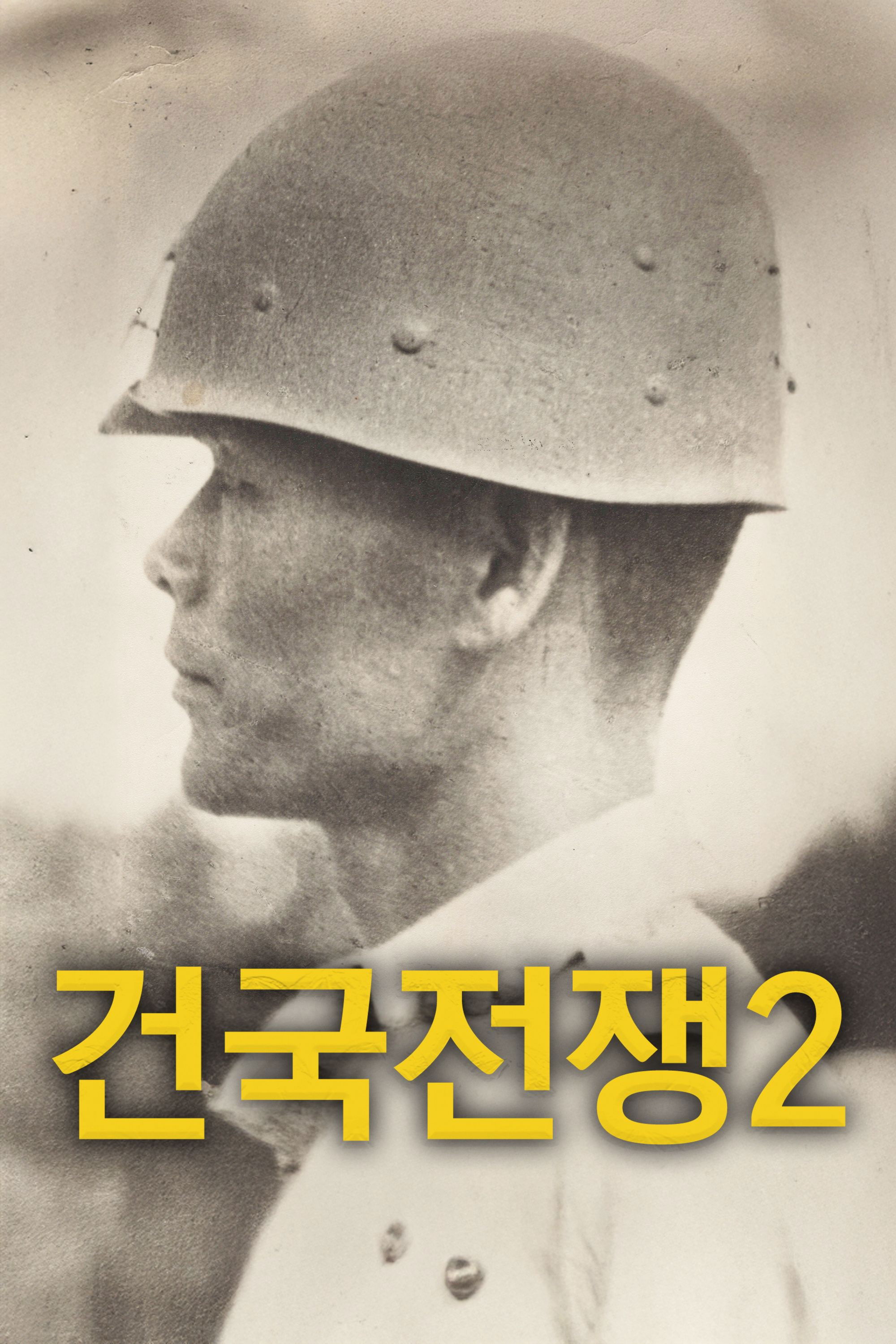
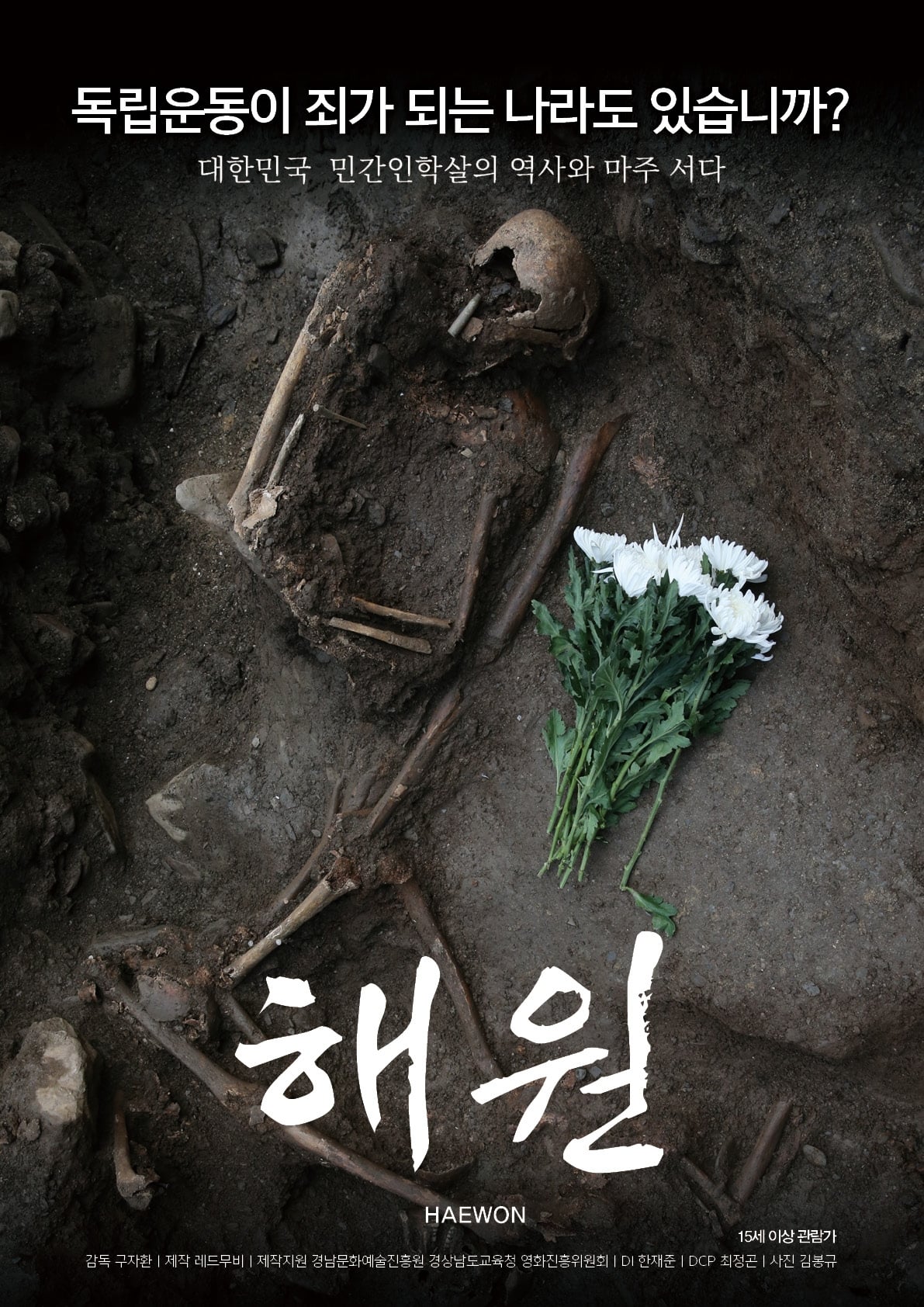
According to a survey by the U.S. military government in 1946, 78% of the South Korean people wanted socialism and only 14% capitalism. By appointing the pro-Japanese collaborators and the rightists, Rhee Syngman, who had not received the people's support, massacred those groups and civilians that were political stumbling blocks. In dealing with the Jeju 4.3 uprising in 1947 and the Yeosun incident in 1948 and The Korean War having broken out, massive civilian massacre became regularized.
If you look into the entrance of one of the huge caves on the Korean island of Jeju, it looks like a camera lens. If you walk into the cave, it looks like a screen, a rectangle showing clouds and white light, just like a film. Director Kim Minjung delves into the bloody history of Jeju, where tens of thousands were killed in a massacre in 1948. The camera follows the traces in the landscape, sometimes transformed by a strident, distance-creating red light, accompanied by a commentary by avant-garde filmmaker Hollis Frampton. Film as a means to address history and its taboos.
On October 15, 2003, in a quiet autumn day at a high-rise apartment. Hwang Ga leisurely waters the plants on the balcony. At the same time, Hyung-min, a man in his sixties, lives in an old house on the outskirts of the city. As the local news on TV announces the confirmation of the "Jeju 4·3 Incident Truth Report," the two elderly men reminisce about their similar yet distinctly different pasts. The first independent film from Jeju Island.
South Korea, 1998: While the country moves closer towards democracy, Young-oak remains at odds with his female-connotated name while attending a boy's school where the air is thick with testosterone. The young man is struggling to fit in and find a new name among corrupt teachers and the teenagers' violent power games, which are as subtle as they are extreme. Behind his mother Jeong-sun's seemingly unflappable exterior, a past long repressed is reemerging, which she is reluctant to face. Yet confrontation is unavoidable – and it leads back to the national tragedy surrounding the Jeju Uprising of April 3rd, 1948.
The story of a young mother shows her trapped in the massiveness of circumstance. Forced to desert her only child and live with the anxiety, she can only weep. On the island, life is getting much harder, and there is only wind, stone and women.
The populace of a South Korean island rebels against police brutality. The protesters are labeled as communists, and the army is dispatched.
Jin-Myung is a psychiatrist and exorcist. With his assistant, Ji-Kwang, they attempt an exorcism on Geum-Joo. She suffers from a bizarre phenomenon. They then face a powerful existence within Geum-Joo. Extreme horror arises out of her.
Everglow begins with the cute struggle of Kyung-hoon , who visited Jeju to make a documentary about Jin-ok, a female diver. Kyung-hoon's work becomes a sincere mission for the souls buried in the deep sea and mountains.
In the Realms of the Unreal is a documentary about the reclusive Chicago-based artist Henry Darger. Henry Darger was so reclusive that when he died his neighbors were surprised to find a 15,145-page manuscript along with hundreds of paintings depicting The Story of the Vivian Girls, in What is Known as the Realms of the Unreal, of the Glodeco-Angelinnian War Storm, Cased by the Child Slave Rebellion.
From set designs to character arcs, get exclusive cast and director interviews on how Season 2 of the globally most-watched series was brought to life.
In the early-morning hours of July 23, 2007, in Cheshire, Conn., ex-convicts Steven Hayes and Joshua Komisarjevsky broke into the family home of William Petit, his wife, Jennifer, and their daughters, Michaela, 11, and Hayley, 17. Dr. Petit was beaten and tied to a pole in the basement. The three women were bound in their bedrooms while the men ransacked the house. The brutal ordeal continued throughout the morning, ending with rape, arson and a horrific triple homicide.
JB Smoove and Martin Starr host a celebration of 20 years of "Spider-Man" movies, from the Sam Raimi trilogy to Marc Webb's movies and the trio from Jon Watts.
A detailing of the rise to prominence and global sporting superstardom of six supremely talented young Manchester United football players (David Beckham, Nicky Butt, Ryan Giggs, Paul Scholes, Phil and Gary Neville). The film covers the period 1992-1999, culminating in Manchester United's European Cup triumph.
Behind-the-scenes documentary about how Lionel Messi succeeded in lifting the World Cup – the only trophy to have eluded him in an incredible career.
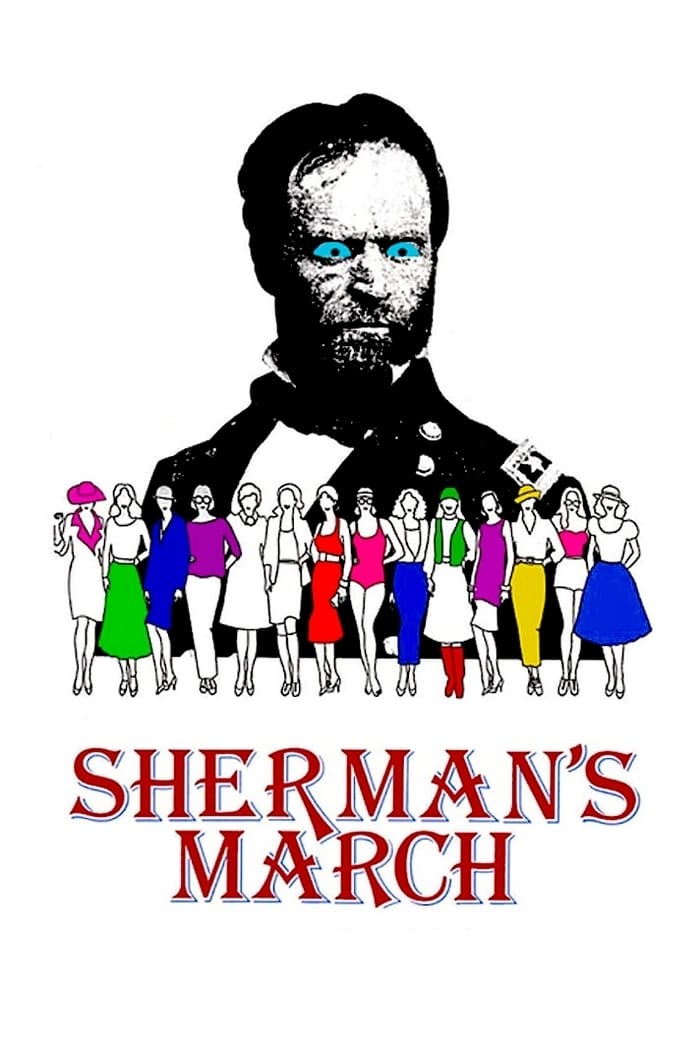
Documentarian Ross McElwee originally set out to make a travelogue of sorts tracing General William T. Sherman's infamous scorched-earth march through the Confederacy in the latter stages of the Civil War. Instead, haunted by a recent breakup with a girlfriend, McElwee ends up documenting his progress -- or lack thereof -- in starting a new relationship. His journey then becomes one of self-reflection and self-discovery rather than a historical/sociological exploration.
A purely observational non-fiction film that takes viewers into the ethically murky world of end-of-life decision making in a public hospital.
A night of drunken chaos rocks a quiet Dutch town in this shocking documentary about a teen's birthday invite that accidentally went viral on Facebook.
Vulgar, taunting texts blow up the phones of a teen and her boyfriend. Who's sending them — and why? This twisty documentary reveals the shocking answer.
With unprecedented access to the official archives and intimate recollections from the band, both current and past, Iron Maiden: Burning Ambition invites fans to experience one of the most iconic journeys in music history. Spanning five decades, this electrifying documentary charts the band’s rise from the pubs of East London to the world’s biggest stadiums. Featuring exclusive interviews with band members and contributors such as Javier Bardem, Lars Ulrich and Chuck D, as well as all-new animated sequences of the band's legendary mascot, Eddie, the film offers a rare and intimate look at Iron Maiden’s uncompromising vision and unwavering connection with their truly global army of fans.
The film follows adventurer Jeff Johnson as he retraces the epic 1968 journey of his heroes Yvon Chouinard and Doug Tompkins to Patagonia.
The life of Mr. Spock, as well as that of Leonard Nimoy, the actor who played him for almost fifty years, written and directed by his son: Adam.
A look at the origins, history and conspiracies behind the "Majestic 12", a clandestine group of military and corporate figureheads charged with reverse-engineering extraterrestrial technology.
The life and career of an actor, artist, and icon. His own journey through his own camera.
This character-driven film considers the evolving sex trafficking landscape as seen by the main players: the exploited, the pimps, the johns that fuel the business, and the cops who fight to stop it.
An inside look at one of the most anticipated movie sequels ever with James Cameron and cast.
Police pull over a woman who claims she just gave birth. But the baby — and the blood — aren't hers. Twisted lies unravel in this true-crime documentary.
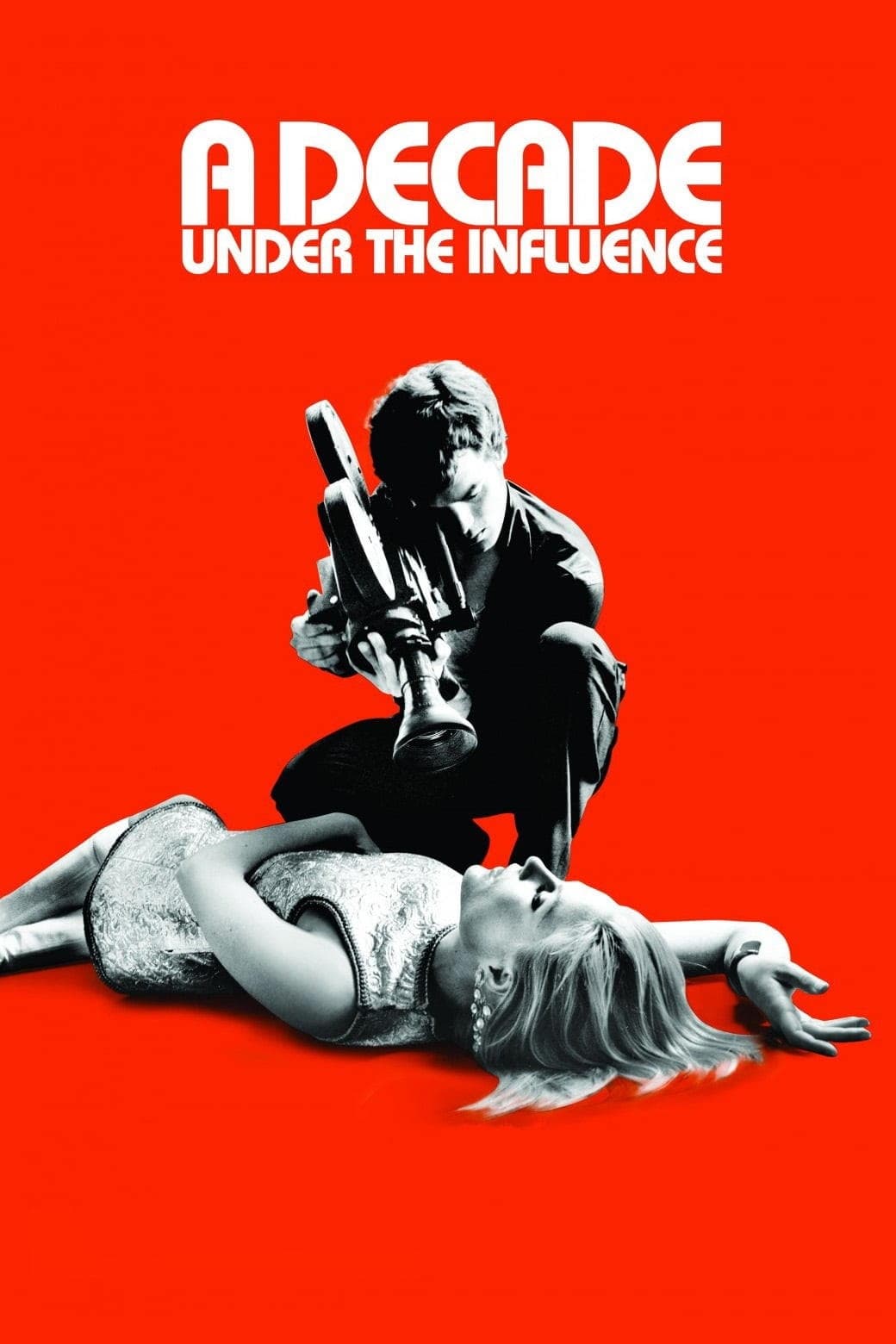
A documentary examining the decade of the 1970s as a turning point in American cinema. Some of today's best filmmakers interview the influential directors of that time.
From the heights of her modeling fame to her tragic death, this documentary reveals Anna Nicole Smith through the eyes of the people closest to her.