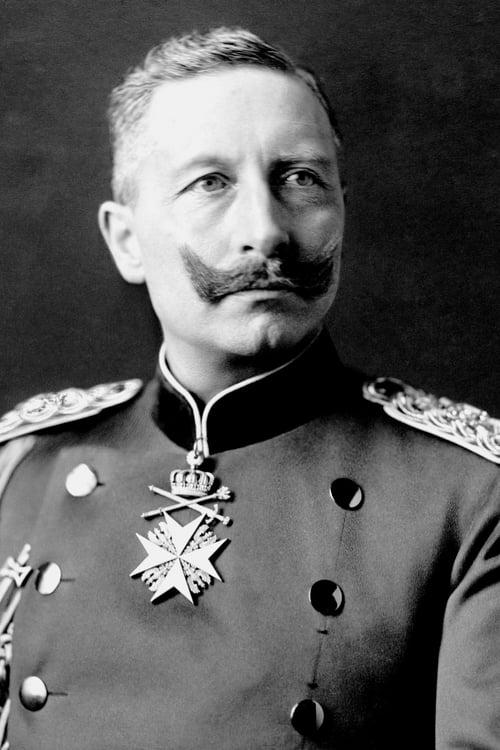
Wilhelm II. visits a market place in Beirut, Lebanon.
Social & External
Self
This short travelogue depicts snippets of locations in Hollywood, California, most of them as seen from the streets. Considerable time is taken showing the kinds of architecture of private homes. There are images of various important buildings, and a depiction of the Hollywood Bowl. Finally, there is a sequence revolving around the premiere of the film “Dirigible” (1931) at the famed Chinese Theatre.
There are children. There are those who abuse them. And there are those who know, but never tell.
In 1964 Film Culture magazine chose Andy Warhol for its annual Independent Film award. The plan was to show some of Andy's films and have Andy come on stage and hand him the award. Andy said, no, he didn't want a public presentation.
LA CASA DELLE VEDOVE portrays a group of widows who, he thinks, lived in a constant ‘dialogue‘ with death. In the house where they all lived ‘every colour was saturated with that special reddish shade that you see everywhere in Rome, and furthermore the rooms were filled with a stale, musty smell.‘
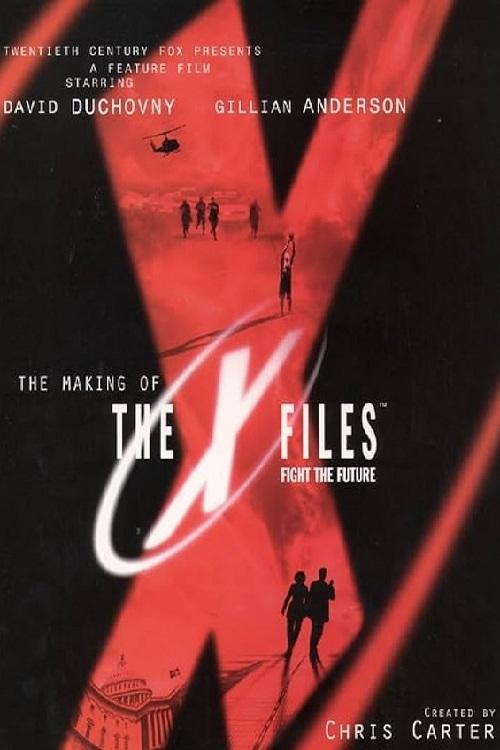
The paranormal investigations of agents Mulder and Scully have gripped millions of fans worldwide for the last four years. The X Files movie is the culmination of the television sensation of the 90s. This documentary goes behind the scenes on the movie set.
An exploration of the movie "The strange case of Angelica" and an understanding Manoel de Oliveira's cinema.
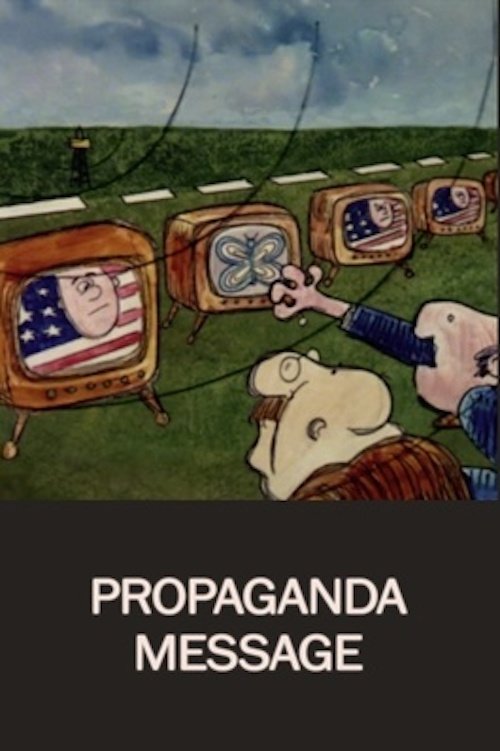
A cartoon film about the whole heterogeneous mixture of Canada and Canadians, and the way the invisible adhesive called federalism makes it all cling together. That the dissenting voices are many is made amply evident, in English and French. But this animated message also shows that Canadians can laugh at themselves and work out their problems objectively.
The title of this film, which combines flicker effects and comic strip elements, refers to an old belief that each solar eclipse produces a war.
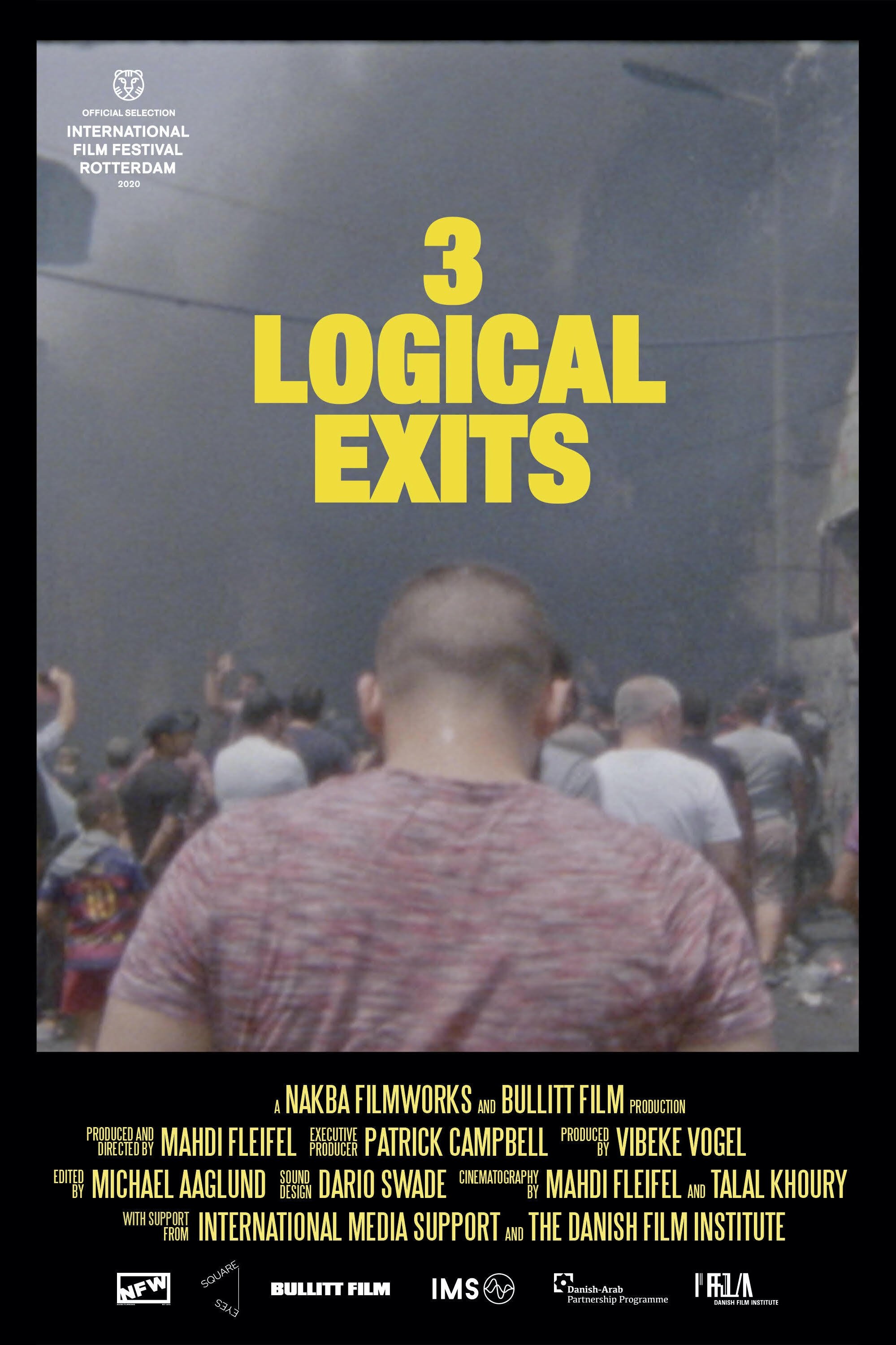
A sociological meditation on the different "exits" that young Palestinians choose, in order to cope with life in the refugee camps.
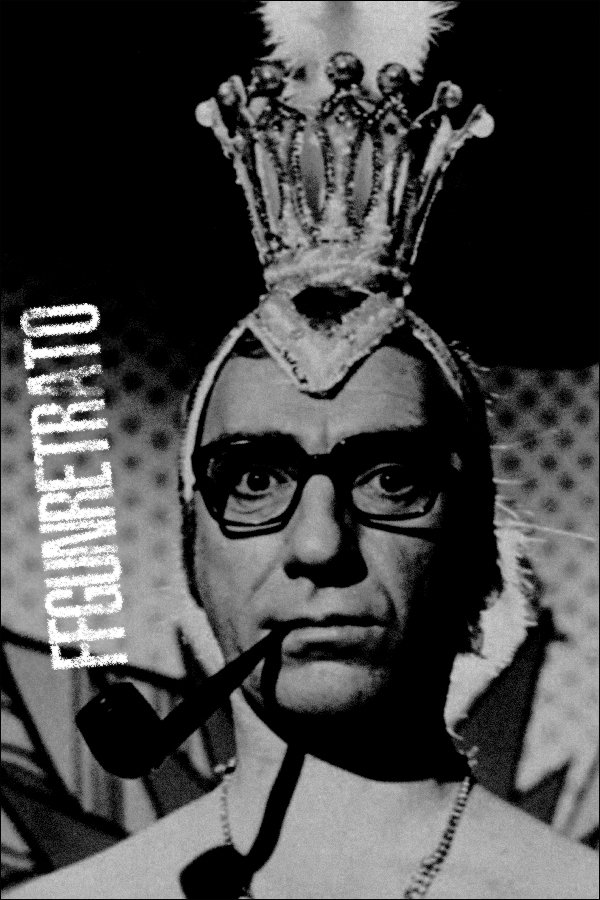
An experimental portrait of Fernando Fernán Gómez, one of the most renowned Spanish artists of all time.
Flubs and bloopers that occurred on the set of some of the major Warner Bros. pictures of 1947.
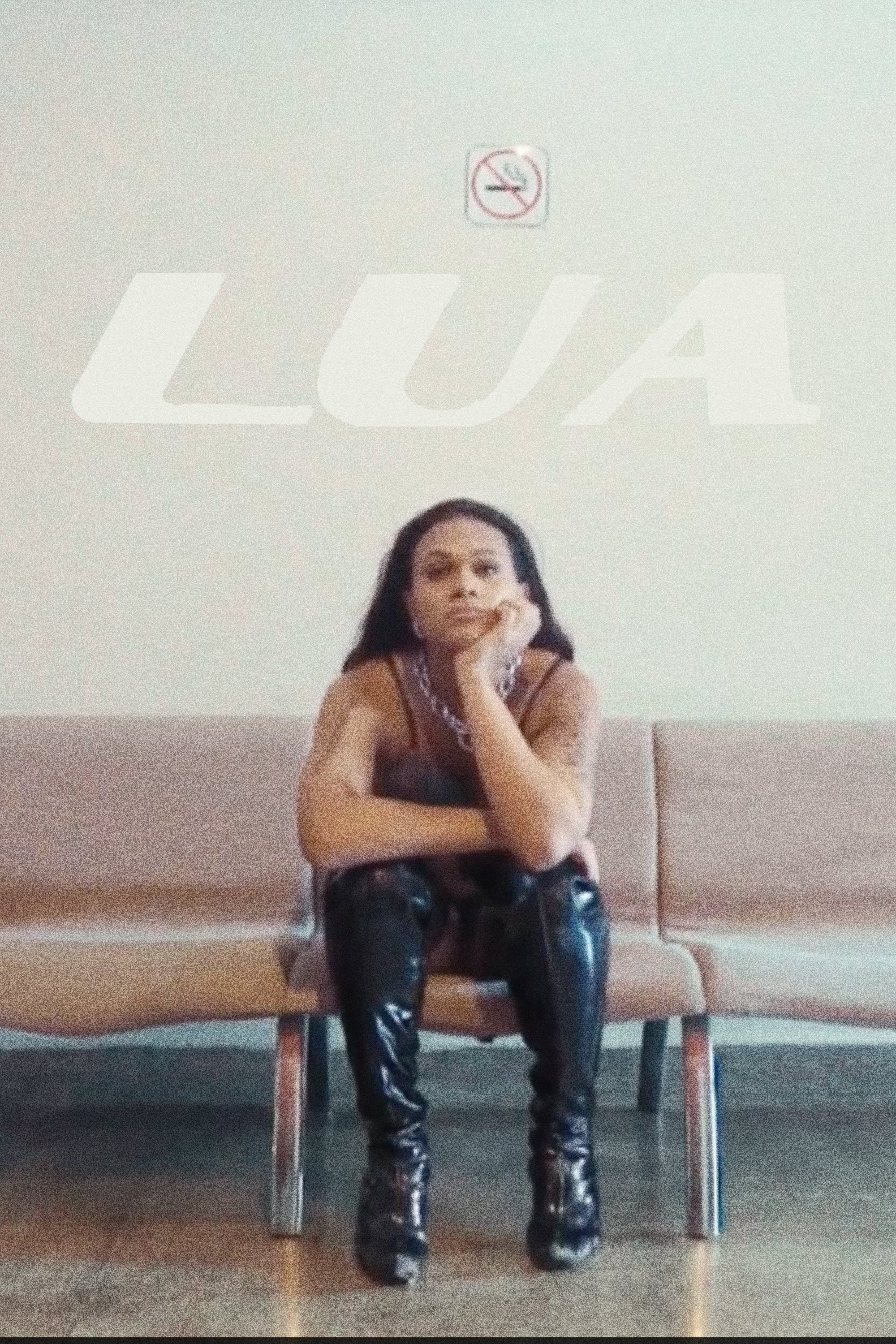
Joseph Wilson meets the dance teacher fighting transphobic violence through voguing in Rio’s favelas.
A historic underground gay document. Shocking. Intimate. Taboo. A behind-the-scenes look at the performance art of a millennial artist who travels the world performing in public spaces using the medium of piss, video and the internet to break social norms.
This video focuses primarily on the implications of the structure and format of television, especially the consequences of concision, and how these factors can shape the messages of the medium. In addition, other issues, such as how democracies handle dissenters, and how the mainstream media have treated the challenges of Noam Chomsky's media critiques are explored. The media construct reality, and in the conclusion we see the author participating in that very process.
Beginning with Noam Chomsky's response to a college student who role-plays "Jane U.S.A."--someone who naively believes she lives in a democratic society in which she can create her own destiny--the viewer is presented with a cross-section of typically lively Chomsky encounters. Central to a functioning democracy is the necessity of free access to information, ideas and opinions. But what should be our democratic right turns out to be limited and shaped by the biases of insitutions and ideologies within the mass media. Chomsky shows how governments, corporations and other elites manufacture the consent of the public to serve their interests.
In this video, Noam Chomsky concentrates on the contemporary institutions and powers which have set limits on human progress and offers us some concrete ways of challenging them; in effect, he presents a vision of a future society. Chomsky's work is directed at developing intellectual self-defense for "ordinary people" who are often isolated in their struggles. States are seen to be violent through such strategies as the near-genocide of aboriginal peoples. Ultimately, Chomsky feels we must move beyond the myths of modern industrial civilization and the privileged elites who dominate mass communication, and instead foster the interests of a truly global community.
This video focuses on the formative influences in Noam Chomsky's life--those factors which enable him to become a politically engaged intellectual. Starting out as a linguist at the Massachusetts Institute of Technology, where his work revolutionized the study of language, Chomsky was radicalized by the 1960s anti-war movement and became a major critic of American policy. We learn about the important Jewish intellectual influences of his family, as well as those defining incidents in his early schooling that made a lasting impression.