The annual ice carving event and competition features over 100 statues carved from a blocks of ice. Visitors can watch artisans create their works from start to finish with tools of the trade including chainsaws.
Social & External
Wisconsin's tribe's ongoing fight to protect Lake Superior for future generations. "Bad River" shows the Bad River Band of Lake Superior Chippewa's long history of activism and resistance in the context of continuing legal battles with Enbridge Energy over its Line 5 oil pipeline. The Line 5 pipeline has been operating on 12 miles of the Bad River Band's land with expired easements for more than a decade. The Band and the Canadian company have been locked in a legal battle over the pipeline since 2019.
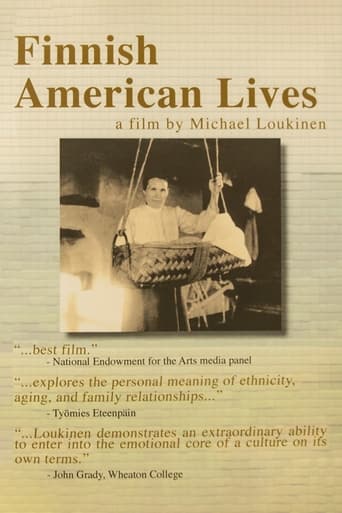
A moving portrait of traditional Finnish American culture in the Upper Peninsula of Michigan, highlighting that fragile community of memory connecting ourselves with parents and grandparents. It uses the “biographical model” of folklore filmmaking to tell the story of Erikki Vourenmaa, a 92-year-old Finnish immigrant, and his family living near Ironwood, Michigan. This three-generation farm family works, celebrates, reflects, and grieves together. The film explores the meaning of family, ethnic history, aging and intergenerational bonds. It contrasts between the immigrant elder, his American-born son and the partially assimilated grandchildren to illustrate change and continuity in the "sauna belt" of the Lake Superior Region. As Dr. Sharon Sherman concluded, “Loukinen’s focus on the bonds between generations will strike emotional chords about family relationships and ethnic identity for numerous cultural groups.”
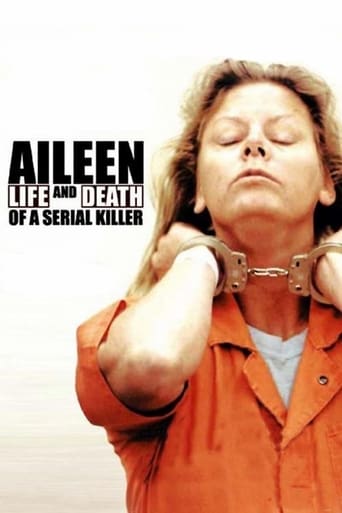
British documentarian Nick Broomfield creates a follow-up piece to his 1992 documentary of the serial killer Aileen Wuornos, a highway prostitute who was convicted of killing six men in Florida between 1989 and 1990. Interviewing an increasingly mentally unstable Wuornos, Broomfield captures the distorted mind of a murderer whom the state of Florida deems of sound mind -- and therefore fit to execute. Throughout the film, Broomfield includes footage of his testimony at Wuornos' trial.
A tribute to the Alamo Drafthouse located in Kalamazoo, Michigan, that was forced to close after three years when its lease was abruptly and unexpectedly terminated by its landlord. Employees and customers reflect on the impact the theater had made on its community in such a short amount of time.
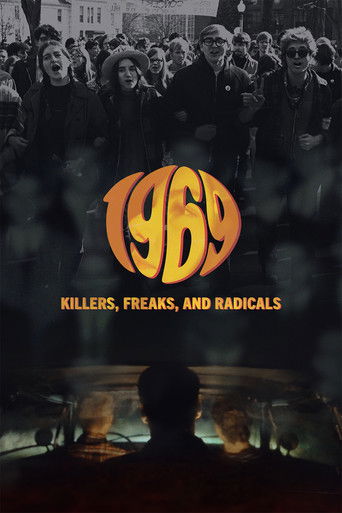
Amid the radical politics and cultural upheaval of the late 1960s, a series of brutal murders targeting young women gripped the twin university towns of Ann Arbor and Ypsilanti, Michigan. Home to the University of Michigan and Eastern Michigan University, the communities grew increasingly anxious as police seemed unable to stop the killer—or killers—responsible. Through interviews with law enforcement, political figures, and women who lived through the fear, this independent documentary examines not just a series of crimes, but the social and political tensions that enabled them—many of which still resonate today.
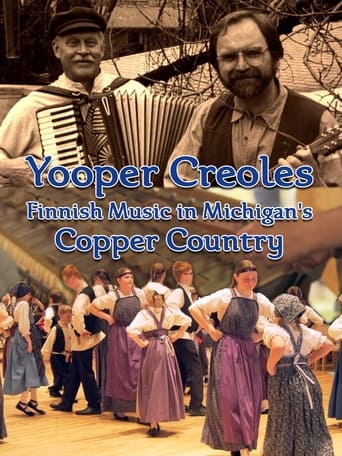
When the immigrants came to America, their cultures entered the "great melting pot." In Michigan's Upper Peninsula Finnish immigrants mixed their musical traditions with many other cultures, creating a sound that was unique to the "Copper Country."
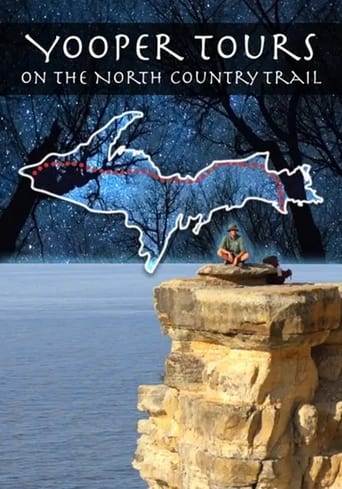
A man hikes 550 miles across the North Country Trail in Michigan’s Upper Peninsula from July through February, experiencing it in all of its seasons.
Further Sasquatch encounters.
In 1963 at Michigan State University, Head Coach Duffy Daugherty chose 23 black men to play on the college team. From this move came legends Gene Washington, Bubba Smith, George Webster and Clinton Jones. Director Maya Washington, Gene Washington’s daughter, charts the legacy of her father’s career and influence, along with the impact the events of 1963 have shown in the present day.
Filmed in the white working-class suburbs of Detroit, Spook House reveals a community reveling in the macabre. Front lawns are transformed into cemeteries, kitchens become mausoleums and dismembered ‘bodies’ are prepared for cannibal feasts. Cameron Jamie’s camera tracks the celebrants as the nights become longer and darker.
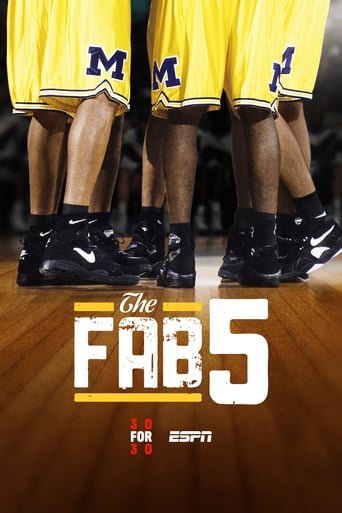
Depicts the story of Jalen Rose and his other Fab Five teammates, Chris Webber, Juwan Howard, Jimmy King and Ray Jackson. Called by some “the greatest class ever recruited,” the five freshmen not only electrified the game, but also brought new style with their baggy shorts, black socks and brash talk. “The Fab Five” relives the recruitment process that got all five of them to Ann Arbor, the cultural impact they made, the two runs to NCAA title game, the Webber “timeout” in the 1993 championship and the scandal that eventually tarnished their accomplishments.
A Lake of the Isles homeowner and a Minneapolis chainsaw sculptor shape meaning (and a twenty foot tall pencil) from the twisted trunk of a fallen oak tree. But this pencil isn’t meant to last. Every year, thousands gather to sacrifice a part of the pencil in a sharpening ceremony, and in the process renew the collective promise to “do something.”
Follows a predominately Arab-American high school football team from Dearborn, Michigan during the last ten days of the Muslim holy month of Ramadan and unearths the story of a community desperately holding onto its Islamic faith while struggling to gain acceptance in post 9-11 America.
“A Two Hearted Tale” is a heartfelt look at the history of the iconic trout label adorning Bell’s Two Hearted Ale, the Michigan-born beer that is the most popular IPA beer in America, and the label’s eccentric artist, Ladislav Hanka.
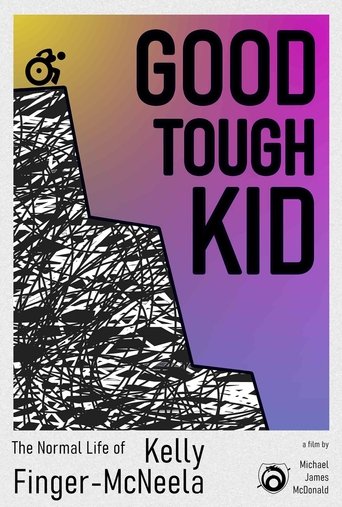
Kelly Finger-McNeela was diagnosed with Multiple Sclerosis her freshman year of high school. The only thing on her mind was living a "normal" life. Her disease threatened to make that impossible.
Nestled in the woods outside of Grand Rapids, Michigan, is a sleepaway camp for kids who are nonspeaking. To express themselves, they must use augmentative and alternative communication (AAC) devices that translate their composed messages into audible speech. Follow the lives and experiences of these campers as a series of immersive, vérité-style character studies.
Follows the story that is shaking up Democratic Party politics nationwide, highlighting the role of power and money in a system many believe is broken but can be fixed.
In this sports documentary, Connor Stalions addresses the allegations surrounding the Michigan football sign-stealing scandal for the first time.
INAATE/SE/ re-imagines an ancient Ojibway story, the Seven Fires Prophecy, which both predates and predicts first contact with Europeans. A kaleidoscopic experience blending documentary, narrative, and experimental forms, INAATE/SE/ transcends linear colonized history to explore how the prophecy resonates through the generations in their indigenous community within Michigan’s Upper Peninsula. With acute geographic specificity, and grand historical scope, the film fixes its lens between the sacred and the profane to pry open the construction of contemporary indigenous identity.
Since Little League Baseball was founded in 1939, about 40 million kids have played the sport. The list includes future Hall of Famers like Carl Yastrzemski, Tom Seaver and Nolan Ryan, and hundreds of other future Major Leaguers. But of all the kids who ever played Little League, the best of the best was a boy you’ve probably never heard of: Art “Pinky” Deras. In the summer of 1959, he led the team from Hamtramck, Mich., to the Little League World Series title, and in the process, he put together a Little League season the likes of which we might never see again. His amazing story comes to life in “The Legend of Pinky Deras: The Greatest Little-Leaguer There Ever Was,” a new film from Blue Hammer Films. Pinky received a ton of national publicity back in 1959, but then he fell off the map. In the half-century since he lit the Little League world on fire, there have been no films about him, no magazine stories, not even a single newspaper article.