Social & External

Deep Blue is a major documentary feature film shot by the BBC Natural History Unit. An epic cinematic rollercoaster ride for all ages, Deep Blue uses amazing footage to tell us the story of our oceans and the life they support.
A routine drone survey turns deadly when Ryan Johnson, a marine biologist based in South Africa, films a humpback whale being attacked and strategically drowned by a Great white shark. This is a total perspective shift for the creature.
Scientists have discovered and investigate the reason behind the behavior of sharks swimming around in gangs even though they are viewed as solitary predators.
In Australia, sharks have recently been recorded with unusual prey-including other sharks. In order to figure out what has caused this shift in diet, Dr. Charlie Huvaneers and team head to shark infested waters to find out what's in the stomach of a great white - and why.
Chris Hemsworth has a real passion for sharks. The Hollywood star talks to experts to find out more about the apex predators of the oceans.
How one of the largest Bull Sharks ever caught off the quiet coast of Florida grew to become a giant of the ocean.
Researchers investigate whether orcas have begun hunting great white sharks off the coast of New Zealand.
A series of shark attacks that happened in the same patch of ocean, the remote islands of the Whitsunday in Australia.
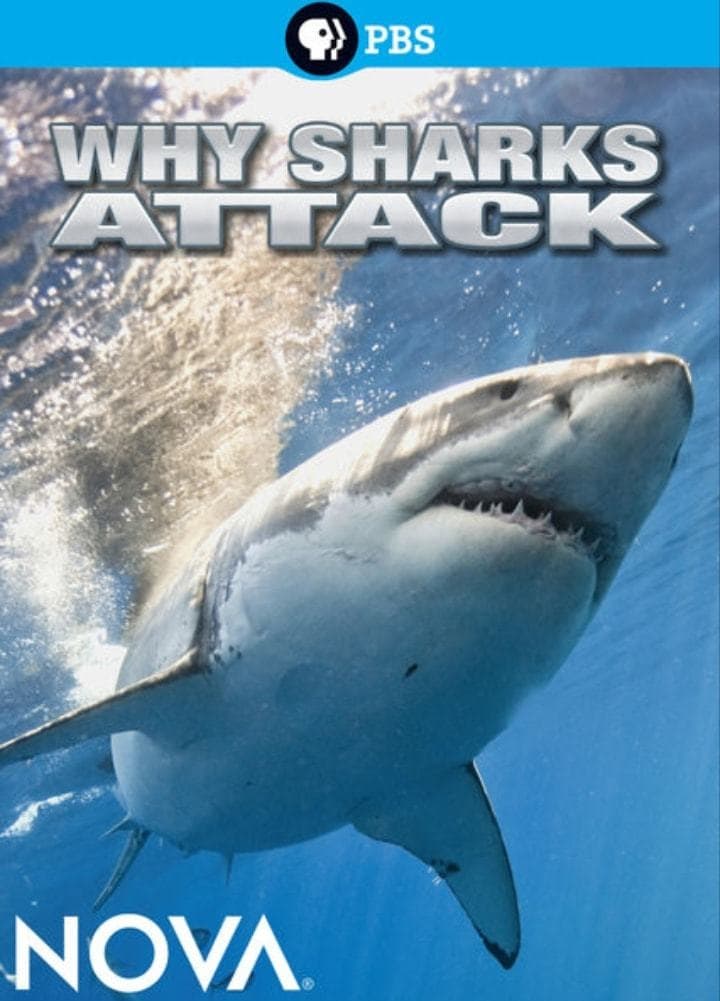
In recent years, an unusual spate of deadly shark attacks has gripped Australia, resulting in five deaths in 10 months. At the same time, great white sharks have begun appearing in growing numbers off the beaches of Cape Cod, Massachusetts, not far from the waters where Steven Spielberg filmed Jaws. What's behind the mysterious arrival of this apex predator in an area where it's rarely been seen for hundreds of years? Are deadly encounters with tourists inevitable? To separate fact from fear, NOVA teams with leading shark experts in Australia and the United States to uncover the science behind the great white's hunting instincts. With shark populations plummeting, scientists race to unlock the secrets of these powerful creatures of the deep in their quest to save people -- and sharks.
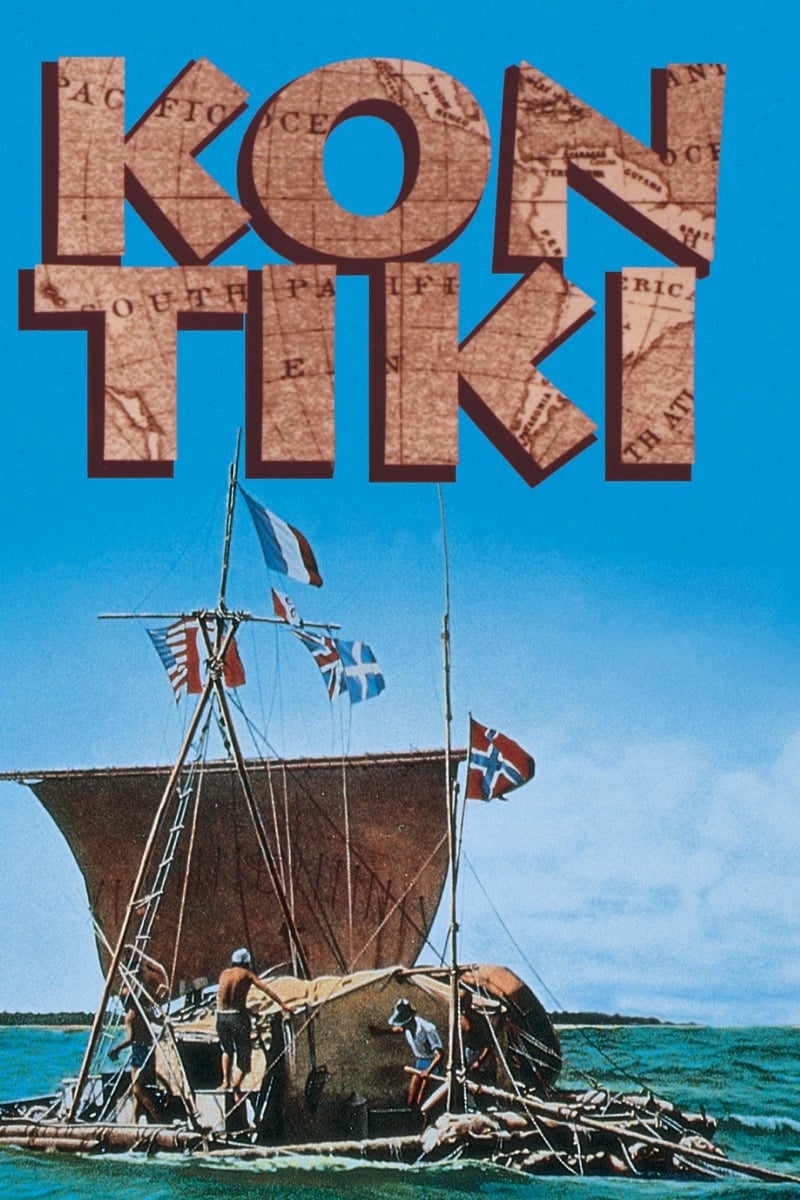
"Kon-Tiki" was the name of a wooden raft used by six Scandinavian scientists, led by Thor Heyerdahl, to make a 101-day journey from South America to the Polynesian Islands. The purpose of the expedition was to prove Heyerdal's theory that the Polynesian Islands were populated from the east- specifically Peru- rather than from the west (Asia) as had been the theory for hundreds of years. Heyerdahl made a study of the winds and tides in the Pacific, and by simulating conditions as closely as possible to those he theorized the Peruvians encountered, set out on the voyage.
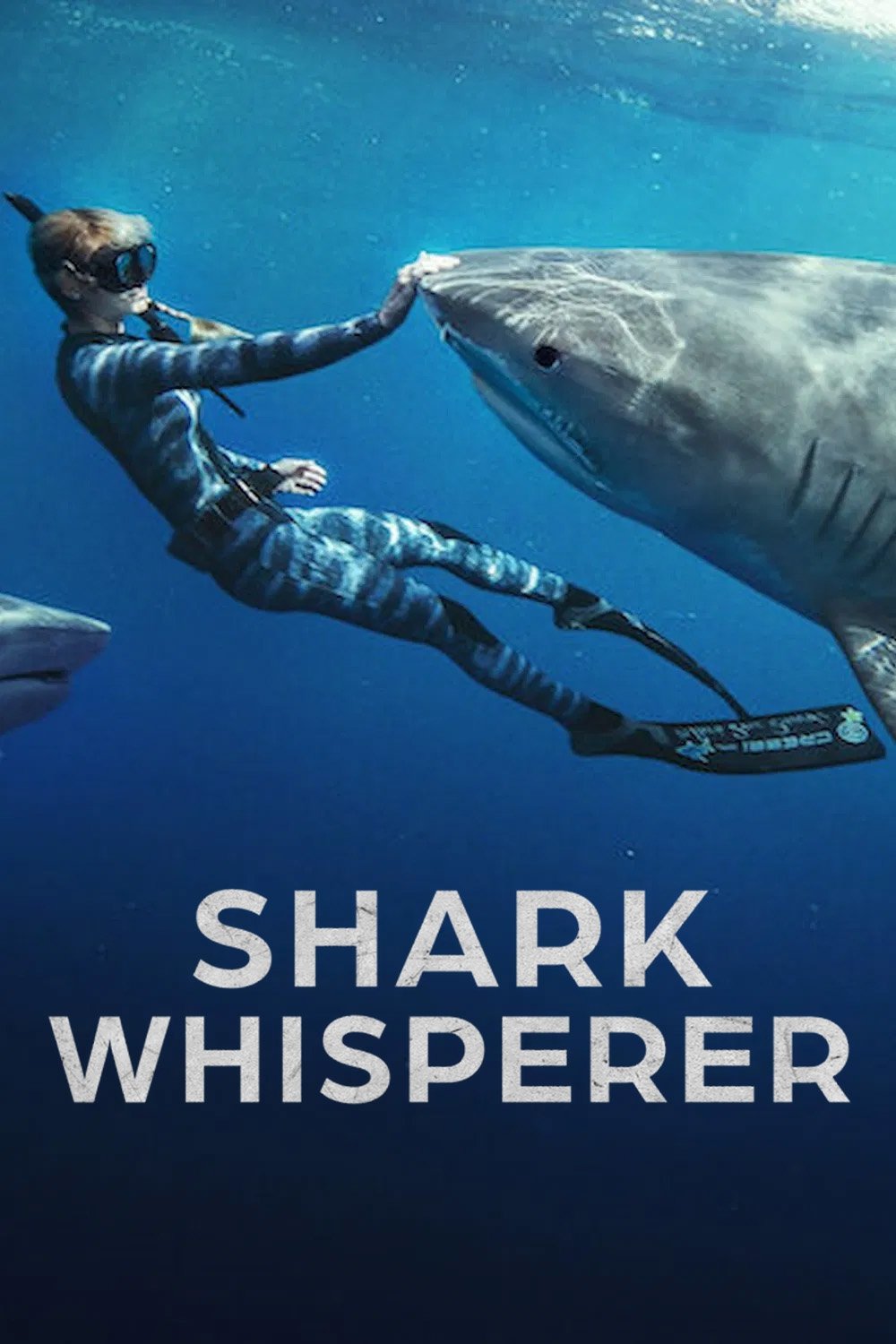
For 20-year-old Madison Stewart, nothing feels safer or more natural than diving straight into shark-infested waters. Since childhood, growing up by the Great Barrier Reef, she's treated these predators as family. But they're vanishing from existence, and because of their bad reputation, few people seem to care. Follow Madison on her mission to protect our sharks, a battle that began when she put her studies on hold, grabbed a camera, and set out to save these incredible, misunderstood creatures.
Driven by passion fed from a life-long fascination with sharks, Rob Stewart debunks historical stereotypes and media depictions of sharks as bloodthirsty, man-eating monsters and reveals the reality of sharks as pillars in the evolution of the seas.
Johnny Knoxville sends Steve-O, Chris Pontius, and new Jackass cast members on a Shark Week mission for the ages. They'll dial up a series of shark stunts that test their bravery and threshold of pain as they put common shark myths to the test.
Three great whites are spotted in the waters off Oahu, but another one could be lurking just below the surface.
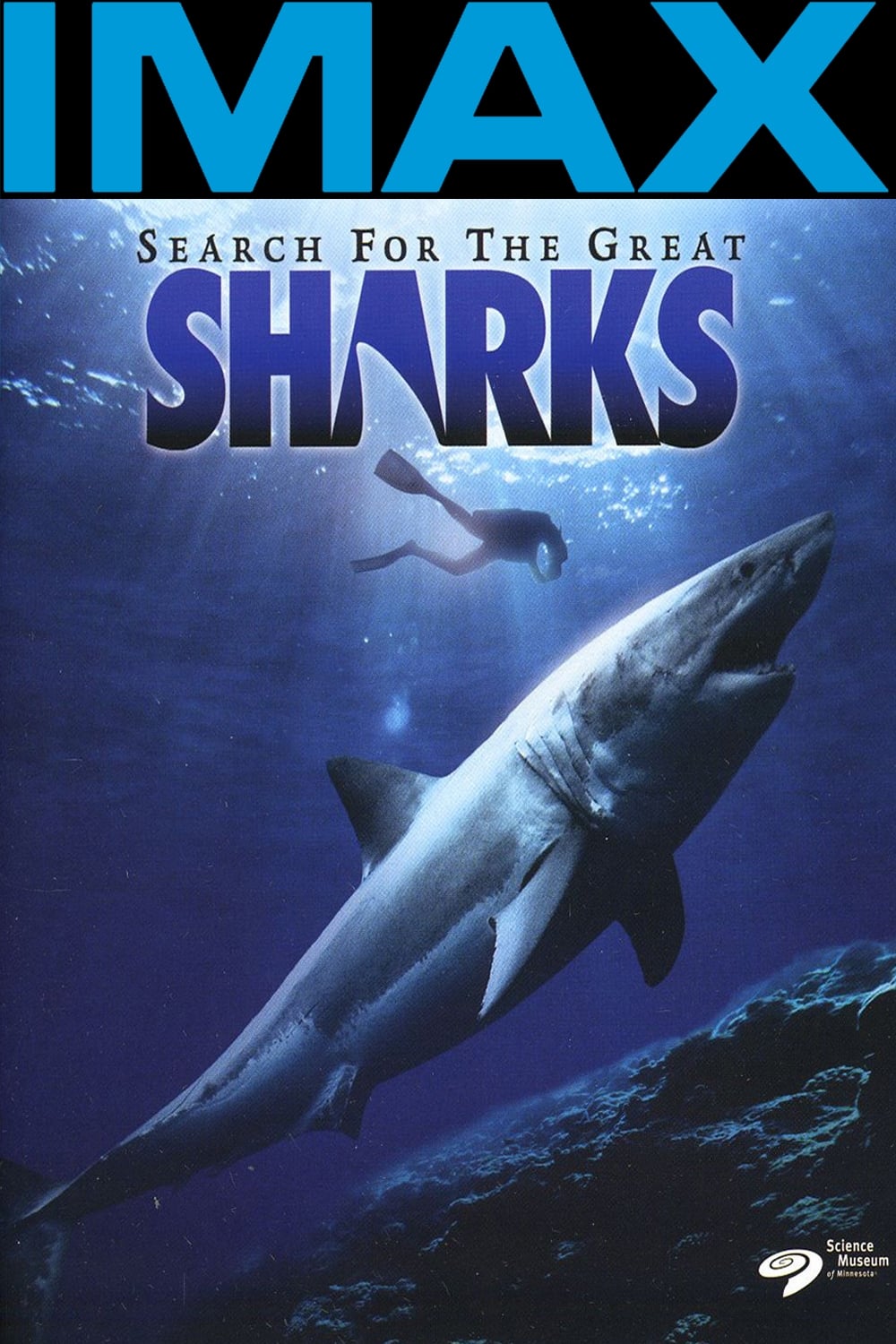
Peter Gimbel and a team of photographers set out on an expedition to find and film, for the very first time, Carcharodon carcharias—the Great White Shark. The expedition lasted over nine months and took the team from Durban, South Africa, across the Indian Ocean, and finally to southern Australia.
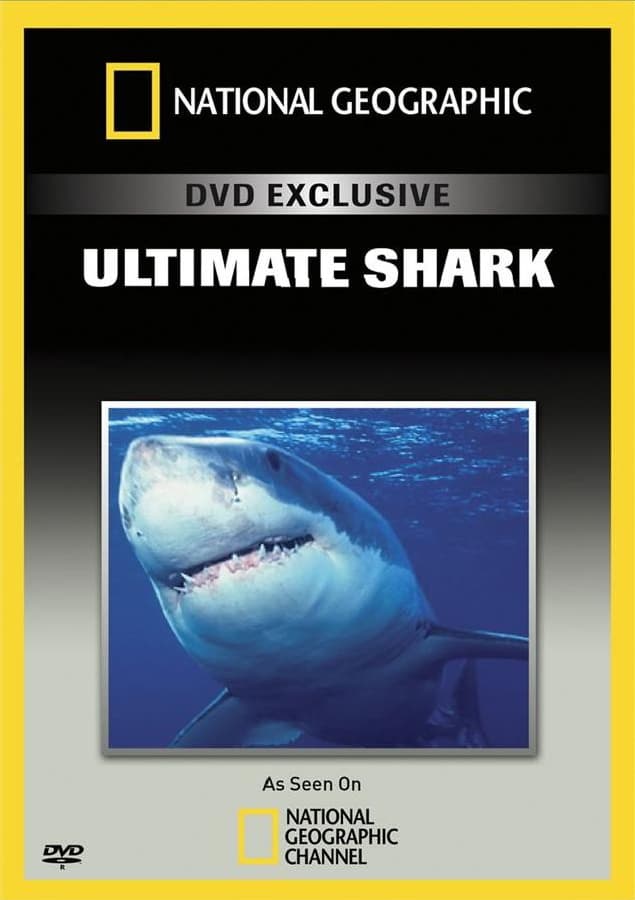
See the world's first MRI scan of a great white shark as Ultimate Shark reveals the extreme engineering and predatory abilities of one of nature's most near perfect predators. Hear firsthand accounts of people who survived harrowing encounters, including a surfer who was bitten on the arm and leg, towed by the surfboard ankle strap and miraculously escaped only with minor injuries. National Geographic demystifies the true motives and power behind their behavior.

Nearly 40 shark species live in the warm waters of Hawaii's volcanic islands, including white tip reef sharks, Galapagos sharks and tiger sharks.
After years of swimming every day in the freezing ocean at the tip of Africa, Craig Foster meets an unlikely teacher: a young octopus who displays remarkable curiosity. Visiting her den and tracking her movements for months on end he eventually wins the animal’s trust and they develop a never-before-seen bond between human and wild animal.
Wildlife film. South African naturalist Mike Rutzen is crazy about great white sharks. He never saw Jaws, so he doesn't share the terror that makes these sharks the world's most feared predator. For ten years, Mike has swum with great whites without the protection of a cage. He has spent so much time in their company that he has learnt to read their body language and to think like a shark. It is this knowledge that keeps him safe. Mike's quest to understand them better now takes him into the heart of a seal ambush site, where he hopes to witness their hunting behaviour underwater.

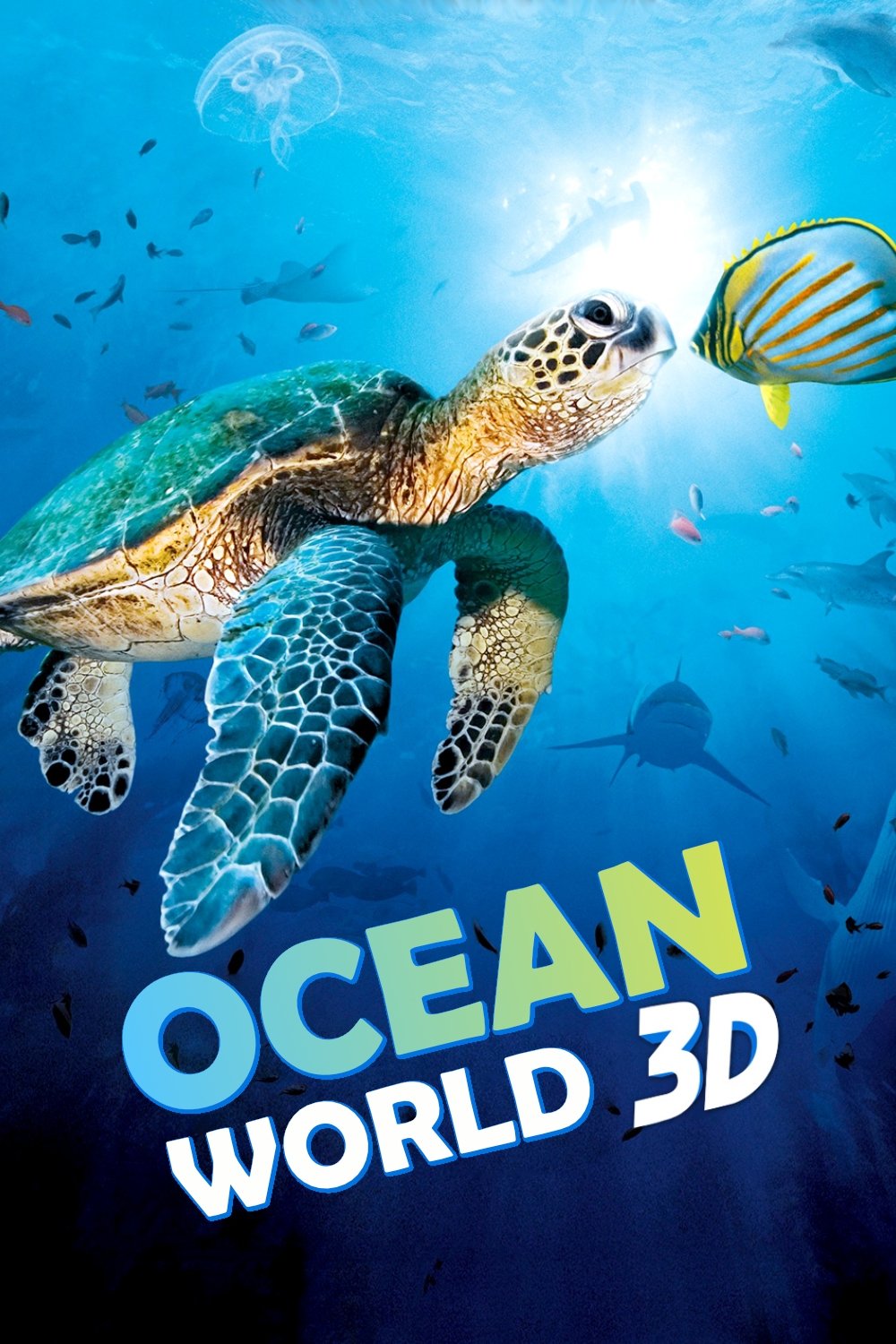
A 3-D documentary chronicling a sea turtle's journey across the oceans.