Social & External
DEBT is the story of a frantic pursuit: the search for the responsible for the televised cry of hunger of Barbara Flores, an eight-year-old Argentinean girl. Buenos Aires, Washington, the IMF, the World Bank and Davos; corruption and the international bureaucratic lack of interest.
The film is a controversy on democracy. Is our society really democratic? Can everyone be part of it? Or is the act of being part in democracy dependent to the access on technology, progression or any resources of information, as philosophers like Paul Virilio or Jean Baudrillard already claimed?
Maxed Out takes us on a journey deep inside the American debt-style, where everything seems okay as long as the minimum monthly payment arrives on time. Sure, most of us may have that sinking feeling that something isn't quite right, but we're told not to worry. After all, there's always more credit!
A tomato is planted, harvested and sold at a supermarket, but it rots and ends up in the trash. But it doesn’t end there: Isle of Flowers follows it up until its real end, among animals, trash, women and children. And then the difference between tomatoes, pigs and human beings becomes clear.
Heist: Who Stole the American Dream? reveals how American corporations orchestrated the dismantling of middle-class prosperity through rampant deregulation, the outsourcing of jobs, and tax policies favoring businesses and the wealthy. The collapse of the U.S. economy is the result of conscious choices made over thirty five years by a small group: leaders of corporations and their elected allies, and the biggest lobbying interest in Washington, the U.S. Chamber of Commerce. To these individuals, the collapse is not a catastrophe, but rather the planned outcome of their long, patient work. For the rest of the country, it is merely the biggest heist in American history.
Do you have to be miserable to be funny? More than sixty comedians—including stand-ups, writers, actors, and directors from the US, Canada, and abroad—take on this question, sharing anecdotes and insights with lively enthusiasm.
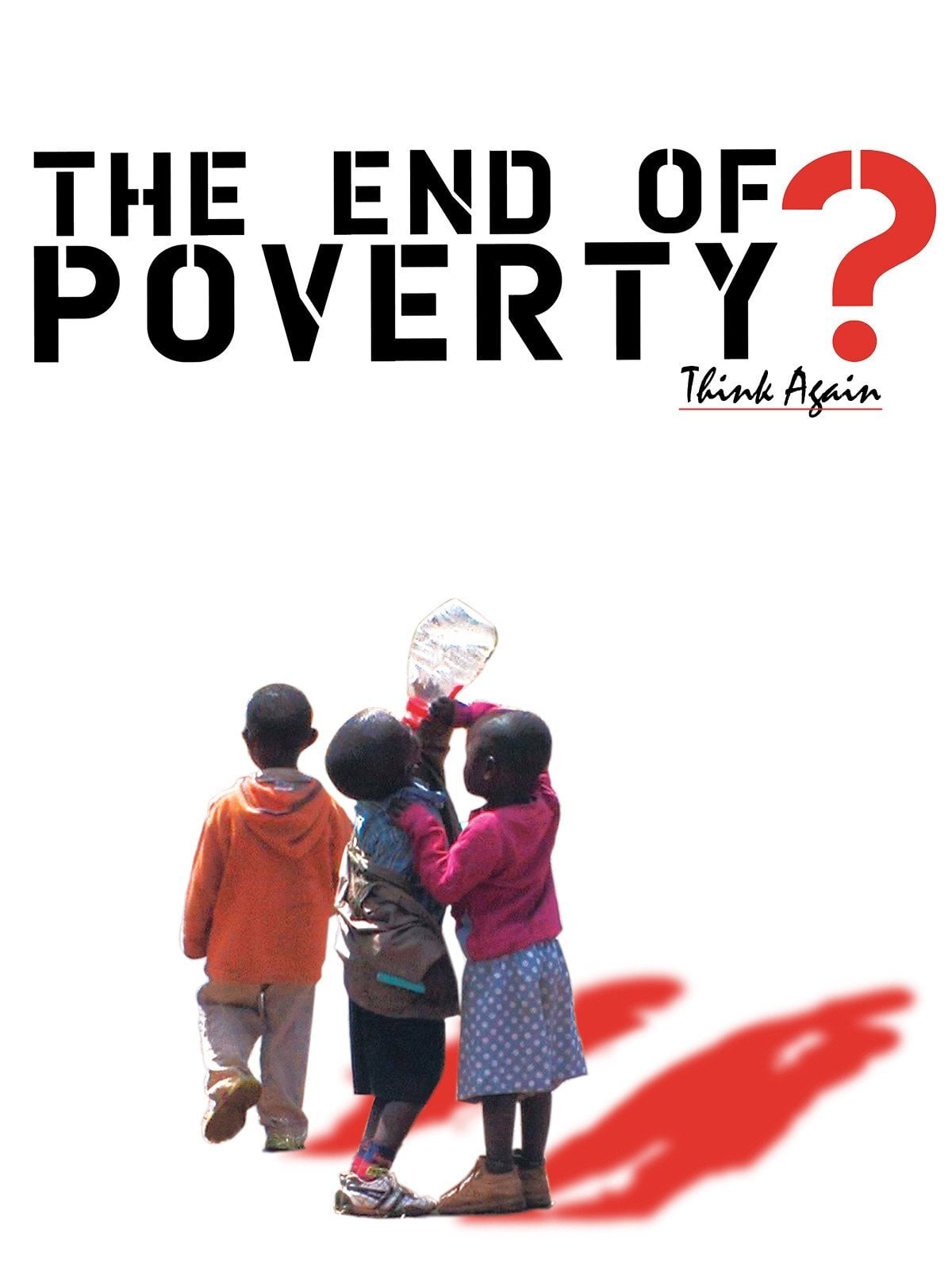
The End of Poverty? asks if the true causes of poverty today stem from a deliberate orchestration since colonial times which has evolved into our modern system whereby wealthy nations exploit the poor. People living and fighting against poverty answer condemning colonialism and its consequences; land grab, exploitation of natural resources, debt, free markets, demand for corporate profits and the evolution of an economic system in in which 25% of the world's population consumes 85% of its wealth. Featuring Nobel Prize winner Amartya Sen and Joseph Stiglitz, authors/activist Susan George, Eric Toussaint, Bolivian Vice President Alvaro Garcia Linera and more.
Though the recession officially ended in summer 2009, the fallout continues for some 25 million unemployed and underemployed Americans, many of whom worked their way up the corporate ladder..
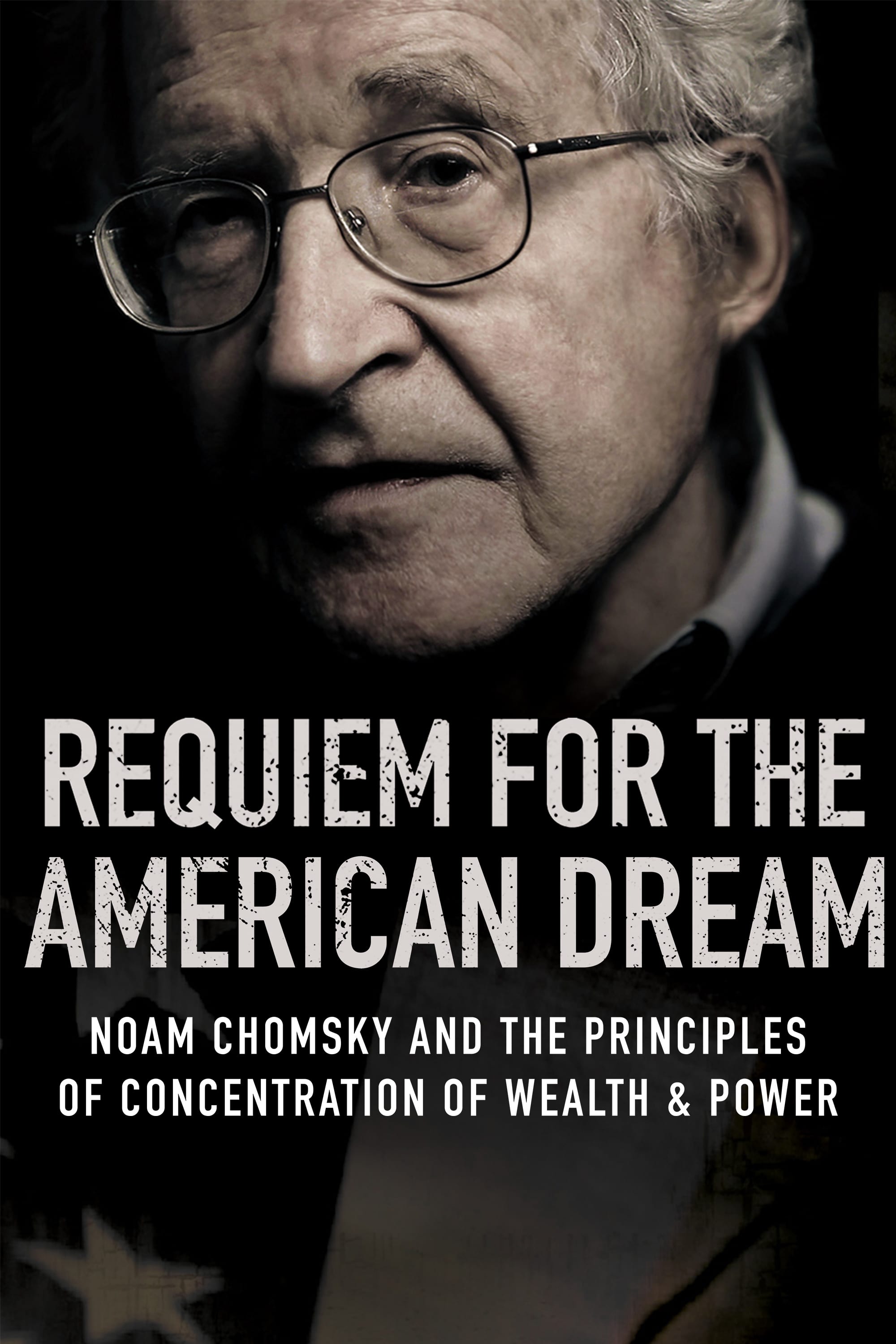
Through interviews filmed over four years, Noam Chomsky unpacks the principles that have brought us to the crossroads of historically unprecedented inequality – tracing a half-century of policies designed to favor the most wealthy at the expense of the majority – while also looking back on his own life of activism and political participation. He provides penetrating insight into what may well be the lasting legacy of our time – the death of the middle class, and swan song of functioning democracy.
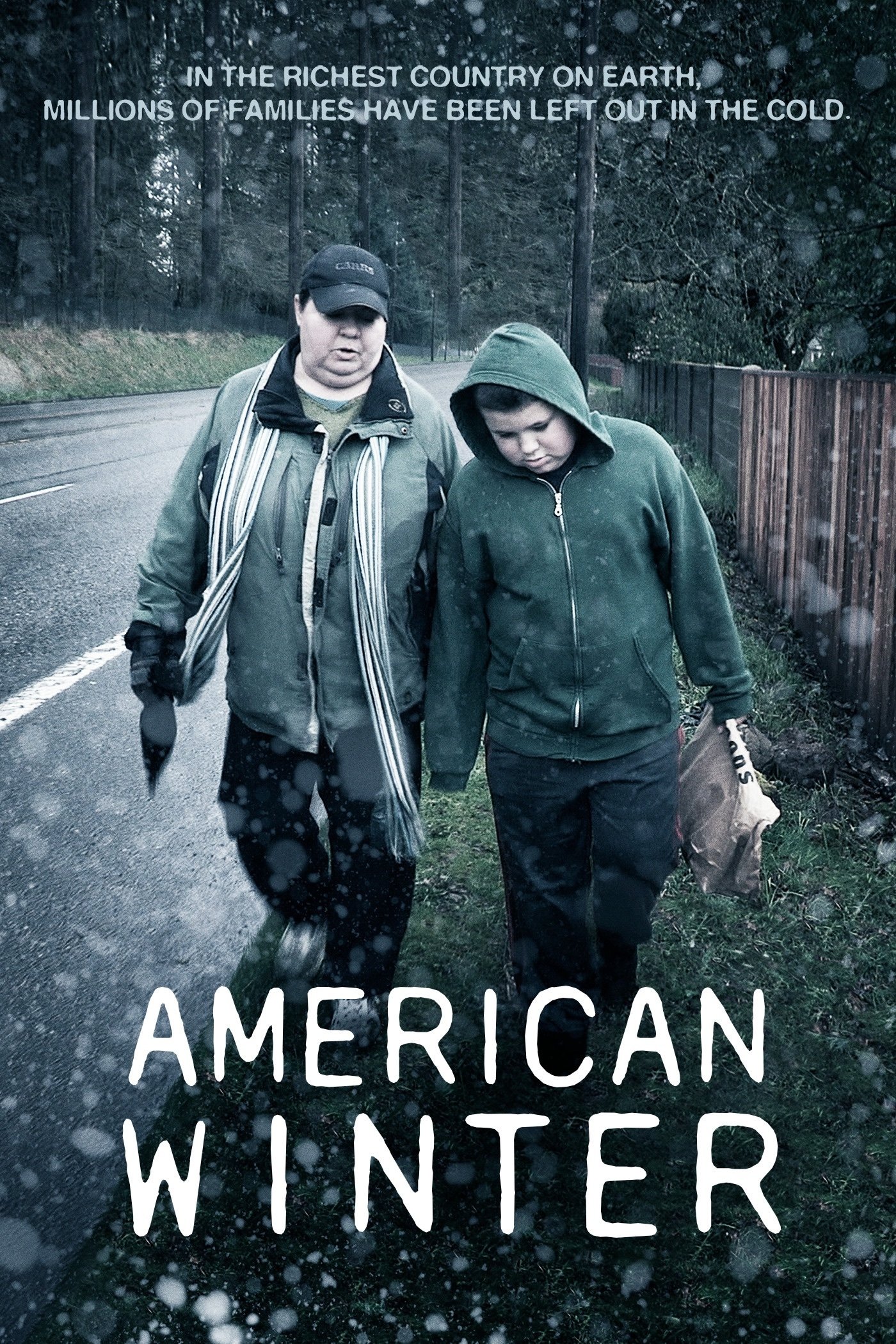
Documentary feature film that follows the personal stories of families struggling in the aftermath of the worst economic crisis since the Great Depression. Filmed over the course of one winter in one American city, the film presents an intimate snapshot of the state of the nation's economy as it is playing out in millions of American families, and highlights the human consequences of the decline of the middle class and the fracturing of the American Dream
Based on Reich's 2010 book Aftershock: The Next Economy and America's Future, the film examines widening income inequality in the United States. U.S. Labor Secretary Robert Reich tries to raise awareness of the country's widening economic gap. He publicly argued about the issue for decades, and producing a film of his viewpoints was a "final frontier" for him. In addition to being a social issue documentary, Inequality for All is also partially a biopic regarding Reich's early life and his time as Secretary of Labor under Bill Clinton's presidency. Warren Buffett and Nick Hanauer, two entrepreneurs and investors in the top 1%, are interviewed in the film, supporting Reich's belief in an economy that benefits all citizens, including those of the middle and lower classes.
The world is facing some huge problems. There’s a lot of talk about how to solve them. But talk doesn’t reduce pollution, or grow food, or heal the sick. That takes doing. This film is the story about a group of doers, the elegantly simple inventions they have made to change the lives of billions of people, and the unconventional billionaire spearheading the project.
If income inequality were a sport, the residents of 740 Park Avenue in Manhattan would all be medalists. This address boasts the highest number of billionaires in the United States.
In this documentary Coutinho examines the plight of the people who live off the waste of the Brazilian cities. These people make their living by scavenging the immense urban garbage dumps searching for whatever they can find to sell as well as whatever they can find to eat.
A chronicle of the first nine years of Pope Francis' pontificate, including trips to 53 countries, focusing on his most important issues - poverty, migration, environment, solidarity, and war - while also giving rare access to the public life of the pontifical.
The poor may always have been with us, but attitudes towards them have changed. Beginning in the Neolithic Age, Ben Lewis's film takes us through the changing world of poverty. You go to sleep, you dream, you become poor through the ages. And when you awake, what can you say about poverty now? There are still very poor people, to be sure, but the new poverty has more to do with inequality...
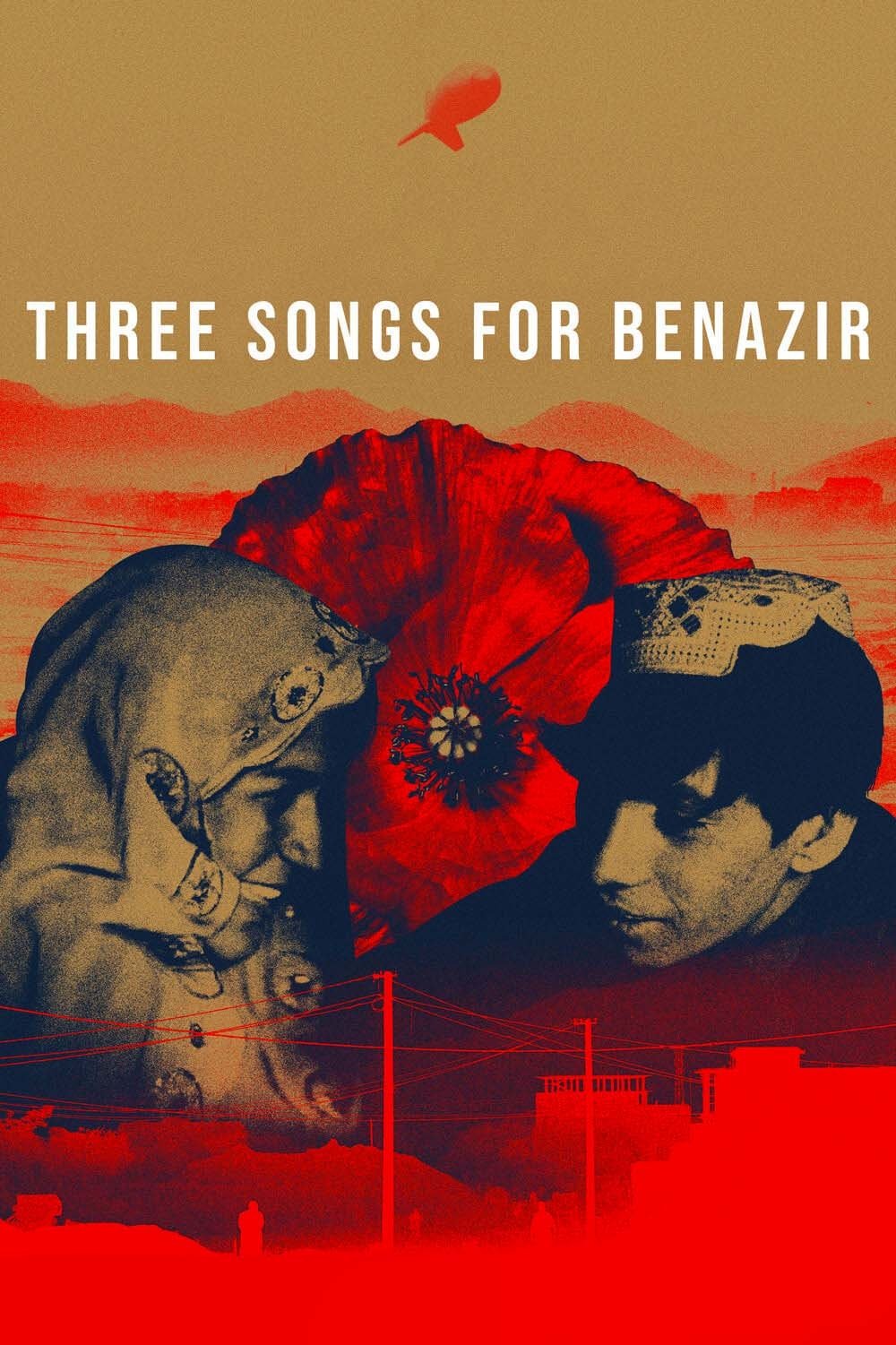
The story of Shaista, a young man who—newly married to Benazir and living in a camp for displaced persons in Kabul—struggles to balance his dreams of being the first from his tribe to join the Afghan National Army with the responsibilities of starting a family. Even as Shaista’s love for Benazir is palpable, the choices he must make to build a life with her have profound consequences.
Why is the gap between the rich and the poor growing faster in New Zealand than in most other OECD countries? And why is inequality bad for all of us? Award winning documentary maker Bryan Bruce files his special report on what’s gone wrong with our economy and what we can do about it.
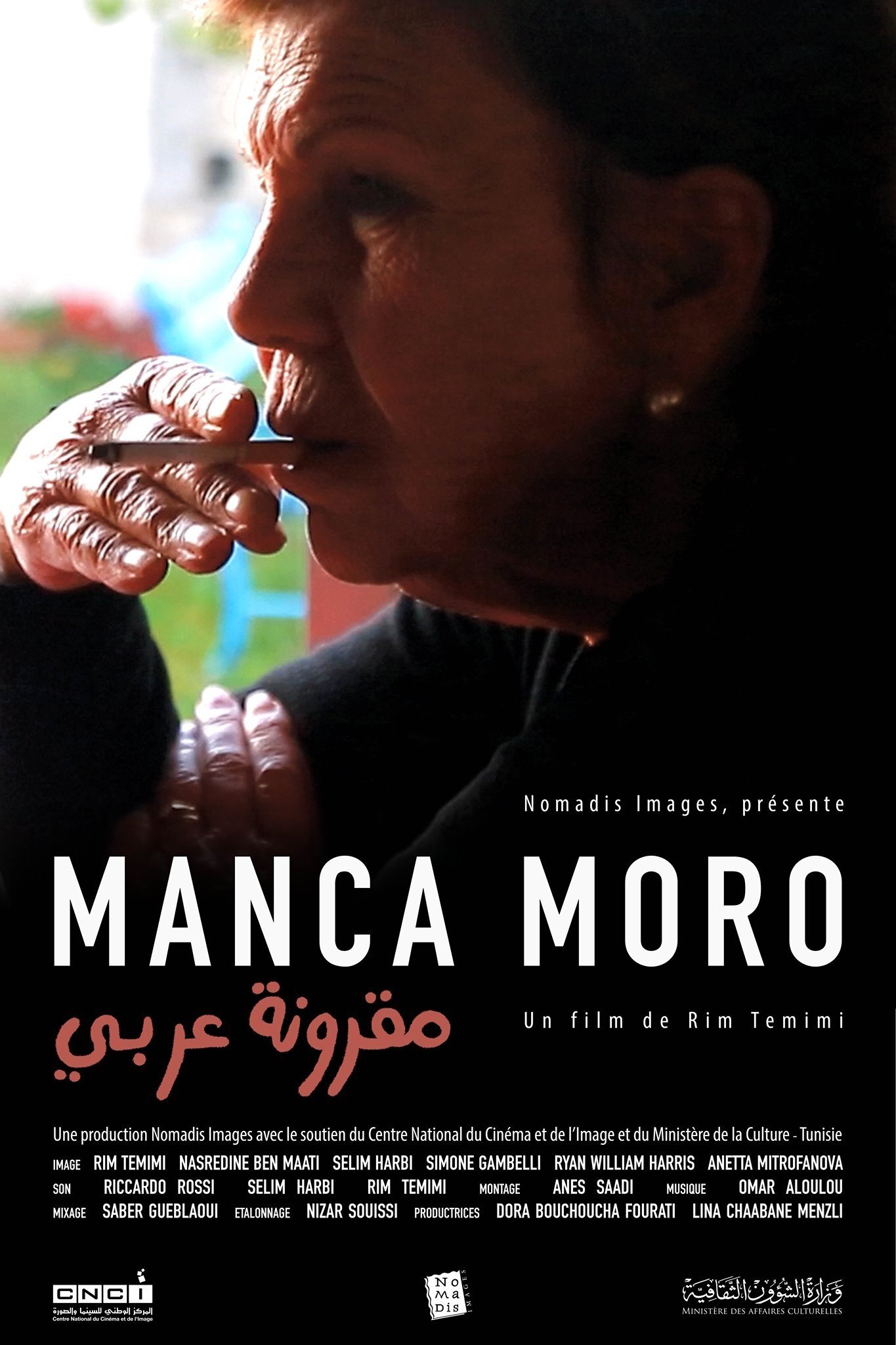
Born to an Algerian father and a Sicilian mother in Tunisia, I have always been wealthy of three cultures. This motherland is where were born my Algerian ancestors when it was called Ifriqya but also my Sicilian grand-parents whose parents were part of the important migration flux of the beginning of the last century. A reservoir of workforce by the thousands reached the shores of this "promised land". A hundred years later, I embark on a quest to rediscover my Sicilian family, exiled for the past sixty years, scattered between Italy and France.
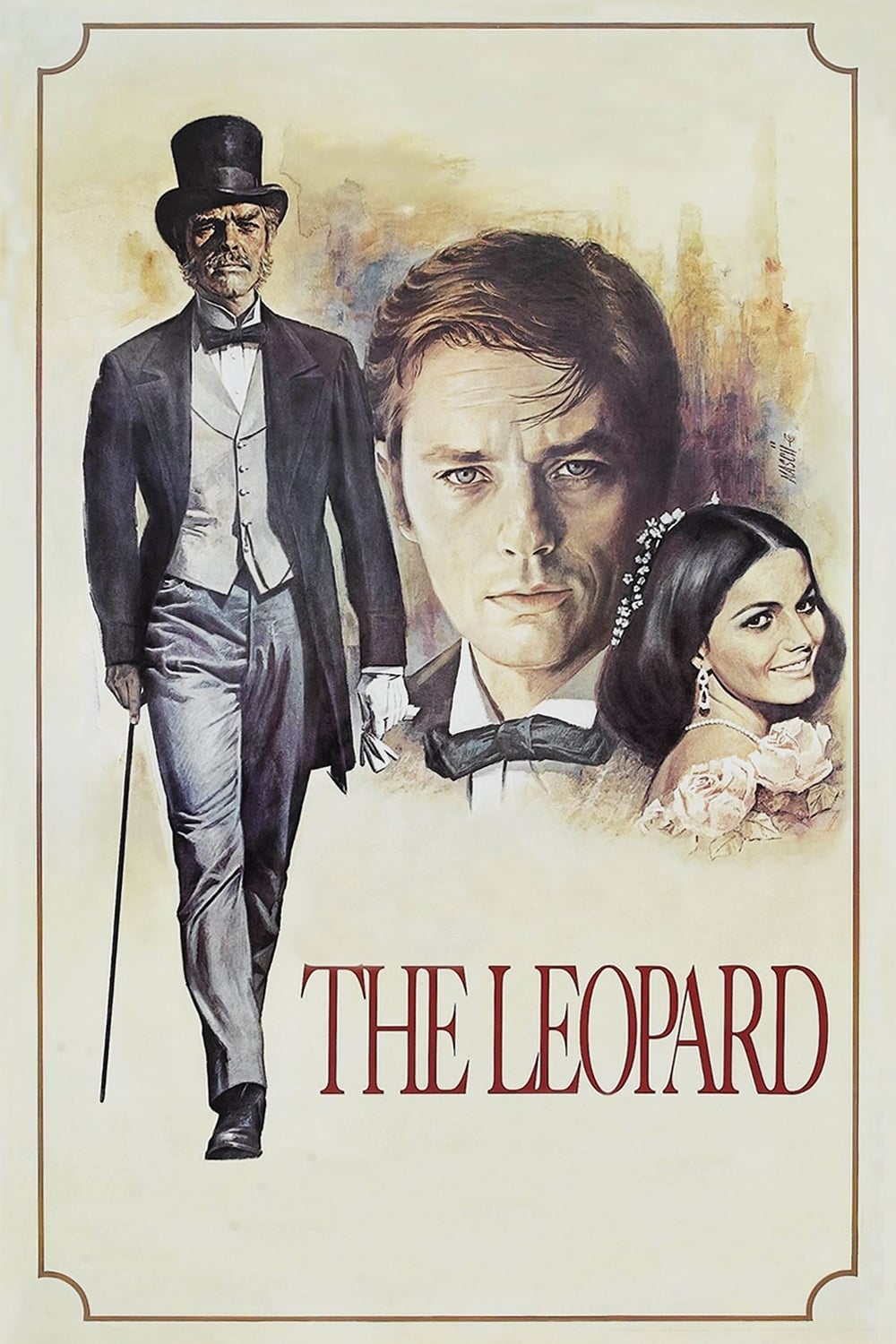
As Garibaldi's troops begin the unification of Italy in the 1860s, an aristocratic Sicilian family grudgingly adapts to the sweeping social changes undermining their way of life. Proud but pragmatic Prince Don Fabrizio Salina allows his war hero nephew, Tancredi, to marry Angelica, the beautiful daughter of gauche, bourgeois Don Calogero, in order to maintain the family's accustomed level of comfort and political clout.
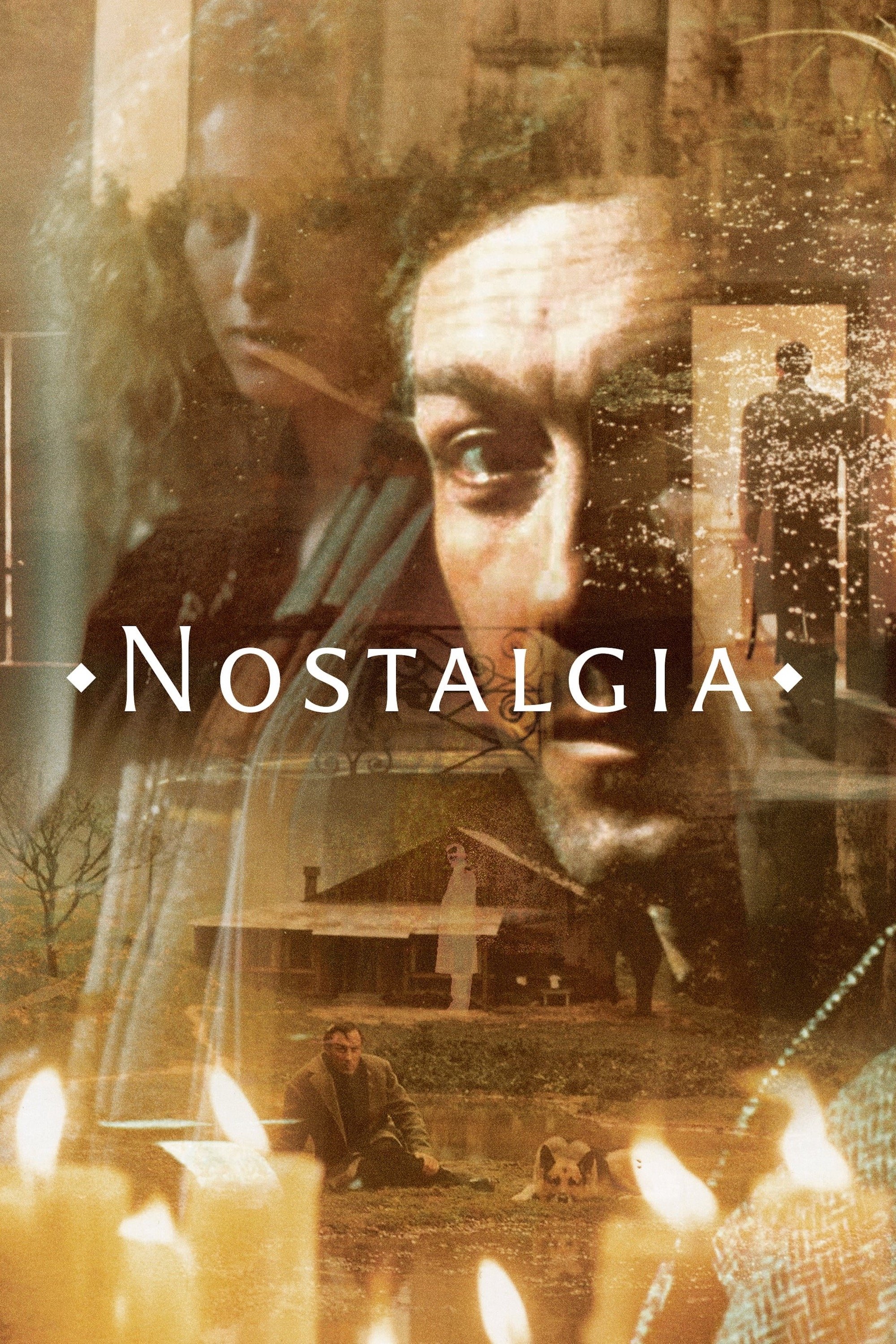
Russian poet Andrei Gorchakov journeys through Italy with his interpreter Eugenia to research the life of an 18th-century Russian composer who once lived abroad. Isolated and consumed by an unrelenting longing for his homeland, Andrei becomes drawn to Domenico, a radical mystic obsessed with spiritual redemption. Through austere imagery and extended temporal rhythms, Tarkovsky examines exile, memory, and the profound melancholy of being unable to belong fully to either place or language.
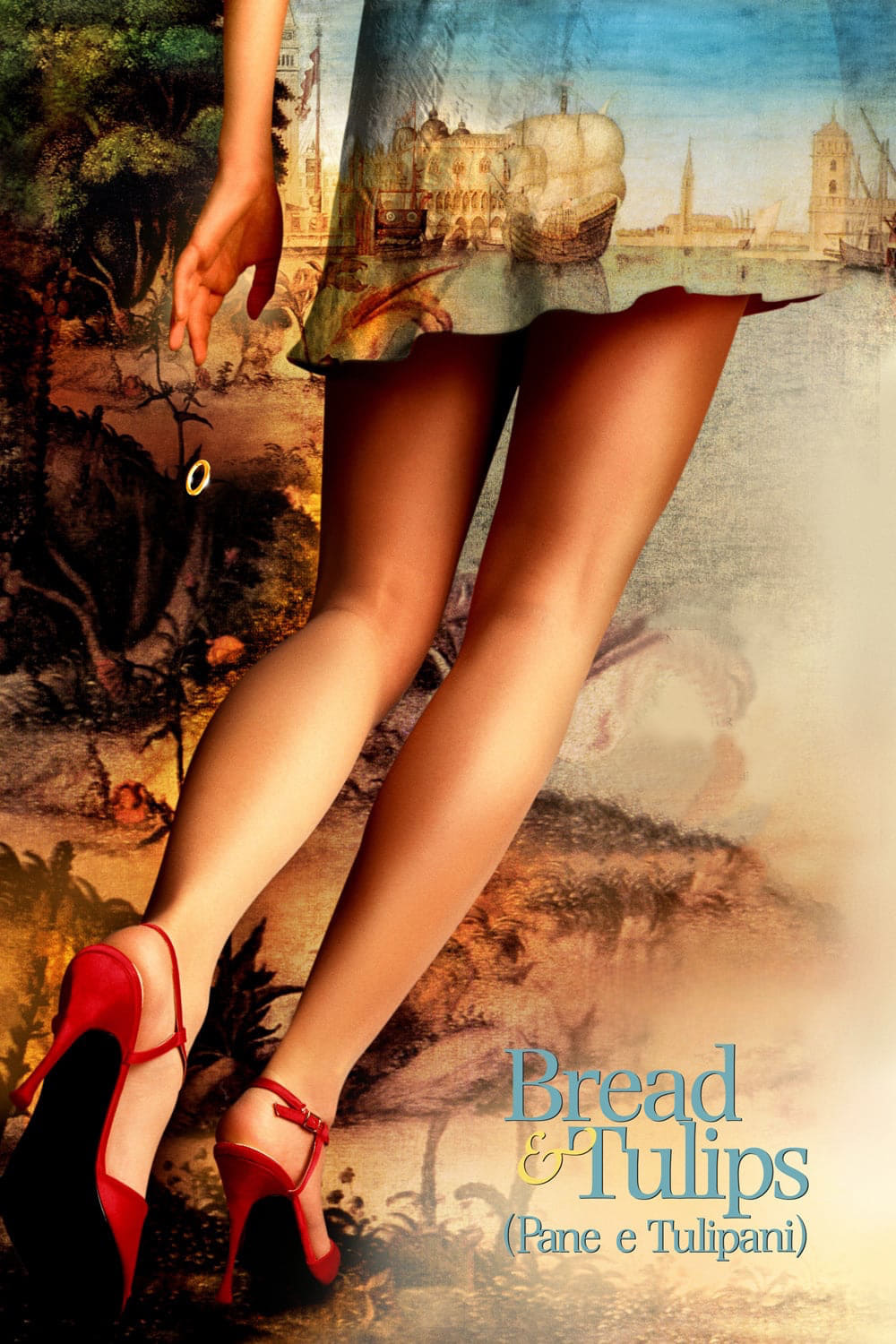
An endearing light comedy about a woman who spontaneously becomes a resident of Venice after her family left her behind. While enjoying the wonderful people she meets she achieves a new life and the first time independent of her family.
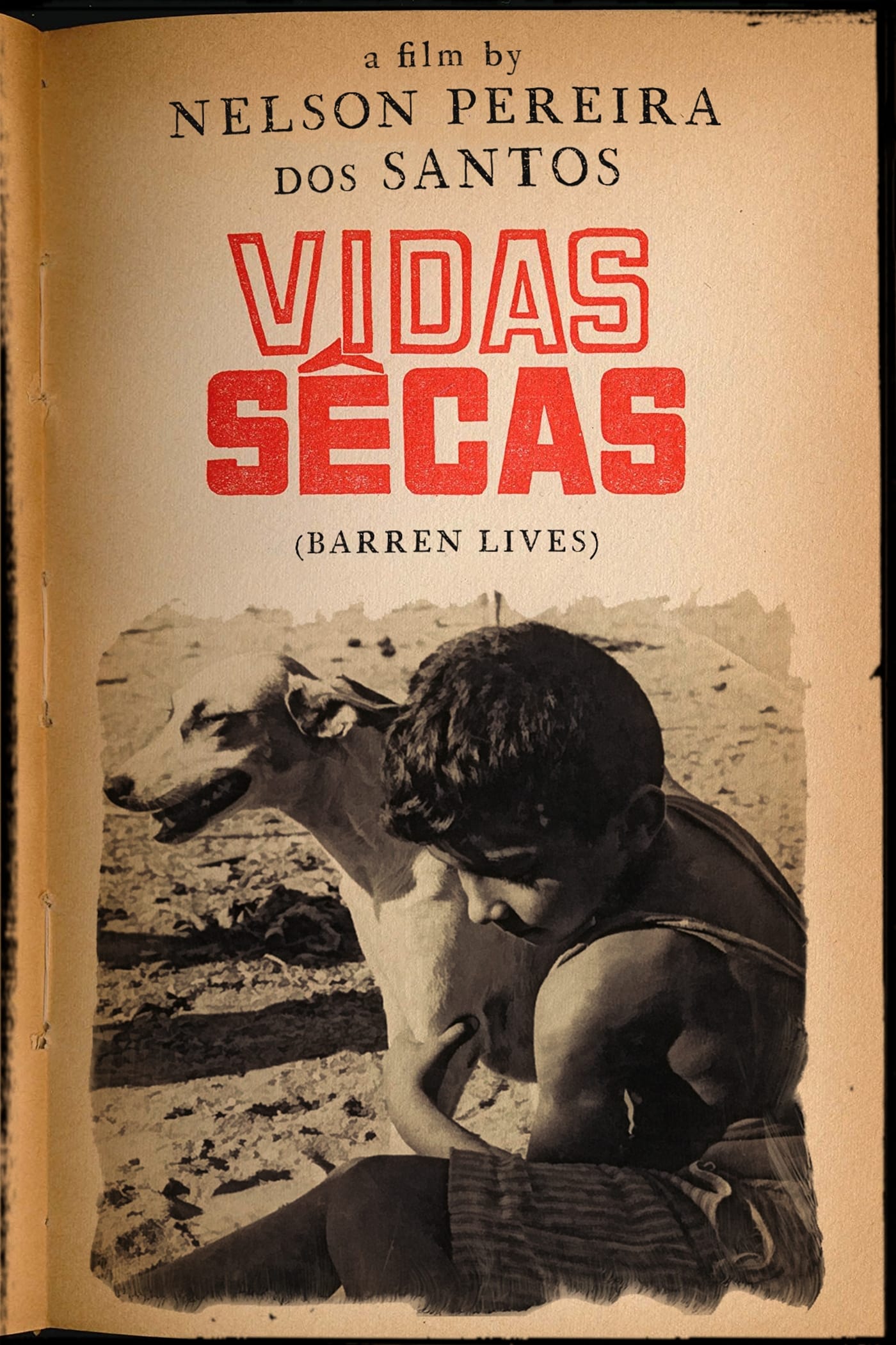
In vivid images, the documentary-like story of a drover and his family in the northern badlands of Brazil during the drought. A family in the search of new hope and destiny.
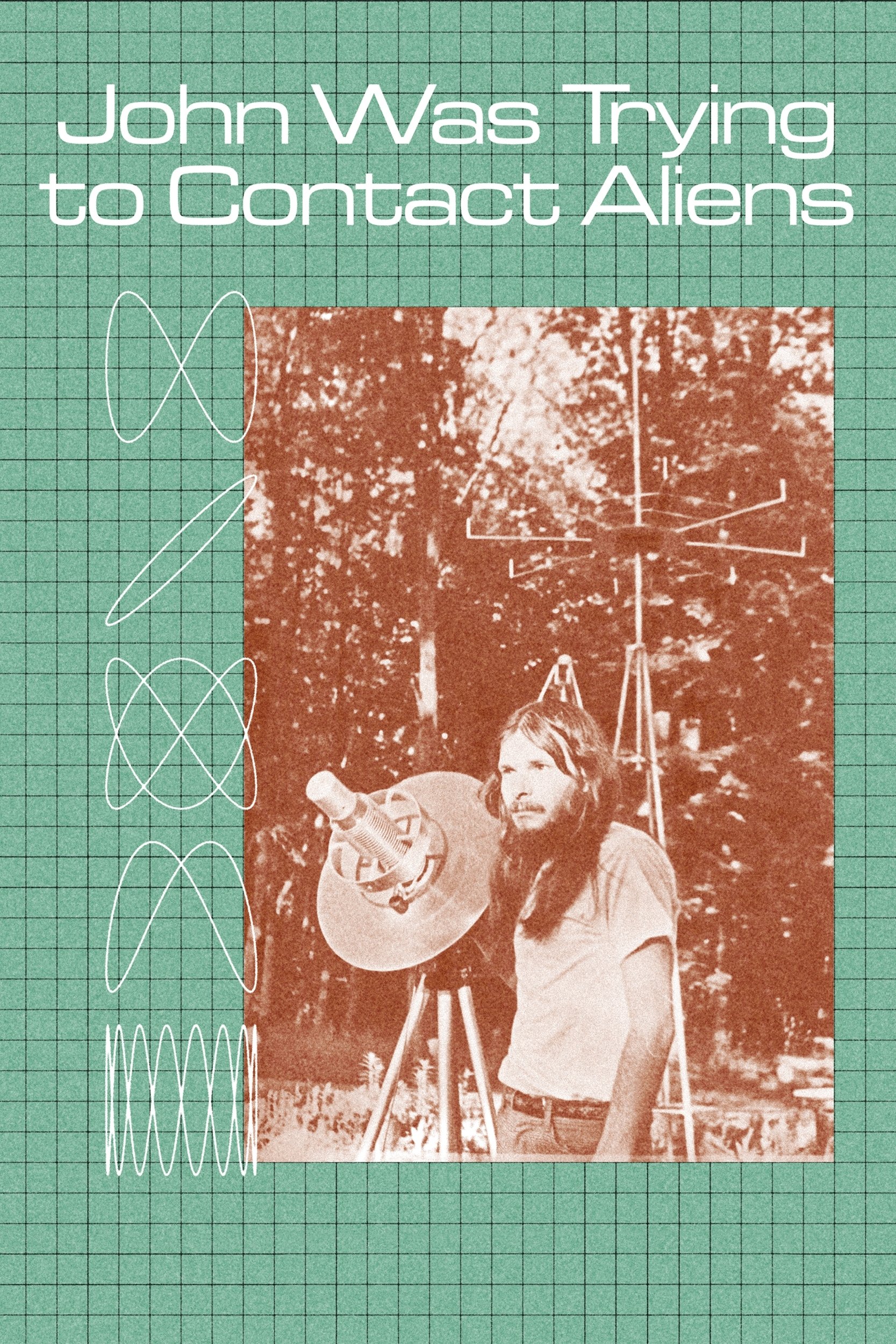
John Shepherd spent 30 years trying to contact extraterrestrials by broadcasting music millions of miles into space. After giving up the search, he makes a different connection here on earth.
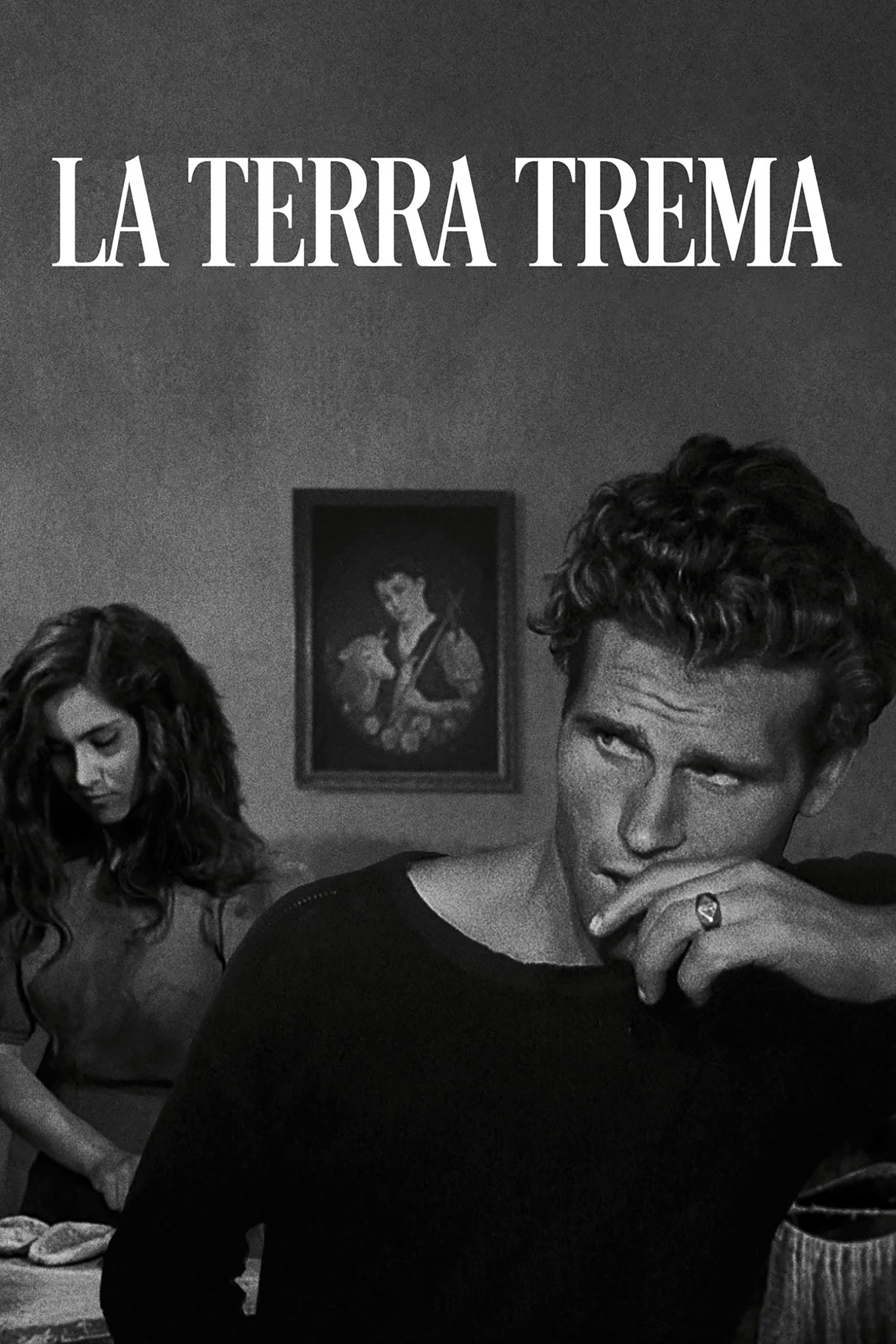
In rural Sicily, the fishermen live at the mercy of the greedy wholesalers. One family risks everything to buy their own boat and operate independently.
A documentary short detailing the life of Italians living on the Po River in the 1940s.
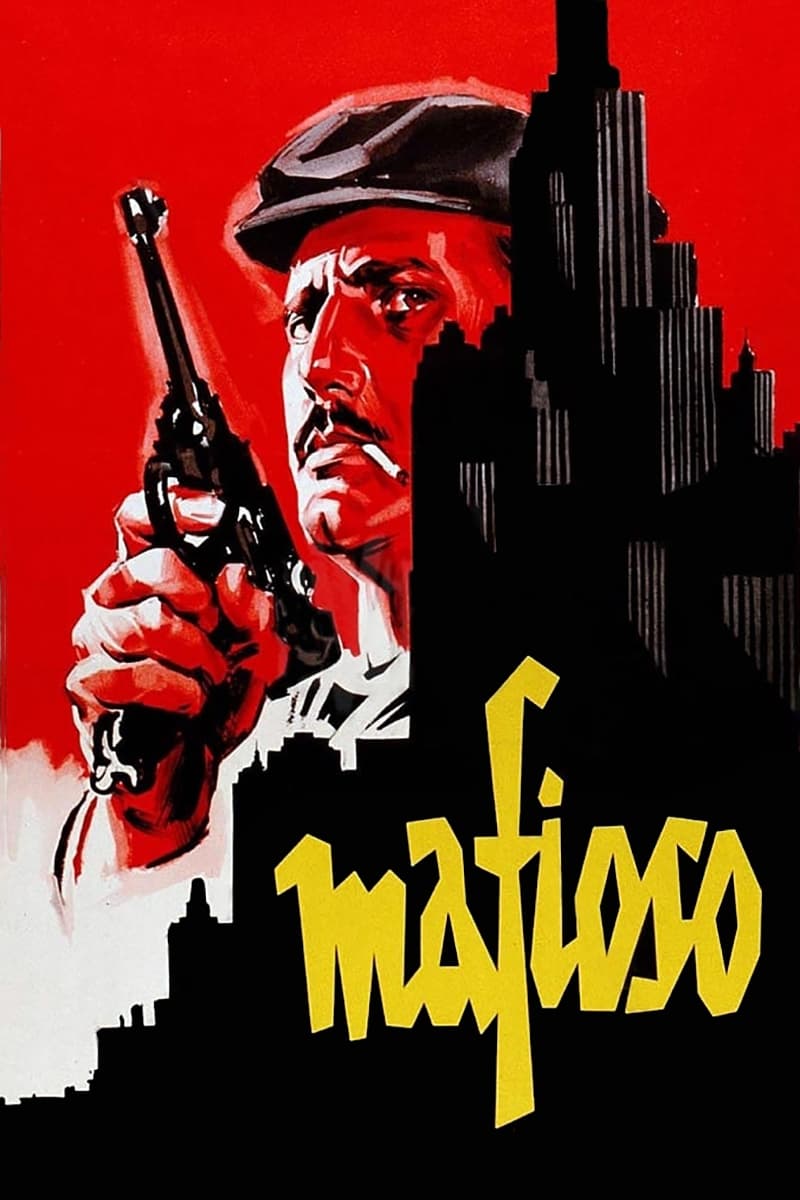
When a good-natured factory supervisor living in Milan with his Northern wife returns to his native Sicily, a decades' old oath forces him to fulfill a nightmarish obligation.
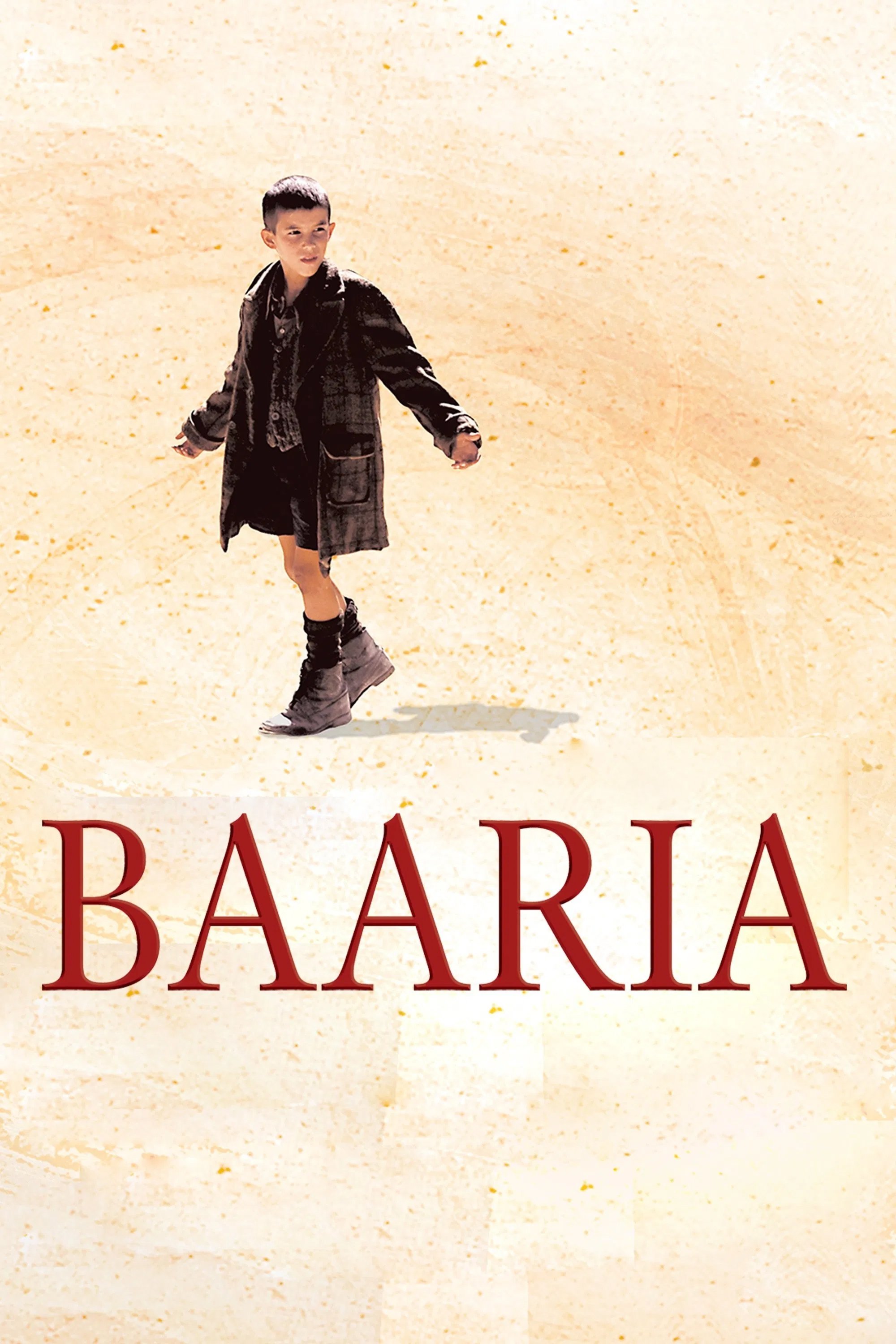
Giuseppe Tornatore traces three generations of a Sicilian family in in the Sicilian town of Bagheria (known as Baarìa in the local Sicilian dialect), from the 1930s to the 1980s, to tell the story of the loves, dreams and delusions of an unusual community.
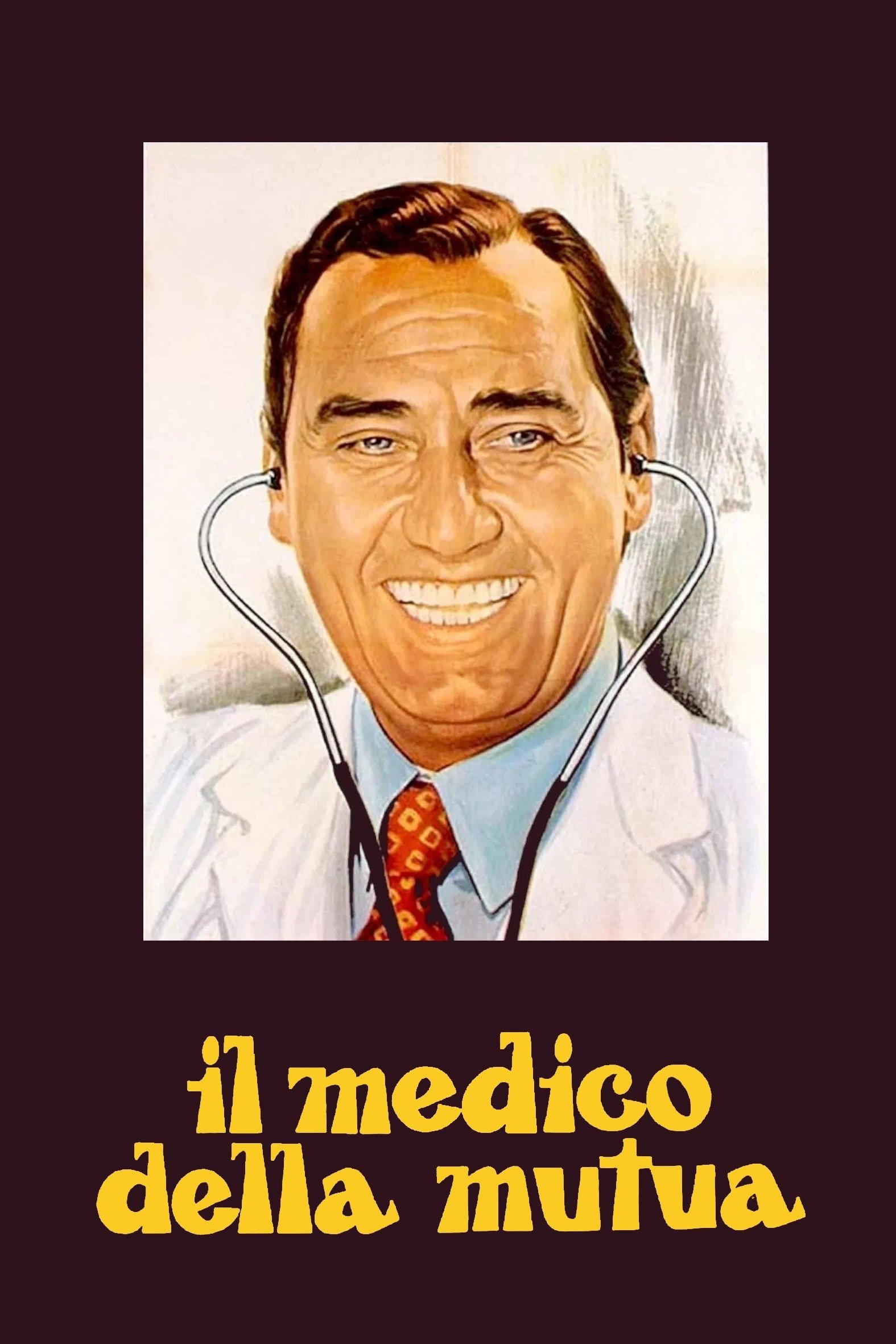
Comedy about the flawed Italian healthcare system of the time and a doctor's expeirence with it.
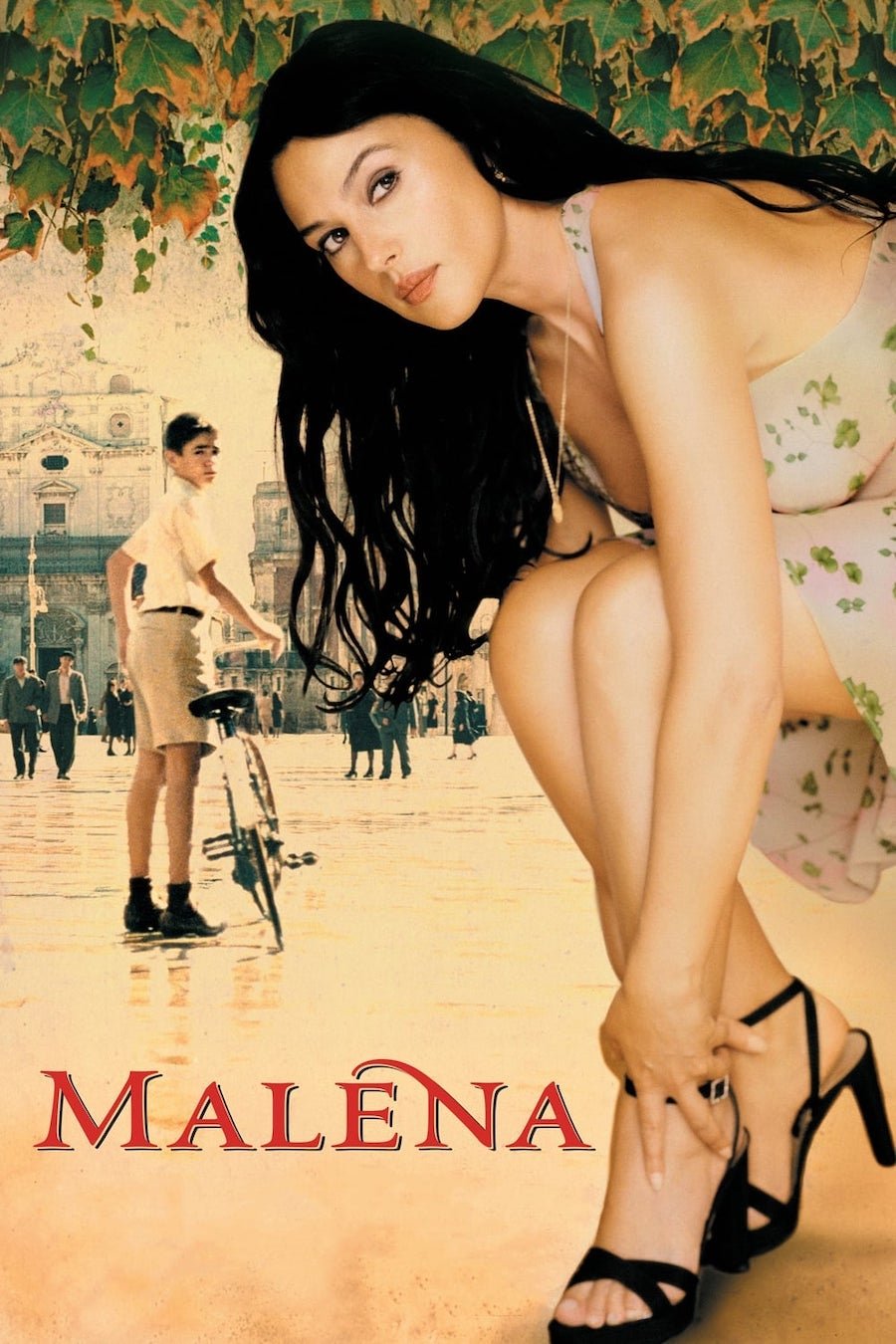
During WWII, a teenage boy discovering himself becomes love-stricken by Malèna, a sensual woman living in a small, narrow-minded Italian town.
A small Sicilian town elects a new, honest major but quickly learns that playing by the rules is not as easy as it seems.
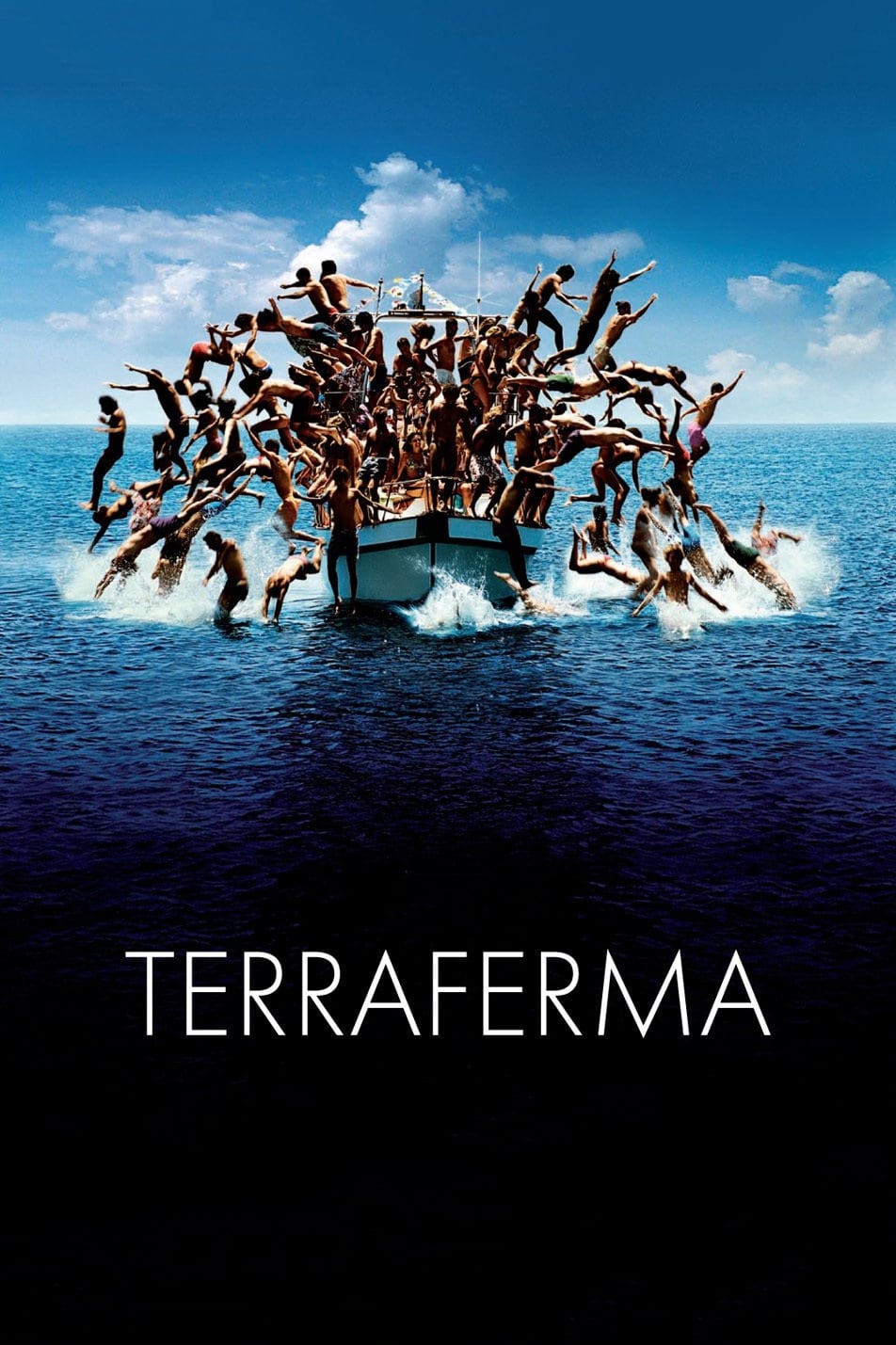
A Sicilian family deals with the arrival of a group of immigrants on their island.
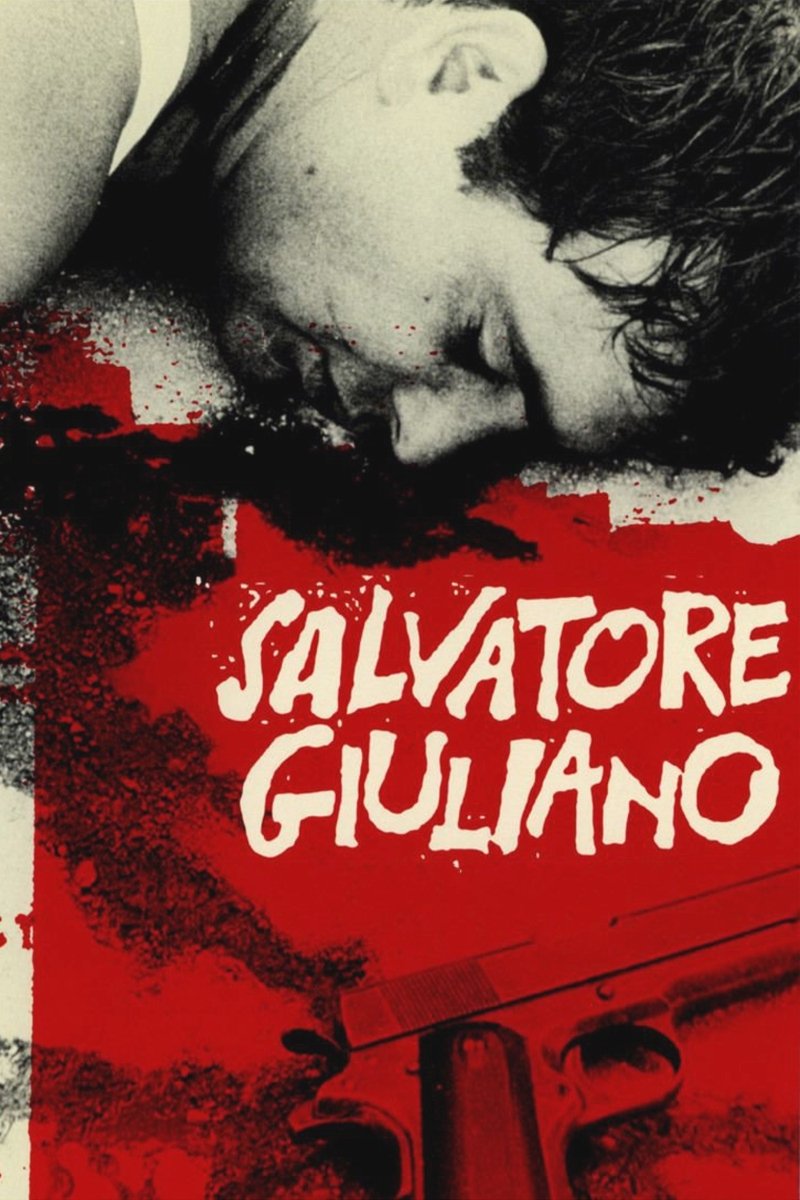
Sicilian bandit Salvatore Giuliano's bullet-riddled corpse is found facedown in a courtyard in Castelvetrano, a handgun and rifle by his side. Local and international press descend upon the scene, hoping to crack open the true story behind the death of this young man, who, at the age of twenty-seven, had already become Italy’s most wanted criminal and celebrated hero.
In a small suburb on the outskirts of Rome, the cheerful heat of summer camouflages a stifling atmosphere of alienation. From a distance, the families seem normal, but it’s an illusion: in the houses, courtyards and gardens, silence shrouds the subtle sadism of the fathers, the passivity of the mothers and the guilty indifference of adults. But it’s the desperation and repressed rage of the children that will explode and cut through this grotesque façade, with devastating consequences for the entire community.
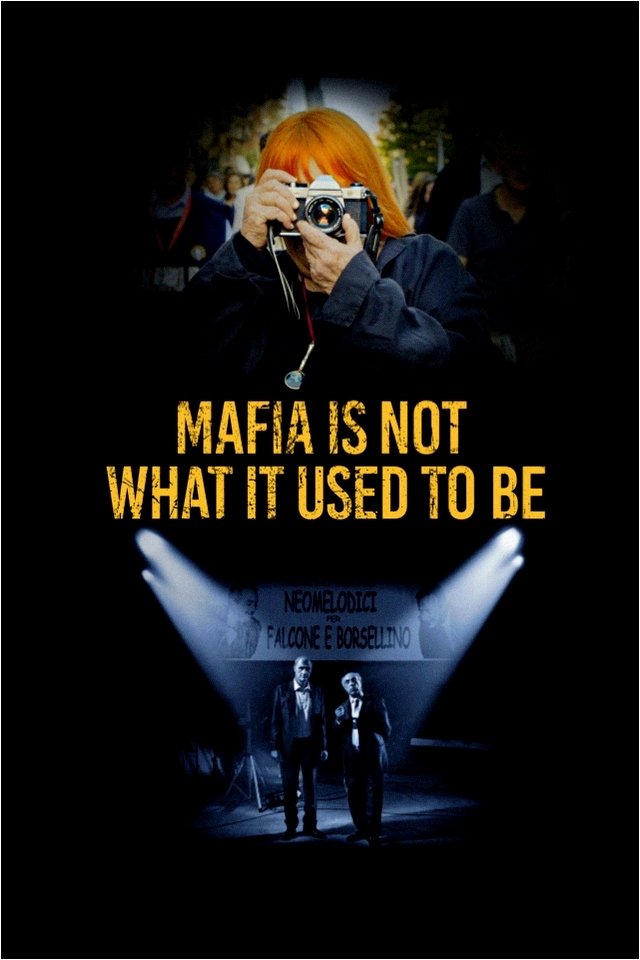
Palermo, Sicily, Italy, 2017. Twenty-five years after the murders of anti-mafia judges Giovanni Falcone, on May 23, 1992, and Paolo Borsellino, on July 19, 1992; and on the occasion of the tributes held in memory of both heroes, skeptical photographer Letizia Battaglia, chronicler of their titanic combat, criticizes the opportunism of shady characters who, like businessman Ciccio Mira, profit from the commemoration of both tragedies.
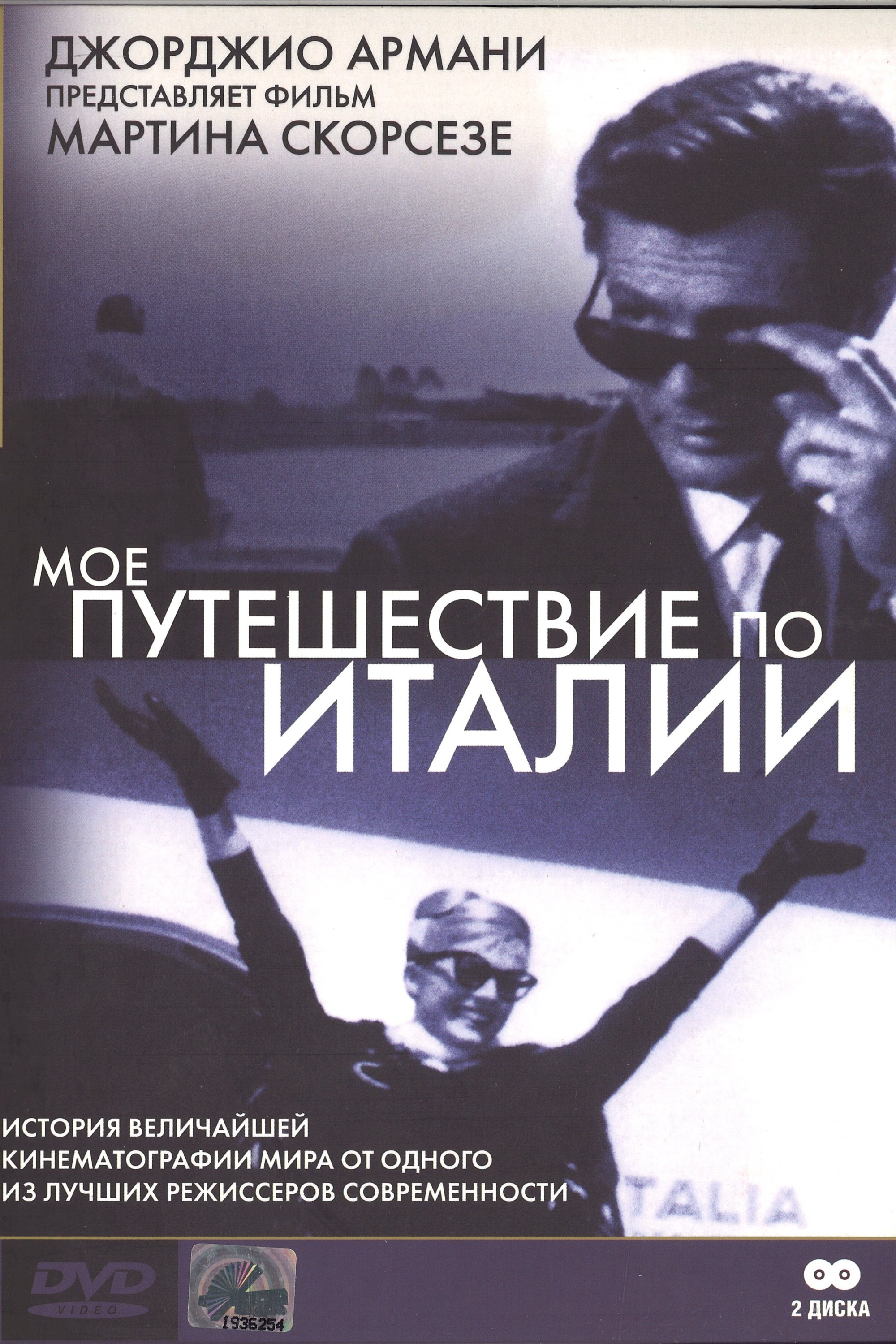
World-renowned director Martin Scorsese narrates this journey through his favorites in Italian cinema.
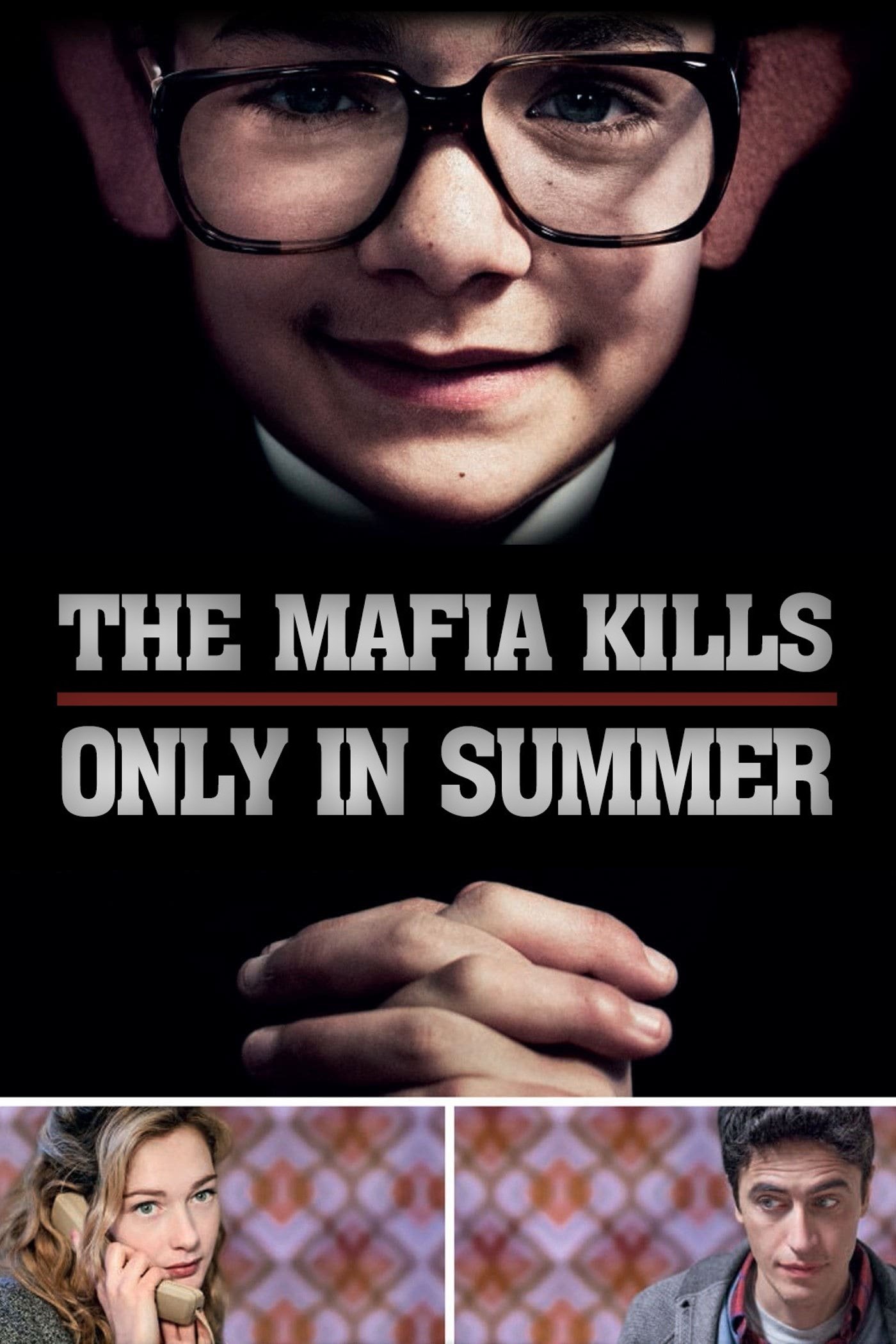
While Arturo tries to gain the love of Flora, he witnesses the history of Sicily from 1969 to 1992, miraculously dodging the crimes of the Mafia and supporting as a journalist the heroic struggle of the judges and policemen who fought this infamous organization.
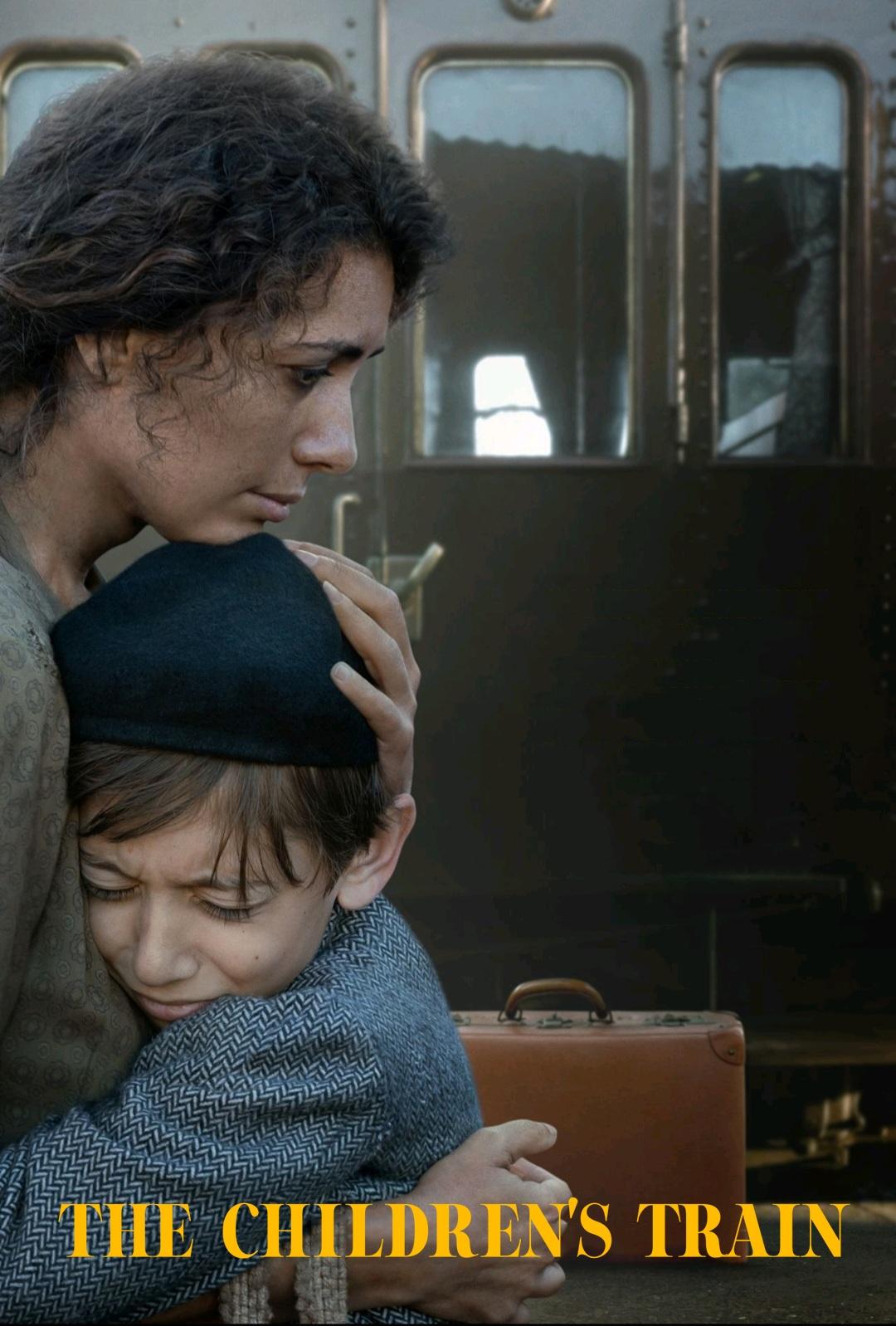
In late 1940s Italy, a mother makes the difficult decision to send her son to the north, where he catches glimpses of a new life away from poverty.
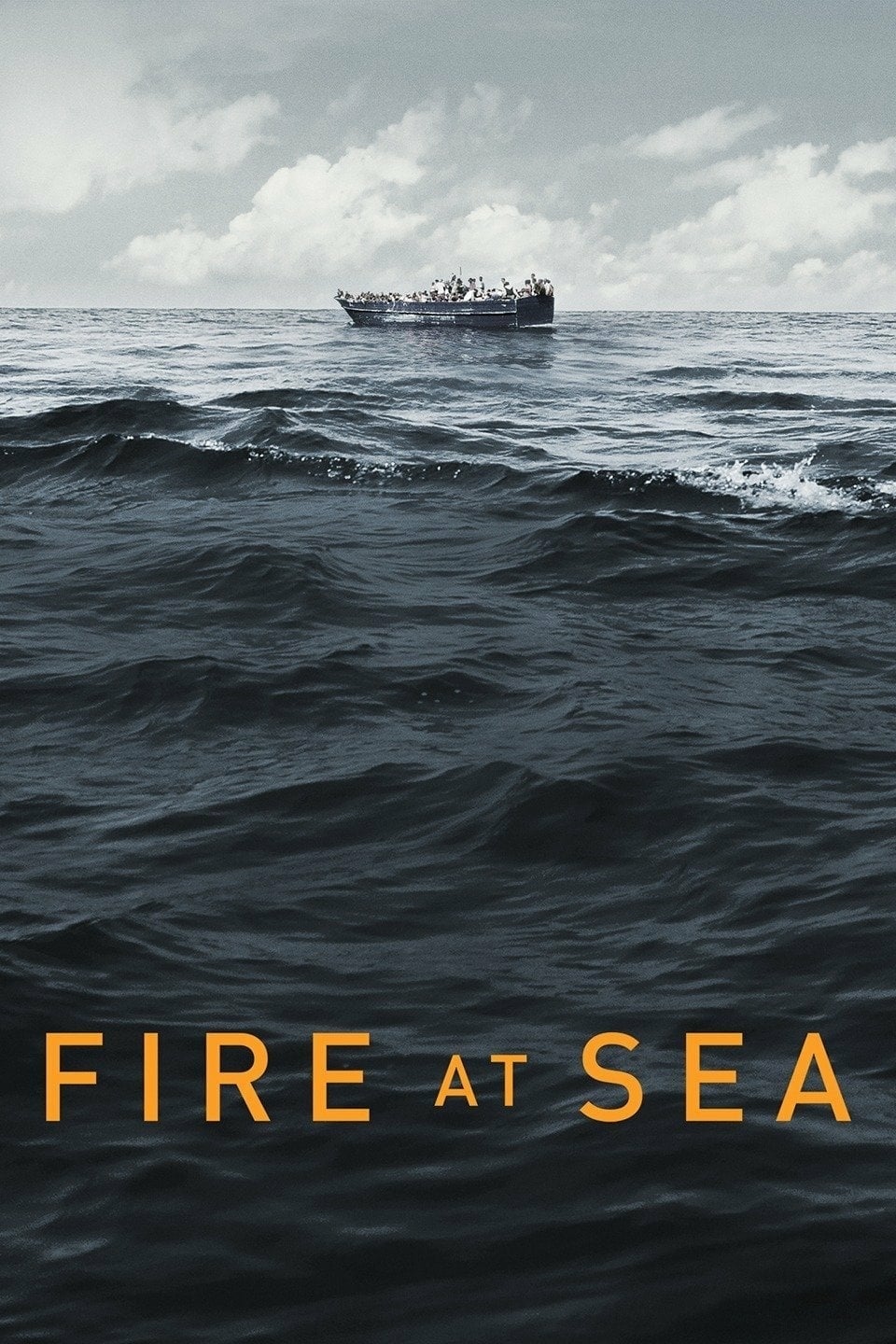
Capturing life on the Italian island of Lampedusa, a frontline in the European migrant crisis.