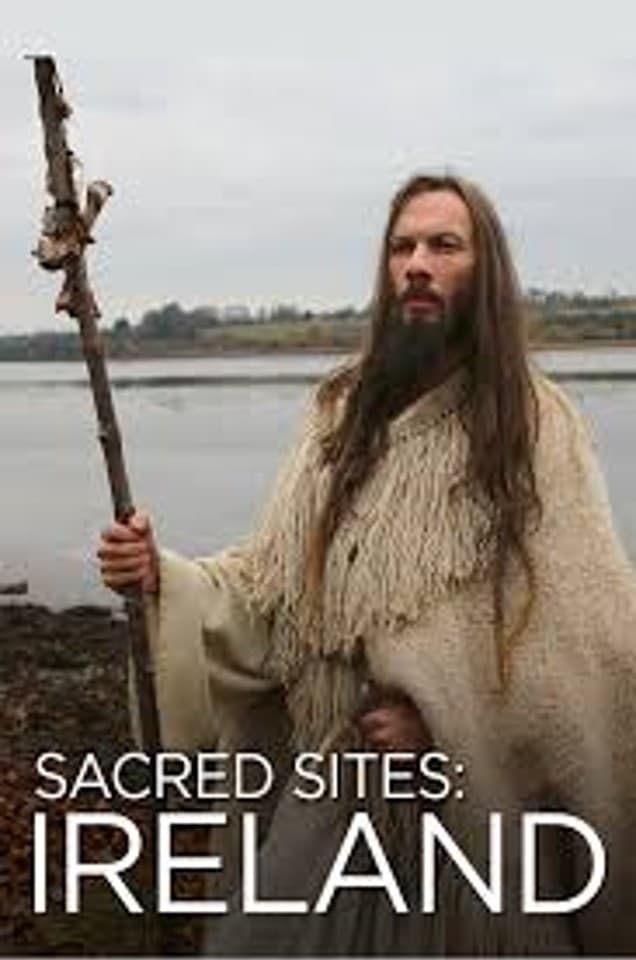
Ireland’s great houses, towers and castles, including Yeats’ Tower House, Bunratty Castle, Butler Castle and Castletown House.
Social & External
Narrator
A biography of the poet W. B. Yeats and his contribution to the Irish independence movement as a Protestant nationalist.
In 2012, Stephen Vaughan and Kay Ferreter are invited to address the congregation at St. Joseph's Redemptorists Church in Dundalk, Ireland for the Solemn Novena Festival. In a powerful speech, the pair describe their experiences being gay and lesbian in Ireland, feeling excluded by Catholic doctrine, and the importance of a more inclusive church.
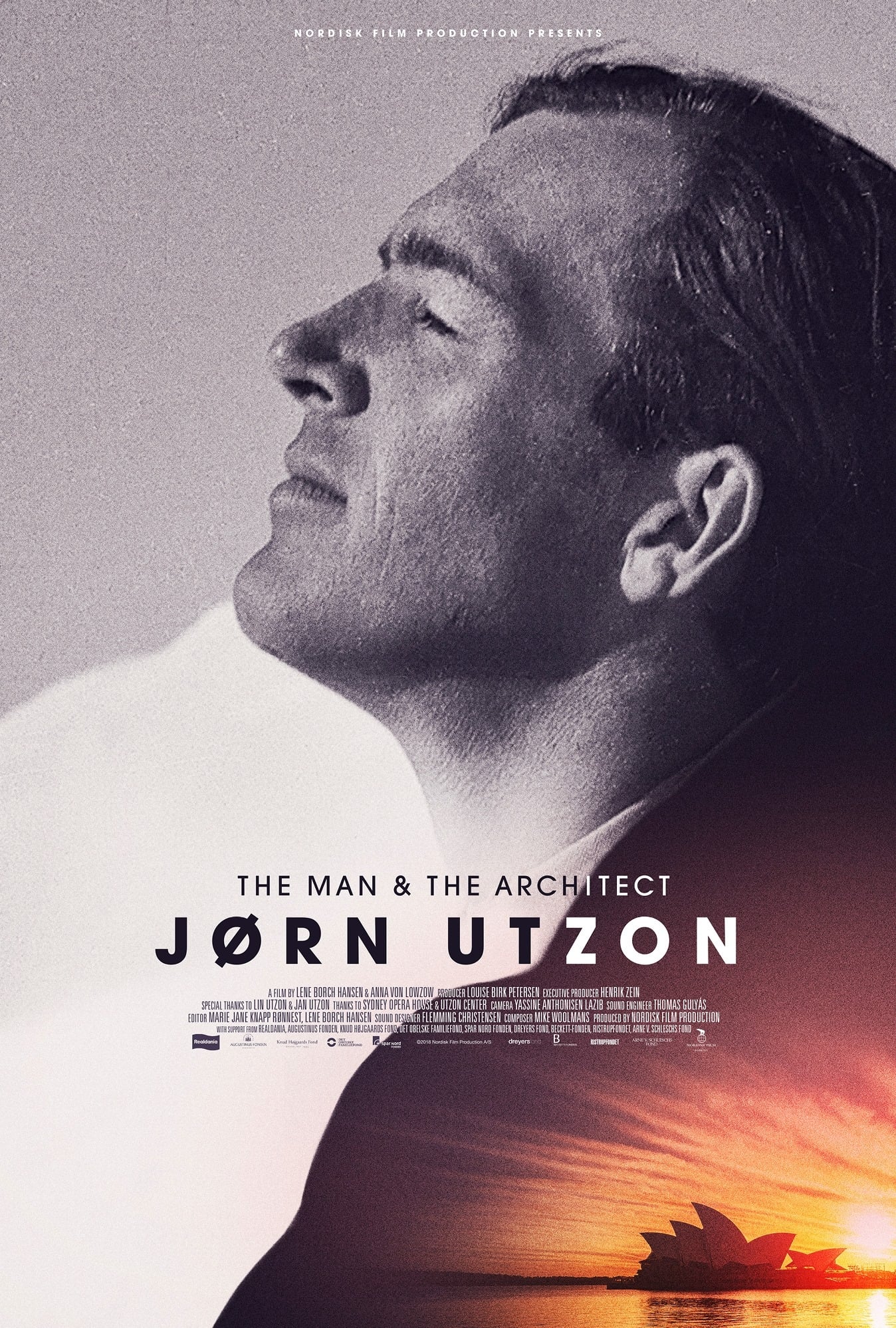
On 20 October 1973, the Sydney Opera House was officially opened by Queen Elizabeth II. From conception to completion, it had taken more than 15 years and over $100 million dollars. In the years since its completion, the Sydney Opera House has become one of the most identifiable of Australia’s icons - ranking with the Sydney Harbour Bridge, Uluru, the koala and kangaroo - and is considered by many to be among the world's great architectural masterpieces.
Narrated by Oscar-winning actor Jeremy Irons, The Genius of George Boole assembles academics and industry leaders from across the globe to explore the life and importance of one of the world’s greatest unsung heroes.
Secluded from view by nine-meter-high walls and composed of 980 buildings, the Forbidden City in Beijing is the largest imperial palace ever built in the world. Three majestic structures form its center and host the city's ceremonies, each of which is considered an architectural masterpiece. In 1406, construction of the Forbidden City was launched at the initiative of one of China's most powerful sovereigns and founder of the Ming dynasty: Yongle. Endowed with divine power, the construction has already resisted more than 200 earthquakes.
The history of the Warsaw Ghetto (1940-43) as seen from both sides of the wall, its legacy and its memory: new light on a tragic era of division, destruction and mass murder thanks to the testimony of survivors and the discovery of a ten-minute film shot by Polish amateur filmmaker Alfons Ziółkowski in 1941.
When they hit the Billboard charts, Gama Bomb were trapped by lockdowns, missing a drummer, and unable to tour. Survival Of The Fastest is a new Irish take on classic music documentaries like Anvil or Spinal Tap with a sweet and charming portrait of male friendship during troubled times. Capturing Gama Bomb's quest to play for 10,000 people at Hellfest – the 'Glastonbury of Metal' – Kiran Acharya’s warm and wayward film surprised cinema audiences with a smart, sincere, and absurdly funny year in the life of dear friends trying to keep the show on the road. Packed full of Gama Bomb's trademark humour and pop culture references, the film reflects on their 20-year history in the absurd worlds of punk and metal and their earliest days during the first sparks of the Peace Process in Northern Ireland.
A short documentary exploring the ways LGBT couples show affection, and how small interactions like holding hands in public can carry, not only huge personal significance, but also the power to create social change.
Before the summer of 2022, Ireland had never beaten the All Blacks in New Zealand. Using behind the scenes footage and interviews with players and coaches this documentary reflects on the experience of triumphing in New Zealand for the first time.
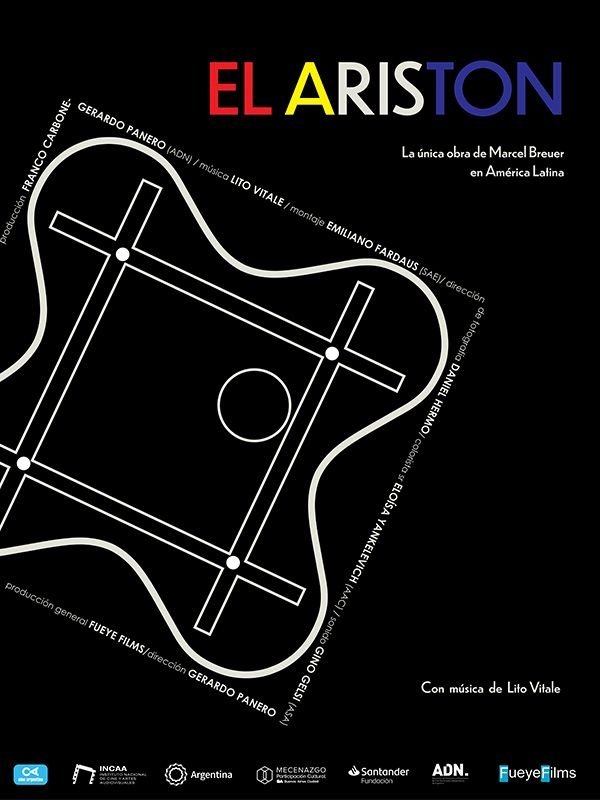
No understanding of the modern movement in architecture is possible without knowledge of its master builder, Mies van der Rohe. Together with documentation of his life, this film shows all his major buildings, as well as rare film footage of Mies explaining his philosophy. Phyllis Lambert relates her choice of Mies as the architect for the Seagram building. Mies's achievements and continuing influence are debated by architects Robert A.M. Stern, Robert Venturi, and Philip Johnson, by former students and by architectural historians. Mies is seen in rare documentary footage.
Film capturing a family holiday on the North Antrim coast, with trips to the Giant's Causeway and the Carrick-a-Rede Rope Bridge.
Through economic necessity, an Aran Islander is forced to travel to England to work on building sites so that he can earn money to support his family back on the Islands.
A chilling 911 call. A gruesome scene. What really happened inside a family's quiet suburban home? Murder or self-defense? Told from both sides, this documentary explores Jason Corbett's brutal death.
Affectionate but honest portrait of Thin Lizzy, arguably the best hard rock band to come out of Ireland. Starting with the remix of the classic album Jailbreak by Scott Gorham and Brian Downie, the film takes us through the rollercoaster ride that is the story of Thin Lizzy. From early footage of singer Phil Lynott in Ireland in his pre-Lizzy bands the Black Eagles and Orphanage, it follows his progress as he, guitarist Eric Bell and drummer Brian Downie form the basic three-piece that was to become Thin Lizzy - a name taken from the Beano. Using original interviews with Bell, Downie, the man who signed them and their first manager, it traces the early years leading to the recruitment of guitarists Brian 'Robbo' Robertson and Scott Gorham - the classic line-up. The film uses a number of stills, some seen on TV for the first time, archive from contemporary TV shows and a range of tracks both well known and not so famous.
For the first time in history, women are designing our world. They are the rising stars in architecture-previously an all-male galaxy--and they are literally and figuratively changing the landscape. MAKING SPACE captures the compelling stories and outstanding designs of Annabelle Selldorf (NY), Farshid Moussavi (London), Odile Decq (Paris), Marianne McKenna (Toronto), and Kathryn Gustafson (Seattle & London). Without script or narration, each woman tells her own story, enhanced by the insights of commentators including Pulitzer Prize-winning architecture critic Paul Goldberger; MoMA's Peter Reed and Paola Antonelli; and others. Meryl Streep makes a special guest appearance.
A documentary on the life of the people of the Aran Islands, who were believed to contain the essence of the ancient Irish life, represented by a pure uncorrupted peasant existence centred around the struggle between man and his hostile but magnificent surroundings. A blend of documentary and fictional narrative, the film captures the everyday trials of life on Ireland's unforgiving Aran Islands.
One of the most significant cases in European archaeology is the grave of the shaman woman of Bad Dürrenberg, a key finding of the last hunter-gatherer groups. From a time when there were no written records, this site was first researched by the Nazis, who saw a physically strong male warrior from an ‘original Aryan race’ in the buried person. It was, in fact, the most powerful woman of her time. The latest research shows that she was dark-skinned, had physical deformities, and was a spiritual leader. The documentary – using high-end CGI and motion capture – compares the researchers of the Nazi era, who misrepresented and instrumentalised their findings, to today’s researchers, who meticulously compile findings and evidence, and use cross- disciplinary methods to examine and evaluate them. It also substantiates the theory of the powerful roles women played in prehistoric times. The story of this woman, buried with a baby in her arms, still fascinates us 9,000 years after her death.
A historical documentary documenting the rise, function, and abandonment of a 17 story building that once housed The Rochester Psychiatric Center. This film tells the story of the building through historical footage, interviews of former staff and patients who recount their memories of the behemoth facility while also exploring the abandoned building as it is today.