Social & External
The people behind it
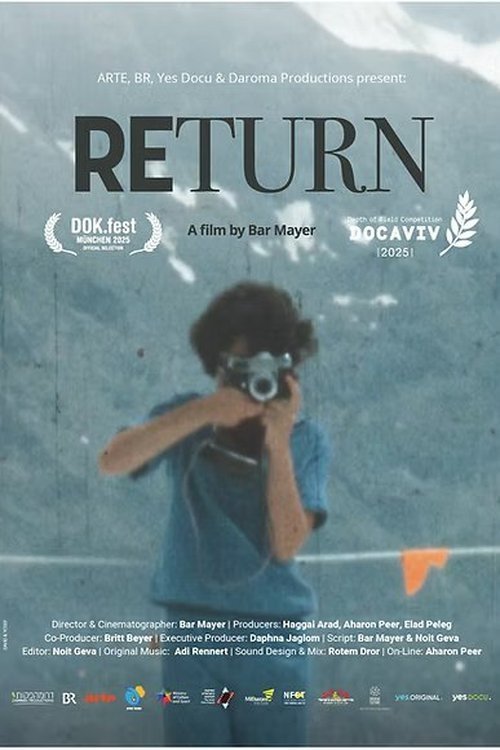
After collecting multiple records related to a painful family tragedy, Victor dives into the archive in search of answers about what really happened on January 26, 1983
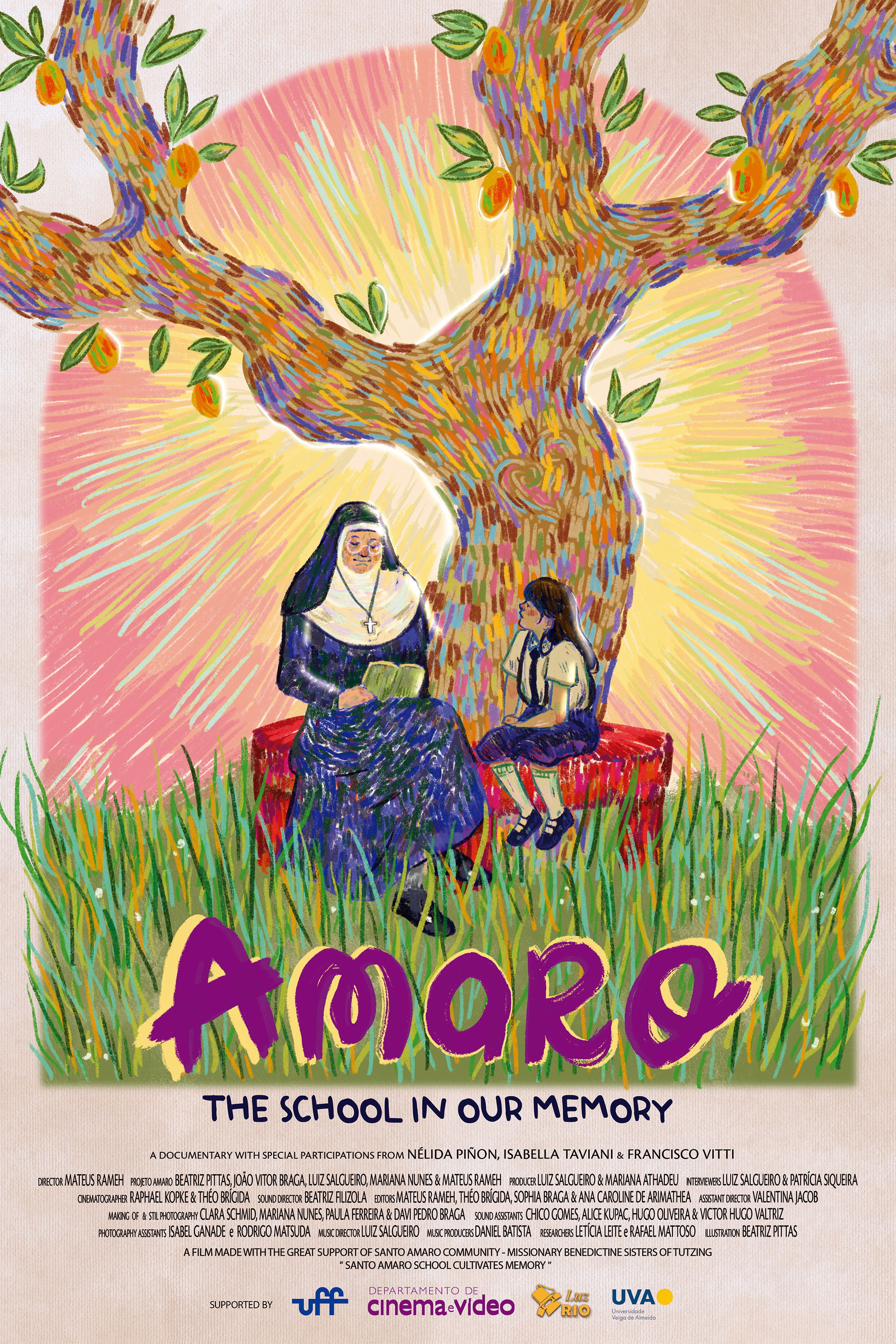
About to turn 100 years old, Santo Amaro School closed its doors in 2020, amid the pandemic, leaving former students in deep sorrow. The story of the school is now told by different generations of students, teachers, nuns and employees, who return to the school building to remember their time over there: an unreachable past, which, through memories, becomes present once again.
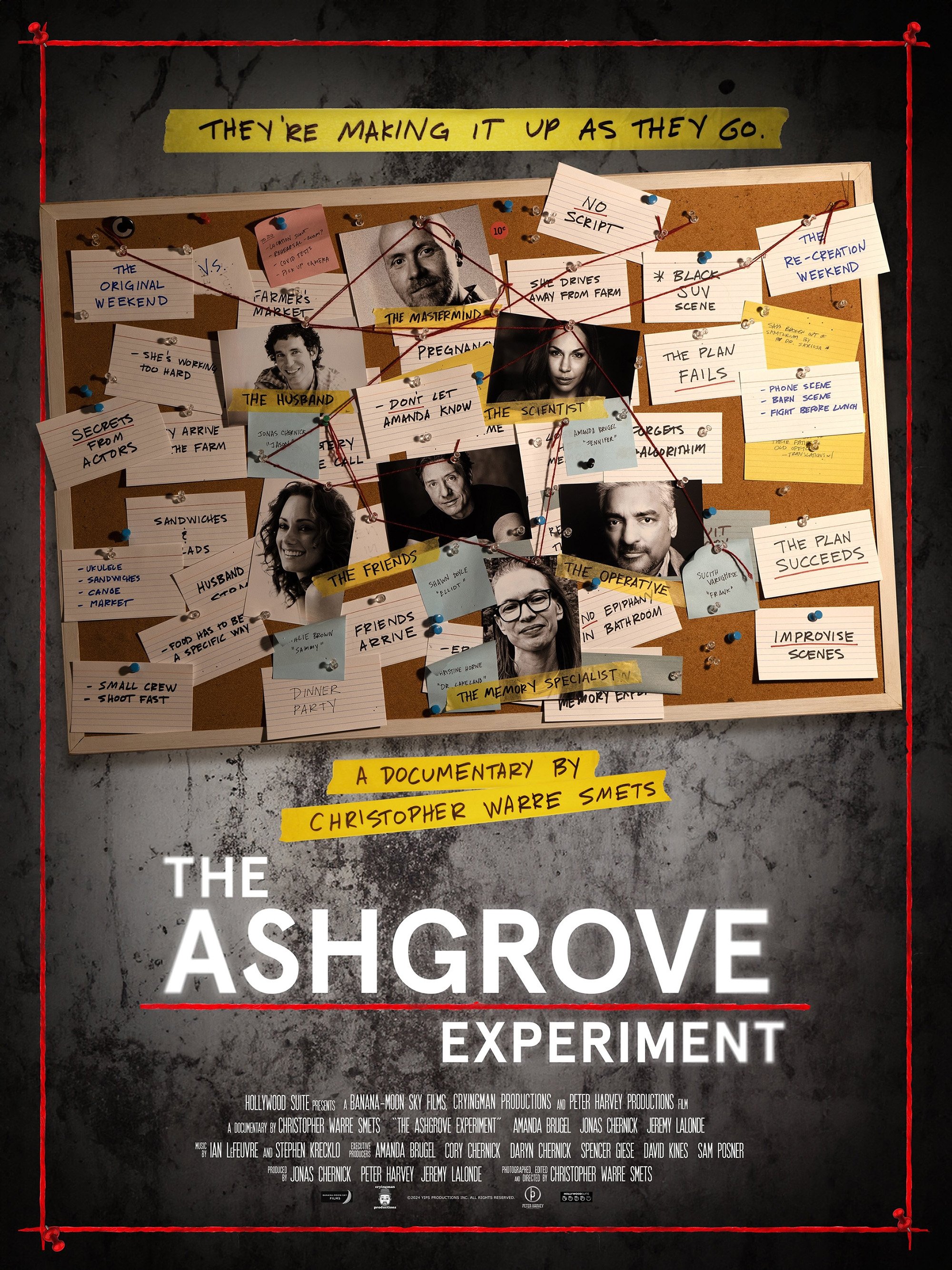
An indie film crew throw caution to the wind when they attempt to shoot a completely improvised drama where the film's big twist is being kept secret from their lead actress, while also navigating on-set mishaps, bizarre twists of fate, and the first year of a global pandemic.
The International League of Conservation Photographers and the Gitga'at first nation people of British Columbia in their search for the illusive spirit bear. Their mission is to create images of this rare bear and the ecosystem that it relies on before a proposed oil pipeline from the Alberta tar sands threatens to SPOIL it. The spirit bear, globally rarer than the panda, only lives on the north coast of British Columbia and gives and inspiring look at the interconnectedness of this coastal ecosystem existing in symbiosis with the indigenous communities there for thousands of years.
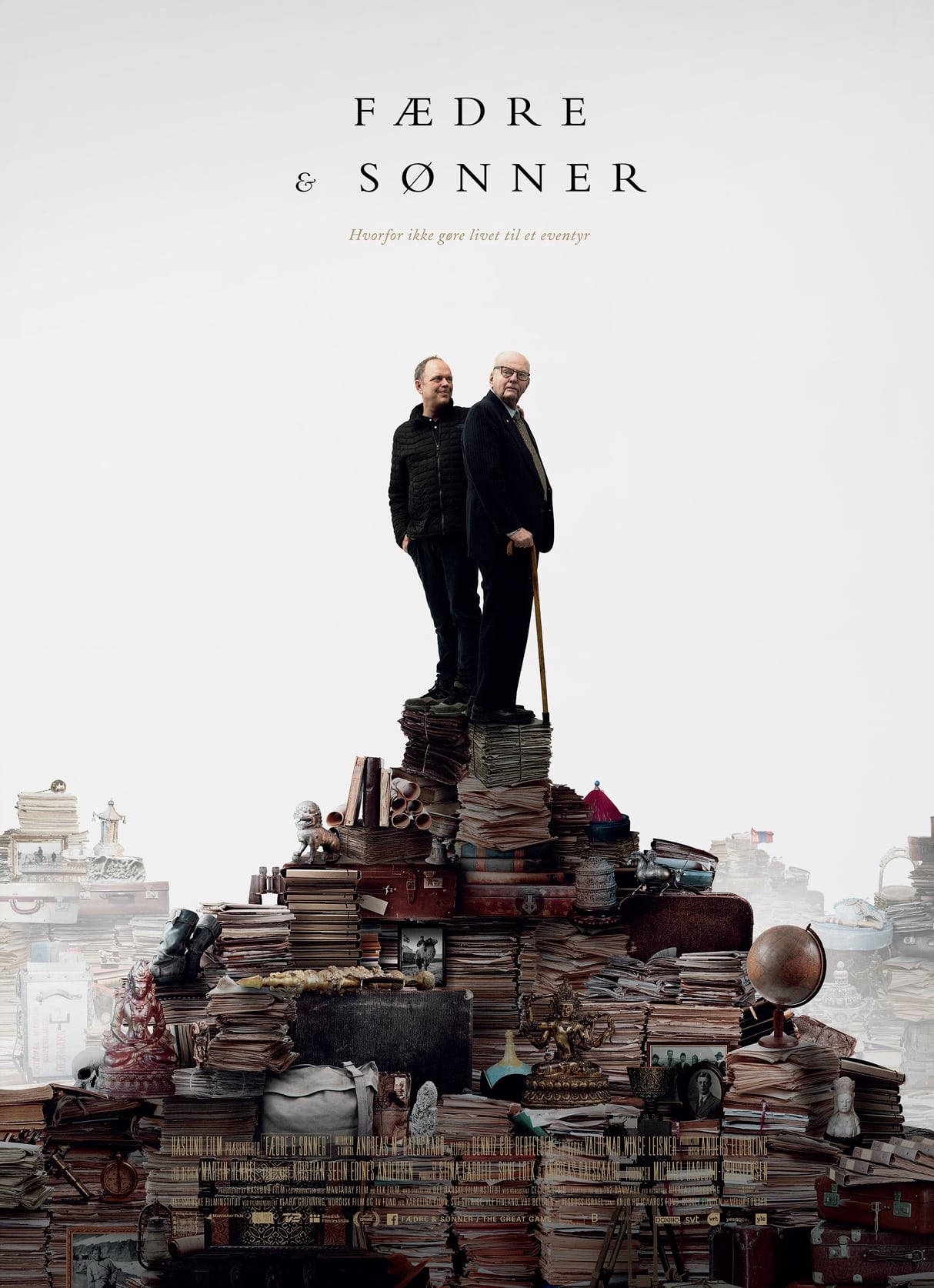
An old, ailing general is losing his memory. His anarchist son wants to connect. They share a passion for the Wild East, where grandfather was a famous explorer among Mongol tribes. He died under mysterious circumstances in 1948 in Afghanistan. Rumors say he was a British agent and gunrunner. Michael, the grandson, takes his father Søren out of the nursing home. He wants him to taste life, and he wants them to spend time together. The odd couple travel across China. They encounter temples, chiefs, and ancestors who reveal that the grandfather was a true Lawrence of the East. A man who fought to unite the Mongol tribes and defend them against the Soviet Reds.
WICK is a triumphant, reflective, and inspiring story which will provide audiences with an intimate and unfiltered snapshot into the world of Canadian icon Dr. Hayley Wickenheiser. The documentary takes viewers on a tour of Wickenheiser's life journey: from growing up on a farm in Saskatchewan, to teaching women in India and North Korea how to play hockey, to contributing to countless charitable causes and choosing to pursue a medical degree, all the while winning four Olympic hockey golds, seven world championships and becoming the first female to ever play pro men's hockey in Europe.
Graham Bell and Ed Leigh journey southwards through the frozen province of British Columbia, Canada, towards the home of the 2010 Winter Olympic Games. En route, they travel through remote communities cut off from civilisation through the winter, learning how the locals survive off the land. Leigh and Bell experience this harsh life for themselves alongside miners, loggers and hunters, and find out what it is like to function and work in such harsh conditions. Their journey ends with a gruelling trek on foot through the spectacular Coast Range Mountains into Whistler, one of the Olympic venues.
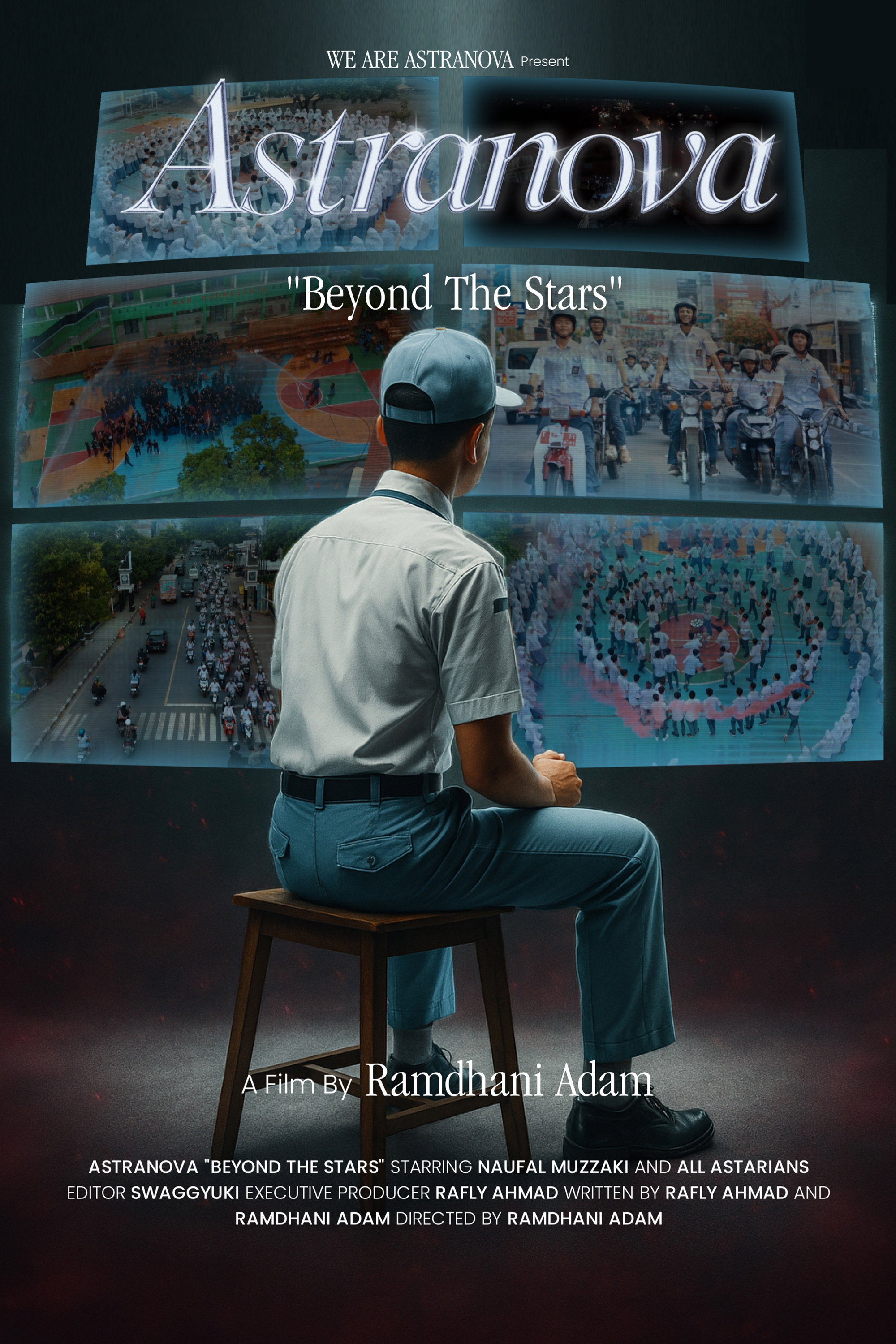
Astranova: Beyond The Stars is a docu-fiction short film that explores memory, friendship, and the emotional transition of leaving school life. The story follows a recent graduate who reunites with his friends and reminisces about the moments they once shared. In a nostalgic atmosphere, he drifts into a dream-like journey that brings him back to those memories, making him feel as if he is still living in them. By blending documentary-style realism with narrative storytelling, the film creates a reflective and intimate experience, highlighting how memories shape identity while emphasizing the importance of creating one last meaningful moment before moving forward.
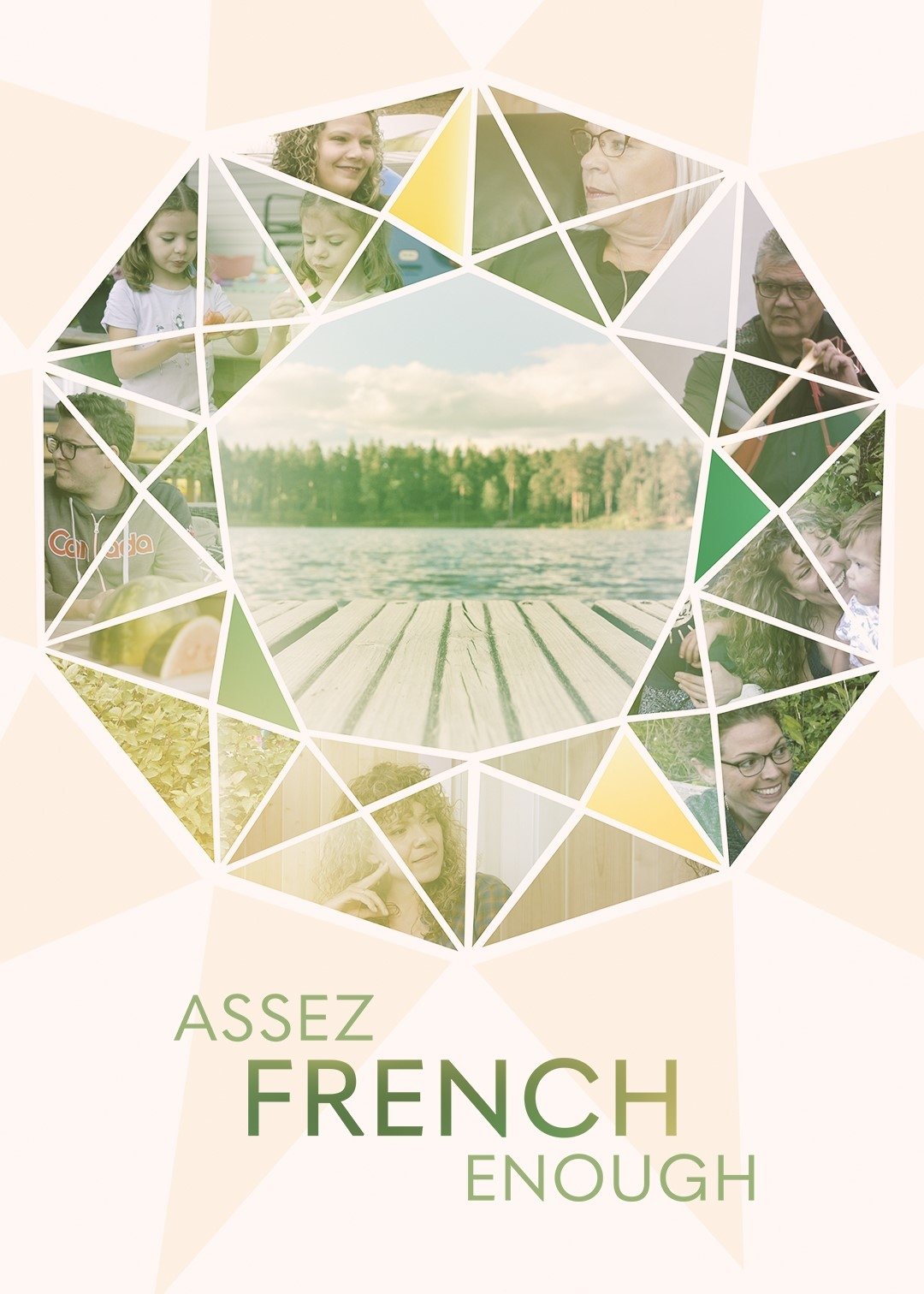
At her family’s cabin on Wakaw Lake, Saskatchewan, renowned Fransaskois singer-songwriter Alexis Normand invites audiences into a series of candid exchanges about belonging and bilingualism on the Prairies.
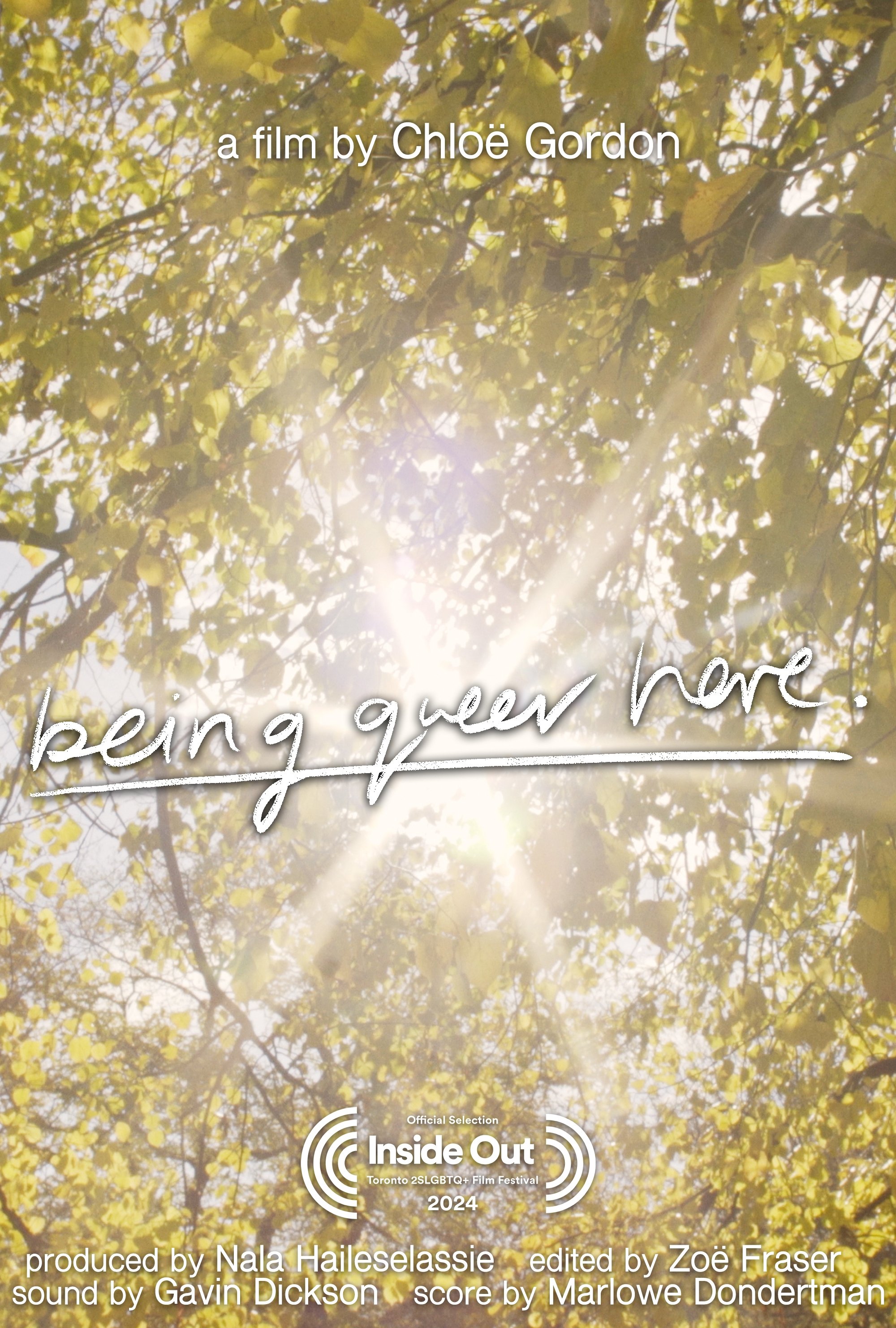
A portrait of Toronto, as defined by the spaces its queer residents inhabit and the memories they’ve created there.
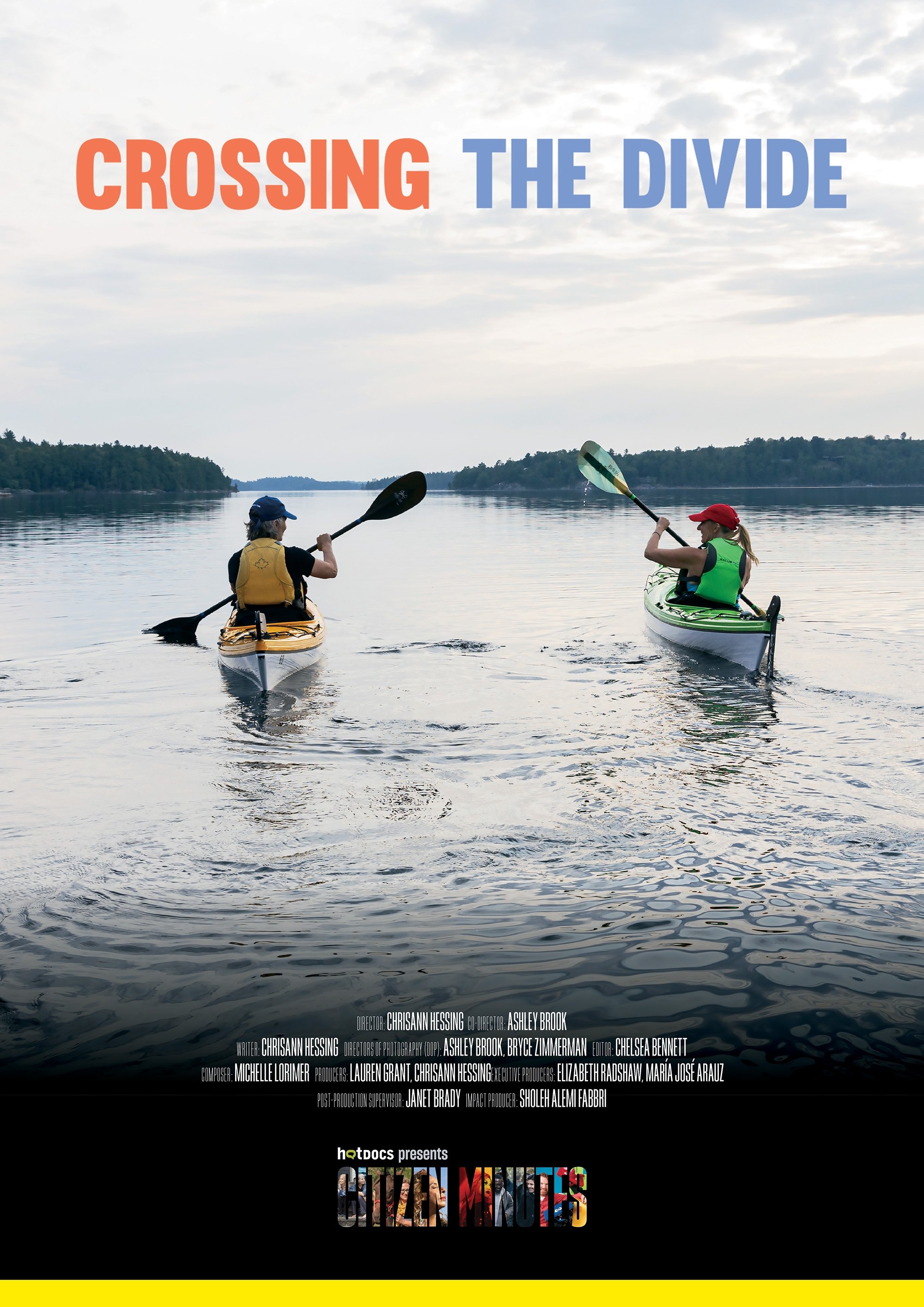
Two Canadians, one Liberal and one Conservative, attend a U.S. convention focused on depolarizing politics, determined to engage in tough conversations for a healthier democracy.
Nesrin and Erdem talk about their relationship, which they don’t remember in exactly the same way. Çevik’s visually stunning essay uses their conversations to forge a pensive treatise on what it means to forget, where word and image play an equal role.
From rags to riches, the behind-the-scenes story of Canadian toy manufacturer Spin Master is an inspiring saga of creativity and innovation.
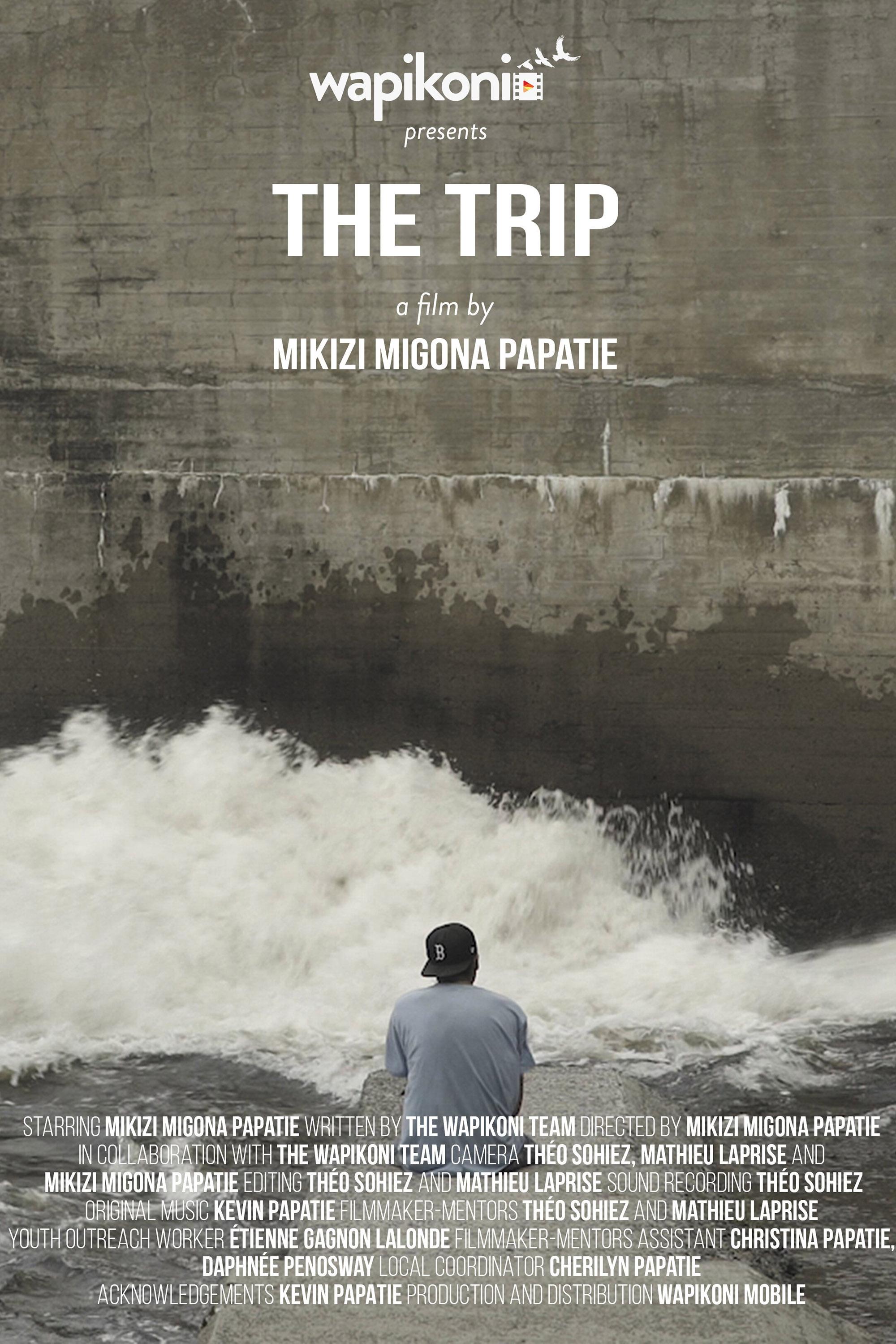
In this honest and deeply personal account of living with addiction, a young man talks about the realities and challenges of living in the Anishinaabe community of Kitcisakik and the hope he still harbours for himself and his people.
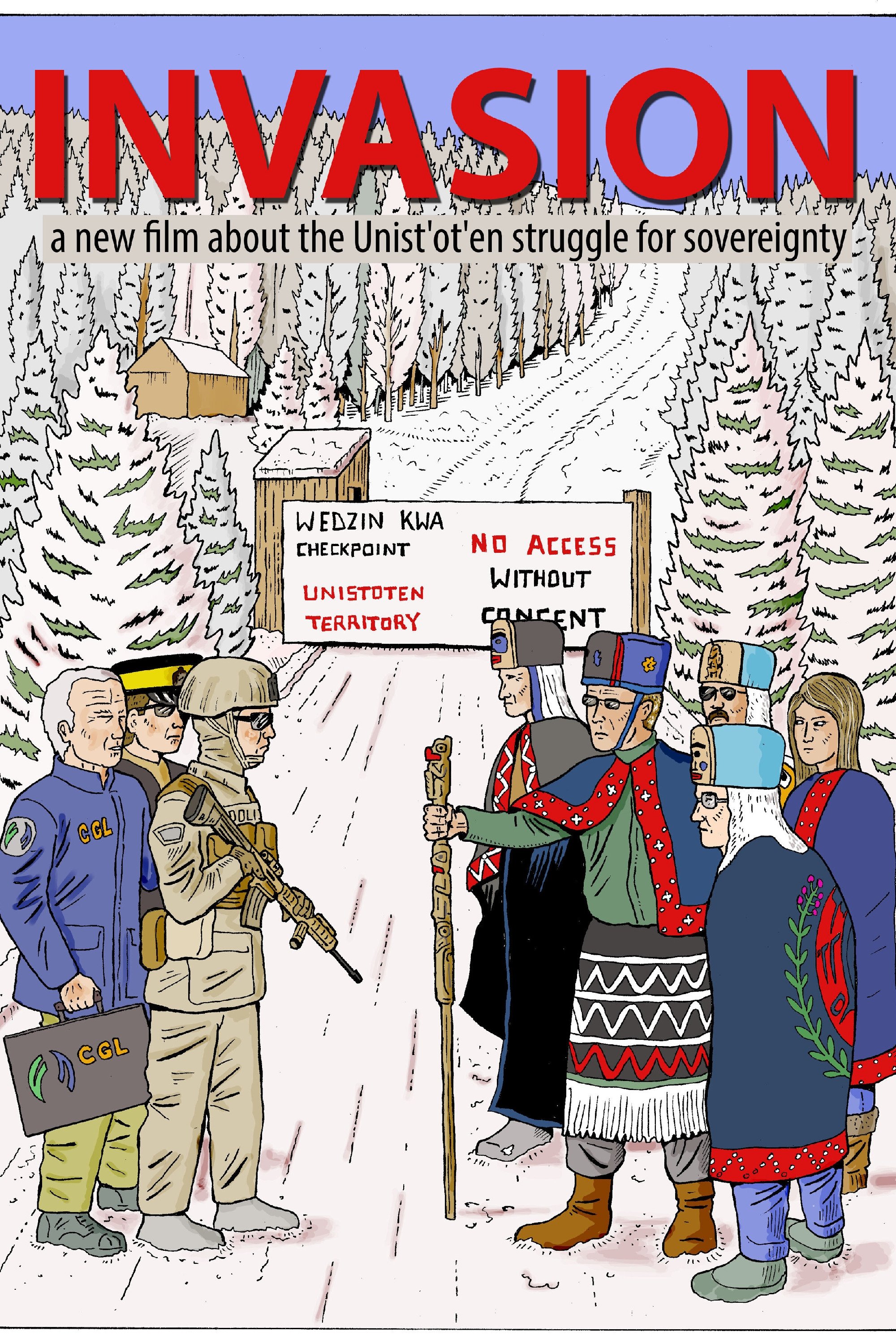
In this era of “reconciliation”, Indigenous land is still being taken at gunpoint. Unist’ot’en Camp, Gidimt’en checkpoint and the larger Wet’suwet’en Nation are standing up to the Canadian government and corporations who continue colonial violence against Indigenous people. The Unist’ot’en Camp has been a beacon of resistance for nearly 10 years. It is a healing space for Indigenous people and settlers alike, and an active example of decolonization. The violence, environmental destruction, and disregard for human rights following TC Energy (formerly TransCanada) / Coastal GasLink’s interim injunction has been devastating to bear, but this fight is far from over.
Sweden may be the host of the Nobel prize, but it is also home to another variety of the mentally-gifted: Grand Masters of Memory. Mattias became a countrywide sensation as a three-time Swedish national champion in the oddly fascinating mind sport of memory: memorizing superhuman amounts of information under time constraints. However, his dominance is threatened when two confident newcomers emerge onto the scene armed with their own idiosyncratic methods of training. This quirky and humorous documentary follows these competitors as they face off against one another and prepare for the World Memory Championship where the excitement, intensity, and impressive displays of skill rival that of any of the greatest sporting events.
A new documentary by filmmaker-photographer Raymond Depardon – where justice and psychiatry meet.
In an intimate and joyful story of love in the face of loss, celebrated poets Andrea Gibson and Megan Falley find strength—and unexpected hilarity—in what might be their final year together.
Canadian actress and filmmaker Sarah Polley investigates certain secrets related to her mother, interviewing a group of family members and friends whose reliability varies depending on their implication in the events, which are remembered in different ways; so a trail of questions remains to be answered, because memory is always changing and the discovery of truth often depends on who is telling the tale.
A string of threatening emails escalates into a revenge plot involving a newly married US marshal and his ex-girlfriend.
This revealing documentary honors the legendary Sidney Poitier—iconic actor, filmmaker, and civil rights activist. Featuring interviews with Denzel Washington, Spike Lee, Halle Berry, and more.
Police pull over a woman who claims she just gave birth. But the baby — and the blood — aren't hers. Twisted lies unravel in this true-crime documentary.
Unravel the case of Utah therapist Jodi Hildebrandt, whose child abuse arrest with parenting YouTuber Ruby Franke exposed a twisted tale of manipulation.
Those who knew iconic funnyman John Candy best share his story, in their own words, through never-before-seen archival footage, imagery, and interviews.
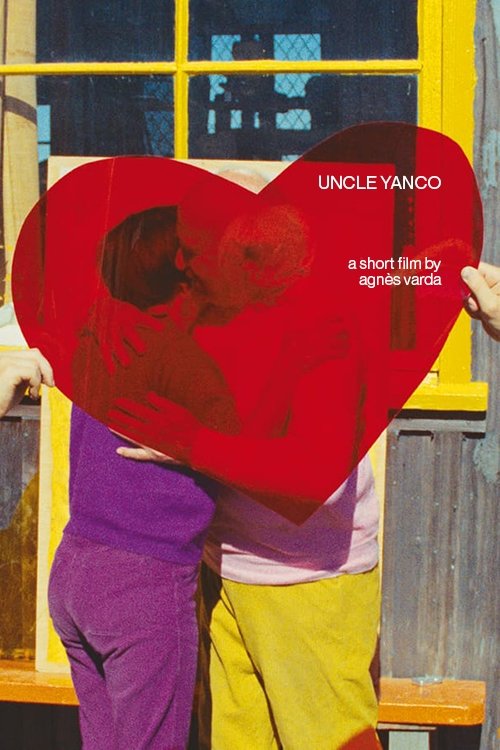
While in San Francisco for the promotion of her last film in October 1967, Agnès Varda, tipped by her friend Tom Luddy, gets to know a relative she had never heard of before, Jean Varda, nicknamed "Yanco". This hitherto unknown uncle lives on a boat in Sausalito, is a painter, has adopted a hippie lifestyle and loves life. The meeting is a very happy one.
Director Michael Apted revisits the same group of British-born adults after a 7 year wait. The subjects are interviewed as to the changes that have occurred in their lives during the last seven years.
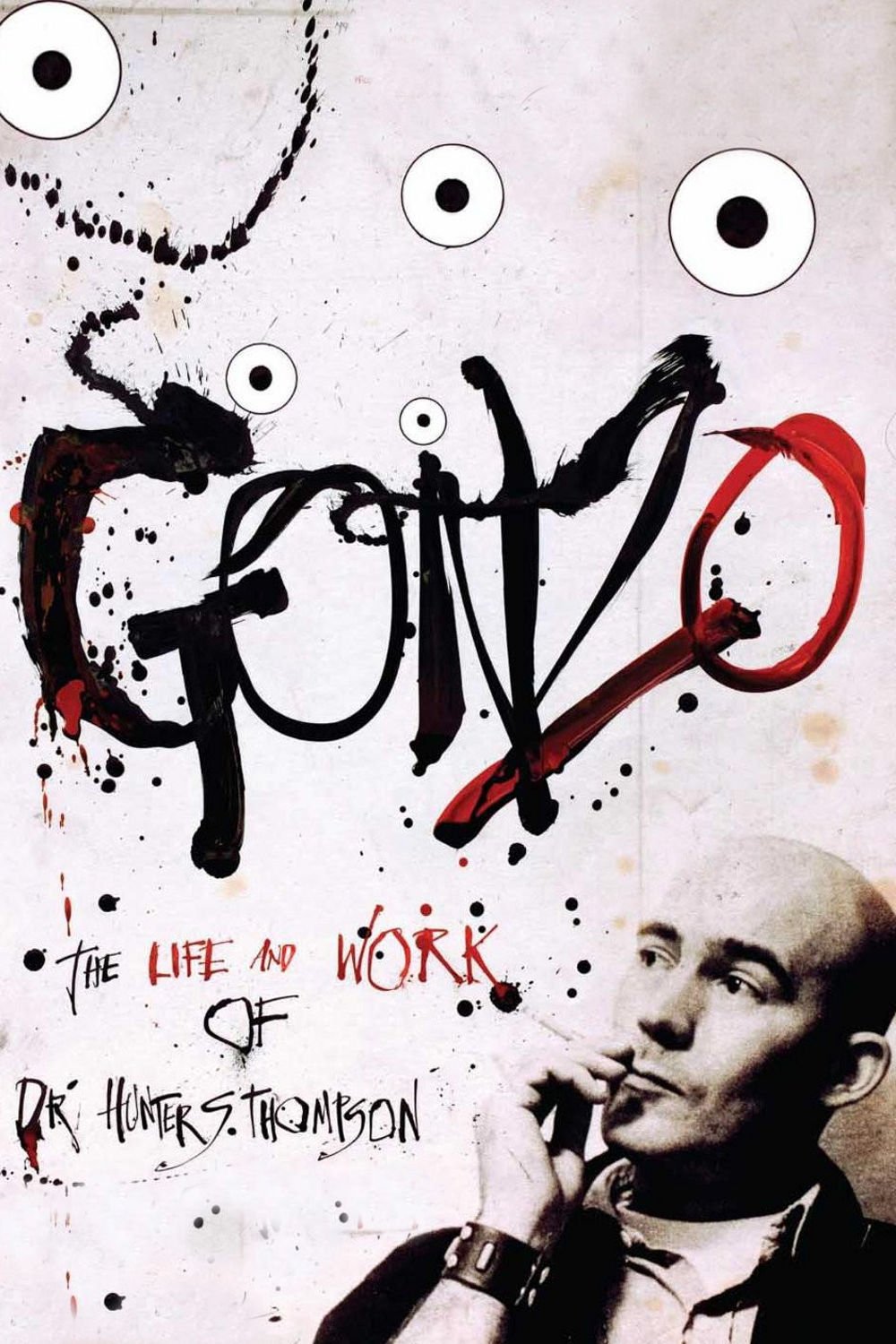
Fueled by a raging libido, Wild Turkey, and superhuman doses of drugs, Thompson was a true "free lance, " goring sacred cows with impunity, hilarity, and a steel-eyed conviction for writing wrongs. Focusing on the good doctor's heyday, 1965 to 1975, the film includes clips of never-before-seen (nor heard) home movies, audiotapes, and passages from unpublished manuscripts.
An inside look at one of the most anticipated movie sequels ever with James Cameron and cast.
The film follows adventurer Jeff Johnson as he retraces the epic 1968 journey of his heroes Yvon Chouinard and Doug Tompkins to Patagonia.
Since the late 18th century American legal decision that the business corporation organizational model is legally a person, it has become a dominant economic, political and social force around the globe. This film takes an in-depth psychological examination of the organization model through various case studies. What the study illustrates is that in the its behaviour, this type of "person" typically acts like a dangerously destructive psychopath without conscience. Furthermore, we see the profound threat this psychopath has for our world and our future, but also how the people with courage, intelligence and determination can do to stop it.
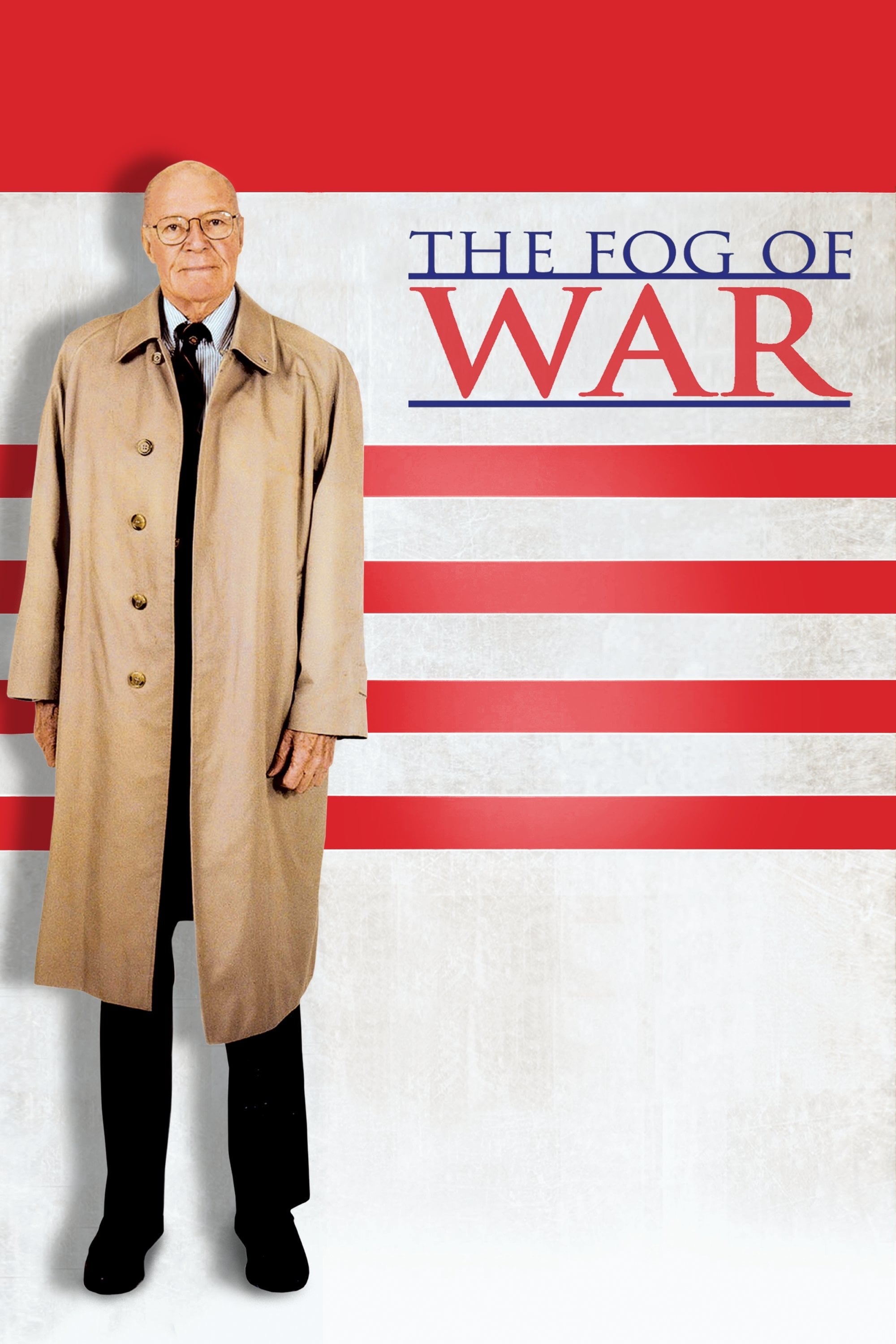
Using archival footage, cabinet conversation recordings, and an interview of the 85-year-old Robert McNamara, The Fog of War depicts his life, from working as a WWII whiz-kid military officer, to being the Ford Motor Company's president, to managing the Vietnam War as defense secretary for presidents Kennedy and Johnson.
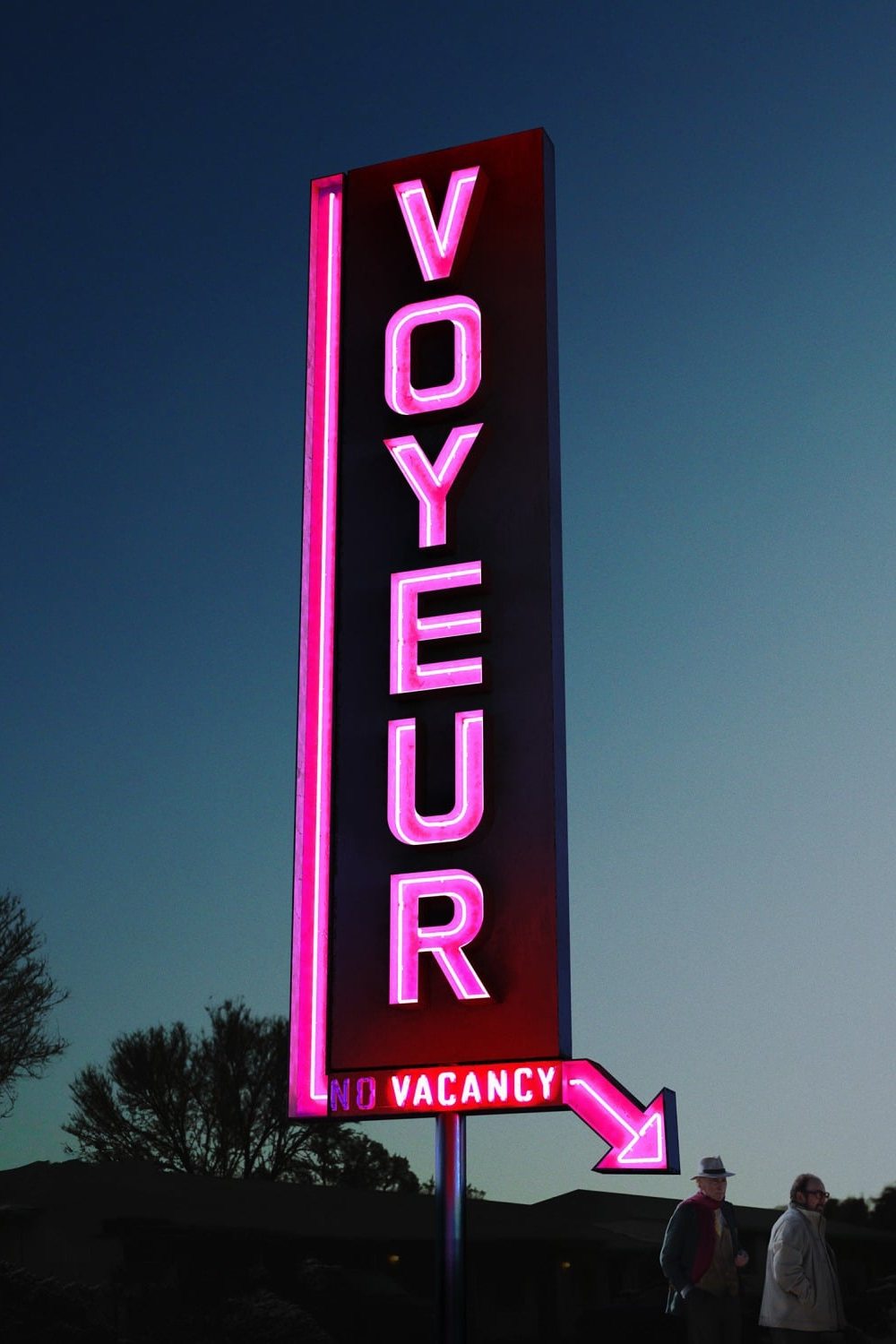
Legendary journalist Gay Talese unmasks a motel owner who spied on his guests for decades. But his bombshell story soon becomes a scandal of its own.
Through deeply personal interviews with her siblings and an examination of the photographs, letters, and belongings left behind, Mariska assembles a new portrait of her mother Jayne Mansfield, an extraordinary and complex woman.
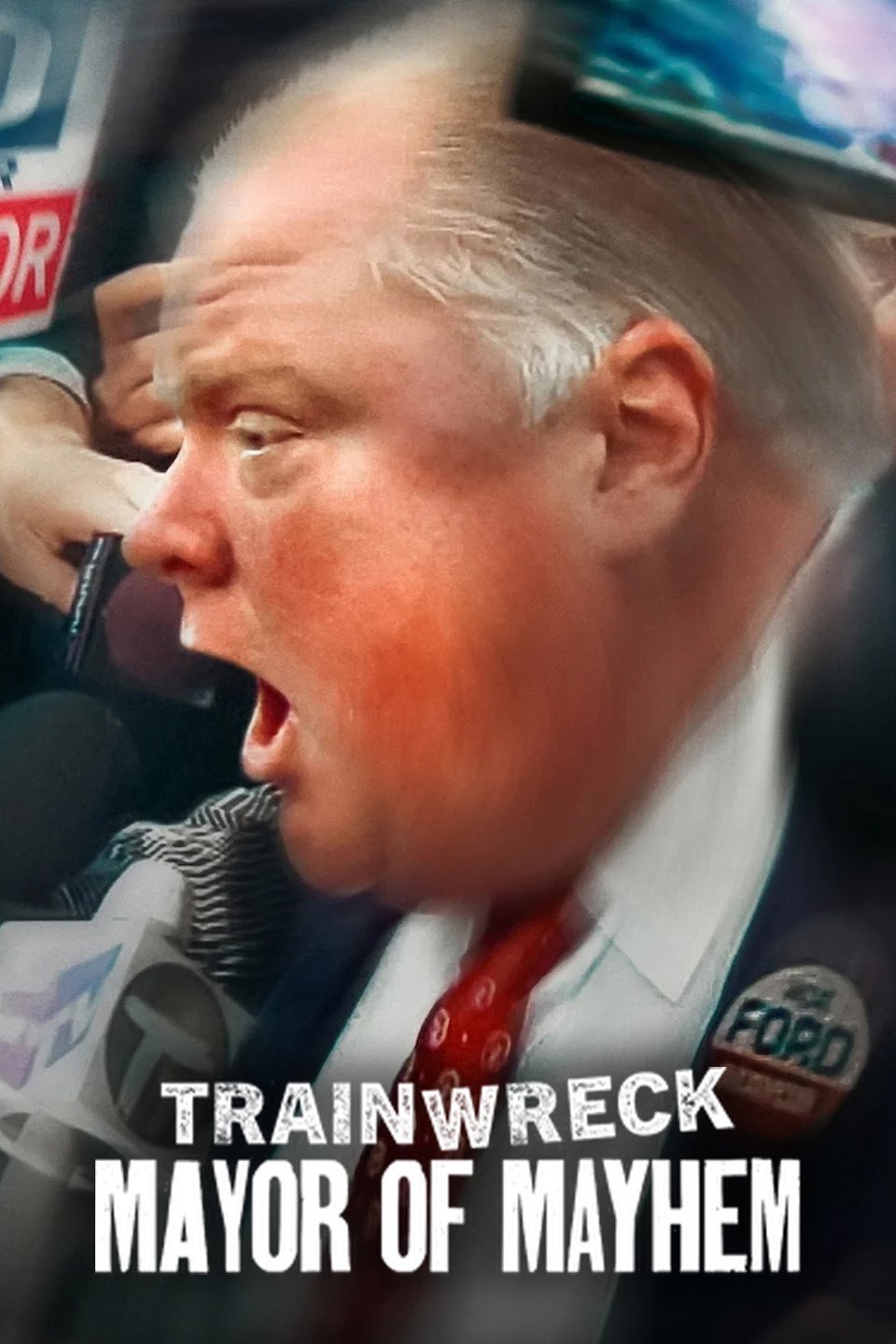
Rob Ford scandalized Canadian politics as the brash yet beloved mayor of Toronto — until an infamous video of him smoking crack sparked his downfall.
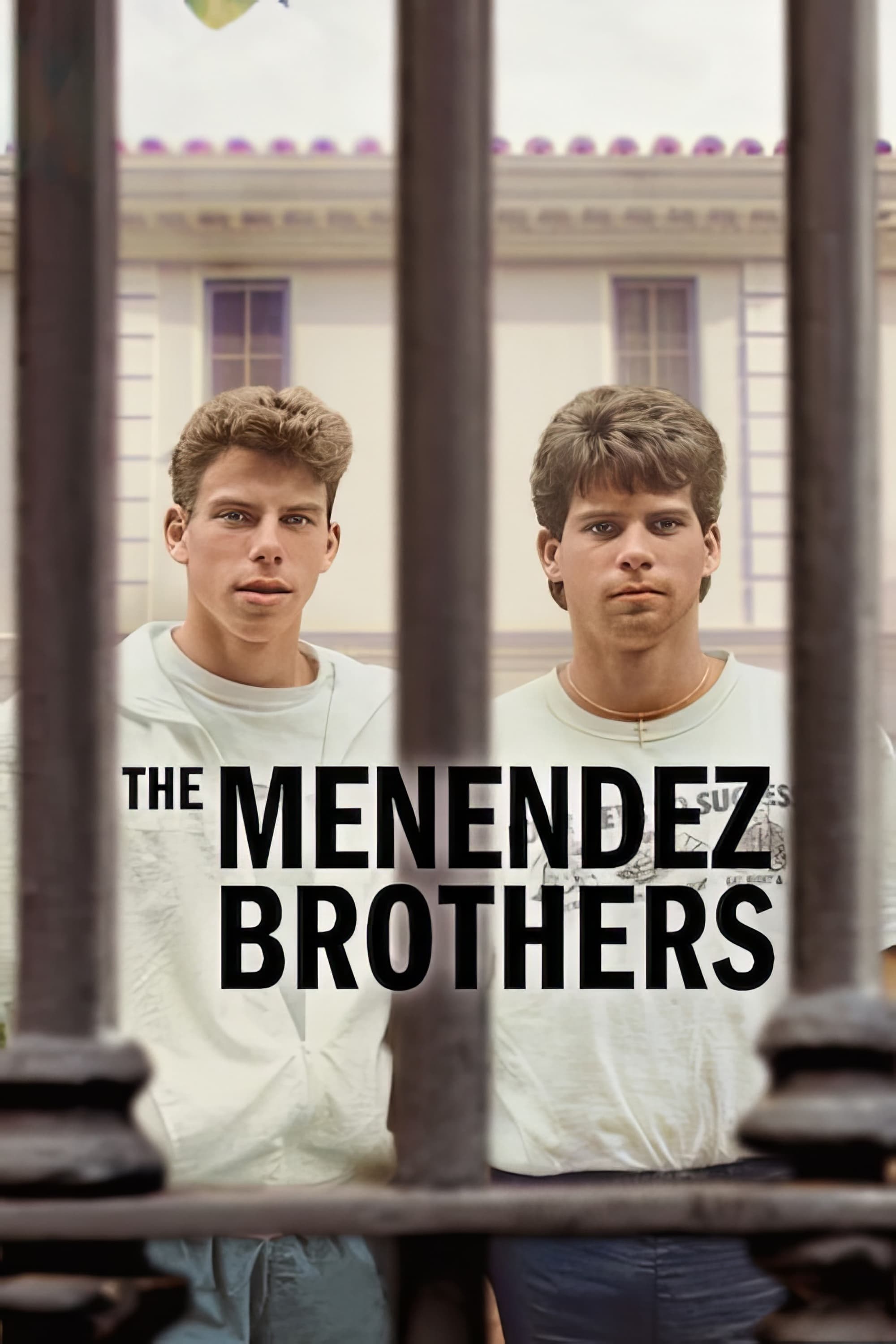
Serving life in prison for murdering their parents, Lyle and Erik Menendez speak out in this documentary explaining the shocking crime and ensuing trials.