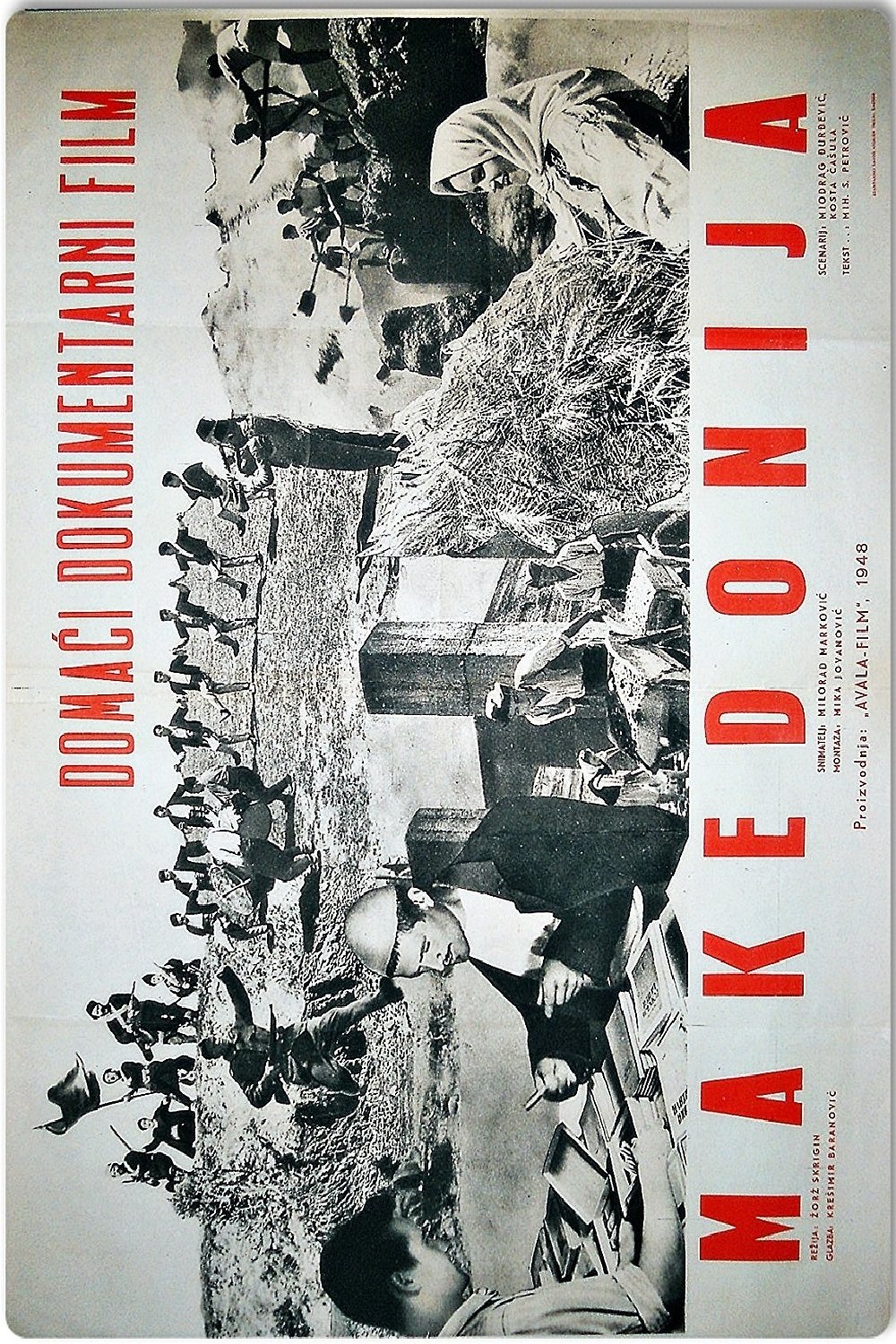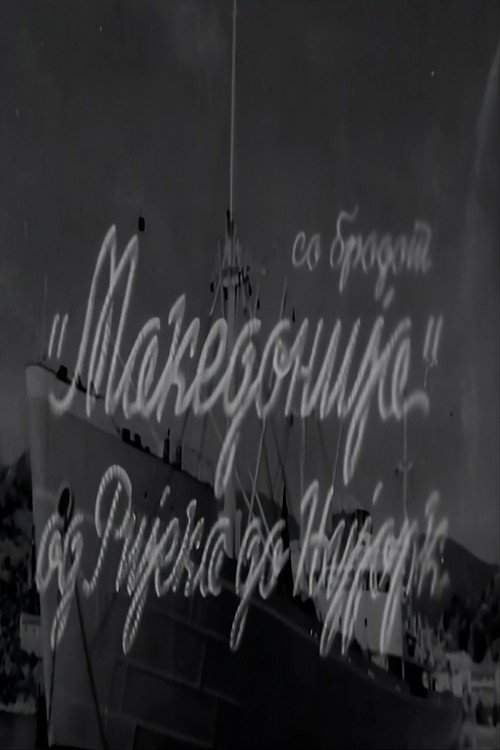
A travel documentary about the ship "Macedonia" which sets sail from the port of Rijeka, travels along the Mediterranean Sea stopping at Alexandria, Genova, Marseilles, Algiers and arrives at the final destination in New York.
Social & External
Director Guy Hamilton and several of the stars of Agatha Christie's "Evil Under The Sun" walk you through the making of the film.
The hidden story of a savory local specialty found only on the French Riviera and the surrounding areas. Socca enjoys a historical and cultural significance that far outweighs its simple and rustic four ingredients. How Nice!
A documentary about the Balkan country.
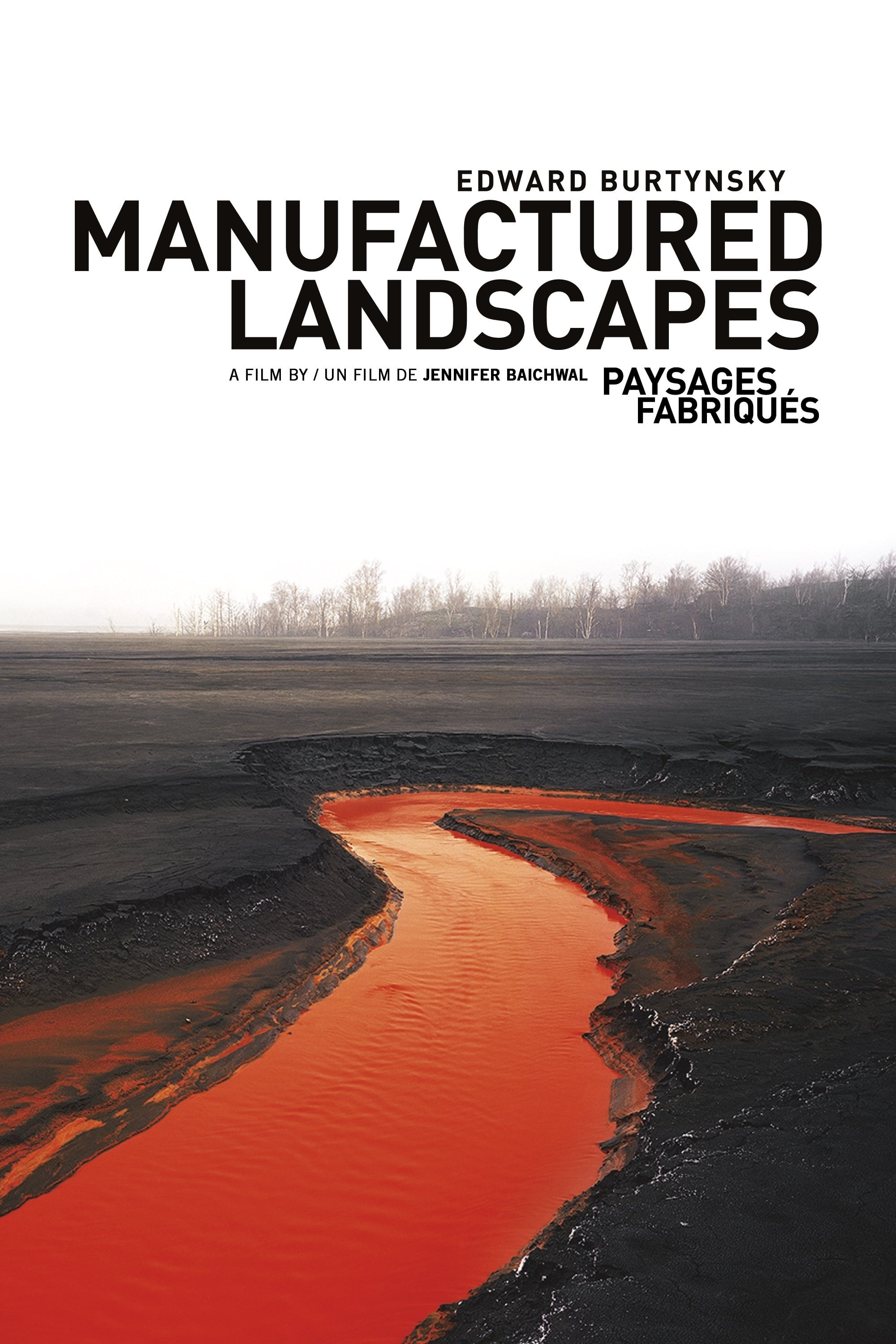
MANUFACTURED LANDSCAPES is the striking new documentary on the world and work of renowned artist Edward Burtynsky. Internationally acclaimed for his large-scale photographs of “manufactured landscapes”—quarries, recycling yards, factories, mines and dams—Burtynsky creates stunningly beautiful art from civilization’s materials and debris.
Pictures of the Mediterranean made with bread, oil and wine. In one meal the history, geography, economy, climate, culture and people of the Mediterranean. Close up of threshing floors, threshing floors, mills. Dietary habits, production methods, daily routines together with the natural and built environment make up the cultural body of the most interesting, perhaps, man-made environment in history. A culture that runs as a commonplace even in seemingly different worlds. The Mediterranean emerges in a sea of convergence and meeting without, however, ignoring the dynamics of the different.
Drawing inspiration from his personal encounter with the Italian refugee child Giovanna during World War II, Markus Imhoof tells how refugees and migrants are treated today: on the Mediterranean Sea, in Lebanon, in Italy, in Germany and in Switzerland.
This is a documentary film about the land and people which will never restore their power of the past. A story about negations and many historical moments are enveloped in the veil of secret. Through the modern personalities and archives "The Last Macedonian from Macedonia" approaches to the truth revealing the never spoken moments and linking the past, present, but also the future. The film was shot on locations in Bitola and its surroundings.
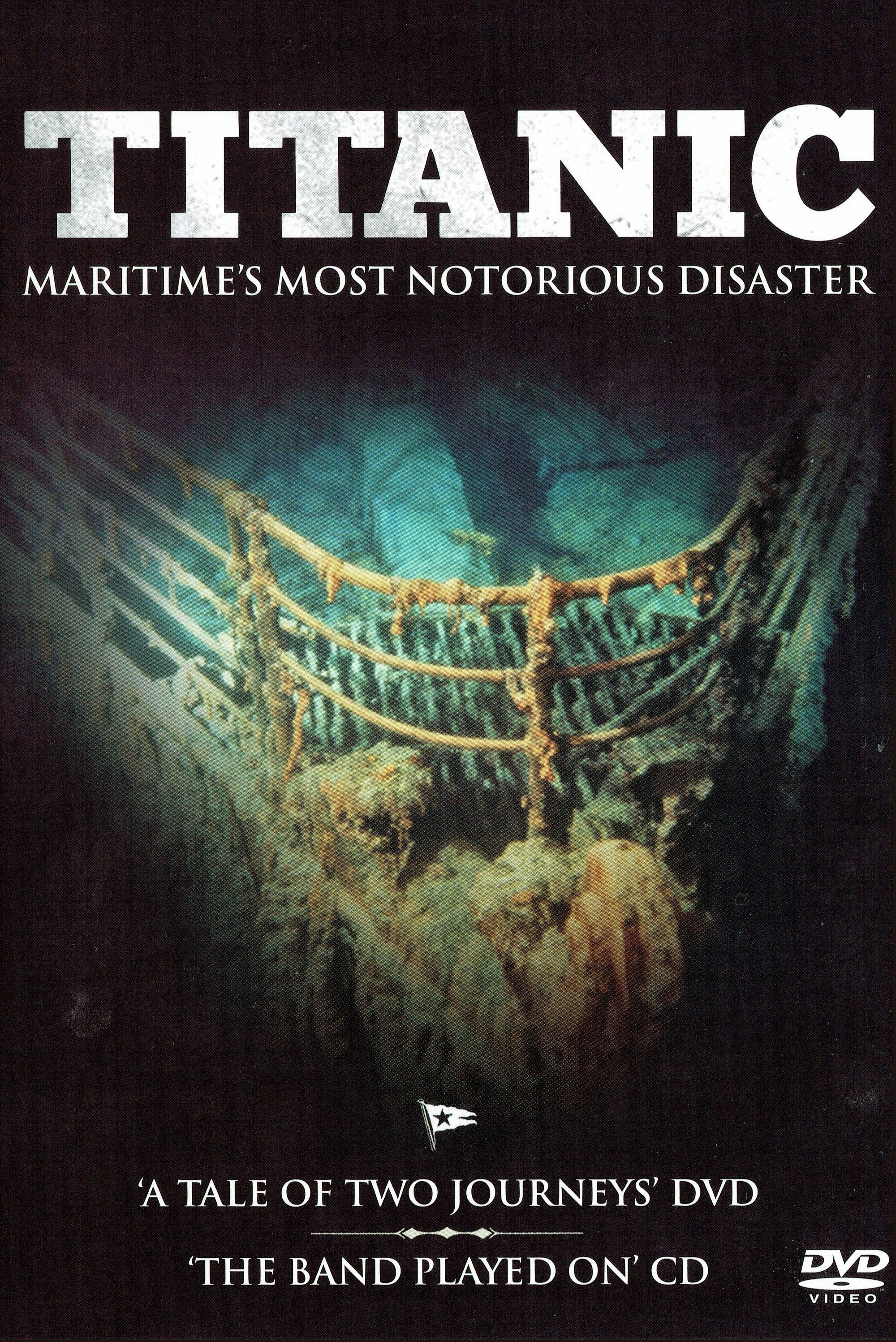
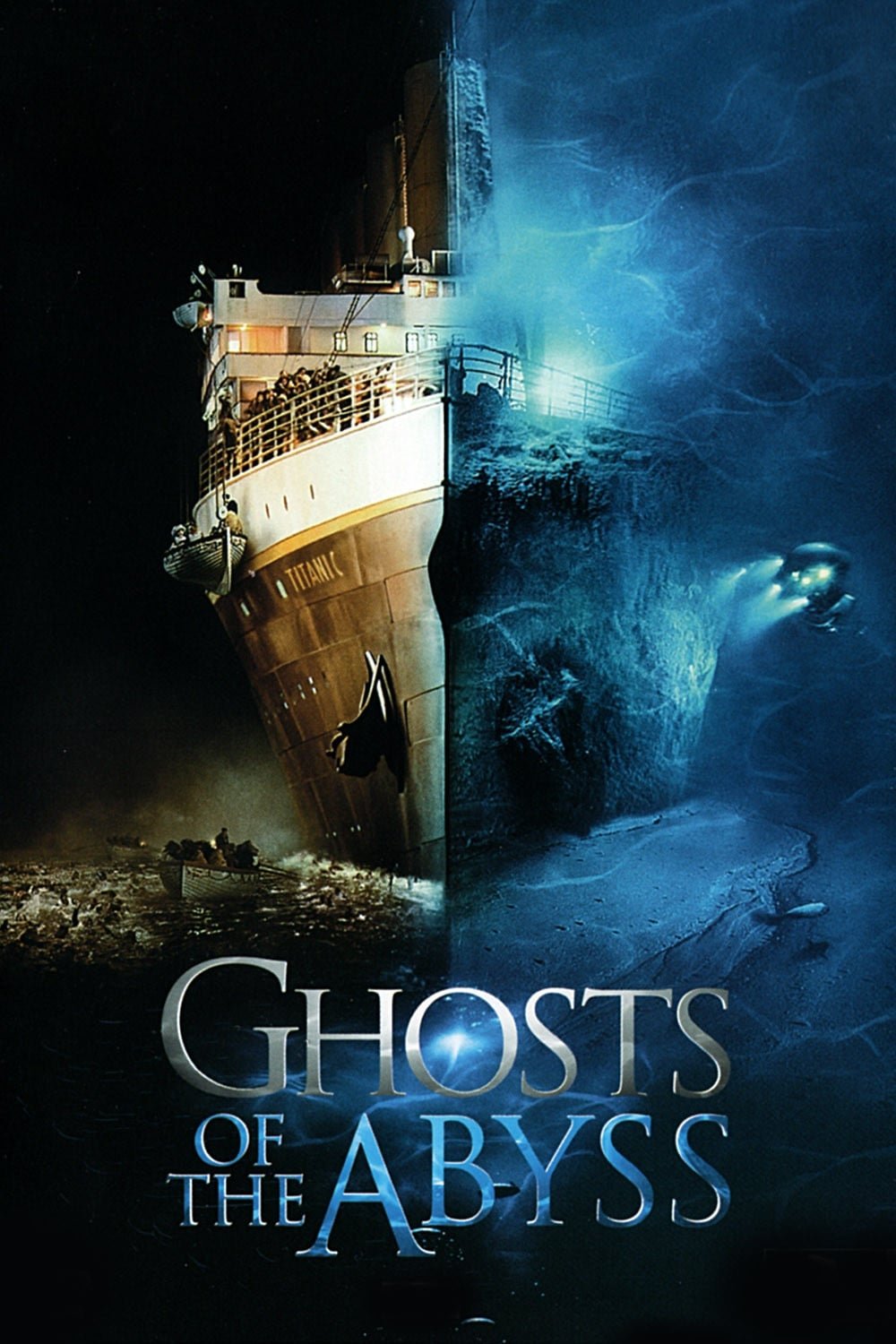
The fate of the RMS Titanic - the 'unsinkable' ship that never completed its maiden voyage - has enthralled us all for over a hundred years. Her power to captivate the world has only grown with every year she has lain on the seabed, so tantilizingly out of reach. Now, join a voyage of discovery as one man sets out to see the wreck of RMS Titanic with his own eyes. The result is a unique film that show the enduring passion for the Titanic story, the enormous challenges that must be conquered in order to visit the site and the amazing remains that still lie on the ocean floor, waiting for those brave and dedicated enough to make the long journey down.
Stanley Kubrick’s first color film, commissioned by the Seafarers International Union to promote the benefits of union membership. Shot inside the union’s Atlantic and Gulf Coast District facilities, it features scenes of ships, machinery, cafeteria life, and meetings, highlighting the daily routines and camaraderie of seafarers. Thought lost for decades, the film was rediscovered in 1973 and preserved by the Library of Congress.
Motivated by a deep-seated love for his city, a burgeoning filmmaker has produced a short film celebrating the landmarks of Alexandria. The film seamlessly interweaves the city's past and present, evoking a sense of nostalgia
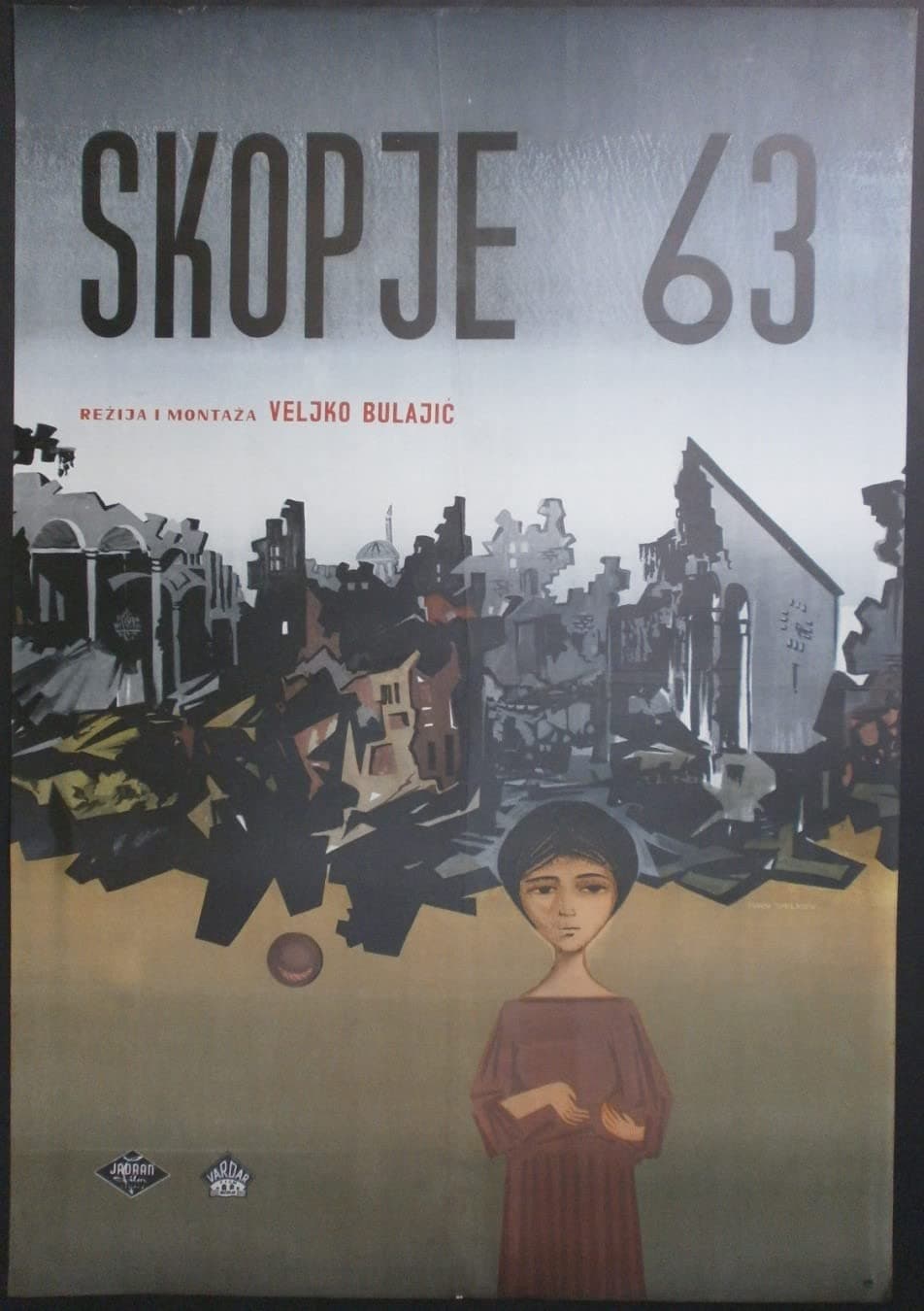
"Skoplje '63" is a 1964 Yugoslavian documentary film directed by Veljko Bulajić about the 1963 Skopje earthquake (Skoplje, per film title, is the Serbo-Croatian spelling of Skopje). The filming started three days after the earthquake and lasted for four months. After that, Bulajić spent 12 months editing the footage at Jadran Film studios.
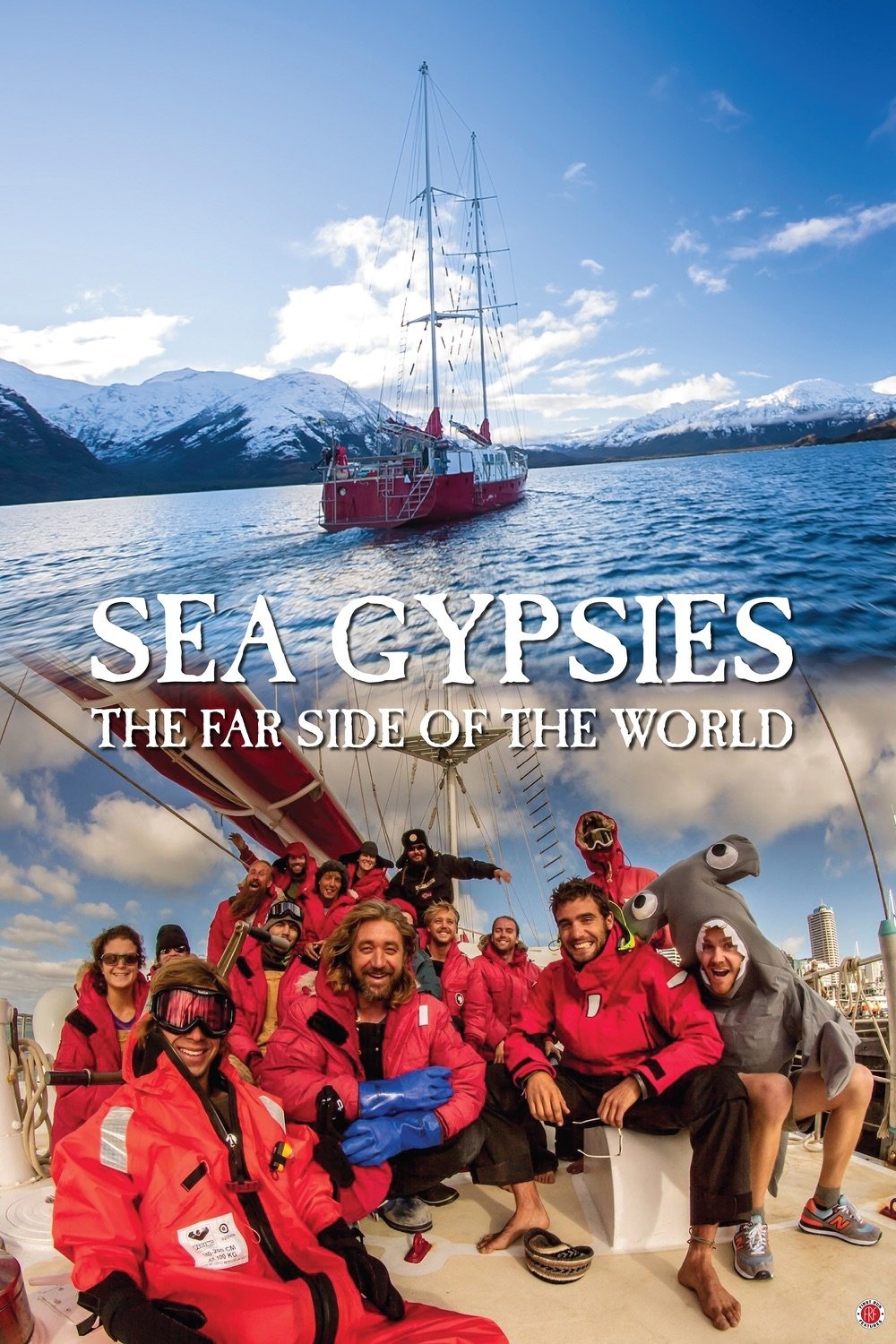
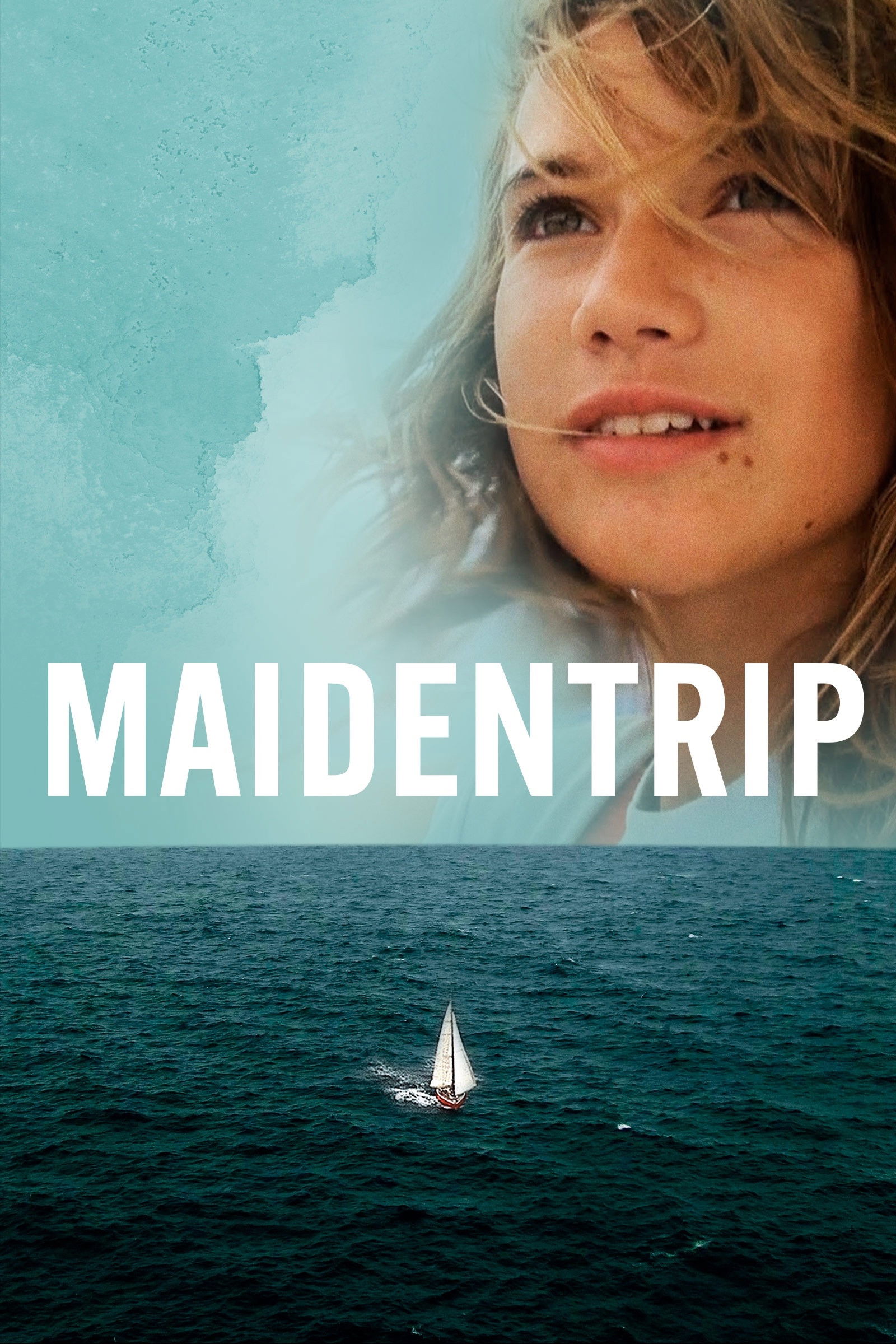
The vessel is Infinity, a 120-foot hand-built sailboat, crewed by a band of miscreants. The journey, an 8,000 mile Pacific crossing from New Zealand to Patagonia, with a stop in Antarctica. Unlike all the other boats heading to the Southern Ocean, Infinity is no ice-reinforced super-yacht crewed by professional sailors; rather, Infinity lives in the moment and sails on a whim. What can be found in abundance on board is blood, sweat, enthusiasm, risk tolerance, disdain for authority, and an ample supply of alcohol – all in all a mad voyage of reckless adventure just for the sheer joy of it. Along the way the crew will battle a hurricane of ice in the Ross Sea, assist the radical environmental group Sea Shepherd in their fight with illegal whalers, and tear every sail they have. At the heart of their journey is a quest for awe and a sense of wonder with the raw power of the natural world.
In 1962 Joris Ivens was invited to Chile for teaching and filmmaking. Together with students he made …A Valparaíso, one of his most poetic films. Contrasting the prestigious history of the seaport with the present the film sketches a portrait of the city, built on 42 hills, with its wealth and poverty, its daily life on the streets, the stairs, the rack railways and in the bars. Although the port has lost its importance, the rich past is still present in the impoverished city. The film echoes this ambiguous situation in its dialectical poetic style, interweaving the daily life reality (of 1963) with the history of the city and changing from black and white to colour, finally leaving us with hopeful perspective for the children who are playing on the stairs and hills of this beautiful town.
[Here] Pollet made a work that is the very definition of what French critics like to call an ovni or ufo (as in ‘unidentified filmic object’). [It] has been described as being ‘like a comet in the sky of French cinema,’ an ‘unknown masterpiece,’ and an ‘unprecedented’ work that refuses interpretation even as it has provoked reams of critical writing. Its rhythmic collage of images – a girl on a gurney, a fisherman, Greek ruins, a Sicilian garden, a Spanish corrida – is accompanied by an abstract commentary written by Sollers, and only the somber lyricism of Antoine Duhamel’s score holds the film’s elements together. At first viewing, you fear that [it] might fly apart into incoherent fragments. Instead, over the course of its 45 minutes it invents its own rules, and you realize you’re watching something like the filmic channeling of an ancient ritual. – Chris Darke, FILM COMMENT
A documentary about Göran Schildt and his relationship with the Mediterranean.
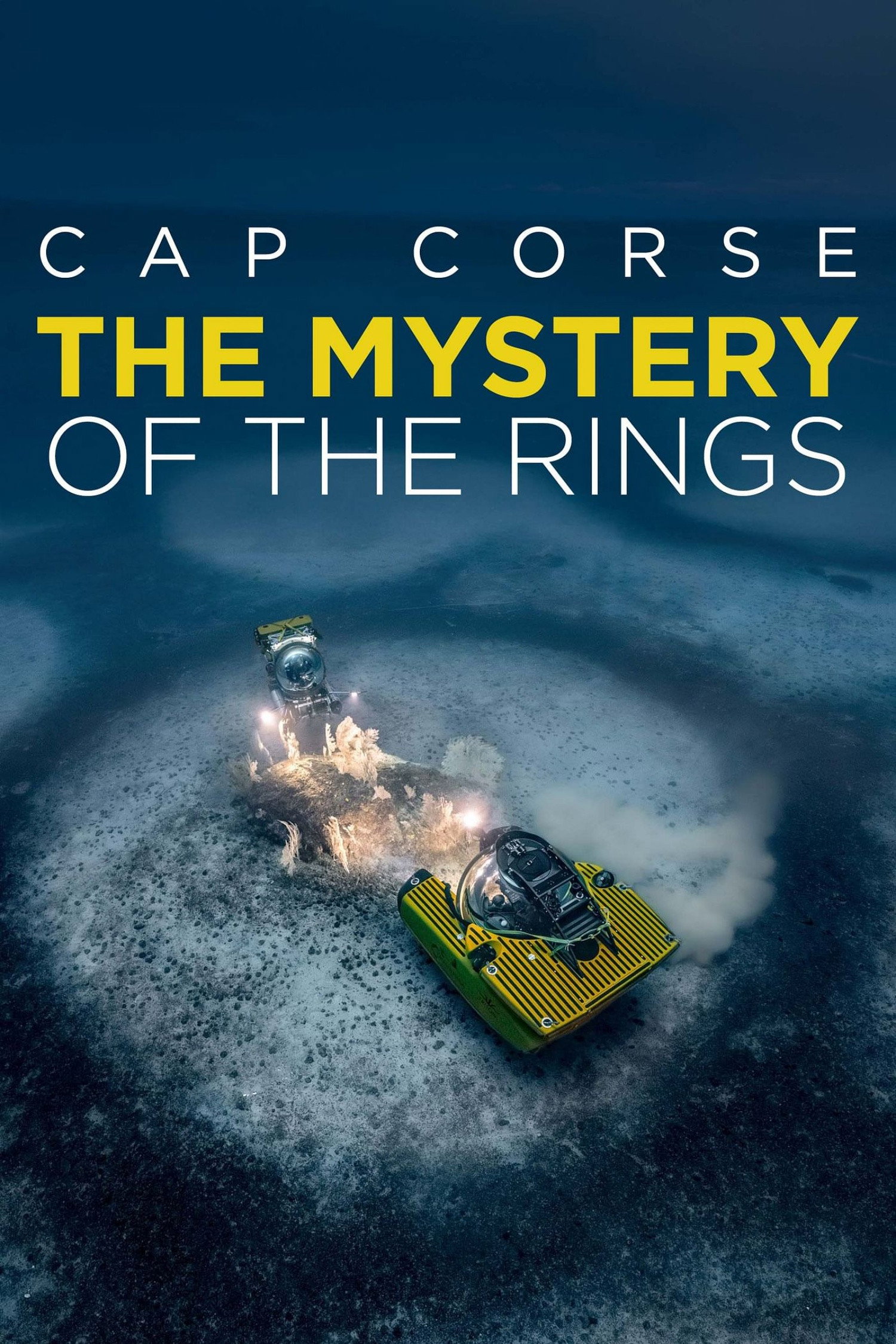
Explore the mysterious giant rings of the Mediterranean, buried at a depth of 120m, with the world-famous Laurent Ballesta, world-renowned diver and his team, to understand the origin of these unique and unknown formations.
The Mediterranean. Because people have been travelling there for thousands of years, it is believed to be without secrets. And yet, far below its surface, lie vast unexplored territories, luxurious gardens worthy of the finest tropical coral reefs. These natural wonders are inaccessible to the traditional diver, in a twilight zone, between 60 and 120 m, where there’s less than 1% of sunlight. If diving at such depths is always a challenge, staying there is a fantasy, a utopia that becomes reality in Planet Mediterranean. In the tradition of Commander Cousteau and his "houses under the sea," the team of diver-photographer Laurent Ballesta is undertaking a new world-record setting mission in complete freedom and without time limit.
For eight centuries, between the 9th and 1st century BC, the Etruscans, inhabitants of the Italian peninsula, were one of the most powerful peoples of the Mediterranean basin, and when they disappeared they left behind impressive necropolises, vestiges of sanctuaries and even entire cities. How did they attain such power? How far did they extend their dominion and influence? What were the causes of their decline?
An indictment of the protagonists in the Cypriot civil war.
While our photographers were crossing the Atlantic Ocean a most wonderful and sensational picture was secured, showing a storm at sea. The picture was secured by lashing the camera to the after bridge of the Kaiserine Maria Theresa, of the North German Lloyd Line, during one of its roughest voyages. The most wonderful storm picture ever photographed. Taken at great risk. (Edison Films, 1901)