Social & External
The people behind it
For the men who fought perhaps the fiercest battle of WWII, seventy years have passed. But the memories of those 36 bloody days on Iwo Jima have not. In the spring of 2015, survivors of both sides of the battle returned for the last time to join a Reunion of Honor — a unique, now-peaceful fellowship first forged of fire and bullets.
A young pilot, fresh out of training, is called to join a Flight while they wait for the call to scramble. Throughout a single day, he witnesses the skies of southern England filled with deadly dog fights, and after every exhausting battle the men return to their dispersal hut, only to find another of their number missing. Unwilling to surrender, the pilot and his comrades unite to take to the skies once more, determined to defend not only the airfield, but their entire country.
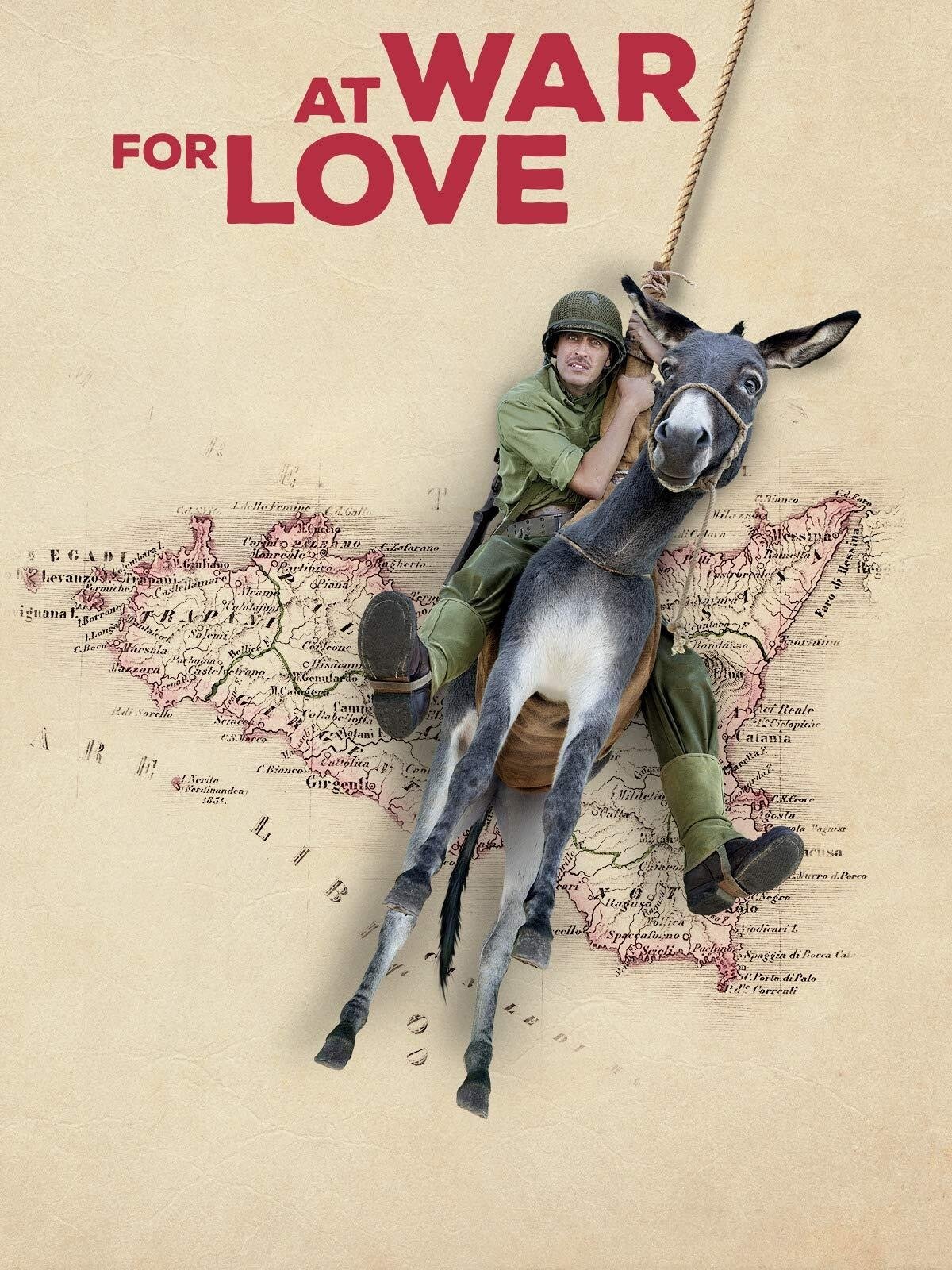
It's 1943 and World War II is raging in Europe. In New York, Arturo and Flora the daughter of a restaurant owner are in love, but she is promised in marriage to the son of a Mafia boss. There is a way around this, but to be able to marry Flora, Arturo needs to get permission from her father, who lives in a village in Sicily. Arturo doesn't have any money, so the only way he can get to Sicily is to enlist in the U.S. Army, which is preparing for a landing on the island.
A documentary on the volunteer Estonian Army's defense against the Soviet Army in 1944 with an emphasis on its last stand in the region known as the Blue Hills of Estonia.
The film is set in Karafuto after the radio broadcast of the Imperial Rescript on the Termination of the War. On August 15, 1945, Soviet forces invaded Karafuto. On August 20, the postal telegraph office in Maoka suspended operations and nine of the twelve telephone operators committed suicide by taking potassium cyanide while the city was being invaded.
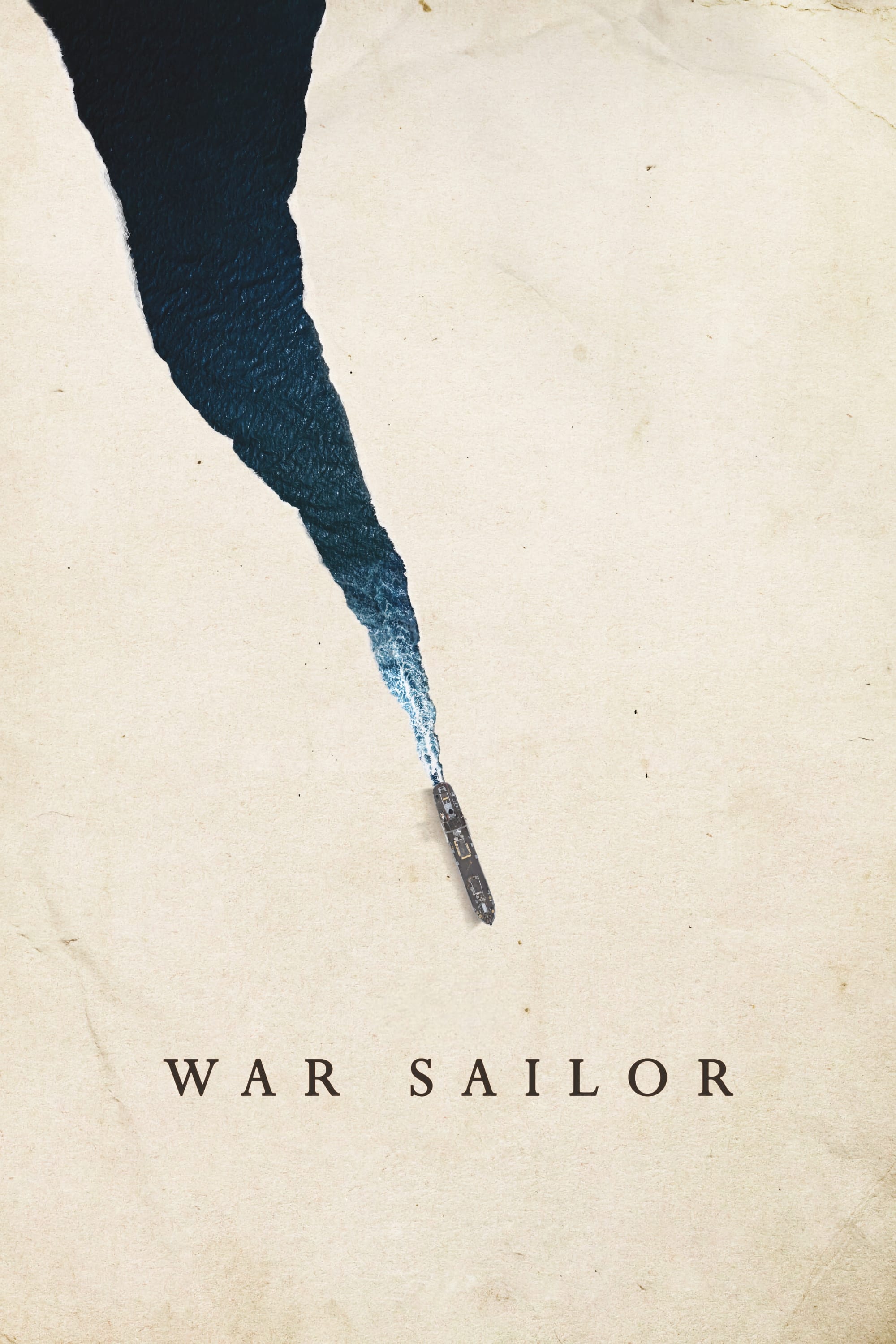
War Sailor is a magnificent drama that tells the story of the more than 30,000 Norwegian war sailors and their families' fate during and after the Second World War.
WWII - Slovenia under Italian fascist occupation. Two friends separated by a woman they both loved, and then by war as well: one of them joins partisans, the other Italian occupying forces.
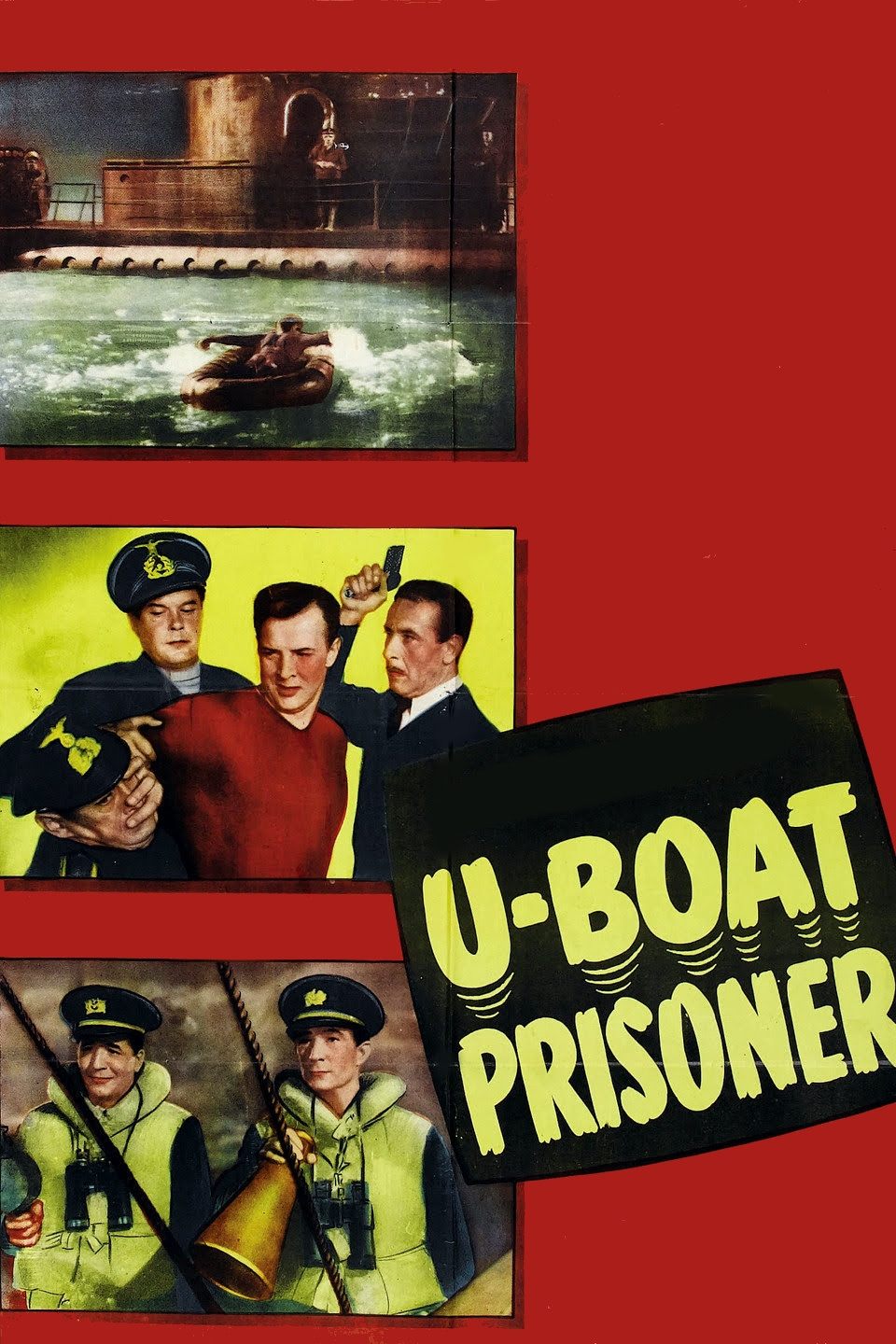
Merchant seaman Archie Gibbs manages to survive when his ship is torpedoed by a German submarine. Disguising himself in the uniform of a dead Nazi spy, Gibbs is picked up by the Nazi U-boat. He manages to convince the German sailors that he's the spy, and in this guise he tries to rescue a group of captured Allied scientists.
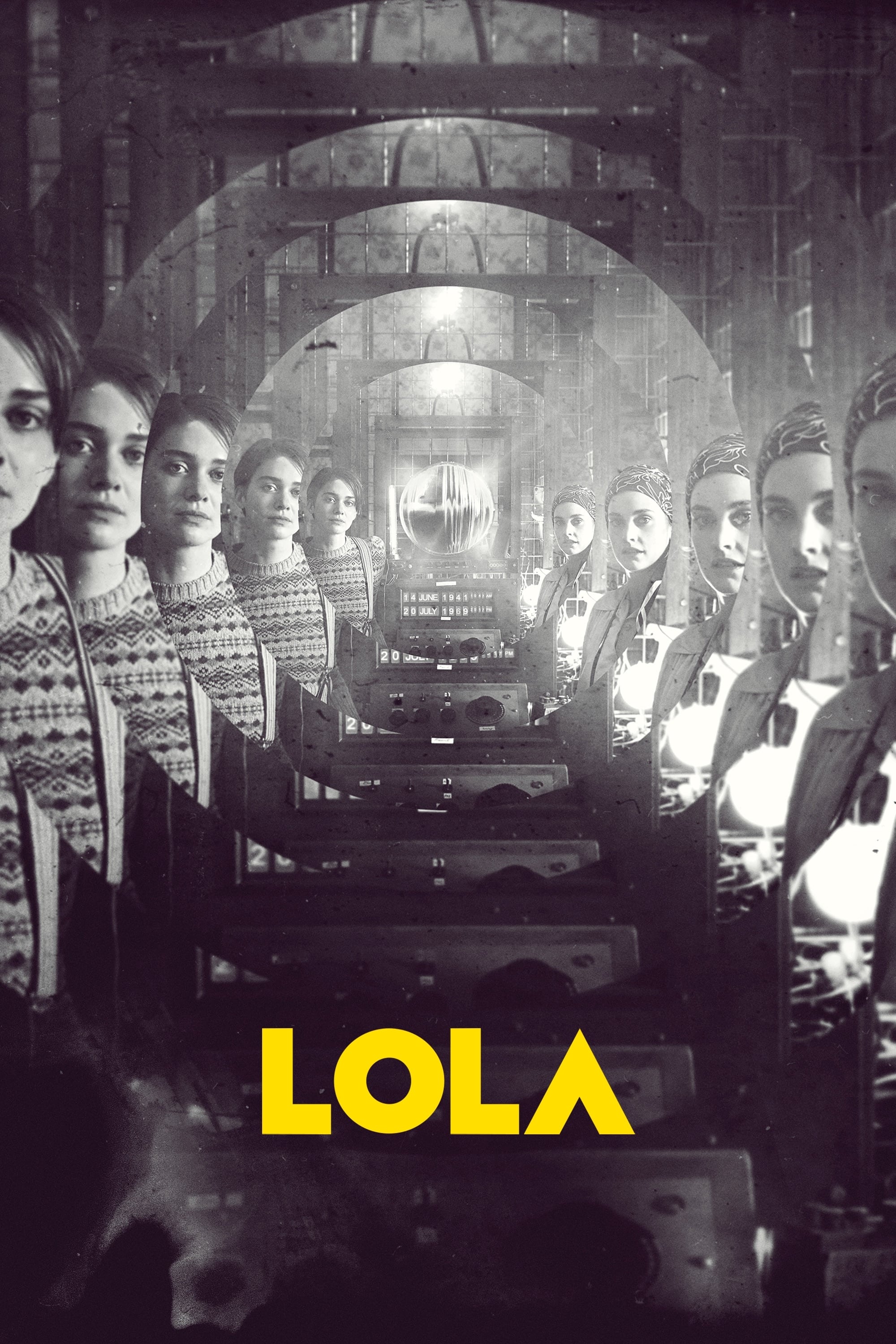
Sussex, England, 1938. Shortly before the outbreak of World War II, Thomasina and Martha Hanbury, two ingenious sisters, create LOLA, a miraculous machine.
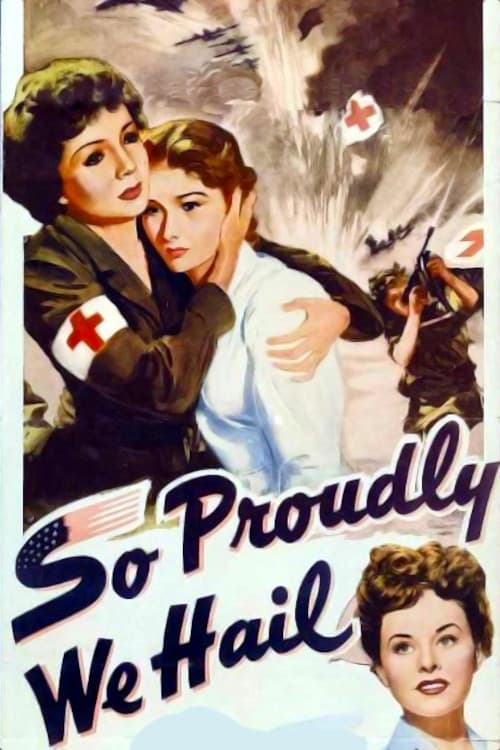
During the start of the Pacific campaign in World War II, Lieutenant Janet Davidson is the head of a group of U.S. military nurses who are trapped behind enemy lines in the Philippines. Davidson tries to keep up the spirits of her staff, which includes Lieutenants Joan O'Doul and Olivia D'Arcy. They all seek to maintain a sense of normal life, including dating, while under constant danger as they tend to wounded soldiers.
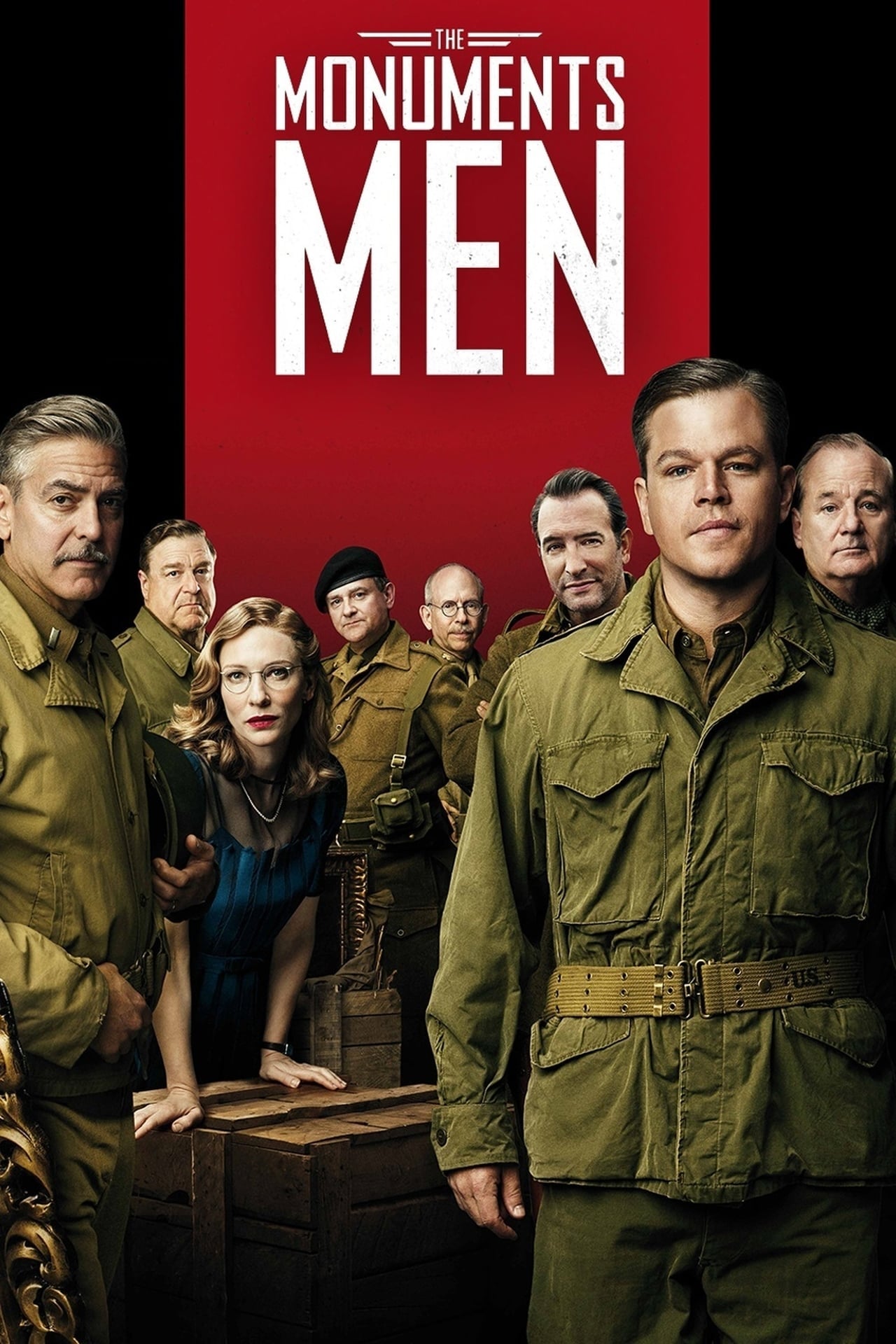
Based on the true story of the greatest treasure hunt in history, The Monuments Men is an action drama focusing on seven over-the-hill, out-of-shape museum directors, artists, architects, curators, and art historians who went to the front lines of WWII to rescue the world’s artistic masterpieces from Nazi thieves and return them to their rightful owners. With the art hidden behind enemy lines, how could these guys hope to succeed?
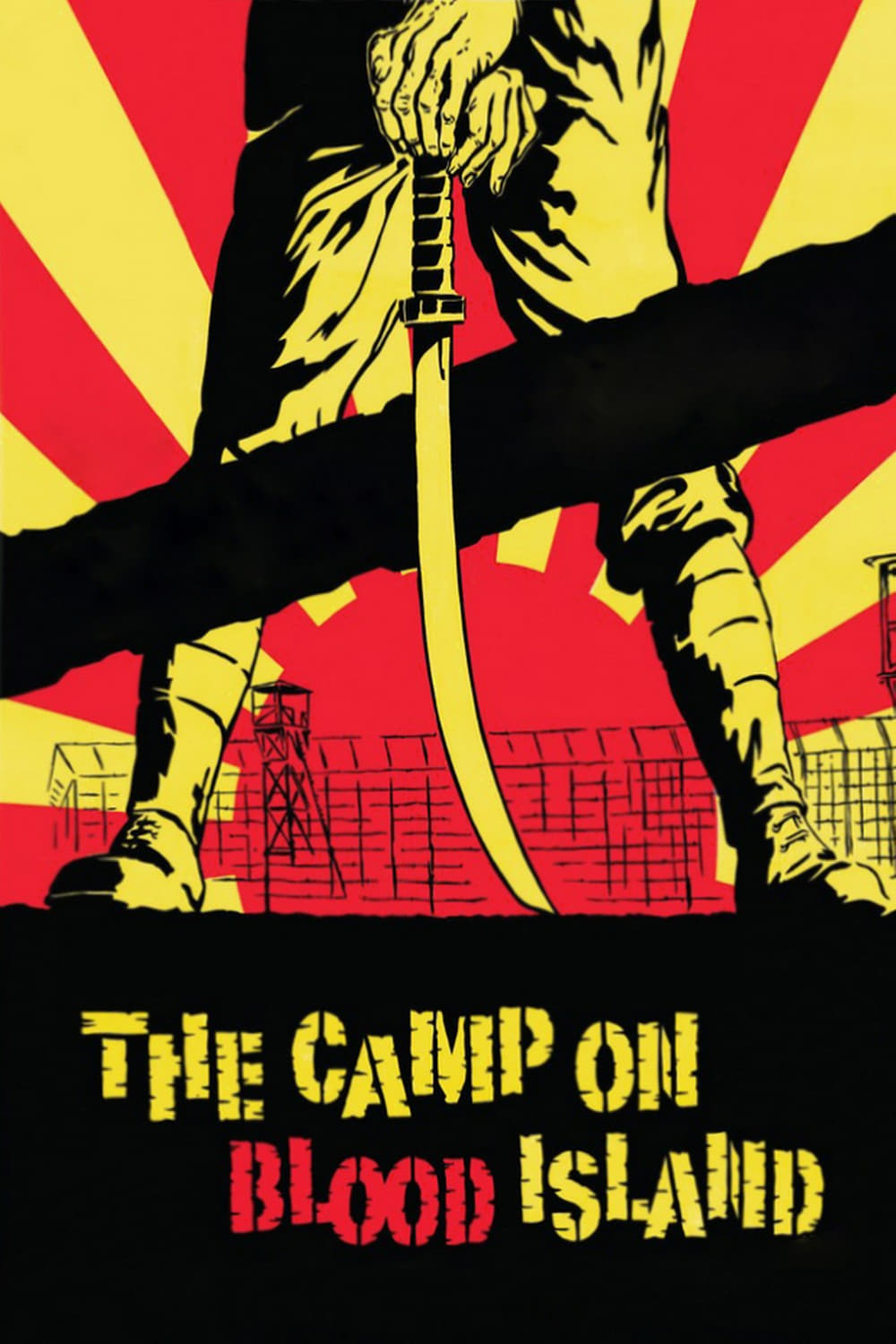
Set in a Japanese prisoner of war camp during World War II, the film focuses on the brutality and horror that the allied prisoners were exposed to as the Japanese metered out subjugation and punishment to a disgraced and defeated enemy. This harrowing drama concentrates on the deviations of legal and moral definitions when two opposing cultures clash. Although fictional, this was one of the earliest films to deal realistically with life and death in a Japanese prisoner-of-war camp during the Second War.
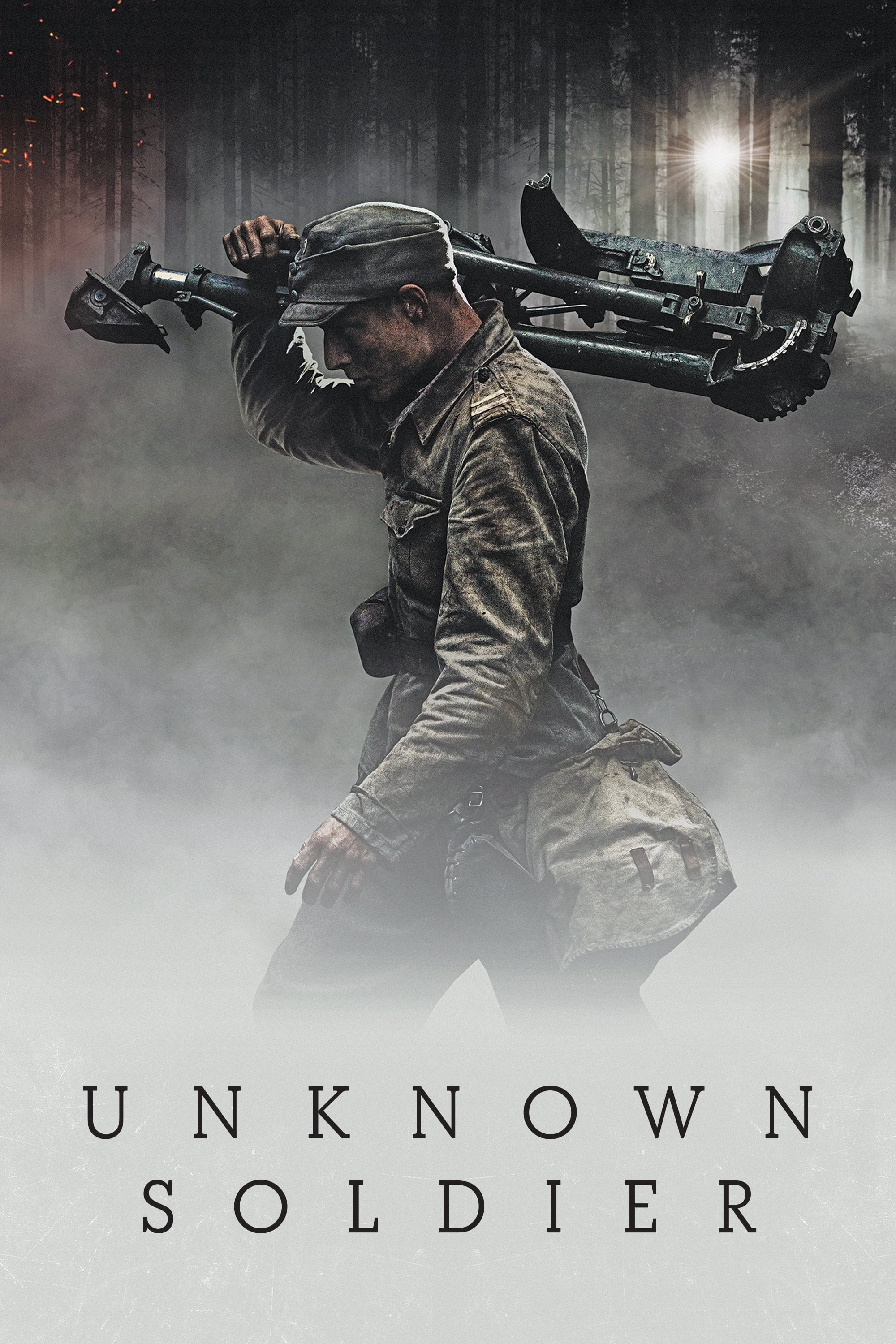
The film follows Finnish army machine gun company in Continuation War against Soviet Union, 1941–1944. Based on Väinö Linna's best selling novel Tuntematon Sotilas (The Unknown Soldier) and the novel's uncensored version, Sotaromaani (A War Novel).
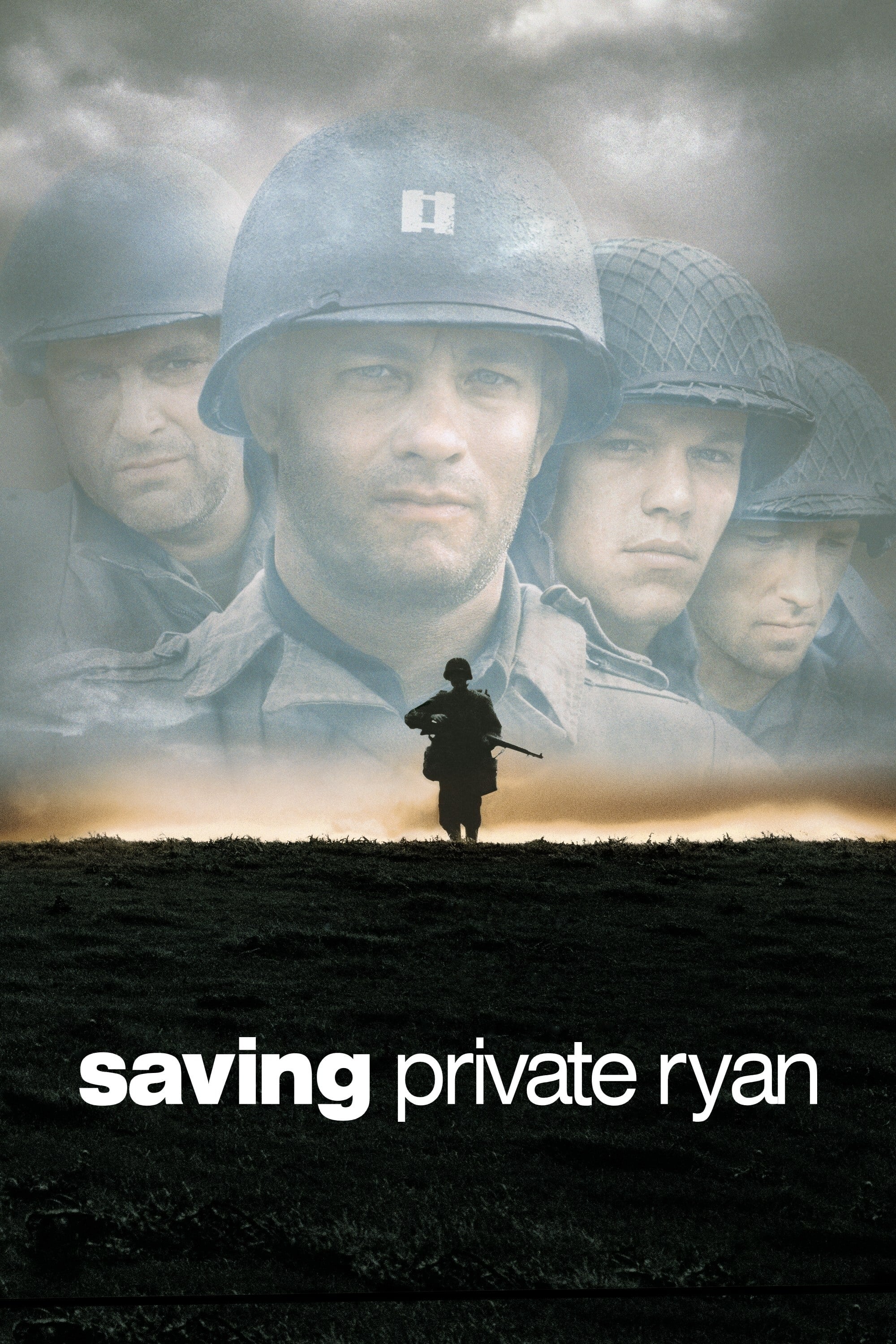
As U.S. troops storm the beaches of Normandy, three brothers lie dead on the battlefield, with a fourth trapped behind enemy lines. Ranger captain John Miller and seven men are tasked with penetrating German-held territory and bringing the boy home.
Tony Robinson’s VE Day: Minute By Minute will take a unique look at a pivotal day in the history of the modern world, delving into the key events that made VE Day such a momentous twenty-four hours. This is the story of what happened on that most celebrated and important day, including original interviews with historians and veterans who tell their stories and share their first-hand experiences. Using unseen archive footage and stills, plus never told accounts from veterans who were there, this one-off special will chart the moment the clock struck midnight, to 24 hours later, when fighting officially stopped across Europe. Up and down the country it was dawning on people that they were waking up not with fear or anxiety, but with relief and excitement. This was a Great Britain no one had experienced for six years. A Britain at peace. At almost no notice street celebrations were being prepared and tens of thousands were flocking to London and other city centres.
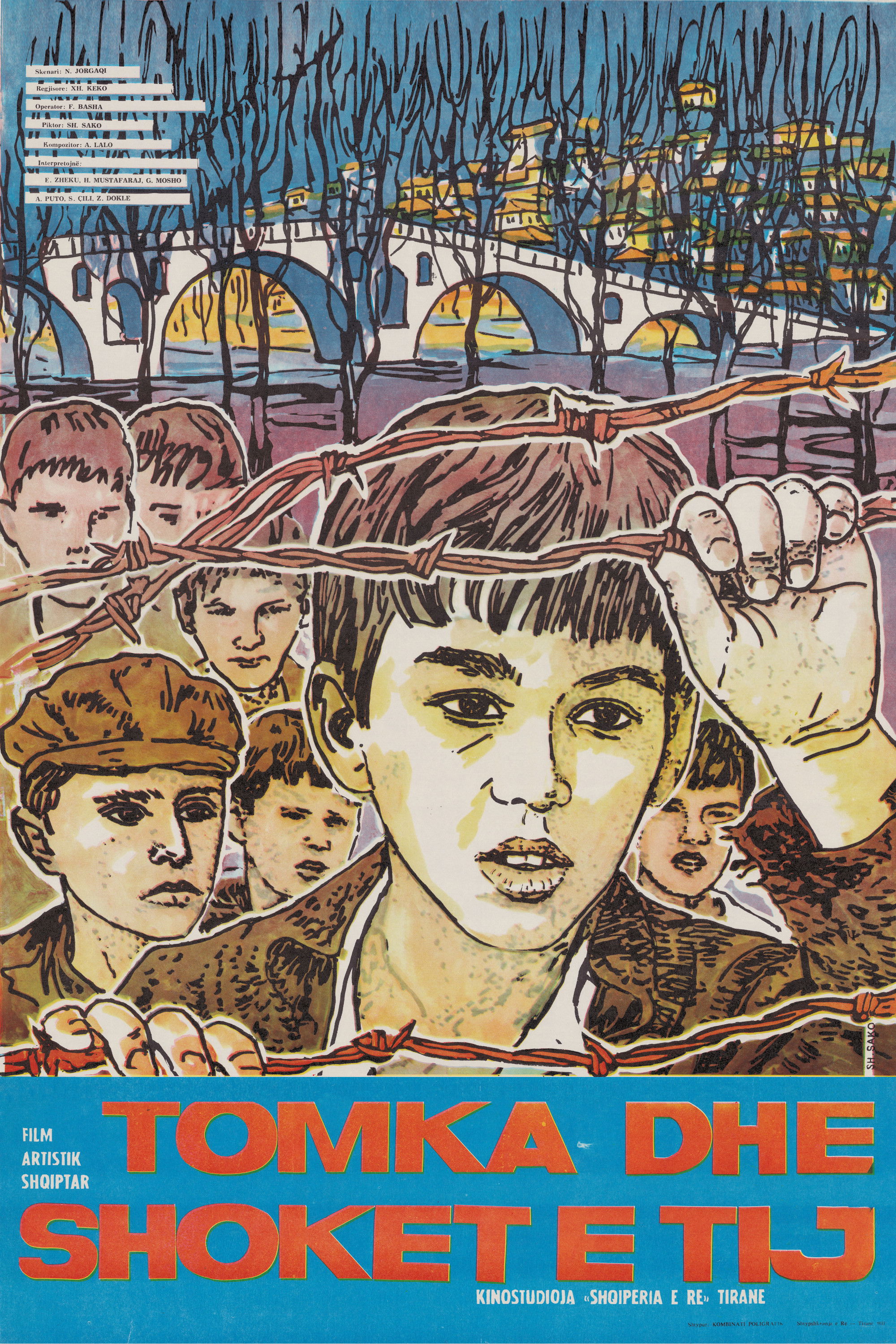
Tomka is a boy who likes playing football with his friends. When the German army captures his town, the German soldiers establish their camp in the town stadium. Tomka with help from his friends and their parents organizes sabotage actions against the soldiers.
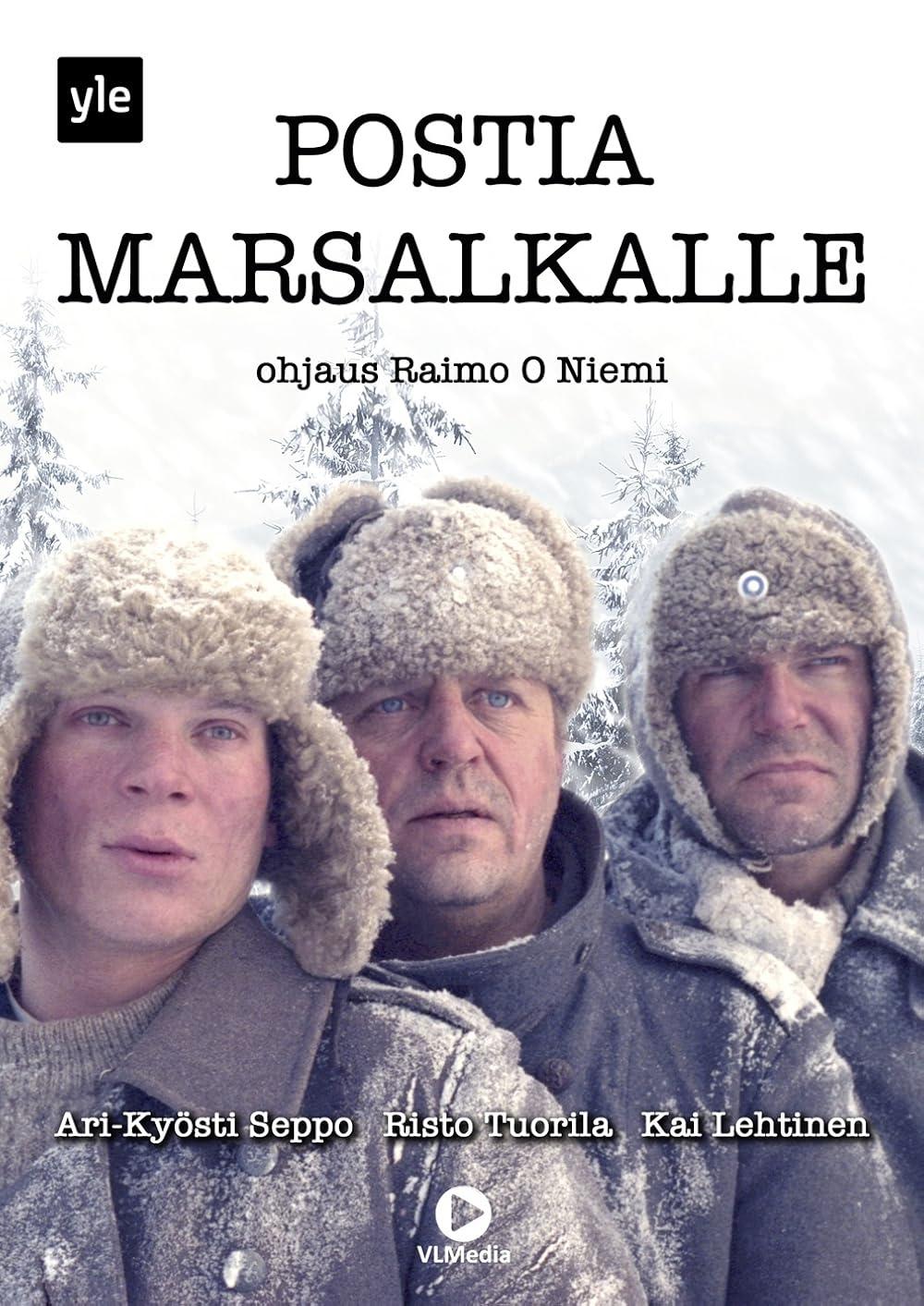
Story of a simple-minded Finnish soldier set in the winter of 1943.
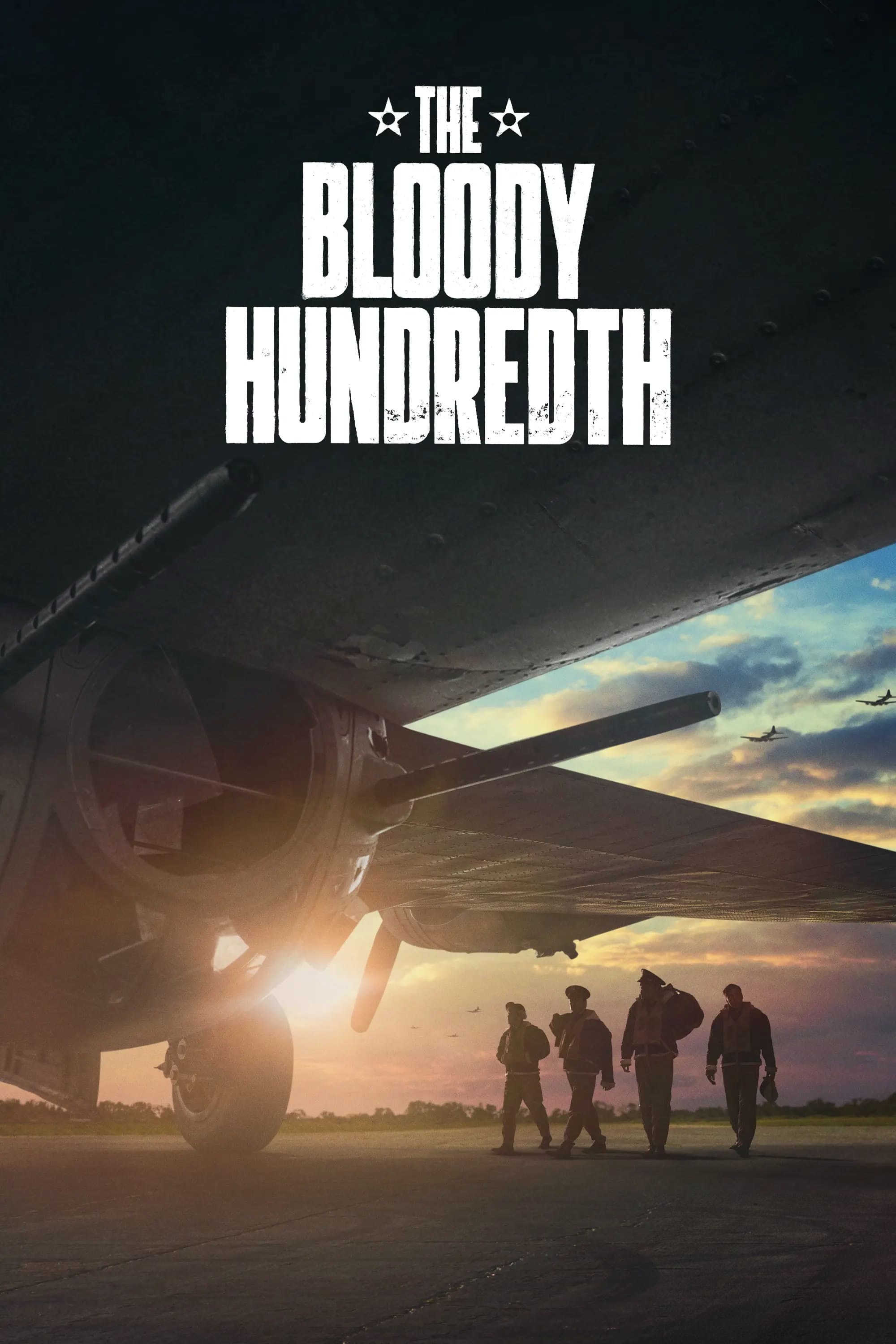
Meet the real-life airmen who inspired Masters of the Air as they share the harrowing and transformative events of the 100th Bomb Group.
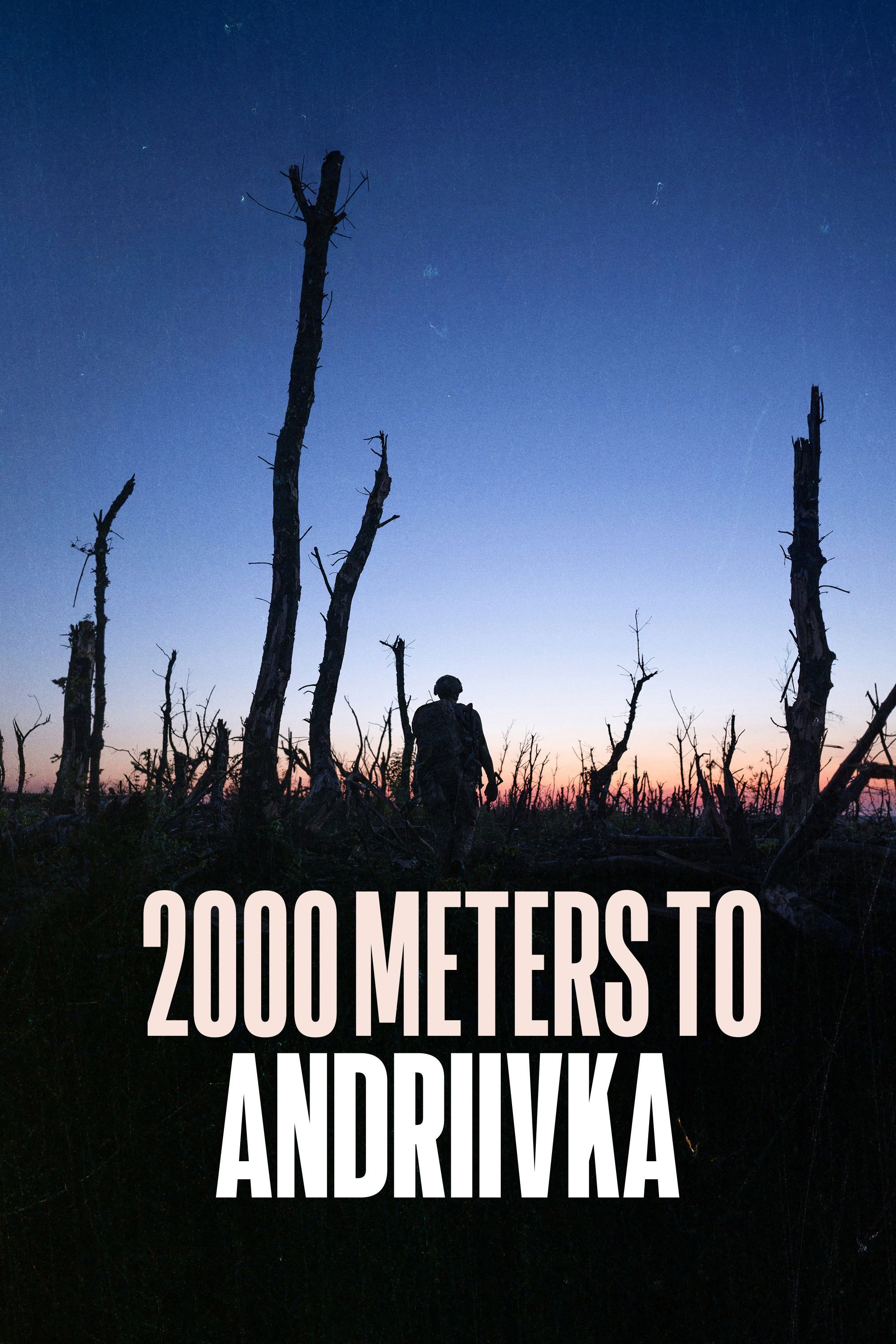
Amid the failing counteroffensive, a journalist follows a Ukrainian platoon on their mission to traverse one mile of heavily fortified forest and liberate a strategic village from Russian occupation. But the farther they advance through their destroyed homeland, the more they realize that this war may never end.
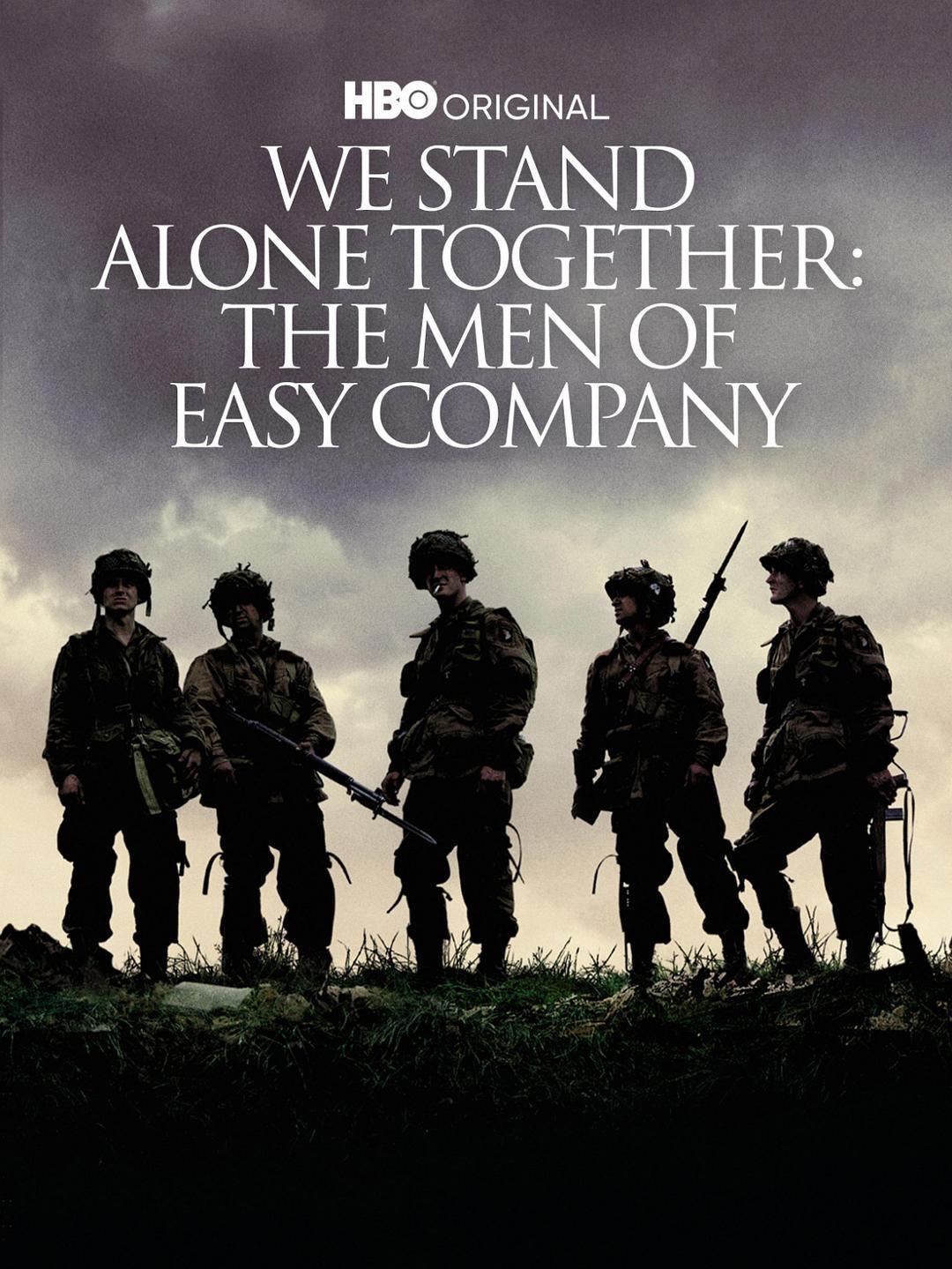
Over a period of two years, Mark Cowen and his crew travelled to thirty U.S. states and ten European cities, to interview the veterans of Easy Company. The stories told by the veterans themselves, create a history of the Second World War from the point of view of this heroic company of men, made famous in the mini-series Band of Brothers.
Prelude to War was the first film of Frank Capra's Why We Fight propaganda film series, commissioned by the Pentagon and George C. Marshall. It was made to convince American troops of the necessity of combating the Axis Powers during World War II. This film examines the differences between democratic and fascist states.
Director Claude Lanzmann spent 11 years on this sprawling documentary about the Holocaust, conducting his own interviews and refusing to use a single frame of archival footage. Dividing Holocaust witnesses into three categories – survivors, bystanders, and perpetrators – Lanzmann presents testimonies from survivors of the Chelmno concentration camp, an Auschwitz escapee, and witnesses of the Warsaw Ghetto Uprising, as well as a chilling report of gas chambers from an SS officer at Treblinka.
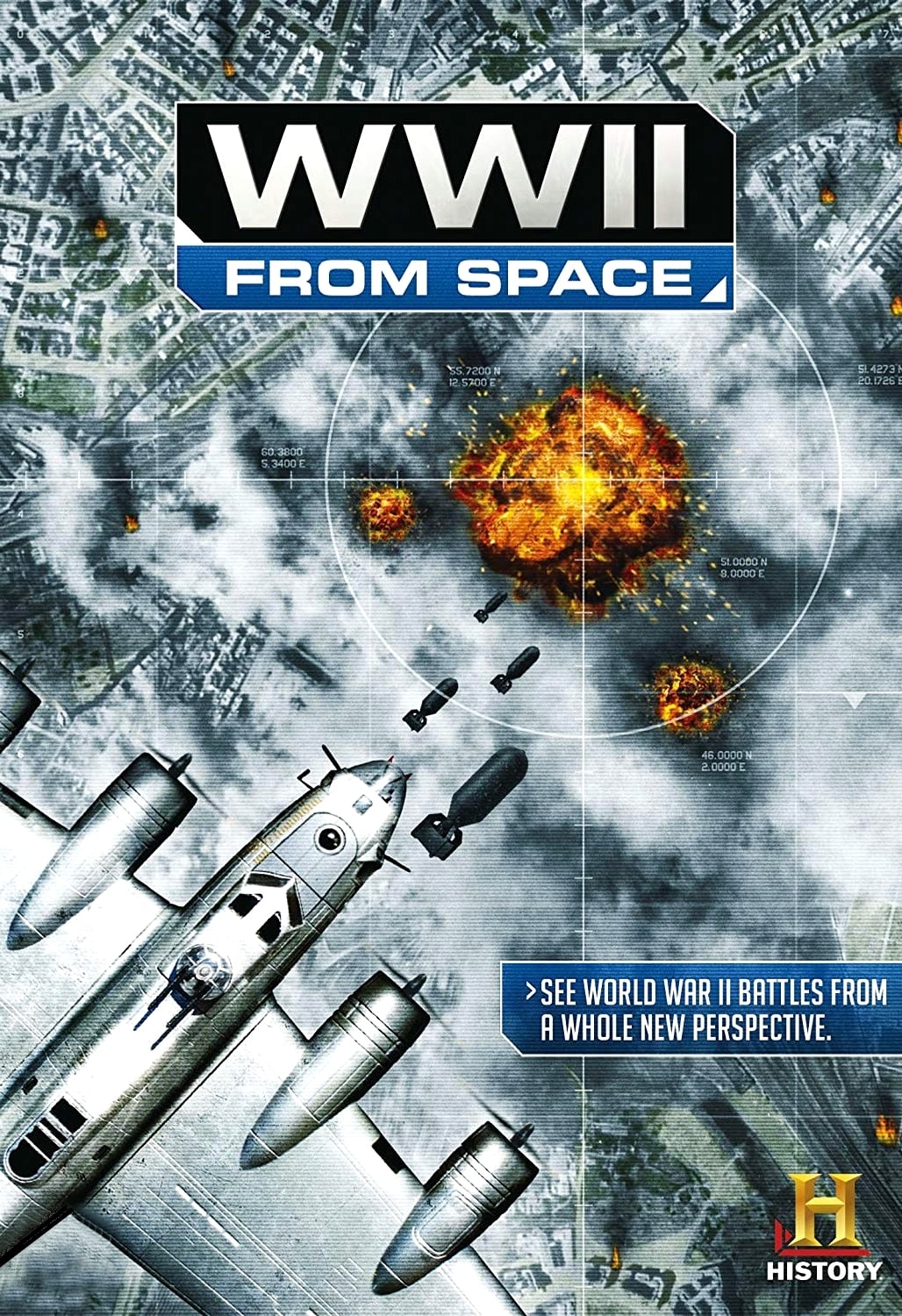
WWII from Space delivers World War II in a way you've never experienced it before. This HISTORY special uses an all-seeing CGI eye that offers a satellite view of the conflict, allowing you to experience it in a way that puts key events and tipping points in a global perspective. By re-creating groundbreaking moments that could never have been captured on camera, and by illustrating the importance of simultaneity and the hidden effects of crucial incidents, HISTORY presents the war's monumental moments in a never-before-seen context. And with new information brought to the forefront, you'll better understand how a nation ranked 19th in the world's militaries in 1939 emerged six years later as the planet's only atomic superpower.
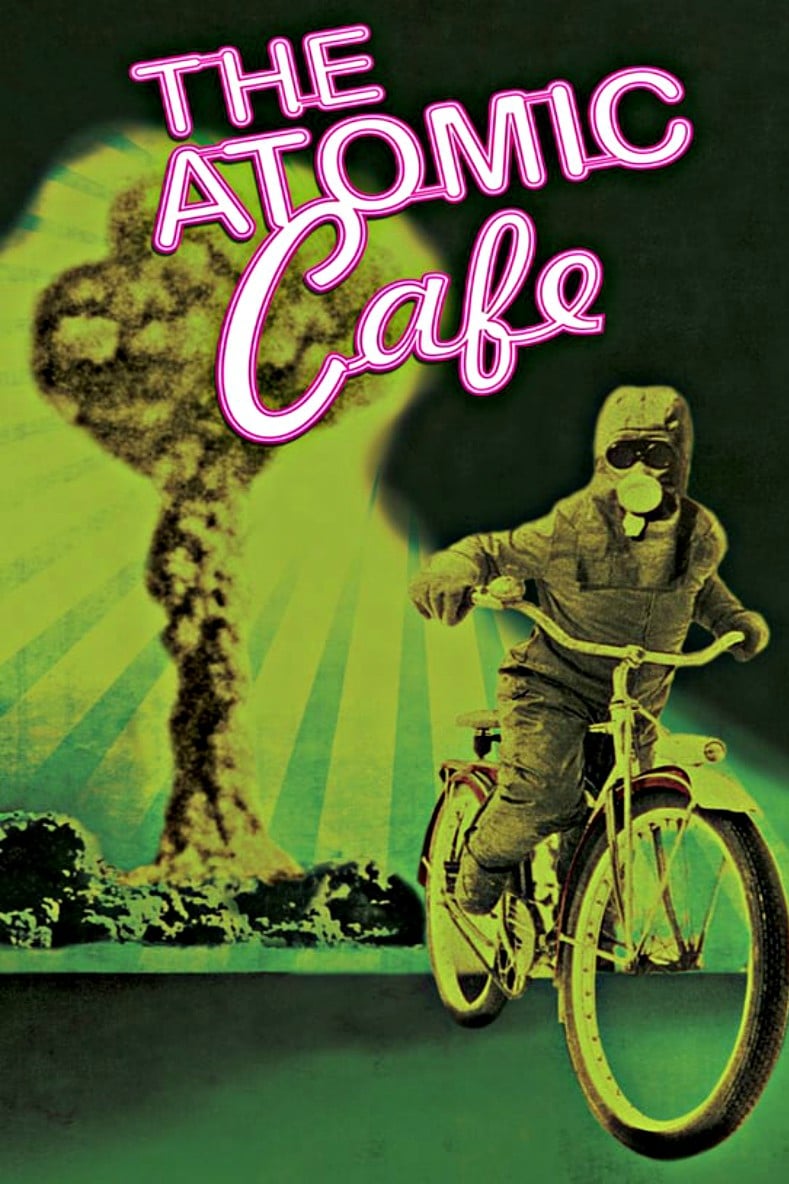
A disturbing collection of 1940s and 1950s United States government-issued propaganda films designed to reassure Americans that the atomic bomb was not a threat to their safety.
A documentary about the legendary series of nationally televised debates in 1968 between two great public intellectuals, the liberal Gore Vidal and the conservative William F. Buckley Jr. Intended as commentary on the issues of their day, these vitriolic and explosive encounters came to define the modern era of public discourse in the media, marking the big bang moment of our contemporary media landscape when spectacle trumped content and argument replaced substance. Best of Enemies delves into the entangled biographies of these two great thinkers, and luxuriates in the language and the theater of their debates, begging the question, "What has television done to the way we discuss politics in our democracy today?"
The history of cinematic sound, told by legendary sound designers and visionary filmmakers.
Experience the events of September 11, 2001 through the eyes of President Bush and his closest advisors as they personally detail the crucial hours and key decisions from that historic day.
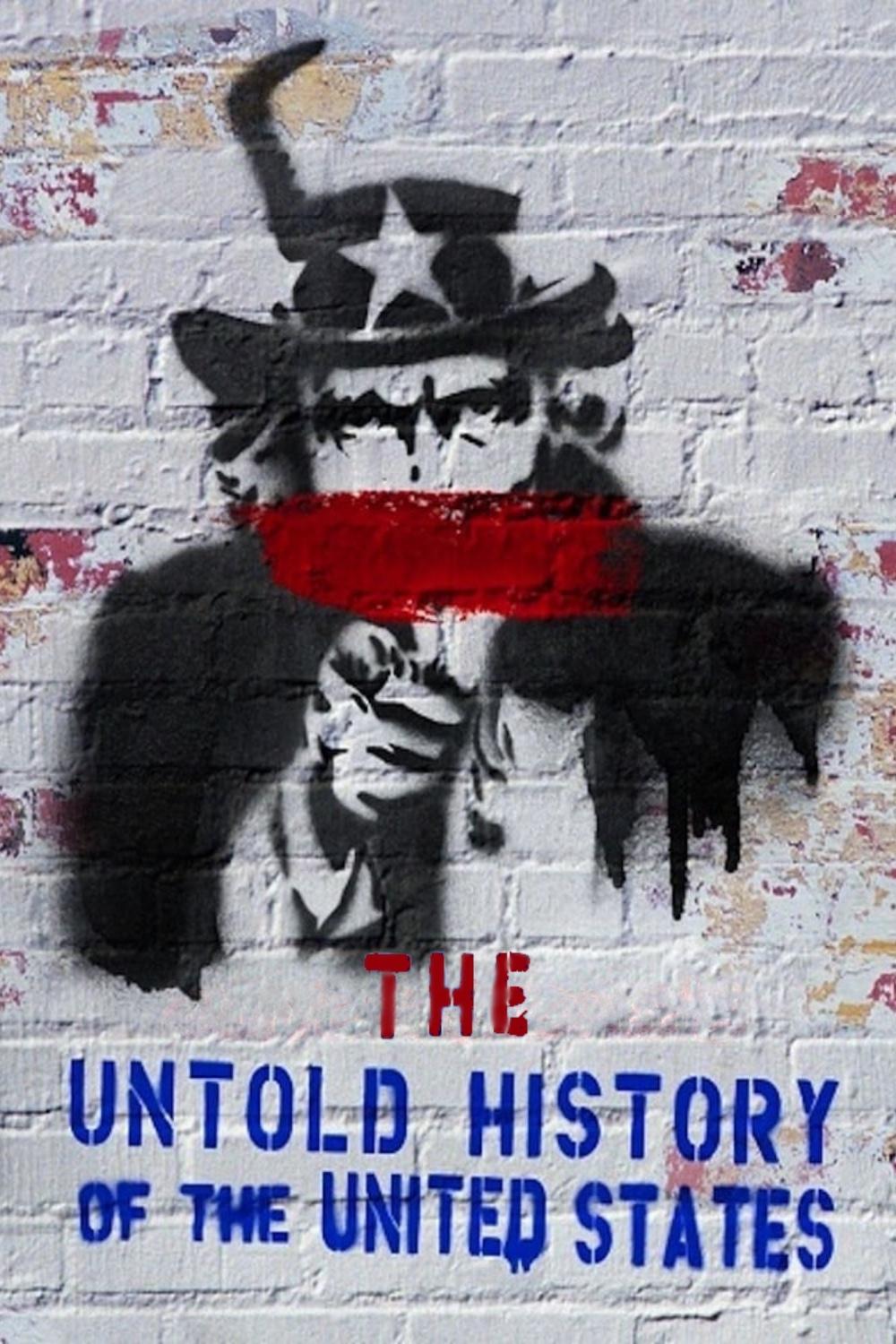
Oliver Stone charts the history of the United States from the Second World War to the present.
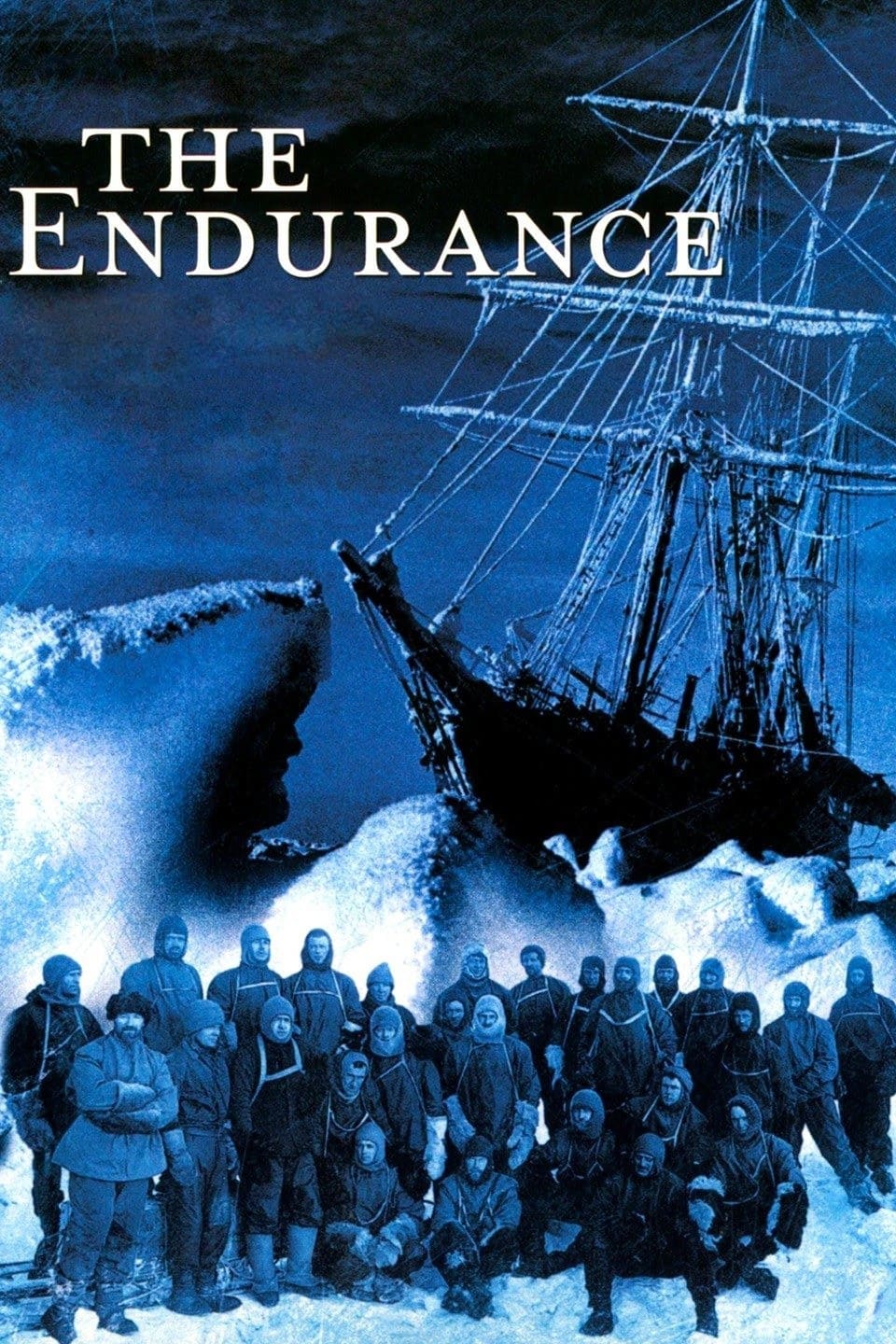
Documentary on the Shackleton Antartic expedition. A retelling of Sir Ernest Shackleton's ill-fated expedition to Antarctica in and the crew of his vessel 'The Endurance', which was trapped in the ice floes and frigid open ocean of the Antarctic in 1914. Shackleton decided, with many of his crew injured and weak from exposure and starvation, to take a team of his fittest men and attempt to find help. Setting out in appalling conditions with hopelessly inadequate equipment, they endured all weather and terrain and finally reached safety. Persuading a local team of his confidence that the abandoned team would still be alive, he set out again to find them. After almost 2 years trapped on the ice, all members of the crew were finally rescued.
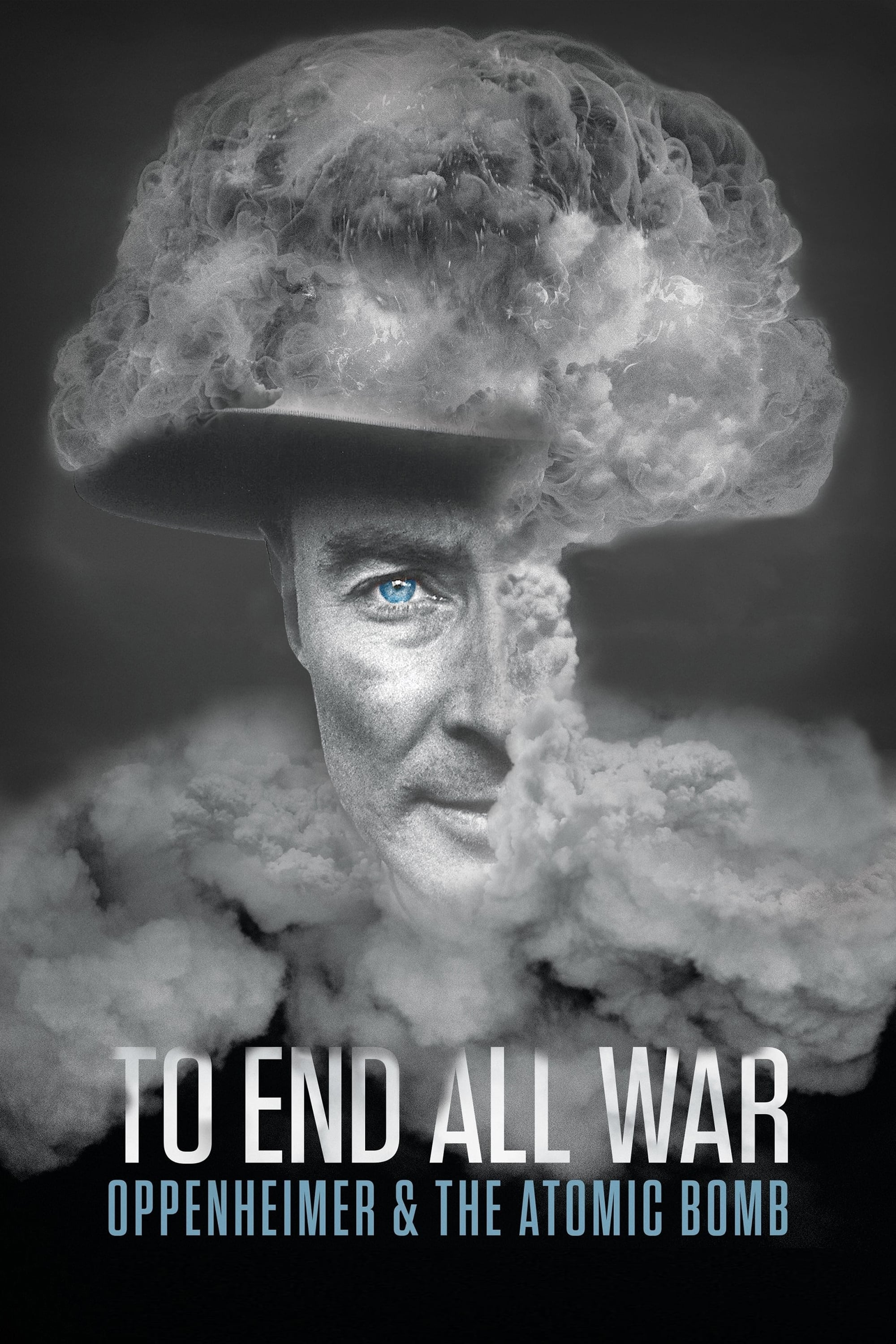
Explore how one man's relentless drive and invention of the atomic bomb changed the nature of war forever, led to the deaths of hundreds of thousands of people and unleashed mass hysteria.
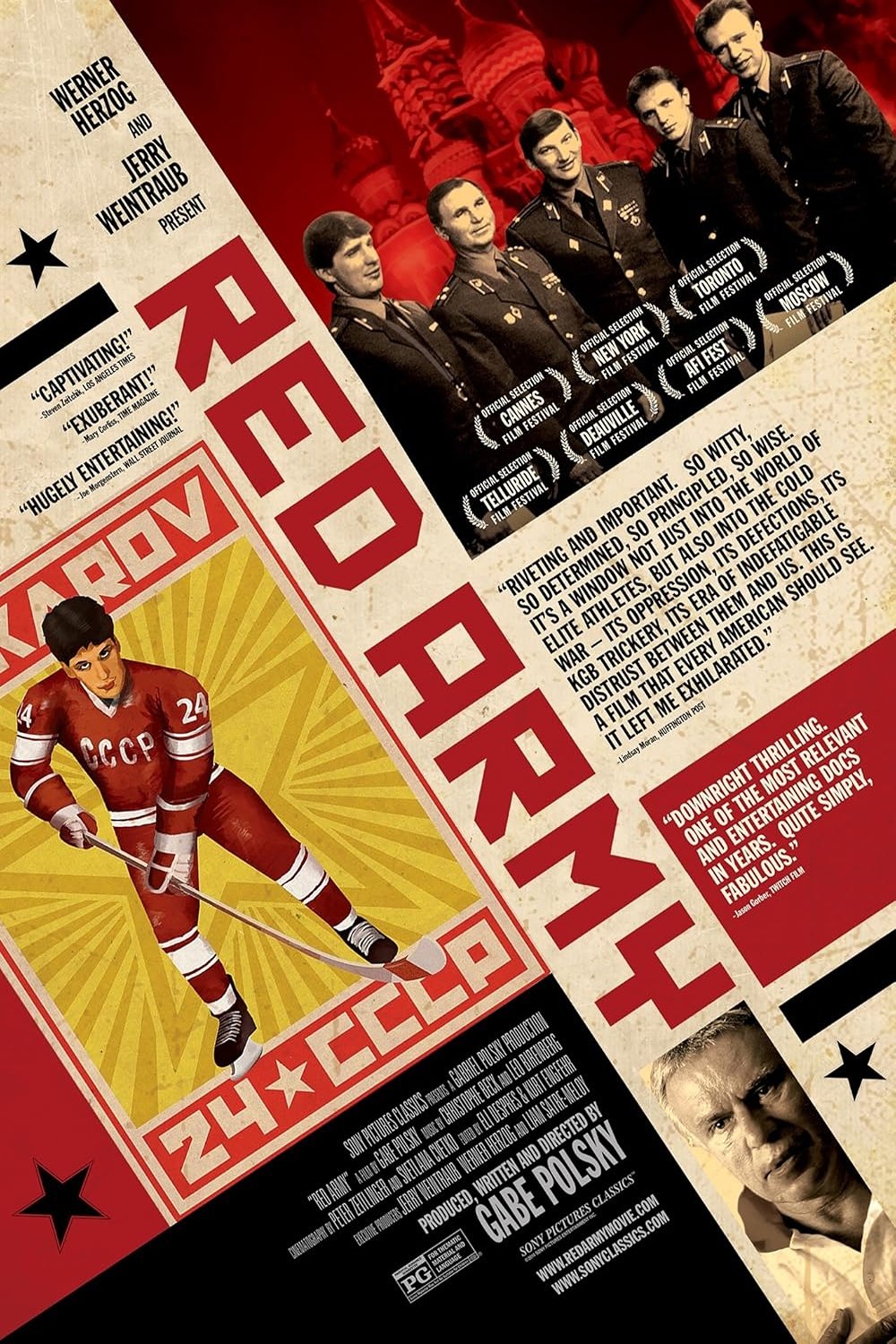
A documentary highlighting the Soviet Union's legendary and enigmatic hockey training culture and world-dominating team through the eyes of the team's Captain Slava Fetisov, following his shift from hockey star and celebrated national hero to political enemy.
Michael Moore comes home to the issue he's been examining throughout his career: the disastrous impact of corporate dominance on the everyday lives of Americans (and by default, the rest of the world).
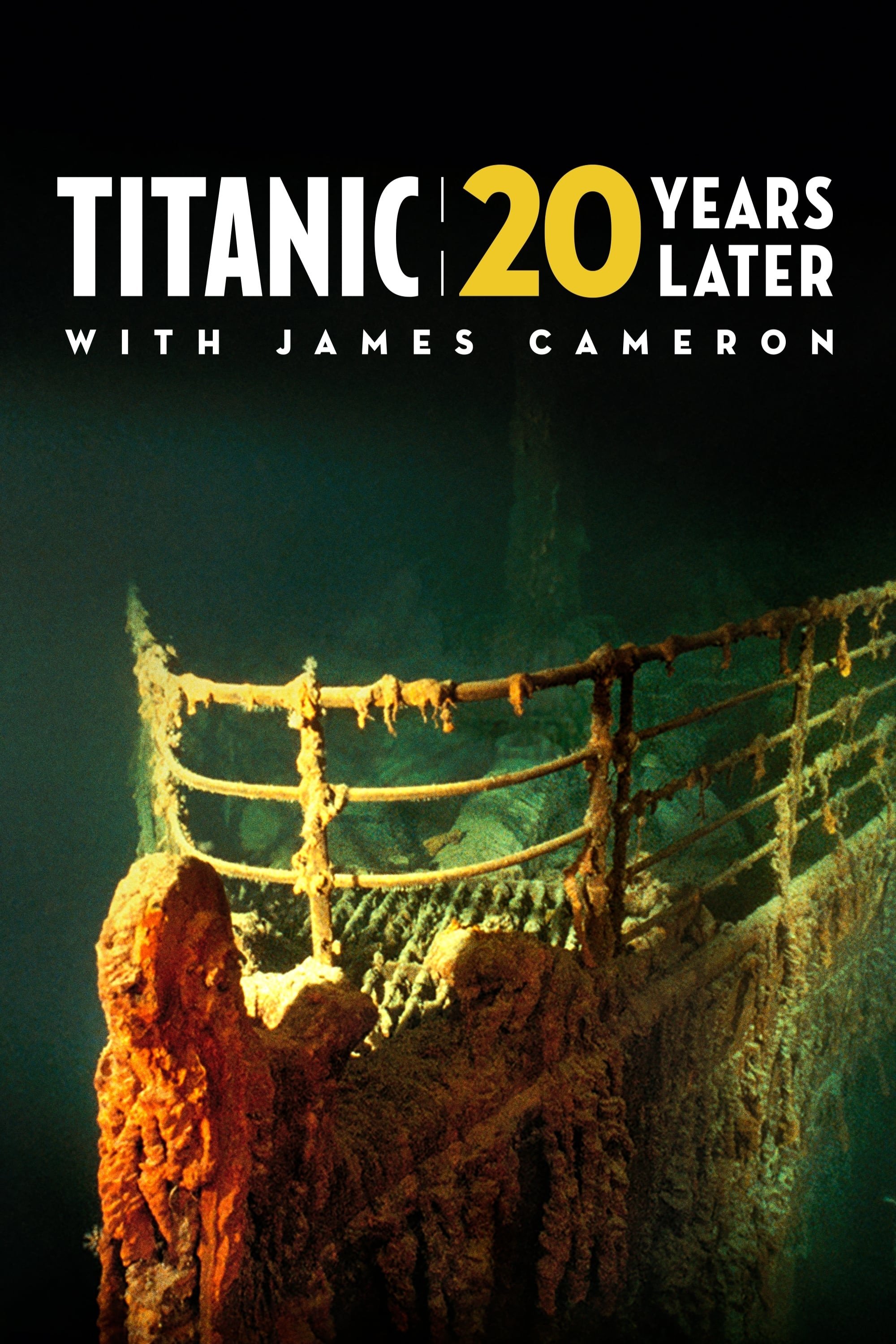
For the 20th anniversary of "Titanic," James Cameron reopens the file on the disaster.
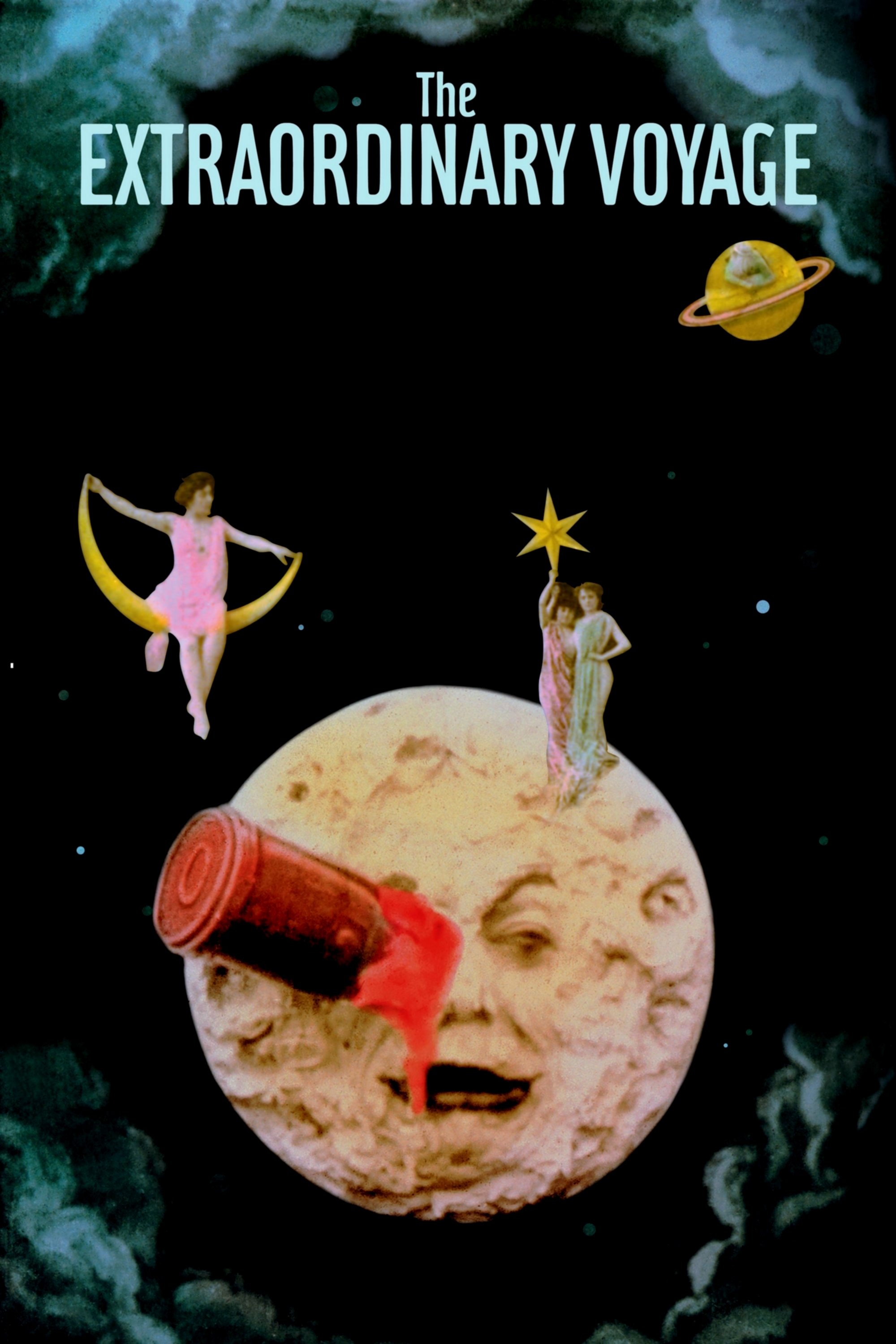
An account of the extraordinary life of film pioneer Georges Méliès (1861-1938) and the amazing story of the copy in color of his masterpiece A Trip to the Moon (1902), unexpectedly found in Spain and restored thanks to the heroic efforts of a group of true cinema lovers.
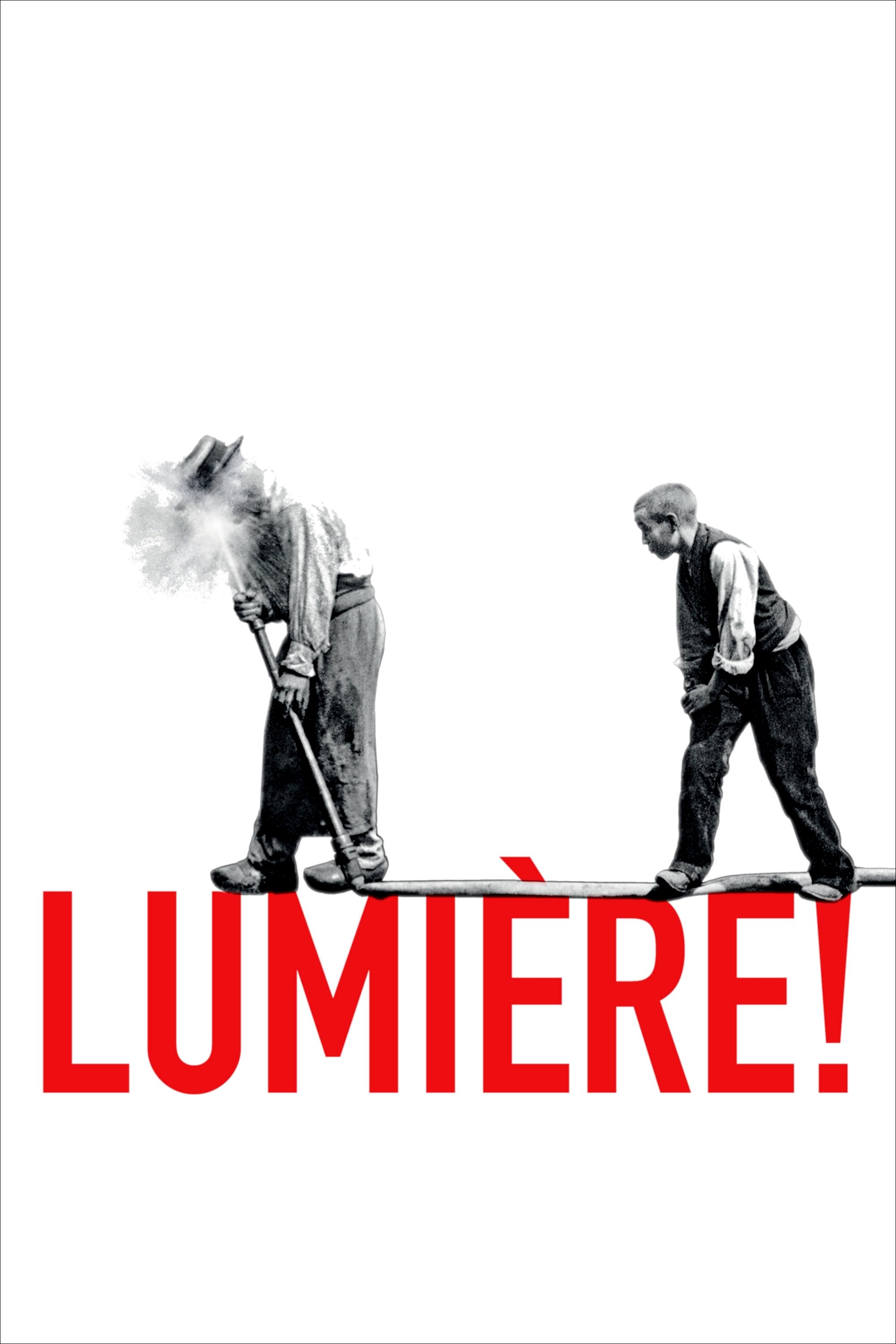
A collection of restored prints from the Lumière Brothers.
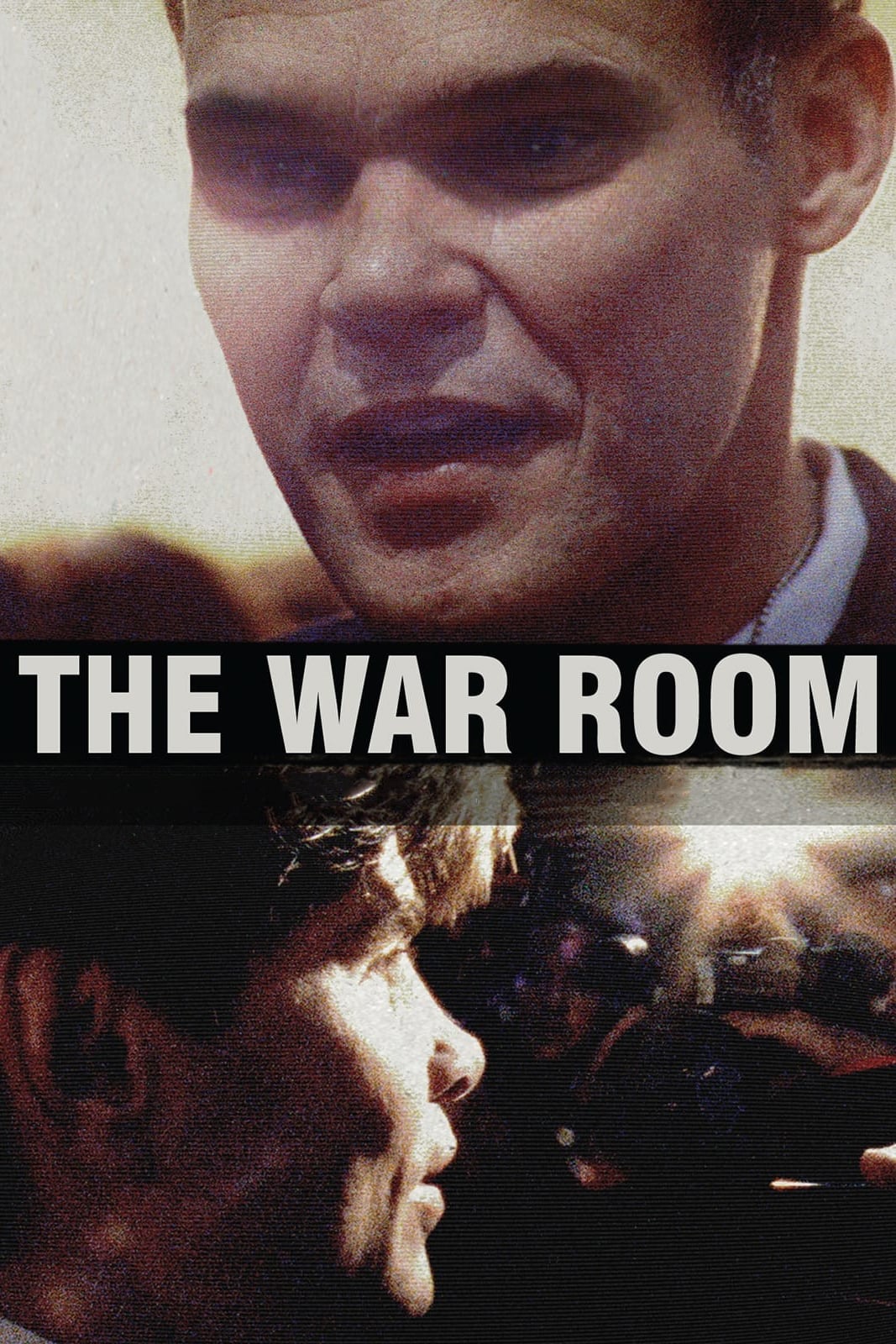
A behind-the-scenes documentary about the Clinton for President campaign, focusing on the adventures of spin doctors James Carville and George Stephanopoulos.
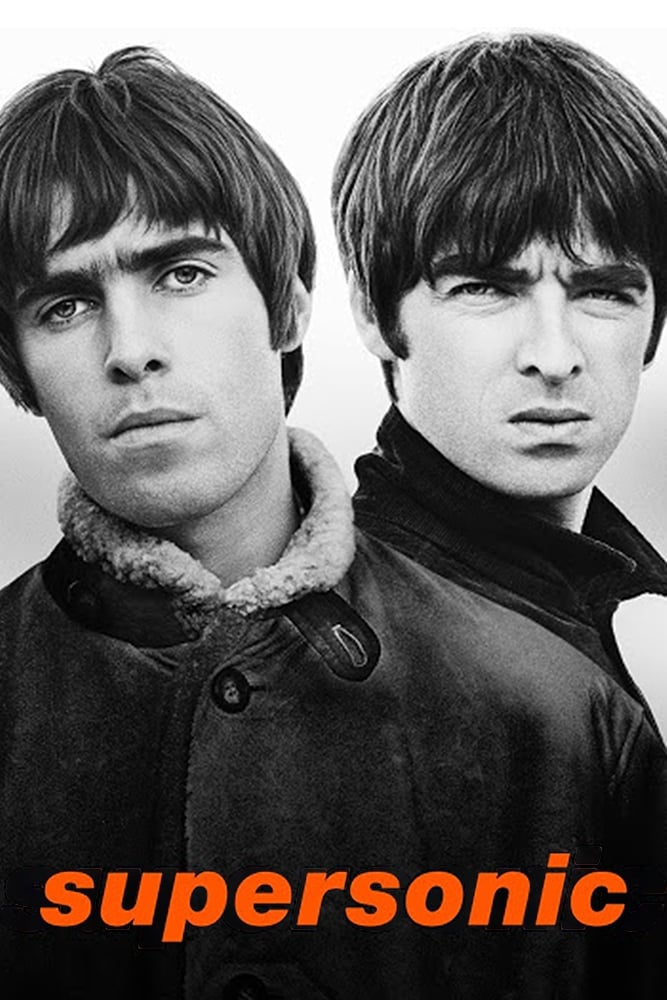
Supersonic charts the meteoric rise of Oasis from the council estates of Manchester to some of the biggest concerts of all time in just three short years. This palpable, raw and moving film shines a light on one of the most genre and generation-defining British bands that has ever existed and features candid new interviews with Noel and Liam Gallagher, their mother, and members of the band and road crew.