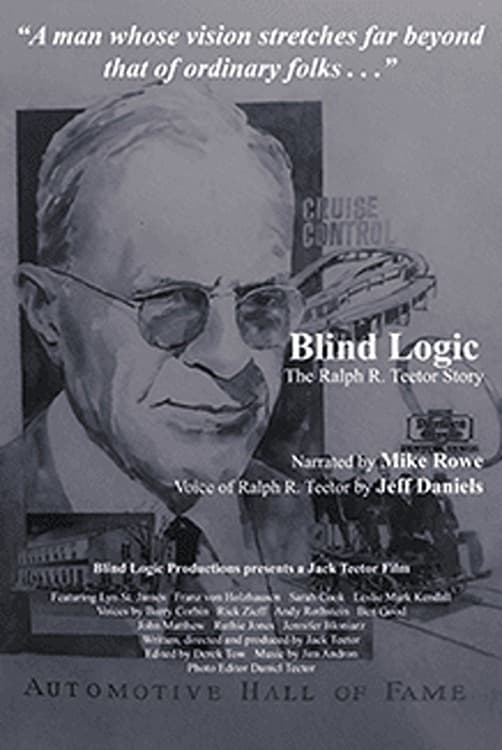
The documentary follows the remarkable journey in America's heartland of automotive pioneer and visionary, Ralph R. Teetor.
Social & External
The people behind it
Jeff Daniels
Ralph Teetor (voice)
Barry Corbin
Henry Spangler (voice)
Mike Rowe
Narrator (voice)
Rick Zieff
Ralph Meyer
Self
Ruthie Jones
Tom Teetor
Lyn St. James
Lucy Meyer Kropp
Franz von Holzhausaen
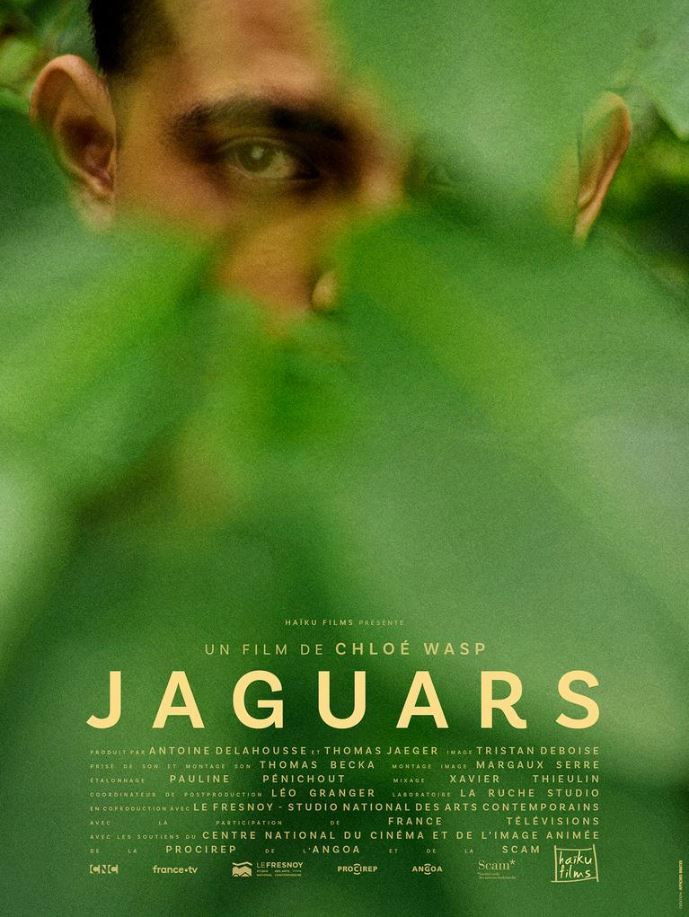
In the Mexican jungle, the jaguar prowls and haunts people's minds. While different perspectives on this nocturnal predator clash, a child who is gradually losing his sight approaches the animal.
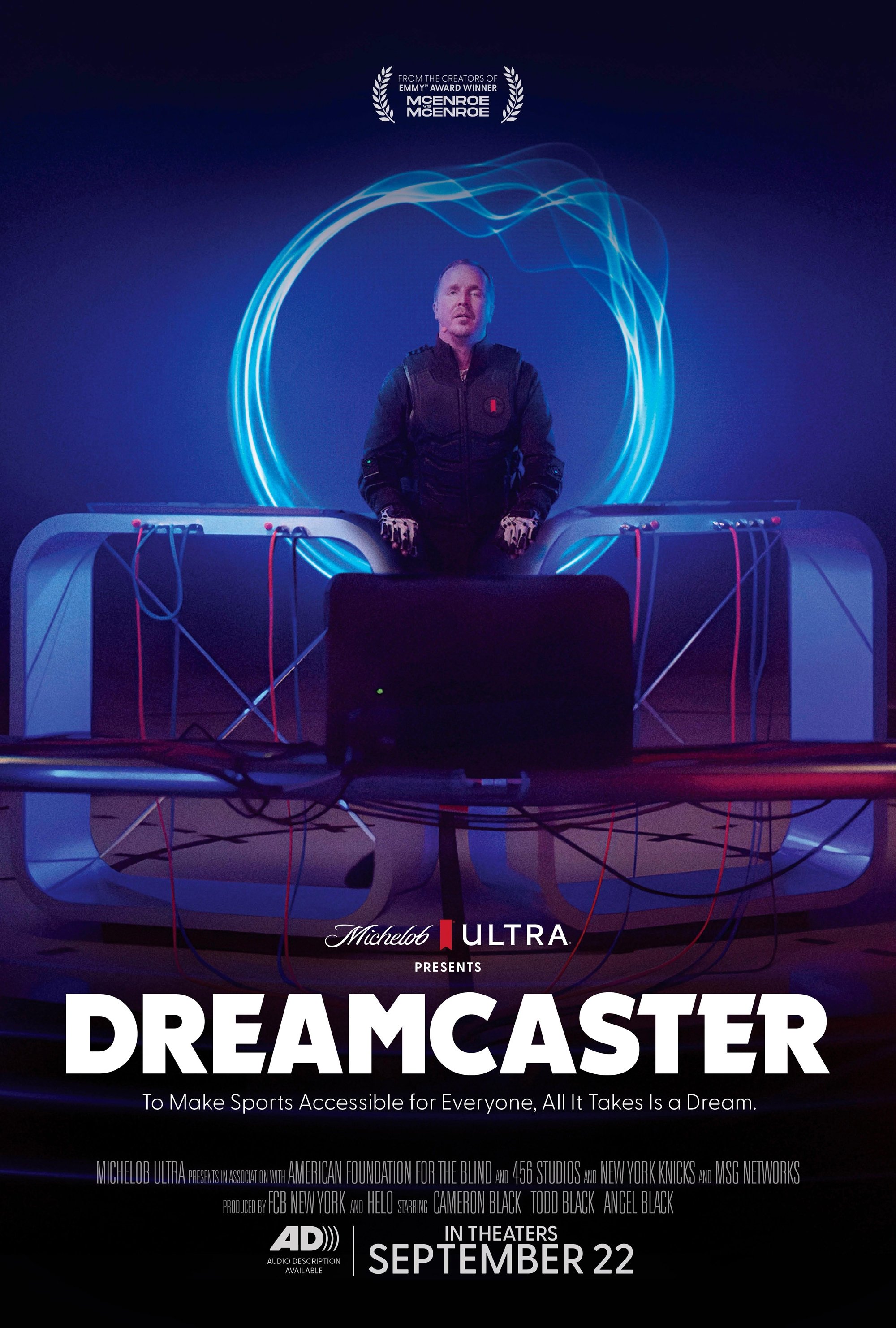
A blind sports enthusiast is granted the chance to fulfill his lifelong dream of becoming a live sports broadcaster with the help of new technology.
When Gordon Gund went blind in 1970 at age 30 due to retinitis pigmentosa, he resolved to find a cure for the disease and created the Foundation Fighting Blindness. After decades of scientific research, a major breakthrough emerged, and this short film showcases the inspirational story of a 17-year-old Belgian boy who is a beneficiary of this work.
In the summer of 1983, just days before the birth of his first son, writer and theologian John Hull went blind. In order to make sense of the upheaval in his life, he began keeping a diary on audio cassette.
With the use of montage sequences, voiced over with the observations of the children, van der Keuken was able to use artistic expression to portray the sightless children’s unique perspective of the world.
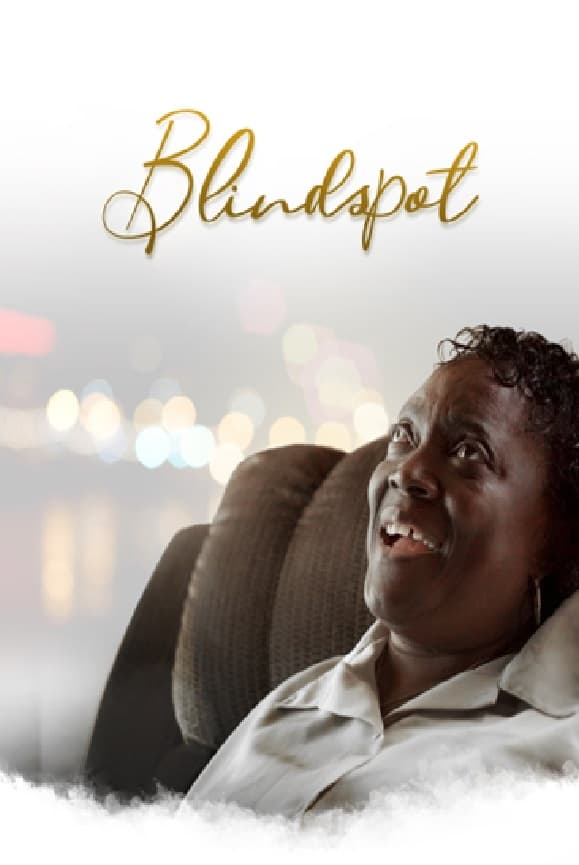
A brief glimpse through the life of Granny Lue. A woman of faith, fearlessness, and fierce energy, she never allowed her disability to determine her ability to live.
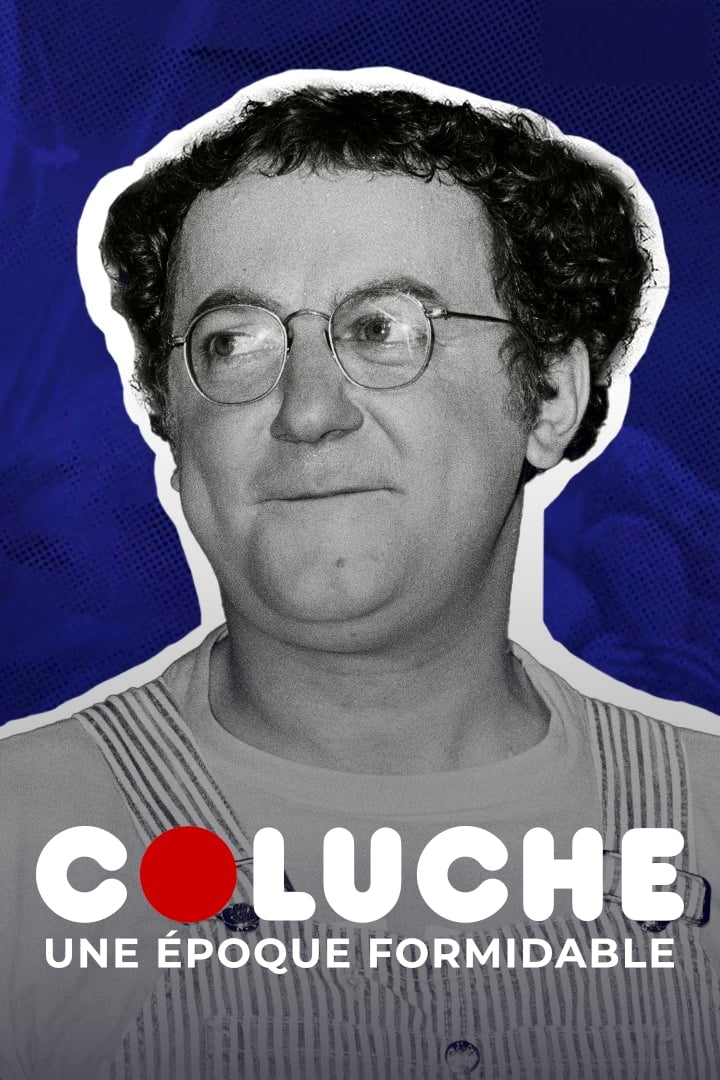
Documentary on the French comedian, actor, humanitarian and legend Coluche.
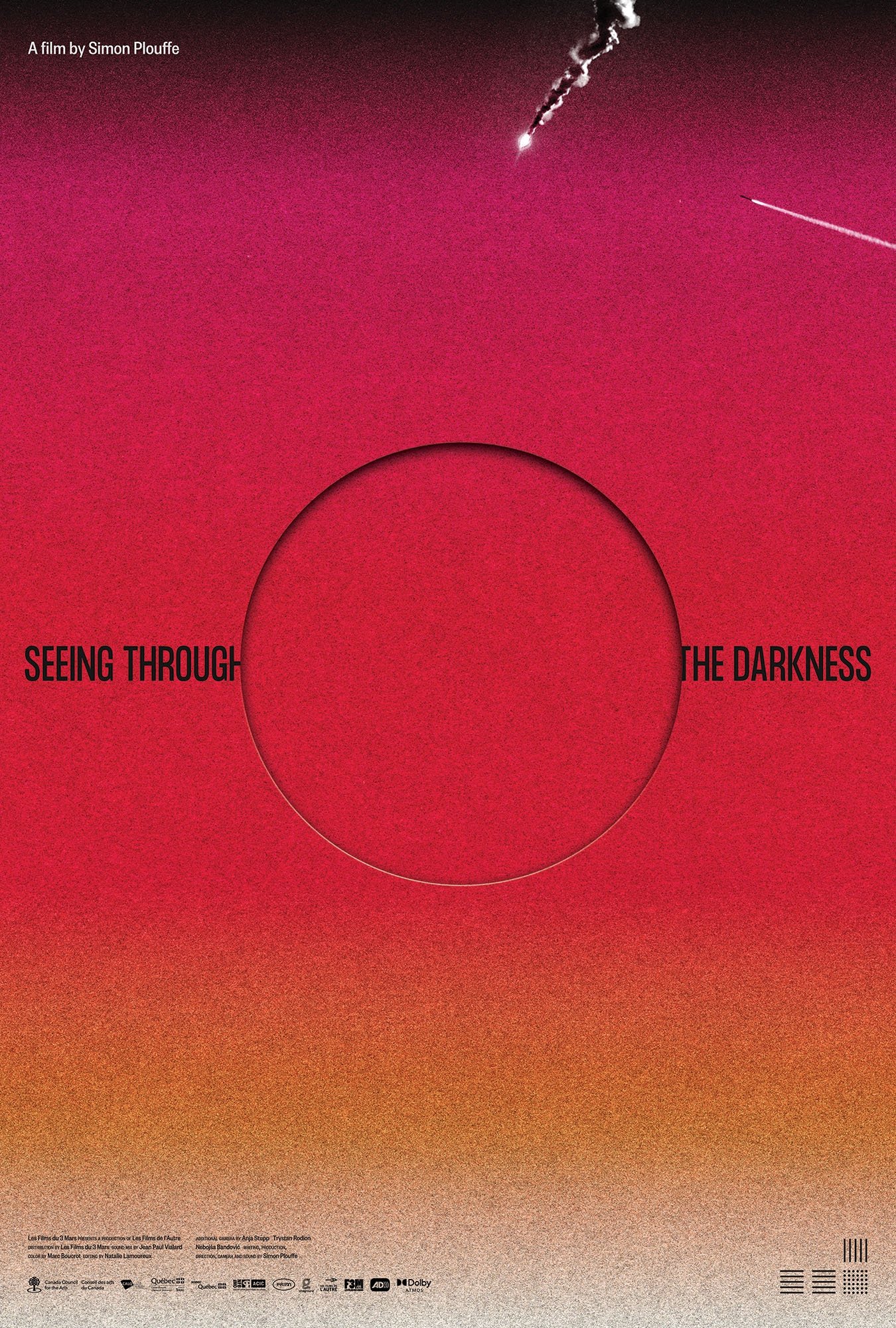
The film follows five people who lost their sight in armed conflicts, gathering fragments of their present-day lives. Through an enveloping sound composition, veiled archival material, footage shot by the protagonists themselves, and a sensitive visual approach, the film explores memory, perception, and our relationship to the visible. Steering away from spectacle, it invites us to hear what often goes unheard, and to feel differently. In an age saturated with images, this documentary offers a sensory experience where listening becomes a gesture of resistance and human reconnection.
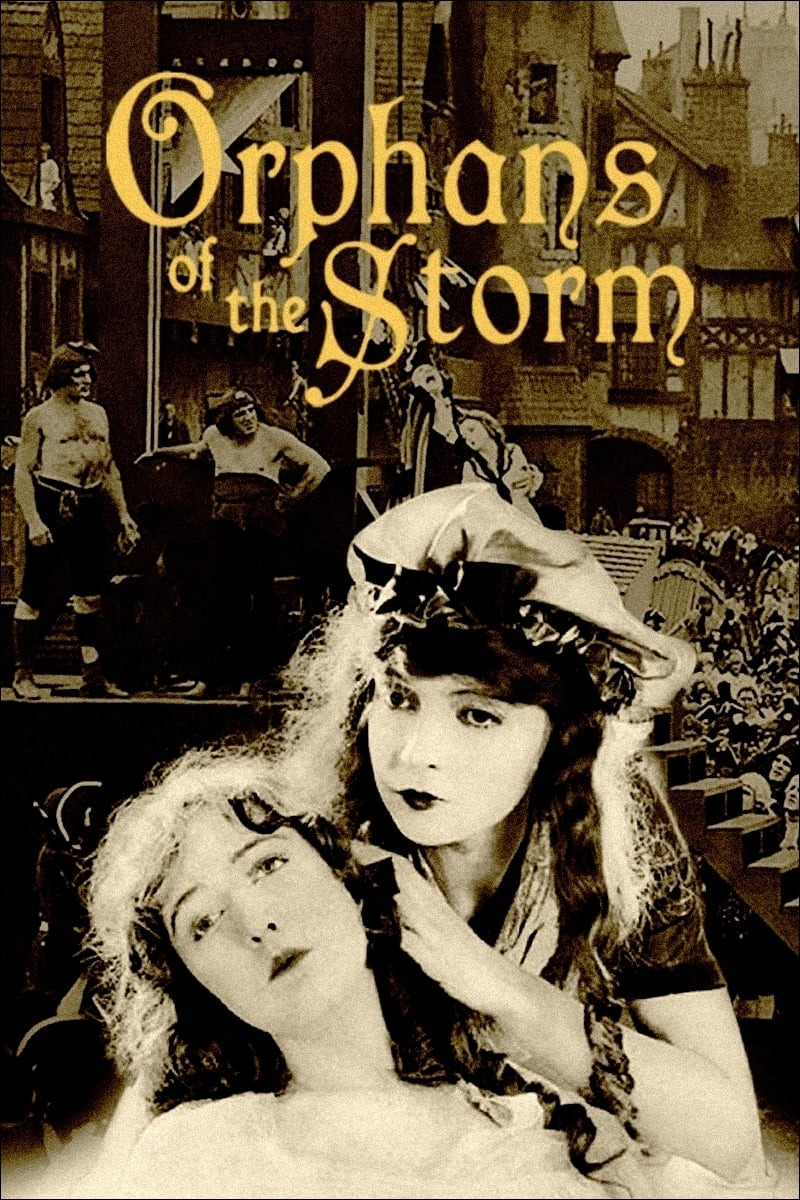
France, on the eve of the French Revolution. Henriette and Louise have been raised together as sisters. When the plague that takes their parents' lives causes Louise's blindness, they decide to travel to Paris in search of a cure, but they separate when a lustful aristocrat crosses their path.
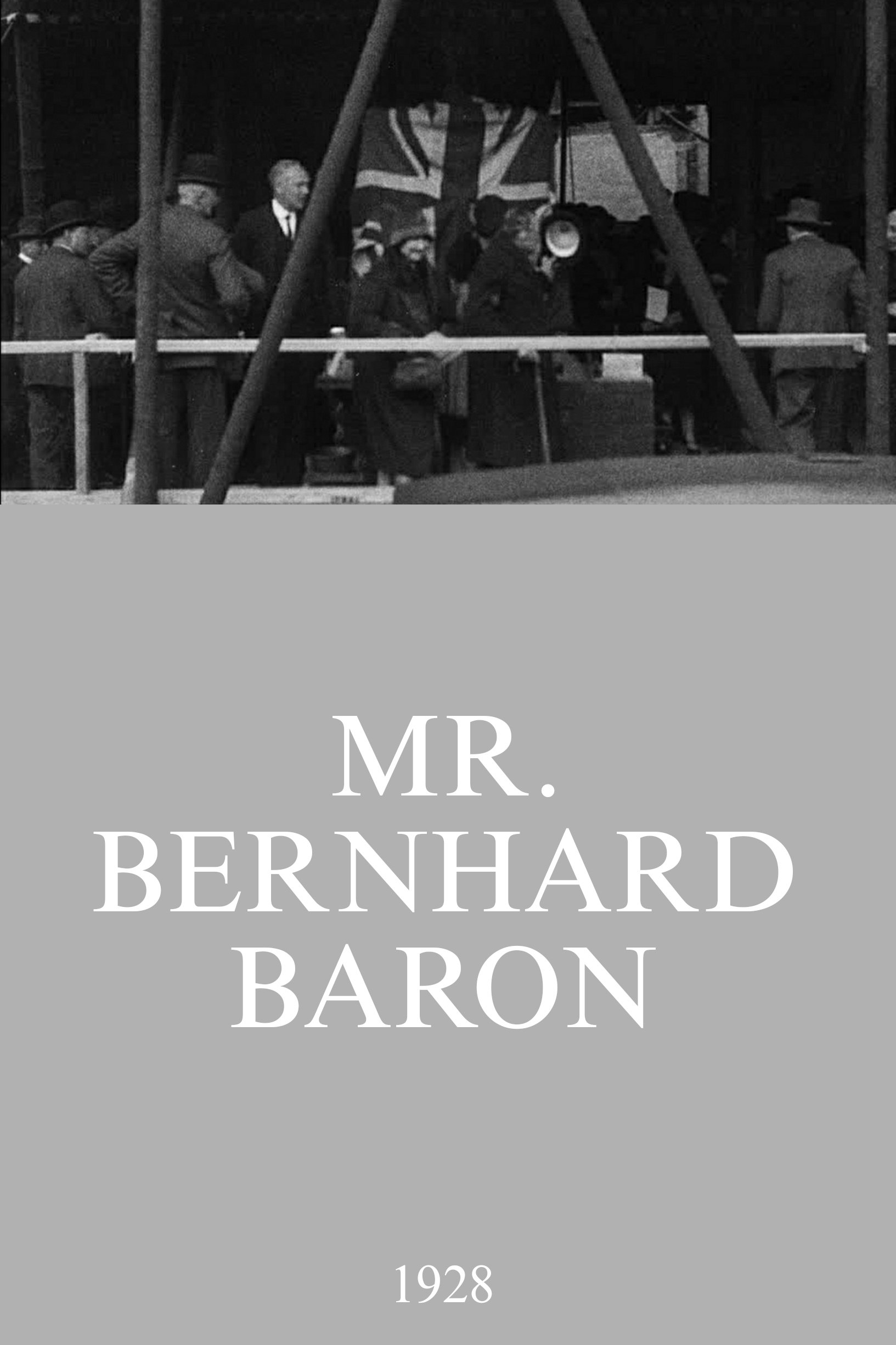
In the East End of London, crowds gather to watch Jewish millionaire Bernhard Baron unveil an important new building.
Losing the Light reflects the artist's bitter battle to stay in this world as a long-term survivor of AIDS who has lost his vision to CMV retinitis. An experimental self-portrait, the video evokes the dissolution and fragmentation of the artists body, representing the impact of blindness, long-term HIV infection, and the cumulative effects of decades of antiretroviral medication.
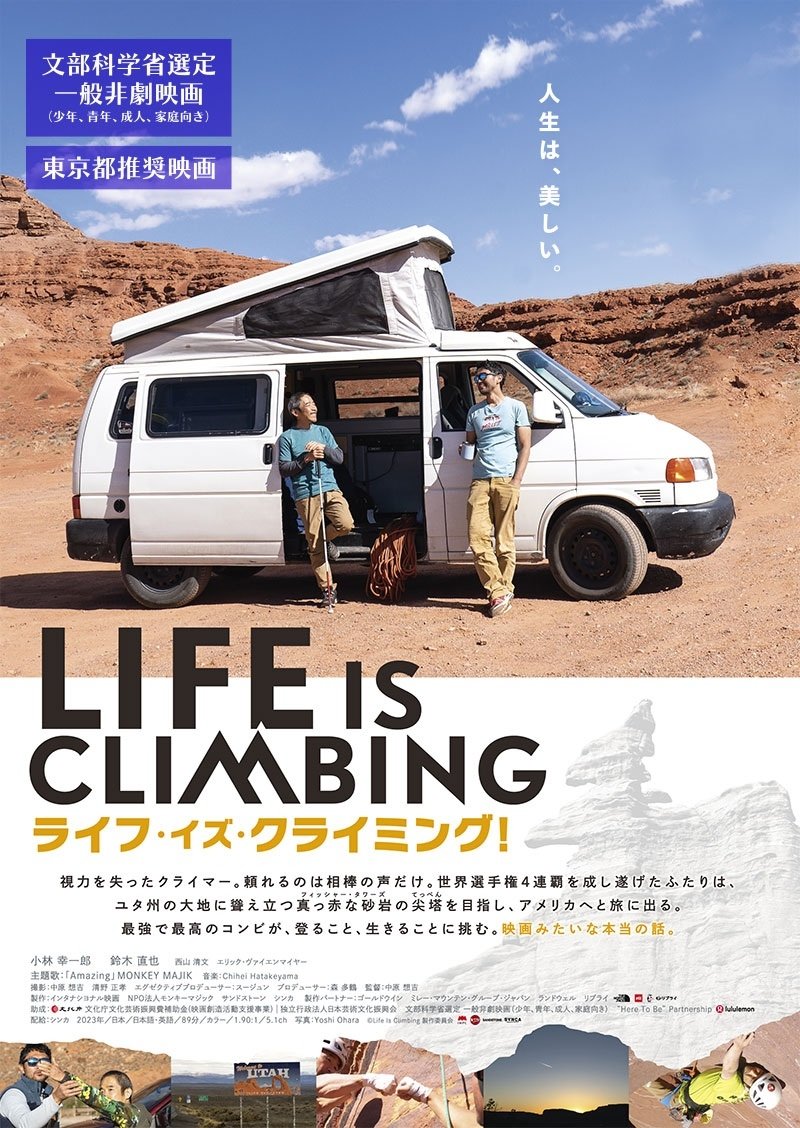
Visually impaired climber Koichiro Kobayashi, also known as Koba, relies on the voice of his site guide, Naoya Suzuki, as if it were his own eyes. In 2021, the pair travels to the United States with the aim of standing on the spire of the bright red sandstone Fisher Towers in Utah
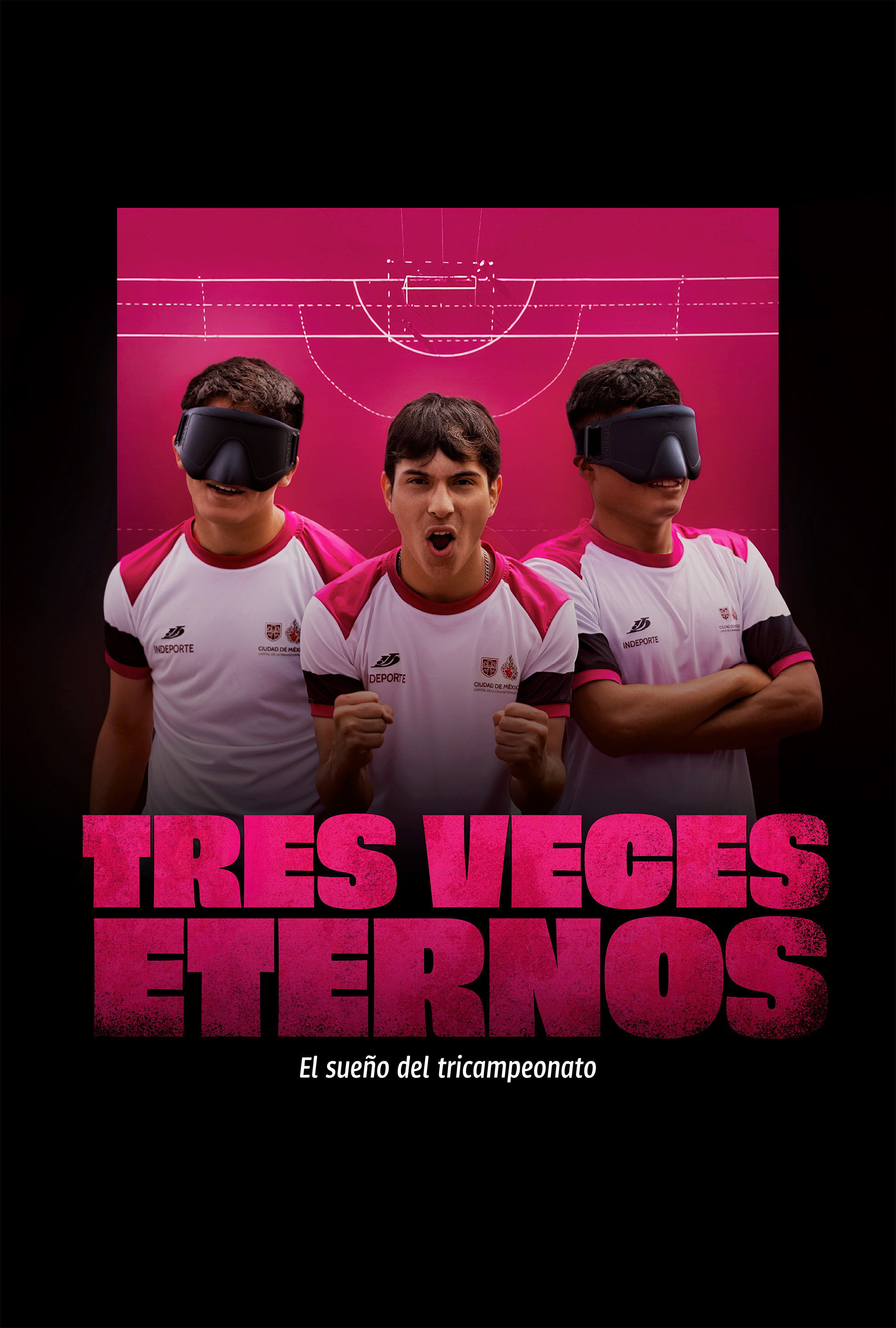
The Mexico City Youth Blind Football Team heads to Aguascalientes for the 2025 CONADE National Para Games, determined to capture a coveted third consecutive title.
Confessions of people who have lost their sight during their lives. What are their feelings and how do they view their apparent handicap?
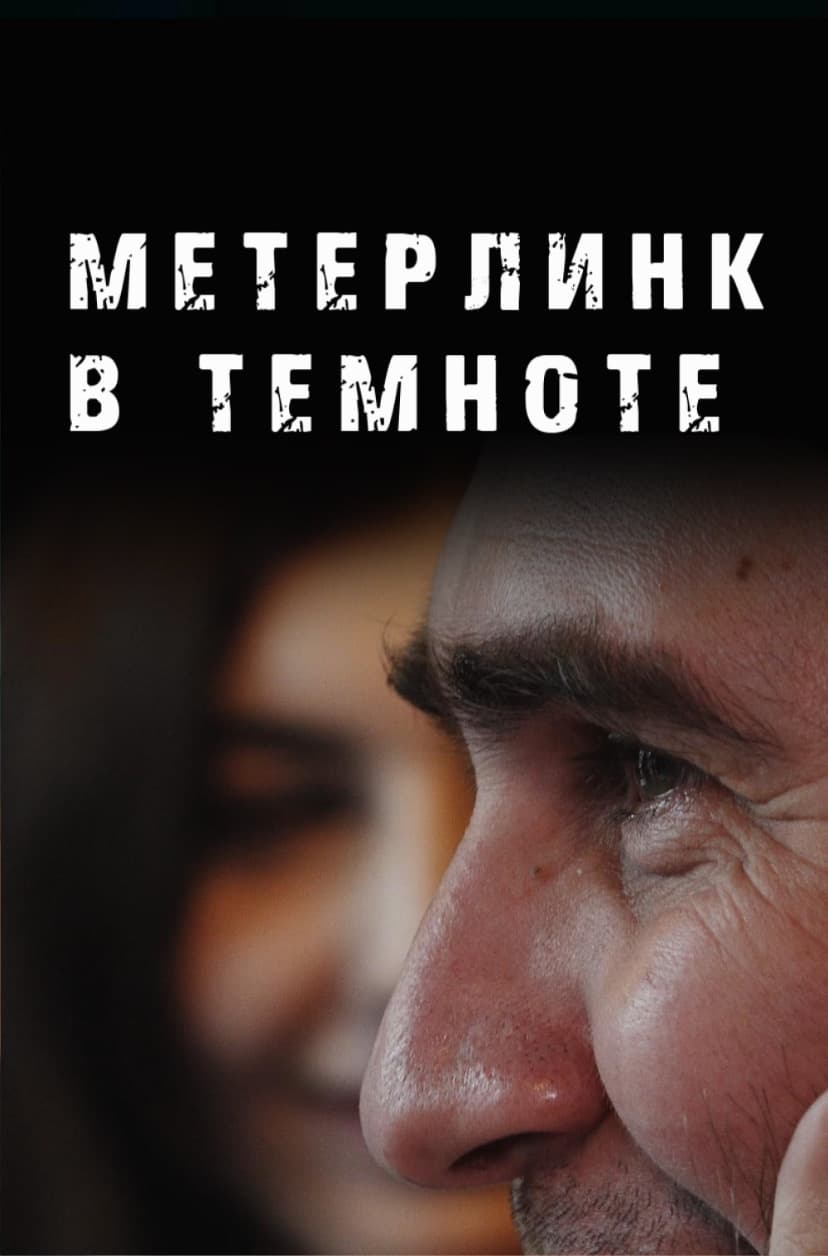
The story of a boy who suddenly lost his sight as a result of cancer. He has a hard time getting along with new people and spends all his time with horses. One day, the chairman of the local society of the blind calls him and offers him the main role in a play based on Maeterlinck’s play “The Blind,” where all the roles are played by blind people, and the play takes place in the forest.
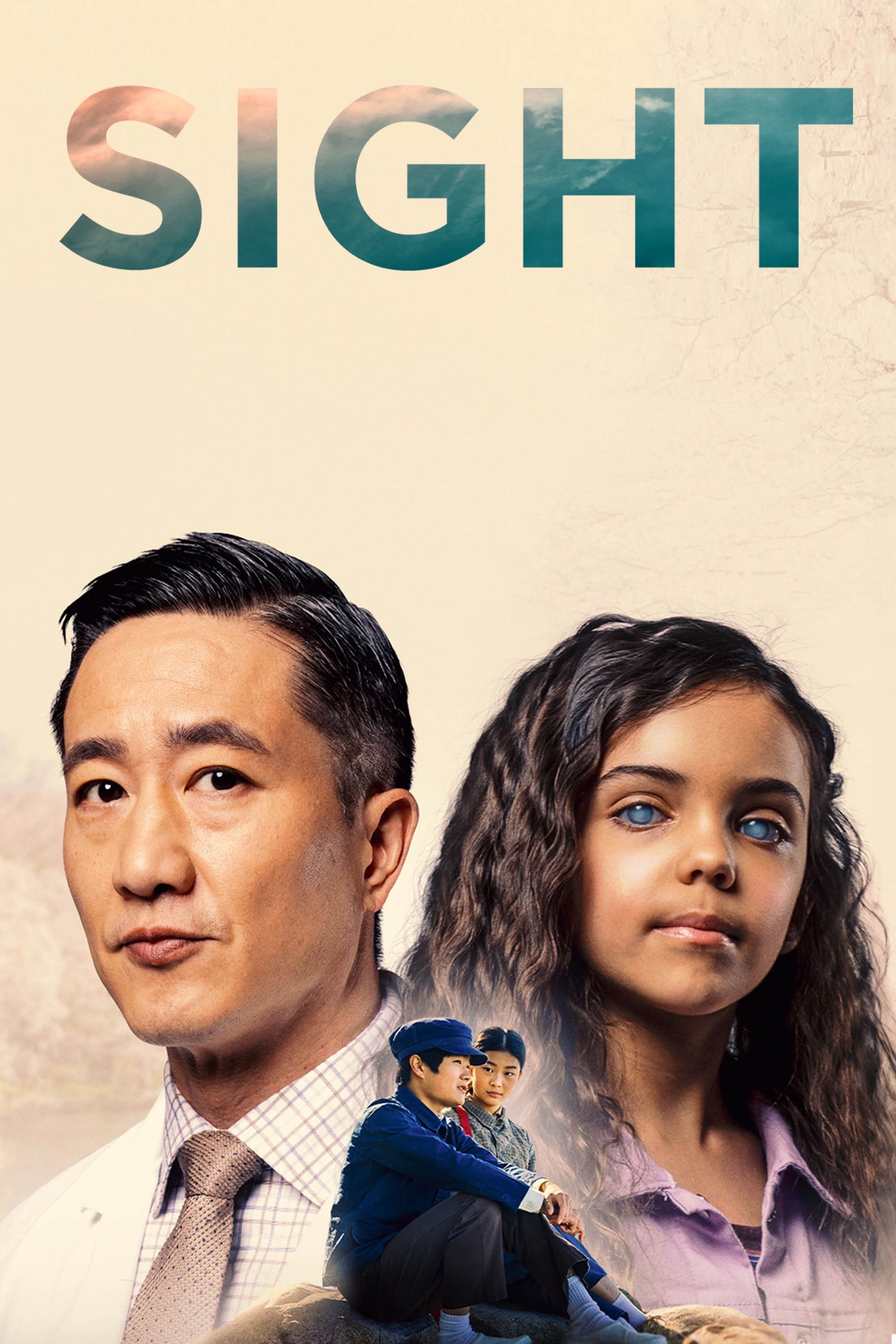
Ming Wang is an impoverished Chinese prodigy who flees Communist China to become a pioneering eye surgeon in America. When tasked with restoring the sight of an orphan in India, who was blinded by her stepmother, Wang must confront the trauma of living through the violent uprising in his youth, the Cultural Revolution.
An independently produced documentary about growing up as a blind youth in 1960's Japan. It focuses on a group of elementary level students being taught by Mr. Kawai at the Zoshigaya Branch of Tokyo Educational University. Filmed over 12 years, the documentary tracks these student's lives up through their young adulthood. It follows the journey of one student in particular, Kiyoshi Hasegawa, a young boy who eventually learns a passion for music and wants to become a recording artist. Expanded from director Hideo Hamada's documentary short "But We Can Gaze!"
The history of cinematic sound, told by legendary sound designers and visionary filmmakers.
Oliver Stone charts the history of the United States from the Second World War to the present.
He's devoted his career to uncovering stories the powerful want buried. From My Lai to Abu Ghraib, dig into the life's work of journalist Seymour Hersh.
Experience the events of September 11, 2001 through the eyes of President Bush and his closest advisors as they personally detail the crucial hours and key decisions from that historic day.
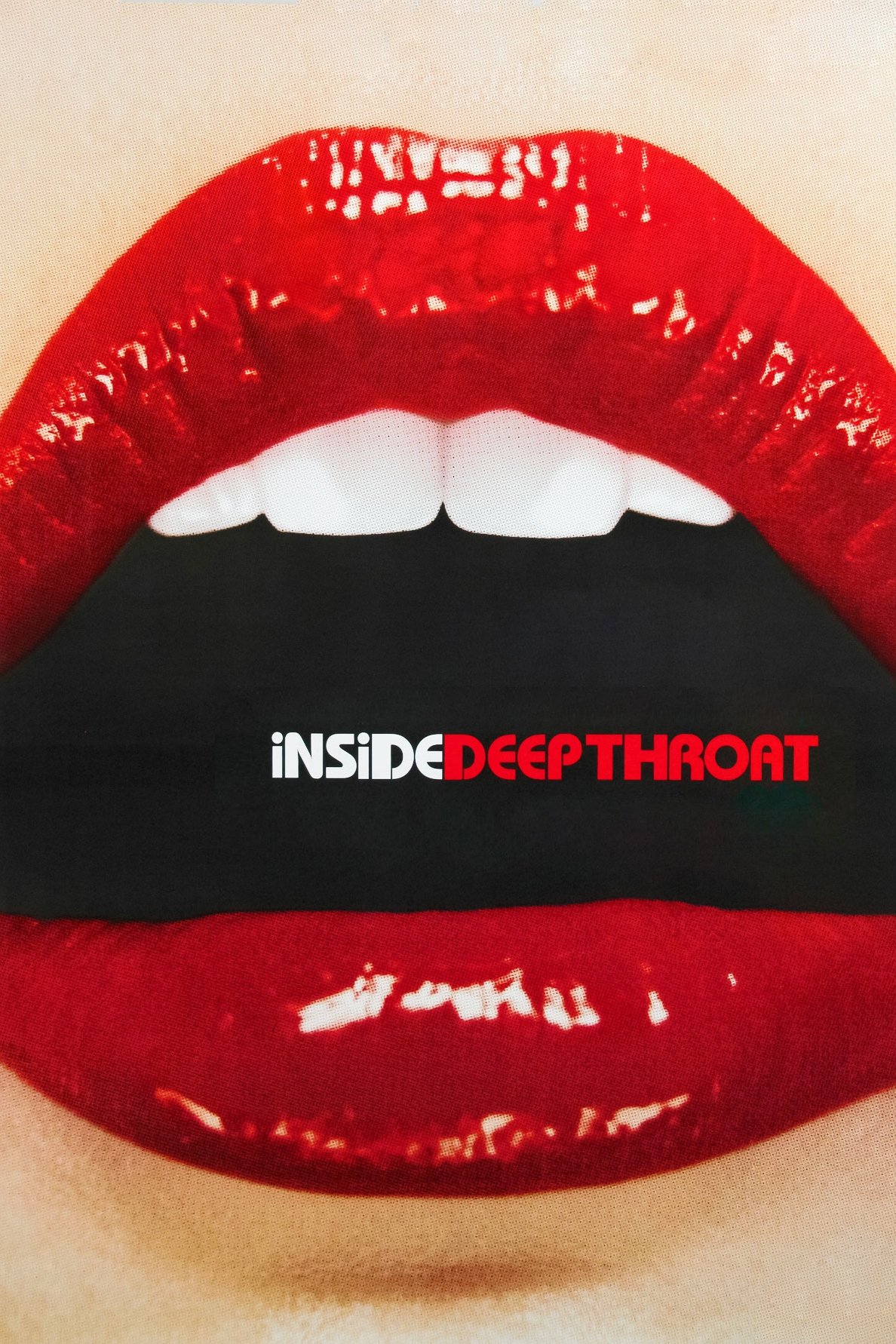
In 1972, a seemingly typical shoestring budget pornographic film was made in a Florida hotel: "Deep Throat," starring Linda Lovelace. This film would surpass the wildest expectation of everyone involved to become one of the most successful independent films of all time. It caught the public imagination which met the spirit of the times, even as the self-appointed guardians of public morality struggled to suppress it, and created, for a brief moment, a possible future where sexuality in film had a bold artistic potential. This film covers the story of the making of this controversial film, its stunning success, its hysterical opposition along with its dark side of mob influence and allegations of the on set mistreatment of the film's star.
This revealing documentary honors the legendary Sidney Poitier—iconic actor, filmmaker, and civil rights activist. Featuring interviews with Denzel Washington, Spike Lee, Halle Berry, and more.
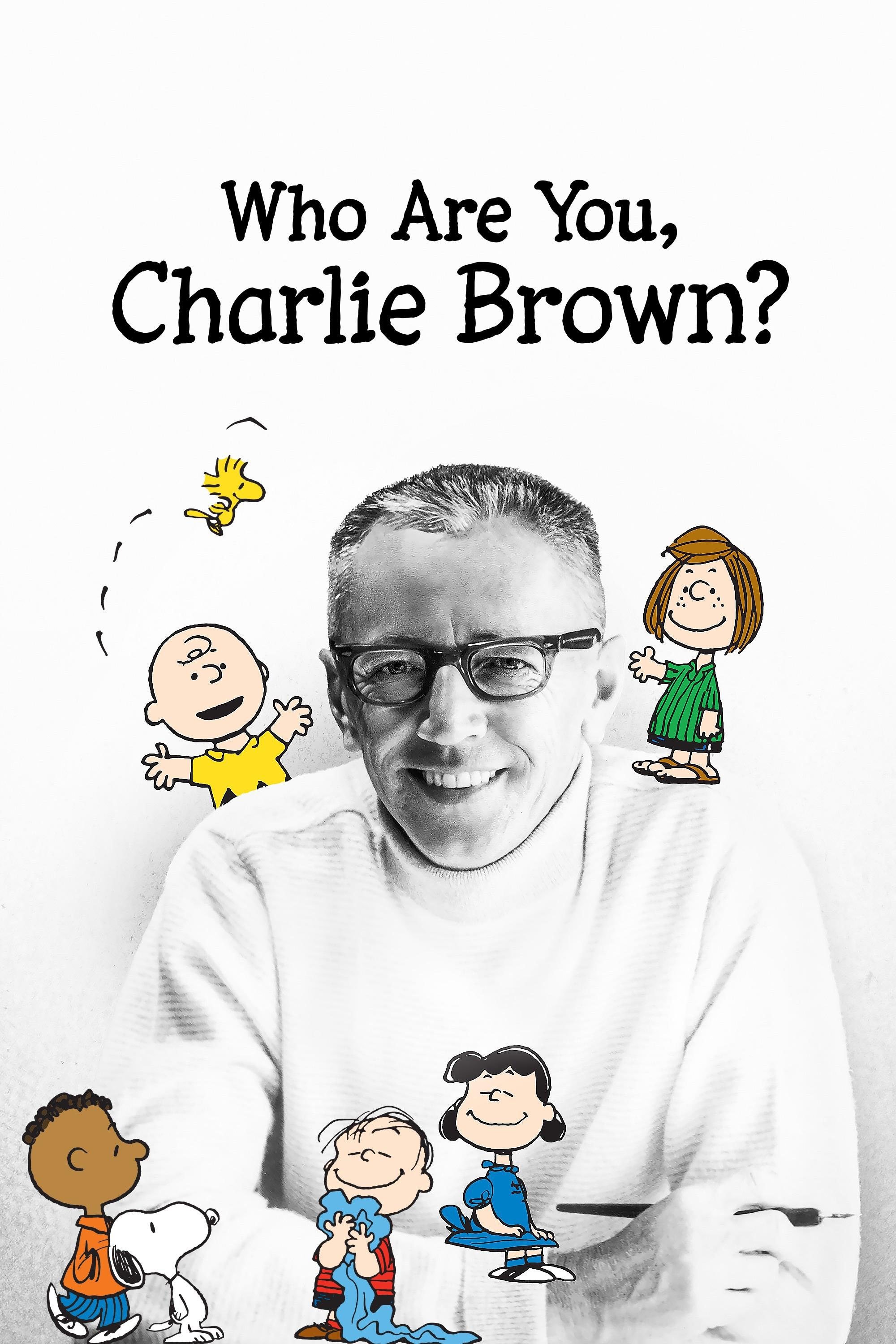
Lupita Nyong'o narrates a documentary about Peanuts and its creator, Charles M. Schulz. Famous fans—including Drew Barrymore, Kevin Smith, and Al Roker—share its influence on them, and a new animated story finds Charlie Brown on a quest.
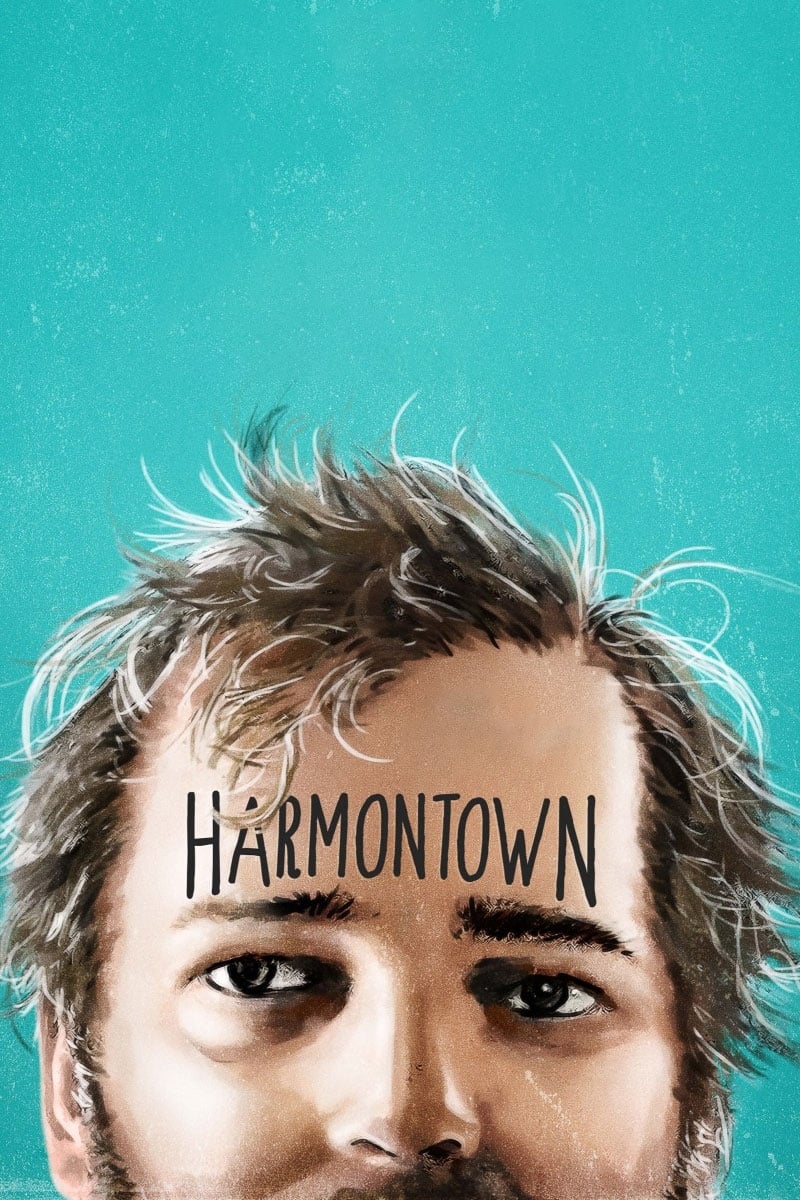
A comedic, brutally honest documentary following self-destructive TV writer Dan Harmon as he takes his live podcast on a national tour.
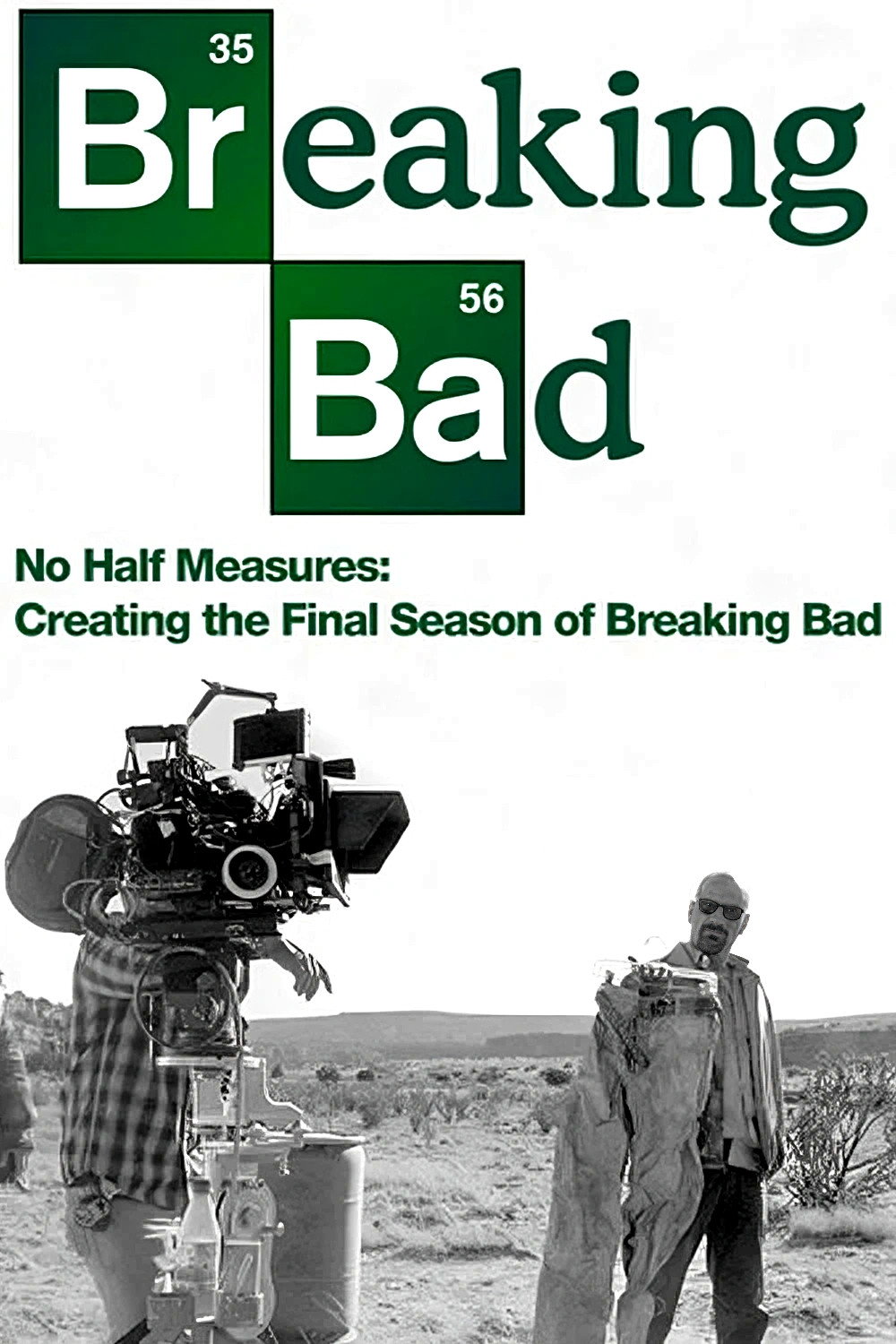
A documentary about the making of season five of the acclaimed AMC series Breaking Bad.
Alexander McQueen's rags-to-riches story is a modern-day fairy tale, laced with the gothic. Mirroring the savage beauty, boldness and vivacity of his design, this documentary is an intimate revelation of McQueen's own world, both tortured and inspired, which celebrates a radical and mesmerizing genius of profound influence.
Director Michael Apted revisits the same group of British-born adults after a 7 year wait. The subjects are interviewed as to the changes that have occurred in their lives during the last seven years.
An unprecedented and intimate look at the life, work and enduring legacy of British actress Audrey Hepburn (1929-1993).
Though legendary lyricist Howard Ashman died far too young, his impact on Broadway, movies, and the culture at large were incalculable. Told entirely through rare archival footage and interviews with Ashman’s family, friends, associates, and longtime partner Bill Lauch, Howard is an intimate tribute to a once-in-a-generation talent and a rousing celebration of musical storytelling itself.
A documentary highlighting the Soviet Union's legendary and enigmatic hockey training culture and world-dominating team through the eyes of the team's Captain Slava Fetisov, following his shift from hockey star and celebrated national hero to political enemy.
Daniel Craig candidly reflects on his 15 year adventure as James Bond. Including never-before-seen archival footage from Casino Royale to the upcoming 25th film No Time To Die, Craig shares his personal memories in conversation with 007 producers, Michael G Wilson and Barbara Broccoli.
National Geographic's riveting effort recounts all 12 crewed missions using only archival footage, photos and audio.
Ranjit, a farmer in India, takes on the fight of his life when he demands justice for his 13-year-old daughter, the victim of a brutal gang rape. His decision to support his daughter is virtually unheard of, and his journey unprecedented.
14-year-old Laura Dekker sets out on a two-year voyage in pursuit of her dream to become the youngest person ever to sail around the world alone.
Cameramen and women discuss the craft and art of cinematography and of the "DP" (the director of photography), illustrating their points with clips from 100 films, from Birth of a Nation to Do the Right Thing. Themes: the DP tells people where to look; changes in movies (the arrival of sound, color, and wide screens) required creative responses from DPs; and, these artisans constantly invent new equipment and try new things, with wonderful results. The narration takes us through the identifiable studio styles of the 30s, the emergence of noir, the New York look, and the impact of Europeans. Citizen Kane, The Conformist, and Gordon Willis get special attention.
A feature-length documentary about our complex relationship with manufactured objects and, by extension, the people who design them.