Analyzes alternatives in the farming profession in the 1970's. Expresses the opinions and values of two families which exemplify the changes occurring in farming.
Social & External
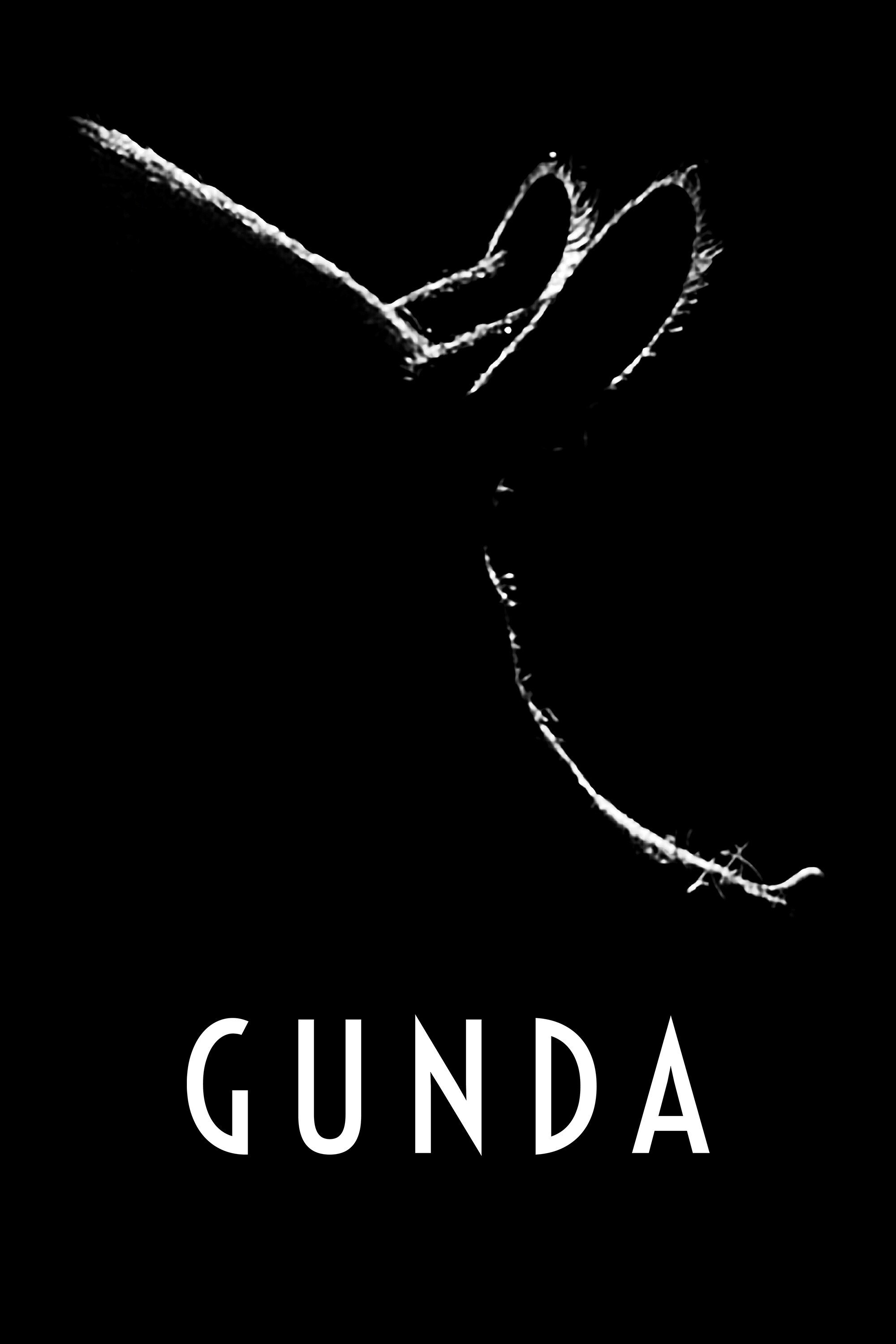
A glimpse into the raw and simple power of nature through encounters with farm animals: the eponymous Gunda, a mother pig; two cows, and a one-legged chicken.
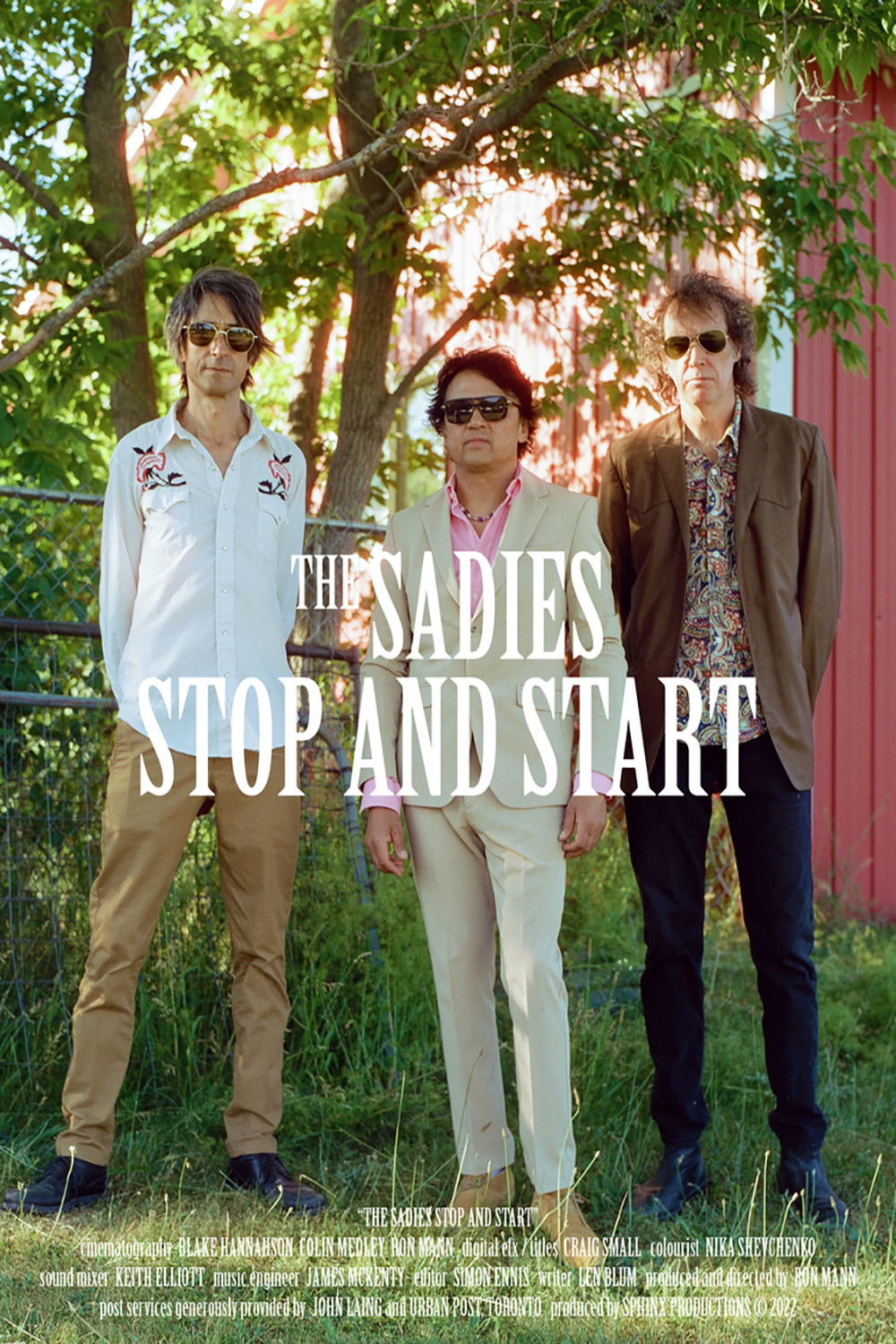
The Sadies Stop and Start captures a moment in time. That time was uncertain and dark. Still reeling from losing Dallas, we found out that Mike needed to have emergency wrist surgery. We needed to play these songs, not knowing if we would ever have the opportunity again. With one day's notice, documentary filmmaker Ron Mann and a stellar crew pulled together to help us capture these songs. Friends and family gathered to help out and show their support. James McKenty engineered in his mobile recording trailer, In Record Time Studio. The resulting film looked and sounded better than we could have hoped. We are thankful to share that Mike's surgery was successful and we are back out on the road and coming to a city near you.
A close-up portrait of the daily lives of a pair of cows: told by way of some narrative-free, intimate POV photography, with plenty of close shot images, we follow the daily routine of these animals as they live what can only be described as mundane, boring lives - all with an ultimate purpose within the human food chain.
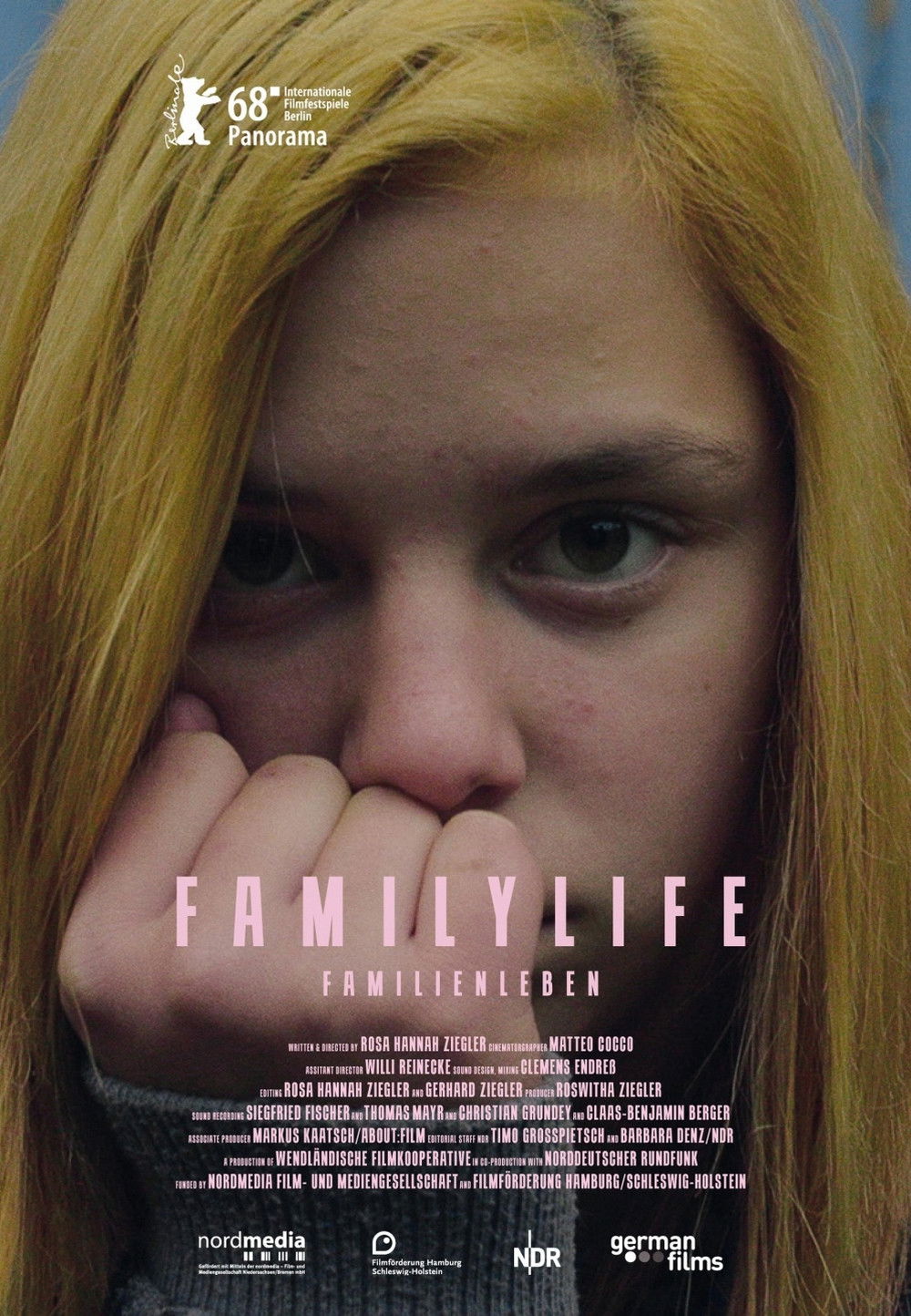
Biggi lives with her two daughters, four dogs and her exboyfriend Alfred on a dilapidated farm in a small village in Saxony-Anhalt. Biggi and Alfred are out of work and they live very modestly. The 14 and 17 year-old daughters Saskia and Denise should really go to school, but there are always reasons for them to stay at home. This gives rise to tension with Alfred. We accompany them during their conflict-ridden everyday lives and learn something about their dreams, fears and hopes. And how difficult it is to break out of a circle.
Sepp Holzer explains some of the innovative, labour-saving agricultural techniques he applies at his farm in the Eastern Alps of Salzburg, Austria.
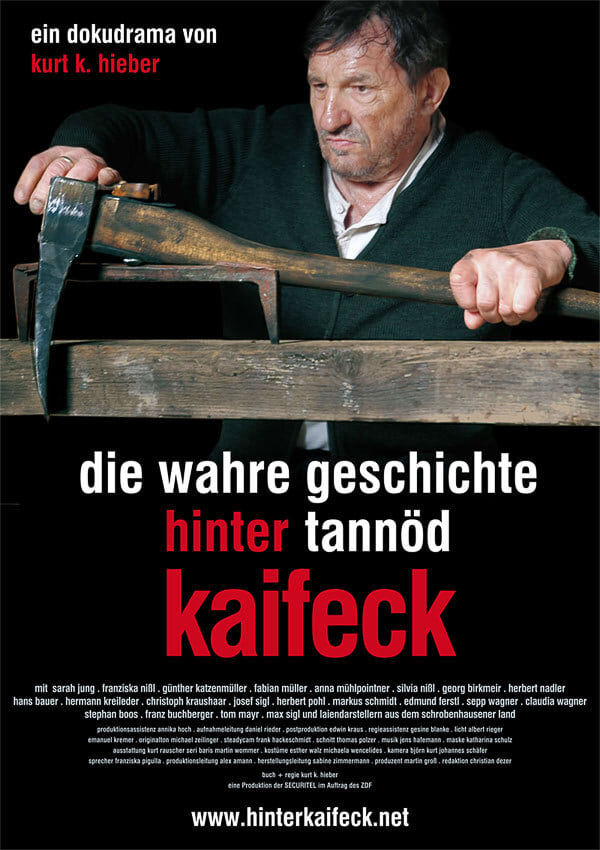
Still today, people say that during the stormy night from March 31st to April 1st, 1922, the devil had come to Hinterkaifeck. On the farmstead near Schrobenhausen, all 6 inhabitants – 4 Adults and two children – are struck down bestially. The police did not manage to seek out the murderer(s). As the case is still unsolved as of today, the story still lives on in the minds of the people. Motion pictures, theatre plays, and the bestselling novel “Tannöd”, behind all of them stands Hinterkaifeck. Aspiring police investigators and a self-declared “Internet – special commission ‘Hinterkaifeck’” have now once again taken up the trail of the case. This exciting search for traces is followed by the film, and its findings are recreated in elaborate play scenes. Thereby, a picture of an era thought to be bygone and an idea of what really happened back then comes into existence. More precise than any fiction, the docudrama manages to get closer to the truth.
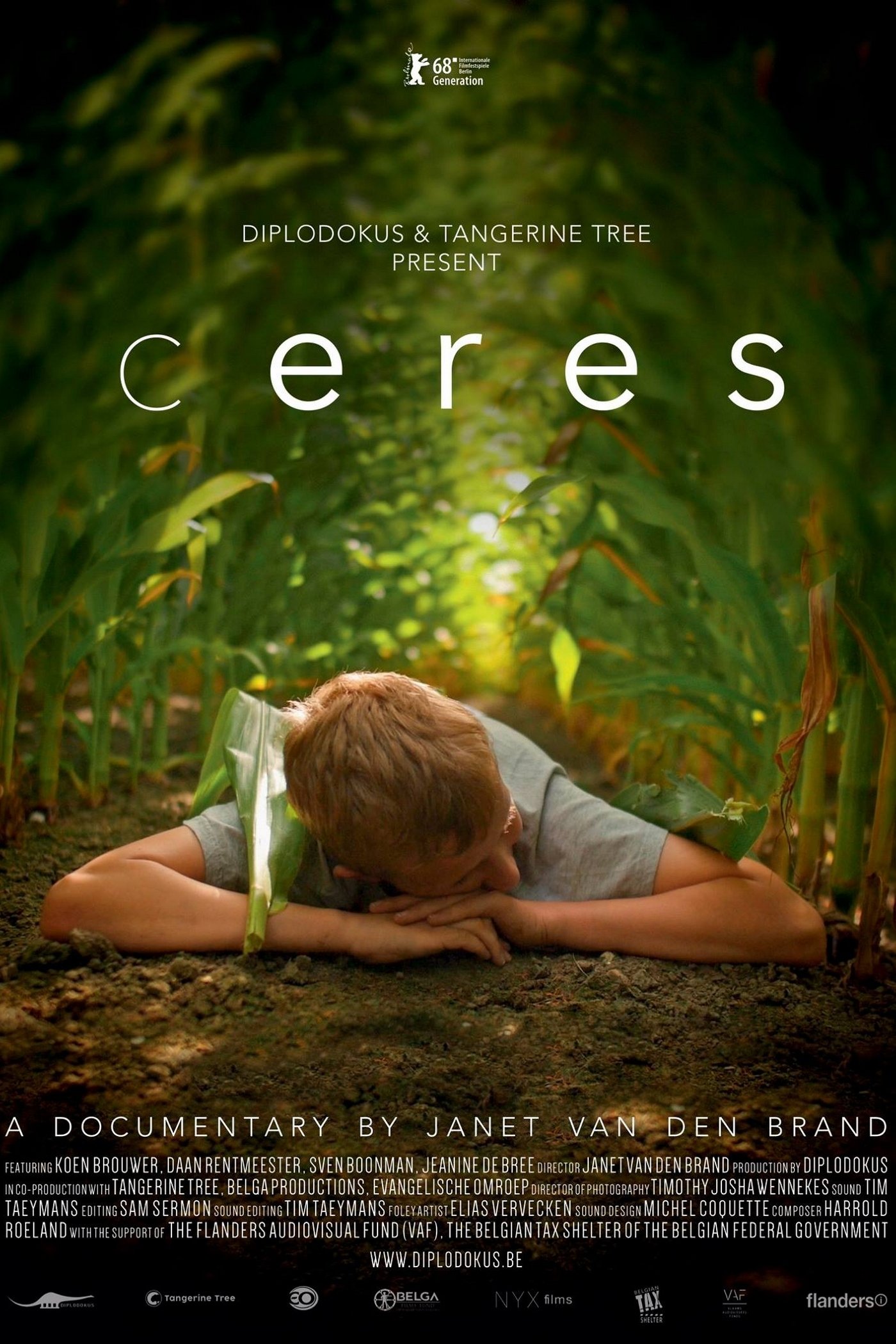
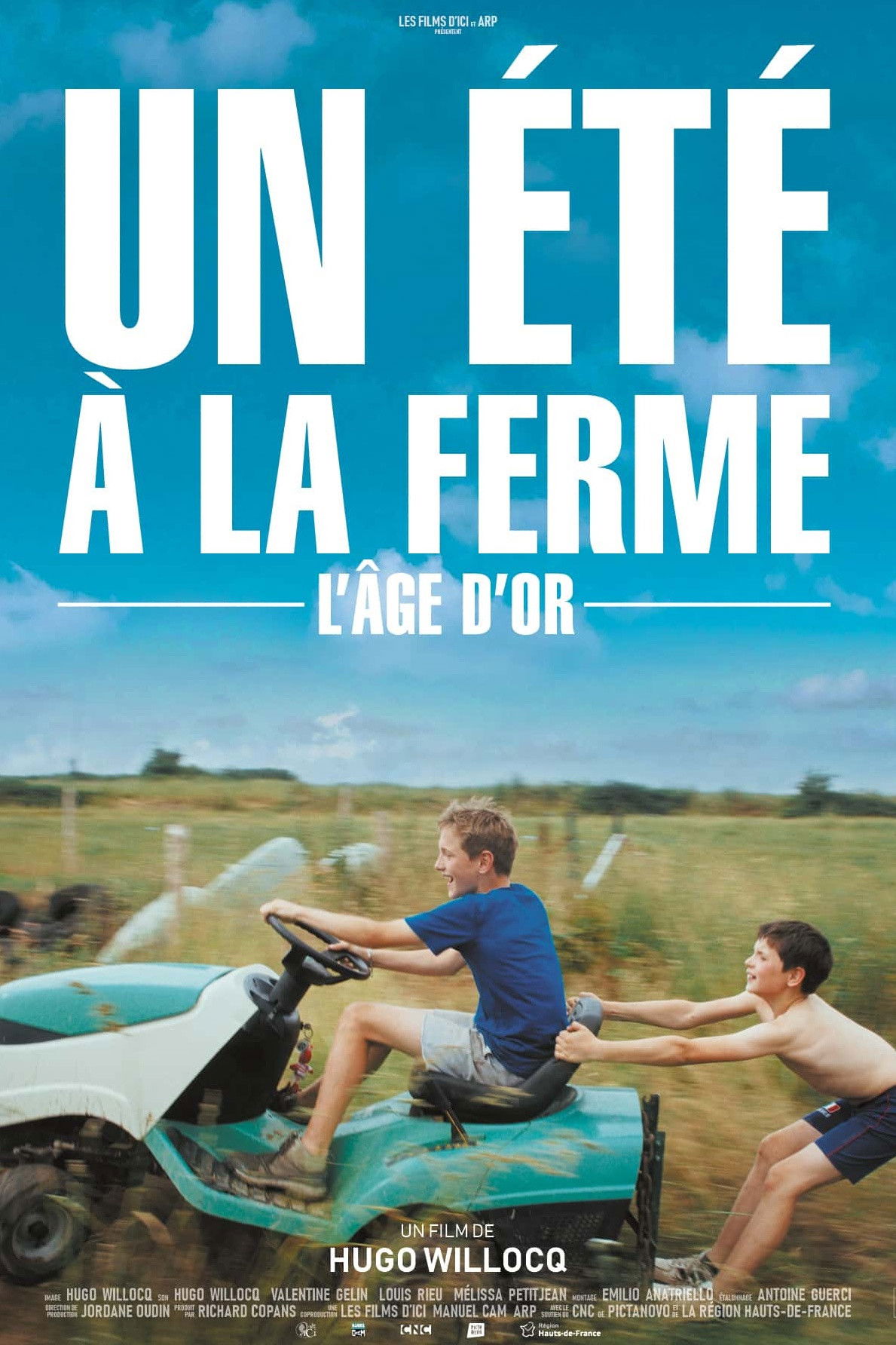
Ceres is a poetic yet realistic documentary that follows four children as they experience the natural cycle of life on a farm. Each child lives on a remote farm in the southwest of the Netherlands and is learning the profession of their ancestors from a young age. They each dream that one day they will take over the farms of their father or grandfather.
A short film by Walerian Borowczyk in two parts. The first 'panel' follows the morning routine of Leon Boyer who, despite being almost 100 years old, still farms the land, drives a vintage car, and plays with his two dogs. The second panel shows shots of beautiful flowers and a cat, to a recording of Tino Rossi singing 'La romance de Nadir / Je crois encore entendre' from Bizet's opera 'Les pêcheurs de perles'.
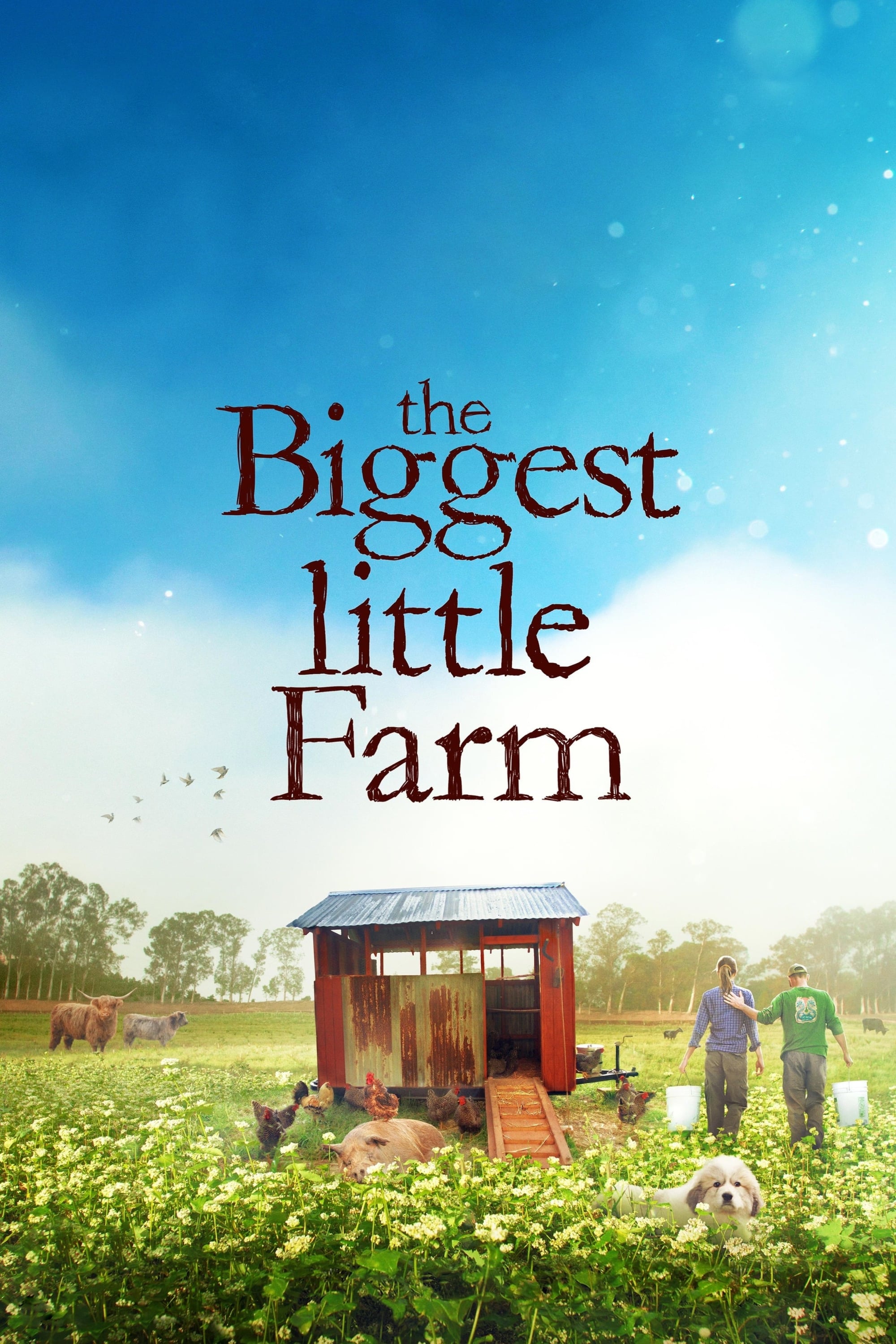
The successes and failures of a couple determined to live in harmony with nature on a farm outside of Los Angeles are lovingly chronicled by filmmaking farmer John Chester, in this inspiring documentary.
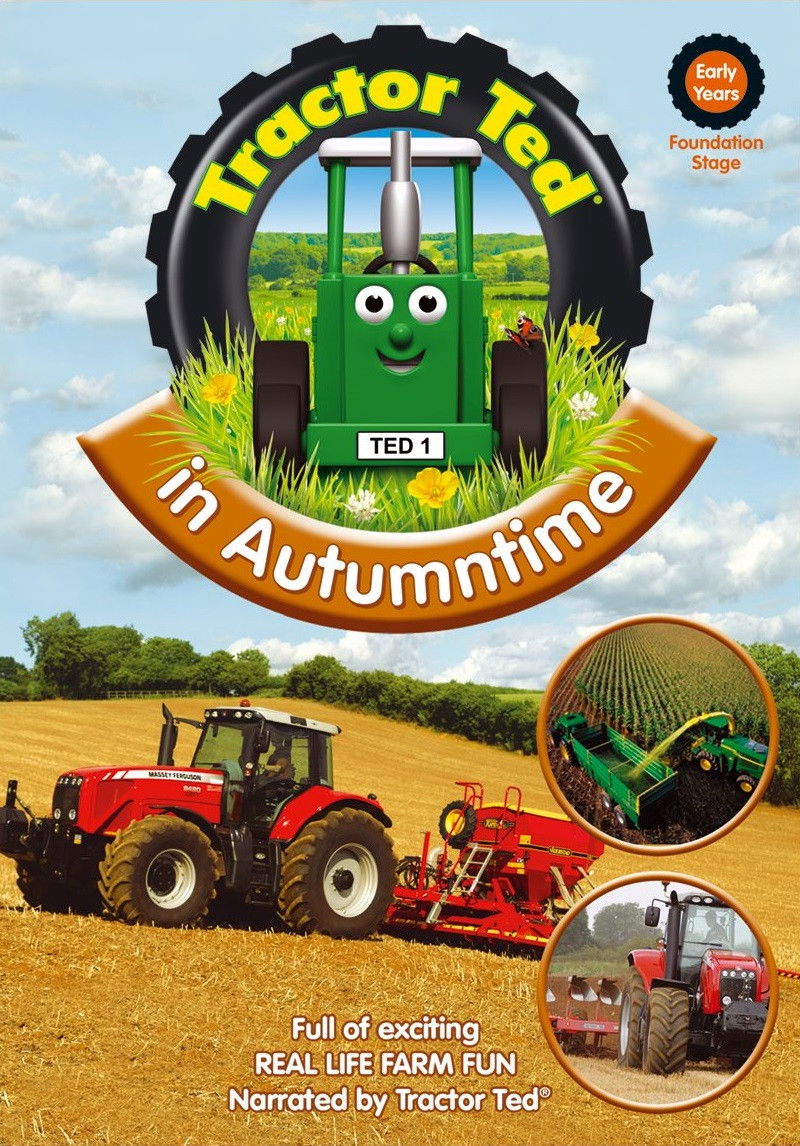
Autumn is one of the busiest seasons on the farm. Tractorland is busy with great big machines. Huge combine harvesters are hard at work, as well as potato harvesters, apple harvesters and forage harvesters.
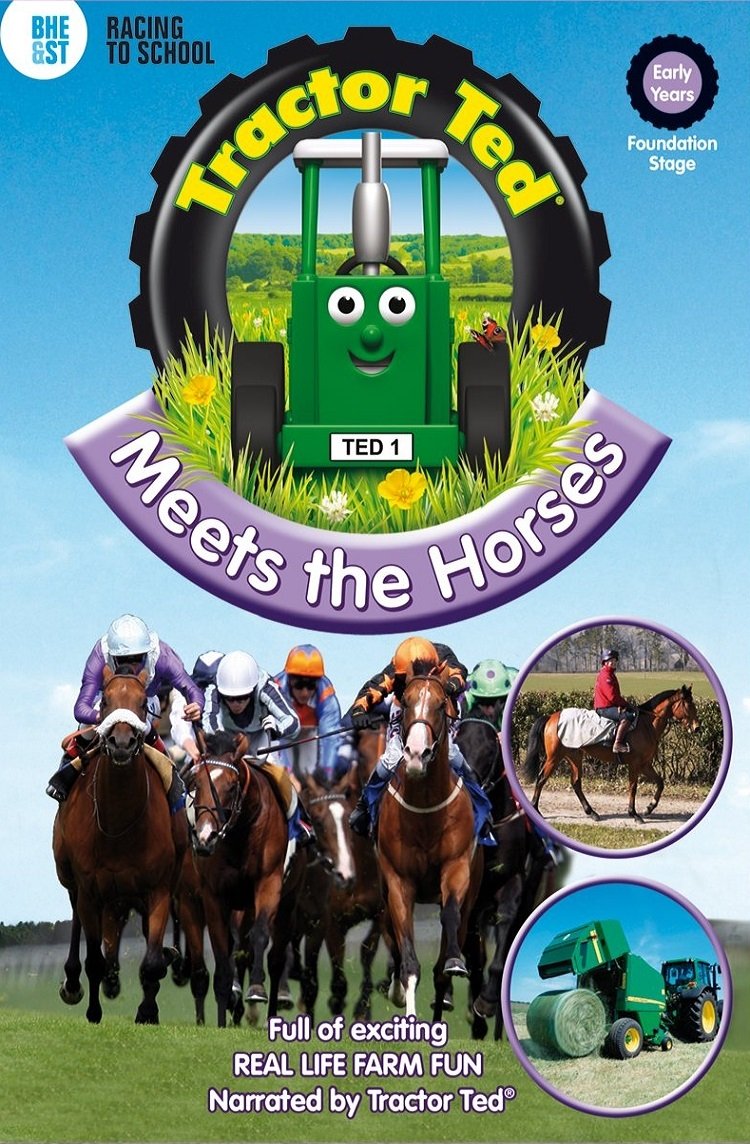
Tractor Ted takes a trip to meet some racehorses during the working day of a large stableyard. He sees them on the gallops, having a bath and even one swimming! Out in the fields the hay is being made with big machinery including mowers, turners and balers. The children help load the lorry and cheer the horses on in the big race. A fascinating visit to one of the world's top racing yards.
A GROUP OF YOUNG PARANORMAL INVESTIGATORS HAVE TO DO A PARANORMAL RESEARCH OF THE OLD ELMER ESTATE THEN LATER THEY HAD GONE MISSING
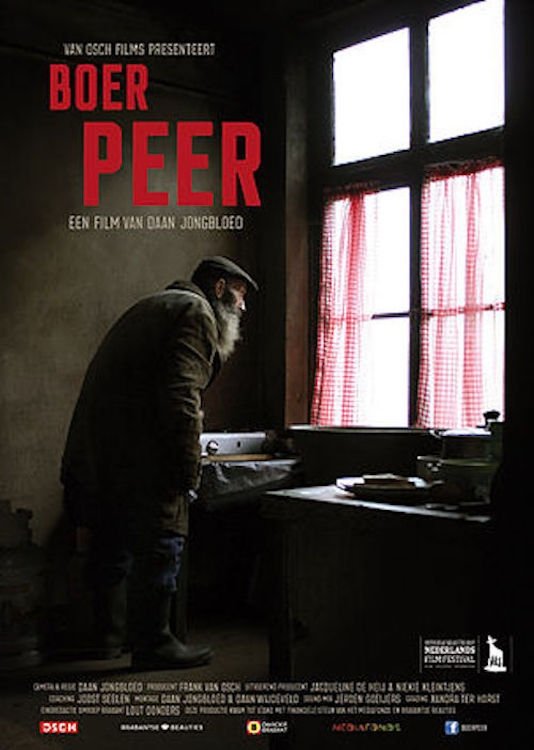
Eight years ago director Daan Jongbloed stumbled upon an abandoned farm, which surprisingly was inhabited by 97-year-old farmer Peer. The peacefulness and sobriety in which Peer lives fascinated Daan tremendously. His view of Peer’s rural lifestyle is rather idyllic, but to Peer this is reality. Why does he live the way he does? Who is Peer and what’s troubling him? In an attempt to understand Peer and his perception of life Daan has followed him on and off for the past eight years. Peer cautiously reveals a glimpse of his lonely life and disturbing past.
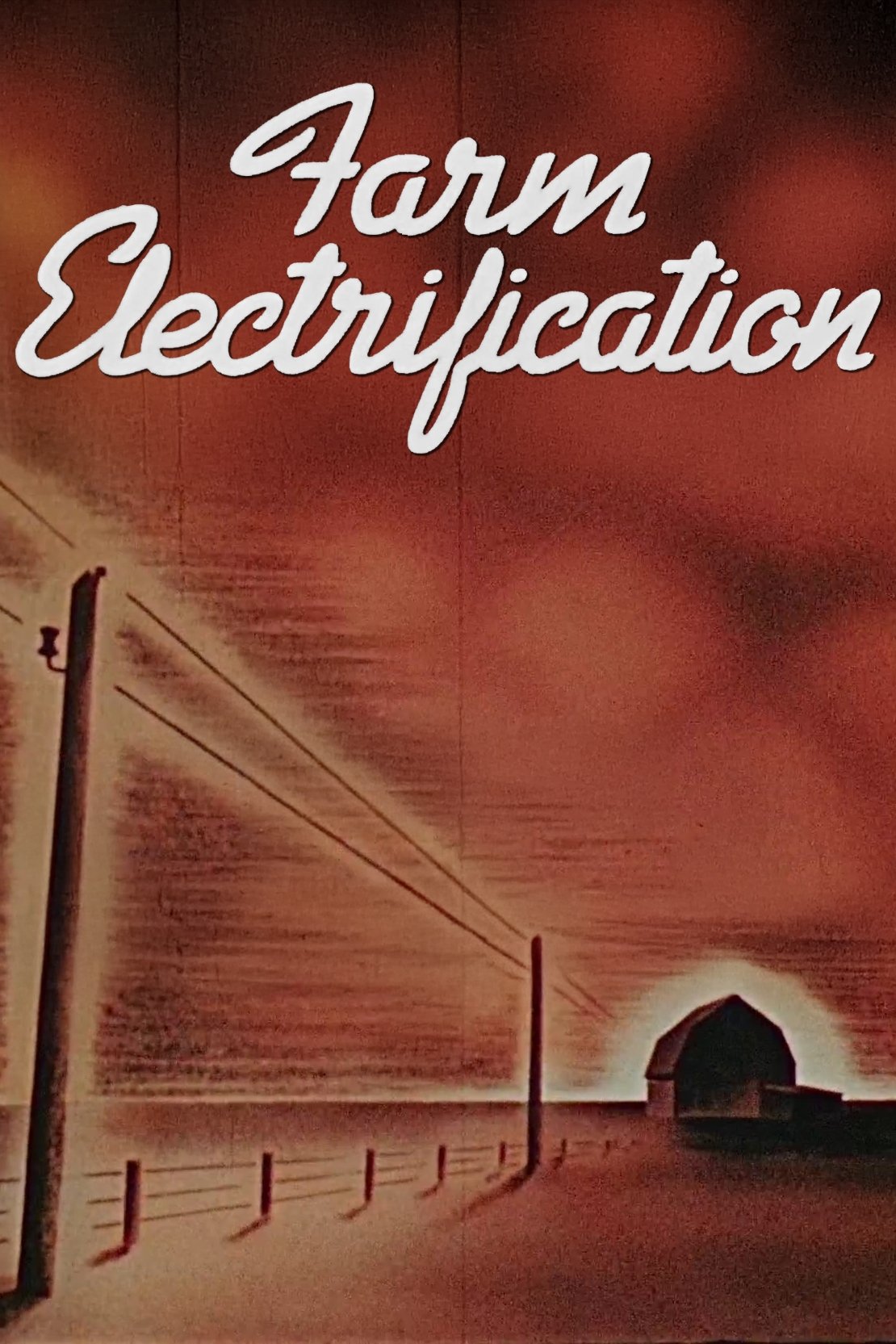
A farming community organizes to obtain hydro power under Manitoba's rural electrification plan. Energetic canvassing wins over those hesitant to share, for the good of all, the initial expense. The abundant return in comfort, convenience, efficiency and financial advantage is described in concluding sequences.
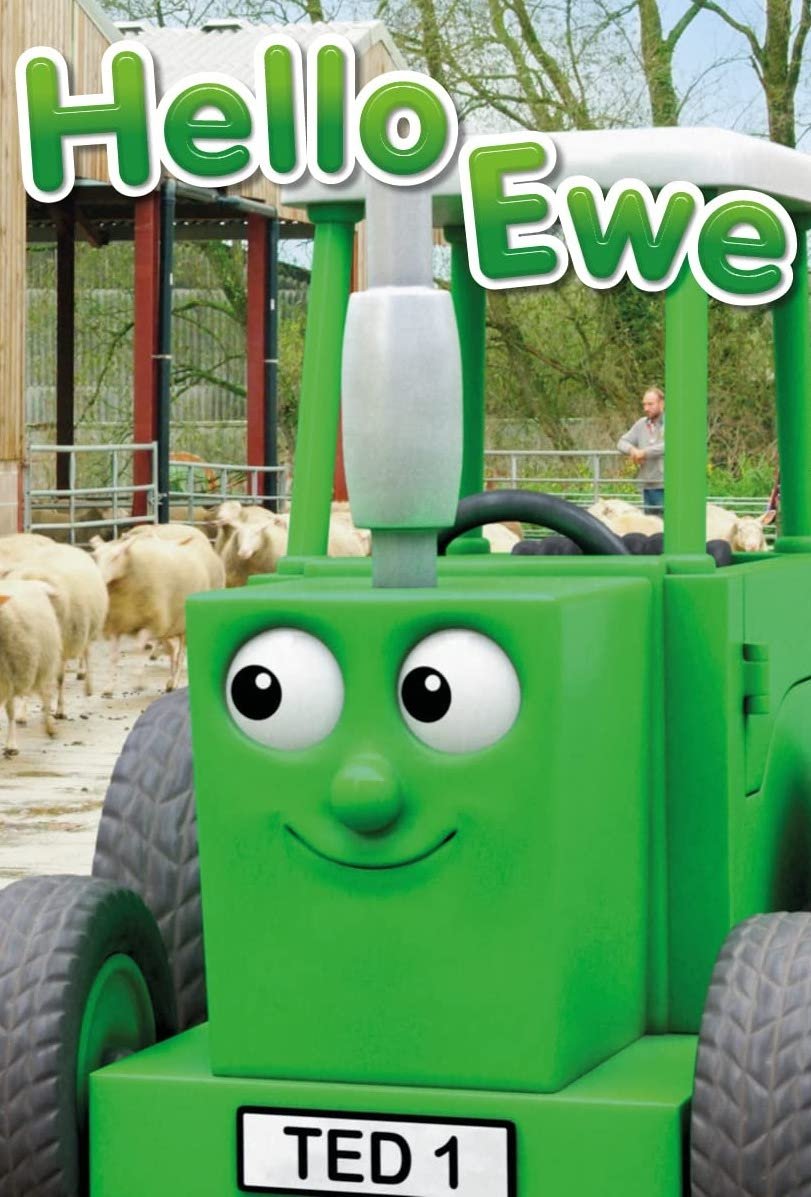
Tractor Ted joins Farmer Tom who has gone to his friend’s farm to help milk the sheep! Did you know you can get milk from sheep (ewes)? Les has a terrible time trying to keep the sheep still to check its feet and cheeky Midge races about seeing if the sheep can catch her.
Percy Schmeiser is a farmer from Bruno, Saskatchewan Canada whose Canola fields were contaminated with Monsanto's Round-Up Ready Canola. Monsanto's position was that it didn't matter whether Schmeiser knew or not that his canola field was contaminated with the Roundup Ready gene, or whether or not he took advantage of the technology (he didn't); that he must pay Monsanto their Technology Fee of $15./acre.
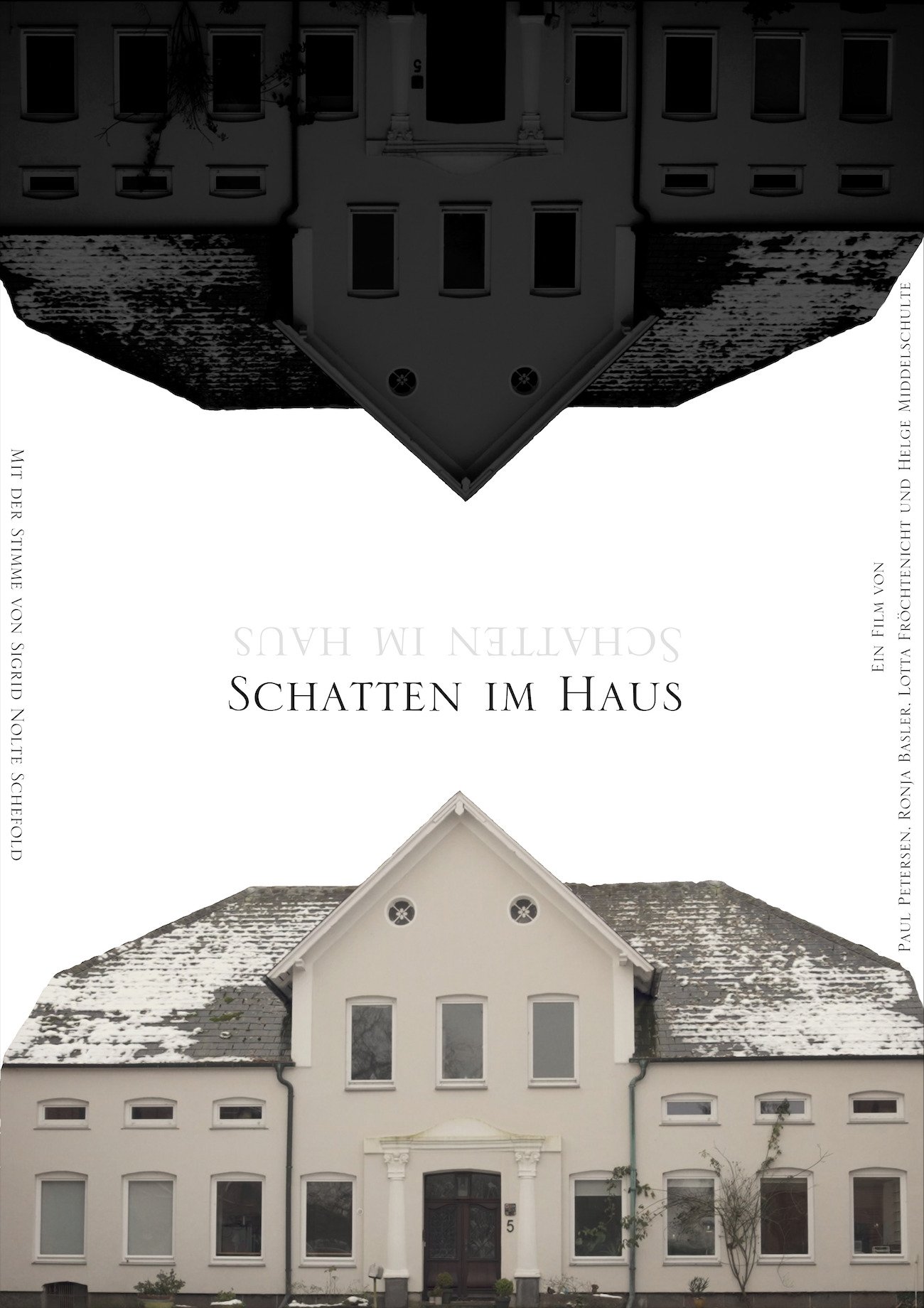
The Gintoftgaard farmstead has been run by the Petersen family for 16 generations. Many people have lived and loved here, fought for their place in society, and adapted – in good times and in bad, in poverty and in wealth. Traces of them can be found in some corners; in others, there’s only dust. A farm looks back on its history.
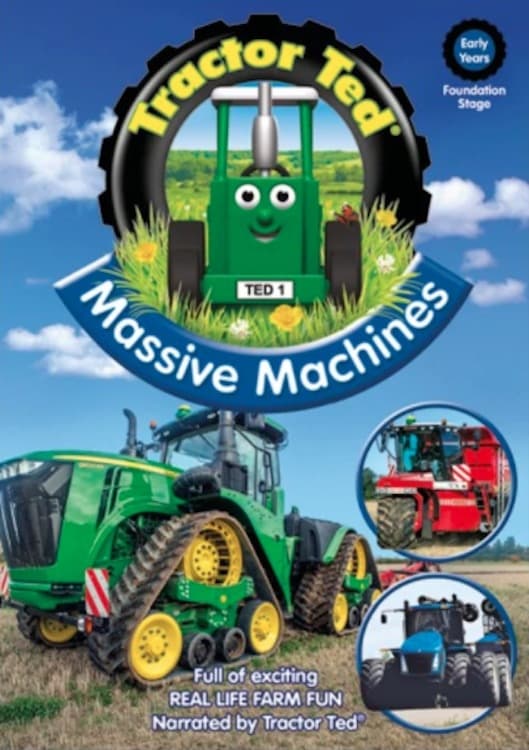
Tractor Ted shows us massive farm machines at work in the fields. There are tractors with huge wheels and caterpillar tracks as big as a car. There are two massive muck spreaders at work. Farmer Tom and Milly are collecting Jack from his friend's dairy farm where Les is helping out. Watch out Les, there's water about! Songs, fun, massive machines and real life farming - the perfect introduction to life on the farm for young children.
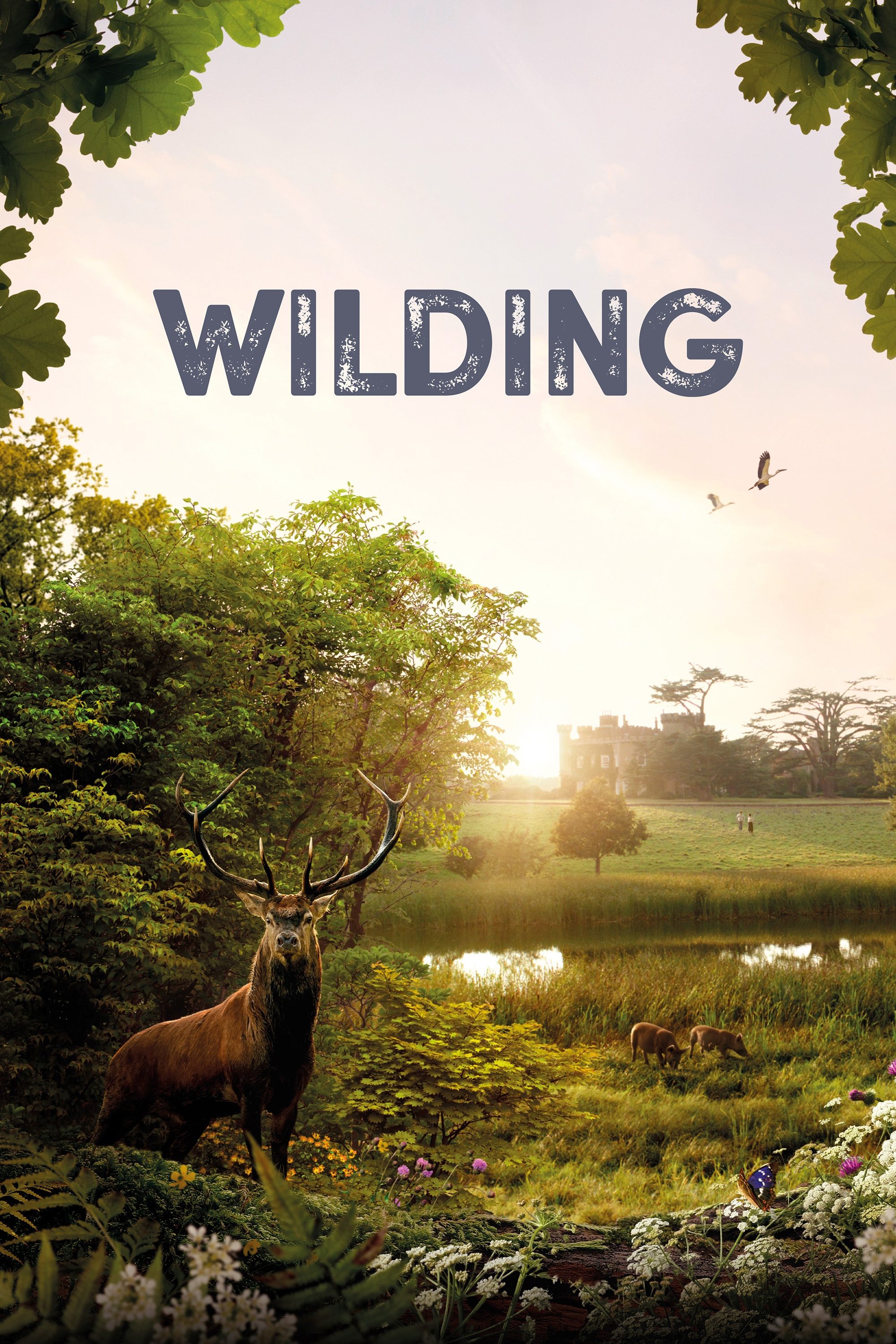
A young couple battle entrenched tradition and hostile forces to bet on nature for the future of their failing, four-hundred-year-old estate. Ripping down the fences, they set the land back to the wild and entrust its recovery to a motley mix of animals both tame and wild, beginning a grand experiment.