Uses the authentic words of Revolutionary War soldiers to recreate the ordeal of the harsh, crucial winter of 1778. Filmed in Valley Forge National Park.
Social & External
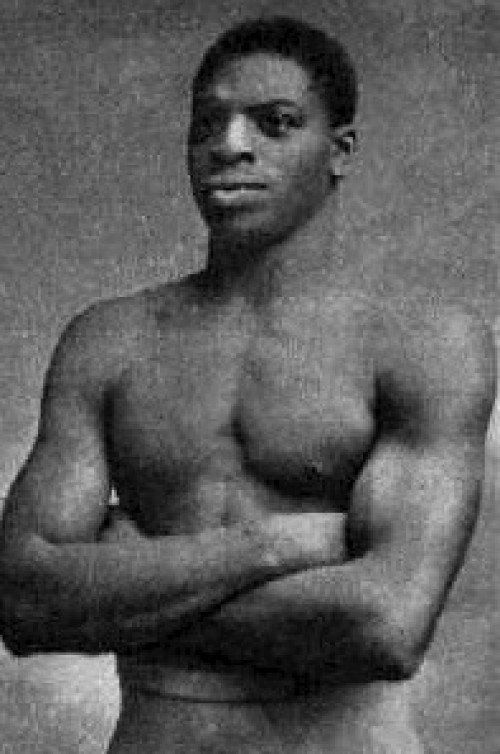
Using newly uncovered historical documents, this documentary short pieces together the most complete and accurate account of the life of Viro Small ever told. Nicknamed "Black Sam of Vermont" for his ties to the Green Mountain State, Small was a pro wrestling pioneer who reached the height of his notoriety in 1880's New York City.
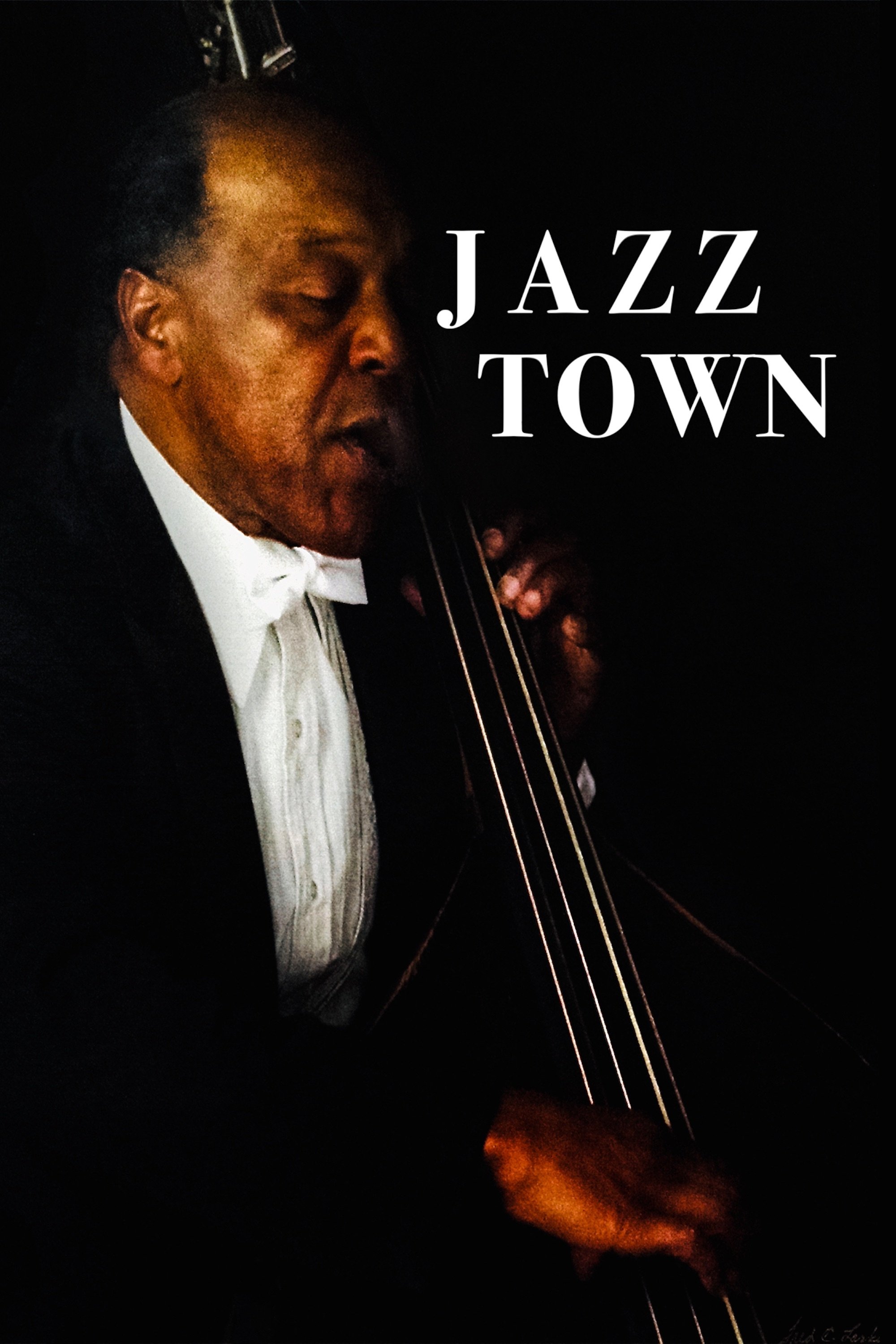
Denver’s iconic and Grammy Award-winning musicians reveal the secrets of their success and longevity in the music business while warning the young lions to whom they pass the torch to stay relevant in a marketplace both treacherous and brutal. The majestic Rocky Mountains tower over a bustling metropolis filled with steamy and romantic nightclubs where jazz flourishes on stage. JazzTown features never seen before live concert footage on historic stages that have now crumbled due to economic stresses of the Covid Pandemic. ~ Dianne Reeves, 5-time Grammy Award winner for Best Jazz Vocalist ~ US Senator John Hickenlooper (former jazz club owner) ~ Ron Miles (Colorado Music Hall of Fame, Joshua Redman, Bill Frisell, Ginger Baker) ~ Charlie Hunter (Snarky Puppy, Christian McBride, Stanton Moore) ~ Art Lande (Mark Isham, Gary Peacock) ~ Ayo Awosika (Session Singer on Soundtracks to: Wakanda Forever, Nope, Dune, The Lion King ... tours with Miley Cyrus,) and many more.
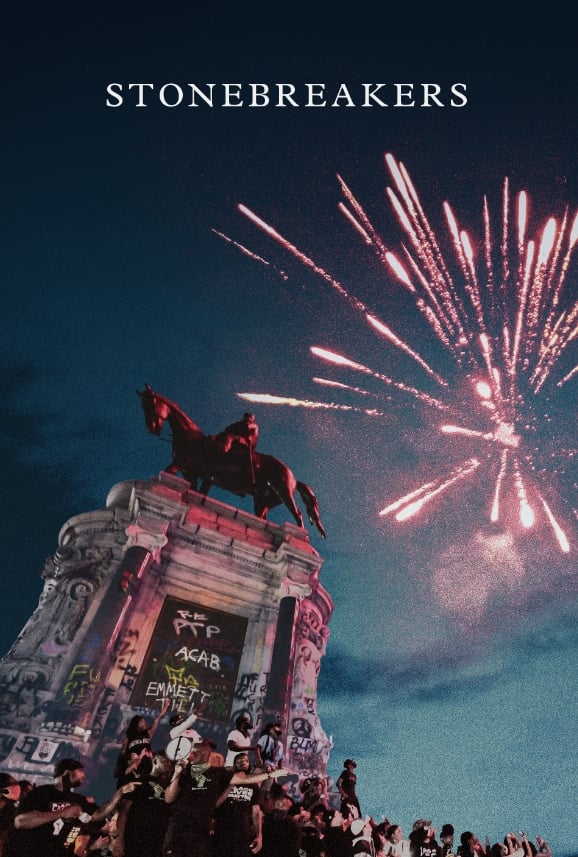
In a year of uprisings and political unrest, Stonebreakers documents the fights around monuments in the United States and explores the shifting landscapes of the nation's historical memory.
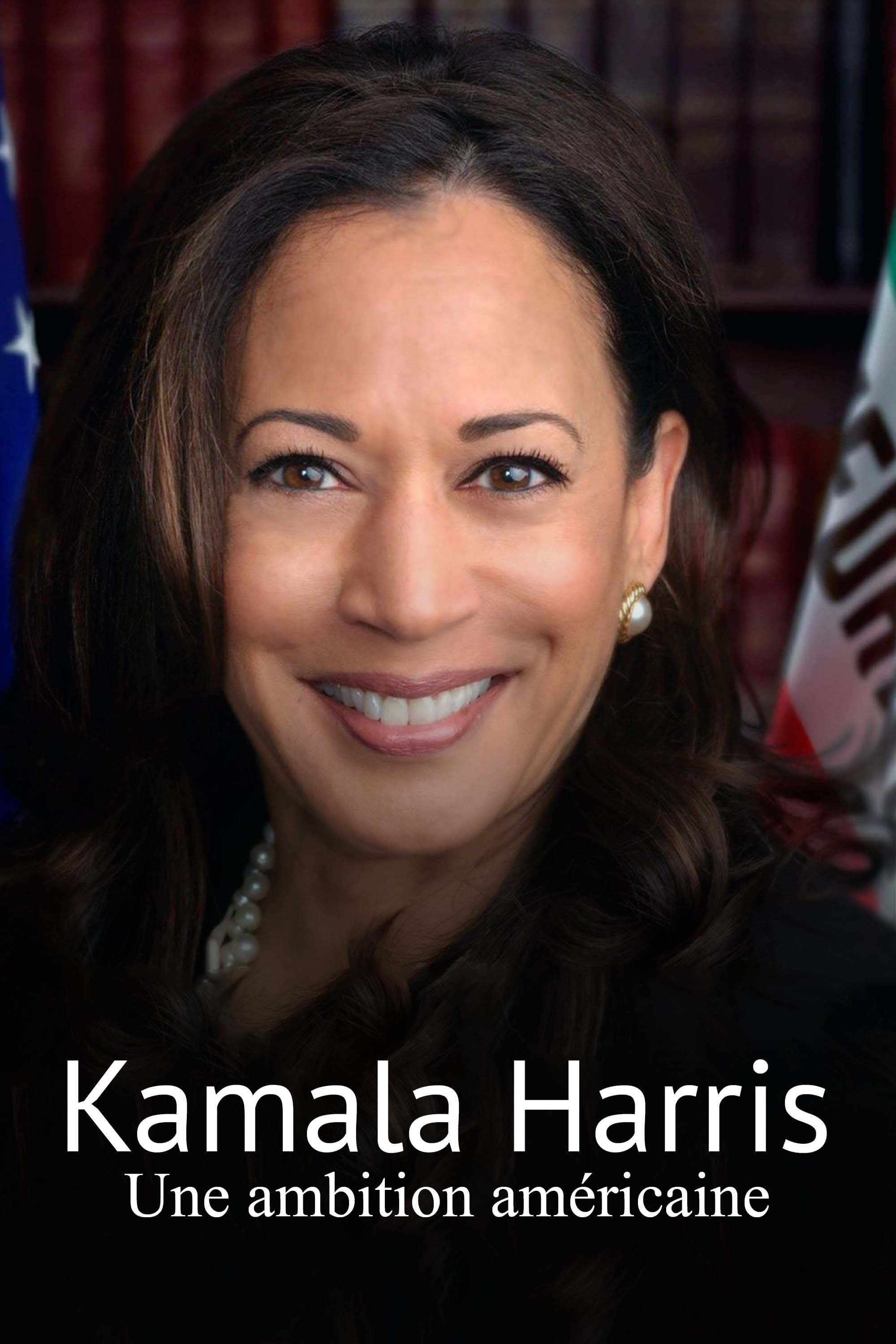
Known as the most liberal U.S. senator and "Border Czar," VP Kamala Harris has a long track record of policy positions; an in-depth look.
The story of January 6, 2021, where approximately 2000 people stormed the US Capitol to stop the certification of the Electoral College Votes, killing some and leaving over 140 injured. A firestorm of angst, anger, violence and confusion.
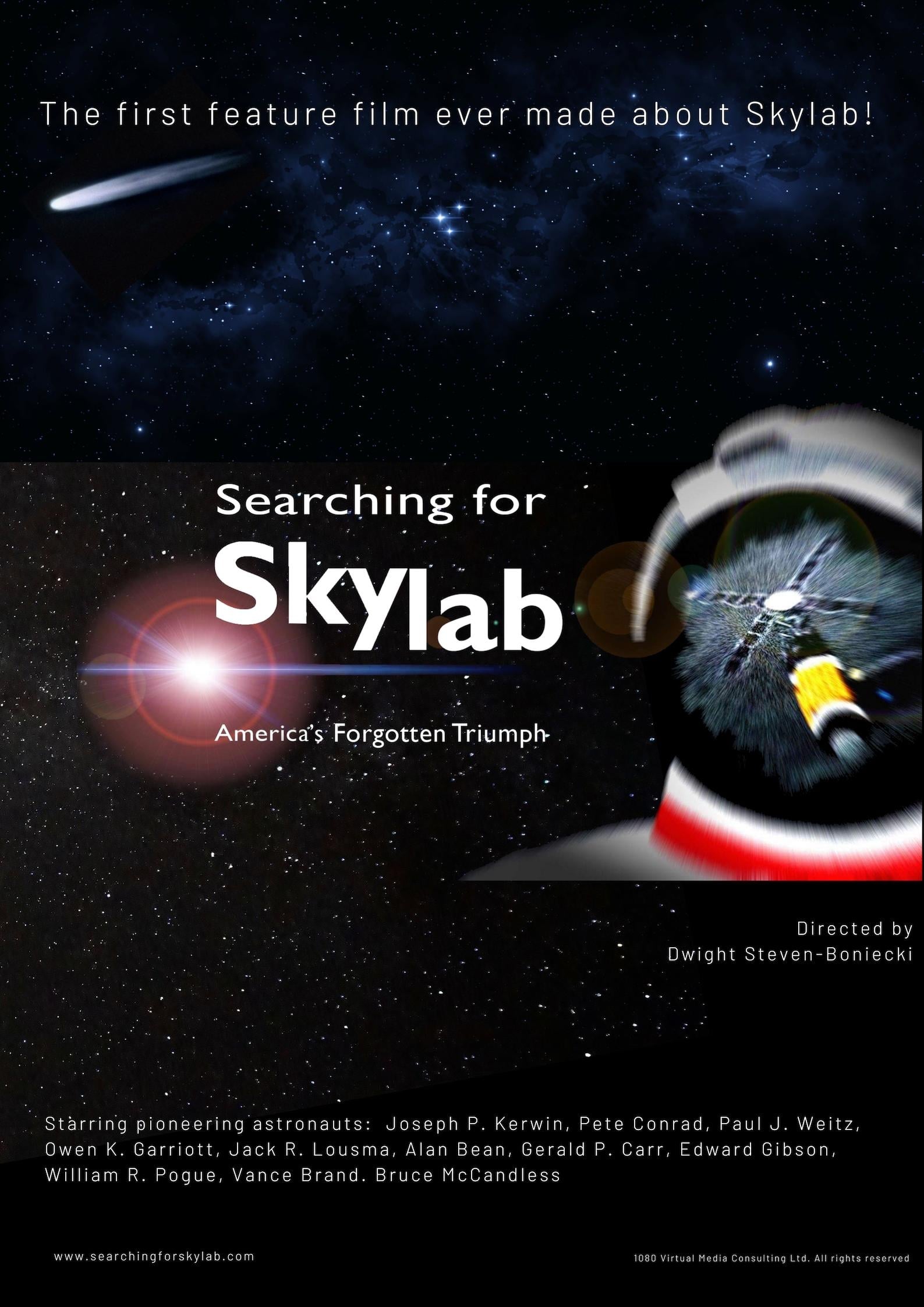
The first American space station Skylab is found in pieces scattered in Western Australia. Putting these pieces back together and re-tracing the Skylab program back to its very conception reveals the cornerstone of human space exploration.
Ashin Yevata, a humble monk from Burma (Myanmar), helped lead the massive protests that spread throughout the country calling for change. Burma is one of the poorest countries in the world, strangled by its own despotic government. Forced labor, torture and systematic genocide are practiced by the ruthless Junta. Ashin was able to escape to the Burma-Thai border, where thousands of Burmese refugees live in fear of deportation and at the will of a corrupt police. He gathered footage from what he and his friends had as well as what he could find on the news.
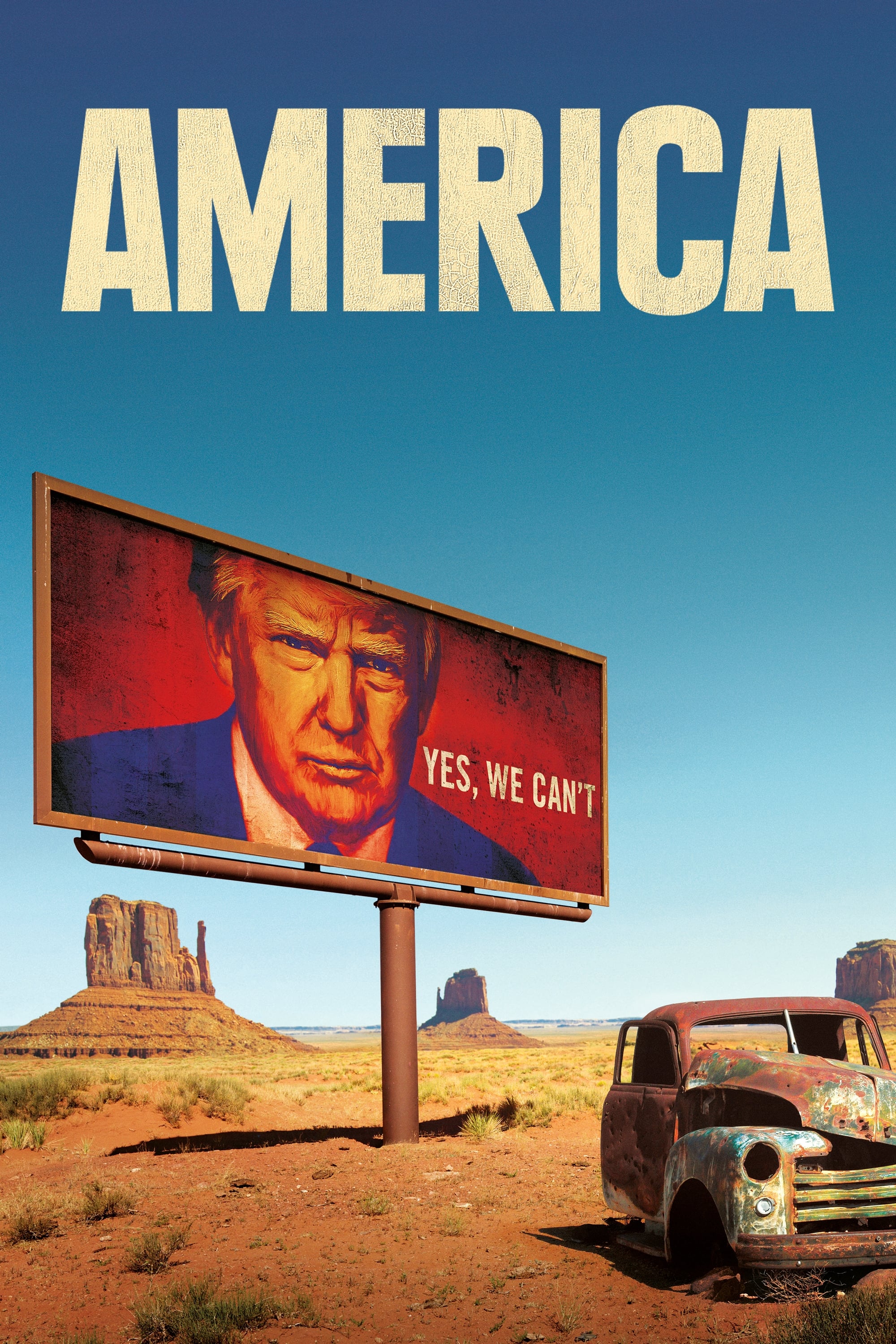
November 2016 : The United States of America are about to elect their new president. AMERICA is a deep dive into the heart of Arizona, meeting the inhabitants of a little town crossed by Road 66, the broken inheritors of the American Dream who deliver us their hopes and fears.
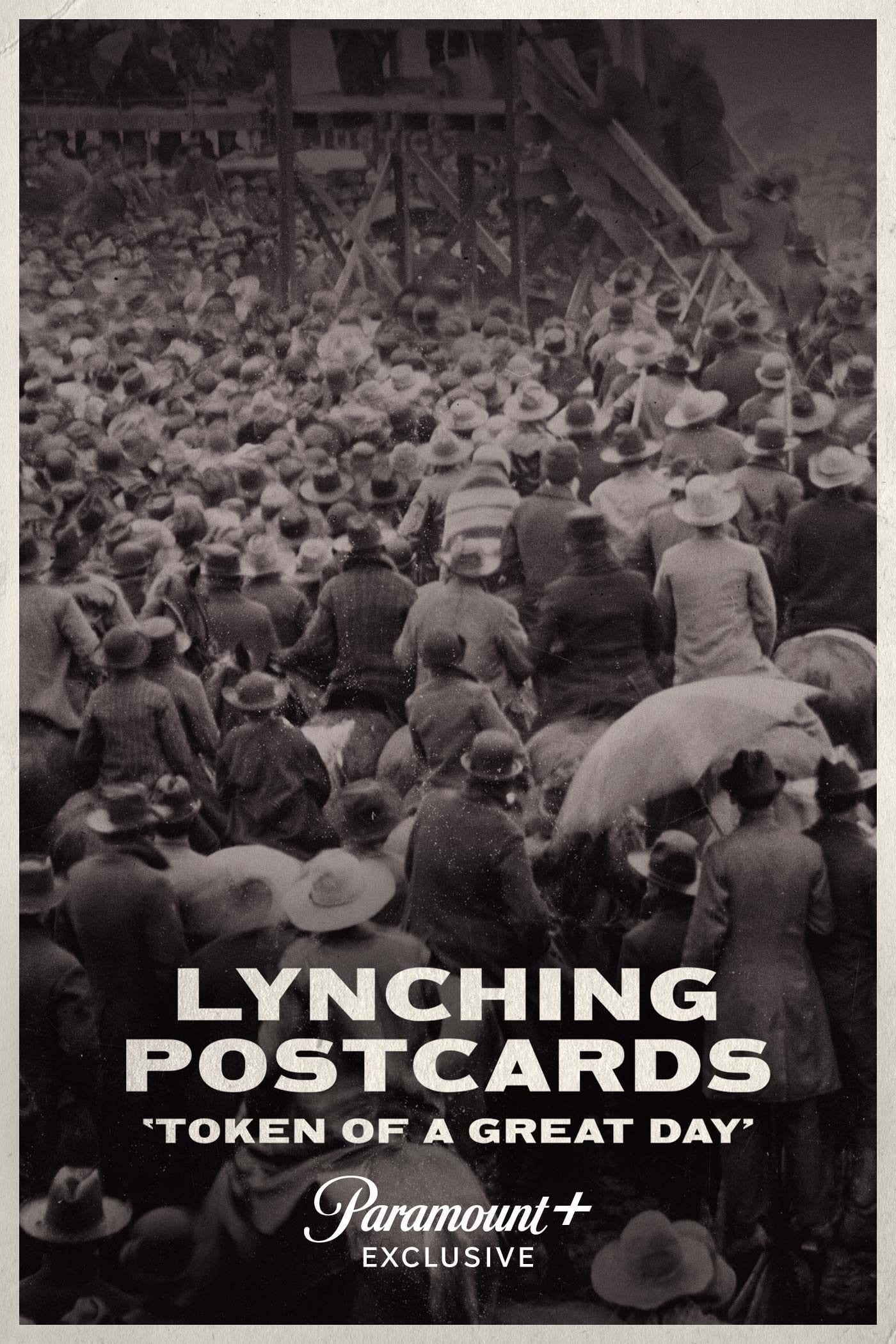
This chilling reflection examines the horrific history of lynchings as cultural events and celebrations that included souvenirs and postcards.
With a mission of collecting, preserving and making accessible the materials of human culture, the New York Public Library plays a vital role in the cultural life of the Big Apple. This film provides a multifaceted portrait of the institution. Viewers will learn about the library's history, collections and research centers as well as the individuals charged with upholding its mission while always keeping an eye to the future.
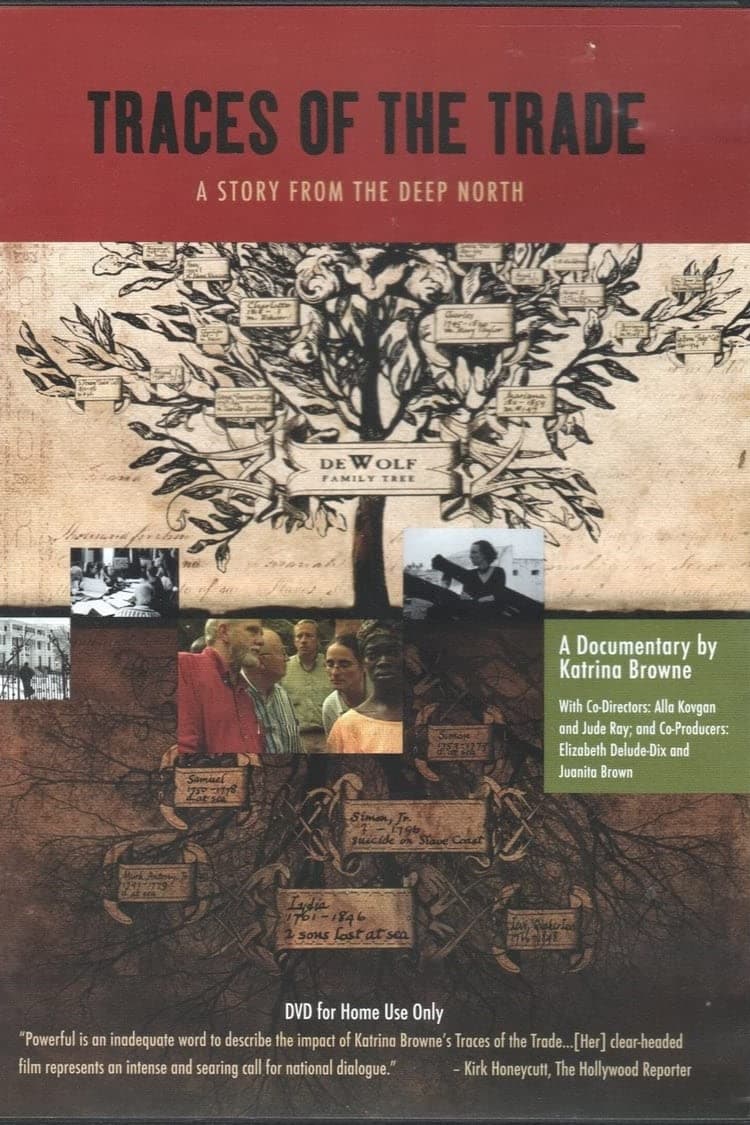
A descendant of the largest slave-trading family in U.S. history, filmmaker Katrina Browne explores the contemporary legacy of slavery by traveling with fellow descendents from Rhode Island to Ghana and Cuba, retracing the Triangle Trade route. Along the way, Browne and her companions meet with similarly interested travelers and discover the considerable importance slavery once had for Northern commerce.
Ghost nation? Violent home? Traumatised country? What does the horror of one of the most famous writers of our time hide? What does his fictional America expose? To what extent does cinema feed itself off his unique vision and expression of fear? In other words: what kind of America is Stephen King telling us about?
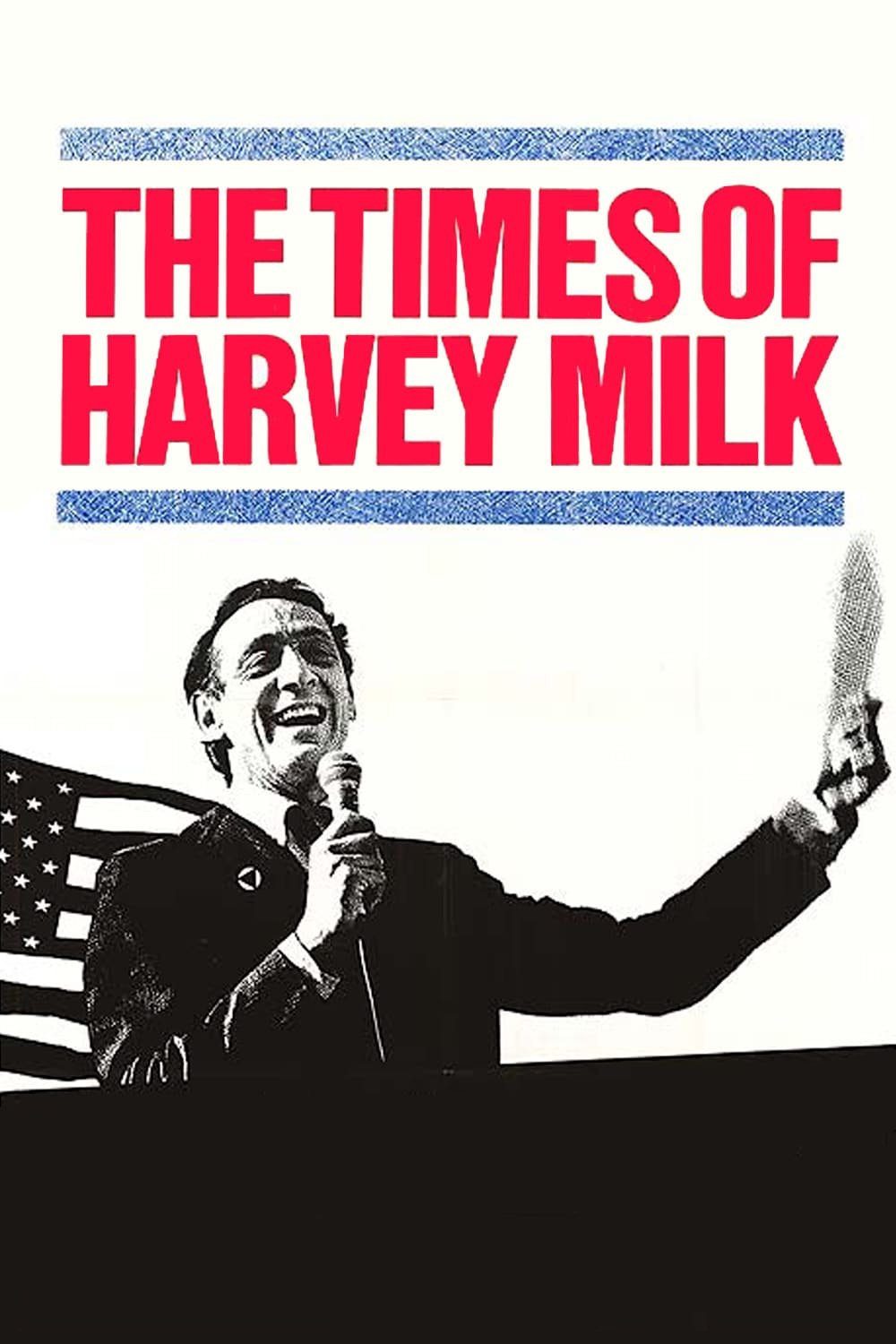
Harvey Milk was an outspoken human rights activist and one of the first openly gay U.S. politicians elected to public office; even after his assassination in 1978, he continues to inspire disenfranchised people around the world.
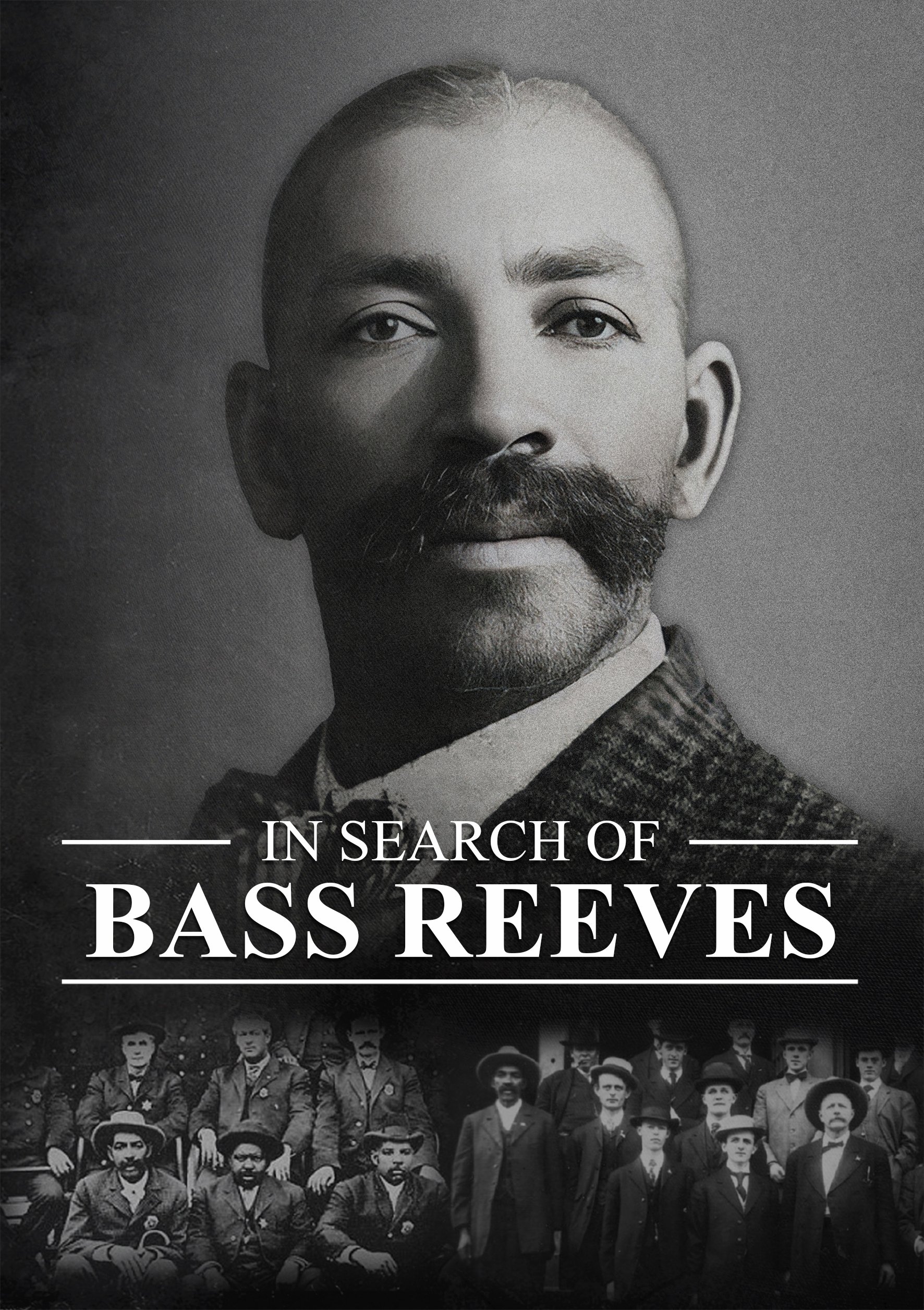
By the end of his illustrious career, Deputy U.S. Marshal Bass Reeves may well have been the preeminent lawman of the Old West. He brought upwards of 3,000 outlaws to justice and served in law enforcement for 32 years during Reconstruction after the Civil War. His story is one of an escape to freedom and the dangers of the West for a former slave who rose to become a legend of the law. Join us as we go in search of Bass Reeves.
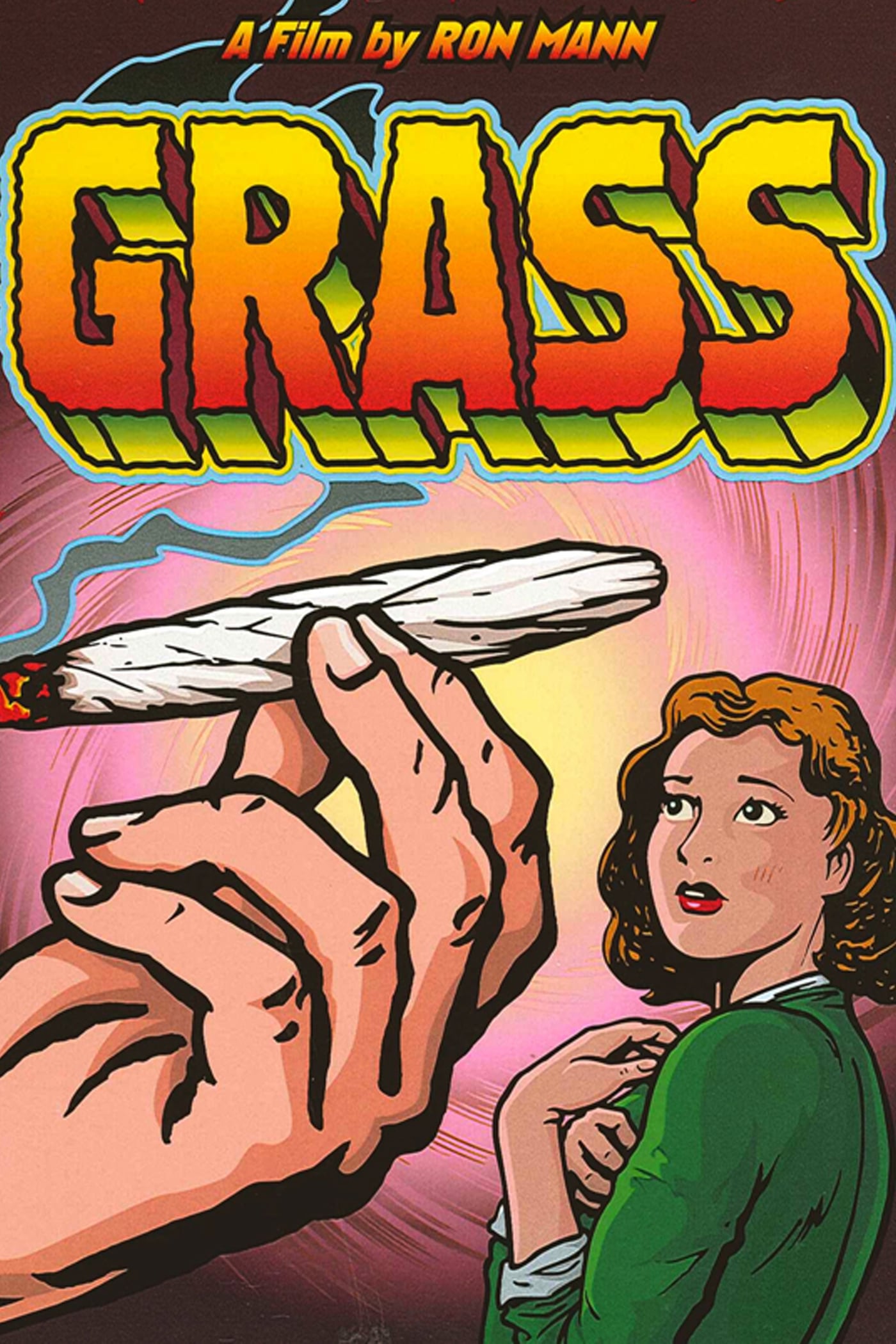
Marijuana is the most controversial drug of the 20th Century. Smoked by generations to little discernible ill effect, it continues to be reviled by many governments on Earth. In this Genie Award-winning documentary veteran Canadian director Ron Mann and narrator Woody Harrelson mix humour and historical footage together to recount how the United States has demonized a relatively harmless drug.
Built in 1755 at the height of the French and Indian War, Braddock's Road was one of the nation's most infamous military roads. Traces of this historic route, in western Maryland, still remain, buried beneath soil and brush, and a team of archaeologists is on the hunt.
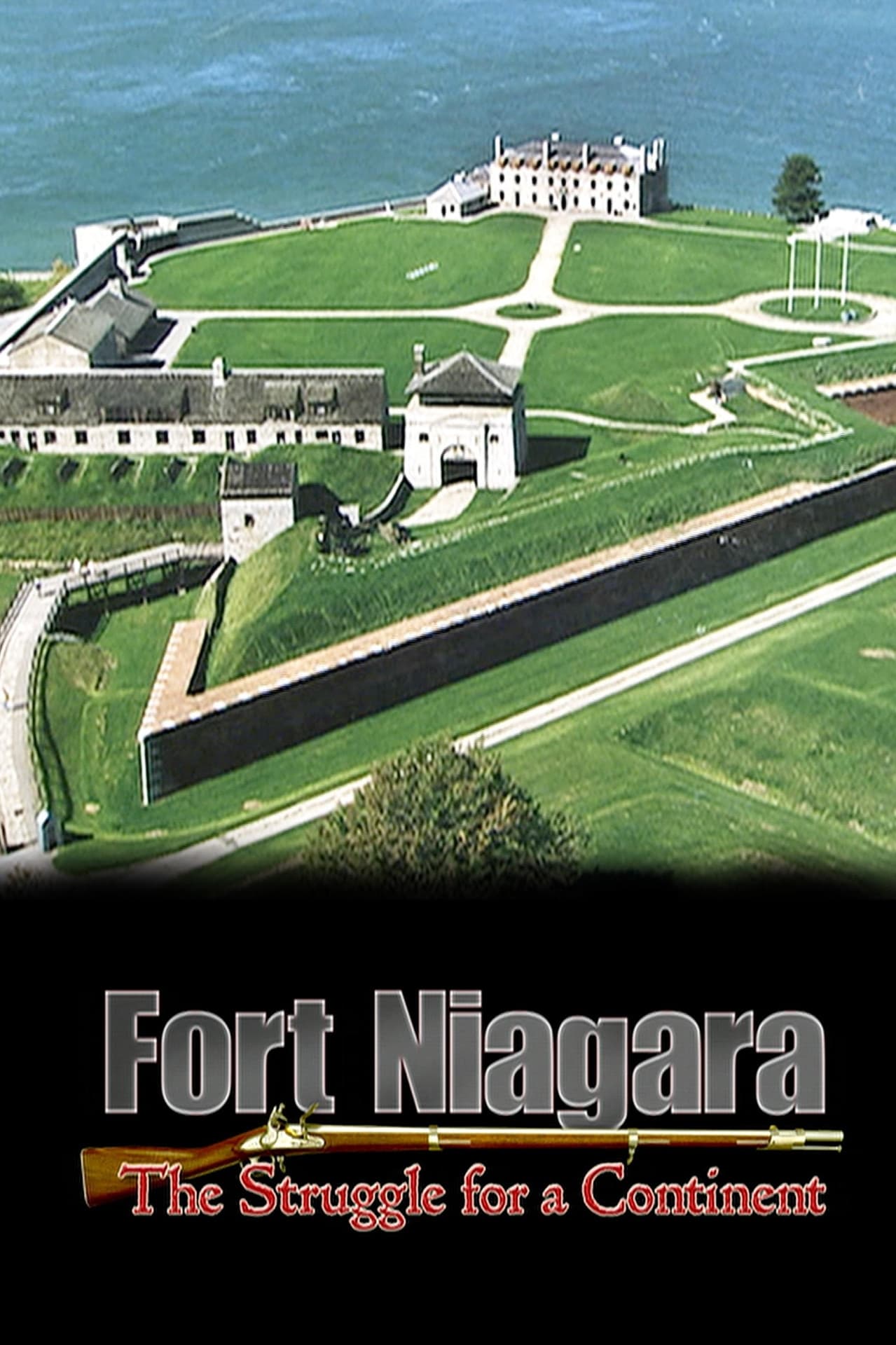
For over 150 years, Fort Niagara protected the strategic point at the mouth of the Niagara River. Four nations struggled to conquer it, and thus control that critical water artery.
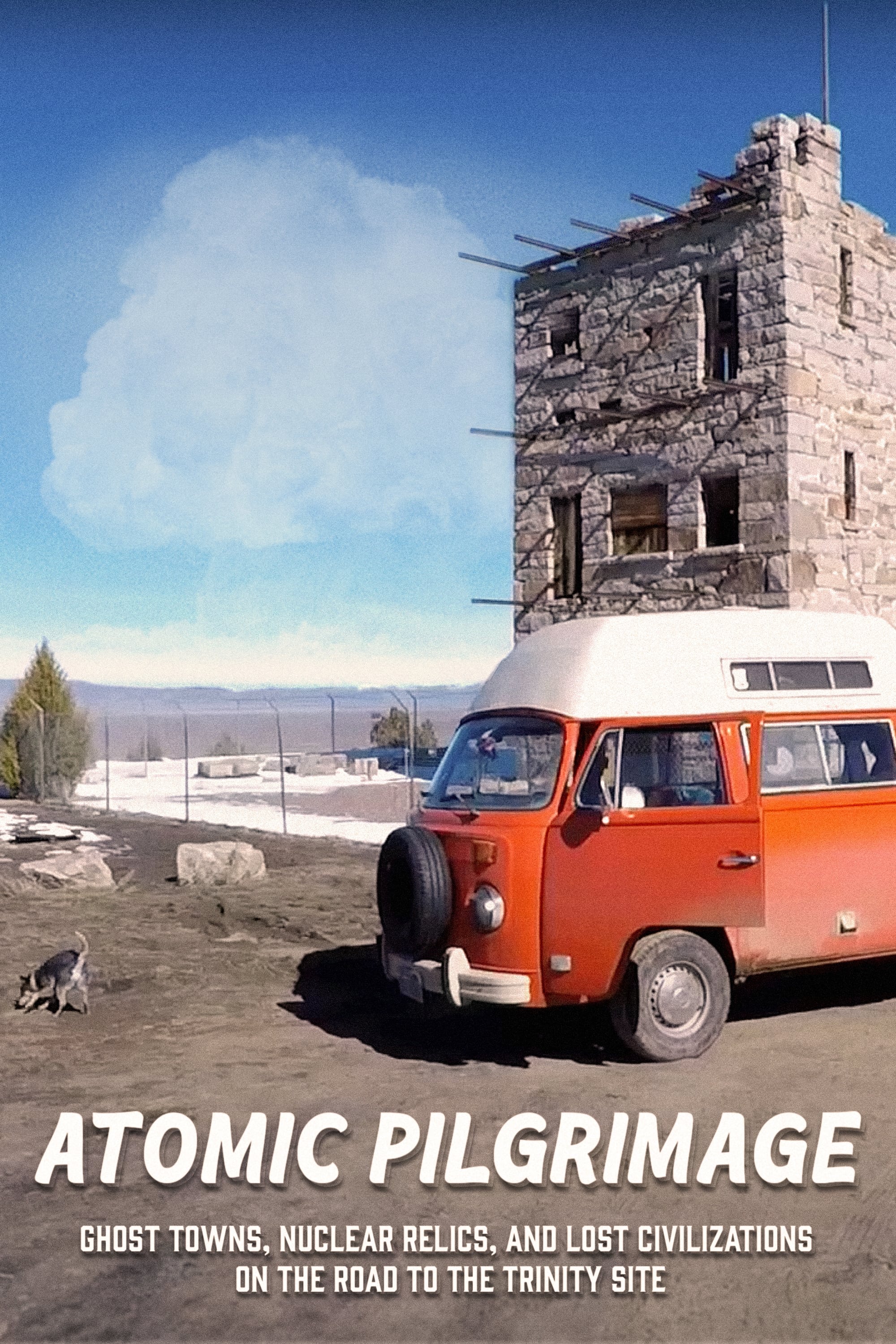
A 40-day, 40-night road trip to the Trinity Site—where the first atomic bomb was detonated in the summer of 1945—covering many other atomic destinations and driving deep into the natural and social history of the American southwest.
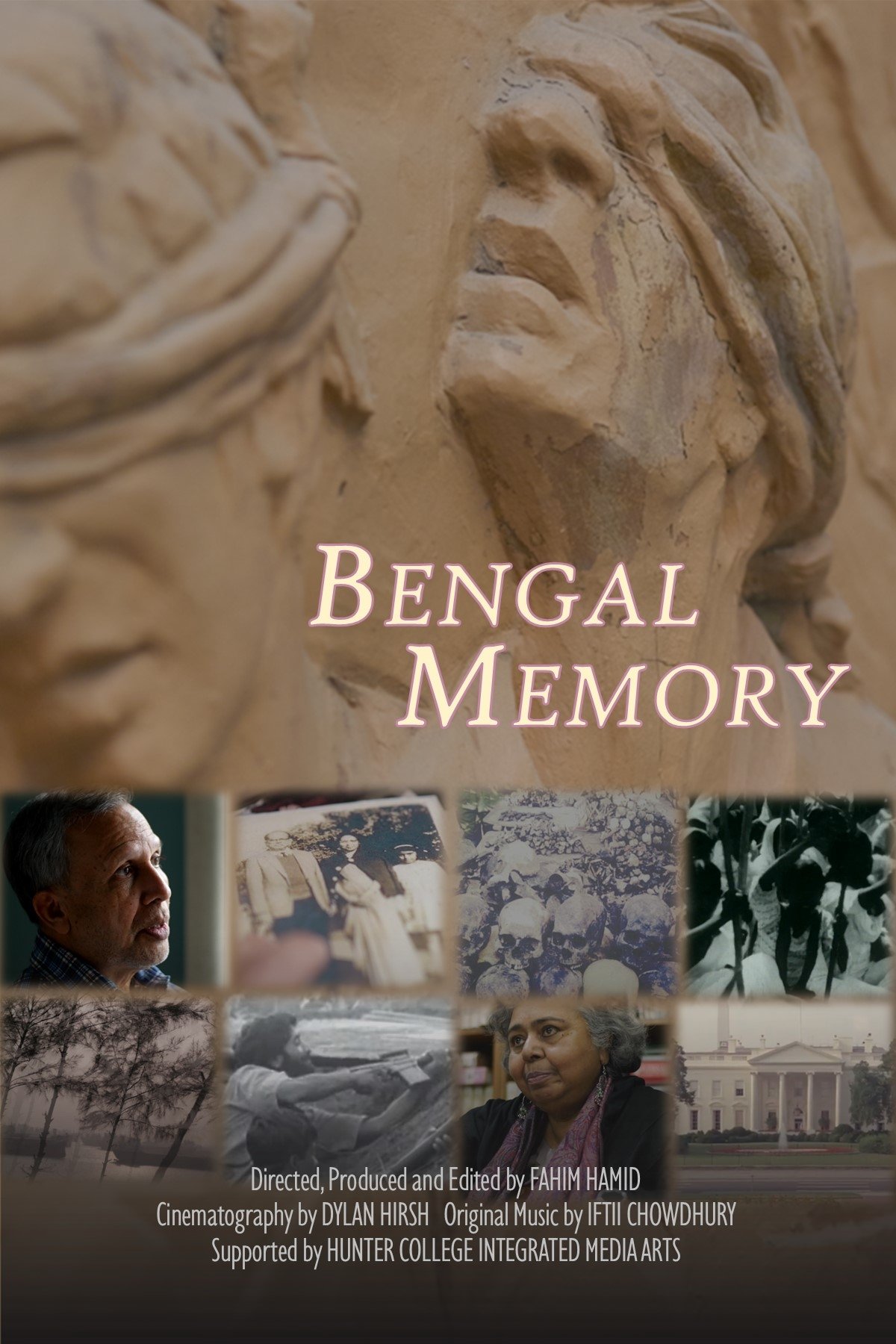
A Bangladeshi American undertakes a journey to learn about the liberation war in his native country, traveling there for the first time in nearly two decades, and uncovering the controversial role the U.S. played in a forgotten genocide that occurred there over 50 years ago. From 1971 to the present day, this is a story of Bangladesh’s independence, a family’s journey immigrating to America, and the cognitive dissonance of a person belonging to both homelands. Driven by interviews with his father and other family members, along with experts and witnesses, archival videos, declassified recordings, and animations, BENGAL MEMORY is a unique and untold oral history through a personal lens.
A cheap, powerful drug emerges during a recession, igniting a moral panic fueled by racism. Explore the complex history of crack in the 1980s.