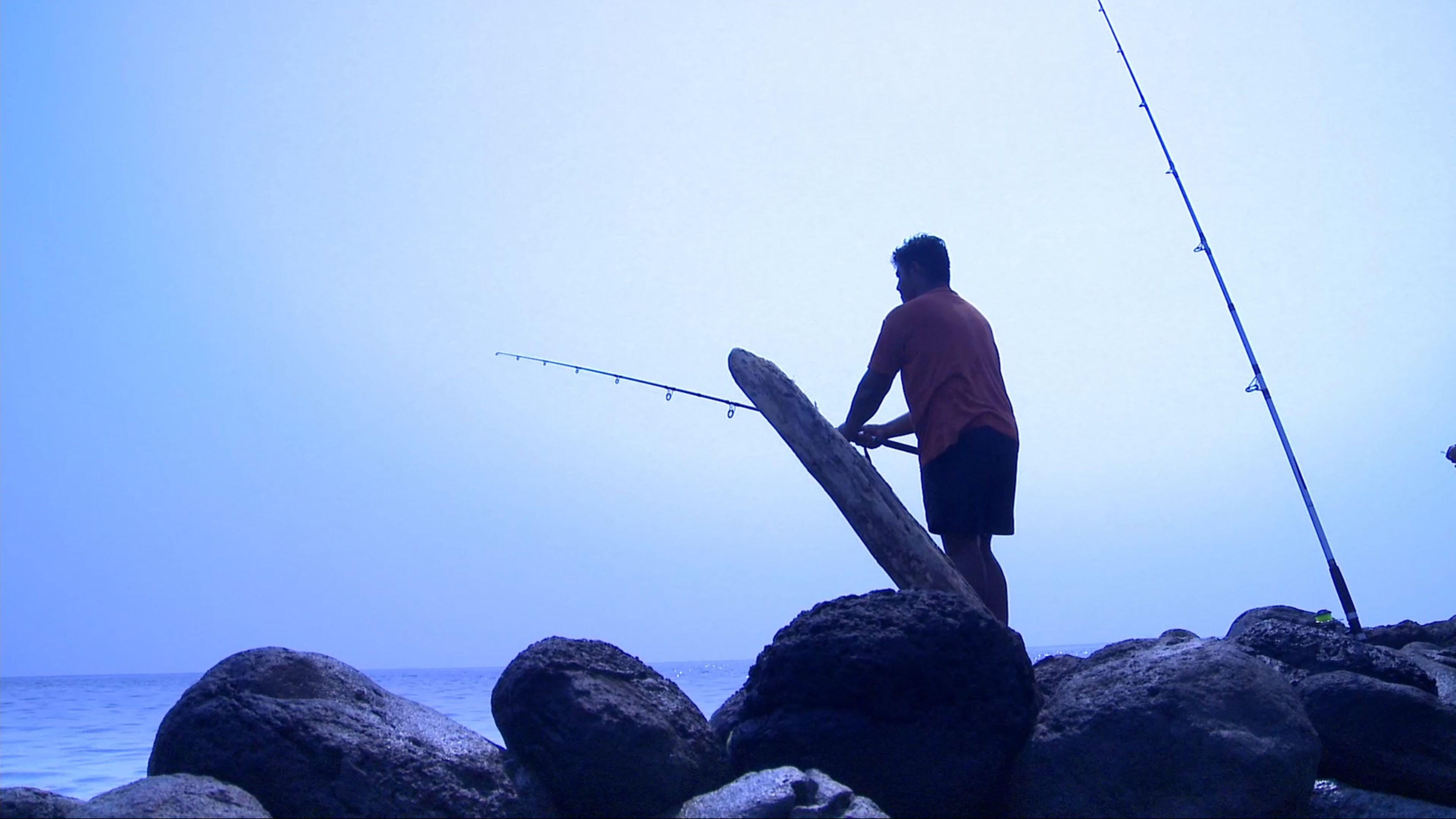
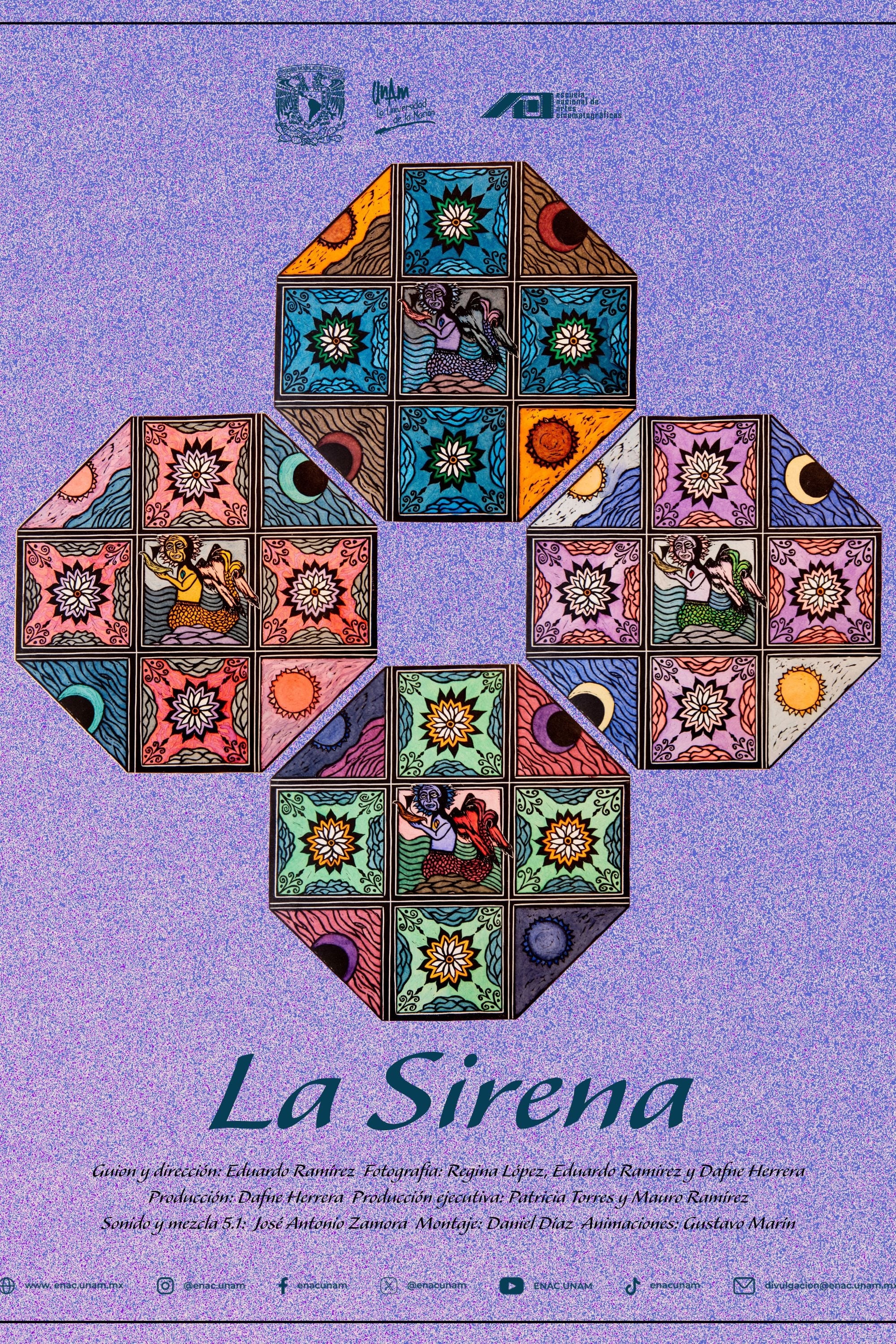
A trip that the author makes to a distant beach trying to find the place where his grandfather made a painting years ago.
Social & External
Unknown Role
"The Role of Chance" ("La part du hasard") focuses exclusively on drawing and painting techniques used by the painter Henri Dimier. Shot over several weeks in the same artist's studio, the film shows works in their different phases, processes rarely explained or little known. It also addresses many practical issues (choice of paper, pigment grinding, reports drawings, put the tiles, cliches, etc) as well as broader questions of method and inspiration (use of space, the role of contours, power of suggestion perspectives, use of random processes). Patrick Bokanowski sought with this film to restore the spirit of this teaching, showing how to bend a note or sometimes revealing an essential mystery of creation.
Working men and women leave through the main gate of the Lumière factory in Lyon, France. Filmed on 22 March 1895, it is often referred to as the first real motion picture ever made, although Louis Le Prince's 1888 Roundhay Garden Scene pre-dated it by seven years. Three separate versions of this film exist, which differ from one another in numerous ways. The first version features a carriage drawn by one horse, while in the second version the carriage is drawn by two horses, and there is no carriage at all in the third version. The clothing style is also different between the three versions, demonstrating the different seasons in which each was filmed. This film was made in the 35 mm format with an aspect ratio of 1.33:1, and at a speed of 16 frames per second. At that rate, the 17 meters of film length provided a duration of 46 seconds, holding a total of 800 frames.
Three generations of women represent the past, present and future of hairstyling. Lisa Bruno, Jessica Fera and Keyra Bruno navigate a journey of growth in their careers and family; leading and learning from one another within their satisfyingly creative world of colours and cuts.
In this experimental short film, Kristian Day collected artwork created by the public. He found the majority of the pieces at "Sharpie marker demonstration tables" and it took almost a year to collect the artwork. All pieces were created by chance with no prior thought. He originally intended on using the photos for a collage canvas piece, however after deciding that a short film would stand the test of time longer, he took individual shots of over 30 pieces. The drone music was created using a variety of simple sound generators & tapes that are being manipulated by delays, filters, and reverberation effects.
Revisit the killer puppets and paranormal researchers, whose brain fluid they craved, with in-depth BTS footage and commentary from the cast and crew.
David Lynch, Mädchen Amick, Kyle MacLachlan and John Wentworth reminisce about "Twin Peaks" while seated at a diner counter.
Several behind the scenes aspects of the movie-making business, which results in the enjoyment the movie going public has in going to the theater, are presented. They include: the production of celluloid aka film stock, the materials used in the production of which include cotton and silver; construction crews who build sets including those to look like cities, towns and villages around the world; a visit with Jack Dawn who demonstrates the process of creating a makeup design; the screen testing process, where many an acting hopeful gets his/her start; the work of the candid camera man, the prying eyes behind the movie camera; a visit with Adrian, who designs the clothes worn by many of the stars on screen; and a visit with Herbert Stothart as he conducts his musical score for Conquest (1937). These behind the scenes looks provide the opportunity to get acquainted with the cavalcade of MGM stars and their productions that will grace the silver screen in the 1937/38 movie season.
A short mock-vlog film explaining and defending the concepts behind the fictional 'Death To Straight White Men 2017' clothing brand. Edited in a way that mocked the trends of Youtube vlogging and apology-videos of the time, including sound effects and interjected fast-moving graphics. "After QnWF-société received an overwhelming amount of negative feedback following the launch of their 'Death To Straight White Men 2017' clothing brand, their CEO felt the need to create an apology video of sorts - explaining and defending the concepts behind their latest line of clothing."
Buster Brown creater R.F. Outcault sketches his creation. Part of the Buster Brown series for Edison film studio.
Tessa Hughes-Freeland’s “Baby Doll” is a tiny slice of cinéma vérité from 1982 about the girls working the now defunct Baby Doll Lounge on Church and White St. in downtown Manhattan. It captures a moment before NYC got sanitized.
A portrait of the painters Edgard Tytgat, Albert Dasnoy, Jean Brusselmans, and Paul Delvaux. Under the eye of the camera, the artists present a large glass panel depicting the four seasons representing a stage in human life (adapted from Wikipedia)
Kurt Vonnegut, Jr., discusses his development as a writer, including references to some of his major novels, his themes and their meaning, his relationship to other writers, problems in sustaining his special vision of American life, and his future. Accompanied by photographs that chronicle the author’s life and selections from home movies taken during his youth.
These film clips tell the story of the human experience of living with HIV/AIDS. People with HIV/AIDS, their husbands and wives, their families, their doctors and health workers talk about how HIV/AIDS has affected their lives. These are the personal video stories from Cameroon and Zimbabwe in which people speak out about their hopes and fears, their struggle against pain and abandonment and their fight for greater awareness and understanding. The film challenges stereotypes and calls for a concerted effort to face up to the epidemic.
A day in the life of an old shepherd during the lambing season on the Sussex Downs. He talks of the problems in Winter, when lambing is complicated by snow. -BFI
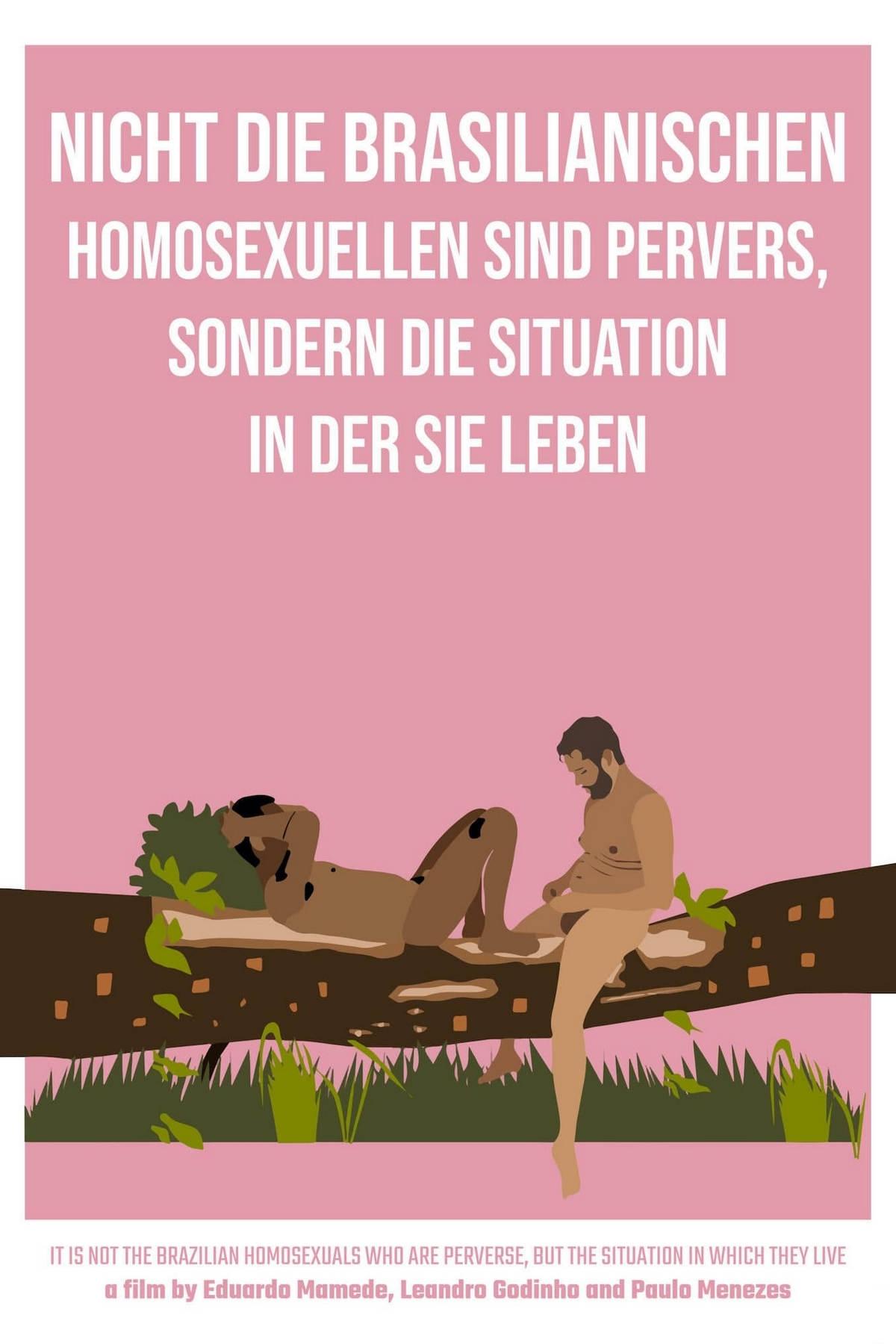
The director meets Amir and Ramzi in a café in a small Tunisian town. They don't want to be seen there. They have to find a discreet place to talk. Like many other gay couples in Tunisia, Amir and Ramzi are living a nightmare since the Tunisian Revolution. With them, the director will discover the daily life of the Tunisian homosexual couples, even in the discrete parties organized in hotels of the country.
In 1969, Akbar Padamsee, one of the pioneers of Modern Indian painting, made a visionary 16mm film called Events in a Cloud Chamber. This was one of the only Indian experimental films ever made. The print is now lost and no copies exist. Over 40 years later, filmmaker Ashim Ahluwalia worked with Padamsee, now 89 years old, to remake the film.