Social & External
Self
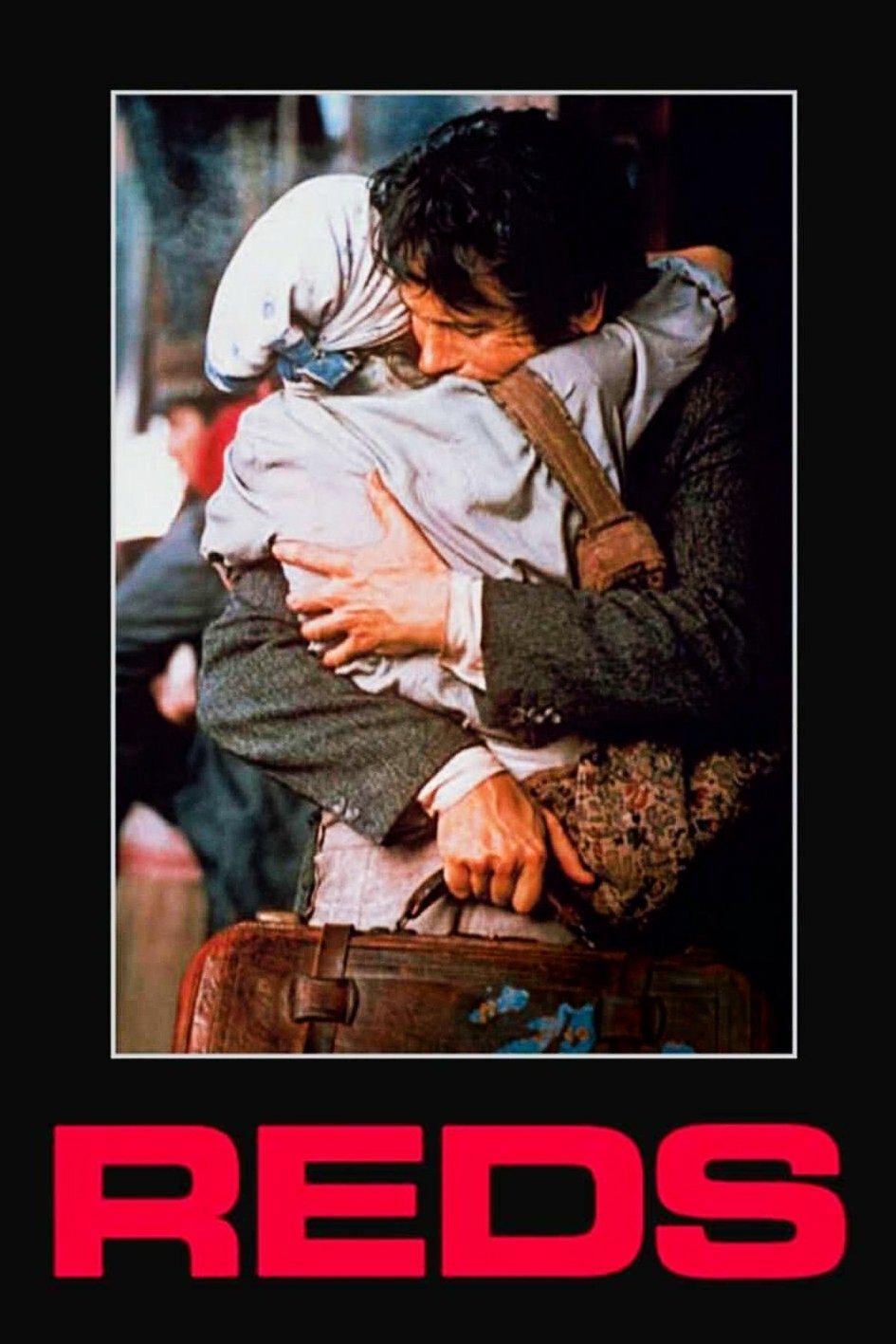
An account of the revolutionary years of the legendary American journalist John Reed, who shared his adventurous professional life with his radical commitment to the socialist revolution in Russia, his dream of spreading its principles among the members of the American working class, and his troubled romantic relationship with the writer Louise Bryant.
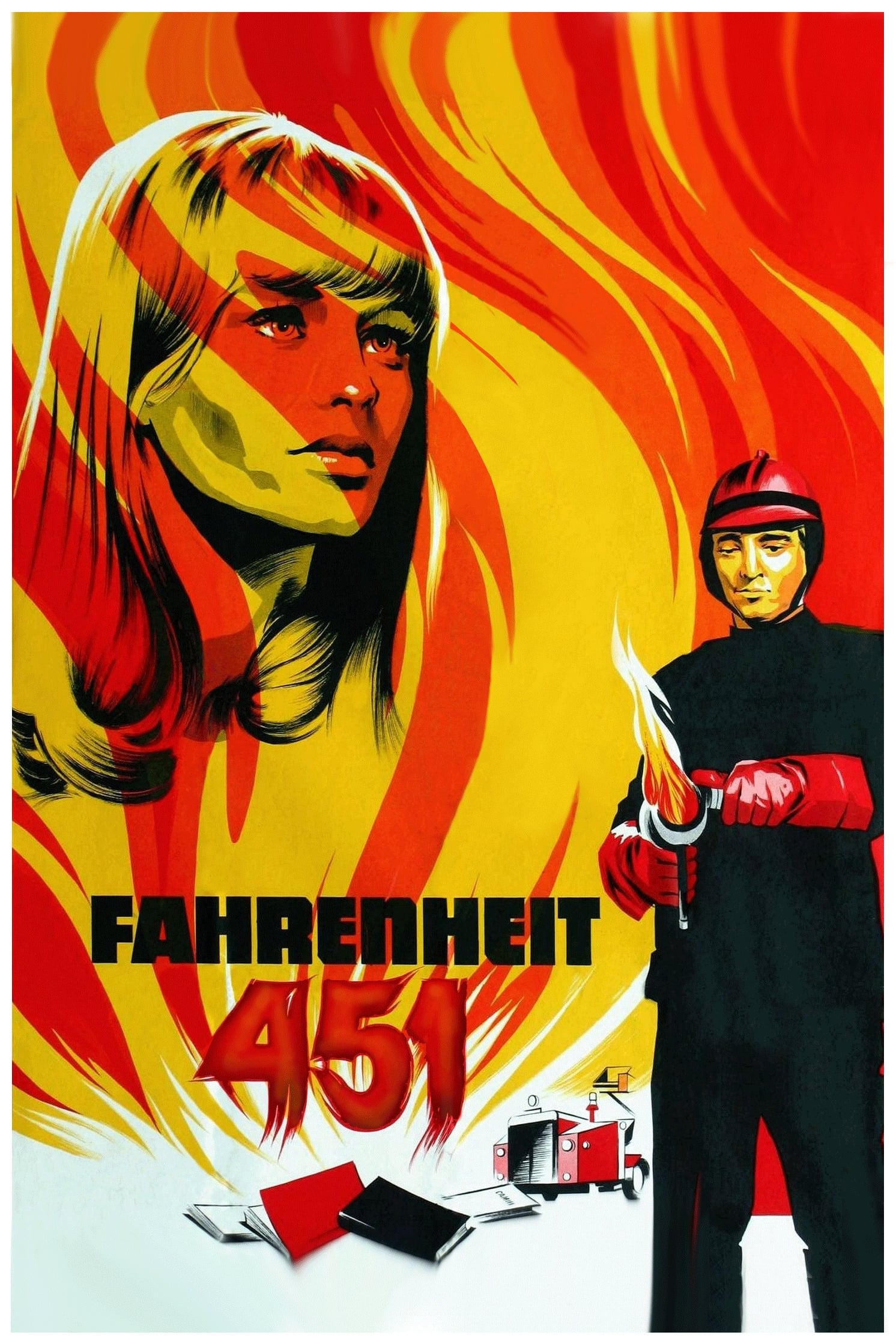
In the future, the government maintains control of public opinion by outlawing literature and maintaining a group of enforcers, known as “firemen,” to perform the necessary book burnings. Fireman Montag begins to question the morality of his vocation…
Kharkiv, the 1930s. The heyday of Ukrainian art. Ambitious young poet Vladimir Akimov happily settles in at the new luxury "Slovo" House built specifically for artists. He comes from the provinces and works as a proof-reader in a printing press, and has never even dreamed of living under one roof with prominent Ukrainian writers and artists. He thinks his own poetry is genius, but nobody takes his literary efforts seriously, not to mention the occasional chuckles over his epigone poems. But fate smiles at him. The head of the political intelligence agency suggests that he become the author of a play written earlier. Akimov agrees, signing a non- disclosure note. The poet has no idea what price he will pay for this success. “‘Slovo’ House” is a story about a generation of Ukrainian artists persecuted by the totalitarian system, unfolding against the backdrop of one of the largest genocides of the 20th century: the Holodomor, which caused the death of almost 7 million people.
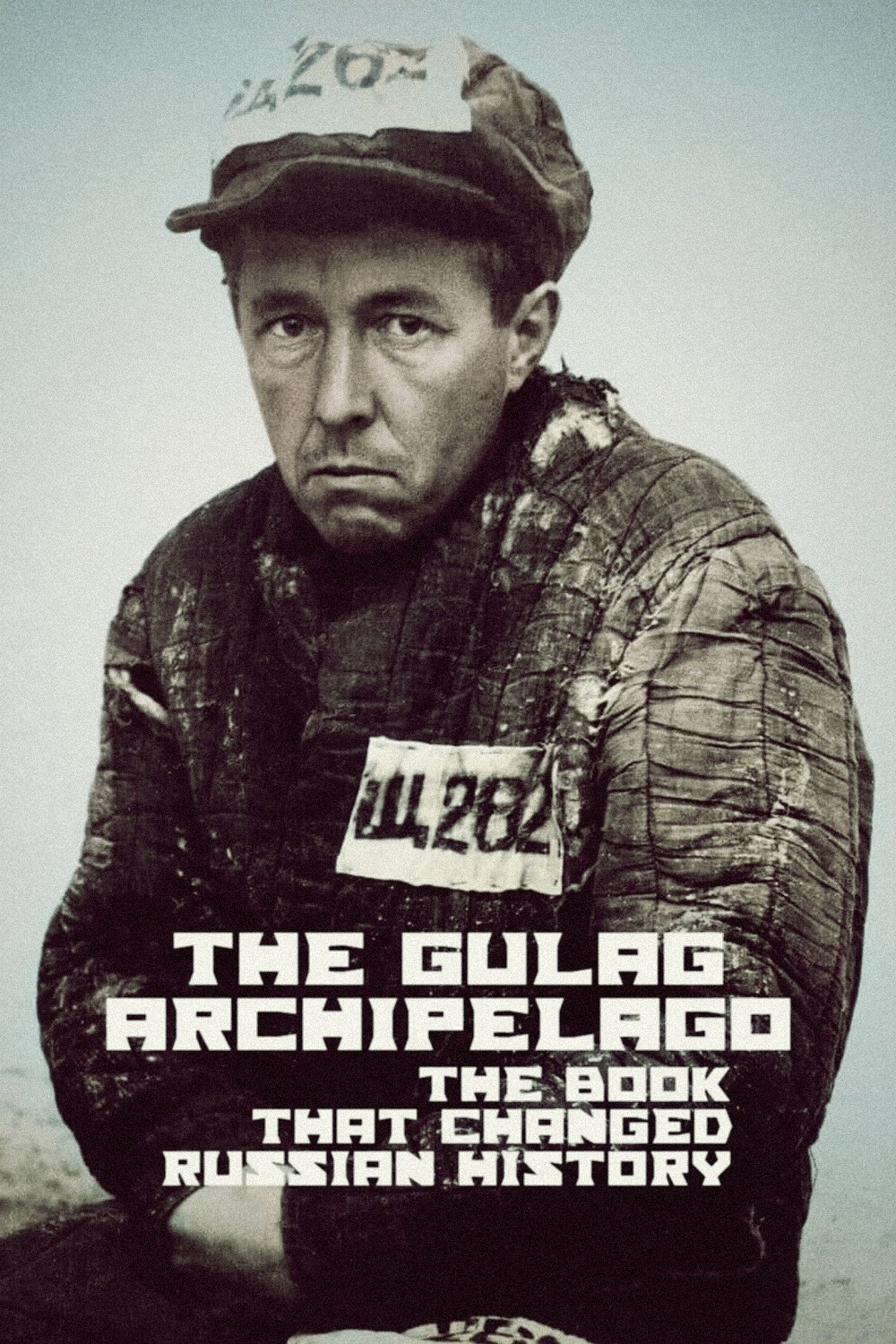
The story of Russian writer and Soviet dissident Aleksandr Solzhenitsyn (1918-2008) and his masterpiece, The Gulag Archipelago, published in Paris in 1973, which forever shook the very foundations of communist ideology.
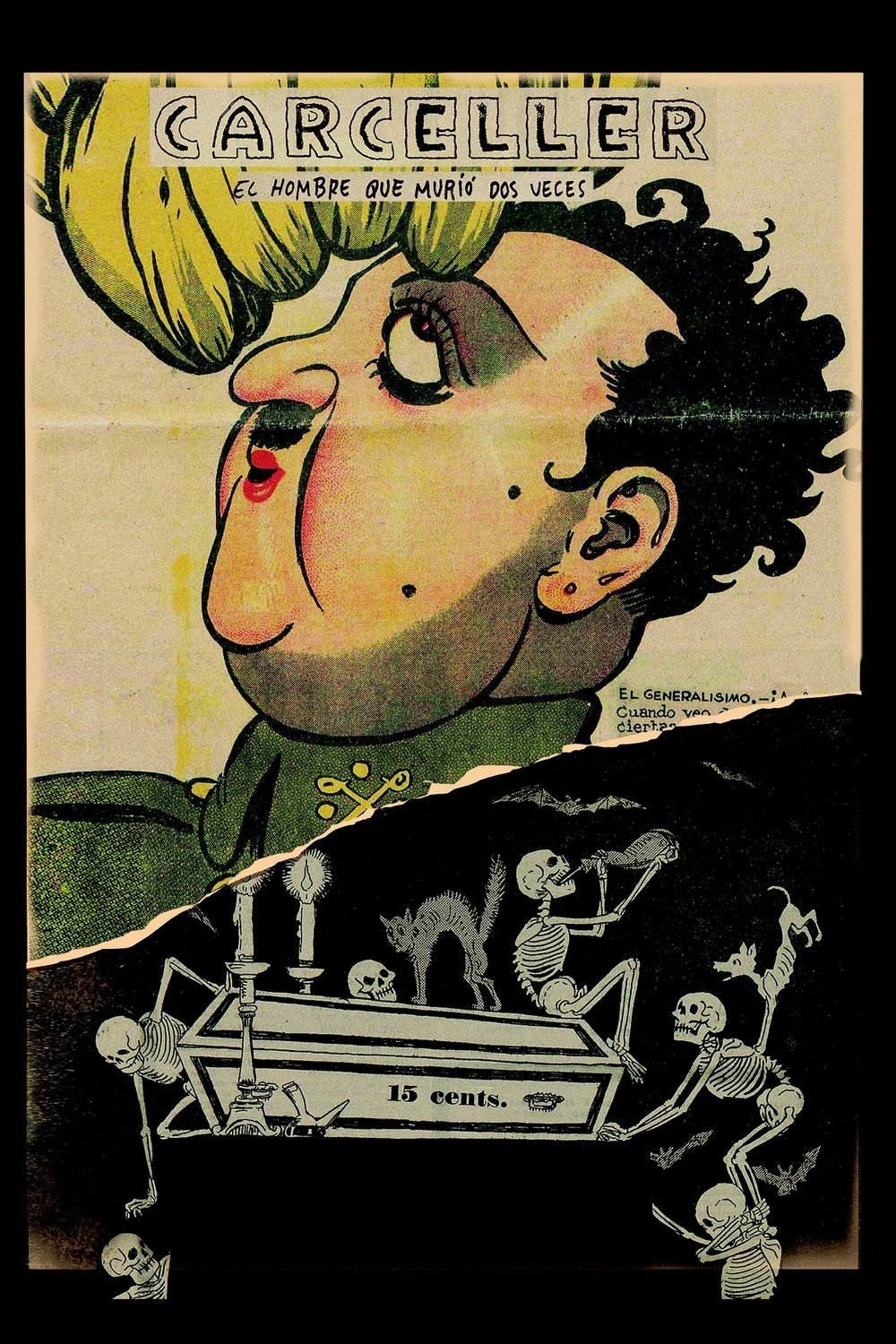
The life story of Vicente Miguel Carceller (1890-1940), a Spanish editor committed to freedom who, through his weekly magazine La Traca, connected with the common people while maintaining a dangerous pulse with the powerful.
In a remote Amazon jungle village, a group of angry diamond prospectors revolt when the local government undertakes a violent crackdown.
Spain, 1968. An analysis of the political and social situation of the country, suffocated by the boot of General Franco's tyrannical regime. (Filmed clandestinely in Madrid and Barcelona during the spring of 1968.)
Spain, 1939. In the last days of the Spanish Civil War, the young Carlos arrives at the Santa Lucía orphanage, where he will make friends and enemies as he follows the quiet footsteps of a mysterious presence eager for revenge.
A serious crisis has shaken Spain since the referendum on self-determination and the proclamation of the independence of Catalonia by the government of Carles Puigdemont, bold actions firmly fought by the Spanish government by applying the constitutional article that allows it to place a region under guardianship. While Spain is on the verge of implosion, Europe is holding its breath.
Under the pretext of fighting terrorism or crime, the major powers have embarked on a dangerous race for surveillance technologies. Facial recognition cameras, emotion detectors, citizen rating systems, autonomous drones… A security obsession that in some countries is giving rise to a new form of political regime: numerical totalitarianism. Orwell's nightmare.
The epic story of the Russian Civil War (1918-21): the White Terror, the counterrevolutionary uprisings, the guerrilla war, the Kolchak front, the Wrangel front and the Kronstadt rebellion. Chaos and violence, devastation and death.
Rome, Italy. After committing a heinous crime, a senior police officer exposes evidence incriminating him because his moral commitment prevents him from circumventing the law and the social order it protects.
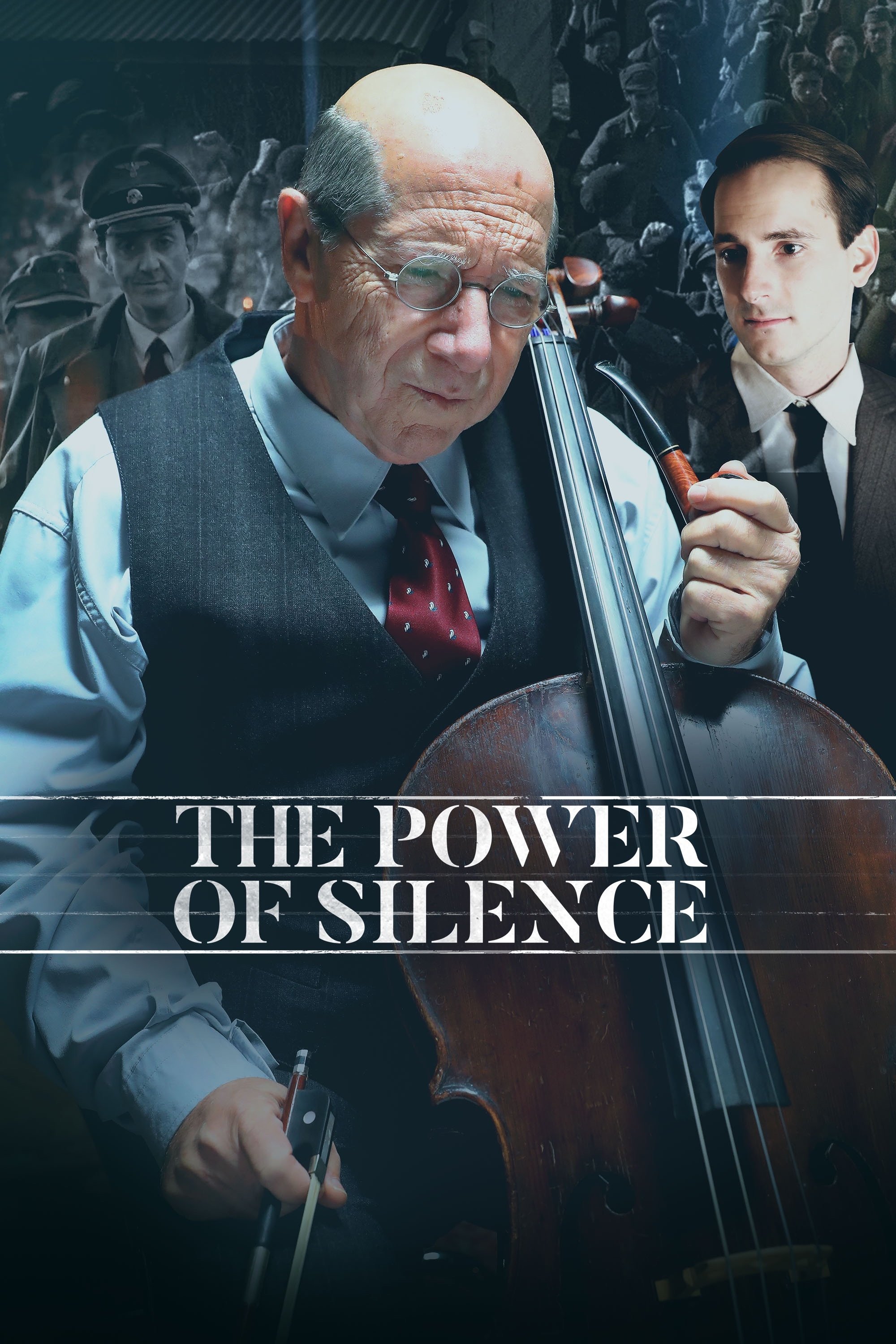
Prades, France, 1940s. The exiled Catalan cellist Pau Casals decides not to perform any more in public until the fall of the dictatorship that oppresses Spain. Pierre, a young Frenchman studying with Casals, tries to convince him to celebrate an extraordinary concert as a tribute to freedom.
Alex and Paula have to make dinner for their special guests. While they are cooking, feelings, confessions and unexpected reactions arise. These will be a hard test for their relationship. Will they be able to save it?
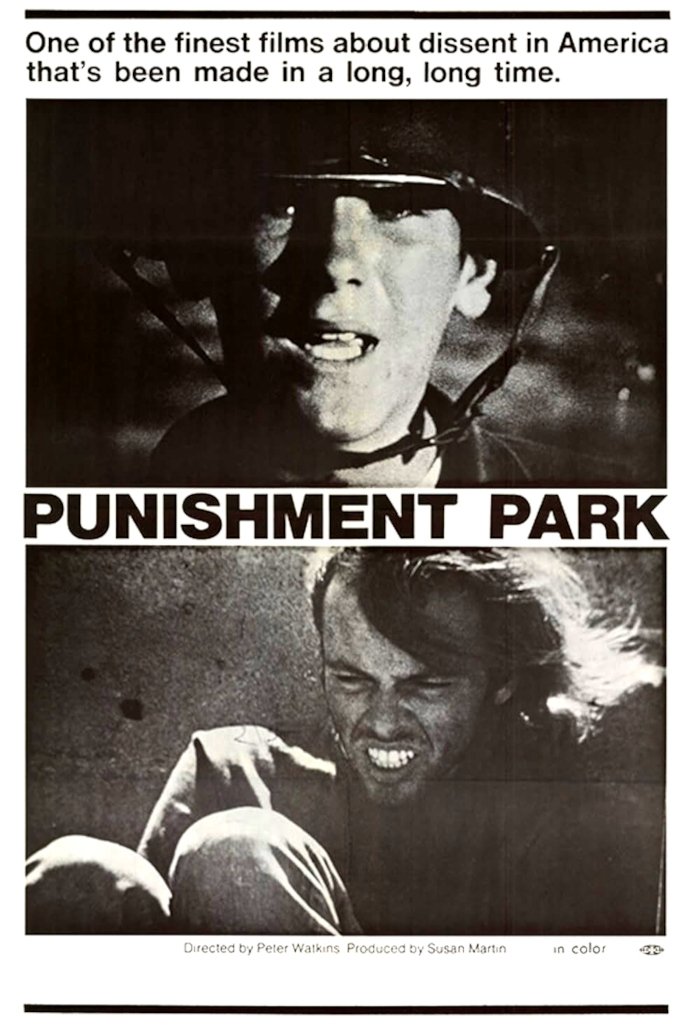
In this fictional documentary, U.S. prisons are at capacity, and President Nixon declares a state of emergency. All new prisoners, most of whom are connected to the antiwar movement, are now given the choice of jail time or spending three days in Punishment Park, where they will be hunted for sport by federal authorities. The prisoners invariably choose the latter option, but learn that, between the desert heat and the brutal police officers, their chances of survival are slim.
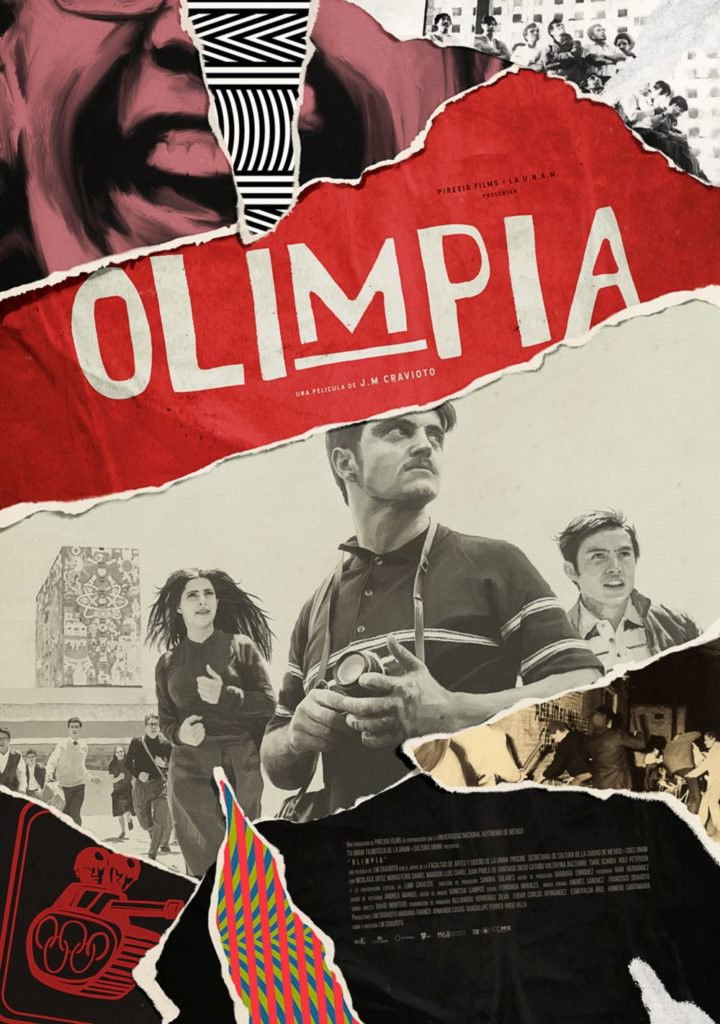
The film tells the story of Raquel, Rodolfo and Hernán, members of a brigade at the UNAM during the student movement in Mexico in 1968. Through their photographs, films and writings, we will know the history of the day that the army took the university and how their students united, shouted and never forgot.
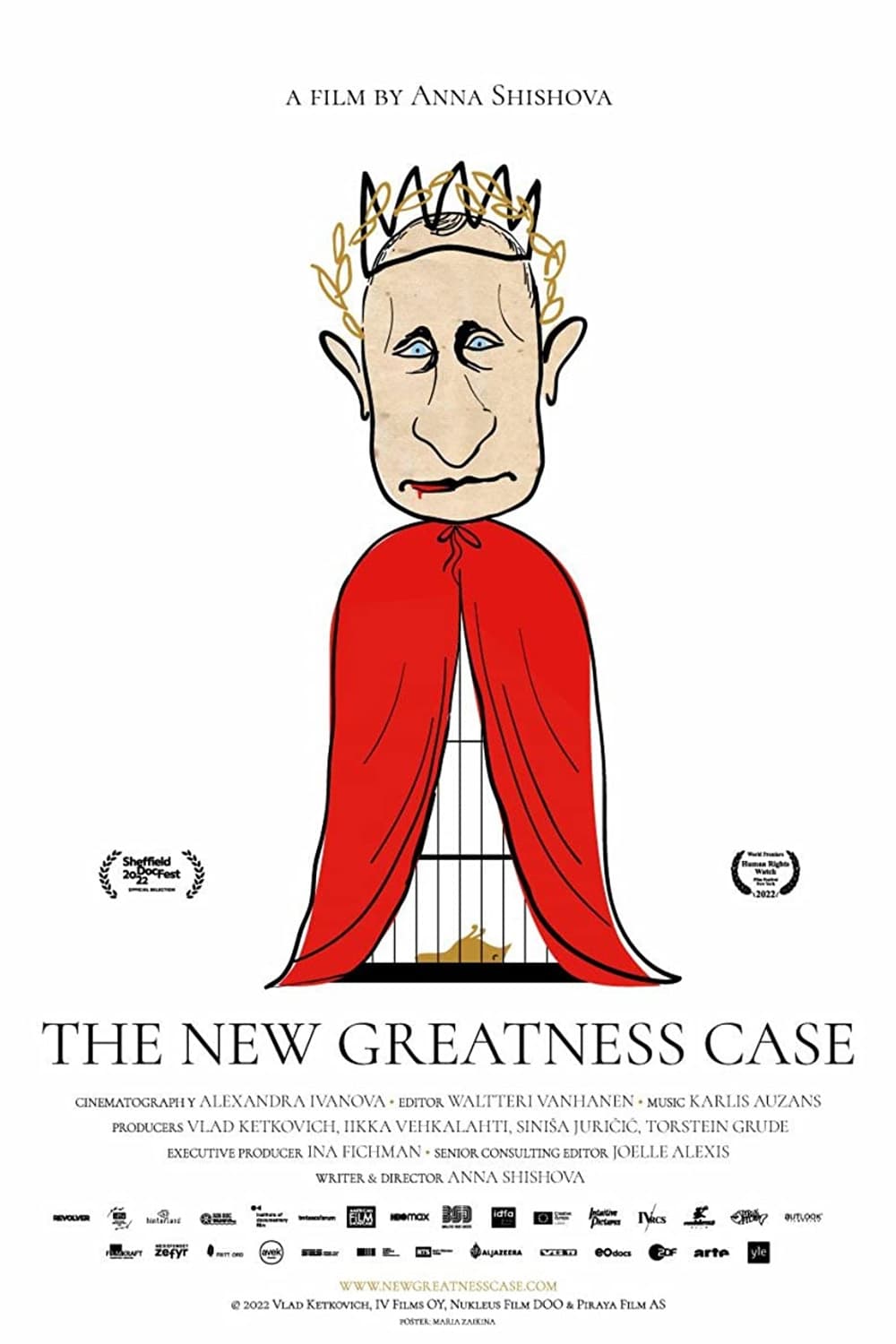
Anya was an ordinary Moscow teenager who found a chat group of her choice online. They talked about animals, the stars and social issues. A man called Ruslan D joined the group, who set up an office space for the online group to meet. Step by step, he began to lead young people who were critical of the Putin's regime towards political activism. Ruslan D placed a camera in the meeting room, and when he had enough footage, he handed it over to the prosecutor. The police raided the teenagers' homes and they were arrested on charges of planning to overthrow the government and terrorism. Three years of legal proceedings transformed Anya's mother from a loyal follower of Putin to a hunger-striking activist. Moscow-based director Anna Shishova followed Anya and her mother's life throughout the event and eventually revealed the true identity of Ruslan D.
In the present, in Spain, Miguel's mind, affected by a brain disease, seems cloistered in the past, in Argentina, in the seventies, when he risked his life for his ideals. He is obsessed with finding a woman named Diana. Mario, his son, who has been away from Miguel for a long time, now feels compelled to unravel the mystery of a name that, like a curse, pursues his father.
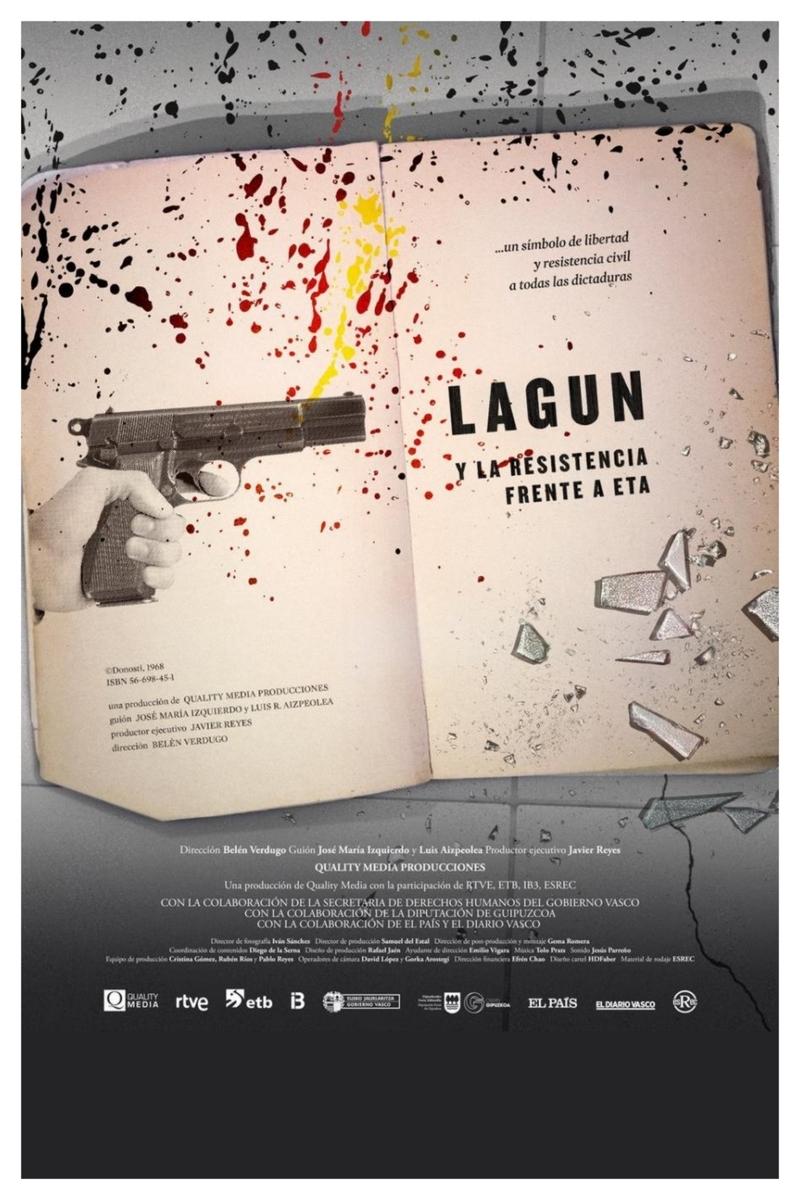
The turbulent story of the Lagun bookstore — located in San Sebastián, in the Basque Country, Spain — is a powerful tale of courage, resistance and struggle; first against the Franco dictatorship, then against the terrorist gang ETA and its numerous and sinister acolytes.
Grammy® winner singer-songwriter Olivia Rodrigo takes a familiar road trip from Salt Lake City, where she began writing her debut album “SOUR,” to Los Angeles. Along the way, Rodrigo recounts the memories of writing and creating her record-breaking debut album and shares her feelings as a young woman navigating a specific time in her life. Through new live arrangements of her songs, intimate interviews and never-before-seen footage from the making of the album, audiences will follow Olivia along on a cinematic journey exploring the story of “SOUR.”
Katherine Parr, the sixth wife of King Henry VIII, is named regent while the tyrant battles abroad. When the king returns, increasingly ill and paranoid, Katherine finds herself fighting for her own survival.
Incarcerated men defy the odds to expose a cover-up in one of America’s deadliest prison systems.
When a reclusive survivalist and his daughter rescue a mysterious, wounded woman from a river, they become entangled in a deadly web of violence and revenge, forcing them to confront a brutal criminal to survive.
Unravel the case of Utah therapist Jodi Hildebrandt, whose child abuse arrest with parenting YouTuber Ruby Franke exposed a twisted tale of manipulation.
Against the darkening backdrop of New Delhi's apocalyptic air and escalating violence, two brothers devote their lives to protecting one casualty of the turbulent times: the bird known as the black kite.
On the 30th of January, 1969, the Beatles performed an unannounced concert from the rooftop of their Apple Corps headquarters at Savile Row, within central London's office and fashion district. Experience the final and unforgettable iconic performance of The Beatles in a special 60-minute presentation, digitally remastered into the image and sound quality of IMAX DMR technology.
Augusta, Georgia, United States, June 3, 2017. After running some errands, Reality Winner returns home, where she is approached by two men.
A couple's lives are thrown into disarray when their daughter is cast opposite a controversial major star.
After years in the limelight, Selena Gomez achieves unimaginable stardom. But just as she reaches a new peak, an unexpected turn pulls her into darkness. This uniquely raw and intimate documentary spans her six-year journey into a new light.
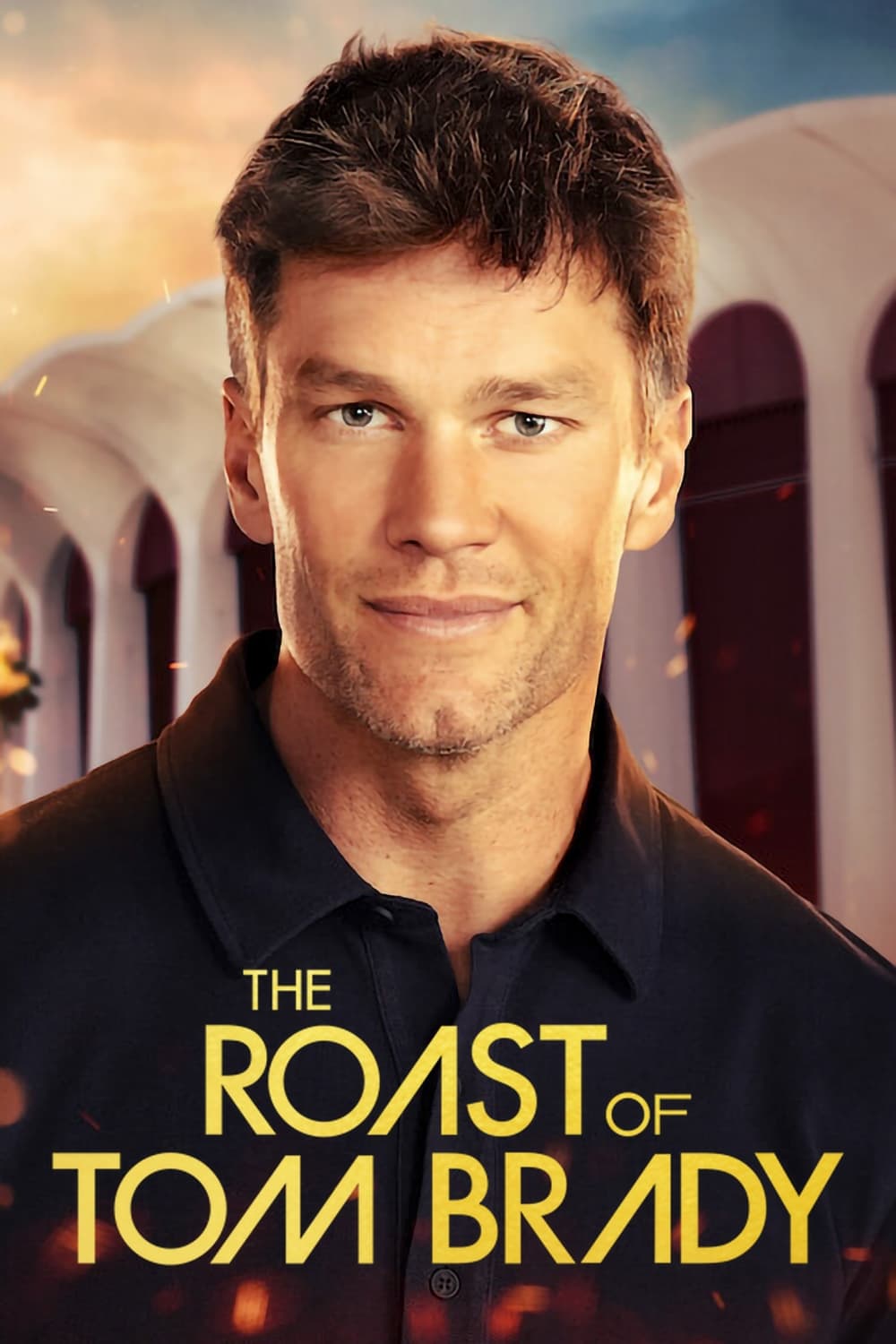
Offensive lines. Full-contact comedy. Kevin Hart hosts this all-star roast of NFL legend Tom Brady.
Sarah and David are single strangers who meet at a mutual friend’s wedding and soon, through a surprising twist of fate, find themselves on a funny, fantastical, sweeping adventure together where they get to re-live important moments from their respective pasts, illuminating how they got to where they are in the present... and possibly getting a chance to alter their futures.
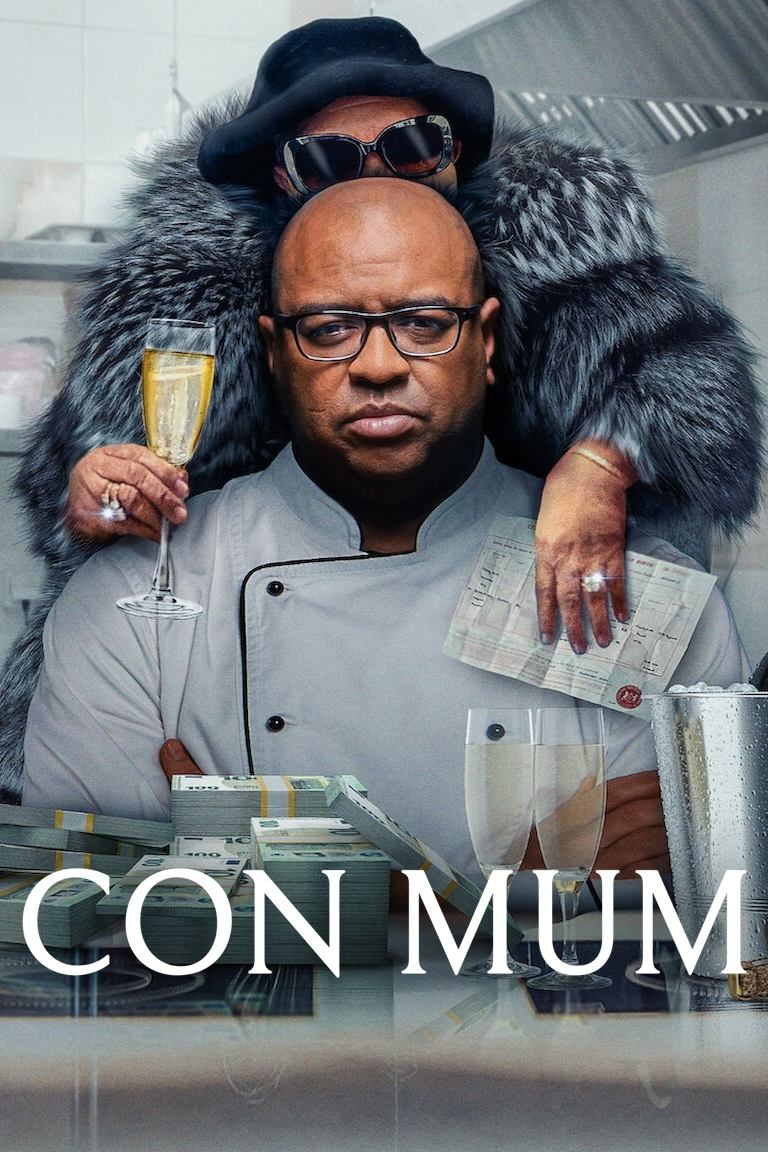
A chef's life is upended when a jet-setting, champagne-sipping, hotel-hopping woman claims to be his long-lost mother. This documentary reveals the untold story.
An inside look at one of the most anticipated movie sequels ever with James Cameron and cast.
High-powered attorney Marley faces her most personal case yet when she is tasked with uncovering the truth behind the murder of her best friend Fela’s husband. With the help of her boyfriend – a former cop turned private investigator – Marley’s search for what really happened leads her down a treacherous maze of deception and betrayal.
When loyalty to country becomes loyalty to a lie, one teen risks everything to expose the truth. With the Gestapo closing in, he must decide what it really means to be a good German.
An engine fire leaves 4,000 passengers stranded at sea without power and plumbing in this wild documentary about the infamous "poop cruise" of 2013.
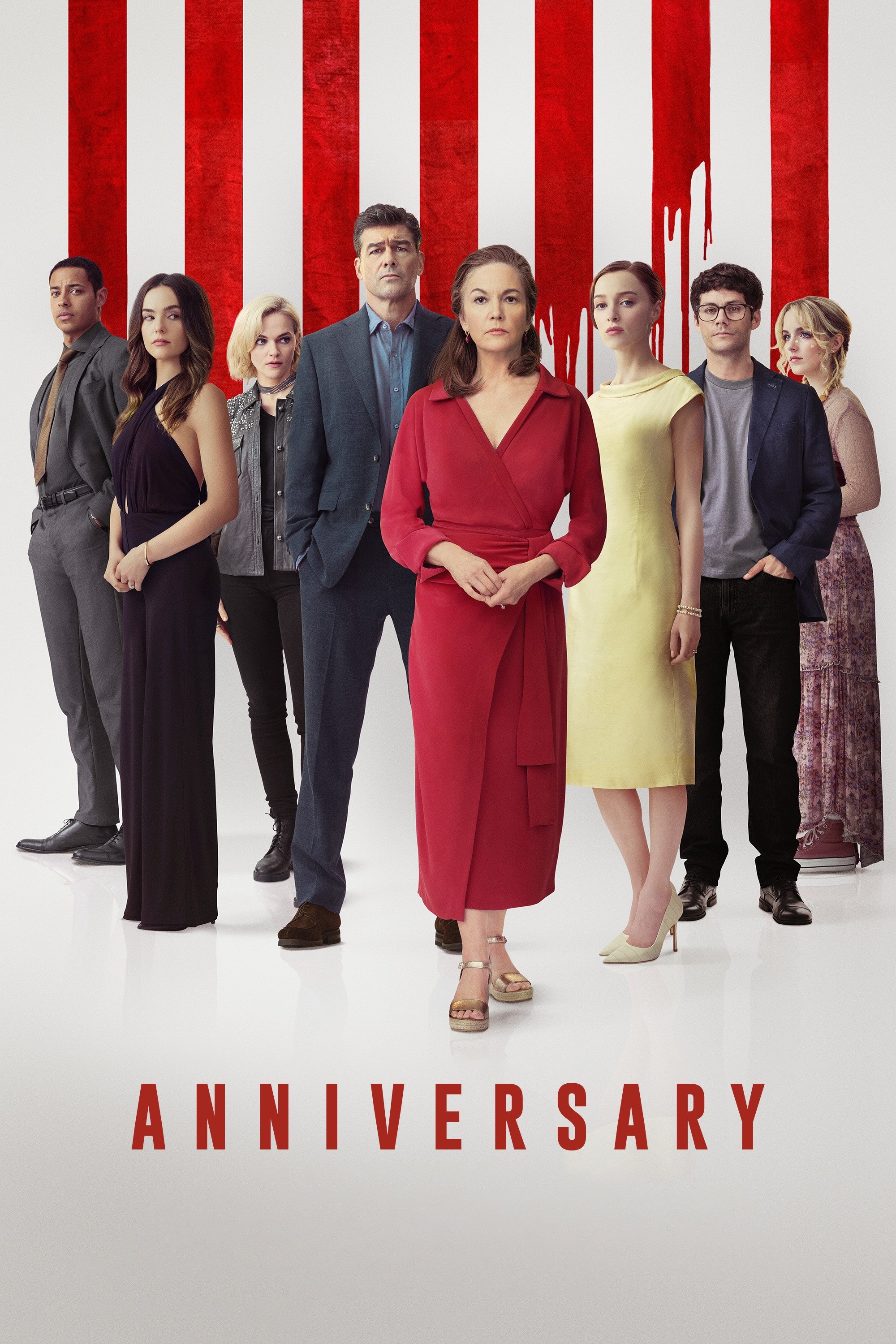
When Ellen and Paul’s son introduces his new girlfriend one lovely afternoon at their 25th anniversary party, no one suspects that it is the beginning of the end for this happy family. The new girlfriend is Liz, Ellen’s former student, who left the university, some years before, after Ellen called her out in class for her radical ideology.
Conman Robert Freegard poses as an undercover MI5 agent and kidnaps countless victims amidst a high-stakes manhunt, until the woman who fell for him brings him to justice.
An inside look at the years of effort and craft that went into the final installment of the Duffer Brothers' generation-defining series.