Social & External
导演
Unknown Role
Charlotte Uhlenbroek travels to Madagascar to follow the story of three mother ring-tailed lemurs struggling to survive one of the driest and hottest seasons in decades. One lemur has already lost her baby, the other two have a fight on their hands if their infants are to stand a chance, and matters are made even worse when neighbouring lemur tribes invade the mothers' territories.
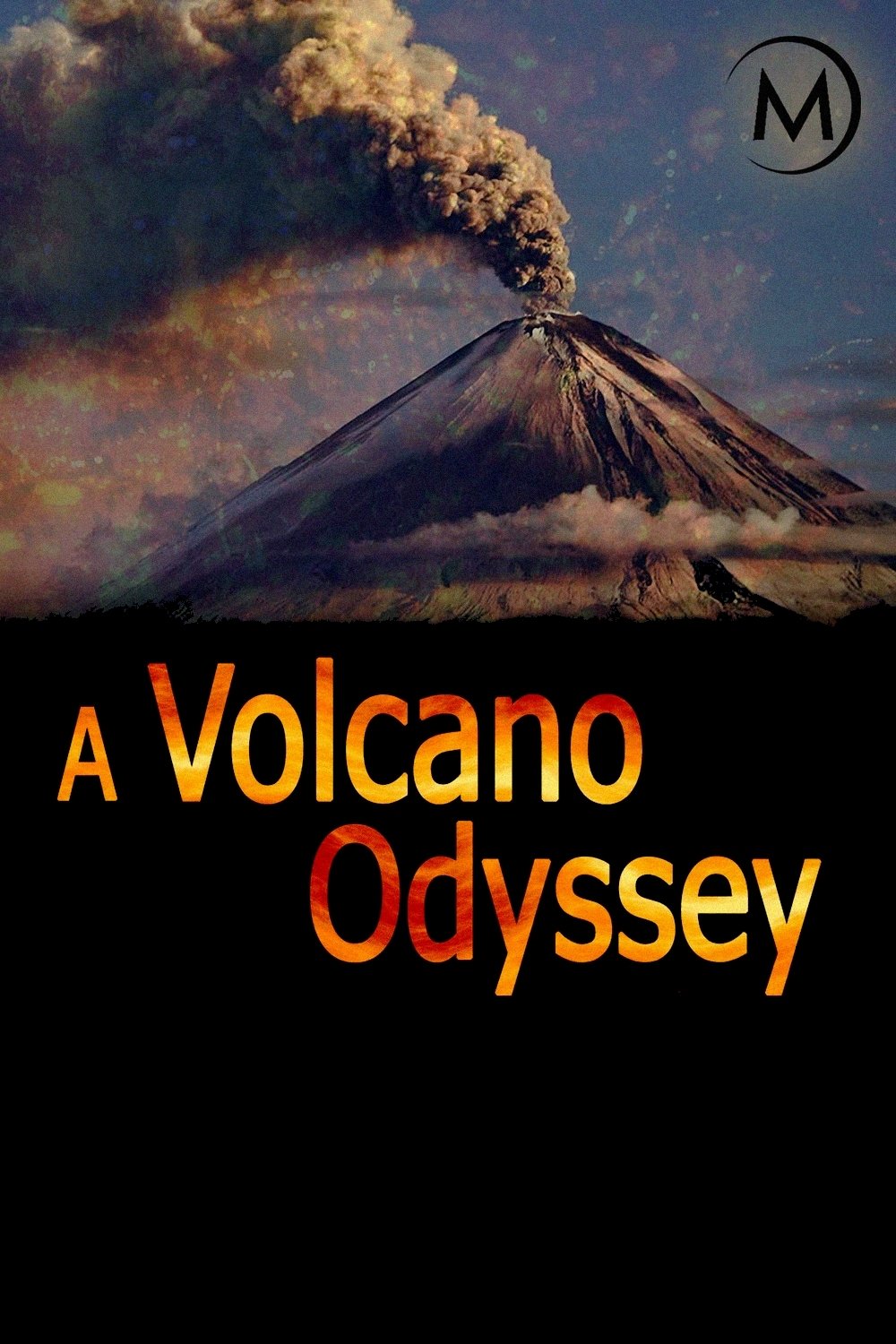
The epic story of the life of a volcano, capable of both causing the extinction of all things and helping the evolution of species, over 60 million years.
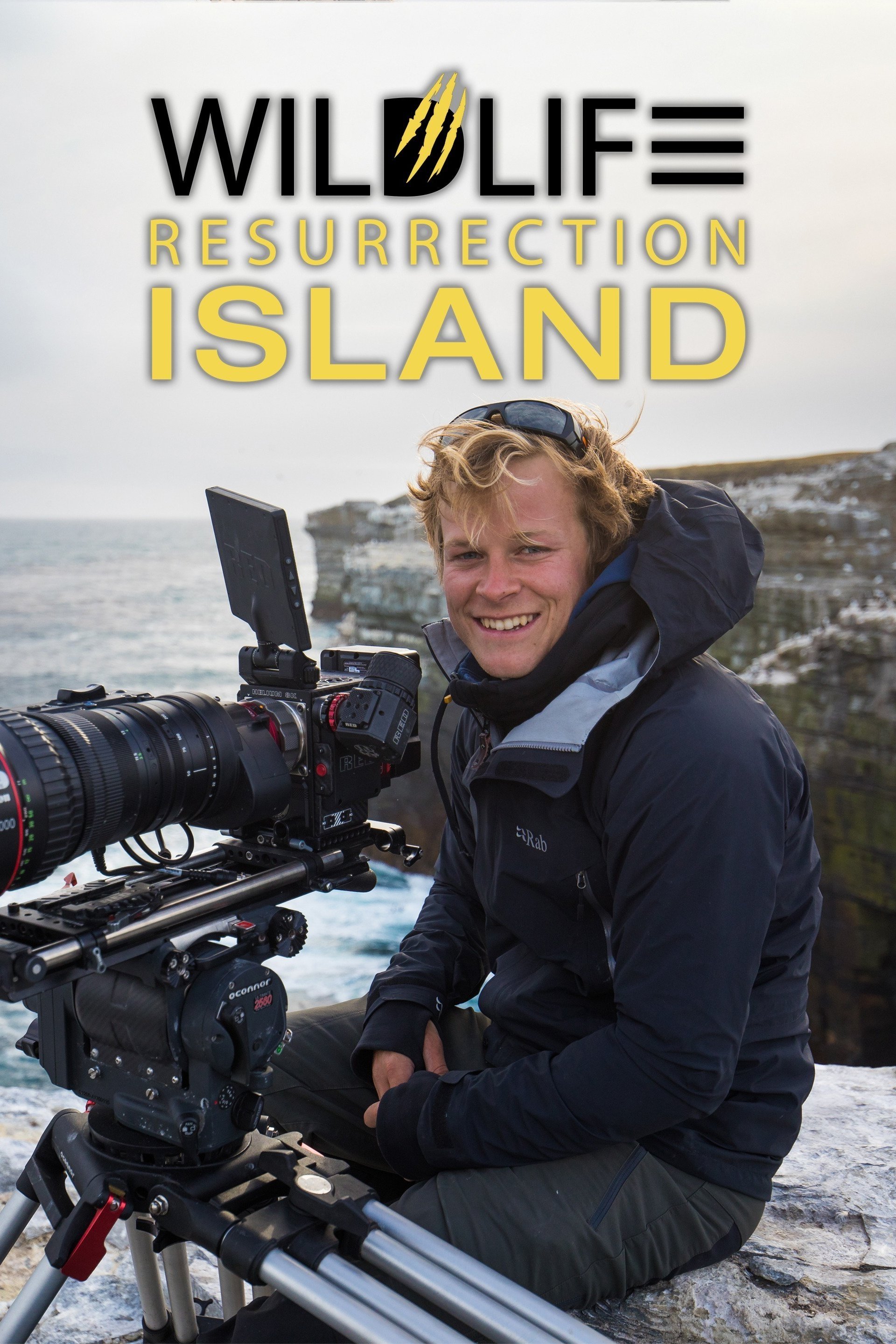
National Geographic wildlife filmmaker Bertie Gregory takes audiences on an adventure to iconic South Georgia Island. Sailing through the roughest ocean on the planet in a 50-foot boat, his team's target is the sub-Antarctic island, known for its breathtaking scenery and high concentration of wildlife. It's a life of extremes for Antarctic fur seals. Bulls fight to the death for breeding rights, while seal moms work to raise their adorable pups.
Bacteria, viruses, but also fungi, algae, pollen, and even insects: micro-organisms thrive and circulate constantly in our sky. How can so many living beings find their way into the air and circulate? How do they survive? And what influence do they have on our lives and the living world? Biodiversity, health, climate: it is only recently that scientists have begun to understand how this discreet aerial "plankton" affects our lives and our ecosystem. But despite their many virtues, some of these micro-organisms are now threatened by human activities. With the help of experts and 3D models, this scientific investigation plunges us into the heart of a still mysterious world, and reveals the diversity and fragility of the air we breathe.
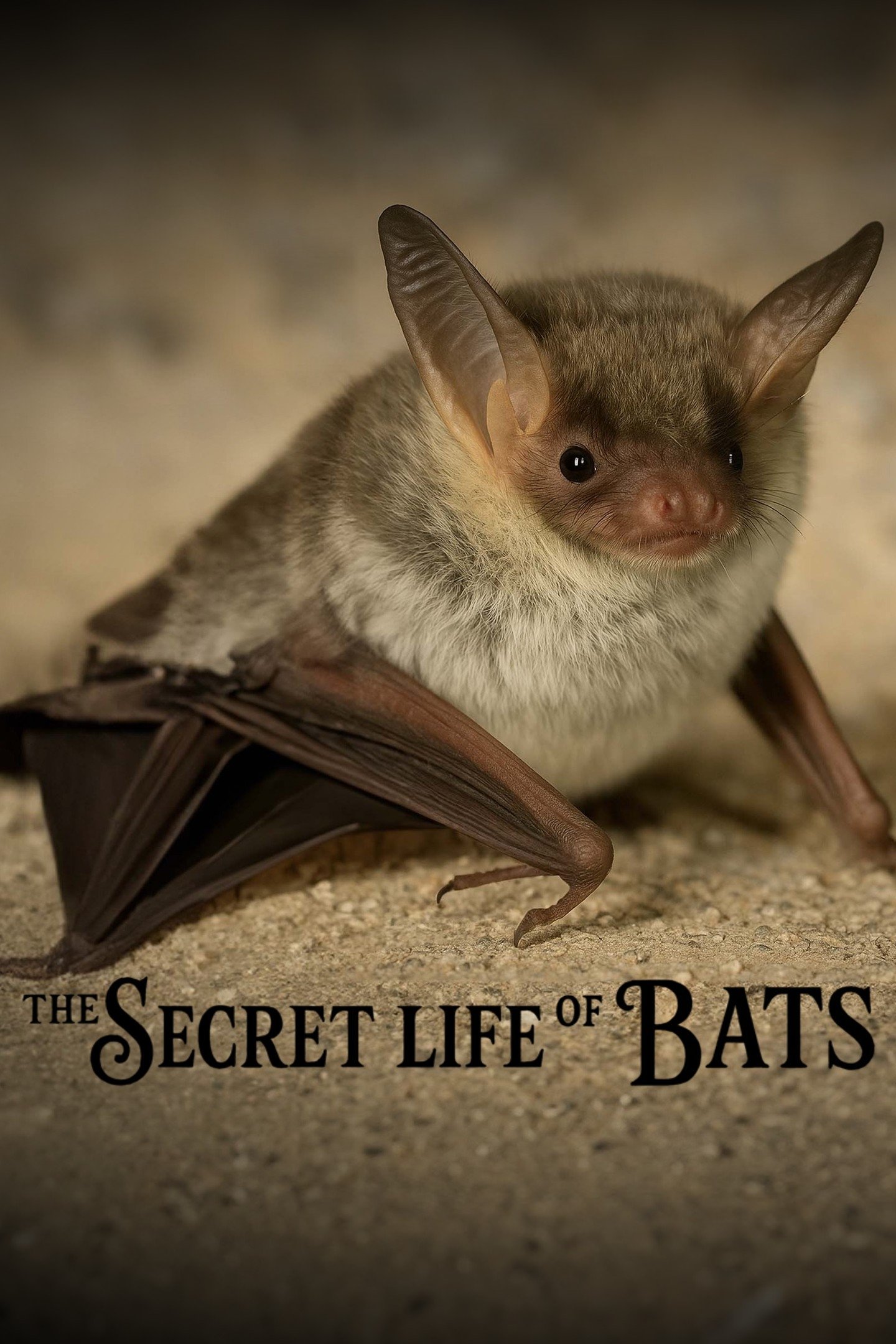
The fearsome bat is amongst the stealthiest hunters in the Animal Kingdom, but for all their ingenious abilities, a species of grasshopper in the mountains of Bulgaria has learnt to outsmart them. Now, join a team of researchers armed with state-of-the-art ultrasonic cameras, as they discover the mechanisms behind this standoff. The Secret Life of Bats reveals the science behind sonar, and the hidden hunting challenges faced by this deadly predator.
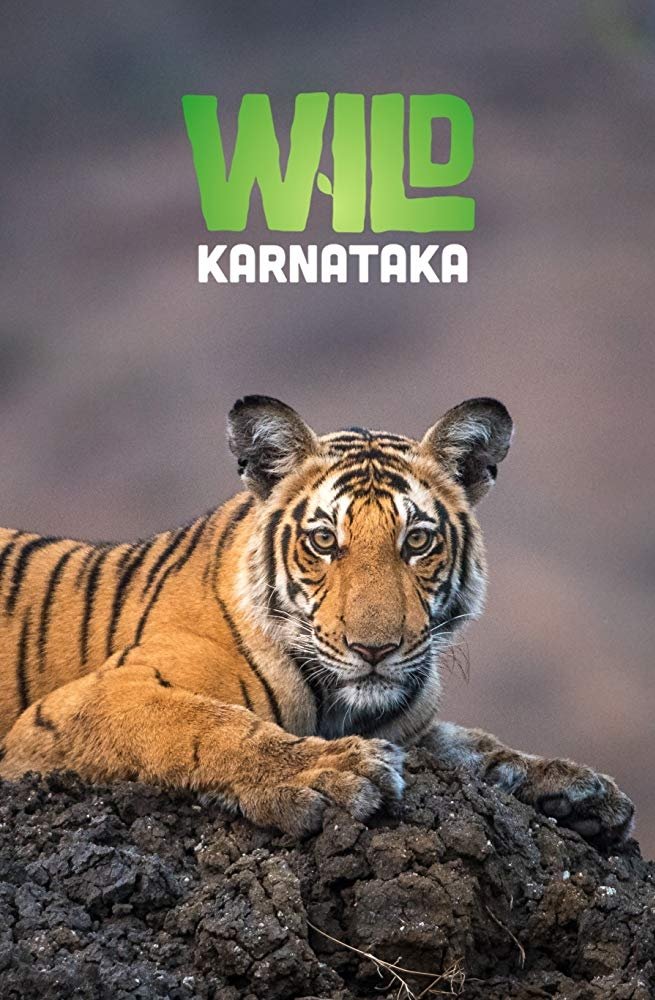
An unprecedented UHD film on Karnataka's rich biodiversity narrated by David Attenborough. Portraying the state with highest number of tigers and elephants using the latest technology - a masterpiece showcasing the state, its flora, fauna.
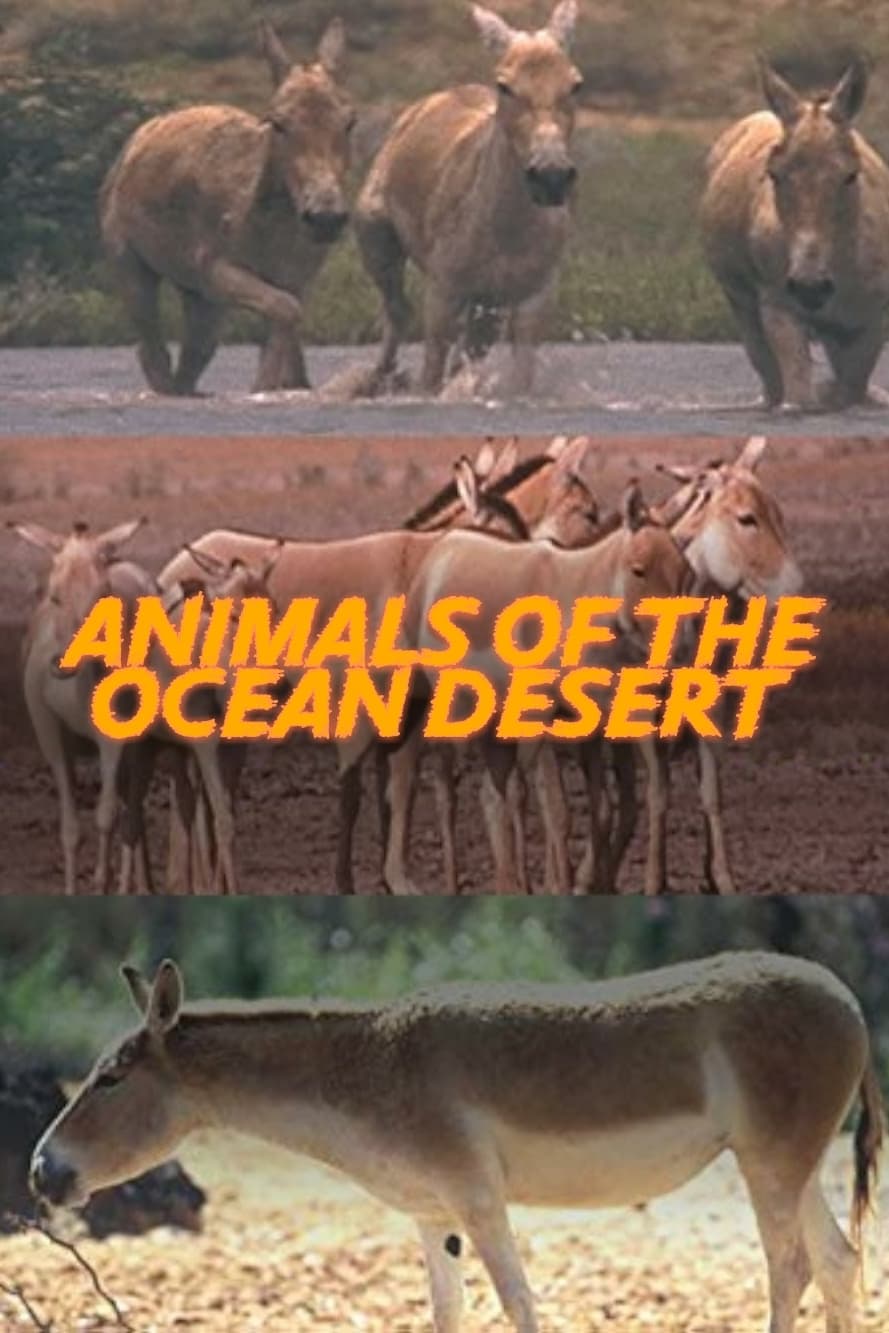
For two-thirds of the year, the Little Rann is a desert. Suddenly, in August, monsoon winds whip up the Arabian Sea and carry it 100 km inland. The desert and these mounds soon become islands and homes to high concentrations of rarely-seen, endangered and spectacular wildlife.
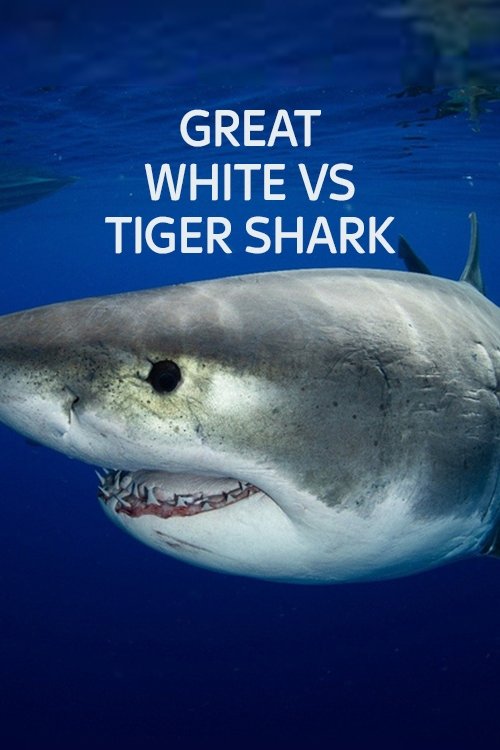
The two biggest of the BIG THREE — great whites and tiger sharks — are two of the most dangerous predators in the ocean. And they get BIG, up to 20 feet and 18 feet, respectively. But can they grow even larger than that? Where can we find the world’s biggest? Two teams of scientists are diving in to uncover the secrets of these powerful and majestic creatures.
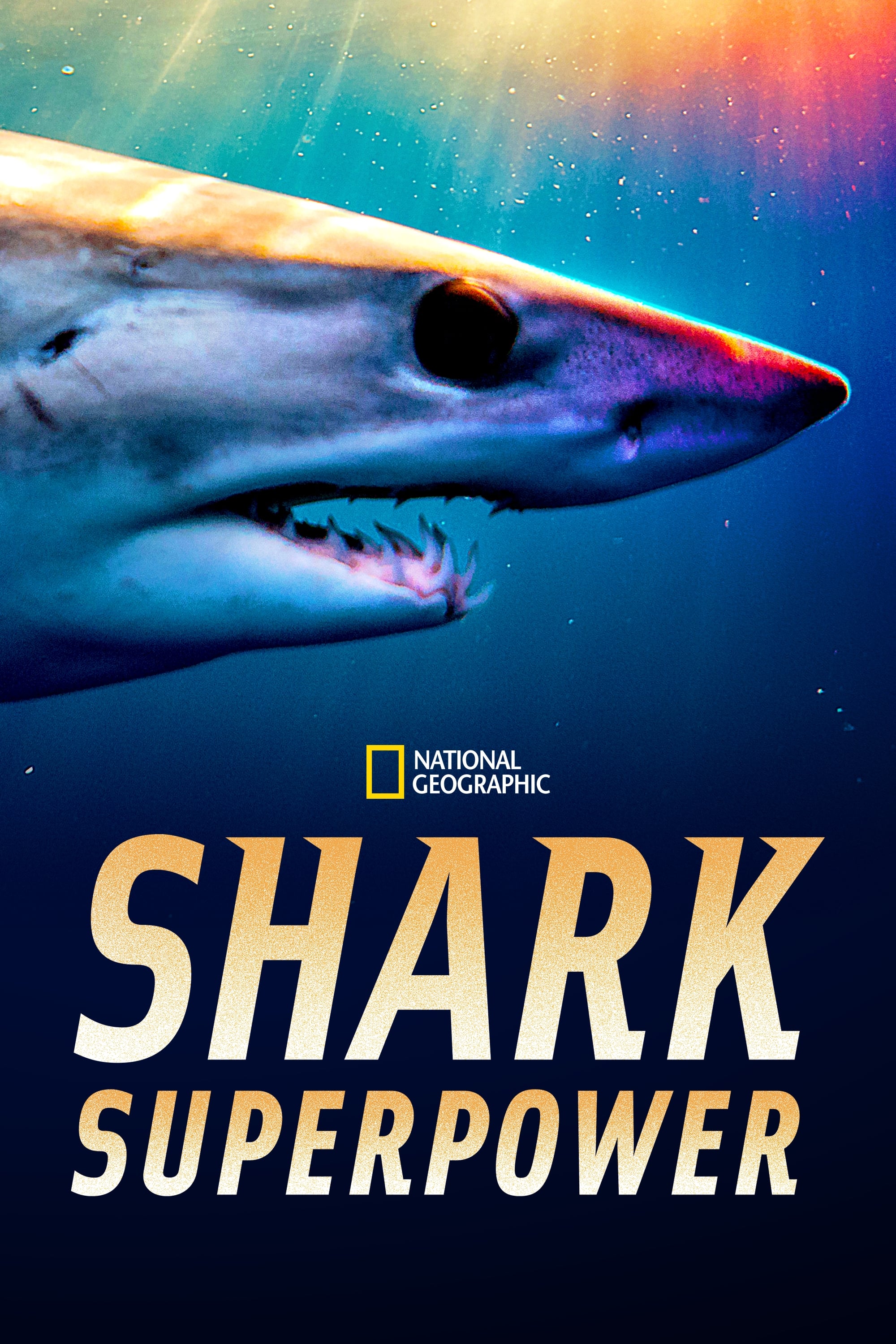
Two teams of experts go to extraordinary lengths to take shark science into the wild as they investigate two of the most iconic shark superpowers - speed and bite force.
Chris Packham and a team of wildlife experts follow five suburban gardens over a year, uncovering hidden wildlife dramas, and a vast cast of creatures battling for survival.
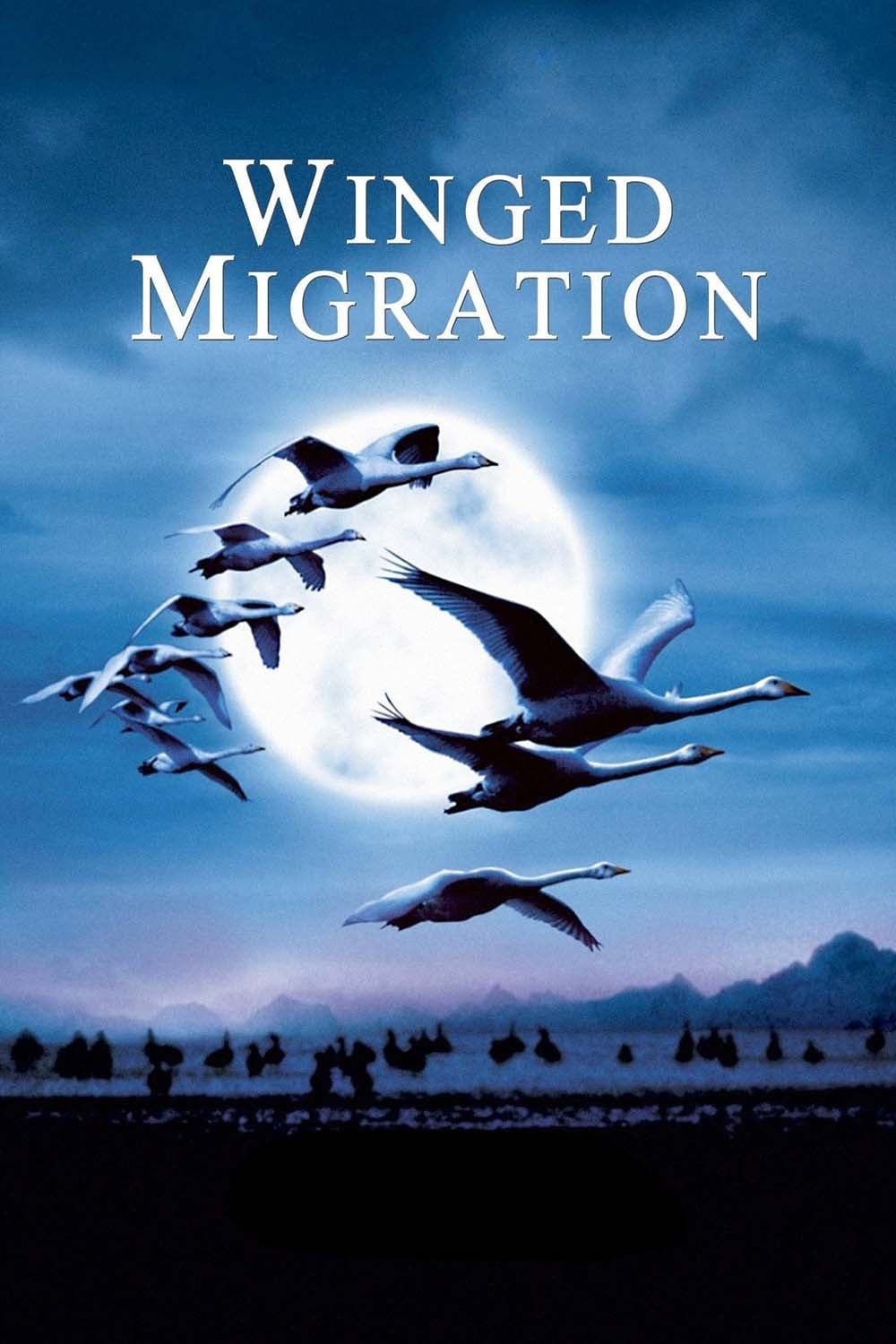
This documentary follows various migratory bird species on their long journeys from their summer homes to the equator and back, covering thousands of miles and navigating by the stars. These arduous treks are crucial for survival, seeking hospitable climates and food sources. Birds face numerous challenges, including crossing oceans and evading predators, illness, and injury. Although migrations are undertaken as a community, birds disperse into family units once they reach their destinations, and every continent is affected by these migrations, hosting migratory bird species at least part of the year.
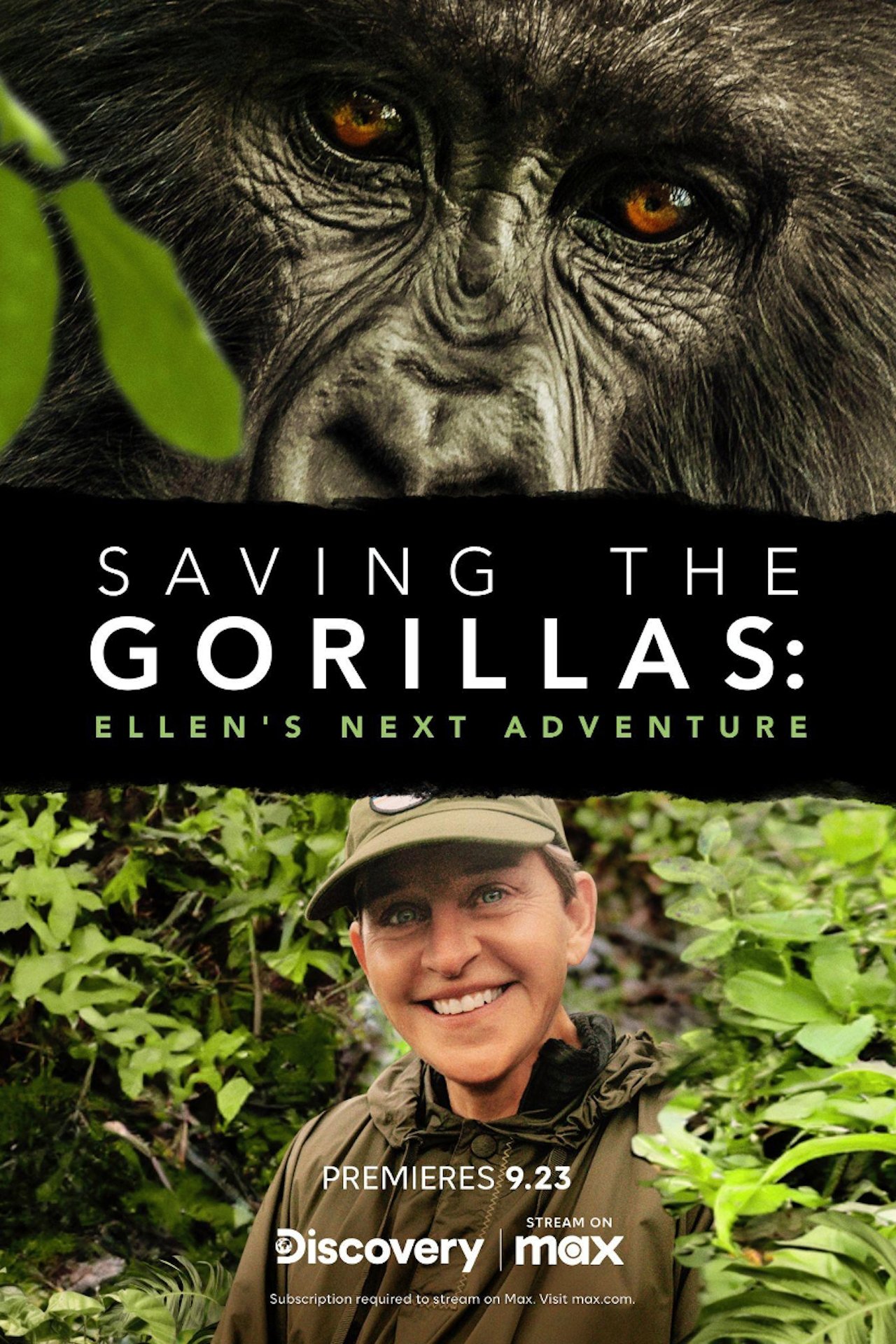
Follow comedian Ellen DeGeneres as she fulfills her dream of protecting Fossey’s legacy by building the The Ellen DeGeneres Campus of the Dian Fossey Gorilla Fund in Rwanda.
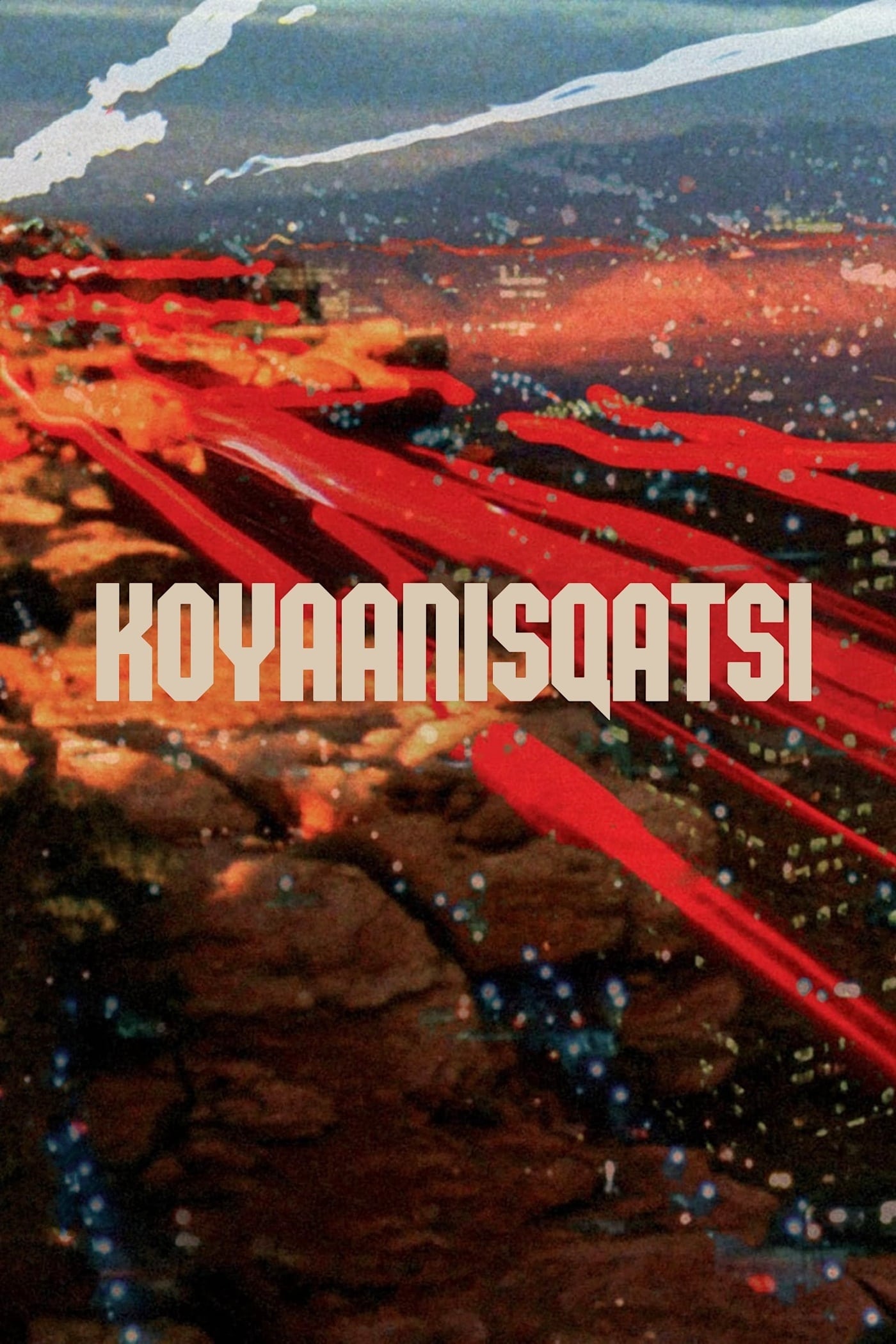
Takes us to locations all around the US and shows us the heavy toll that modern technology is having on humans and the earth. The visual tone poem contains neither dialogue nor a vocalized narration: its tone is set by the juxtaposition of images and the exceptional music by Philip Glass.
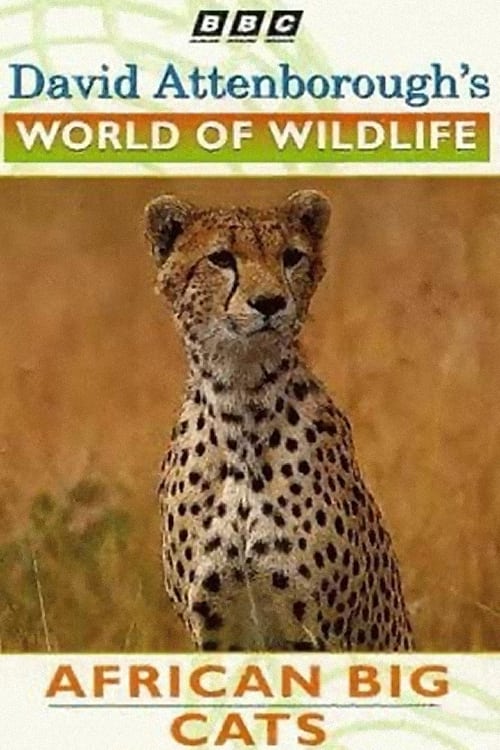
Sir David Attenborough presents and narrates this wildlife series, a visual encyclopedia of the natural world. This episode looks at the fast, sleek and elegant cheetahs - supreme athletes and hunters of the animal world. Also the leopard, another deadly hunter, is observed in its natural habitat.
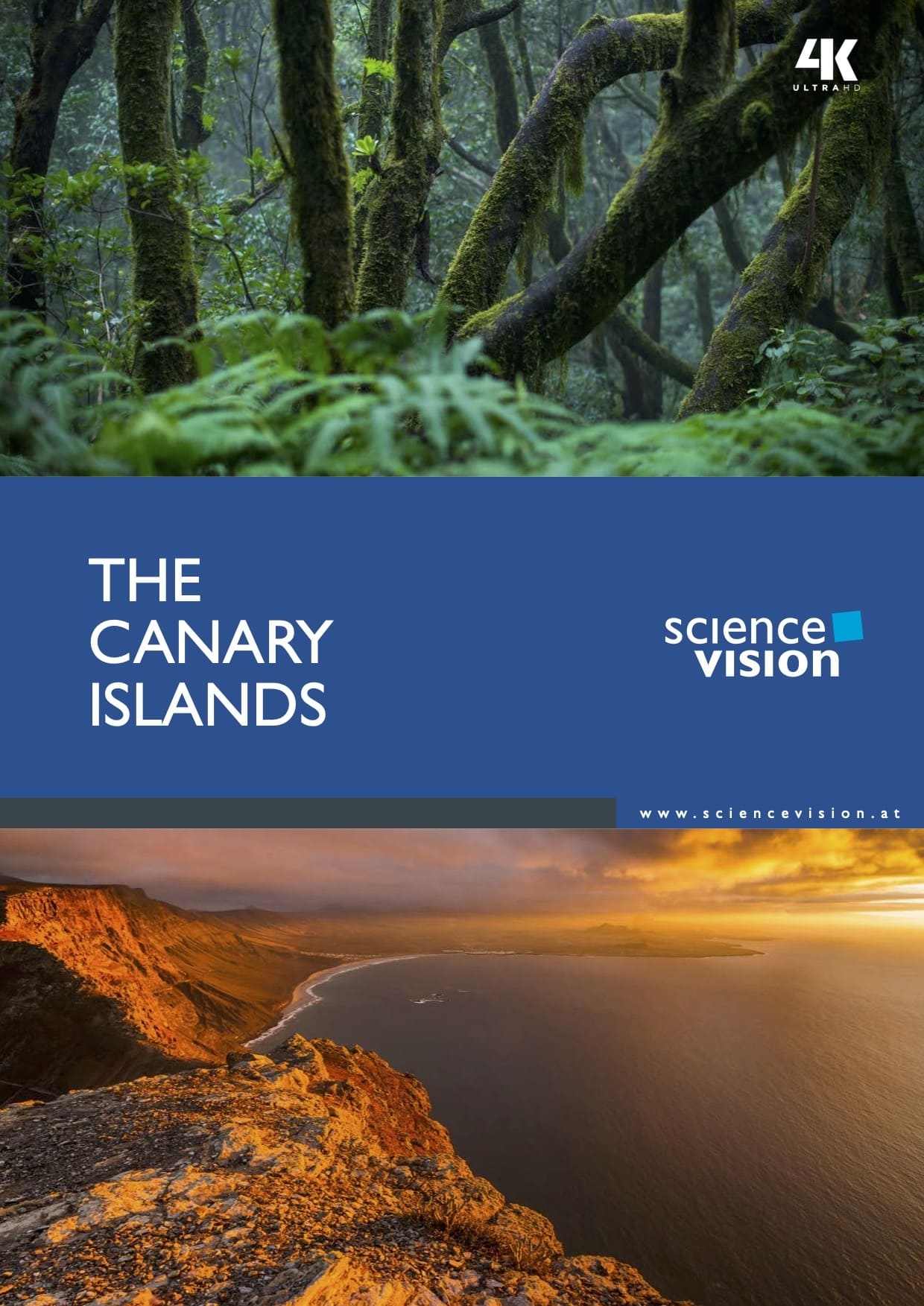
There are few places on earth that have such a diverse variety of terrain and range of climates concentrated in a relatively small area - temperate coastline, scorching arid deserts and tundra, tropical rainforests and frozen snowcapped mountains. And there are few places that are as heavily exploited by humans, yet remain a wilderness.
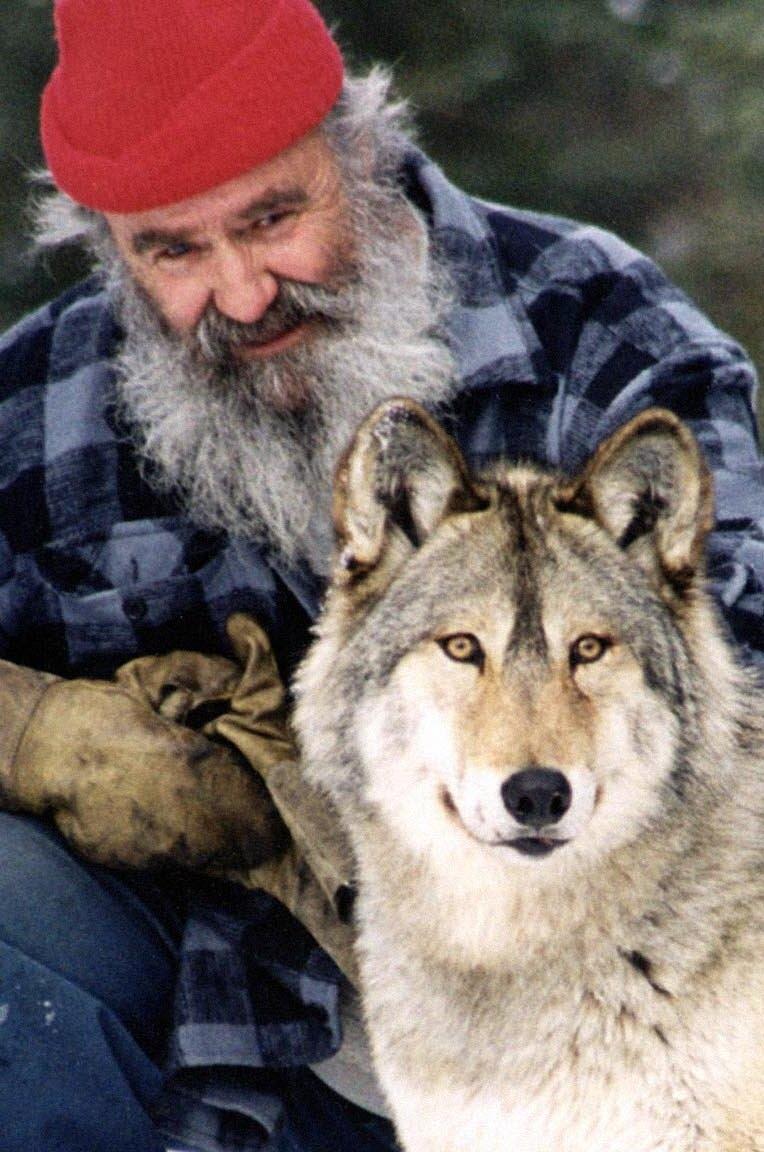
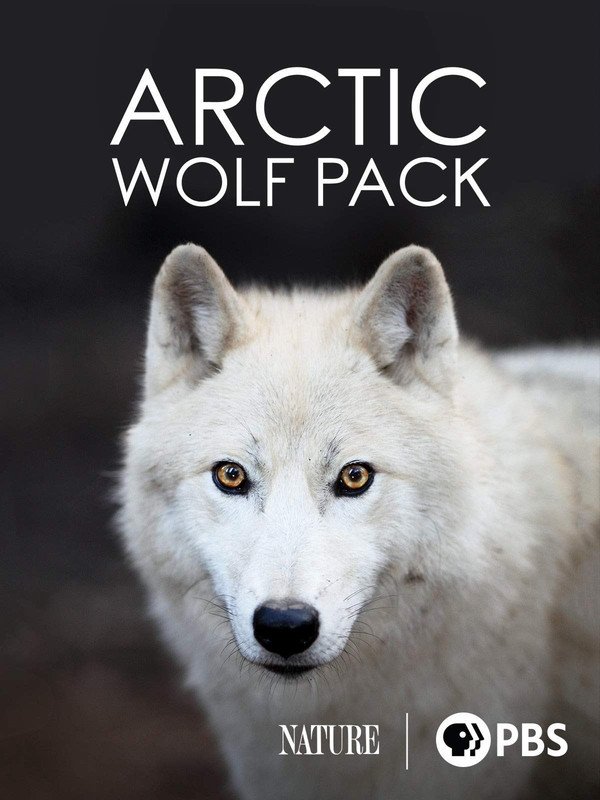
At the very northern edge of North America is Ellesmere Island, where the unforgiving Arctic winds tear through the tundra, dipping temperatures to 40 below zero. Discover the White Wolf, one of the most hardened predators on the planet in the Ellesmere's unforgiving ice and snow. In a fight for survival, these roaming hunters must travel far from the den to feed their cubs putting them at risk.
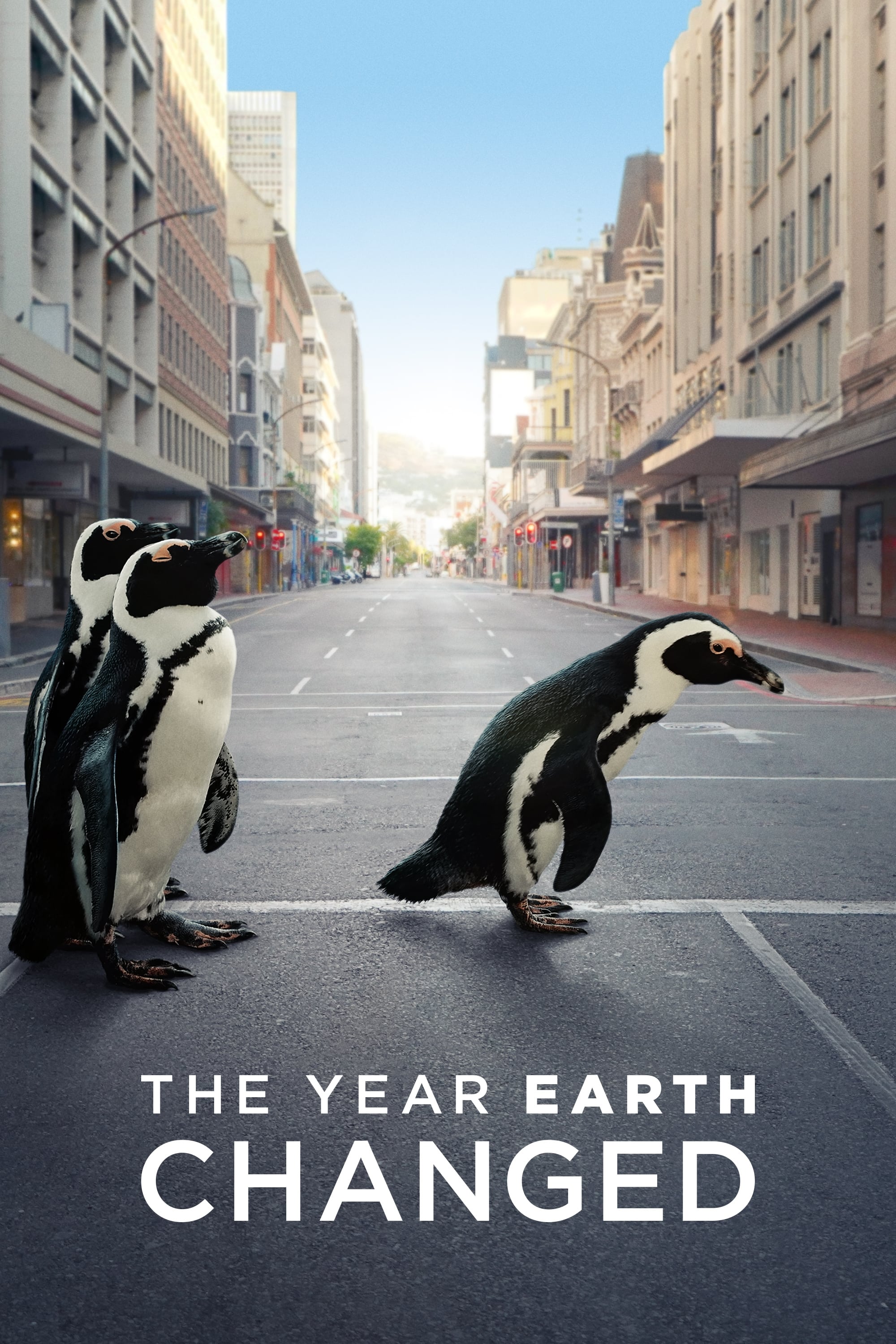
Never-before-seen footage shows how our living in lockdown opened the door for nature to bounce back and thrive. Across the seas, skies, and lands, Earth found its rhythm when we came to a stop.
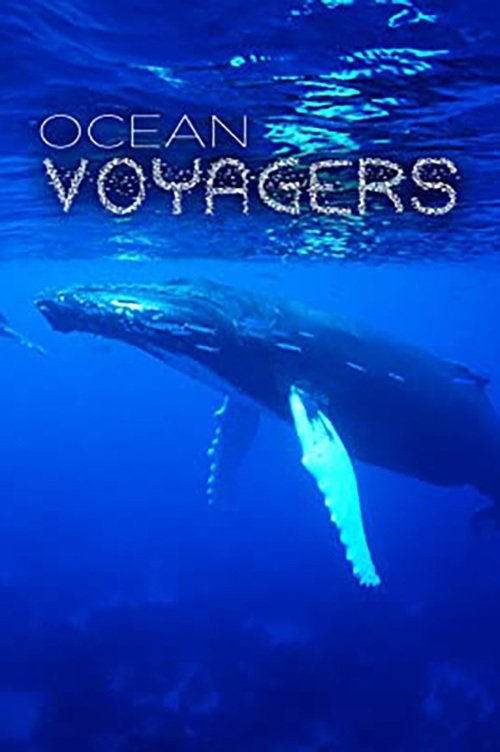
Ocean Voyagers explores the familiar themes of motherhood and parenting in a world as unfamiliar as it is breathtaking. Featuring a precocious newborn humpback calf and his enormous 40 ton mother, we are taken on a journey of discovery into their world.
A visual montage portrait of our contemporary world dominated by globalized technology and violence.
An exploration of technologically developing nations and the effect the transition to Western-style modernization has had on them.
A documentary about how a dominant cultural and demographic institution both sustains their traditional activities and adapts to the digital revolution.
Years spent recording footage of creatures from every corner of the globe is bound to produce a bit of drama. Here's a behind-the-scenes look.
Described as being a film about determination, danger and the ocean’s greatest depths, James Cameron's "Deepsea Challenge 3D" tells the story of Cameron’s journey to fulfill his boyhood dream of becoming an explorer. The movie offers a unique insight into Cameron's world as he makes that dream reality – and makes history – by becoming the first person to travel solo to the deepest point on the planet.
This documentary focuses on the actors and their journey over two summers to create the remake to the original IT, by Stephen King. The documentary originally released as bonus material, bundled with IT: Chapter Two.
A documentary focused on plastic pollution in the world's oceans.
From the heights of her modeling fame to her tragic death, this documentary reveals Anna Nicole Smith through the eyes of the people closest to her.
Lyrical and powerfully personal essay film that reflects on the deaths of her husband Lou Reed, her mother, her beloved dog, and such diverse subjects as family memories, surveillance, and Buddhist teachings.
Some of the world's most majestic birds display delightfully captivating mating rituals, from flashy dancing to flaunting their colorful feathers.
A documentary on the expletive's origin, why it offends some people so deeply, and what can be gained from its use.
A detailing of the rise to prominence and global sporting superstardom of six supremely talented young Manchester United football players (David Beckham, Nicky Butt, Ryan Giggs, Paul Scholes, Phil and Gary Neville). The film covers the period 1992-1999, culminating in Manchester United's European Cup triumph.
Martin Scorsese’s portrait of writer and social commentator Fran Lebowitz, celebrated for her sharp wit and observations on modern life. Filmed at New York’s Waverly Inn and intercut with archival footage and interviews, the documentary captures Lebowitz’s distinctive worldview through her spontaneous monologues and public appearances.
Those who knew iconic funnyman John Candy best share his story, in their own words, through never-before-seen archival footage, imagery, and interviews.
In the Realms of the Unreal is a documentary about the reclusive Chicago-based artist Henry Darger. Henry Darger was so reclusive that when he died his neighbors were surprised to find a 15,145-page manuscript along with hundreds of paintings depicting The Story of the Vivian Girls, in What is Known as the Realms of the Unreal, of the Glodeco-Angelinnian War Storm, Cased by the Child Slave Rebellion.
In the remote and forgotten wilderness of Lake Natron, in northern Tanzania, one of nature's last great mysteries unfolds: the birth, life and death of a million crimson-winged flamingos.
This documentary starring climber Alex Honnold and famous biologist Bruce Means document their expedition to the South American sky islands in search of new species and discoveries. Follows elite climber Alex Honnold and a world-class climbing team led by National Geographic Explorer and climber Mark Synnott on a grueling mission deep in the Amazon jungle as they attempt a first-ascent climb up a 1000 foot sheer cliff.
An inside look at one of the most anticipated movie sequels ever with James Cameron and cast.
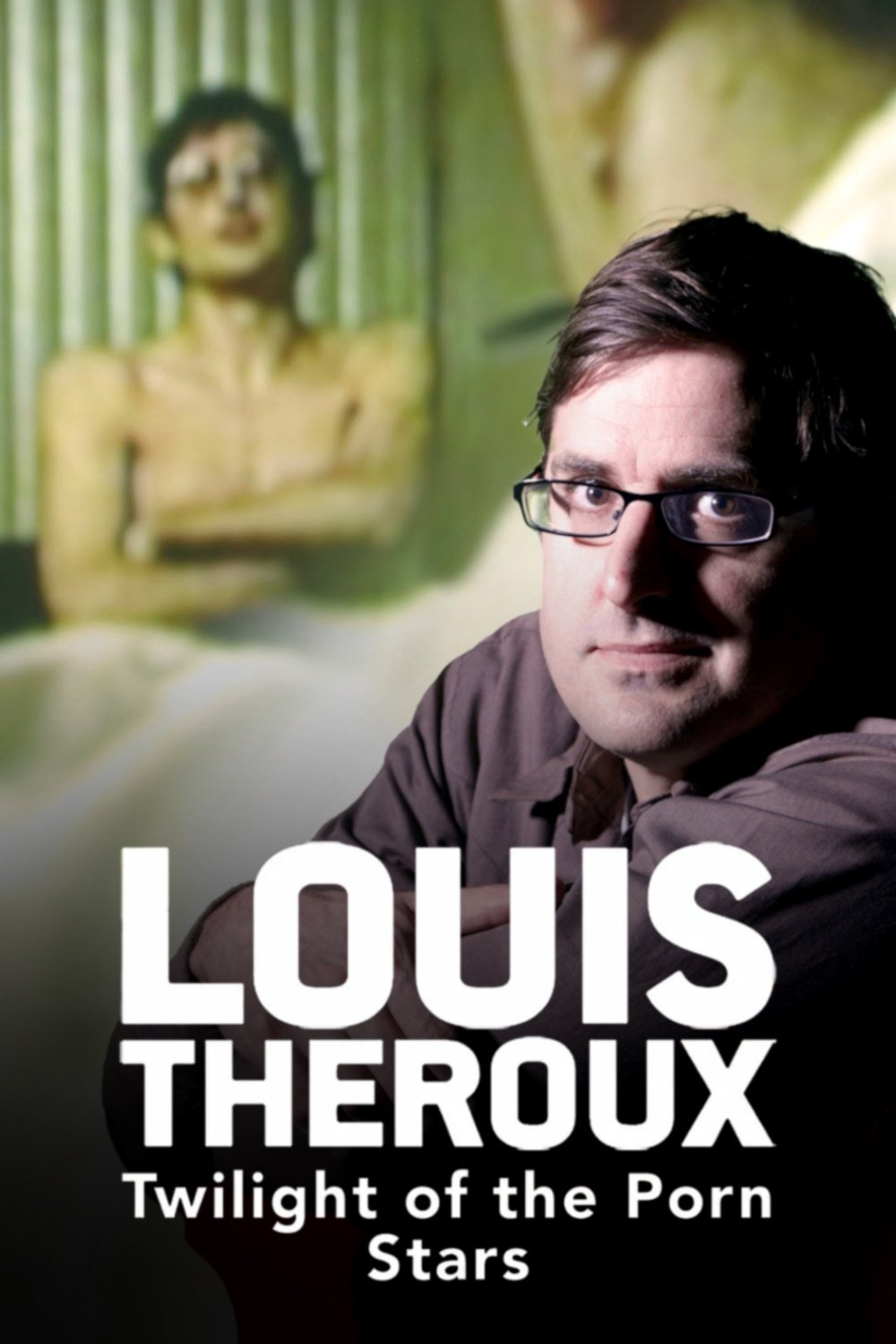
In 1997, Louis Theroux made a documentary about the world of male porn performers in Los Angeles. 15 years later, he returns to find a business struggling with the deluge of free porn on the internet. Louis revisits some of the original programme's contributors as well as meeting the latest crop of porn performers dreaming of porn stardom.
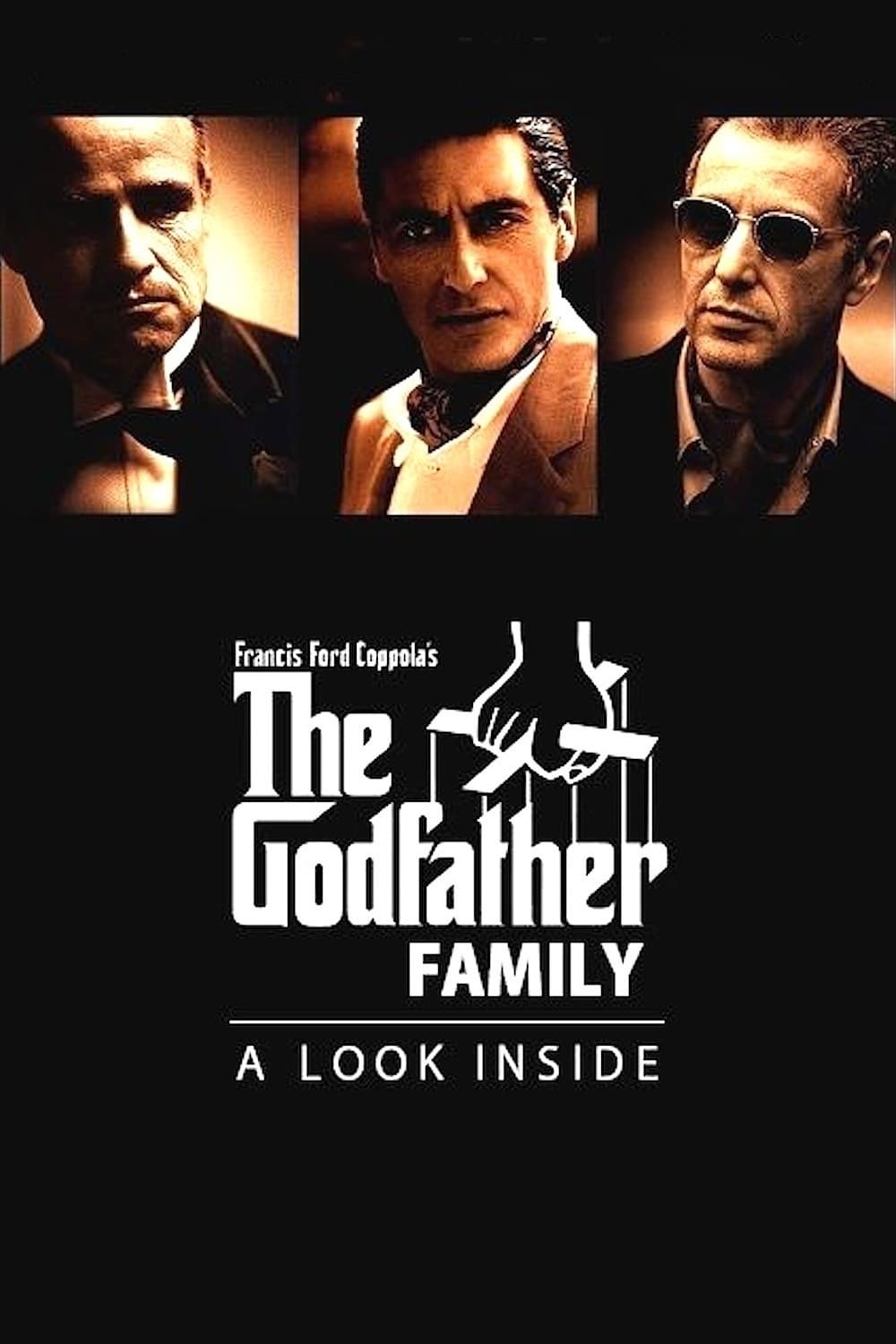
A documentary on the making of the three Godfather films, with interviews and recollections from the film makers and cast. This feature also includes the original screen tests of some of the actors for "The Godfather" film, and some candid moments on the set of "The Godfather: Part III."