a collage of films i had on my ssd
Social & External
The people behind it
A slice of toast is not what it seems.
On a country road, a couple gone for a ride on a scooter find themselves immobilized after running out of gas. While waiting for their friend Lolo, a philosophical discussion ensues.
Stripped of color and clothes, ready to be cleansed. A young man's midnight bath becomes a surreal nightmare the moment he realizes he is not alone.
The second essay about still dominant dark aspects of our modern society. It is conceived as a surreal anti-patriarchal thought experiment and raises important questions about gender, power, and social change, prompting us to reflect on how historical patterns of discrimination and oppression might be either repeated or overcome in a reversed gendered world. It challenges the viewer to confront their own assumptions and biases, and to consider the possibilities of a more equitable society.
What does it mean to be kin with beings we are taught to revile? Hunt for the Malwoden is a meditation on kinship, disgust, and the porous boundaries between human and more-than-human worlds.
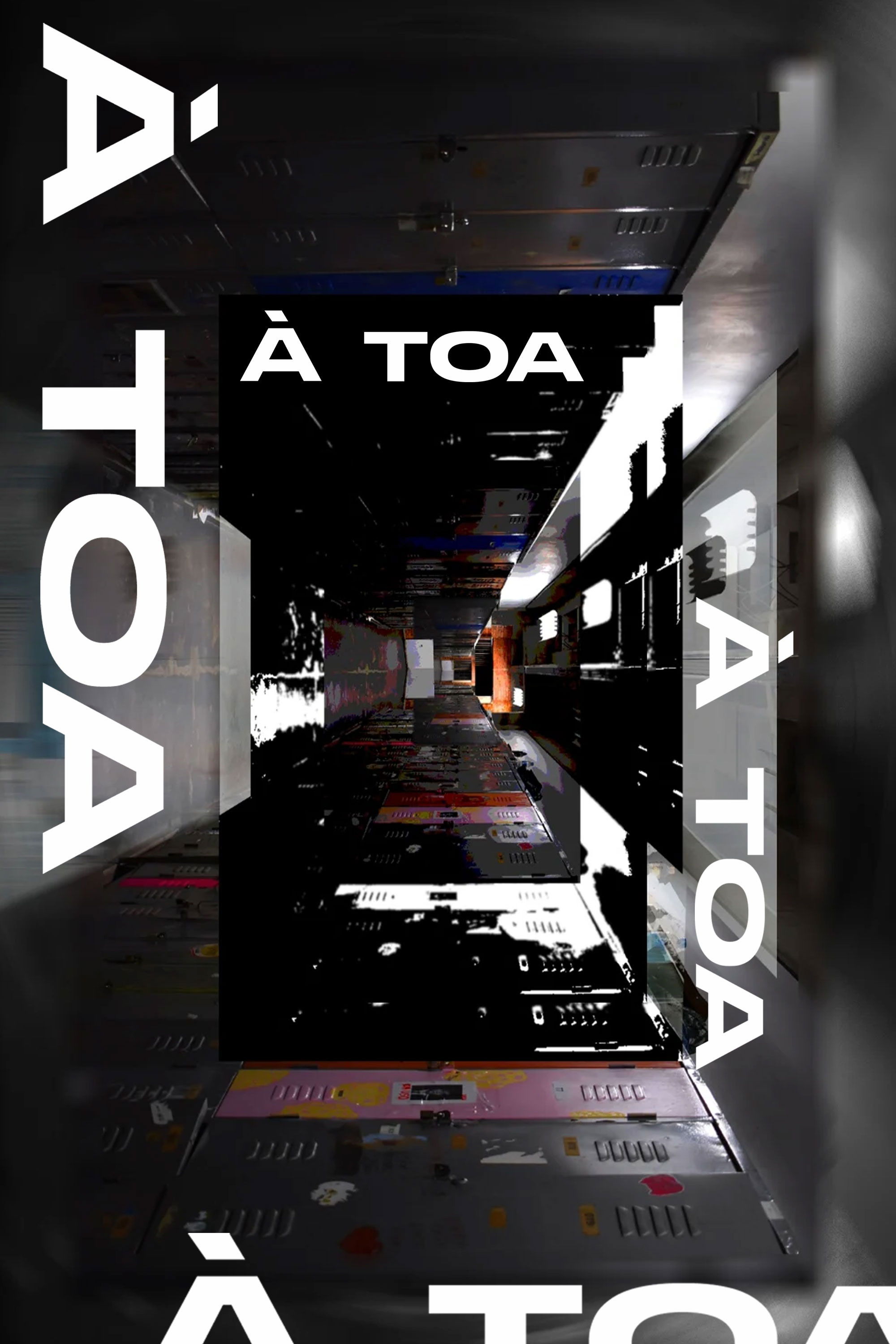
The reality that surrounds us is an intense and increasingly dense sensorial repetition. In this film, synchronization and desynchronization alternate in a mesmerizing way, in a textural atmosphere.
A boy waits in the same street every day with his bags packed. What is he waiting for?
Seeing himself as a form unable to experience intimacy, he is given the chance when brought to the household of twin sisters.
A young lover has to cope with losing the love of his life and come to terms with the fact that she has moved on to bigger and better things
In Bali, artist Daan Roosegaarde and local Balinese spent three years breeding a Firefly Garden where light returns at night. This love story of people and nature flickers with courtship, longing, and reunion.
Juliet Forrest is convinced that the reported death of her father in a mountain car crash was no accident. Her father was a prominent cheese scientist working on a secret recipe. To prove it was murder, she enlists the services of private eye Rigby Reardon. He finds a slip of paper containing a list of people who are 'The Friends and Enemies of Carlotta'.
Experimental short film about various Christmas objects and lights.
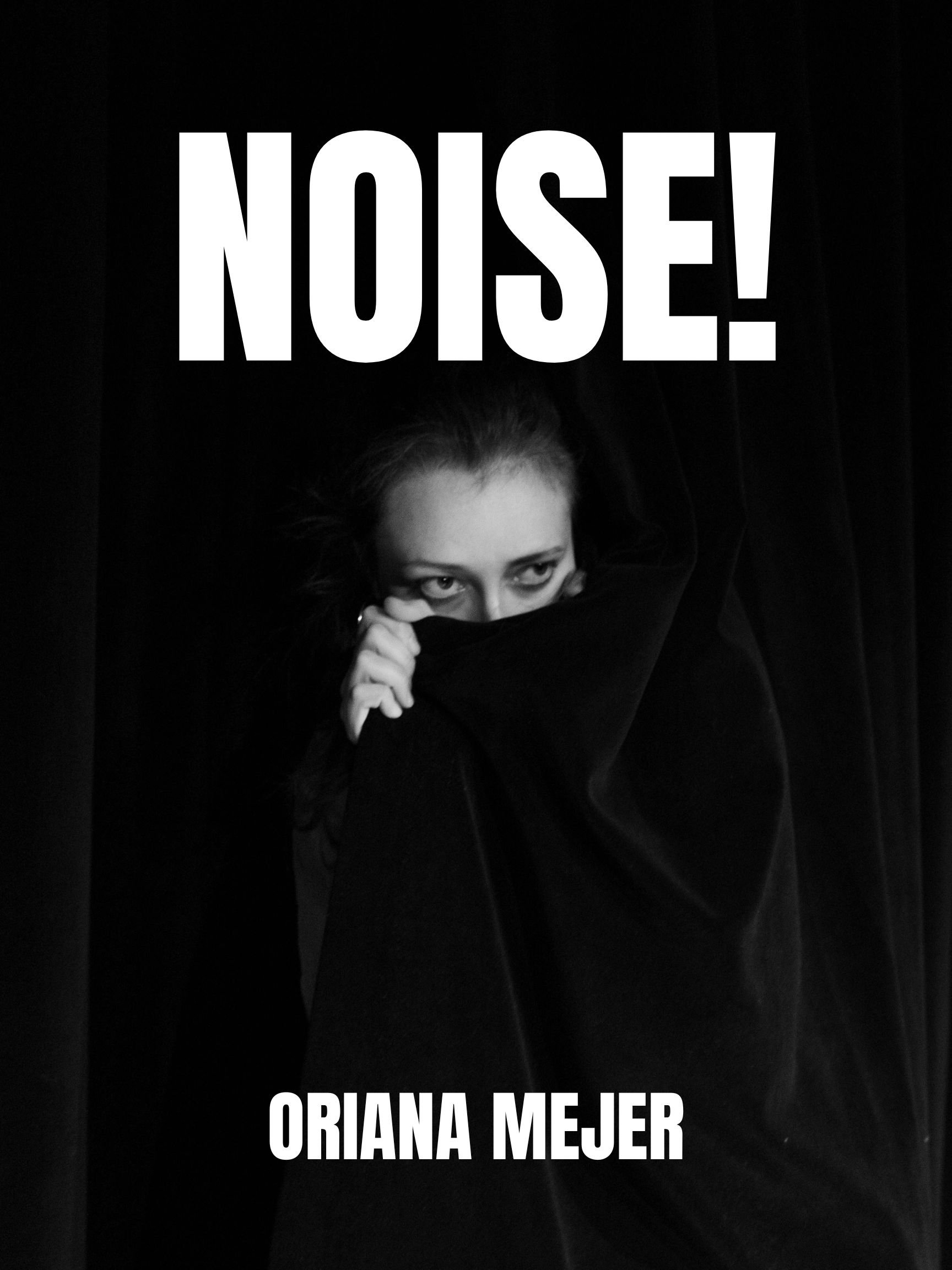
Oriana Mejer's niche poem-film style has created "NOISE!". The film dissects late stage capitalism and the effects social media has on the mind. This is a spoken word poem, performed by Mejer, combined with projections. It is a completely new approach to editing. Originally score by Sofia Camarena.
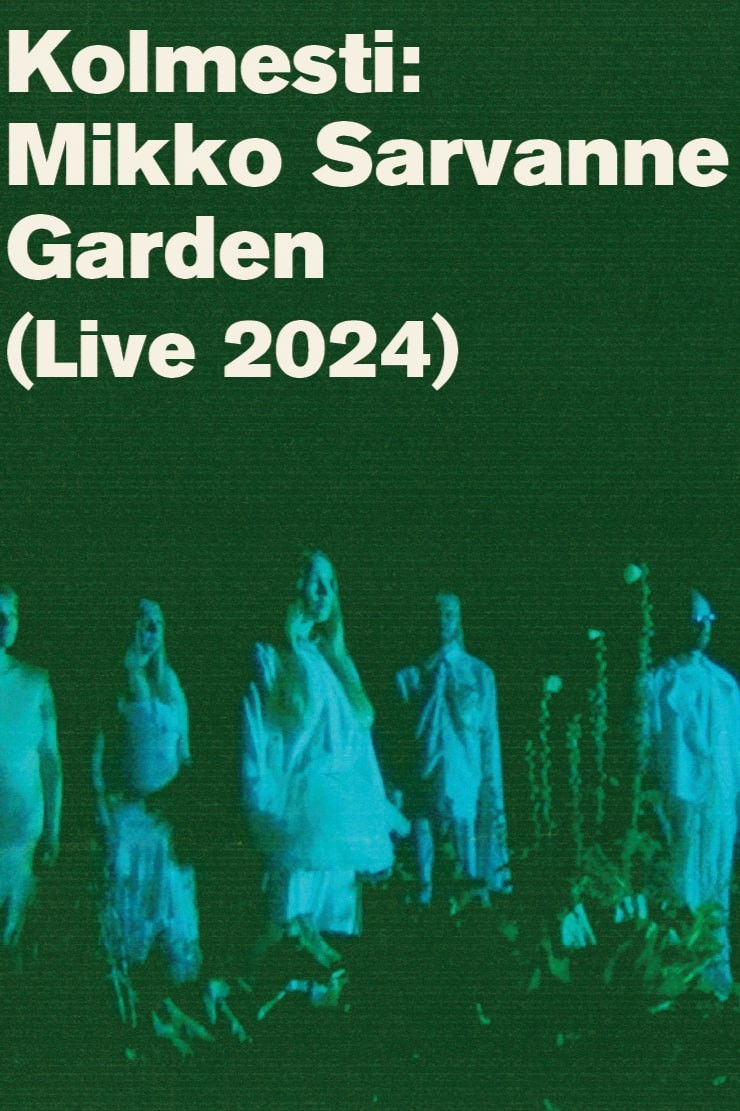
Did you look at the sun for too long, until the shapes of the surrounding world stretched and the colors became distorted? In this music documentary, the band Mikko Sarvanne Garden performscompositions set to contemporary poetry: Heräämisen valkea myrsky, Valo jota pöly juo, and Hiljainen kuin metsä.
We were slightly feverish when we started working with a particular color process. At the development, we had obtained wonderful tones of blue and yellow as well as colored solarizations. Thus, this process was used for 15 days then the fever subsided. At that time they listened to the music of Gilbert and Lewis, and that is why they put a piece on the soundtrack.
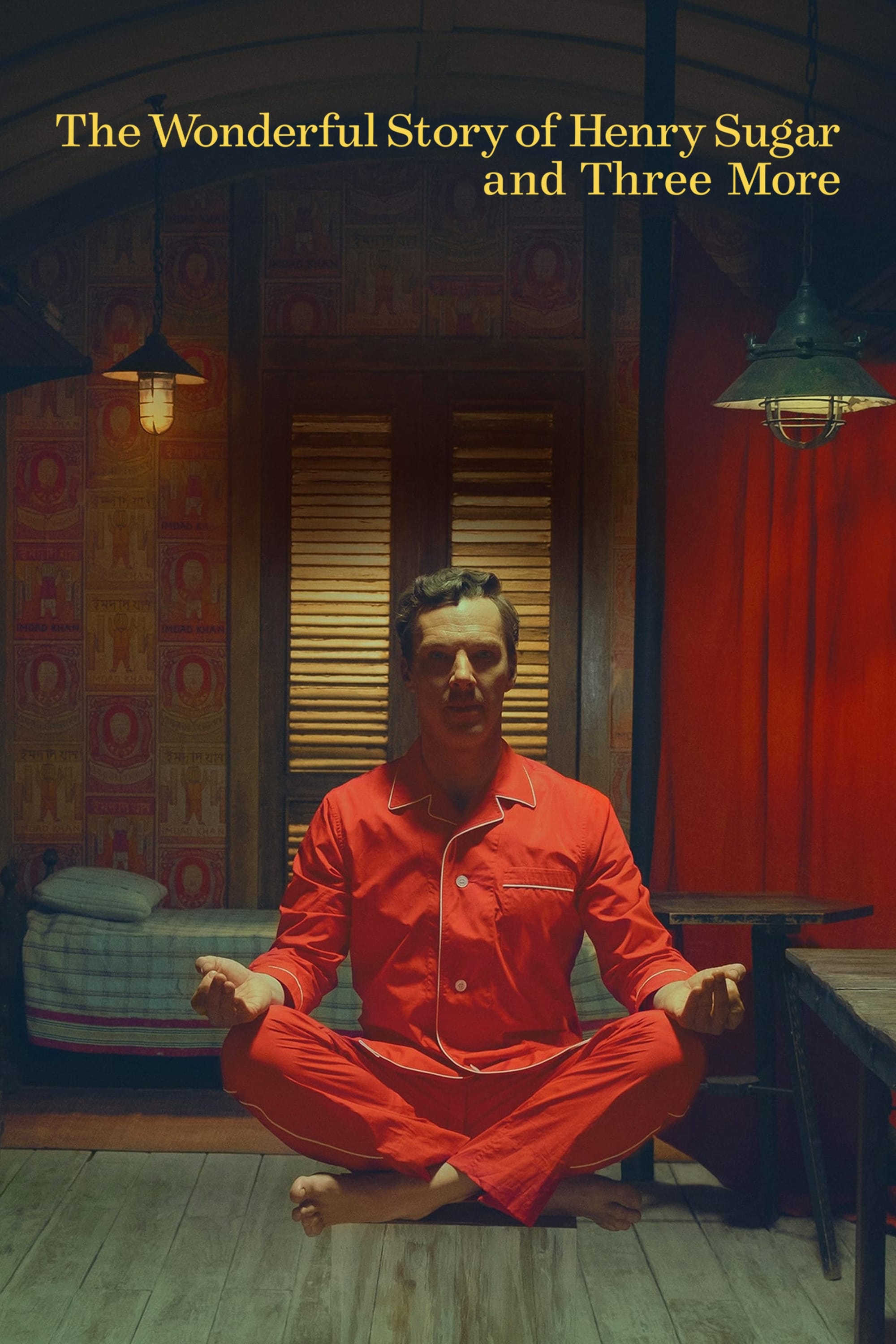
Four tales unfold in Wes Anderson's anthology of short films adapted from Roald Dahl's beloved stories, "The Wonderful Story of Henry Sugar", "The Swan", "The Rat Catcher", and "Poison."
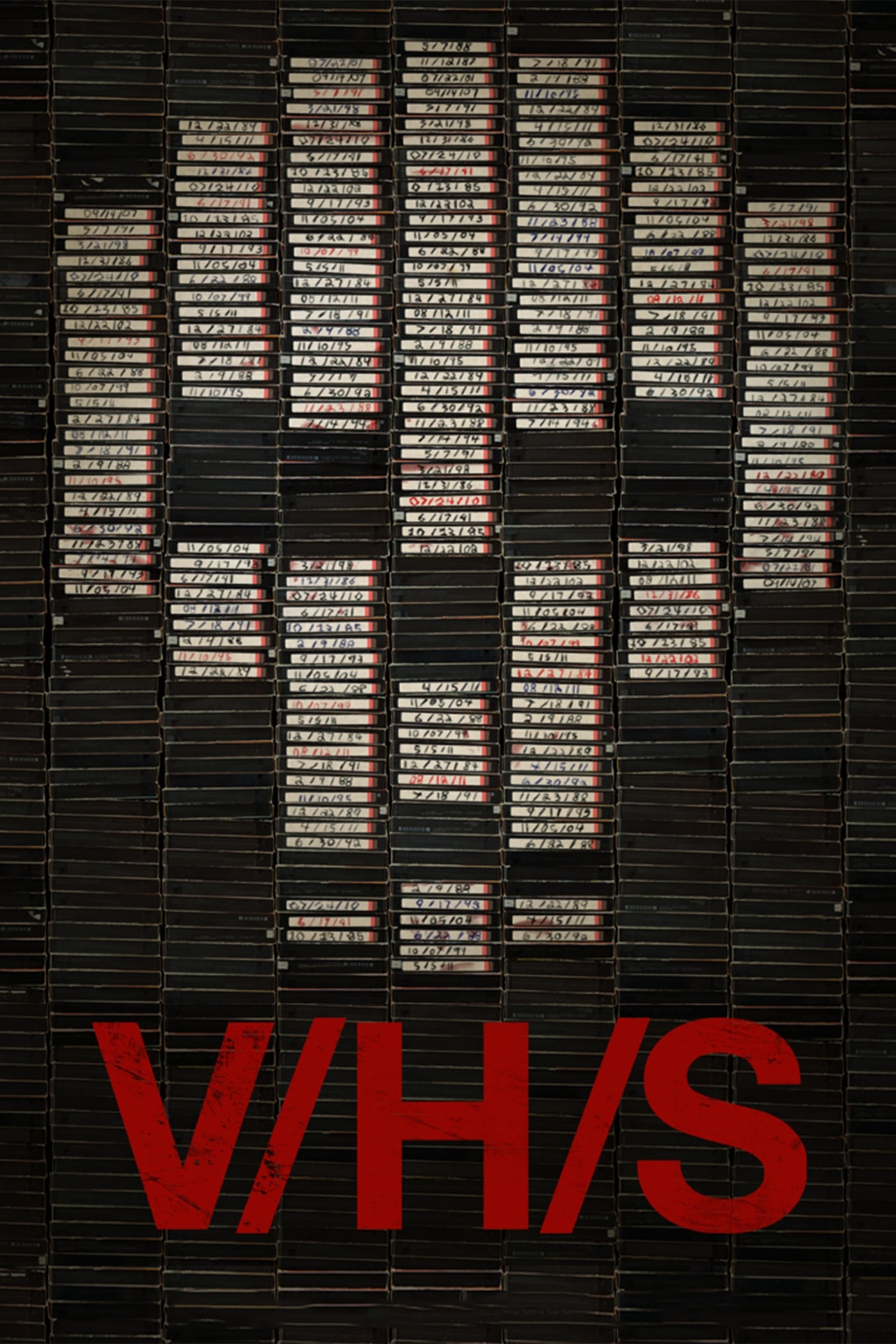
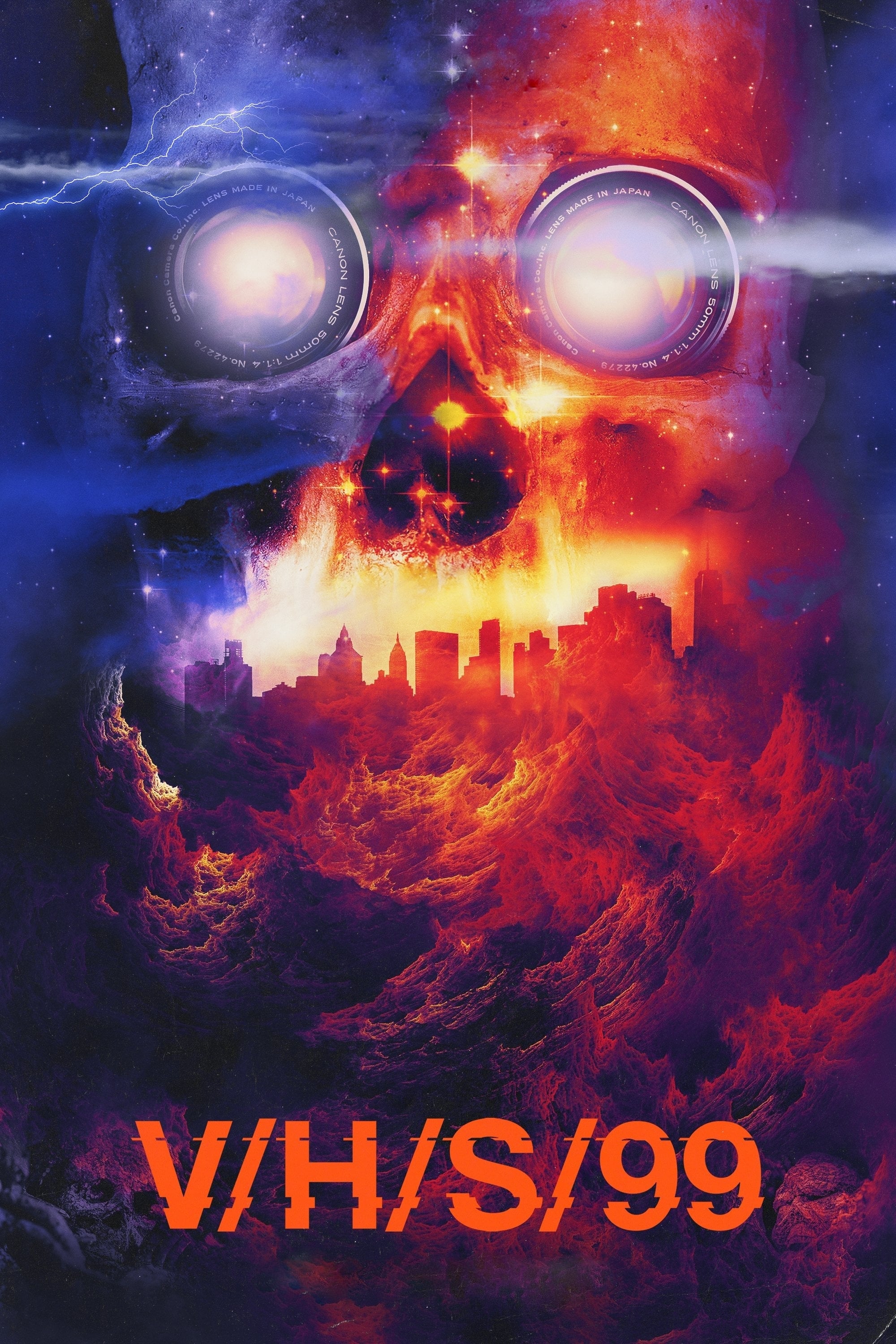
When a group of misfits is hired by an unknown third party to burglarize a desolate house and acquire one rare VHS tape, they discover more found footage than they had bargained for.
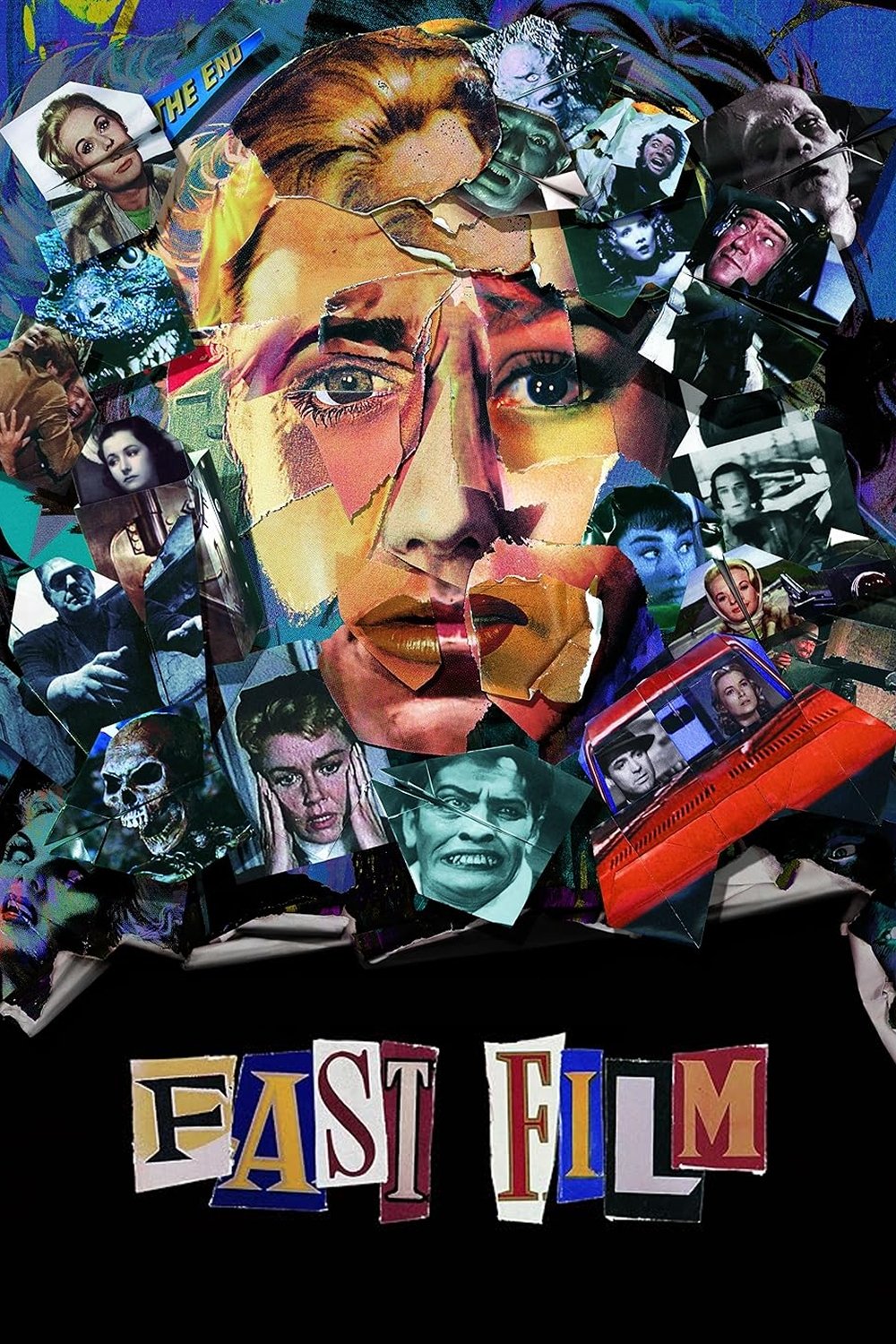
Bits of found film and different types of animation illustrate a classic chase scene scenario: A woman is abducted and a man comes to her rescue, but during their escape they find themselves in the enemy's secret headquarters.
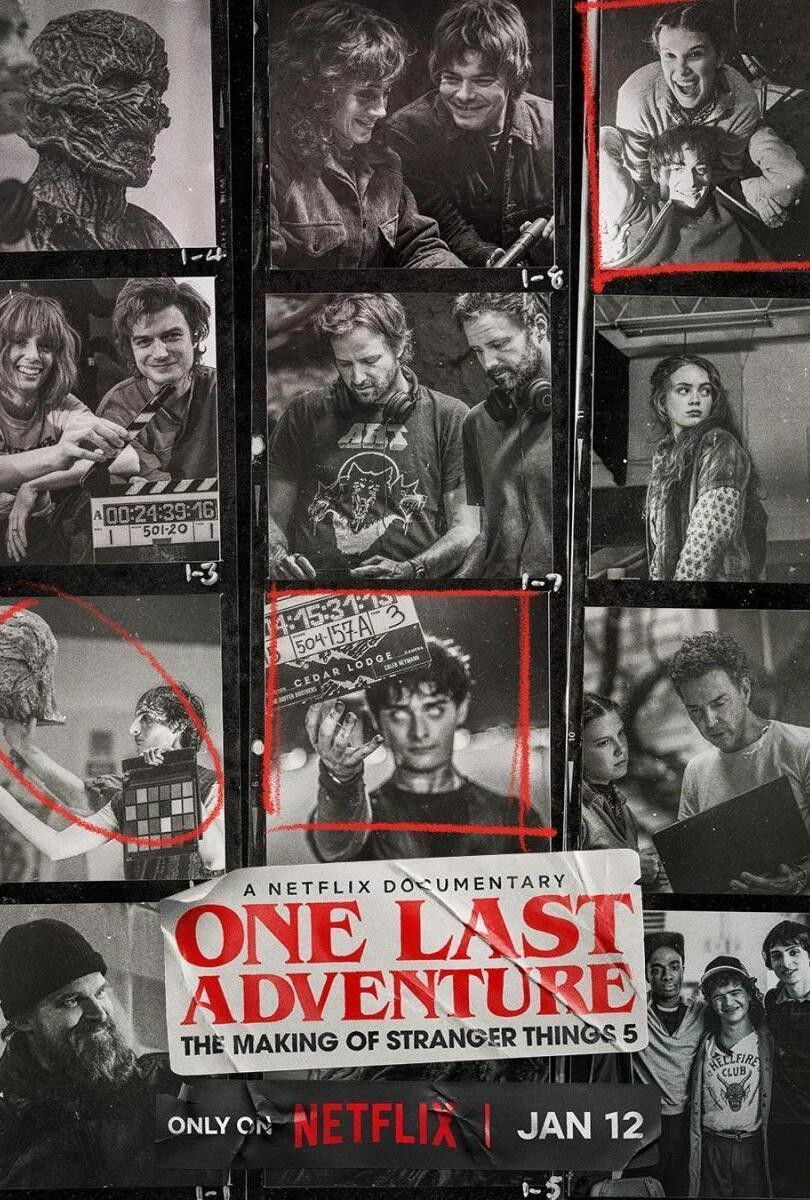
An inside look at the years of effort and craft that went into the final installment of the Duffer Brothers' generation-defining series.
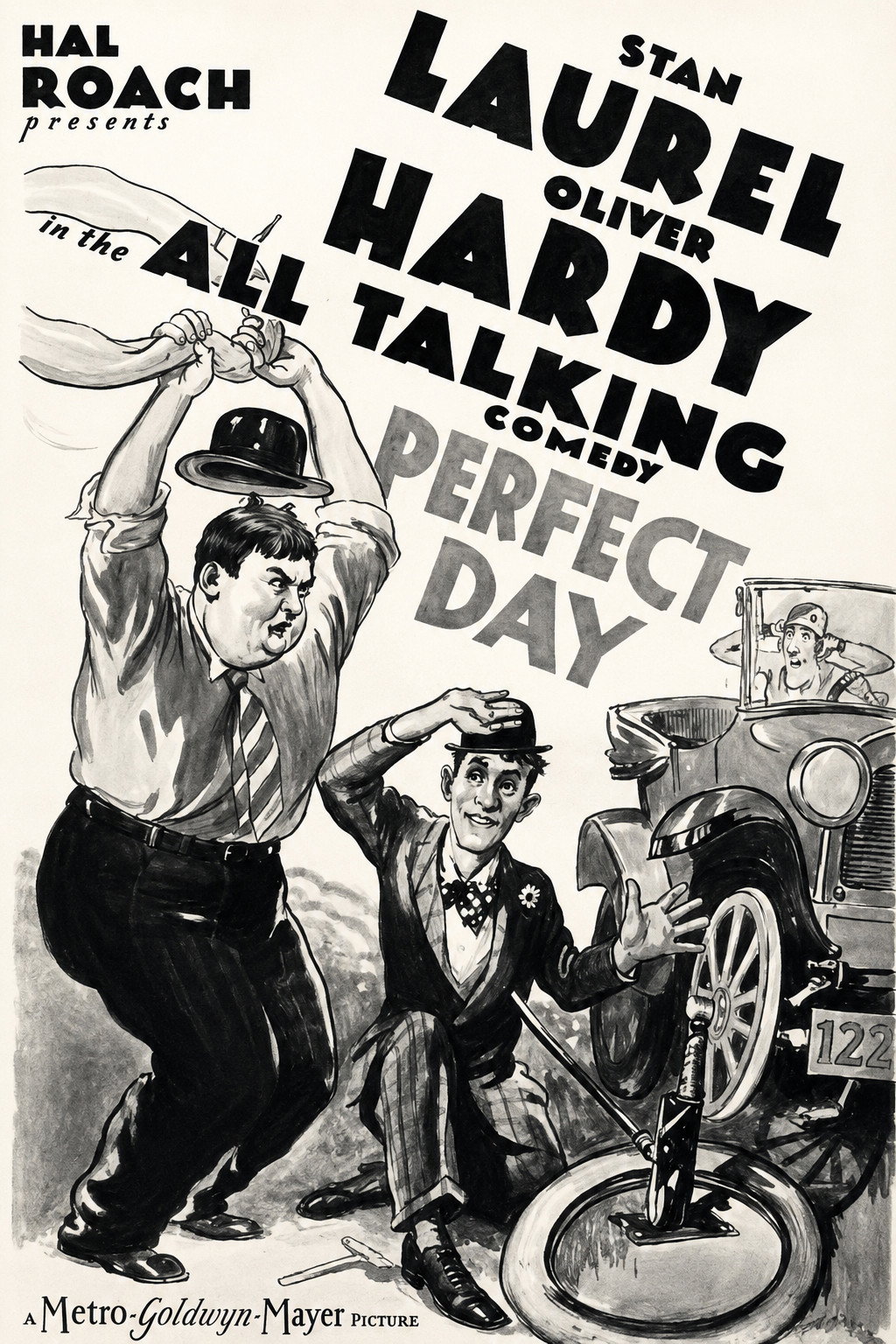
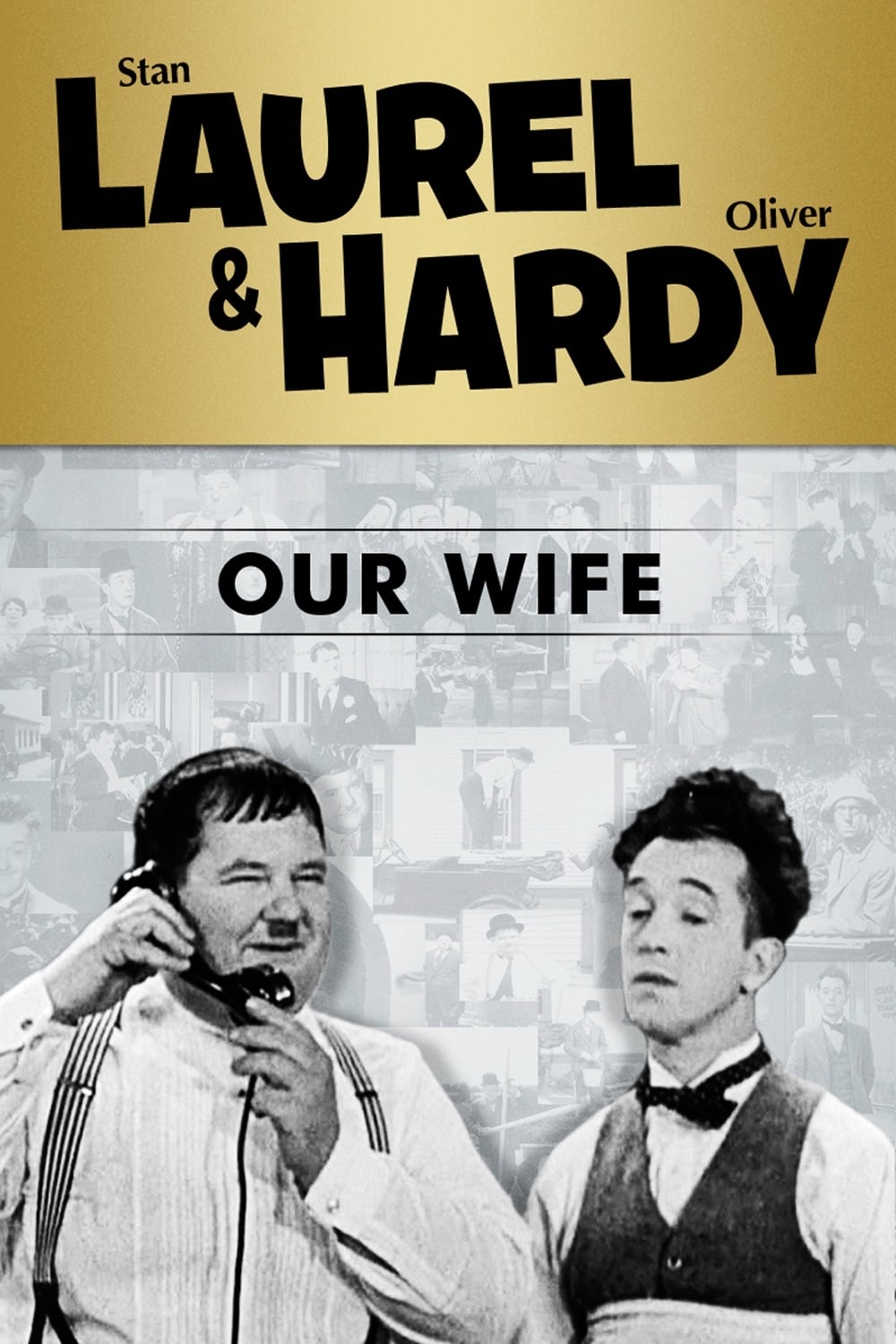
Two families embark on a pleasant Sunday picnic but manage to run into a variety of issues with their temperamental automobile. Each incident requires repeated exits and reboardings by Laurel, Hardy, their wives and grouchy, gout-ridden Uncle Edgar.
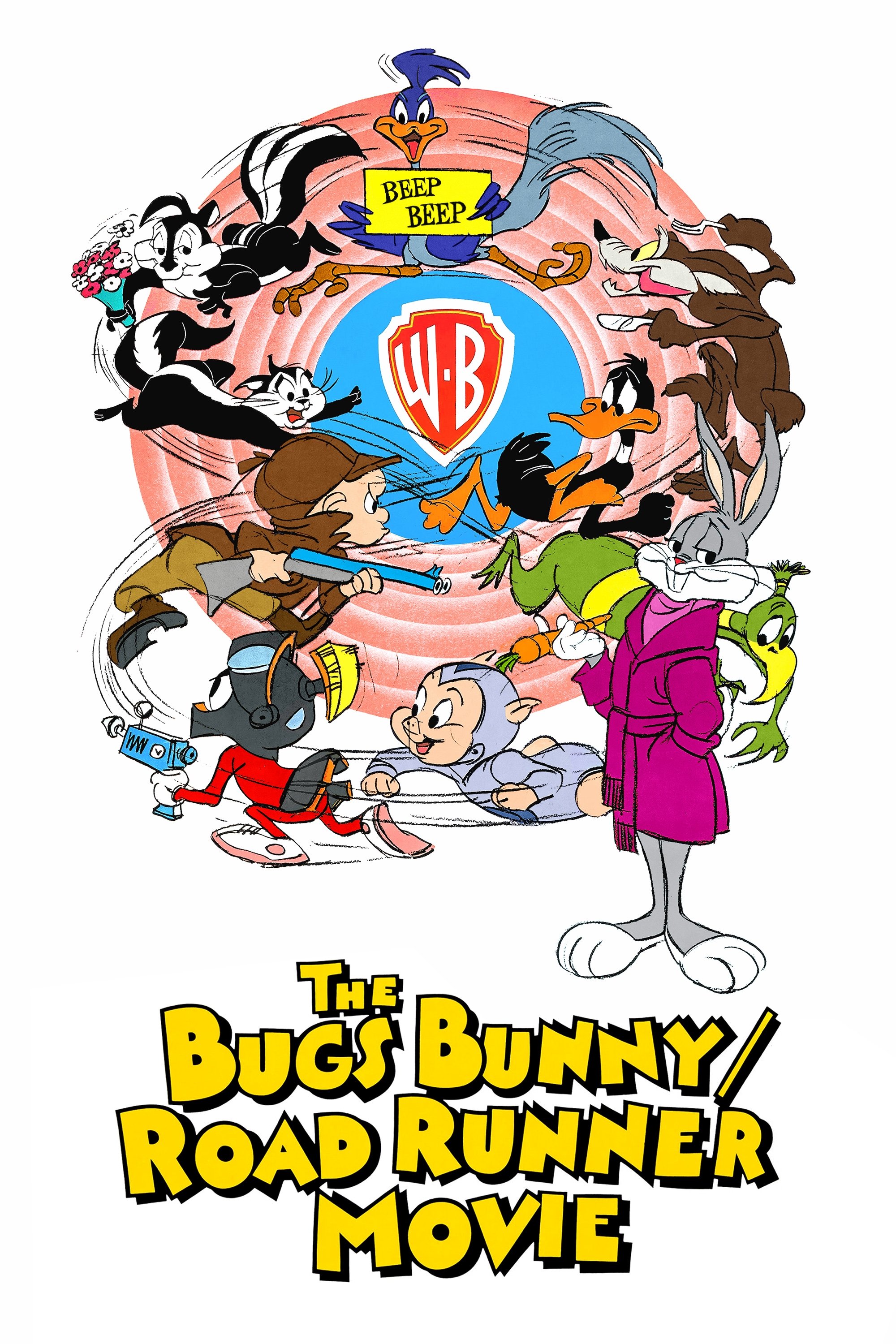
A collection of Warner Brothers short cartoon features, "starring" the likes of Daffy Duck, Porky Pig and Wile E. Coyote. These animations are interspersed by Bugs Bunny reminiscing on past events and providing links between the individual animations which are otherwise unconnected. This 1979 feature-length compilation includes several of his best cartoons. Among the 11 shorts shown in their entirety are the classics "Robin Hood Daffy," "What's Opera, Doc?," "Bully for Bugs," and "Duck Amuck". The Bugs Bunny Road Runner Movie provides a showcase not only for Jones's razor-sharp timing, but for the work of his exceptional crew, which included designer Maurice Noble, writer Mike Maltese, composers Carl Stalling and Milt Franklyn, and voice actor Mel Blanc.
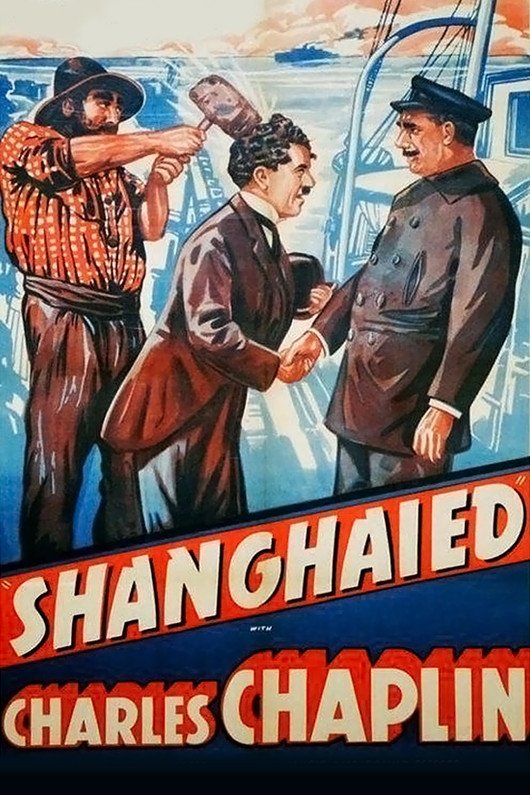
A shipowner intends to scuttle his ship on its last voyage to get the insurance money. Charlie, a tramp in love with the owner's daughter, is grabbed by the captain and promises to help him shanghai some seamen. The daughter stows away to follow Charlie. Charlie assists in the galley and attempts to serve food during a gale.
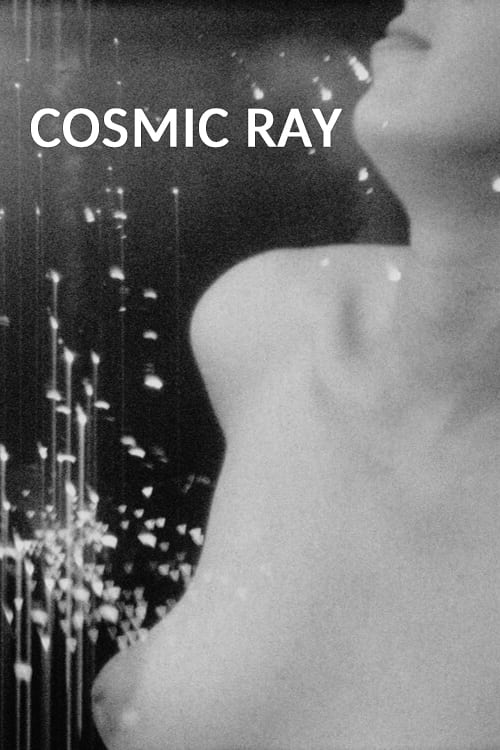
Experimental short uses Ray Charles' “What'd I Say” as accompaniment to constantly shifting collage of female nude, cartoons, and newsreels of atomic bomb explosions.
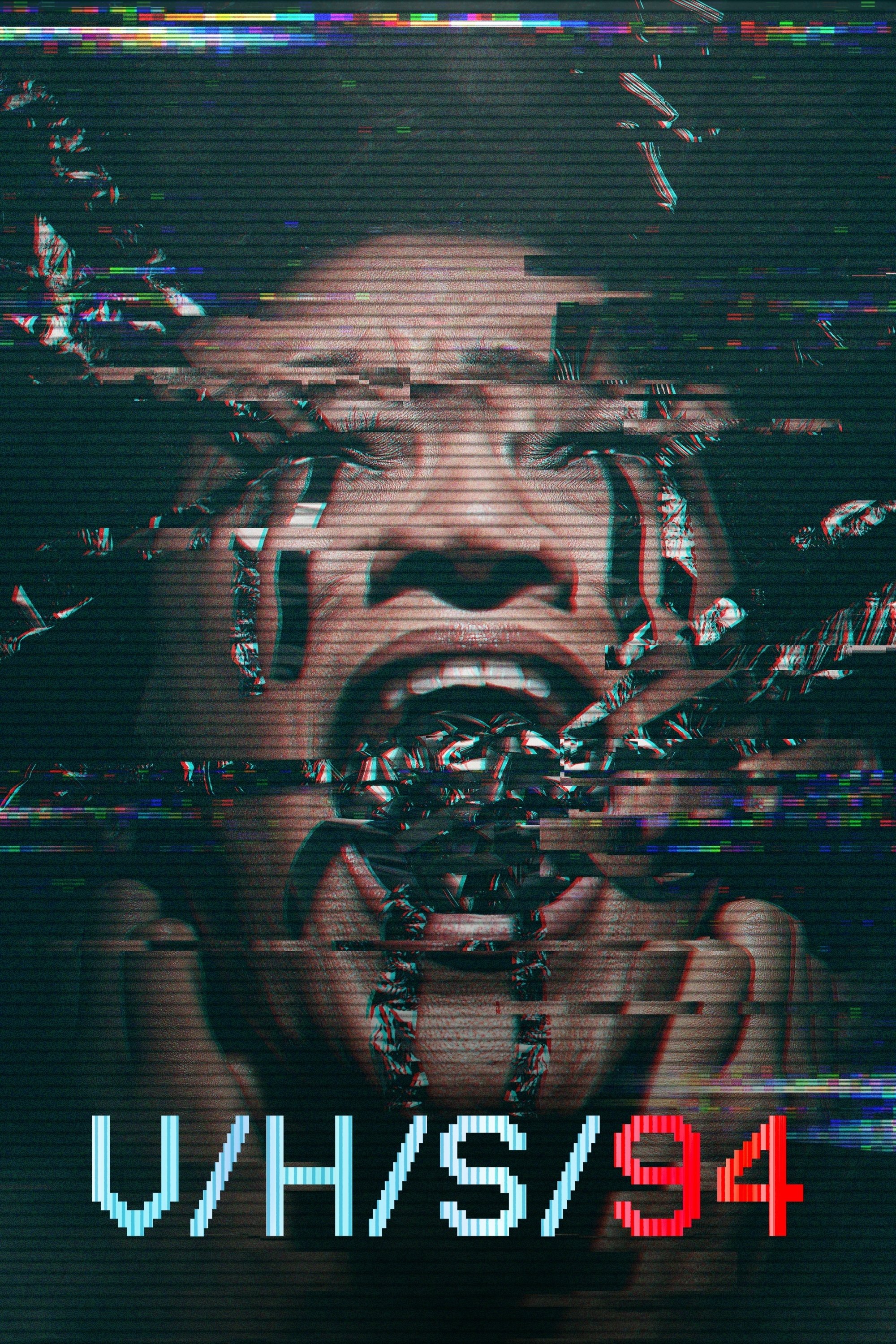
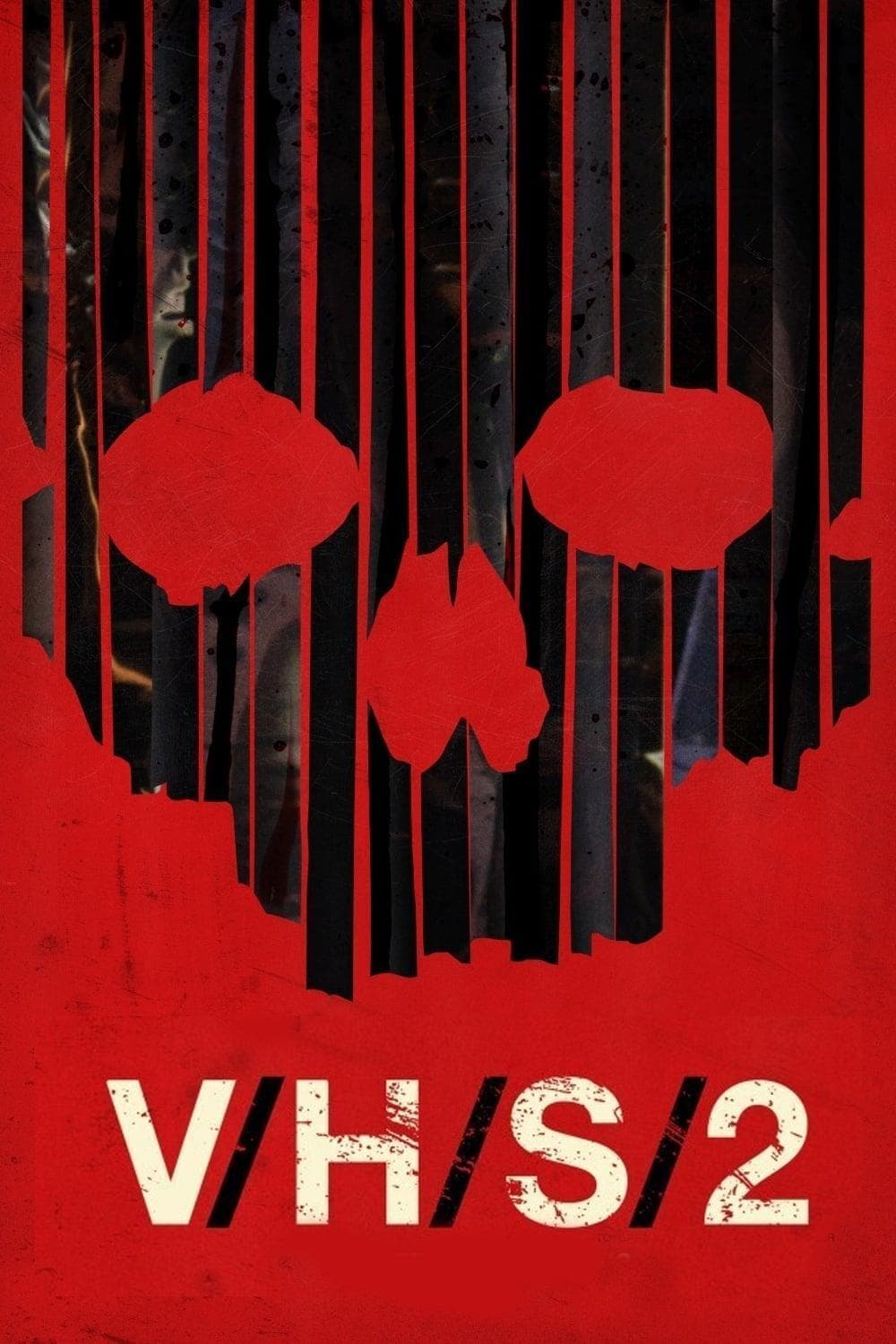
After the discovery of a mysterious VHS tape, a brutish police SWAT team launches a high-intensity raid on a remote warehouse, only to discover a sinister cult compound whose collection of pre-recorded material uncovers a nightmarish conspiracy.
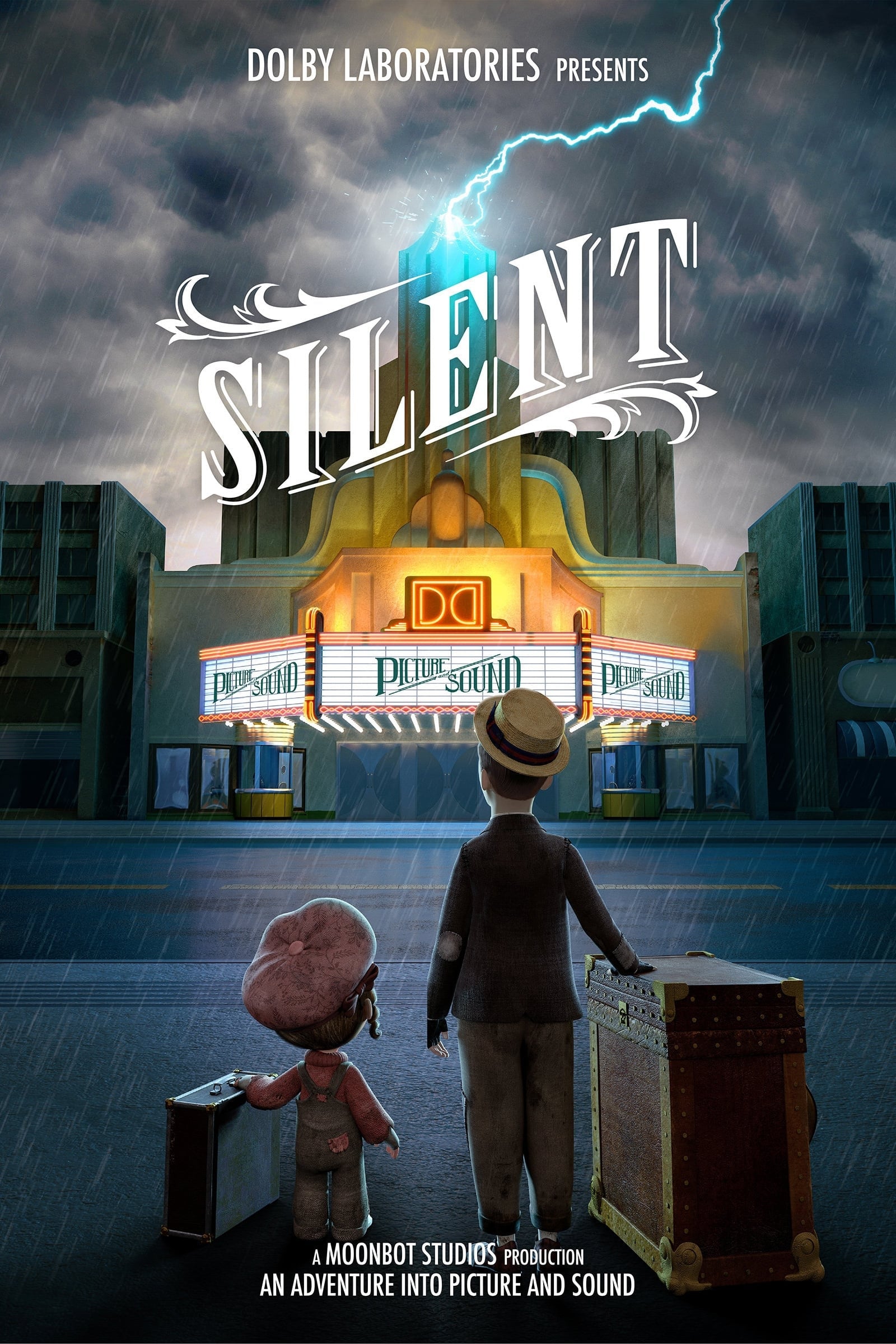
A duo of street performers learns how sound and picture work together to create amazing cinema experiences.
Told through performances, TV interviews, home movies, family photographs, private letters and unpublished memoirs, the film reveals the essence of an extraordinary woman who rose from humble beginnings in New York City to become a glamorous international superstar and one of the greatest artists of all time.
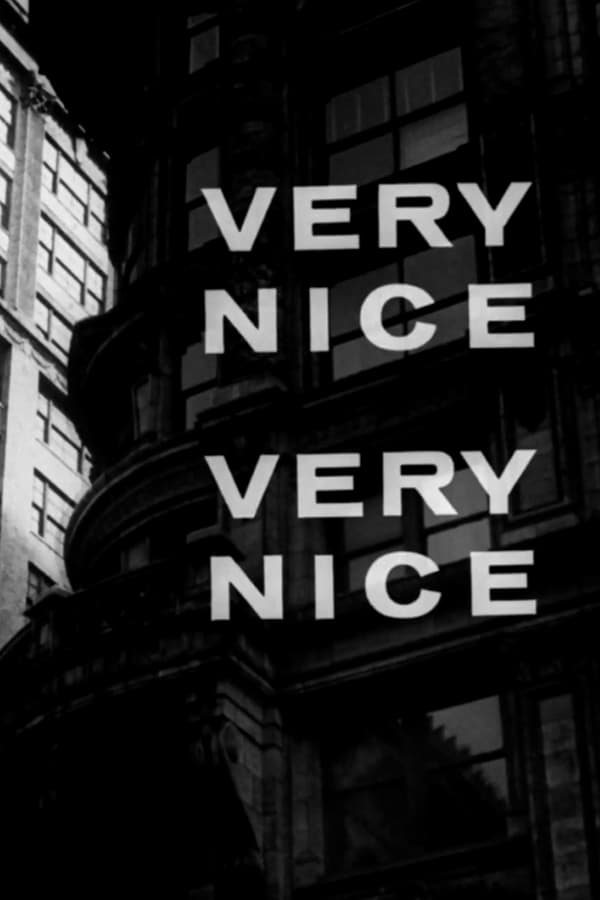
Arthur Lipsett's first film is an avant-garde blend of photography and sound. It looks behind the business-as-usual face we put on life and shows anxieties we want to forget. It is made of dozens of pictures that seem familiar, with fragments of speech heard in passing and, between times, a voice saying, "Very nice, very nice." The film was nominated for an Oscar for Best Live Action Short Film.
Inside a darkened house looms a column of TVs littered with VHS tapes, a pagan shrine to forgotten analog gods. The screens crackle and pop endlessly with monochrome vistas of static white noise permeating the brain and fogging concentration. But you must fight the urge to relax: this is no mere movie night. Those obsolete spools contain more than just magnetic tape. They are imprinted with the very soul of evil.
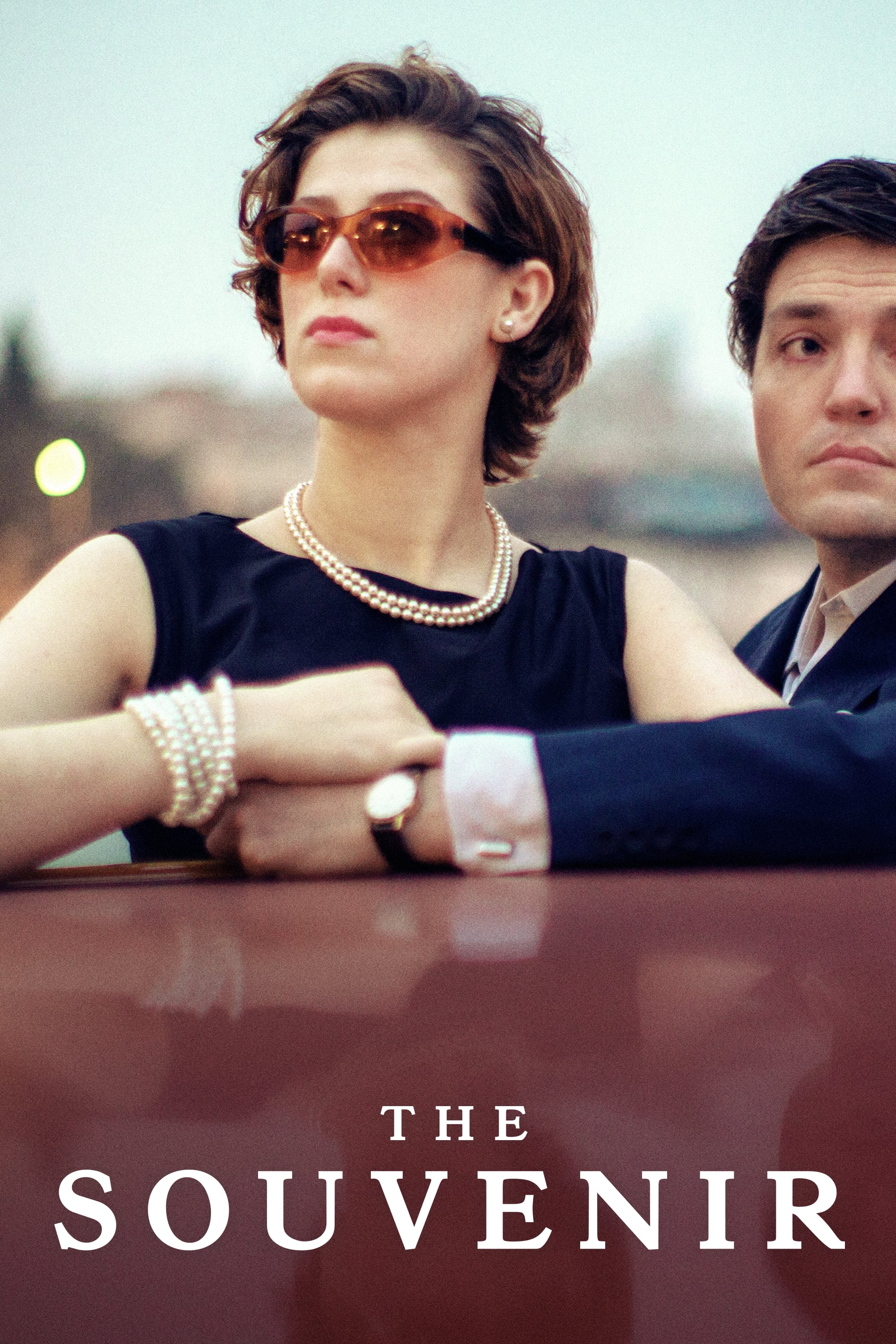
A shy but ambitious film student falls into an intense, emotionally fraught relationship with a charismatic but untrustworthy older man.
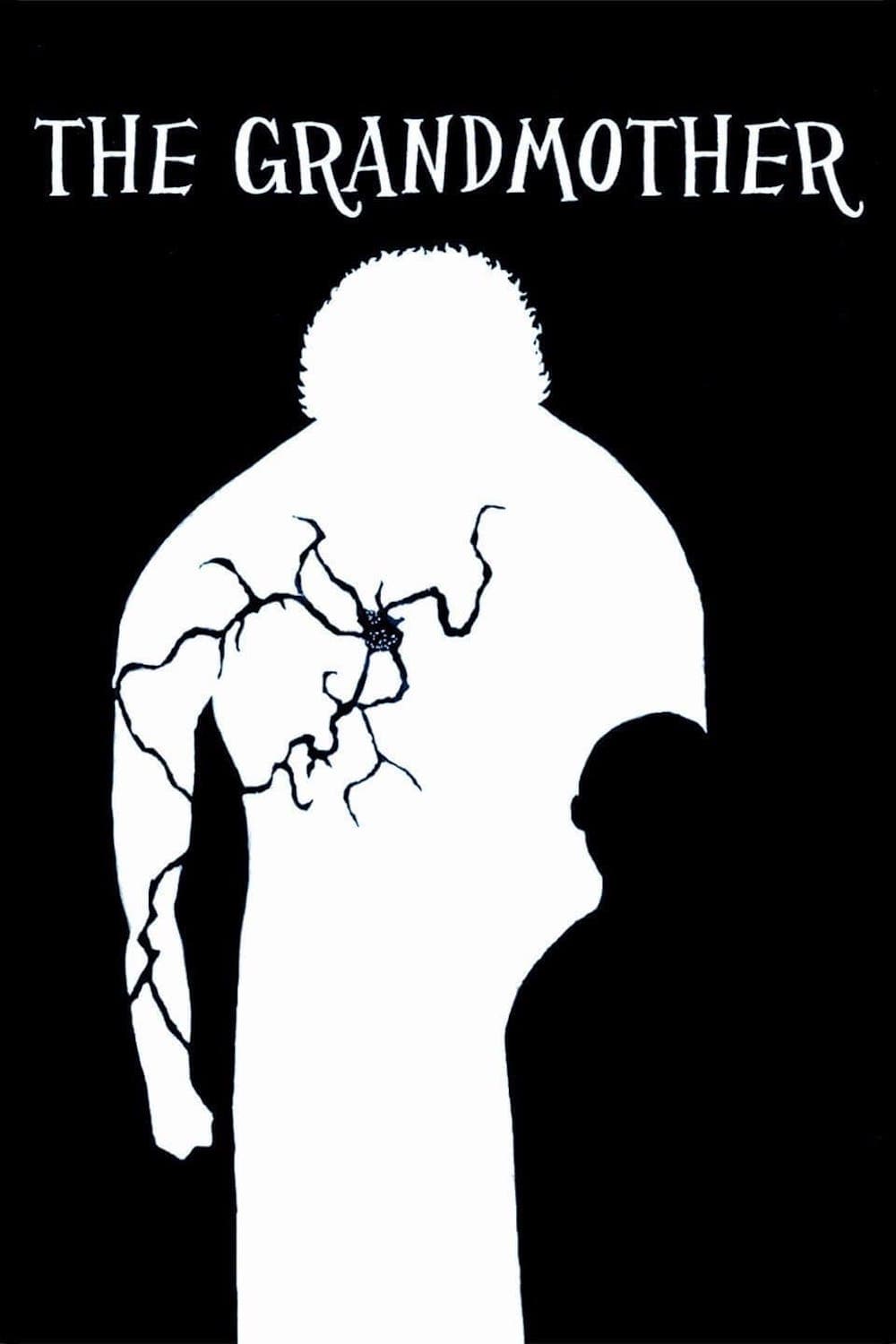
To escape neglect and abuse from his parents, a young boy plants some strange seeds and they grow into a grandmother.
A thirsty teenager's home video leads to a series of horrifying revelations, harkening back to the final punk rock analog days of VHS, while taking one giant leap forward into the hellish new millennium.
Oliver is making plans to marry his sweetheart Dulcy with Stan as his best man, but the plans are thwarted when Dulcy's father sees a picture of Ollie and forbids the marriage. The couple plan to elope, and run away to a Justice of the Peace. After typical Laurel and Hardy blundering, they manage to sneak the girl away from her father's house.
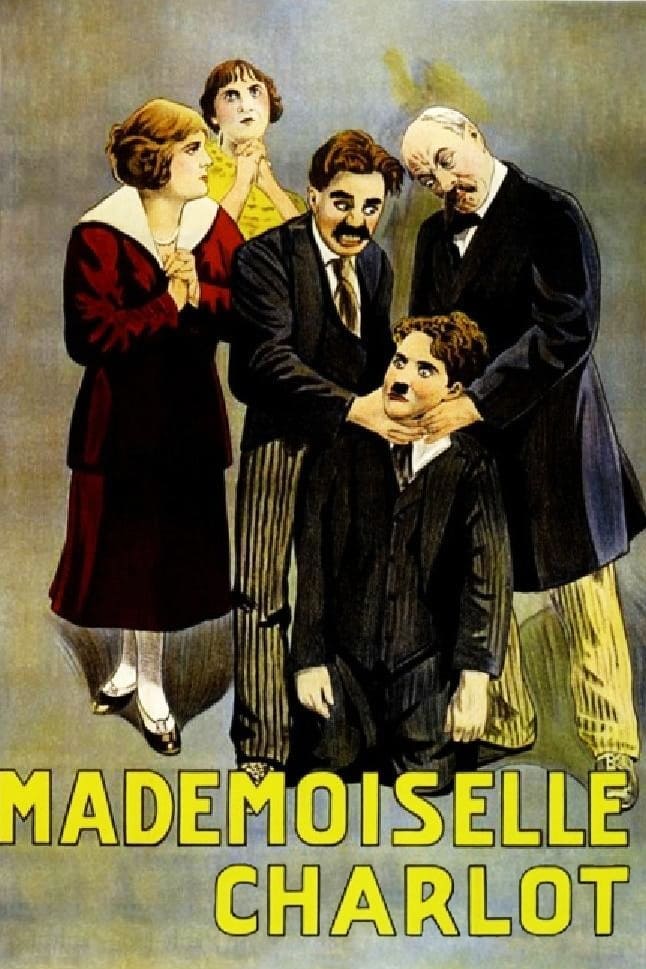
Mother, father and daughter go to the park. The women doze off on a bench while the father plays a hide-and-seek game with a girl, blindfolded. Charlie leads him into a lake. Both dozing ladies on the bench fall for Charlie and invite him for dinner. The father returns home with a friend. Charlie rushes upstairs and dresses like a woman, shaving his mustache. Both men fall for Charlie.
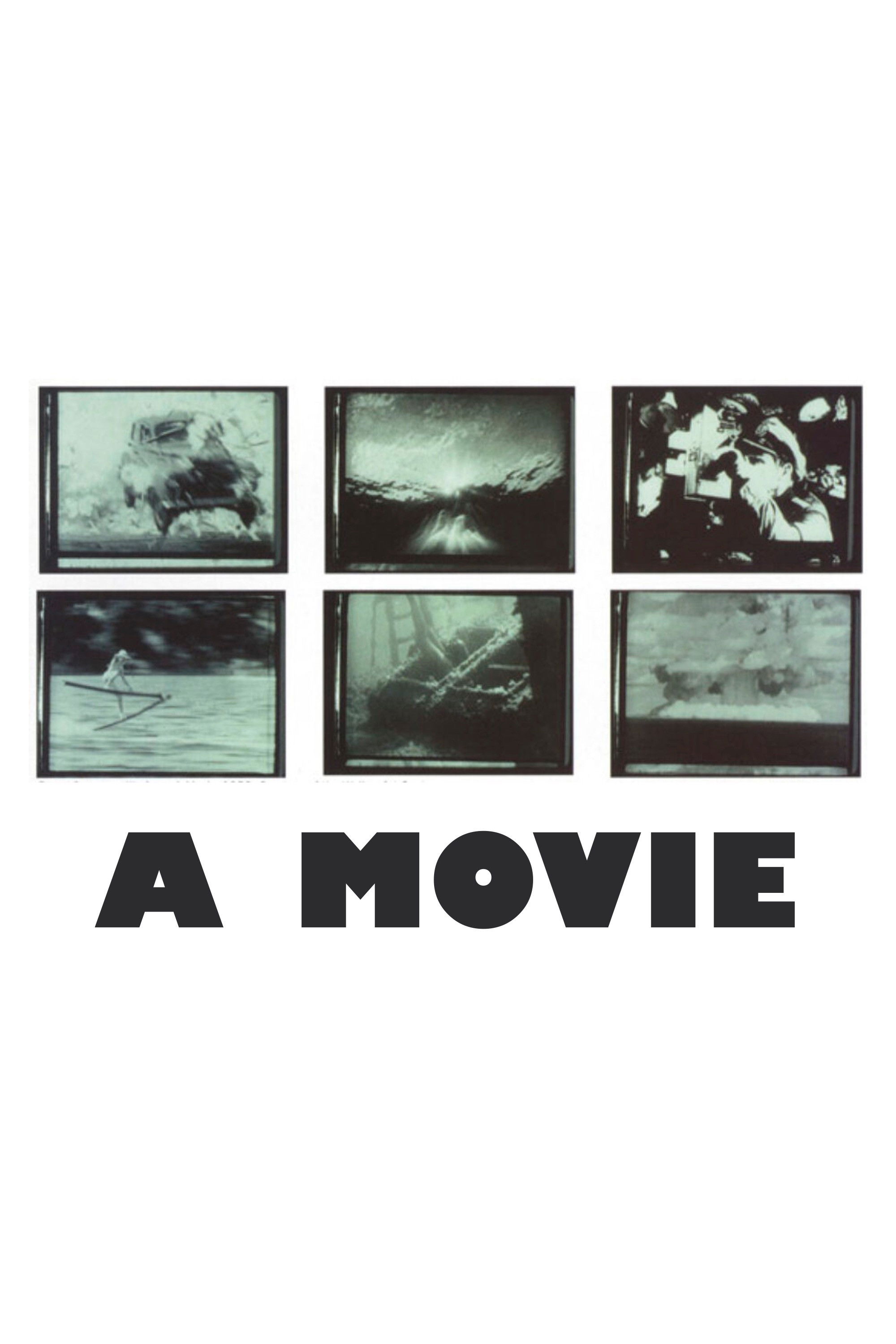
Bruce Conner's landmark experimental film consisting entirely of found footage edited to a new score.
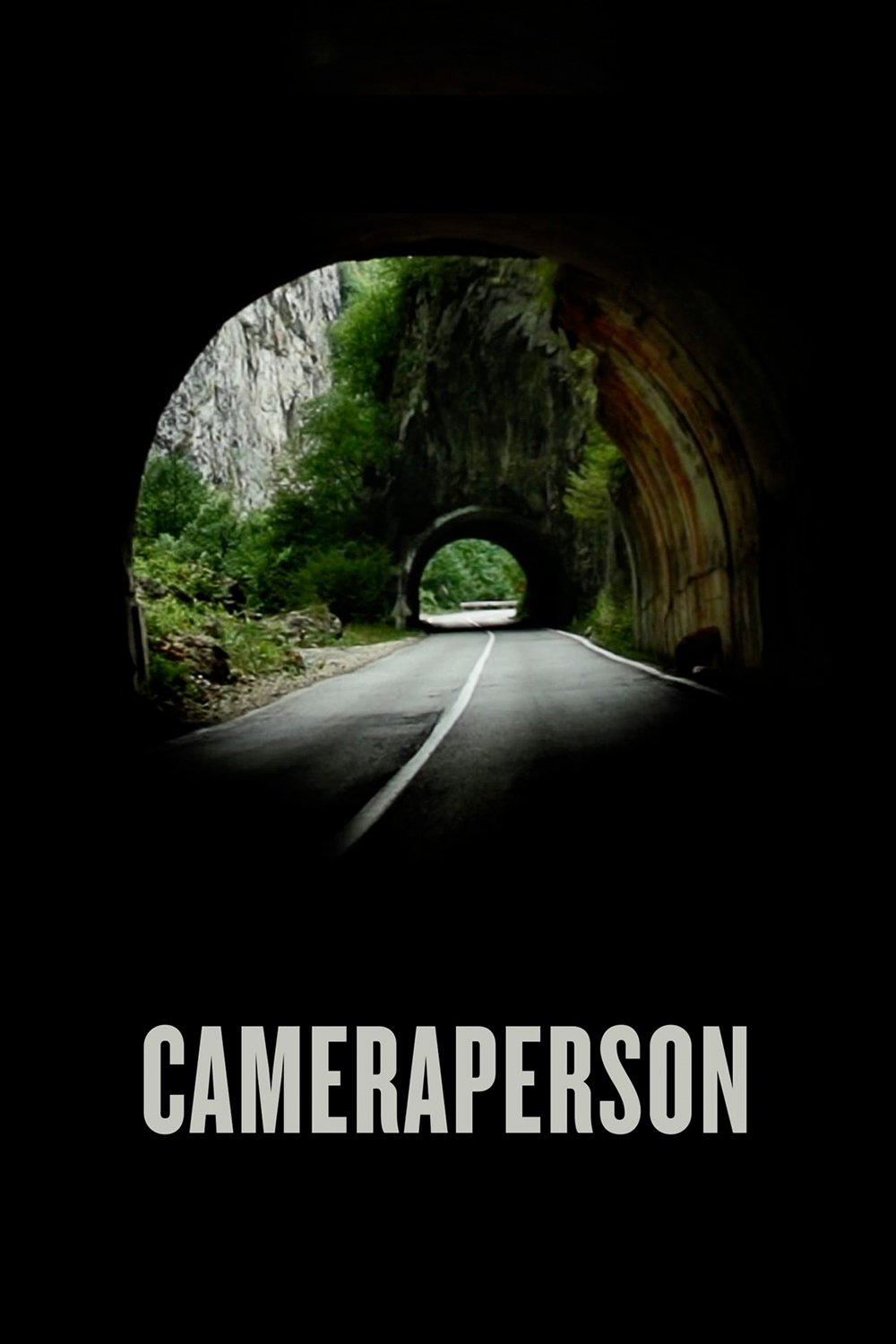
As a visually radical memoir, CAMERAPERSON draws on the remarkable footage that filmmaker Kirsten Johnson has shot and reframes it in ways that illuminate moments and situations that have personally affected her. What emerges is an elegant meditation on the relationship between truth and the camera frame, as Johnson transforms scenes that have been presented on Festival screens as one kind of truth into another kind of story—one about personal journey, craft, and direct human connection.