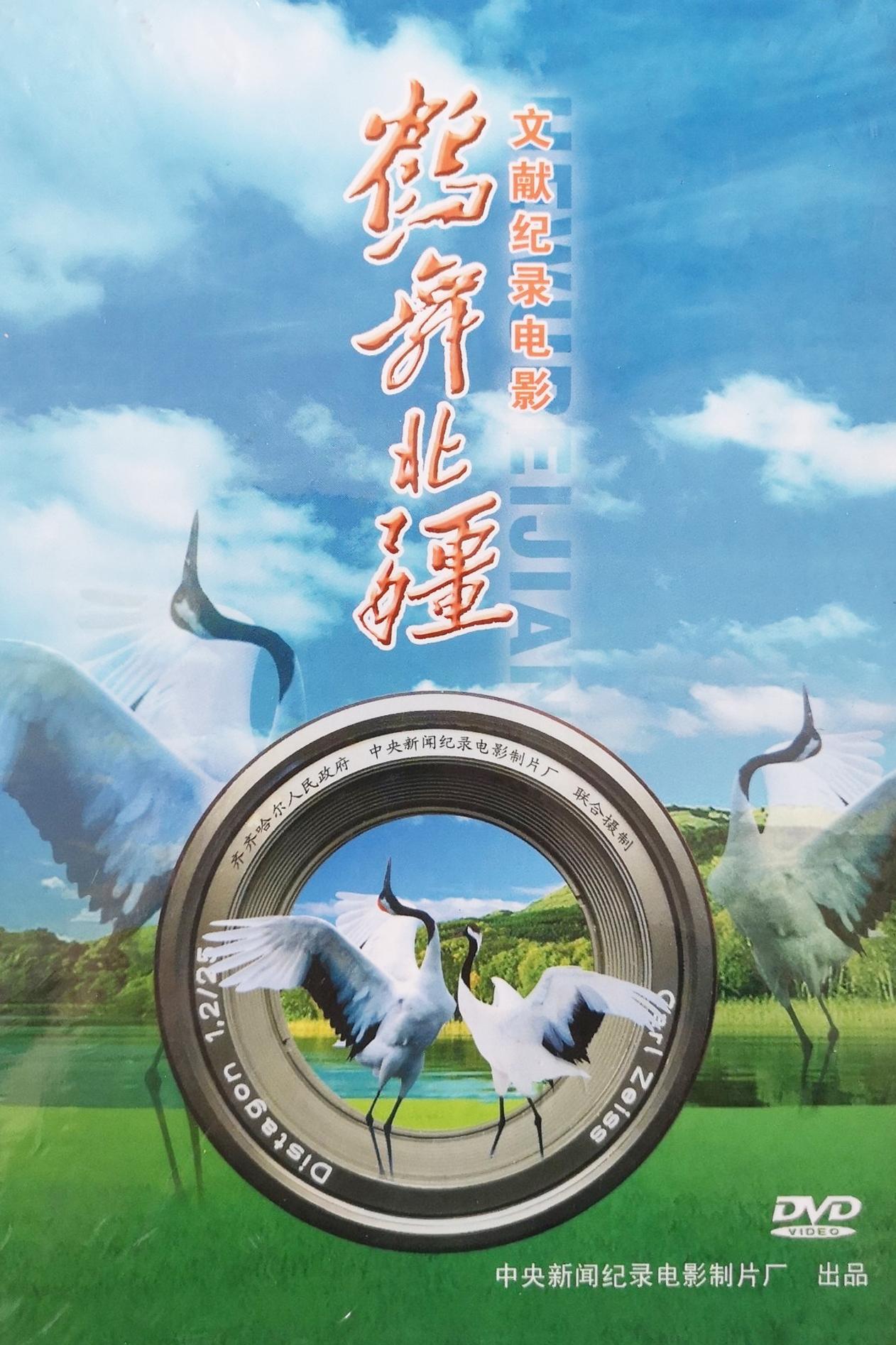
Documentary about the history and development of Qiqihar city.
Social & External
Narration
During a reconnaissance trip, Olivier Balma, a guide and instructor at CMDI, accompanies Erwan Le Lann into the Getu Valley, in the heart of Guizhou Province. They discover a practically untouched site with a unique giant arch filled with limestone tufas. The project takes shape with the agreement of the government and the Chinese Mountaineering Association. It takes a group of climbers two trips to put up 250 new routes of all levels. During the Petzl RocTrip, hundreds of Chinese and visiting climbers get together to climb these routes. The highlight of the event is when the Spaniard Dani Andrada sends his project, Corazon de Ensueno. In front of a big crowd, he frees the extremely difficult eight pitches, all tied in with his partner, Chris Sharma. Since then, the Getu Valley has become a prime climbing destination, thanks to the magnificent routes and to the warm and authentic hospitality of the valley's inhabitants.
A documentary from 1987 featuring the life of early Chinese immigrants to the island of Newfoundland.
How do you reconcile a commitment to non-violence when faced with violence? Why do the poor often seem happier than the rich? Must a society lose its traditions in order to move into the future? These are some of the questions posed to His Holiness the Dalai Lama by filmmaker and explorer Rick Ray. Ray examines some of the fundamental questions of our time by weaving together observations from his own journeys throughout India and the Middle East, and the wisdom of an extraordinary spiritual leader. This is his story, as told and filmed by Rick Ray during a private visit to his monastery in Dharamsala, India over the course of several months. Also included is rare historical footage as well as footage supplied by individuals who at great personal risk, filmed with hidden cameras within Tibet.
In a quiet village in southern China, Fang Xiuying is sixty-seven years old. Having suffered from Alzheimer's for several years, with advanced symptoms and ineffective treatment, she was sent back home. Now, bedridden, she is surrounded by her relatives and neighbors, as they witness and accompany her through her last days.
An experimental film following a trip made by three friends in which the contrast between the agitated city of São Paulo, Brazil and the calmness of the beach leads the flow. No script. No story. Just vibes.
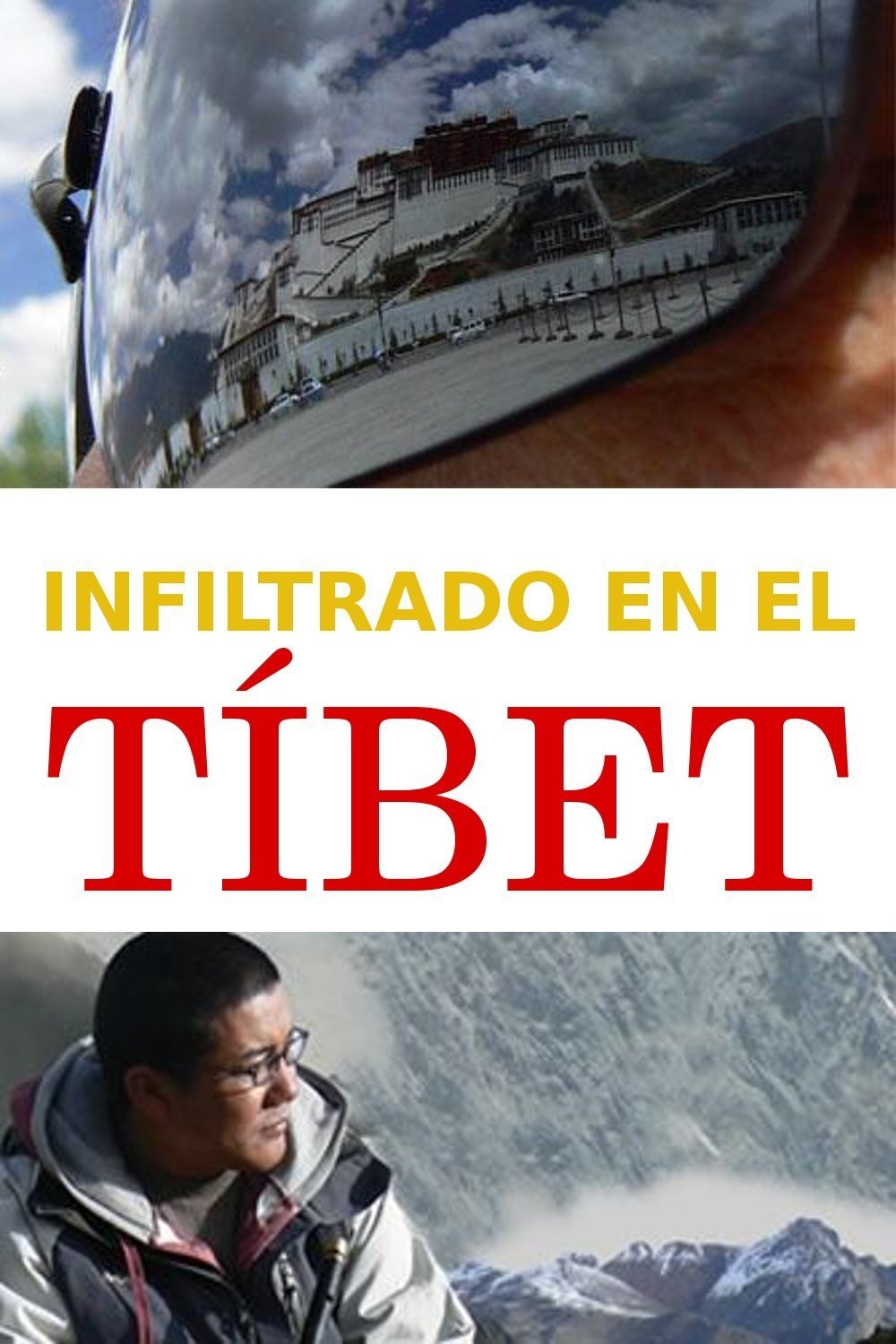
Undercover in Tibet reveals the regime of terror which dominates daily life and makes freedom of expression an impossibility. Tash meets victims of arbitrary arrests, detention, torture and ‘disappearances’ and uncovers evidence of enforced sterilizations on ethnic Tibetan women. He sees for himself the impact of the enormous military and police presence in the region, the hunger and hardship being endured by many Tibetans and hears warnings of the uprising taking place across the provinces now.
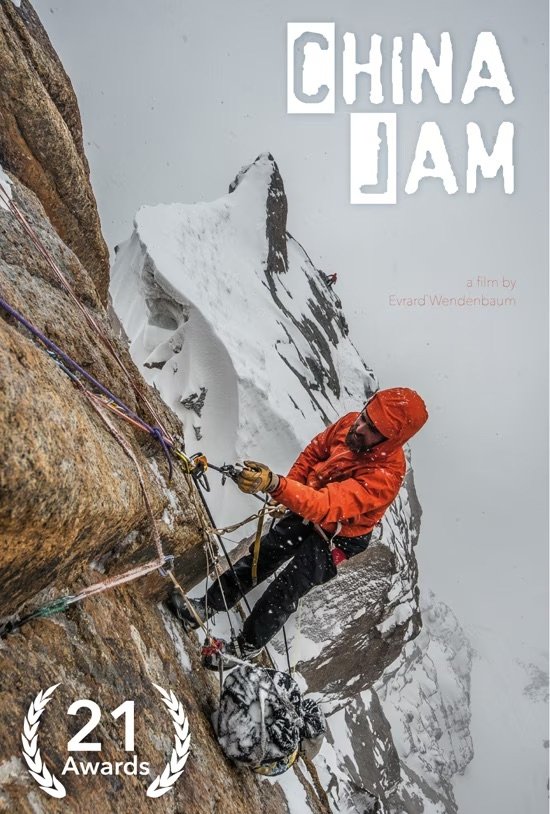
In their infinite quest for virgin big walls, adventurers Sean Villanueva O’Driscoll, Nicolas Favresse, Stephane Hanssens and Evrard Wendenbaum, head in September 2013 to a remote valley in the westernmost region of China. There, they found a fantastic 1200m vertical pillar, culminating at 5842m. They spent 14 days on the wall facing snow storms and harsh conditions to finally achieve this amazing ascent with some frost bites but never forgetting to have a lot of fun and to play unreal musical sessions.
A representation of queer and feminist imagery that was mainly shot in the Qinghai-Tibetan Plateau, remote and developing areas in southwest China, and metropolitan cities like Beijing from 2000 to 2004 to document the social changes in contemporary China. The director sympathetically and erotically represents a variety of women, including women as laborers, women as prayers, women in the ground, women in marriage, and women who lie on the funeral pyre with their dead husbands. Her camera juxtaposes the mountains and rivers in old times, the commercialized handicrafts as exposition, the capital exploitation of the elders’ living space, and the erotic freedom of the young people in a changing city.

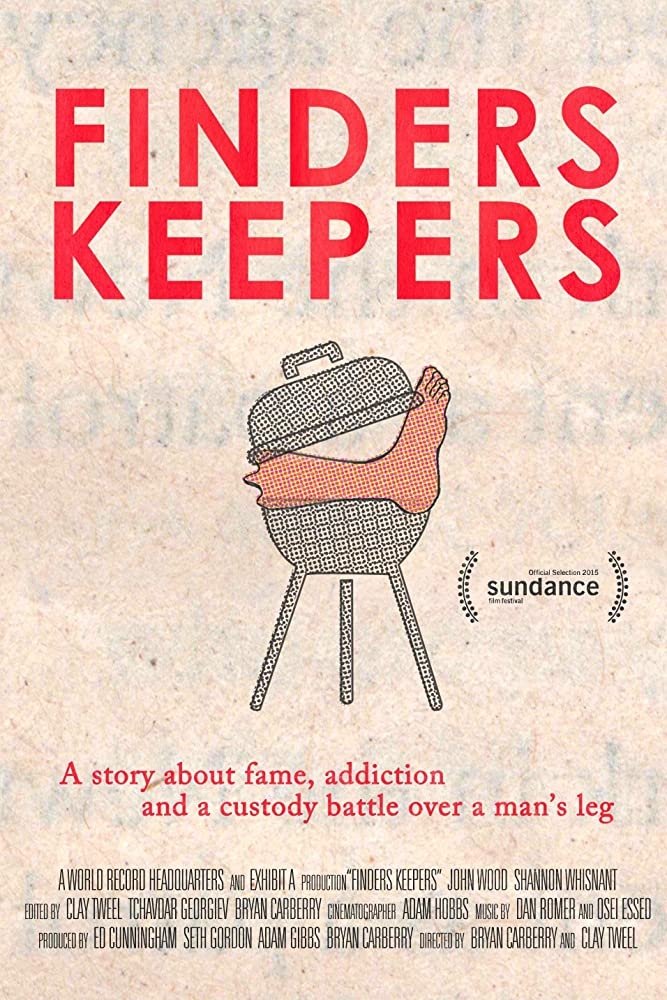
An unsettling and eye-opening Wall Street horror story about Chinese companies, the American stock market, and the opportunistic greed behind the biggest heist you've never heard of.
The city of Ordos, in the middle of China, was build for a million people yet remains completely empty. Ordos is not so much a place but a symbol of babylonic hype. But nothing will change - as long as people believe.

Since World War II North Americans have invested much of their newfound wealth in suburbia. It has promised a sense of space, affordability, family life and upward mobility. As the population of suburban sprawl has exploded in the past 50 years Suburbia, and all it promises, has become the American Dream. But as we enter the 21st century, serious questions are beginning to emerge...
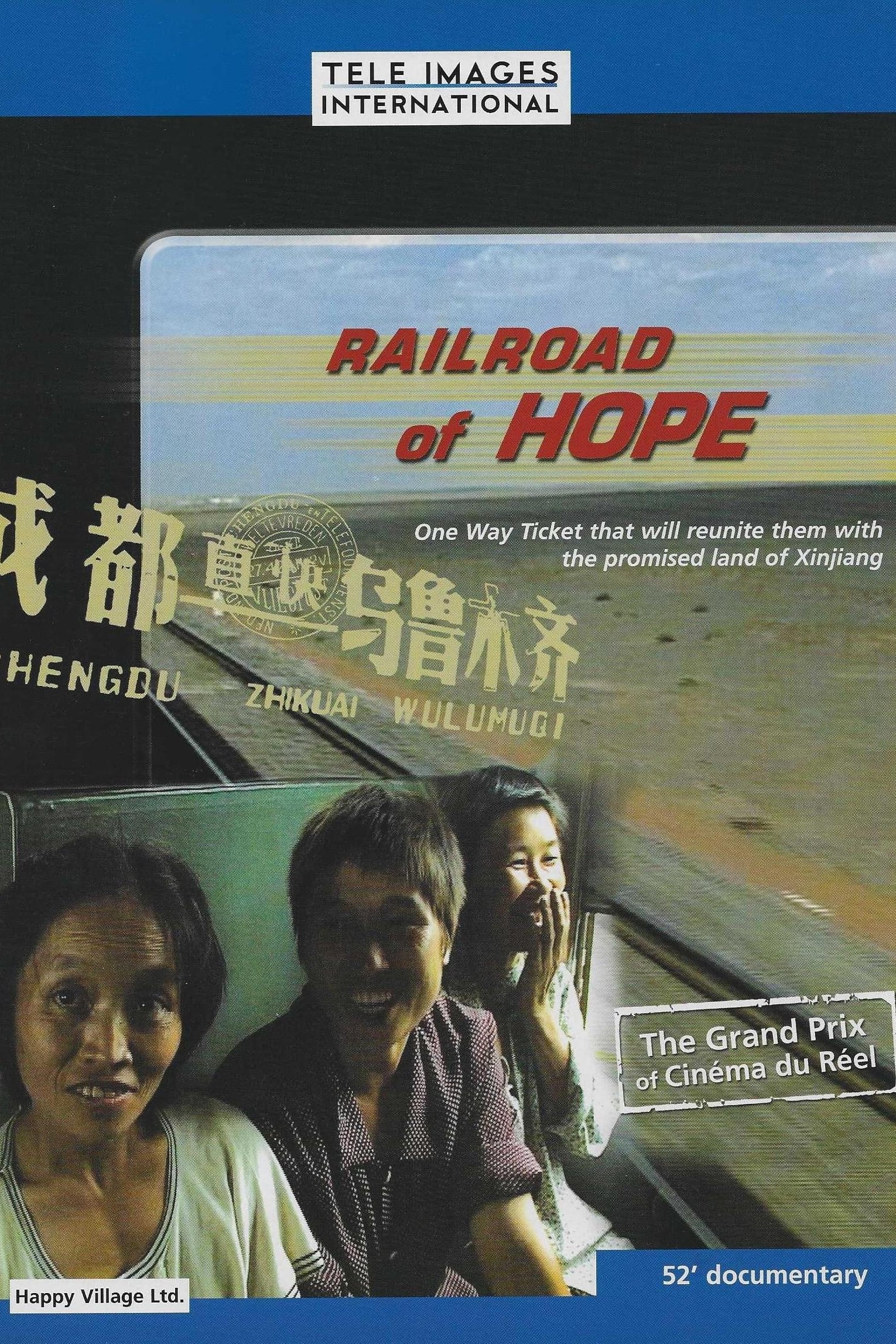
Railroad of Hope consists of interviews and footage collected over three days by Ning Ying of migrant agricultural workers traveling from Sichuan in China's interior, to the Xinjiang Autonomous Region, China's northwest frontier.[1] Through informal interviews aboard the cramped rail cars, Ning Ying explores the hopes and dreams of the workers, many of whom have never left their homes before.
The film uses a documentary approach to tell the stories of 12 Chinese pioneers, chosen from the fields of business and the arts. The protagonists reflect upon their life journeys against the backdrop of modern China.