Social & External
The people behind it
Alinne Perez
Alinne
Júlia Hertz
Júlia
Giovanna Lacerda
Gio
Anita Arruda
Anita
Daphine Araujo
Professora Daphine
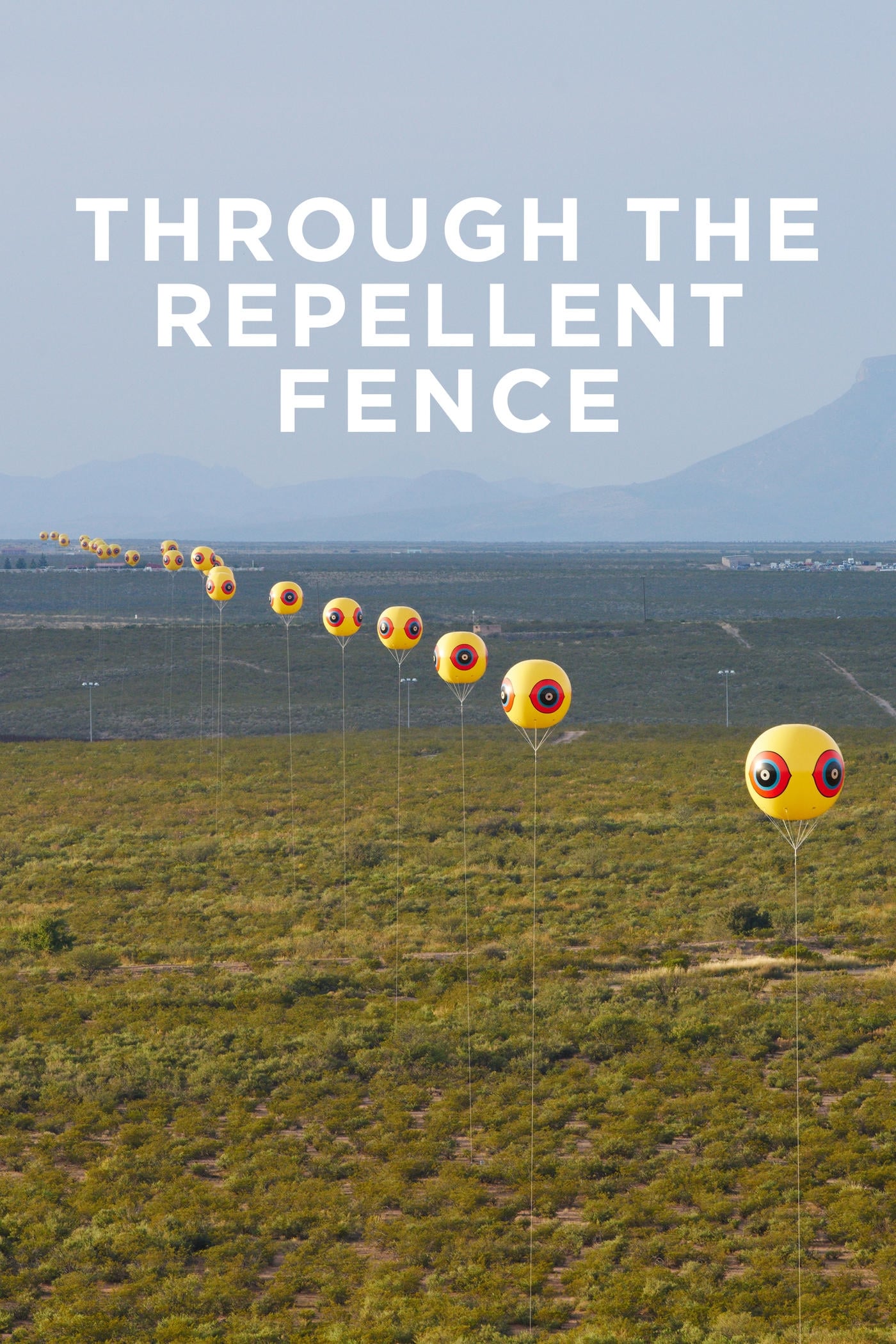
The film follows Postcommodity, an interdisciplinary arts collective comprised of Raven Chacon, Cristóbal Martinez and Kade L. Twist, who put land art in a tribal context. The group bring together a community to construct the Repellent Fence, a two-mile long ephemeral monument “stitching” together the US and Mexico.
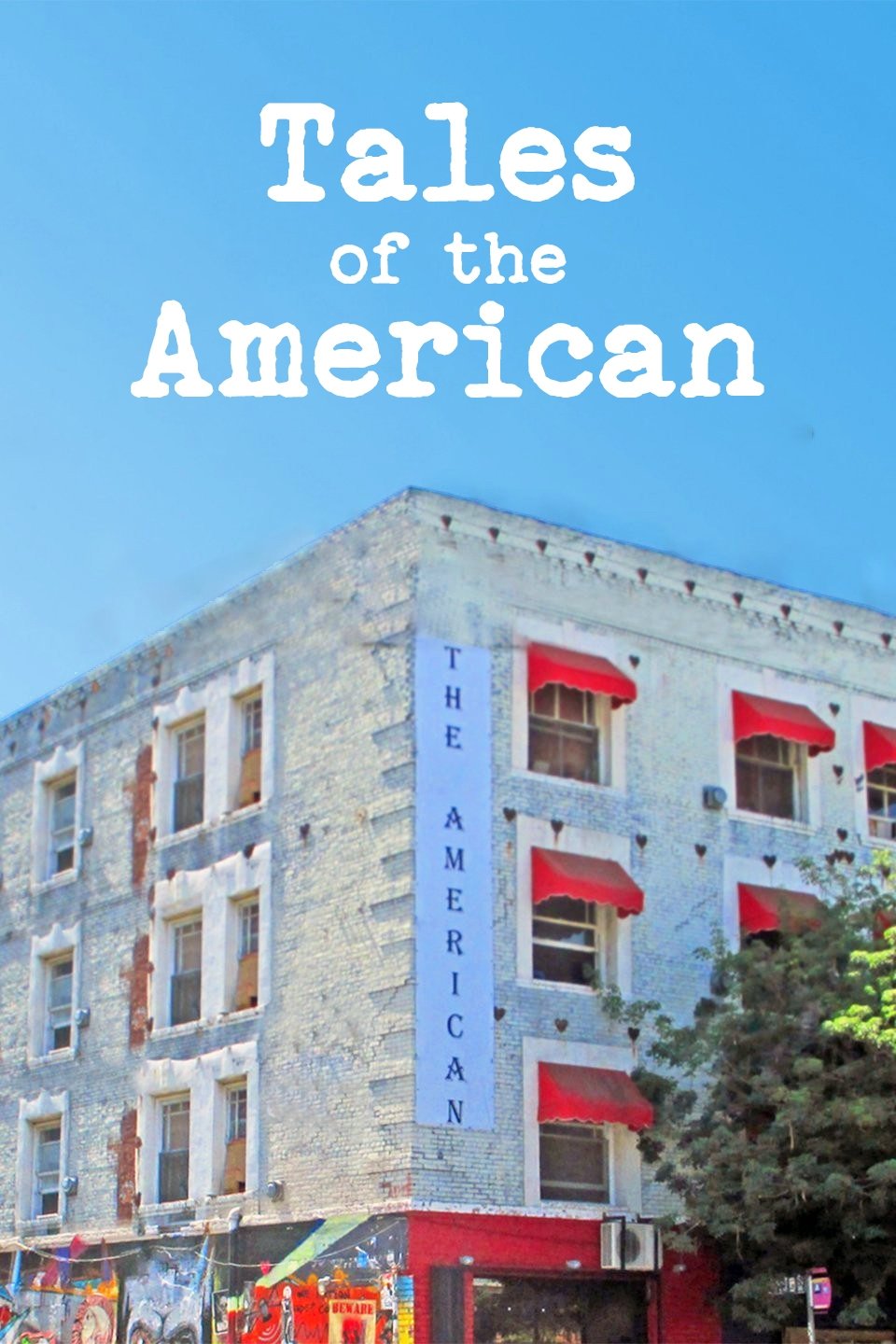
Seemayer Studios presents a new documentary about the American Hotel in downtown Los Angeles and the Arts District that surrounds it. Since 1979, the American Hotel has been the beating heart of a rich community of artists who began moving into the deserted factory buildings between Alameda and the Los Angeles River.
An examination of the art of pottery through the works of two world renowned potters –Bernard Leach and Shoji Hamada. The film traces the entire process of pottery making, beginning with the digging of clay and its preparation, and on through the long sequences of pods being thrown on the wheel.
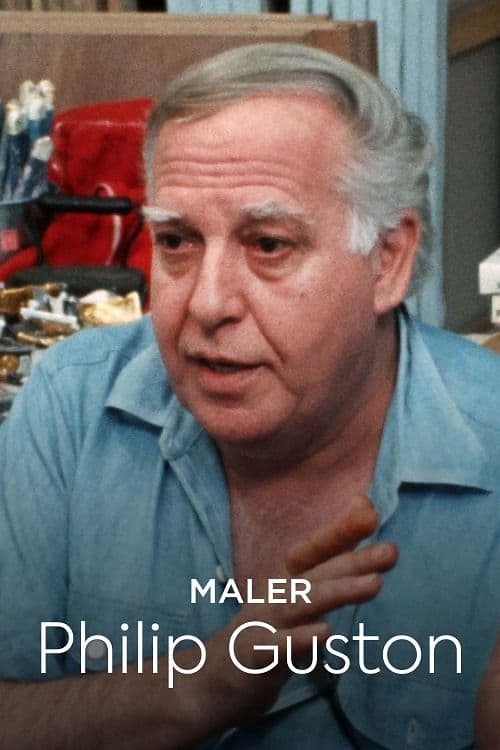
The extraordinary work of the American artist Philip Guston is a milestone in modern painting. Guston is one of the most discussed painters of his time and today a star of the younger generation of contemporary artists. ARTE is showing the documentary on the occasion of the major Guston retrospective at the Tate Modern in London.
The life of internationally renowned artist and activist Nan Goldin is told through her slideshows, intimate interviews, ground-breaking photography, and rare footage of her personal fight to hold the Sackler family accountable for the overdose crisis.
Stuart Cooper's short about the work of Spanish artist Juan Genovés is an inspired introduction to the works of this extraordinary artist, exploring its minimalist aesthetic and storytelling qualities through a variety of cinematic techniques, including rostrum, animation, news footage and live action recreations.
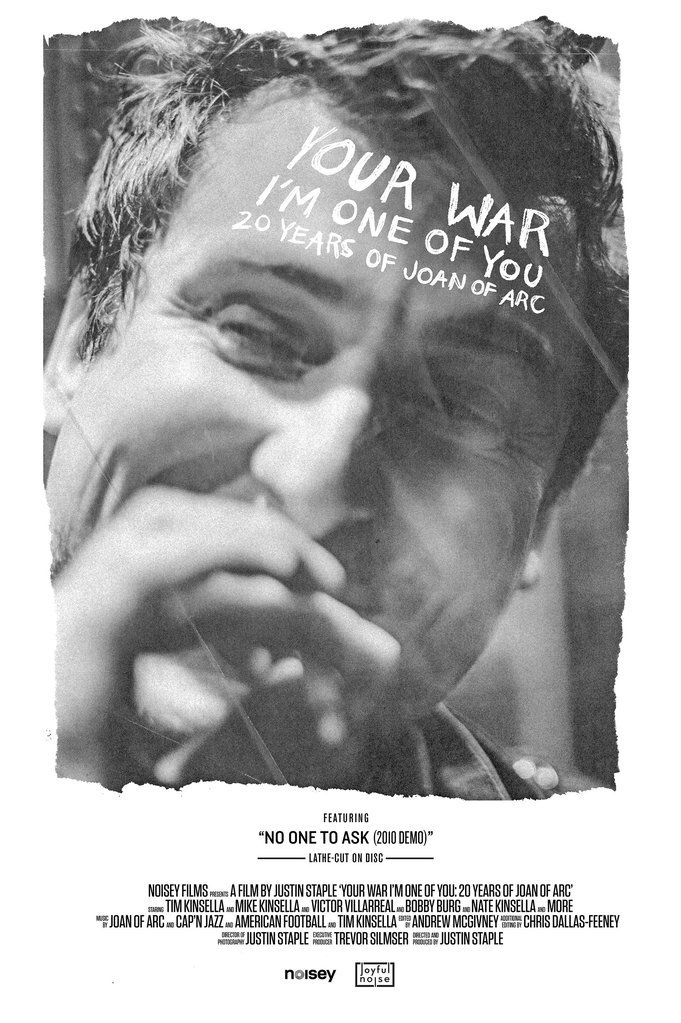
Your War (I'm One Of You) chronicles the life and career of Chicago's Tim Kinsella, frontman of ever-shifting band Joan of Arc and '90's pioneers Cap'n Jazz. With appearances from Tim's friends, family, and admirers, we learn what has made his legacy so unique and enduring for more than 20 years.
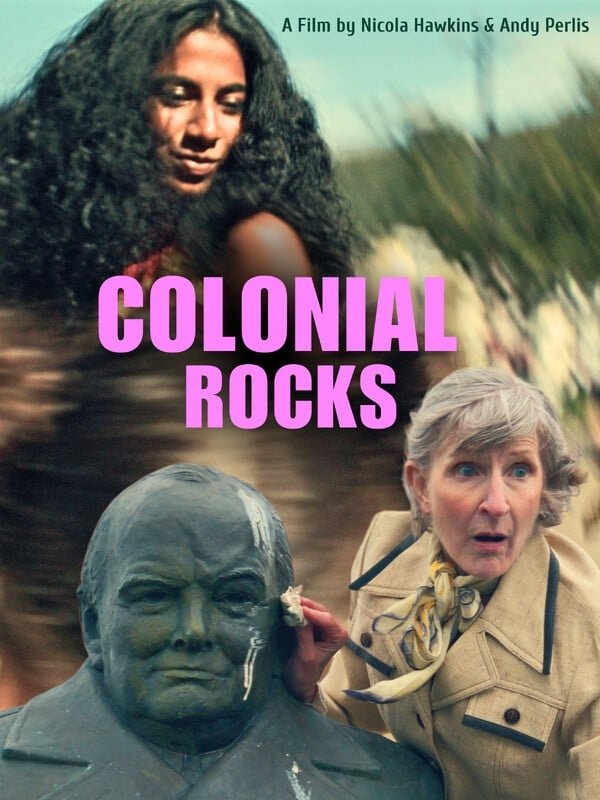
A chance meeting of an art activist and a pompous Sunday painter at a public statue of Winston Churchill turns into a public event of insults in this political satire.
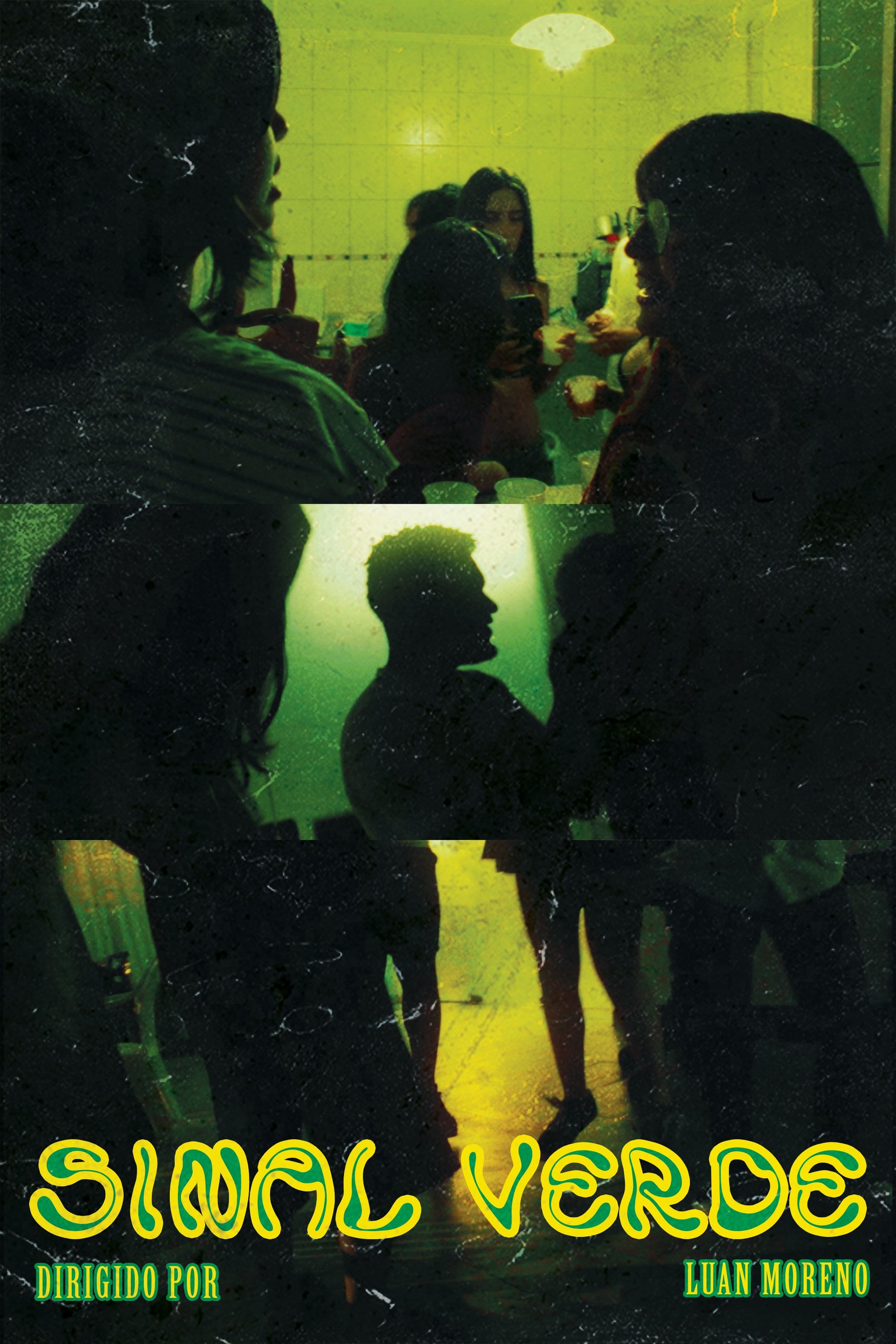
Moments of a group of high school students at a party, before the college admission tests start.
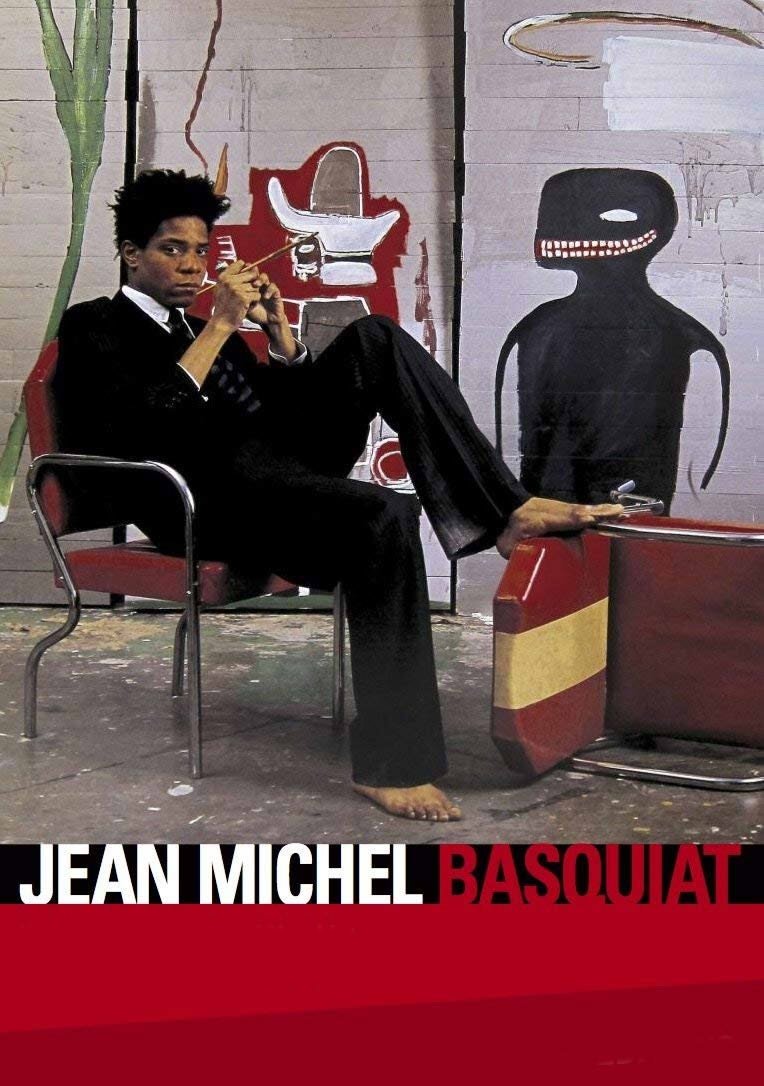
From Brooklyn to the Bronx, Soho to Greenwich, Union Square to Wall Street... Join us and the friends, collaborators and gallery owners who supported Jean-Michel Basquiat throughout his life. The first ever recognized graffiti artist, who saw international success as a neo-expressionist painter in the 80s, Basquiat is a true contemporary hero who died at the peak of his career.
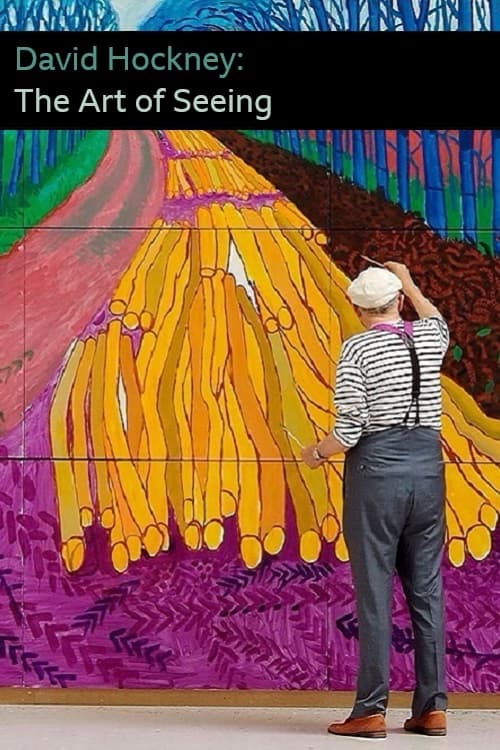
Andrew Marr interviews David Hockney about his exhibition A Bigger Picture at the Royal Academy, made up of works depicting the landscape of his native Yorkshire.
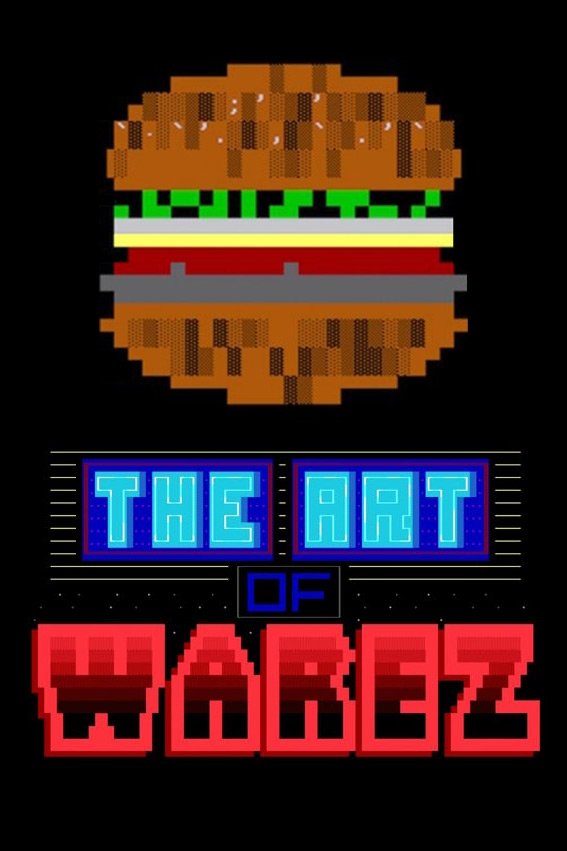
The rise and fall of ANSI art in the 1980s and early 90s. ANSI graphics were made from small rectangles. There were 256 rectangles to choose from - 4 density patterns and 16 colors per pattern.
A group of prominent contemporary painters meet one afternoon to enjoy a game of Pictionary, however, their strong personalities generate conflicts during the game.
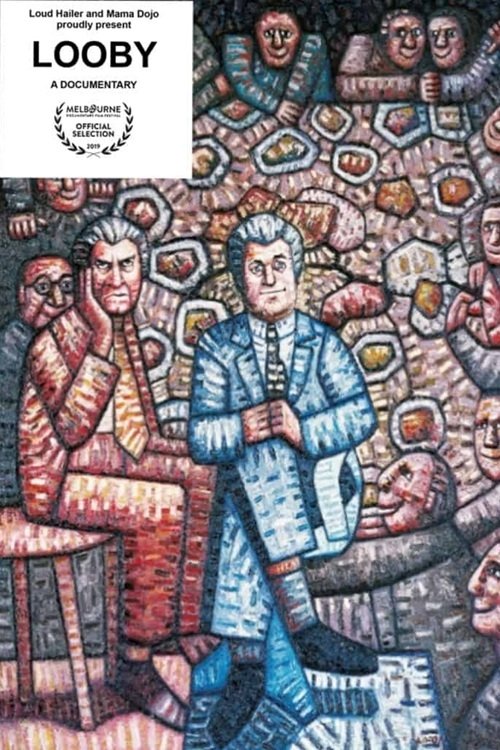
Looby is the story of what happens when an artist chooses to speak out. For Australian painter Keith Looby, it cost him almost everything. Winner of prestigious art prizes and collected by major galleries at home and abroad, Keith's addiction to speaking his mind has left a string of failed business relationships, marriages and friendships. Bludgeoned into coherence by the film-makers, assessed by dealers, curators, critics and fellow artists, Looby is a chance to look at a brilliant artist who had his moment in the sun, and to ask whether he should have another.
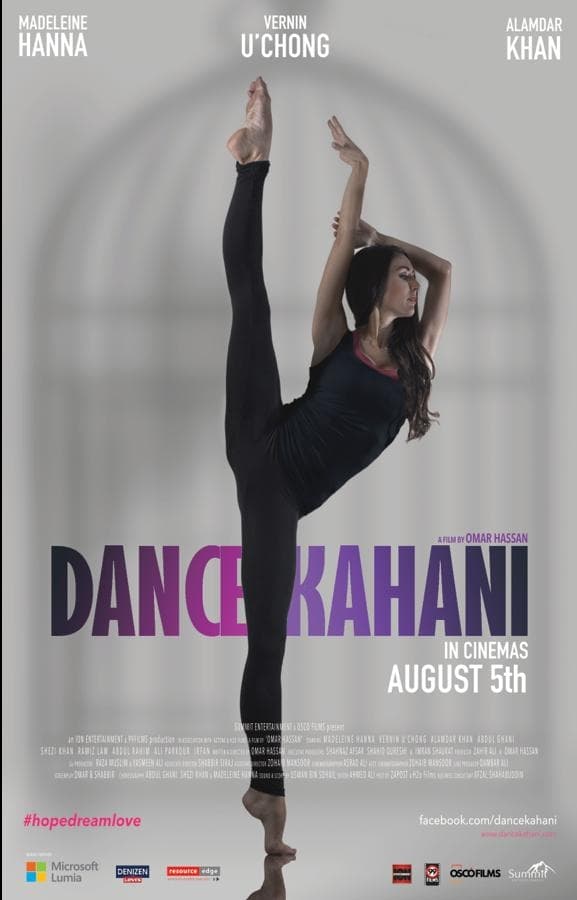
With her dream of pursuing a professional dance career shattered, Nizzy, an upscale British Pakistani, must now fight the odds to keep it alive in a society she never wanted to be a part of.
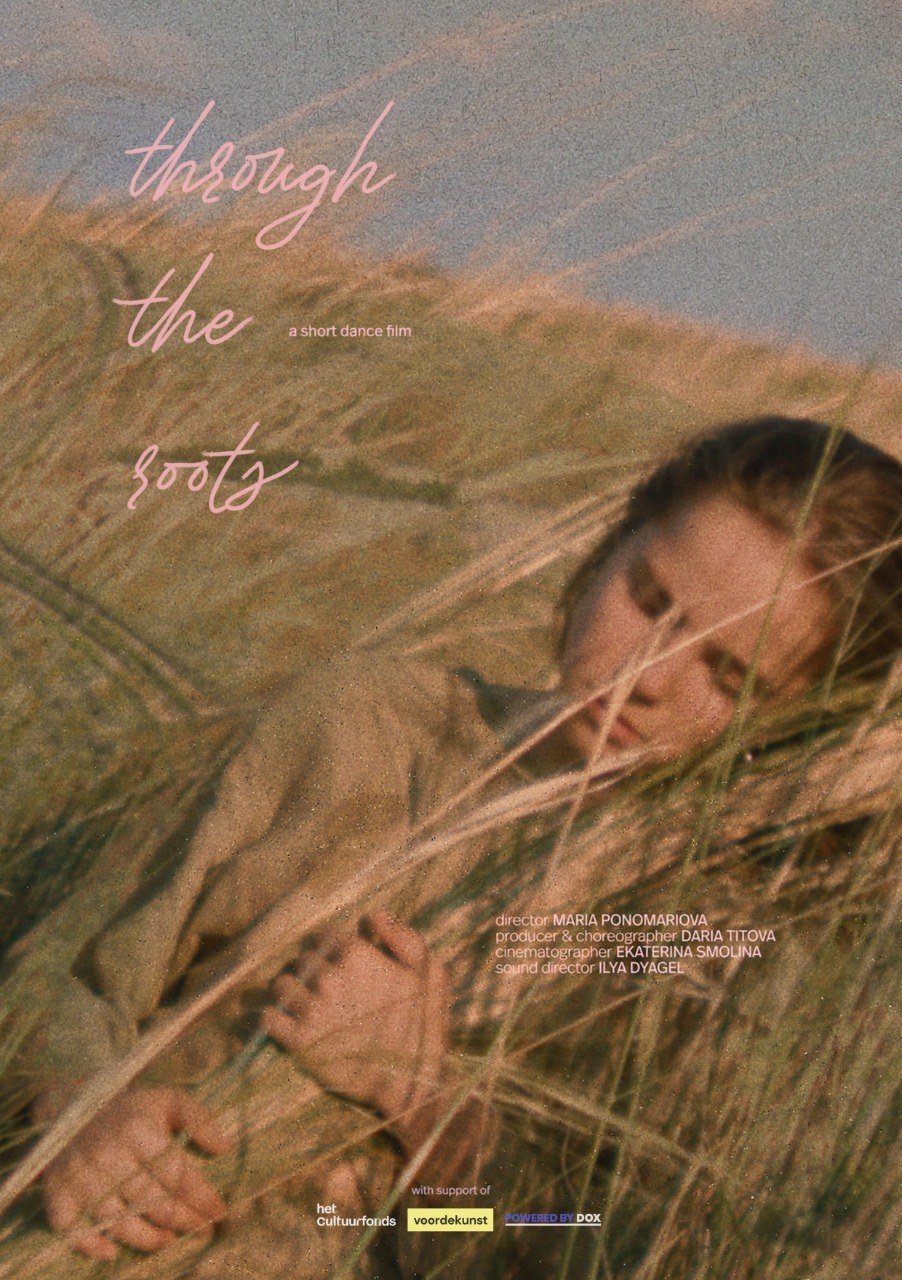
As an ode to her grandfather, choreographer Daria Titova returns to the rural land he cherished in Sokur, Russia. Through movement and evocative visual language, she explores memory, family heritage, and a sense of belonging — inviting the audience to reconnect with their own roots.
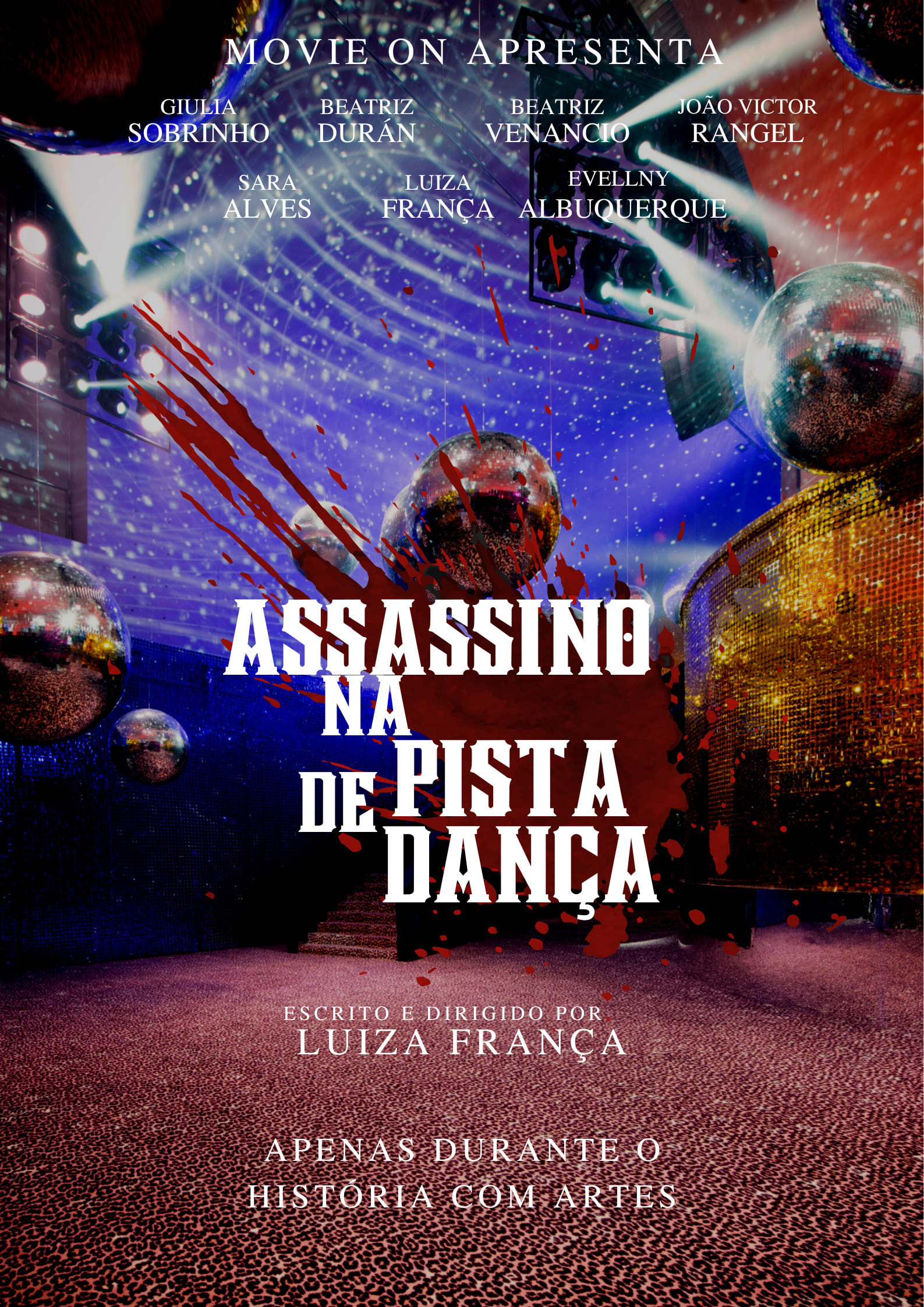
I Believe is a dance show that transports us to a magical and reflective universe, where fairies, mystical beings, guard nature and dedicate themselves to protecting the balance of life on Earth. These beings symbolize the purity and strength of the environment in perfect communion with the forests, rivers and mountains, maintaining the beauty and health of the planet. However, this harmony is threatened by the growing greed of human beings, who, blinded by power and the desire for wealth, exploit natural resources.
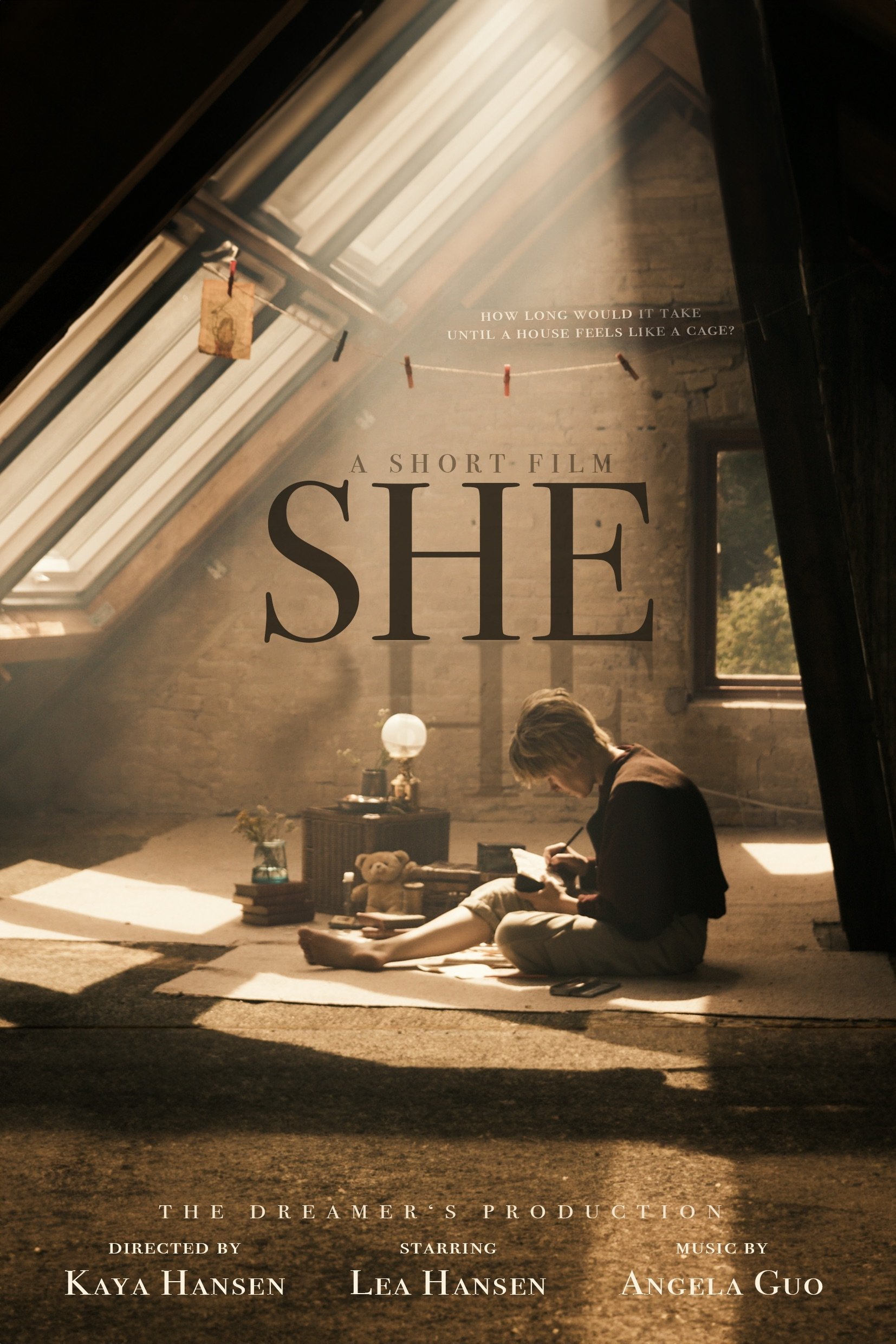
A love story on the first glance, and a self-love story on the second. It's for everyone who has ever felt trapped in their own body. Without words, but with images, dance, and music, we explore the theme of gender identity and internalised transphobia.
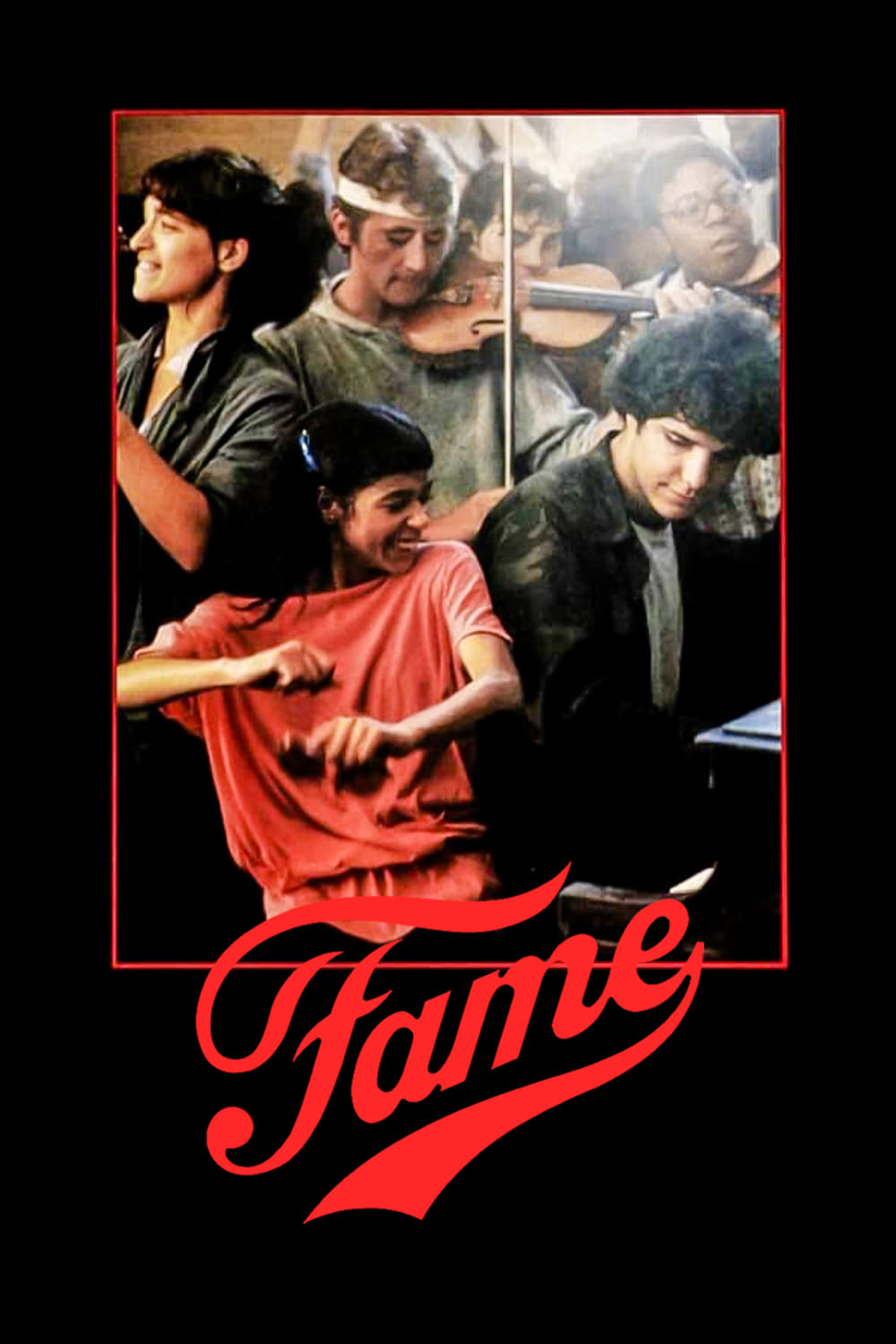
A chronicle of the lives of several teenagers who attend a New York high school for students gifted in the performing arts.
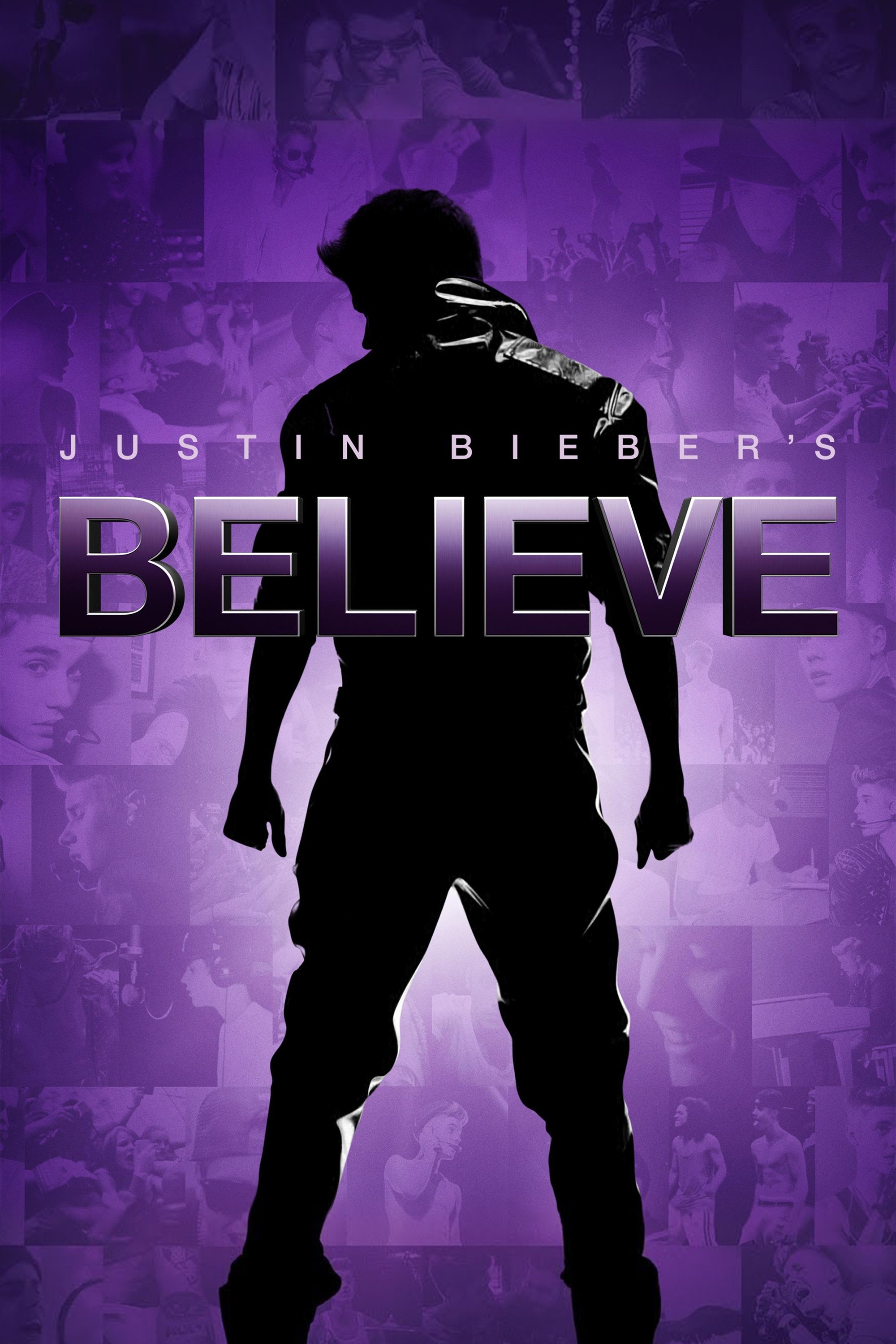
A backstage and on-stage look at Justin Bieber during his rise to super stardom.
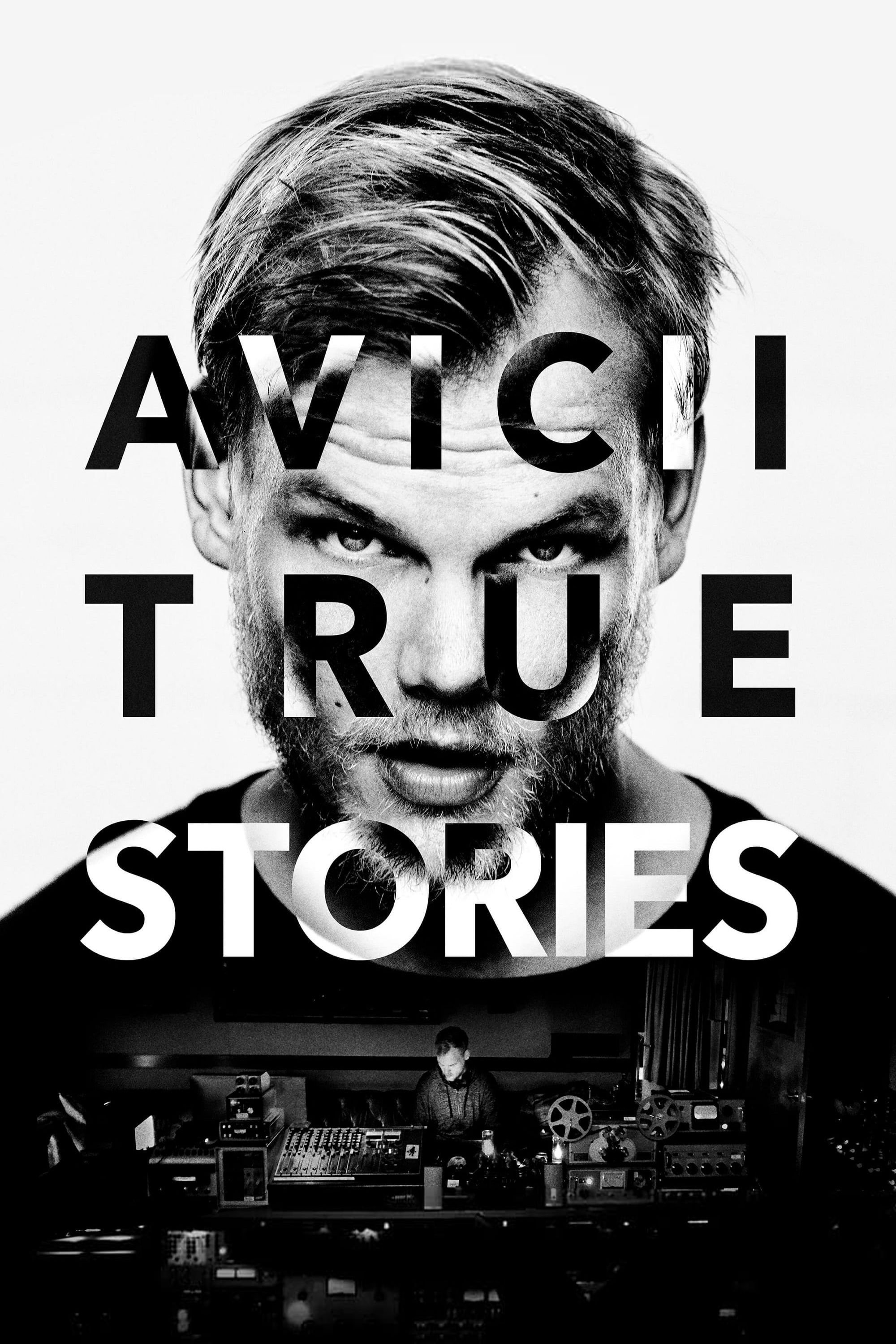
Documentary about the arena-packing Swedish DJ, chronicling his explosive rise to fame and surprising decision to retire from live performances in 2016.
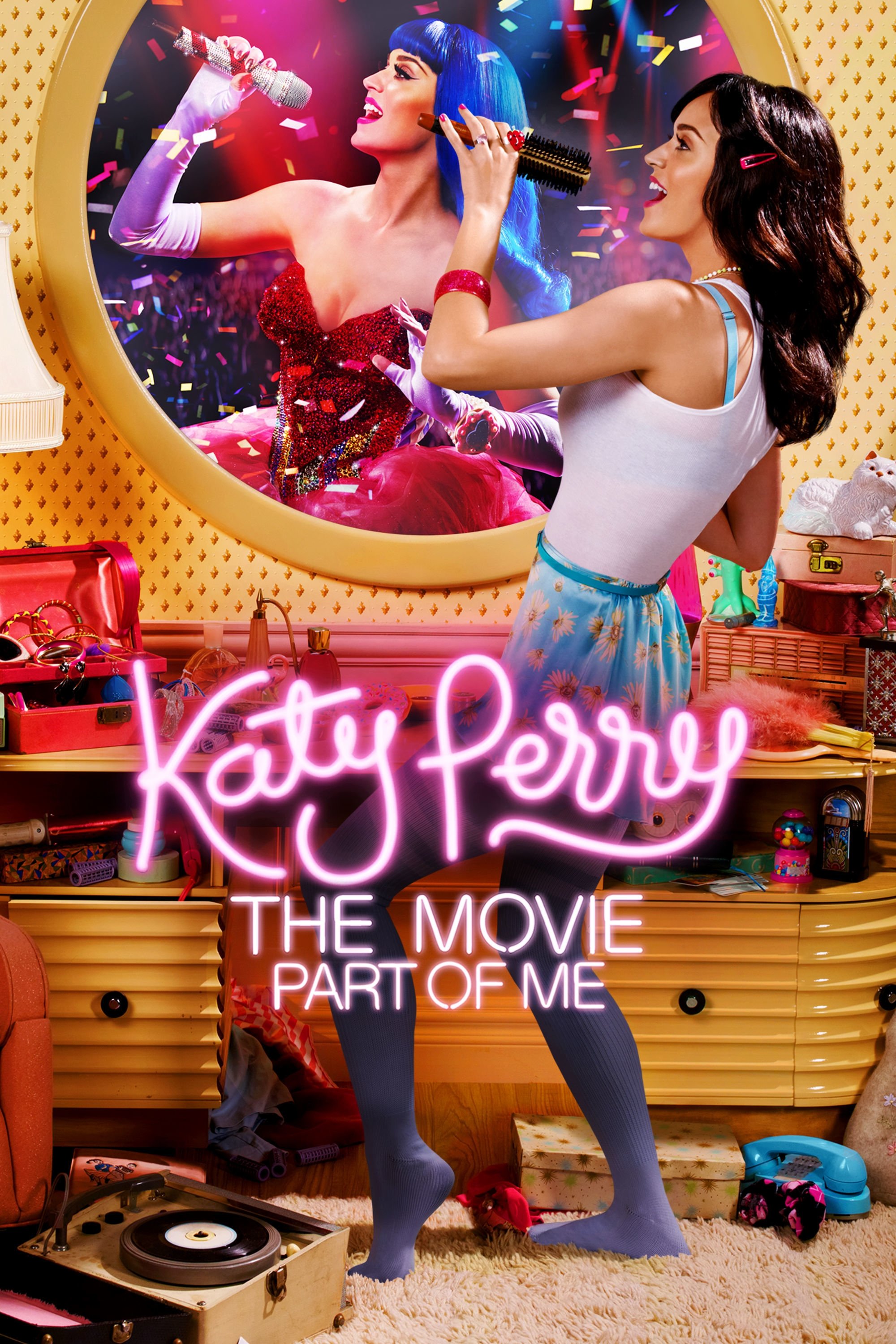
Giving fans unprecedented access to the real life of the music sensation, Katy Perry: Part of Me exposes the hard work, dedication and phenomenal talent of a girl who remained true to herself and her vision in order to achieve her dreams. Featuring rare behind-the-scenes interviews, personal moments between Katy and her friends, and all-access footage of rehearsals, choreography, Katy’s signature style and more, Katy Perry: Part of Me reveals the singer’s unwavering belief that if you can be yourself, then you can be anything.
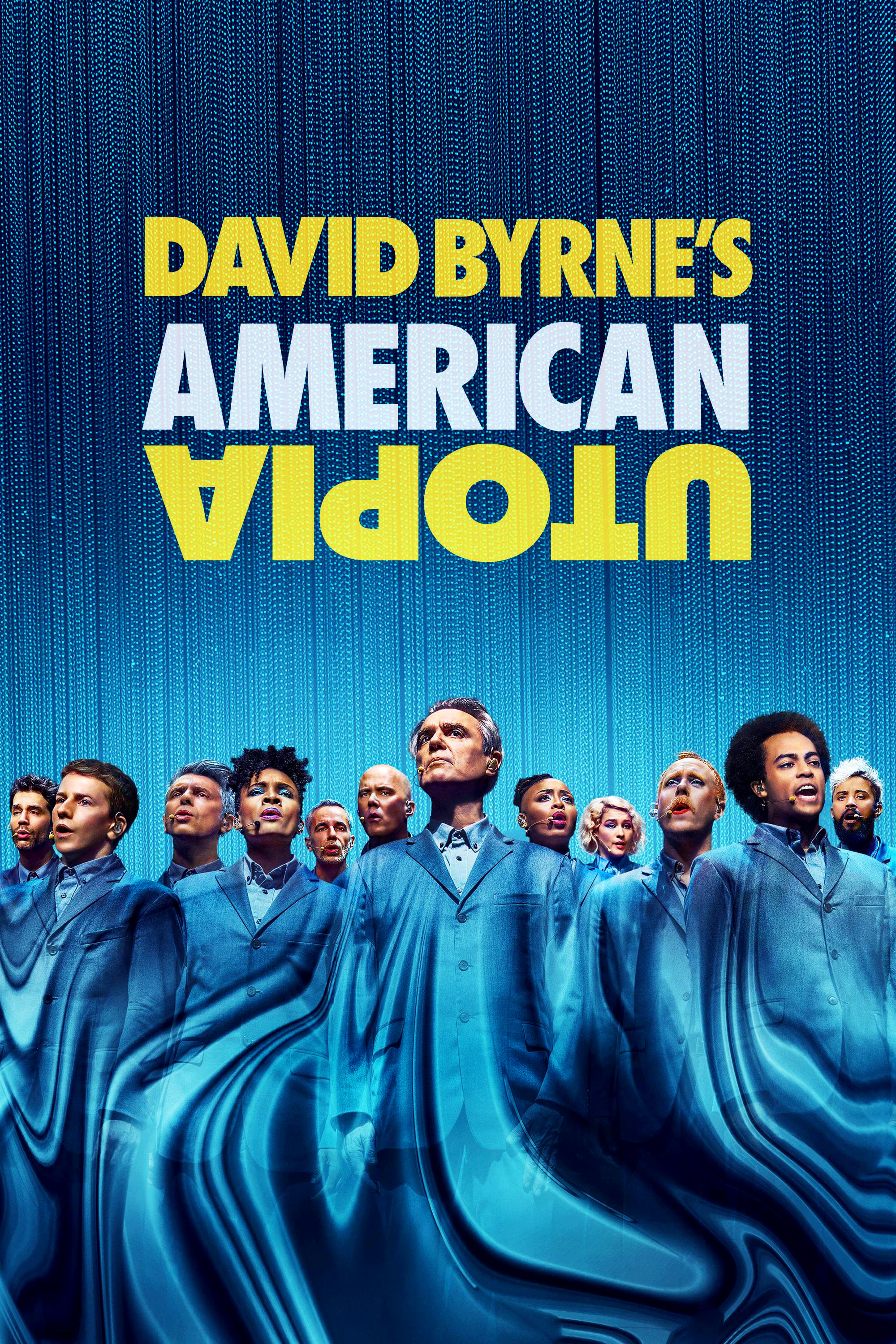
A filmed version of David Byrne's Broadway show, a unifying musical celebration that inspires audiences to connect to each other and to the global community.
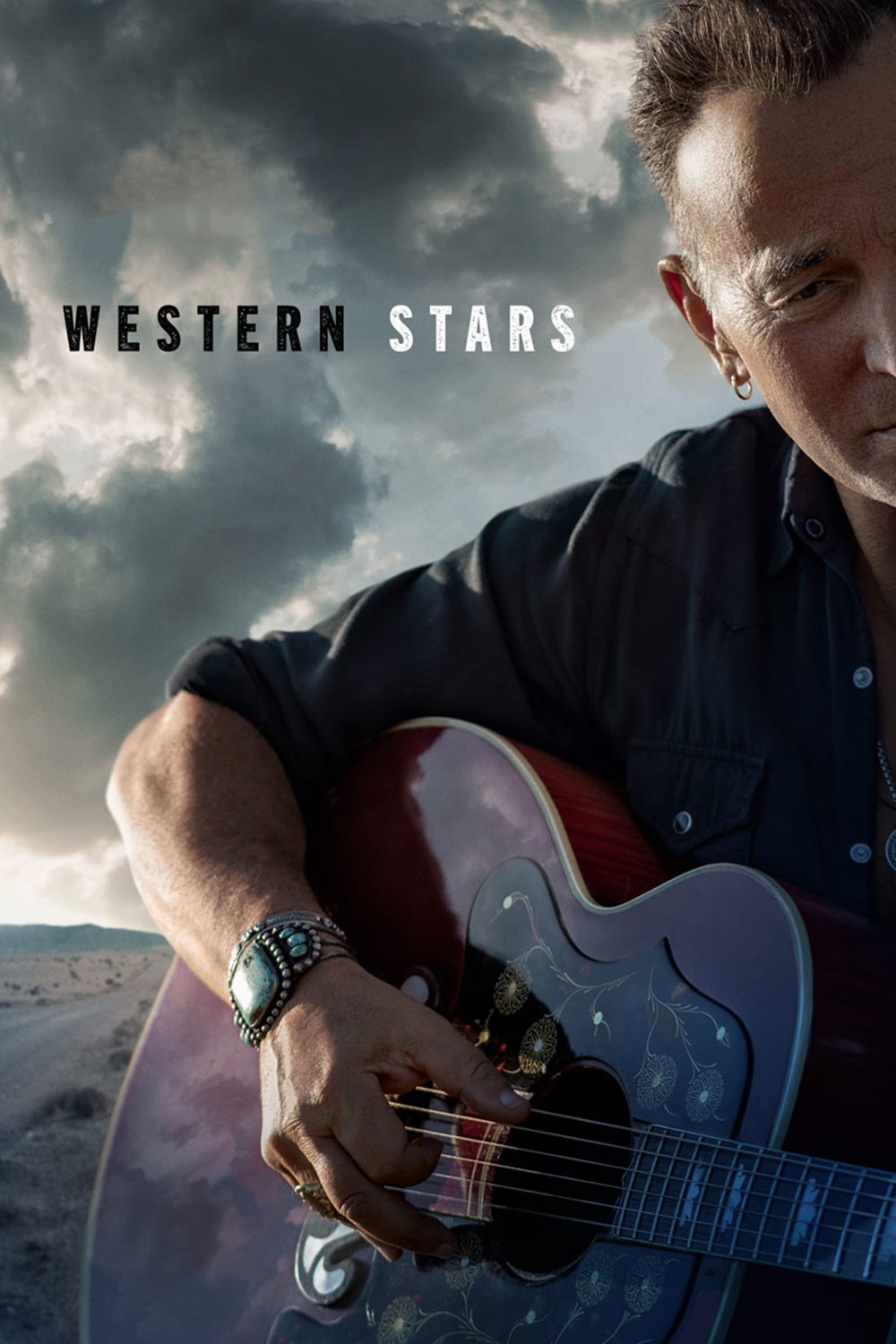
The incomparable Bruce Springsteen performs his critically acclaimed latest album and muses on life, rock, and the American dream, in this intimate and personal concert film co-directed by Thom Zimny and Springsteen himself.
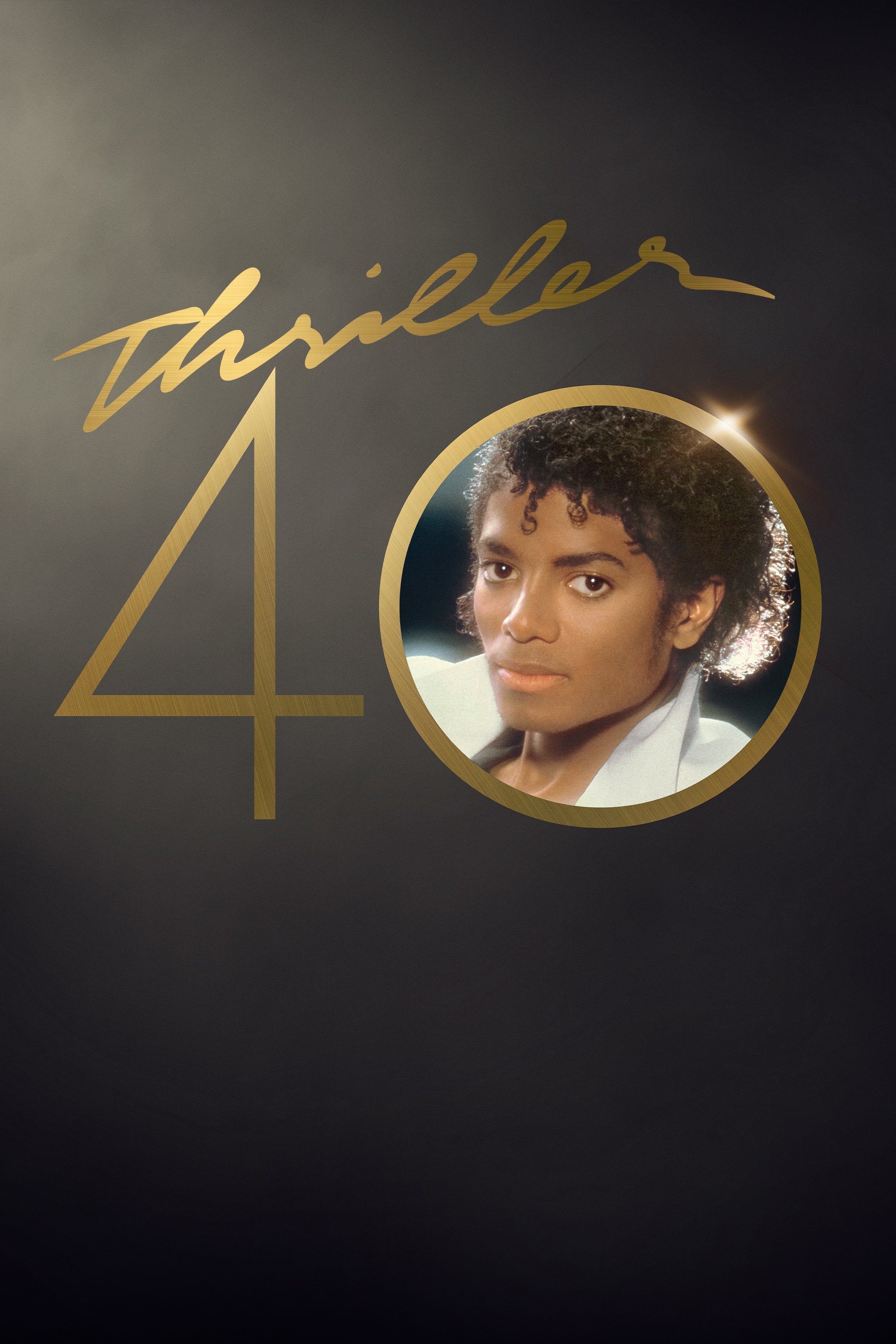
Forty years after the release of Michael Jackson’s ‘Thriller,’ the best-selling album of all-time, director Nelson George takes fans back in time to the making of a pop masterpiece, featuring never-before-seen footage and candid interviews.
A primetime special with performances from the superstar including Adele’s first new material in six years plus her chart-topping hits. The special will also feature an exclusive interview with Adele by Oprah Winfrey from her rose garden, in Adele’s first televised wide-ranging conversation.
Live Aid was held on 13 July 1985, simultaneously in Wembley Stadium in London, England, and the John F. Kennedy Stadium in Philadelphia, United States. It was one of the largest scale satellite link-ups and television broadcasts of all time: watched live by an estimated global audience of 1.9 billion, across 150 nations. "It's twelve noon in London, seven AM in Philadelphia, and around the world it's time for Live Aid...!"
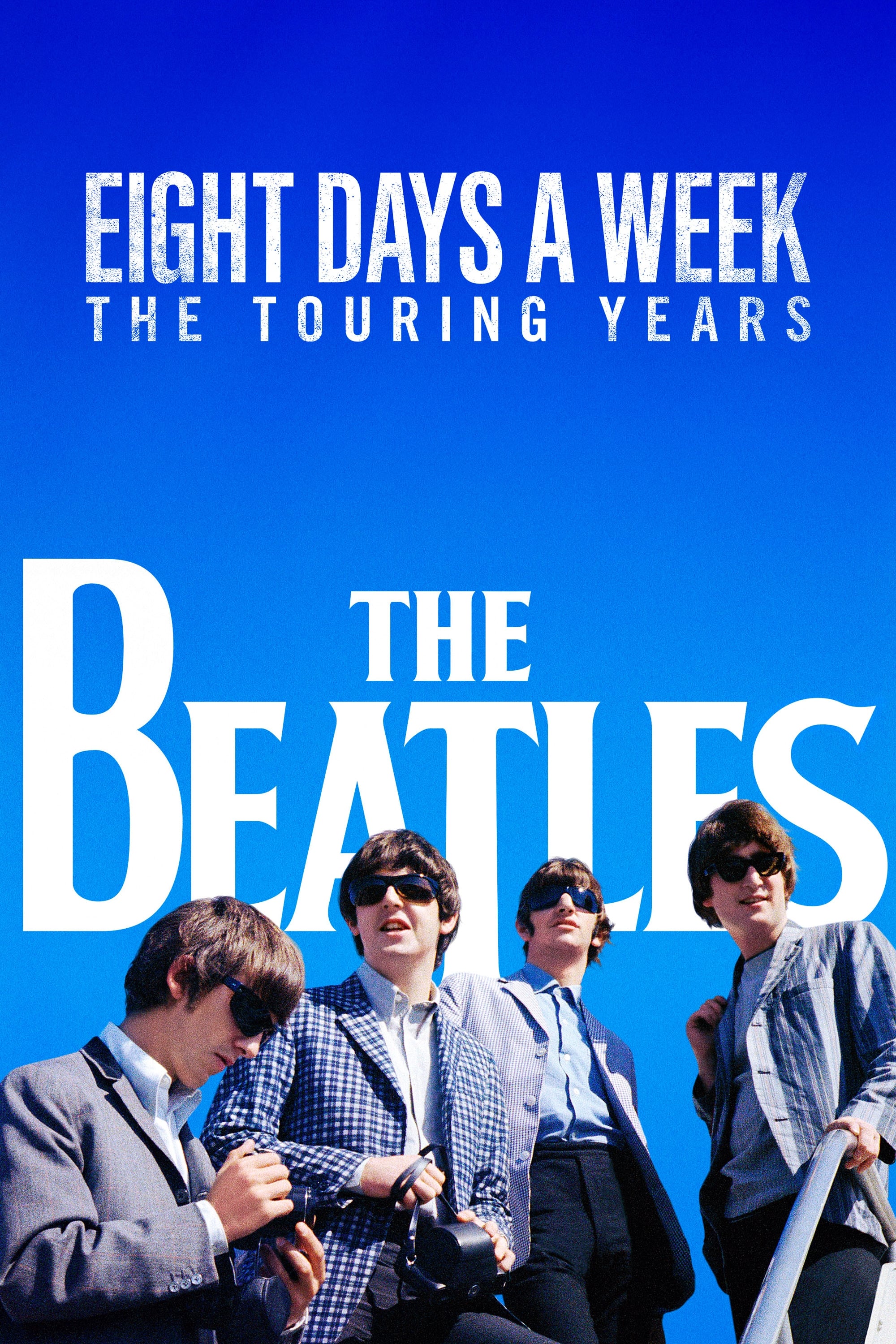
The Beatles stormed through Europe's music scene in 1963, and, in 1964, they conquered America. Their groundbreaking world tours changed global youth culture forever and, arguably, invented mass entertainment as we know it today. All the while, the group were composing and recording a series of extraordinarily successful singles and albums. However the relentless pressure of such unprecedented fame, that in 1966 became uncontrollable turmoil, led to the decision to stop touring. In the ensuing years The Beatles were then free to focus on a series of albums that changed the face of recorded music.
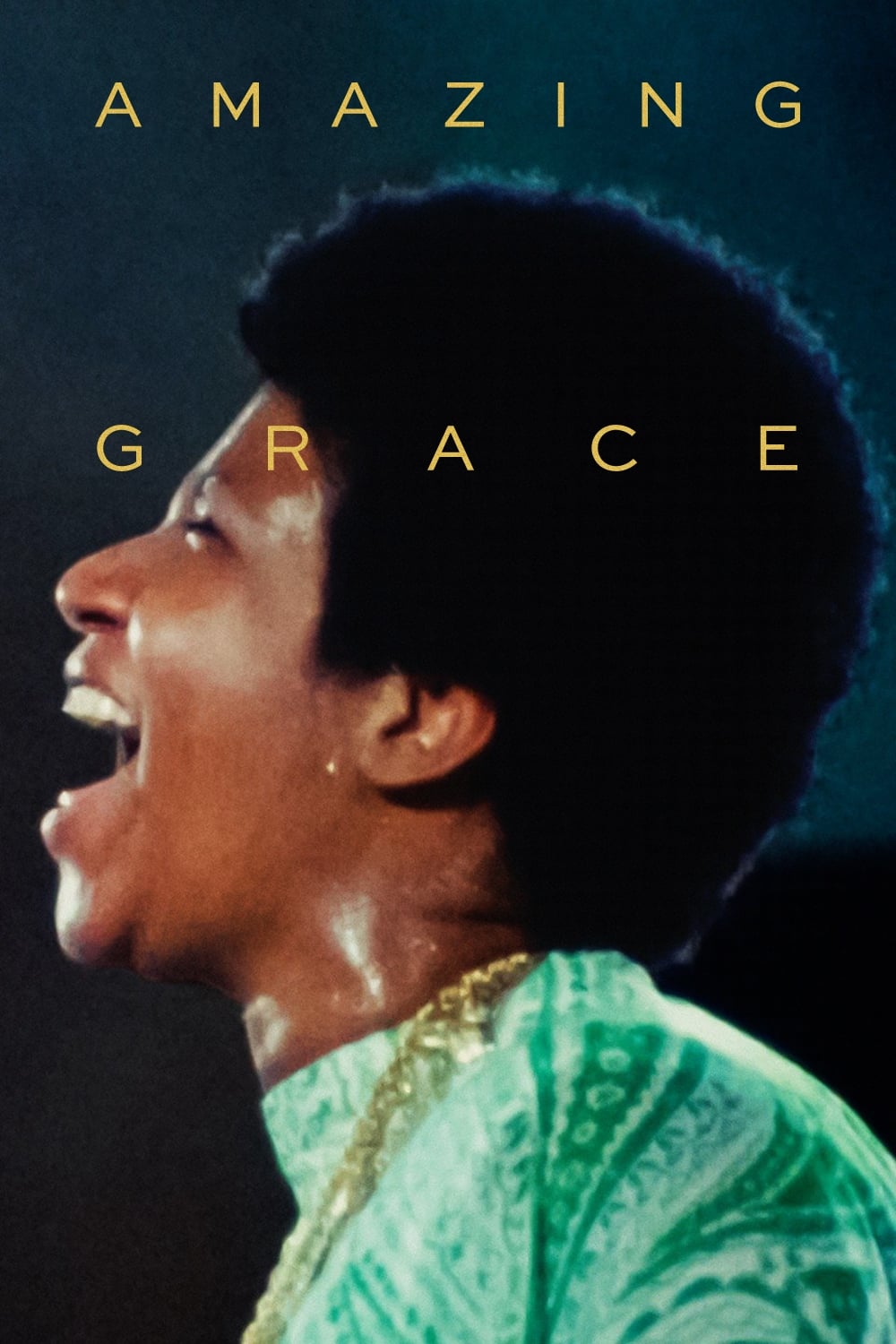
A behind-the-scenes documentary about the recording of Aretha Franklin's best-selling album finally sees the light of day more than four decades after the original footage was shot.
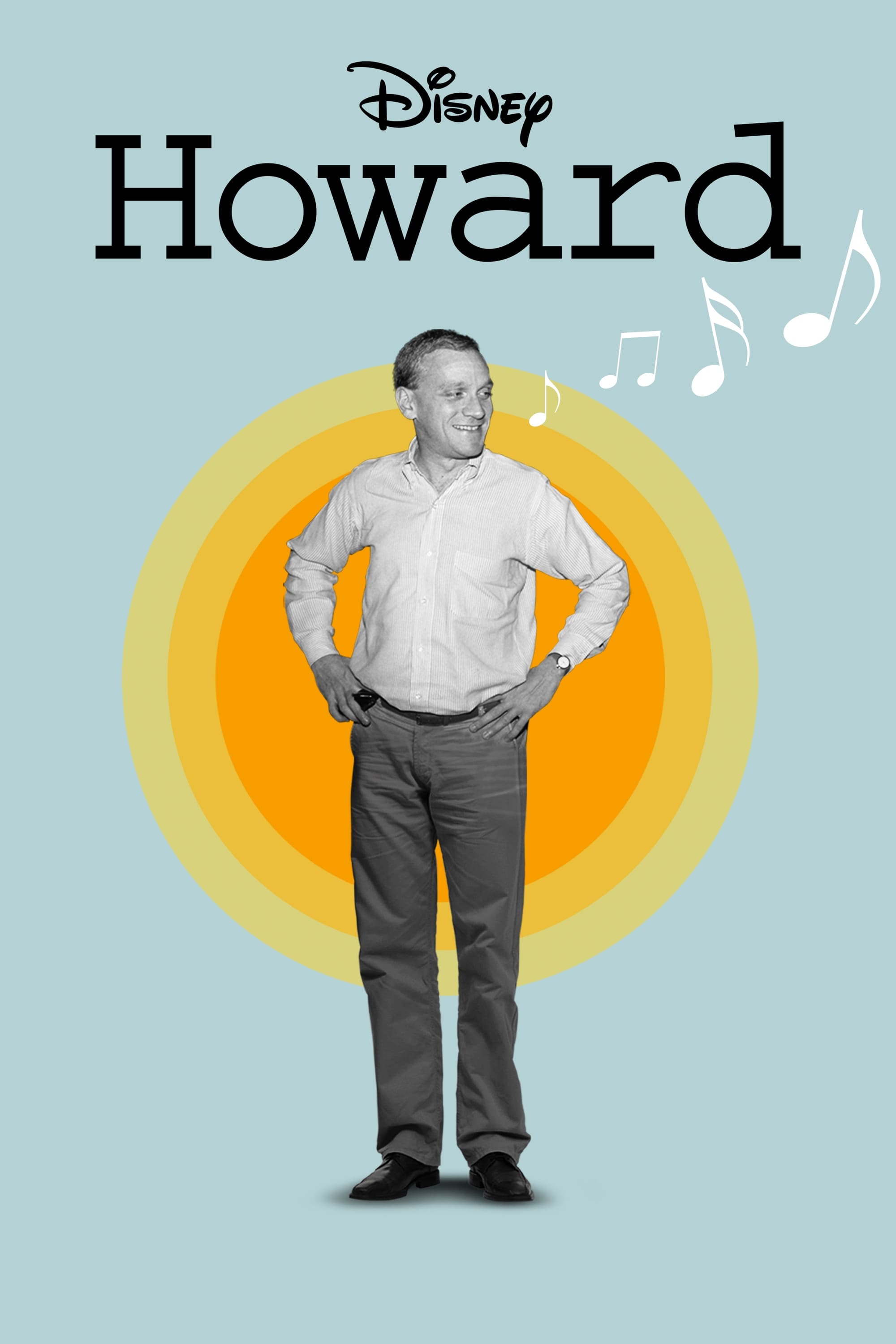
Though legendary lyricist Howard Ashman died far too young, his impact on Broadway, movies, and the culture at large were incalculable. Told entirely through rare archival footage and interviews with Ashman’s family, friends, associates, and longtime partner Bill Lauch, Howard is an intimate tribute to a once-in-a-generation talent and a rousing celebration of musical storytelling itself.
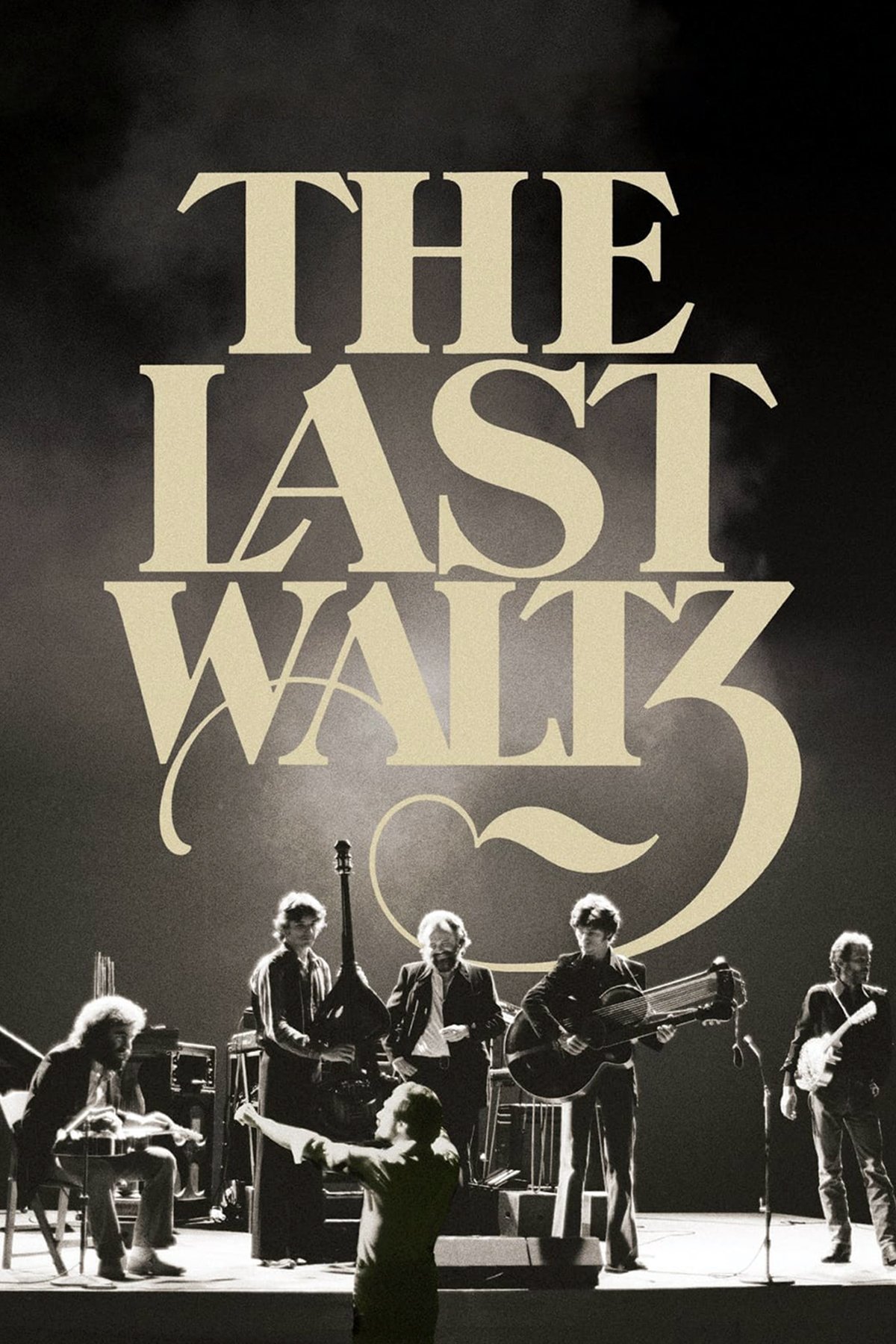
Martin Scorsese's documentary intertwines footage from The Band's incredible farewell tour with probing backstage interviews and featured performances by Eric Clapton, Bob Dylan, Joni Mitchell, Van Morrison, and other rock legends.
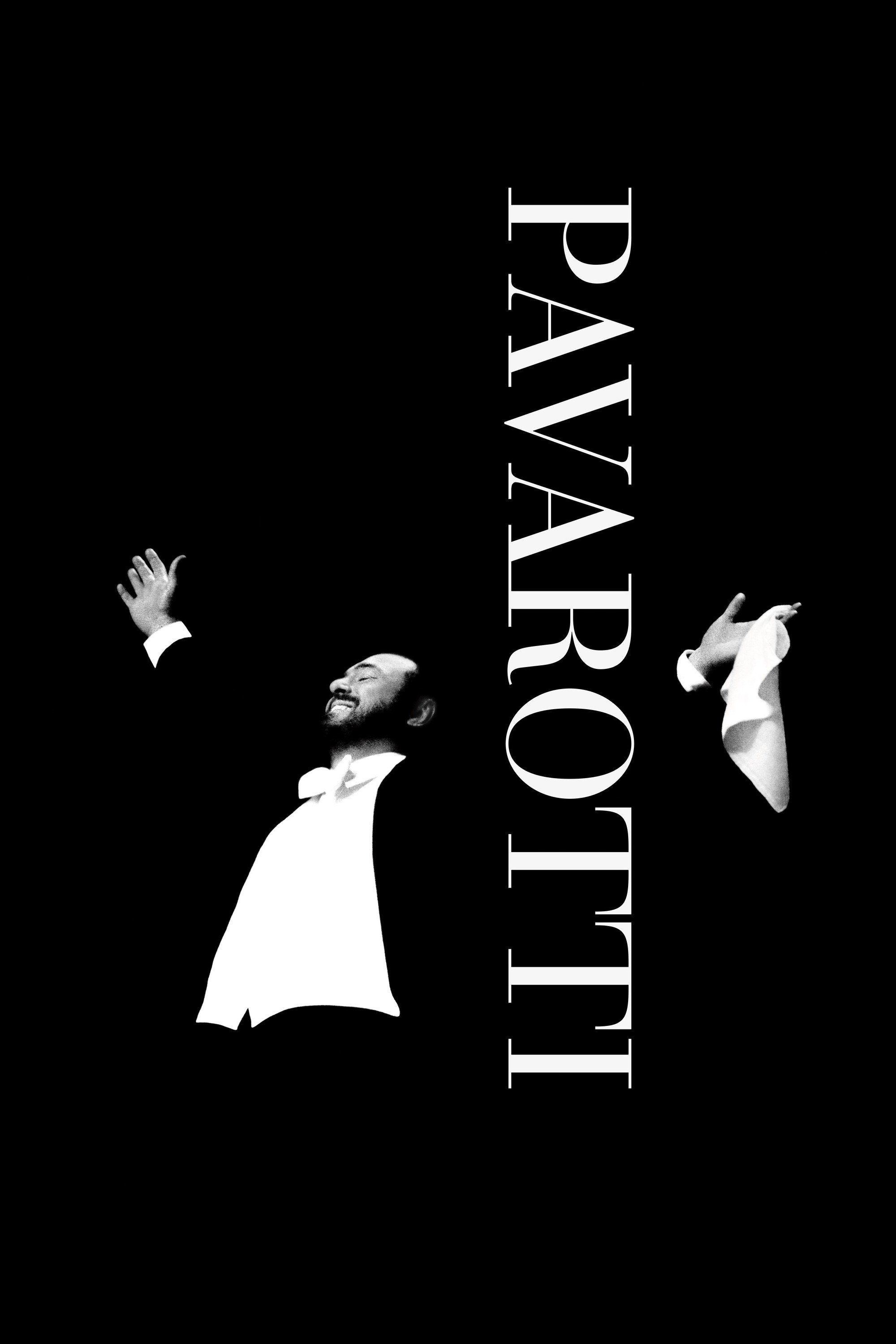
Featuring never-before-seen footage, concert performances and intimate interviews, filmmaker Ron Howard examines the life and career of famed opera tenor Luciano Pavarotti.
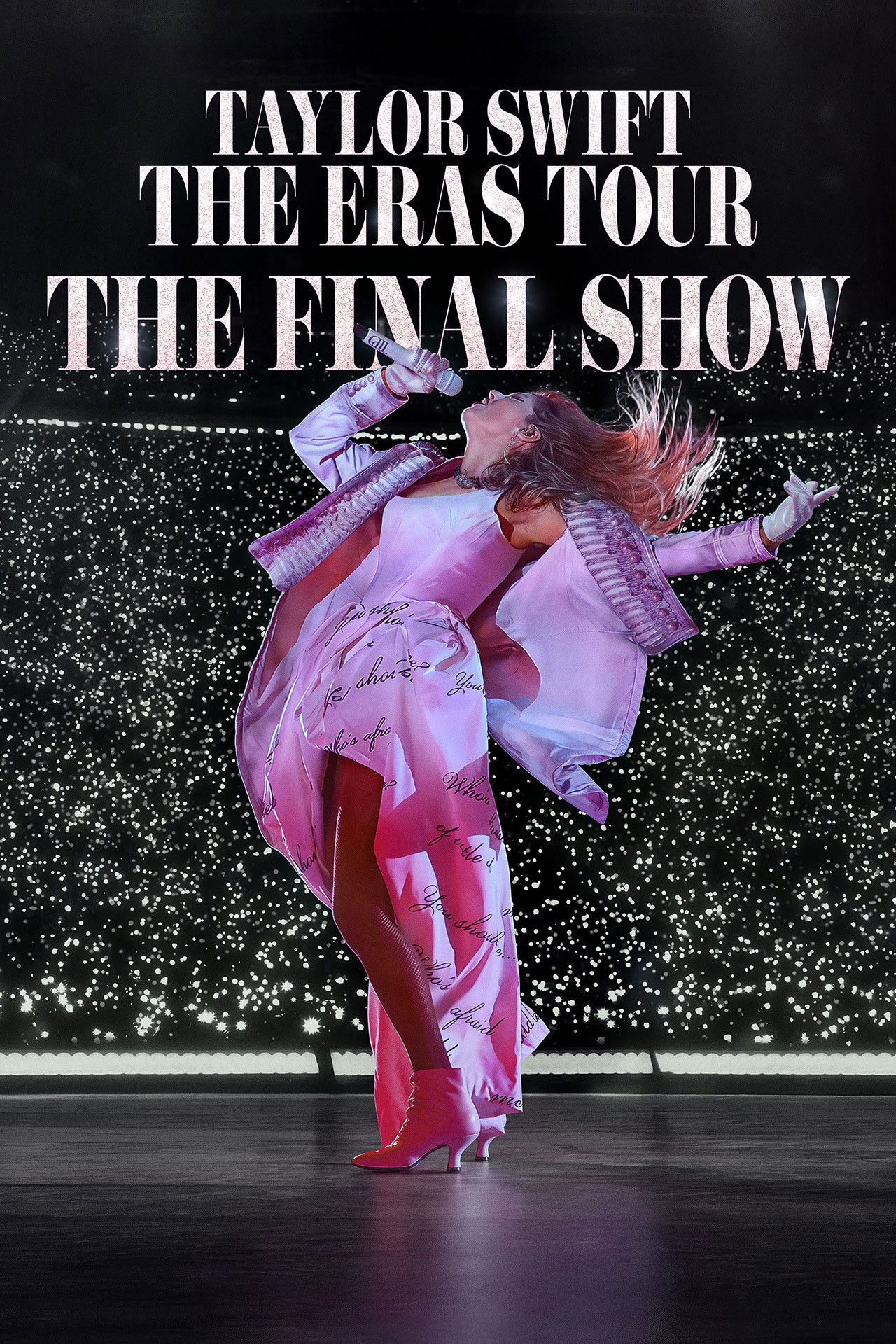
Filmed at the end of the tour in Vancouver, B.C., with the entire Tortured Poets Department set.
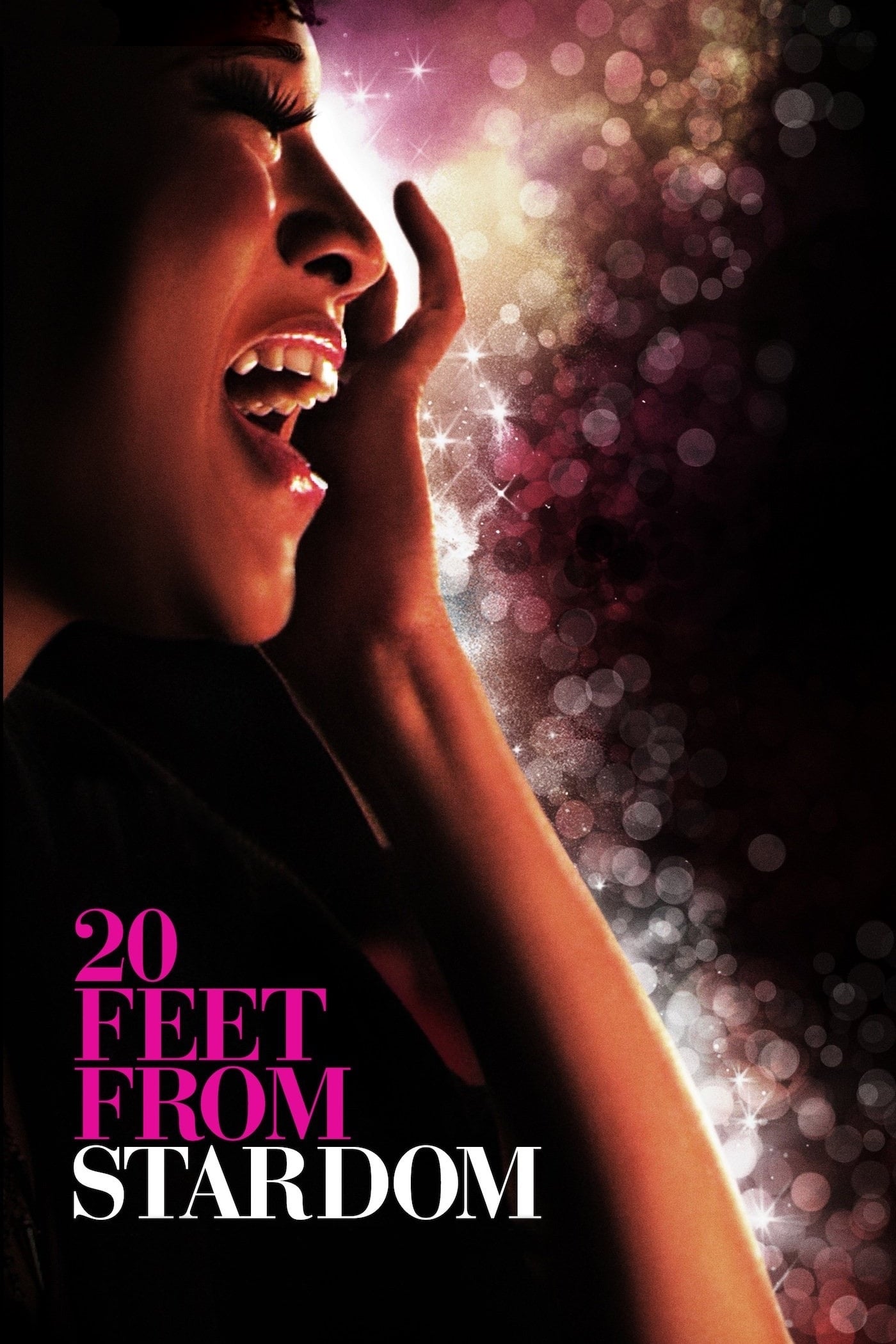
Backup singers live in a world that lies just beyond the spotlight. Their voices bring harmony to the biggest bands in popular music, but we've had no idea who these singers are or what lives they lead, until now.
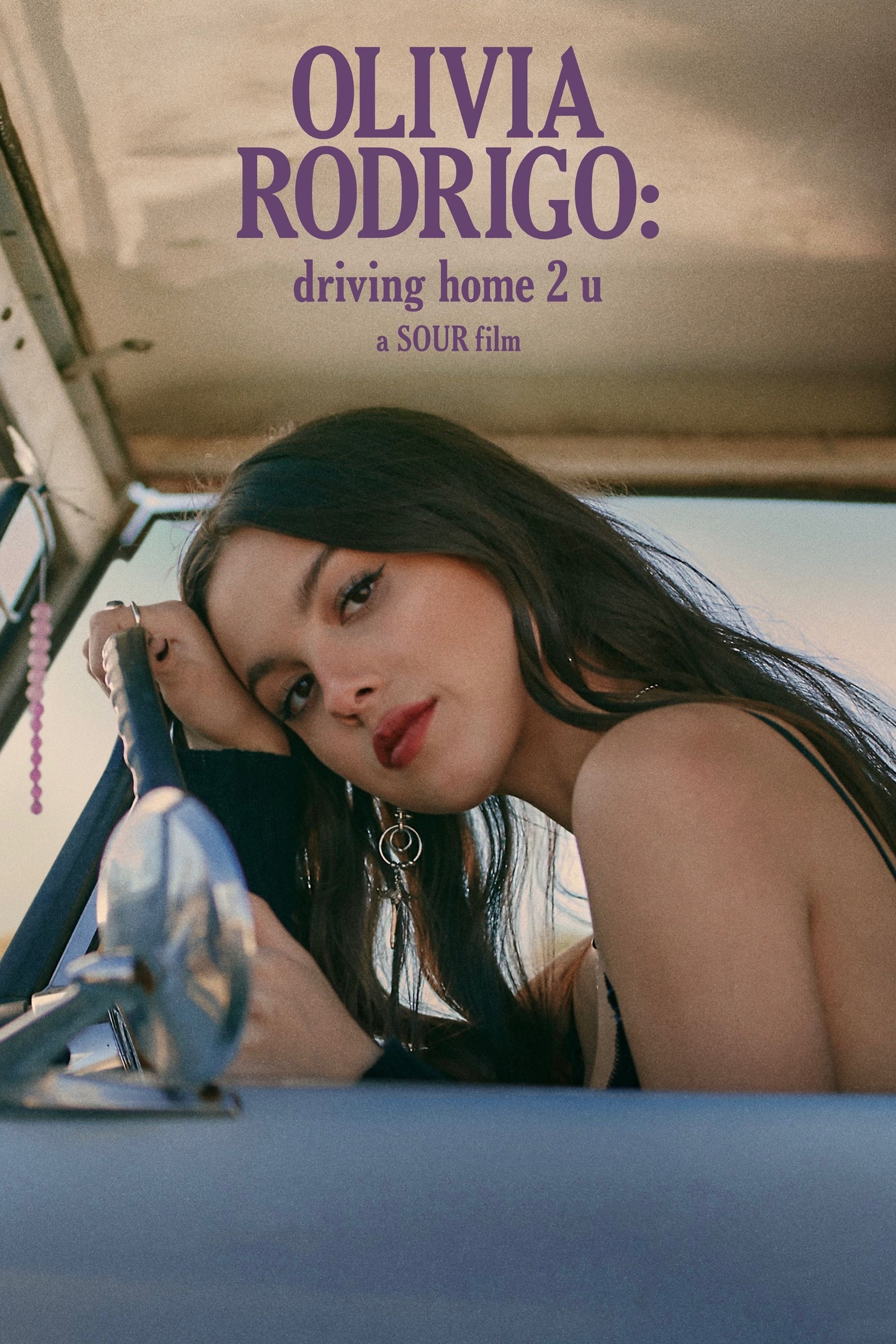
Grammy® winner singer-songwriter Olivia Rodrigo takes a familiar road trip from Salt Lake City, where she began writing her debut album “SOUR,” to Los Angeles. Along the way, Rodrigo recounts the memories of writing and creating her record-breaking debut album and shares her feelings as a young woman navigating a specific time in her life. Through new live arrangements of her songs, intimate interviews and never-before-seen footage from the making of the album, audiences will follow Olivia along on a cinematic journey exploring the story of “SOUR.”
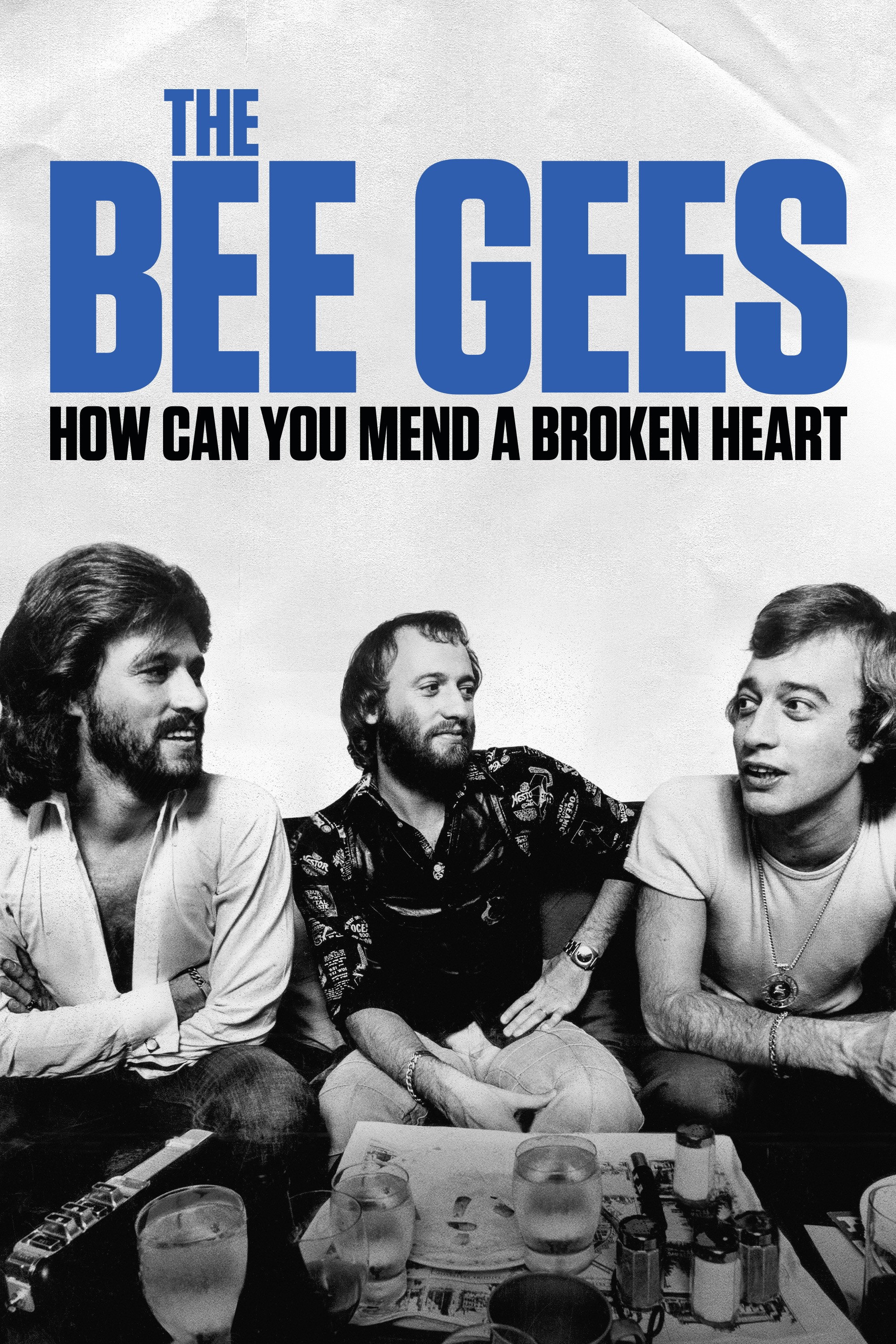
The story of the triumphs and hurdles of brothers Barry, Maurice, and Robin Gibb, otherwise known as the Bee Gees. The iconic trio, who found early fame in the 1960s, went on to write over 1,000 songs and have 20 No. 1 hits throughout their career, transcending more than five decades of changing tastes and styles.
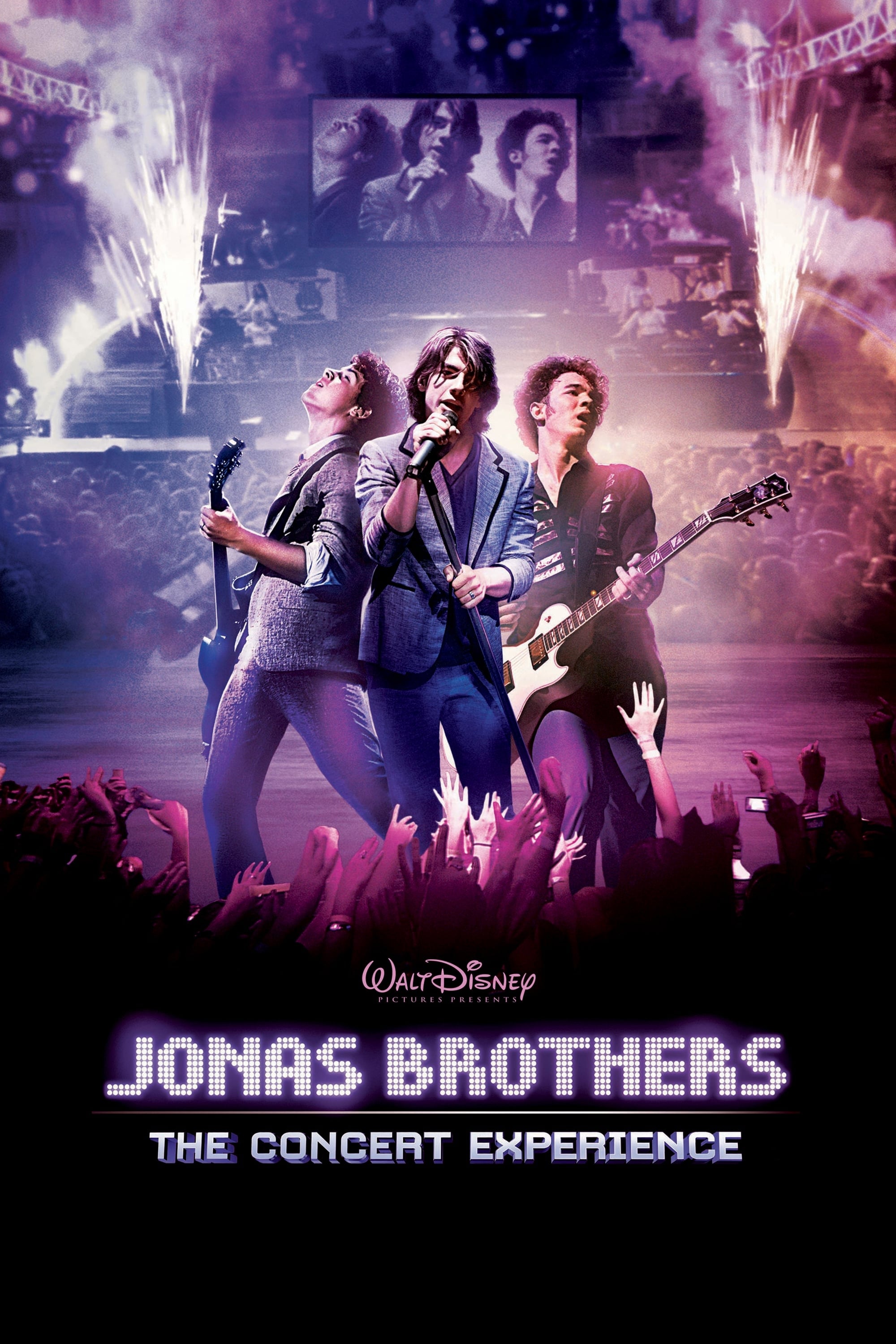
Grab a backstage pass to the Jonas Brothers' motion picture debut! Kevin, Joe and Nick are "Burning Up" the stage and inviting you inside their personal world for the adventure of a lifetime. This colossal movie event launches the world's hottest band straight into your living room – and includes guest appearances by chart-topping artists Demi Lovato and Taylor Swift! Secure your VIP pass to a once-in-a-lifetime experience with the Jonas Brothers. Get ready to hang out with this multitalented trio, and take an intimate look at what their lives are like offstage and behind the scenes. It's the music-filled movie event perfect for the whole family!
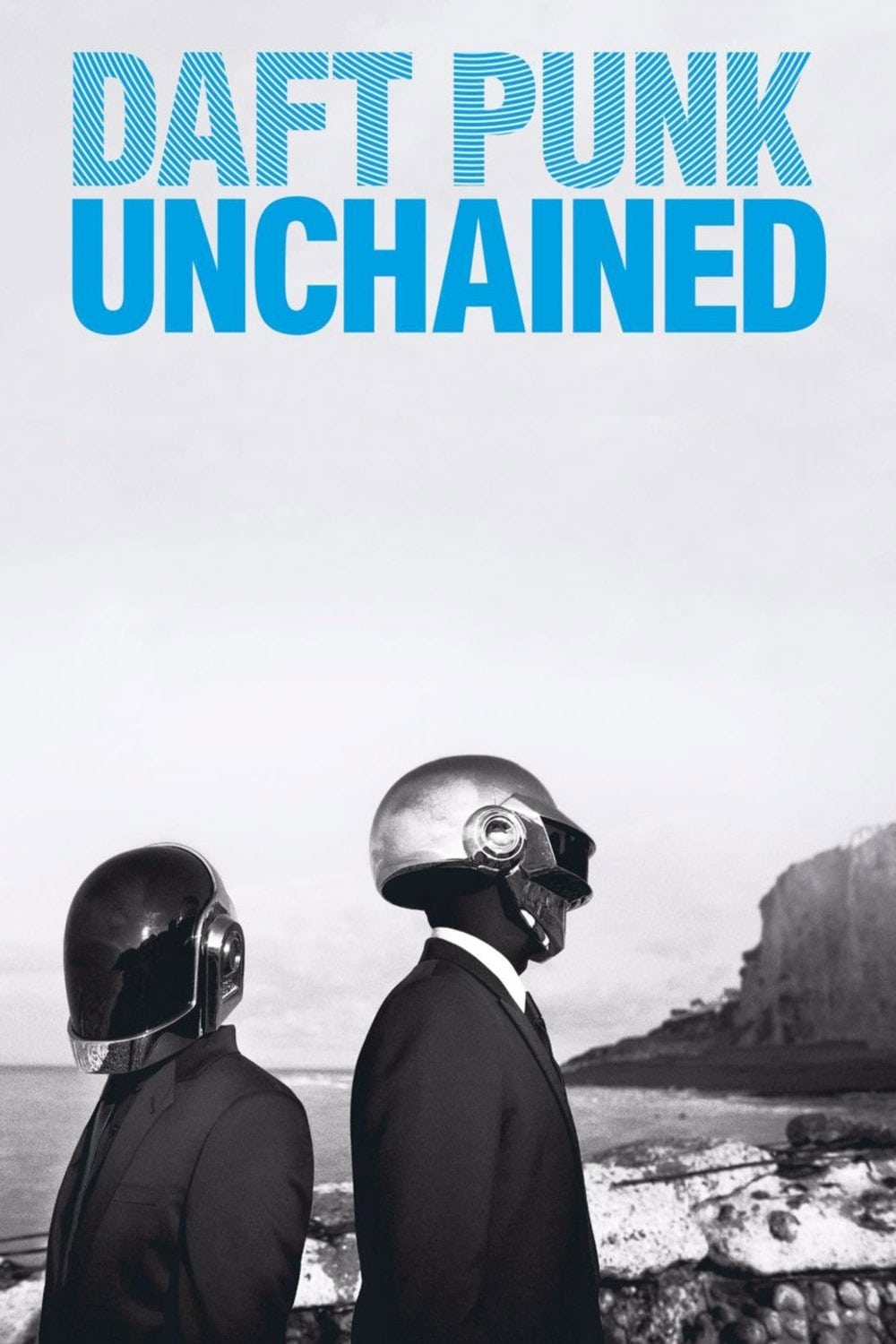
Daft Punk Unchained is the first film about the pop culture phenomenon that is Daft Punk, the duo with 12 million albums sold worldwide and seven Grammy Awards. Throughout their career Thomas Bangalter and Guy-Manuel de Homem-Christo have always resisted compromise and the established codes of show business. They have remained determined to maintain control of every link in the chain of their creative process. In the era of globalisation and social networks, they rarely speak in public and neither do they show their faces on TV. This documentary explores this unprecedented cultural revolution revealing a duo of artists on a permanent quest for creativity, independence and freedom.
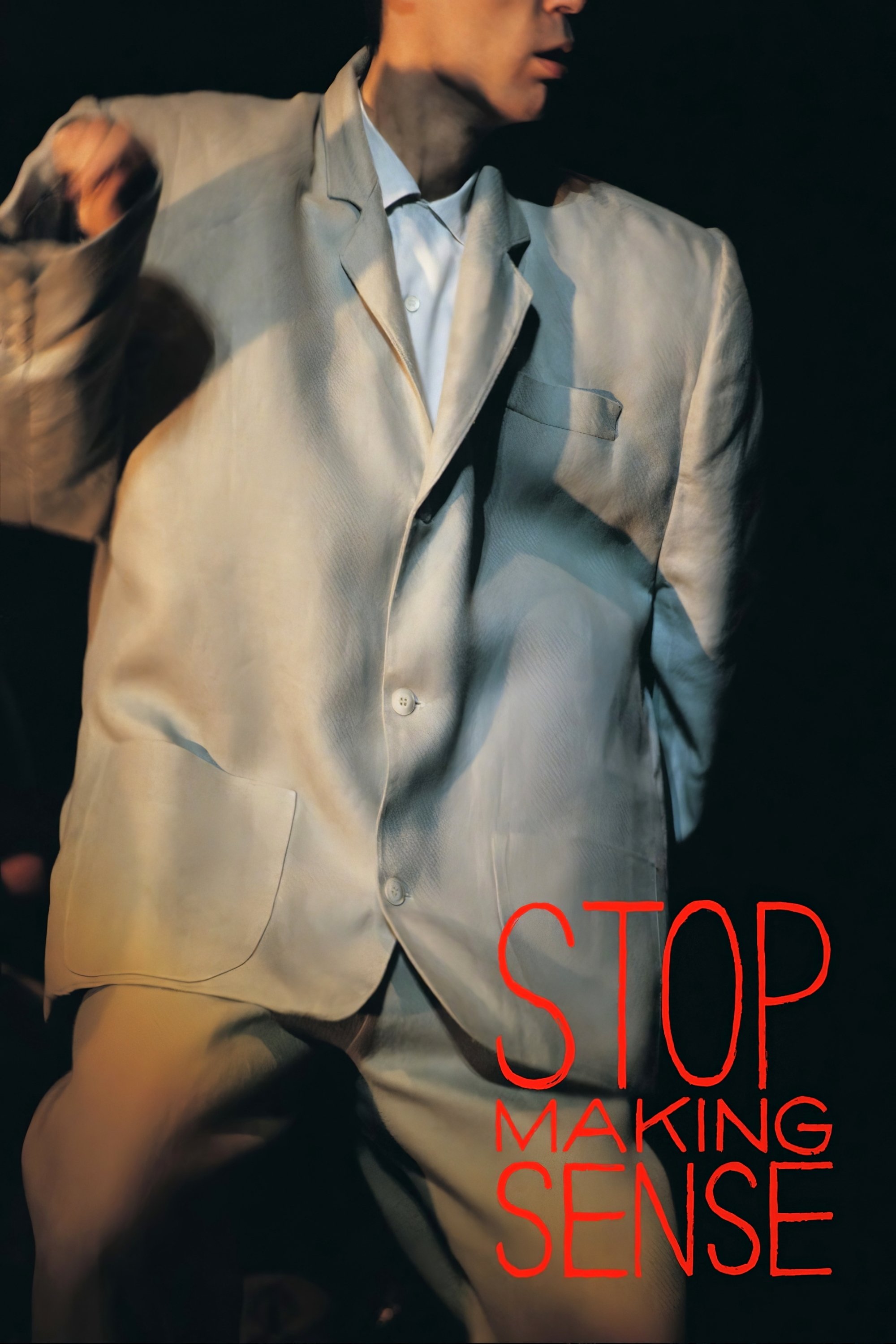
A concert film documenting Talking Heads at the height of their popularity, on tour for their 1983 album "Speaking in Tongues." The band takes the stage one by one and is joined by a cadre of guest musicians for a career-spanning and cinematic performance that features creative choreography and visuals.