Pirate radio stations are unprecedentedly popular, even in the age of the internet and Spotify. What does this music say about identity, about our desire for stability in a changing world?
Social & External
After twenty years, Wiam Al Zabari starts a conversation with his father. Why did they flee from Iraq? Why was that never discussed? Will he be able to let go of the past and embrace a Dutch future?
In 1966 a group of determined young men defied the New Zealand government and launched a pirate radio station aboard a ship in the Hauraki Gulf.
They called it young black kids’ punk rock - a genre that radio stations wouldn’t play and records that labels refused to sell. But grime would not be stopped. With machine-gun lyrics that shred the eardrums and syncopated electronics that pound the chest like a sledgehammer, grime was a product of social unrest, urban culture and disenfranchised youth colliding in early 2000s UK. It didn’t just rouse a grassroots audience, however. Today, grime is surging in popularity all over the globe and widely influencing the music charts. This is the story of the genre’s roots.
Rapper Rodney P. presents the story of Britain's second wave of pirate radio DJs. In the 1980s a new generation of pirate radio stations appeared broadcasting from London tower blocks.
Five people talk about how easy it is to build up and how difficult it is to get out of it again. They fall ten prey to the powerful industry. Fines and extra costs make them so aware that they can no longer be solved on their own.
Despite the warm images in the family archive, photographer and filmmaker Jonnah misses an intimate bond with her (adoptive) parents. Over the years, a wall has been built between them that Jonnah is now trying to break down with her parents.
From hooliganism and violence through to the ecstasy and the rise of rave culture, Andy Swallow, co-founder of West Ham's ICF and later Centreforce 883, opens up about his life for the very first time.
Currently, purchasing cannabis is done through 'the back door'. What is sold legally is purchased illegally. The end of 2019 marked the start of a four-year experiment in which cannabis grown under state supervision is legally traded. This should lead to less crime and better quality weed with fewer harmful substances. After a strict selection procedure, ten growers are selected who can supply this government weed. Bromet follows seasoned grower John - who wanted to run his nursery as legally and transparently as possible, but still lost everything after a lawsuit - and the businessmen of plan C who want to grow cannabis for the first time. Bromet also interviews coffee shop owners, politicians involved and both supporters and opponents. A follow-up documentary was made in 2024.
Frans Bromet follows several cannabis growers who have been selected by lottery as the first suppliers of legal cannabis. Sequel to the 2021 documentary 'Legal Weed'. Ten growers have been selected by draw as the first legal cannabis growers for an experiment that would last four years. These are large companies where a lot of money is spent to enable large-scale production of cannabis. But the actual experiment still hasn't been fully rolled out. Only in a few cities is legal cannabis available in coffee shops. The biggest problems that growers and sellers face are supply stocks and the complexity of the track and trace system. Every movement of the weed must be registered. And that is almost impossible with a failing computer system. The future of the experiment remains highly unpredictable four years after its announcement.
When filmmaker Mari Soppela took her children and husband to live for a year on a sacred mountain in her native Finland, she was fulfilling a lifelong dream to share the arctic wilderness of her childhood with her family. But when years later her children turn the camera onto her, she is forced to confront her motivation for filming their lives in this searching and searingly honest cinematic exploration of identity, belonging and motherhood. Filmed over the course of 27 years, Mother Land challenges us all to examine the landscapes we carry within us and the narratives we create to make sense of our lives.
In the 17th century, the Netherlands experienced an unprecedented artistic explosion: painters such as Rembrandt, Vermeer and Hals were so prolific that they were able to make a living from their talent alone; so much so that, within a prosperous society, thanks to wealth from overseas colonies and financial speculation, collecting works of art became a status symbol.
In recent years, the Netherlands and Belgium have become major drug trafficking hubs in Europe, with almost 80% of the continent's cocaine passing through Rotterdam or Antwerp. This has led to the rise of the “Mocro Mafia,” criminal networks of Dutch people of Moroccan origin. These gangs began by trafficking hashish from Morocco but now use the same routes for the more profitable cocaine trade, sourced from Latin American cartels. Consequently, the “Mocro Mafia” has become one of the world’s richest criminal organizations, generating an estimated fifty billion euros annually in Antwerp alone—10% of Belgium’s budget.
Documentary about the role of public broadcasting during the German occupation during the Second World War. A number of public broadcasters adopted a cooperative approach, allowing them to be used as a propaganda apparatus for the Nazis. An attitude with very far-reaching consequences.
This feature-length documentary chronicles the life and playful methods of Dutch pianist and composer Misha Mengelberg, a significant figure in post-WWII European Jazz and free improvisation. Archival footage, rehearsal / performance sequences and interviews with both Mengelberg (the "godfather of Dutch improvised music") and key collaborators provide a clear insight in Mengelberg's original way of thinking and way of working.
In this short film Bert Haanstra gives his vision - from the water – of a tranquil Holland. During filming he held the camera upside down and afterwards put the images ‘up right’ again in the film. By doing this, we see the ‘usual’ waterfront, but transformed by the rippling of the water. In this way Mirror of Holland became a modern looking experimental film. However this did not devalue the Dutch sentiment regarding waterfronts that are so trusted to so many.
The '60s. Achille and Giovanni Judica-Cordiglia, two amateur radio enthusiasts, listened to sound from space with home-built equipment in their hometown of Turin. But one night, they recorded something quite different from the usual static that would change their lives forever...
It's war. War against an invisible enemy that is not as deadly as we are told. The world is changing rapidly. Disproportionate measures are taken worldwide that disrupt society as a whole. A dichotomy in society forced vaccinations and restrictions on freedom. Have we had the worst? Or is there something more disturbing to awaiting us.
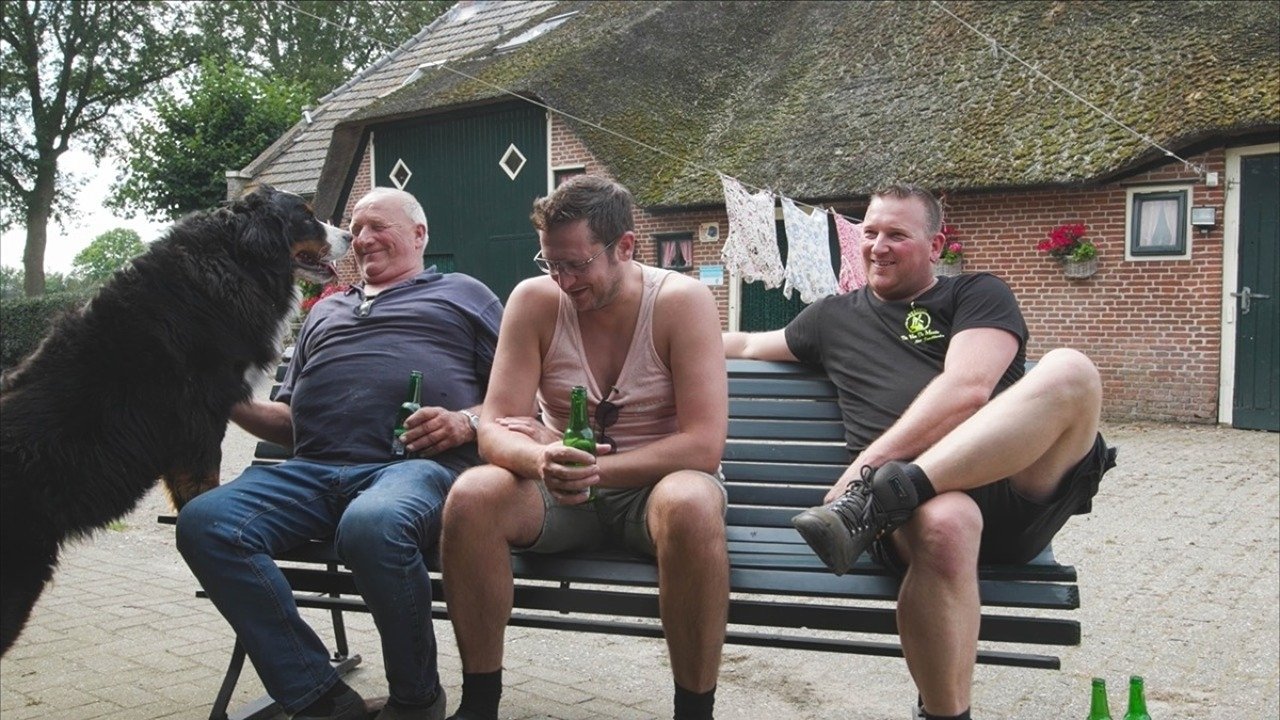
A loving portrait of a pirate radio stations, which is run by the rural population with plenty of passion and talent in the face of opposition from the authorities.
Roberto makes a pact with the devil to please his multiple lovers sexually, Satan accepts the deal but promises to snatch his soul when he finds true love. Meanwhile, two cops are on the lookout for those responsible of a murderous drug on the streets.
Thief Gaston Monescu and pickpocket Lily are partners in crime and love. Working for perfume company executive Mariette Colet, the two crooks decide to combine their criminal talents to rob their employer. Under the alias of Monsieur Laval, Gaston uses his position as Mariette's personal secretary to become closer to her. However, he takes things too far when he actually falls in love with Mariette, and has to choose between her and Lily.
John Shepherd spent 30 years trying to contact extraterrestrials by broadcasting music millions of miles into space. After giving up the search, he makes a different connection here on earth.
Peppino Impastato is a quick-witted lad growing up in 1970s Sicily. Despite hailing from a family with Mafia ties and living just one hundred steps from the house of local boss Tano Badalamenti, Peppino decides to expose the Mafia by using a pirate radio station to broadcast his political pronouncements in the form of ironic humour.
The rise and fall of the pirate mixtape empire of three brothers from Naples, Italy, during the '80s.
Mark Hunter, a lonely high school student, uses his shortwave radio to moonlight as the popular pirate DJ "Hard Harry." When his show gets blamed for a teen committing suicide, the students clash with high school faculty and the authorities.
A provocative and edgy radio host must play a dangerous game of cat and mouse with a mysterious caller who's kidnapped his family and is threatening to blow up the whole station.
A personal and intimate look into Demi Lovato's life as not only a regular 25 year old, but also one of the biggest pop stars in the world.
The story of Washington D.C. radio personality Ralph "Petey" Greene, an ex-con who became a popular talk show host and community activist in the 1960s.
A nobleman vows to avenge the death of his father by the hands of pirates. To this end, he infiltrates the pirate band; Acting in character, he single-handedly captures a merchant vessel, but things are complicated when he finds that there is a beautiful young woman of royal blood aboard.
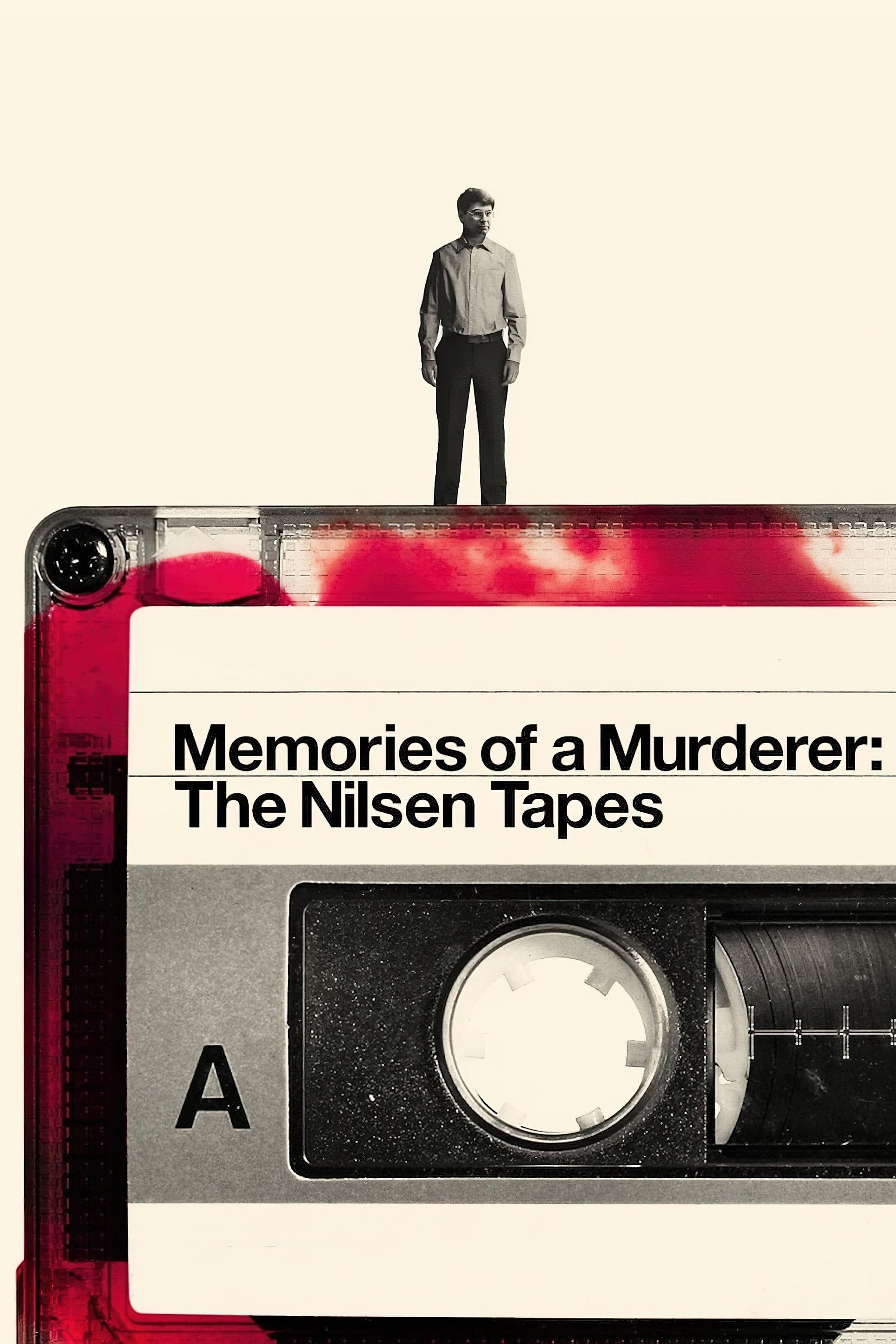
Serial killer Dennis Nilsen narrates his life and horrific crimes via a series of chilling audiotapes recorded from his jail cell.
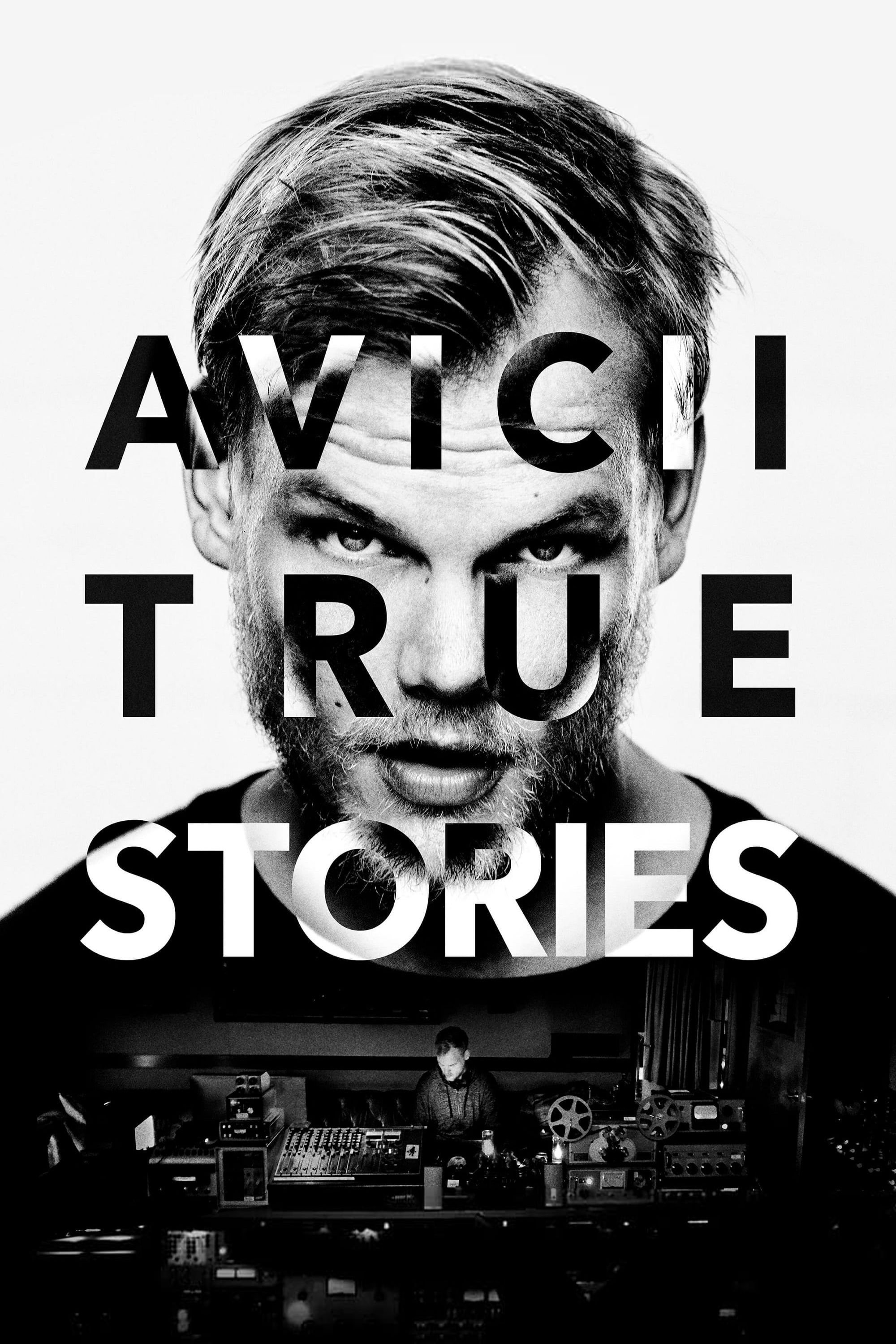
Documentary about the arena-packing Swedish DJ, chronicling his explosive rise to fame and surprising decision to retire from live performances in 2016.
When a group of rebellious deejays decides to defy the ban on government-censored music, they take to the seas to broadcast music and mayhem to millions of adoring fans.
Inmates at a prison in Rome rehearse for a performance of Shakespeare's Julius Caesar.
A radio host is kidnapped on air and forced to tell secrets about his past.
Against the darkening backdrop of New Delhi's apocalyptic air and escalating violence, two brothers devote their lives to protecting one casualty of the turbulent times: the bird known as the black kite.
Daft Punk Unchained is the first film about the pop culture phenomenon that is Daft Punk, the duo with 12 million albums sold worldwide and seven Grammy Awards. Throughout their career Thomas Bangalter and Guy-Manuel de Homem-Christo have always resisted compromise and the established codes of show business. They have remained determined to maintain control of every link in the chain of their creative process. In the era of globalisation and social networks, they rarely speak in public and neither do they show their faces on TV. This documentary explores this unprecedented cultural revolution revealing a duo of artists on a permanent quest for creativity, independence and freedom.
April 24, 1993: it's the last broadcast of Radiofreccia, an independent radio station closing after 18 years, barely one minute before coming of age. Bruno, one of its founders, begins to tell its story, the story of a group of friends—especially troubled Freccia's—and a period of their youth in their small hometown.
A documentary capturing the creation of the album Junun inside Rajasthan’s 15th-century Mehrangarh Fort. Paul Thomas Anderson follows Jonny Greenwood, Shye Ben Tzur, Nigel Godrich, and the Rajasthan Express as they record a cross-cultural fusion of Indian, Israeli, and Western music.
During the 16th century, pirates rule the Chinese coastline, pillaging the small villages and terrorizing the citizens. When maverick leader Commander Yu enlists the help of a sharp young general, they devise a plan to defeat the pirates. A violent clash of wit and weapons will decide who will rule the land.