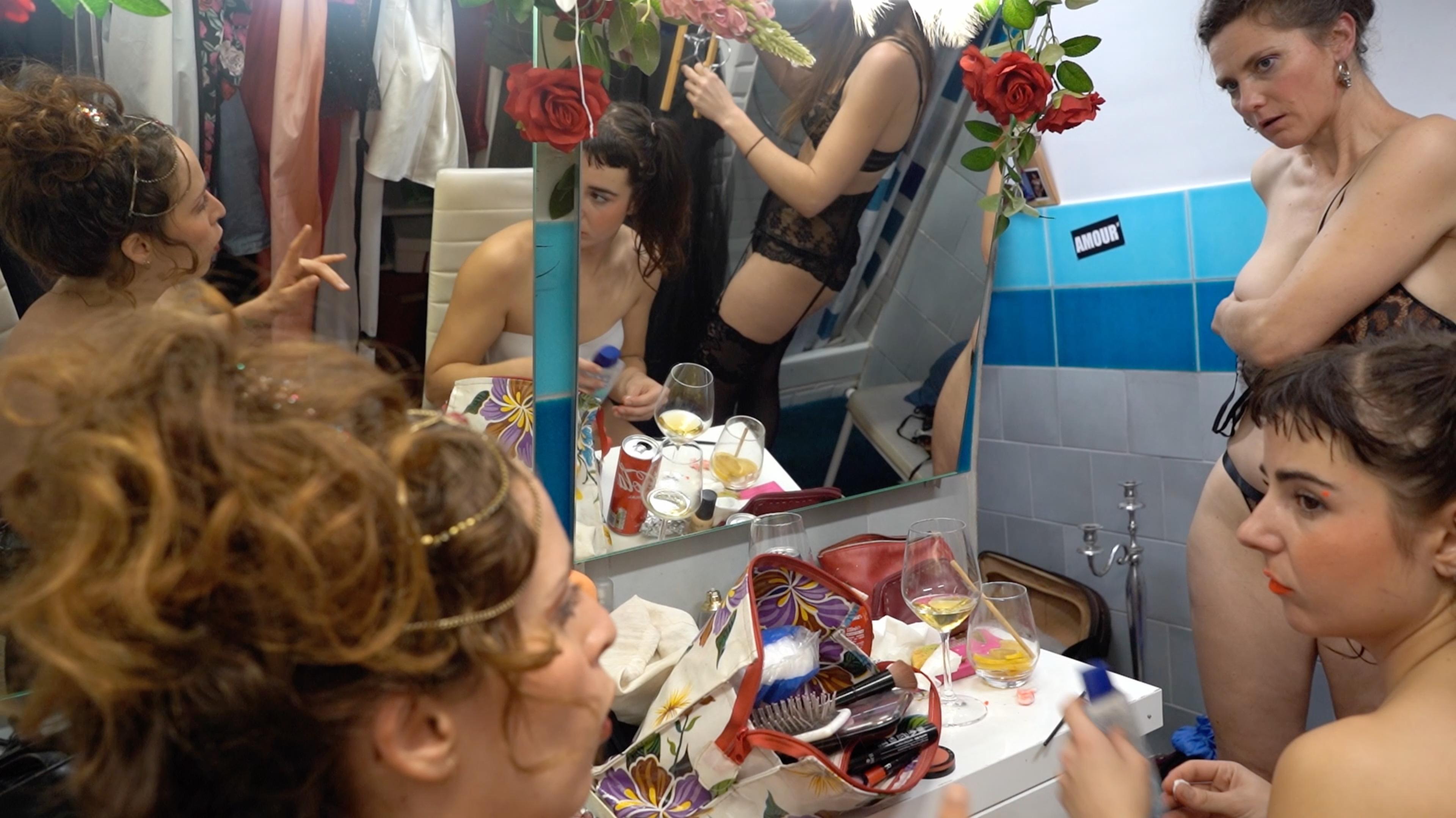
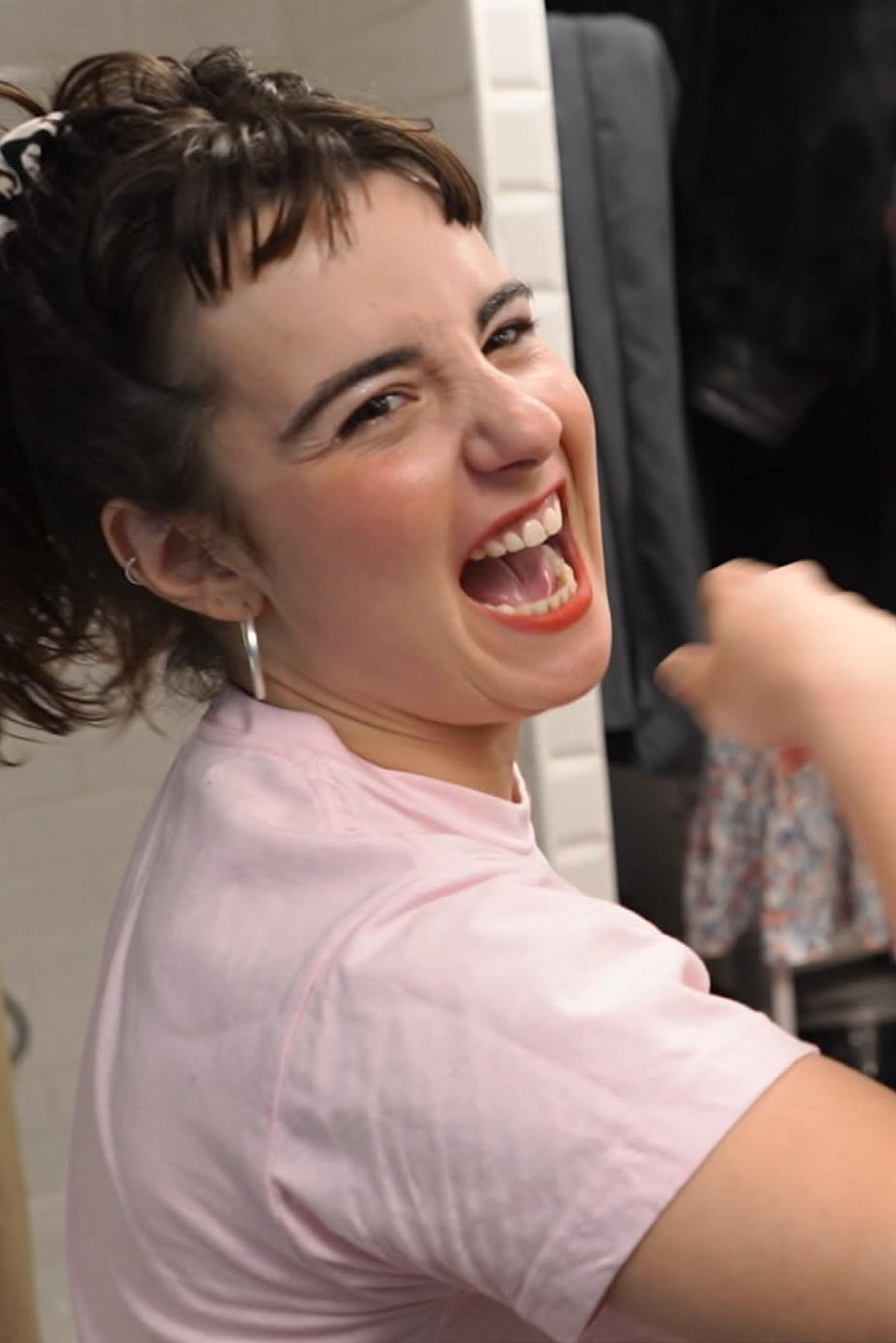
Dona welcomes us inside the parisian erotic cabaret she works at. The hollow corridors act as a second stage where she and her colleagues get ready and share their thoughts.
Social & External
The people behind it
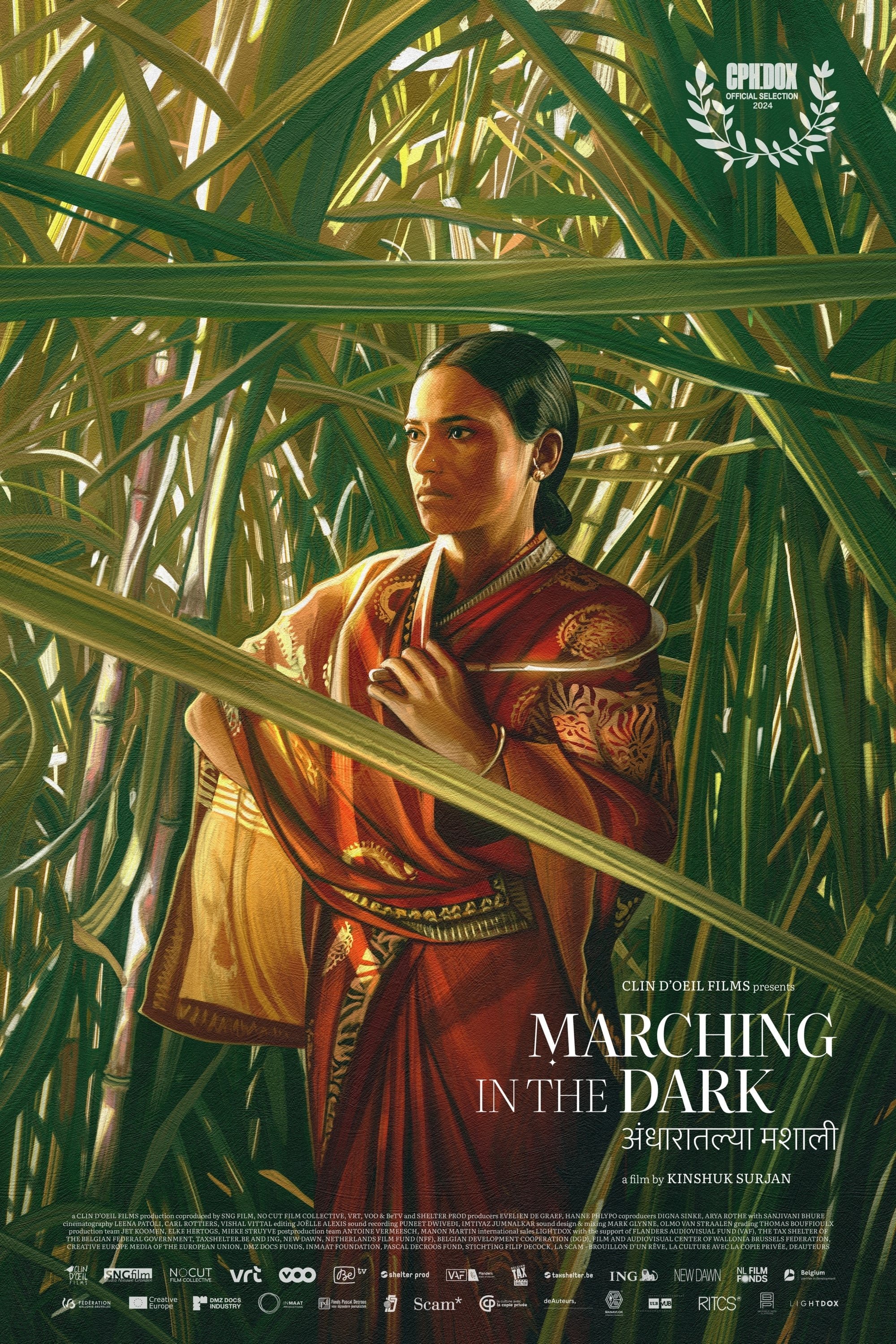
In a drought-struck region in India, suffering from climate change and a high suicide rate amongst farmers, a group of resilient women farmers, who recently lost their husbands, is coming together with a local psychologist to learn counselling and help others in grief.
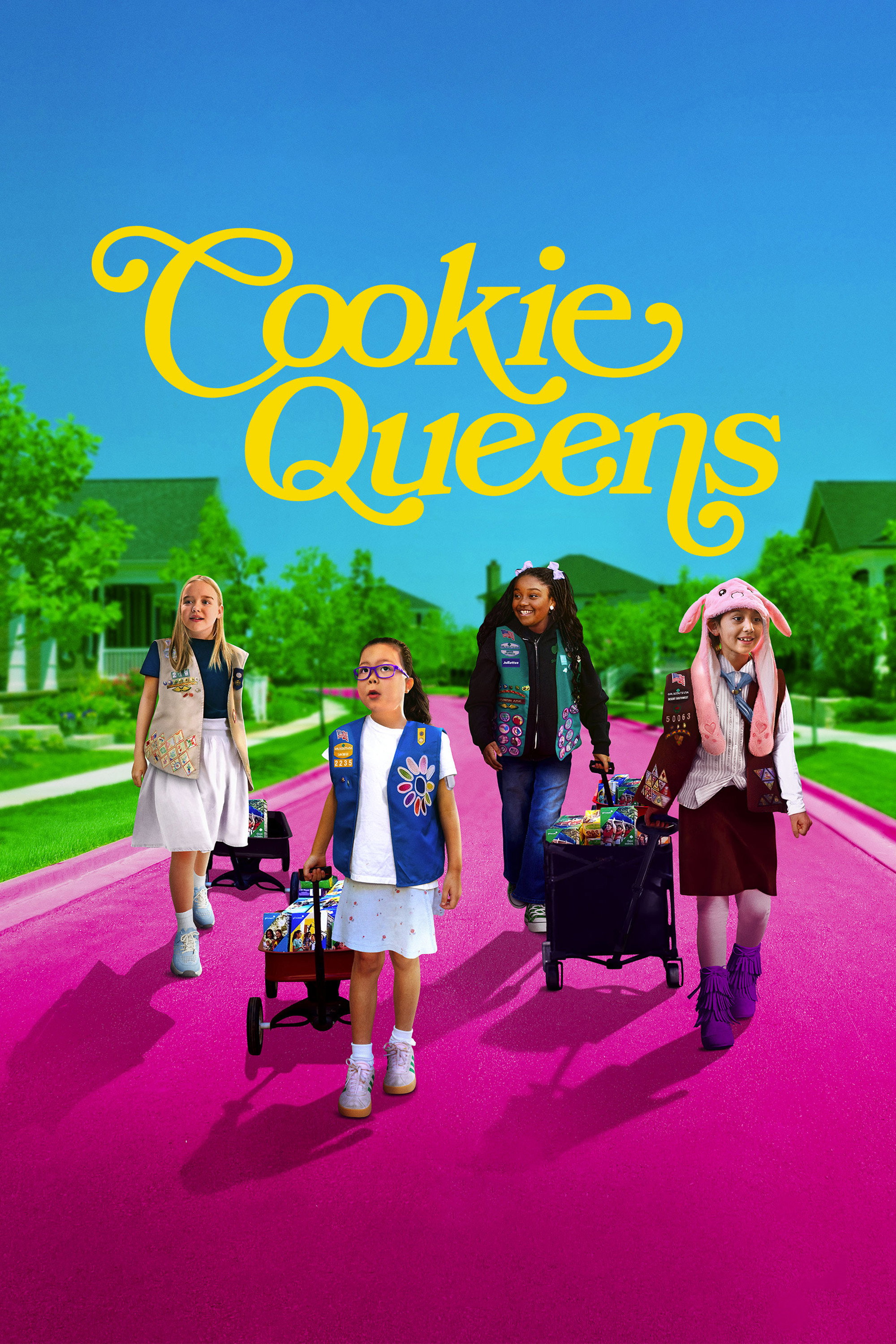
A celebration of girlhood and the complexities that come with it, Cookie Queens is a coming-of-age story about the joys, pressures, and tensions woven into one of America’s most cherished rituals: Girl Scout Cookie season.
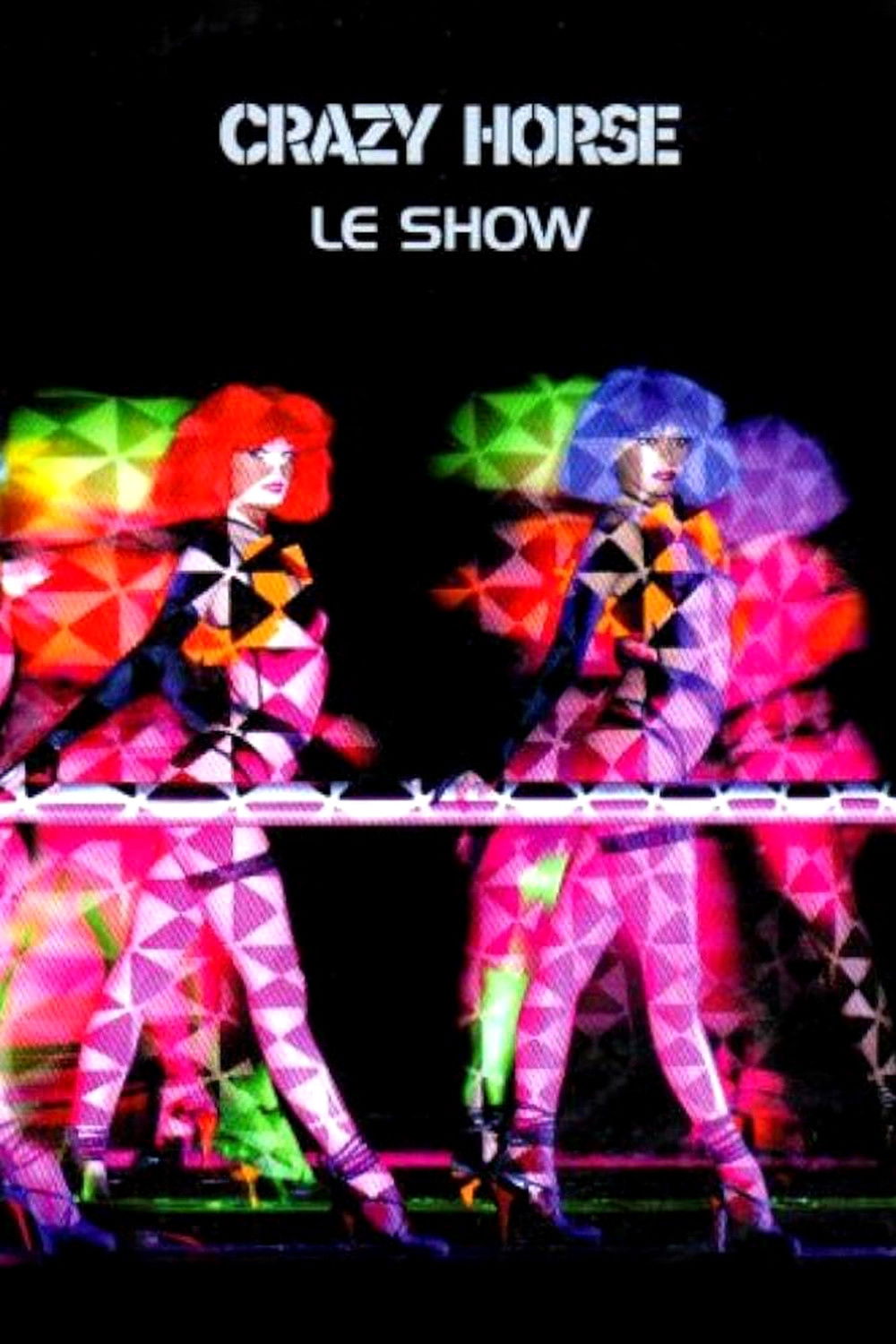
The Crazy Horse has staged unique shows on Paris' avenue George V every evening since 1951. Enjoy some of the most spectacular numbers seen at Crazy Horse in an exceptional film shot in High Definition video, including previously unreleased sequences of the dancers and their lives backstage!
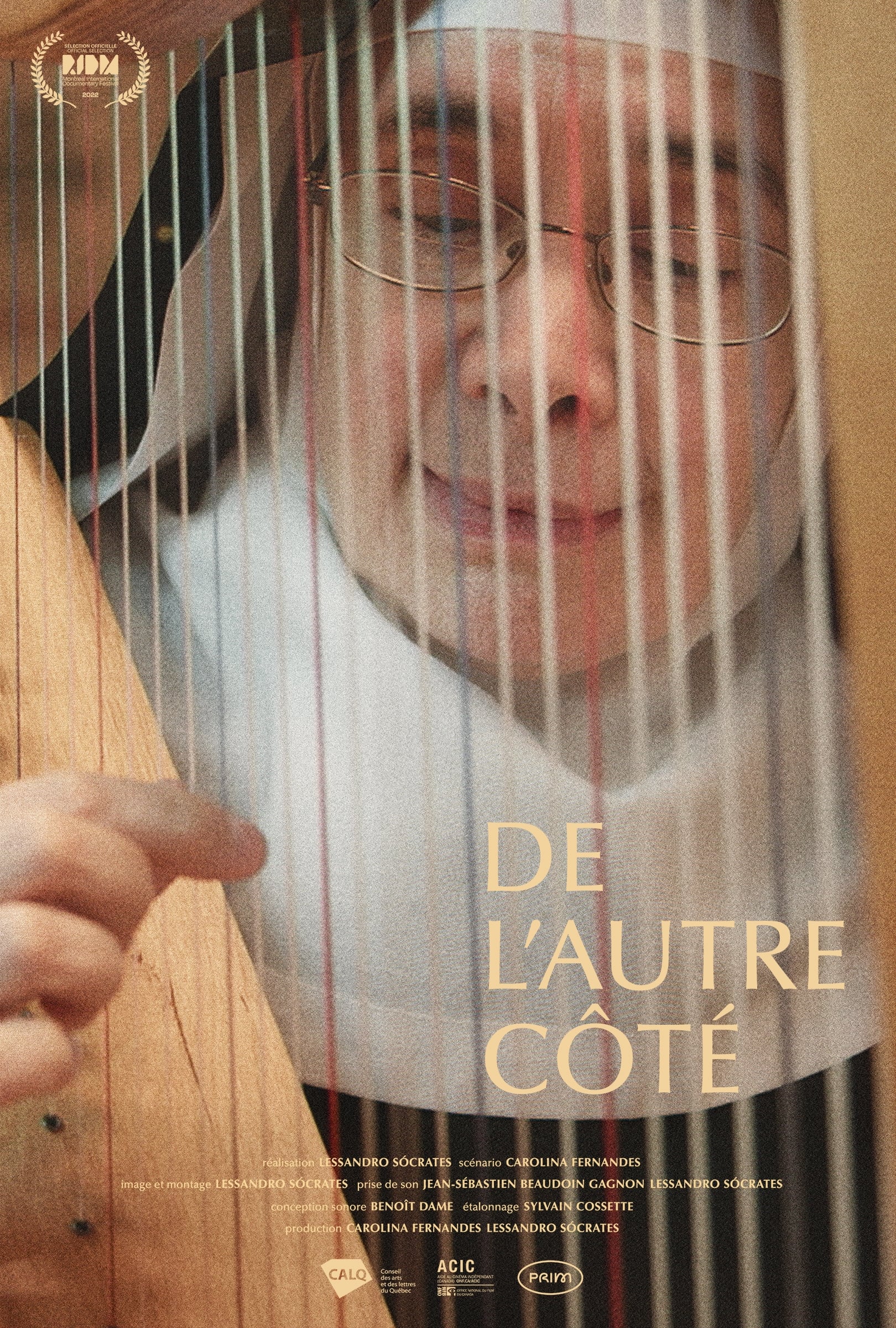
The oldest Quebecois Benedictine convent open its gates to a documentary filmmaker for the first time. Observed up close, life behind its walls is busier than one would expect. About twenty cloistered nuns, most of them over 70, share their daily life with diligence and humor. A contemplative portrait of a community of sisterhood and solidarity emerges, punctuated by prayer, work and games evenings.
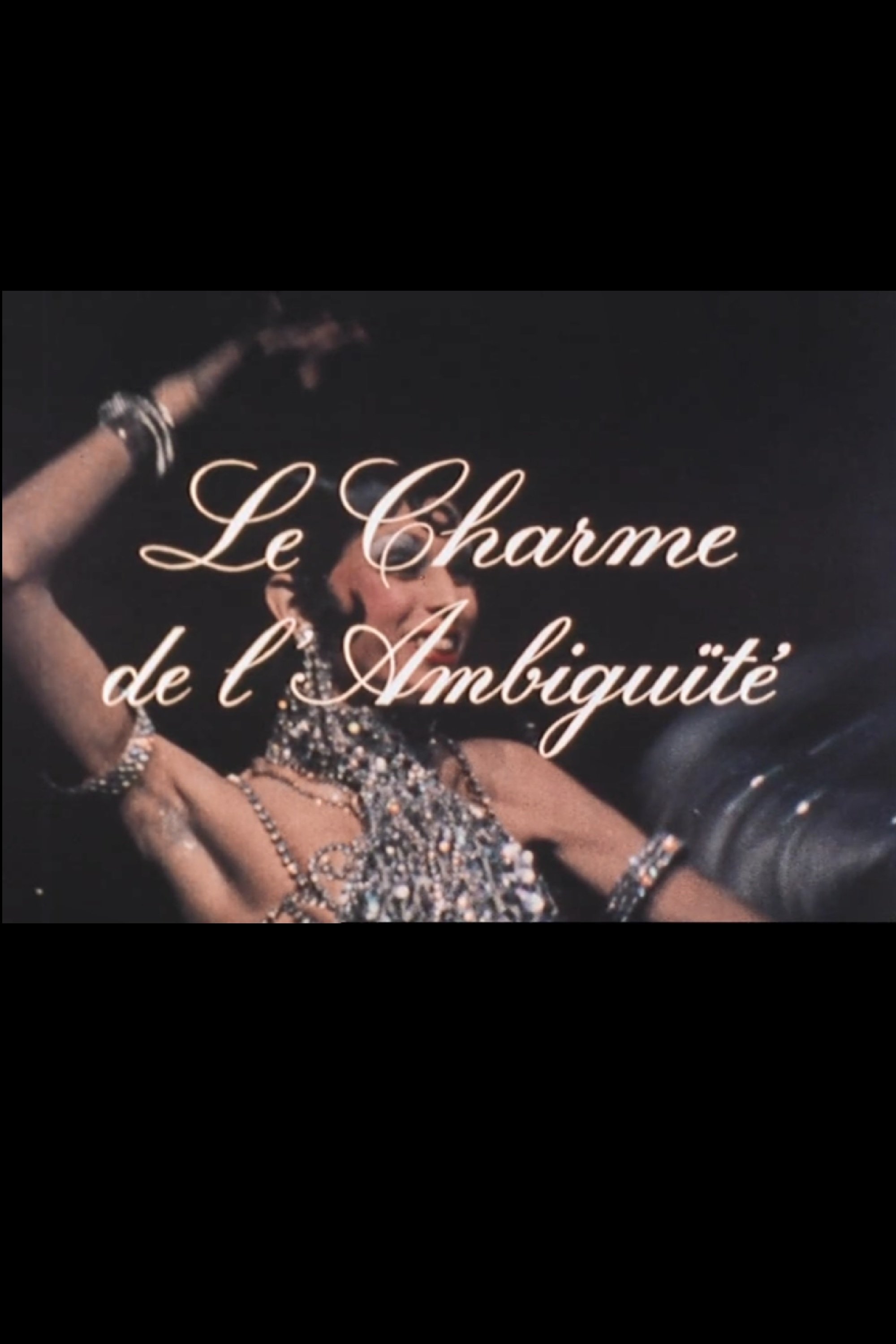
From transvestites to transformers, we will follow the trail that will lead us in different and famous Parisian music-halls, such as the mythical Alcazar of Paris, La Grande Eugène. Whether they are below or beyond their character, often these men who are looking for themselves look at life with the humor of despair. Why this need to "transform" themselves? Why is it always the men who cross-dress and not the women? Why did the public flock to these shows in the 1970s and 1980s? Interpretations of famous characters such as Diana Ross, Josephine Baker, Billie Holiday, the Peter Sisters, the Andrew Sisters, Zizi Jeanmaire, Judy Garland, Sarah Bernhardt, among others, contribute to making this musical document an essential testimony of this era.
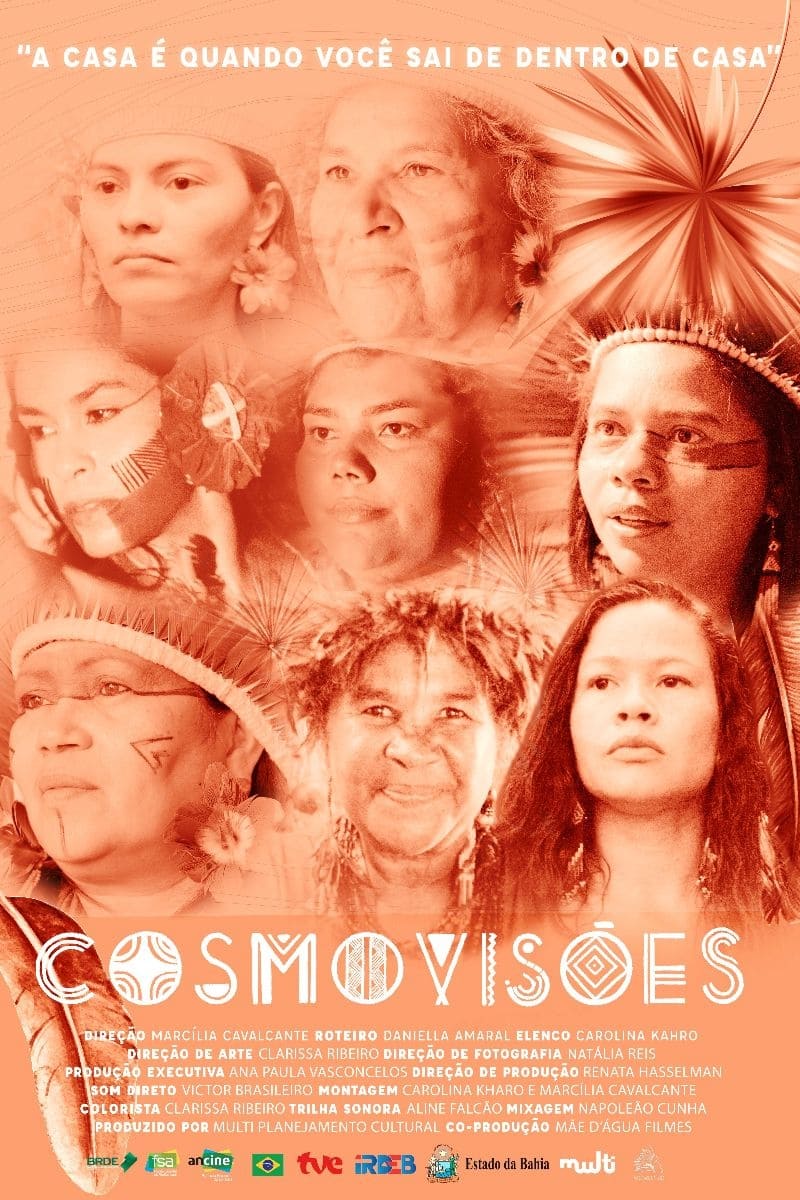
In Southern Bahia, seven indigenous women invite to reflection, sharing their mythology, ancestry and paths to living well.
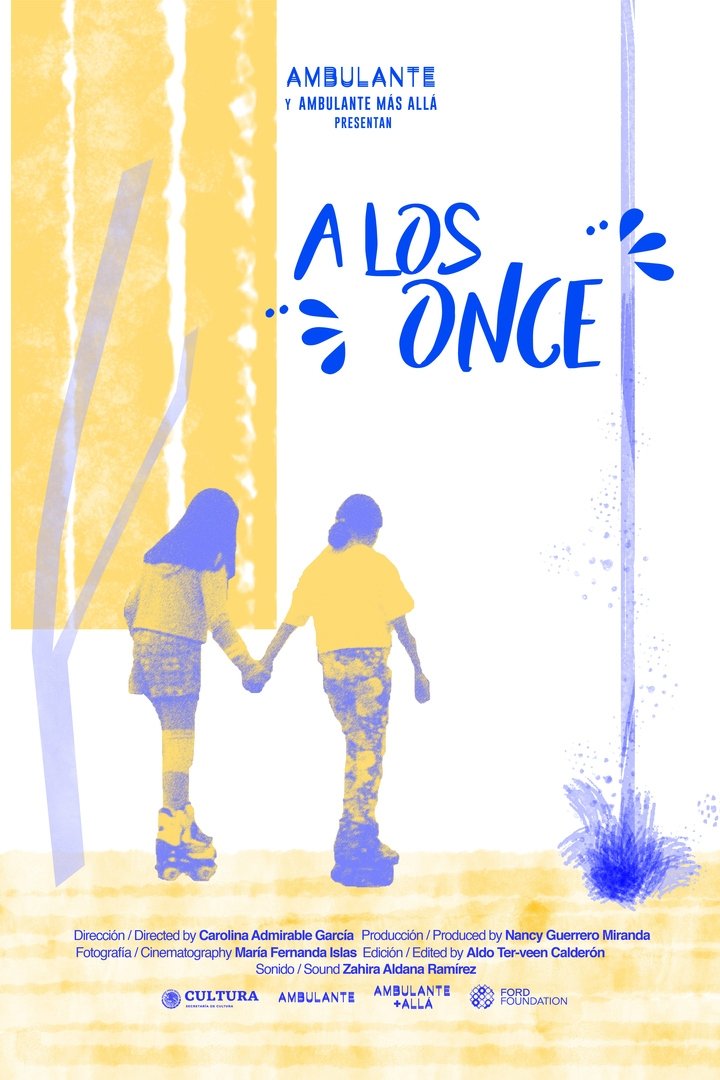
Isa and Zoe are eleven years old, they are best friends. Through their video diaries, they tell their perspectives on the transition from childhood to adolescence, the changes they are undergoing and their concerns when they stop being girls to become women.
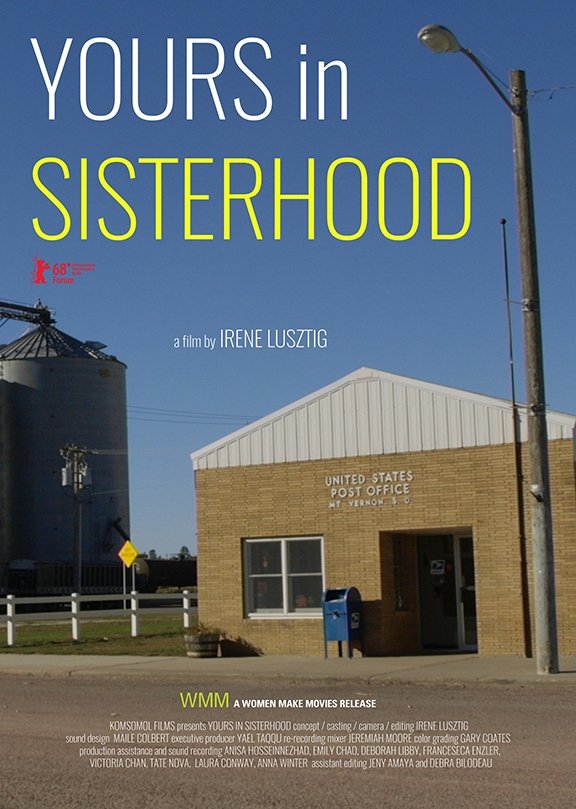
What might be revealed in the process of inviting strangers to act out and respond to 1970s feminism forty years later? Between 2015 and 2017, hundreds of strangers in communities all over the US were invited to read aloud and respond to letters from the 70s sent to the editor of Ms. Magazine–the first mainstream feminist magazine in the US. The intimate, provocative, and sometimes heartbreaking conversations that emerge from these spontaneous performances make us think critically about the past, present, and future of feminism.
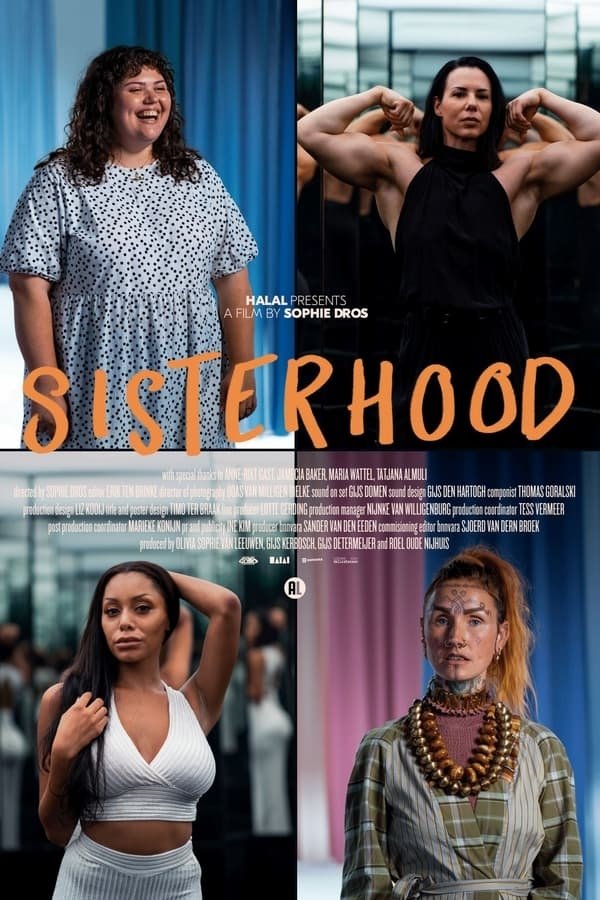
Filmmaker Sophie Dros enters into a dialogue with strong women in a powerfull document about being a woman in the Netherlands today. Inspired by Simone de Beauvoir's essay The second sex, filmmaker Sophie Dros (winner of the NFF Debut Competition 2017) talks to four women and a group of young girls. Together they go in search of universal stories; about dealing with expectations, empathy and connection, desires, fear, need for confirmation and losing control.
Adopted from South Korea, raised on different continents & connected through social media, Samantha & Anaïs believe that they are twin sisters separated at birth.
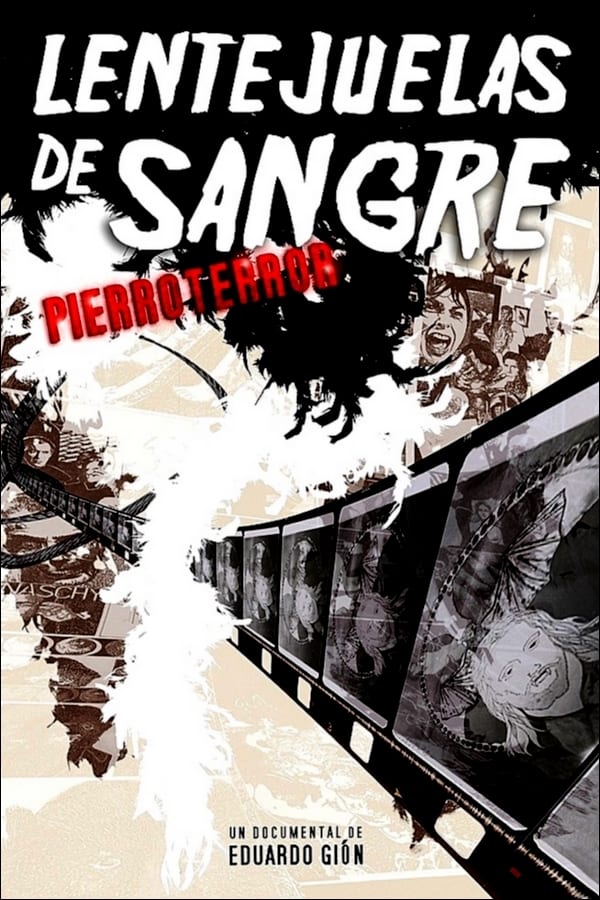
Antonio Gracia José (1942-2011), known as “Pierrot,” was a prominent member of the Barcelona art scene, a pioneer in the filmmaking of underground short films and Fantaterror movies, writer and playwright, magazine editor, movie poster painter, cartoonist and cabaret showman.
«this short film visits memories of the past, truths of the present + hopes for the future. healing for sisters who are in process, in ritual.» (Rikkí Wright)
Marie-Philip is a PhD student and part-time professor who loves cats and Harry Potter. But one week before her 29th birthday, she is diagnosed with breast cancer. For a year, without false modesty, we follow her through each step as she confides in us with shocking honesty. An ode to life, to courage and to the resilience of all those who fight every day against disease.
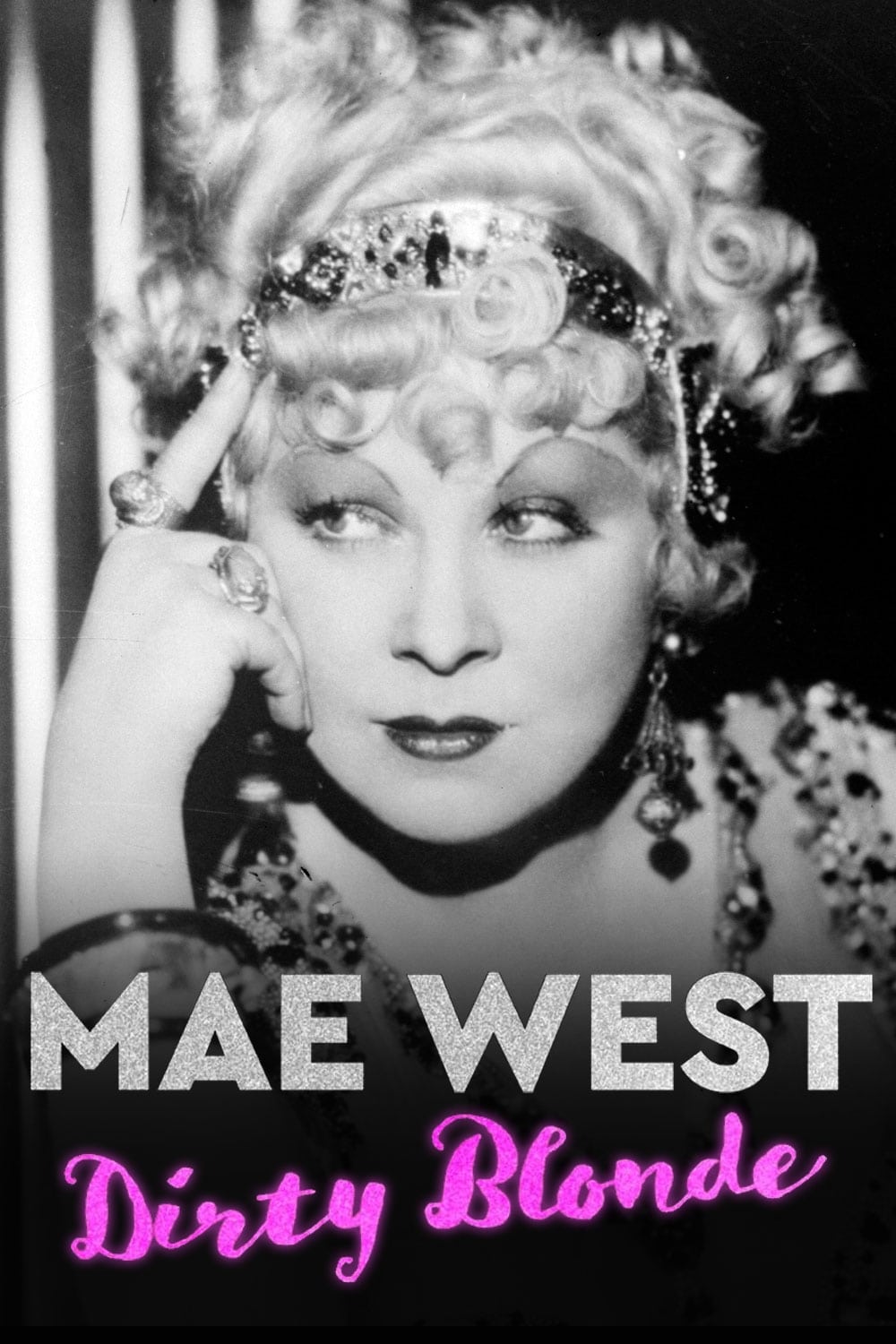
Mae West achieved great acclaim in every entertainment medium that existed during her lifetime, spanning eight decades of the 20th century. A full-time actress at seven, a vaudevillian at 14, a dancing sensation at 25, a playwright at 33, a silver screen ingénue at 40, a Vegas nightclub act at 62, a recording artist at 73, a camp icon at 85 - West left no format unconquered. She possessed creative and economic powers unheard of for a female entertainer in the 1930s and still rare today. Though a comedian, West grappled with some of the more complex social issues of the 20th century, including race and class tensions, and imbued even her most salacious plotlines with commentary about gender conformity, societal restrictions and what she perceived as moral hypocrisy. Mae West: Dirty Blonde is the first major documentary film to explore West's life and career, as she "climbed the ladder of success wrong by wrong" to become a writer, performer and subversive agitator for social change.
Bambi was born Jean-Pierre Pruvot in a tiny Algerian village in 1935. Even as a child, she refused to meet the expectations of her extended family, choosing instead to find a way to become the woman she always knew herself to be. A Cabaret Carrousel de Paris performance in Algiers in the 1950s proved to be all the encouragement she needed to emigrate to the French capital, assume the stage name of ‘Bambi’ and lead the life she longed for on the music-hall stages.
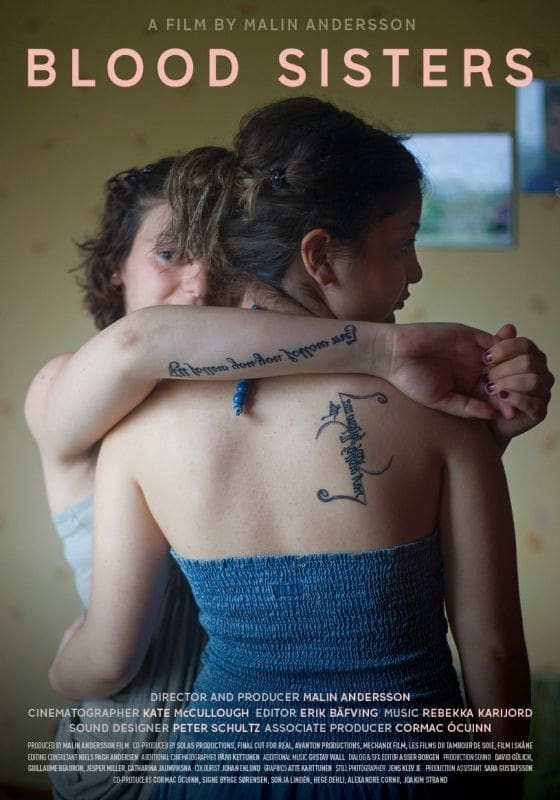
Julia and Johanna, from the high-rise flats of Rosengård in Malmö, inseparable for as long as they remember. Curled up beside each other at night, carrying equal memories of abduction and abuse in their home country Azerbaijan. In Blood Sisters we follow their journey from twin sisters in symbiosis to young women trying to stand on their own feet.
The story of Robert Pilatus and Fabrice Morvan, who became fast friends during their youth in Germany. With Rob coming from a broken home and Fabrice having left an abusive household, they shared a similar upbringing, as well as a future goal: to become famous superstars. In a few short years, their dreams came true. Rob and Fab, better known as Milli Vanilli, became the world's most popular pop duo in 1990 and won the GRAMMY for Best New Artist. However, their ascension to success came with a devastating price that ultimately led to their infamous undoing.
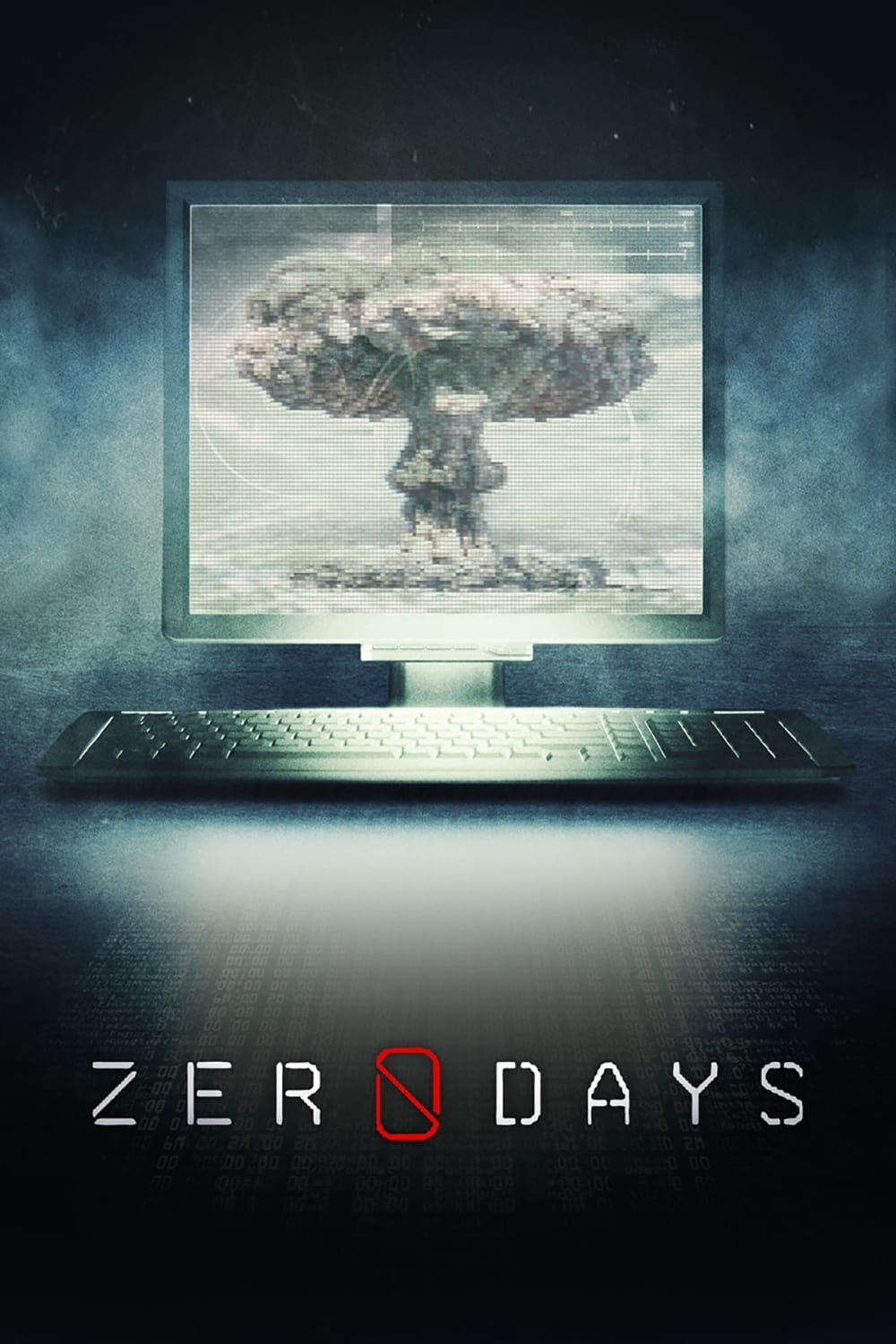
Alex Gibney explores the phenomenon of Stuxnet, a self-replicating computer virus discovered in 2010 by international IT experts. Evidently commissioned by the US and Israeli governments, this malware was designed to specifically sabotage Iran’s nuclear programme. However, the complex computer worm ended up not only infecting its intended target but also spreading uncontrollably.
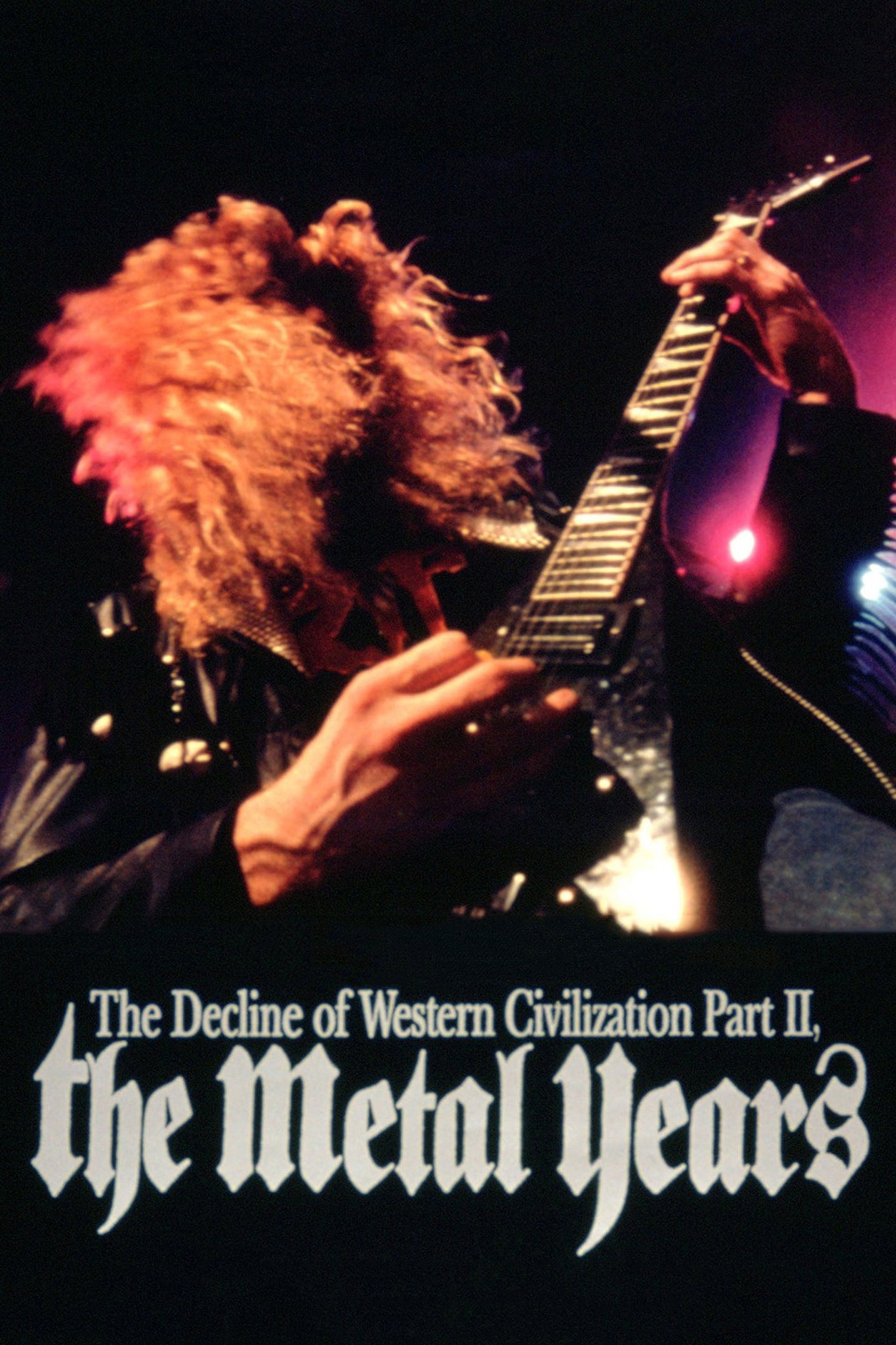
An exploration of the heavy metal scene in Los Angeles, with particular emphasis on glam metal. It features concert footage and interviews of legendary heavy metal and hard rock bands and artists such as Aerosmith, Alice Cooper, Kiss, Megadeth, Motörhead, Ozzy Osbourne and W.A.S.P..
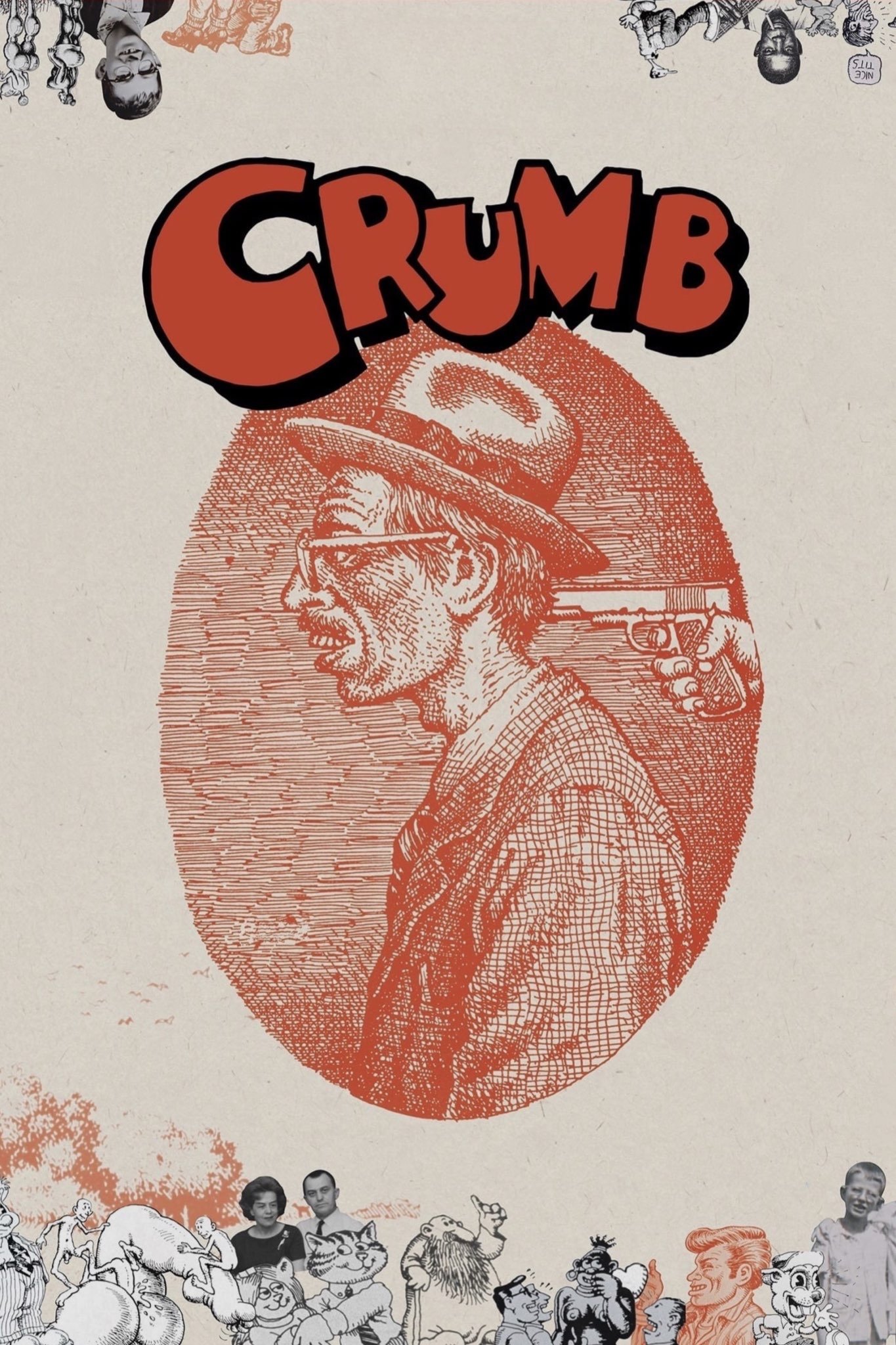
This movie chronicles the life and times of R. Crumb. Robert Crumb is the cartoonist/artist who drew Keep On Truckin', Fritz the Cat, and played a major pioneering role in the genesis of underground comix. Through interviews with his mother, two brothers, wife, ex-wife and ex-girlfriends, as well as selections from his vast quantity of graphic art, we are treated to a darkly comic ride through one man's subconscious mind.
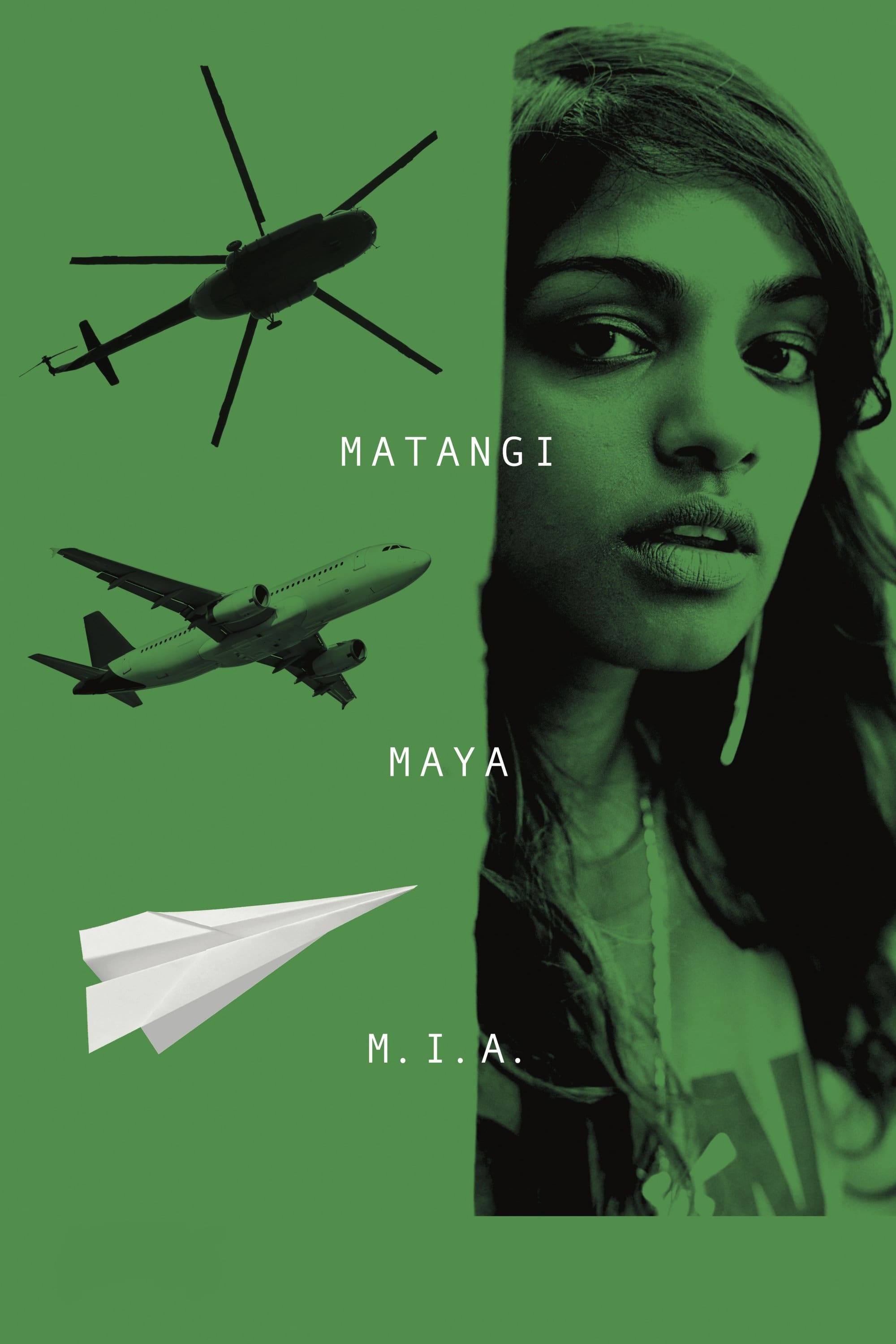
Drawn from a never before seen cache of personal footage spanning decades, this is an intimate portrait of the Sri Lankan artist and musician who continues to shatter conventions.
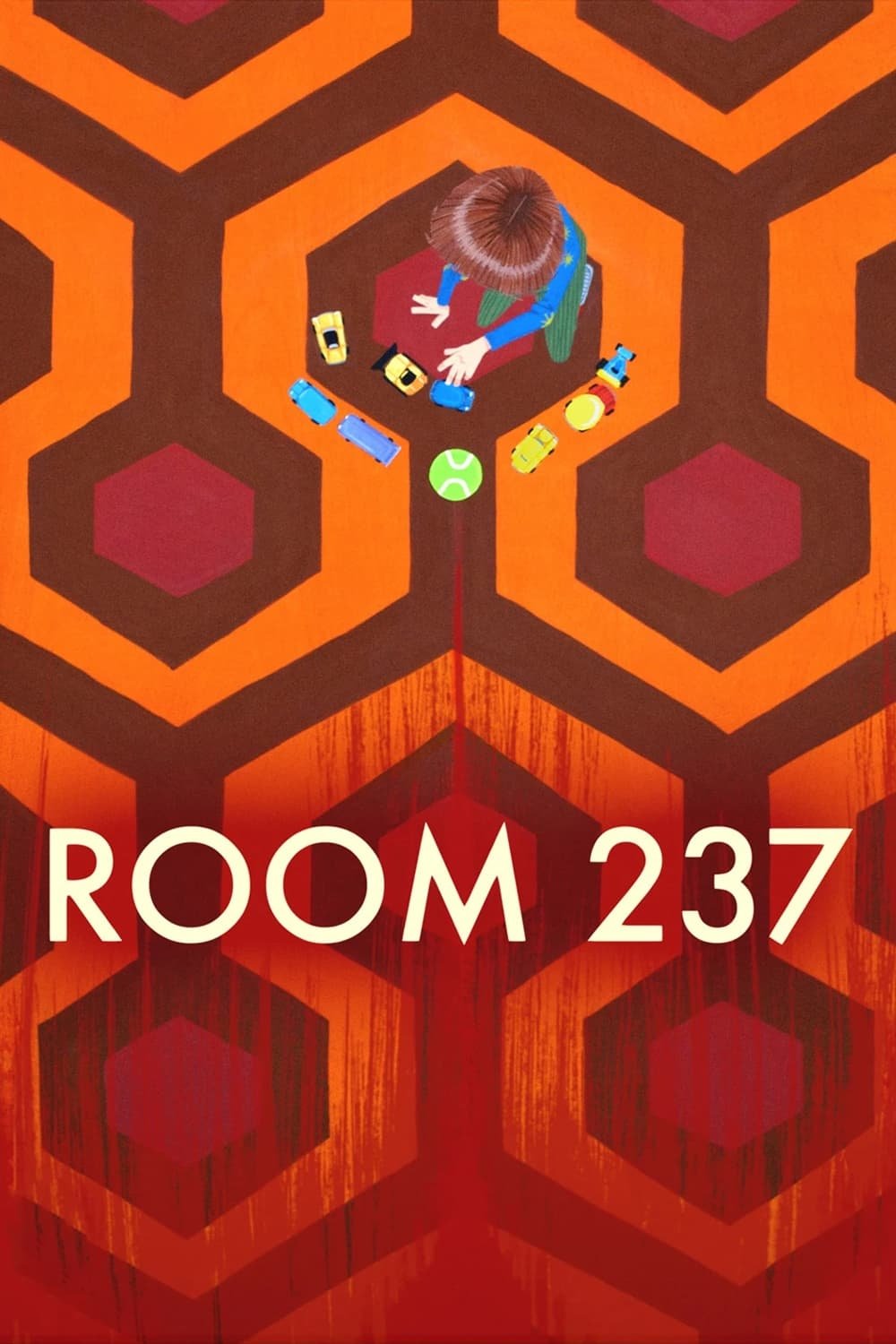
A subjective documentary that explores various theories about hidden meanings in Stanley Kubrick's classic film The Shining. Five very different points of view are illuminated through voice over, film clips, animation and dramatic reenactments.
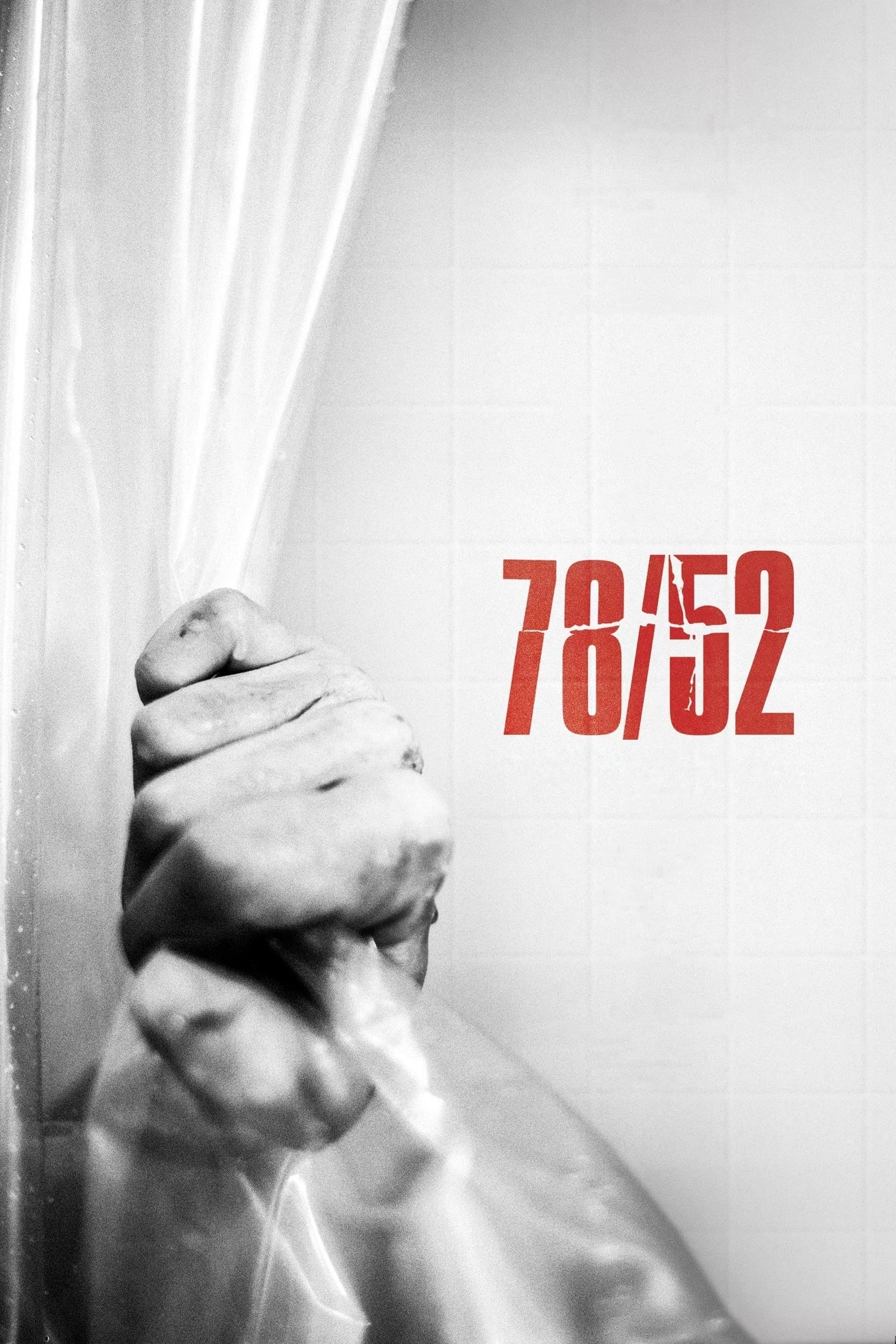
The most famous murder scene in movie history comprises 78 camera settings and 52 cuts: the shower scene in Alfred Hitchcock's Psycho. 78/52 tells the story of the man behind the curtain and his greatest obsession.
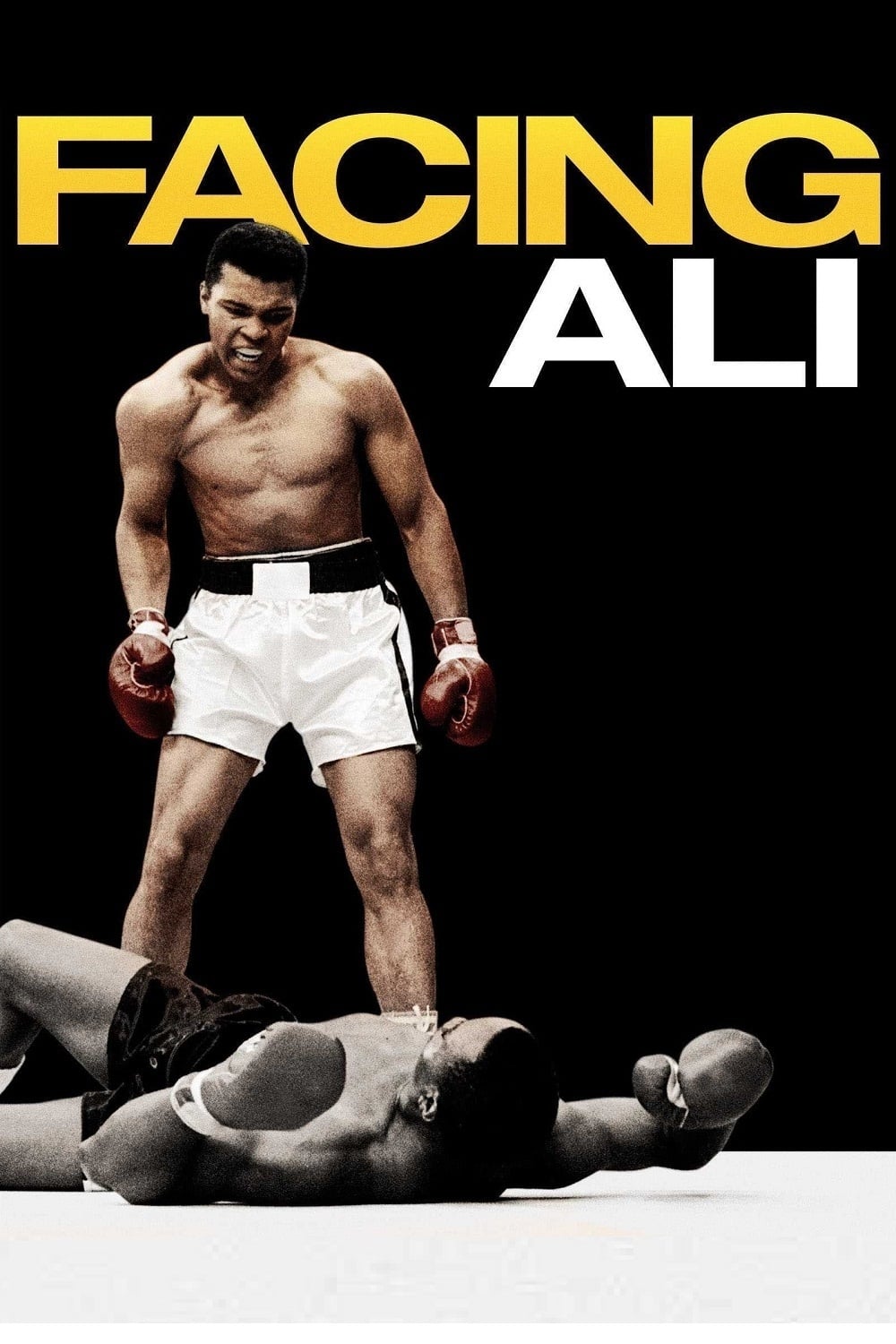
Ten of Muhammad Ali's former rivals pay tribute to the three-time world heavyweight champion.
A love letter from a young mother to her daughter, the film tells the story of Waad al-Kateab’s life through five years of the uprising in Aleppo, Syria as she falls in love, gets married and gives birth to Sama, all while cataclysmic conflict rises around her. Her camera captures incredible stories of loss, laughter and survival as Waad wrestles with an impossible choice– whether or not to flee the city to protect her daughter’s life, when leaving means abandoning the struggle for freedom for which she has already sacrificed so much.
This searing investigative work shadows a group of activists risking unimaginable peril to confront the ongoing anti-LGBTQ program raging in the repressive and closed Russian republic. Unfettered access and a remarkable approach to protecting anonymity exposes this under-reported atrocity–and an extraordinary group of people confronting evil.
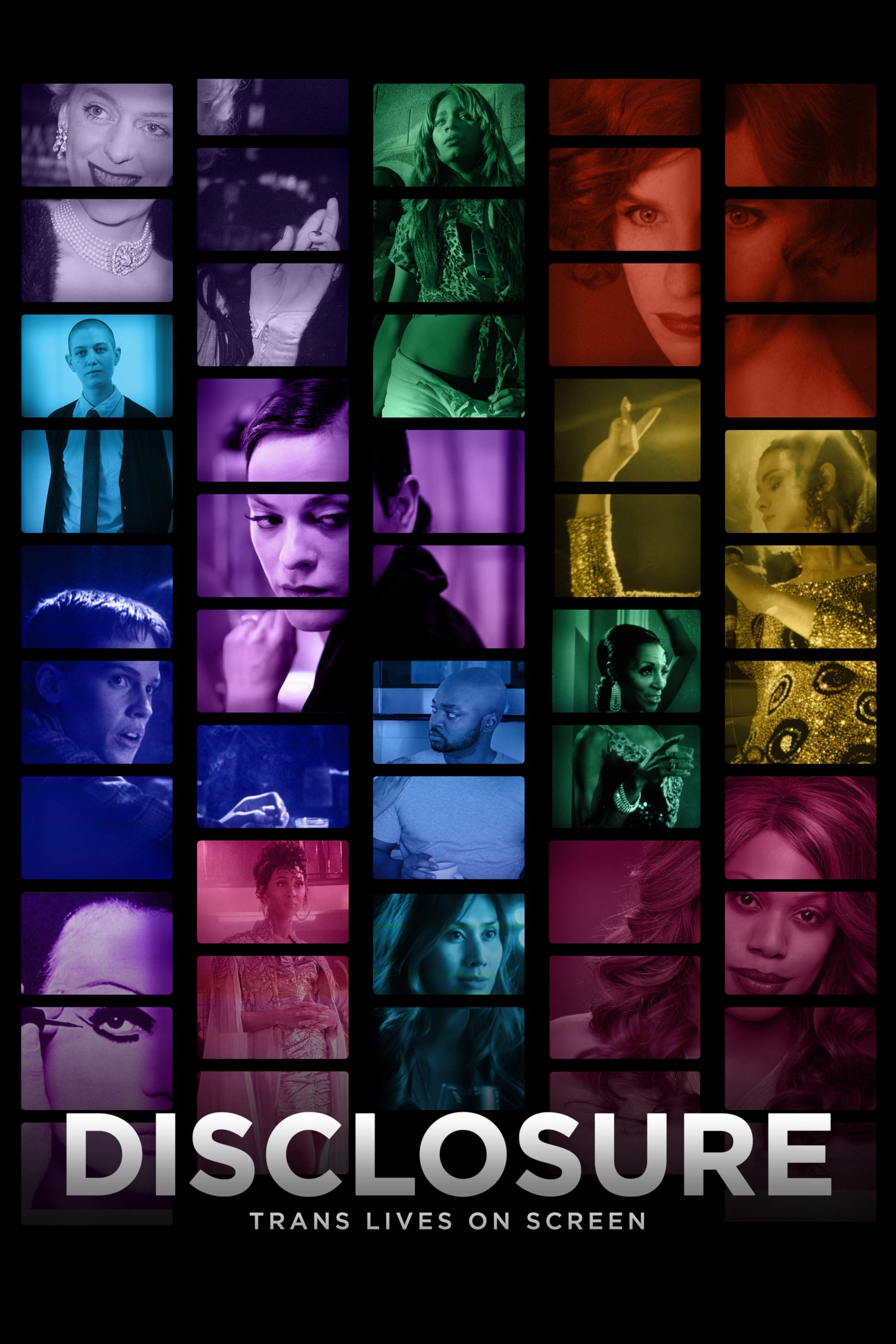
An investigation of how Hollywood's fabled stories have deeply influenced how Americans feel about transgender people, and how transgender people have been taught to feel about themselves.
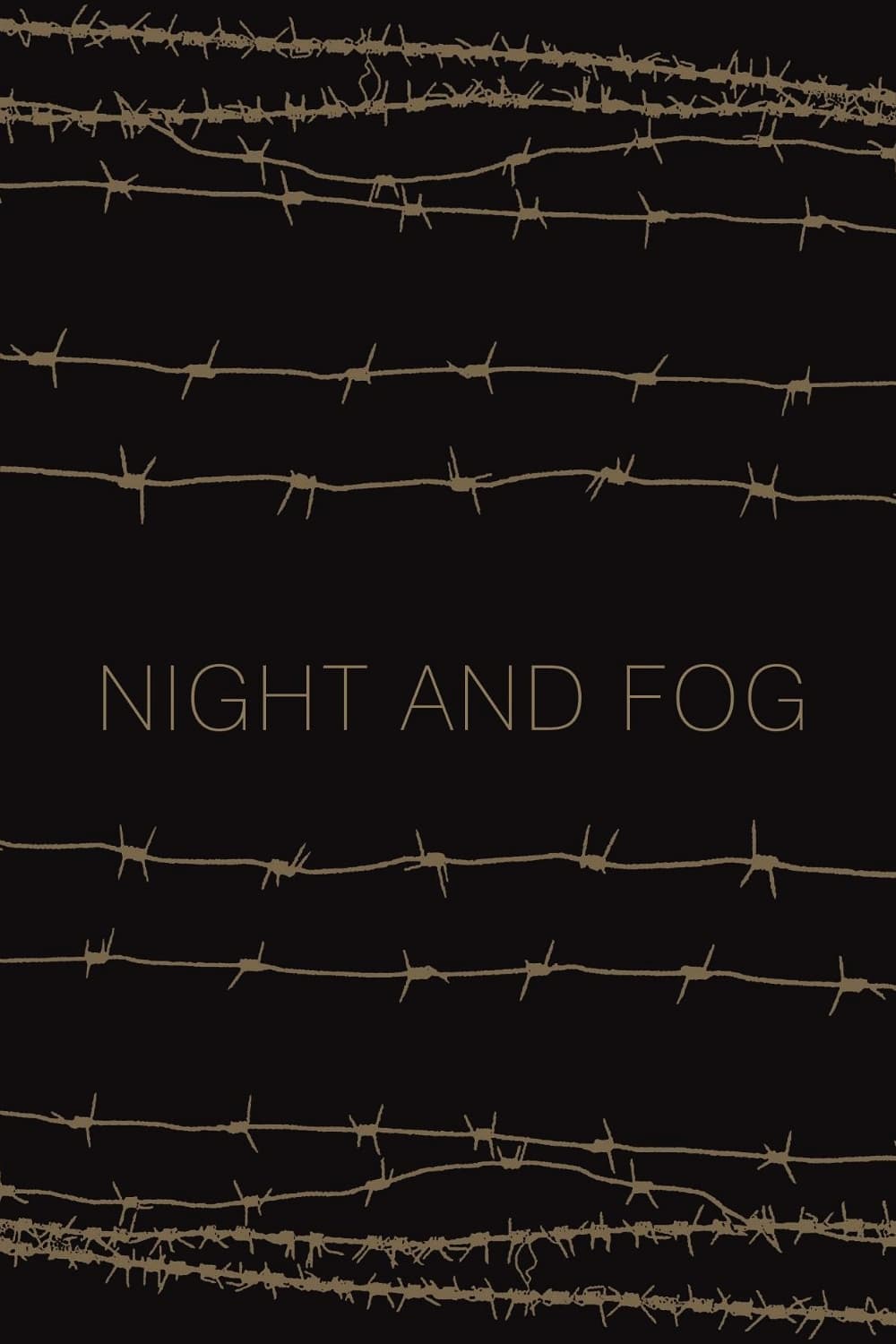
Filmmaker Alain Resnais documents the atrocities behind the walls of Hitler's concentration camps.
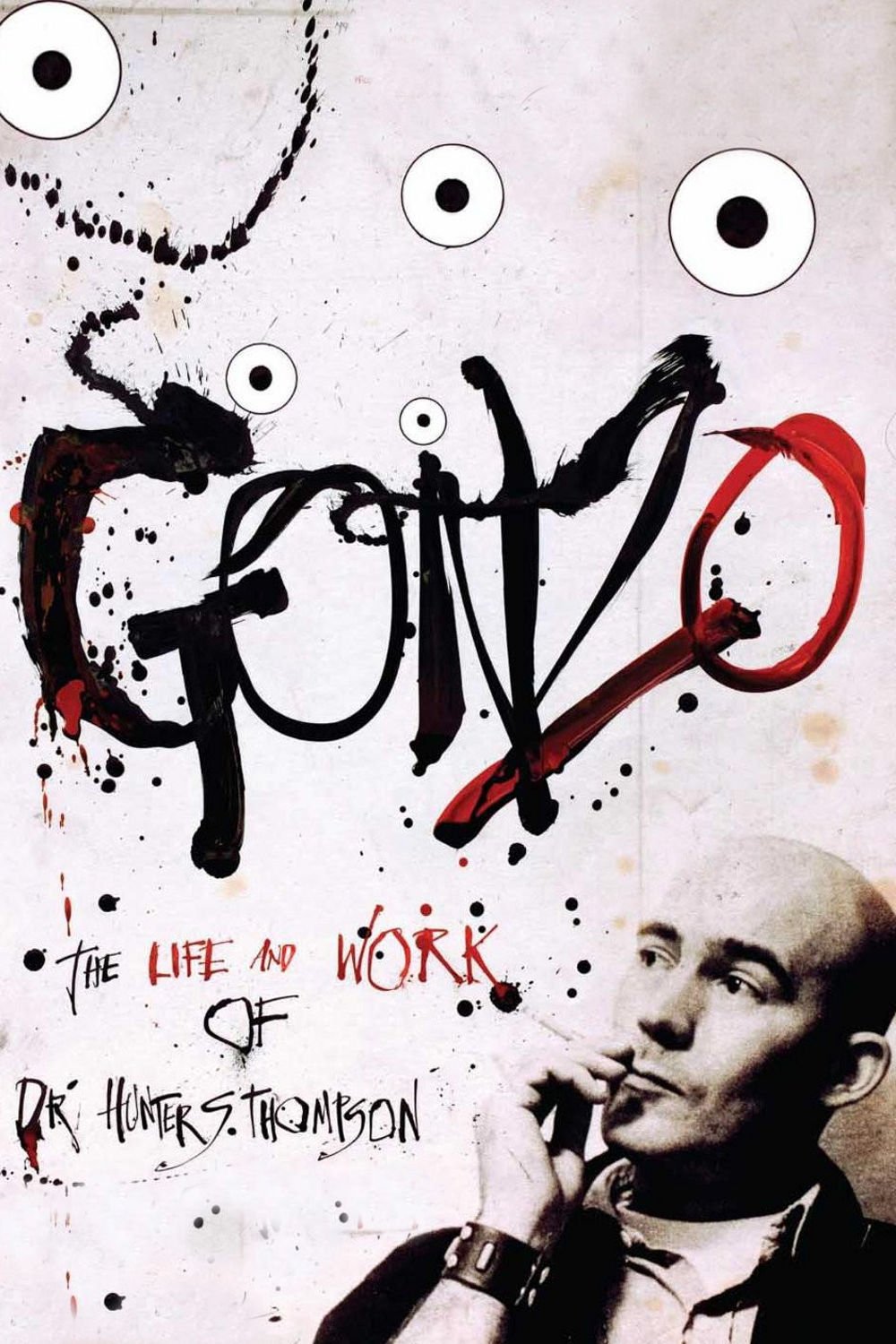
Fueled by a raging libido, Wild Turkey, and superhuman doses of drugs, Thompson was a true "free lance, " goring sacred cows with impunity, hilarity, and a steel-eyed conviction for writing wrongs. Focusing on the good doctor's heyday, 1965 to 1975, the film includes clips of never-before-seen (nor heard) home movies, audiotapes, and passages from unpublished manuscripts.
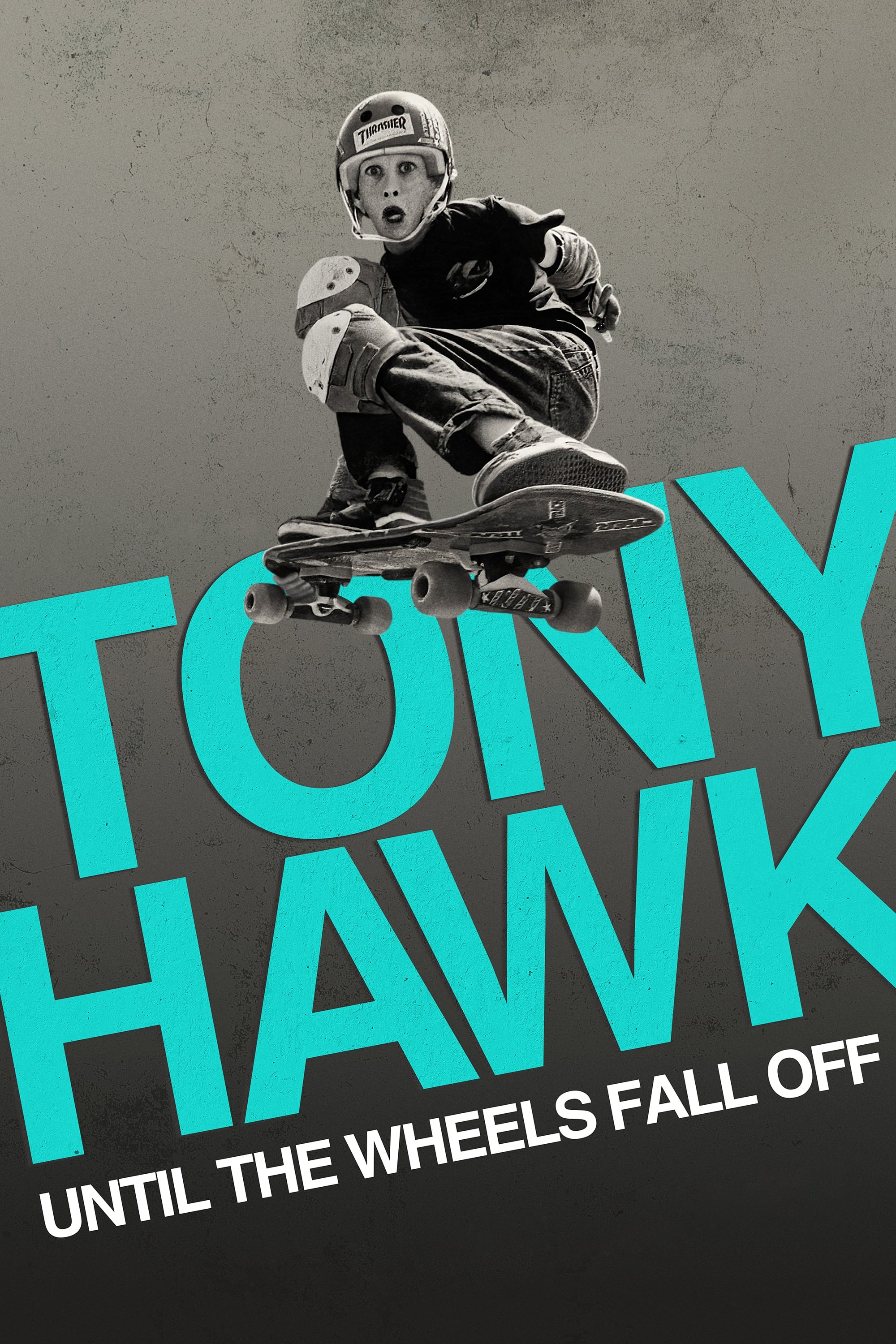
A wide-ranging, definitive look at Hawk’s life and iconic career, and his relationship with the sport with which he’s been synonymous for decades, featuring unprecedented access, never-before-seen footage, and interviews with Hawk and prominent figures in the sport including Stacy Peralta, Rodney Mullen, Mike McGill, Lance Mountain, Steve Caballero, Neil Blender, Andy MacDonald, Duane Peters, Sean Mortimer, and Christian Hosoi.
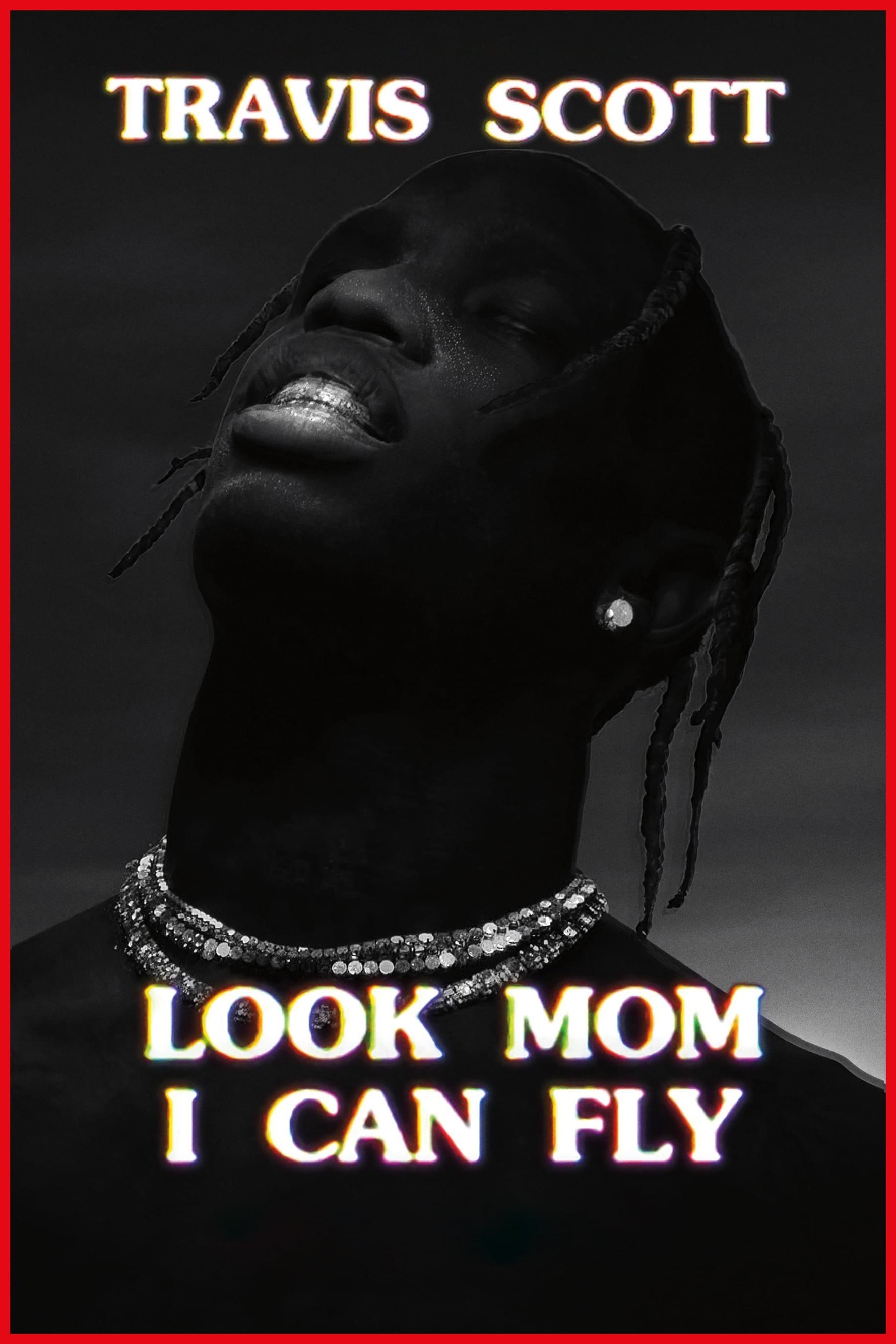
While crafting his Grammy-nominated album "Astroworld," Travis Scott juggles controversy, fatherhood and career highs in this intimate documentary.
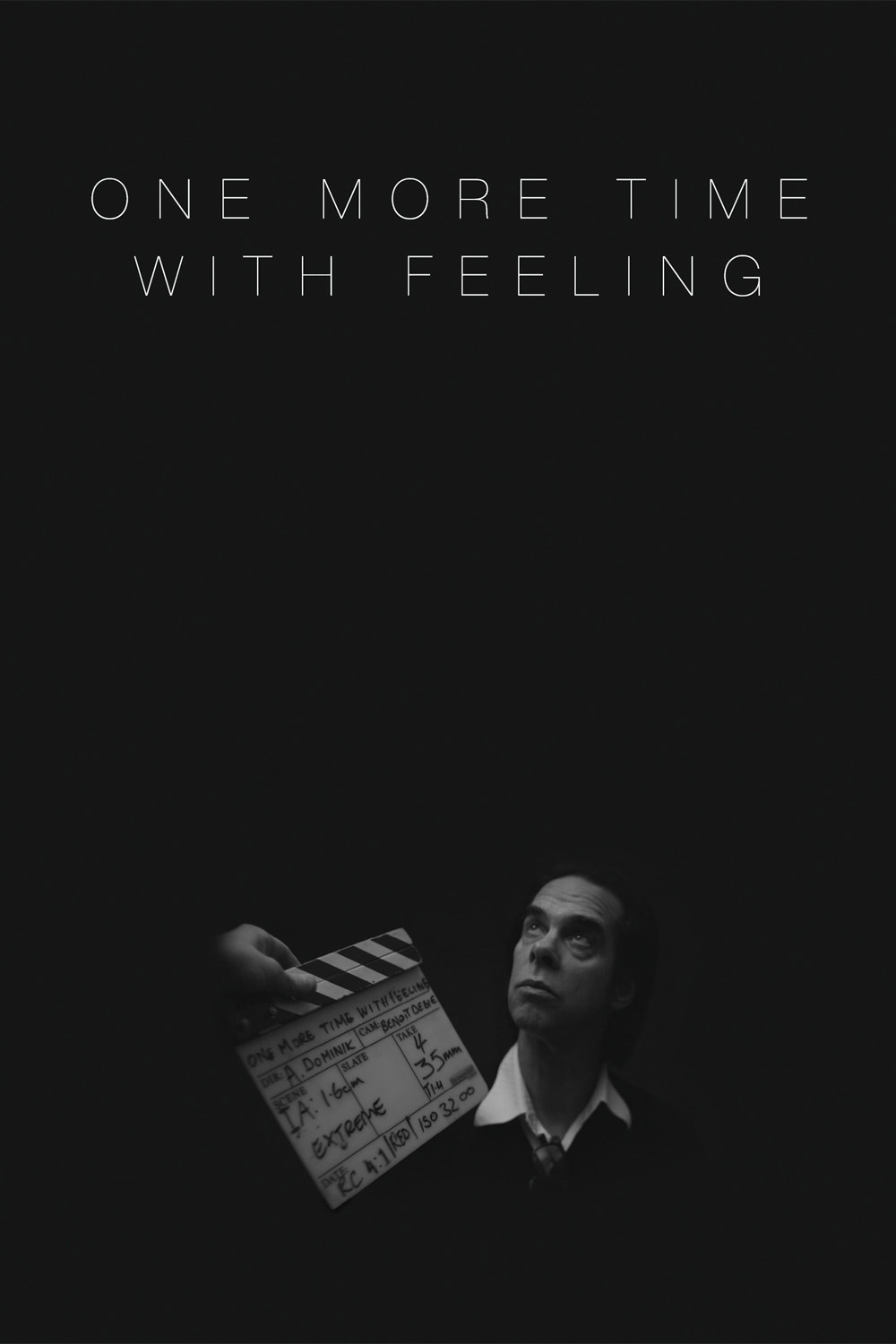
Andrew Dominik's One More Time With Feeling is a remarkable black and white documentary which chronicles the creation of Nick Cave & The Bad Seeds' album Skeleton Tree. Originally a performance based concept, the film evolved into something much more significant as Dominik delved into the tragic backdrop of the writing and recording of the album. The result is stark, fragile and raw, and a true testament to an artist trying to find his way through the darkness. It documents the writing, recording and performing of Nick Cave & the Bad Seeds’ sixteenth studio album, Skeleton Tree.
When Allied forces liberated the Nazi concentration camps in 1944-45, their terrible discoveries were recorded by army and newsreel cameramen, revealing for the first time the full horror of what had happened. Making use of British, Soviet and American footage, the Ministry of Information’s Sidney Bernstein (later founder of Granada Television) aimed to create a documentary that would provide lasting, undeniable evidence of the Nazis’ unspeakable crimes. He commissioned a wealth of British talent, including editor Stewart McAllister, writer and future cabinet minister Richard Crossman – and, as treatment advisor, his friend Alfred Hitchcock. Yet, despite initial support from the British and US Governments, the film was shelved, and only now, 70 years on, has it been restored and completed by Imperial War Museums under its original title "German Concentration Camps Factual Survey".
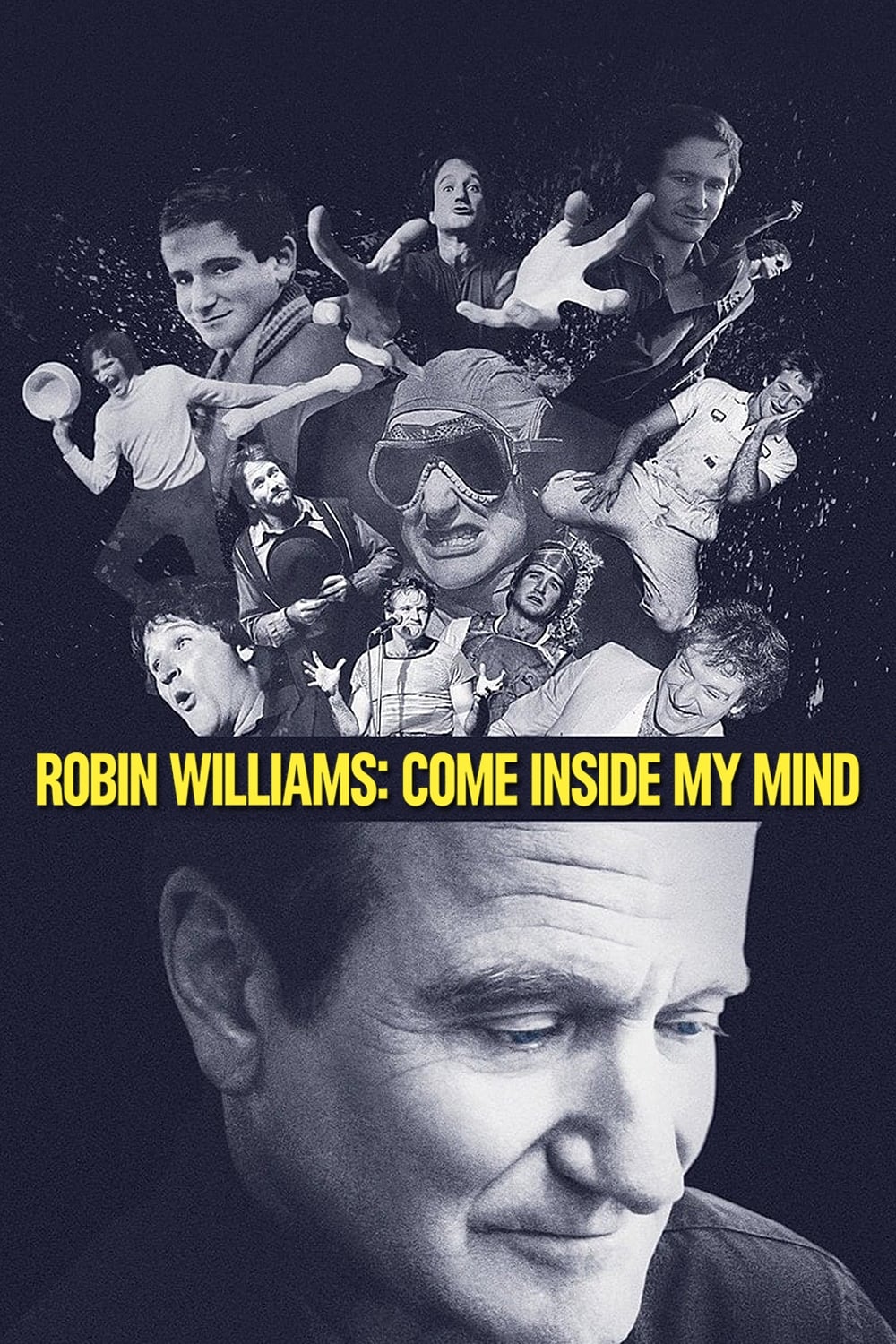
A funny, intimate and heartbreaking portrait of one of the world’s most beloved and inventive comedians, Robin Williams, told largely through his own words. Celebrates what he brought to comedy and to the culture at large, from the wild days of late-1970s L.A. to his death in 2014.
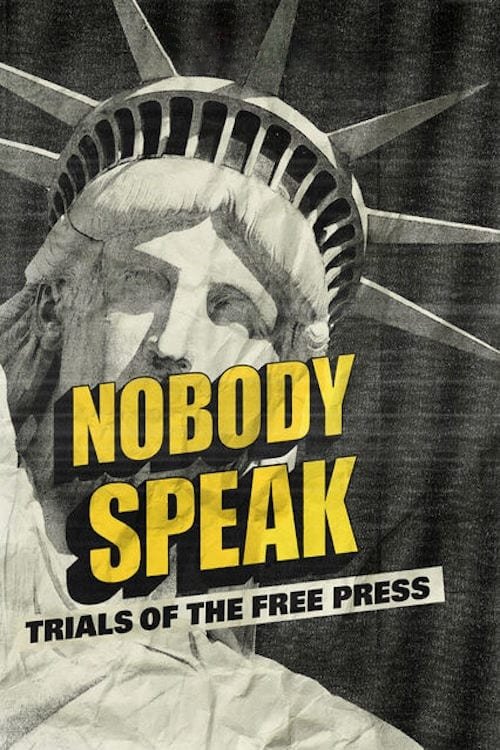
The courtroom and publicity battles between the superstar wrestler and the notorious website explode in a sensational trial all about the limits of the First Amendment and the new no holds barred nature of celebrity life in an internet dominated society.
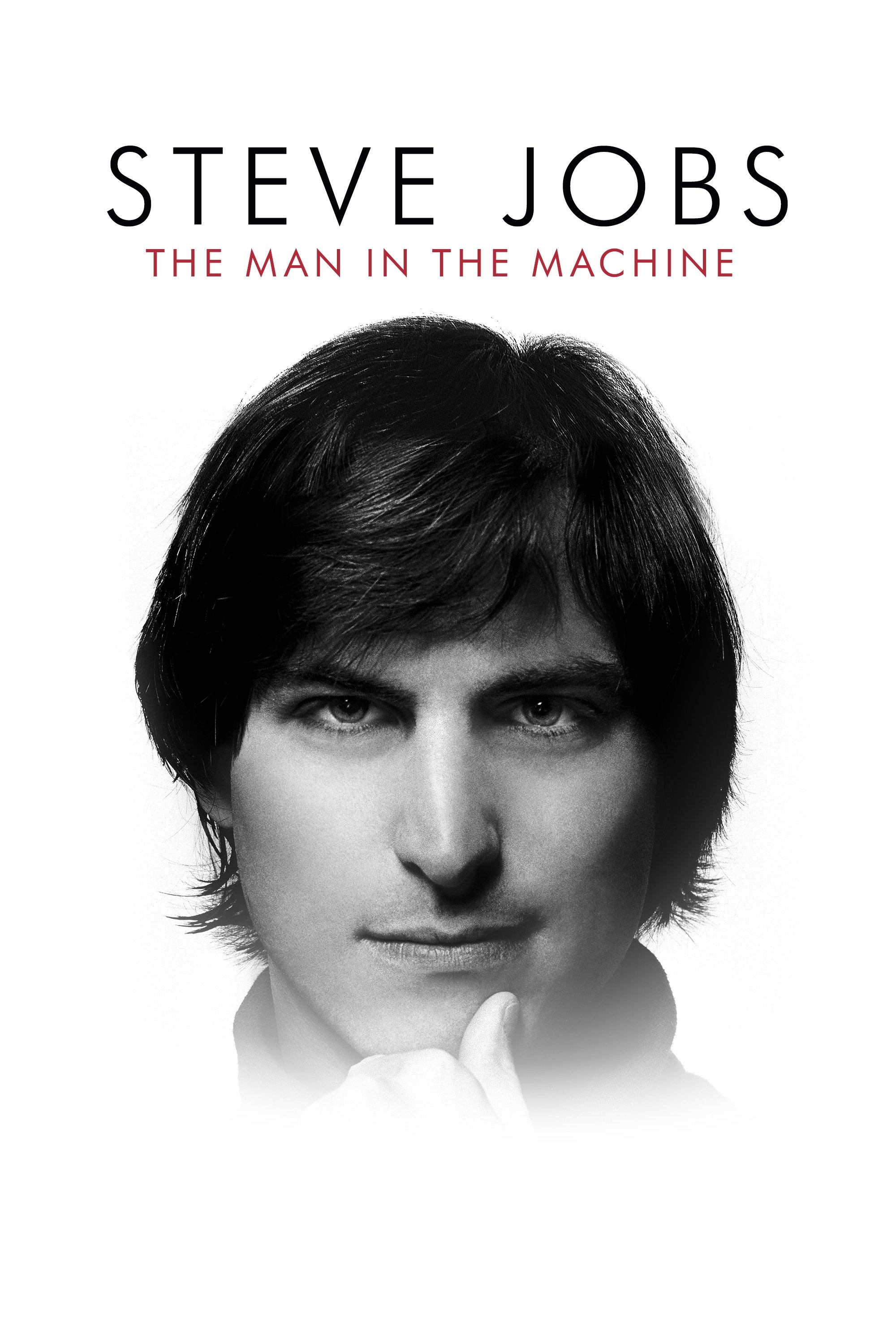
When Steve Jobs died the world wept. But what accounted for the grief of millions of people who didn’t know him? This evocative film navigates Jobs' path from a small house in the suburbs, to zen temples in Japan, to the CEO's office of the world's richest company, exploring how Jobs’ life and work shaped our relationship with the computer. The Man in the Machine is a provocative and sometimes startling re-evaluation of the legacy of an icon.