Roundtable discussion of the films of Quentin Tarantino with four film critics.
Social & External
The people behind it
Elvis Mitchell
Self - Host
Scott Foundas
Self
Stephanie Zacharek
Tim Lucas
Andy Klein
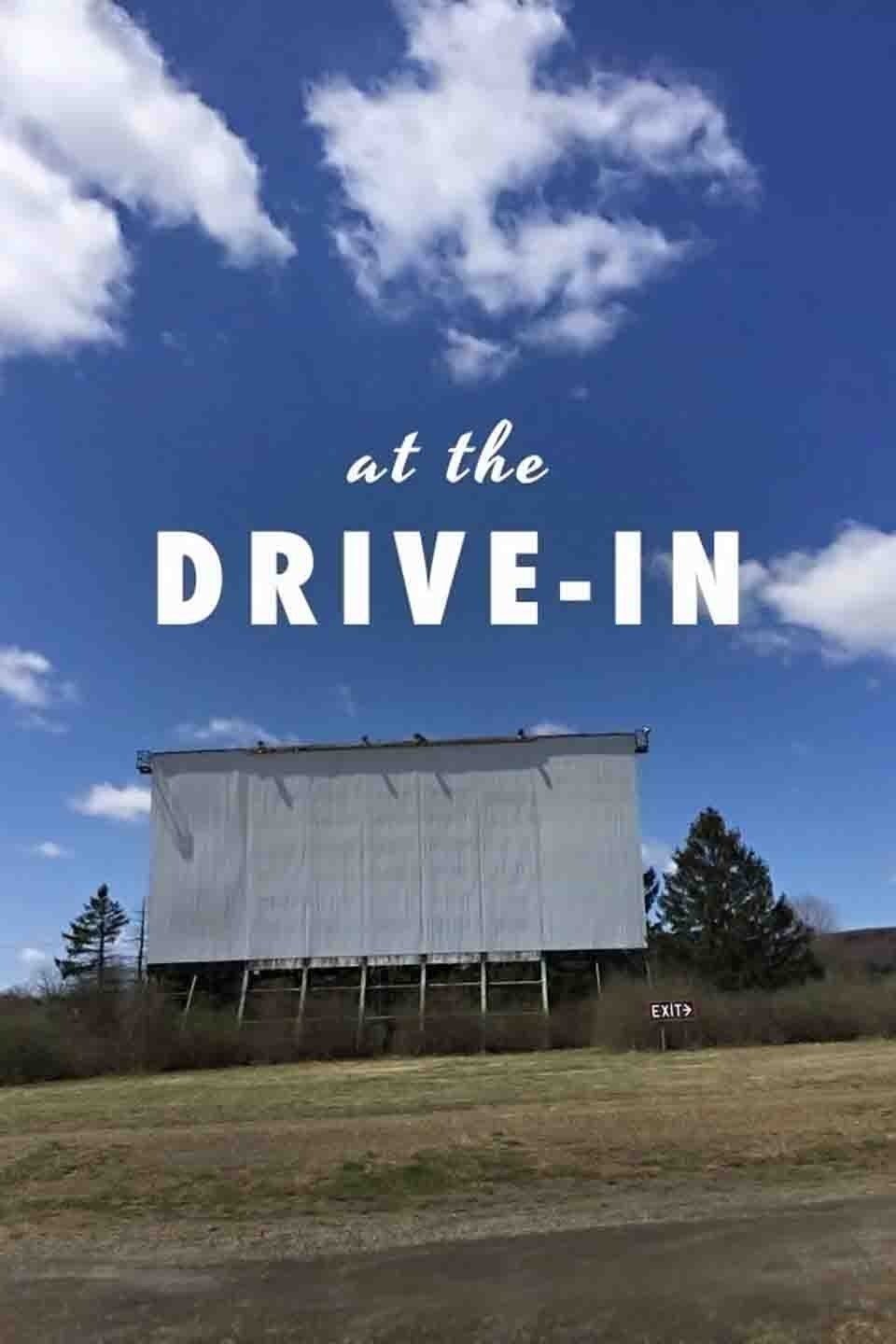
Unable to purchase a $50,000 digital projector, a group of film fanatics in rural Pennsylvania fight to keep a dying drive-in theater alive by screening only vintage 35mm film prints and working entirely for free.
Forty years after the release of Claude Lanzmann’s monumental film Shoah, Guillaume Ribot reveals the director’s relentless pursuit to tell the untold, using only Lanzmann’s words and unseen footage from the masterpiece.
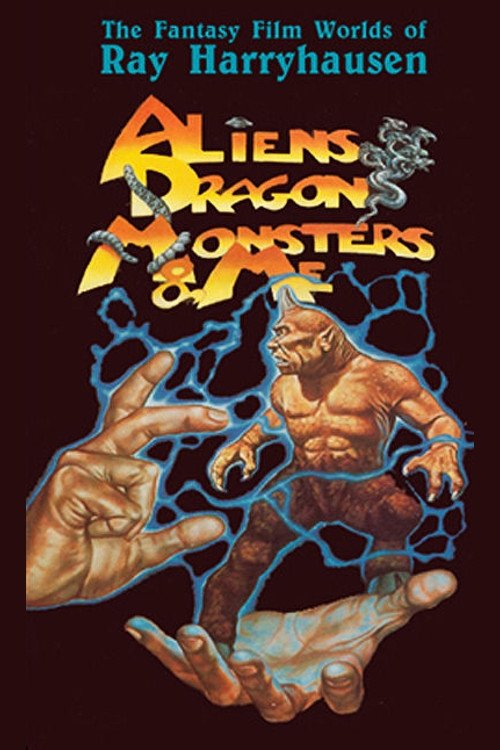
Documentary about the life and work of Ray Harryhausen.
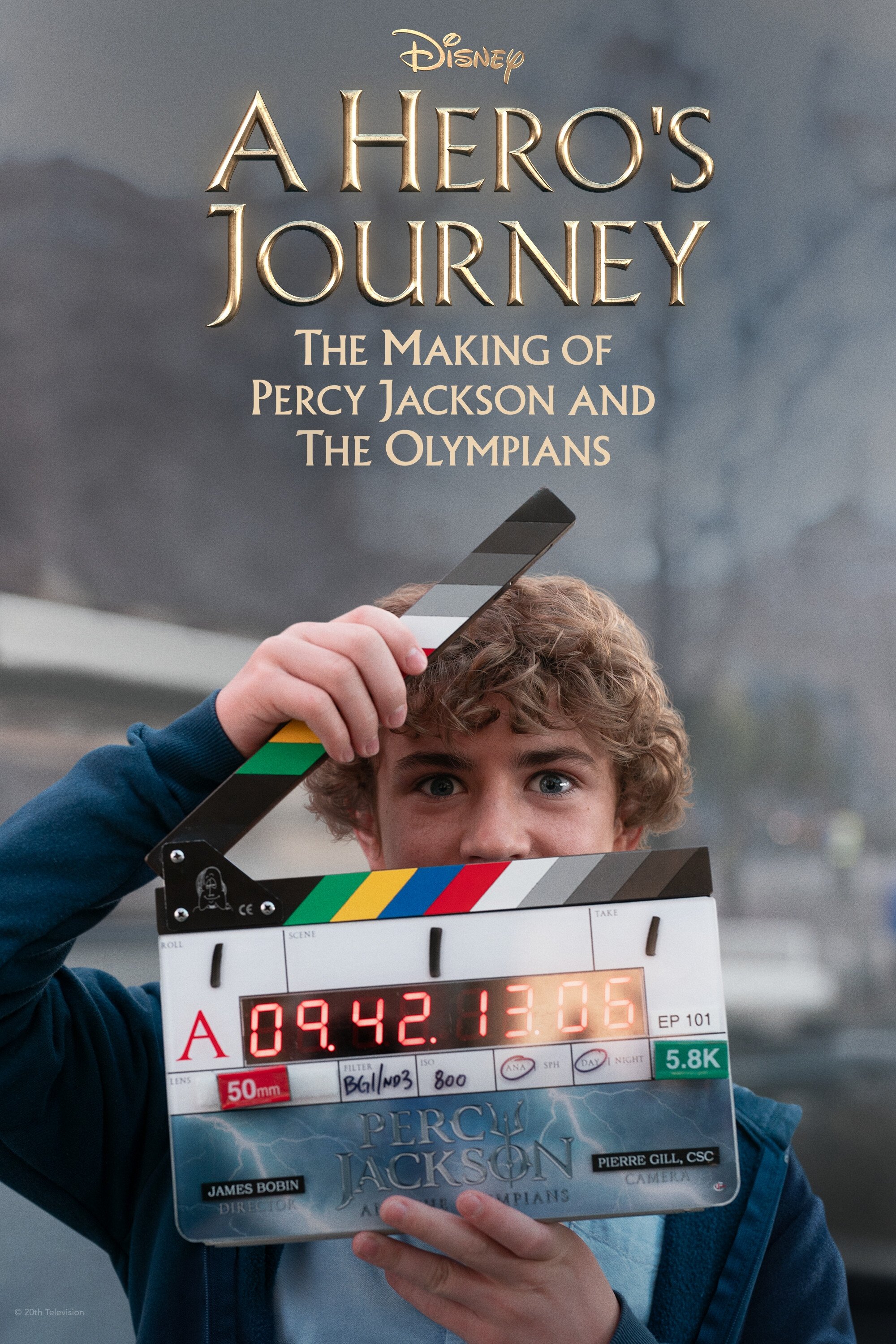
Alongside a passionate cast and crew, follow Walker Scobell, Leah Sava Jeffries and Aryan Simhadri as they step into worlds fit for gods, battle unforgettable creatures, and perform legendary stunts.
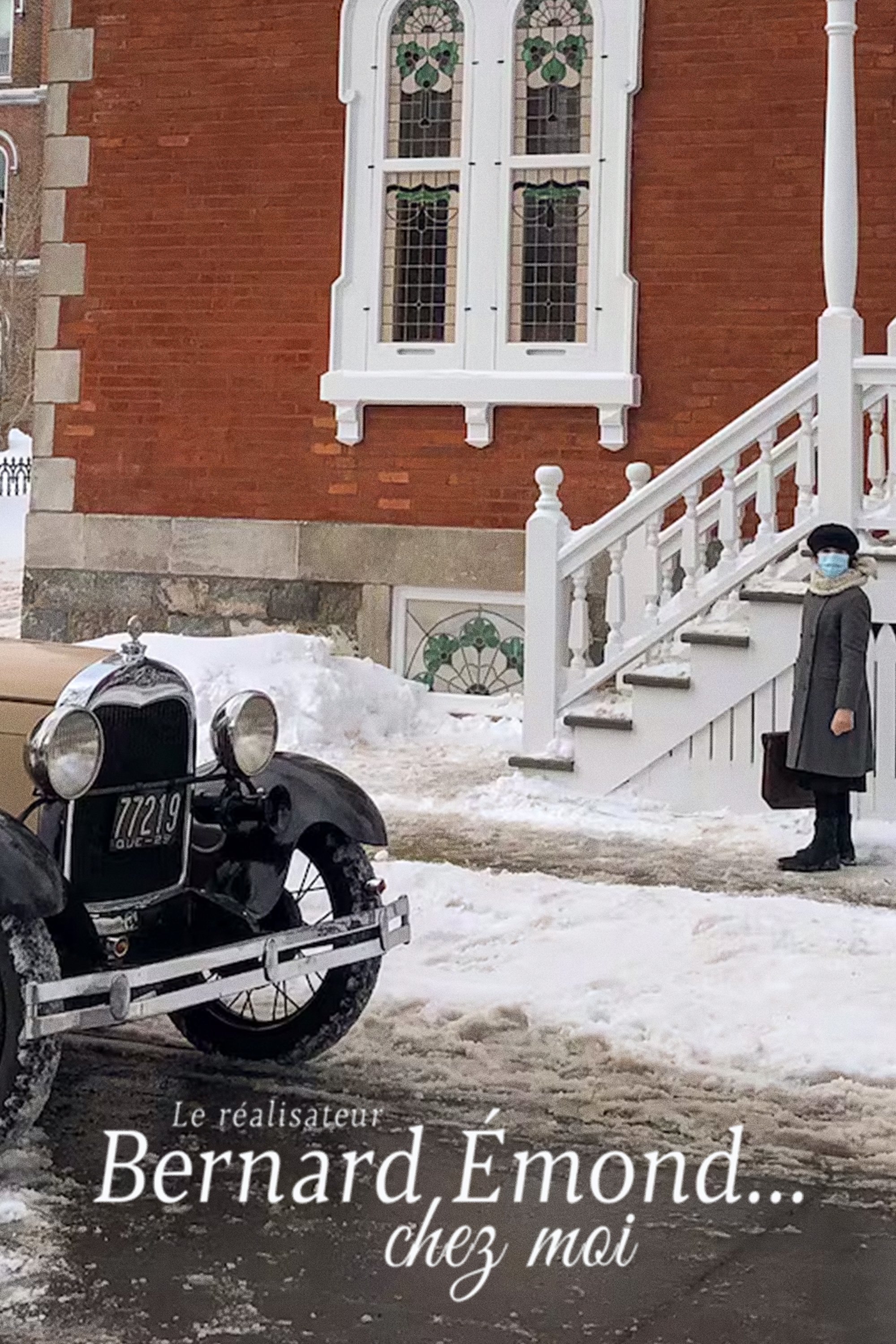
Host Marie-Claude Julien meets director Bernard Émond on the day of the launch of his latest film Une femme respectable. He chose Trois-Rivières and its historic rue Des Ursulines to set the story of his main character. The house where the filming took place belongs to Marie-Claude. She took advantage of the director's visit to conduct this interview.
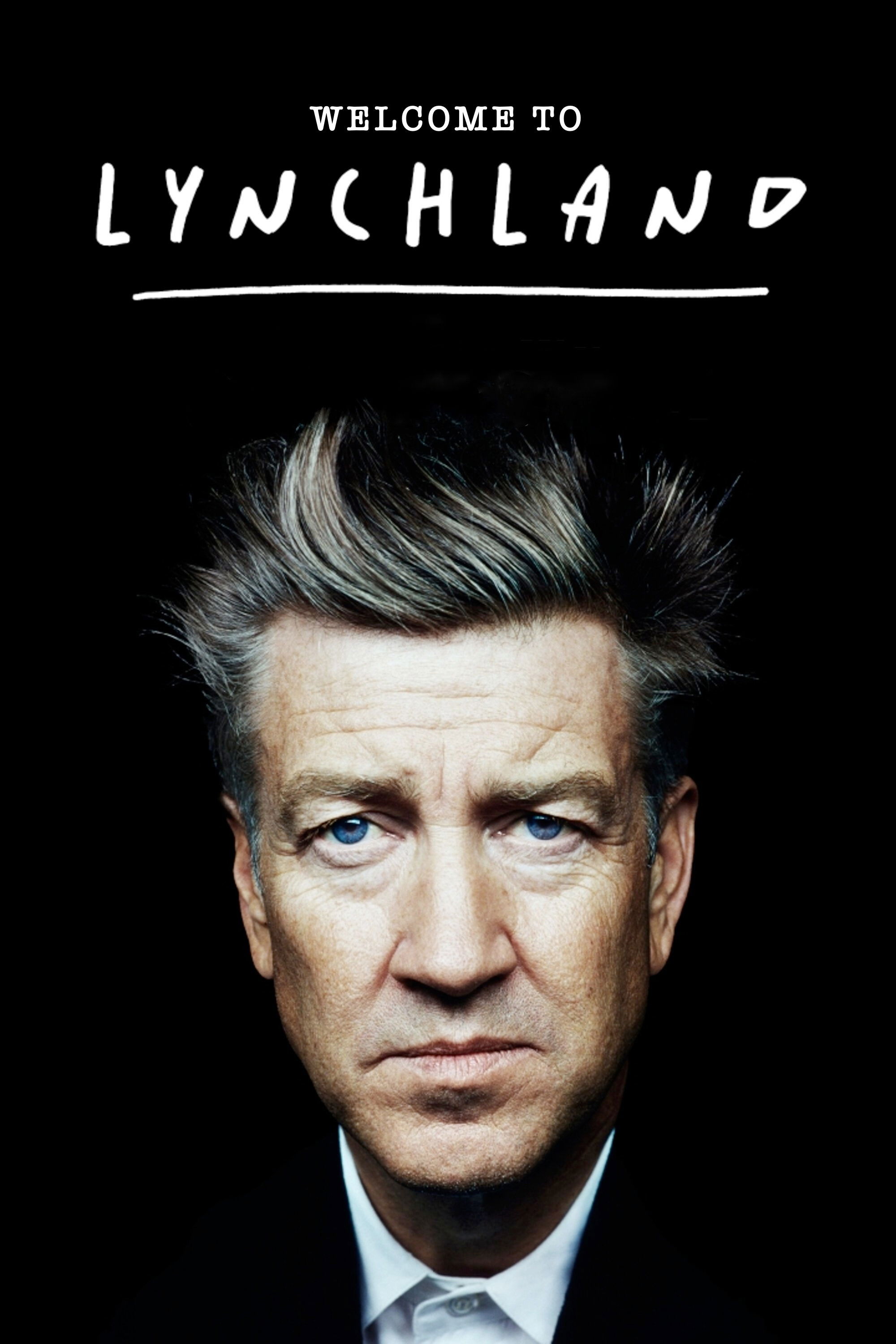
Creator of absolute freedom, David Lynch constructed his work as an enigma to be deciphered between dream and reality. A cult director from his first films ("Eraserhead", "Elephant Man", "Blue Velvet"), Lynch forever changed the world of television with his series "Twin Peaks", before tackling the lies of Hollywood in "Mulholland Drive". Tracing the life of the most influential filmmaker of his generation, this documentary explores the hidden meaning of a relentlessly consistent filmography and delves beneath the dark, teeming surface of the American Dream.
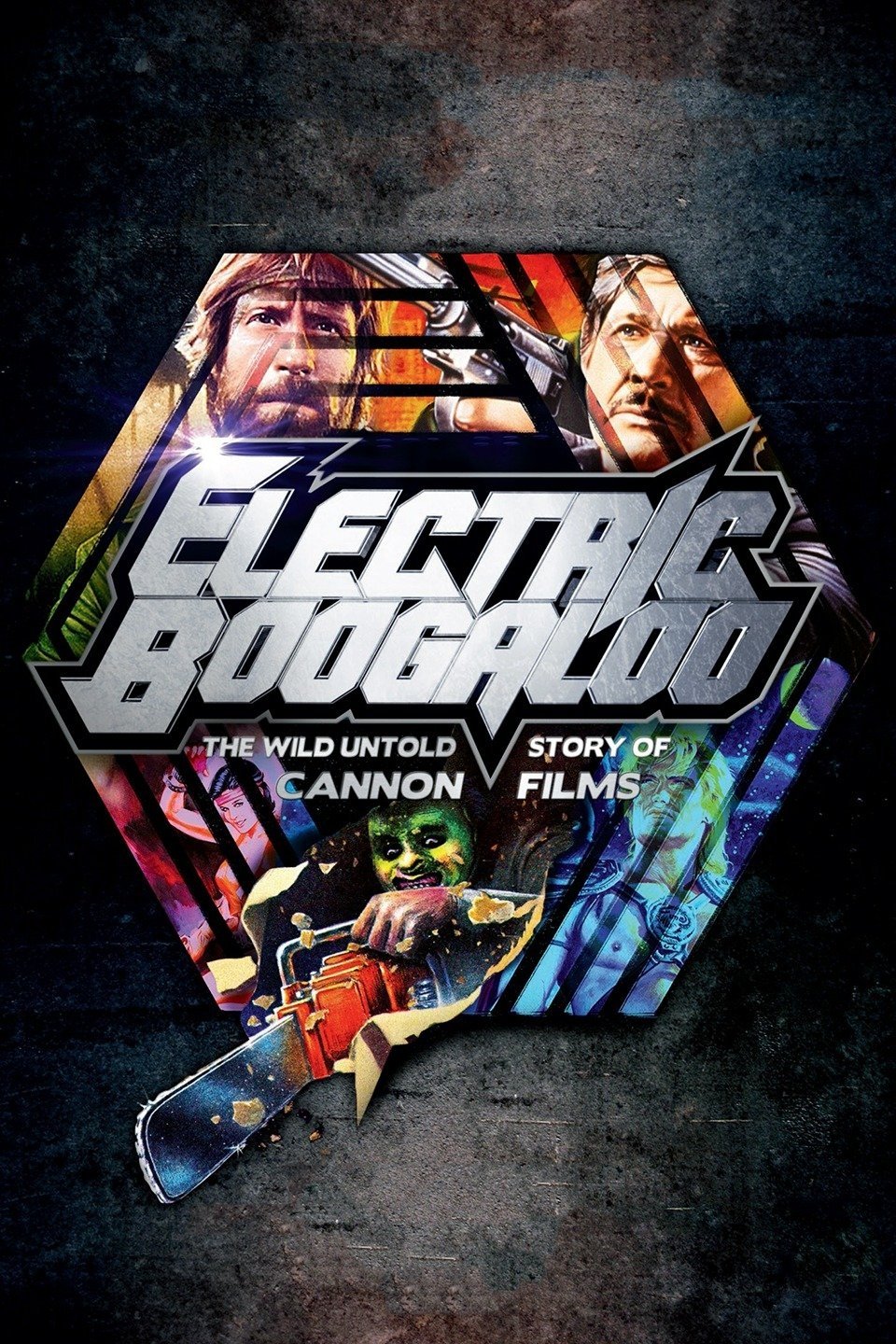
A documentary about the rise and fall of the Cannon Film Group, the legendary independent film company helmed by Israeli cousins Menahem Golan and Yoram Globus.
This documentary tells the story of the making of Irving Berlin's Easter Parade.
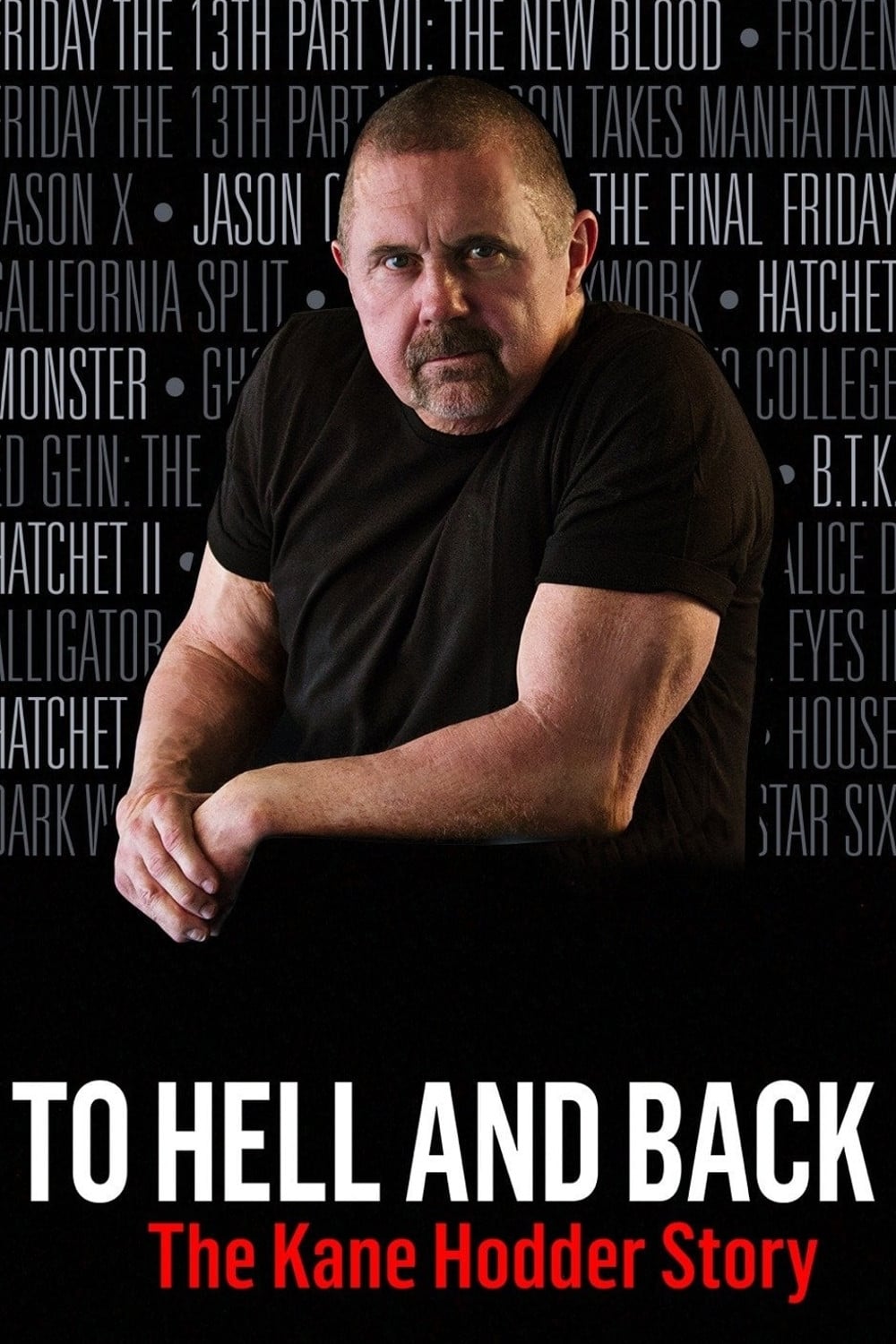
To Hell and Back: The Kane Hodder Story is the harrowing story of a stuntman overcoming a dehumanizing childhood filled with torment and bullying in Sparks, Nevada. After surviving a near-death burn accident, he worked his way up through Hollywood, leading to his ultimate rise as Jason Voorhees in the Friday the 13th series and making countless moviegoers forever terrified of hockey masks and summer camp. Featuring interviews with cinema legends, including Bruce Campbell (Ash vs. Evil Dead), Robert Englund (Freddy Krueger), and Cassandra Peterson (Elvira: Mistress of the Dark), To Hell and Back peels off the mask of Kane Hodder, cinema's most prolific killer, in a gut-wrenching, but inspiring, documentary. After decades of watching Kane Hodder on screen, get ready to meet the man behind the mask in To Hell and Back - an uniquely human story about one of cinema's most vicious monsters.
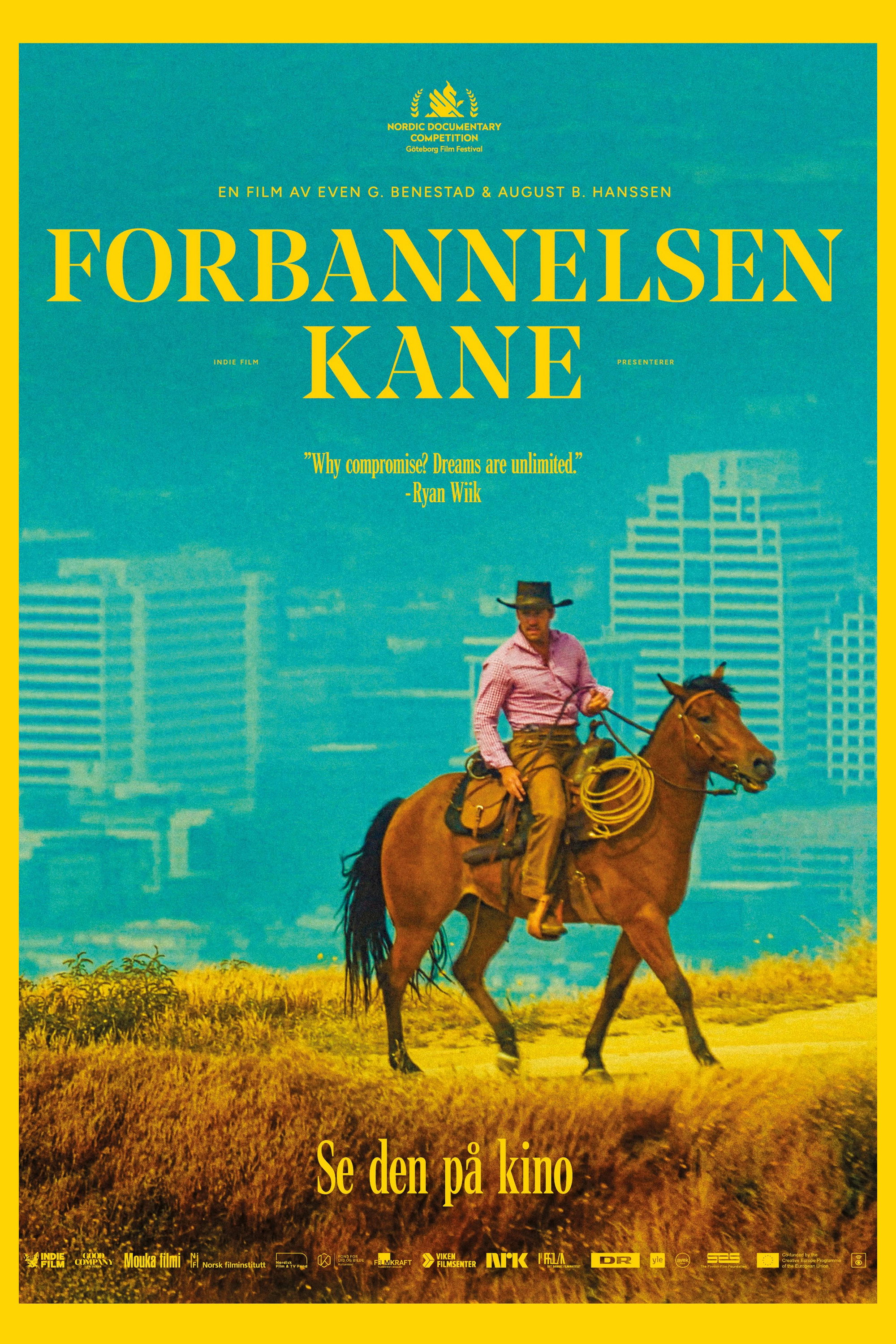
We’ve all dreamed about making it big. About doing something that sets us apart and makes an indelible claim about who we are. Gunnar Ryan Wiik is a dreamer. But what makes him stand out is that he is seemingly willing to do anything to make his dreams come through. Directors Even G. Benestad and August B. Hanssen has been following the Norwegian entrepreneur Gunnar Ryan Wiik since 2017 when his spectacular film project about the Western hero Morgan Kane collapsed and became front-page material in Norwegian newspapers. Ryan lost everything. With unique access over seven years, the film follows Ryan's new and adventurous projects. Can he finally succeed, or will the ghosts of the past consume him?
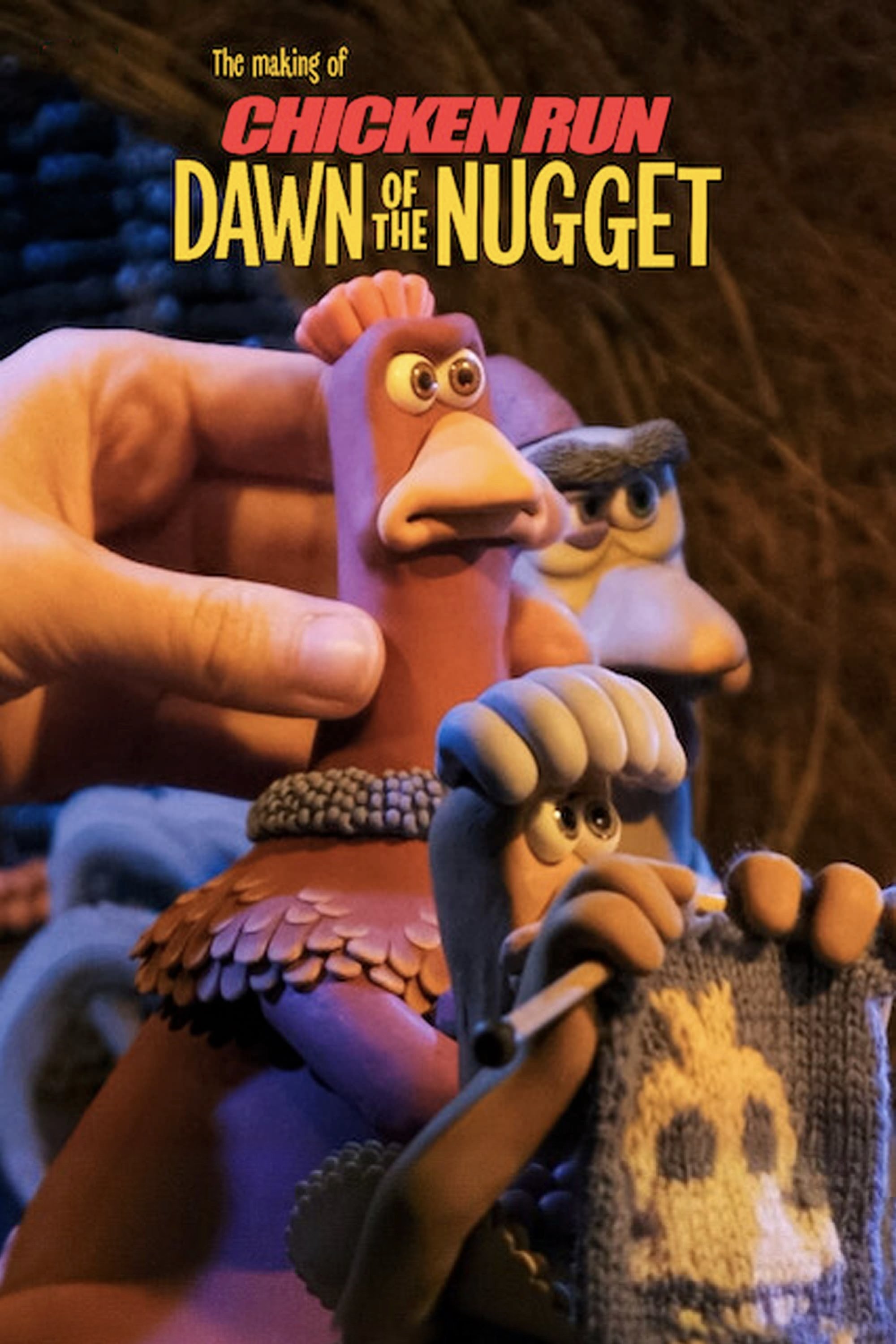
Lights, camera... chickens! Go behind the scenes with the Aardman team and director Sam Fell during the making of this finely crafted stop-motion sequel.
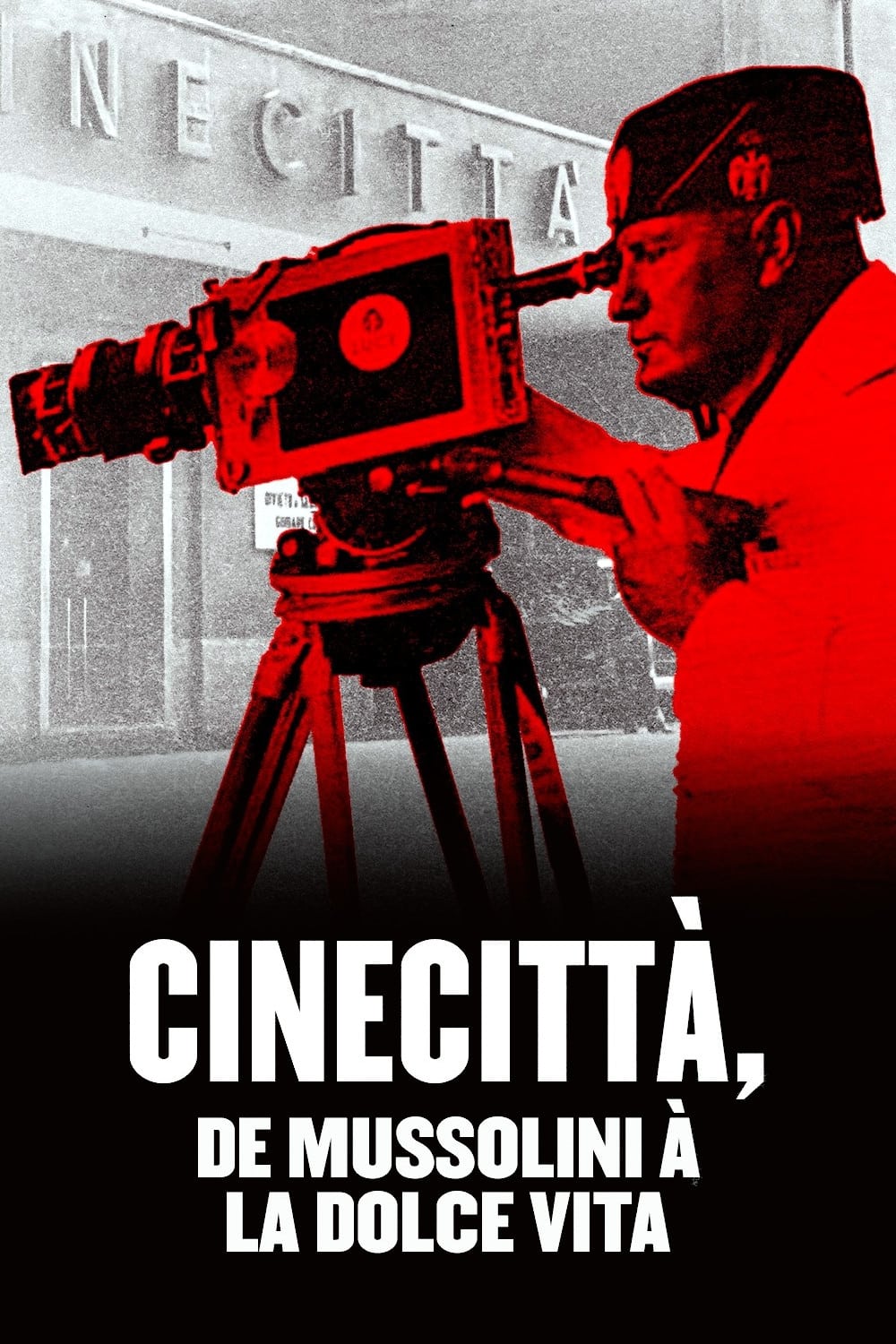
Cinecitta is today known as the center of the Italian film industry. But there is a dark past. The film city was solemnly inaugurated in 1937 by Mussolini. Here, propaganda films would be produced to strengthen the dictator's position.
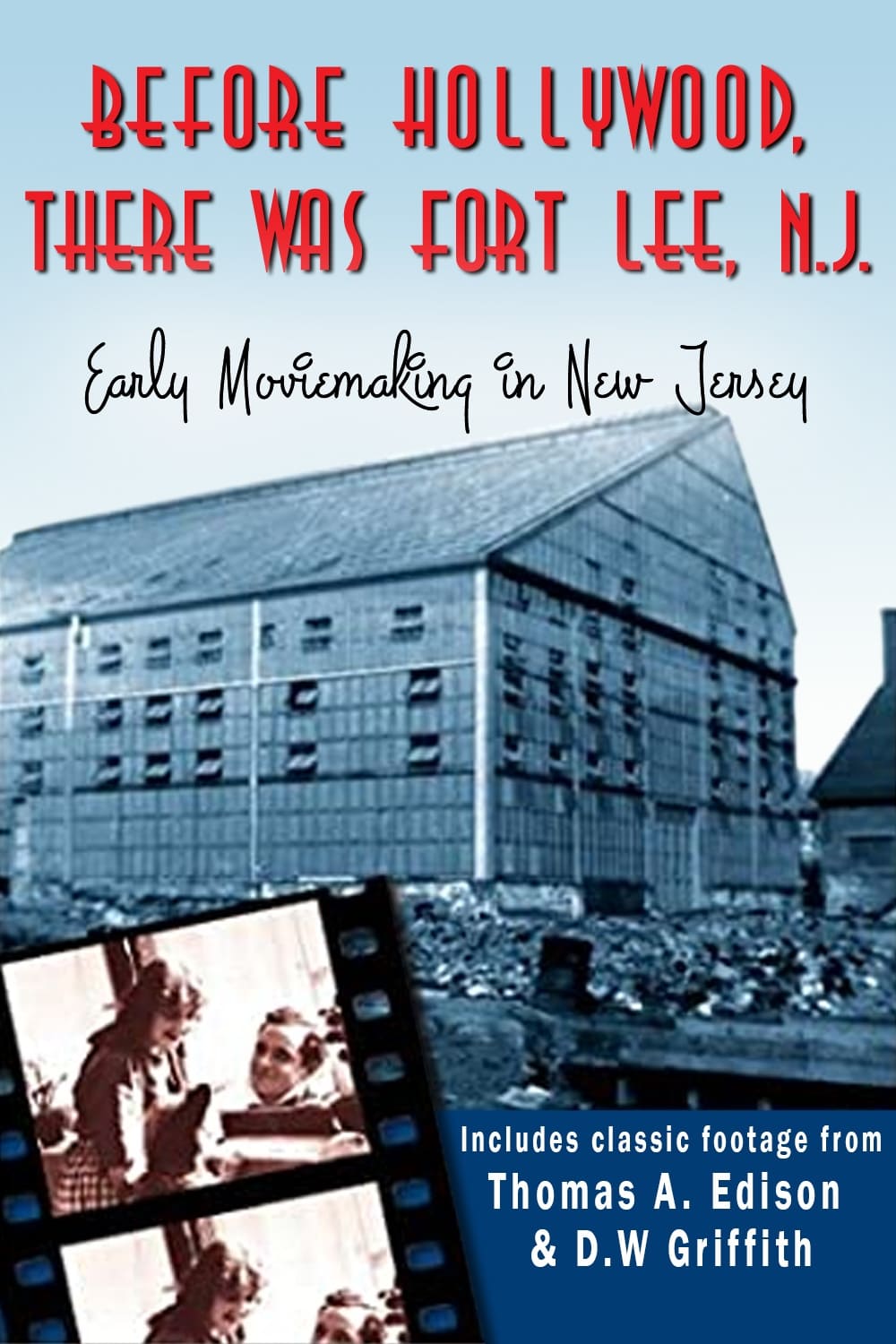
Amazing, but true: Fort Lee, New Jersey (just across the George Washington Bridge from Manhattan), was once the epicenter of American film production. This documentary of a truly bygone era combines photographs culled from private collections, as well as restored footage from such films as Thomas A. Edison's Rescued from an Eagle's Nest and D.W. Griffith's The New York Hat, filmed at the studios in Fort Lee.
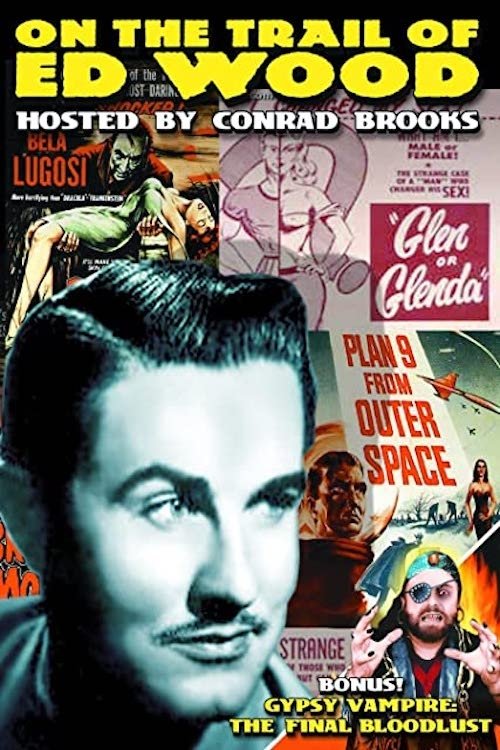
A documentary on the life and career of filmmaker Edward D. Wood Jr., with clips from his films and interviews with the cast and crews of some of his films.
In this visual essay John Bengtson, author of Silent Echoes: Discovering Early Hollywood Through the Films of Buster Keaton, provides a tour of where Seven Chances was filmed, comparing archival images with contemporary photos, and sharing stories of Mrs. Eleanor Keaton's visit to the Seven Chances church.
Four visual essays by Silent Echoes author John Bengtson identifying Buster Keaton's shooting locations for his many short films produced between 1920-1923, many in the streets surrounding his former Hollywood studio, the same studio where, a few years earlier, Charlie Chaplin had made his brilliant series of Mutual shorts.
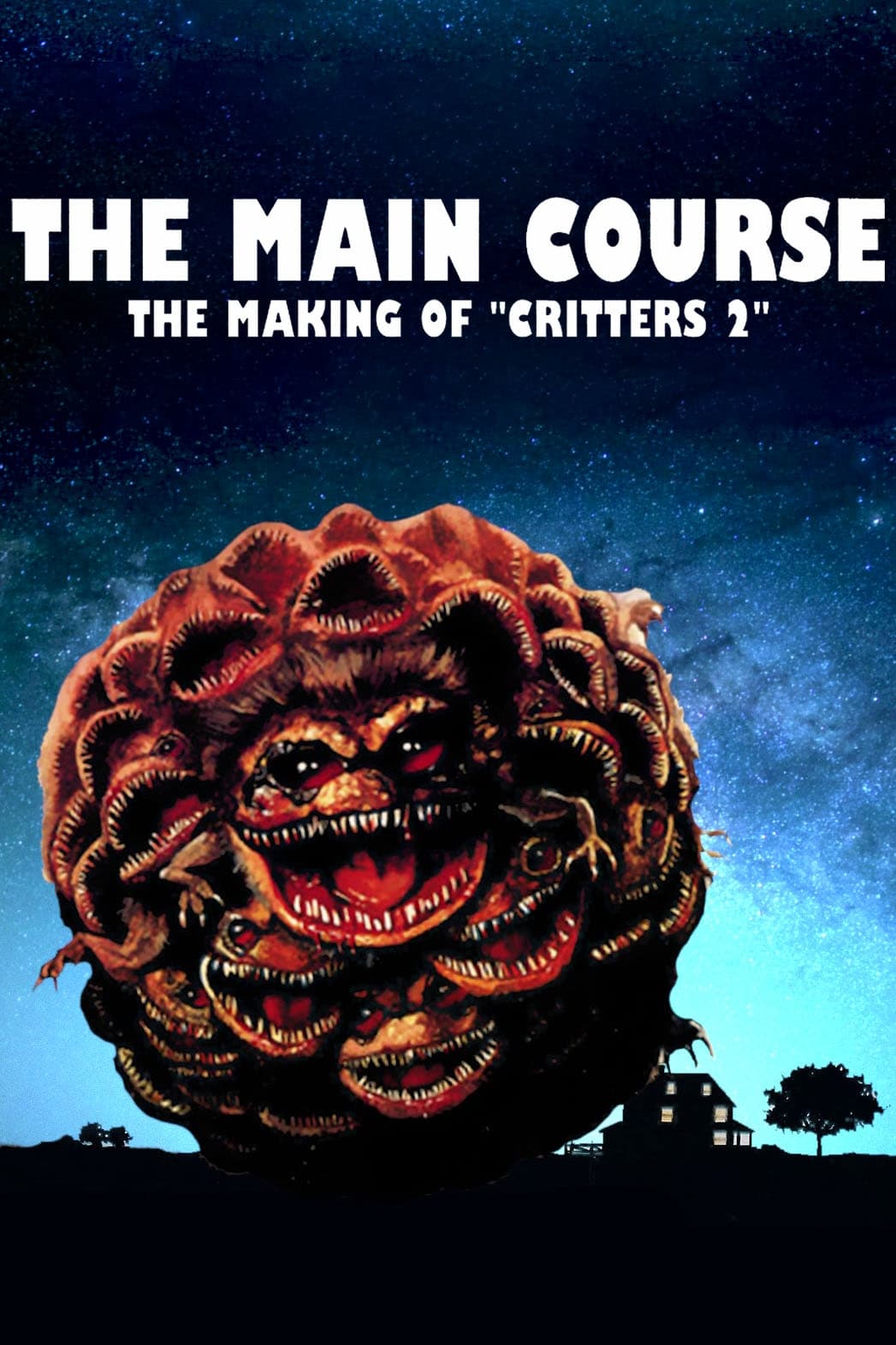
Documentary about the 1988 follow-up film Critters 2. Features interviews with director Mick Garris; actors Liane Curtis, Don Opper, Terrence Mann, and Lin Shaye; producer Barry Opper; critters designers; and more.
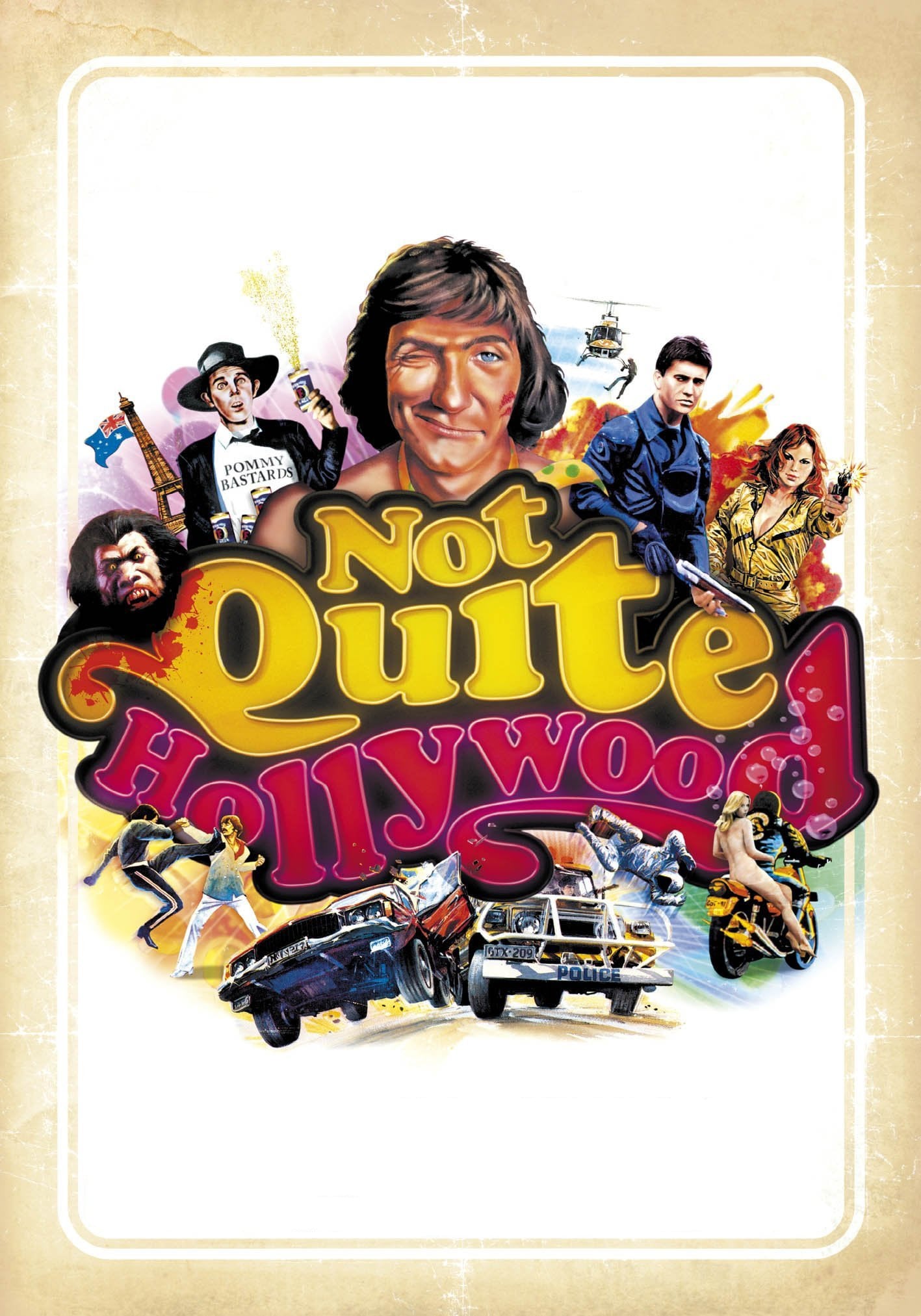
As Australian cinema broke through to international audiences in the 1970s through respected art house films like Peter Weir's "Picnic At Hanging Rock," a new underground of low-budget exploitation filmmakers were turning out considerably less highbrow fare. Documentary filmmaker Mark Hartley explores this unbridled era of sex and violence, complete with clips from some of the scene's most outrageous flicks and interviews with the renegade filmmakers themselves.
A behind-the-scenes look at the 1939 Wizard of Oz film adaptation that tested the limits of its creators, which included director Victor Fleming and star Judy Garland, as well as its cultural impact and timeless legacy.
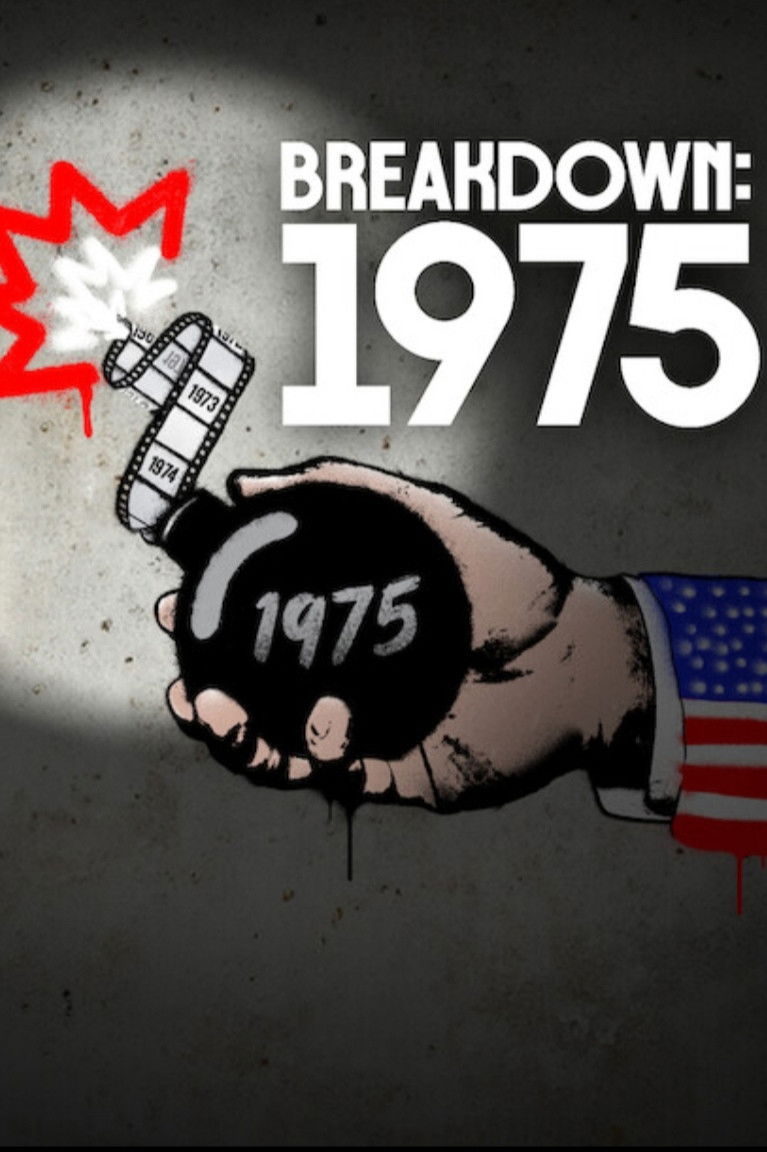
In 1975, as America faced social and political upheaval, filmmakers turned chaos into art.
SEDUCED AND ABANDONED combines acting legend Alec Baldwin with director James Toback as they lead us on a troublesome and often hilarious journey of raising financing for their next feature film. Moving from director to financier to star actor, the two players provide us with a unique look behind the curtain at the world's biggest and most glamourous film festival, shining a light on the bitter-sweet relationship filmmakers have with Cannes and the film business. Featuring insights from directors Martin Scorsese, 'Bernando Bertolucci' and Roman Polanski; actors Ryan Gosling and Jessica Chastain and a host of film distribution luminaries.
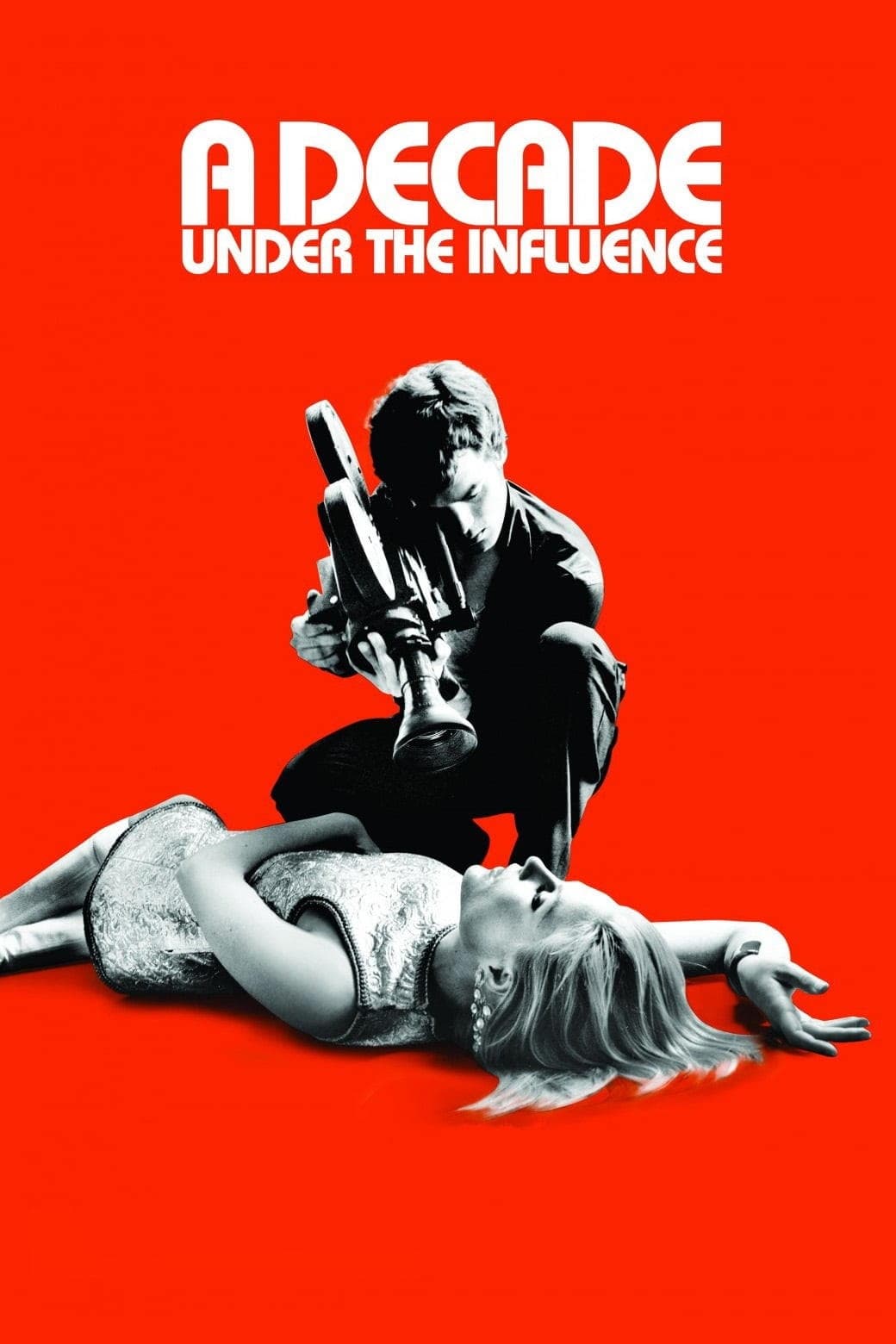
A documentary examining the decade of the 1970s as a turning point in American cinema. Some of today's best filmmakers interview the influential directors of that time.
This revealing documentary honors the legendary Sidney Poitier—iconic actor, filmmaker, and civil rights activist. Featuring interviews with Denzel Washington, Spike Lee, Halle Berry, and more.
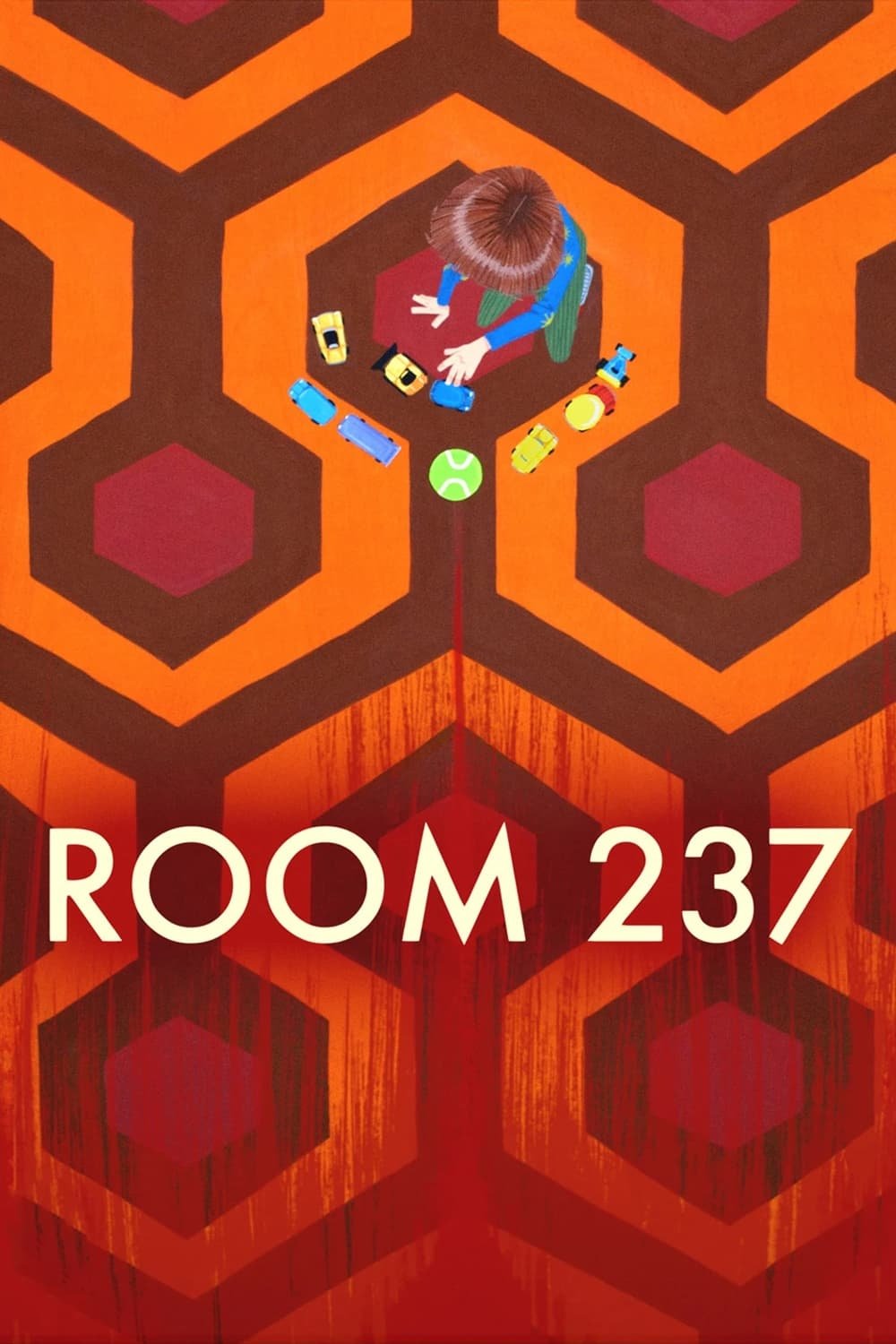
A subjective documentary that explores various theories about hidden meanings in Stanley Kubrick's classic film The Shining. Five very different points of view are illuminated through voice over, film clips, animation and dramatic reenactments.
The story lives forever in this feature-length documentary that charts the making of Star Wars: The Rise of Skywalker.
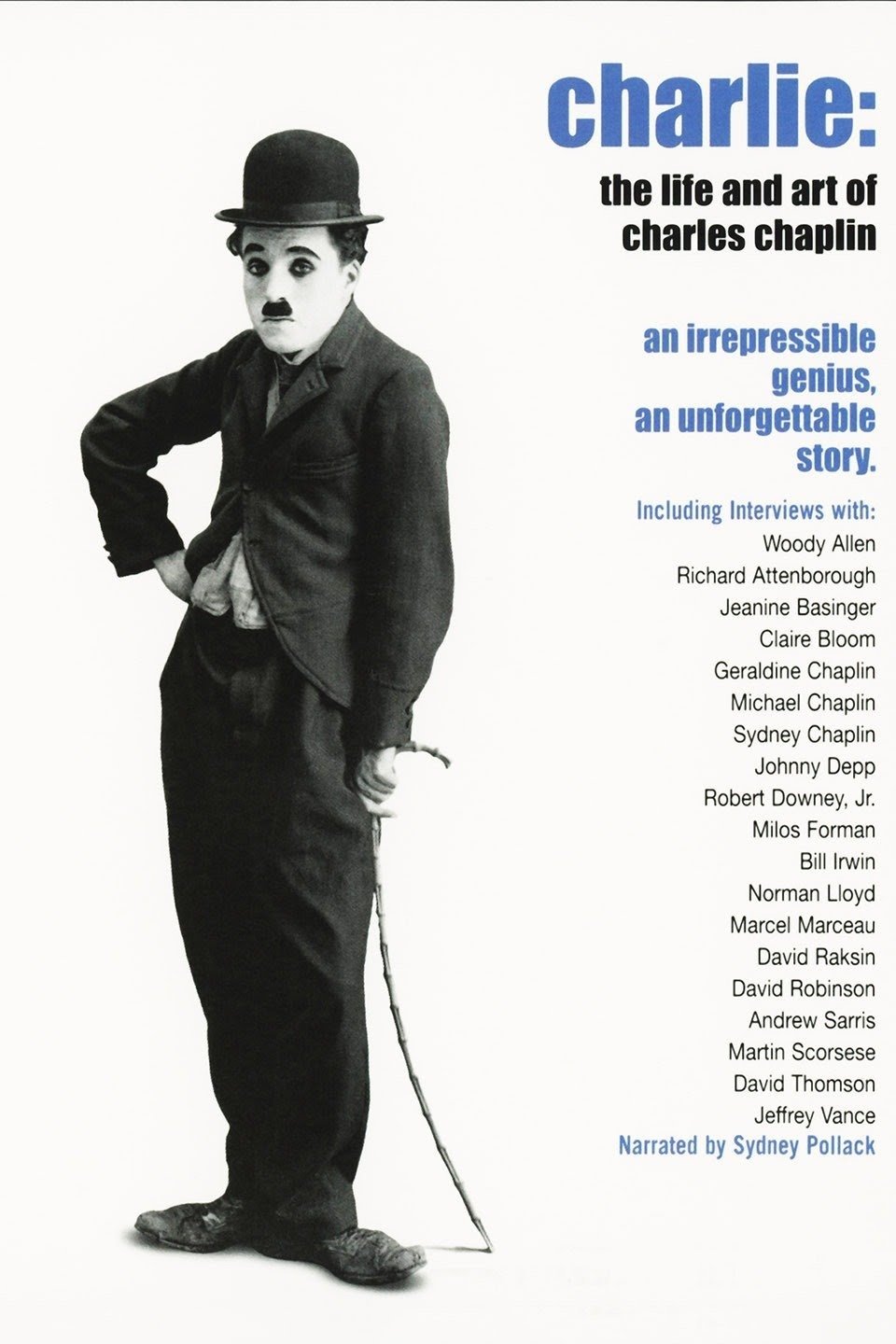
Brilliant, long in-the-works story of the life and art of the world's greatest comedian and the cinema's first genius, Charlie Chaplin. Produced, written and directed by renowned film critic Richard Schickel.
A documentary about the life and films of director John Ford.
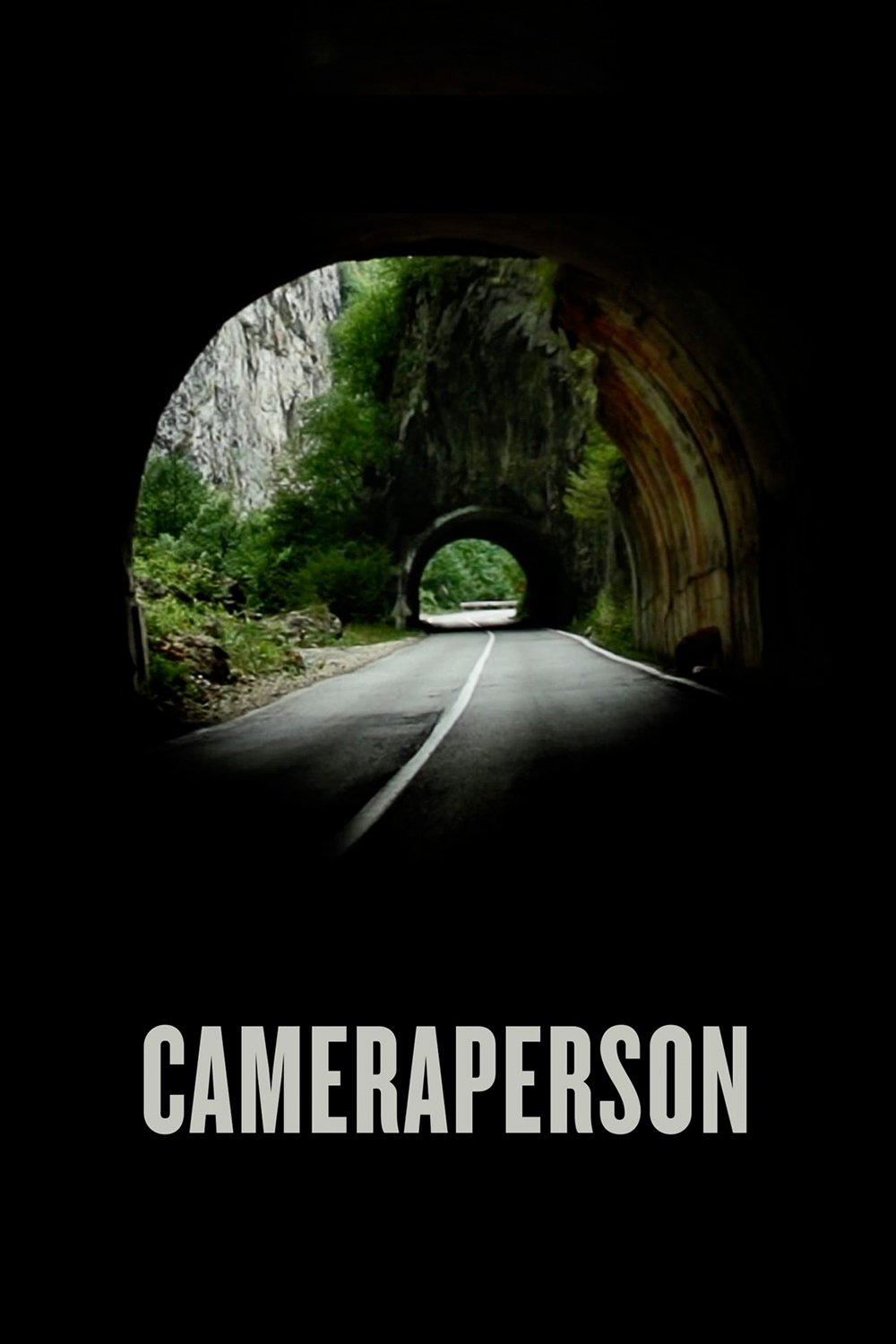
As a visually radical memoir, CAMERAPERSON draws on the remarkable footage that filmmaker Kirsten Johnson has shot and reframes it in ways that illuminate moments and situations that have personally affected her. What emerges is an elegant meditation on the relationship between truth and the camera frame, as Johnson transforms scenes that have been presented on Festival screens as one kind of truth into another kind of story—one about personal journey, craft, and direct human connection.
In an intimate and joyful story of love in the face of loss, celebrated poets Andrea Gibson and Megan Falley find strength—and unexpected hilarity—in what might be their final year together.
Those who knew iconic funnyman John Candy best share his story, in their own words, through never-before-seen archival footage, imagery, and interviews.
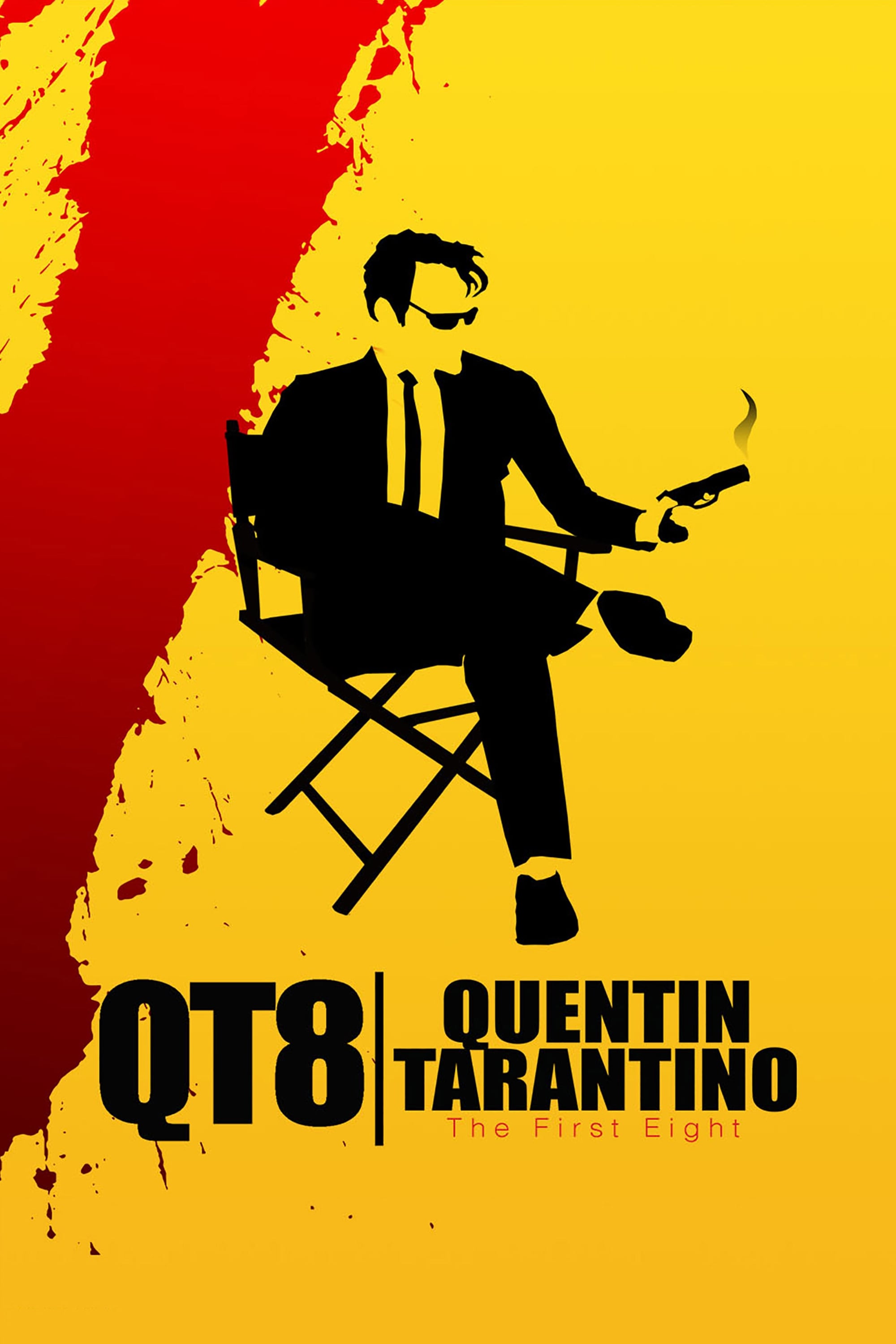
A detailed account of the life and artistic career of legendary filmmaker Quentin Tarantino, from his early days as a video club manager to the scandalous fall in disgrace of producer Harvey Weinstein. A story about how to shoot eight great movies and become an icon of modern pop culture.
Director Michael Apted revisits the same group of British-born adults after a 7 year wait. The subjects are interviewed as to the changes that have occurred in their lives during the last seven years.
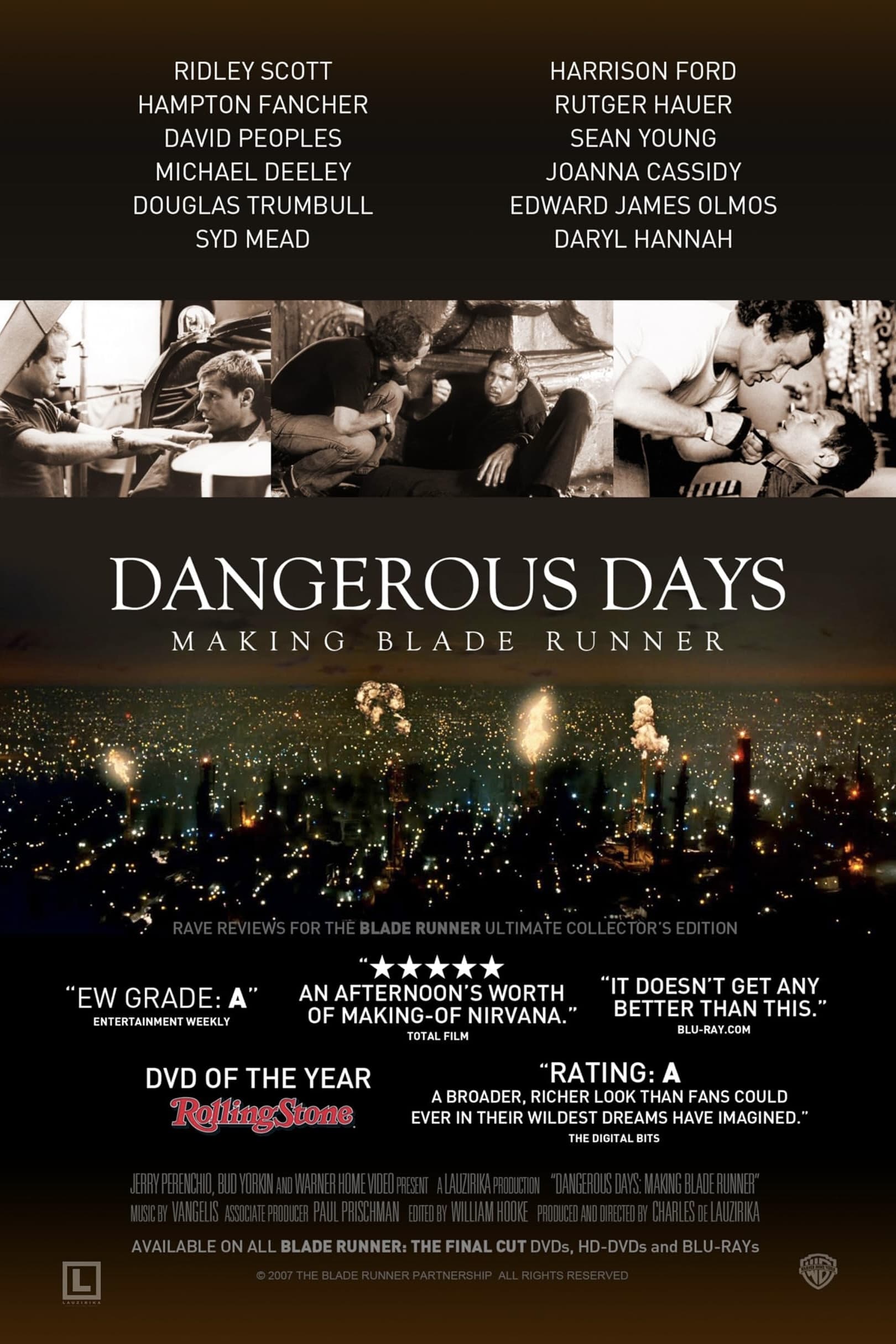
The definitive 3½-hour documentary about the troubled creation and enduring legacy of the science fiction classic 'Blade Runner', culled from 80 interviews and hours of never-before-seen outtakes and lost footage.
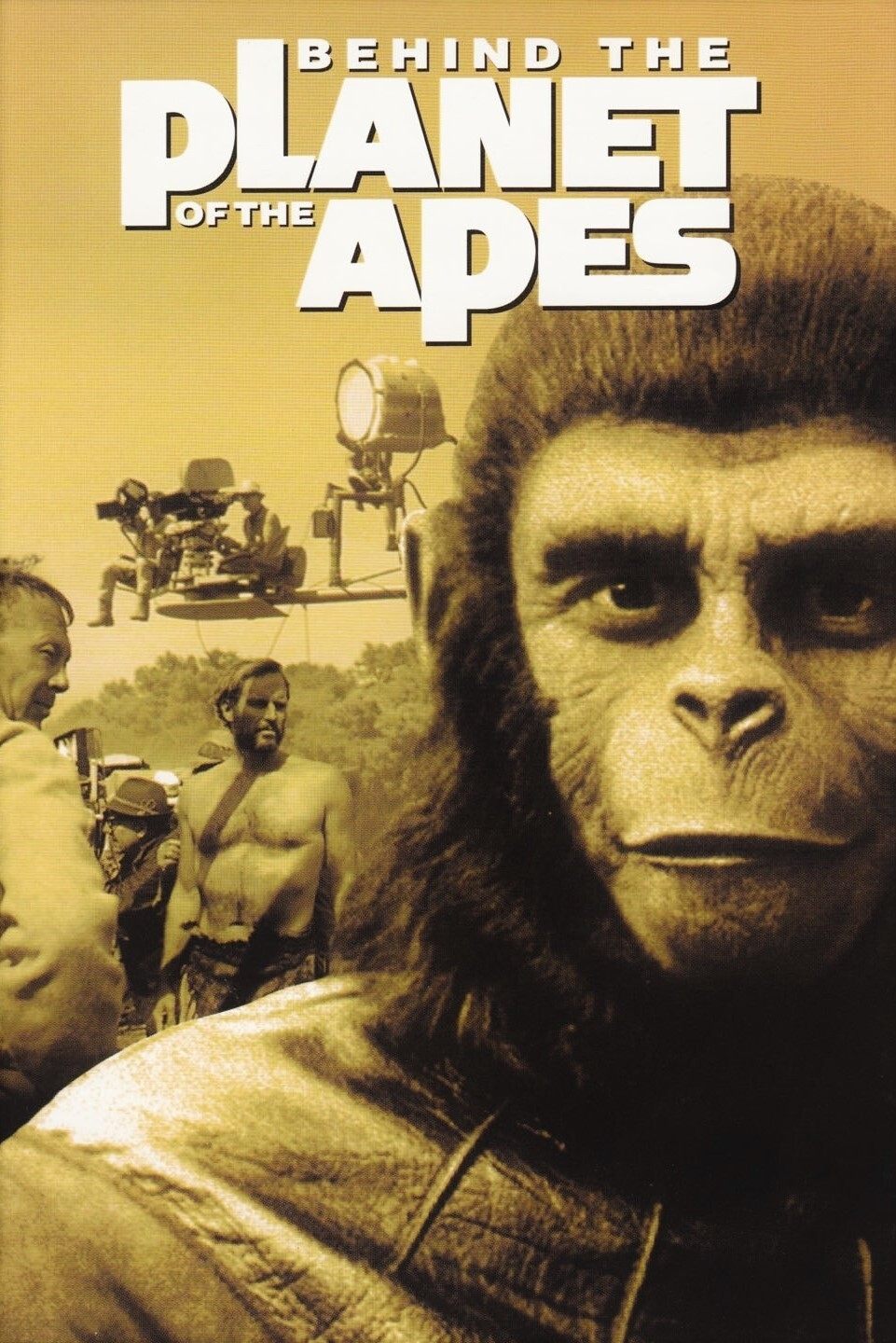
Roddy McDowall takes you, film by film, from production meetings to make-up sessions, then right onto the movie set to see the actual filming of the science fiction masterpiece. The most comprehensive history of Planet of the Apes ever created, this fascinating 127-minute documentary explores one of the most imaginative and influential series in movie history.
Documentary about the art of film editing. Clips are shown from many groundbreaking films with innovative editing styles.
The Amazon rain forest, 1979. The crew of Fitzcarraldo (1982), a film directed by German director Werner Herzog, soon finds itself with problems related to casting, tribal struggles and accidents, among many other setbacks; but nothing compared to dragging a huge steamboat up a mountain, while Herzog embraces the path of a certain madness to make his vision come true.
A comprehensive 12-part documentary on the making of "Spider-Man 2," covering everything from pre-production to premiere.
Using the book 'Fragments', which collects Marilyn Monroe's poems, notes and letters, and with participation from the Arthur Miller and Truman Capote estates who have contributed more material, each of the actresses will embody the legend at various stages in her life.
Al Pacino's deeply-felt rumination on Shakespeare's significance and relevance to the modern world through interviews and an in-depth analysis of "Richard III."
The Captains is a feature-length documentary film written and directed by William Shatner. The film follows Shatner as he interviews the other actors who have portrayed starship captains in the Star Trek franchise.