Social & External
The people behind it
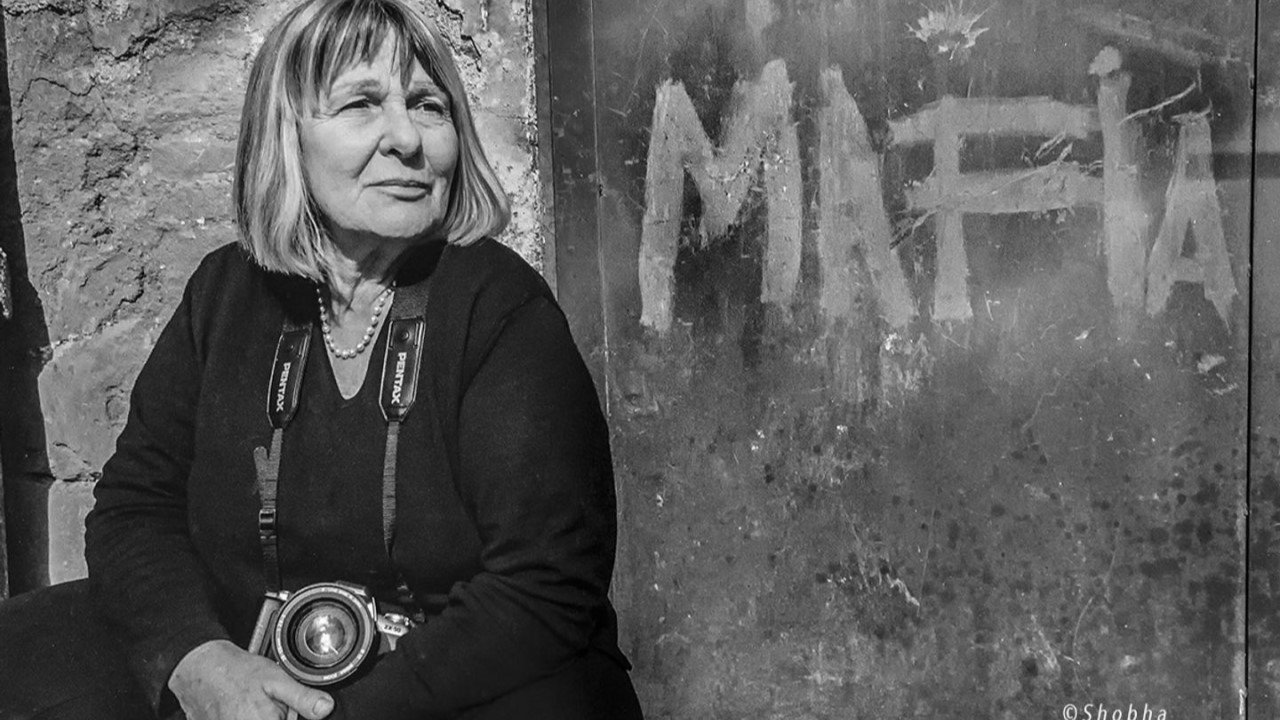
Letizia Battaglia
Self : Photographer (archive)
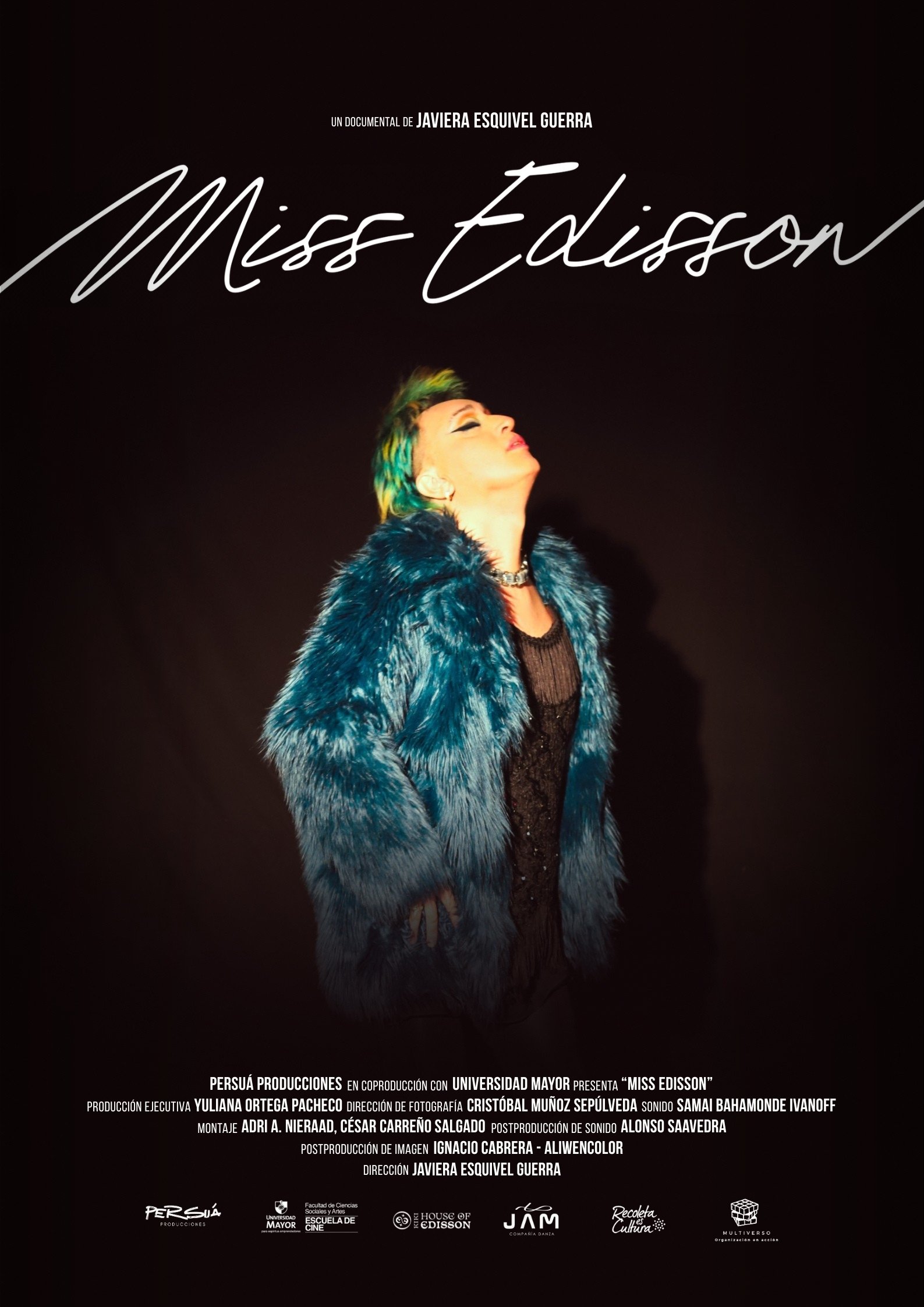
Alexa Edison, a trans actress, dancer, and activist from Recoleta, shares her courageous journey toward authenticity. Through her art, she becomes a symbol of expression and resilience for the LGBTQ+ community in Chile.
A look at the life and work of Japanese photographer Nobuyoshi Araki and his impact on Japanese culture.
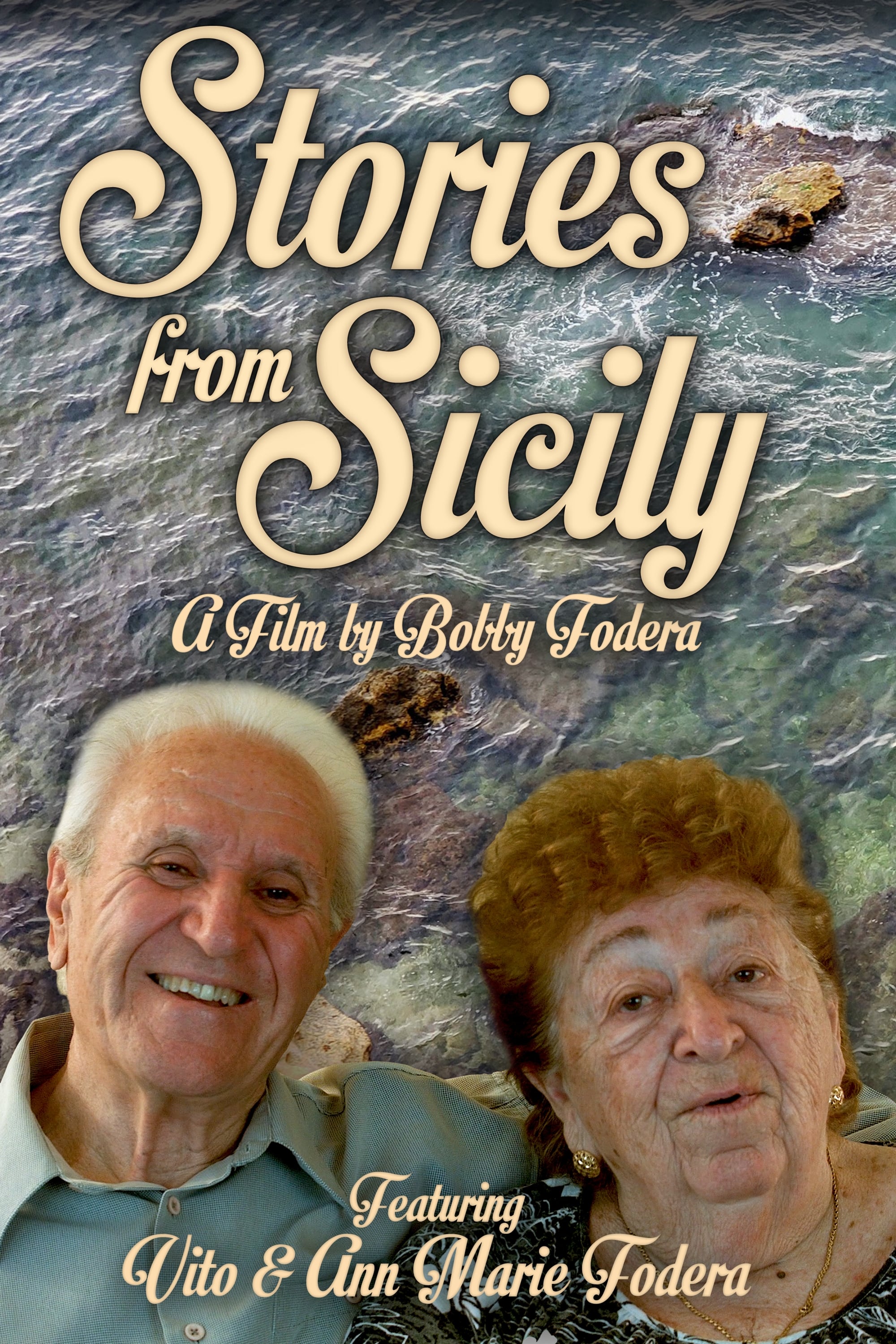
A documentary about the life of the filmmaker’s grandfather and his life growing up in Fascist Italy to meeting his wife and immigrating to America.
Together, the three Bertrand brothers work their farm in a small Savoyard village. In 1972, they took the enormous risk to invest in the construction of an ultra modern stable for 82 milk cows. With modern organisation, they hoped to lead a better life. Almost 30 years later, the farm is successful. Their work is meticulous and the milk is graded top quality. The human cost is much more sombre. Indeed these thirty years can be summarised in one word : work. The brothers are bachelors and – each one now over sixty years old – a bitterness when they recall their past. The younger brother says it himself: "It's an economic success, but it's a human failure...".
Featurette on the creation and evolution of the "Lucio Fulci presenta" films.
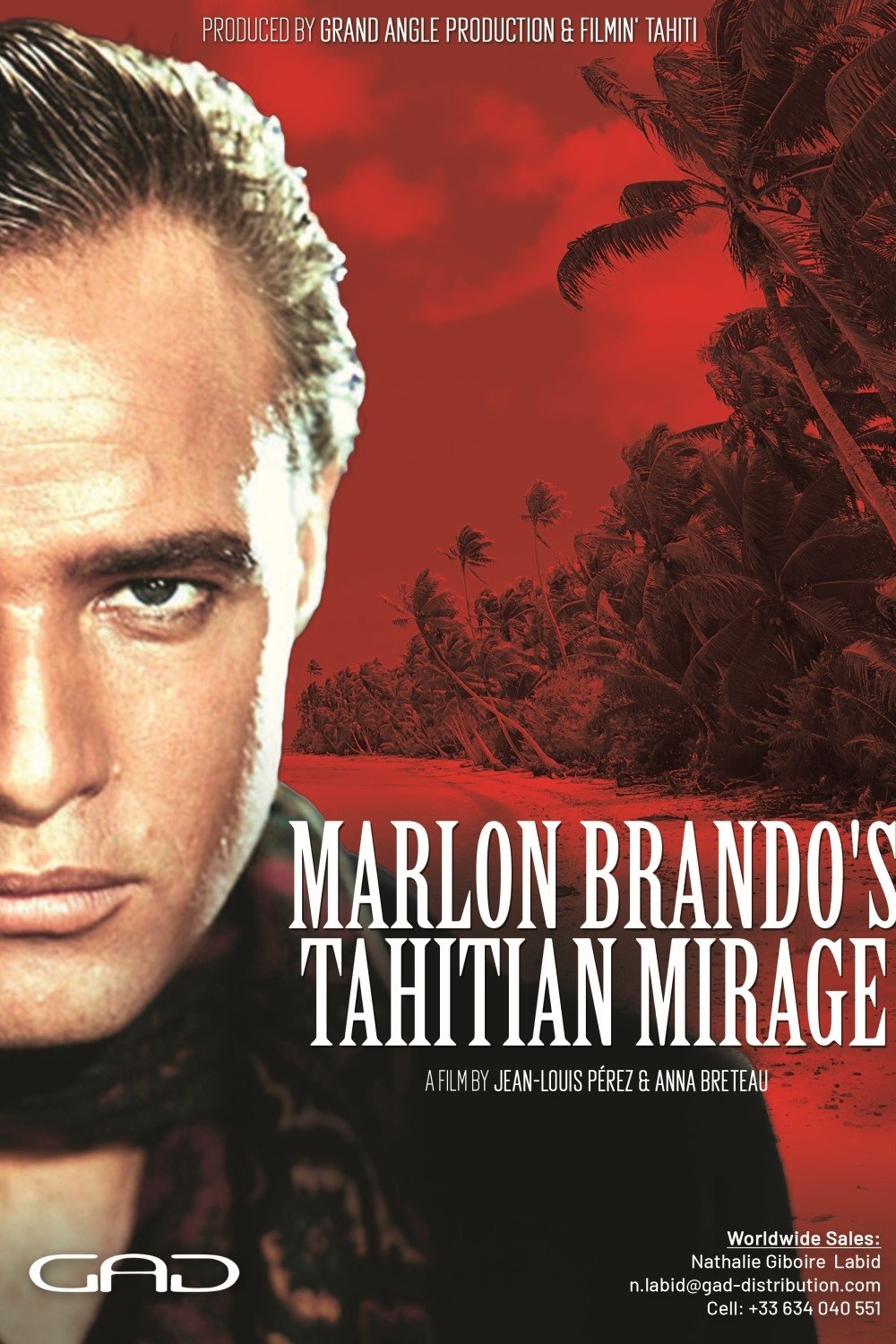
Marlon Brando is best known for his successful films and two Oscars. But his link with French Polynesia, where the actor lived for nearly thirty years, remains largely unexplored. For Brando, a complex and tortured character, known for being unmanageable on film sets and even sometimes obnoxious, escaped throughout his life to a small hidden island at the end of the world. By settling in Tahiti, Brando thought he could rid himself of his anguish and turpitude. But Polynesia, with its paradise-like landscapes, gentle way of life and distinctive culture, was in reality nothing more than a mirage of an idealised, peaceful existence that the star never managed to achieve.
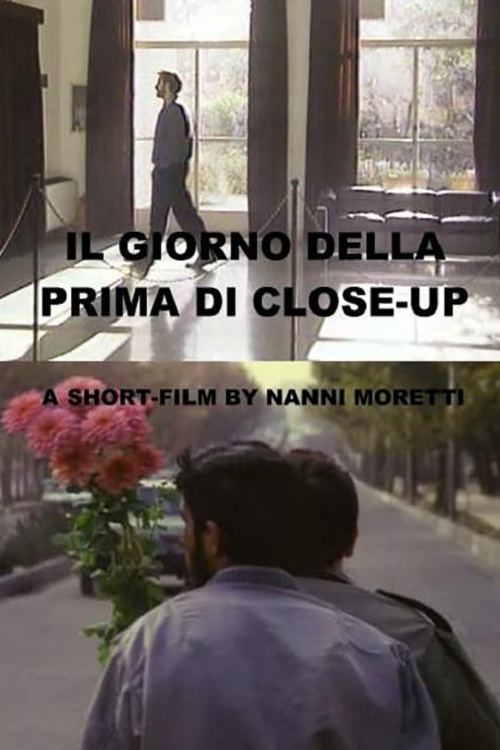
At his cinema in Rome, the Nuovo Sacher, Nanni Moretti anxiously oversees preparations for the premiere of the film Close-up, by Iranian director Abbas Kiarostami. Meanwhile Disney's The Lion King is taking Italy by storm.
In this true-crime documentary, a charismatic rebel in 1990s Seattle pulls off an unprecedented string of bank robberies straight out of the movies.
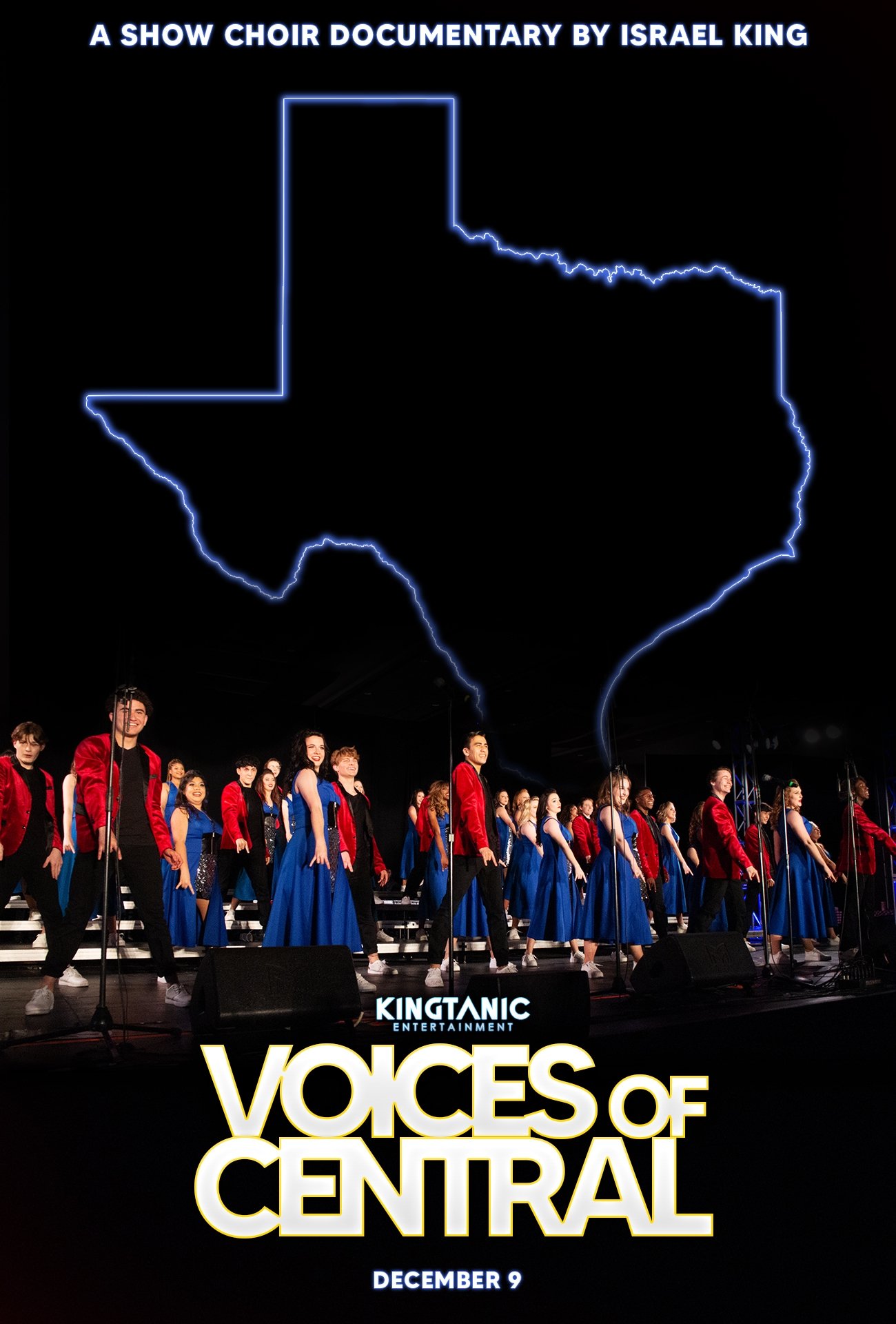
Students of the high school show choir Voices of Central take a look back on the emotional journey they endured during the 2021-2022 school year.
A look at the NBA and its players during the 1980s, including the introduction of the 3-point shot, the transformation of the Los Angeles Lakers into "Showtime," and the rivalry between Magic Johnson and Larry Bird. Narrated by Fab 5 Freddy.
The true story of a young teenage girl whose mother is incarcerated for murder. Living in a Catholic Children's home run by an order of nuns, she provides poignant commentary about her mother, her own situation and her outlook for the future.
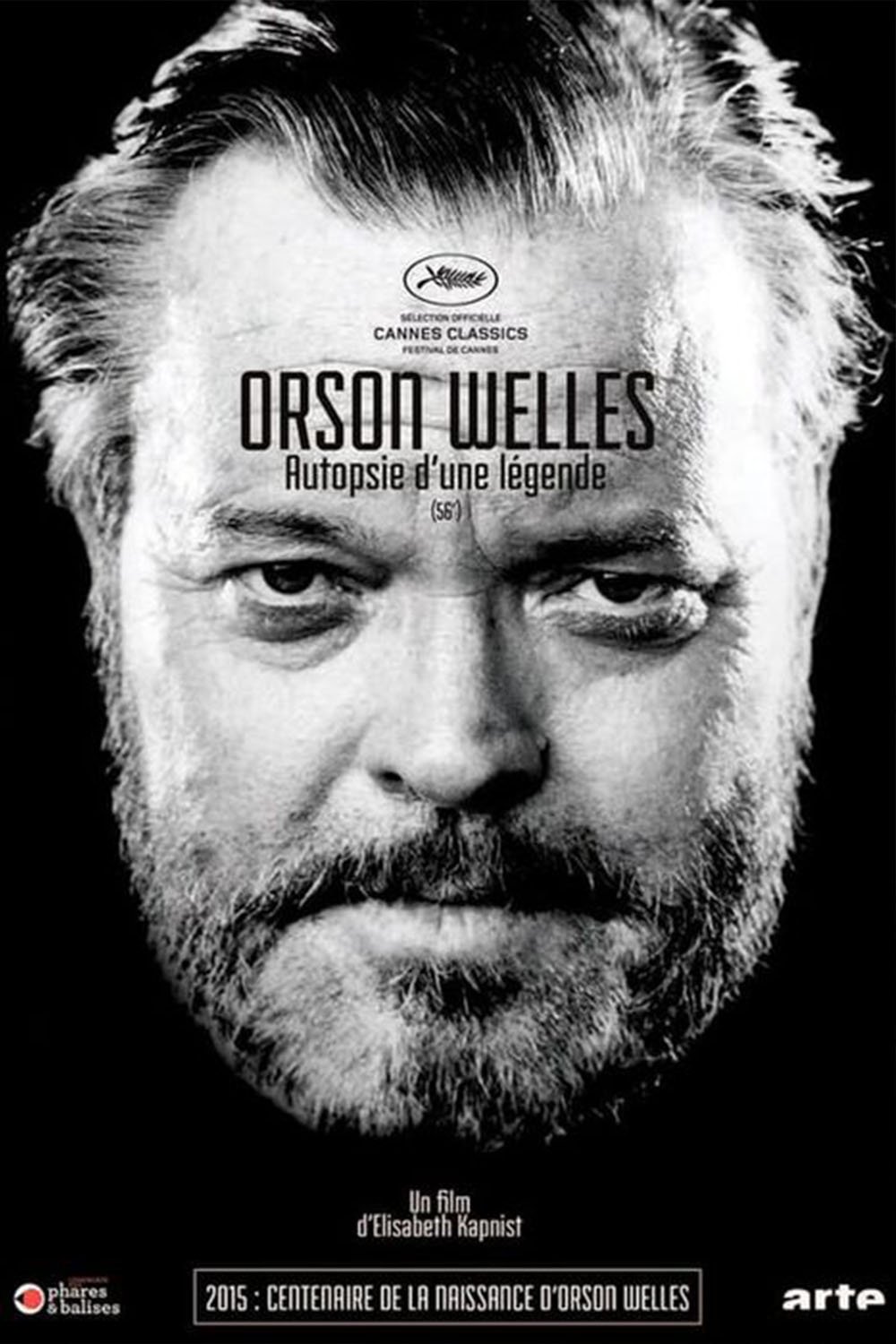
Giant of cinema, the embodiment of creation, Orson Welles is the man who reinvents the film language at 24-years old. Who is hidding behind this impressive figure? This movie is a journey towards the man behind the legend. It drags us into the labyrinth with multiple mirrors that Welles erases and recreates at the mercy of his imagination.
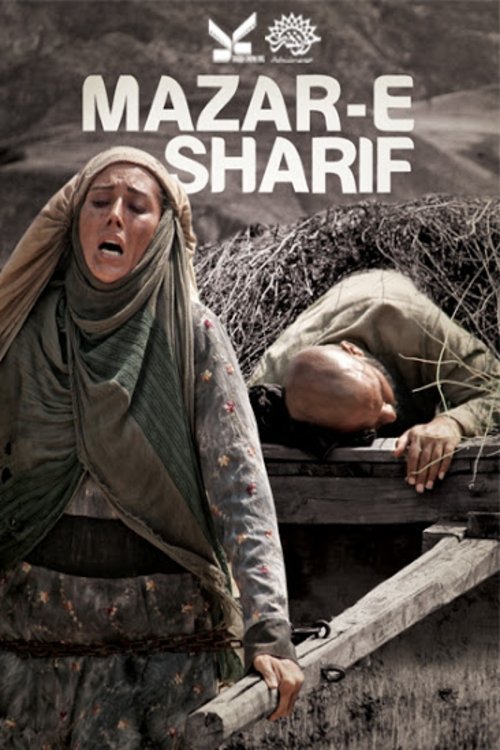
An Iranian diplomat who miraculously survived Taliban's raid on the Iranian consulate in Mazar E Sharif (Afghanistan) narrates his 19 days of hide and escape to reach Iran's borders meanwhile on the other side, the Iranian troops are preparing for retaliation.
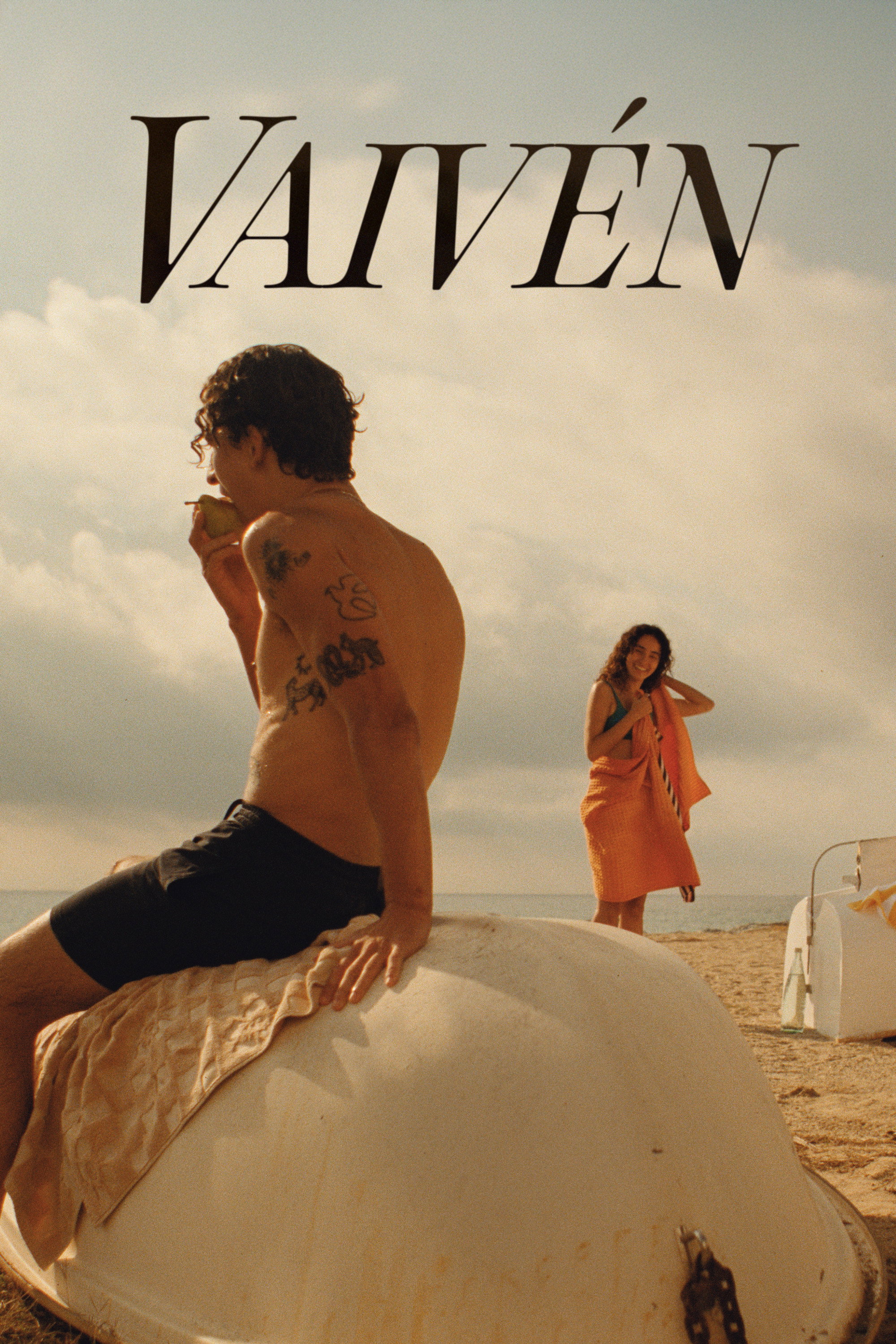
Vaivén follows three generations of beachgoers from sunrise to sunset in Barcelona - a study of patterns, rhythm, and the natural cadence of a day at the beach.
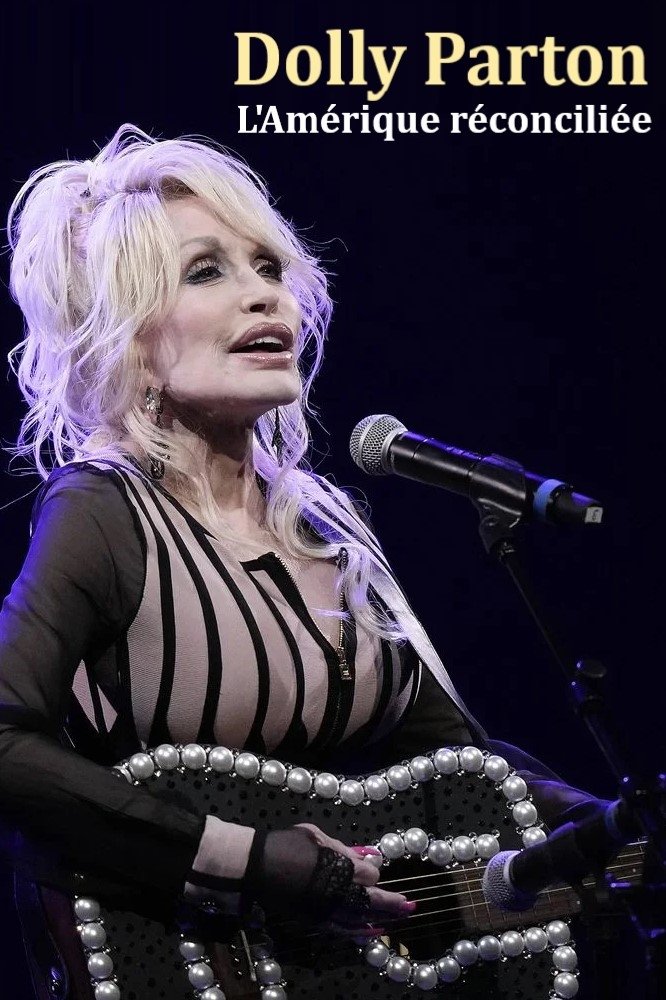
The absolute queen of country music, Dolly Parton succeeded in rallying a fractured America to her peroxide-colored beehive and her self-assumed paradoxes. Portrait of an immense artist and an irresistibly mischievous icon.
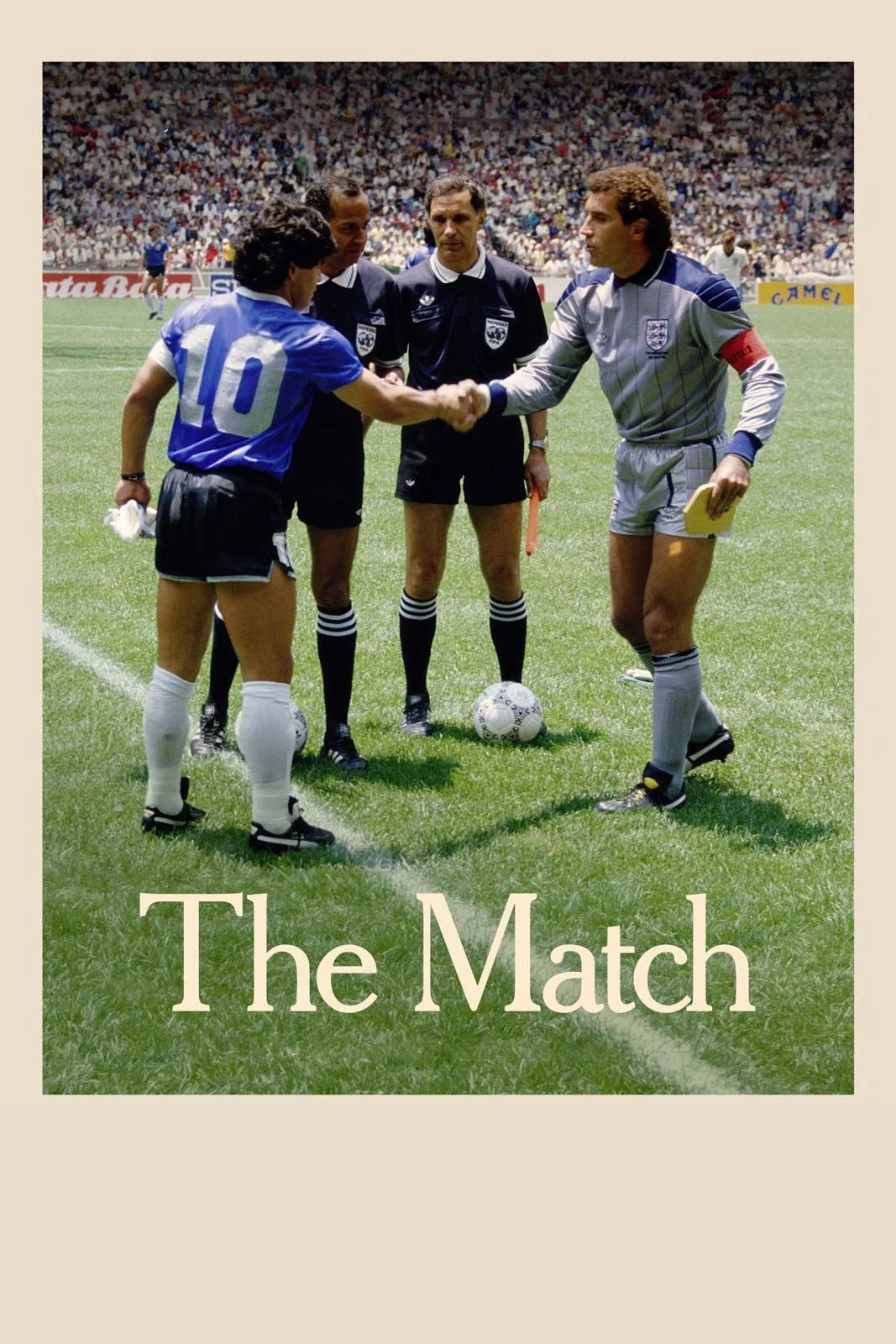
Film reconstructs the historic match Argentina vs England at the 1986 FIFA World Cup quarter-finals, famously remembered for the the hand of God goal by Maradona. Also exploring the sporting, political, and cultural dimensions of the encounter, in the background of the recent deadly Malvinas War between the two countries.
Thirty years after the Oka Crisis, a fragile peace remains in place between the Mohawks of Kanesatake and the other residents of the region. Rappers Biz and Samian do a double take on the history of this longstanding territorial conflict.
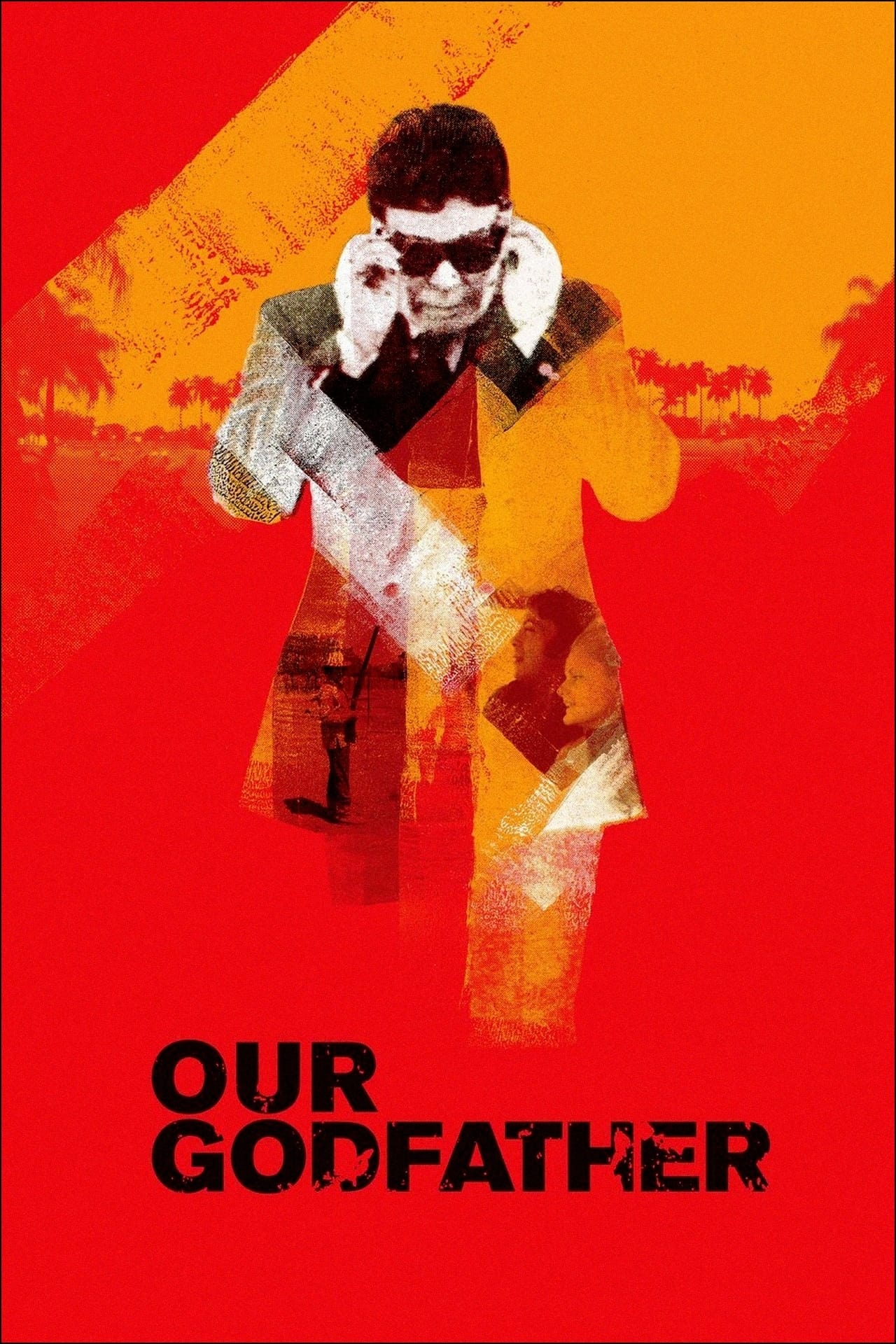
The story of how Sicilian Mafia boss Tommaso Buscetta (1928-2000), the Godfather of Two Worlds, revealed, starting in 1984, the deepest secrets of the organization, thus helping to convict the hundreds of mafiosi who were tried in the trial held in Palermo between 1986 and 1987.
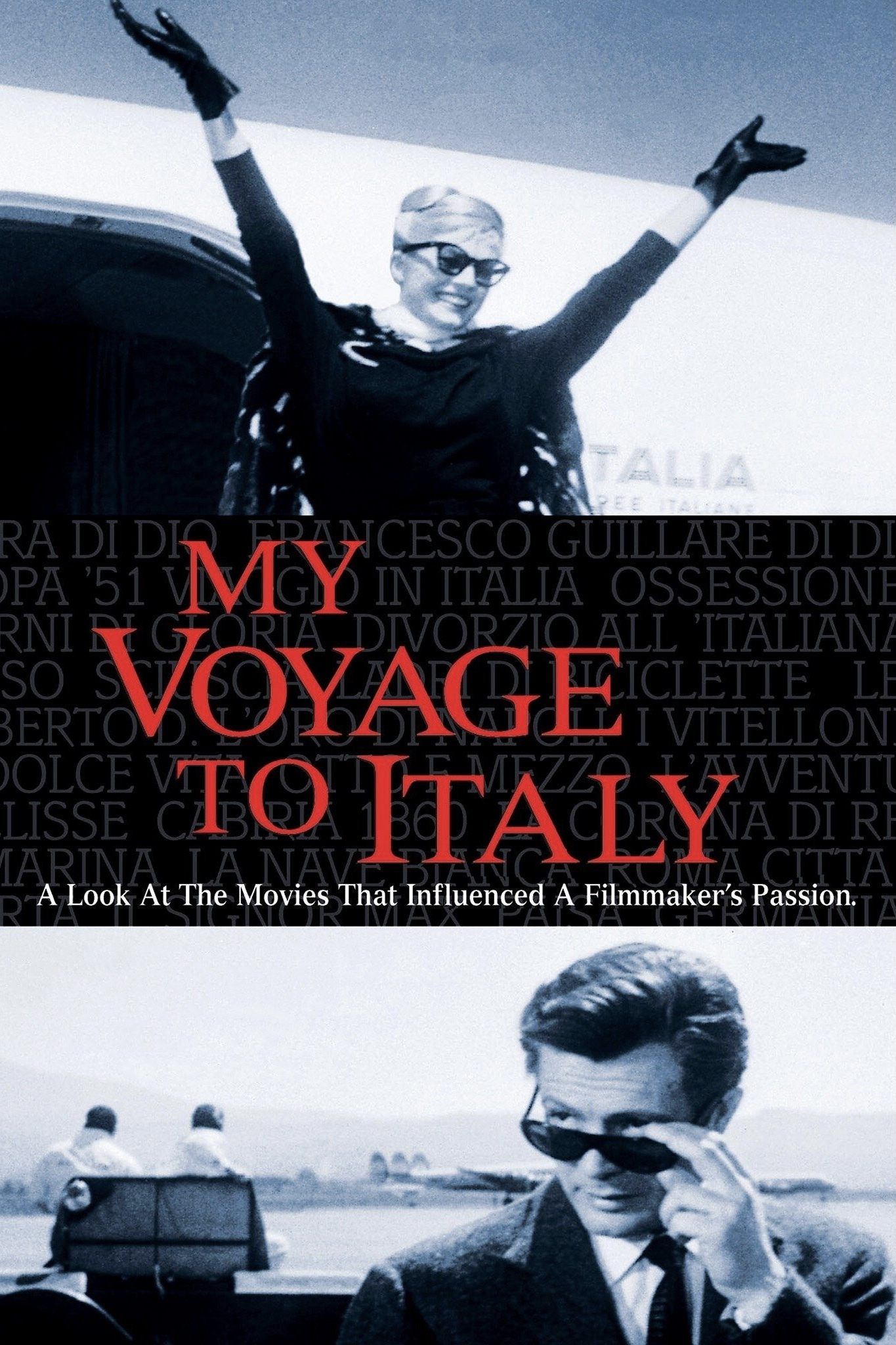
World-renowned director Martin Scorsese narrates this journey through his favorites in Italian cinema.
A love letter from a young mother to her daughter, the film tells the story of Waad al-Kateab’s life through five years of the uprising in Aleppo, Syria as she falls in love, gets married and gives birth to Sama, all while cataclysmic conflict rises around her. Her camera captures incredible stories of loss, laughter and survival as Waad wrestles with an impossible choice– whether or not to flee the city to protect her daughter’s life, when leaving means abandoning the struggle for freedom for which she has already sacrificed so much.
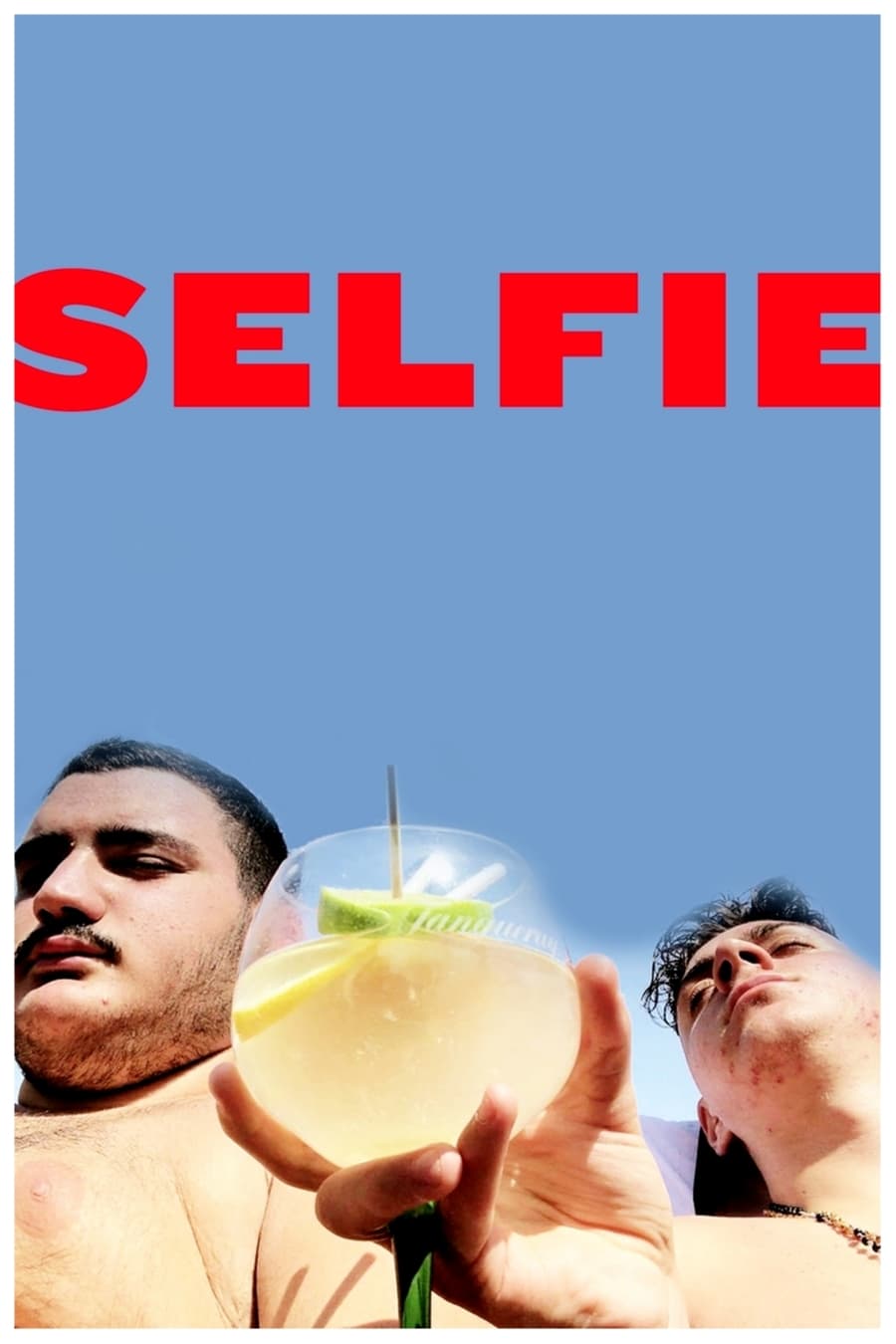
Naples, Trajan's district. Initially it was intended for the inhabitants of the shantytowns on the seafront of Naples, who were homeless after the war. But it soon became a kind of ghetto. Alessandro and Pietro are two teenagers who film with an iPhone to tell their difficult neighborhood, their daily life, the friendship that binds them.
Director Michael Apted revisits the same group of British-born adults after a 7 year wait. The subjects are interviewed as to the changes that have occurred in their lives during the last seven years.
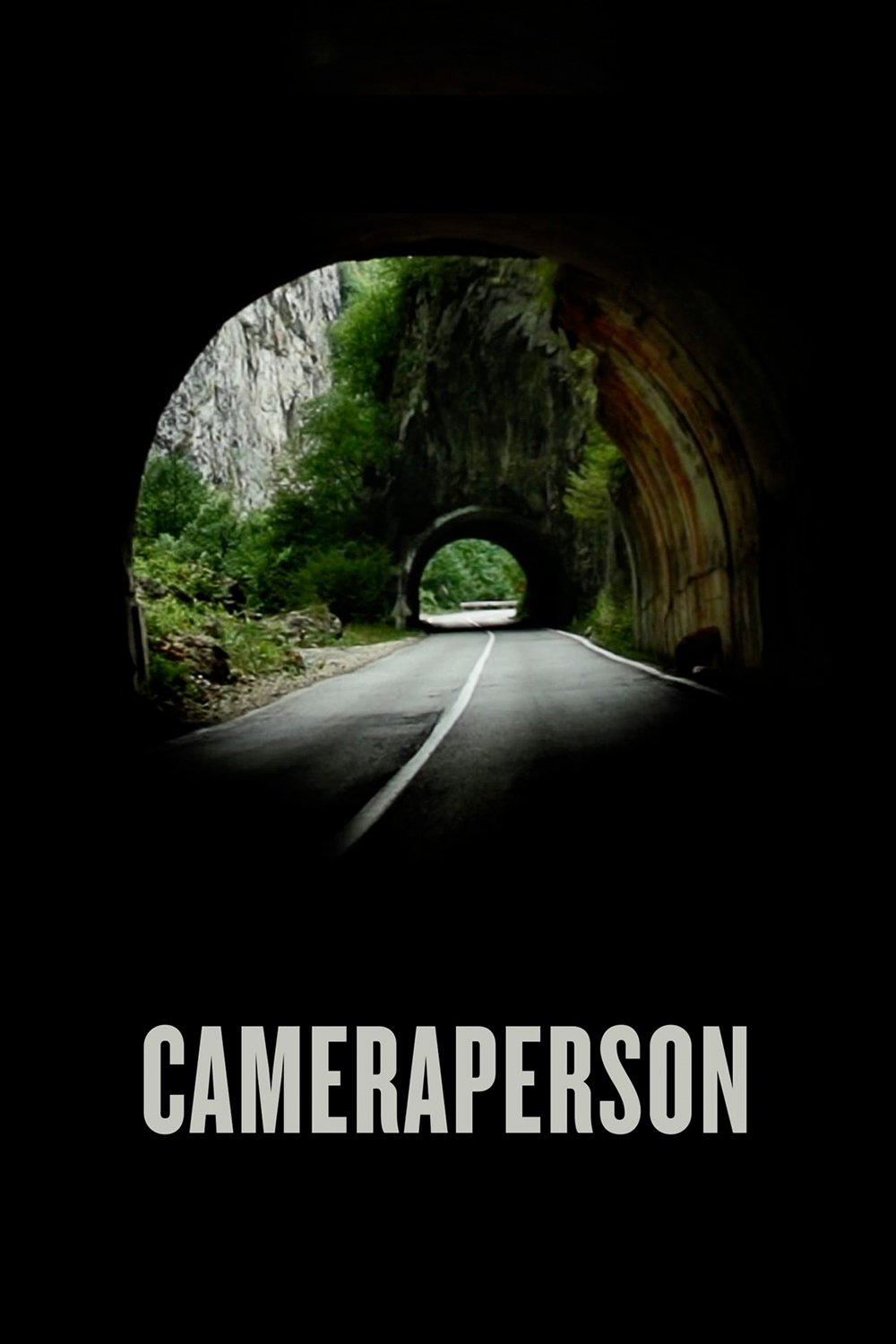
As a visually radical memoir, CAMERAPERSON draws on the remarkable footage that filmmaker Kirsten Johnson has shot and reframes it in ways that illuminate moments and situations that have personally affected her. What emerges is an elegant meditation on the relationship between truth and the camera frame, as Johnson transforms scenes that have been presented on Festival screens as one kind of truth into another kind of story—one about personal journey, craft, and direct human connection.
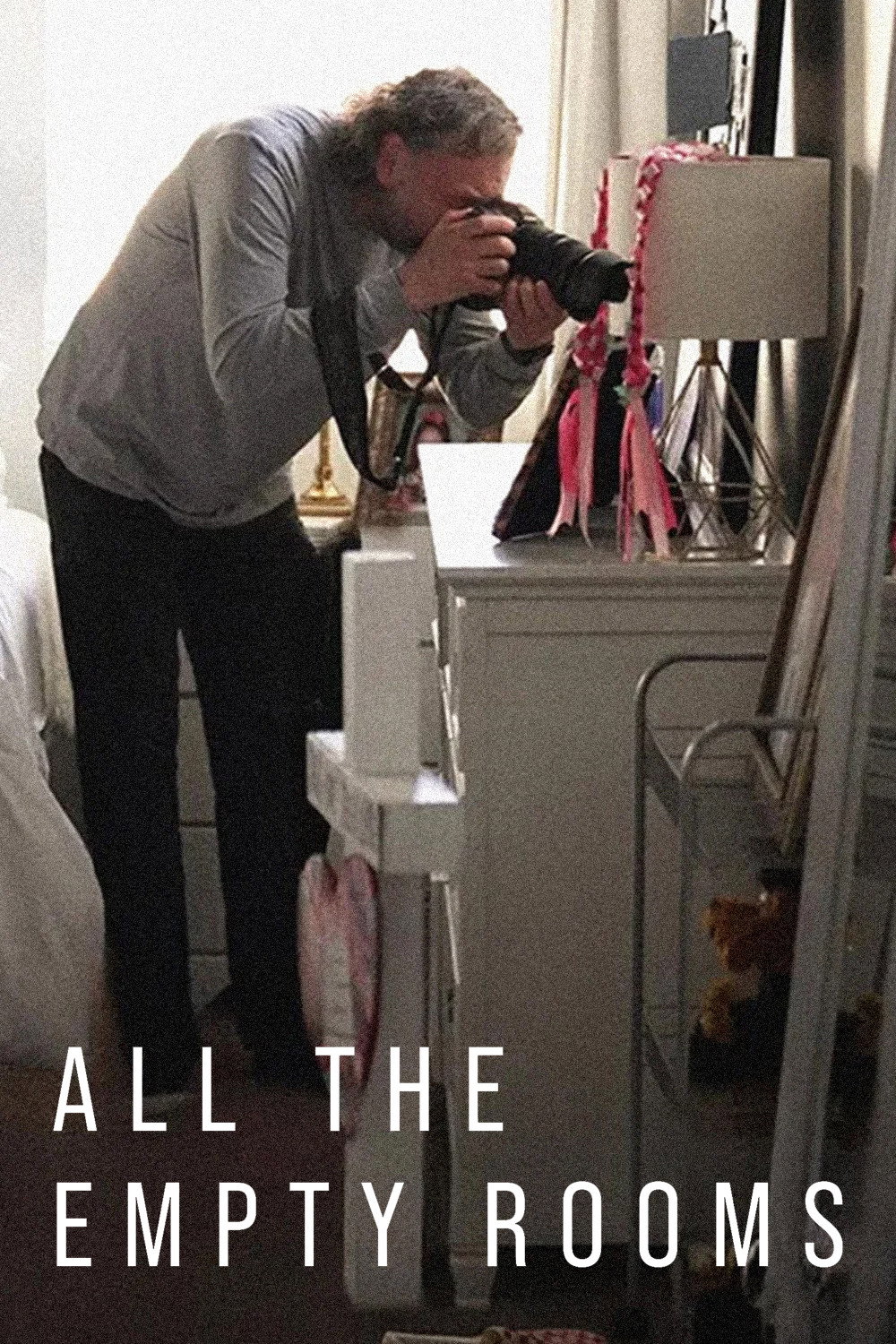
A journalist and a photographer set out to memorialize the bedrooms left behind by children killed in school shootings.
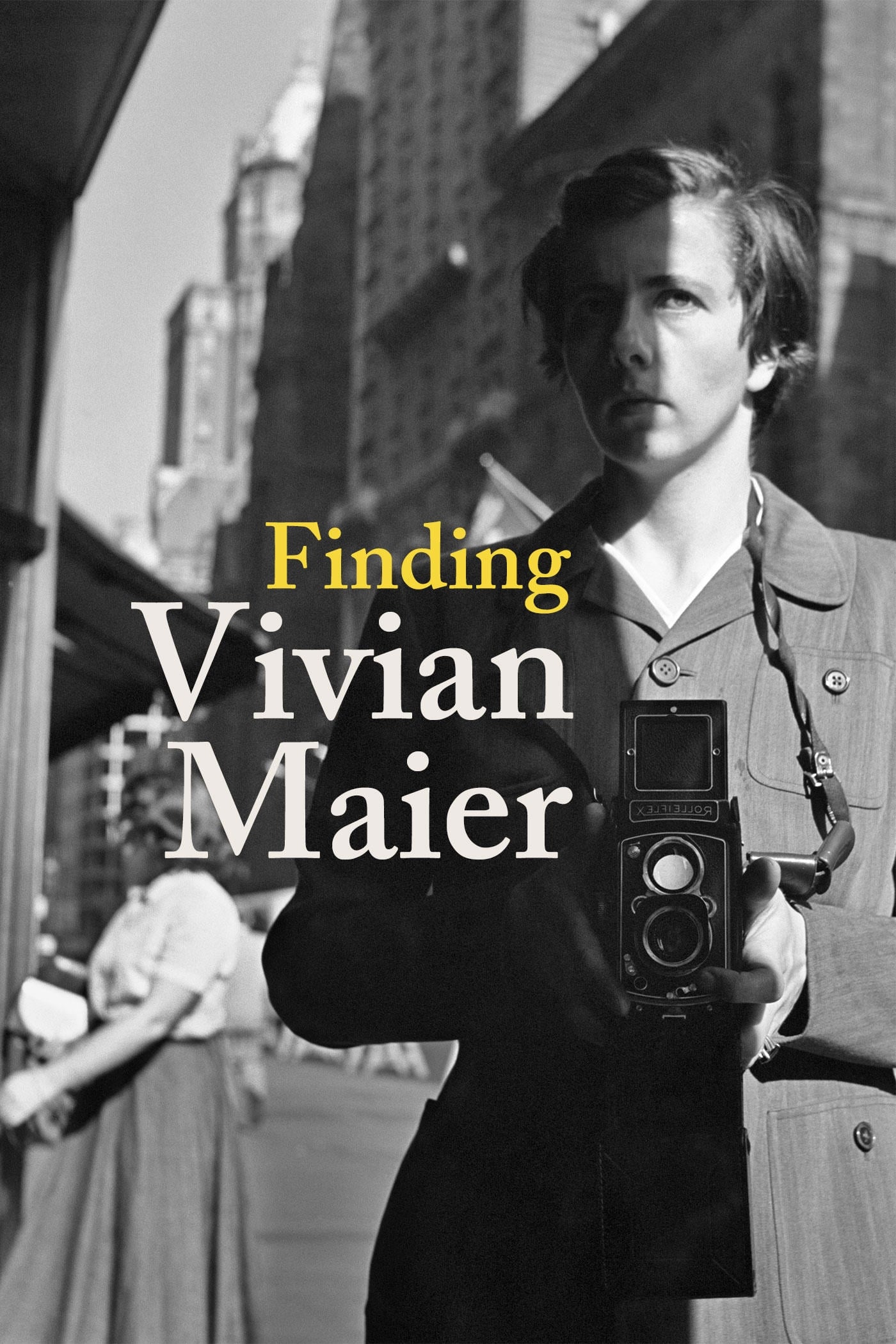
Vivian Maier's photos were seemingly destined for obscurity, lost among the clutter of the countless objects she'd collected throughout her life. Instead these images have shaken the world of street photography and irrevocably changed the life of the man who brought them to the public eye. This film brings to life the interesting turns and travails of the improbable saga of John Maloof's discovery of Vivian Maier, unravelling this mysterious tale through her documentary films, photographs, odd collections and personal accounts from the people that knew her. What started as a blog to show her work quickly became a viral sensation in the photography world. Photos destined for the trash heap now line gallery exhibitions, a forthcoming book and this documentary film.
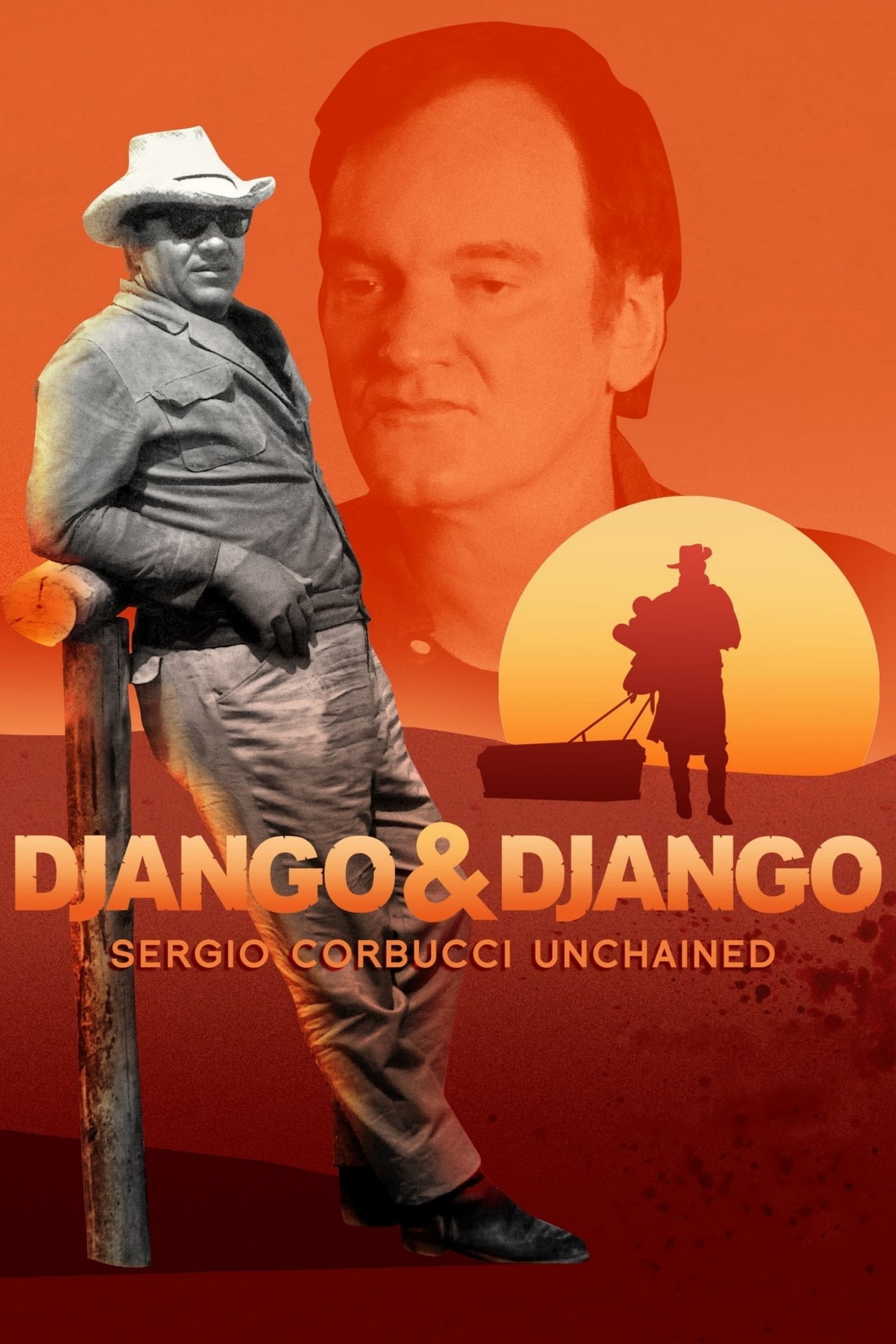
A tribute to Italian filmmaker Sergio Corbucci (1926-90), presented by American filmmaker Quentin Tarantino.
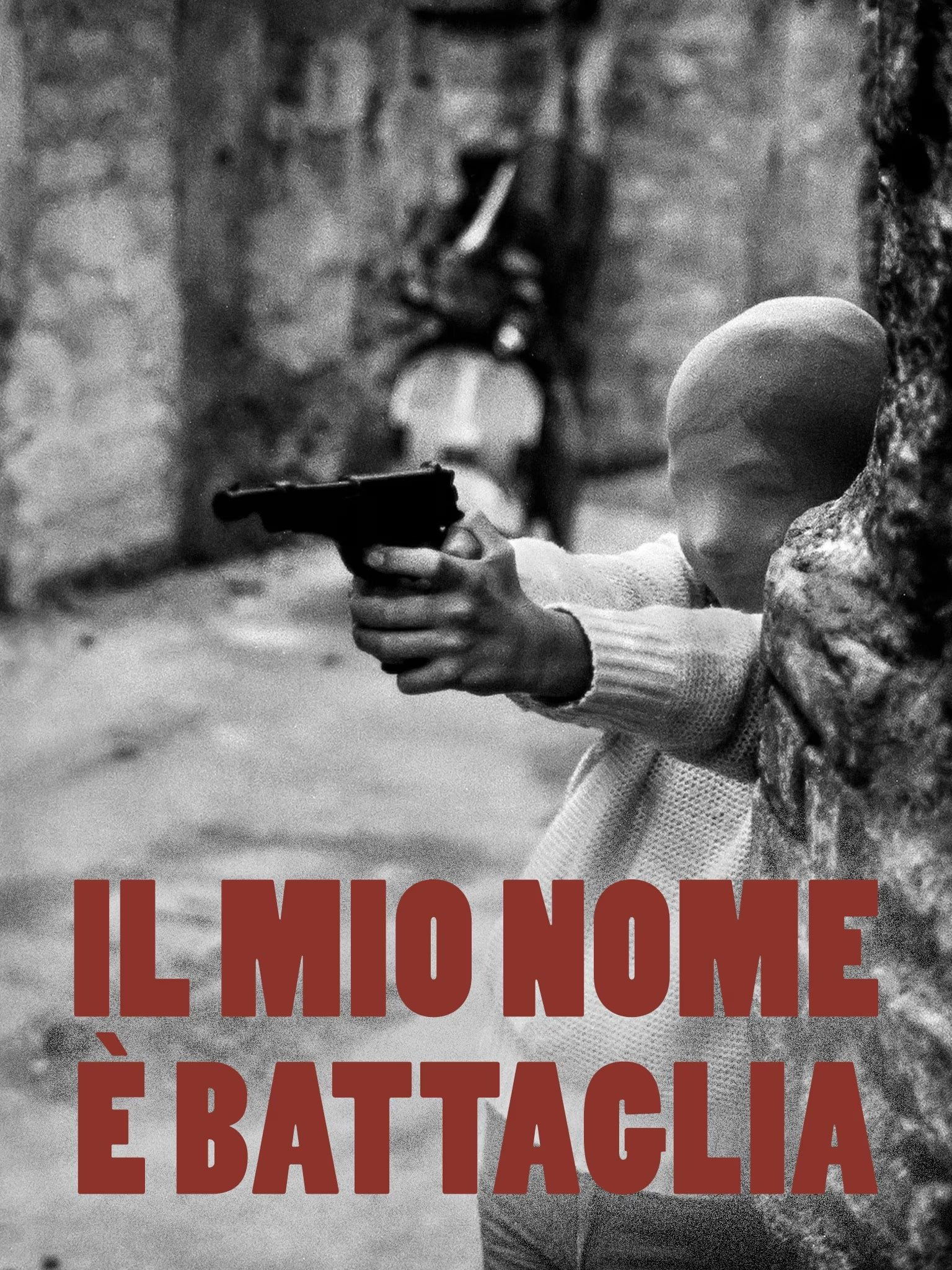
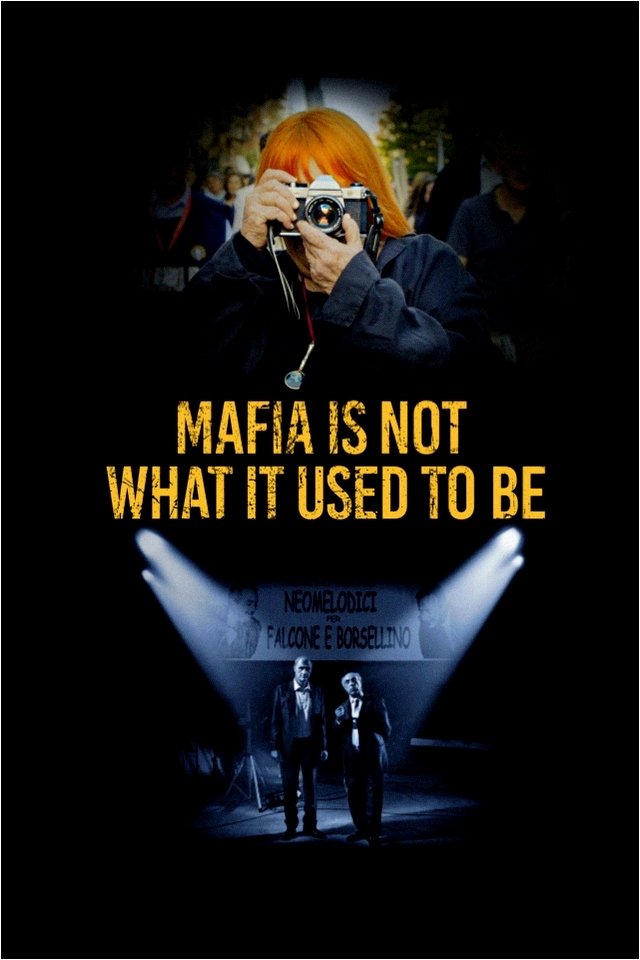
Palermo, Sicily, Italy, 2017. Twenty-five years after the murders of anti-mafia judges Giovanni Falcone, on May 23, 1992, and Paolo Borsellino, on July 19, 1992; and on the occasion of the tributes held in memory of both heroes, skeptical photographer Letizia Battaglia, chronicler of their titanic combat, criticizes the opportunism of shady characters who, like businessman Ciccio Mira, profit from the commemoration of both tragedies.
From a prolific career in film and television, Anton Yelchin left an indelible legacy as an actor. Through his journals and other writings, his photography, the original music he wrote, and interviews with his family, friends, and colleagues, this film looks not just at Anton's impressive career, but at a broader portrait of the man.
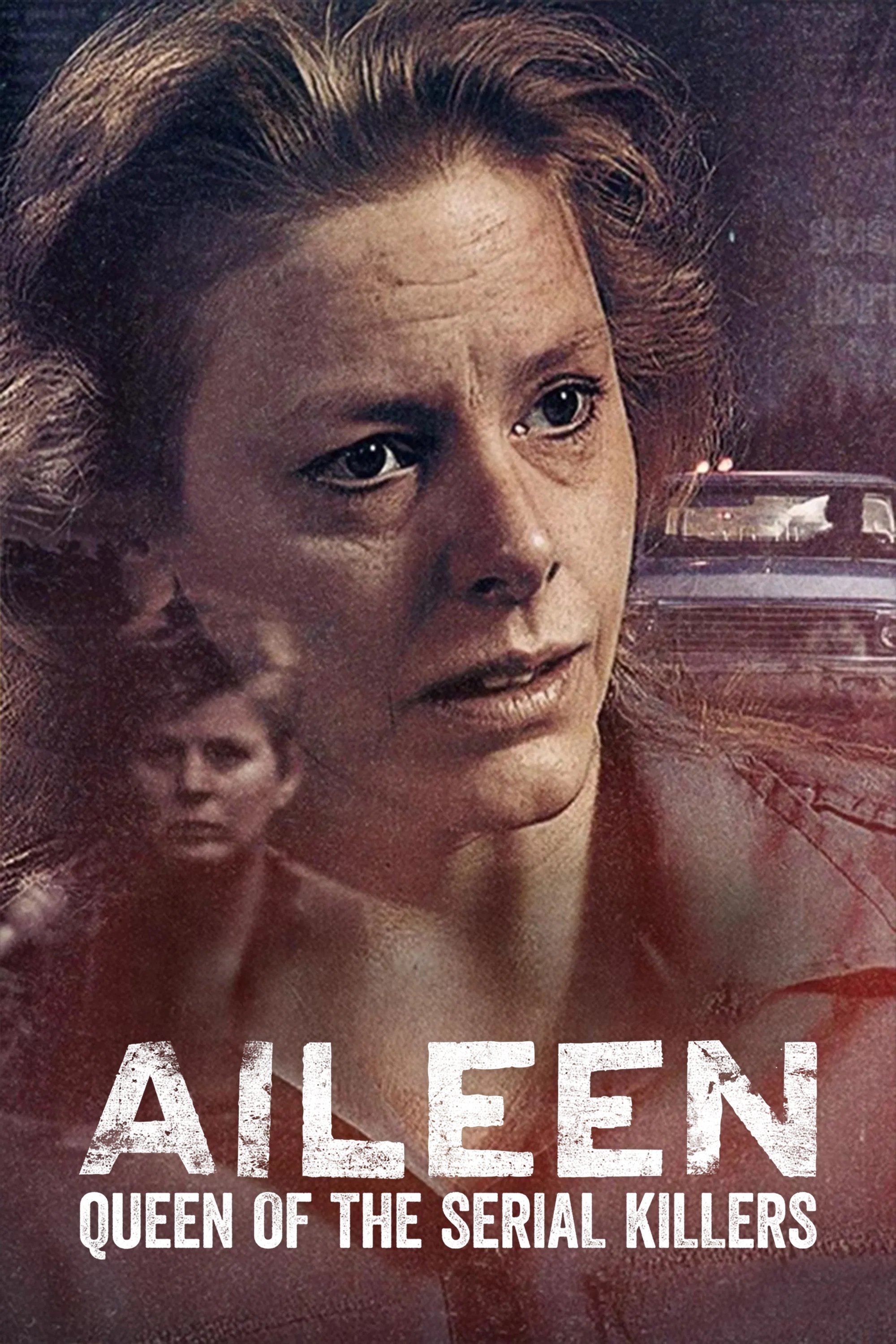
Aileen Wuornos remains a rarity: a female serial killer. From childhood abuse to death-row revelations, this documentary revisits her life and crimes.
Through deeply personal interviews with her siblings and an examination of the photographs, letters, and belongings left behind, Mariska assembles a new portrait of her mother Jayne Mansfield, an extraordinary and complex woman.
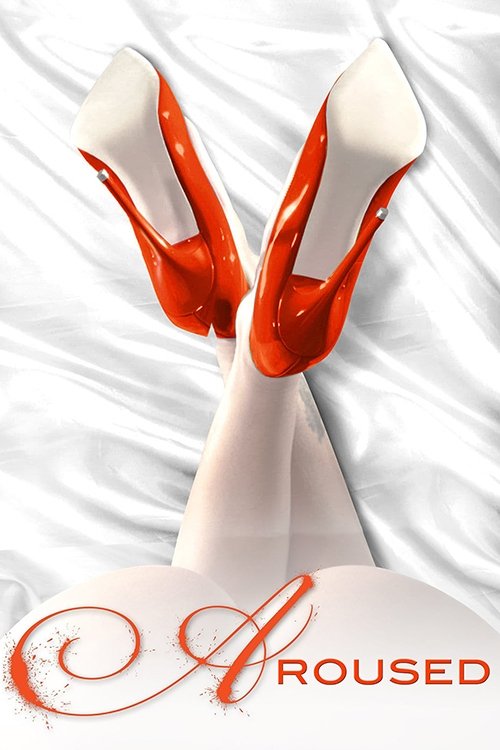
Get up close and personal with 16 of the most successful women in the adult film industry as they shed their clothes for an intimate photo shoot with director Deborah Anderson. As questions are asked, personal stories about their lives are revealed, from why they chose the business of sex to how they got into it in the first place. These porn stars have always been discreet about their private lives in the past, yet Anderson has a way of opening up a dialog allowing them to share more than just their naked skin on screen. Their true inner vulnerability is touching, yet the characters they have created are confident and intoxicating. Once you hear their stories, you'll never look at them in the same way again.
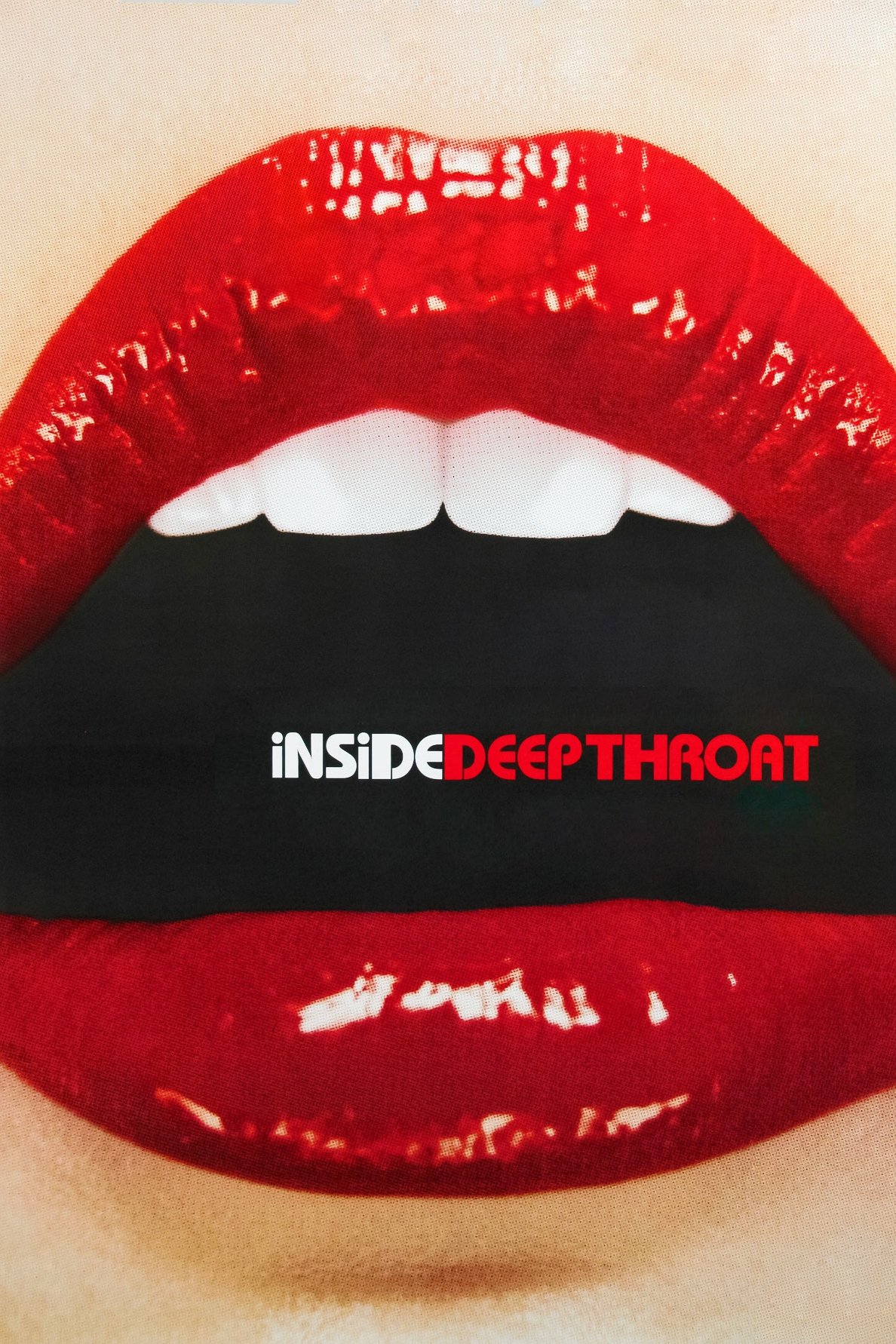
In 1972, a seemingly typical shoestring budget pornographic film was made in a Florida hotel: "Deep Throat," starring Linda Lovelace. This film would surpass the wildest expectation of everyone involved to become one of the most successful independent films of all time. It caught the public imagination which met the spirit of the times, even as the self-appointed guardians of public morality struggled to suppress it, and created, for a brief moment, a possible future where sexuality in film had a bold artistic potential. This film covers the story of the making of this controversial film, its stunning success, its hysterical opposition along with its dark side of mob influence and allegations of the on set mistreatment of the film's star.
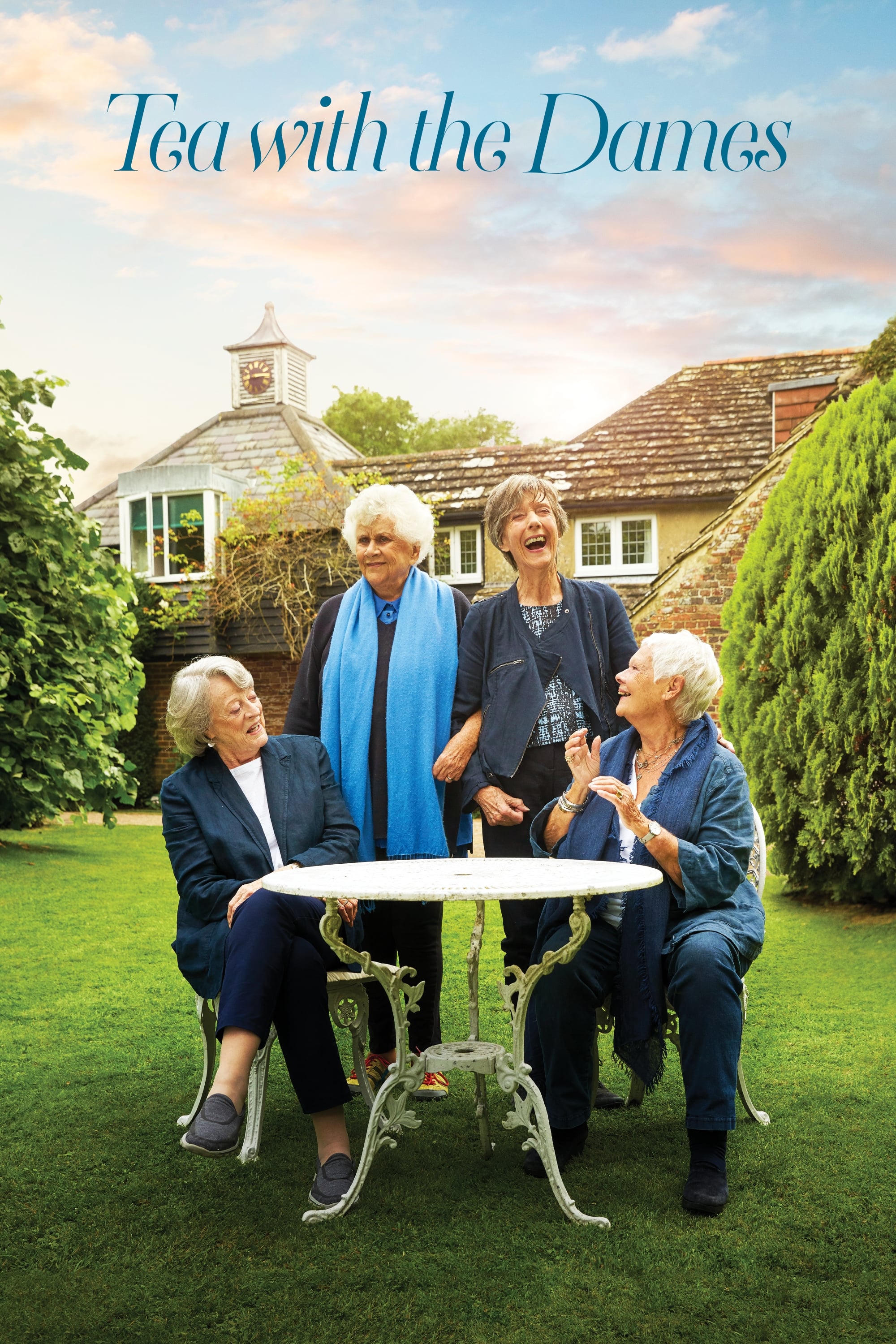
BBC Arena's documentary on the Dames of British Theatre and film featuring Maggie Smith, Eileen Atkins, Judi Dench and Joan Plowright on screen together for the first time as they reminisce over a long summer weekend in a house Joan once shared with Sir Laurence Olivier.
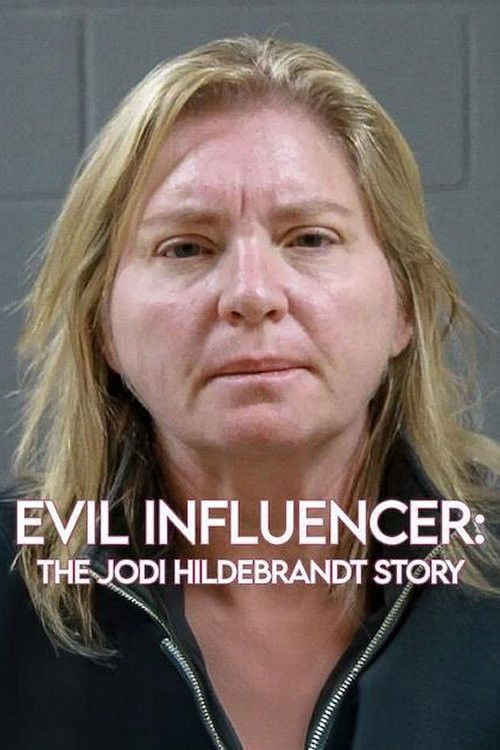
Unravel the case of Utah therapist Jodi Hildebrandt, whose child abuse arrest with parenting YouTuber Ruby Franke exposed a twisted tale of manipulation.
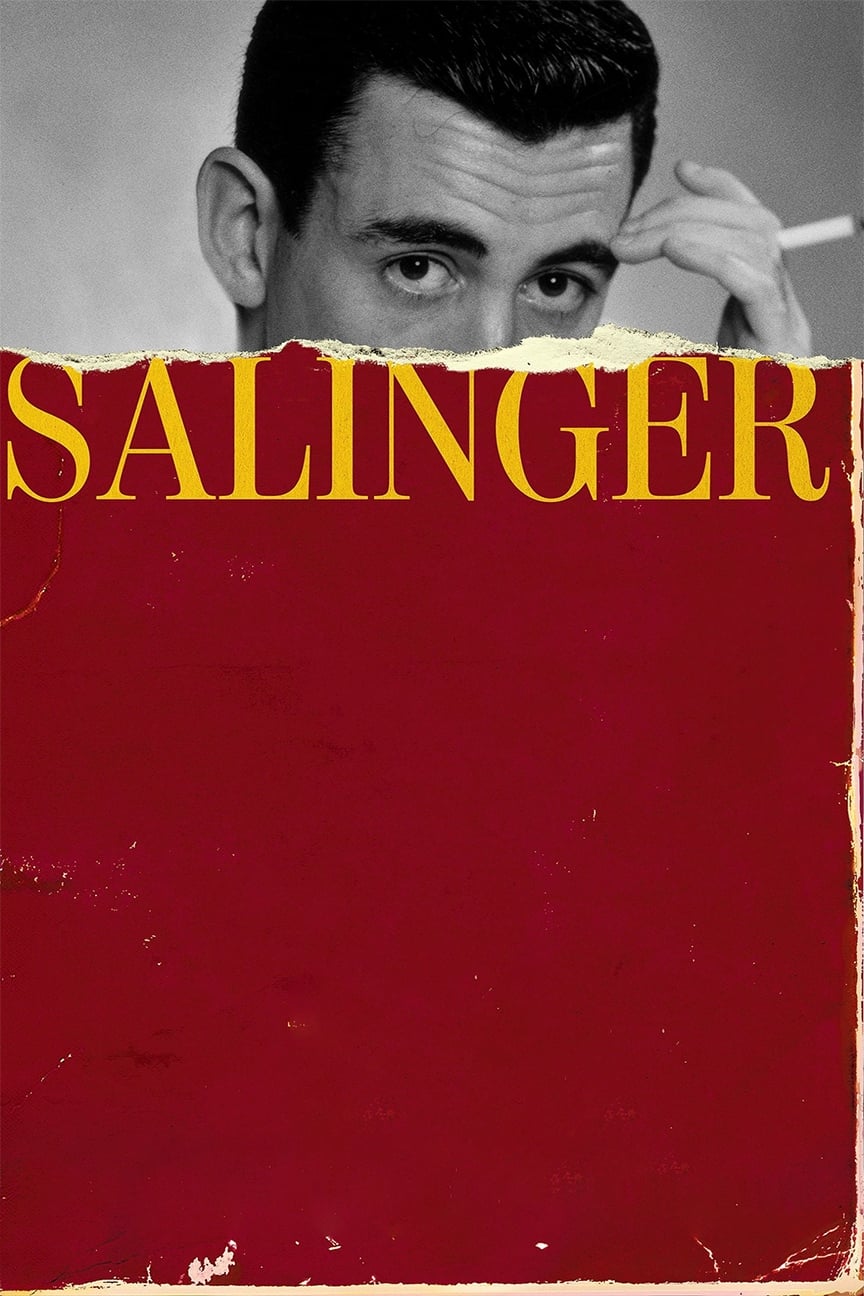
An in-depth investigation into the private world of the American writer J. D. Salinger (1919-2010), who lived most of his life behind the impenetrable wall of a self-imposed seclusion: how his dramatic experiences during World War II influenced his life and work, his relationships with very young women, his obsessive writing methods, his many literary secrets.
In an intimate and joyful story of love in the face of loss, celebrated poets Andrea Gibson and Megan Falley find strength—and unexpected hilarity—in what might be their final year together.
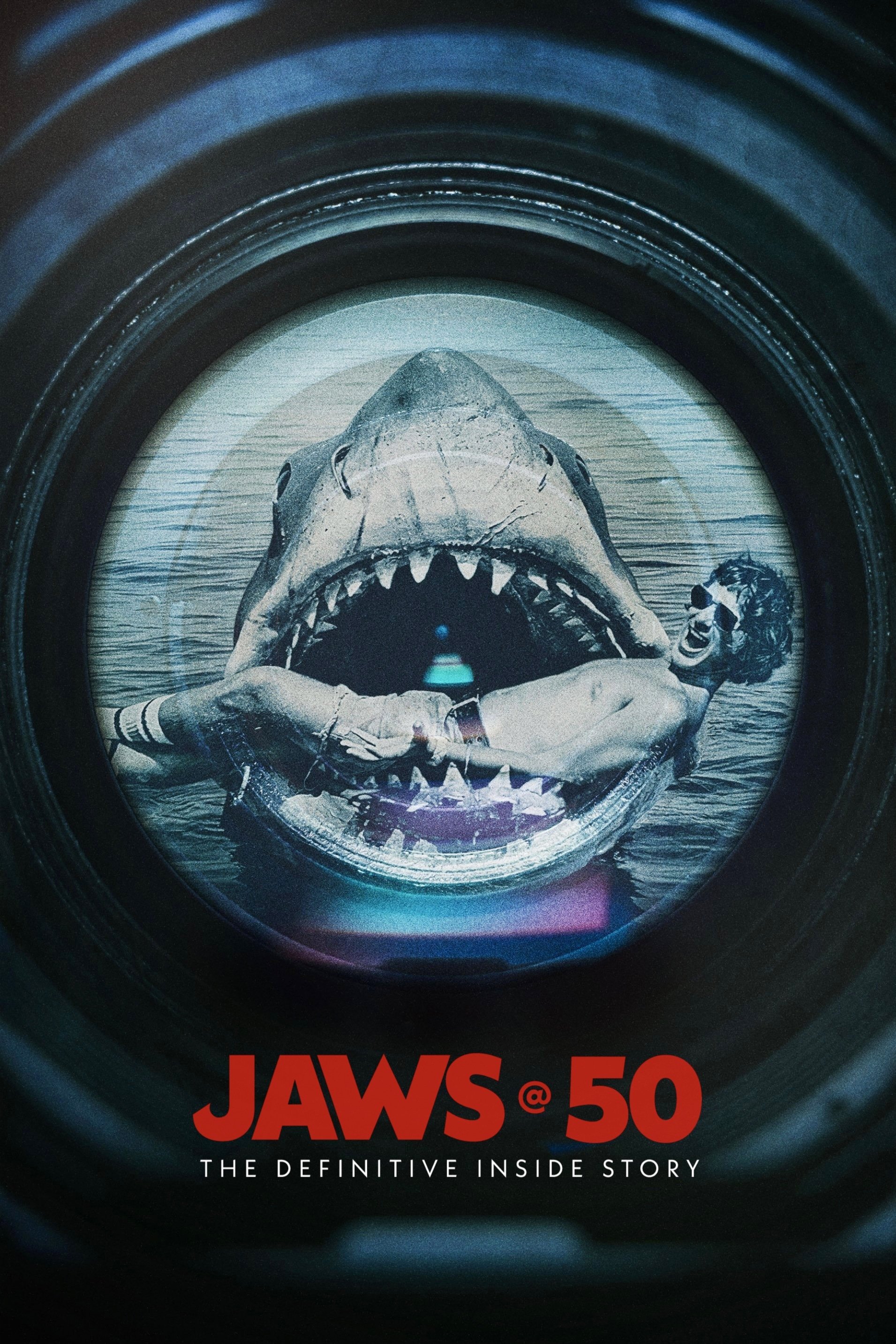
The authorized documentary celebrating the film that redefined Hollywood, 50 years after its premiere. Featuring rare archival footage and interviews with acclaimed Hollywood directors alongside Steven Spielberg, top shark scientists, and conservationists, the film uncovers the behind-the-scenes chaos and how the film launched the summer blockbuster, inspired a new wave of filmmakers, and paved the way for shark conservation that continues today.