Social & External
The people behind it
More than 2.000 years ago, Narbonne in today's Département Aude was the capital of a huge Roman province in Southern Gaul - Gallia Narbonensis. It was the second most important Roman port in the western Mediterranean and the town was one of the most important commercial hubs between the colonies and the Roman Empire, thus the town could boast a size rivaling that of the city that had established it: Rome itself. Paradoxically, the town that distinguished itself for its impressive architecture, today shows no more signs of it: neither temples, arenas, nor theaters. Far less significant Roman towns like Nîmes or Arles are full of ancient sites. Narbonne today is a tranquil town in Occitania
A documentary about the rise and fall of the Cannon Film Group, the legendary independent film company helmed by Israeli cousins Menahem Golan and Yoram Globus.
The cast of the 1988 film, Bad Dreams, talk about their experiences making a film with heavy themes of suicide, guilt, depression, and mass death.
In 2020, the World was closed. Life got cancelled. People were struggling. Here’s an emotional and entertaining true story shot live, during the pandemic, about courageous people who came together, despite the risk, to share their love with one another. The film opens in Times Square on NYE 2020. Everything seemed right with the World. Fast-forward six months into the pandemic, hundreds of artists from all different performance art genres are invited to come together over the course of several consecutive days, culminating in a group costume parade event on 10/10/2020 to witness the only live performances happening ANYWHERE. The goal was to lift each other's spirits during the 2020 Covid-19 pandemic. There were over a dozen genres represented including acrobatics, live music, magic, dance, and even a wedding. Dozens of unscripted live interviews were recorded and the event proved a huge success. The film captures the rawness of what it was like living during this unprecedented time.
9/11 was perhaps the defining historical event of the postwar era. Broadcast live around the world like horrifying theatre, it was a moment in history imprinted onto people's memories. But what was it like to actually live through, and how easy is it to move on from a day that society wants to go on remembering? Twenty years on, this film brings together 13 ordinary people who were caught in an event they weren't able to fully comprehend at the time and which they are still working through.
Director Dan Farah got 34 senior members of the U.S. Government, military, and intelligence community to come on camera. He says they reveal an 80 year cover-up of the existence of non-human intelligent life and a secret war amongst major nations to reverse engineer technology of non-human origin. The film explores the profound impact the situation has on the future of humanity, while providing a look behind-the-scenes with those at the forefront of the bi-partisan disclosure effort.
Filmmaker Eva Colmers' father Theo Melzer spent three and a half years in a POW camp in Lethbridge, Alberta -- one of 25 such camps across Canada housing German prisoners captured during World War II. Surviving prisoners, including Melzer, recount how their lives were changed by the unexpected respect and dignity they received at the hands of their Canadian captors.
The biography of former Beatle, John Lennon—narrated by Lennon himself—with extensive material from Yoko Ono's personal collection, previously unseen footage from Lennon's private archives, and interviews with David Bowie, his first wife Cynthia, second wife Yoko Ono and sons Julian and Sean.
A documentary on a stereotypically shady used car salesman, one who convinces customers to buy vehicles that others have deemed unfit for sale.
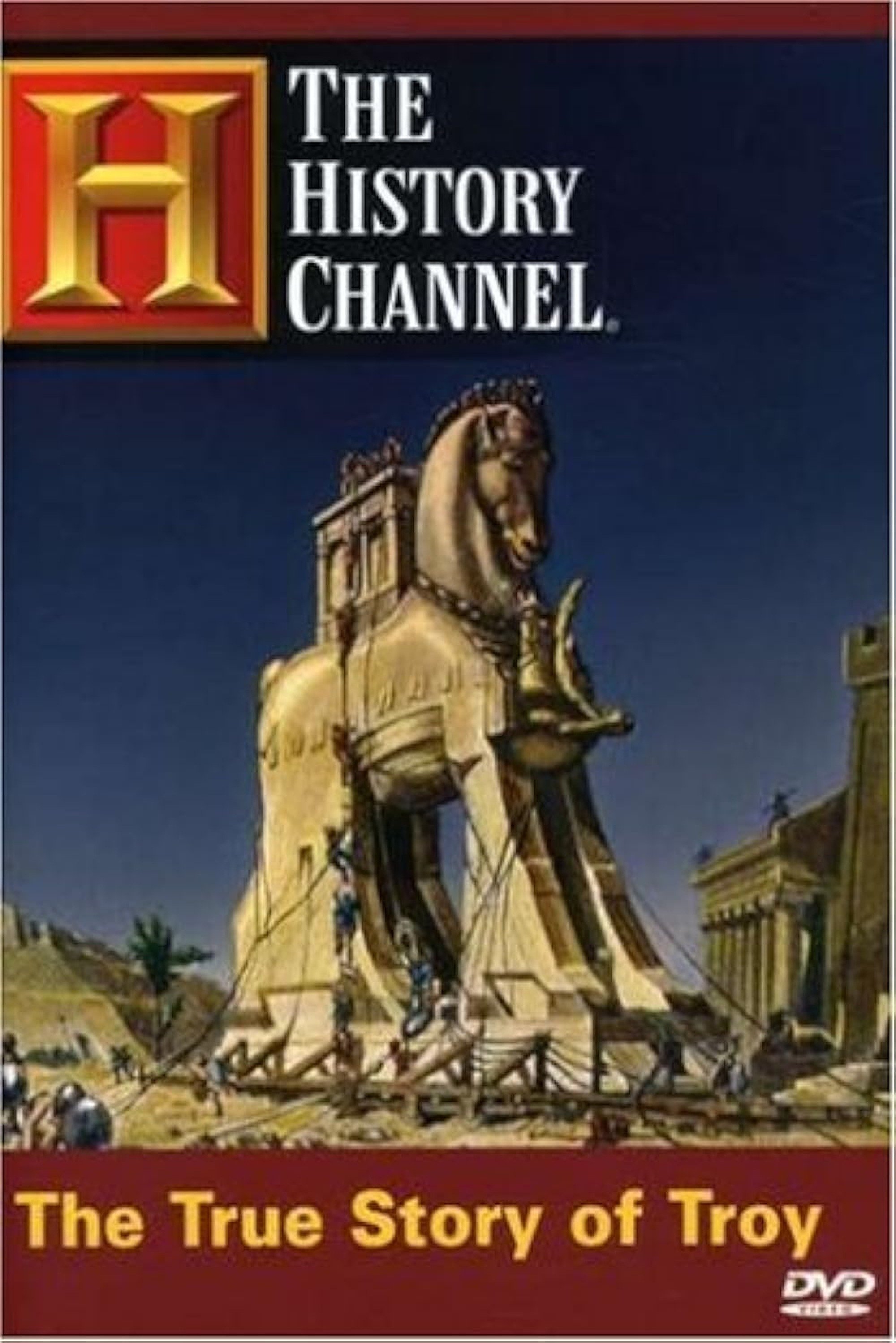
The story of the Trojan war is one of history's most enduring legends. A beautiful queen elopes with a foreign prince, which results in a decade-long battle that ends in the complete annihilation of an entire city. However, what grain of truth is there to this mythologicale tale of love and destruction?
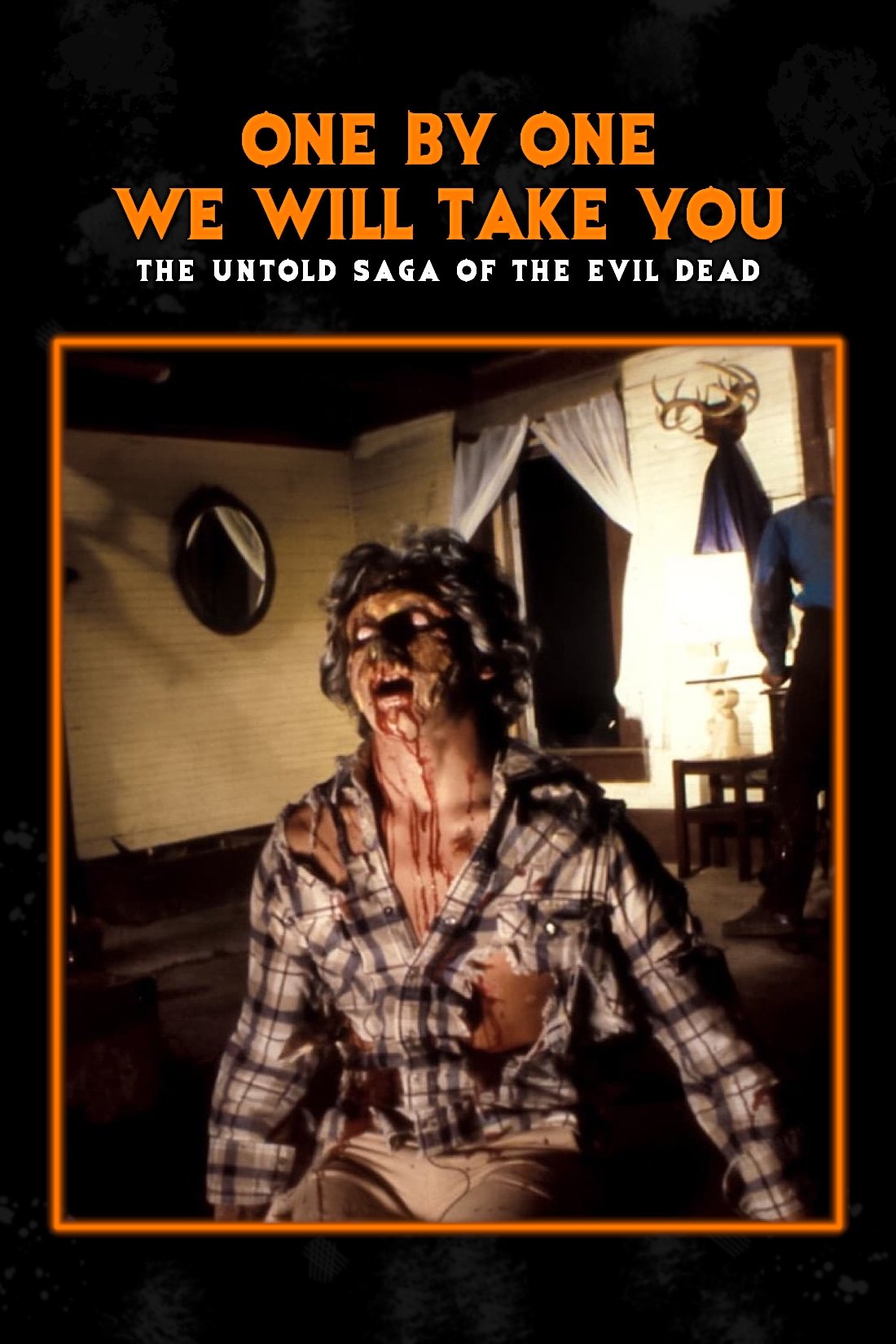
Cast and crew, as well as some famous fans, recall the insanity of making of the ultimate experience of grueling terror that is The Evil Dead.
Straight-forward production stories from the Hollywood players who made the movie happen.
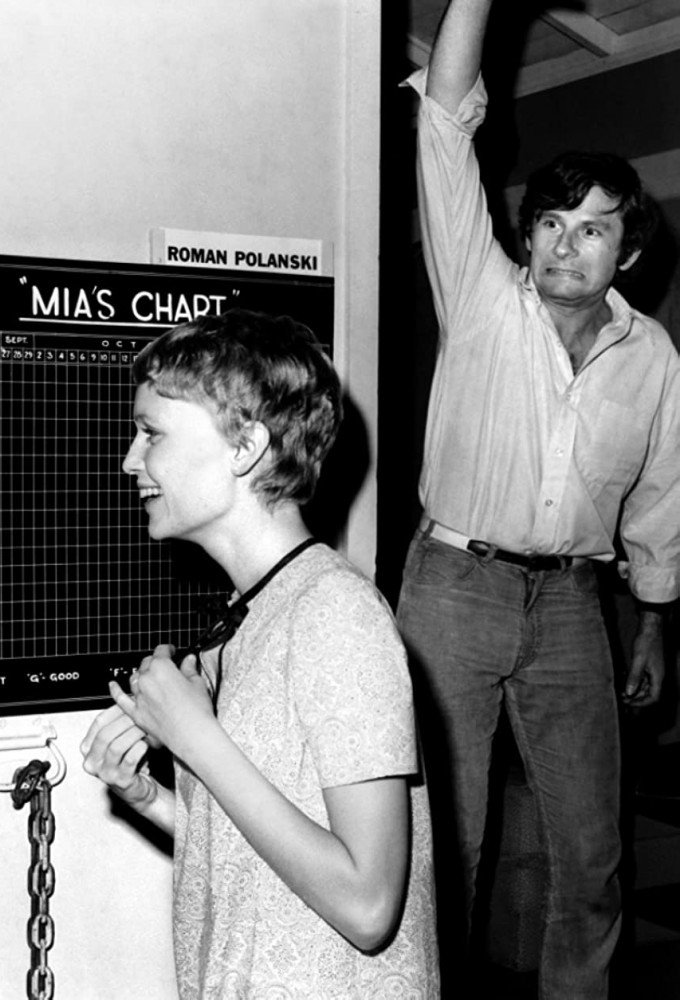
Mia and Roman is a 1968 23-minute documentary film which was shot during the making of Rosemary's Baby.
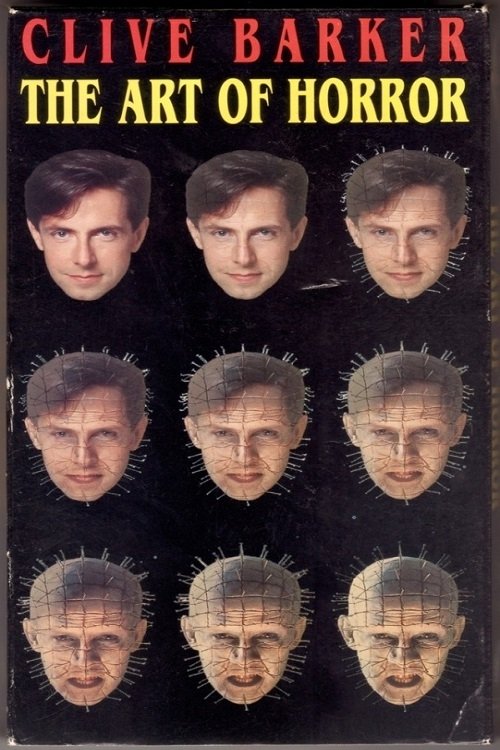
Clive Barker gives viewers a brief insight into his work and what he thinks about the attitudes of the time.
Told through performances, TV interviews, home movies, family photographs, private letters and unpublished memoirs, the film reveals the essence of an extraordinary woman who rose from humble beginnings in New York City to become a glamorous international superstar and one of the greatest artists of all time.
Paul Fierlinger's unique animation captures five individuals from diverse backgrounds as they describe their bouts with loneliness, its challenges and benefits.
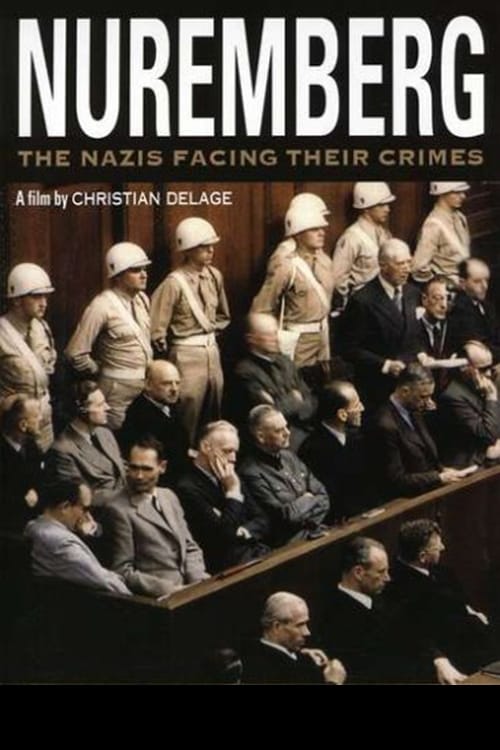
The documentary of the Nuremberg War Trials of 21 Nazi dignitaries held after World War II.
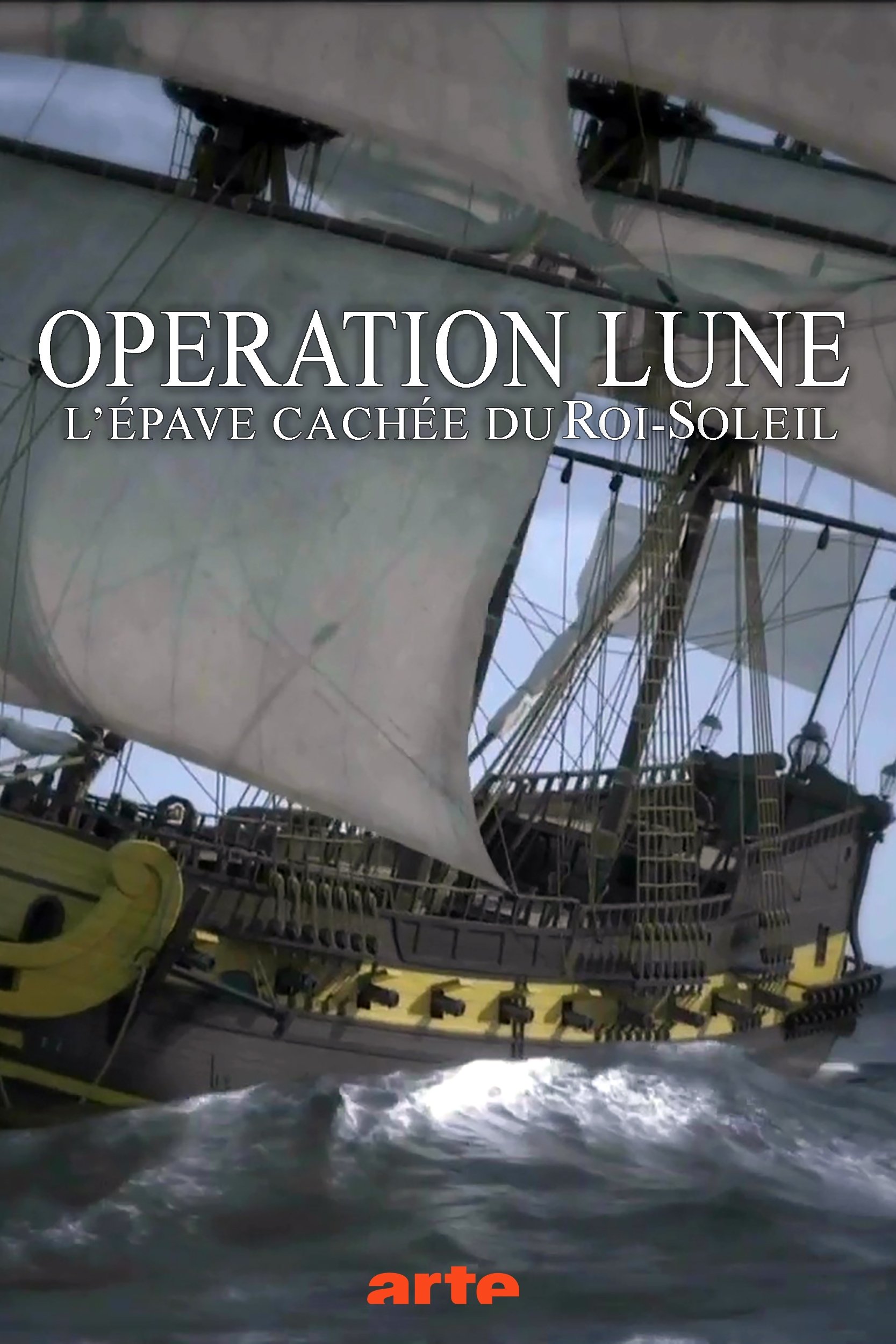
Louis XIV's ship La Lune was wrecked off Toulon in November 1664. The ship was returning from an expedition to the Barbary Coast with nearly one thousand people on board, simple seamen or nobles of the highest rank. Discovered by a submarine in 1993, the wreck lies in 90 metres of water. In a state of magificent preservation, like some underwater Pompei, she will, starting in 2012, be the subject of an exceptional archeological investigation, bringing together history and robotics, the expertise of archeologists and the passion for the deep.
Filmmaker Alain Resnais documents the atrocities behind the walls of Hitler's concentration camps.
Director Claude Lanzmann spent 11 years on this sprawling documentary about the Holocaust, conducting his own interviews and refusing to use a single frame of archival footage. Dividing Holocaust witnesses into three categories – survivors, bystanders, and perpetrators – Lanzmann presents testimonies from survivors of the Chelmno concentration camp, an Auschwitz escapee, and witnesses of the Warsaw Ghetto Uprising, as well as a chilling report of gas chambers from an SS officer at Treblinka.
“The Soviet Story” is a story of an Allied power, which helped the Nazis to fight Jews and which slaughtered its own people on an industrial scale. Assisted by the West, this power triumphed on May 9th, 1945. Its crimes were made taboo, and the complete story of Europe’s most murderous regime has never been told. Until now...
Meet the real-life airmen who inspired Masters of the Air as they share the harrowing and transformative events of the 100th Bomb Group.
A love letter from a young mother to her daughter, the film tells the story of Waad al-Kateab’s life through five years of the uprising in Aleppo, Syria as she falls in love, gets married and gives birth to Sama, all while cataclysmic conflict rises around her. Her camera captures incredible stories of loss, laughter and survival as Waad wrestles with an impossible choice– whether or not to flee the city to protect her daughter’s life, when leaving means abandoning the struggle for freedom for which she has already sacrificed so much.
Amid the failing counteroffensive, a journalist follows a Ukrainian platoon on their mission to traverse one mile of heavily fortified forest and liberate a strategic village from Russian occupation. But the farther they advance through their destroyed homeland, the more they realize that this war may never end.
During the chaotic final weeks of the Vietnam War, the North Vietnamese Army closes in on Saigon as the panicked South Vietnamese people desperately attempt to escape. On the ground, American soldiers and diplomats confront a moral quandary: whether to obey White House orders to evacuate only U.S. citizens.
Prelude to War was the first film of Frank Capra's Why We Fight propaganda film series, commissioned by the Pentagon and George C. Marshall. It was made to convince American troops of the necessity of combating the Axis Powers during World War II. This film examines the differences between democratic and fascist states.
As the Russian invasion begins, a team of Ukrainian journalists trapped in the besieged city of Mariupol struggle to continue their work documenting the war's atrocities.
A documentary about World War I with never-before-seen footage to commemorate the centennial of Armistice Day, and the end of the war.
Over a period of two years, Mark Cowen and his crew travelled to thirty U.S. states and ten European cities, to interview the veterans of Easy Company. The stories told by the veterans themselves, create a history of the Second World War from the point of view of this heroic company of men, made famous in the mini-series Band of Brothers.
"Trinity and Beyond" is an unsettling yet visually fascinating documentary presenting the history of nuclear weapons development and testing between 1945-1963. Narrated by William Shatner and featuring an original score performed by the Moscow Symphony Orchestra, this award-winning documentary reveals previously unreleased and classified government footage from several countries.
A tribute to Italian filmmaker Sergio Corbucci (1926-90), presented by American filmmaker Quentin Tarantino.
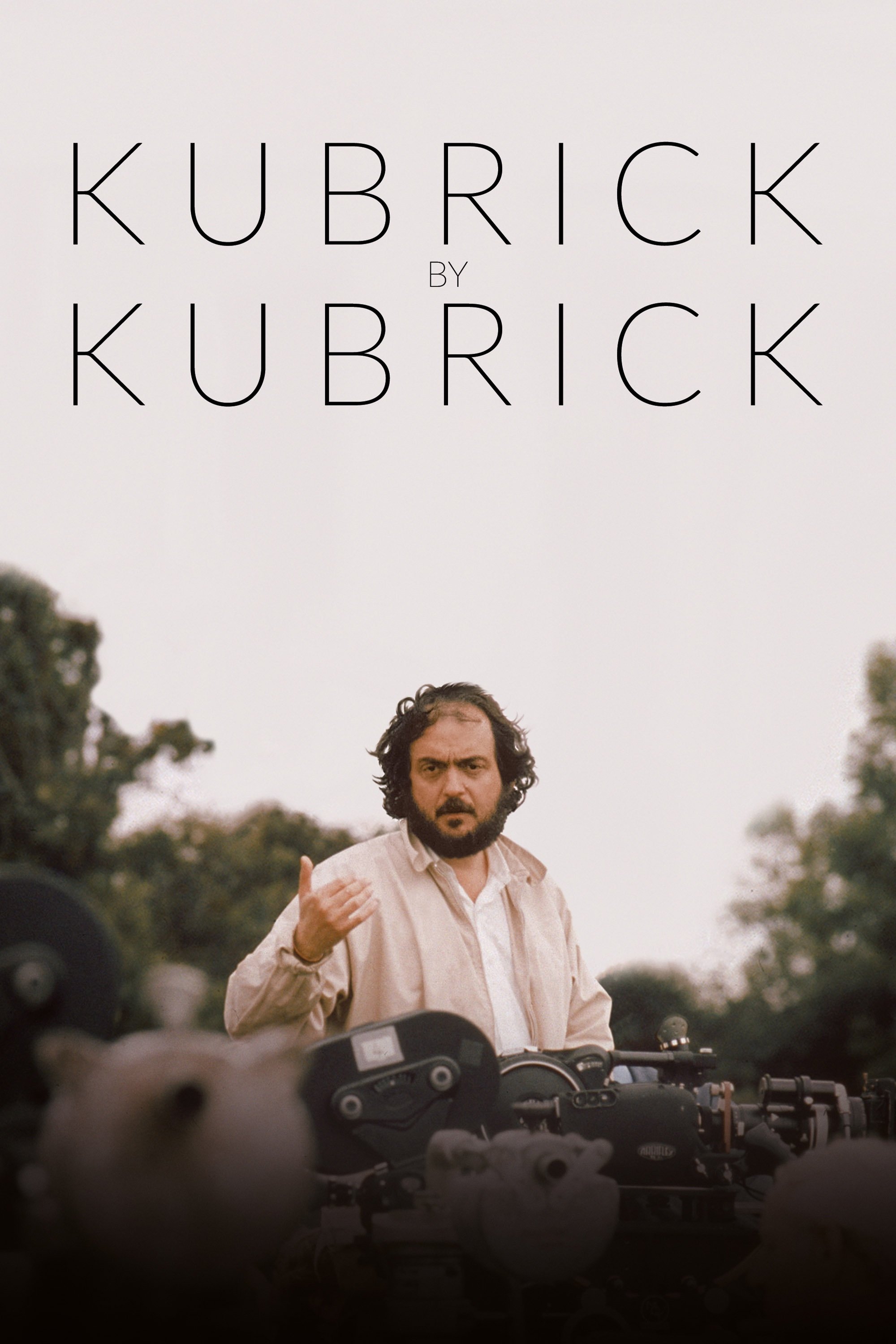
American filmmaker Stanley Kubrick (1928–1999), one of the greatest in history, but also one of the most reserved, gave few interviews throughout his long career, and none of them were filmed. A first-person journey through his life and work, based on a recorded conversation with French film critic Michel Climent.
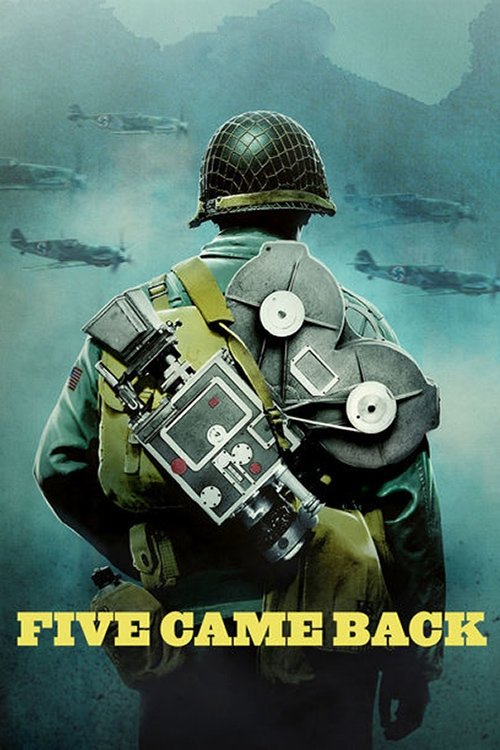
The extraordinary story of how Hollywood changed World War II – and how World War II changed Hollywood, through the interwoven experiences of five legendary filmmakers who went to war to serve their country and bring the truth to the American people: John Ford, William Wyler, John Huston, Frank Capra, and George Stevens. Based on Mark Harris’ best-selling book, “Five Came Back: A Story of Hollywood and the Second World War.”
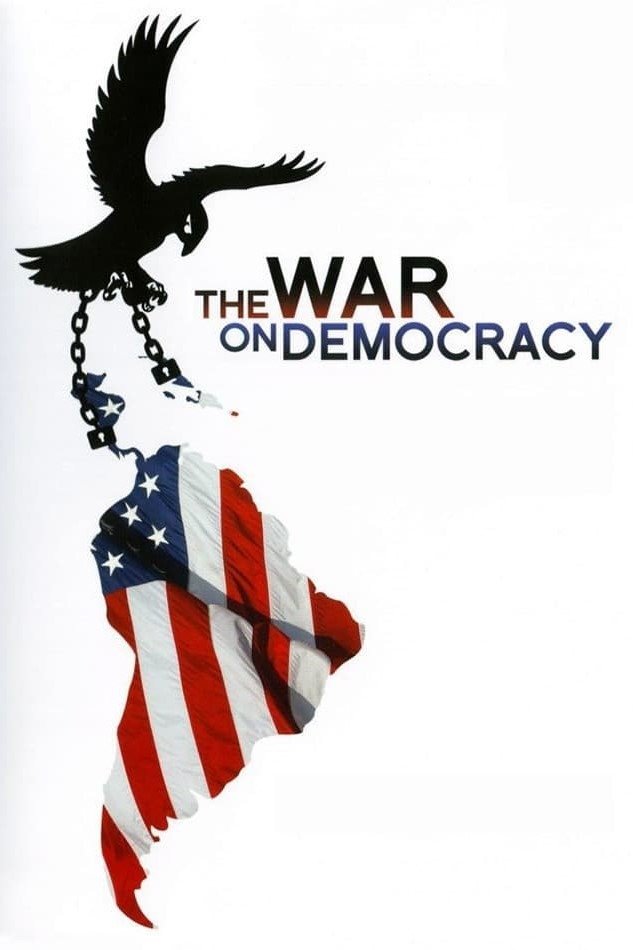
Set both in Latin America and the United States, the film explores the historic and current relationship of Washington with countries such as Venezuela, Bolivia and Chile. Pilger says that the film "...tells a universal story... analysing and revealing, through vivid testimony, the story of great power behind its venerable myths. It allows us to understand the true nature of the so-called "war on terror". According to Pilger, the film’s message is that the greed and power of empire is not invincible and that people power is always the "seed beneath the snow".
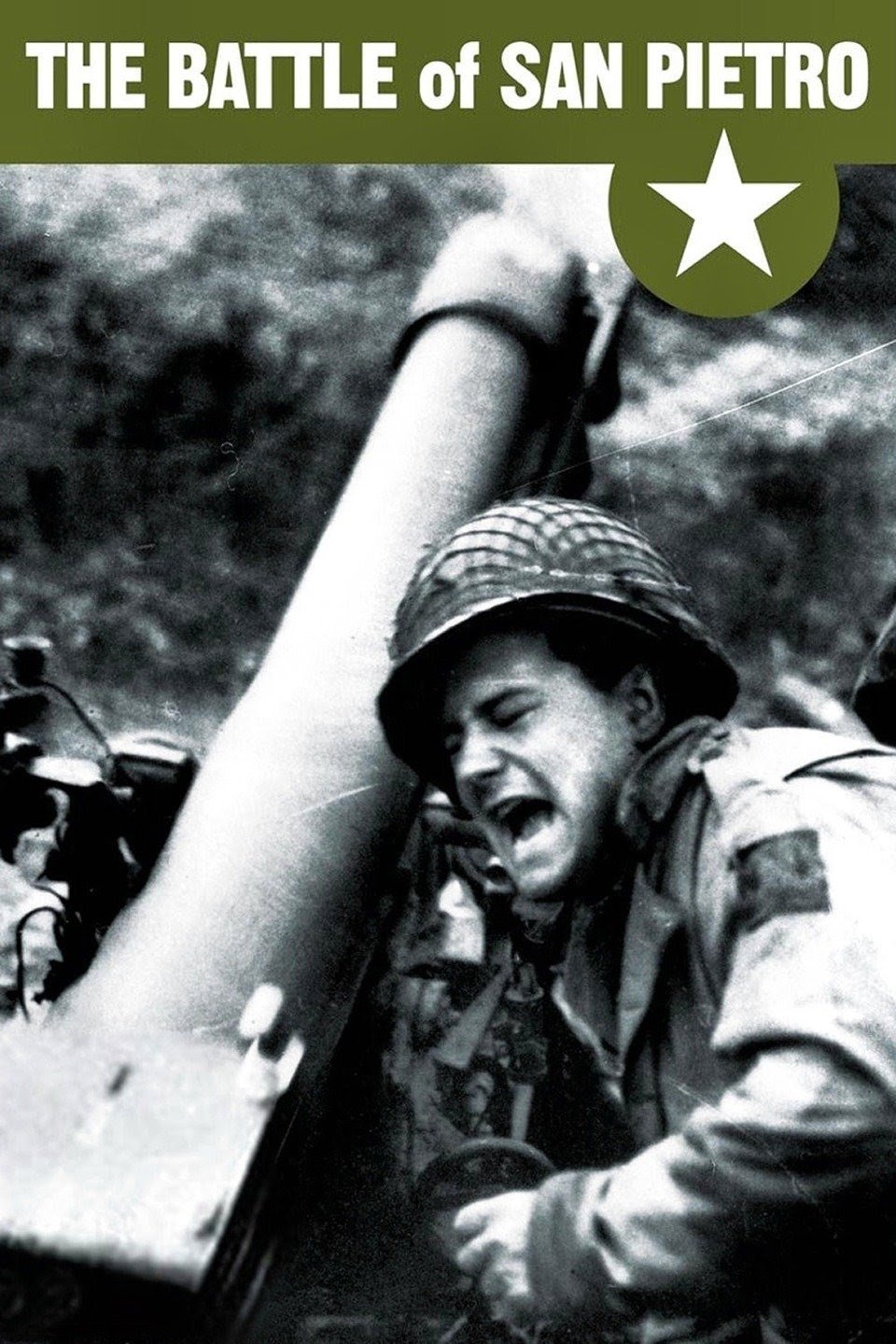
This documentary movie is about the battle of San Pietro, a small village in Italy. Over 1,100 US soldiers were killed while trying to take this location, that blocked the way for the Allied forces from the Germans. Preserved by the Academy Film Archive in 2005.
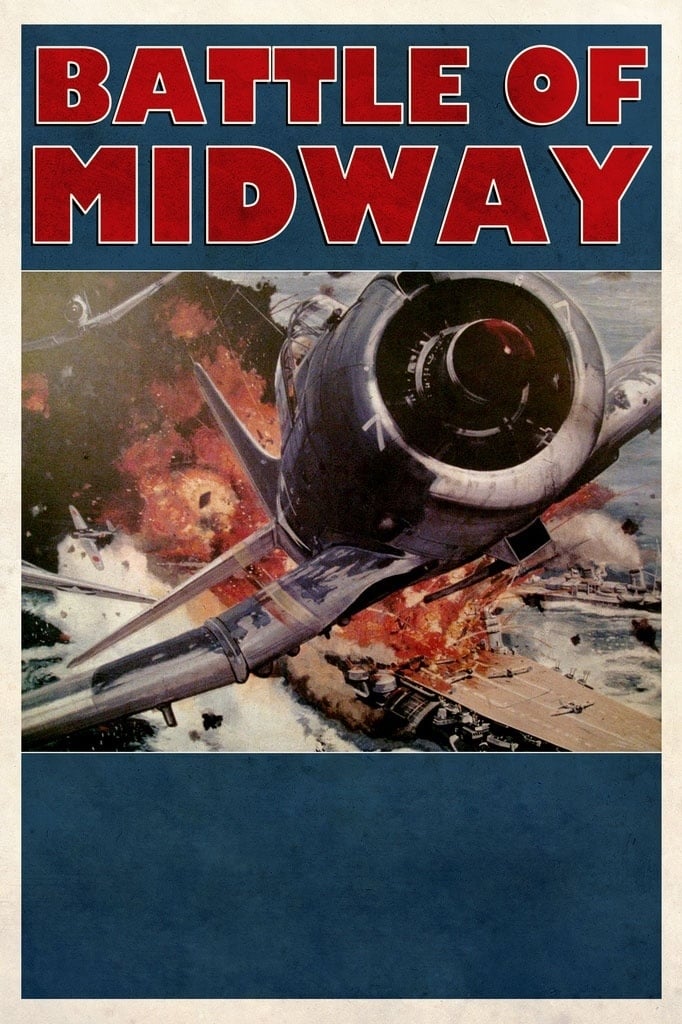
The Japanese attack on Midway in June 1942, filmed as it happened. Preserved by the Academy Film Archive, in partnership with Twentieth Century Fox Film Corporation, in 2006.
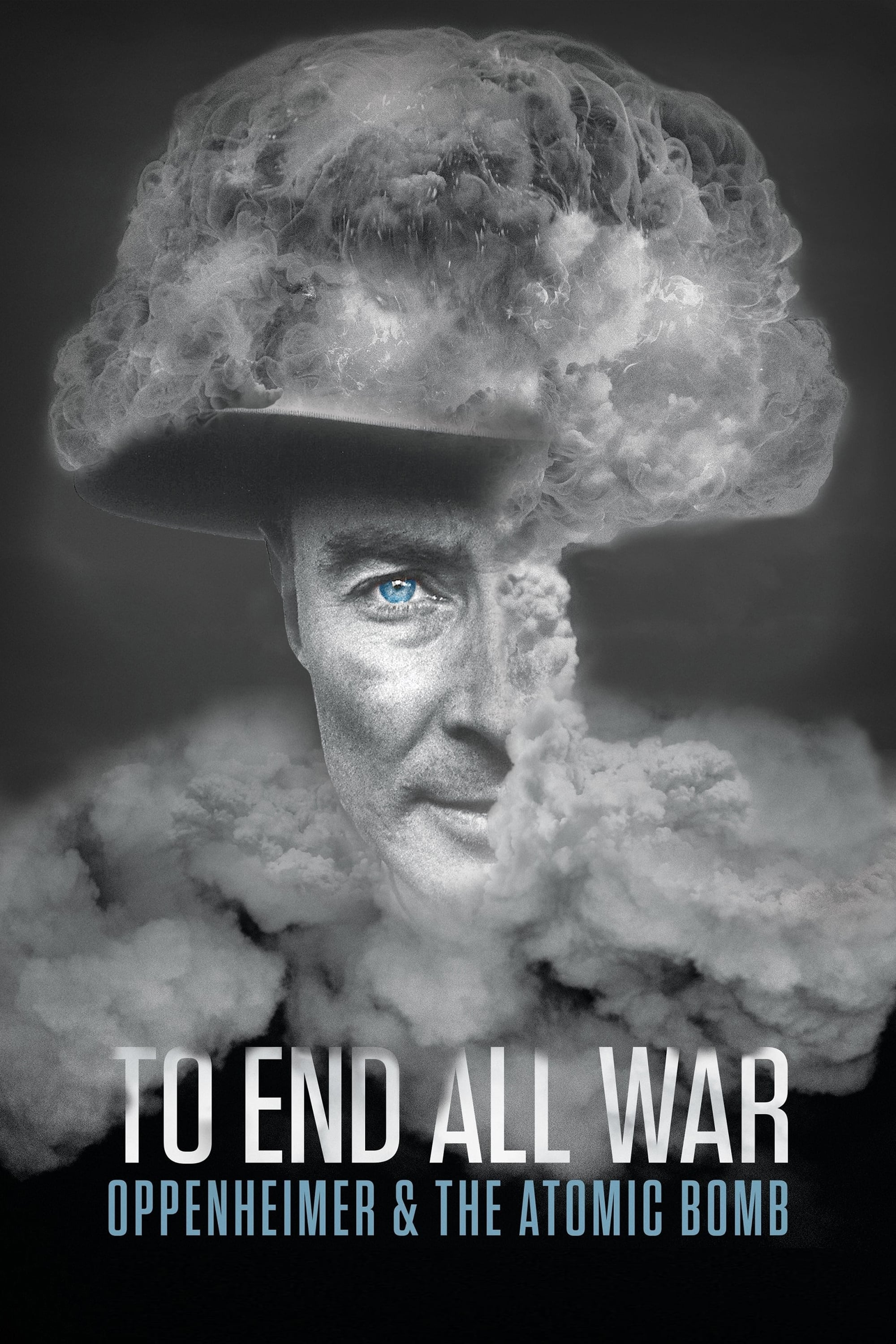
Explore how one man's relentless drive and invention of the atomic bomb changed the nature of war forever, led to the deaths of hundreds of thousands of people and unleashed mass hysteria.
Documentary about the art of film editing. Clips are shown from many groundbreaking films with innovative editing styles.