A light and somewhat satirical look at the problems and pleasures of Continental holiday travel. A passenger on the Hook Continental Express from Liverpool St. imagines the possible destinations of his fellow passengers.
Social & External
Unknown Role
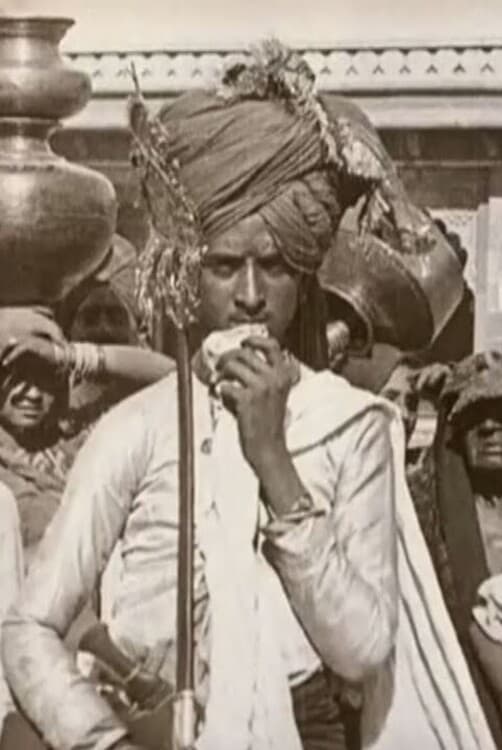
Early film of a crowded street scene in an unidentified Indian city.
A group of people are standing along the platform of a railway station in La Ciotat, waiting for a train. One is seen coming, at some distance, and eventually stops at the platform. Doors of the railway-cars open and attendants help passengers off and on. Popular legend has it that, when this film was shown, the first-night audience fled the café in terror, fearing being run over by the "approaching" train. This legend has since been identified as promotional embellishment, though there is evidence to suggest that people were astounded at the capabilities of the Lumières' cinématographe.
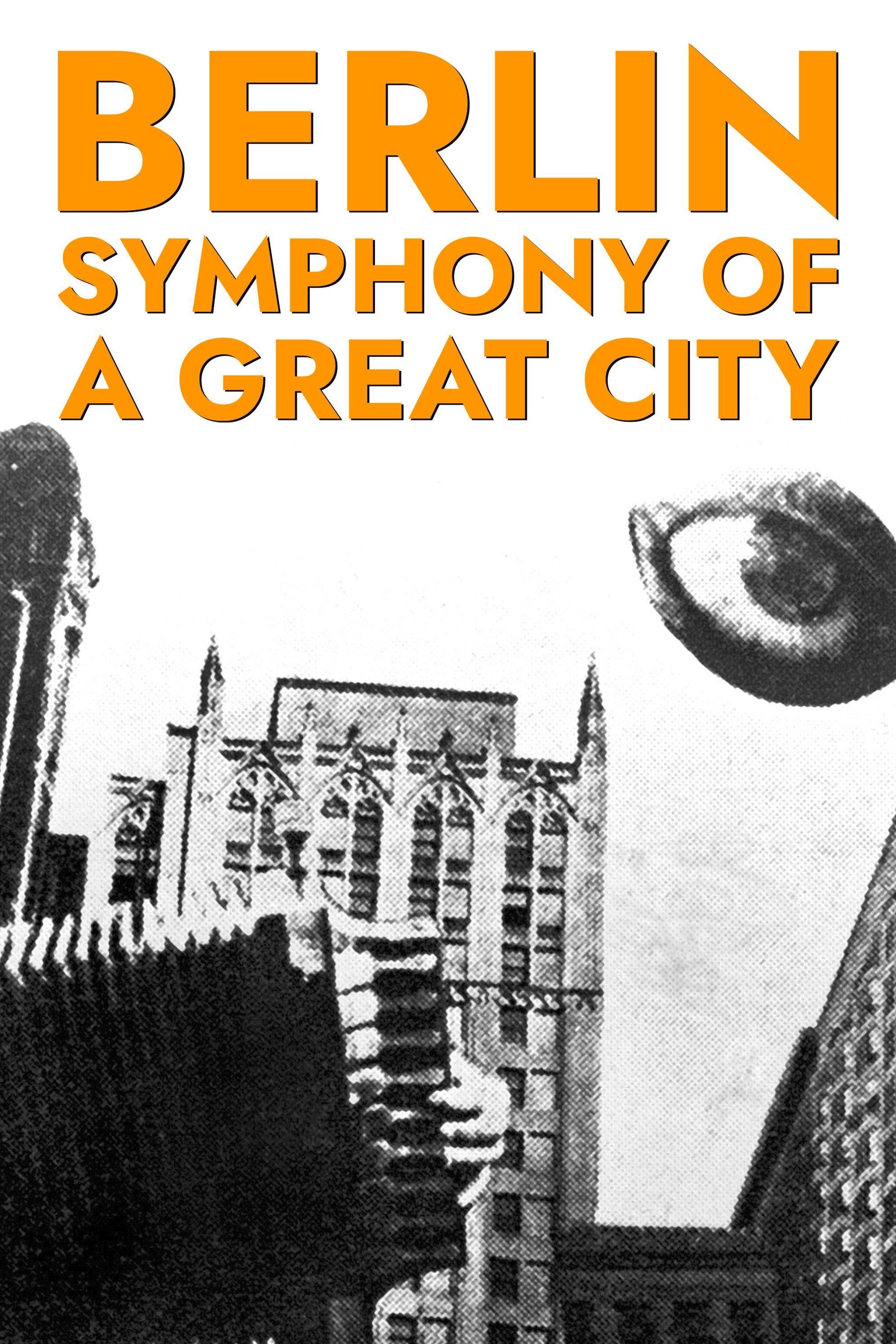
A day in the city of Berlin, which experienced an industrial boom in the 1920s, and still provides an insight into the living and working conditions at that time. Germany had just recovered a little from the worst consequences of the First World War, the great economic crisis was still a few years away and Hitler was not yet an issue at the time.
The story of how newspapers were distributed during the Blitz, stressing the importance of an accurate and objective press on the home front.
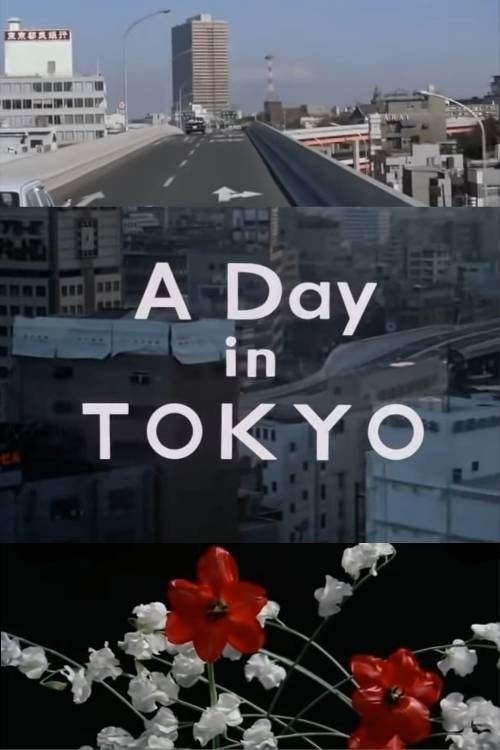
When Tomoko finds some messages for a 'Mr Smith' on a lost mobile phone, she finds herself on an 'Alice in Wonderland' journey through Tokyo's boulevards and back alleys. From the tyranny of symmetry in soaring office blocks - to buildings that look like space-ships, this creative documentary shows us the city's soul.
The film is a cinematic interpretation of the travel book “Armenia” by Russian poet Andrei Bely.
A woman narrates the thoughts of a world traveler, meditations on time and memory expressed in words and images from places as far-flung as Japan, Guinea-Bissau, Iceland, and San Francisco.
Travel films have an established format with their own conventions, history and baggage. It is a medium that has all too often sought to control, define and dictate perceptions of ”other” places. Comprised of footage shot while travelling on group excursions across Russia in 2019, An Uncountable Number of Threads is an attempt to draw out the ethical restrictions of a travelogue, while questioning how (and why) to make one. At times there is an awkward tourist-gaze, aware of its outsider position. But as a self-reflexive work that considers its own creation, it ultimately unravels, as the artist rationalises themselves out of a particular way of working, inviting the viewer into their uncertainty.
Several films have been made about the lives of train hobos, but Aleksi Pohjavirta's A Good Day to Die is probably the first Finnish documentary on the subject. The film follows Billy, who travels in a pump on freight trains. In the way of life, the feeling of freedom and letting yourself be carried away by chance are attractive and they make the train bomb strive for a windy ride again and again.
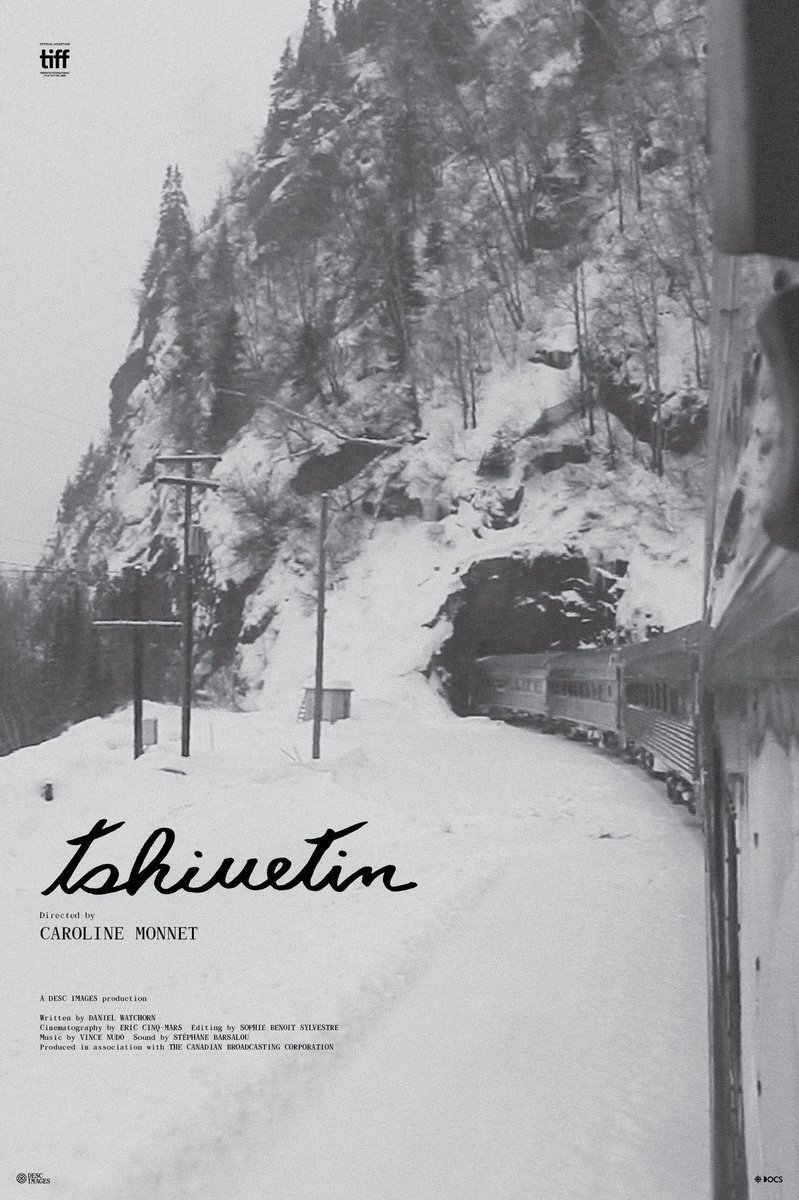
Take a breathtaking train a ride through Nothern Quebec and Labrador on Canada’s first First Nations-owned railway. Come for the celebration of the power of independence, the crucial importance of aboriginal owned businesses and stay for the beauty of the northern landscape.
1917, The Train from Hell is an historical documentary about a train accident during WW1.
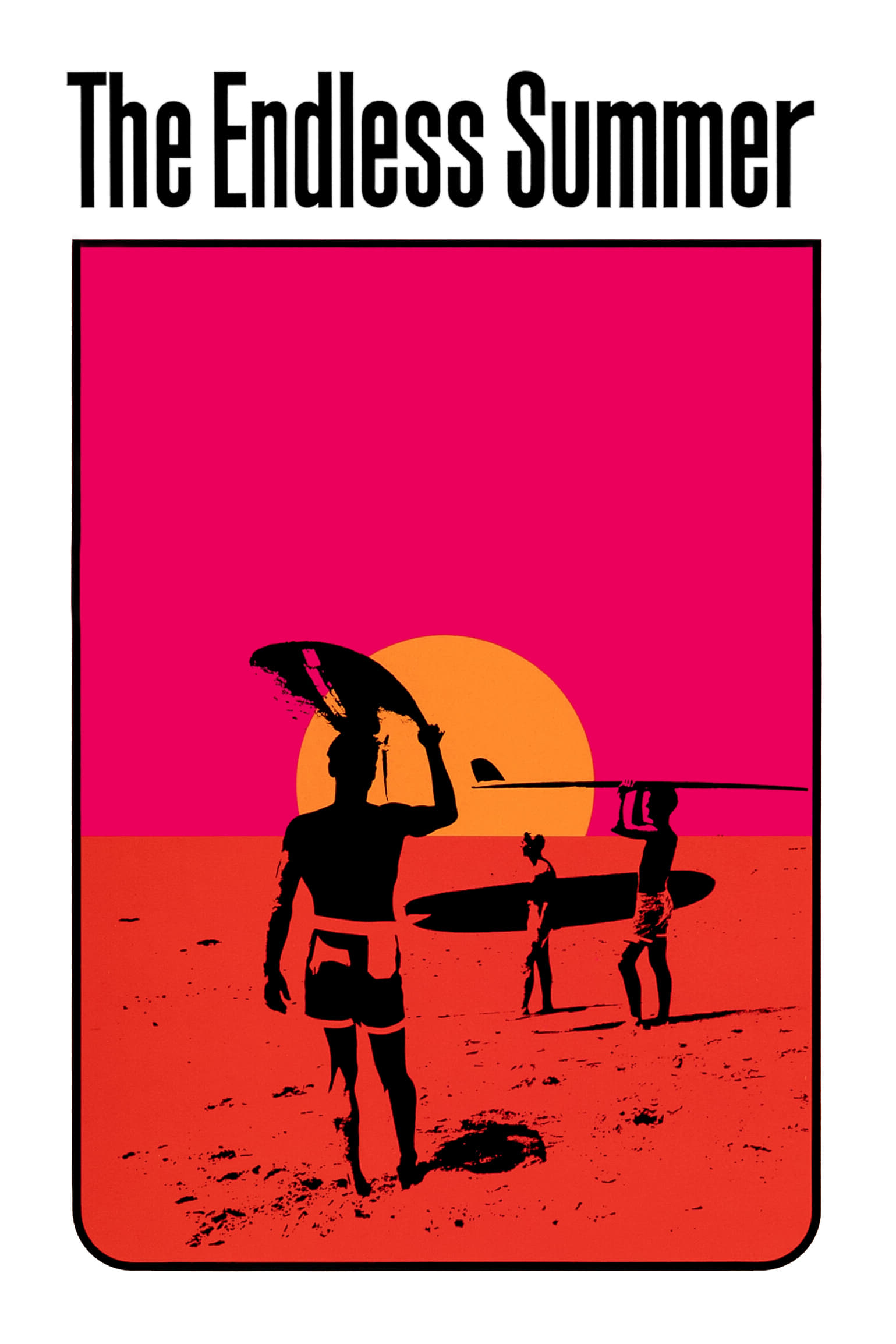
Bruce Brown's The Endless Summer is one of the first and most influential surf movies of all time. The film documents American surfers Mike Hynson and Robert August as they travel the world during California’s winter (which, back in 1965 was off-season for surfing) in search of the perfect wave and ultimately, an endless summer.
An essay film that interweaves meditations on travels with stories of journeys in China across a century: A student expedition into the heart of China in the 1930s, a young traveler's visions of the melancholic landscapes of his homeland, the narratives of movements in early Chinese silent films. Through these fragments of travelogues, the film explores the nature of consciousness in motion and what it means to use archives, images, and cinema as documentations as well as vehicles for travel.
The Ashtabula train disaster and bridge collapse was the worst train disaster of the 19th century, claiming the lives of 97 people. The engineering and structural failures that caused the collapse of a bridge that stood for over a decade, also took down the most luxurious train of the day, “The Pacific Express #5.” The accident happened in Ashtabula, Ohio on December 29, 1876 during a raging blizzard, sending the luxury train crashing 70-feet into a river gorge and costing the lives of 97 people. The disaster shocked the nation, yet it’s a story that’s been lost in the pages of history. In a strange twist of fate and intrigue, the bridge disaster also became the backdrop to the still unsolved murder of Charles Collins, the railroad’s chief engineer. It also contributed to the eventual suicide of millionaire Amasa Stone, the president of the railroad and the designer and builder of the bridge.
This early travelogue film, made in a Kenyan train station, captures an impromptu musical performance. Some passengers eagerly join in while others sleep—blissfully unaware of the performance taking place around them.
"The End of the Line - Rochester's Subway" tells the little-known story of the rail line that operated in a former section of the Erie Canal from 1927 until its abandonment in 1956. Produced in 1994 by filmmakers Fredrick Armstrong and James P. Harte, the forty-five minute documentary recounts the tale of an American city's bumpy ride through the Twentieth Century, from the perspective of a little engine that could, but didn't. The film has since been rereleased (2005) and now contains the main feature with special portions that were added as part of the rereleased version. These include a look at the only surviving subway car from the lines and a Phantom tun through the tunnels in their abandoned state, among others, for a total of 90 minutes of unique and well preserved historical information.
This short film was made by filmmaker (later archivist) Liam Ó Laoghaire (aka Liam O’Leary) and was commissioned by the Cultural Relations Committee of the Irish Department of External Affairs. The film was designed to promote the city of Dublin to its inhabitants and to potential visitors from abroad. Brendan J. Stafford’s crisp black and white cinematography serves the city’s elegant architecture well while the narrator tells of the city’s cultural, literary and architectural history and its many venerable inhabitants. The elegant Georgian squares, the bustling markets, the tranquil parks and the sparkling nightlife present a city that is vibrant, cultured and steeped in history.


Take a scenic trip through 1920s North Wales to the sea.