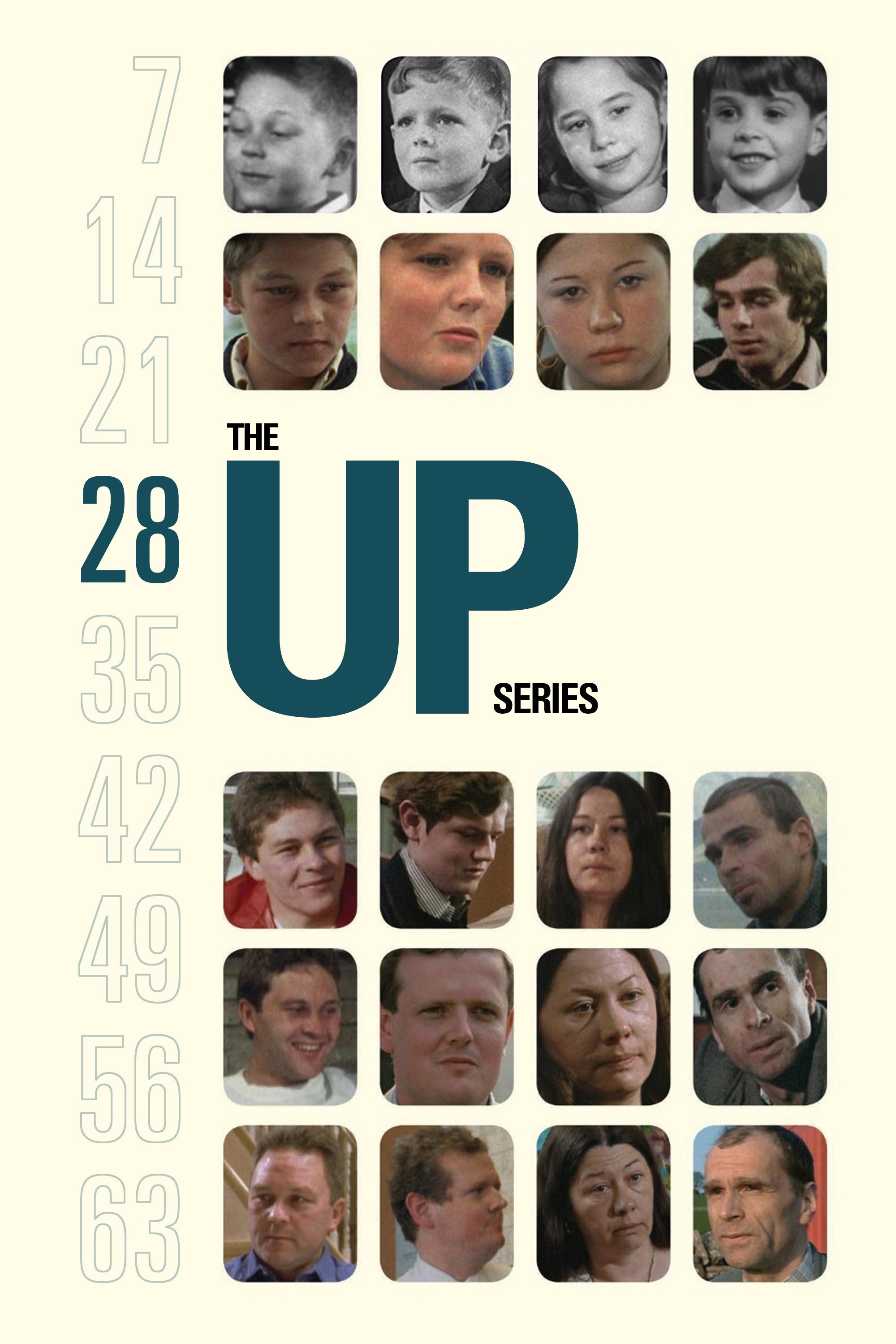
"What do you hunger for?"
Justice, opportunity, connection, equity, friendship, respect, experience, community, knowledge, health, success, love – what do I, you, we…hunger for?
Social & External
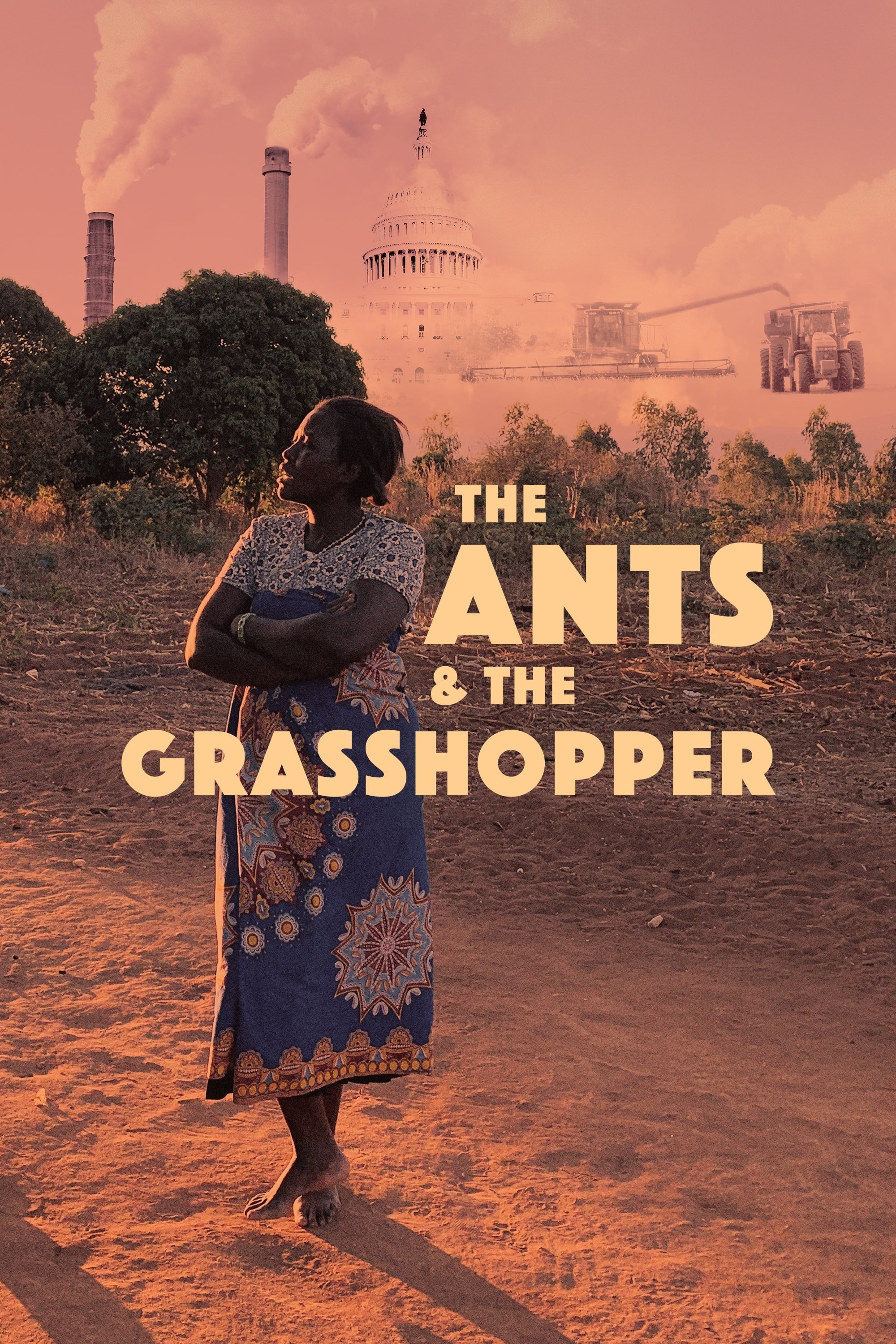
Anita Chitaya has a gift: she can help bring abundant food from dead soil, she can make men fight for gender equality, and maybe she can end child hunger in her village. Now, to save her home in Malawi from extreme weather, she faces her greatest challenge: persuading Americans that climate change is real. Traveling from Malawi to California to the White House, she meets climate sceptics and despairing farmers. Her journey takes her across all the divisions that shape the USA: from the rural-urban divide, to schisms of race, class and gender, and to the American exceptionalism that remains a part of the culture. It will take all her skill and experience to help Americans recognise, and free themselves from, a logic that is already destroying the Earth.
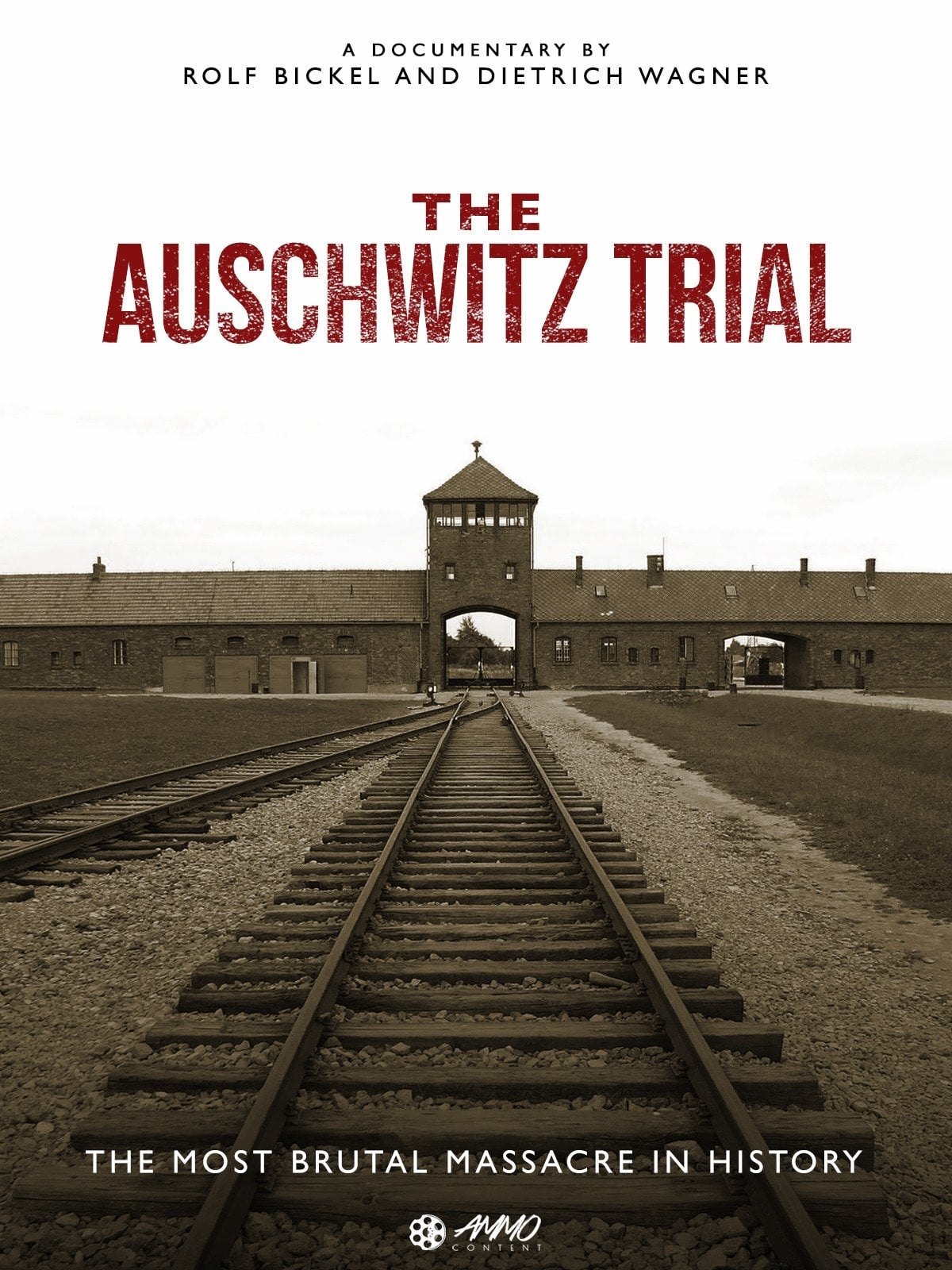
The biggest trial of Nazi war crimes ever: 360 witnesses in 183 days of trial - a stunning and gripping portrayal of the most terrible massacre in history.
Caroline Darian, Gisèle Pelicot's daughter, looks back on the tragedy that shook her family: for ten years, her father drugged her mother to subject her to rapes committed by strangers recruited on the Internet. This case exposes the scandal of chemical submission, a practice where attackers, generally close to the victims, use prescription or over-the-counter medications to commit their crimes. This phenomenon, far from being marginal, affects victims with varied profiles...
This documentary recounts the dysfunctional state of the death penalty in the state of California by revisiting the crimes, arrest, trials and appeals of Lawrence Bittaker, a convicted serial killer who has been on death row at San Quentin since 1981.
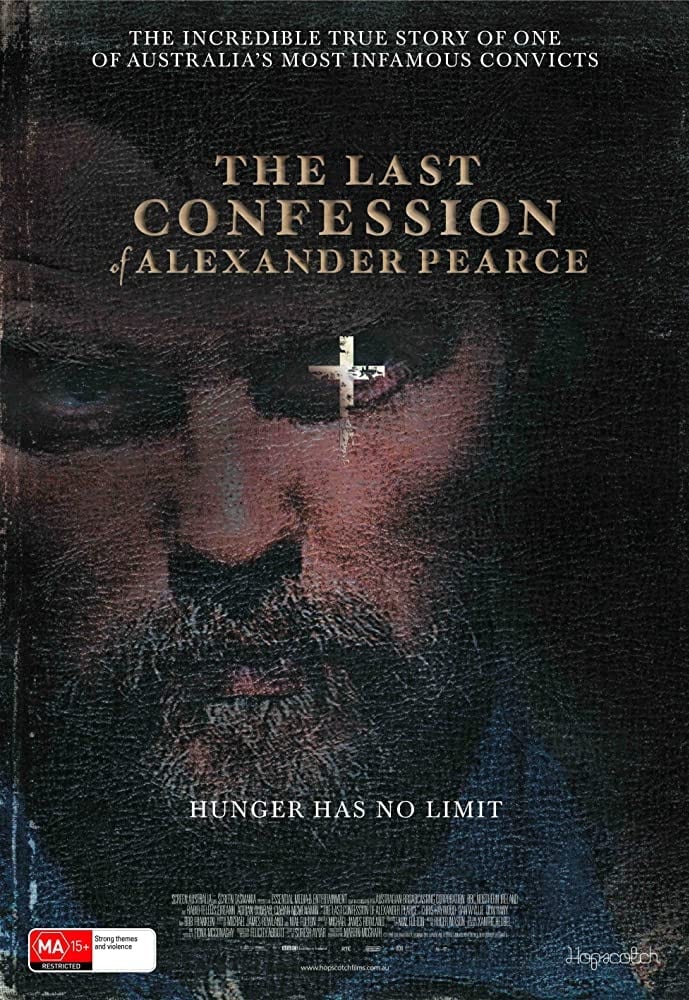
Eight men escape from the most isolated prison on earth. Only one man survives and the story he recounts shocks the British establishment to the core. This story is the last confession of Alexander Pearce.
Though both the historical and modern-day persecution of Armenians and other Christians is relatively uncovered in the mainstream media and not on the radar of many average Americans, it is a subject that has gotten far more attention in recent years.
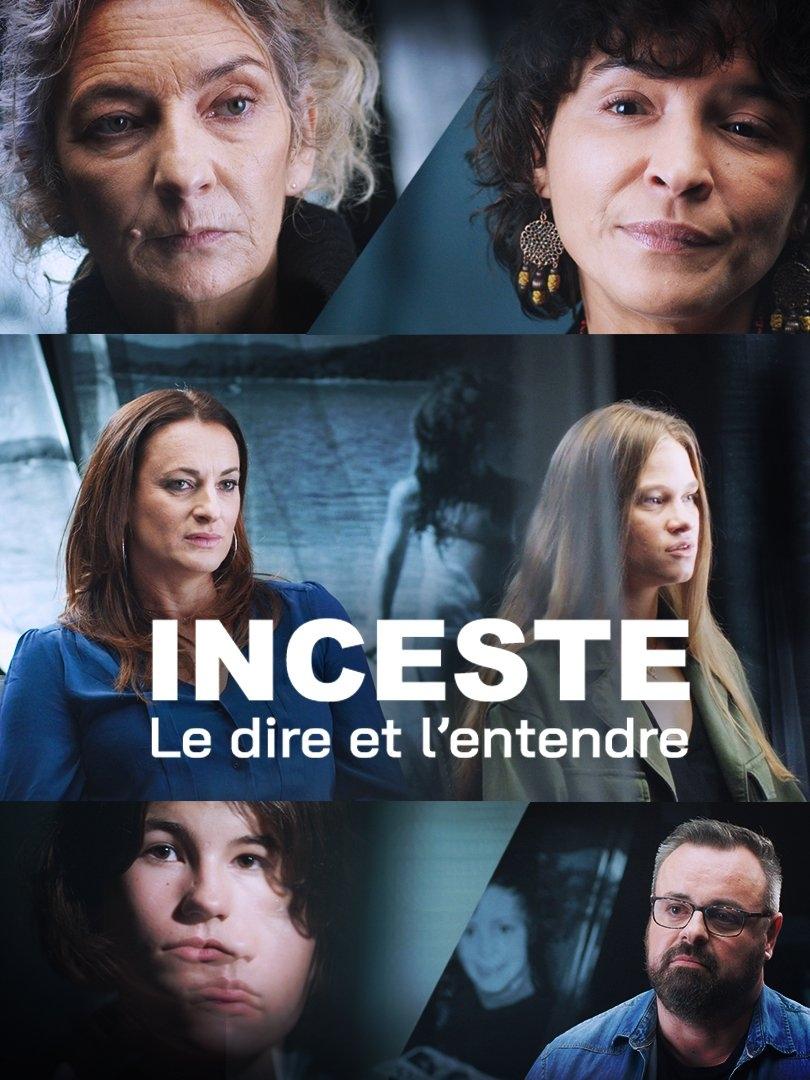
Jérôme was sexually abused as a child by a priest. In a deeply personal film, he tries to search for clues in his memories and come to terms with the complicity of his former social environment.
Most people think they know the "McDonald's coffee case," but what they don't know is that corporations have spent millions distorting the case to promote tort reform. HOT COFFEE reveals how big business, aided by the media, brewed a dangerous concoction of manipulation and lies to protect corporate interests. By following four people whose lives were devastated by the attacks on our courts, the film challenges the assumptions Americans hold about "jackpot justice."
The story of the tortuous struggle against the silence of the victims of the dictatorship imposed by General Franco after the victory of the rebel side in the Spanish Civil War (1936-1975). In a democratic country, but still ideologically divided, the survivors seek justice as they organize the so-called “Argentinian lawsuit” and denounce the legally sanctioned pact of oblivion that intends to hide the crimes they were subjects of.
The Law of Silence, a final-year documentary by Moïra Chappedelaine-Vautier at Femis, examines the 1963 Amnesty Law and the consequences it had on studies of the Algerian War. It brings together interviews conducted in 2002 with Henri Alleg, editor of the daily newspaper Alger Républicain from 1951 to 1955, and Pierre Vidal-Naquet, historian and essayist. It also features incredible statements from General Massu and lawyers unraveling the various legal defenses of people like Jean-Marie Le Pen. Not only does Moïra have her father, René Vautier, speak, but she also includes footage he himself filmed forty years earlier. A very interesting report, which notably reminds us that the Amnesty is not a pardon but the erasure of the sentence and also of the crime itself.
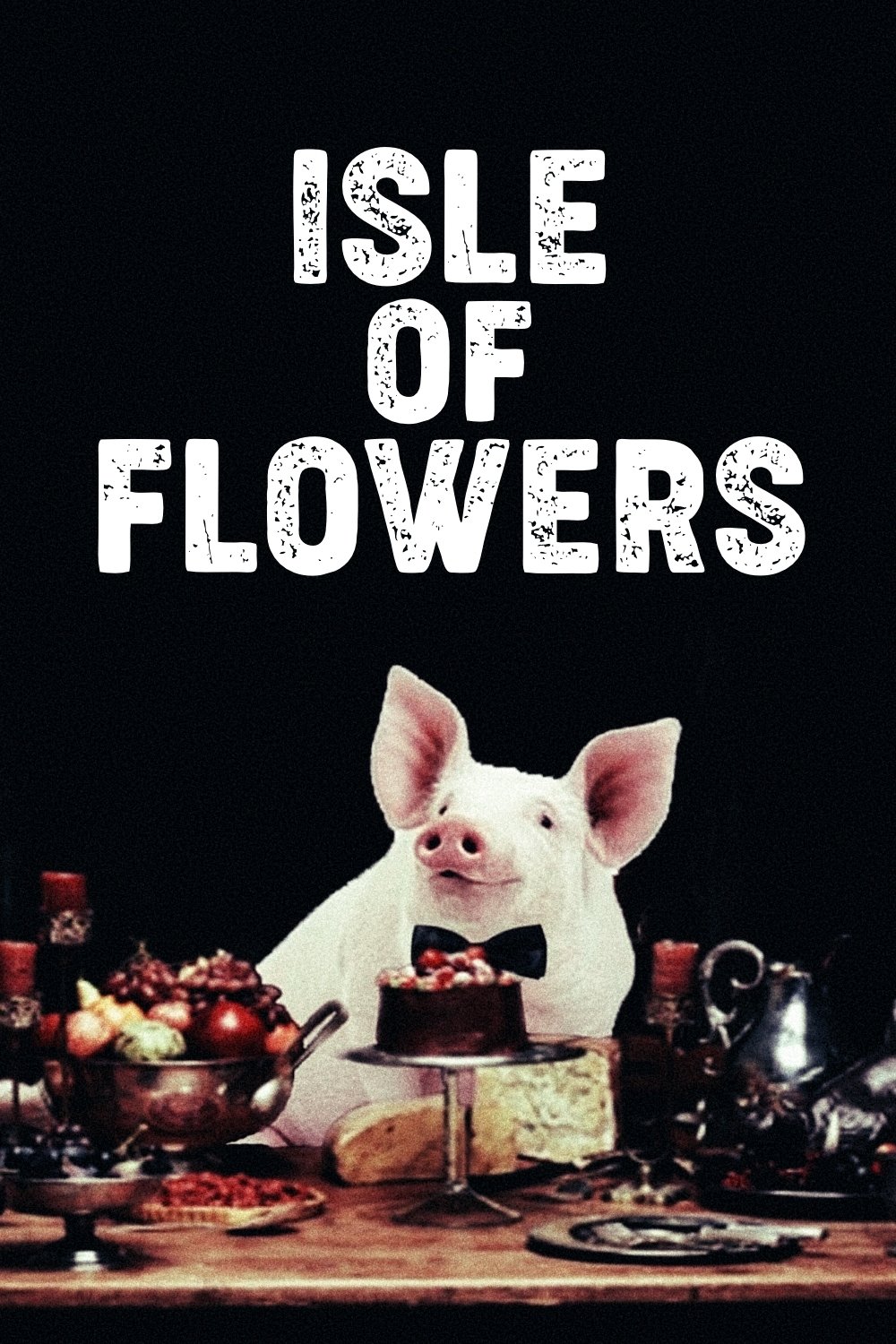
A tomato is planted, harvested and sold at a supermarket, but it rots and ends up in the trash. But it doesn’t end there: Isle of Flowers follows it up until its real end, among animals, trash, women and children. And then the difference between tomatoes, pigs and human beings becomes clear.
Their words had never been heard before. Co-directed by French-Rwandan musician and author Gaël Faye and director Michael Sztanke, this movie records with sensitivity and for the first time the testimonies of Prisca, Marie-Jeanne and Concessa about their lives during the genocide and after. The three Tutsi women tell the camera about their daily lives during the genocide and in the refugee camps of Murambi and Nyarushishi, where they lived a nightmare under the guard of the French soldiers of the Opération Turquoise who, under a UN mandate, where supposed to protect them. While the French army denies any rape accusation, the three women filed complaints with the French justice system in 2004 and 2012. The investigation is now at a standstill.

Can you be accused of being close to ‘ndrangheta families if you have pursued a career in the name of legality? The case of Ambrogio Crespi is much more than a judicial case; it is the answer to these unthinkable questions. It is the paradox that becomes reality. Accused of external complicity in mafia association, he is arrested and tried for having provided votes from mafia circles to a councilor Lombardo… never seen, never known. Although it seemed clear even to the insiders that Ambrogio Crespi was not involved in the charges, the first degree ends with an incredible sentence of 12 years, double the request of the same PM. A sentence that, like a guillotine, weighs on the life of Ambrogio and his entire family.

FRONTLINE goes inside the high-stakes showdown between President Donald Trump and the courts over presidential power. Trump allies, opponents and experts talk about how he is testing the extent of his power; the legal pushback; and the impact on the rule of law.
A clinical review of judicial corruption, the good and the bad guys showcased. The need for complete, federal and state judicial reform, term limits, with no immunities.
LAW & ORDER surveys the wide range of work the police are asked to perform: enforcing the law, maintaining order, and providing general social services. The incidents shown illustrate how training, community expectations, socio-economic status of the subject, the threat of violence, and discretion affect police behavior.
Is our food bought at the price of famine in the developing world? Is agribusiness more interested in producing profits than producing food? This PBS independent documentary investigates U.S. and European agribusiness in the Third World. Filmed on five continents, it takes a close look at agribusiness, which is turning the world's food supply into a global supermarket, buying food at the lowest prices-regardless of small farmers and local populations-and selling it at the highest price and the greatest profit whenever possible.
“The Vanishing Trial” looks into “trial penalty,” the term used to describe the substantially longer prison sentence a person receives if they exercise their constitutional right to trial instead of plead guilty. The documentary focuses on four individuals who were forced to make that excruciating choice.