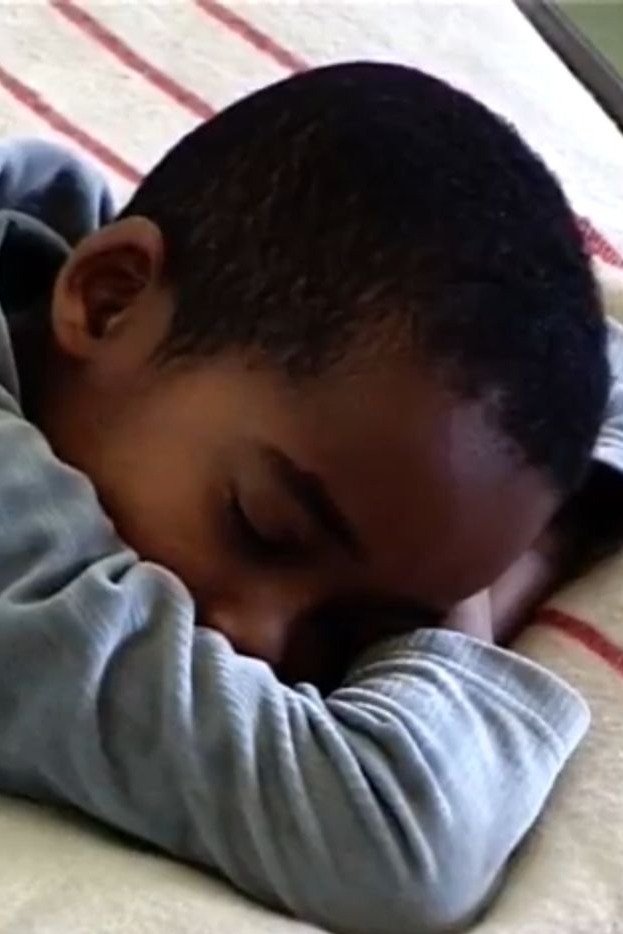
Documentary on the Ethiopian orphanage ‘Toukoul’, filmed in Addis Ababa in December 2003
Social & External
Dedicated to the Children of Ukraine, victims of the brutal Russian invasion...Let everyone ask themselves and the leaders of their countries: what else has to happen, what arguments are needed that Ukraine is finally given the necessary military aid for Victory?
The film's protagonists are the orphaned children taken into custody by the state and institutionalized at Children's House no. 6 from Bucharest. For Mészáros, the concern for the situation of children left orphaned during the Second World War is autobiographical: the director directly experienced the absence of parents in her own childhood.
The movie recalls children who suffered mental and physical harm both during the last century, particularly in religious orphanages, and during the time of early modernperiod witch-hunts. It shows that the mindsets and behavioural patterns of both time periods are more alike than one might think.
"A Walk to Beautiful" tells the story of five women in Ethiopia suffering from devastating childbirth injuries. Rejected by their husbands and ostracized by their communities, these women are left to spend the rest of their lives in loneliness and shame. The trials they endure and their attempts to rebuild their lives tell a universal story of hope, courage, and transformation.
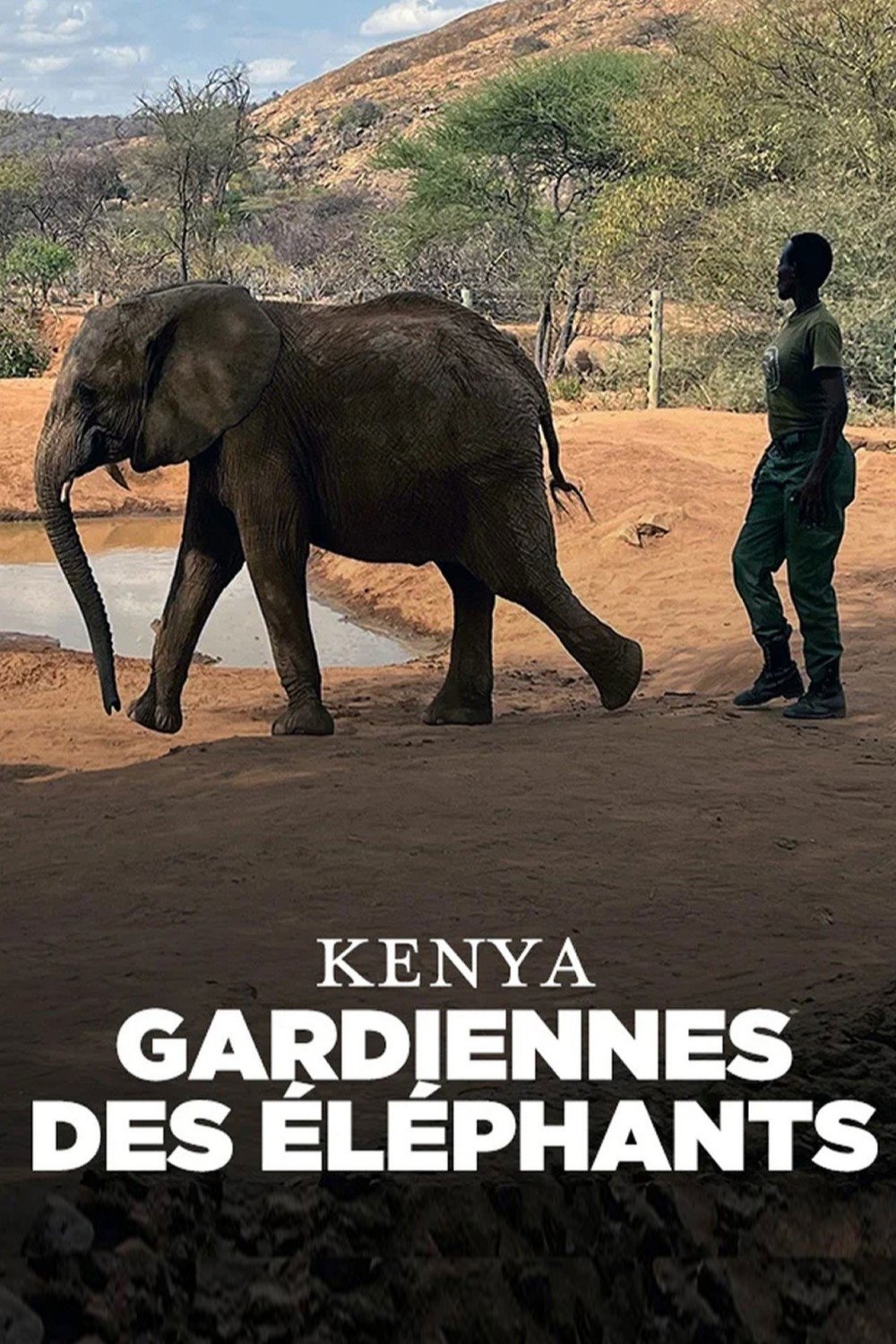
In the Namunyak Wildlife Conservancy in Kenya drought is a menace to both humans and animals. This documentary follows two Elephant Guardians in their tireless work to protect this endangered species.
A short film documenting Ethiopian musician Hailu Mergia's life as the leader of the Walias Band in the 1970, his immigration to the United States and his subsequent re-emergence as a performer in 2014.
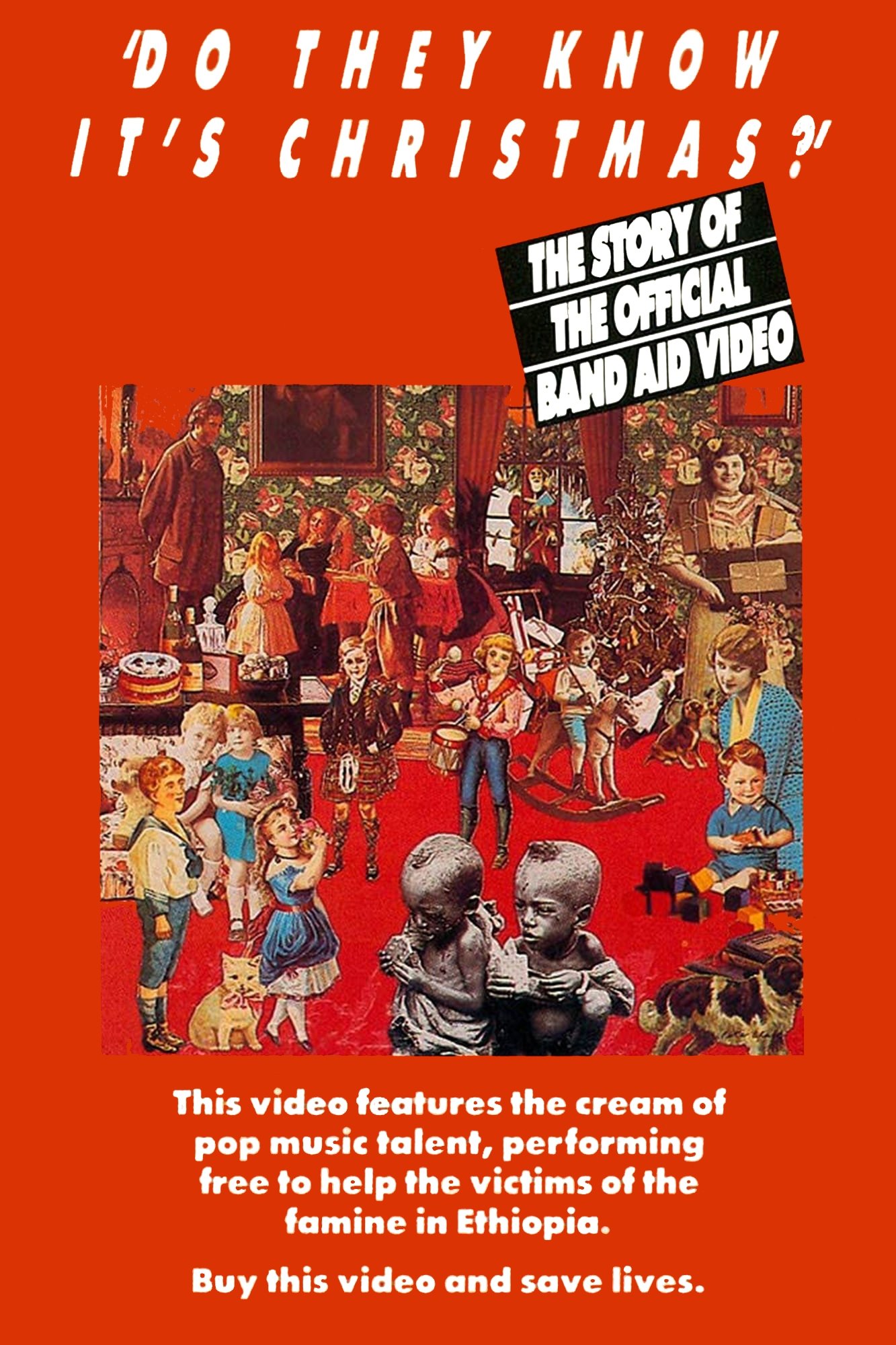
A 30-minute video featuring documentary footage shot at the November 1984 recording session of Band Aid's 'Do They Know It's Christmas?'. It includes interviews with the charity supergroup's recording artists and musicians, as well as the completed promotional video.
Follow Alex, Janae, and Katie as they investigate the hidden threats inside online worlds designed for children. After Katie is harassed by a predator on Roblox, the trio uncovers a disturbing network of extremists, predators, and illicit content. As their investigation gains traction, real-world tragedies — including a kidnapping and a mass shooting — underscore the devastating consequences of a system failing to protect its most vulnerable users. Through expert interviews and gripping verité storytelling, the film exposes the gaps in platform regulations and the dangers that continue to slip through the cracks. Blending investigative journalism with compelling visuals, Dangerous Games delivers a wake-up call on the urgent need for accountability in the evolving digital world.
With stunning views of eruptions and lava flows, Werner Herzog captures the raw power of volcanoes and their ties to indigenous spiritual practices.
The story behind the Uganda-based YouTube dance sensations who have endured devastating personal loss from famine and war, and use the power of dance and song to overcome hardship.
For the first time in history, mental illness and suicide have become one of the greatest threats to school-aged children. Many parents still view dangers as primarily physical and external, but they’re missing the real danger: kids spending more time online and less time engaging in real life, free play, and autonomy. What are the effects on the next generation's mental, physical, and spiritual health? Childhood was more or less unchanged for millennia, but this is Childhood 2.0.
The region of Lake Turkana, located in Kenya and Ethiopia, is considered to be “the Cradle of Humankind”. Among other finds, primate fossils from millions of years ago have been discovered in the region. But what about the region’s modern inhabitants and their relationship to their environment? Iiris Härmä, whose previous work includes the award-winning Leaving Africa, had the chance of joining Helsinki University’s researchers, Álvaro Fernández-Llamazares and Mar Cabeza, on their pre-pandemic trip to study the Daasanach people’s relationship to their environment through traditional animal tales. The researchers hope that storytelling would help to bridge the gap between people’s everyday lives and conservation efforts.
Jonathan Dimbleby’s landmark 1973 documentary “The Unknown Famine” stands as a pivotal moment in Ethiopian history—a journalistic endeavour that not only exposed a humanitarian crisis but inadvertently helped precipitate the end of Africa’s oldest monarchy. The footage was broadcast by ITV for its flagship affairs series named "This Week".
In China more people are on death row than the rest of the world combined. The children of the convicts are often left alone, stigmatized and living in the streets. Grandma Zhang, as the kids call her, is a former prison guard who has founded an orphanage in Nanzhao.
In 1896, Ethiopia, an African nation, largely armed with spears and knives, defeats a well-equipped and organized Italian military bent on colonization.
The armies of Fascist Italy conquered Addis Ababa, capital of Abyssinia, in May 1936, thus culminating the African colonial adventure of the ruthless dictator Benito Mussolini, by then lord of Libya, Eritrea and Somalia; a bloody and tragic story told through the naive drawings of Pietro Dall'Igna, an Italian schoolboy born in 1925.
Sara from Zurich was circumcised as a little girl in Ethiopia. This event severely traumatized her. To find her inner peace, Sara decides to look for her circumciser.
Rocky Braat went to India as a disillusioned American tourist. When he met a group of children with HIV/AIDS, he decided to stay. He never could have imagined the obstacles he would face. Or the love he would find.