Social & External
The people behind it
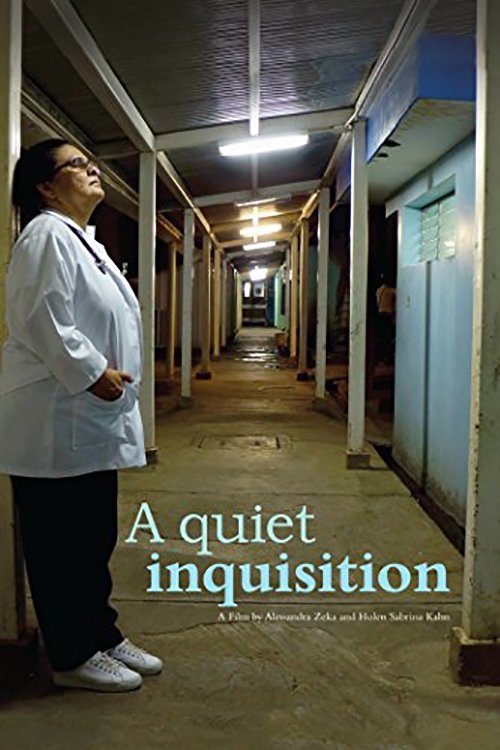
At a public hospital in Nicaragua, Ob/Gyn Dr. Carla Cerrato must choose between following a law that bans all abortions and endangers her patients or taking a risk and providing the care that she knows can save a woman's life. In 2007, Dr. Cerrato’s daily routine took a detour. The newly elected government of Daniel Ortega, a former Marxist revolutionary who converted to Catholicism to win votes, overturned a 130-year-old law protecting therapeutic abortion. The new law entirely prohibits abortion, even in cases of rape, incest, or when a woman’s life is at stake. As Carla and her colleagues navigate this dangerous dilemma, the impact of this law emerges—illuminating the tangible reality of prohibition against the backdrop of a political, religious, and historically complex national identity. The emotional core of the story—the experiences and situations of the young women and girls who are seeking care—illustrate the ethical implications of one doctor's response.
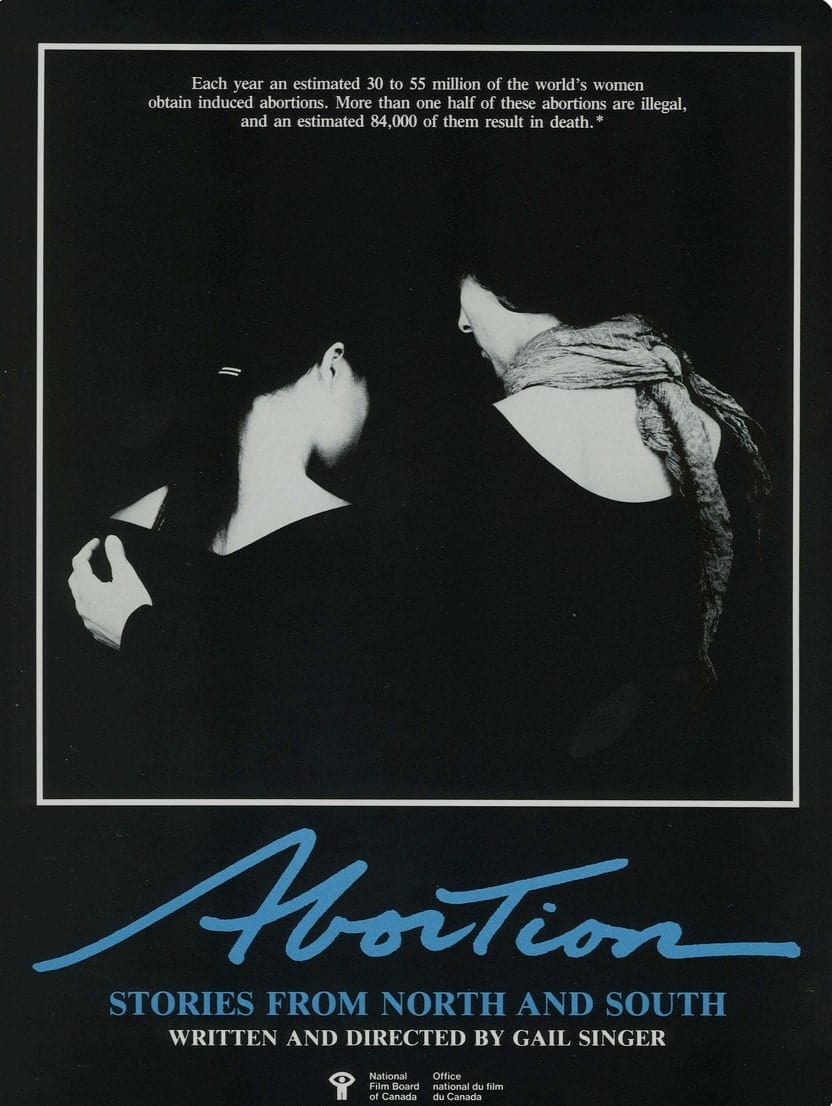
Women have always sought ways to terminate unwanted pregnancies, despite powerful patriarchal structures and systems working against them. This film provides a historical overview of how church, state and the medical establishment have determined policies concerning abortion. From this cross-cultural survey--filmed in Ireland, Japan, Thailand, Peru, Colombia, and Canada--emerges one reality: only a small percentage of the world's women has access to safe, legal operations.
French documentary campaigning for the liberalization of abortion and contraception, directed by Charles Belmont and Marielle Issartel in 1973.
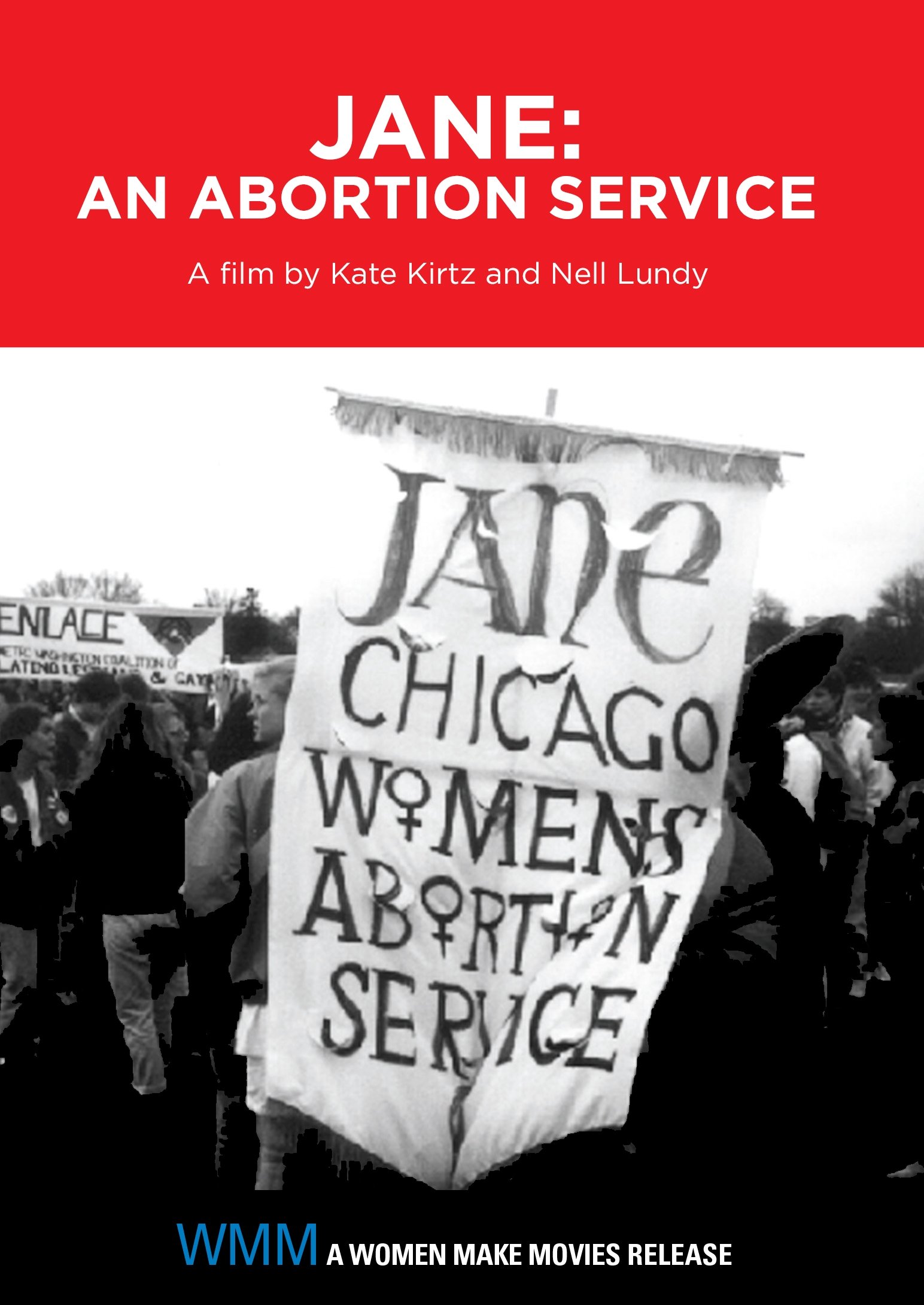
This fascinating political look at a little-known chapter in women's history tells the story of "Jane", the Chicago-based women's health group who performed nearly 12,000 safe illegal abortions between 1969 and 1973 with no formal medical training. As Jane members describe finding feminism and clients describe finding Jane, archival footage and recreations mingle to depict how the repression of the early sixties and social movements of the late sixties influenced this unique group. Both vital knowledge and meditation on the process of empowerment, Jane: An Abortion Service showcases the importance of preserving women's knowledge in the face of revisionist history. JANE: AN ABORTION SERVICE was funded by the Independent Television Service (ITVS) with funds provided by the Corporation for Public Broadcasting.
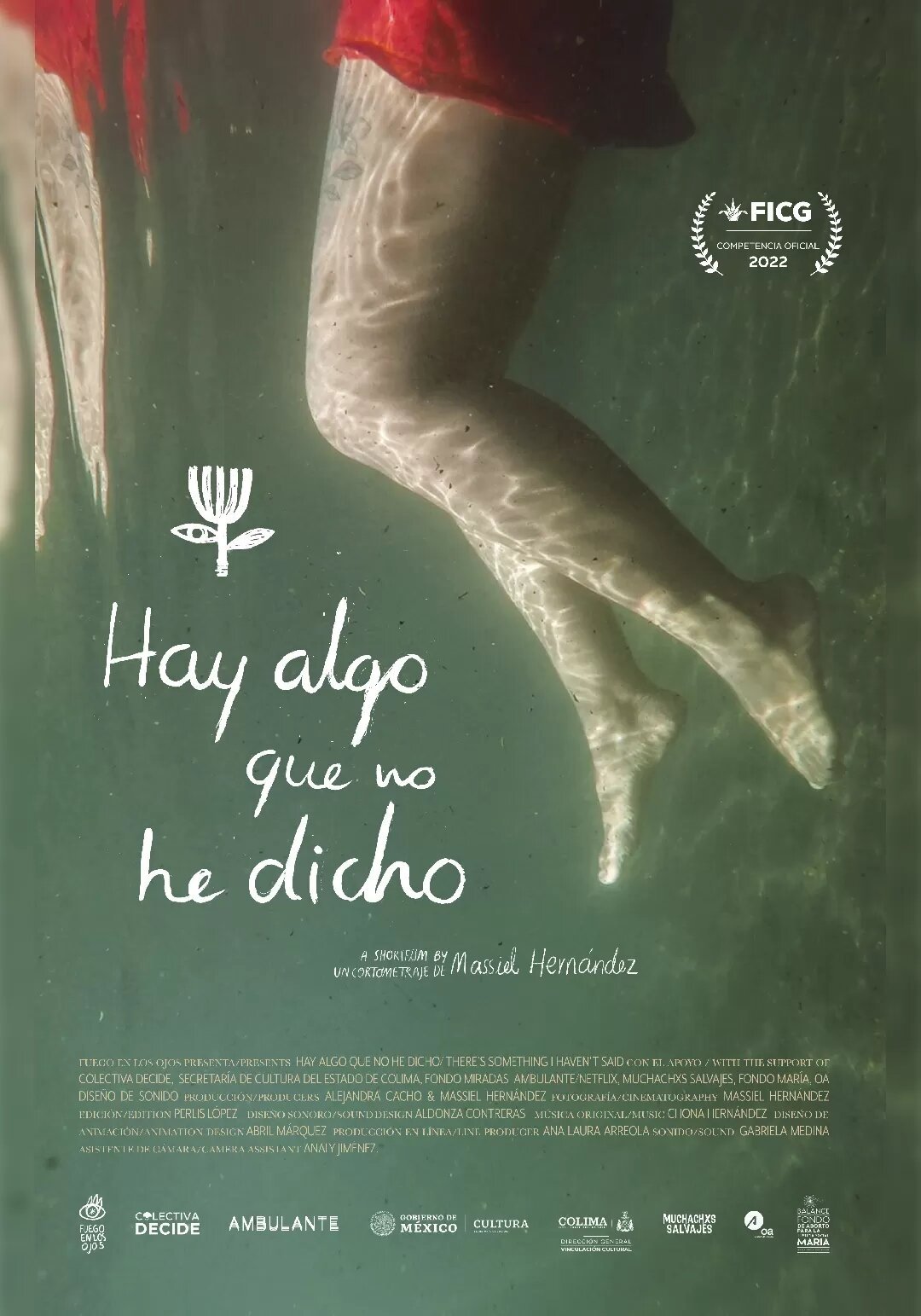
Three women intimately share how they faced the world and their own family when deciding to terminate a pregnancy.
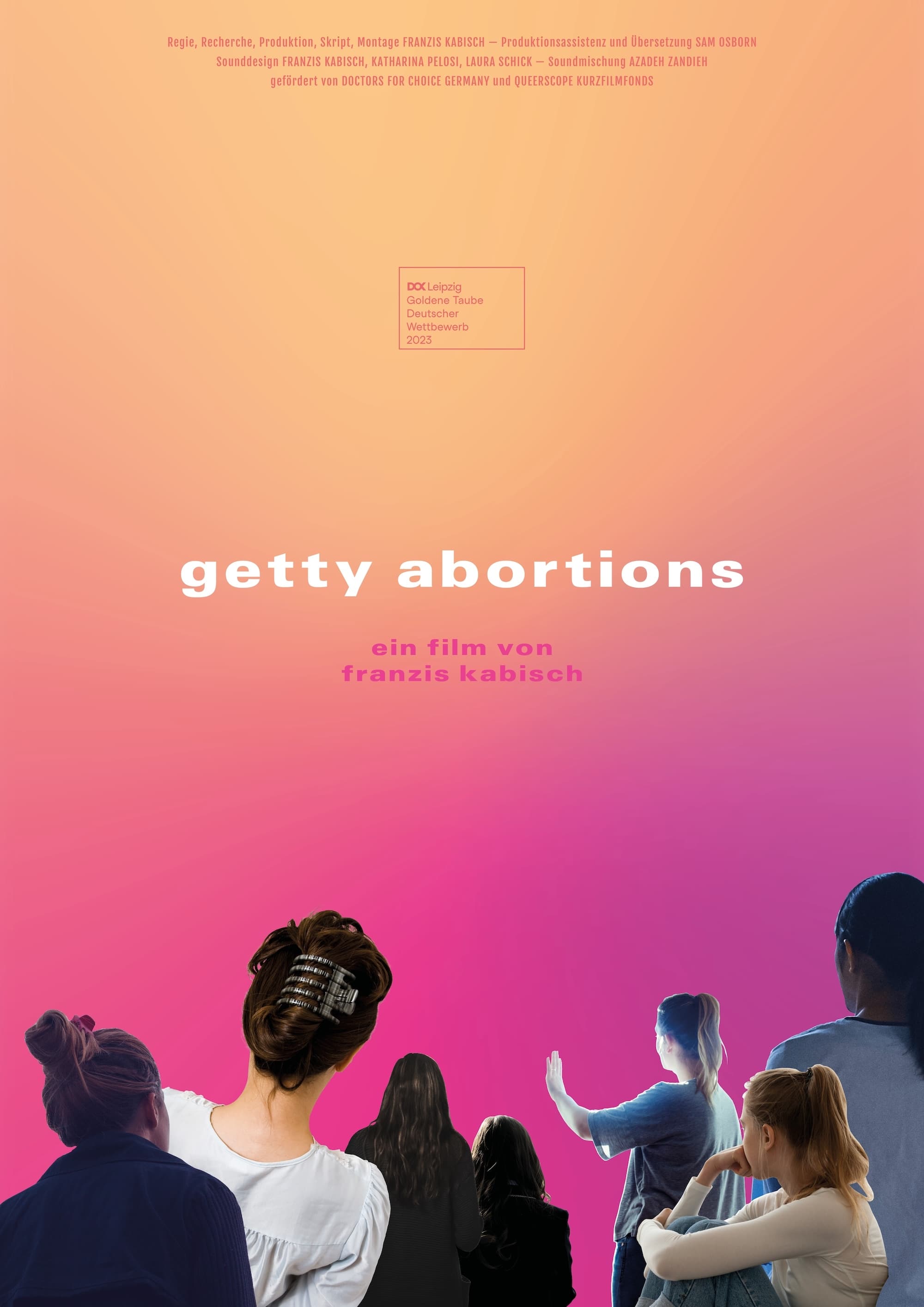
What images do we associate with abortion and why? Where do these images and the emotional scripts in our head come from? How do they influence women who (want to) have an abortion, how do they shape the general discussion? Franzis Kabisch’s personal desktop documentary investigates these questions with great precision, clarity and humour (yes, humour, too!).
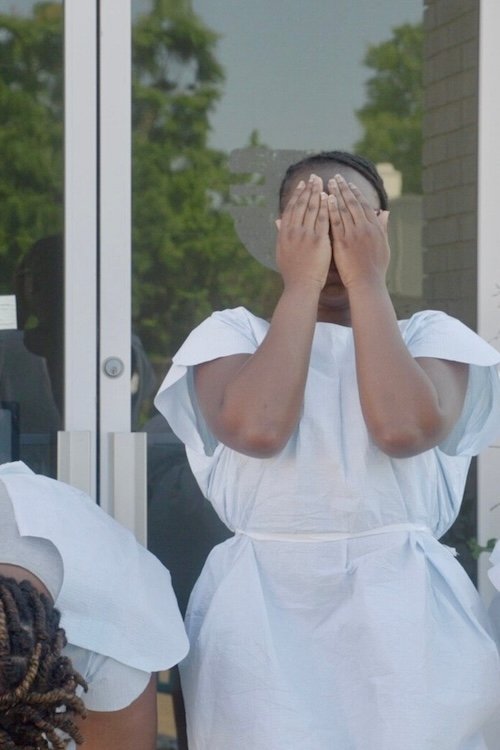
Intimate confessions, paired with experimental choreography outside a woman’s clinic in Memphis, offer a glimpse into post Roe v. Wade America.
"Have you ever regret about not having kids?" - "Yes, I have, Sometimes"
Interviews from women involved in the 70's and 80's rock music industry. An examination of the people taking advantage of underage fans and calling for a "Me too" movement in the music world
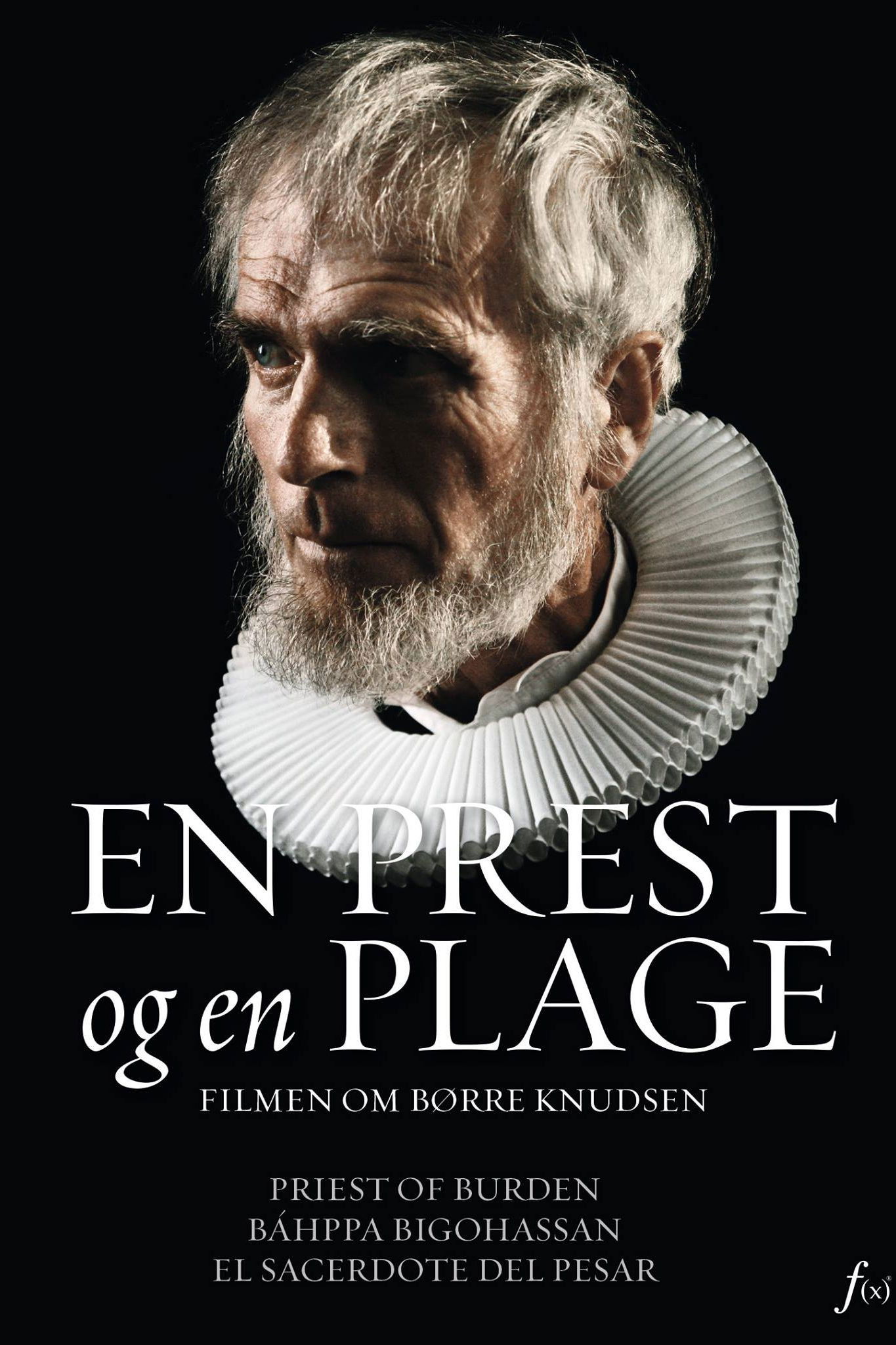
The priest Børre Knudsen is Norway's most infamous anti-abortionist, and much hated for this. He fought for his cause without thinking about the consequences for his family and his children even in the worlds most democratic country.
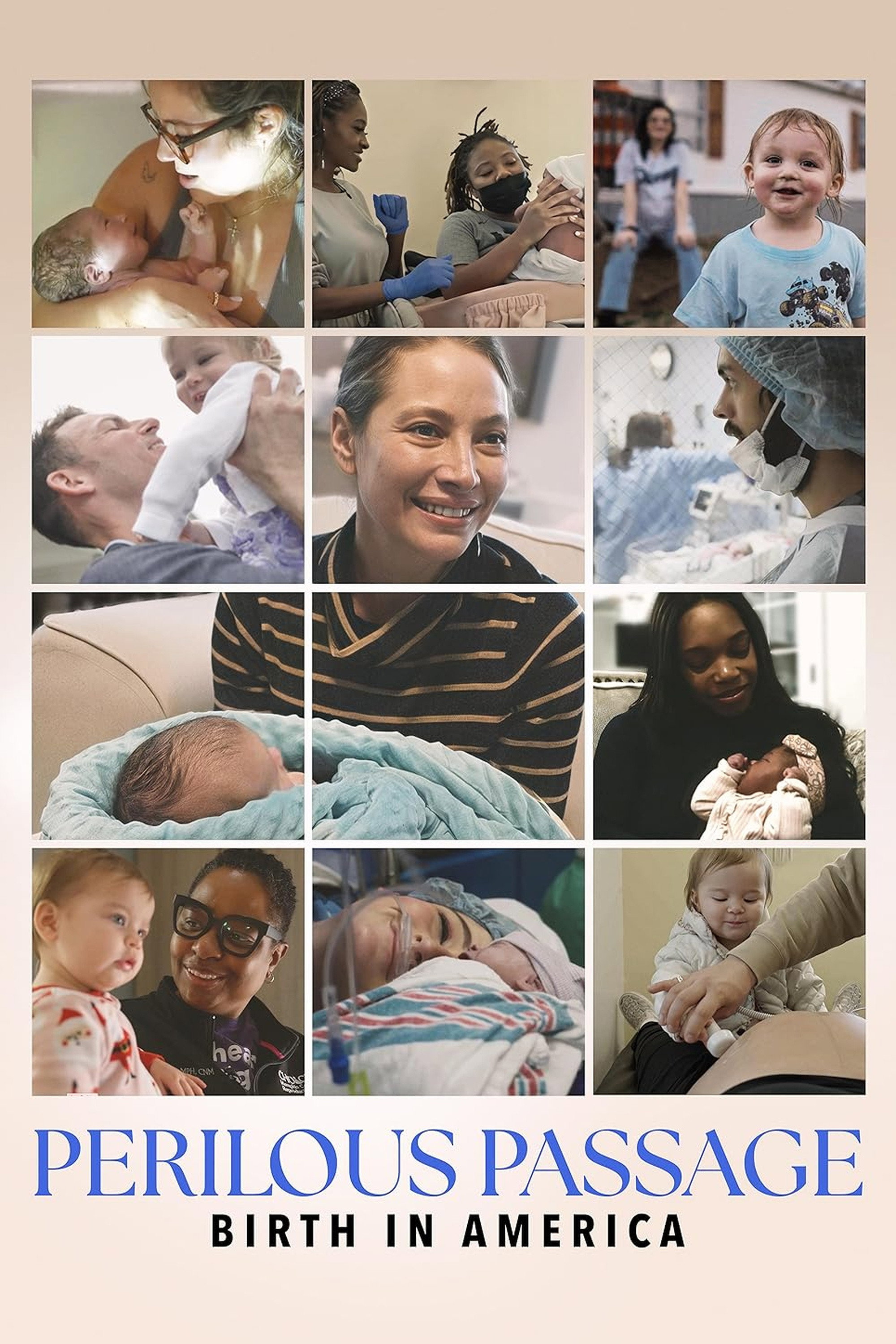
A look at the impact of an already very precarious maternal health state in the U.S. post-rescinding of Roe v. Wade, via the Supreme Court's Dobbs decision, reversing rights that women have been working so hard to fight for, and that will actually have a deep impact that we can't even see just yet in terms of the numbers of mortality and trauma as a result of those very draconian policies.
The film delves into the reality of frontline workers who protect the right to abortion, an unprecedented access. Their stories are accompanied by powerful testimonies from women who have experienced a termination of pregnancy, breaking the silence and isolation.
A film that delves into director Jean Carlomusto's family history by trying to find out if the rumors about her grandmother's death -- trying to rid herself of an unwanted pregnancy in 1939 -- are true.
Post Dobbs decision the Red River Women’s Clinic was forced to close its doors in Fargo, ND and move a mile and a half across the Red River to Moorhead, MN, into a state with very different reproductive rights legislation, in order to continue providing abortion services as well as other women’s healthcare to a wide region. This is a story of a collective action and resiliency.
The bleached palette and home-movie aesthetics of Super 8 footage provide the image track for this testimonial about an illegal abortion in Mexico City in the 1960s, delivered in voiceover by the filmmaker’s mother. In its account of this intimate and disorienting memory, Lesser Choices summons a time of profound uncertainty—a moment from an era without rights—and offers a warning to the present.
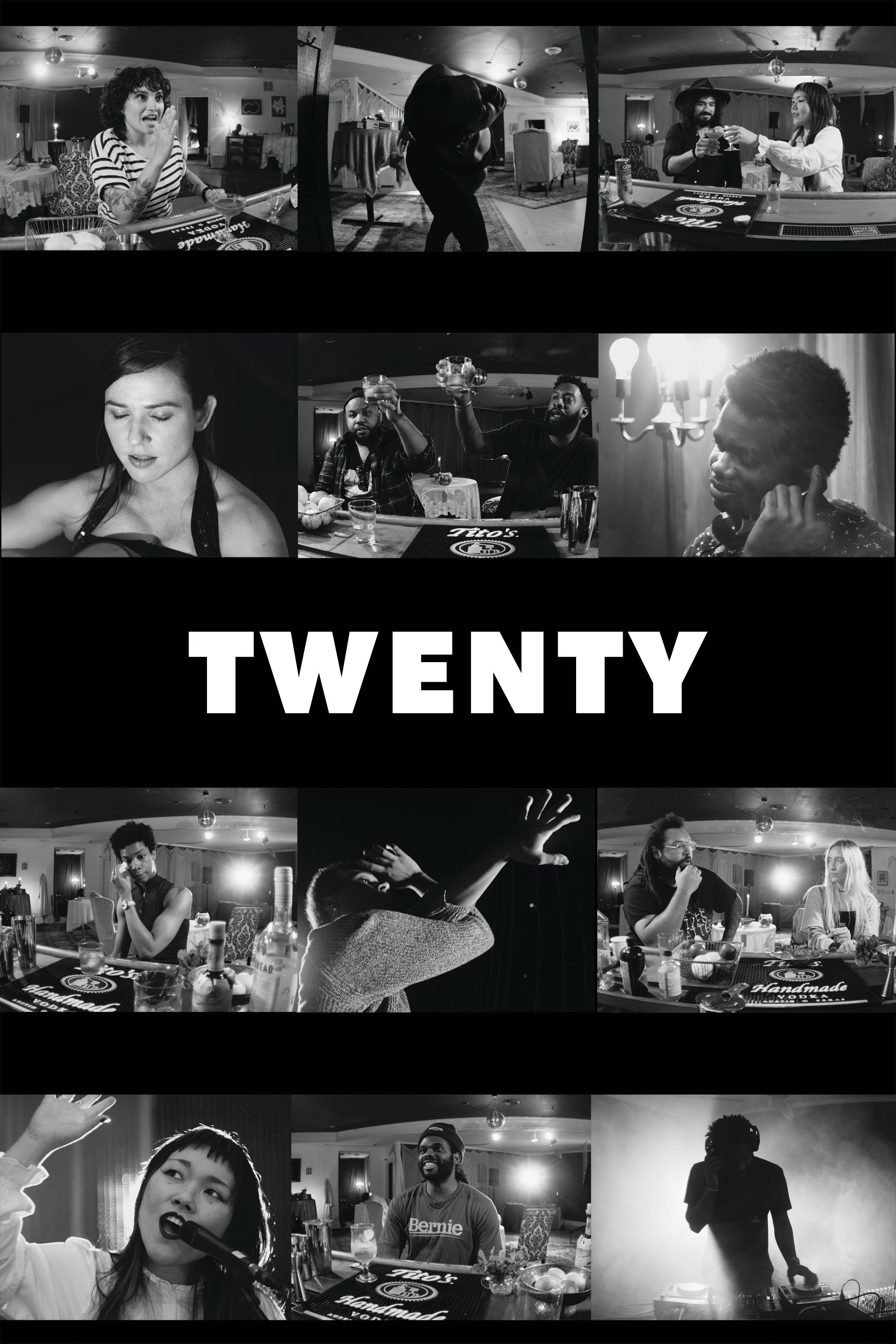
Set in a speakeasy in Atlanta, “Twenty” is a feature documentary about fifteen young people making it through 2020. The film is an observational time capsule that lays bare the raw reflections of a group of people surviving a year that will be seared into our generational memory.
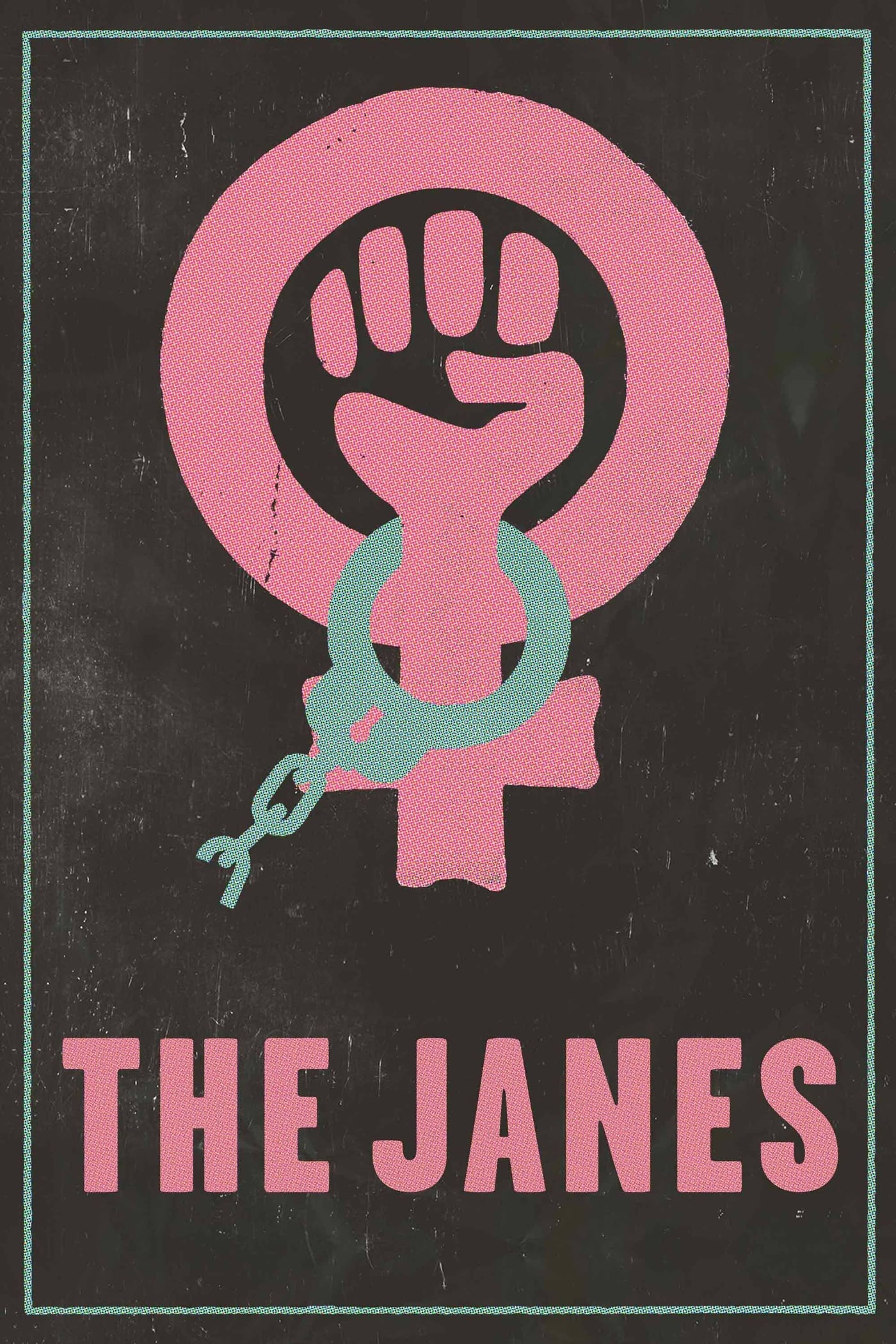
Defying the state legislature that outlawed abortion, the Catholic Church that condemned it, and the Chicago Mob that was profiting from it, the members of “Jane” risked their personal and professional lives to support women with unwanted pregnancies. In the pre-Roe v. Wade era — a time when abortion was a crime in most states and even circulating information about abortion was a felony in Illinois — the Janes provided low-cost and free abortions to an estimated 11,000 women.
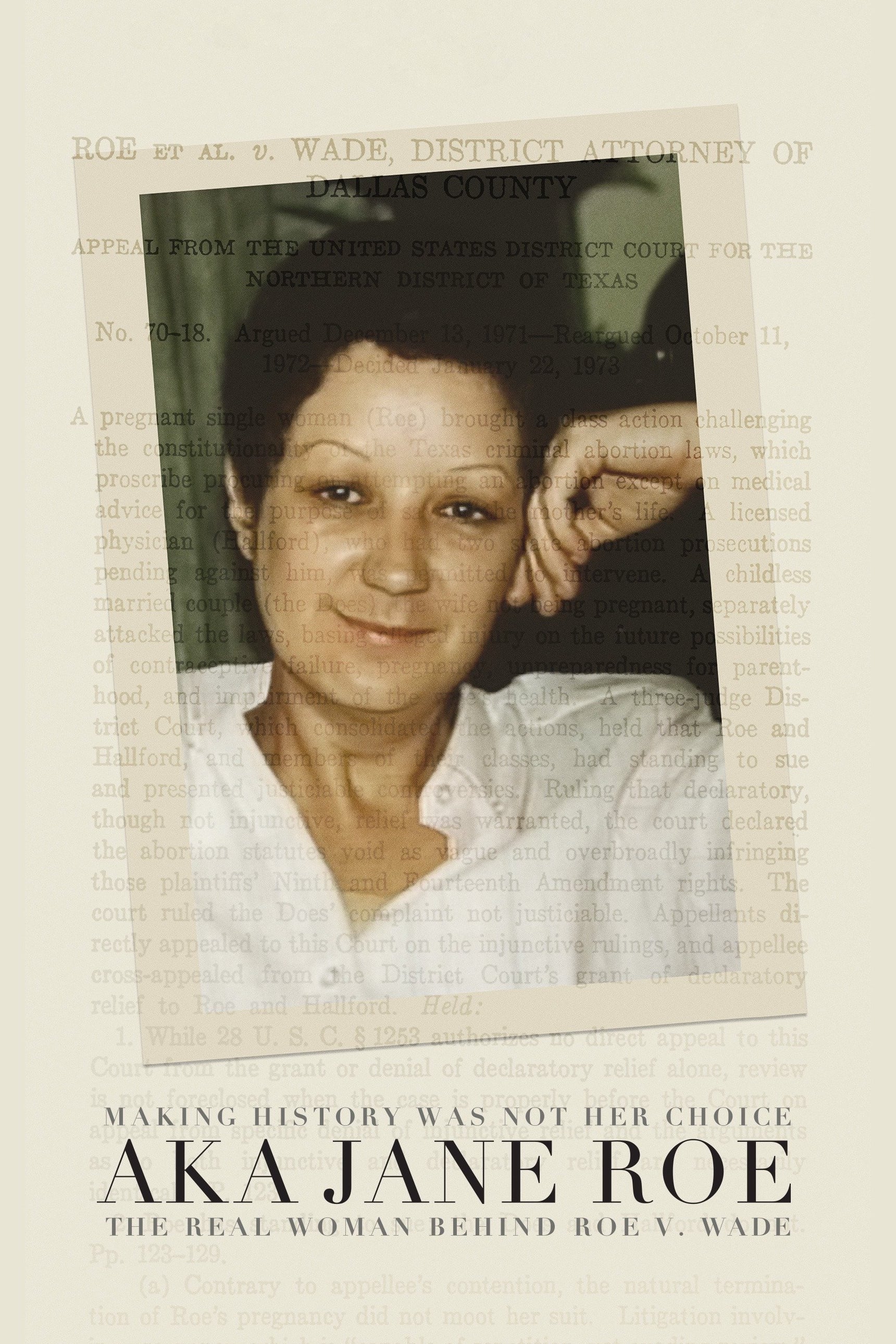
A portrait of Norma McCorvey, the “Jane Roe” whose unwanted pregnancy led to the 1973 case that legalized abortion nationwide, Roe v. Wade. The documentary unravels the mysteries closely guarded by McCorvey throughout her life.
In an intimate and joyful story of love in the face of loss, celebrated poets Andrea Gibson and Megan Falley find strength—and unexpected hilarity—in what might be their final year together.
A string of threatening emails escalates into a revenge plot involving a newly married US marshal and his ex-girlfriend.
Brilliant, long in-the-works story of the life and art of the world's greatest comedian and the cinema's first genius, Charlie Chaplin. Produced, written and directed by renowned film critic Richard Schickel.
After the high-profile killing of Damilola Taylor, Cornelius' family move out of London. But when they discover their new town is run by racists, Cornelius takes a drastic step to survive.
The life and career of one of comedy's most inimitable modern voices, Mr. Gilbert Gottfried.
Through deeply personal interviews with her siblings and an examination of the photographs, letters, and belongings left behind, Mariska assembles a new portrait of her mother Jayne Mansfield, an extraordinary and complex woman.
An inside look at one of the most anticipated movie sequels ever with James Cameron and cast.
This revealing documentary honors the legendary Sidney Poitier—iconic actor, filmmaker, and civil rights activist. Featuring interviews with Denzel Washington, Spike Lee, Halle Berry, and more.
Those who knew iconic funnyman John Candy best share his story, in their own words, through never-before-seen archival footage, imagery, and interviews.
The life of Mr. Spock, as well as that of Leonard Nimoy, the actor who played him for almost fifty years, written and directed by his son: Adam.
A documentary about the life and films of director John Ford.
Behind the scenes look at fight choreography and action training.
A documentary on the expletive's origin, why it offends some people so deeply, and what can be gained from its use.
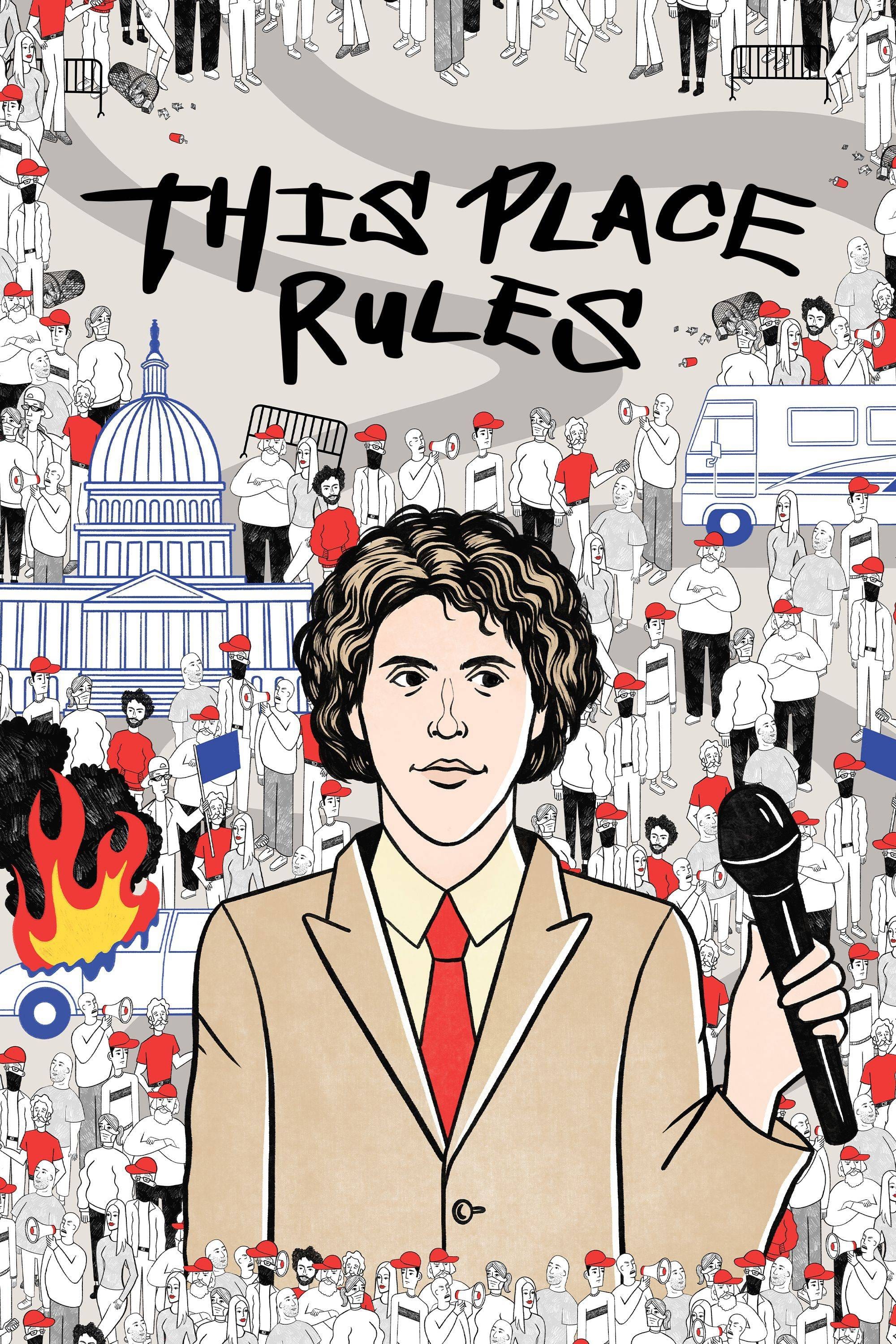
Acclaimed for his unfiltered reporting and deadpan humor, Andrew Callaghan brings his gonzo style reporting to the undercurrents that led to the January 6 Capitol Riot. As one of the best-known and hardest working journalists of his generation, the 25-year-old ventures on a wild RV journey through America to take the pulse of a divided nation.
The life and career of an actor, artist, and icon. His own journey through his own camera.
Daniel Craig candidly reflects on his 15 year adventure as James Bond. Including never-before-seen archival footage from Casino Royale to the upcoming 25th film No Time To Die, Craig shares his personal memories in conversation with 007 producers, Michael G Wilson and Barbara Broccoli.
A purely observational non-fiction film that takes viewers into the ethically murky world of end-of-life decision making in a public hospital.
Vulgar, taunting texts blow up the phones of a teen and her boyfriend. Who's sending them — and why? This twisty documentary reveals the shocking answer.
Al Pacino's deeply-felt rumination on Shakespeare's significance and relevance to the modern world through interviews and an in-depth analysis of "Richard III."
Documentary of the making of the sequel to the popular Schwarzenegger film, The Terminator.