Social & External
The people behind it
Johannes G. Sørensen
Speaker (voice)
Carl Heger
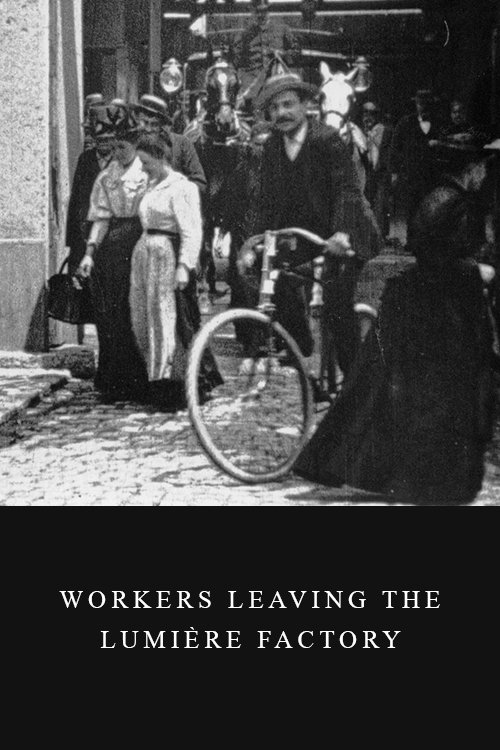
Working men and women leave through the main gate of the Lumière factory in Lyon, France. Filmed on 22 March 1895, it is often referred to as the first real motion picture ever made, although Louis Le Prince's 1888 Roundhay Garden Scene pre-dated it by seven years. Three separate versions of this film exist, which differ from one another in numerous ways. The first version features a carriage drawn by one horse, while in the second version the carriage is drawn by two horses, and there is no carriage at all in the third version. The clothing style is also different between the three versions, demonstrating the different seasons in which each was filmed. This film was made in the 35 mm format with an aspect ratio of 1.33:1, and at a speed of 16 frames per second. At that rate, the 17 meters of film length provided a duration of 46 seconds, holding a total of 800 frames.
Fear and fascination arise in Muriel Grey when she remembers the figure of her father, who passed away when she was still very young. Thirty years after his death, Muriel will tell us the story of José Carlos Grey, a Black Holocaust survivor, freedom fighter in the Spanish Civil War and the French Resistance, and one of the only Black men known to have been imprisoned at the Mauthausen concentration camp in Austria.
Armed with skulls, black makeup, wild outfits and high mohawks, this gothic trinity fights to gain control of and thus free themselves from their loneliness and inner demons as well as pressure from authorities, which they feel disturbed and controlled by. But one day, Josephine meets the beautiful guy, Jan, on Instagram and falls head over heels in love with him and the precious trio friendship is put to the test.
Many members of the Dutch Underground were gay and lesbian. This film pays homage to them and recounts their story.
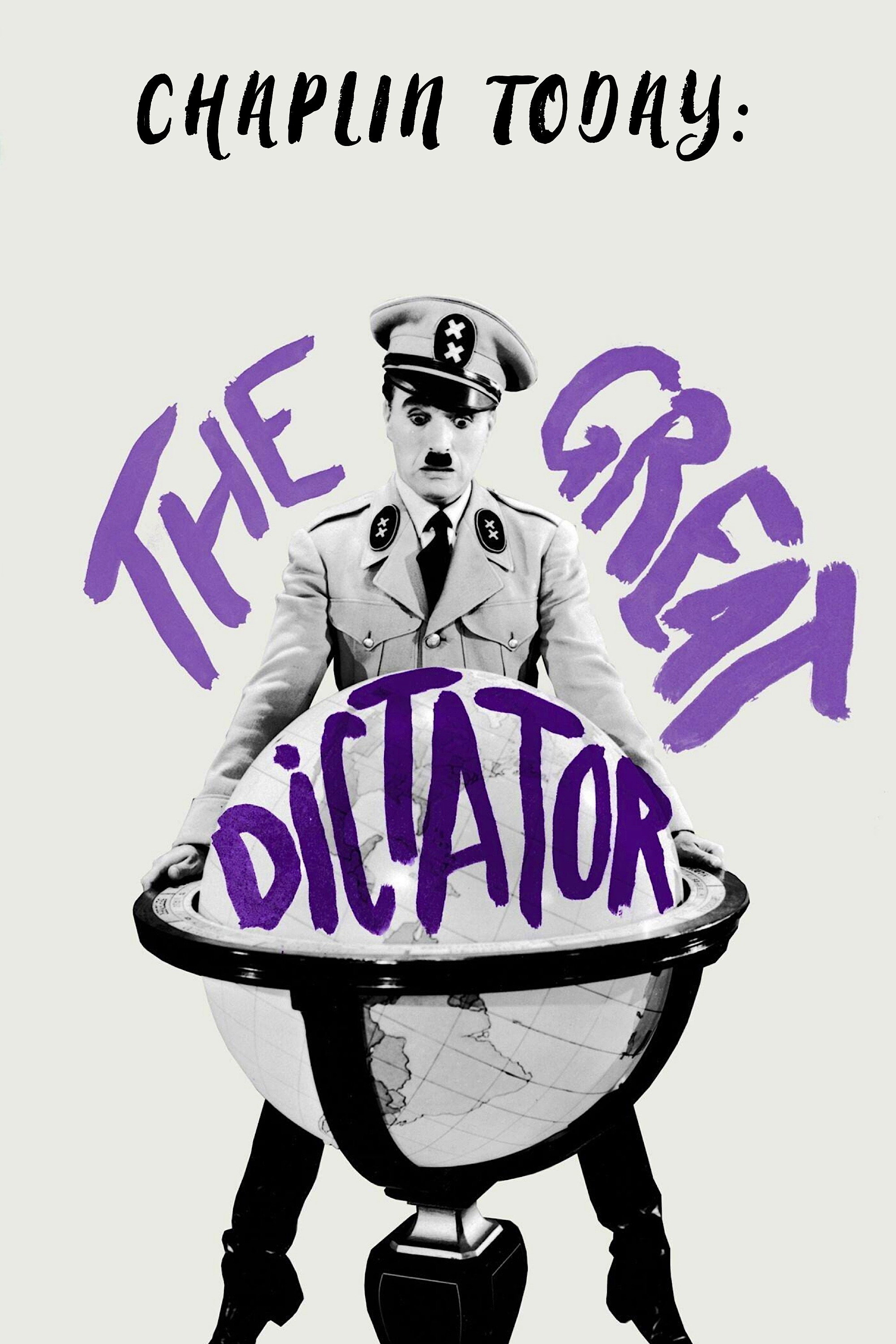
A short documentary about the making of "The Great Dictator."
A retrospective on Hollywood's role in the war effort in World War II, narrated by Johnny Carson.
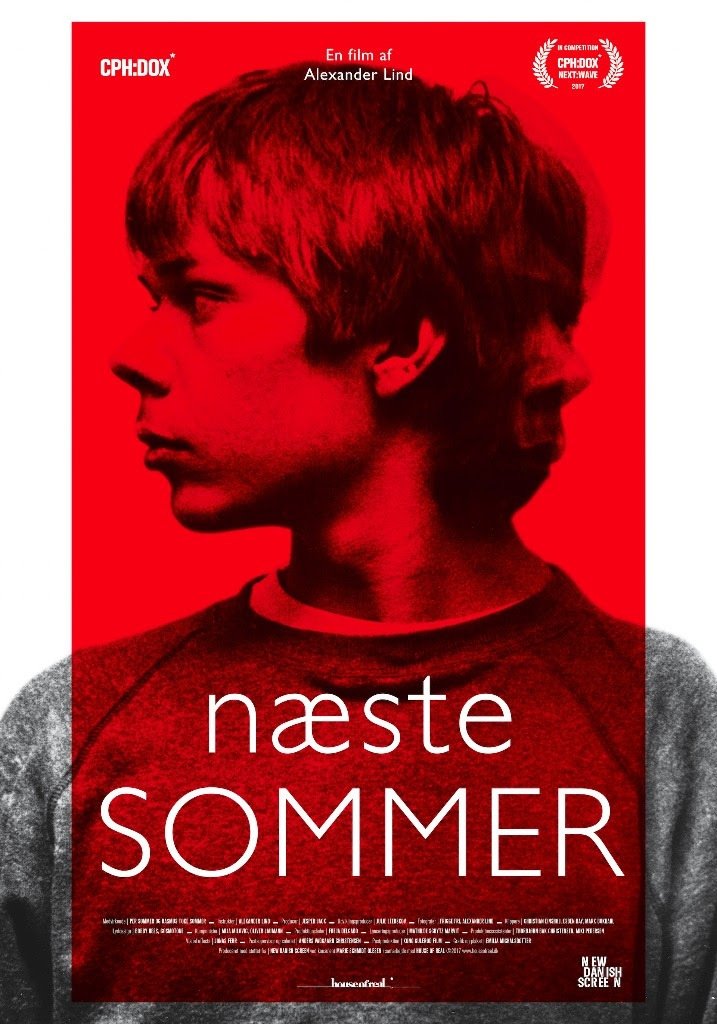
When Rasmus was 15, his mother and siblings moved from the island Bornholm and left Rasmus with his mentally ill father. Influenced by his father's insecurity, anger and failure, Rasmus chooses to move from Bornholm at the age of 18. Two years later, Rasmus is trying to see if a reunion is possible, but in order to forgive and create a new relationship, father and son must go on a common journey that requires extreme courage and determination to succeed.
Social democracy propaganda film about future dreams for Denmark in 1960. Although Denmark is free again, the former opponent and worker, Svend, is disillusioned: "It is all something soft". The dream of the future is incarnated by a young woman, Karen, who shows Svend the visions of a better life in the 'youth's land'. There are homes and a nuclear-powered car for everyone.
In 2016, a young Austrialian filmmaker began documenting amateur inventor Peter Madsen. One year in, Madsen brutally murdered Kim Wall aboard his homemade submarine. An unprecedented revelation of a killer and the journey his young helpers take as they reckon with their own complicity and prepare to testify.
A movie about the education for nurse told from Bente's perspective. She starts at the preschool at Rødkilde Højskole at Møn and comes from there to a hospital, where student time begins. After three years, Bente is trained and can get the nursing needle attached to the robe.
Amanda has found the perfect man online - he's kind, funny and the heir to one of the richest families in Denmark. She lets him into her home and life, but is he really who he says he is?
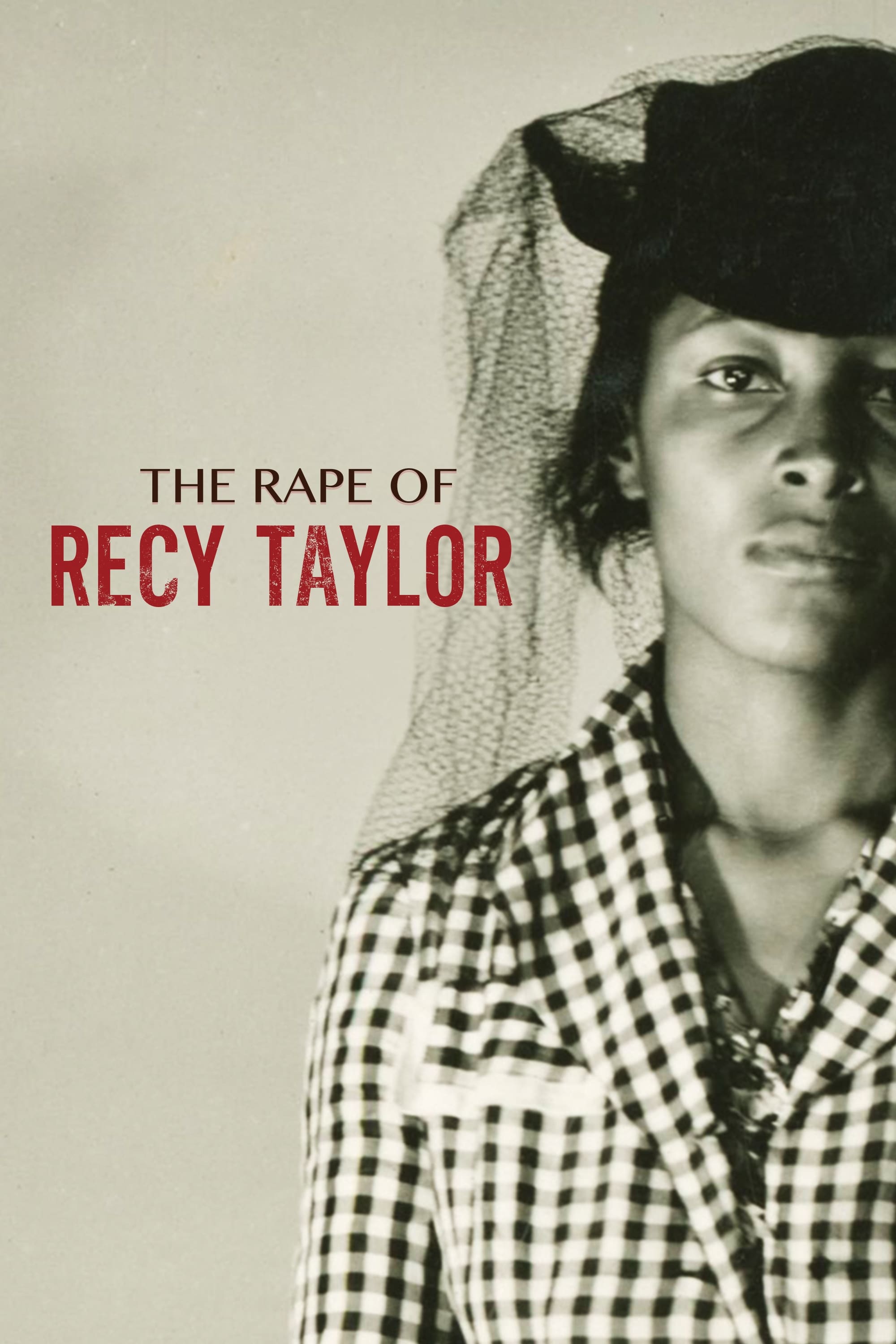
Recy Taylor, a 24-year-old black mother and sharecropper, was gang raped by six white boys in 1944 Alabama. Common in Jim Crow South, few women spoke up in fear for their lives. Not Recy Taylor, who bravely identified her rapists. The NAACP sent its chief rape investigator Rosa Parks, who rallied support and triggered an unprecedented outcry for justice. The film exposes a legacy of physical abuse of black women and reveals Rosa Parks’ intimate role in Recy Taylor’s story.
With graphic re-enactments of industrial accidents, the More High Impact Forklift Safety Video gives viewers a scared-straight lesson on the importance of forklift safety. This forklift video is great for training your forklift operators on accident awareness and prevention.
Dover made over: this quirky and pointed public information film reveals how the heavily-bombed and shelled Kent town was being replanned after the war. The filmmakers cleverly and entertainintly capture our attention by opening on travelogue cliches that they quickly undercut. It's not white cliffs and rolling hills they want to tell us about. It's present-day Dover - remaking itself in the crisp freshness of a postwar spring.
The story of Italian cinema under Fascism, a sophisticated film industry built around the founding of the Cinecittà studios and the successful birth of a domestic star system, populated by very peculiar artists among whom stood out several beautiful, magnetic, special actresses; a dark story of war, drugs, sex, censorship and tragedy.
The history of cinematic sound, told by legendary sound designers and visionary filmmakers.
The Making-of James Cameron's Avatar. It shows interesting parts of the work on the set.
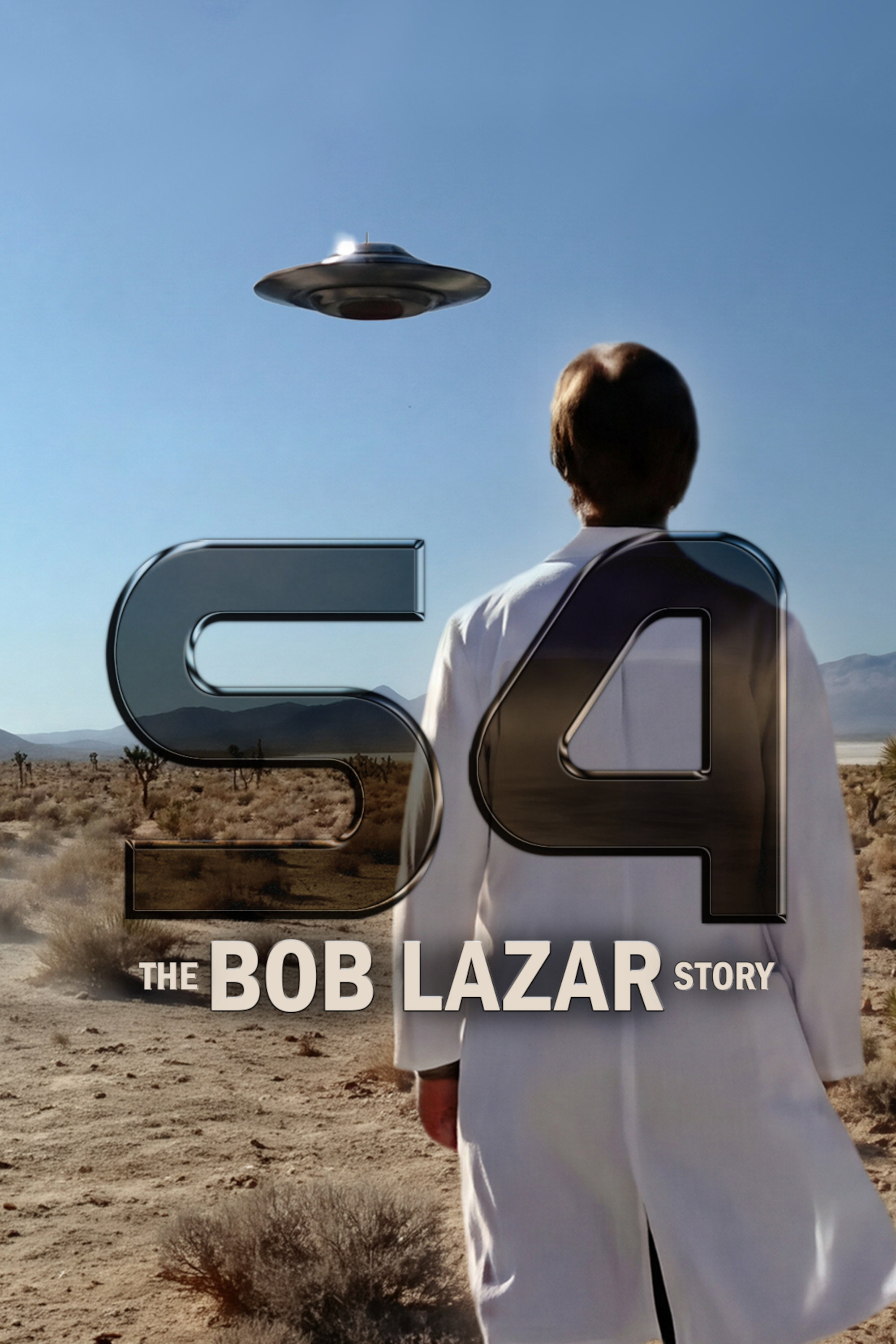
Over 35 years after Bob Lazar's revelations, this documentary exposes secrets of a facility the government still denies. Featuring Lazar's testimony, recreations, and new evidence, it reopens a case that continues to spark global curiosity
Documentary about the art of film editing. Clips are shown from many groundbreaking films with innovative editing styles.
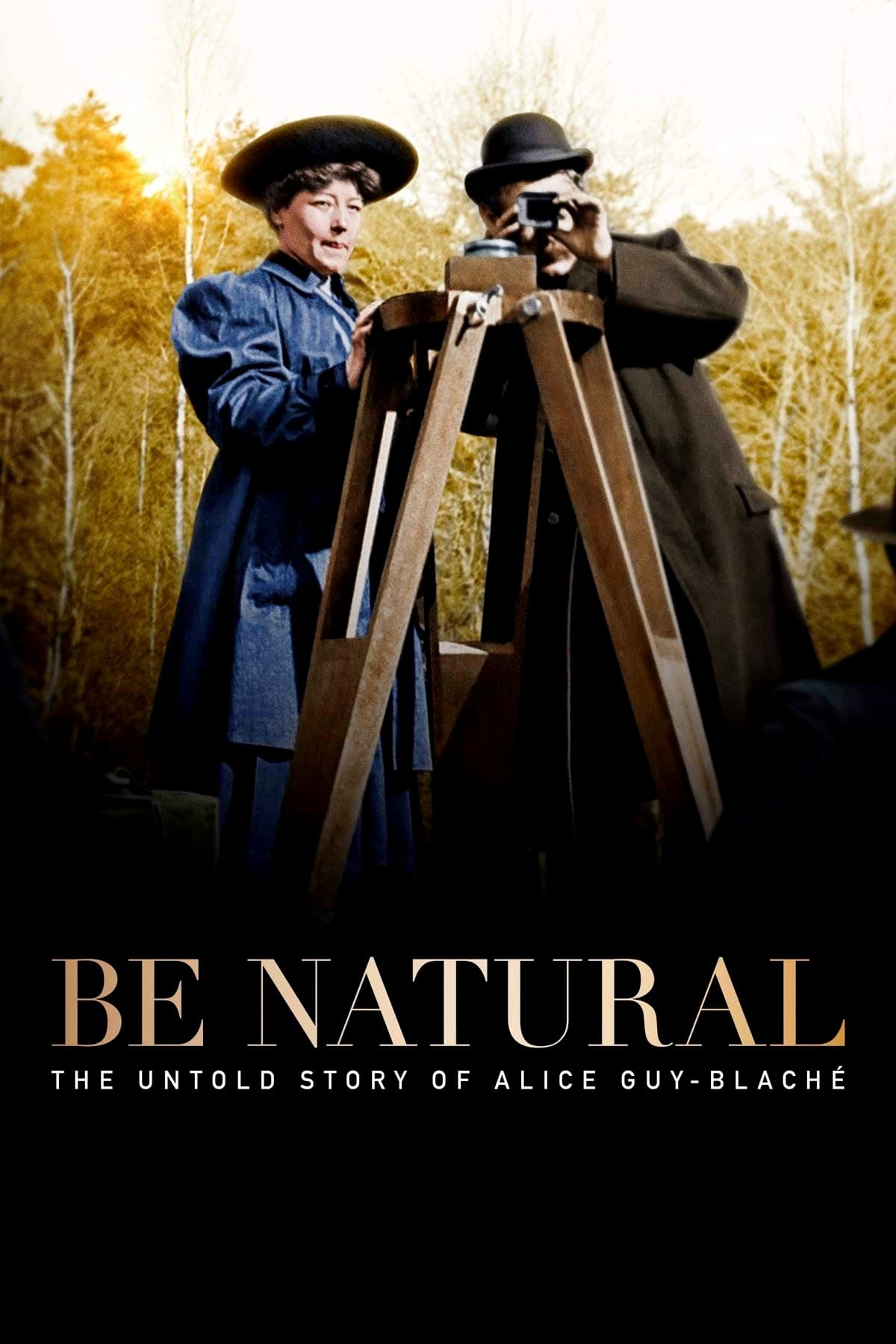
The epic life story of Alice Guy-Blaché (1873–1968), a French screenwriter, director and producer, true pioneer of cinema, the first person who made a narrative fiction film; author of hundreds of movies, but banished from history books. Ignored and forgotten. At last remembered.
This revealing documentary honors the legendary Sidney Poitier—iconic actor, filmmaker, and civil rights activist. Featuring interviews with Denzel Washington, Spike Lee, Halle Berry, and more.
In 1972, a seemingly typical shoestring budget pornographic film was made in a Florida hotel: "Deep Throat," starring Linda Lovelace. This film would surpass the wildest expectation of everyone involved to become one of the most successful independent films of all time. It caught the public imagination which met the spirit of the times, even as the self-appointed guardians of public morality struggled to suppress it, and created, for a brief moment, a possible future where sexuality in film had a bold artistic potential. This film covers the story of the making of this controversial film, its stunning success, its hysterical opposition along with its dark side of mob influence and allegations of the on set mistreatment of the film's star.
The story lives forever in this feature-length documentary that charts the making of Star Wars: The Rise of Skywalker.
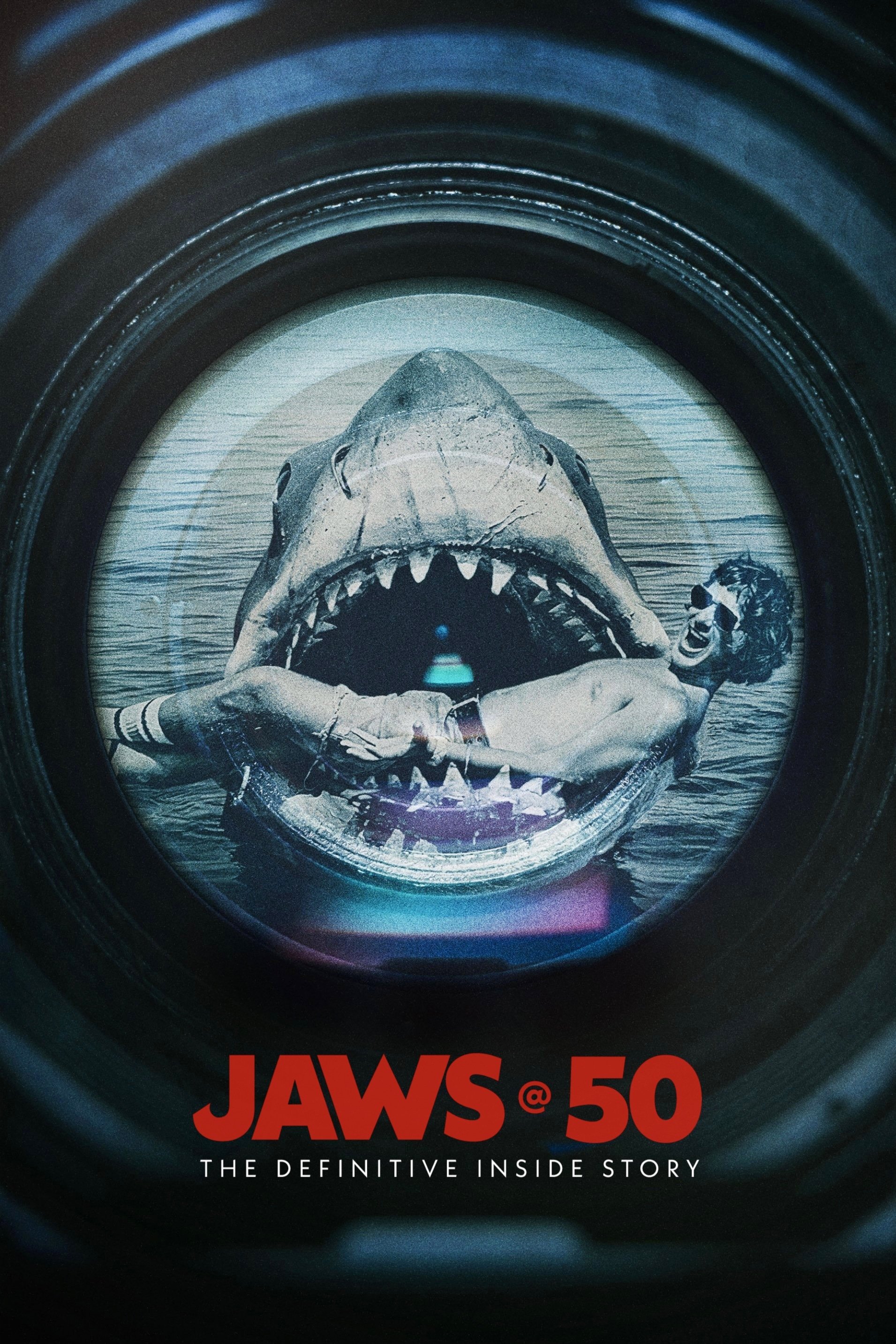
The authorized documentary celebrating the film that redefined Hollywood, 50 years after its premiere. Featuring rare archival footage and interviews with acclaimed Hollywood directors alongside Steven Spielberg, top shark scientists, and conservationists, the film uncovers the behind-the-scenes chaos and how the film launched the summer blockbuster, inspired a new wave of filmmakers, and paved the way for shark conservation that continues today.
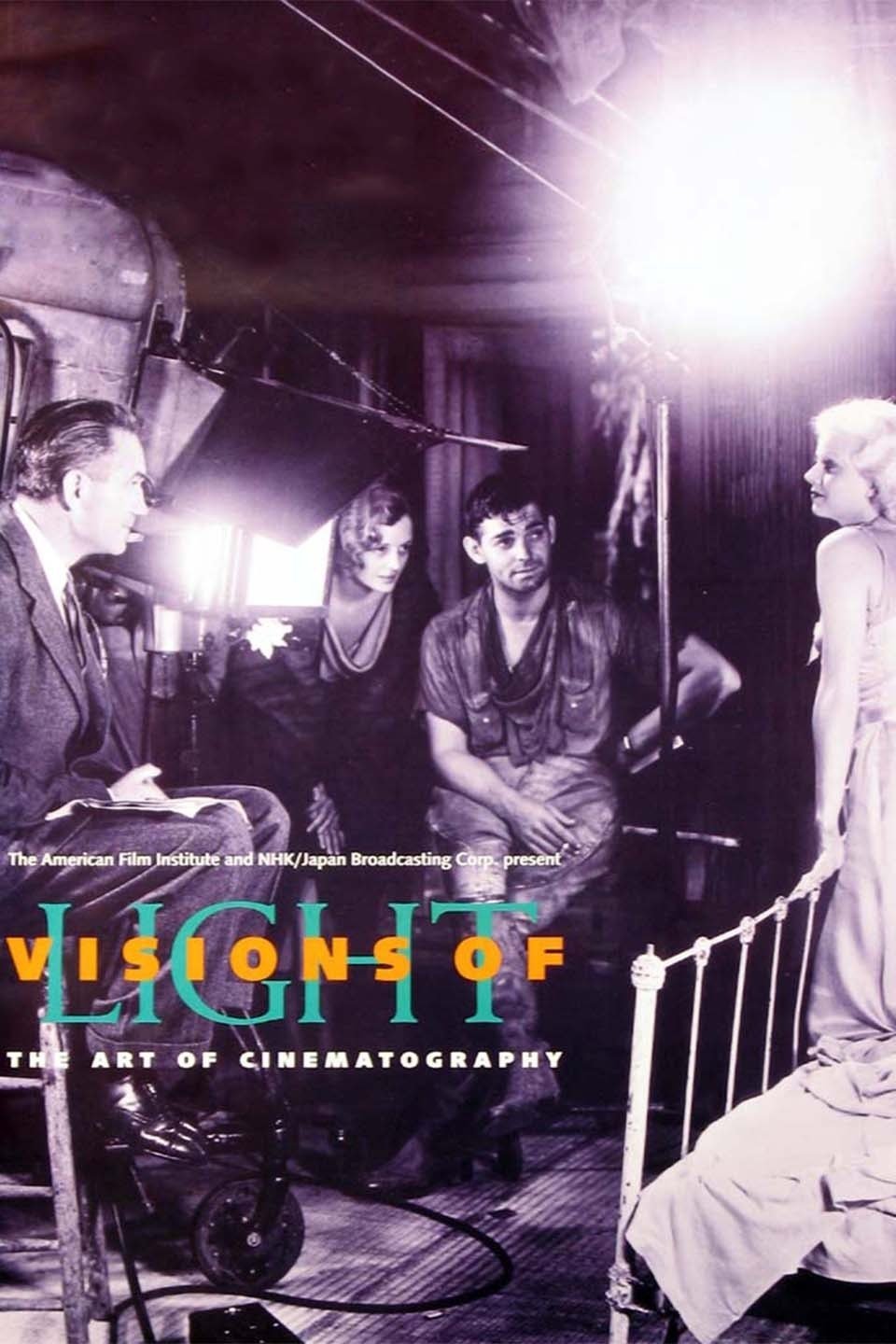
Cameramen and women discuss the craft and art of cinematography and of the "DP" (the director of photography), illustrating their points with clips from 100 films, from Birth of a Nation to Do the Right Thing. Themes: the DP tells people where to look; changes in movies (the arrival of sound, color, and wide screens) required creative responses from DPs; and, these artisans constantly invent new equipment and try new things, with wonderful results. The narration takes us through the identifiable studio styles of the 30s, the emergence of noir, the New York look, and the impact of Europeans. Citizen Kane, The Conformist, and Gordon Willis get special attention.
“The Soviet Story” is a story of an Allied power, which helped the Nazis to fight Jews and which slaughtered its own people on an industrial scale. Assisted by the West, this power triumphed on May 9th, 1945. Its crimes were made taboo, and the complete story of Europe’s most murderous regime has never been told. Until now...
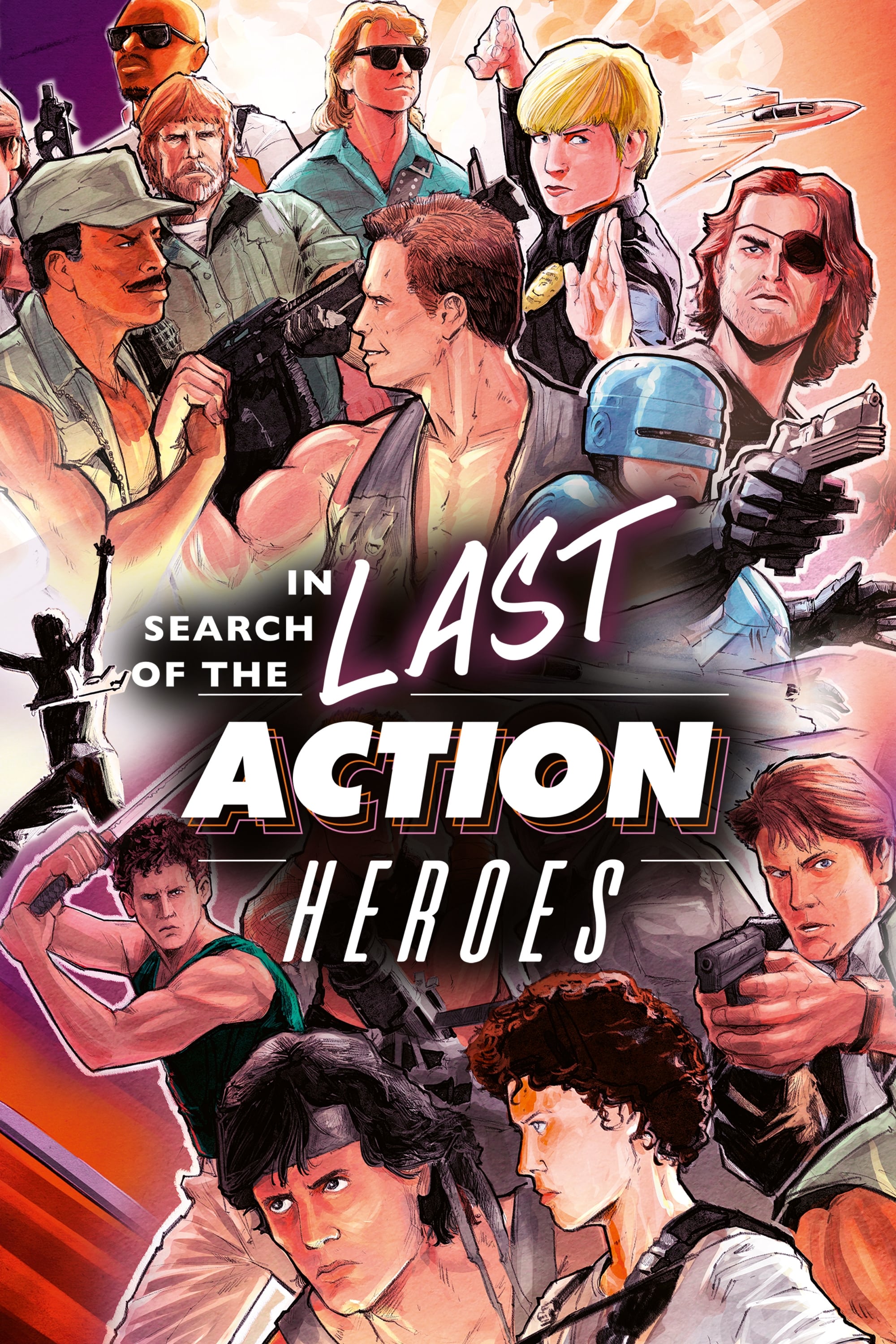
The most comprehensive retrospective of the '80s action film genre ever made.
An inside look at one of the most anticipated movie sequels ever with James Cameron and cast.
An intimate documentary delving into Rian Johnson's process as he comes in as a director new to the Star Wars universe.
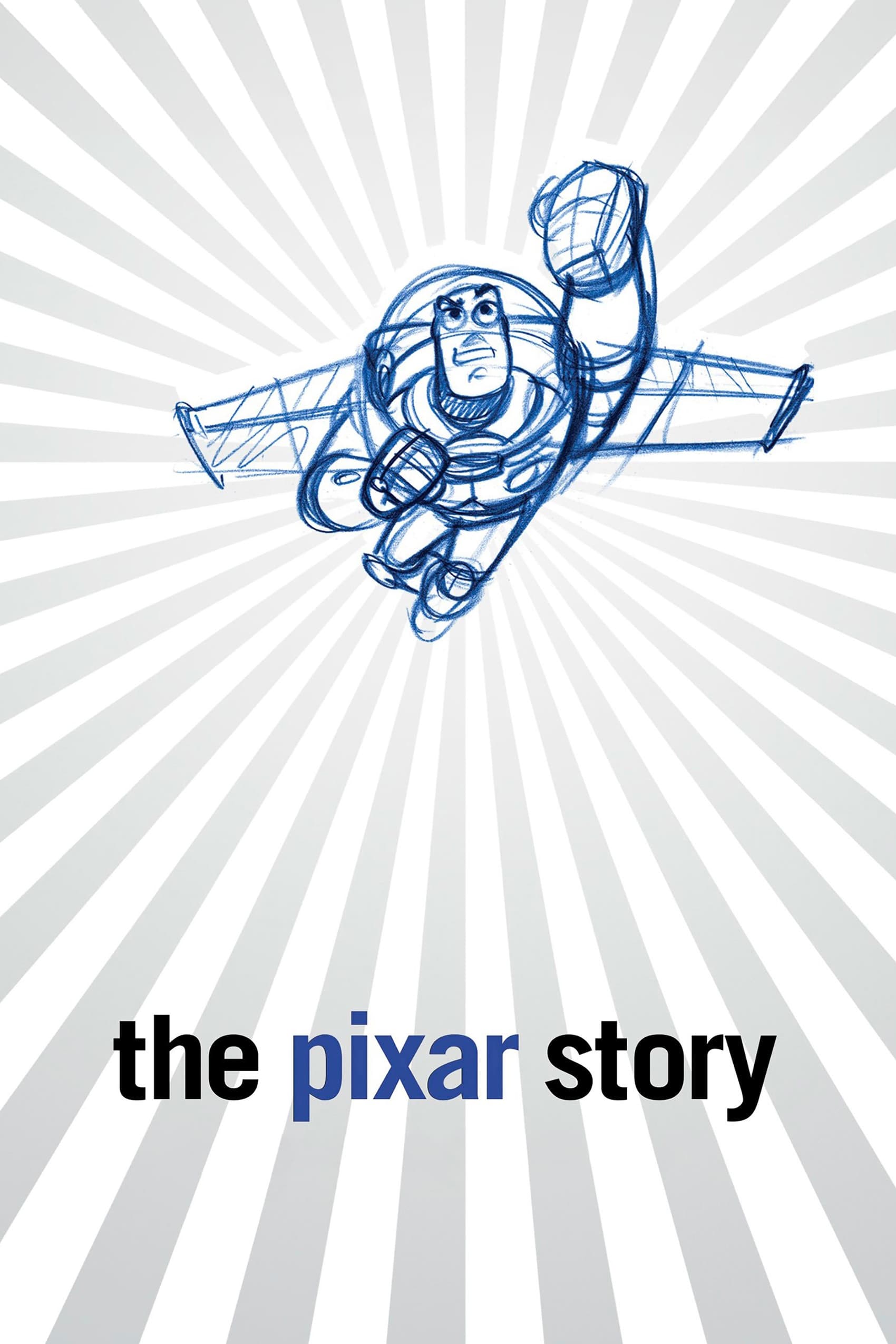
A look at the first years of Pixar Animation Studios - from the success of "Toy Story" and Pixar's promotion of talented people, to the building of its East Bay campus, the company's relationship with Disney, and its remarkable initial string of eight hits. The contributions of John Lasseter, Ed Catmull and Steve Jobs are profiled. The decline of two-dimensional animation is chronicled as three-dimensional animation rises. Hard work and creativity seem to share the screen in equal proportions.
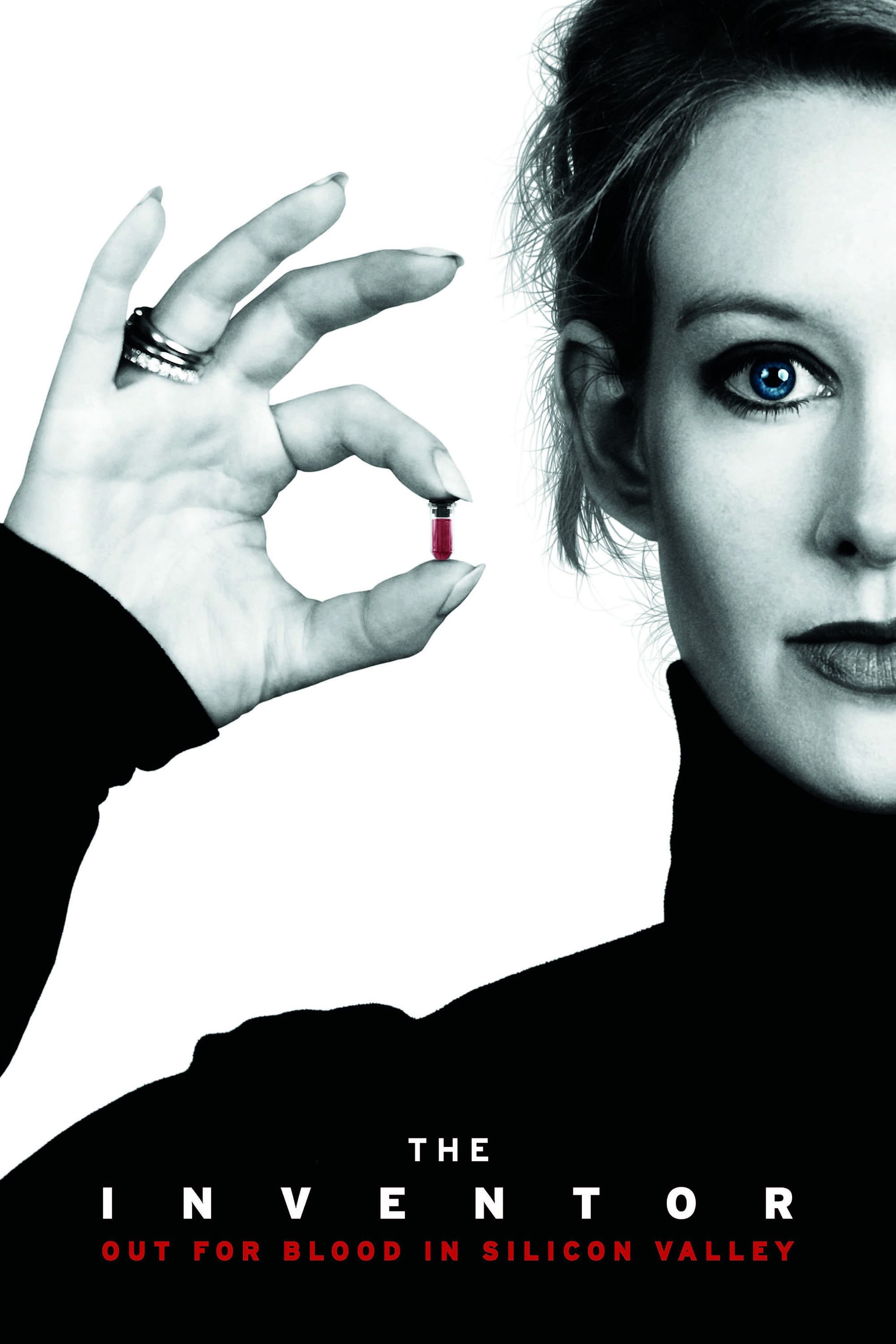
With a magical new invention that promised to revolutionize blood testing, Elizabeth Holmes became the world’s youngest self-made billionaire, heralded as the next Steve Jobs. Then, overnight, her 10-billion-dollar company dissolved. The rise and fall of Theranos is a window into the psychology of fraud.
A feature length documentary about the all-women team at the helm of Pixar's original feature, Turning Red. With unprecedented behind-the-scenes access to Director Domee Shi and her core leadership crew, this story shines a light on the powerful professional and personal journeys that brought this incredibly comical, utterly relatable, and deeply heartfelt story to the screen.
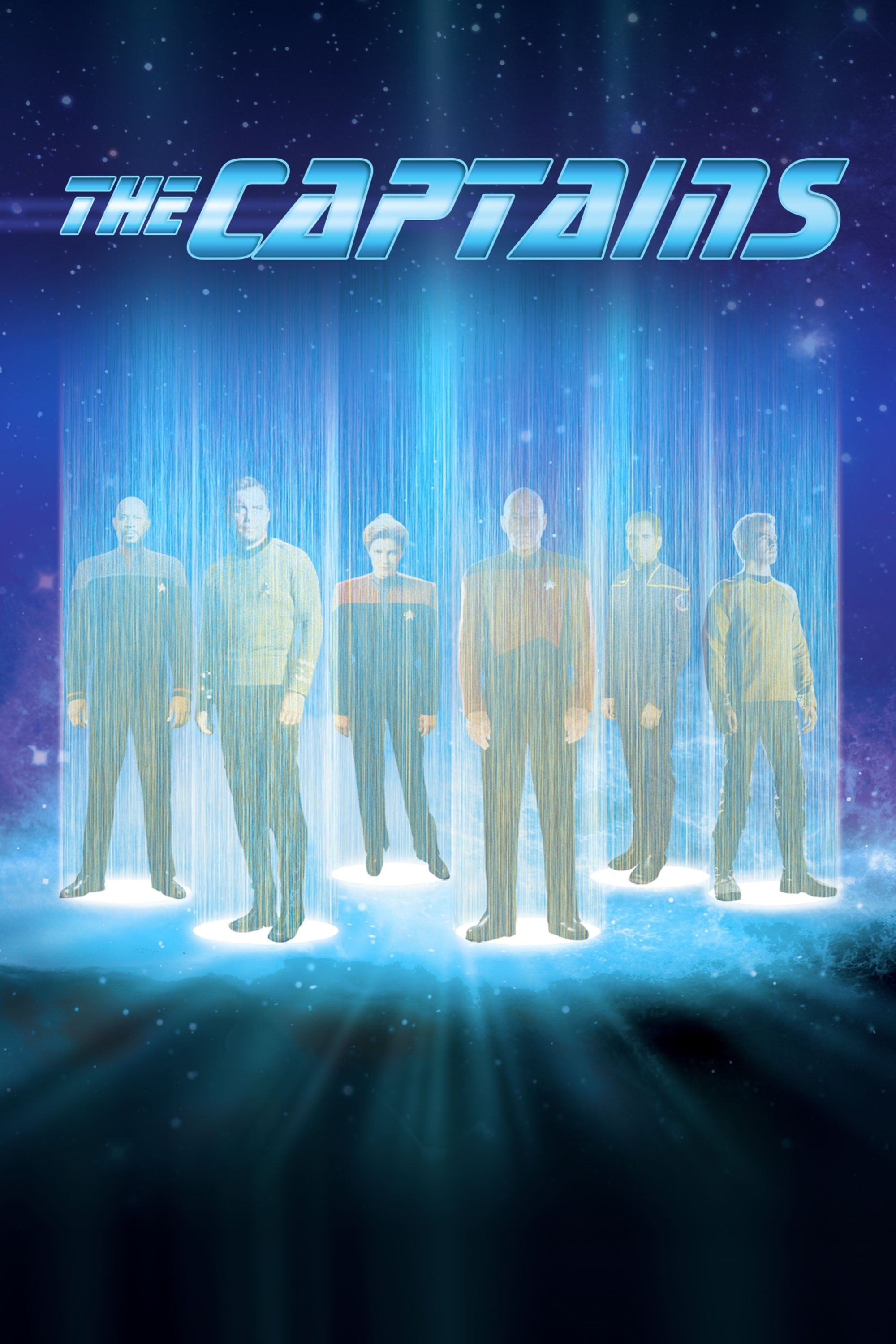
The Captains is a feature-length documentary film written and directed by William Shatner. The film follows Shatner as he interviews the other actors who have portrayed starship captains in the Star Trek franchise.
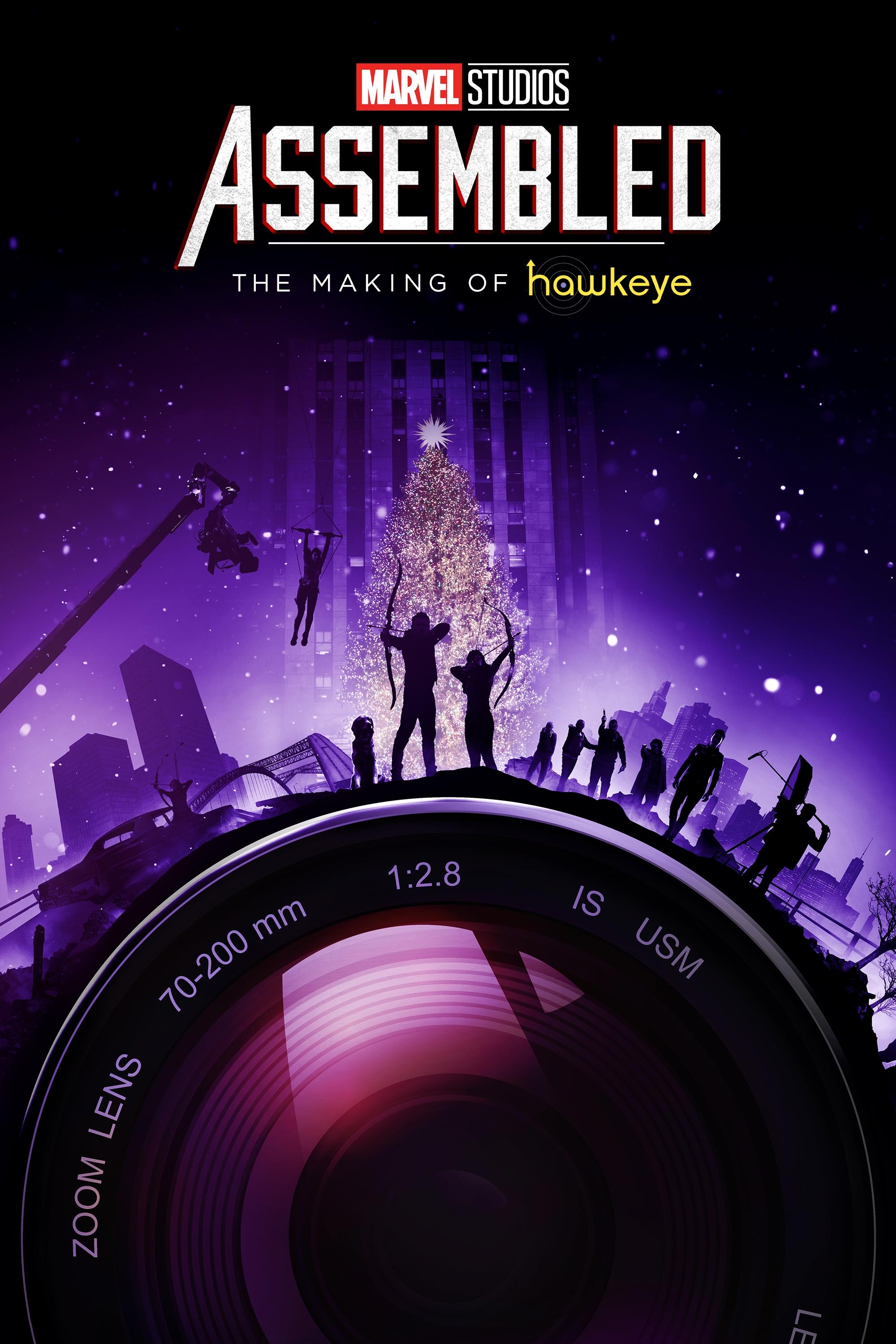
Join the likes of Jeremy Renner, Hailee Steinfeld, Florence Pugh, and Vincent D’Onofrio as they reveal how Marvel Studios’ “Hawkeye” was conceived and created. Witness firsthand what it took to pull off the show’s pulse-pounding action set pieces, and discover how iconic characters from the pages of Marvel Comics such as Kate Bishop were adapted and brought to life for the six-episode series.
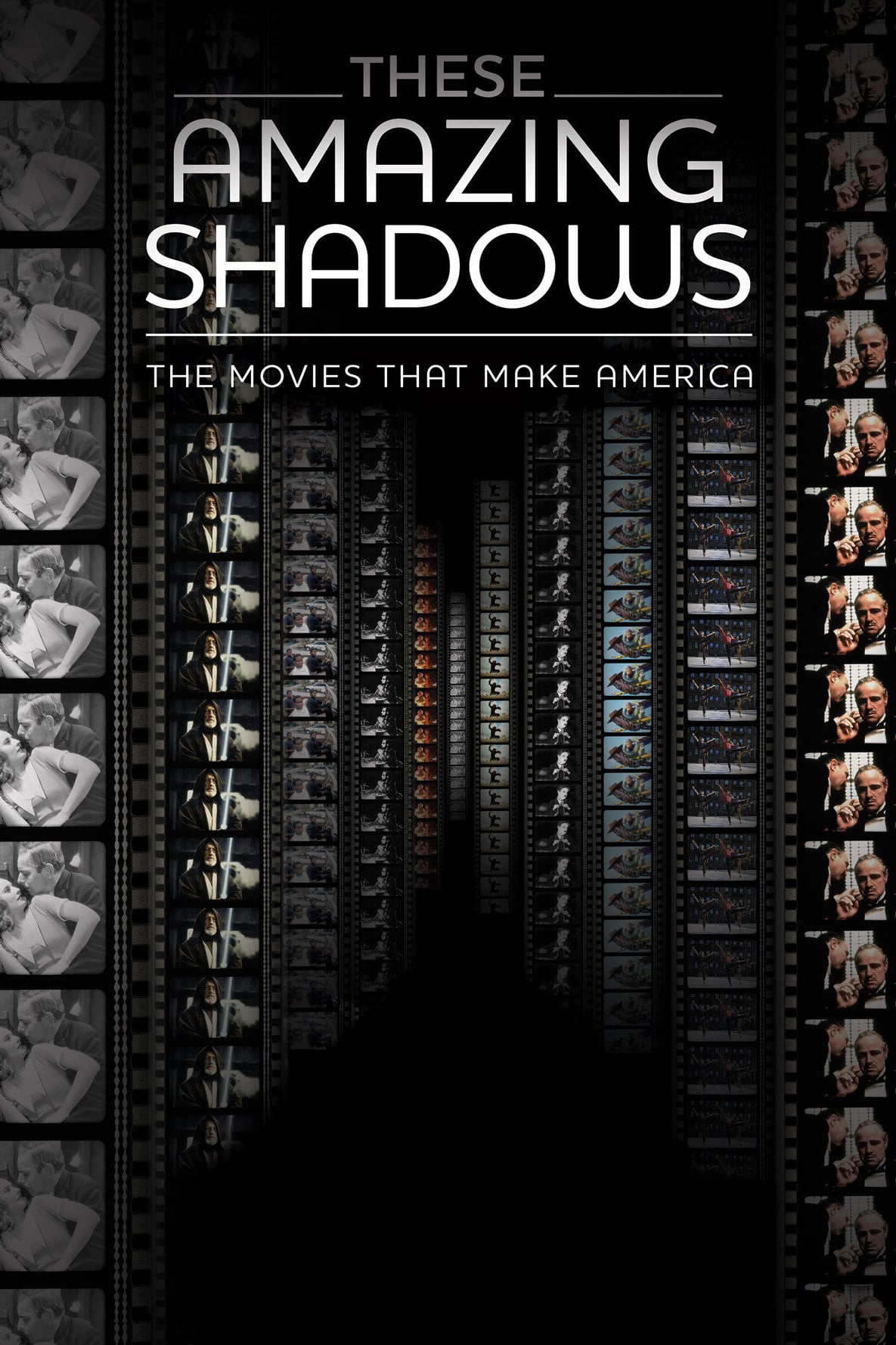
Tells the history and importance of The National Film Registry, a roll call of American cinema treasures that reflects the diversity of film, and indeed the American experience itself.