Social & External
The people behind it
On March 27, 2026, ten students and two teachers set course for the Dominican Republic. Their mission? To change a family's future.
Toni, a former mob boss, reunites his former enemies to put his past behind him.
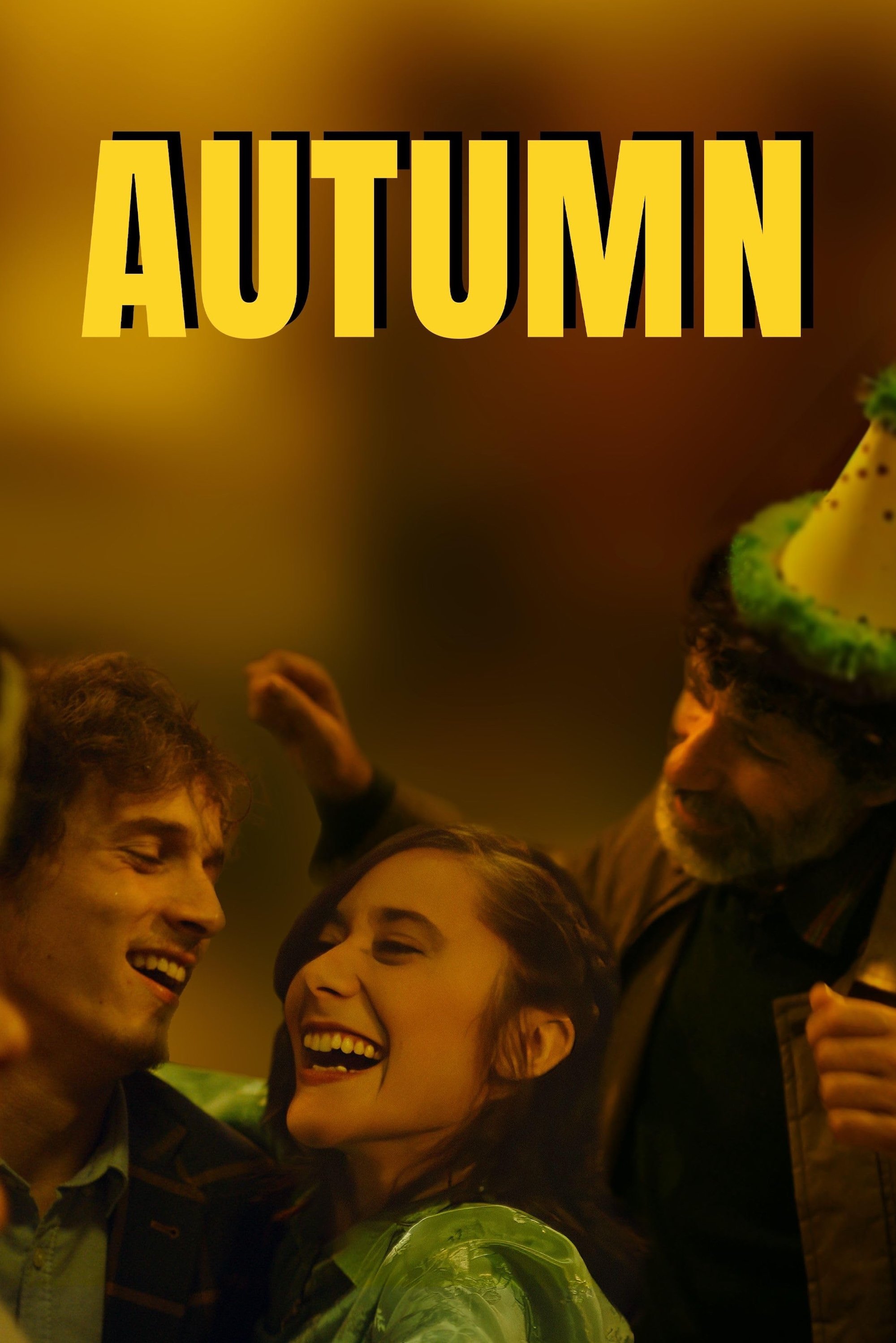
In a small Portuguese town, a family is turned upside down when their son leaves to study in London. Over a year, we see a daughter's coming of age, a father's mid-life crisis, a son's emancipation and a mother coping with an "empty nest"
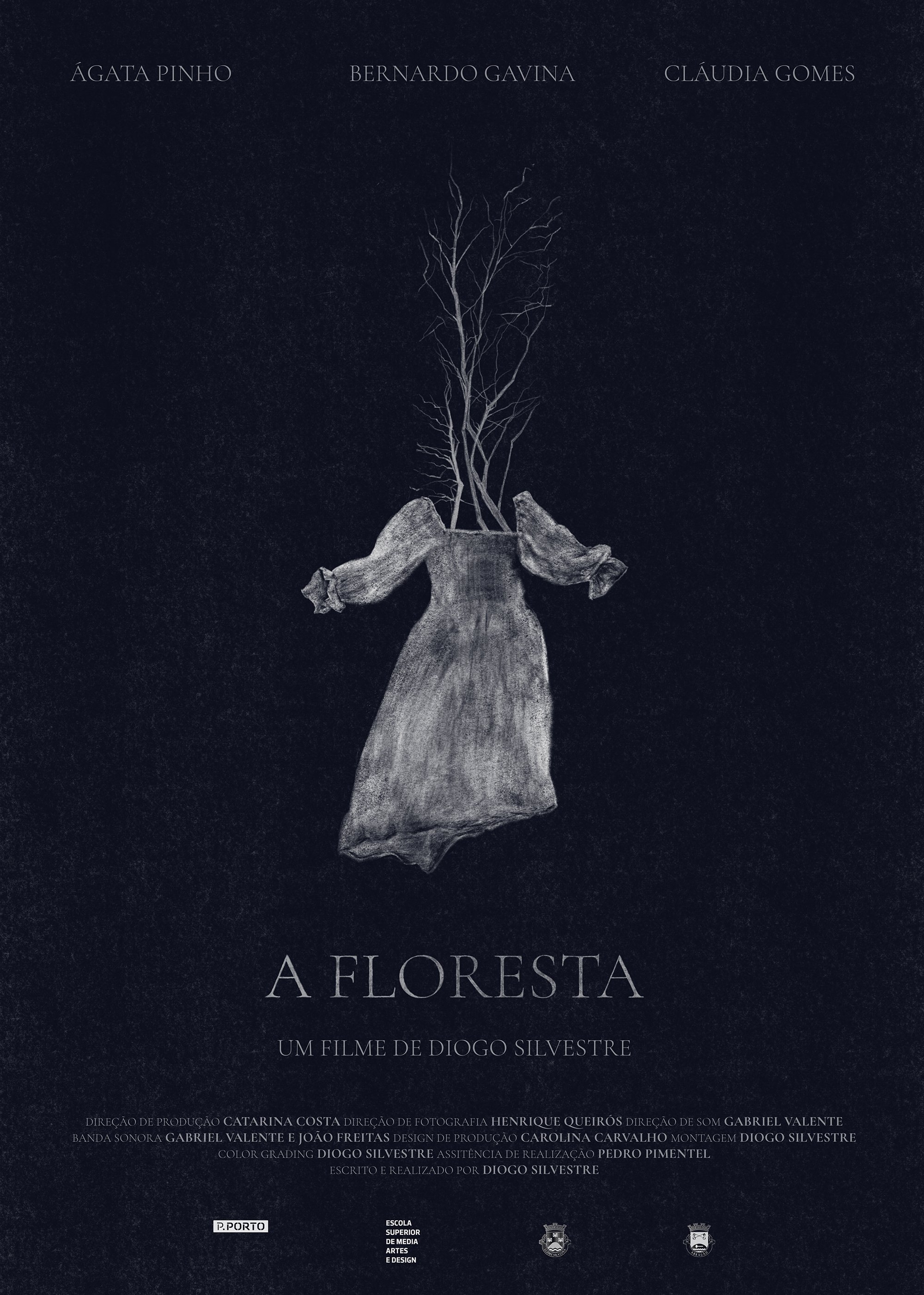
Artur and Beatriz decide to take a retreat in a house isolated in the forest, with the aim of improving their relationship, which is on the verge of breaking up, when a mysterious woman who watches them becomes a threat to the couple.
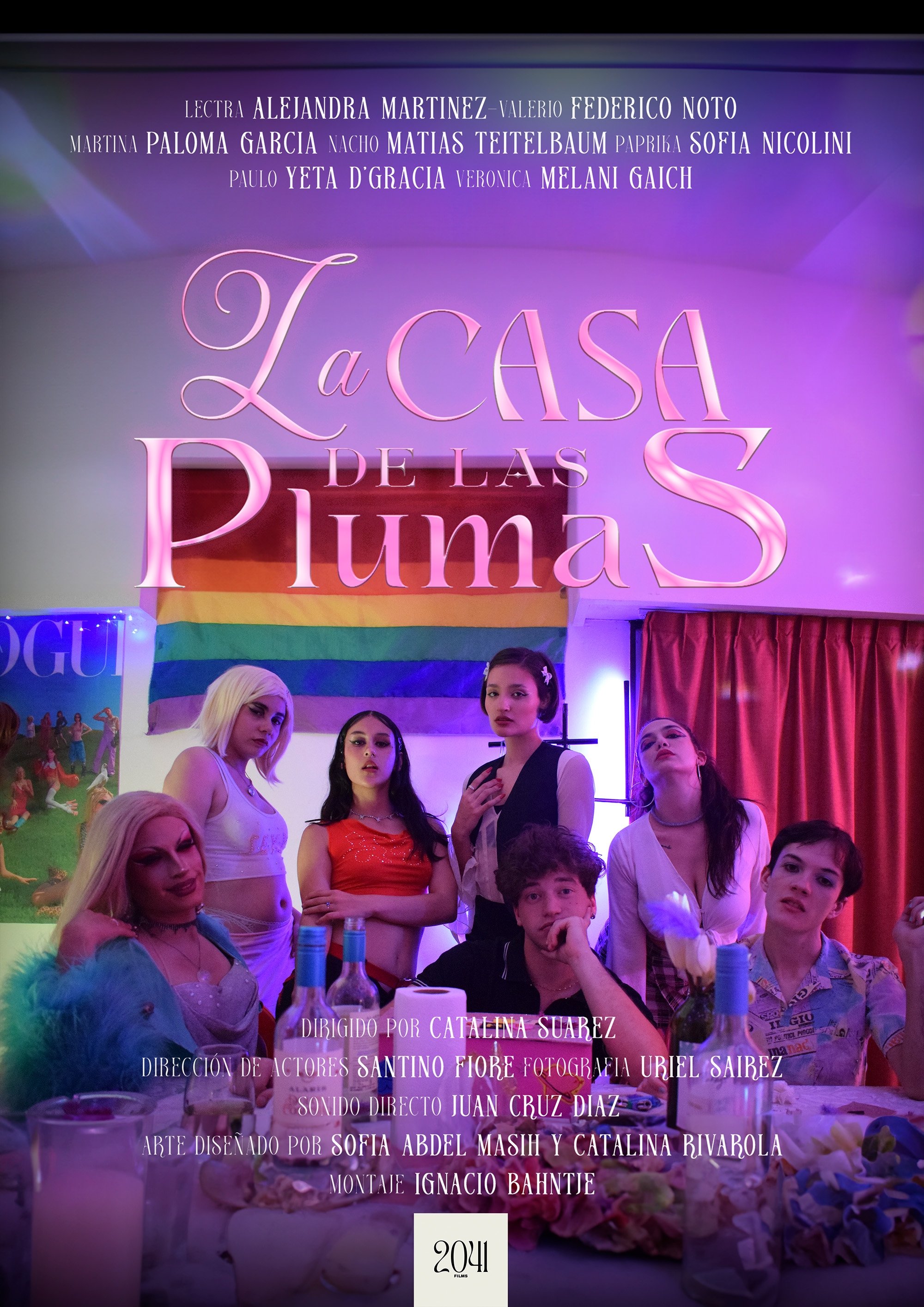
A young woman introduces her boyfriend to her extravagant group of friends who she asks to keep up appearances. They decide to subject the young man to an uncomfortable game, which leads to an argument between our protagonists and the owner of the house.
Lucas and Mateo are brothers and have a distant and somewhat conflictive relationship. What seems to be just another morning becomes the beginning of a new stage in their lives. When they wake up, they notice that their mother is not at home and they wait for her to return, but that moment will never come.
Upon moving into a new apartment, a young woman finds herself surrounded by strange events. Curious about the reasons behind the occurrences, the young woman is sucked into memories and daydreams, remembrances and forgetfulness, places and non-places.
The film tells the story of a member of the Polish underground who acted as a courier during World War II and whose most prominent mission was to inform the Allied powers of Nazi crimes against the Jews of Europe in an effort to prevent the Holocaust.
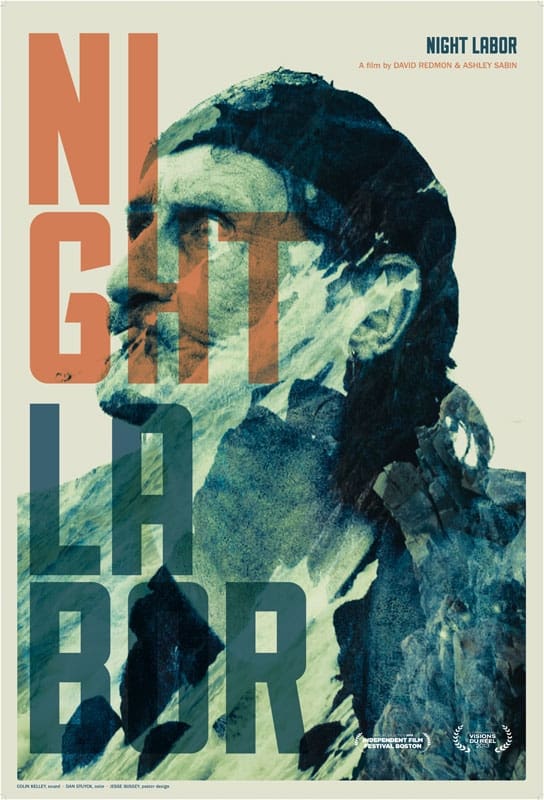
Night Labor follows Sherman Frank Merchant, a forty-six year old 6'6" Downeaster during his transition from an independent and rugged clam digger by day to manning a factory at night. With his white smock, arsenal of knives, and signature black beret, Sherman performs the tasks of preparing and arranging tools for the day laborers who arrive to their 6am shift.
Is modern youth ministry contrary to scripture? That is the core question of Divided the movie, an hour long youth ministry documentary film by Philip and Chris Leclerc. It is backed by The National Center for Family-Integrated Churches, so naturally the film is biased towards youth being integrated into a church service rather than in silos of age segregated classrooms.
This film selects intangible cultural heritage items such as porcelain carving, colored glaze (glass art), and Lu-style interior painting (inside-bottle painting), telling the stories of their origins, development, inheritance, and innovation, as well as the heartwarming stories behind the inheritors.
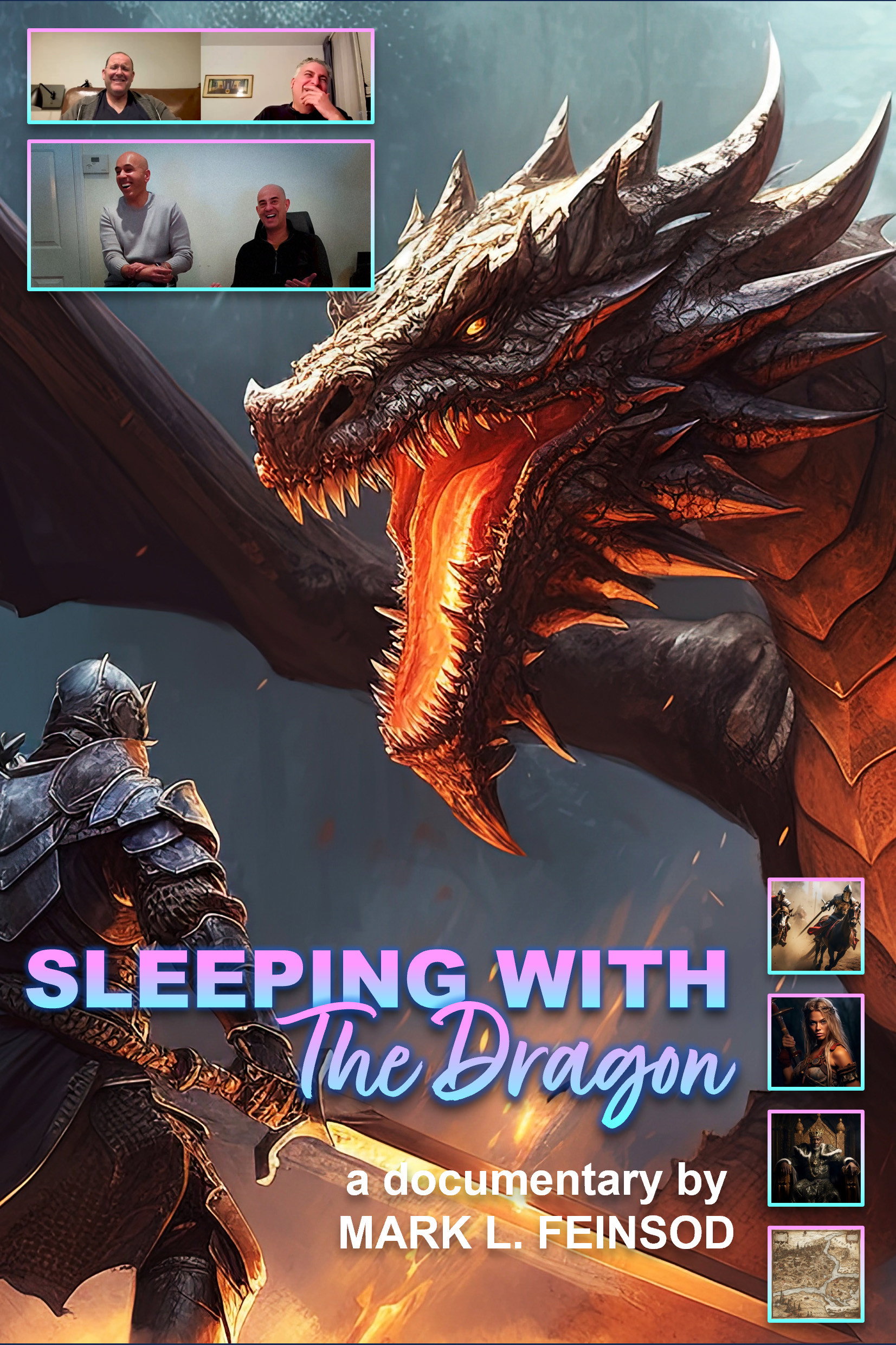
When Mark L. Feinsod was in middle school in the ‘80s, he and his friends Mike and Steve had an intense Dungeons & Dragons campaign. One time, their friend Bindul joined in. They encountered a dragon and Bindul insisted he wanted to have sex with it. Decades later, nobody can agree upon what happened next in this comedy about memory, friendship and childhood.
Five friends set out on what becomes their final trip together, spending two nights and a day in the desert. As time slows and the distance from everything familiar grows, they experience moments of joy, discomfort, and quiet reflection. Drifting through a hazy, almost psychedelic state, the journey begins to feel less like an escape and more like a goodbye all captured through the lens of a camcorder.
Taking Beijing Subway's "Time Train" as the main narrative thread, and centering on subway enthusiasts, designers, constructors and operators, the story recounts the construction of China's first subway line, the harmonious coexistence between Beijing Subway and cultural relics, as well as the various changes in subway tickets, carriages and construction brought by the passing of time as trains travel back and forth.
The film follows adventurer Jeff Johnson as he retraces the epic 1968 journey of his heroes Yvon Chouinard and Doug Tompkins to Patagonia.
Daniel Craig candidly reflects on his 15 year adventure as James Bond. Including never-before-seen archival footage from Casino Royale to the upcoming 25th film No Time To Die, Craig shares his personal memories in conversation with 007 producers, Michael G Wilson and Barbara Broccoli.
Al Pacino's deeply-felt rumination on Shakespeare's significance and relevance to the modern world through interviews and an in-depth analysis of "Richard III."
The life and career of an actor, artist, and icon. His own journey through his own camera.
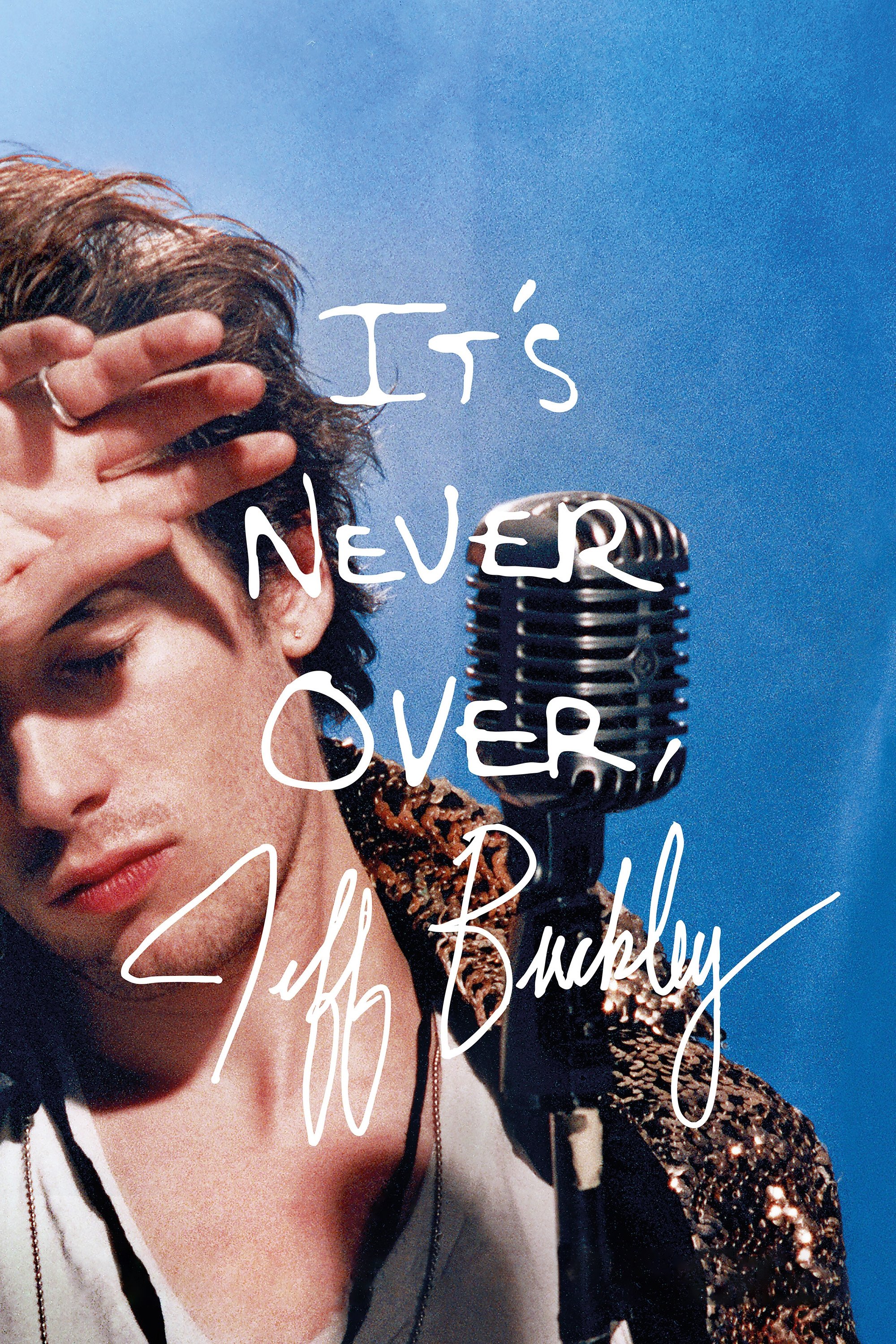
Rising musician Jeff Buckley had only released one album when he died suddenly in 1997. Now, never-before-seen footage, exclusive voice messages, and accounts from those closest to him offer a portrait of the captivating singer.
A look at the "Hell House" performed annually in October by the youth members of Trinity Church (Assemblies of God) in Cedar Hill, Texas (a Dallas suburb) — seen by over 10,000 visitors each year.
An astonishing journey revealing the awesome power of the natural world. Over the course of one single day, we track the sun from the highest mountains to the remotest islands to exotic jungles.
Martin Scorsese's documentary intertwines footage from The Band's incredible farewell tour with probing backstage interviews and featured performances by Eric Clapton, Bob Dylan, Joni Mitchell, Van Morrison, and other rock legends.
The Captains is a feature-length documentary film written and directed by William Shatner. The film follows Shatner as he interviews the other actors who have portrayed starship captains in the Star Trek franchise.
Unprecedented access to Muhammad Ali's personal archive of "audio journals" as well as interviews and testimonials from his inner circle of family and friends are used to tell the legend's life story.
Film adaptation of French economist Thomas Piketty's ground-breaking global bestseller of the same name: an eye-opening journey through wealth and power.
A feature length documentary about the all-women team at the helm of Pixar's original feature, Turning Red. With unprecedented behind-the-scenes access to Director Domee Shi and her core leadership crew, this story shines a light on the powerful professional and personal journeys that brought this incredibly comical, utterly relatable, and deeply heartfelt story to the screen.
Interviews with leading authors, philosophers and scientists, with an in-depth discussion of the Law of Attraction. The audience is shown how they can learn and use 'The Secret' in their everyday lives.
A documentary about ten very different lives connected by having appeared onscreen wearing masks or helmets in Star Wars.
Using the book 'Fragments', which collects Marilyn Monroe's poems, notes and letters, and with participation from the Arthur Miller and Truman Capote estates who have contributed more material, each of the actresses will embody the legend at various stages in her life.
Musician and performance artist Laurie Anderson reflects on the deaths of her husband Lou Reed, her mother and her beloved dog.
A look at the origins, history and conspiracies behind the "Majestic 12", a clandestine group of military and corporate figureheads charged with reverse-engineering extraterrestrial technology.
Follow the evolution of the 'Halloween' movies over the past twenty-five years. It examines why the films are so popular and revisits many of the original locations used in the films - seeing the effects on the local community. For the first time, cast, crew, critics and fans join together in the ultimate 'Halloween' retrospective.
THE SPIRIT MOLECULE weaves an account of Dr. Rick Strassman's groundbreaking DMT research through a multifaceted approach to this intriguing hallucinogen found in the human brain and hundreds of plants, including the sacred Amazonian brew, ayahuasca. Utilizing interviews with a variety of experts to explain their thoughts and experiences with DMT, and ayahuasca, within their respective fields, and discussions with Strassman’s research volunteers, brings to life the awesome effects of this compound, and introduces us to far-reaching theories regarding its role in human consciousness.
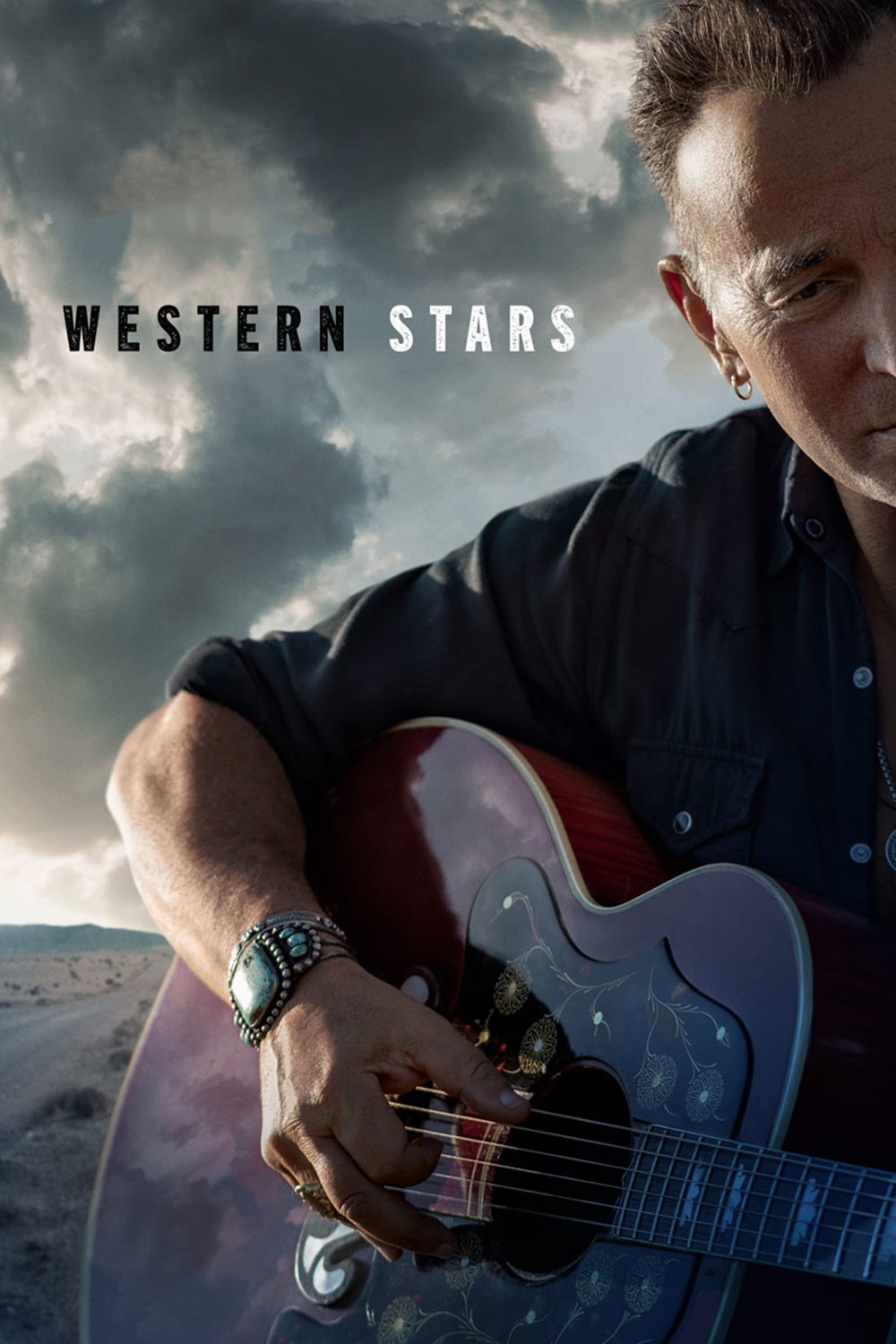
The incomparable Bruce Springsteen performs his critically acclaimed latest album and muses on life, rock, and the American dream, in this intimate and personal concert film co-directed by Thom Zimny and Springsteen himself.