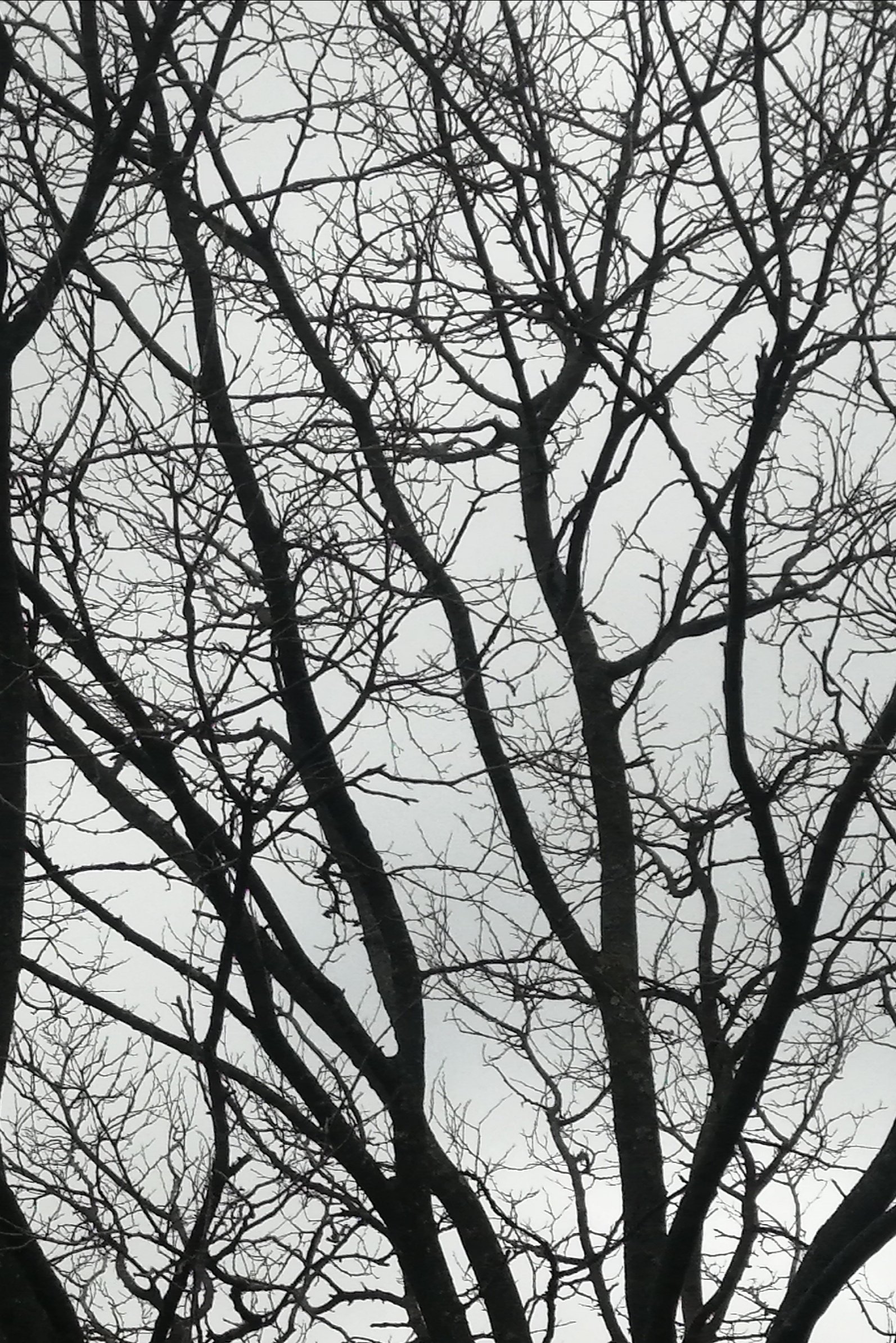
A homogeneous structure of wind and light across tree branches in the South region of Isère
Social & External
A day in the city of Berlin, which experienced an industrial boom in the 1920s, and still provides an insight into the living and working conditions at that time. Germany had just recovered a little from the worst consequences of the First World War, the great economic crisis was still a few years away and Hitler was not yet an issue at the time.
An anthology of one-minute films created by 51 international filmmakers on the theme of the death of cinema. Intended as an ode to 35mm, the film was screened one time only on a purpose-built 20x12 meter public cinema screen in the Port of Tallinn, Estonia, on 22 December 2011. A special projector was constructed for the event which allowed the actual filmstrip to be burnt at the same time as the film was shown.

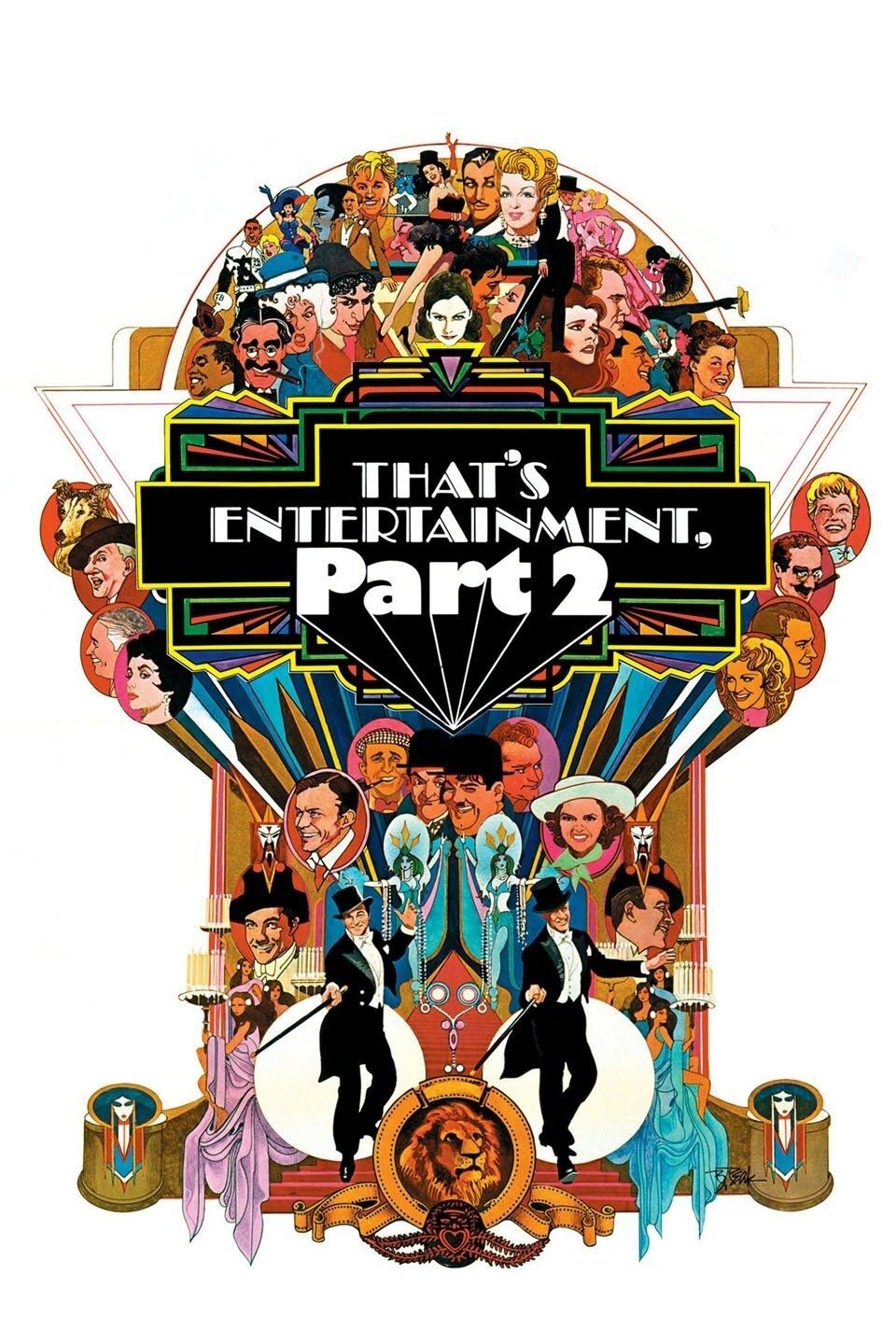
Behind-the-scenes footage, rare screen tests and insightful interviews highlight this engrossing two-hour look at one of Hollywood's greatest dream factories. Such film luminaries as Tom Hanks, William Friedkin, George Lucas, Oliver Stone and Robert Altman discuss their work at the studio. Clips include scenes from Butch Cassidy and the Sundance Kid, Patton, Young Frankenstein, Star Wars, Alien, Big, Home Alone, Die Hard and dozens more.
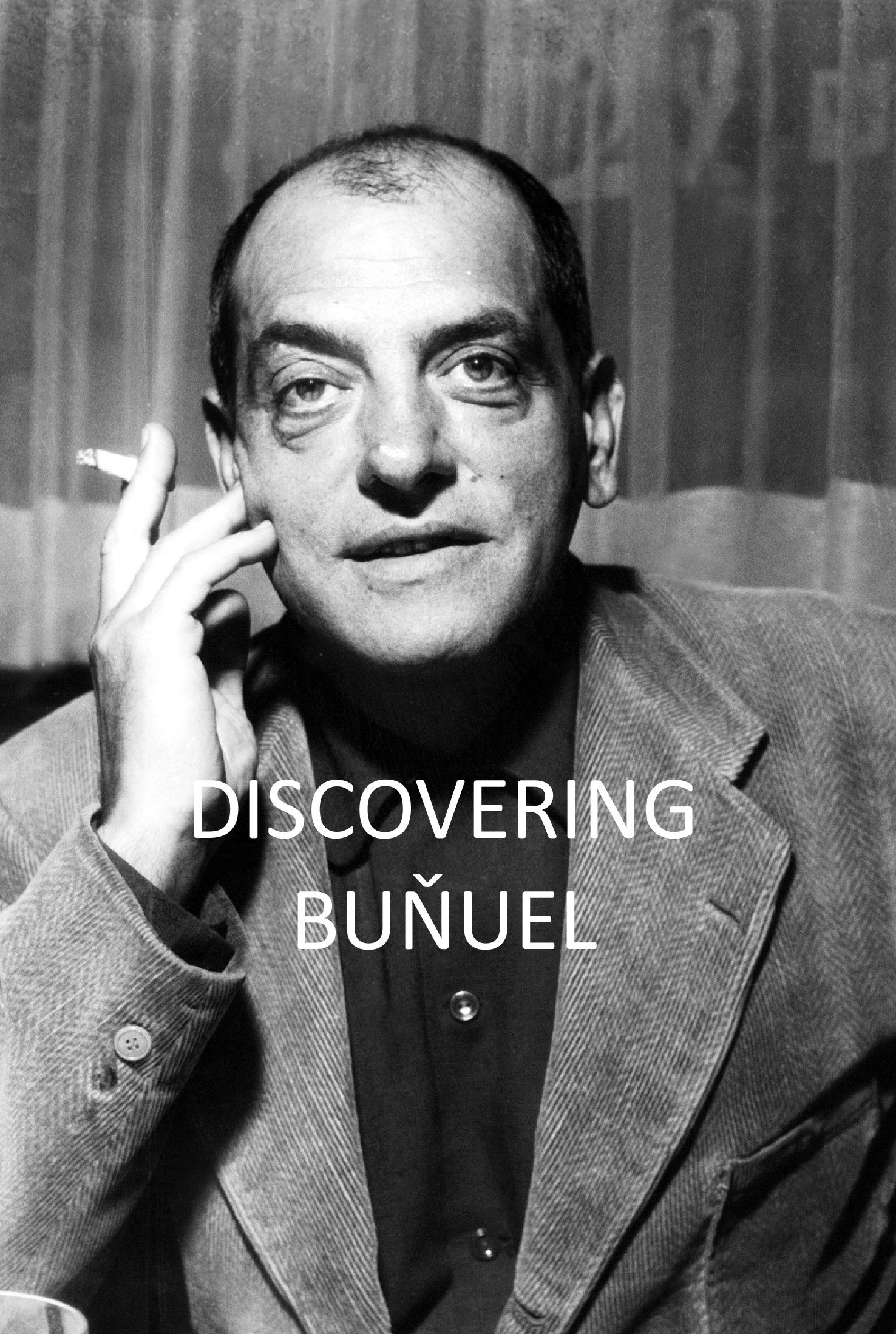
Luis Bunuel, the father of cinematic Surrealism, made his film debut with 'Un Chien Andalou' in 1929 working closely with Salvador Dali. Considered one of the finest and controversial filmmakers with, 'L’Age d’Or' (1930), attacking the church and the middle classes. He won many awards including Best Director at Cannes for 'Los Olvidados' (1950), and the coveted Palme d’Or for 'Viridiana' (1961), which had been banned in his native Spain. His career moved to France with 'The Diary of a Chambermaid' with major stars such as Jeanne Moreau and Catherine Deneuve.
Jim Moir (aka Vic Reeves) explores Video Art, revealing how different generations ‘hacked’ the tools of television to pioneer new ways of creating art that can be beautiful, bewildering and wildly experimental.
"This project consists a visual fluidity of construction, harmony and thoughts taking colors and length from this body of autonomy. Different images between figuration and abstraction are created by meaning and phenomenon letting the decoupage revealing a piece of a strange underworld. I built it like a window opened to the fresh air of improvisation by familiar landscapes, those exact moments articulating a connection between light and movement."
The horses in Denys Colomb Daunant’s dream poem are the white beasts of the marshlands of the Camargue in South West France. Daunant was haunted by these creatures. His obsession was first visualized when he wrote the autobiographical script for Albert Lamorisse’s award-winning 1953 film White Mane. In this short the beauty of the horses is captured with a variety of film techniques and by Jacques Lasry’s beautiful electronic score.
"...a charming depiction of life as I knew it with my grandparents in my own village..." Clara Caleo Green, Cinema Italia UK "The sum of the individual fates and life choices paints a picture, the validity of which extends far beyond this village." Joachim Manzin, Black Box This documentary records the thoughtful and emotional confrontation with time, change, loss and hope related by the members of a small community in the idyllic Ligurian countryside who are dealing with a rapidly changing agricultural industry, transformed by globalisation and technological advances and an increasing number of foreigners buying the empty houses in their village. Forgoing the use of music and voice over, the film lets Aracà's inhabitants tell their own stories and allows the audience to dive into the rich soundscape of the ligurian alpine countryside.
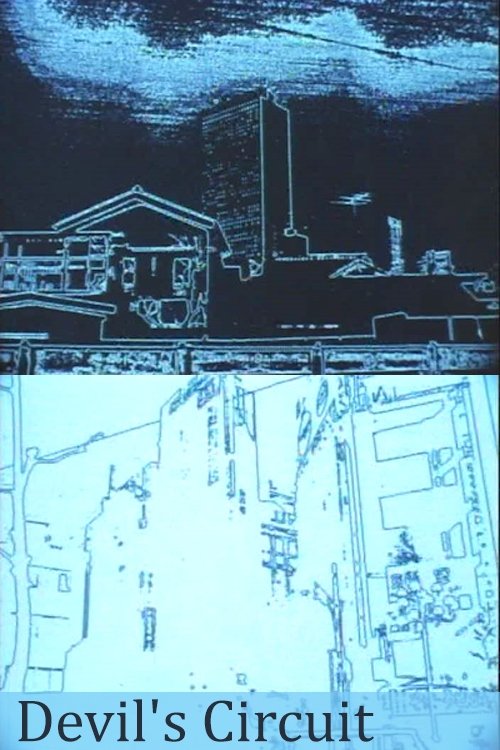
A film in which the one 60-story skyscraper that soars in the spaces between roofs spins with incredible speed. I centered the circumference with its 400 or 500 meter radius on the skyscraper and divided it into 48 sections, then took photographs from those spots and shot the photographs frame by frame.
A paralysingly beautiful documentary with a global vision—an odyssey through landscape and time—that attempts to capture the essence of life.
"Ryuta is 5 years old. Even though he is my son, I sometimes wonder what this small person is to me. Even though I see his joys and sadnesses and know the feel of his warmth on my skin when I hold him, there are moments when my feelings for him become vague and blank." - Takashi Ito
A feature length, lively - montage style - documentary, capturing the essence of what life was like in socialist Hungary - dubbed the "The most cheerful barrack" back then - using contemporary music, interviews, adverts and news footages.
The inner world of the great painter Max Ernst is the subject of this film. One of the principal founders of Surrealism, Max Ernst explores the nature of materials and the emotional significance of shapes to combine with his collages and netherworld canvases. The director and Ernst together use the film creatively as a medium to explain the artist's own development.
"This film explores how freedom of speech — including dissent — is afforded to all Americans, and shows freedom of expression in art, music, dance, architecture, and science. The film also emphasizes the importance of the individual’s contribution to the whole of society and demonstrates how a productive and creative society is formed by the open and respectful exchange of ideas. The film was written, produced, and directed by William Greaves" (National Archives).
The Black Album places scrutiny on the notion of "Black Excellence" in a revisionist take.
Combining poetry, science and emotion, this film traces the history of life, from its cosmic origins to its evolution on our planet, through the wonders of biodiversity and the contemporary challenges it faces. Through spectacular images, Yann Arthus-Bertrand questions the paradoxes of our times and urges a collective transformation to reconcile humanity with nature.
The film discusses the evolution and potential of using light waves, particularly coherent light, for communication. It highlights the development of lasers at Bell Telephone Laboratories, explaining how they produce a highly controlled and intense beam of light that could revolutionize communication. The film emphasizes the vast possibilities of lasers, including applications in telecommunications, surgery, and exploring the universe, suggesting that this technology represents a significant step in humanity's understanding and use of light.
The Dream Is Alive takes you into space alongside the astronauts on the space shuttle. Share with them the delights of zero gravity while working, eating and sleeping in orbit around the Earth. Float as never before over the towering Andes, the boot of Italy, Egypt and the Nile. Witness firsthand a tension-filled satellite capture and repair and the historic first spacewalk by an American woman.
Life is what we don't want it to be.