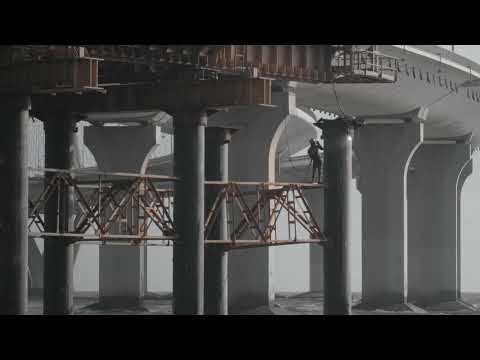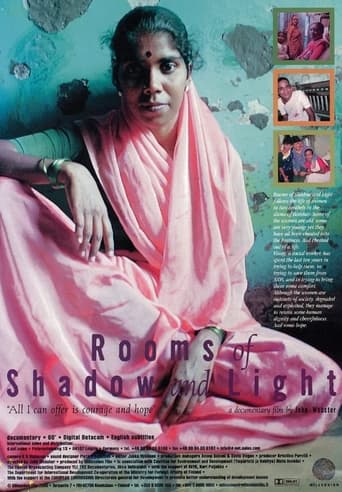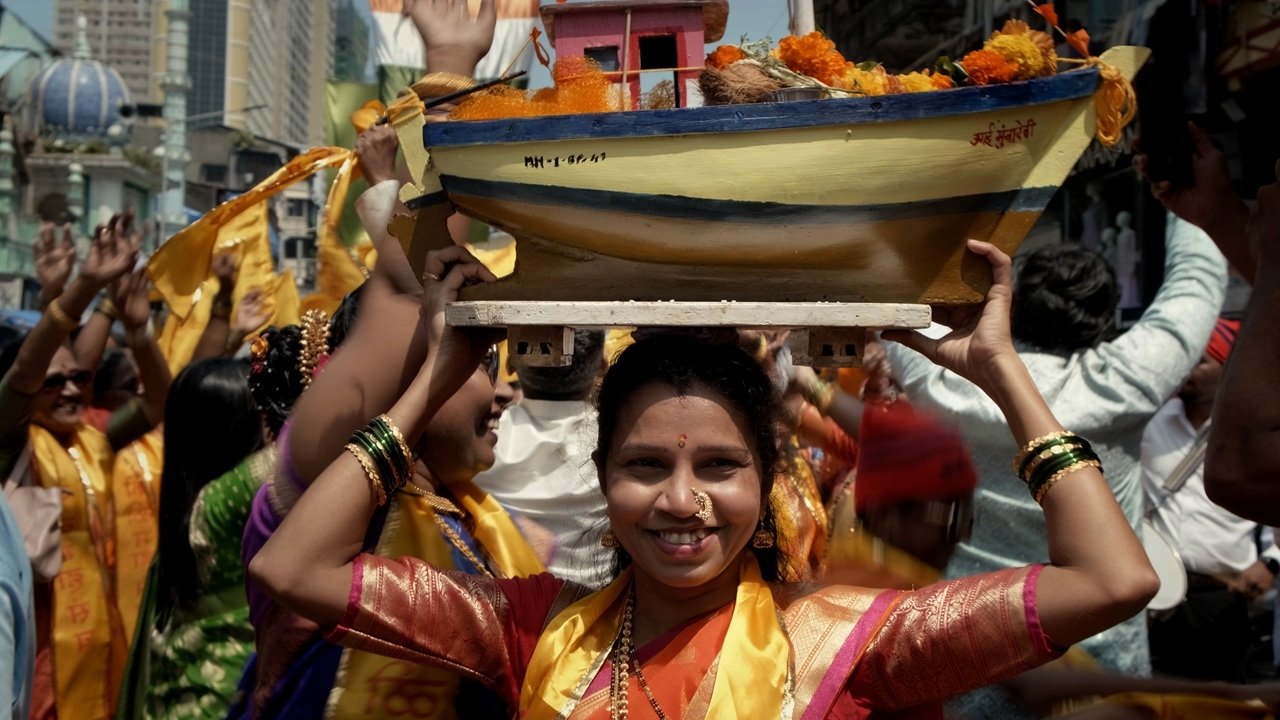
In Mumbai, once an island city linked by the sea, modern bridges and land reclamation have reshaped the landscape, disrupting the lives of its original communities.
Social & External
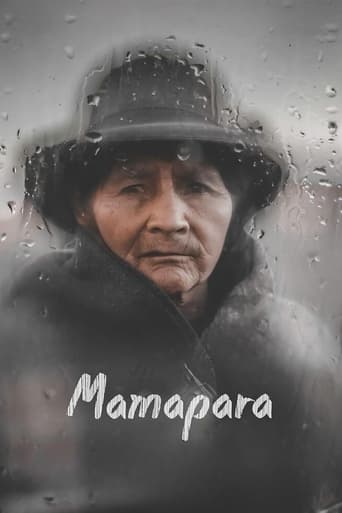
Photo poetry of Bunchanawingʉmʉ Jesús Camilo Niño Izquierdo' piece of lost feelings in the Arhuaco Indigenous Reservation, northern Colombia.
The imagination of history in Ecuador never thought that oil, “its redeeming hope”, discovered in the Lago Agrio No. 1 well, was going to mean the beginning of the worst environmental catastrophe on the planet. Thirty years of operation and exploitation of the Texaco company, forever transformed the rivers and estuaries, the forests and the life of the indigenous communities in the northern Amazon of Ecuador.
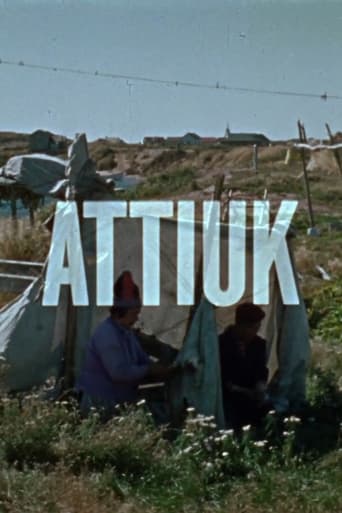
Greek internal migrants in Athens, after the Greek Civil War colonize the tops of the Tourkovounia hills.
Twenty years after a beloved local fisherman, Richie Madeiras, goes missing off the shores of Martha's Vineyard, a distant cousin locates Richie's kind, indelible spirit in the stories of family, friends, and the sweeping sea which has defined their lives. A stirring, lyrical journey beneath the brusque, reticent surface of a New England fishing community.
This film takes us on an emotional journey from sacred ground above Byron Bay to Antarctica, Indonesia to Pakistan, and is sure to light a fire under the strongest climate change denier. THE POWER OF ACTIVISM focuses on six highly spirited female activists as they are put under the microscope to ascertain the financial impact of their environmental solutions… and the results are astonishing. From shark conservation to indigenous practices, intensive farming to plastic pollution; all their ‘causes' fall under the umbrella of "climate change", but they should also fall under the umbrella of "saving tax payers hundreds of millions of dollars!”
A prescient portrait of late-1970s Washington, D.C., that chronicles the city's creeping gentrification, the systematic expulsion of poor Black residents, and the community response in the form of the Seaton Street Project, in which tenants banded together to purchase buildings.
When internationally renowned Haida carver Robert Davidson was only 22 years old, he carved the first new totem pole on British Columbia’s Haida Gwaii in almost a century. On the 50th anniversary of the pole’s raising, Haida filmmaker Christopher Auchter steps easily through history to revisit that day in August 1969, when the entire village of Old Massett gathered to celebrate the event that would signal the rebirth of the Haida spirit.
After opening scenes showing volcanoes of Java, an underground river, waterfalls, cloud effects, a coral island, the Ghost Rocks of Buru, and a tiger hunt in Siam, documentary footage of the cannibal tribes of New Guinea is framed by a fictional narrative in which the scientific expedition is shipwrecked along the southern New Guinea coast in the land of the Kia Kia headhunters, thus affording the crew the opportunity to film the tribal customs of these cannibals.
A botanical expedition in Ecuador's Amazon becomes a medium for an indigenous Huaorani community to remember the genocidal colonization it suffered in the 1960s. Meanwhile, a group of ecologists from the capital tries to stop oil exploitation in the last remaining forests where the isolated Huaoranis still live, who to this day refuse to come into contact with civilization.
The construction of the Obelisco in Buenos Aires, Argentina.
The film follows Postcommodity, an interdisciplinary arts collective comprised of Raven Chacon, Cristóbal Martinez and Kade L. Twist, who put land art in a tribal context. The group bring together a community to construct the Repellent Fence, a two-mile long ephemeral monument “stitching” together the US and Mexico.
A cruise ship and 3,000 men – it is a universe without heteros and women that usually remains a mystery to the outside world. Once a year the Dream Boat sets sail for a cruise exclusively for gay men where most passengers are united by the wish to live life authentically as themselves in a protected place.
This documentary started as part of a photography project about the indigenous Ainu population in northern Japan, portraying people from tightly knit communities. They feel deeply connected by their culture and tradition. With gorgeous pictures, the directors explore how different generations of Ainu reflect on their identity after centuries of oppression.
In Ecuador, in a single day, the train passes from the mountainous Andes to the tropical coast. The roads were built between 1861 and 1908 to connect the country. Until this date, the two regions live as separate countries, although the roads connect them in less than a day. The film is an observational work that talks about space and collective memory.
The film tells the inspiring story of a 50-foot wooden catamaran named Kekoa. Built by brothers Jamison and Ryan Witbeck, Kekoa faced numerous challenges, including being lost at sea and severely damaged by Hurricane Irma in 2017.
In this searing documentary, Indigenous people share heartbreaking stories that reveal the injustices inflicted by the Canadian child welfare system.
The Road Forward is an electrifying musical documentary that connects a pivotal moment in Canada’s civil rights history—the beginnings of Indian Nationalism in the 1930s—with the powerful momentum of First Nations activism today. Interviews and musical sequences describe how a tiny movement, the Native Brotherhood and Sisterhood, grew to become a successful voice for change across the country. Visually stunning, The Road Forward seamlessly connects past and present through superbly produced story-songs with soaring vocals, blues, rock, and traditional beats.
A 10-year-old boy and his father support themselves by pulling a cart through Bombay's chaotic traffic. One day when they visit the doctor, they are told that they should change jobs. A visual and sound intensive documentary about a nightmarish traffic situation beyond all control.