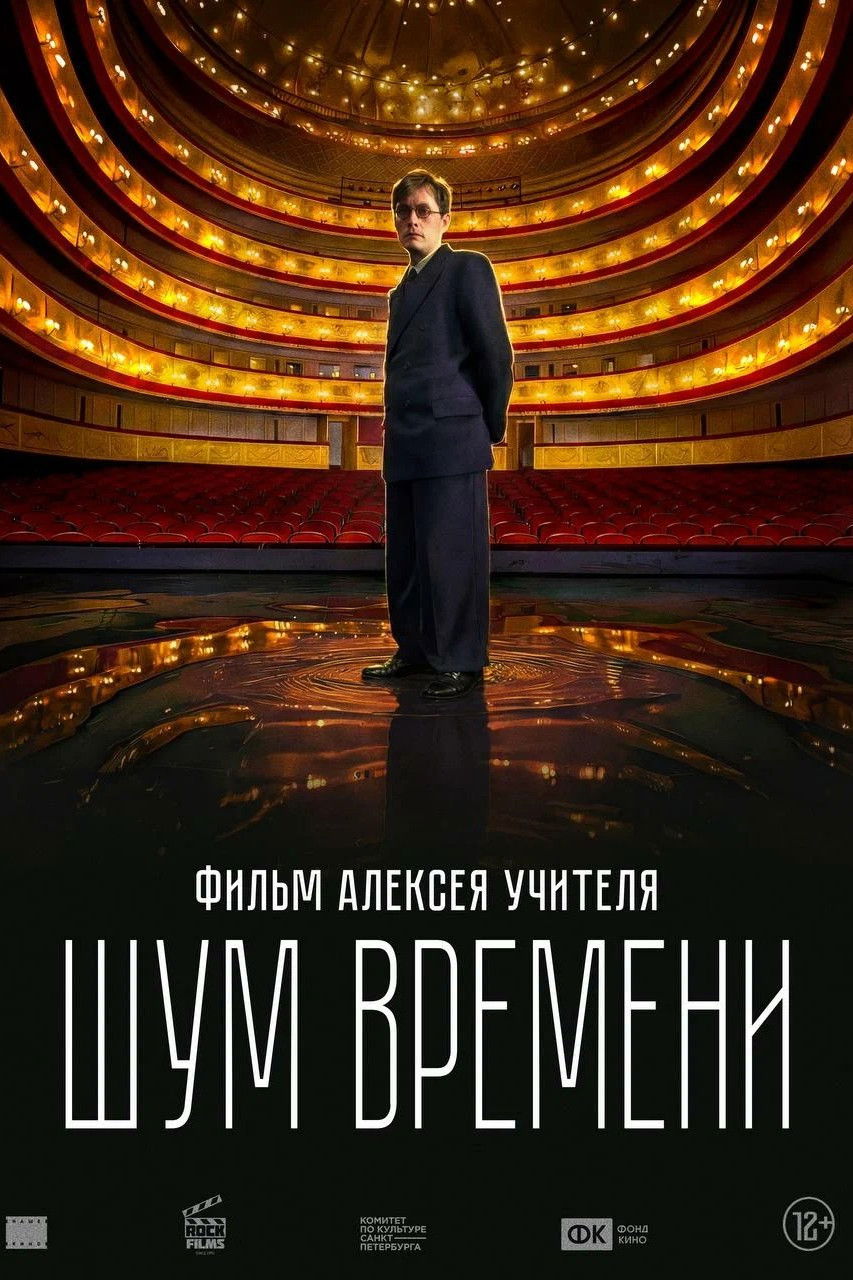
A biopic about Soviet composer Dmitry Shostakovich.
Social & External
The people behind it
Oleg Savtsov
Dmitriy Shostakovich
Polina Tsyganova
student
Mariya Smolnikova
Vera
Darya Balabanova
Nina
Evgeny Tsyganov
Sergey Sergeevich
Lev Zulkarnaev
Pyotr
Nikita Kologrivyy
Tikhonov
Алина Павлючкова
Danila Kozlovsky
Marshal Tukhachevsky
Yana Minosyan
Described as "a major new biographical film centered on the life and legacy of Donald J. Trump — real estate mogul, television icon, and 45th and 47th President of the United States."
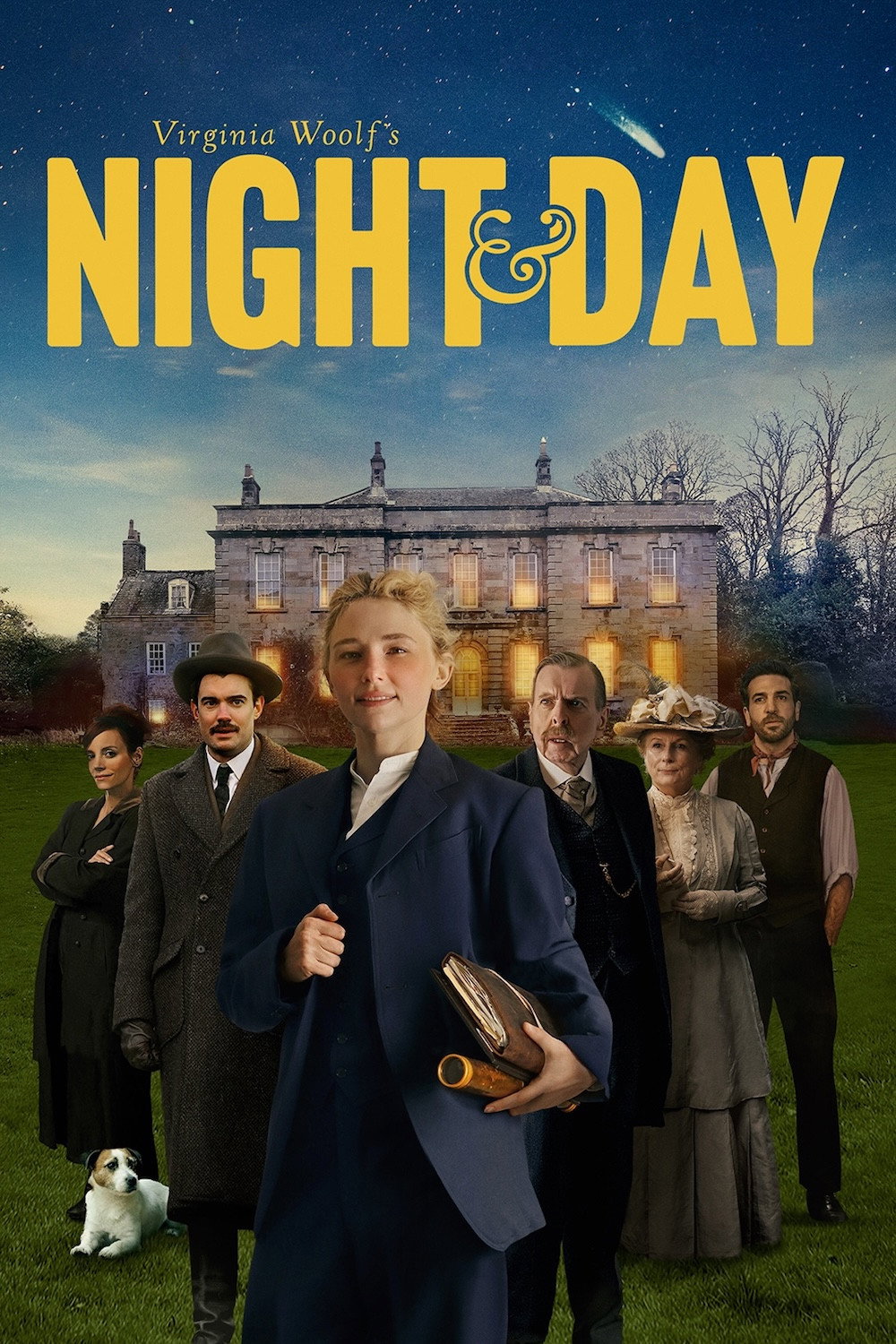
In 1910 London, independent-minded Katharine Hilbery defies her family's expectations of marriage to pursue a career in astronomy. But when her father pressures her into an unwanted engagement, her resolve is tested. Through new friendships—including a bold suffragette and a thoughtful editor—Katharine begins to question the limits placed on her by society, love, and tradition, ultimately searching for a path that is truly her own.
On the brink of turning 30, a promising theater composer navigates love, friendship and the pressure to create something great before time runs out.
A biopic about Turkish-Armenian photojournalist Ara Güler.
Follow the resilience, the overcoming of obstacles and the female emancipation of Bertha Benz, who defied social norms and went on a groundbreaking road trip to prove the potential of her husband's invention, the world's first automobile.
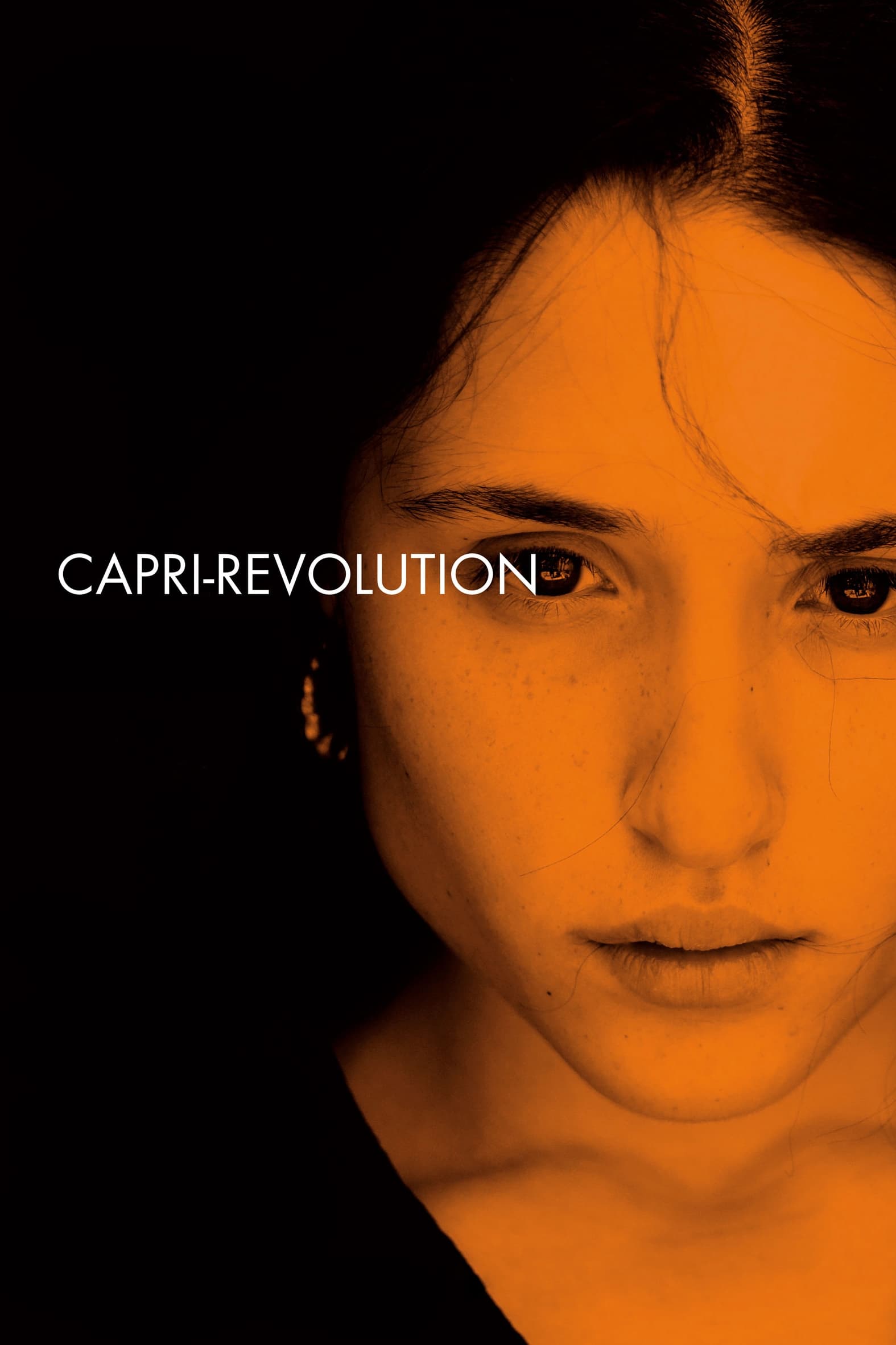
In 1914, with Italy on the cusp of joining World War I, a group of foreign artists establishes a commune on the rural island of Capri, catching the attention of young Lucia, a local illiterate shepherdess who soon falls under their spell.
Terrified of giving voice to the darkness of her subconscious mind, Mary Shelley locks into a dangerous battle with her own ‘inner monster’ as she struggles to write her seminal science fiction novel, ‘Frankenstein’.
The daughter of a musical mentor adores a promising composer, who is quite fond of the adolescent. When her father dies, an uncle arrives with his own grown daughter, who begins a romance with the composer which culminates in marriage but creates an emotional rivalry that affects the three.
The Polish artist Julia and her husband Piotr, a talented and successful composer, live in Kraków. When Julias's mother, Barbara falls ill with stomach cancer, the life of the family is falling apart. Julia accompanies her mother to death, but her husband Piotr is at rehearsals in Cologne and leaves her to cope with this difficult situation. Only her friend Adrian is at her side. Her father Jurek is also overwhelmed by the impending loss of his beloved wife. After the death of the mother her father takes comfort from alcohol. Shortly after the father dies. Julia found only in the arms of Adrian to rest, but this in turn destroyed her marriage to Piotr. After the loss of the parents and break up of the marriage she is now alone in the world with an uncertain future where Adrian is of little help
An ambitious chorus girl finds fame, marriage, and motherhood with a talented composer, only to leave him for a handsome singer.
Yokohama, 1963. Japan is picking itself up from the devastation of World War II and preparing to host the 1964 Olympics—and the mood is one of both optimism and conflict as the young generation struggles to throw off the shackles of a troubled past. Against this backdrop of hope and change, a friendship begins to blossom between high school students Umi and Shun—but a buried secret from their past emerges to cast a shadow on the future and pull them apart.
Inspired by real events, this fictional dramatization gives an insider account of how the women of Newsnight secured Prince Andrew's infamous interview.
Christy Martin never imagined life beyond her small-town roots in West Virginia—until she discovered a knack for punching people. Fueled by grit, raw determination, and an unshakable desire to win, she charges into the world of boxing under the guidance of her trainer and manager-turned-husband, Jim. But while Christy flaunts a fiery persona in the ring, her toughest battles unfold outside it—confronting family, identity, and a relationship that just might become life-or-death.
A comprehensive and definitive biopic of legendary news anchor Walter Cronkite, drawing on private papers, diaries, and interviews to reveal the man behind the public figure.
Based on true events and the the 2025 short film, Armed Only with a Camera, Brent and Craig Renaud, documentary filmmakers from Arkansas, embark on a perilous journey to document the stories of innocent lives caught in the midst of deadly conflicts worldwide.
Follows Prince Naseem Hamed from his humble beginnings on the tough working-class streets of Sheffield and his discovery by Ingle, himself a steel industry worker turned boxing trainer. Their unlikely partnership, Naz’s unorthodox style, cocky persona, and sheer dominance in the ring propelled them to the top of boxing’s elite and unprecedented levels of global superstardom, all in the face of the rampant Islamophobia and racism of ’80s and 90’s Britain.
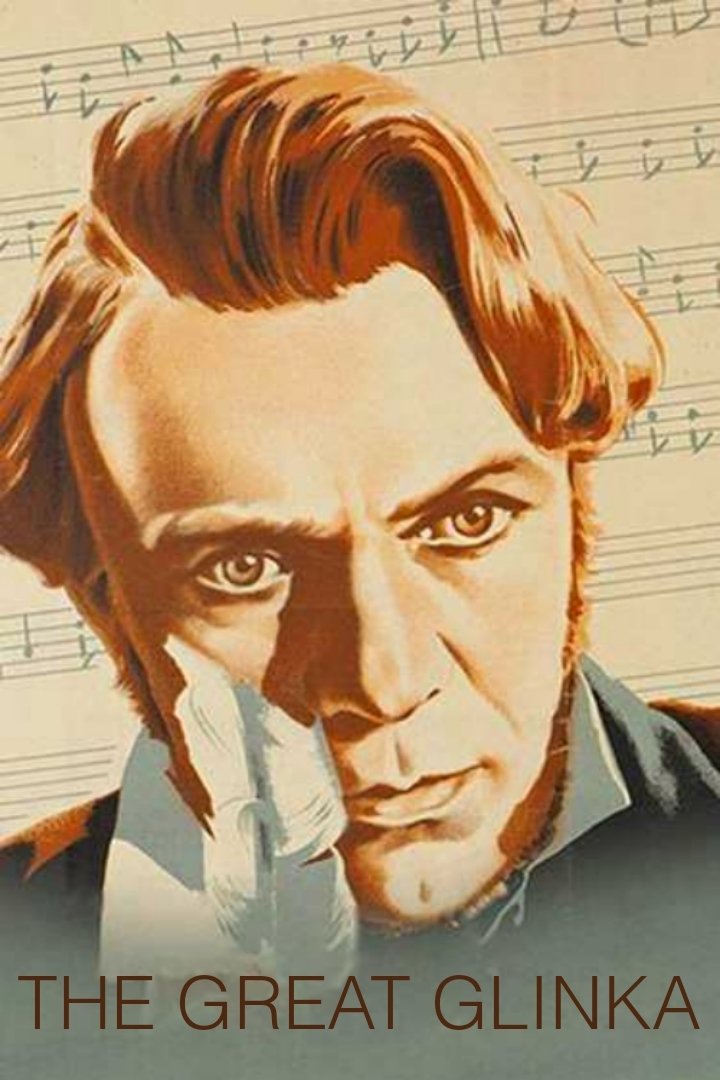
About the life of the Russian composer Mikhail Glinka.
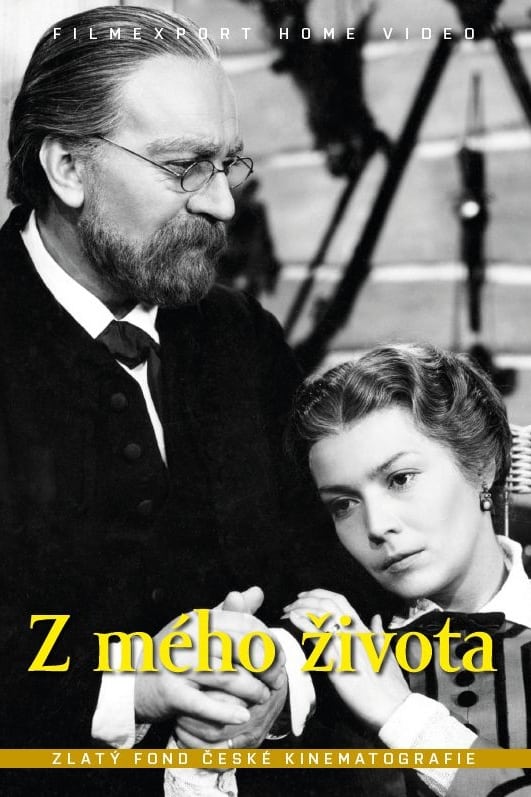
The film, in individual episodes, captures the fate of Bedřich Smetana from 1856 until the end of his life, from his young years until the moment when, exhausted by human and artistic hardship, he sees the fulfillment of his great dream, the opening of the National Theatre.
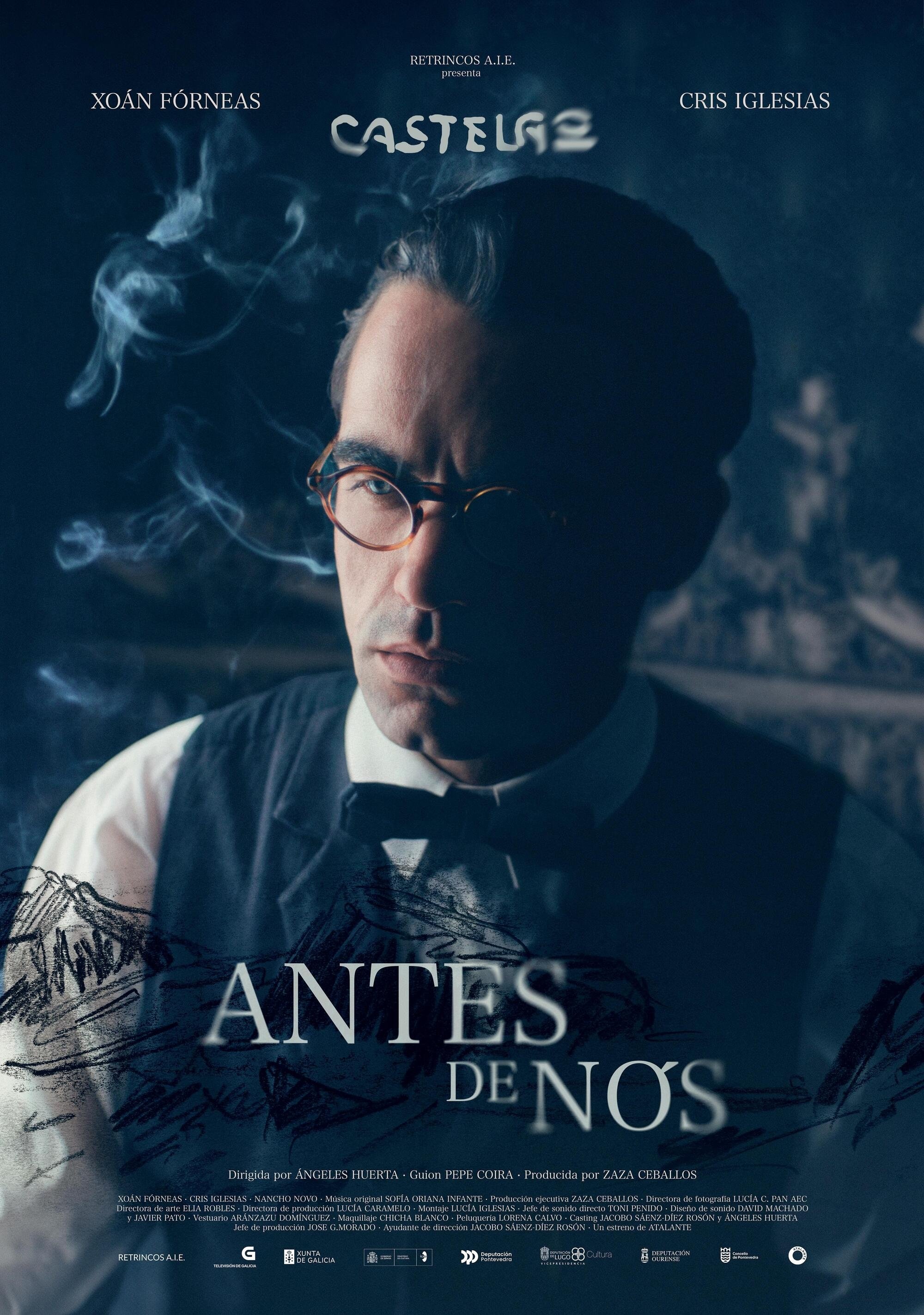
1918, Castelao leaves his public position in Pontevedra to work as a doctor in Rianxo during the Spanish flu. A hero for the town, but an absent man for his wife, Virxinia. 1929, the couple travels through Britain a few months after the loss of their only son. Two broken beings and a bond that is no longer understood. A trip will unite them forever and ever. Castelao before being Castelao. Galicia before the “xeración Nós”. Castelao and Virxinia before being “we”.
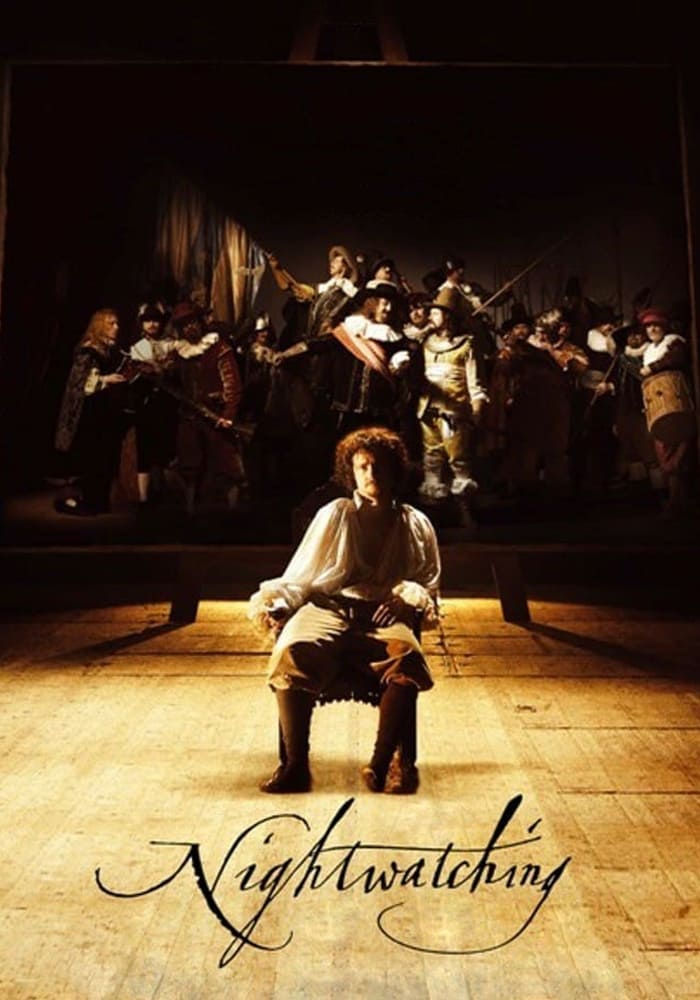
An extravagant, exotic and moving look at Rembrandt's romantic and professional life, and the controversy he created by the identification of a murderer in the painting The Night Watch.
An exploration of the life and music of Miles Davis.
An equal rights crusader, journalist and activist: Gloria Steinem embodies these and more. From her role in the revolutionary women's rights movement to her travels throughout the U.S. and around the world, Steinem has made an everlasting mark on modern history. A nontraditional chronicle of a trailblazing life.
An intense and imaginative artist, revered Dutch painter Vincent van Gogh possesses undeniable talent, but he is plagued by mental problems and frustrations with failure. Supported by his brother, Theo, the tormented Van Gogh eventually leaves Holland for France, where he meets volatile fellow painter Paul Gauguin and struggles to find greater inspiration.
In 1971, Stanford's Professor Philip Zimbardo conducts a controversial psychology experiment in which college students pretend to be either prisoners or guards, but the proceedings soon get out of hand. Based on a true story.
The story follows 19-year-old Renee who has always loved fairy tales: the idea of a princess, a hero and a happily ever after. But Renee’s life is that of a darker tale: she’s a young woman battling addiction, depression and self-injury. In a creative blend of artistic fantasy balanced with harsh reality, the movie follows Renee on her courageous journey towards recovery.
A successful woman in New York City finds her life upended when she is forced to confront a dark truth that threatens to unravel her meticulously crafted life.
The story of the famous and influential 1960s rock band and its lead singer and composer, Jim Morrison.
In the fall of 1994, a teacher at Chicago's run-down Steinmetz High conspires with the school's academic decathlon team to cheat on an academic competition.
The continuation of Joe's sexually dictated life delves into the darker aspects of her adult life and what led to her being in Seligman's care.
Mysterious Orfamay Quest hires Los Angeles private investigator Philip Marlowe to find her missing brother. Though the job seems simple enough, it leads Marlowe into the underbelly of the city, turning up leads who are murdered with ice picks, exotic dancers, blackmailed television stars, and self-preserving gangsters. Soon, Marlowe's life is on the line right along with his case.
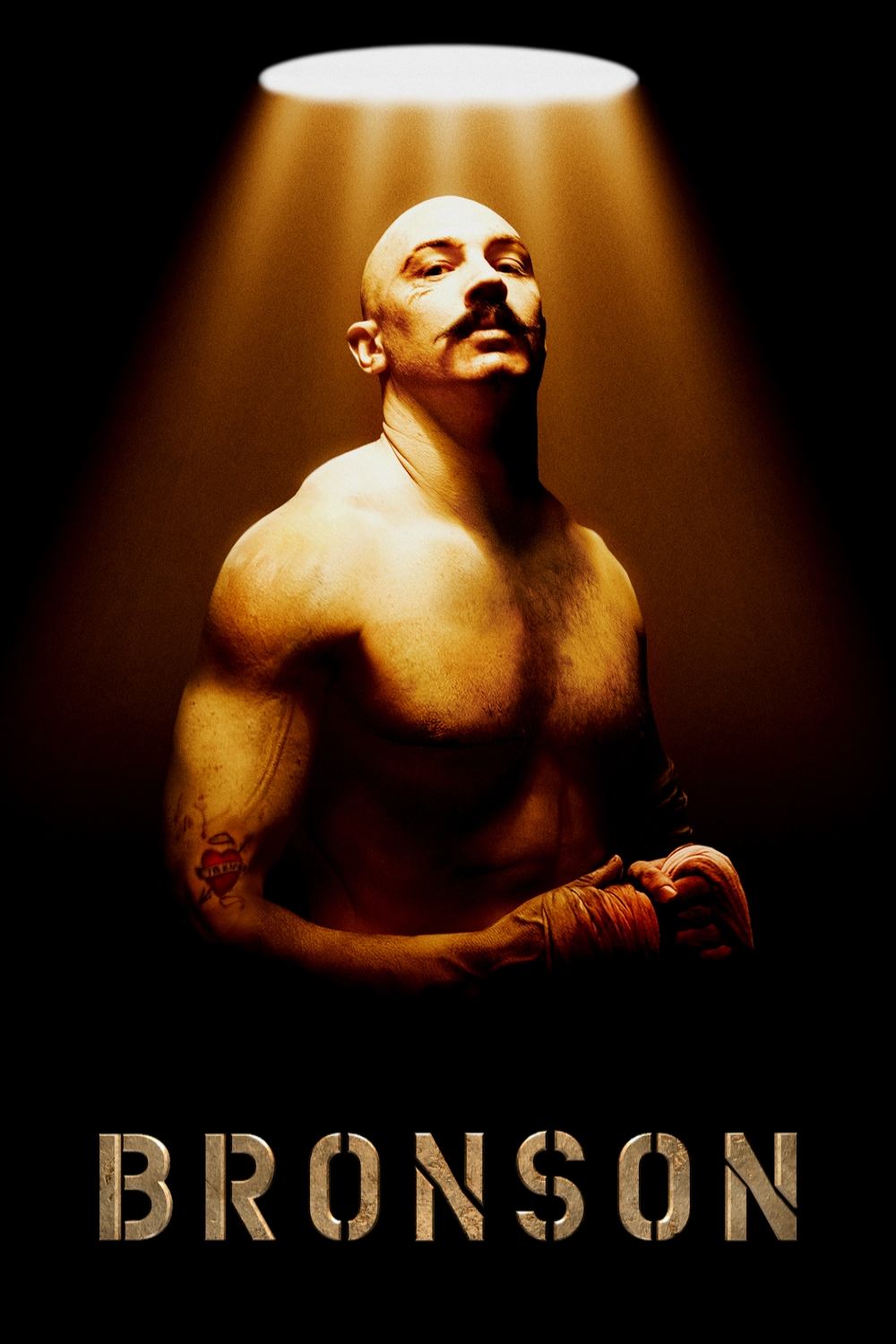
A young man who was sentenced to 7 years in prison for robbing a post office ends up spending 30 years in solitary confinement. During this time, his own personality is supplanted by his alter ego, Charles Bronson.
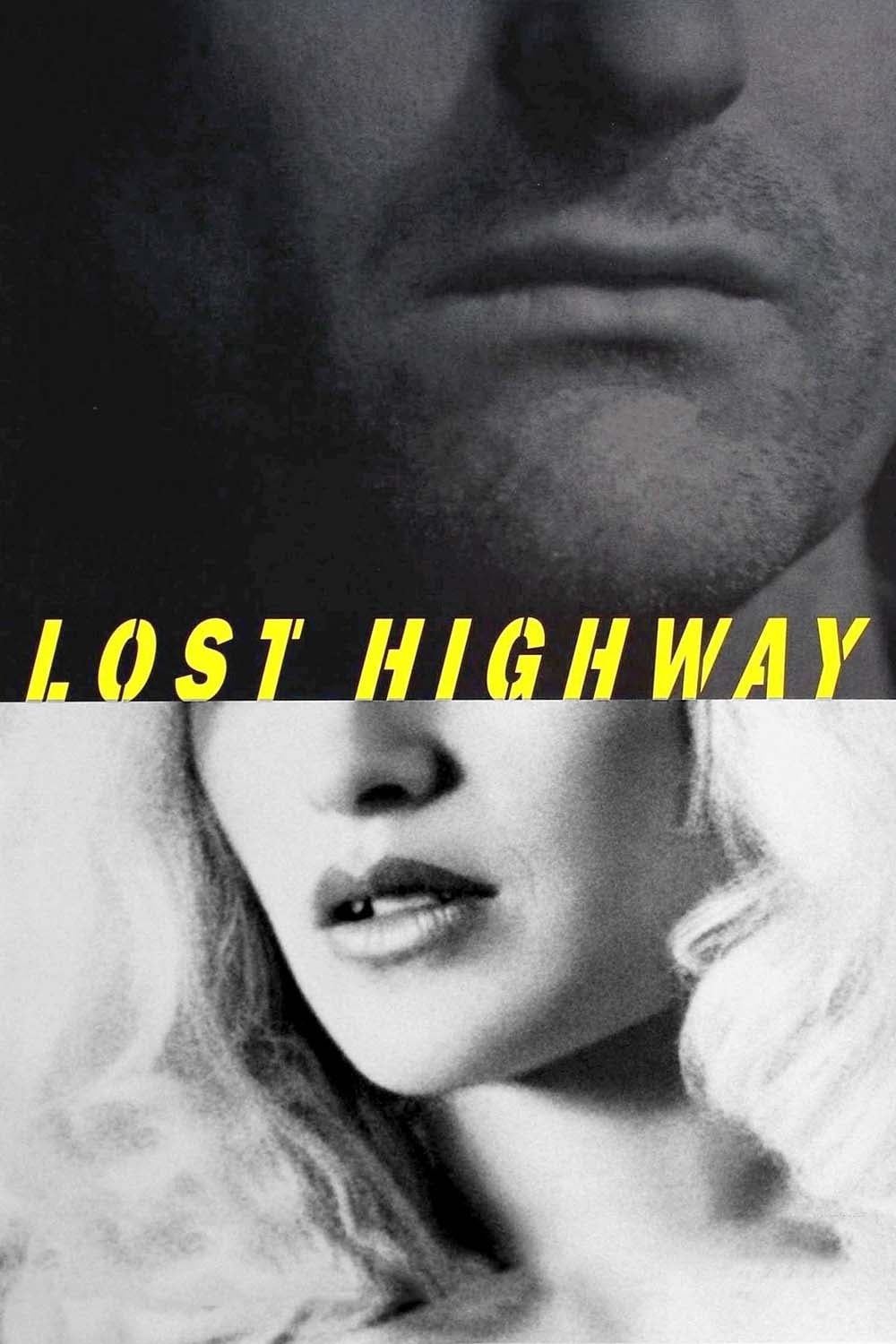
A tormented jazz musician finds himself lost in an enigmatic story involving murder, surveillance, gangsters, doppelgängers, and an impossible transformation inside a prison cell.
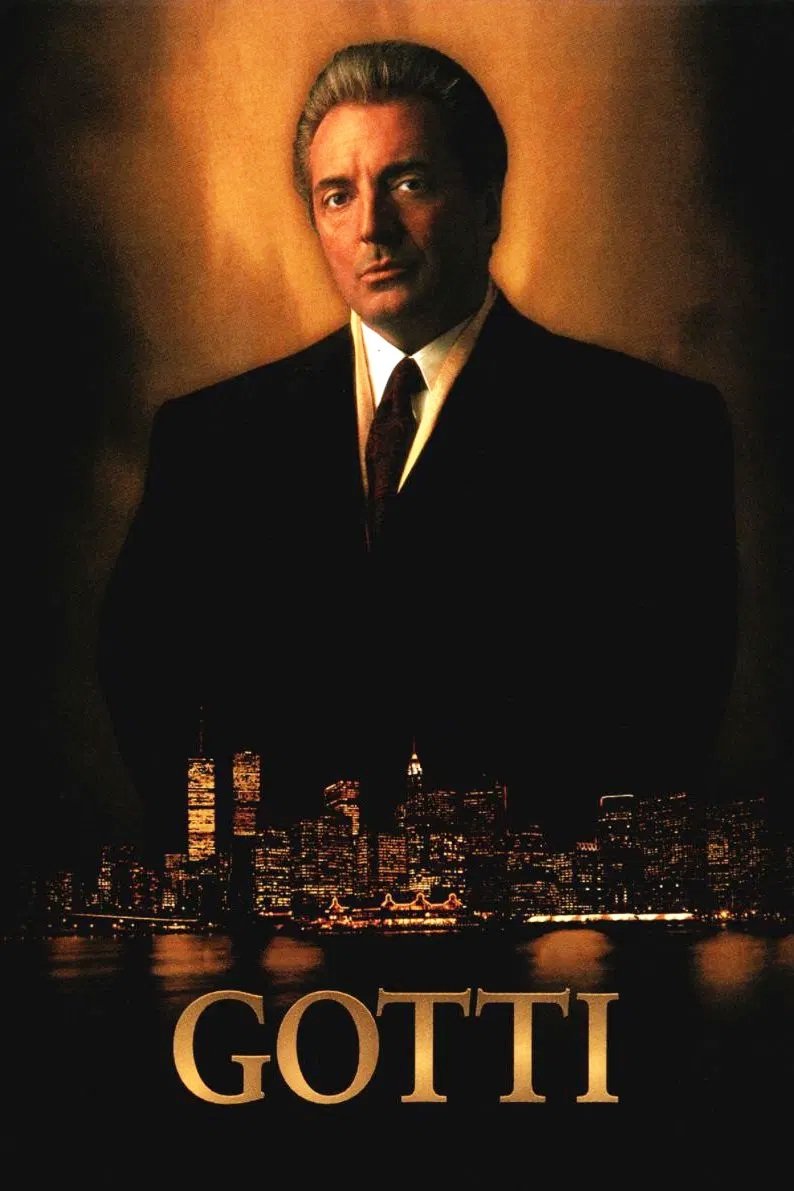
John Gotti, the head of a small New York mafia crew breaks a few of the old family rules. He rises to become the head of the Gambino family and the most well-known mafia boss in America. Life is good, but suspicion creeps in, and greed, rule-breaking and his high public profile all threaten to topple him.
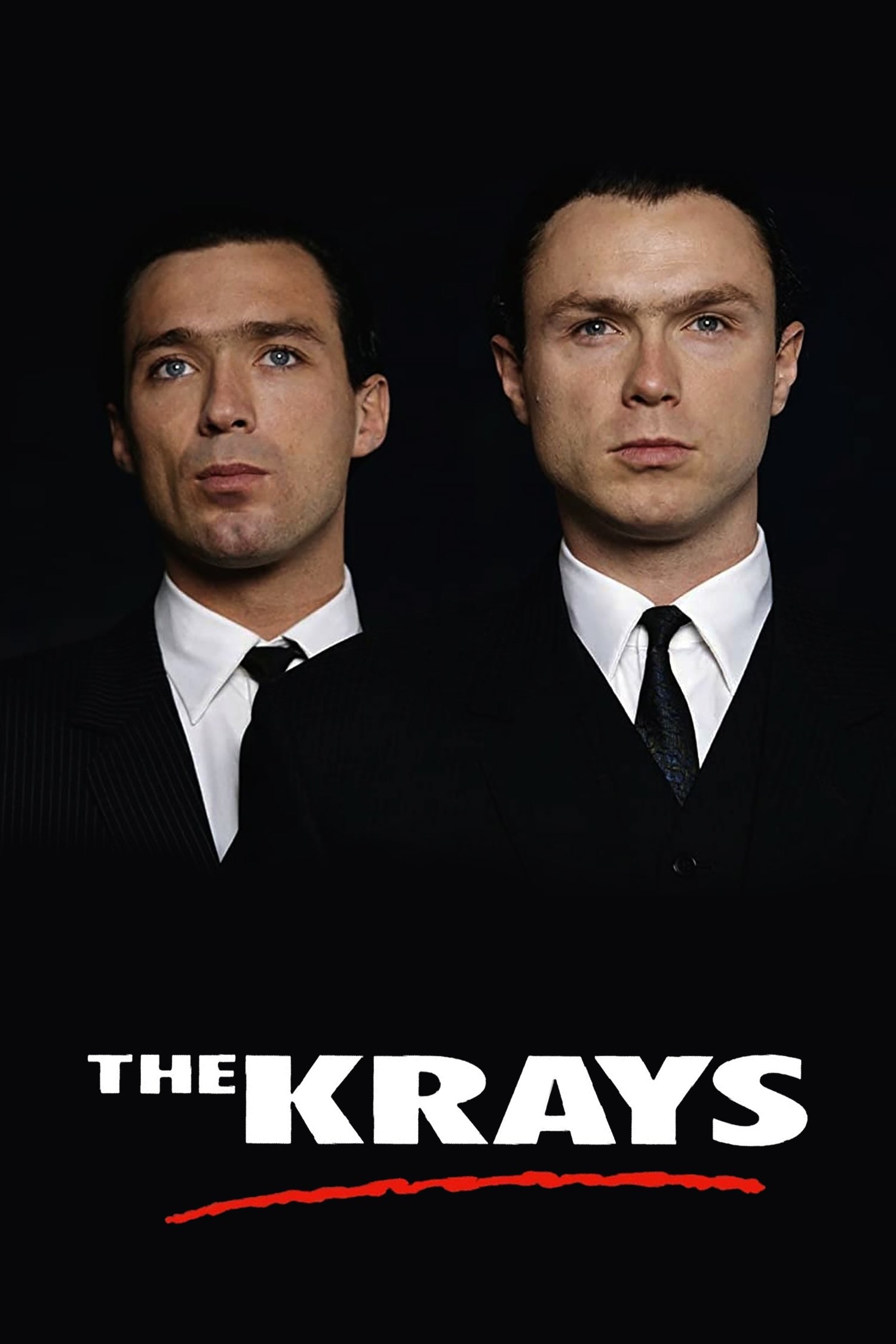
Twins Ronnie and Reggie Kray are raised in east London, under the influence of their hateful but doting mother Violet. As they grow up, Ronnie's violent nature takes over, and Reggie follows his brother's lead. The two become notorious crime lords who rule over the East End club scene. But at the height of their power, the brothers veer into different lives, giving the older crime bosses a chance to reclaim what the Krays took from them.
A black BMW, a symbol of luxury, is racing along the night streets of Moscow in the 90s. Bad luck turns four friends into criminals and they have no way back. Only the black “bimmer” is reliable in this life without rules, taking the friends farther and farther from Moscow, into the crazy and ruthless wilderness of Russian roads… None of them wanted to kill. None of them wanted to die. But they will have to face their destiny in the end.
The drug-induced utopias of four Coney Island residents are shattered when their addictions run deep.
Based on the true story of a Russian serial killer who, over many years, claimed victim to over 50 people. His victims were mostly under the age of 17. In what was then a communists state, the police investigations were hampered by bureaucracy, incompetence and those in power. The story is told from the viewpoint of the detective in charge of the case.
The story of Auschwitz's twelfth Sonderkommando — one of the thirteen consecutive "Special Squads" of Jewish prisoners placed by the Nazis in the excruciating moral dilemma of assisting in the extermination of fellow Jews in exchange for a few more months of life.
Avery (Jones) returns to college as a competitive swimmer after getting his life back on track. But his life takes another unexpected turn when he and his two friends (Bonds, Casseus) are wrongly accused of murder and end up in prison.