Social & External
The people behind it
Beto Pandiani
Igor Bely
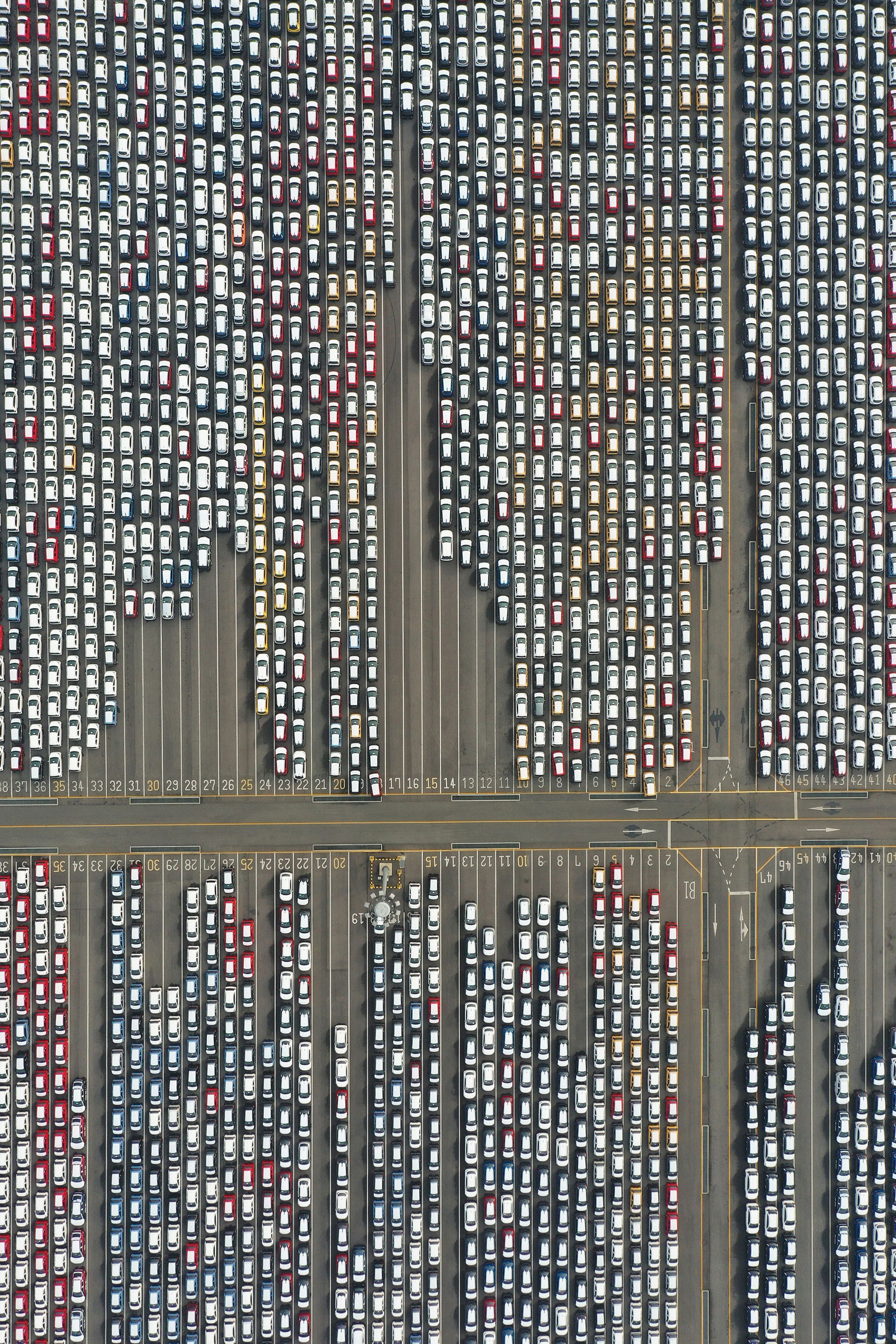
From far up, humans look like ants. Or like a virus, driven by consumption and mass production, attacking the earth's resources.
The film shines a light on the long and rich history of Bonthe, a town on Sherbro Island, and the island’s immense contribution to the formation of Sierra Leone. Beyond celebrating its heritage, the film addresses the ongoing challenges threatening the island’s survival—climate change, mangrove loss, and rising sea levels—while highlighting a new generation rising to find solutions and safeguard its future.
This may be the one of the most important Horizon films of recent years. Climate scientists have just discovered a phenomenon that threatens to disrupt our world. It may already have contributed to the deaths of hundreds of thousands through drought and famine. Unchecked, it will strike again. The good news is that there is a cure. The bad news is that the cure may be worse than the disease. If they are right, then in tackling the one problem, we may unleash a climate catastrophe on our planet. This is a film about stark choices and about the dawning realisation that all our predictions about the world's climate may be completely wrong. At its heart is something that scientists are calling "global dimming".
Ragnar Alexsson, a.k.a. RAX, is among the most celebrated photographers in the world. His series Faces of the North are a living document of the dying cultures of the far northern reaches of the planet. His photo essays of farmers and fishermen in Icleand, and of the great hunters of Greenland give an amazing insight into everyday life of people who struggle a daily battle with the Arctic nature. A celebration of the photographer and his subjects, Last Days of the Arctic is an elegy for a disappearing landscape and the people who inhabit it.
The vital role turf has played in Ireland, and the battle that ensued when the EU tried to stop Irish people cutting turf.
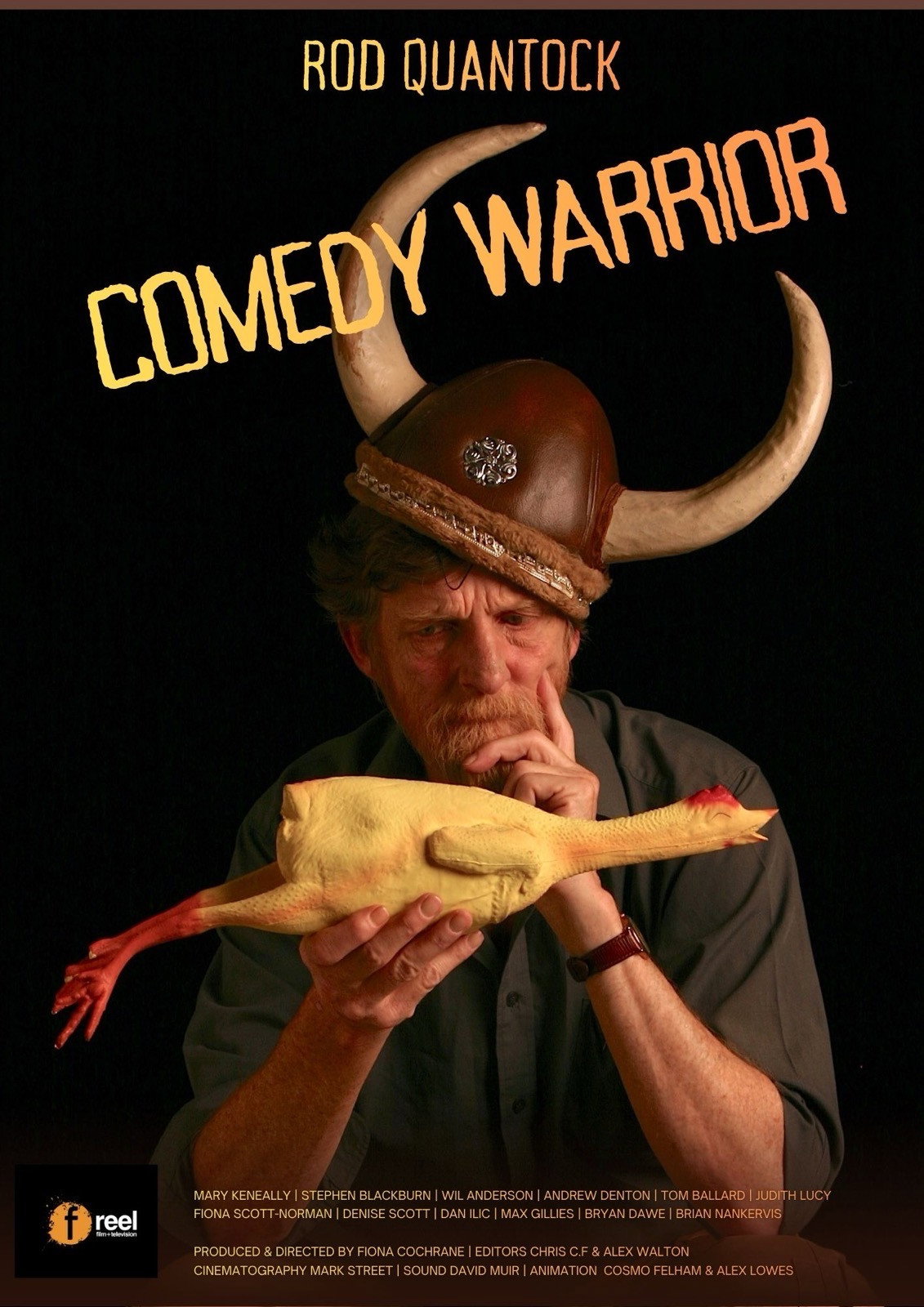
This feature documentary charts Rod Quantock’s five-decade career and his tireless efforts to communicate the perils of neoliberalism and the urgency of climate change through humour. His journey illustrates the building of the thriving comedy landscape we take for granted today, showcasing a man who has remained steadfast in his pursuit of truth in an hilarious fashion.
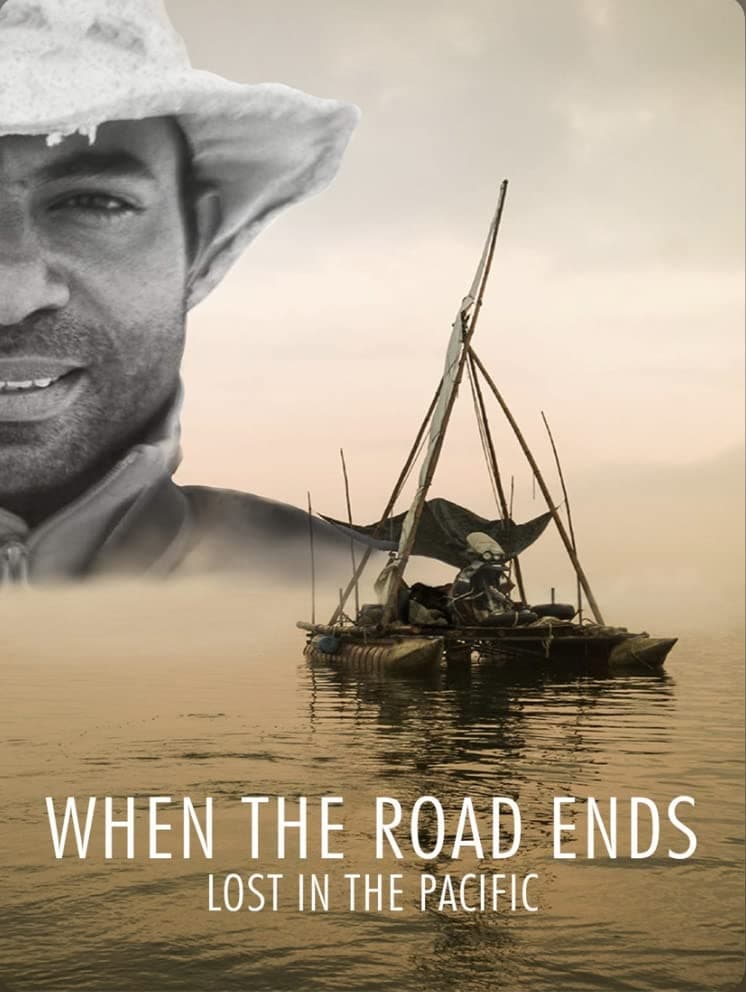
Growing up in poverty as a child, Dylan dreamt of travelling the world on a motorcycle. Many years later he broke the shackles of a normal life and took to the road. After journeying 200,000km across four continents, the road from Panama to Colombia comes to an end, swallowed up by an impenetrable jungle. Dylan has no choice but to take to the sea, building a raft powered by his motorcycle engine in the hope of reaching Colombia's road network 700km away. He must brave strong ocean currents and storm batterings in his journey from Central to South America.—Journeyman Pictures
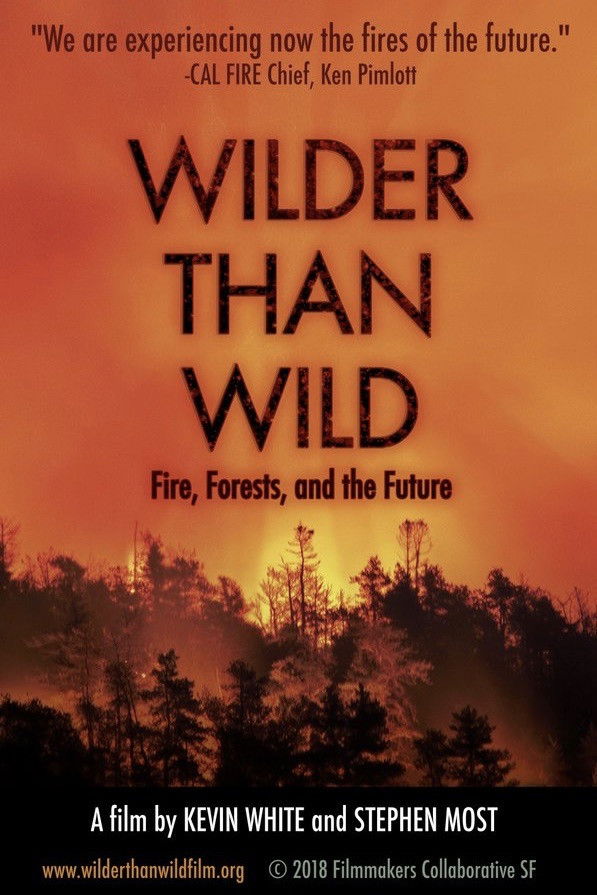
Wilder than Wild reveals how fire suppression and climate change have exposed Western forests to large, high intensity wildfires, while greenhouse gases released from these fires contribute to global warming. This vicious cycle jeopardizes our forests and affects us all with extreme weather and more wildfires, some of which are now entering highly populated wildland-urban areas.
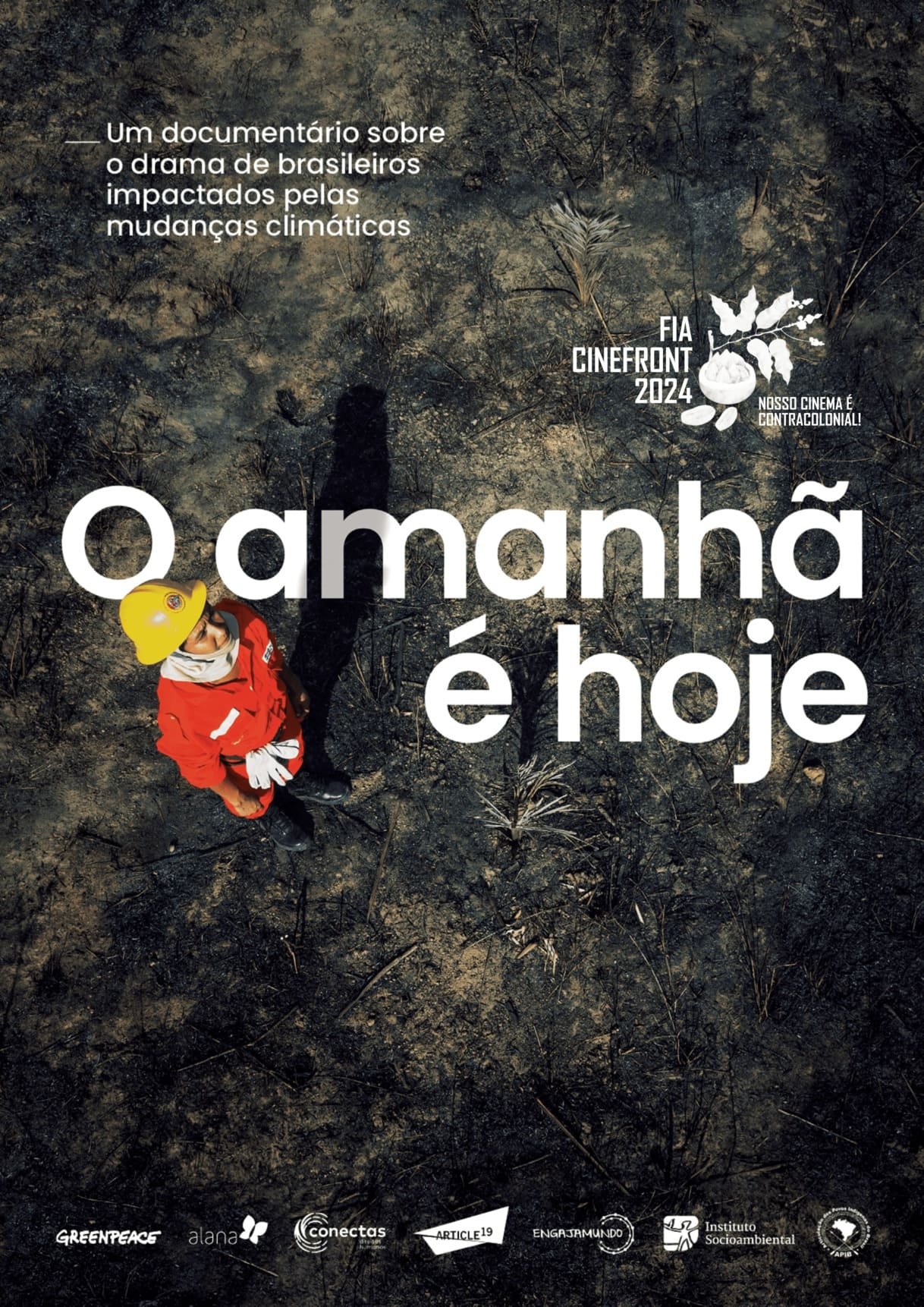
Nothing nor anyone can escape the impacts of climate change. People from all corners of Brazil, our cities and forests, our economy, our health and our dreams for the future. Six Brazilians, from five different states, tell how climate change has affected their lives. A young indigenous woman who became the leader of a volunteer fire brigade after an unprecedented forest fire; a small farmer who faced six years of drought; a centenarian caiçara community forced to move due to the advance of the sea; a retailer who saw his shop destroyed by rains and landslides that claimed hundreds of lives in Rio de Janeiro; an oyster farmer who suffered harsh losses due to rising sea temperatures; a woman from a coastal city who lost two cars to storm tides which are happening more and more often along the Brazilian coast.
In the far North, in the late fall, at a time of year when it should be covered with ice, the sea remains frozen along the coast of Greenland. Glaciers are melting and shedding chunks of ice that are scattered across the ocean surface. The animals inhabiting the land and water are threatened by warming temperatures and loss of sea ice. Climate change is fundamentally altering the natural environment of Greenland and affecting the lives of its wildlife and indigenous people. Greenlanders, who have survived for generations by hunting, are now losing their prey and their traditional way of life. They are facing the stark reality of a warming climate and are trying to adapt. Until now, the Inuit people who were born in Greenland and know only their traditional life of hunting, have never thought of a different place, a different life, a different future. But now they must face the possibility of losing their ancient traditions and their prey along with the disappearing ice.
When National Geographic photographer James Balog asked, “How can one take a picture of climate change?” his attention was immediately drawn to ice. Soon he was asked to do a cover story on glaciers that became the most popular and well-read piece in the magazine during the last five years. But for Balog, that story marked the beginning of a much larger and longer-term project that would reach epic proportions.
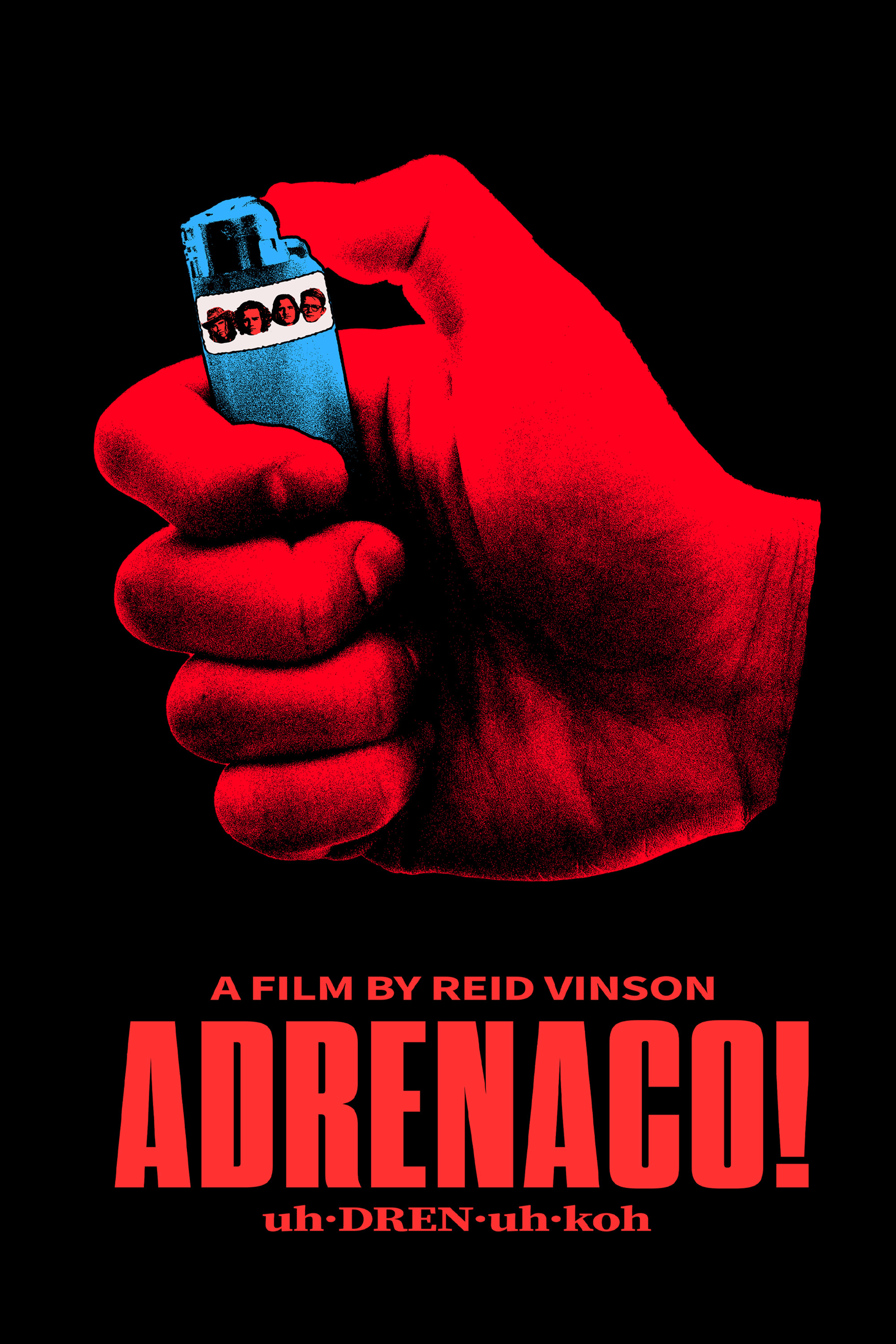
What happens when four friends decide their small town is boring as hell? They create a chaotic world of urban exploration, mosh pits, and DIY stunts that push fun to the edge. Catch the action in Adrenaco!
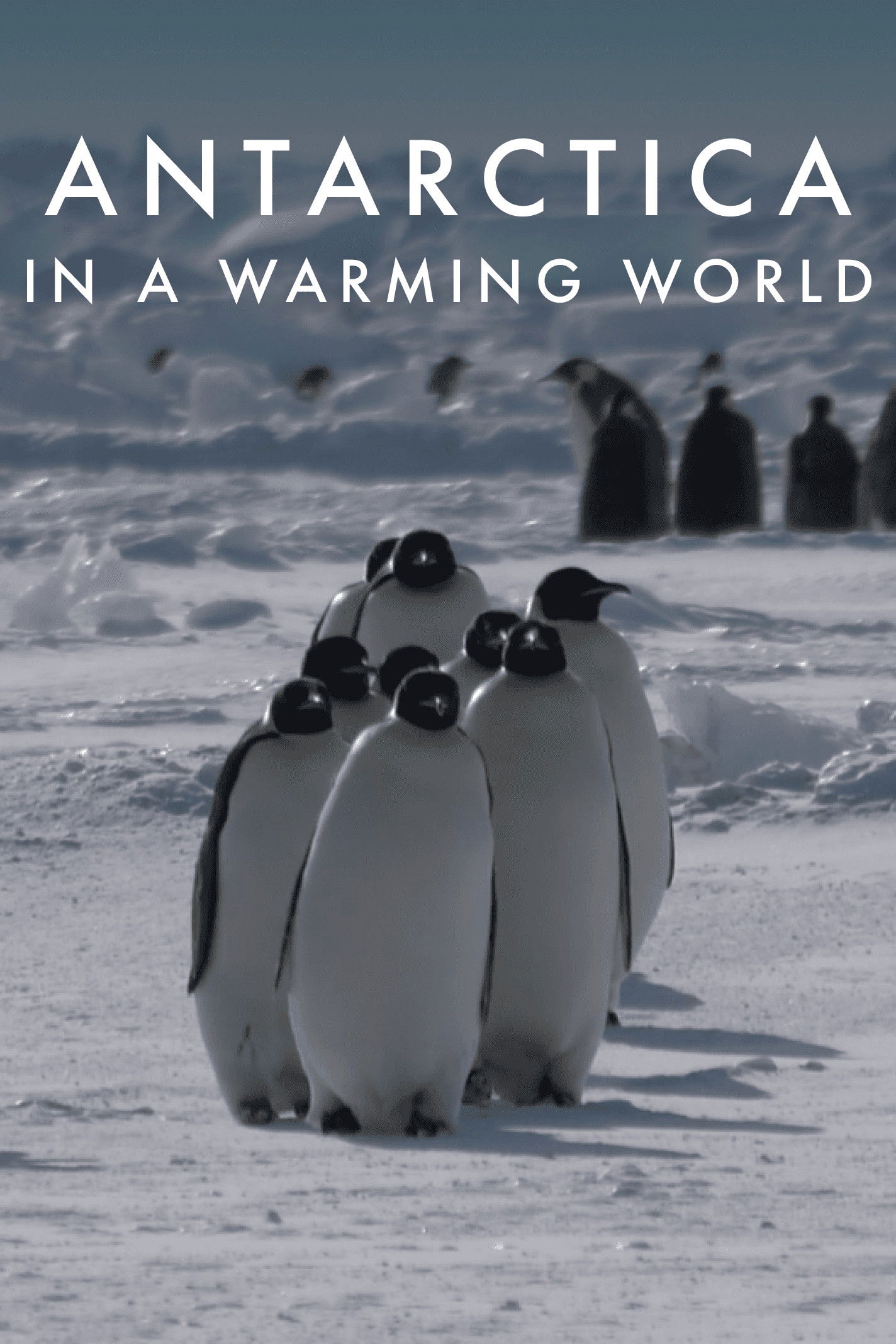
This documentary exposes Antarctica's dramatic climate shifts, from melting ice to rising seas, showing how changes at the world's edge threaten Earth's shared future.
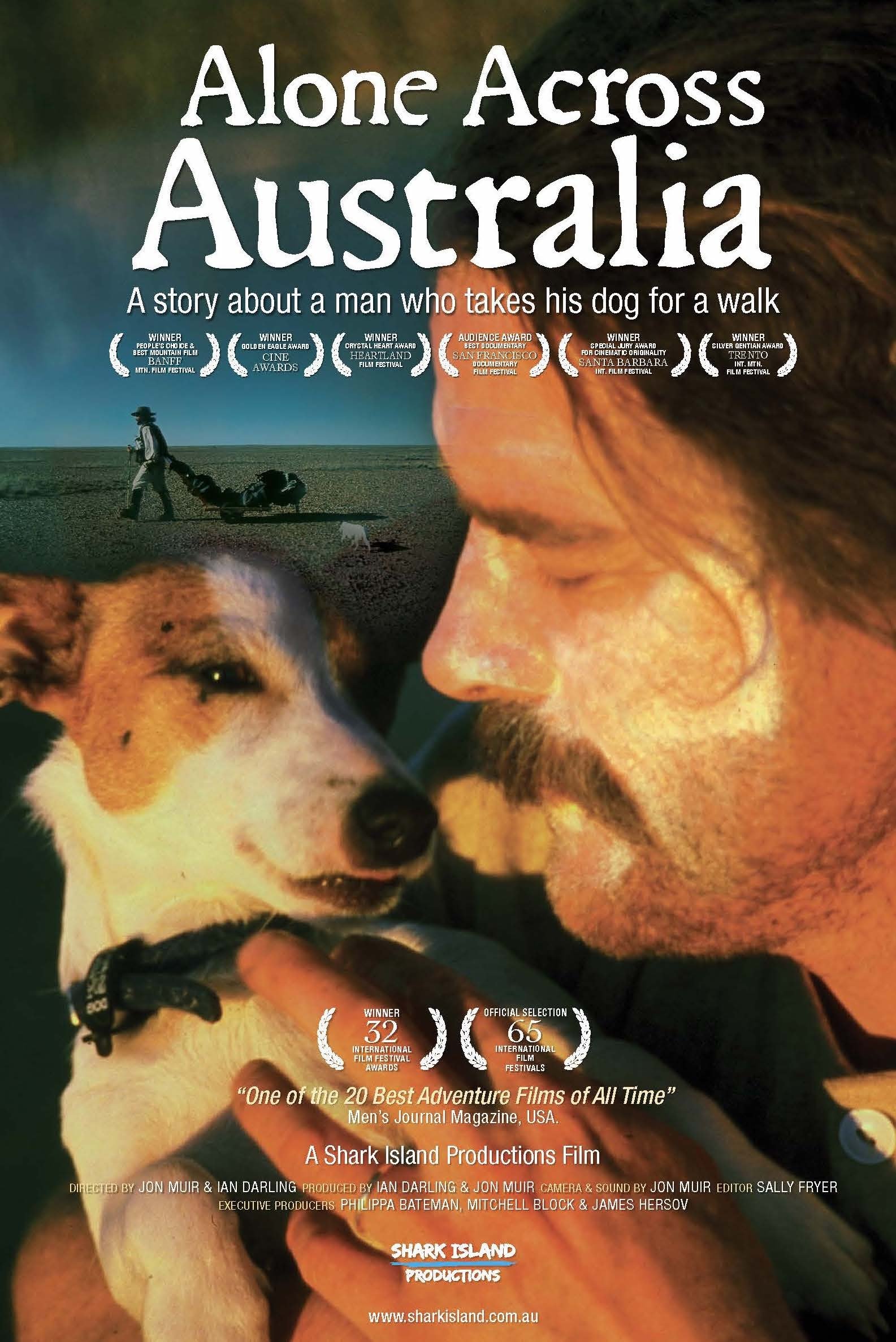
In 2001, one of the worlds most accomplished climbers and adventurers, Jon Muir began a 2,500 kilometre odyssey to cross Australia from the south to the north coast on foot. For 128 days, Jon and his dog Seraphine, survived entirely off the land -- hunting and gathering along the way. Jon was taxed to the limit physically and emotionally. Often close to despair, he drew on his instinct for survival, his deep understanding of the land and his remarkable inner strength.
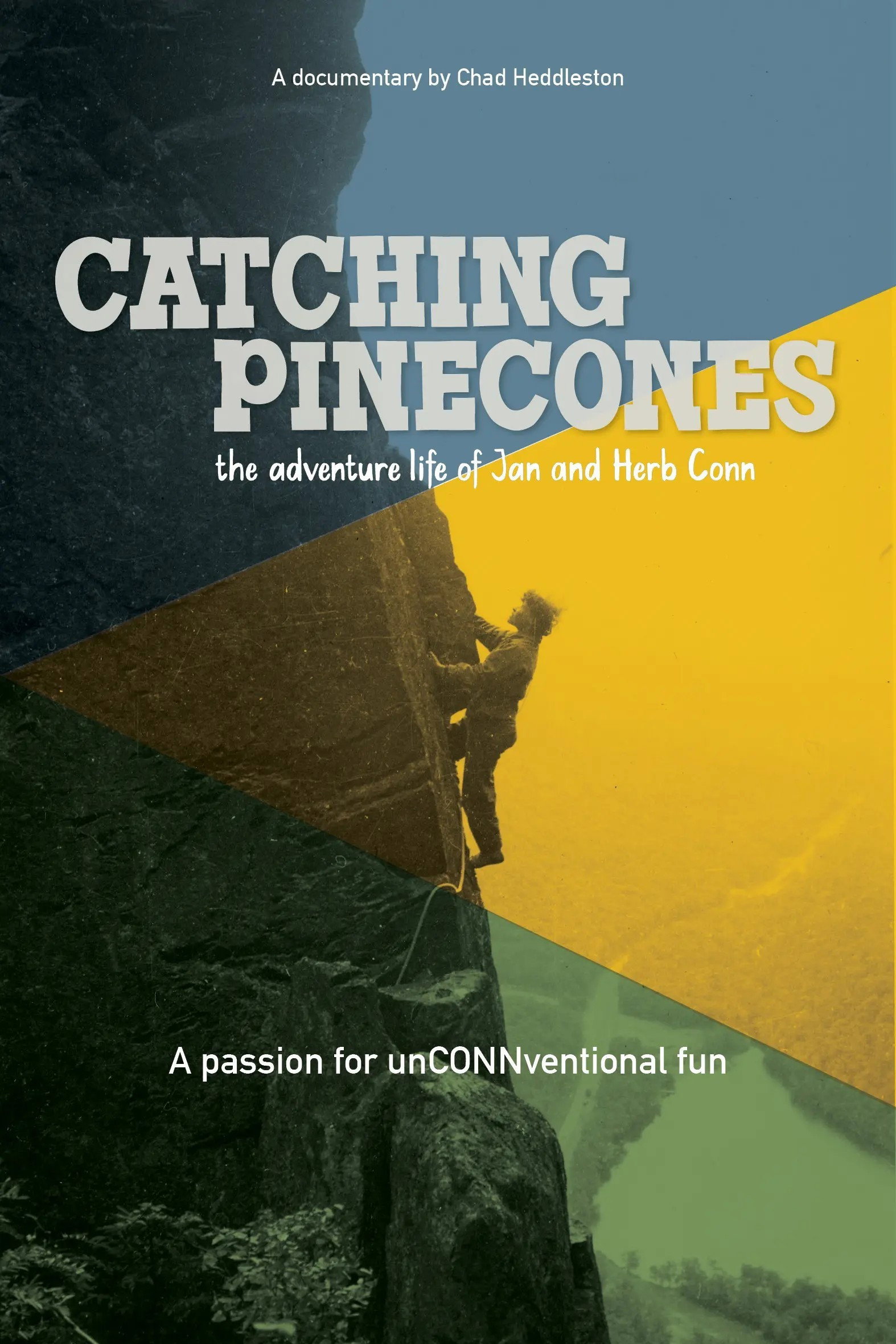
Jan and Herb Conn were the original American dirtbag couple, pioneering rock climbers and cave explorers who rejected a conventional lifestyle in pursuit of adventure and fun. The Conns’ story reveals a legacy of renowned discoveries and their philosophies for a rewarding, well-lived life.
The film follows adventurer Jeff Johnson as he retraces the epic 1968 journey of his heroes Yvon Chouinard and Doug Tompkins to Patagonia.
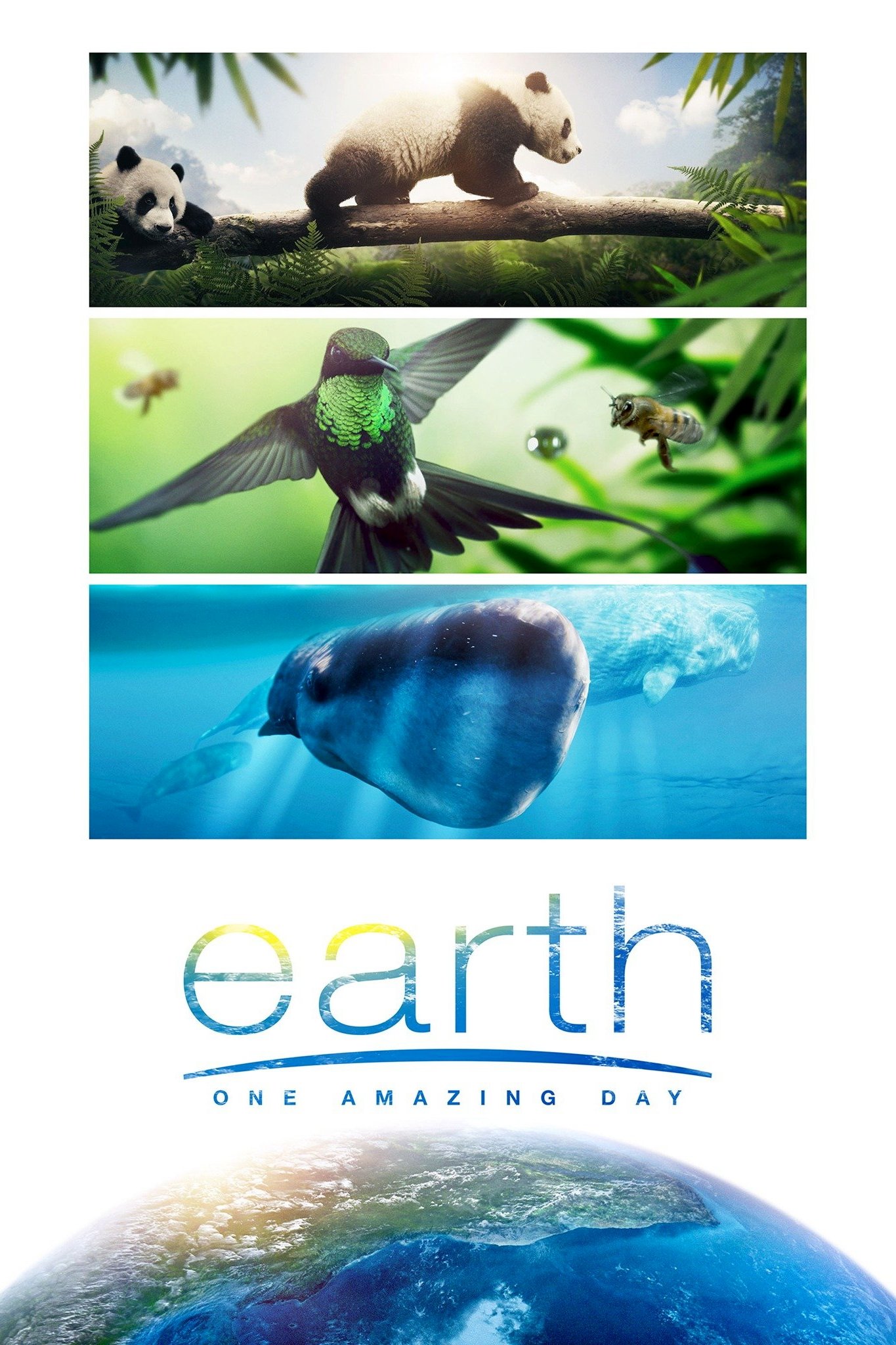
An astonishing journey revealing the awesome power of the natural world. Over the course of one single day, we track the sun from the highest mountains to the remotest islands to exotic jungles.
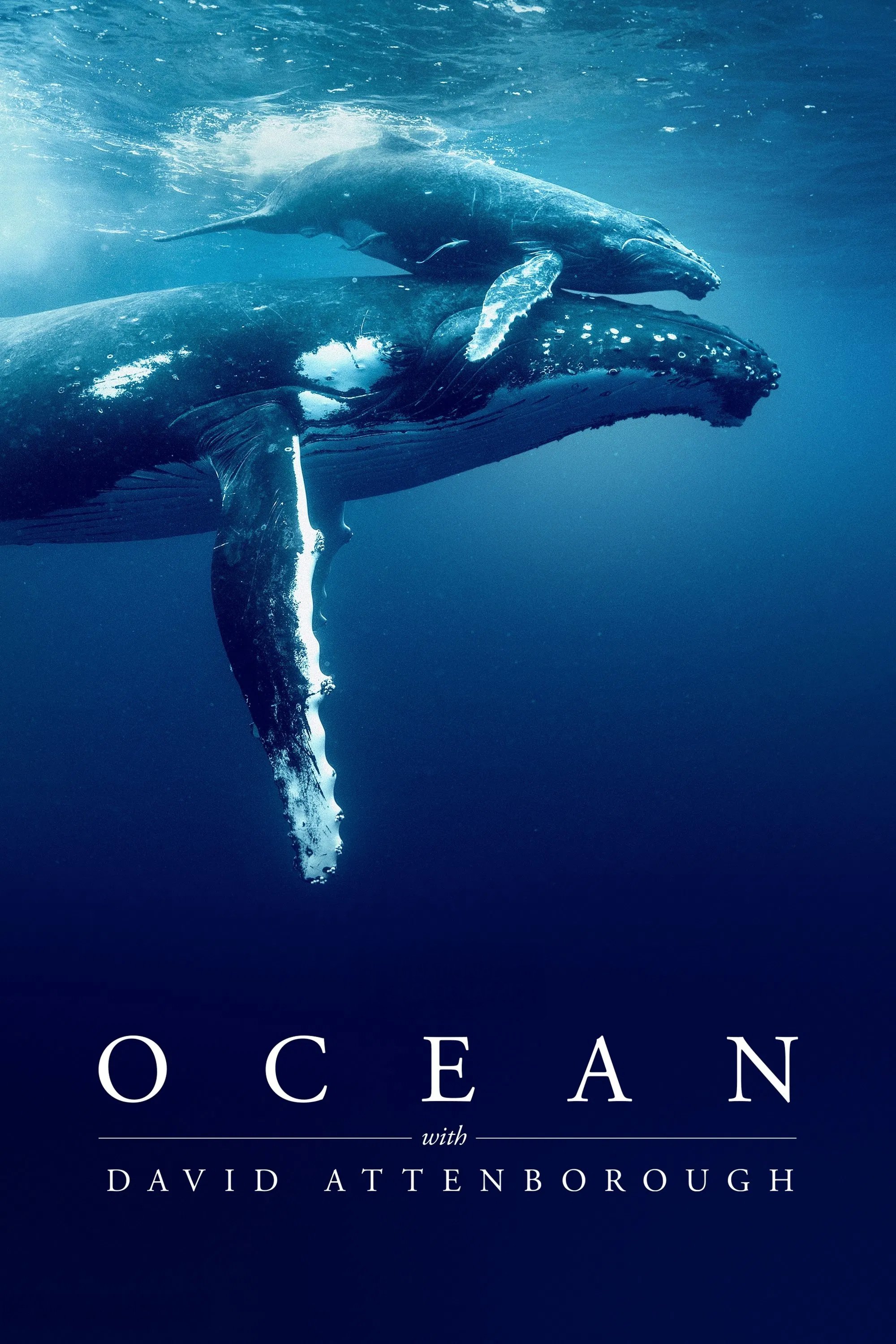
David Attenborough takes viewers on a breathtaking journey showing there is nowhere more vital for our survival, more full of life, wonder, or surprise, than the ocean. Through spectacular sequences featuring coral reefs, kelp forests and the open ocean, Attenborough shares why a healthy ocean keeps the entire planet stable and flourishing.
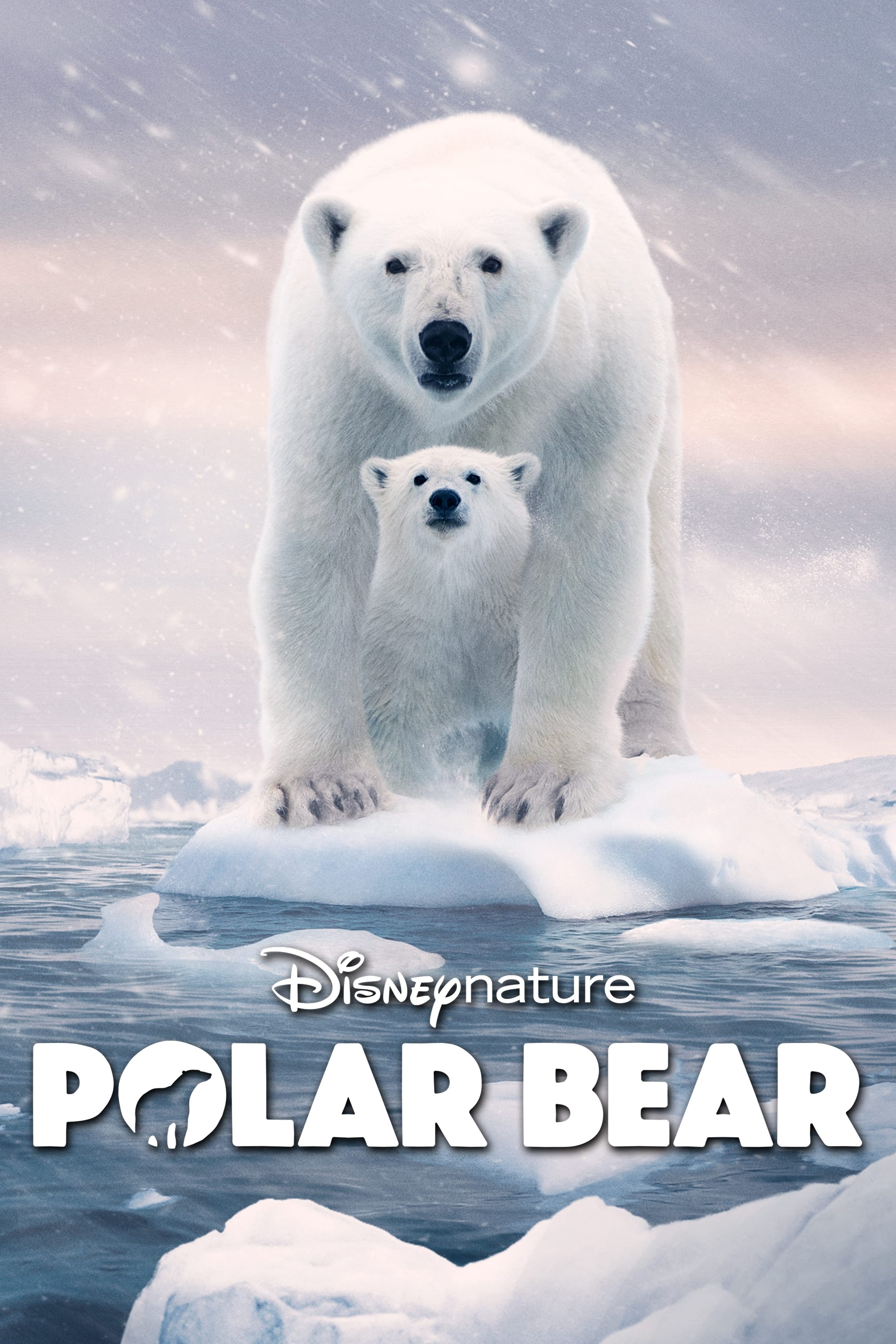
A new mother’s memories of her own youth prepare her to navigate motherhood in the increasingly challenging world that polar bears face today.
Al Pacino's deeply-felt rumination on Shakespeare's significance and relevance to the modern world through interviews and an in-depth analysis of "Richard III."
Daniel Craig candidly reflects on his 15 year adventure as James Bond. Including never-before-seen archival footage from Casino Royale to the upcoming 25th film No Time To Die, Craig shares his personal memories in conversation with 007 producers, Michael G Wilson and Barbara Broccoli.
A documentary on Al Gore's campaign to make the issue of global warming a recognized problem worldwide.
A decade after An Inconvenient Truth brought climate change into the heart of popular culture comes the riveting and rousing follow-up that shows just how close we are to a real energy revolution. Vice President Al Gore continues his tireless fight, traveling around the world training an army of climate champions and influencing international climate policy. Cameras follow him behind the scenes—in moments private and public, funny and poignant—as he pursues the empowering notion that while the stakes have never been higher, the perils of climate change can be overcome with human ingenuity and passion.
James Cameron and Simcha Jacobovici go on an adventure to find the lost city of Atlantis by using Greek philosopher Plato as a virtual treasure map.
The story of Steve, an Adélie penguin, on a quest to find a life partner and start a family. When Steve meets with Wuzzo the emperor penguin they become friends. But nothing comes easy in the icy Antarctic.
Takes us to locations all around the US and shows us the heavy toll that modern technology is having on humans and the earth. The visual tone poem contains neither dialogue nor a vocalized narration: its tone is set by the juxtaposition of images and the exceptional music by Philip Glass.
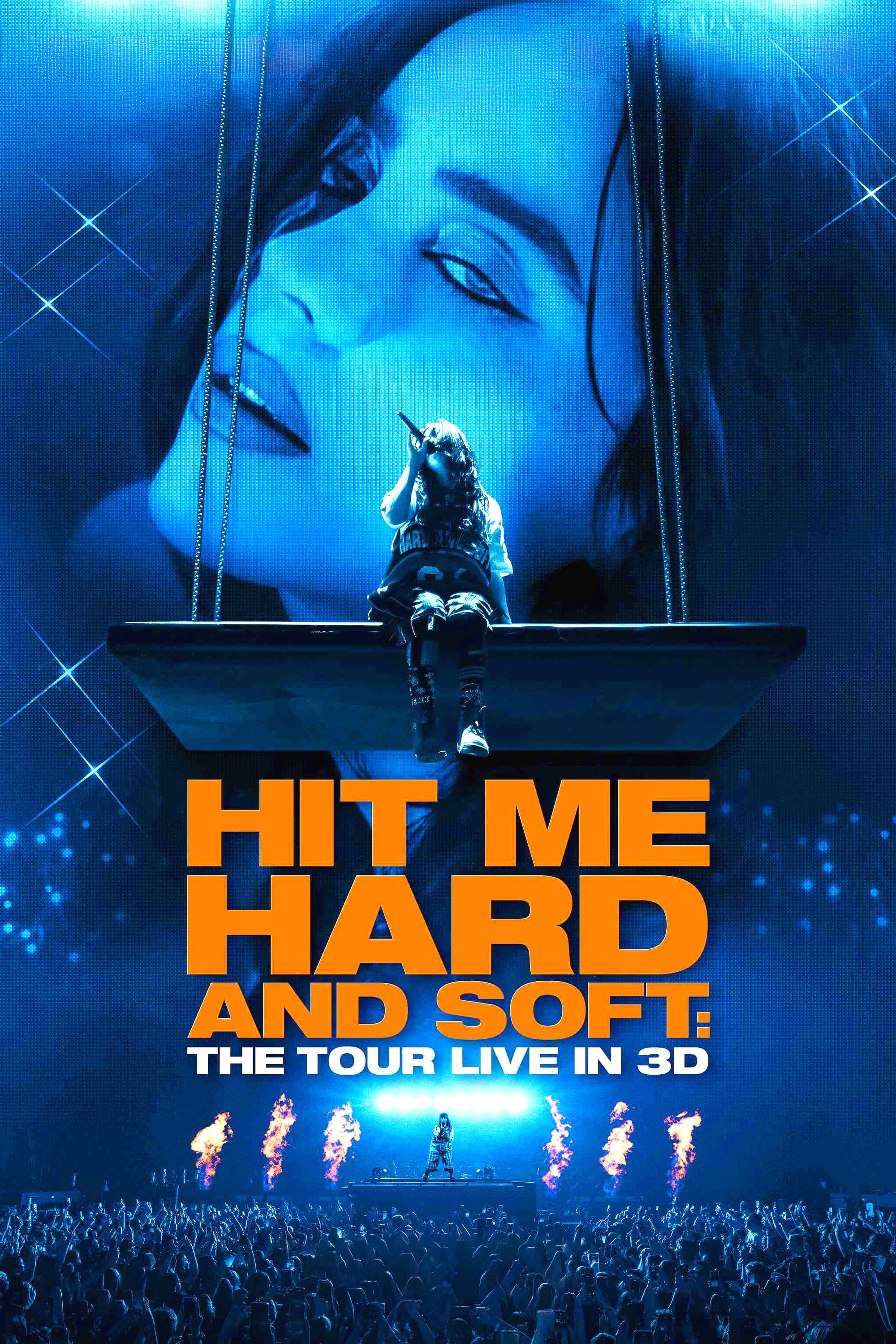
Captured during Billie Eilish's sold-out world tour, a concert experience from one of the most celebrated and successful artists of her generation, presented in immersive 3D.
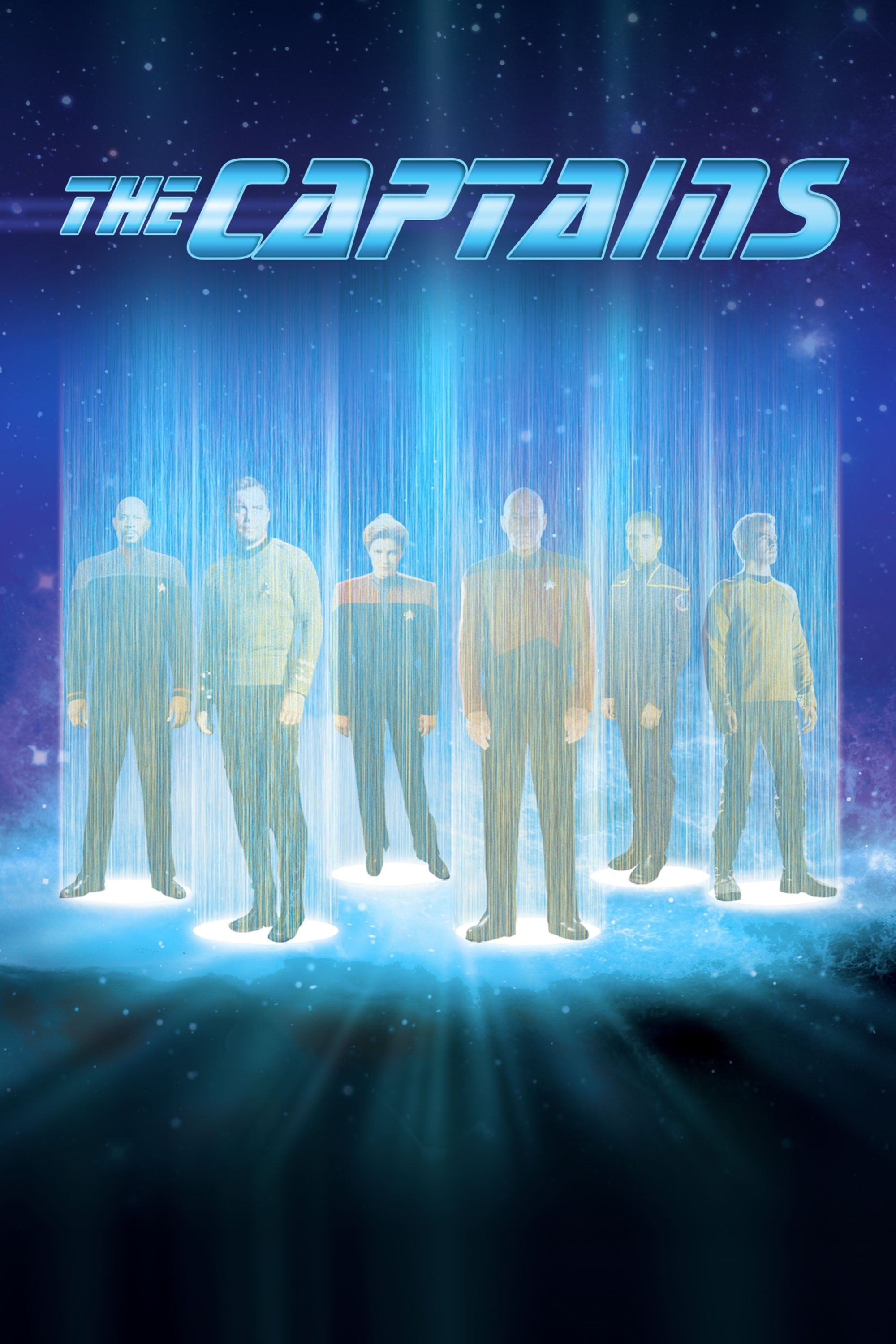
The Captains is a feature-length documentary film written and directed by William Shatner. The film follows Shatner as he interviews the other actors who have portrayed starship captains in the Star Trek franchise.
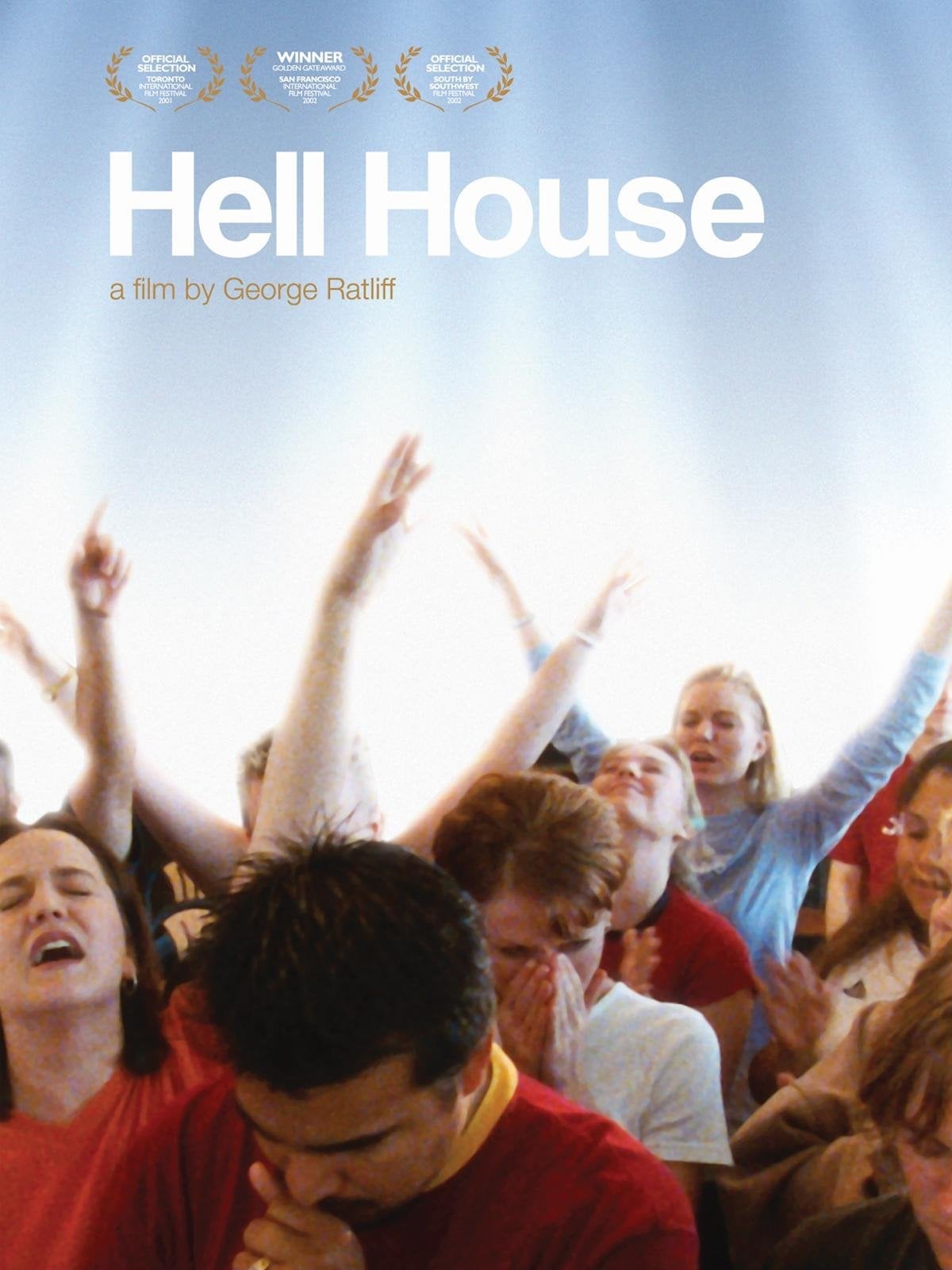
A look at the "Hell House" performed annually in October by the youth members of Trinity Church (Assemblies of God) in Cedar Hill, Texas (a Dallas suburb) — seen by over 10,000 visitors each year.
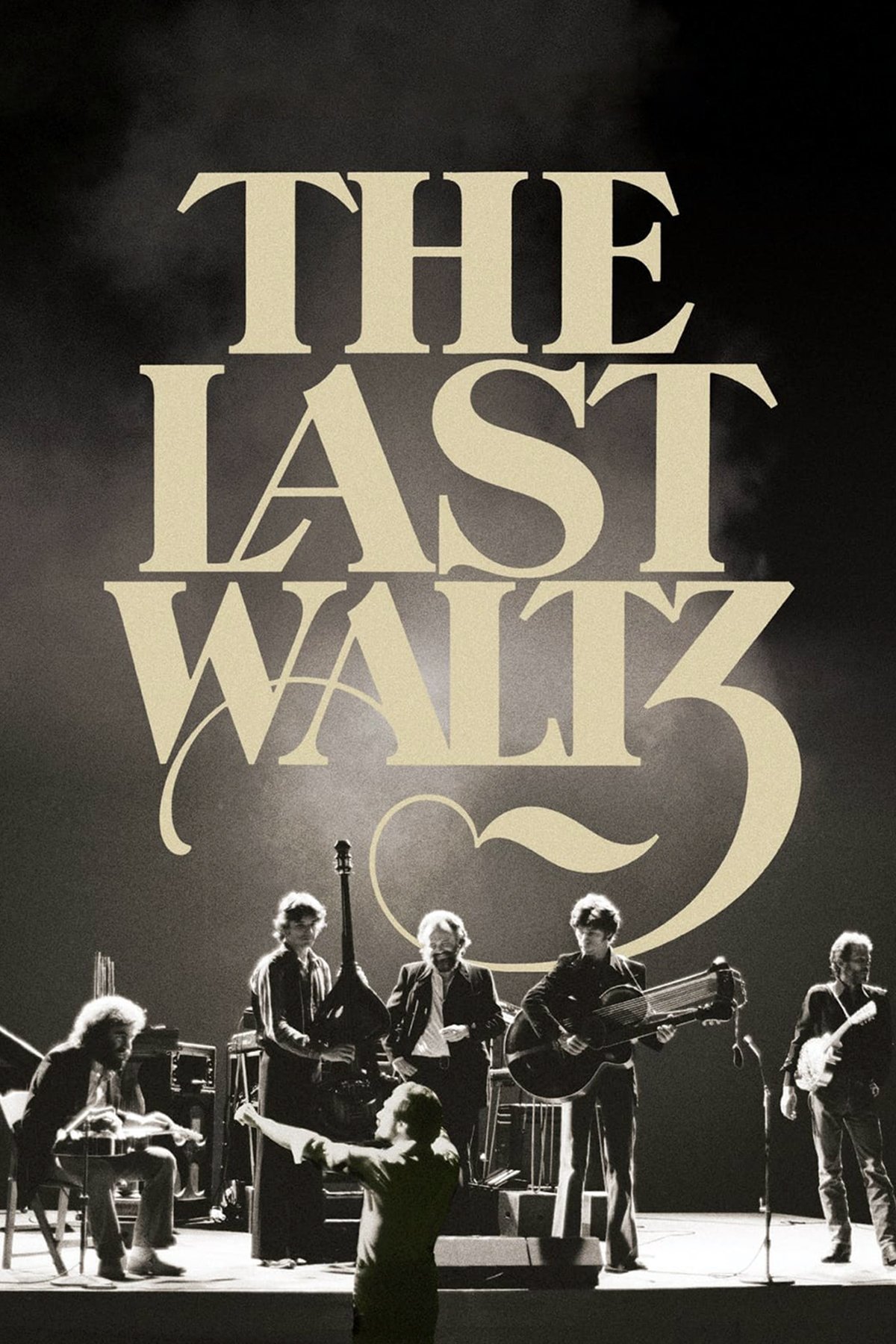
Martin Scorsese's documentary intertwines footage from The Band's incredible farewell tour with probing backstage interviews and featured performances by Eric Clapton, Bob Dylan, Joni Mitchell, Van Morrison, and other rock legends.
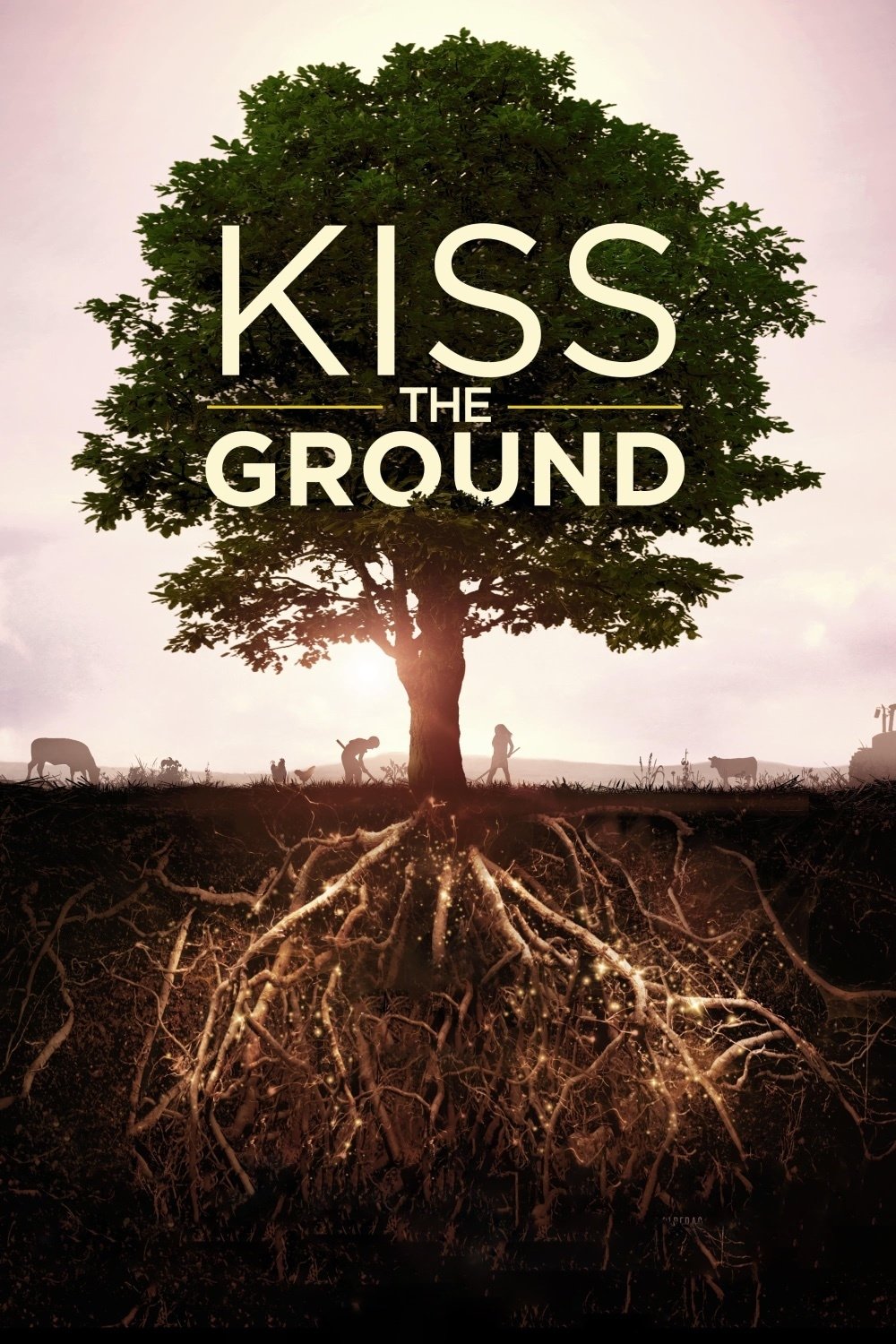
Sheds light on an alternative approach to farming called “regenerative agriculture” that could balance our climate, replenish our vast water supplies, and feed the world.
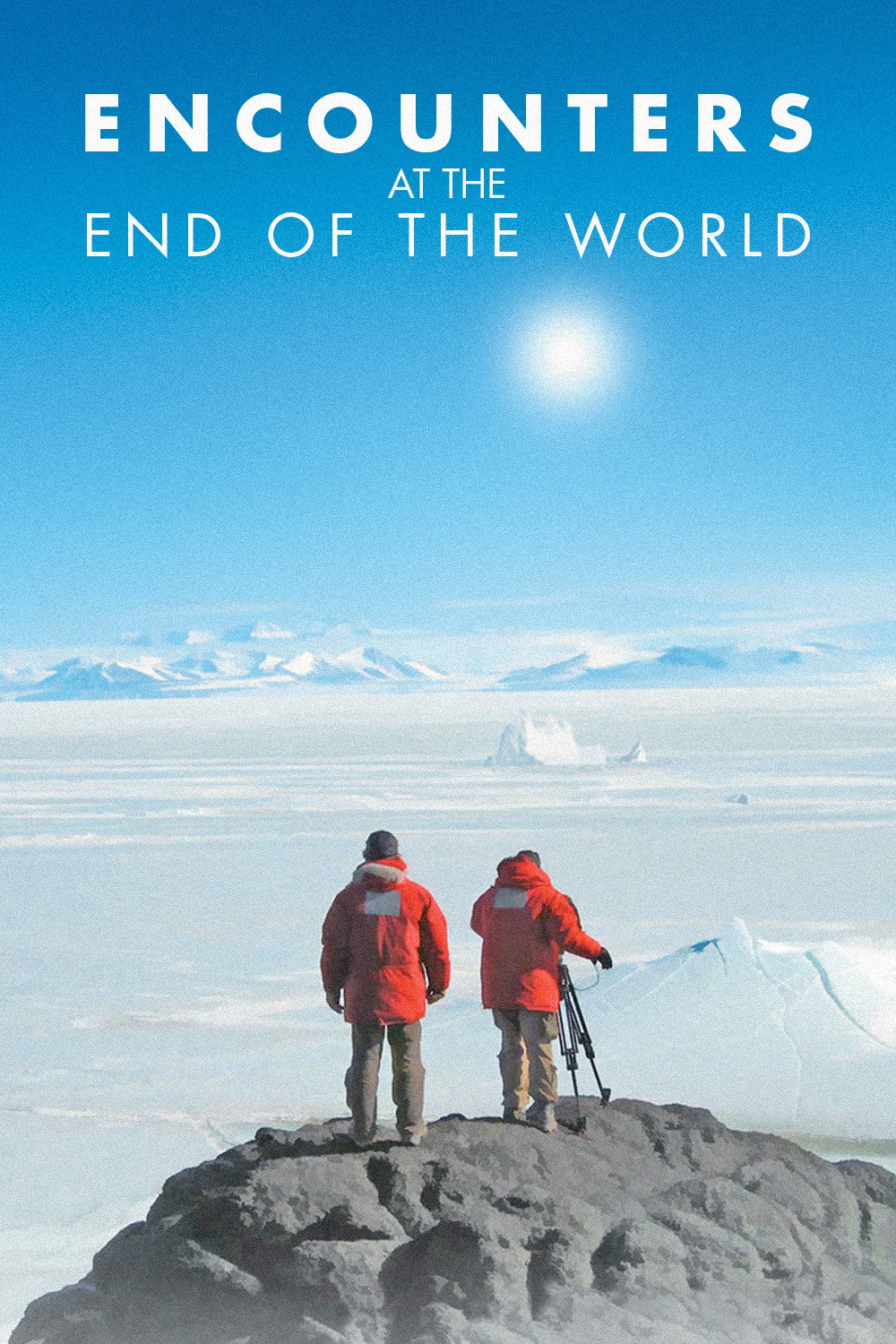
Acclaimed filmmaker Werner Herzog travels to Antarctica, where he finds a desolate, beautiful landscape, largely untouched by human hands, and a group of truly unique people who risk their lives to study it. Centered at McMurdo Station, the United States' largest Antarctic research center, Herzog explores the minds of the scientists willing to abandon civilization and endure volatile conditions to learn more about the continent's wildlife and awe-inspiring natural wonders.
After years of swimming every day in the freezing ocean at the tip of Africa, Craig Foster meets an unlikely teacher: a young octopus who displays remarkable curiosity. Visiting her den and tracking her movements for months on end he eventually wins the animal’s trust and they develop a never-before-seen bond between human and wild animal.
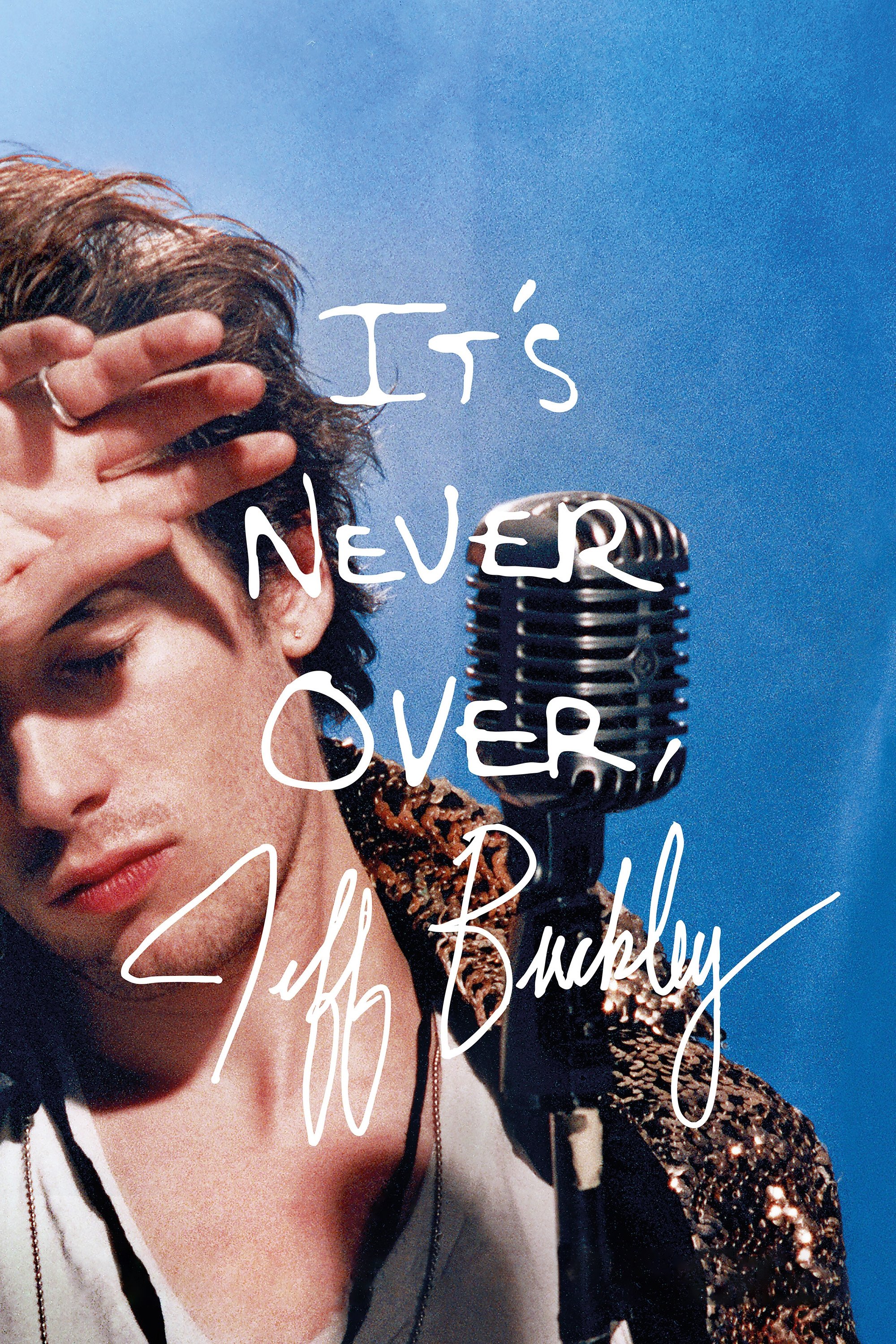
Rising musician Jeff Buckley had only released one album when he died suddenly in 1997. Now, never-before-seen footage, exclusive voice messages, and accounts from those closest to him offer a portrait of the captivating singer.
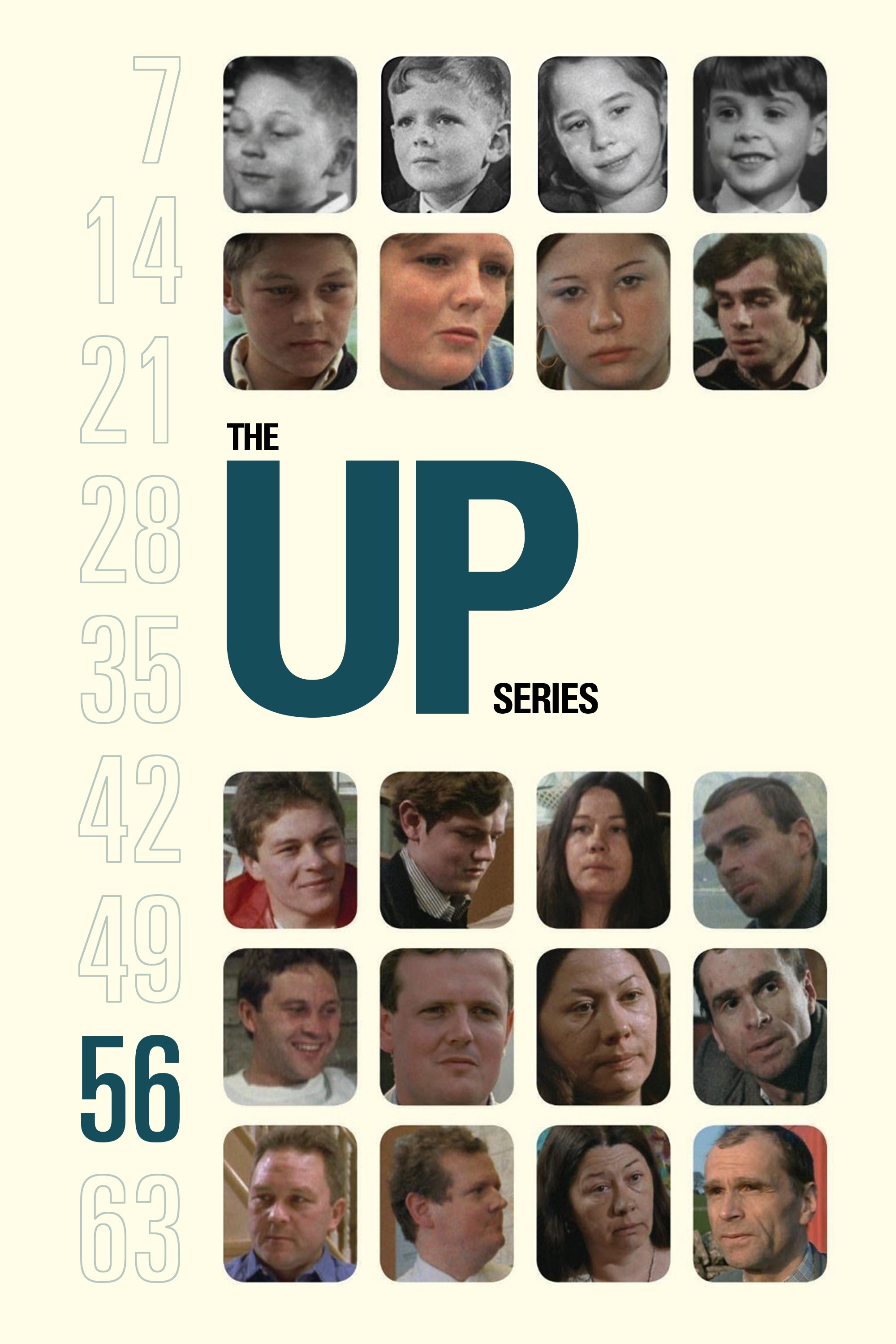
When a cross-section of seven-year-olds were interviewed for 7 Up in 1964 it was immediately evident that their social backgrounds influenced their attitudes towards life. While the upper class children were confident and self-assured, those from middle and working class backgrounds were resigned to a challenging life of hard work. This premise was put to the test every seven years when the same group were interviewed about the progression of their lives. 49 years in the making, the changes that occurred to the original 14 make for fascinating television and are in many ways the stories of all our lives. From success and disappointment, marriage and childbirth, to poverty and illness, nearly every facet of life has been captured on film. Now, at the age of 56, the group are once more brought together and, with the benefit of hindsight, assess whether their lives have been ruled by circumstance or self-determination.