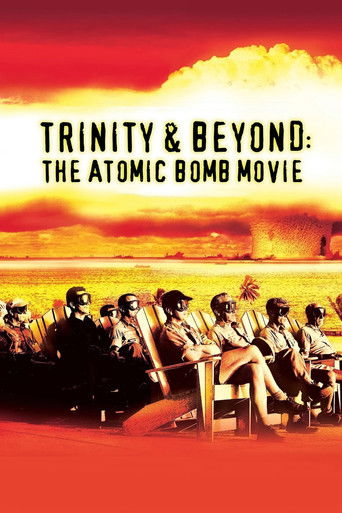
This documentary posits that war and confrontation between superpowers spell doom for humanity. A film warning about all aspects of nuclear danger.
Social & External
Narrator (voice)
As a diplomat, Andrei Sannikov was instrumental in Belarus' nuclear disarmament in the 1990s. Under dictator Lukashenko, he resigned from the civil service and began the fight for a democratic Belarus, which cost the lives of companions and landed him in prison for a time.
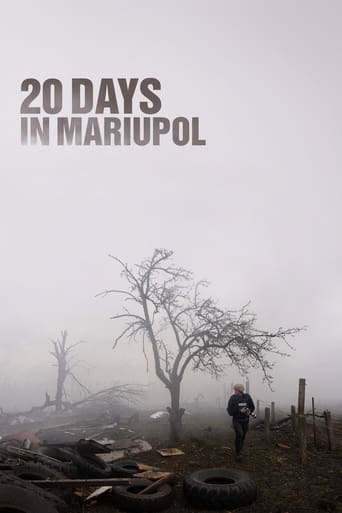
The unique testimony of the tragic events and crimes of russia through the eyes of Ukrainians, which the entire world must see and feel. Film was created from 200 hours of chronicles: survival, resistance, and life during the war. Every minute was filmed by Ukrainians with their mobile phones. Each story in the documentary is a film captured and filmed by Ukrainians on their devices.
From May 10, 1940, France is living one of the worst tragedies of it history. In a few weeks, the country folds, and then collapsed in facing the attack of the Nazi Germany. On June 1940, each day is a tragedy. For the first time, thanks to historic revelations, and to numerous never seen before images and documents and reenacted situations of the time, this film recounts the incredible stories of those men and women trapped in the torment of this great chaos.
The United States of America has been at war for almost all of its 250 years of existence. From the wars of independence to current armed conflicts, its armed forces have not only shaped American identity, but also influenced the political decisions of its leaders. The documentary delves deep into this complex history and analyzes the hot and cold wars that shaped the development of the USA, along with lessons for the future. How have generations of Americans experienced these wars and how have their lives been changed by them? How has military engagement been used to shape the image and role of the USA on the world stage? Do military decisions today shape the world of tomorrow and what are the effects on democracy and society? And as the US president begins his new term in office, the question also arises: what role does the army play in Donald Trump's understanding of the world?
The Donetskyi village is on the border between the unrecognized Luhansk People's Republic and the Lugansk region of Ukraine. Residents of the village live in destroyed houses, under constant Ukrainian shelling. For seven years the «Ghost» battalion has been holding the front line to protect its people. To capture 'ghosts' daily work, the film crew operated in the midst of intense gunfire and mortar attacks. The battalion commander, code-name ‘Negro’, says that for many guys the war has turned into a job. Of course, they are tired and dream of returning home, but so far they just try to survive and protect their loved ones.
The Law of Silence, a final-year documentary by Moïra Chappedelaine-Vautier at Femis, examines the 1963 Amnesty Law and the consequences it had on studies of the Algerian War. It brings together interviews conducted in 2002 with Henri Alleg, editor of the daily newspaper Alger Républicain from 1951 to 1955, and Pierre Vidal-Naquet, historian and essayist. It also features incredible statements from General Massu and lawyers unraveling the various legal defenses of people like Jean-Marie Le Pen. Not only does Moïra have her father, René Vautier, speak, but she also includes footage he himself filmed forty years earlier. A very interesting report, which notably reminds us that the Amnesty is not a pardon but the erasure of the sentence and also of the crime itself.
24 February 2022: Russia invades Ukraine. Romain Goupil leaves for Kyiv in a hurry. It was an imperative decision for him to go and support the Ukrainian resistance by filming to bear witness. He left without knowing if he would find a family ready to welcome him to share with them life day after day under the threat of bombing. Finally, the Kyiv circus welcomed him. Romain spent a month in this closed environment imposed by the war on men and animals.
Archival footage, animation and music are used to look back at the eight anti-war protesters who were put on trial following the 1968 Democratic National Convention.
Described by some military commanders as the deadliest urban combat since World War II, the battle to drive ISIS out of Mosul as the terror group held civilians captive there was brutal and grueling. Shot over the course of the entire nine-month fight, this vivid documentary follows the experiences of four young soldiers in a team of Iraqi Special Forces tasked with leading the battle.
Meet the real-life airmen who inspired Masters of the Air as they share the harrowing and transformative events of the 100th Bomb Group.
As the Russian invasion begins, a team of Ukrainian journalists trapped in the besieged city of Mariupol struggle to continue their work documenting the war's atrocities.
In 1943, Noor Inayat Khan was recruited as a covert operative into Winston Churchill's Special Operations Executive. With an American mother and Indian Muslim father, she was an extremely unusual British agent. After her network collapsed, Khan became the only surviving radio operator linking the British to the French Resistance in Paris, coordinating the airdrop of weapons and agents, and the rescue of downed Allied fliers.
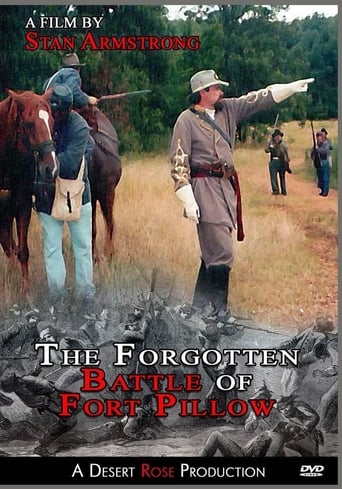
On April 12th, 1864, at an insignificant little fort, several hundred black Union soldiers fought a hopeless battle against a Confederate general who was destined to become the first Grand Wizard of the KKK. This battle had a domino effect, trickling down the long road of history. Today, it is just a footnote in most history books; however, no other event of the Civil War has had such a profound impact on the twentieth century, especially on American culture.
Examines documents and traces of the atrocities that took place at the Auschwitz concentration camp. Years after the end of the war, expert analysis of the remnants of these documents has helped shed light on the stories of prisoners.
Documentary on the Falklands War of 1982
The end of World War II brings Europe a new political system, reshapes national and personal identities. Three women from Milan, Paris and Berlin report on the days of liberation in their diaries. Their personal stories expand the historical picture and make LIBERATION DIARIES a chronicle of female self-empowerment, resistance and resilience.