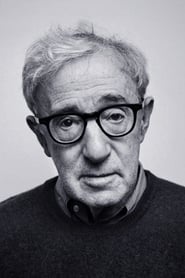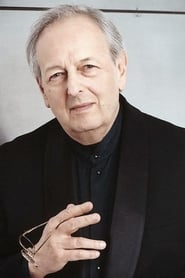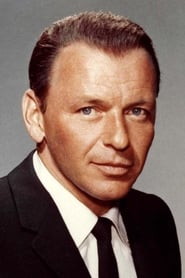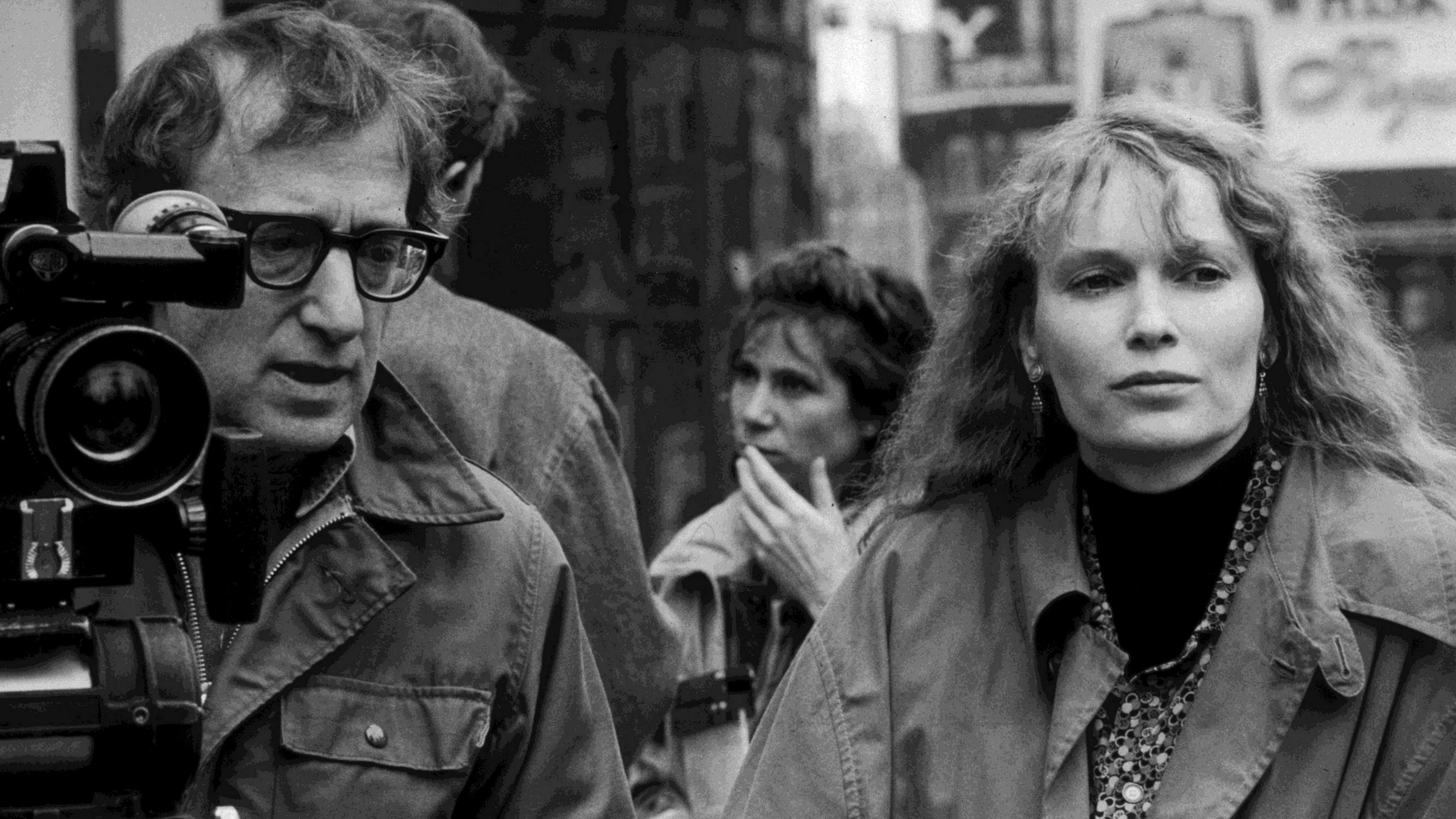
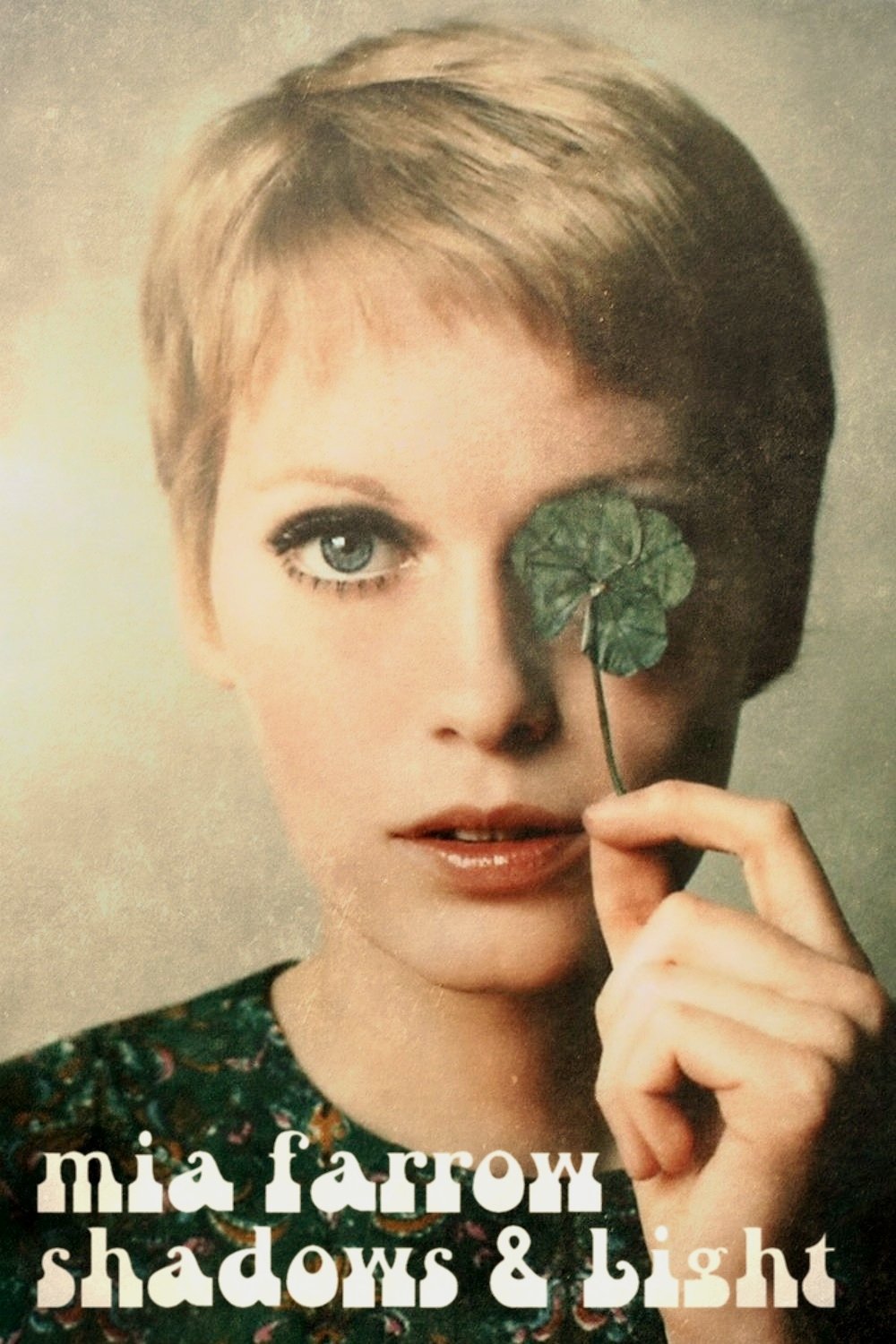
The artistic career of American actress Mia Farrow has been that of a passionate and committed woman who became the embodiment of a special kind of femininity, halfway between innocence and madness.

Social & External
The people behind it
Elsa Lepoivre
Self - Narrator (voice)
Léonie Simaga
Mia Farrow
Self - Actress (archive footage)
Woody Allen
Self - Filmmaker (archive footage)
Claude Chabrol
André Previn
Self - Composer (archive footage)
Frank Sinatra
Self - Singer (archive footage)
Roman Polanski
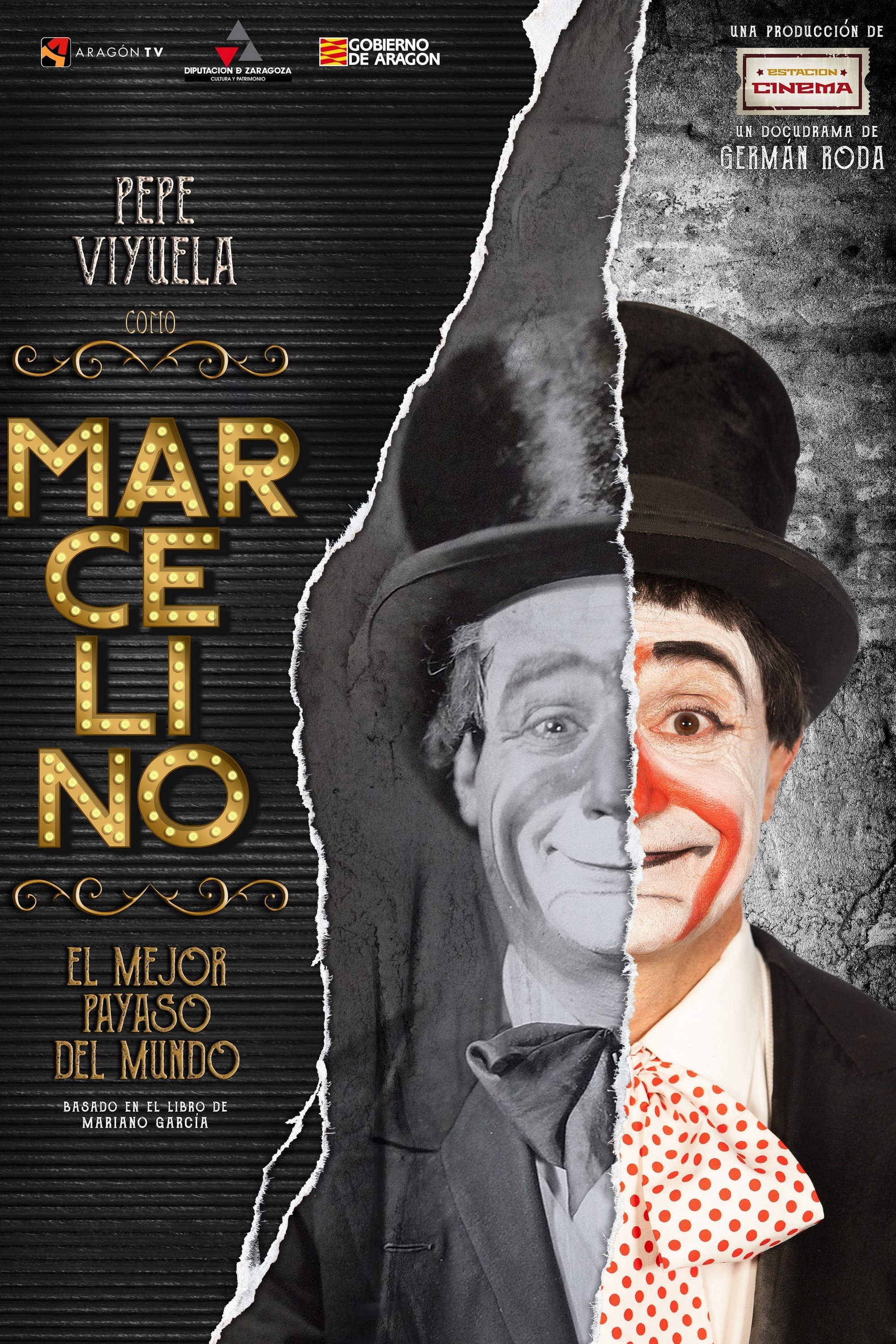
An account of the life and work of the Spanish clown, mime, acrobat and actor Marcelino Orbés (1873-1927), known as Marceline, who, between 1900 and 1914, was unanimously acclaimed as the best in the world.
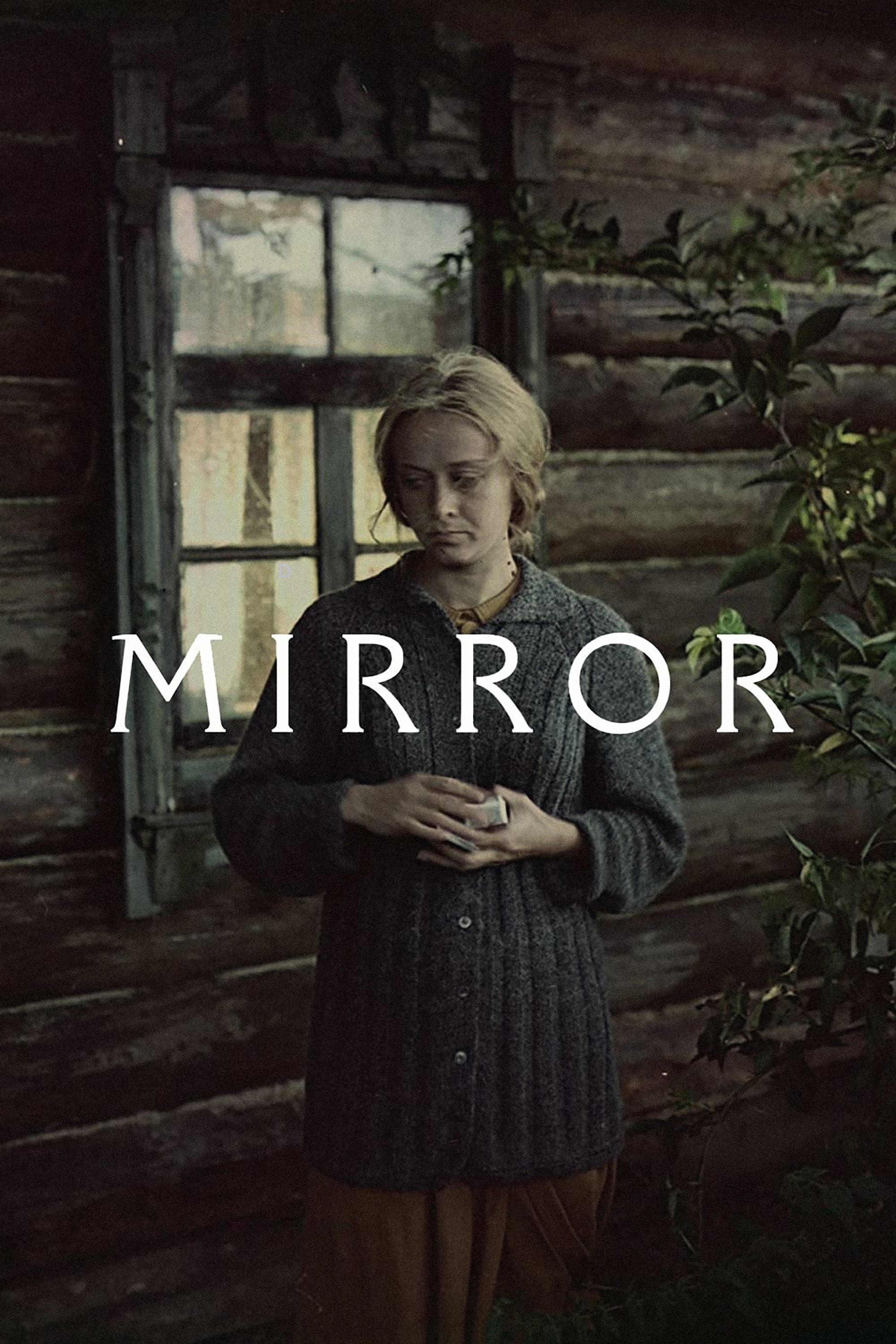
A dying man in his forties recalls his childhood, his mother, the war and personal moments that tell of and juxtapose pivotal moments in Soviet history with daily life.
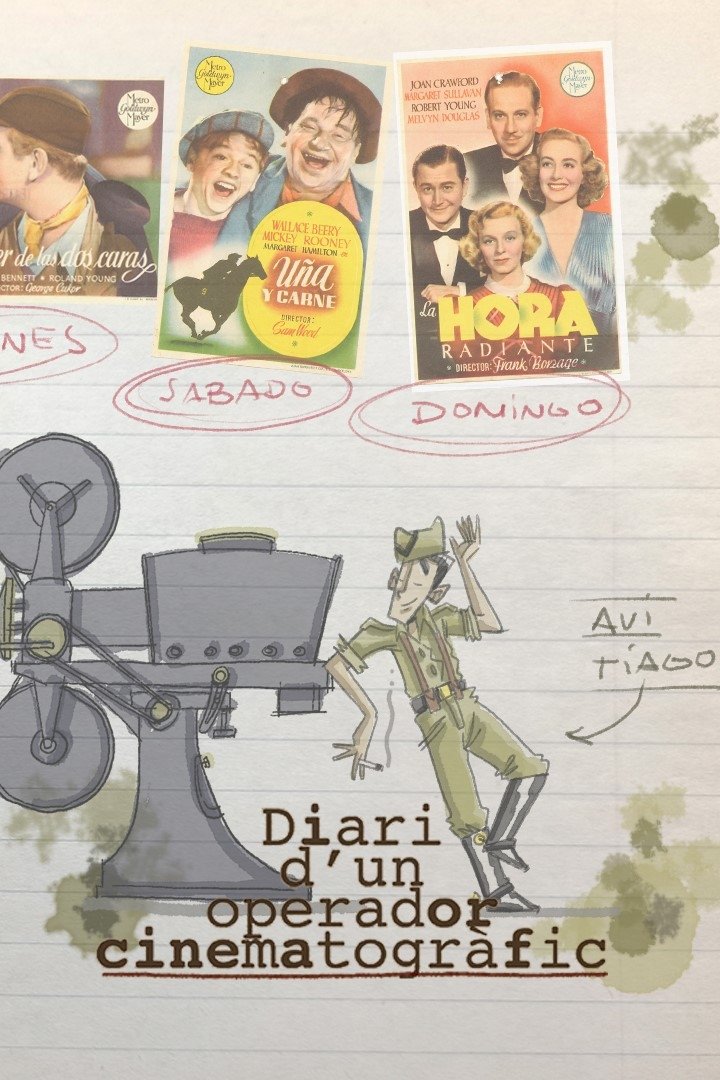
This is the story of my grandfather, Tiago Florit, who for 50 years was a film operator at the Teatre Principal de Maó, in Menorca. It is a review of his life, from his birth to his death, in a cinematographic key. A true love story to cinema.
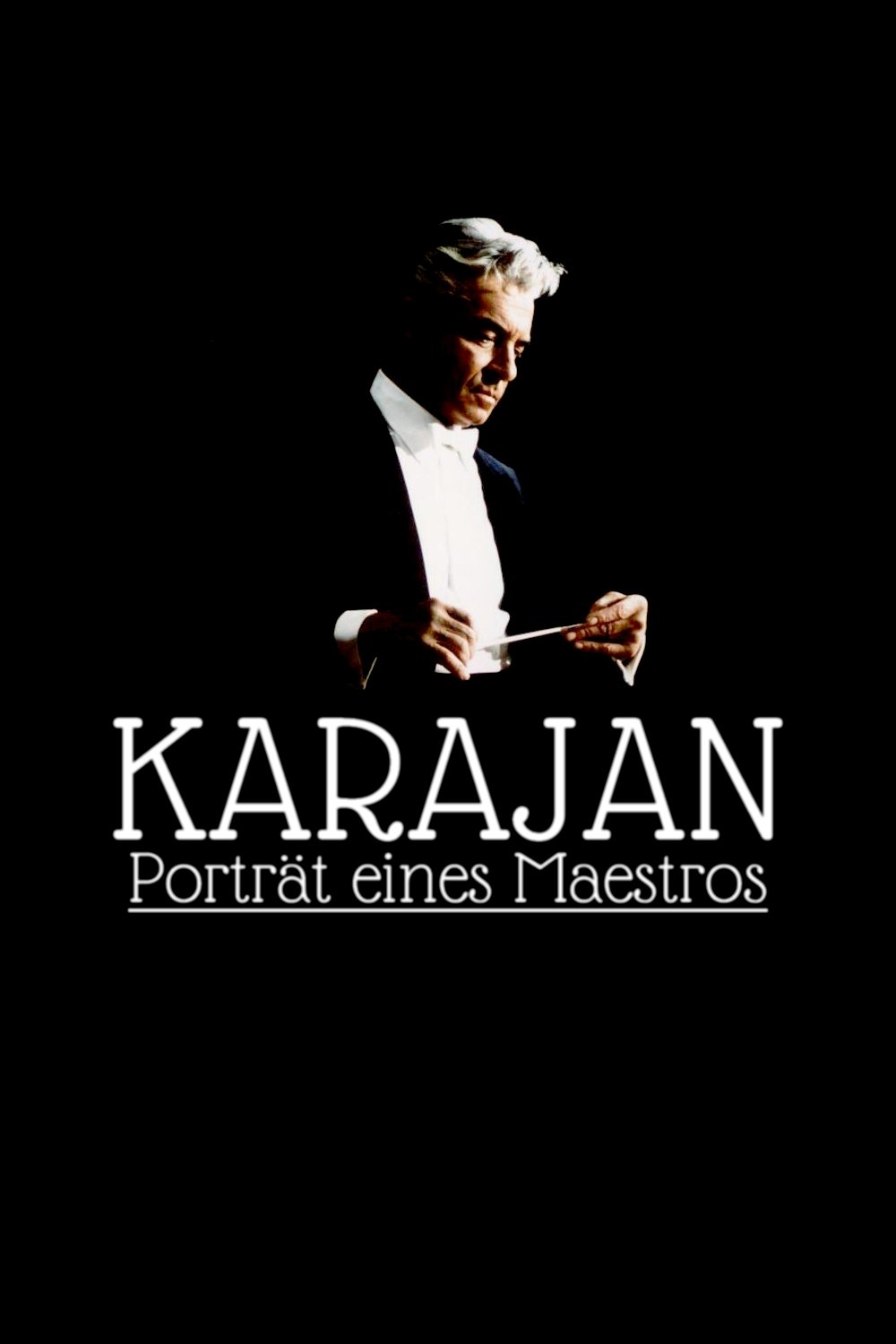
An account of the life and work of controversial German orchestra conductor Herbert von Karajan (1908-89), celebrated as one of the greatest musicians of the twentieth century.
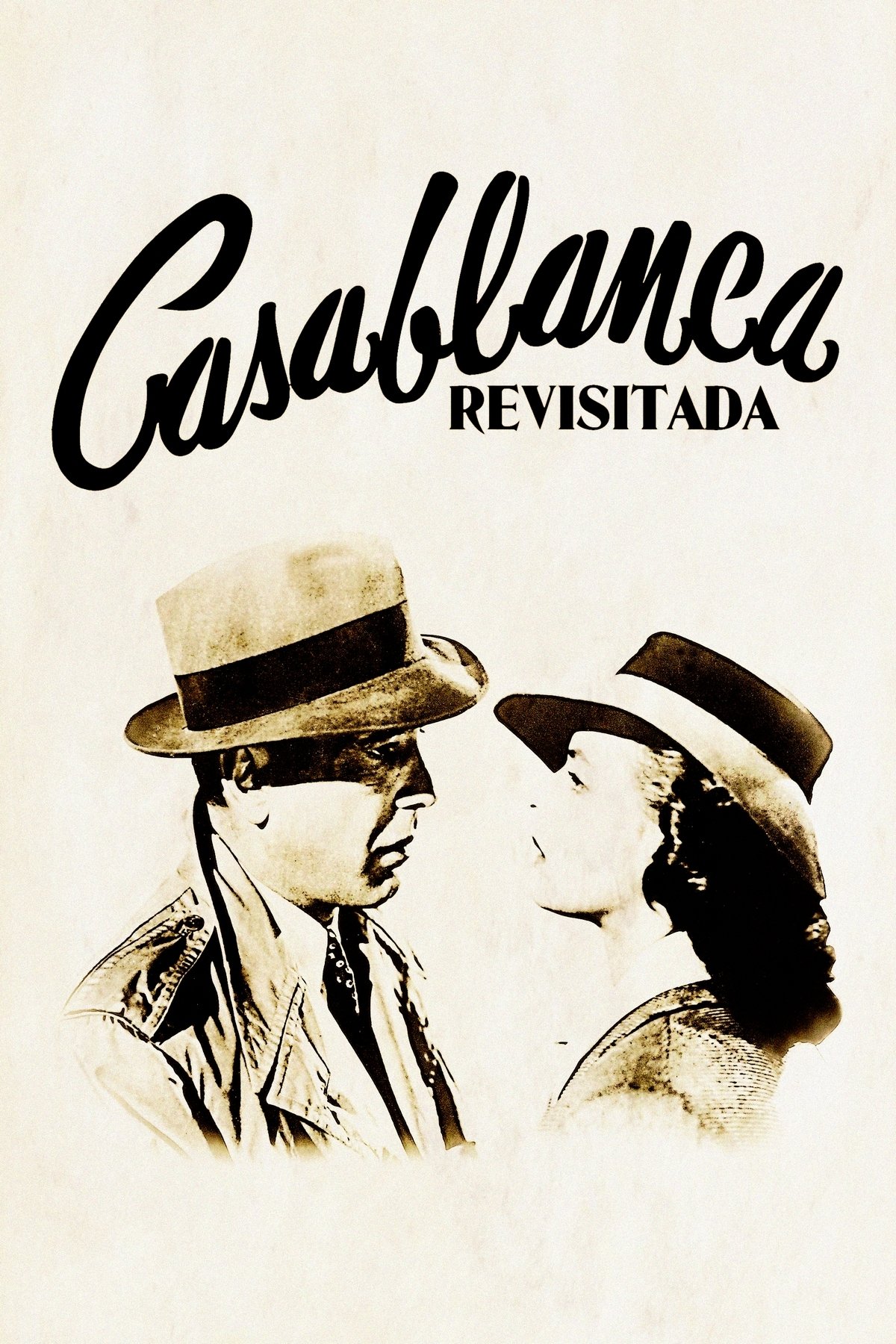
A lyrical and nostalgic analysis of how Casablanca, the mythical film directed by Michael Curtiz in 1942, has influenced both film history and pop culture.
In Spain, on May 11, 1896, at the Price circus, the first moving images ever shown in the country are projected. From that event, the Spanish actor Antonio Resines intends to compile a series of anecdotes to shape the amazing history of Spanish cinema, holding several conversations with prominent figures of the Spanish film industry.
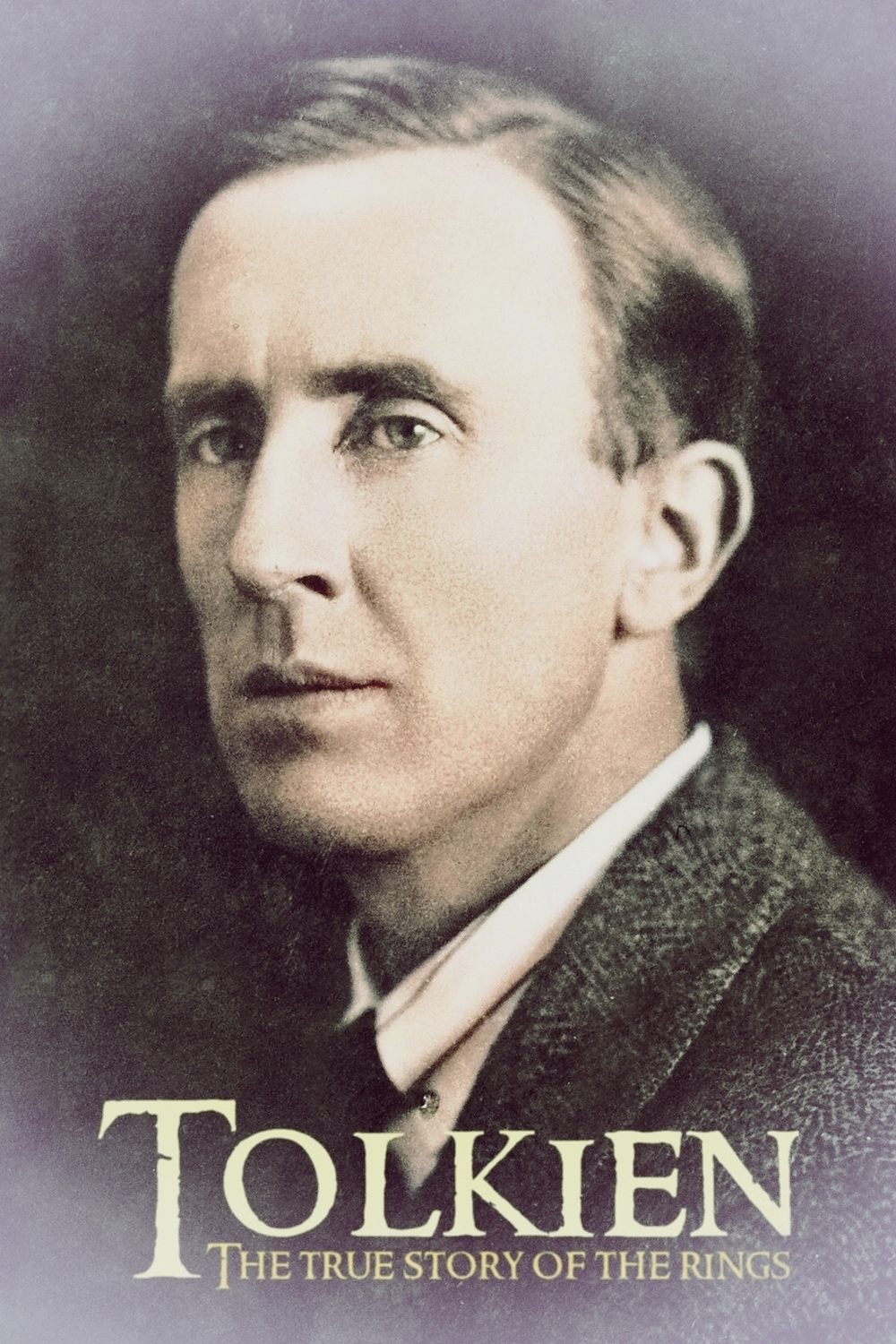
An analysis of the sources of inspiration that fed the imagination of the British writer, poet and philologist J. R. R. Tolkien (1892-1973), great master of epic fantasy.
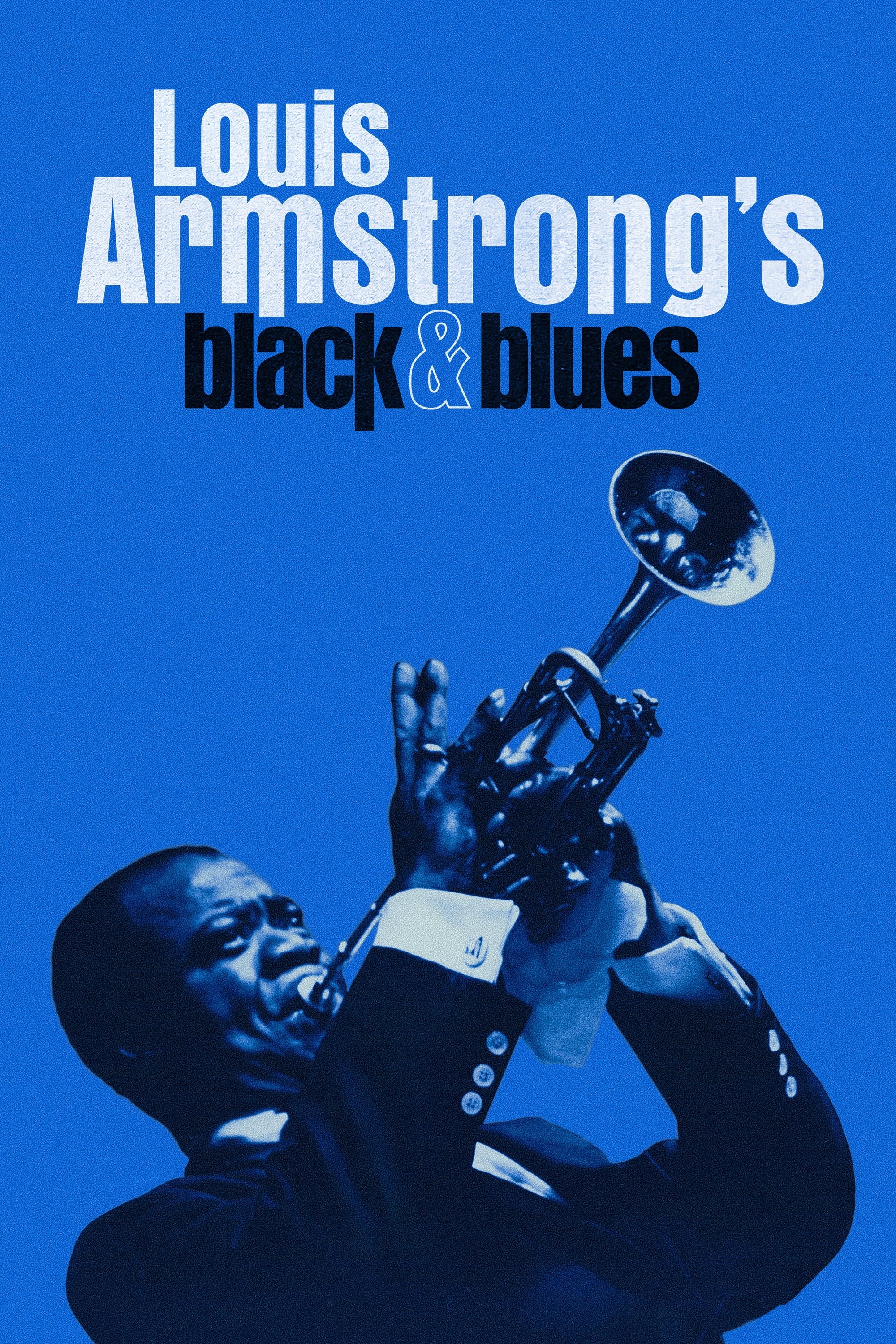
Never-before-heard personal recordings and archival footage tell the story of Louis Armstrong's life from his perspective. From musical phenom to civil rights activist to world-renowned artist, this illuminating film shows sides of Armstrong few have seen.
Jakob Yzermans is an American salesman looking for his roots in Rotterdam. He thinks his father (Hendrik Yzermans) has left Holland with the money he took from his collegues. Jakob is trying to get the money together to repay the money. While doing so he encounters more and more problems.
The story of the making and subsequent success of The Day of the Beast, the Spanish cult film directed by Álex de la Iglesia and released in 1995.
The history of Frankenstein's journey from novel to stage to screen to icon.
Frans Masereel is one of the most fascinating Belgian artists of the 20th century. His work, essentially composed of black and white engravings, is a cry of rebellion against the tragedies of his time. Forced into exile for his pacifist convictions, he embodied, alongside writers like Stefan Zweig and Romain Rolland, the dream of a cultural and brotherly Europe. Through an imaginary correspondence the director addresses to the artist, the film sketches the portrait of a free, touching man who, throughout his life, attempted to break free of art dealers and put his creations in the hands of all.
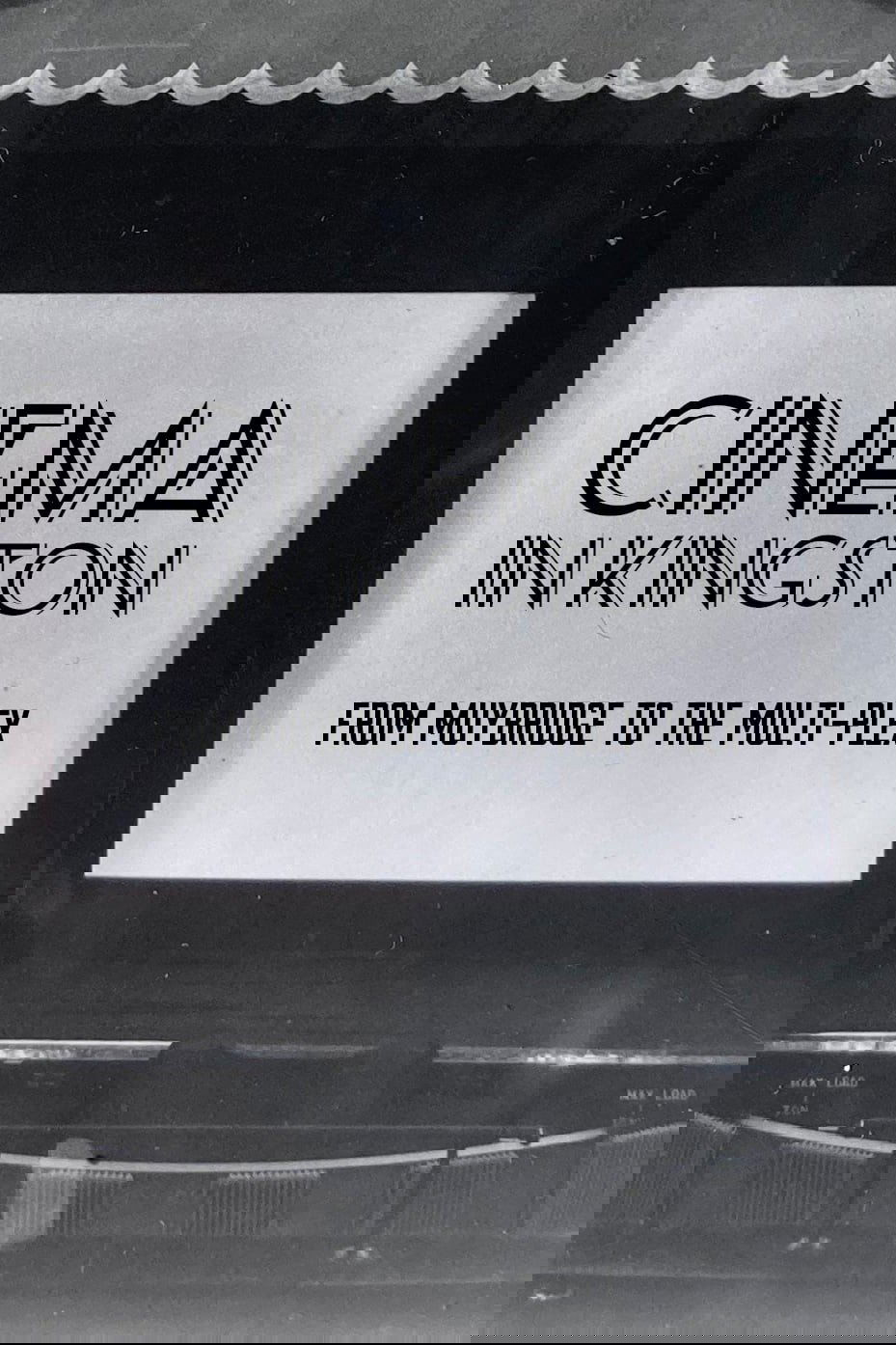
An oral history exploring the development of film projection and cinema in Kingston-on-Thames - from resident innovator Eadweard Muybridge through the heyday, decline, and re-emergence of cinema. Features interviews with historians, projectionists and usherettes as well as cinema-goers with rare footage and images from Kingston’s cinemas.
In the early nineties, before the massive gentrification of many of New York's then slums, several young people from very disparate backgrounds left their broken homes and ventured onto the brutal streets of the city. United by their love of skateboarding, they formed a family and built a unique lifestyle that eventually inspired Kids, a groundbreaking and outrageous film directed by photographer Larry Clark and released in 1995.
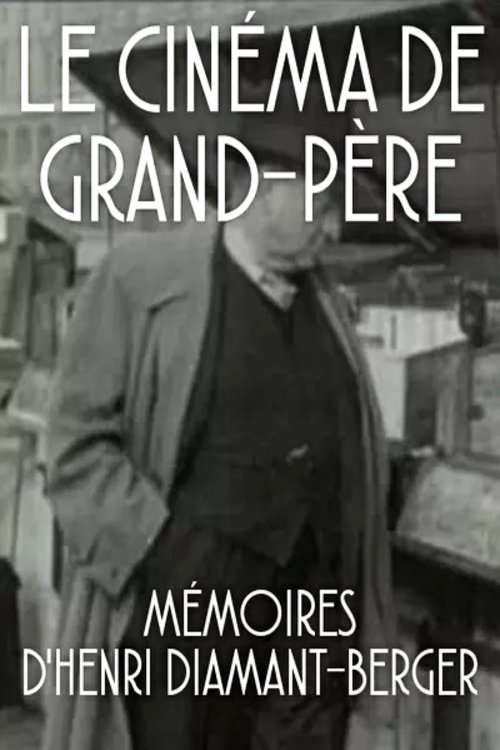
Remarkable life story of Henri Diamant-Berger, a director and screenwriter whose devotion to cinema led him to collaborate with some of the greatest actors and filmmakers of his time.
Documentary illustrating the birth of sound cinema.
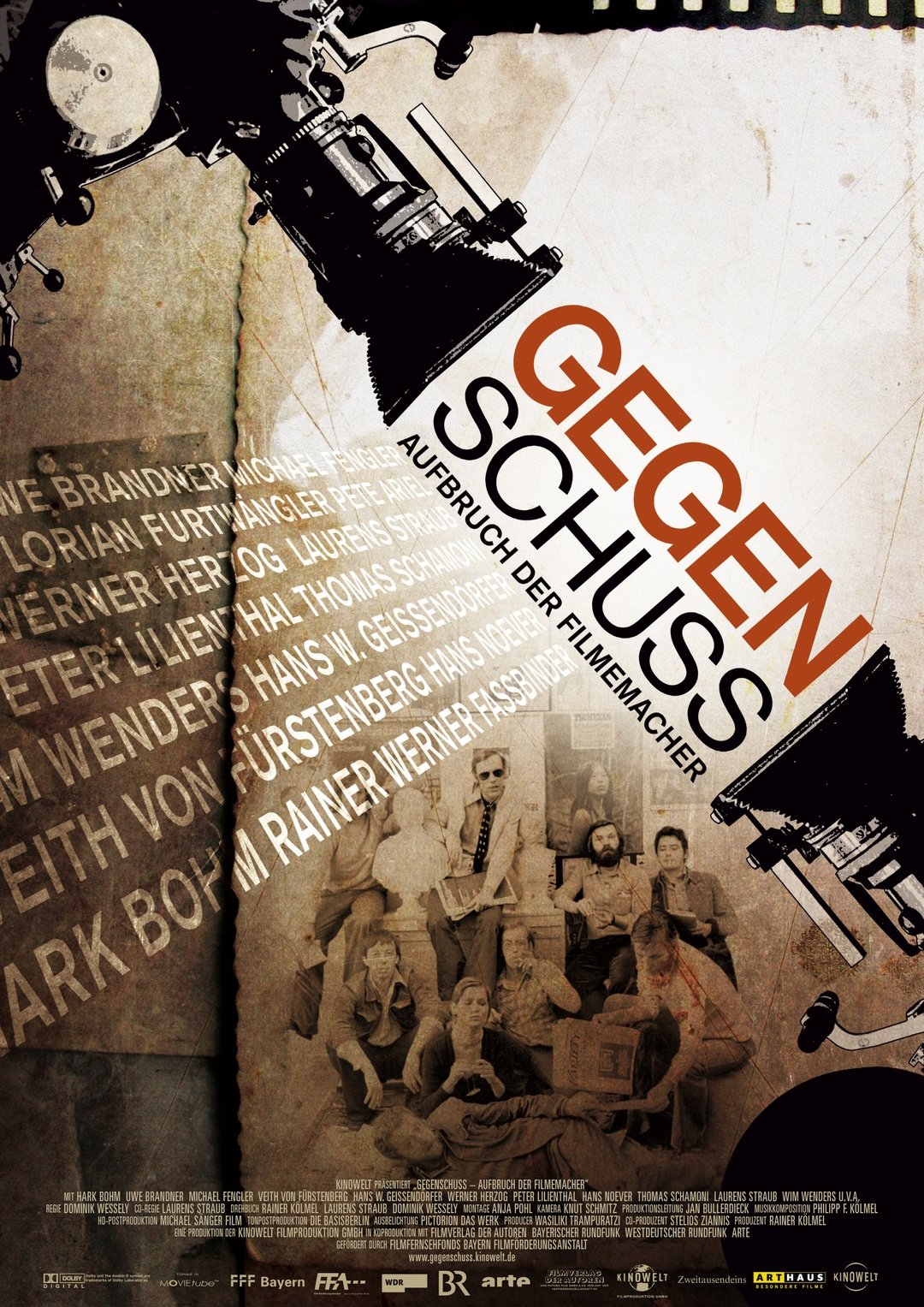
Documentary about filmmakers of the New German Cinema who were members of the legendary Filmverlag für Autoren (Film Publishing House for Authors). Among them are Werner Herzog, Rainer Werner Fassbinder, and Wim Wenders.
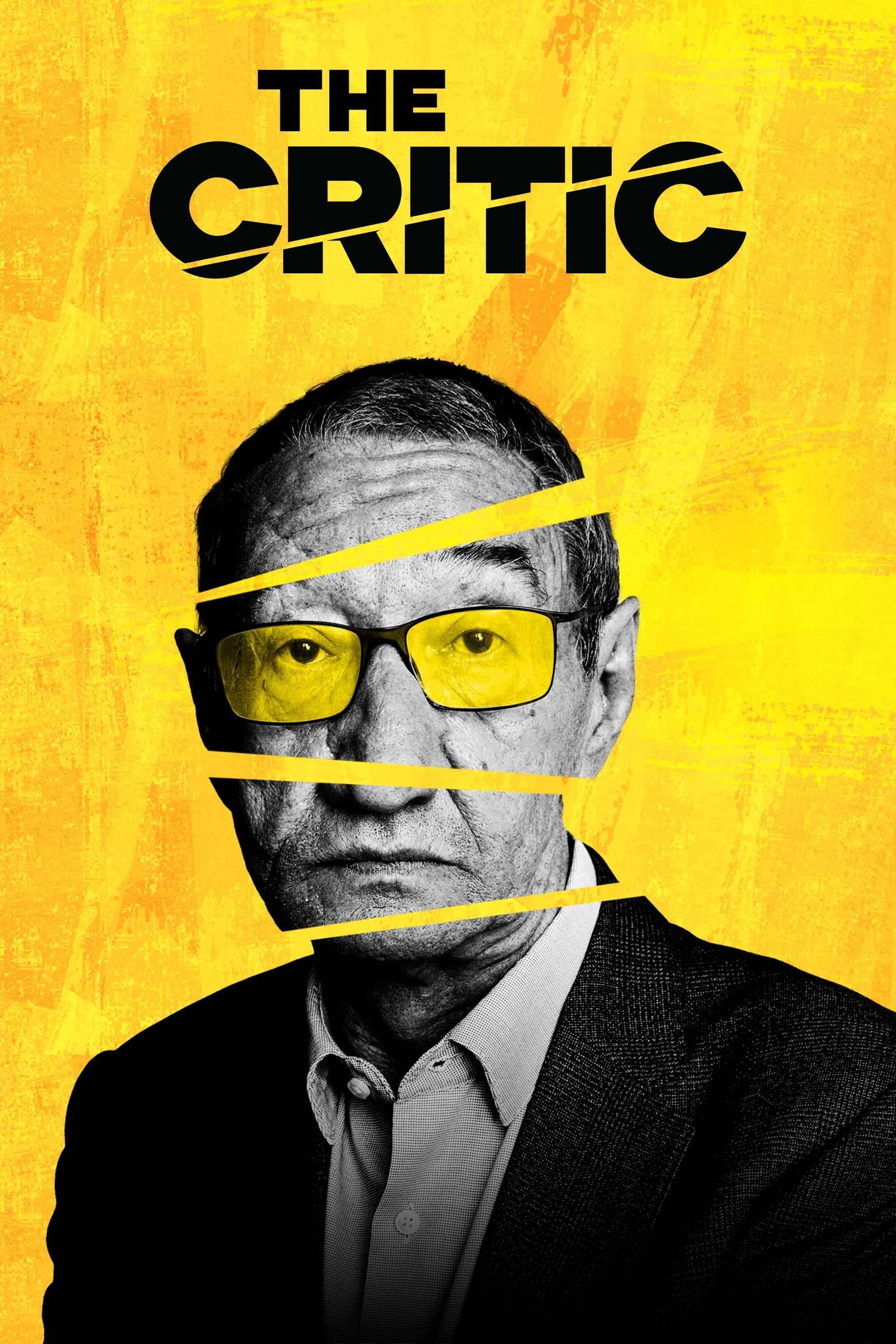
A portrait of film critic Carlos Boyero, one of the most followed and feared figures in Spanish cinema, surrounded by controversy and both love and hate.
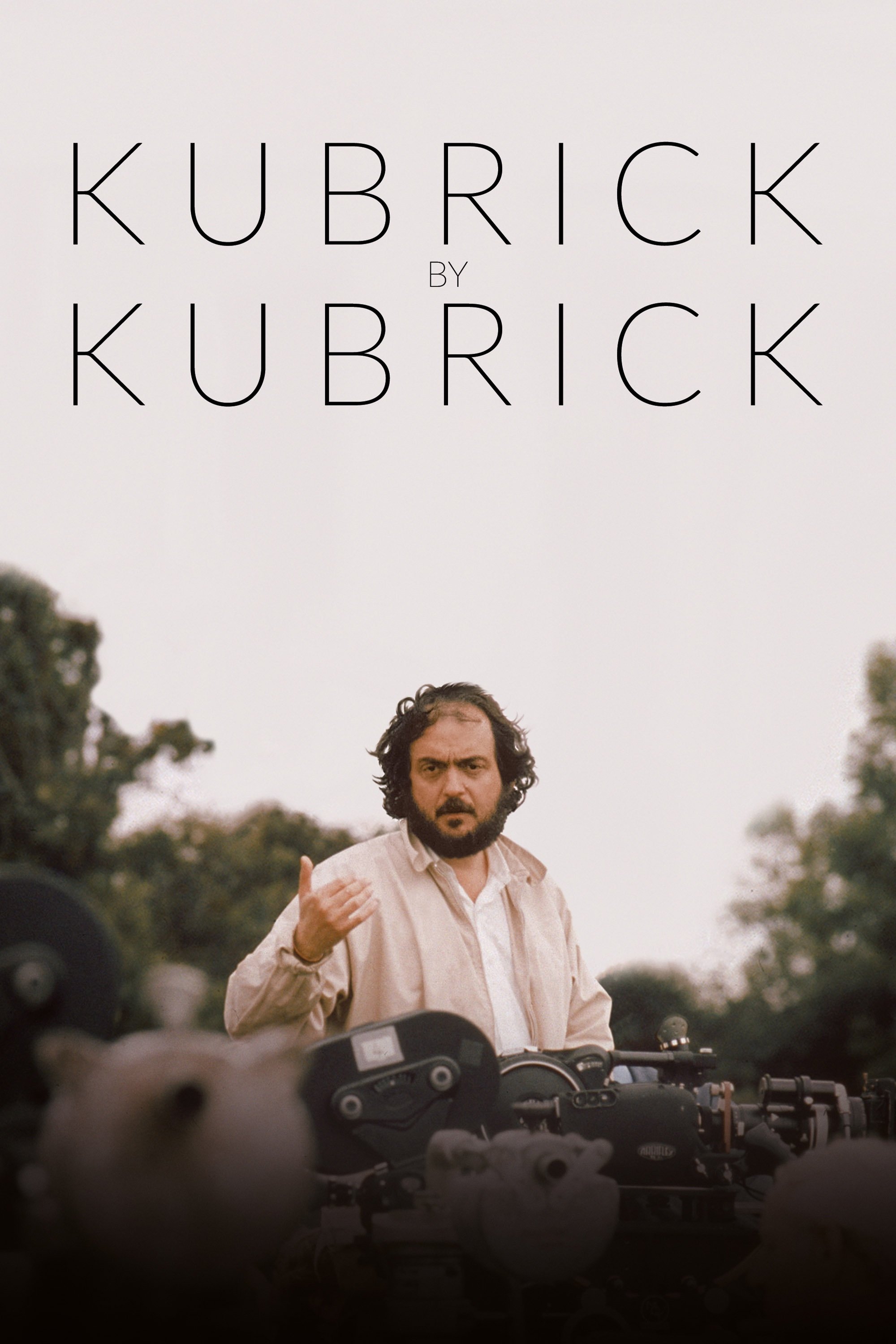
American filmmaker Stanley Kubrick (1928–1999), one of the greatest in history, but also one of the most reserved, gave few interviews throughout his long career, and none of them were filmed. A first-person journey through his life and work, based on a recorded conversation with French film critic Michel Climent.
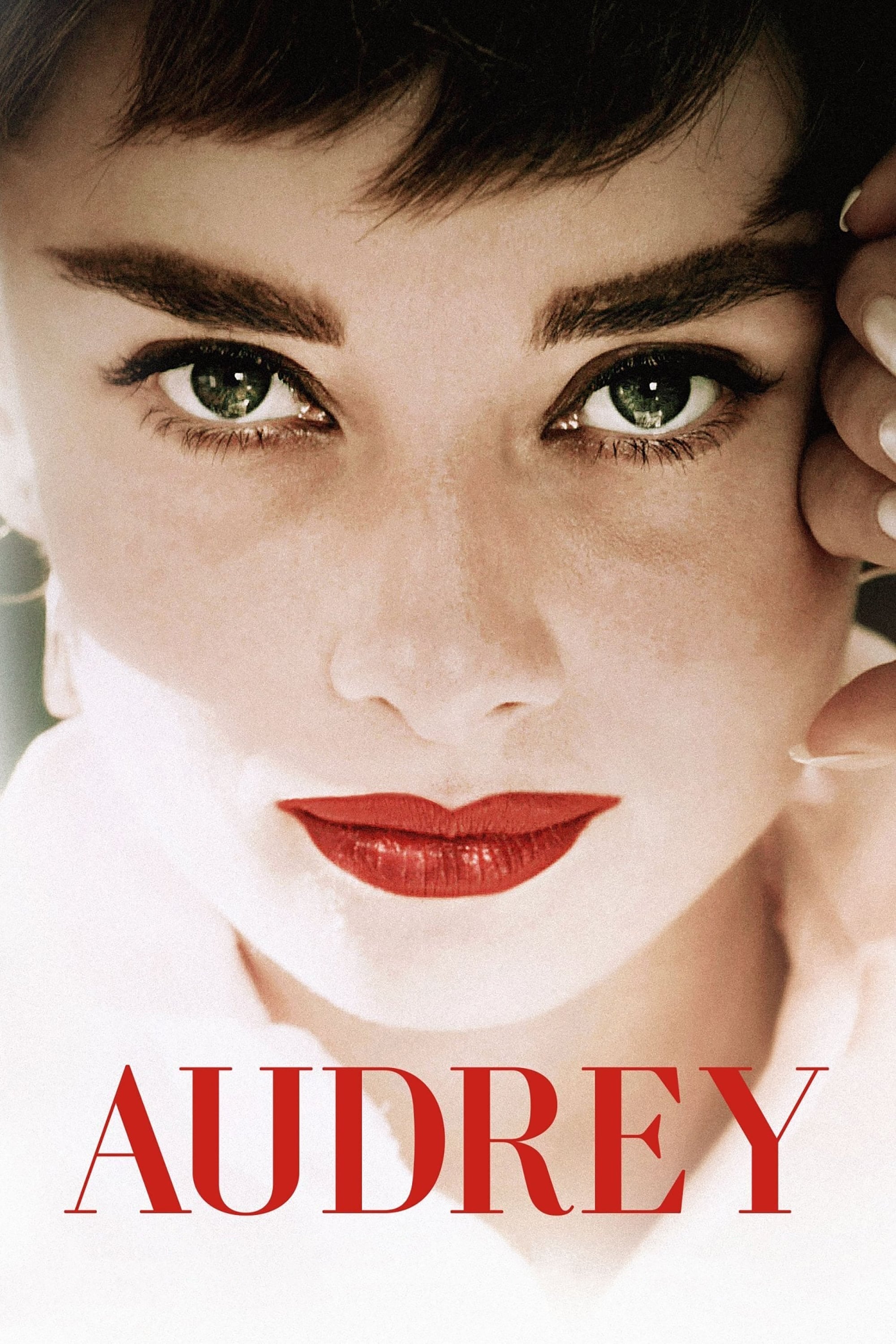
An unprecedented and intimate look at the life, work and enduring legacy of British actress Audrey Hepburn (1929-1993).
The history of cinematic sound, told by legendary sound designers and visionary filmmakers.
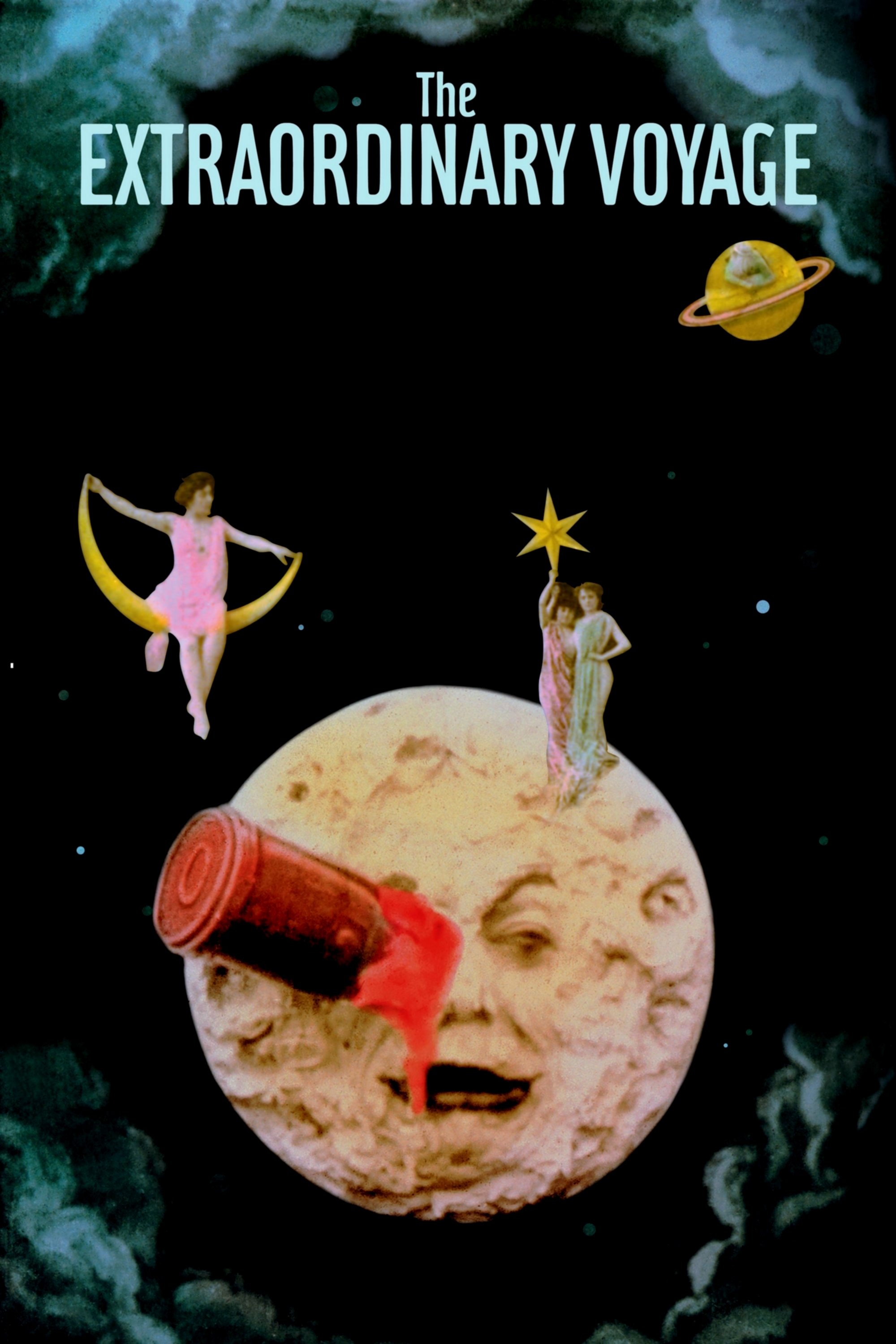
An account of the extraordinary life of film pioneer Georges Méliès (1861-1938) and the amazing story of the copy in color of his masterpiece A Trip to the Moon (1902), unexpectedly found in Spain and restored thanks to the heroic efforts of a group of true cinema lovers.
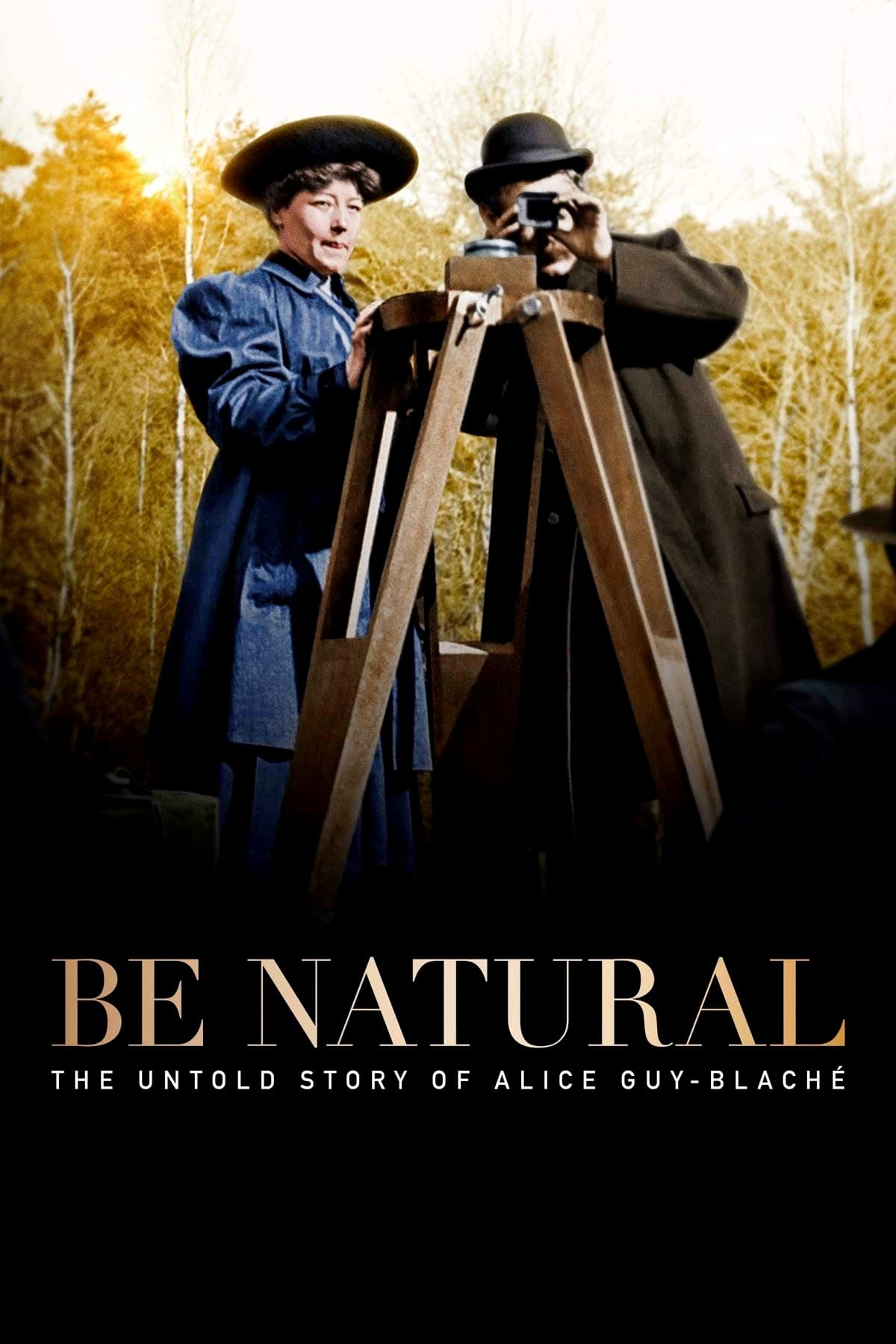
The epic life story of Alice Guy-Blaché (1873–1968), a French screenwriter, director and producer, true pioneer of cinema, the first person who made a narrative fiction film; author of hundreds of movies, but banished from history books. Ignored and forgotten. At last remembered.
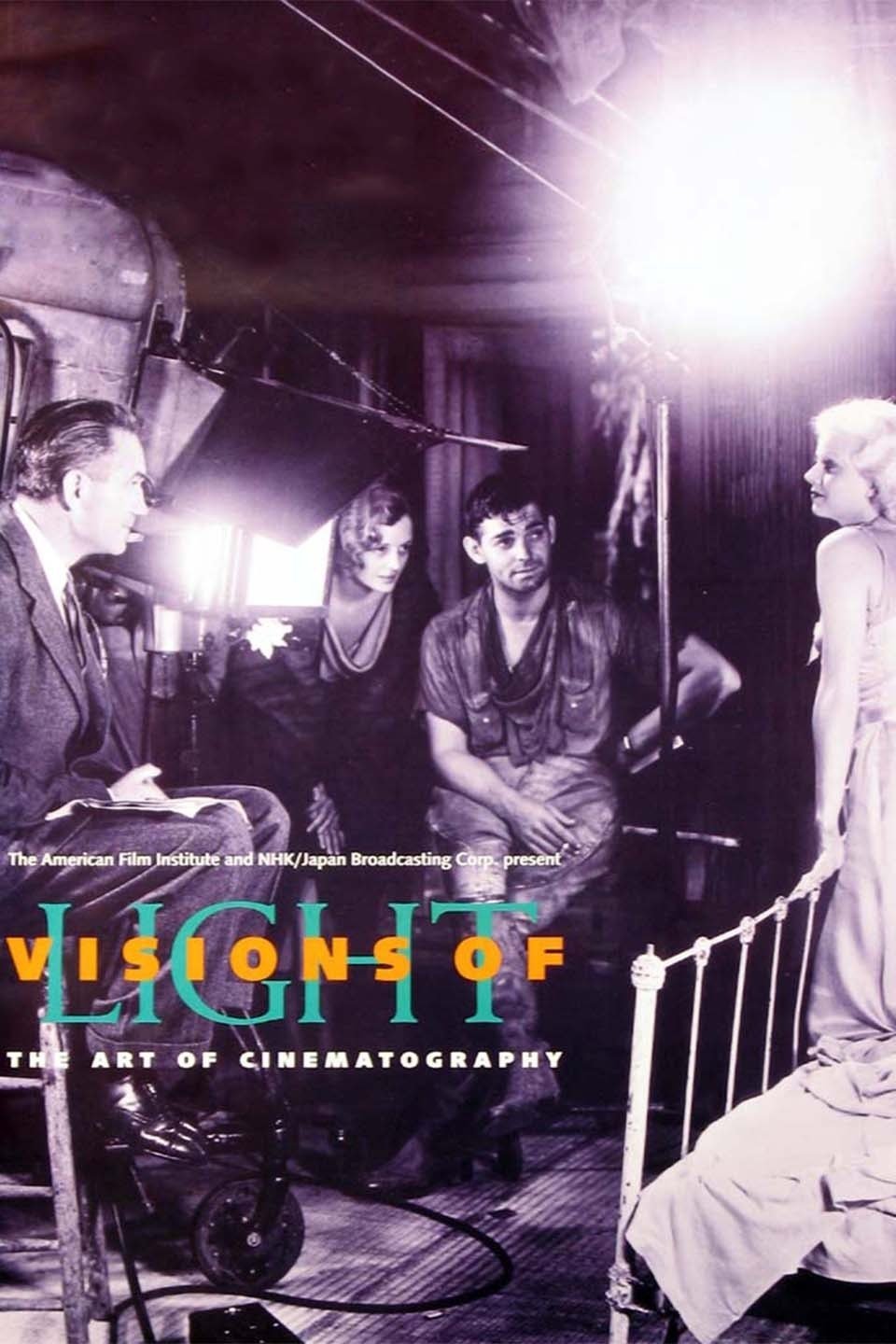
Cameramen and women discuss the craft and art of cinematography and of the "DP" (the director of photography), illustrating their points with clips from 100 films, from Birth of a Nation to Do the Right Thing. Themes: the DP tells people where to look; changes in movies (the arrival of sound, color, and wide screens) required creative responses from DPs; and, these artisans constantly invent new equipment and try new things, with wonderful results. The narration takes us through the identifiable studio styles of the 30s, the emergence of noir, the New York look, and the impact of Europeans. Citizen Kane, The Conformist, and Gordon Willis get special attention.
Documentary about the art of film editing. Clips are shown from many groundbreaking films with innovative editing styles.
In 1972, a seemingly typical shoestring budget pornographic film was made in a Florida hotel: "Deep Throat," starring Linda Lovelace. This film would surpass the wildest expectation of everyone involved to become one of the most successful independent films of all time. It caught the public imagination which met the spirit of the times, even as the self-appointed guardians of public morality struggled to suppress it, and created, for a brief moment, a possible future where sexuality in film had a bold artistic potential. This film covers the story of the making of this controversial film, its stunning success, its hysterical opposition along with its dark side of mob influence and allegations of the on set mistreatment of the film's star.
From its distinctive neighborhoods to its architectural homes, Los Angeles has been the backdrop to countless movies. In this dazzling work, Andersen takes viewers on a whirlwind tour through the metropolis' real and cinematic history, investigating the myriad stories and legends that have come to define it, and meticulously, judiciously revealing the real city that lives beneath.
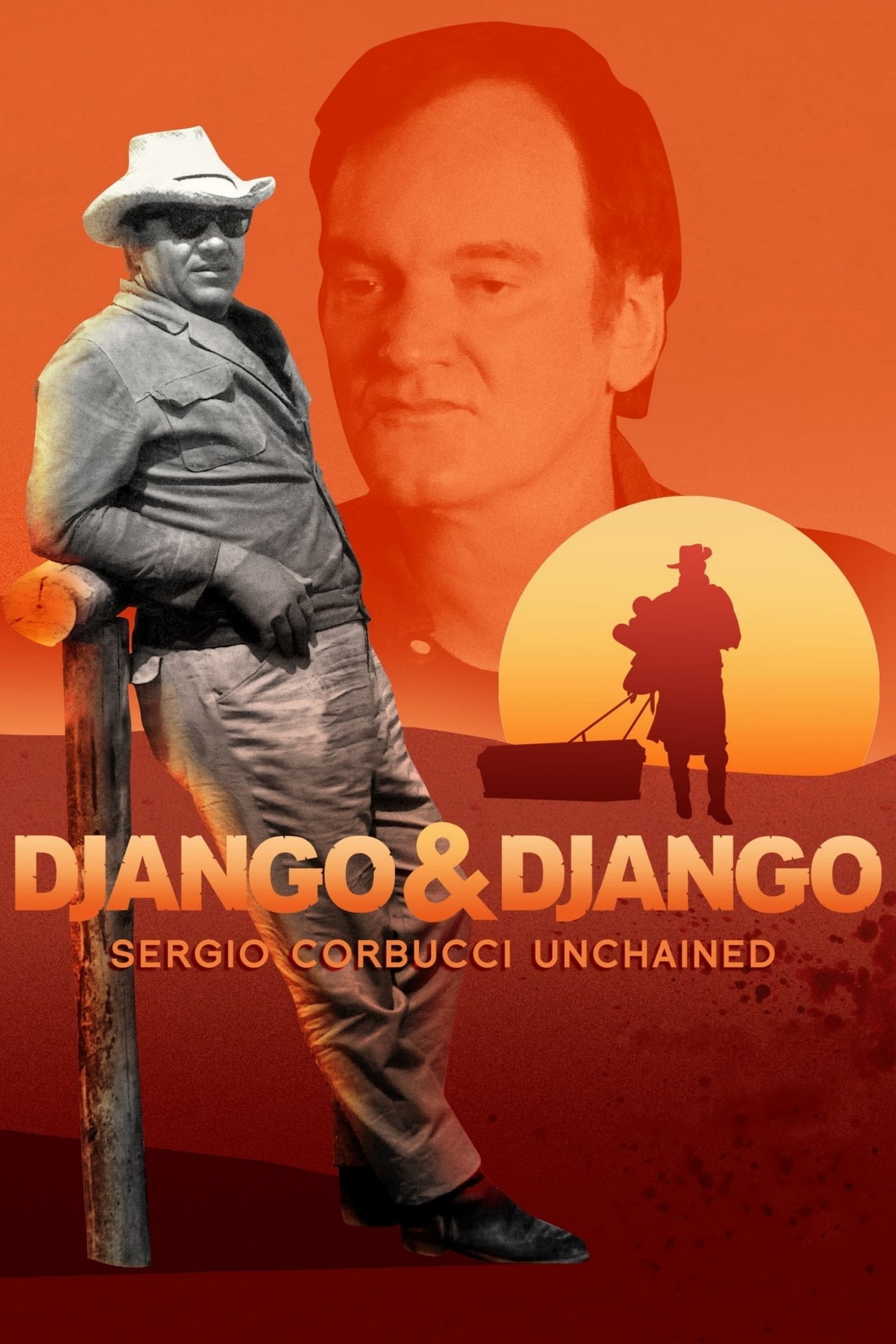
A tribute to Italian filmmaker Sergio Corbucci (1926-90), presented by American filmmaker Quentin Tarantino.
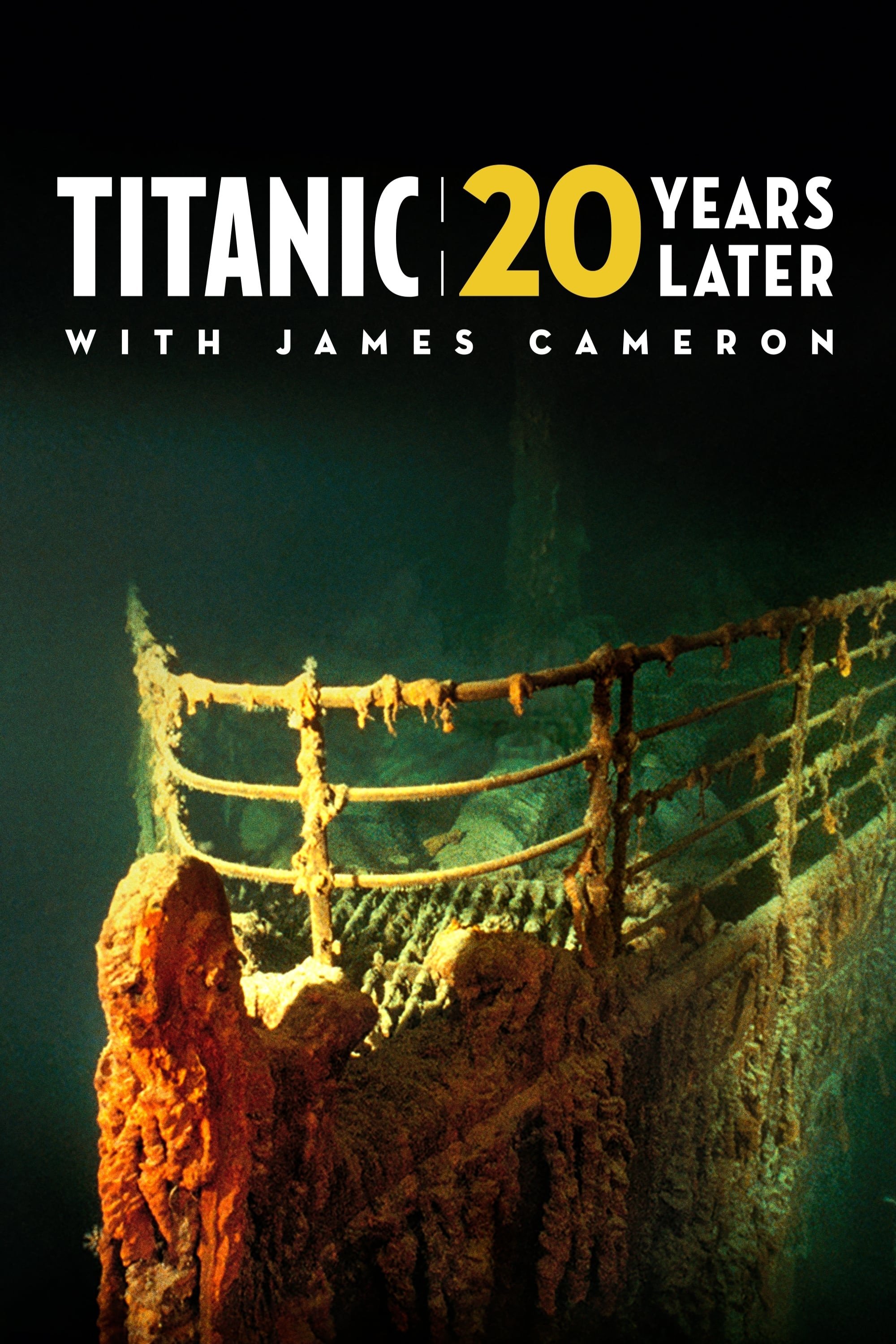
For the 20th anniversary of "Titanic," James Cameron reopens the file on the disaster.
A look behind the lens of Christopher Nolan's space epic.
An account of the life and work of legendary Japanese actor Toshirō Mifune (1920-97), the most prominent actor of the Golden Age of Japanese cinema.
The chronicle of the mind-blowing journey that was Hollywood during the seventies; the true and gripping story of the last golden age of American cinema, an exalted celebration of creativity and experimentation; but also of sex, drugs and rock 'n' roll: a turbulent and dark tale of ambition, envy, betrayal, hatred and self-destruction.
Filmmaker Alain Resnais documents the atrocities behind the walls of Hitler's concentration camps.
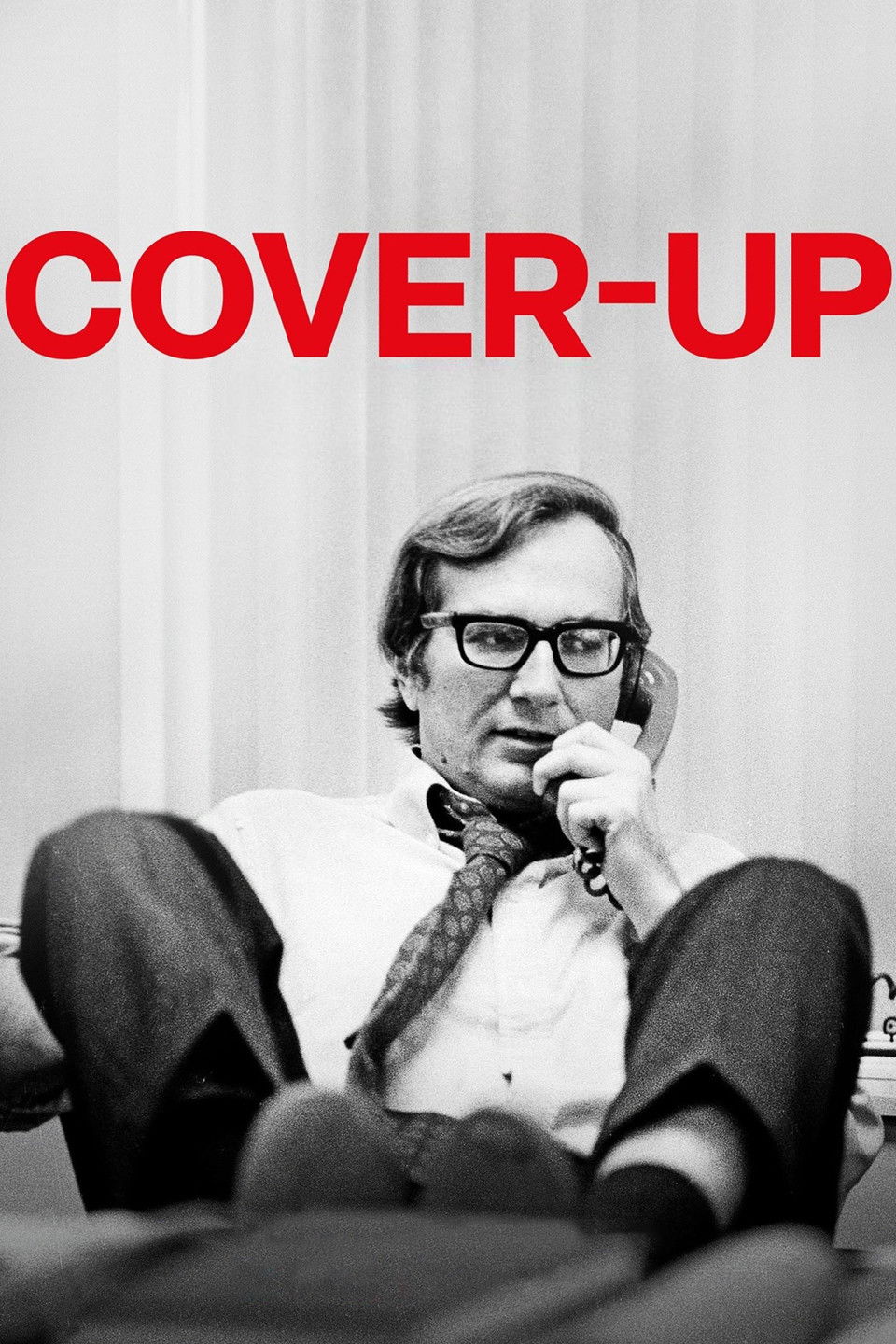
He's devoted his career to uncovering stories the powerful want buried. From My Lai to Abu Ghraib, dig into the life's work of journalist Seymour Hersh.
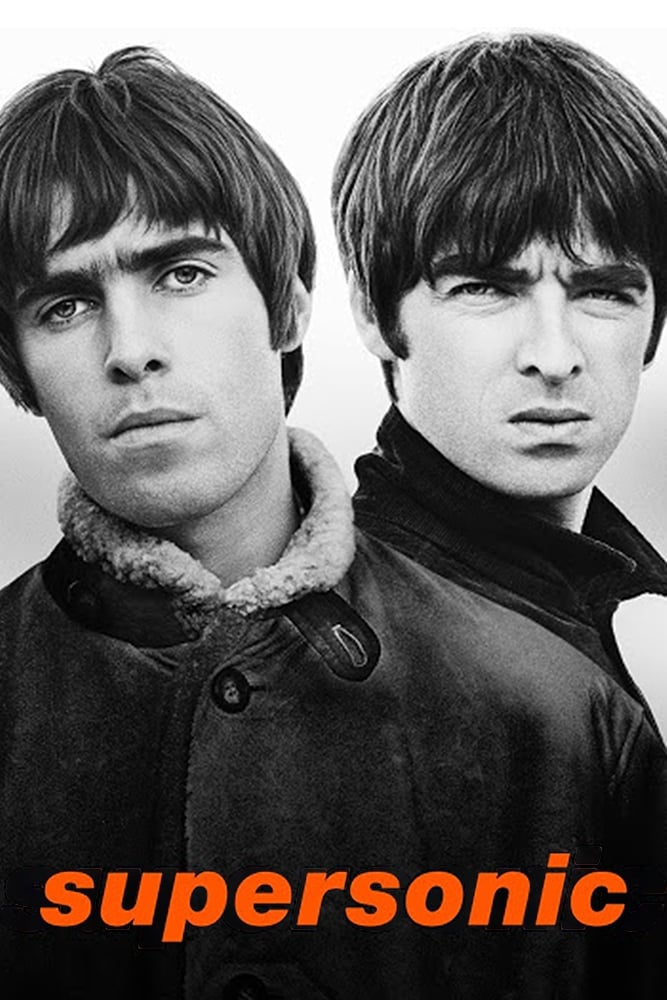
Supersonic charts the meteoric rise of Oasis from the council estates of Manchester to some of the biggest concerts of all time in just three short years. This palpable, raw and moving film shines a light on one of the most genre and generation-defining British bands that has ever existed and features candid new interviews with Noel and Liam Gallagher, their mother, and members of the band and road crew.
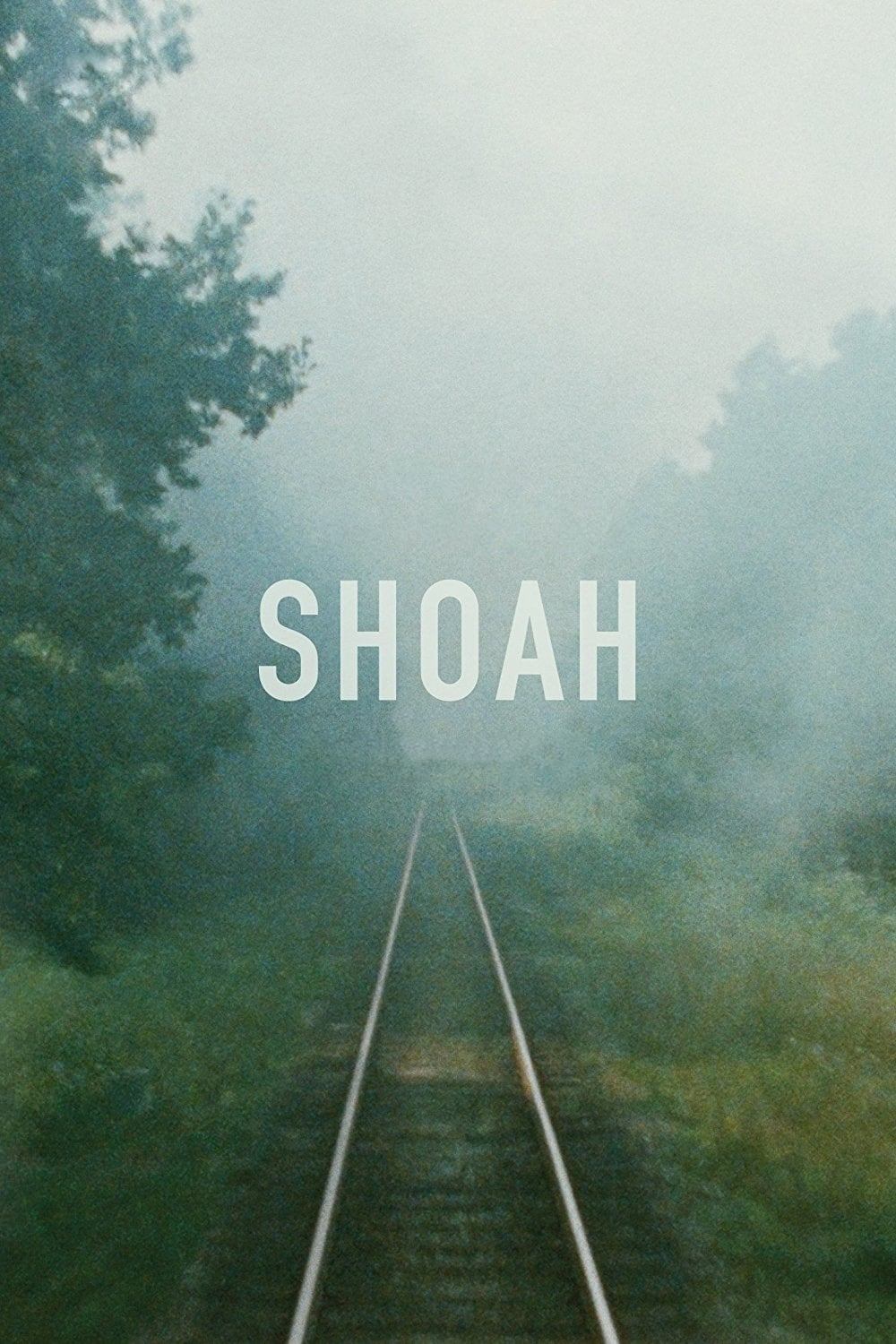
Director Claude Lanzmann spent 11 years on this sprawling documentary about the Holocaust, conducting his own interviews and refusing to use a single frame of archival footage. Dividing Holocaust witnesses into three categories – survivors, bystanders, and perpetrators – Lanzmann presents testimonies from survivors of the Chelmno concentration camp, an Auschwitz escapee, and witnesses of the Warsaw Ghetto Uprising, as well as a chilling report of gas chambers from an SS officer at Treblinka.
Journey into the extraordinary world of "The Witcher" — from casting the roles to Jaskier's catchy song — in this behind-the-scenes look at the series.
“The Soviet Story” is a story of an Allied power, which helped the Nazis to fight Jews and which slaughtered its own people on an industrial scale. Assisted by the West, this power triumphed on May 9th, 1945. Its crimes were made taboo, and the complete story of Europe’s most murderous regime has never been told. Until now...