Social & External
Unknown Role
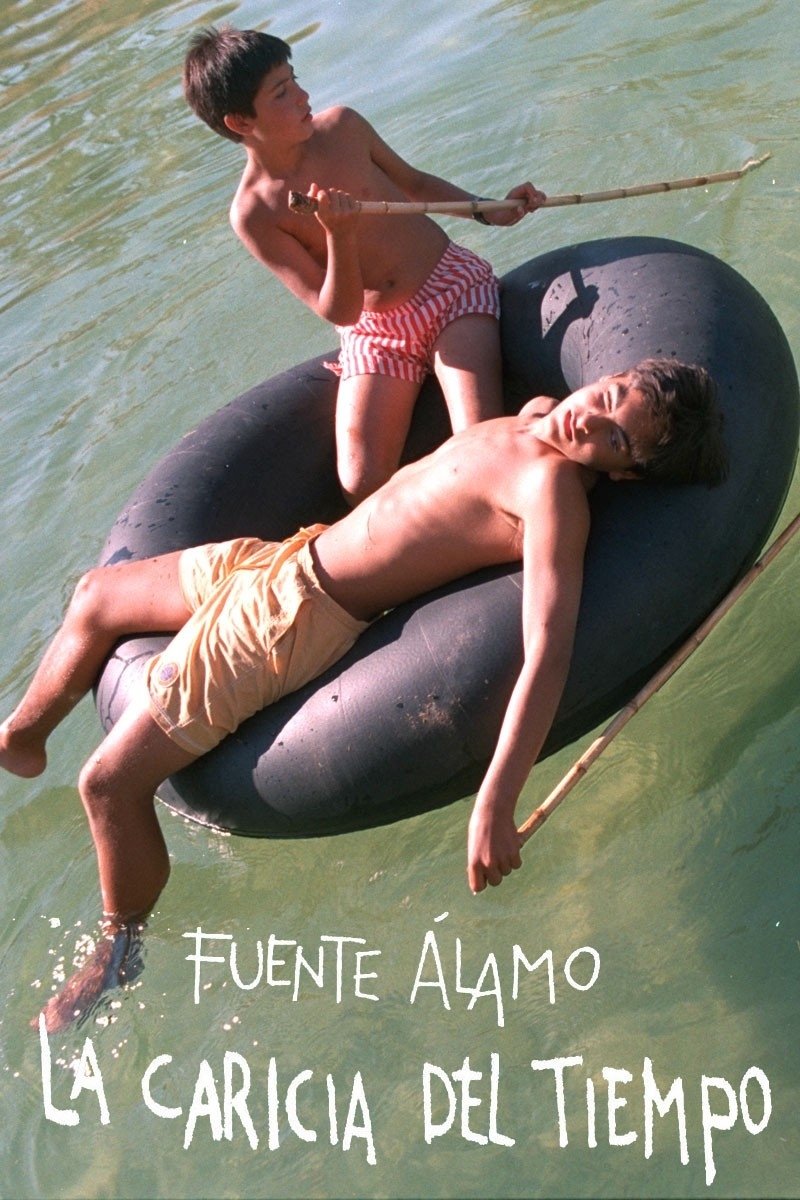
The camera falls in love with the characters, the landscape and the objects and is installed with the tenderness that inoculates the life of the town itself. The camera is the thousand eyes of the gaze of a rigorous anthropologist, although in love, multiplying so as not to lose detail in 24 hours of people, activity, games, intimacy ... Recording every sound that pierces the oceanic silence of the countryside open.And night comes. And the gazpacho. And the party. You see.
An investigation of how Hollywood's fabled stories have deeply influenced how Americans feel about transgender people, and how transgender people have been taught to feel about themselves.
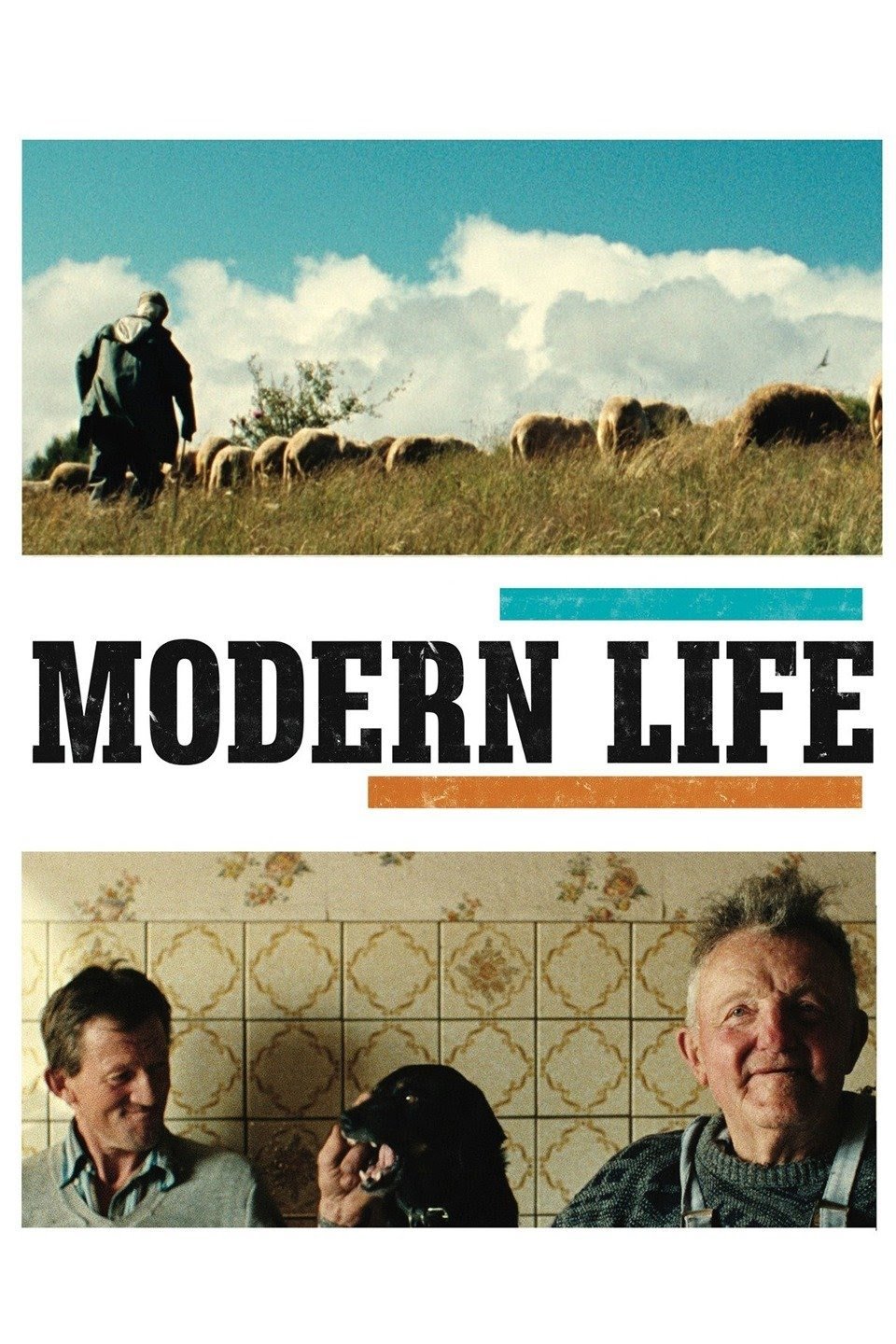
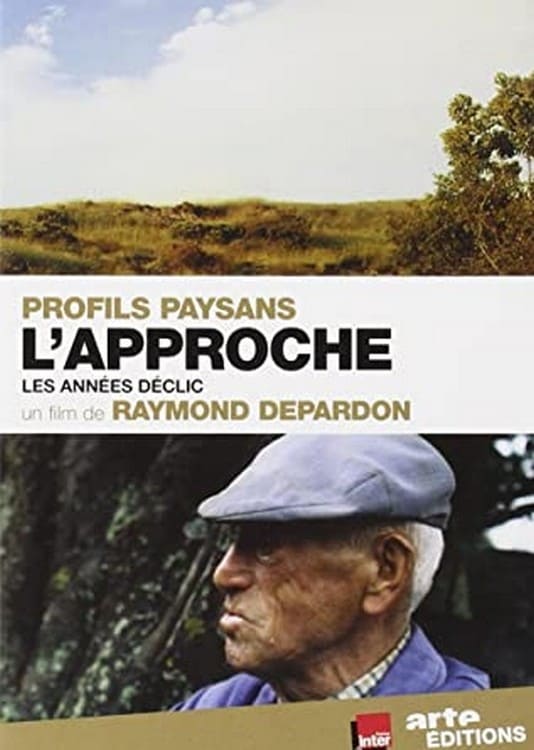
For ten years, Raymond Depardon has followed the lives of farmer living in the mountain ranges. He allows us to enter their farms with astounding naturalness. This moving film speaks, with great serenity, of our roots and of the future of the people who work on the land. This the last part of Depardon's triptych "Profils paysans" about what it is like to be a farmer today in an isolated highland area in France. "La vie moderne" examines what has become of the persons he has followed for ten years, while featuring younger people who try to farm or raise cattle or poultry, come hell or high water.
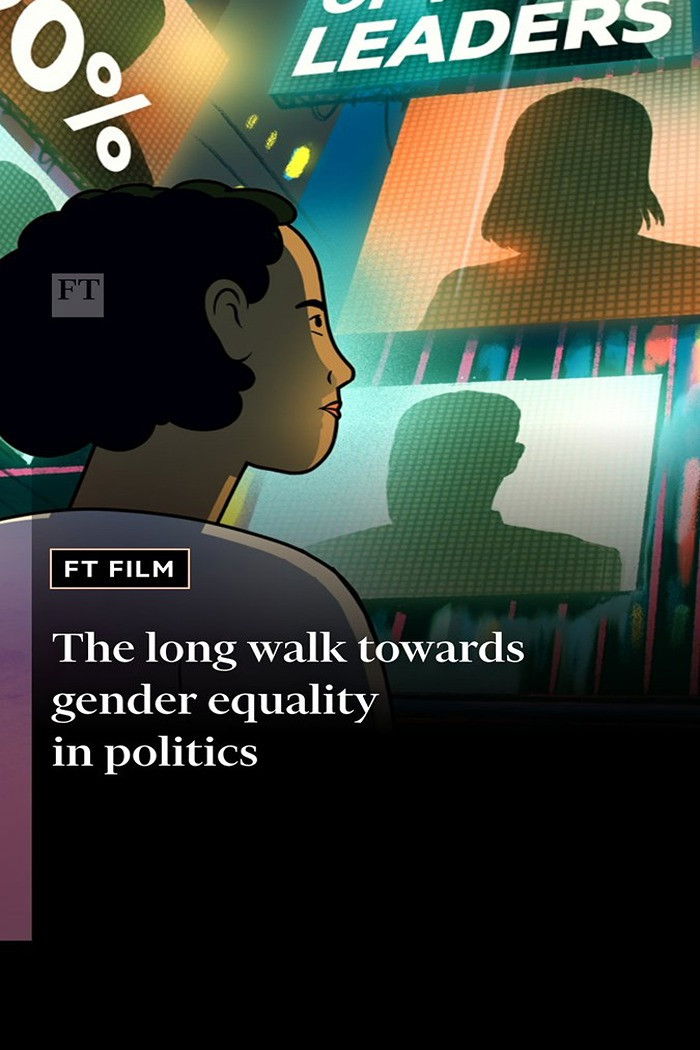
Gender inequality is a global issue that affects women's participation in politics, education, and the workforce. While women have made progress in politics, they are still underrepresented in leadership positions.
This documentary film follows farmers and activists fighting together to stop the Indiana Enterprise Center, a mega-sized industrial park planned west of South Bend, Indiana
No one has ever seen a skateboarder at this Loiret skatepark. At first glance, this place away from the village is deserted. But if you hang around for a long time, you enter the kingdom of adolescents, an empire without adults where relationships are made and broken with the rhythm of the seasons.
Set in the mountains of northeast Italy, this film may be considered an observational documentary about rural life. Although this is undeniably the case, at the same time Under the cold stars can hardly be considered a documentary: the microcosm on which it focuses appears to be a reflection of a broader reality and perhaps a way to deal with the themes of man’s existence and his relationship with animals, nature and, most importantly, with time. As written by Franco Piavoli "it is a film which essentially relies on images and sound, where words themselves are sound and the music of life, of the relentless flow of time."
An epic family saga told by the women around the famous architect Ludwig Mies van der Rohe.
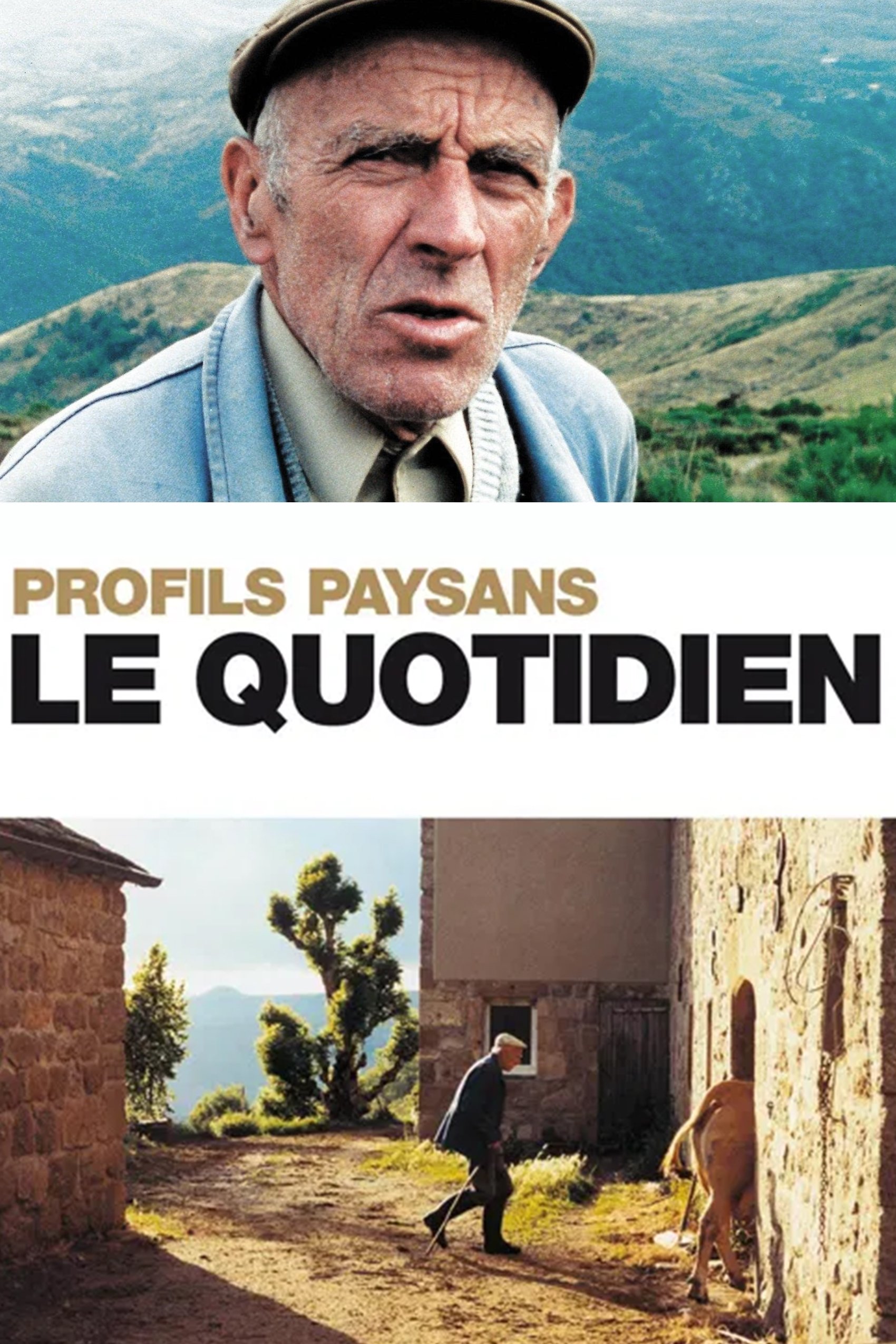
Together, the three Bertrand brothers work their farm in a small Savoyard village. In 1972, they took the enormous risk to invest in the construction of an ultra modern stable for 82 milk cows. With modern organisation, they hoped to lead a better life. Almost 30 years later, the farm is successful. Their work is meticulous and the milk is graded top quality. The human cost is much more sombre. Indeed these thirty years can be summarised in one word : work. The brothers are bachelors and – each one now over sixty years old – a bitterness when they recall their past. The younger brother says it himself: "It's an economic success, but it's a human failure...".
The first of a documentary serie about rural France.
Second documentary of a trilogy produced on the long term (together with Profils paysans: l'approche (2001) and Profils paysans: La vie moderne (2008)), showing the simple lives of farmers in contemporary Southern France.
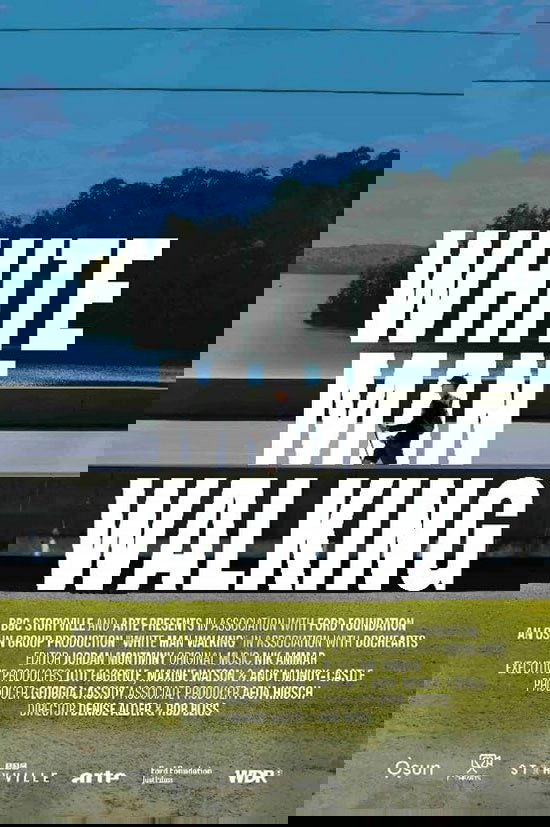
In July 2020, Rob Bliss, a young, white filmmaker, posted a video of what happened when he held up a ‘Black Lives Matter’ sign in Harrison, Arkansas, 'the most racist town in America'. It went viral, attracting 12 million views. What Bliss did next was remarkable. Over 1500 miles, two months and 25 miles a day, he set out to walk through the American South, wearing a Black Lives Matter t-shirt, and a sign that invited people to ‘come walk with me’. His goal was simple: to take the conversation Floyd’s murder had sparked about racism in American society into the places where it was most needed, yet most silent.
After eighteen years of operating the favourite lunch counter in Manitoba's Interlake region, Ellen and Martin Kihn have retired. A poignant look at the last day, The Kihns, their friends and their customers, demanding rural life and the place the disappearing institution of the country cafe plays in these people's lives. A tribute to the cafes found in small towns.
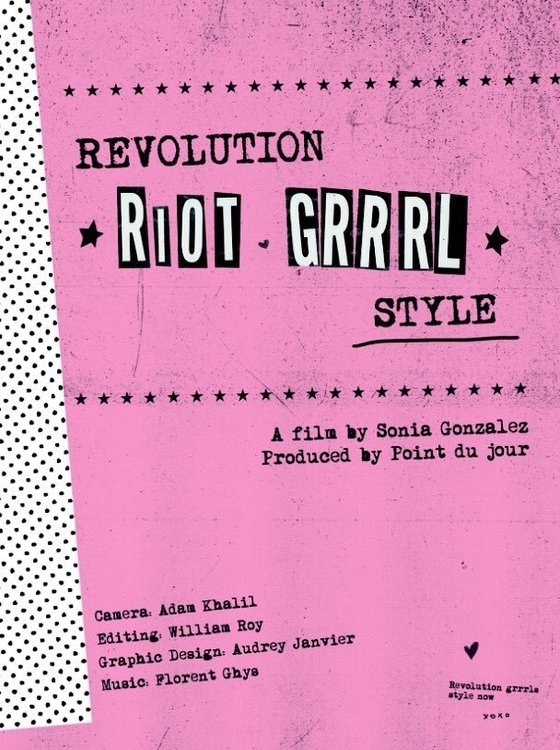
Today, we see a new style of feminism springing up everywhere - young, provocative and radical. To get their message across, these women have decided to rely on rock music! While the Pussy Riot shock Russia and fascinate the West, the concerts of Peaches or Grimes are sold out, while artists such as Kathleen Hanna make their comeback to remind us that it all began in 1990 in some backwater of the United States. The RIOT GRRRLS revolutionized rock and inspired entire generations of young artists around the world. This film will explore today s feminist scene while revisiting the little known history of this revolution that shook the early 90s.
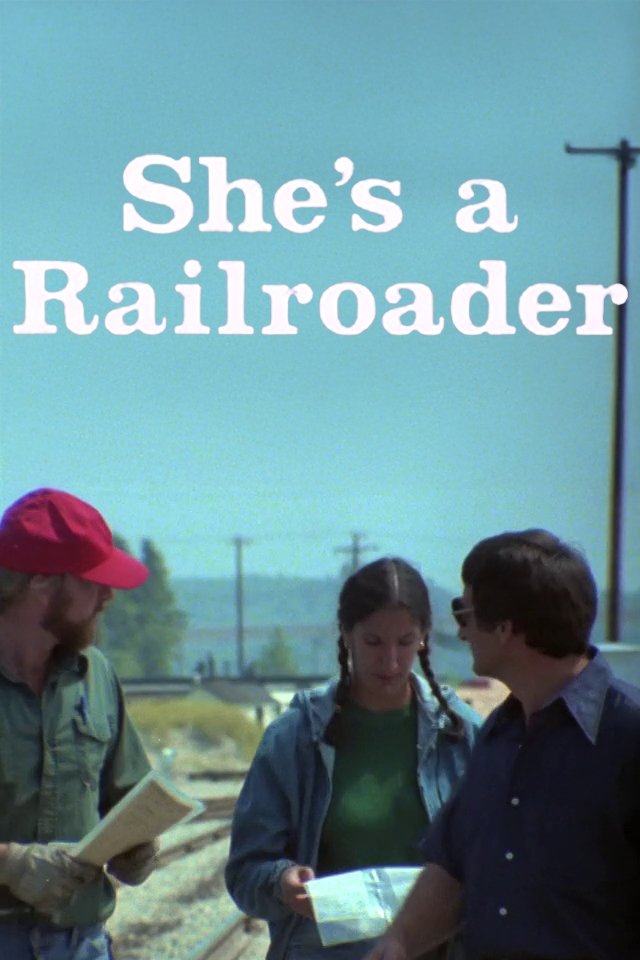
Karen Zaitchik jumps on and off moving boxcars, throws switches, pulls brakes and uncouples freights with ease and confidence. She's a railroader for CN and that's what this 21-year-old highly individualistic woman wants out of life for the moment. This colourful short film shows how Karen manages in the traditionally male world of the railroad.
An introduction to the employment picture in Canada in the late 1950s, designed to inform potential immigrants of job opportunities existing for women. The film reviews many fields of work in which women are engaged, ranging from the highly specialized to the unskilled, and shows much of it being performed by women who have come to Canada from many different lands. Placement services and information services established to help newly arrived immigrants are shown in operation. Viewed from a modern perspective, the greater part of the film accepts as normal the waste of women's talents in repetitive or service jobs while elevating this work to the status of a career. Currently distributed only in 13-minute abridged form.
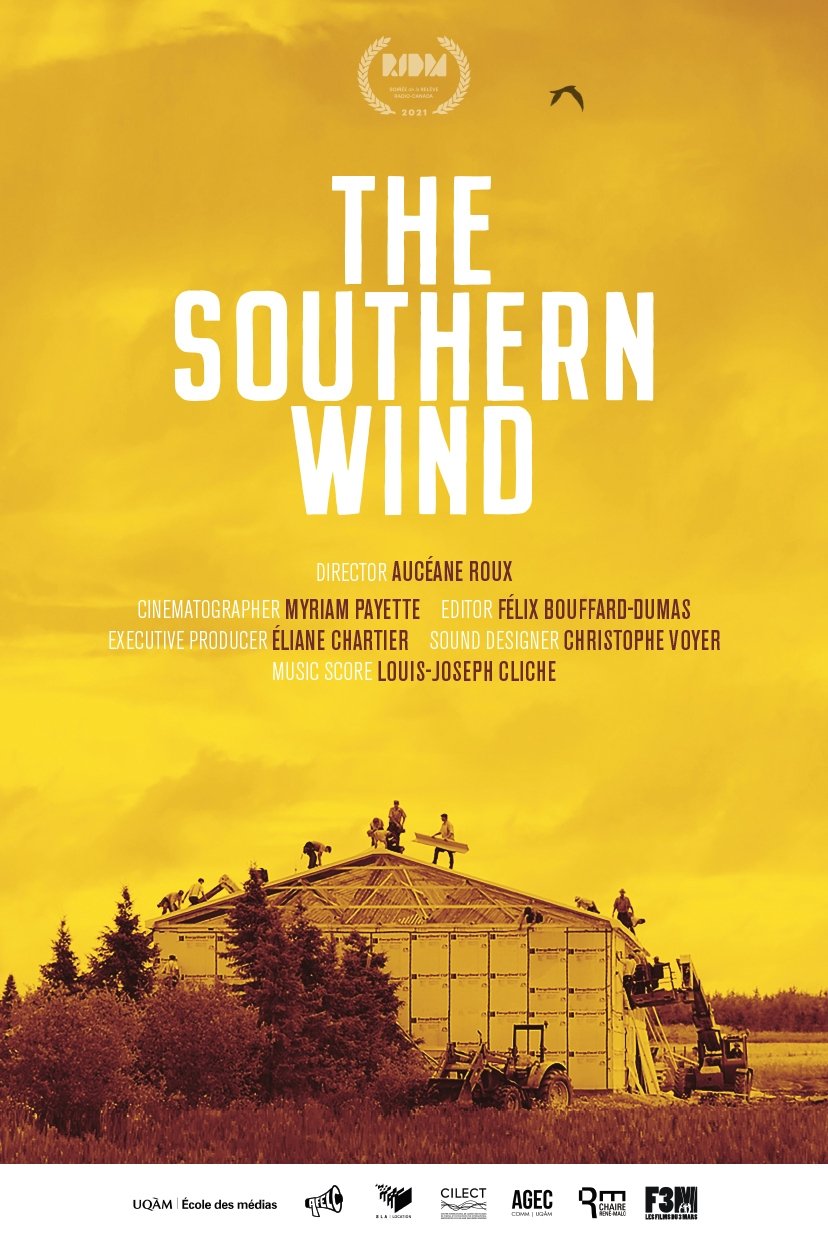
In Canada, the village of Val Gagné is facing a rural exodus. Life seems to be dissolving, the future is uncertain. But these Franco-Ontarian villagers are surprised by a wind of renewal. A wind that will give them hope.