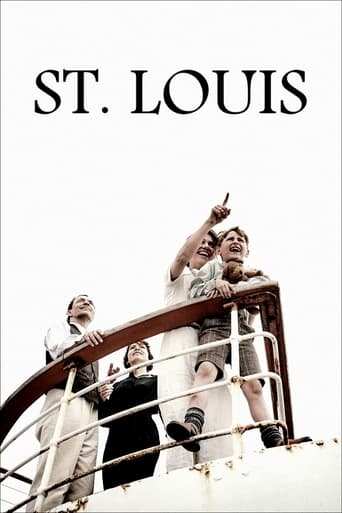
Documentary that follows the lives of several Jewish refugees who fled to Shanghai during WWII.
Social & External
Annie Witting (voice)
Adolf Stopfer (voice)
A captivating and personal detective story that uncovers the truth behind the childhood of Michaël Prazan's father, who escaped from Nazi-occupied France in 1942 thanks to the efforts of a female smuggler with mysterious motivations.
In 1939, just finished the Spanish Civil War, Spanish republican photographer Francesc Boix escapes from Spain; but is captured by the Nazis in 1940 and imprisoned in the Mauthausen concentration camp, in Austria, a year later. There, he works as a prisoner in the SS Photographic Service, hiding, between 1943 and 1945, around 20,000 negatives that later will be presented as evidence during several trials conducted against Nazi war criminals after World War II.
In the small town of Rechnitz a terrible crime against humanity was performed during the holocaust. Until now, no-one dares to talk about it.
An exploration of the shocking impact of the Holocaust in Ukraine, where some of the most horrific Nazi massacres of World War II occurred. Featuring contributions from Holocaust survivors.
The story of black and mixed race people in Nazi Germany who were sterilised, experimented upon, tortured and exterminated in the Nazi concentration camps. It also explores the history of German racism and examines the treatment of Black prisoners-of-war. The film uses interviews with survivors and their families as well as archival material to document the Black German Holocaust experience.
Anne Frank's world famous diary came to an abrupt end shortly before she and her family were discovered hiding from the Nazis in a secret annex at the top of Otto Frank's office building, on August 4, 1944. While her diary tells the story of Anne's life, the story of her death reveals the atrocities encountered by millions of Jews during the Holocaust. In a solemn remembrance of the horrors that Anne Frank and these millions of others suffered during the dark days of World War II, National Geographic Channel (NGC) takes viewers inside the concentration camps in a two-hour special. In keeping with NGC's tradition of unparalleled storytelling, Anne Frank's Holocaust incorporates new findings and rarely seen photographs to reintroduce the story of the massacre of Jews in one of the most comprehensive documentaries on the subject to date.
The events that took place at the beach of El Tarajal in Ceuta (Spain) in February 2014 - the killing by the border police of 15 people who were trying to reach the Spanish coast - are an example of how the police force can violate the laws of its own country and international conventions with total impunity. The worst part is that this violation of human rights is protected by the Spanish Ministry of Interior itself, which hinders any effective action by the prosecution. For this reason, the civil society plays a fundamental role in revealing the facts. This is where the figure of collective complaints (DESC Observatory and the association Coordinadora de Barrios) steps in.
A handful of prisoners in WWII camps risked their lives to take clandestine photographs and document the hell the Nazis were hiding from the world. In the vestiges of the camps, director Christophe Cognet retraces the footsteps of these courageous men and women in a quest to unearth the circumstances and the stories behind their photographs, composing as such an archeology of images as acts of defiance.
A documentary exploring how Albanians, including many Muslims, helped and sheltered Jewish refugees during WWII at their own risk, and trying to help the son of an Albanian baker that housed a Jewish family for a year return some Hebrew books that the family had to leave behind.
A 6-year-old Tibetan boy leaves his family and flees to a refugee camp in northern India.
The Polish city of Łódź was under Nazi occupation for nearly the entirety of WWII. The segregation of the Jewish population into the ghetto, and the subsequent horrors are vividly chronicled via newsreels and photographs. The narration is taken almost entirely from journals and diaries of those who lived–and died–through the course of the occupation, with the number of different narrators diminishing as the film progresses, symbolic of the death of each narrator.
A portrait of Pope Pius XII (1876-1958), head of the Catholic Church from 1939 until his death, who, during World War II, and while European Jews were being exterminated by the Nazis, was accused of keeping a disconcerting and shameful silence.
Can a language save your life? Yes it can, even an ancient one from the 15th century. Saved by Language tells the story of Moris Albahari, a Sephardic Jew from Sarajevo (born 1930), who spoke Ladino/Judeo-Spanish, his mother tongue, to survive the Holocaust. Moris used Ladino to communicate with an Italian Colonel who helped him escape to a Partizan refuge after he ran away from the train taking Yugoslavian Jews to Nazi death camps. By speaking in Ladino to a Spanish-speaking US pilot in 1944 he was able to survive and lead the pilot, along with his American and British colleagues, to a safe Partizan airport.
For more than a decade, Reichsmarschall Hermann Goering, Adolf Hitler's right-hand man during the infamous Third Reich, assembled a collection of thousands of works of art that were meticulously catalogued.
As the war wages on, Ukrainians under everyday threat find ways to live. A soldier returns home, a chaplain grapples with the weight of responsibility, and a mother grieves the loss of her family. These stories, amidst others, are a testament of Ukraine’s history, perseverance and plea to be remembered.
In 1944, two prisoners miraculously escaped from Auschwitz. They told the world of the horror of the Holocaust and raised one of the greatest moral questions of the 20th century.
Even high Nazi leaders like Joseph Goebbels and Hermann Göring were almost contemptuous of this party comrad, and yet he was one of the most influential figures in the Third Reich: Julius Streicher, publisher of the anti-Semitic weekly "Der Stürmer", responsible for the worst propaganda and infamous for his corrupt and violent regime as Gauleiter of Franconia. By the Allies he was considered a symbol of Nazi hatred of the Jews. In 1946 he was sentenced to death in Nuremberg and executed.
More than 65 million people around the world have been forced from their homes to escape famine, climate change and war, the greatest displacement since World War II. Filmmaker Ai Weiwei examines the staggering scale of the refugee crisis and its profoundly personal human impact. Over the course of one year in 23 countries, Weiwei follows a chain of urgent human stories that stretch across the globe, including Afghanistan, France, Greece, Germany and Iraq.
Penetrating the insular world of New York's Hasidic community, focusing on three individuals driven to break away despite threats of retaliation.
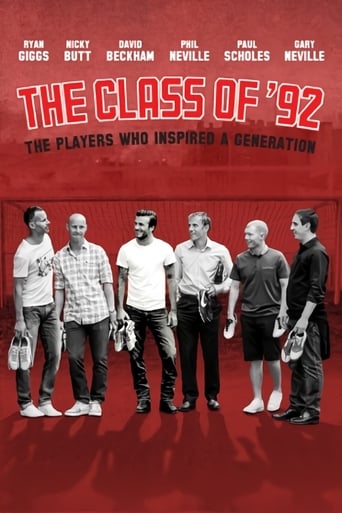
A detailing of the rise to prominence and global sporting superstardom of six supremely talented young Manchester United football players (David Beckham, Nicky Butt, Ryan Giggs, Paul Scholes, Phil and Gary Neville). The film covers the period 1992-1999, culminating in Manchester United's European Cup triumph.
A woman’s Holocaust memoir takes the world by storm, but a fallout with her publisher-turned-detective reveals her story as an audacious deception created to hide a darker truth.
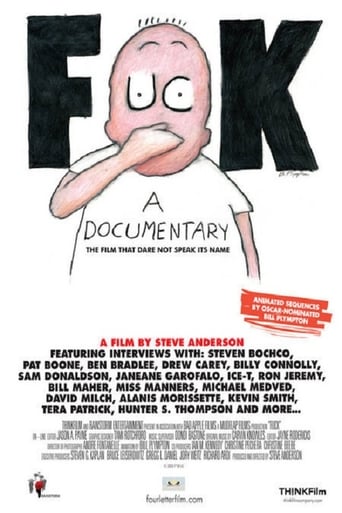
A documentary on the expletive's origin, why it offends some people so deeply, and what can be gained from its use.
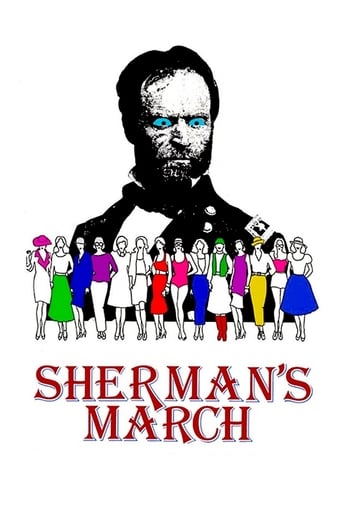
Ross McElwee sets out to make a documentary about the lingering effects of General Sherman's march of destruction through the South during the Civil War, but is continually sidetracked by women who come and go in his life, his recurring dreams of nuclear holocaust, and Burt Reynolds.
When Allied forces liberated the Nazi concentration camps in 1944-45, their terrible discoveries were recorded by army and newsreel cameramen, revealing for the first time the full horror of what had happened. Making use of British, Soviet and American footage, the Ministry of Information’s Sidney Bernstein (later founder of Granada Television) aimed to create a documentary that would provide lasting, undeniable evidence of the Nazis’ unspeakable crimes. He commissioned a wealth of British talent, including editor Stewart McAllister, writer and future cabinet minister Richard Crossman – and, as treatment advisor, his friend Alfred Hitchcock. Yet, despite initial support from the British and US Governments, the film was shelved, and only now, 70 years on, has it been restored and completed by Imperial War Museums under its original title "German Concentration Camps Factual Survey".
Over seven decades, actor and activist George Takei journeyed from a World War II internment camp to the helm of the Starship Enterprise, and then to the daily news feeds of five million Facebook fans. Join George and his husband, Brad, on a wacky and profound trek for life, liberty, and love.
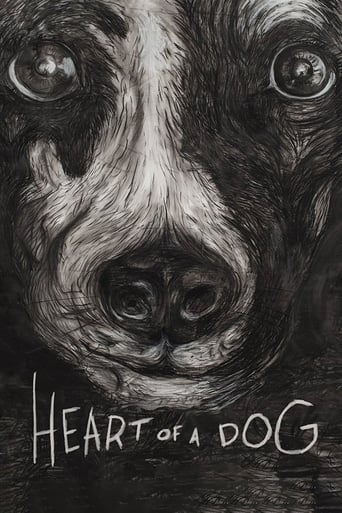
Lyrical and powerfully personal essay film that reflects on the deaths of her husband Lou Reed, her mother, her beloved dog, and such diverse subjects as family memories, surveillance, and Buddhist teachings.
Diaries, audiotapes, videotapes and testimonials from friends and colleagues offer insight into the life and career of Gilda Radner -- the beloved comic and actress who became an icon on Saturday Night Live.
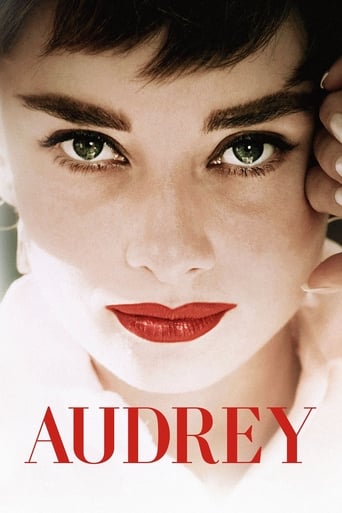
An unprecedented and intimate look at the life, work and enduring legacy of British actress Audrey Hepburn (1929-1993).
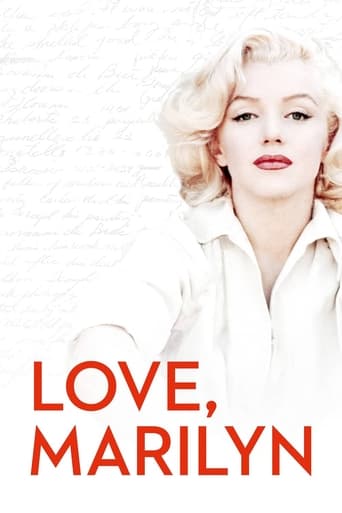
Using the book 'Fragments', which collects Marilyn Monroe's poems, notes and letters, and with participation from the Arthur Miller and Truman Capote estates who have contributed more material, each of the actresses will embody the legend at various stages in her life.
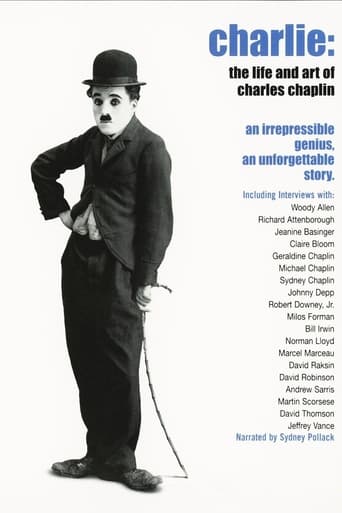
Brilliant, long in-the-works story of the life and art of the world's greatest comedian and the cinema's first genius, Charlie Chaplin. Produced, written and directed by renowned film critic Richard Schickel.
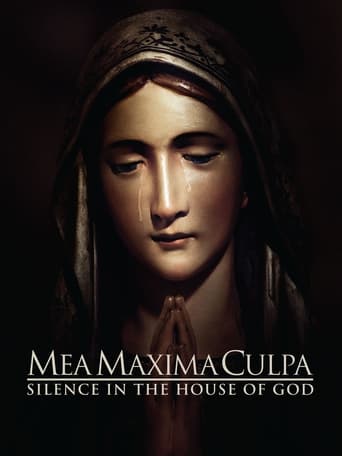
Alex Gibney explores the charged issue of pedophilia in the Catholic Church, following a trail from the first known protest against clerical sexual abuse in the United States and all way to the Vatican.
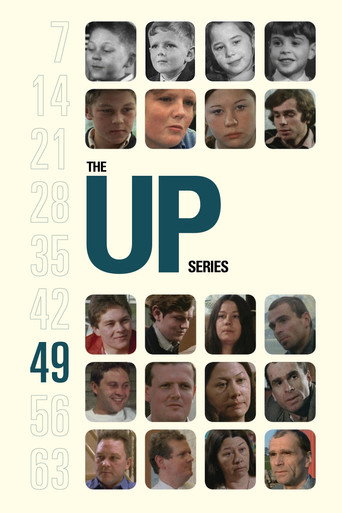
49 Up is the seventh film in a series of landmark documentaries that began 42 years ago when UK-based Granada's World in Action team, inspired by the Jesuit maxim "Give me the child until he is seven and I will give you the man," interviewed a diverse group of seven-year-old children from all over England, asking them about their lives and their dreams for the future. Michael Apted, a researcher for the original film, has returned to interview the "children" every seven years since, at ages 14, 21, 28, 35, 42 and now again at age 49.In this latest chapter, more life-changing decisions are revealed, more shocking announcements made and more of the original group take part than ever before, speaking out on a variety of subjects including love, marriage, career, class and prejudice.
Through deeply personal interviews with her siblings and an examination of the photographs, letters, and belongings left behind, Mariska assembles a new portrait of her mother Jayne Mansfield, an extraordinary and complex woman.
Martin Scorsese’s portrait of writer and social commentator Fran Lebowitz, celebrated for her sharp wit and observations on modern life. Filmed at New York’s Waverly Inn and intercut with archival footage and interviews, the documentary captures Lebowitz’s distinctive worldview through her spontaneous monologues and public appearances.
A documentary focused on plastic pollution in the world's oceans.
A documentary about the making of season five of the acclaimed AMC series Breaking Bad.
From the heights of her modeling fame to her tragic death, this documentary reveals Anna Nicole Smith through the eyes of the people closest to her.