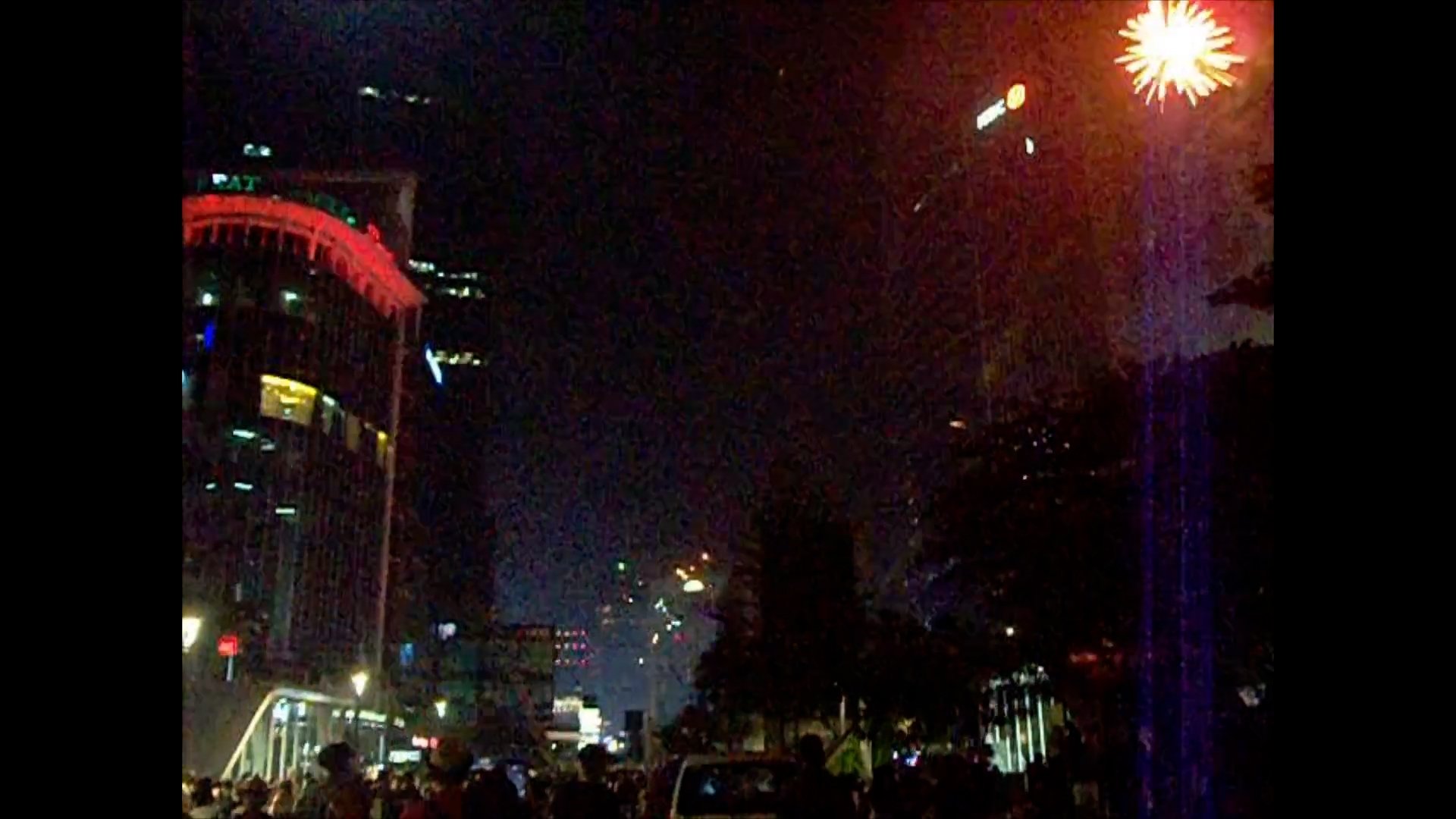
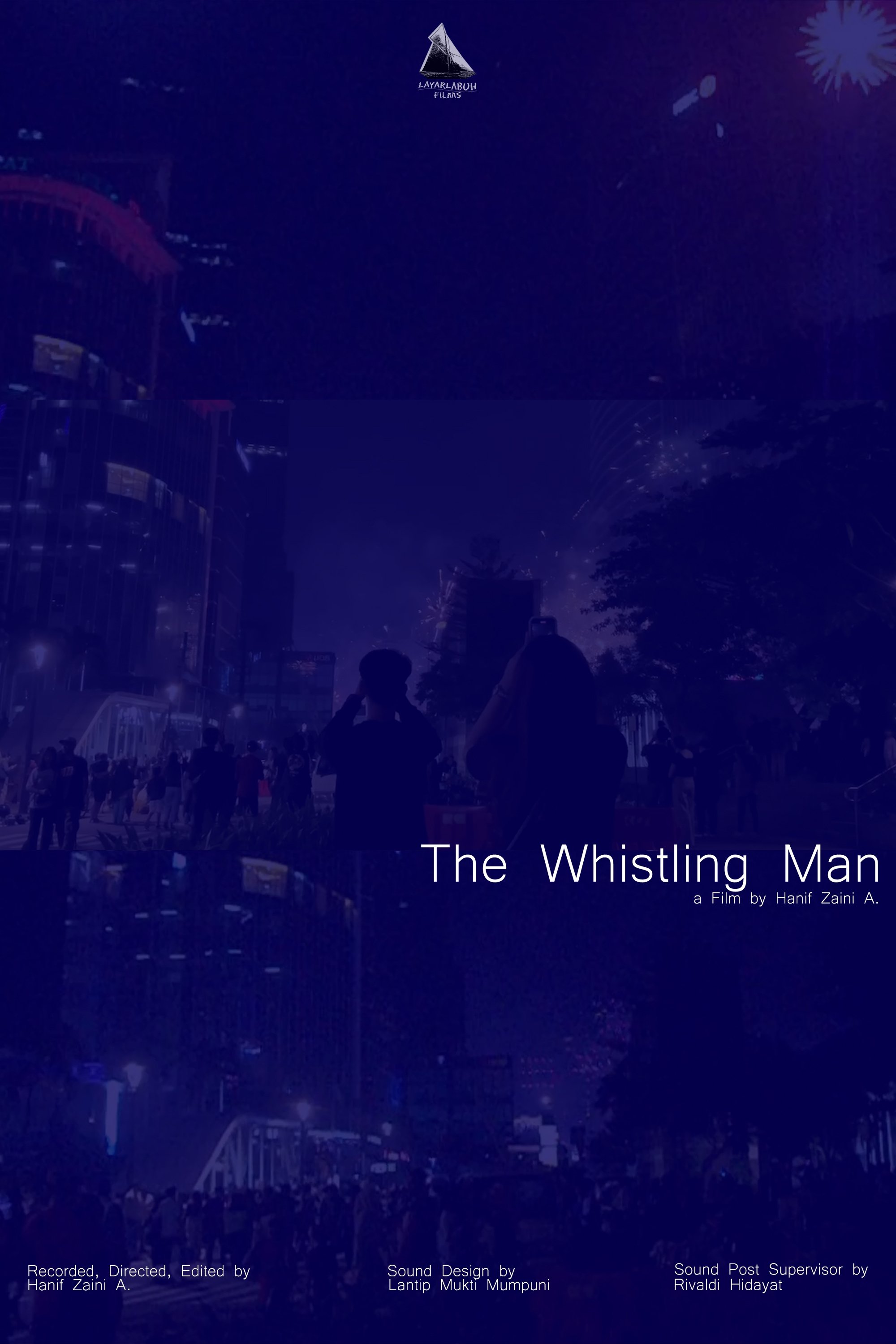
Footage of a no-longer-couple celebrating New Year's Eve 2024 in the center of Jakarta with a roar of happiness, and the chanting of a flute from an unknown man.
Social & External
The Whistler Man
A Man
A Woman
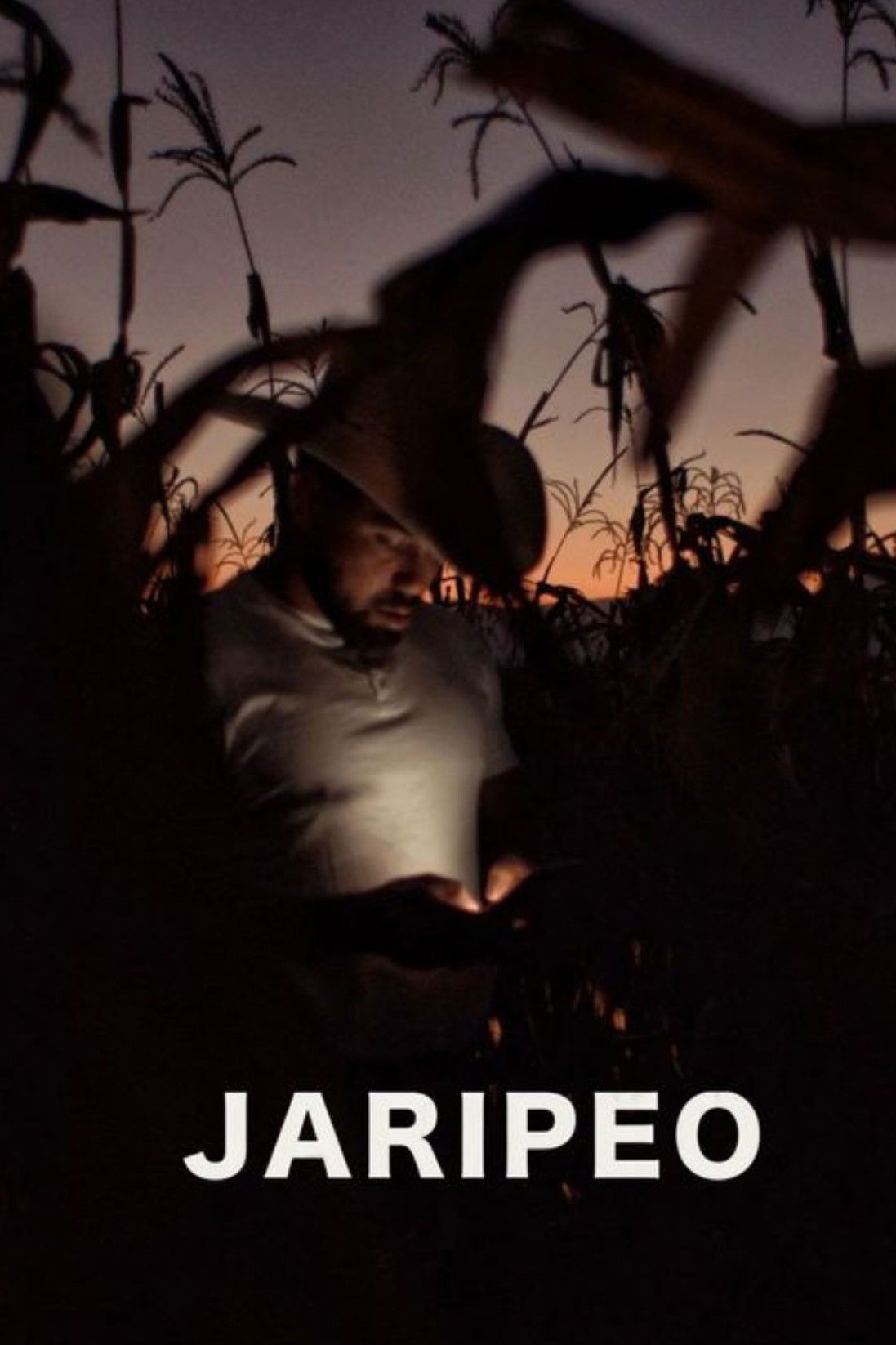
Set against the vibrant spectacle of the jaripeo, a symbol of Mexican cowboy tradition and machismo, this story unveils a hidden world of queer desire and quiet rebellion. As glances and gestures disrupt the rigid norms of masculinity, the rodeo becomes a stage for our protagonists to navigate identity, community, and the search for belonging in an oppressively traditional space.
Endolife is a short, hybrid documentary that combines the experiences of over 120 people with endometriosis into a single, scripted narrative. Instead of focusing on the medical aspects of the disease, the film illustrates how it affects daily life. Isolation, depression, and grief, but also transformation and hope, are key themes.
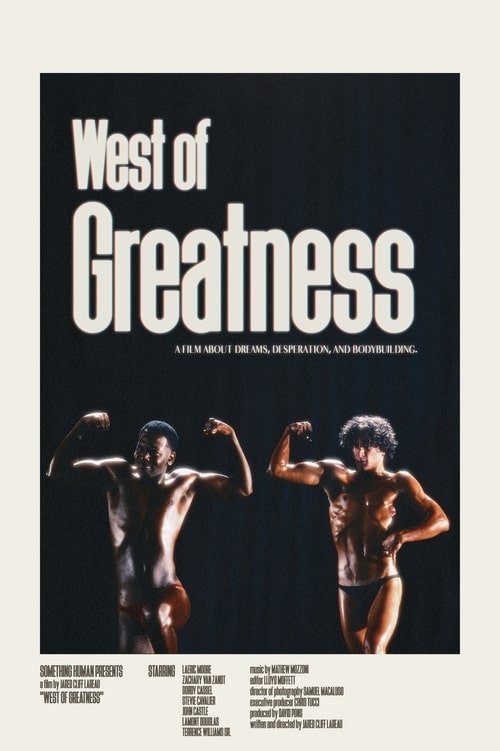
In a fading Louisiana town, Jerome dreams of Hollywood while Terry seeks escape from a troubled home. United by desperation, they train for a high-stakes bodybuilding competition that becomes their shot at something more. Filmed over 18 months, WEST OF GREATNESS blazes a bold new trail in cinematic storytelling, blending raw documentary with scripted drama. It's a haunting, human story of ambition, survival, and the quiet bond that forms when there's nothing left to lose.
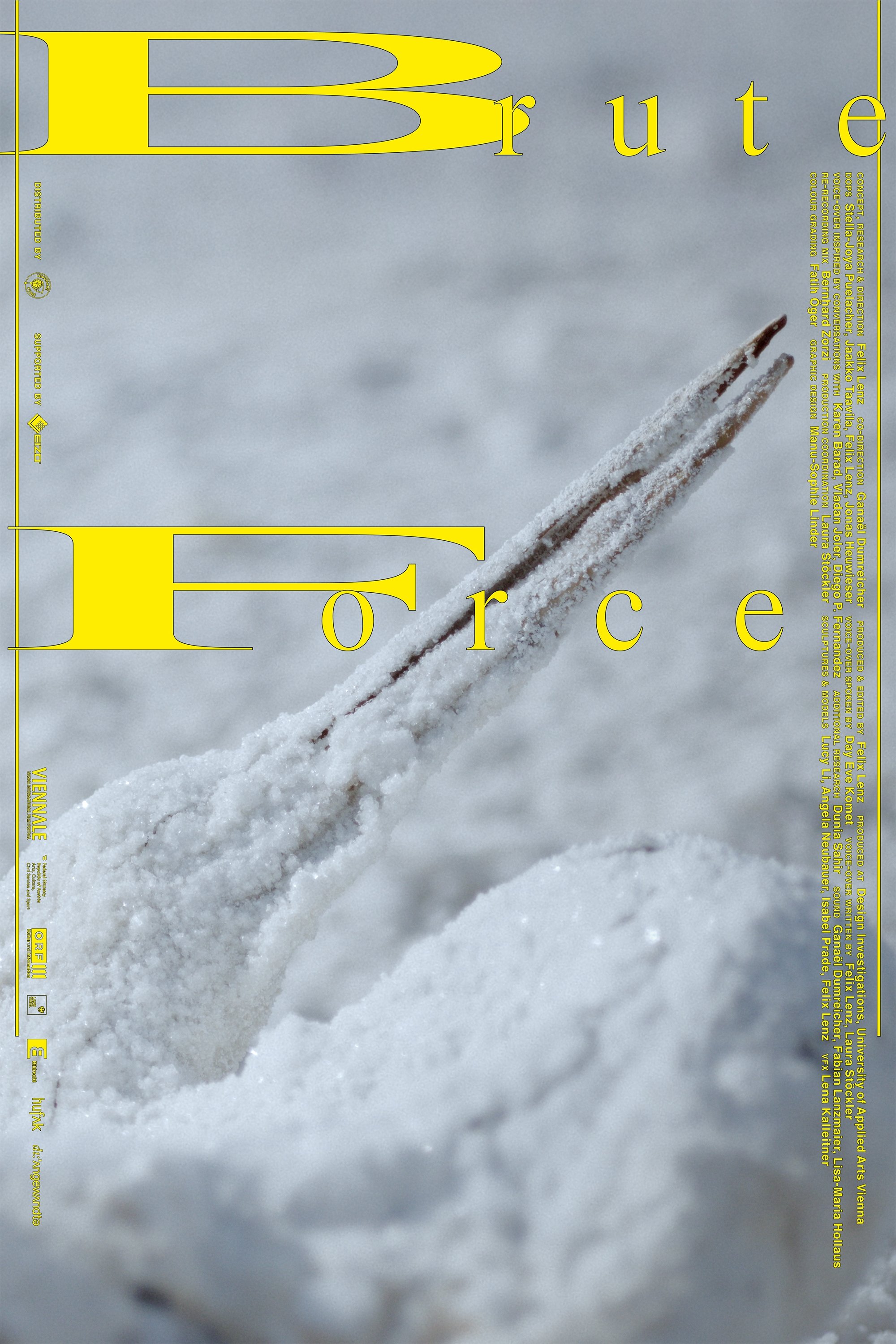
Brute Force explores how our knowledge-making practices affect the world. Drawing on quantum theory and geology, the film exposes the intrinsic omissions, distortions, and ecological impacts of image production and data extraction. From the interference patterns of neutrons to data centres and salt lakes, the film captures how our world's complexity collides with the simplified rationalities of the digital age.
An abstract depiction of life in motion.
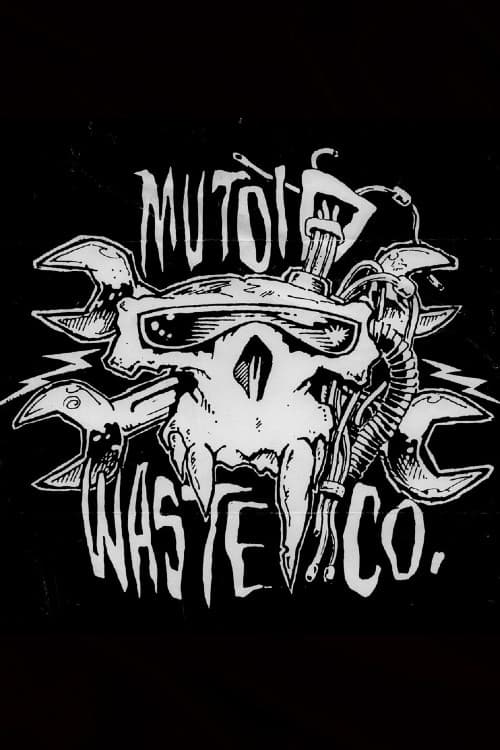
Spreading the gospel of "Mutation", Joe Rush and his Mutoid Waste Company, an underground collective of wild and subversive performers whose credo is the art made of waste, the parties and the road, shake up the alternative cultural history of Europe.
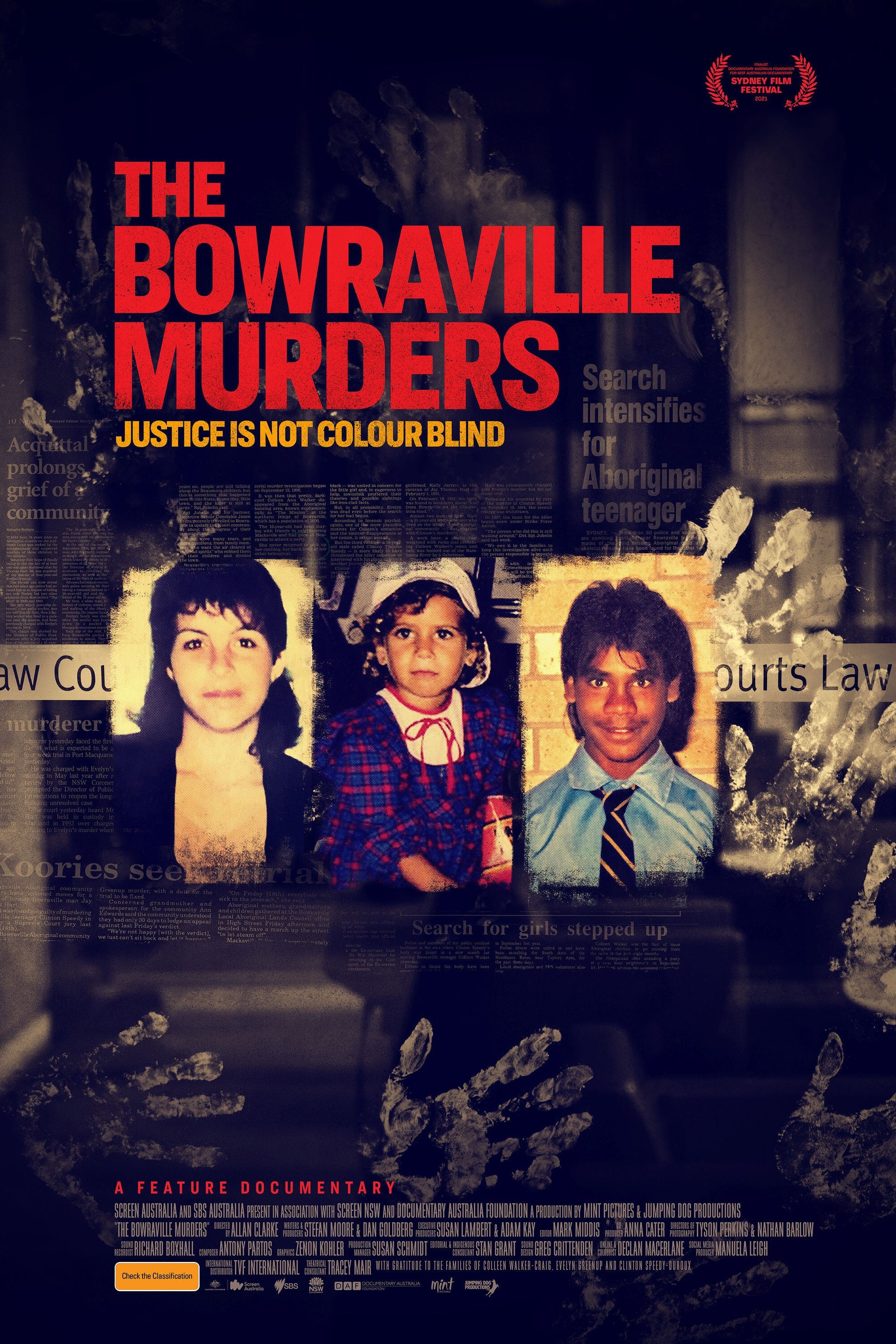
The epic David vs Goliath battle for justice waged by the families of three Aboriginal children murdered in a small rural town 30 years ago, the system that failed them, and what it reveals about racism in Australia today.
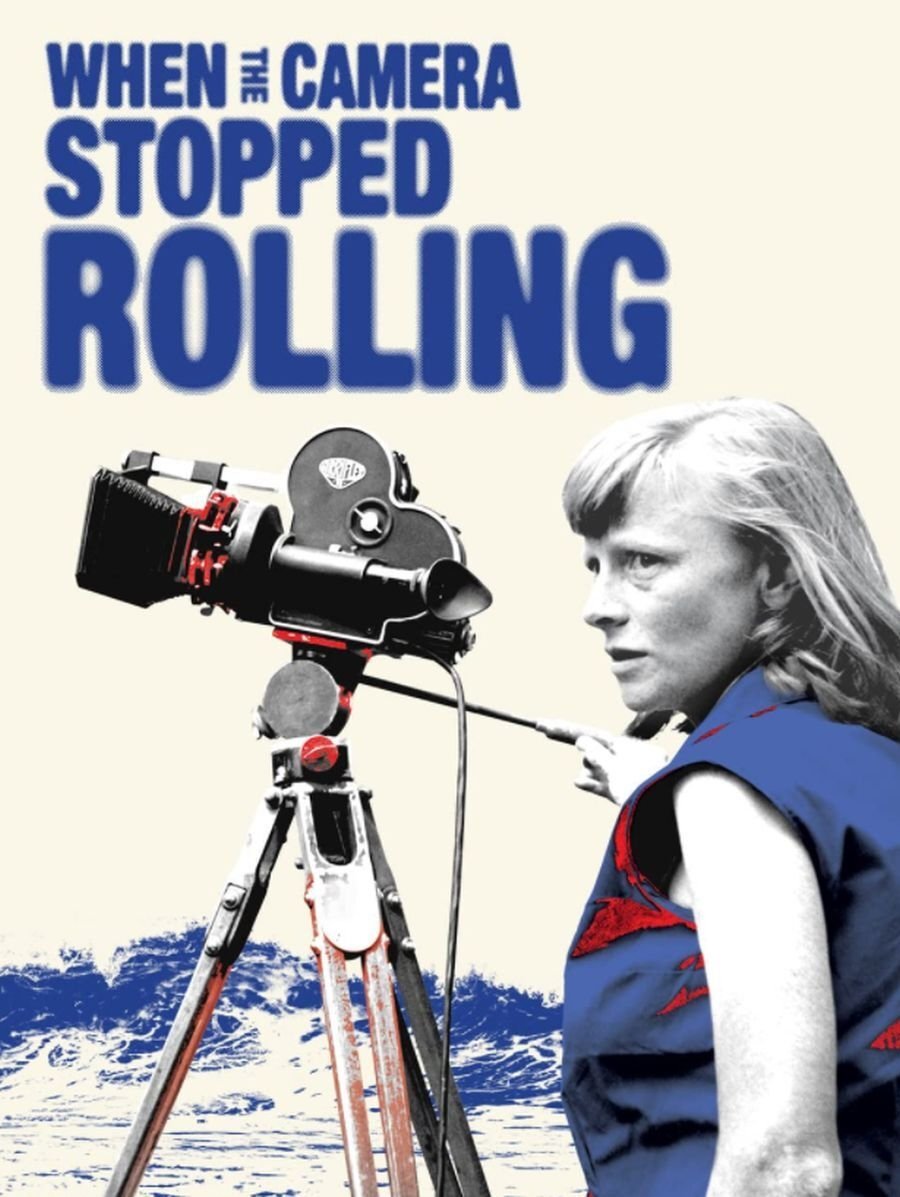
Eight years in the making, Jane Castle's poignant documentary about her filmmaker mother Lilias Fraser is an intimate mother-daughter story and eye-opening chronicle of women's roles in the film industry.
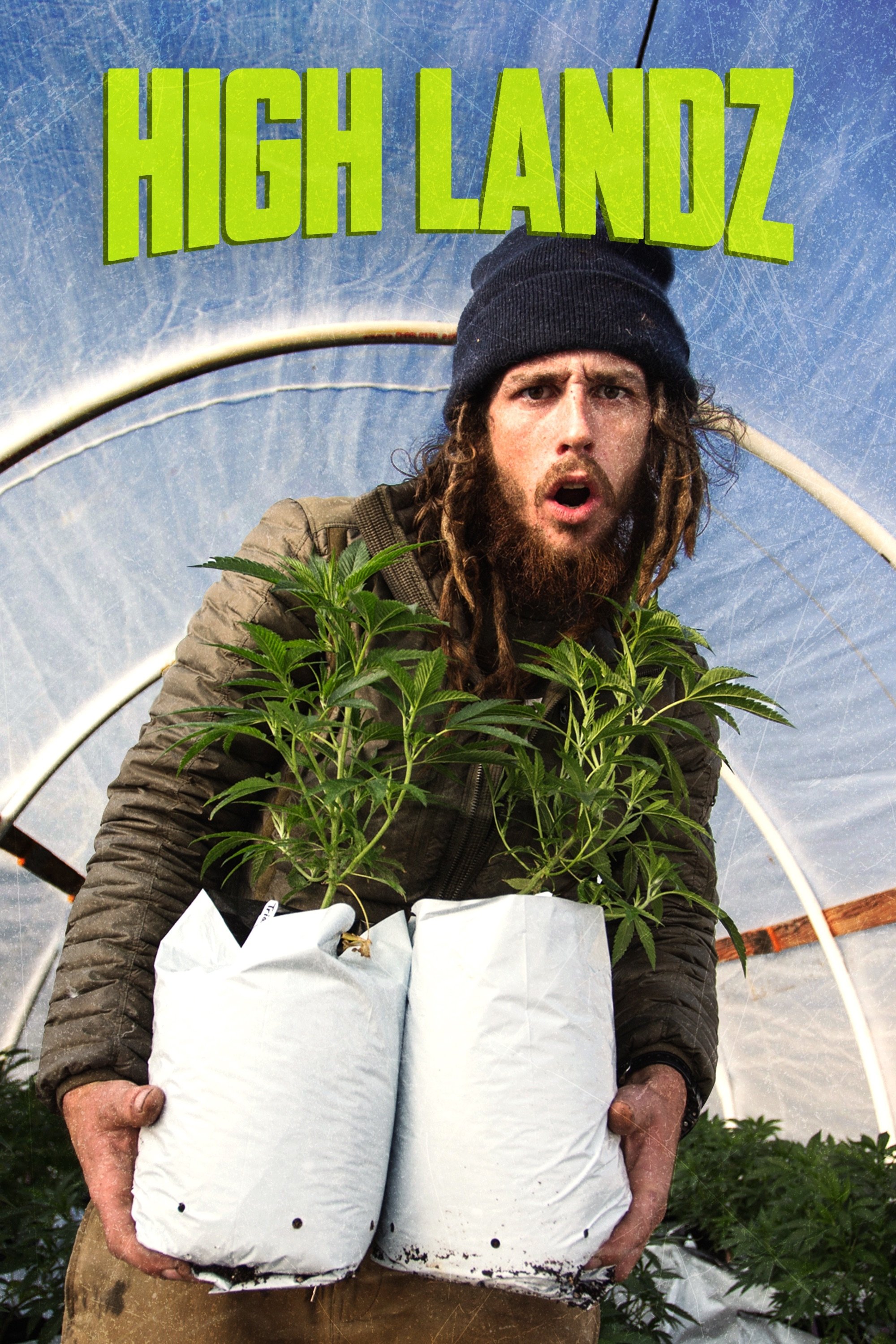
High up in the Northern California mountains there is a place, where not too many get to visit. Its called - The Emerald Triangle, real mecca of Americas cannabis game. Follow a ukrainian journalist Luka on a journey that explores lifes of real growers and hustlers and the dangers that come with it.
When journalist Masha finally gives up trying to find happiness with Dmitry, an older man who was also her boss, she falls for the much younger Yuri Kozakov - handsome, attentive and seemingly wealthy. But after a hasty marriage, Masha soon begins to notices strange things about Yuri's lifestyle and behavior.
An analysis of the spirit and human qualities of Knud Rasmussen, who made a unique contribution to the exploration of the life and myths of the Polar Inughuit.
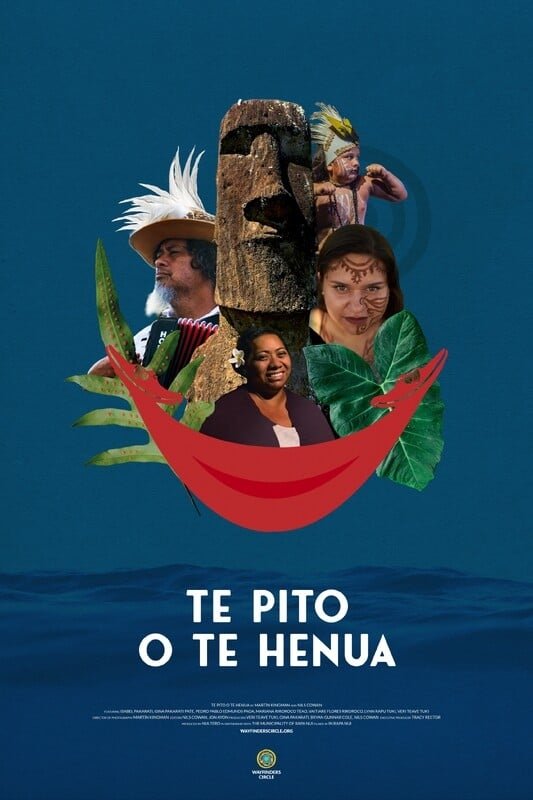
“Te Pito o Te Henua” (The Navel of the World) tells the story of the community behind Rapa Nui’s largest and most colorful annual Indigenous celebration, the Tāpati Rapa Nui Festival. Honoring ancient rites and competitions, Rapa Nui families participate in nine days of athletic feats, cultural demonstrations and ceremonies paying respect to the land, water and other natural beings of the island. They also crown a Queen to represent her people for a year throughout Polynesia and on the world stage. The film traces the journey of 19-year-old candidate Vaitiare and her family as they join work to earn her the crown and represent this small but well-known island as its people fight for increased autonomy and recognition on the world stage. Through intimate character portraits, behind-the-curtain moments and heartfelt musical performances, “Te Pito o Te Henua” reveals the true meaning of Tāpati and the deep connections the Rapa Nui share with their lands and waters.
When Roger Lee slips on his front steps, he has no idea the fall will send him spiralling into the darkest chapter of his life. Injured, and drowning in despair, he hits rock bottom—until he discovers the power of his own words. Through pain, he finds purpose, turning his struggle into wisdom that inspires millions. Now, as a world-renowned speaker, he lifts others the way he once needed lifting. A raw and uplifting story of resilience, reinvention, and the unexpected ways we rise.
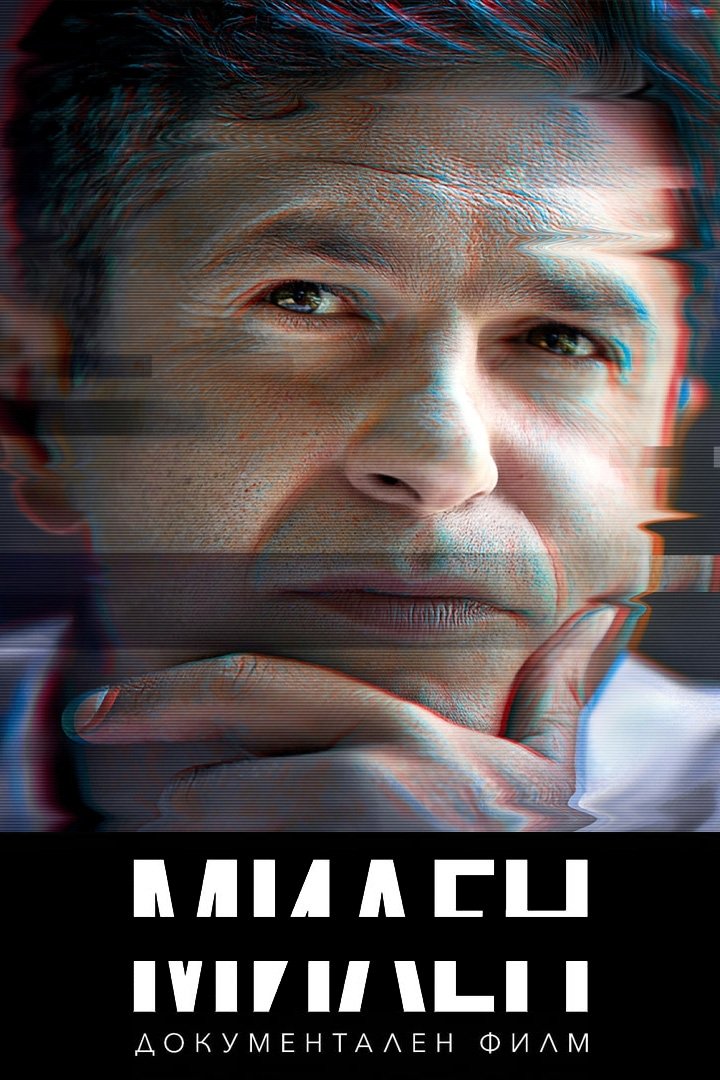
The documentary film follows the life and career of Milen Tsvetkov against the backdrop of historical events in Bulgaria that have transformed journalism and the media market in the country since 1989.
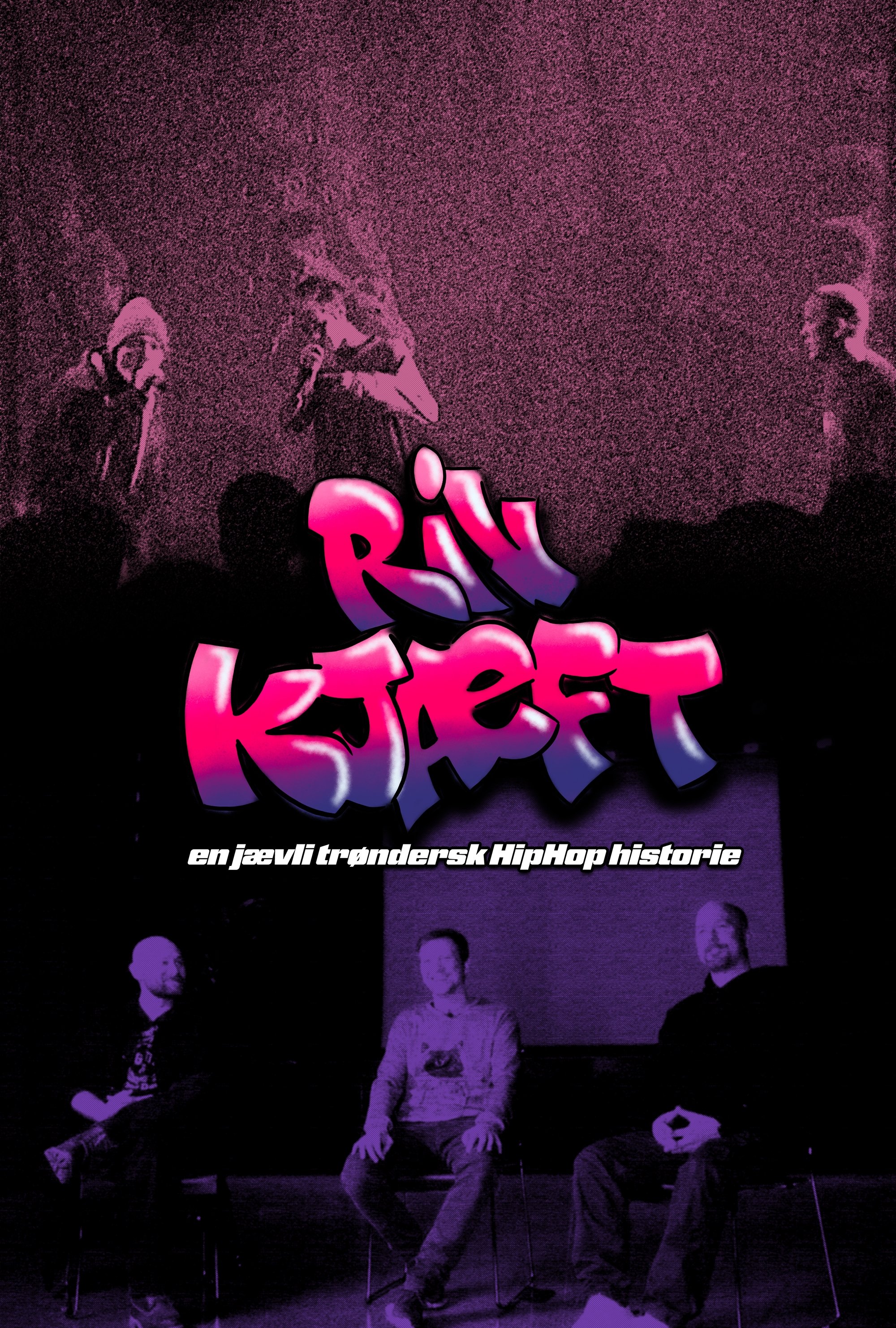
Fremmed Rase is the rap group that burst out of Trøndelag in the early 2000s, and took the country by storm with playful rhymes, tough beats and explicit vocabulary. “Riv Kjæft” is an adventure about ups and downs from 1997 to 2025, a group with a completely unique legacy, and not least: real, "trøndersk", HipHop.
The journey to stardom begins at 15 for old soul Davis Loose. He forms a country music band with players more than twice his age. No time for girls this teen’s mistress is his guitar.
Like Márta Mészáros, Florica Holban experienced losing her parents and institutionalization first-hand as a young child, which later triggered her long-term interest in the lives of the children growing up in state care. Holban’s Who Is to Blame? has something else in common with Mészáros’s Let All the Children Smile: they both include sequences filmed at the same orphanage in Bucharest (Orphanage No. 6)—Mészáros in the mid-50s, Holban a decade later. The two films also share a certain discretion regarding the role of the State, which assumed parental responsibility for children abandoned or separated from their parents. Here, both directors allow, albeit only briefly, the lonely and deprived children to appear as individuals with their own histories and traumas. Unlike Mészáros, however, Holban approaches her topic through a judicial lens: numerous sequences from her film were shot at the Tribunal, and the film credits a prosecutor as a consultant.
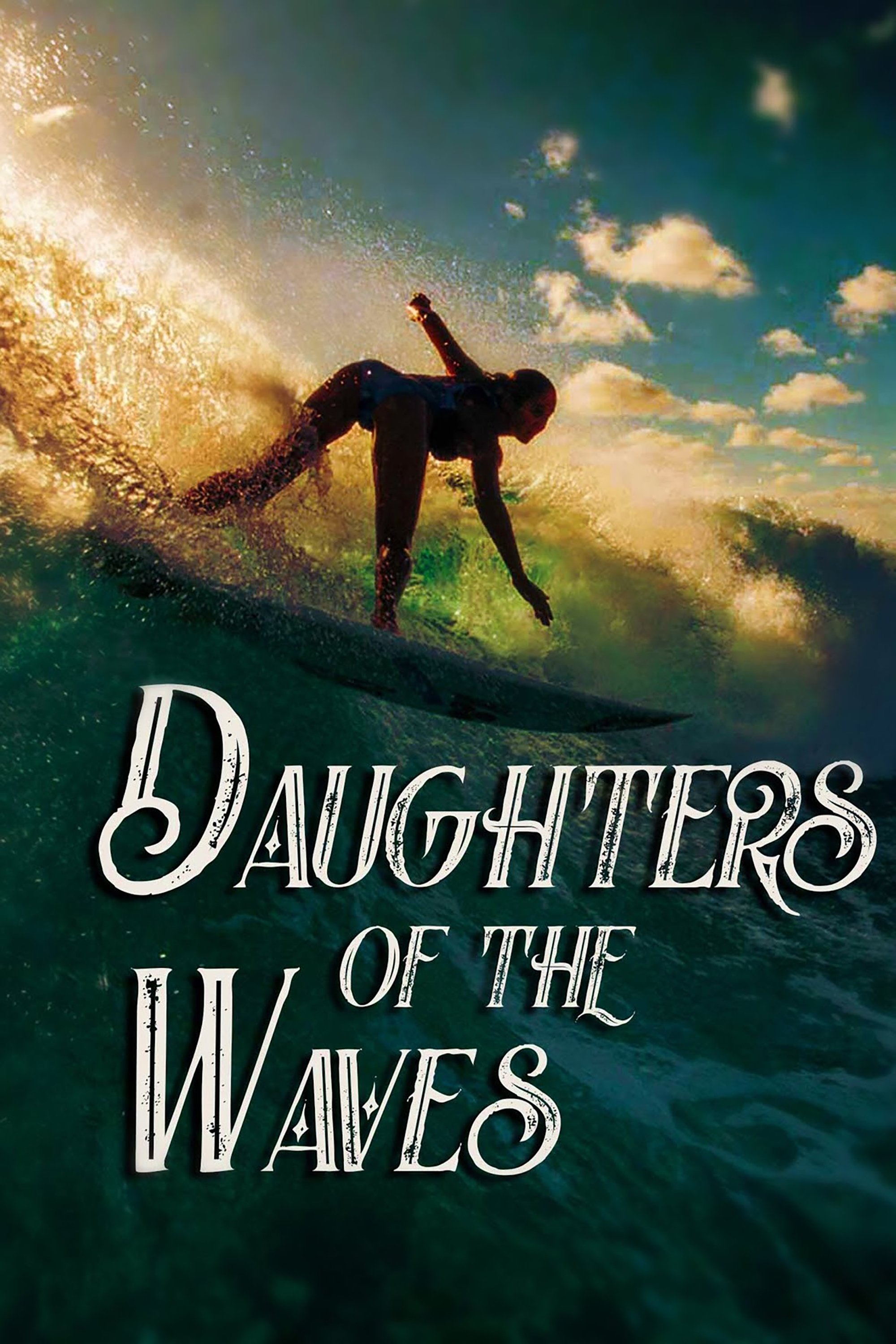
Although only 20, Vahine Fierro is undaunted by the Teahupoo wave, considered the most dangerous in the world. Vahine surfs as no other Polynesian girl has ever surfed. In Tahitian culture, riding the waves is an ancestral activity from which women had been gradually eliminated, but now surfing is open to women, just in time for the Olympics. Coming from an entire family of surfers, Vahine and her two sisters hope to make a living with their passion and travel the world.
This documentary shows four Brazilians who were affected by the 2014 FIFA World Cup in different ways, from a woman selling street food by the stadiums to a man who was displaced by construction projects. It paints a social-political portrait of Brazil in this historical time - before, during and four years after the World Cup - and makes a commentary on FIFA, mega-events, and their long-term impacts on the host countries.
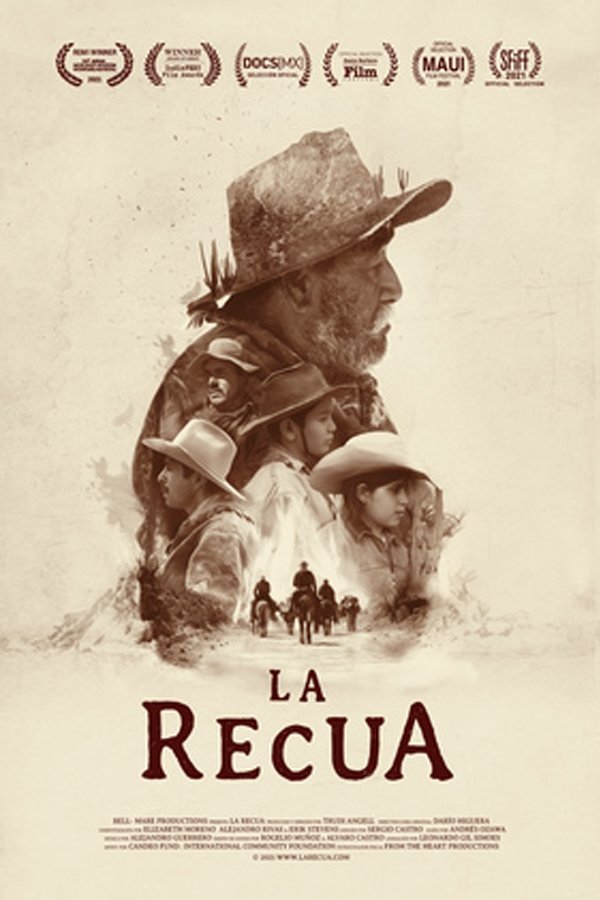
Darío Higuera Meza, a 70-year-old saddle maker in Baja California, traveled 200 miles in 20 days by muleback, herding a pack train of donkeys all the way to La Paz. Overcoming health issues, rattlesnakes, and hot days on dusty, forgotten trails, he and his family carried a load of goat cheese, dates, sugarcane candy, and wine. They made this journey to honor the memory of los arrieros de las recuas, the muleteers of Baja’s donkey pack trains.