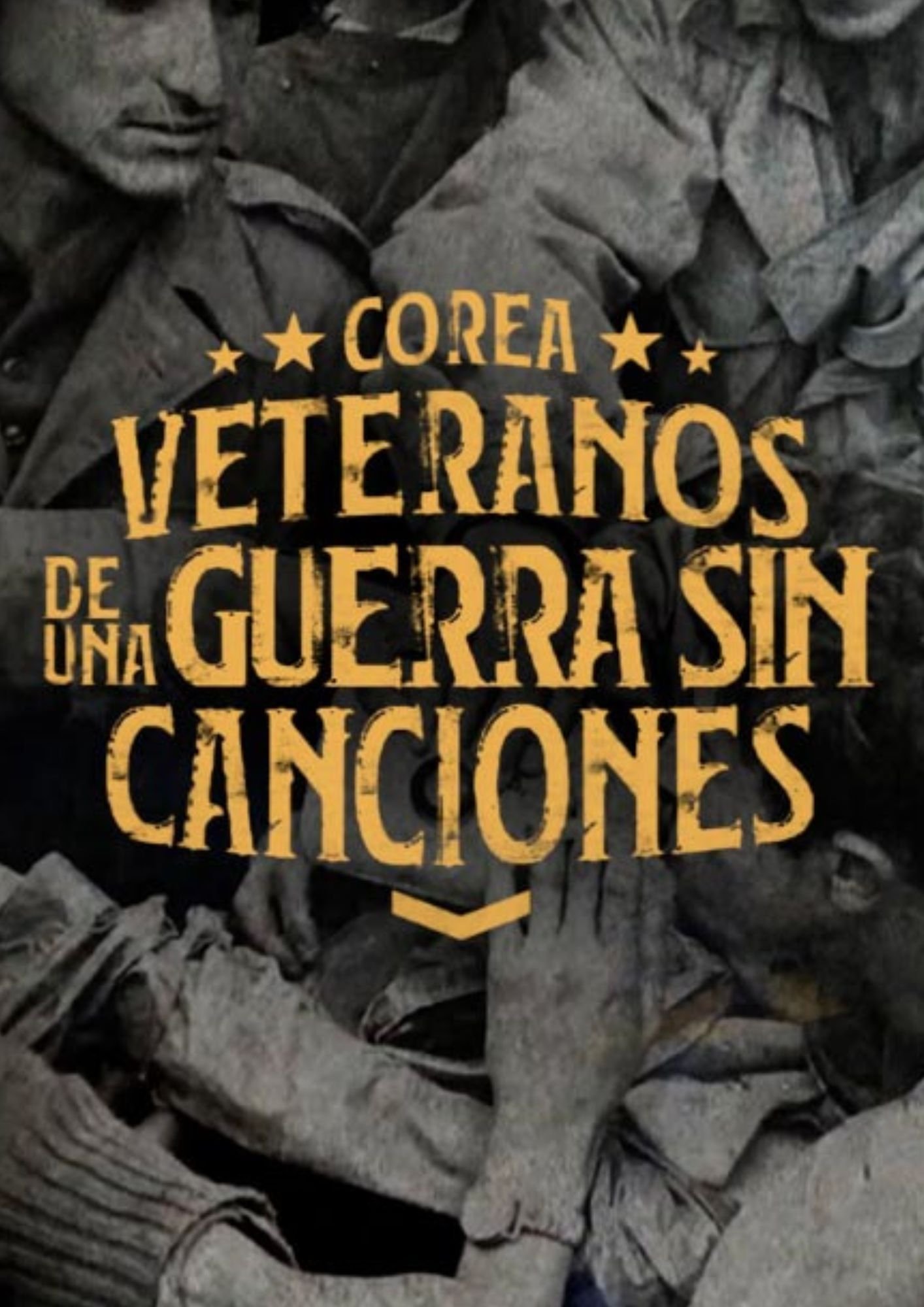
The memories of Colombian veterans who took part in the Korean War in 1951 to defend 'freedom and democracy.' A moving and intense journey into the past to uncover their experiences, adventures, sacrifices, and hopes.
Social & External
Narrator
They speak the same language, share a similar culture and once belonged to a single nation. When the Korean War ended in 1953, ten million families were torn apart. By the early 90s, as the rest of the world celebrated the end of the Cold War, Koreans remain separated between North and South, fearing the threat of mutual destruction. Beginning with one man's journey to reunite with his sister in North Korea, filmmakers Takagi and Choy reveal the personal, social and political dimensions of one of the last divided nations on earth. The film was also the first US project to get permission to film in both South & North Korea.
Swedish journalist visits Korea to report on the situation during the war
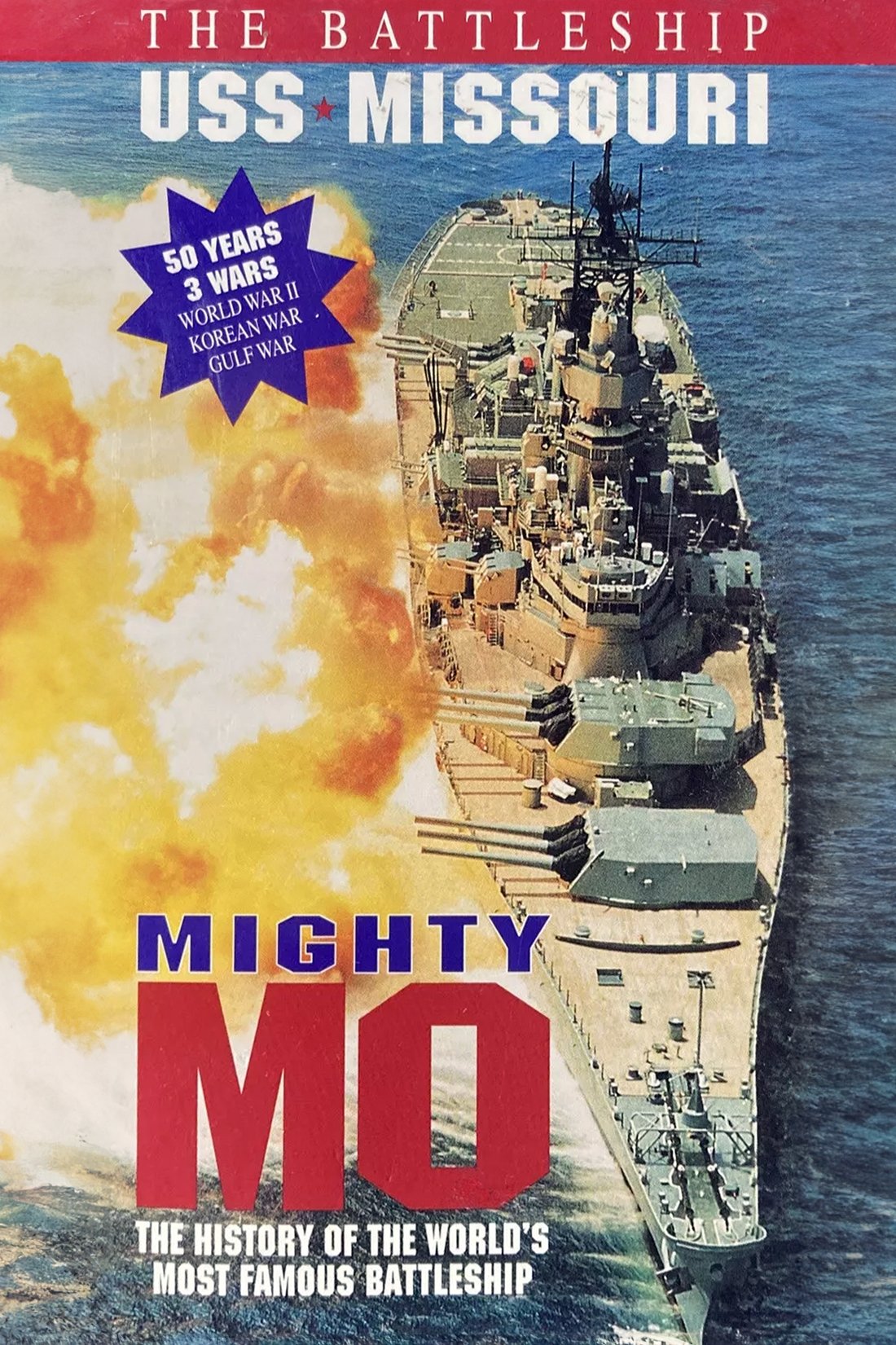
Explore the history of the world's most famous battleship, the USS Missouri, with this revealing documentary that chronicles the ship's distinguished career that spanned more than 50 years of service. Narrated by decorated Navy officer Wes Carey, this portrait combines archival film footage, photographs and personal accounts to paint a vivid picture of the celebrated ship, affectionately known as "Mighty Mo."
A visit to the famed aircraft carrier USS Midway and interviews with men who served aboard it bring the exciting story of the vessel to life in this dramatic documentary. In service for 47 years, the Midway saw heavy action during the Vietnam War, and its hair-raising missions to rescue downed pilots were legendary. After Vietnam, the Midway, now berthed in San Diego, participated in numerous operations, including the Gulf War.
A contemporary history of Korea(s) from a unique point of view that embraces the inner history of both South and North Korea in a single narrative.
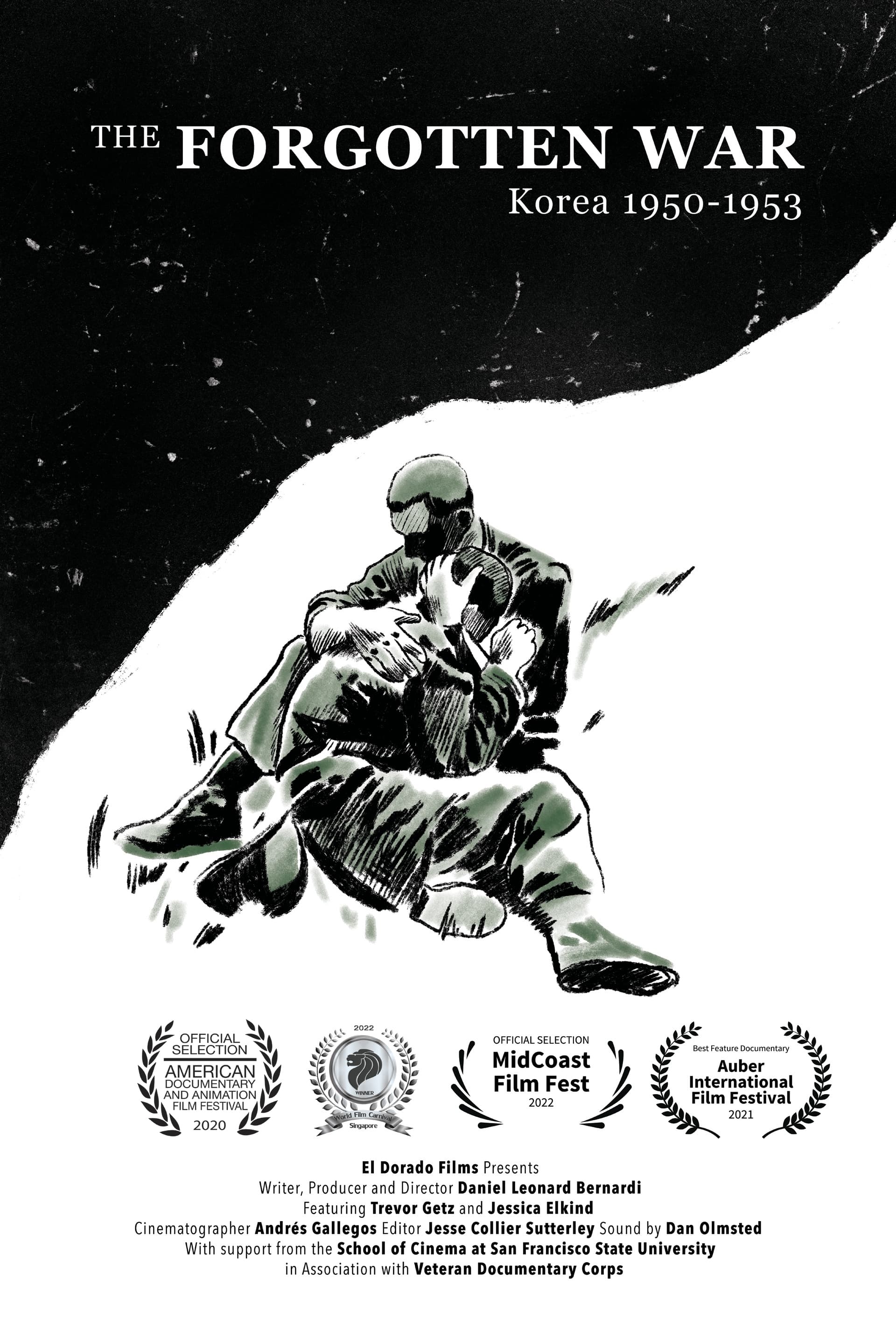
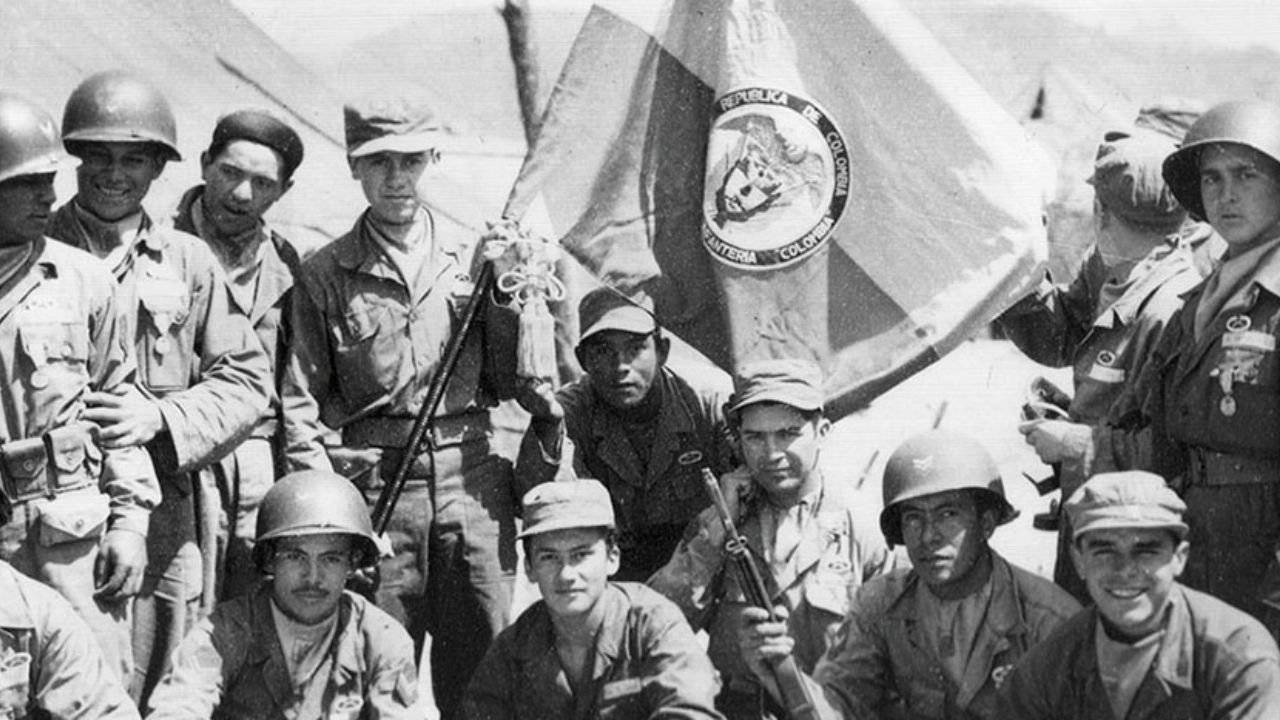
The Forgotten War: Colombia’s Battalion in Korea is a documentary that brings to light the little-known story of Colombia’s involvement in the Korean War (1950–1953). Through personal testimonies, rare archival footage, and geopolitical analysis, the film recounts how over 5,000 Colombian soldiers, organized as the Colombia Battalion No. 1, answered the United Nations’ call to support South Korea against the invasion by the North, which was backed by China and the Soviet Union. This marked Colombia’s first international military mission and the only Latin American combat presence in the conflict. Though long overlooked, this intervention laid the foundation for a “special” bilateral relationship between Colombia and South Korea that endures to this day.
Things That Do Us Part is a documentary that reframes the stories of three women fighters who dove into a tragic war in modern Korean history, using witness statements and reenactments.
Lieutenant Colonel John Stevens served in both World War II and the Korean War. During the Korean War, he received a Bronze Star for leading his company in one of that war's harshest battles.
Following the tradition of military service in her family, Alene Duerk enlisted as a Navy nurse in 1943. During her eventful 32 year career, she served in WWII on a hospital ship in the Sea of Japan, and trained others in the Korean War. She became the Director of the Navy Nursing Corps during the Vietnam War before finally attaining the rank of Admiral in the U.S. Navy. Despite having no other women as mentors (or peers), Admiral Duerk always looked for challenging opportunities that women had not previously held. Her consistently high level of performance led to her ultimate rise to become the first woman Admiral.
Mexican American Rodolfo P. Hernandez faced death along the 38th parallel, earning a Congressional Medal of Honor for valor during the Korean War. A story of heroism, perseverance and service, Hernandez proved that even in the most dire circumstances a wounded soldier can accomplish his mission and go on to greater service as a veteran.
Documentary about the struggle of the people of Jeju Island, South Korea. Set in the context of the U.S. presence in Korea after World War II, the film reveals horrible atrocities at the hands of the U.S. Military Government of Korea.
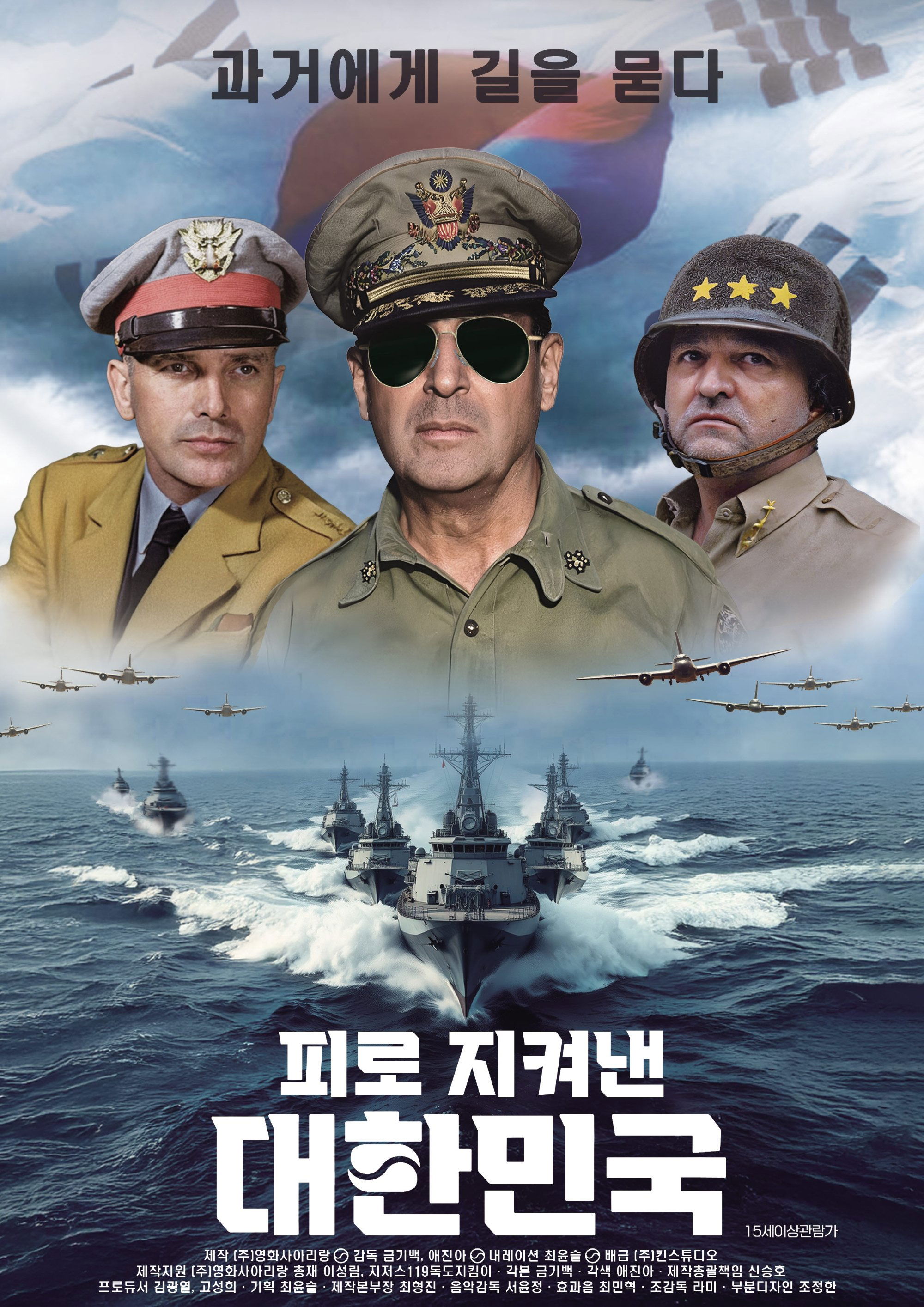
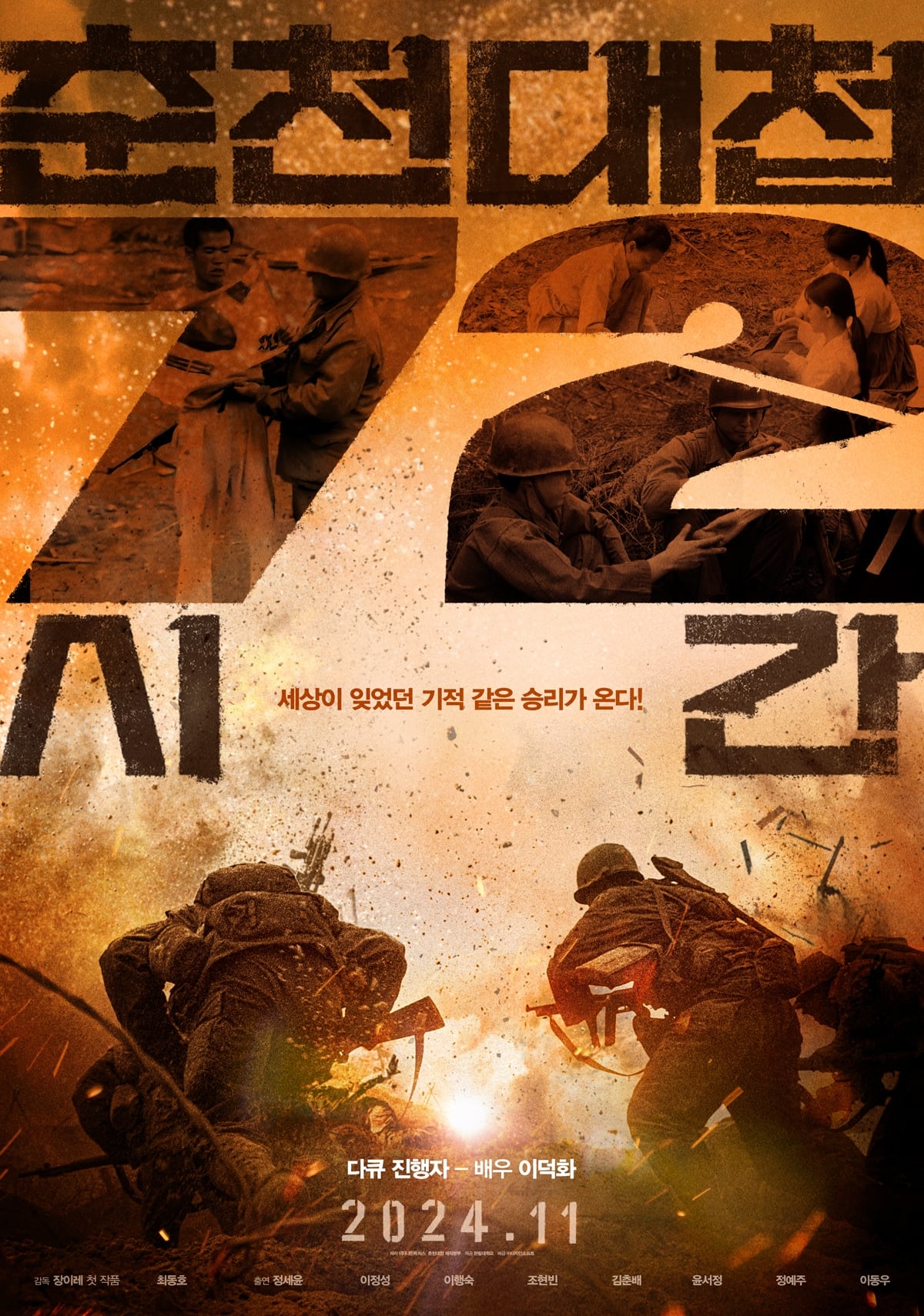
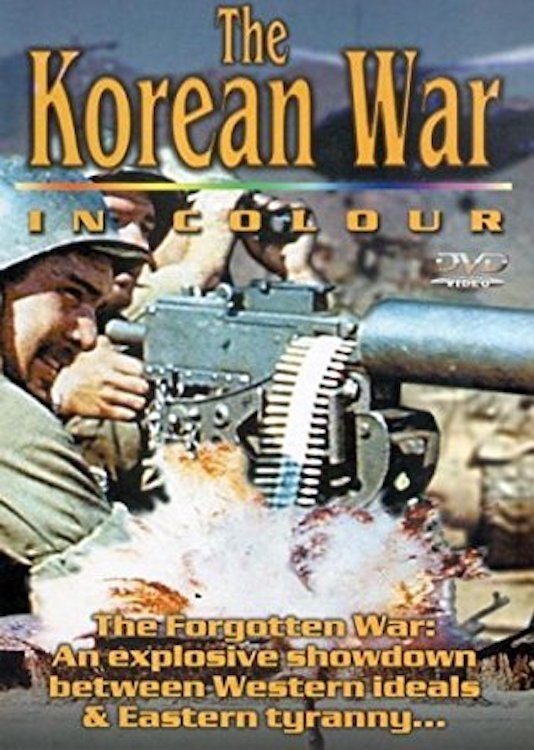
Documentary on the Korean War.
On April 24, 1951, following a rout of the South Korean army, the Chinese People Volunteer Army pursued their enemy to the lines of Australian and Canadian troops still digging fall-back defences, 39 kilometres to the rear. Here, sometimes at the length of a bayonet, often in total darkness, individual was pitted against individual in a struggle between a superpower and a cluster of other nations from across the world. They fought for a valley, the ancient and traditional invasion route to Seoul. If it fell the southern capital and the war, was lost. The United Nations troops had the military advantage of the high ground and artillery support: the Chinese relied entirely on vastly superior numbers. As a result, young men from both sides found a battle which was very close and very personal. The Battle of Kapyong became the turning point of China's Fifth Offensive in that Korea spring... Written by John Lewis
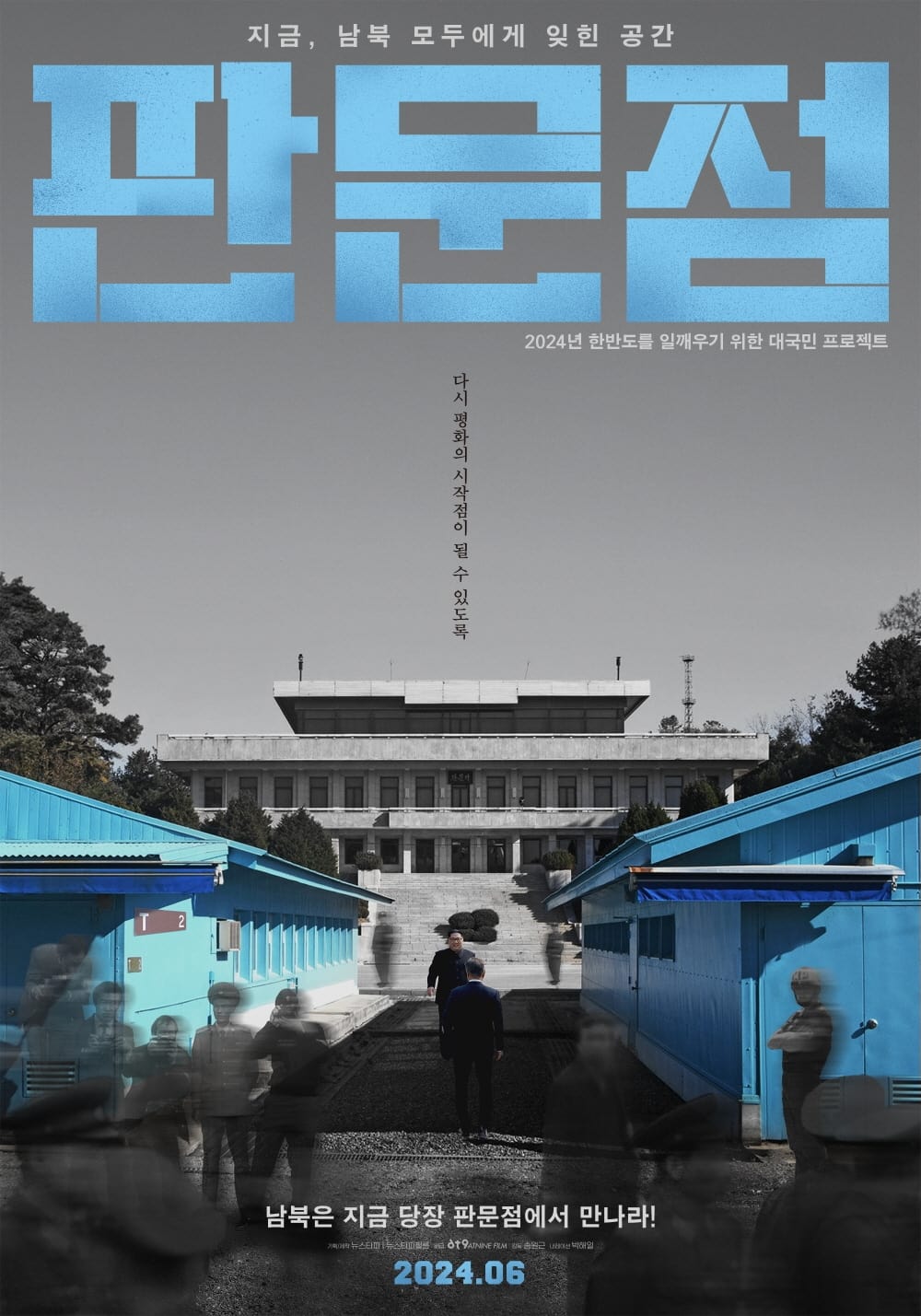
One year after the Korean War, the conflict had reached a stalemate. The two opposing forces began to search for a way to end the grueling war of attrition, eventually settling on a modest village called ‘Pan Mun Jom’ near Gaeseong as the designated site for negotiations. Despite initial hopes for a quick resolution, the negotiating parties encountered obstacles that prevented an agreement. Disputes over the military demarcation line and the repatriation of prisoners of war thwarted their efforts. The film peels back the layers to reveal the untold story of Pan Mun Jom, shedding light on a history that has remained hidden until now.
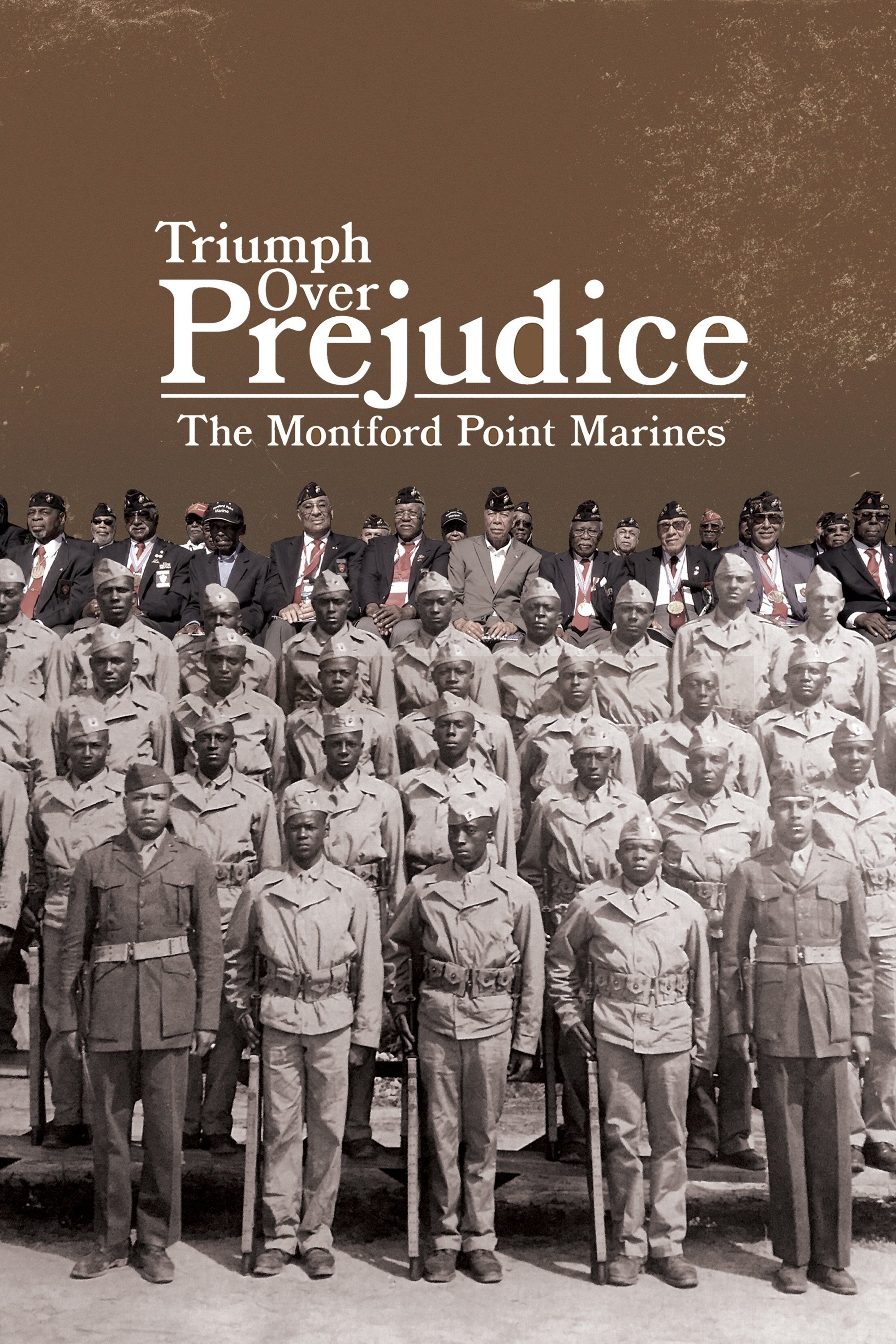
Against the backdrop of a world on the brink, the Montford Point Marines transcended enemy lines and formidable barriers of racial segregation. Beginning in rural Virginia, their journey to the front lines of World War II, the Korean War, and the Vietnam War is more than a testament to their bravery - it's a reflection of their indomitable spirit and unyielding resolve. Confronting racial prejudices, the heartbreaks of war, and the turbulent transition to civilian life, these men never wavered in their commitment. "Triumph Over Prejudice" dives deep into the uncharted terrains of the Black experience in the early 20th century Marine Corps, illuminating stories often shadowed in history's corners. With cinematic finesse fit for a global streaming audience, the film weaves personal narratives into a rich tapestry, culminating in an epic saga of heroism, perseverance, and the enduring legacy of the American veteran.
An anti-western propaganda film about the influences of American visual and consumption culture on the rest of the world, as told from a North Korean perspective.
Documentary directed by Tom Kleespie inspired from Korean War veterans who recall memories both painful and patriotic, putting a human face on an often forgotten conflict. Stories include wartime recollections, such as one soldier's first moments seeing a MiG fighter up close, and veterans' often-tragic experiences returning home, where Americans largely neglected to welcome them back.
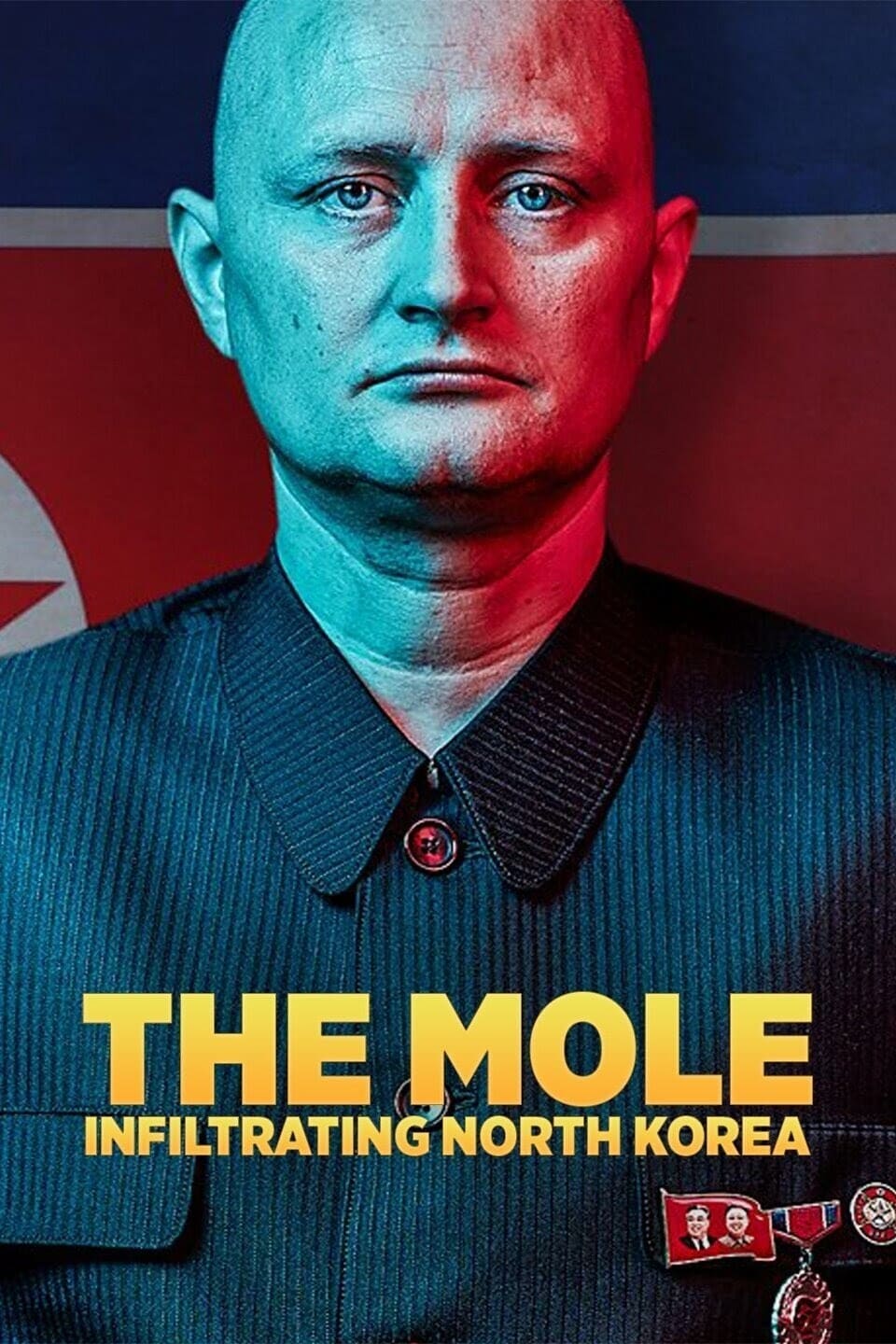
A real-life undercover thriller about two ordinary men who embark on an outrageously dangerous ten-year mission to penetrate the world's most secretive and brutal dictatorship: North Korea.
In this genre-bending tale, Errol Morris explores the mysterious death of a U.S. scientist entangled in a secret Cold War program known as MK-Ultra.
Against the darkening backdrop of New Delhi's apocalyptic air and escalating violence, two brothers devote their lives to protecting one casualty of the turbulent times: the bird known as the black kite.
Alex Gibney explores the charged issue of pedophilia in the Catholic Church, following a trail from the first known protest against clerical sexual abuse in the United States and all way to the Vatican.
Prelude to War was the first film of Frank Capra's Why We Fight propaganda film series, commissioned by the Pentagon and George C. Marshall. It was made to convince American troops of the necessity of combating the Axis Powers during World War II. This film examines the differences between democratic and fascist states.
Brilliant, long in-the-works story of the life and art of the world's greatest comedian and the cinema's first genius, Charlie Chaplin. Produced, written and directed by renowned film critic Richard Schickel.
The life and career of one of comedy's most inimitable modern voices, Mr. Gilbert Gottfried.
Artists in LA discover the work of forgotten Polish sculptor Stanislav Szukalski, a mad genius whose true story unfolds chapter by astounding chapter.
A behind the scenes look into George Romero's groundbreaking horror classic Night of the Living Dead.
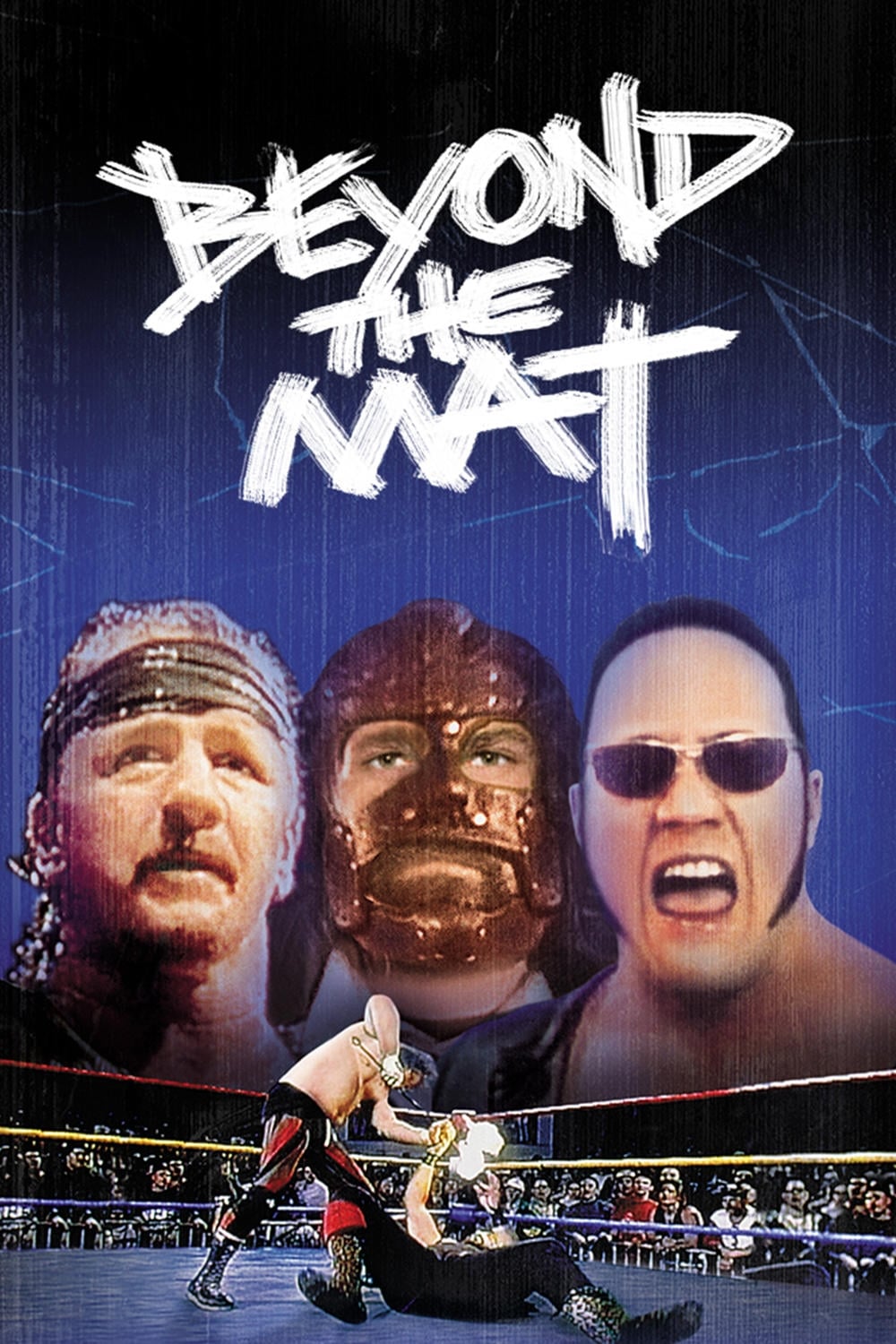
A heartfelt documentary focusing on the day-to-day lives of professional wrestlers, some on the rise, some on the wane, and others fighting for their lives.
One man’s journey to find meaning in Bill Murray’s many unexpected adventures with everyday people, rare and never-before seen footage of the comedic icon participating in stories previously presumed to be urban legend.
An inside look at one of the most anticipated movie sequels ever with James Cameron and cast.
A compilation of over 30 years of private home movie footage shot by Lithuanian-American avant-garde director Jonas Mekas, assembled by Mekas "purely by chance", without concern for chronological order.
A documentary on the life of John Lennon, with a focus on the time in his life when he transformed from a musician into an antiwar activist.
“Showrunners” is the first ever feature length documentary film to explore the fascinating world of US television showrunners and the creative forces aligned around them. These are the people responsible for creating, writing and overseeing every element of production on one of the United State’s biggest exports – television drama and comedy series. Often described as the most complex job in the entertainment business, a showrunner is the chief writer / producer on a TV series and, in most instances, the show’s creator. Battling daily between art and commerce, showrunners manage every aspect of a TV show’s development and production: creative, financial and logistical.
In 1936, Victor H. Green (1892-1960) published The Negro Motorist Green Book, a book that was both a travel guide and a survival manual, to help African-Americans navigate safe those regions of the United States where segregation and Jim Crow laws were disgracefully applied.
A documentary about the making of season five of the acclaimed AMC series Breaking Bad.
The story of one of the most infamous books ever written, "The Anarchist Cookbook," and the role it's played in the life of its author, now 65, who wrote it at 19 in the midst of the counterculture upheaval of the late '60s and early '70s.
JB Smoove and Martin Starr host a celebration of 20 years of "Spider-Man" movies, from the Sam Raimi trilogy to Marc Webb's movies and the trio from Jon Watts.
Those who knew iconic funnyman John Candy best share his story, in their own words, through never-before-seen archival footage, imagery, and interviews.