A short visual poetic film on a Haitian migrant stranded in Tijuana, Mexico.
Social & External
The people behind it
Jacquelin Ermelius
self
Hedda Hopper plays hostess at a party for her (grown) son William (DeWolfe Jr.). Hopper, attends the dedication of the Motion Picture Relief Fund's country home and goes to the Mocambo. There is also a sequence dedicated to the Milwaukee, Wisconsin world premiere of the first short in this series attended by more that a few film stars.
Haja Fatma, a mother to eight children, tells the tale of family life in Tripoli during the Libyan Revolution. Women, young and old, all contributed during these hostile months in their own unique way. A human portal into the acts of ordinary people in their hope for freedom.
The short film shows the process of oil extraction up to the delivery to the customer
Two women in a living room: smoking, playing cards, listening to the radio. As often in Dwoskin’s films, the use of masks, make-up and costumes allows the characters to playfully transform themselves. Shot in colour film, C-film exuberates swinging London energy. In the second part of the film, the women appear to be watching the rushes of the film on an editing table. ”We are making a movie” we hear them say. As Dwoskin points out, “C-film asks how much is acting acted”, an ongoing question in Dwoskin’s cinema. Produced by Alan Power, with Esther Anderson & Sally Geeson.
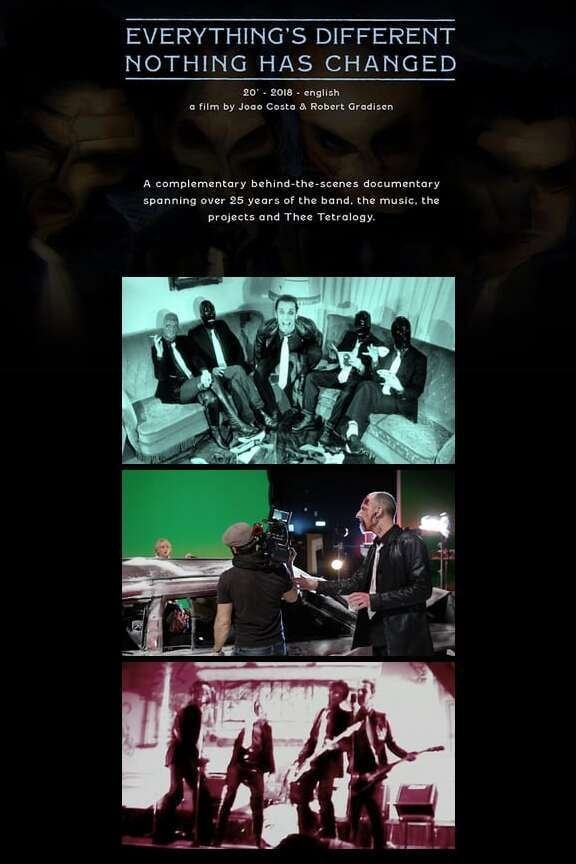
A behind-the-scenes documentary charting the creative rise and development of Studio Rosto A.D and Thee Wreckers through their art, music and films.
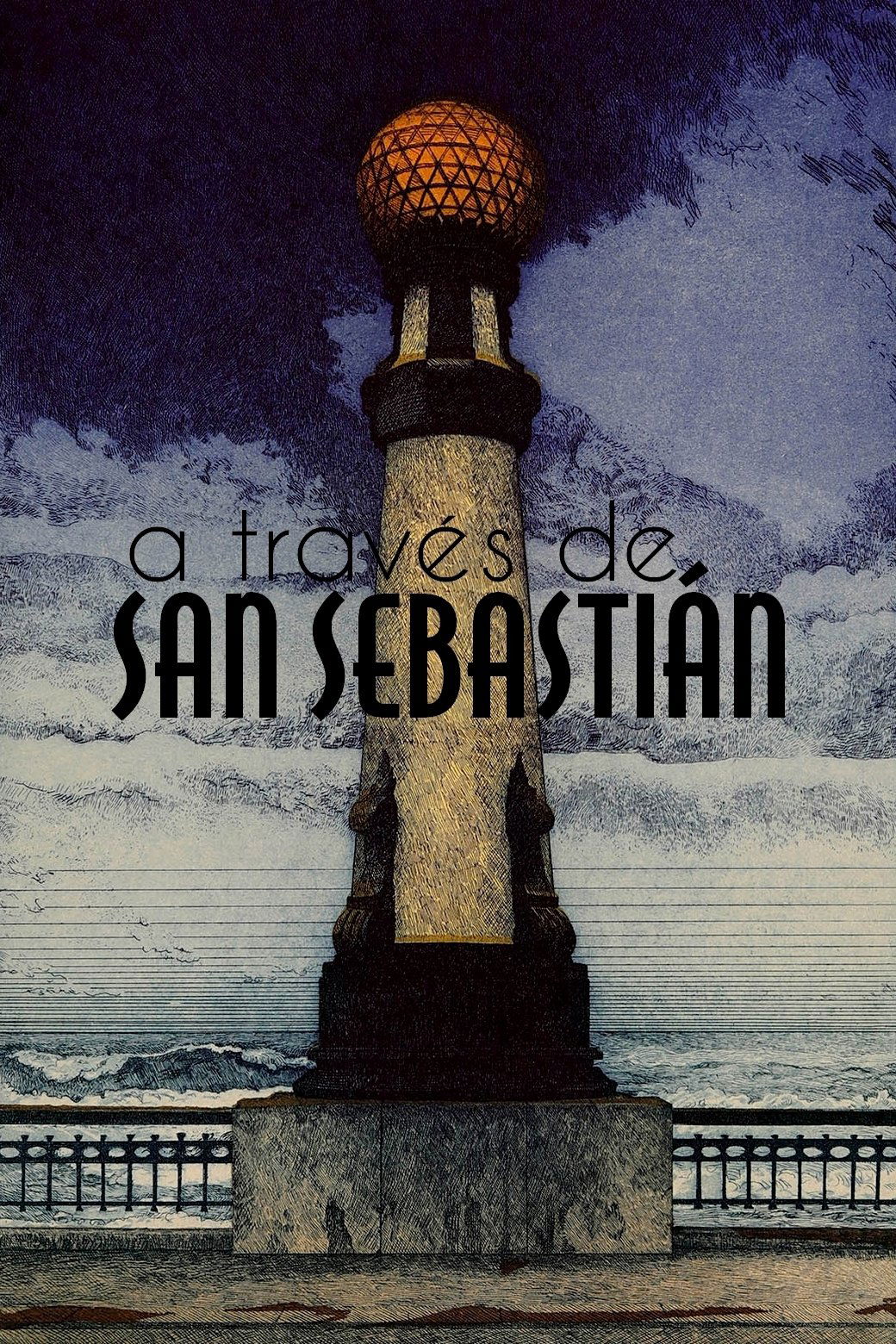
A peculiar walk through the Basque city of San Sebastián along twisting roads never traveled by guidebook users.
The Nishiyuu walkers made the trek from Whapmagoostui in Quebec to Ottawa, a 1,600-kilometre journey whose roots date back millennia. At the heart of legendary director Alanis Obomsawin’s latest short documentary, her 51st film in 50 years of filmmaking, is the idea of walking as activism, as well as a symbol of decolonization and an embrace of the traditional.
What's in a name? Filmmaker Yung Chang explores the meaning and origins of both of his names: the one given to him in Oshawa when he was born and the Chinese name that drew him back to his homeland.
An insight into the watchmaking craft.
POSSESSED enters the complicated worlds of four hoarders; people whose lives are dominated by their relationship to possessions. The film questions whether hoarding is a symptom of mental illness or a revolt against the material recklessness of consumerism. When does collecting become hoarding and why do possessions exert such an influence on our lives?
This is a film about 12-year-old girls, made by 12-year-old girls, for 12-year-old girls, or anyone that has been a 12-year-old girl, or will be a 12-year-old girl, or wishes they were a 12-year-old girl. This inquisitive cross between a documentary and a theatre piece was created by Tilda Cobham-Hervey and twelve 12-year-old girls, where real girls articulate what they hope for, what they remember and what it feels like to be twelve. Performing themselves in a filmed field guide, together these specimens investigate their own species.
Documentary focused behind the scenes of the making of the play 'io' by Antonio Rezza and Flavia Mastrella
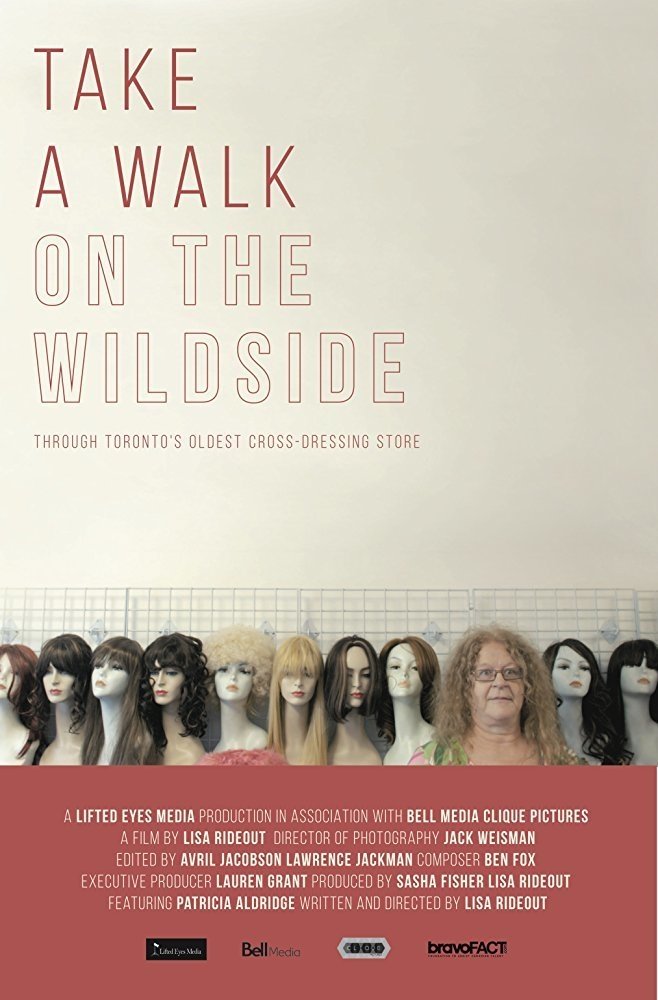
Opening the doors to Toronto’s oldest cross-dressing store, viewers get a glimpse into the colourful lives of its customers and their tender relationships with the eccentric storeowner, revealing why the store continues to play a vital role for its clientele.
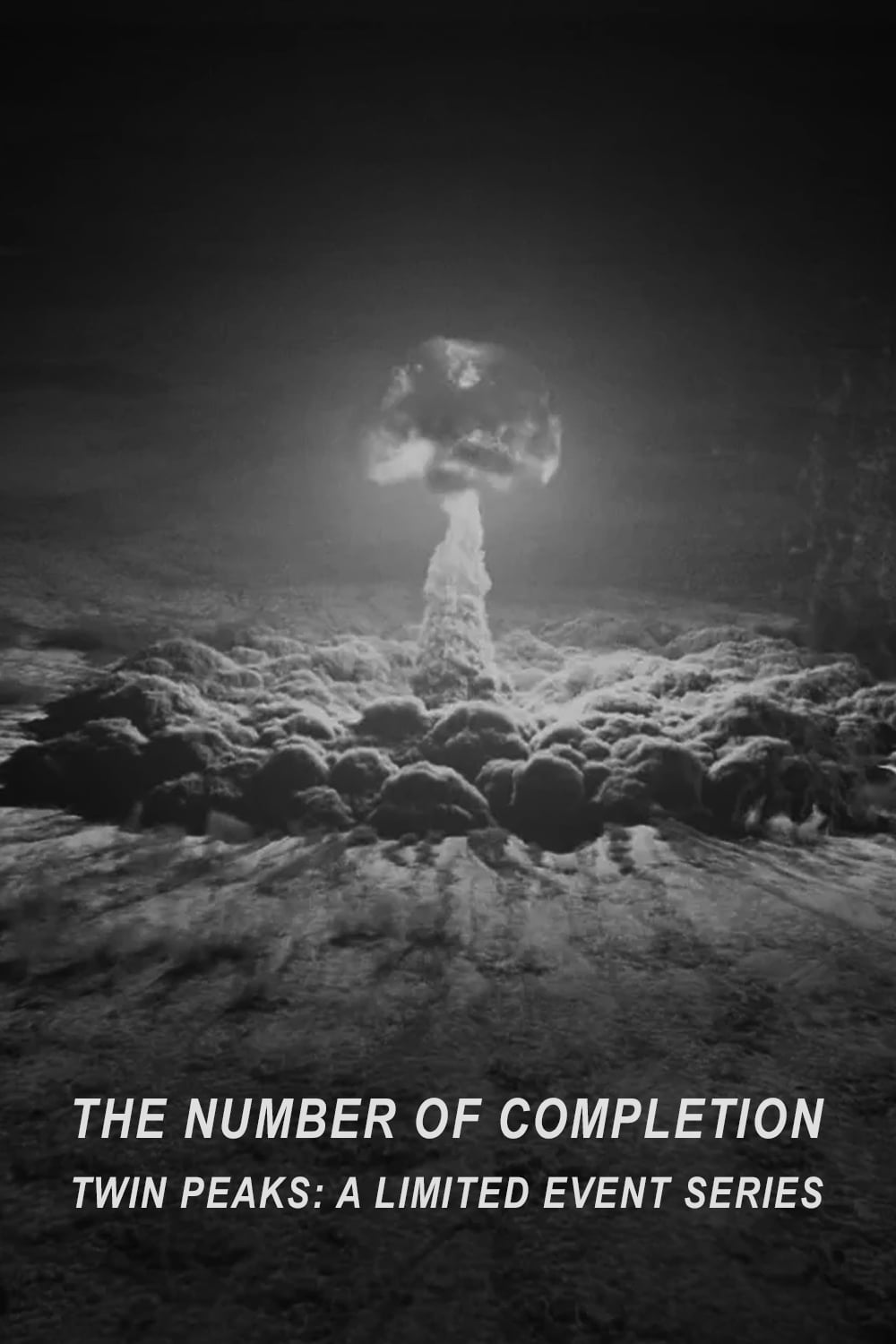
Short documentary about Twin Peaks: The Return.
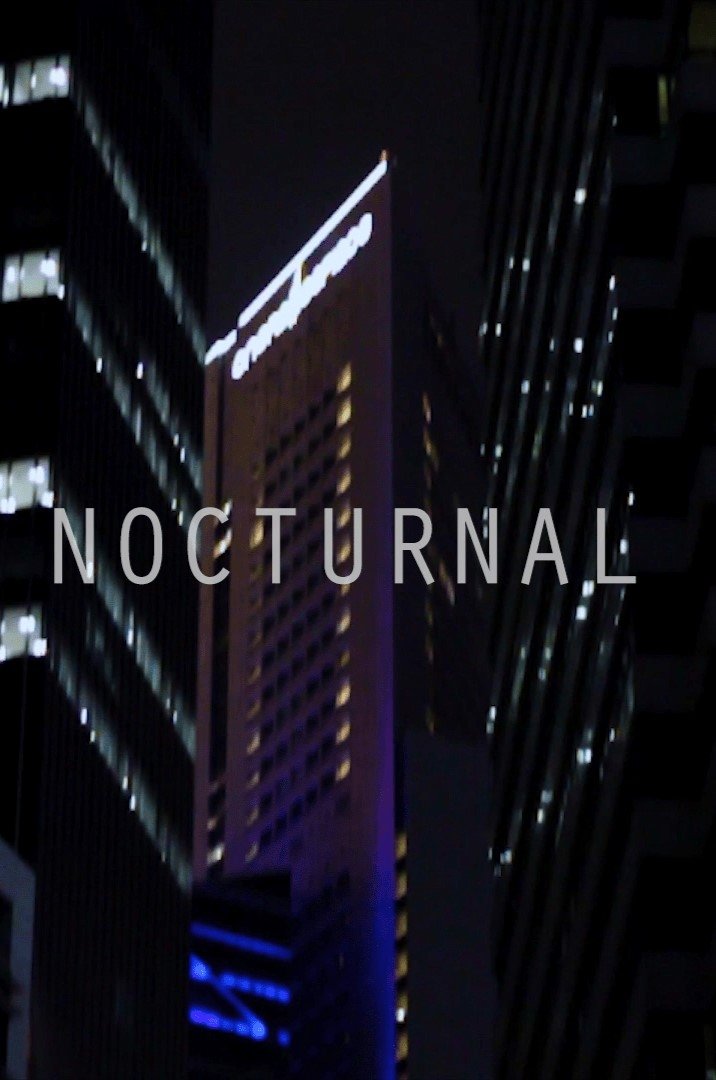
A one minute short film showcasing the sights, sounds, and people that characterizes Singapore's nightlife.
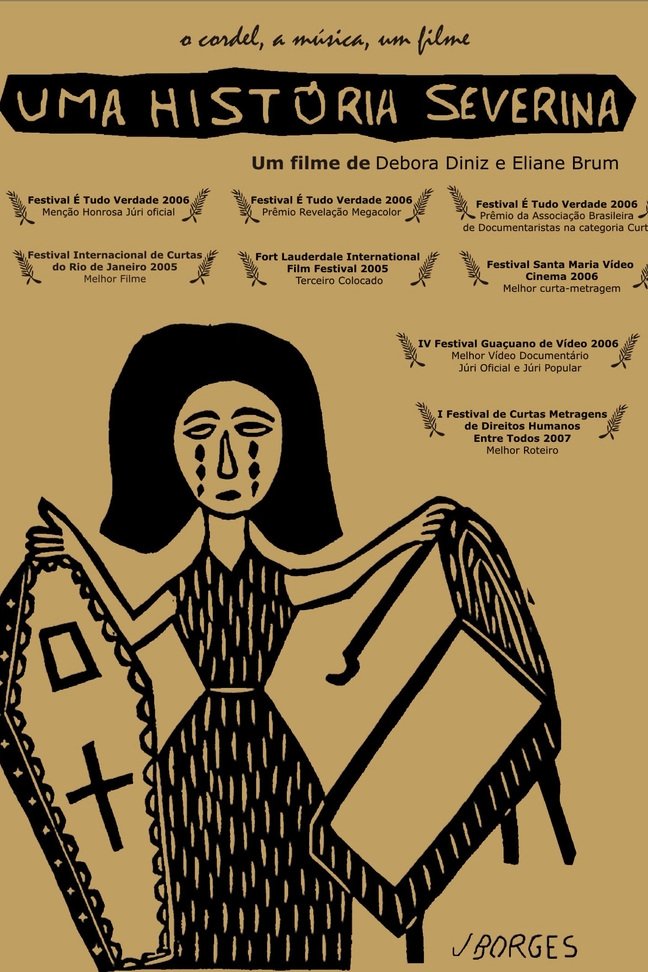
The documentary narrates the painful pilgrimage of Severina, a woman living in Chã Grande, in Pernambuco's countryside, who is in search of her right to abort the brainless fetus that she carried in her uterus. On the day that the Brazilian Supreme Court cancelled the right to abortion, Severina was in a hospital to interrupt her four-month-long pregnancy. The surgery was then canceled and the painful journey of Severina and her husband Rosivaldo began. The story of this mother ends in a long and painful day which wasn't witnessed by the Supreme Court judges.
Short film by Gisbert Hinke
Nazi propaganda short about paratroopers
Filmed and edited in intimate vérité style, this movie follows visionary medical practitioners who are working on the cutting edge of life and death and are dedicated to changing our thinking about both.
Daniel Craig candidly reflects on his 15 year adventure as James Bond. Including never-before-seen archival footage from Casino Royale to the upcoming 25th film No Time To Die, Craig shares his personal memories in conversation with 007 producers, Michael G Wilson and Barbara Broccoli.
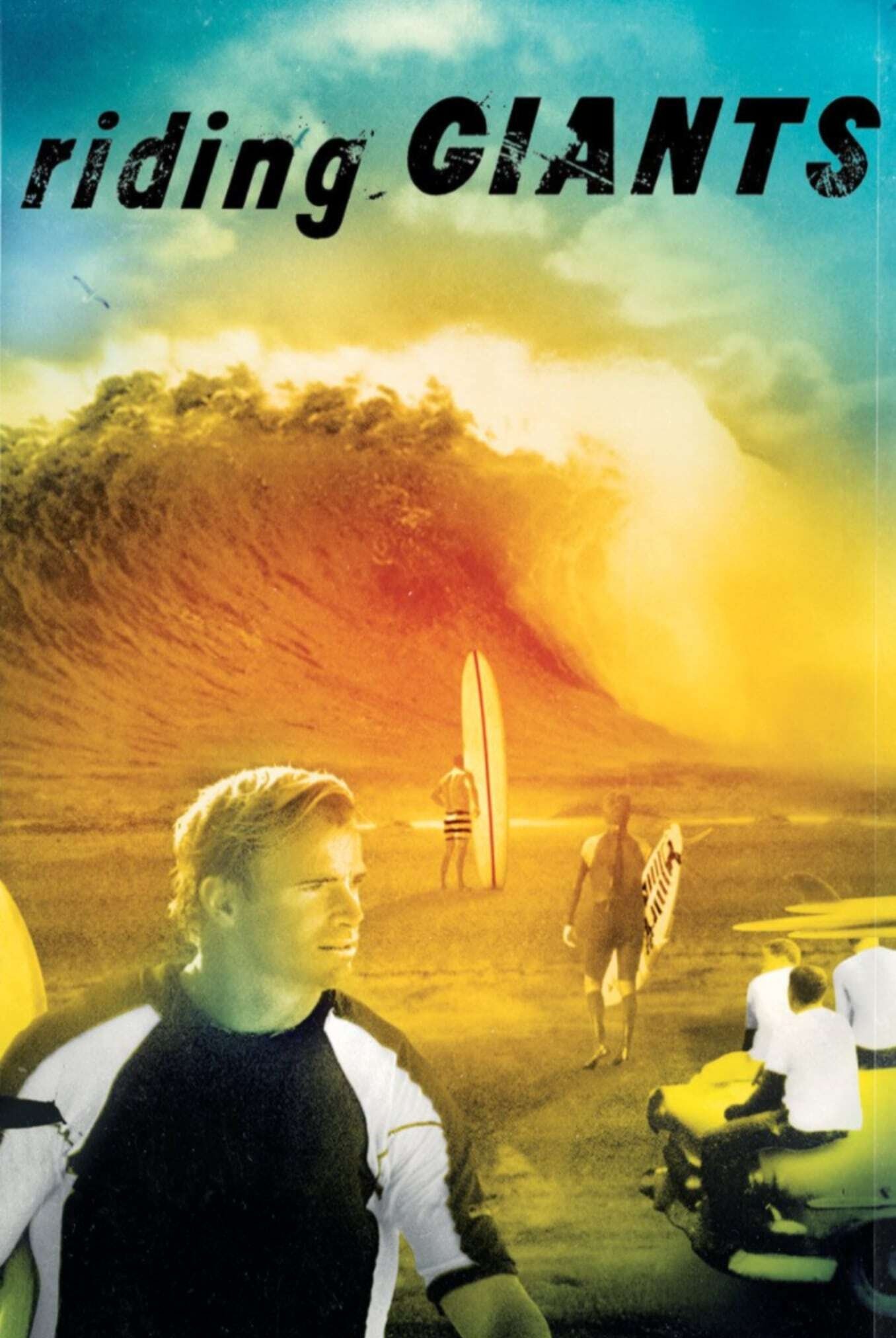
Riding Giants is story about big wave surfers who have become heroes and legends in their sport. Directed by the skateboard guru Stacy Peralta.
The film follows adventurer Jeff Johnson as he retraces the epic 1968 journey of his heroes Yvon Chouinard and Doug Tompkins to Patagonia.
Alexander McQueen's rags-to-riches story is a modern-day fairy tale, laced with the gothic. Mirroring the savage beauty, boldness and vivacity of his design, this documentary is an intimate revelation of McQueen's own world, both tortured and inspired, which celebrates a radical and mesmerizing genius of profound influence.
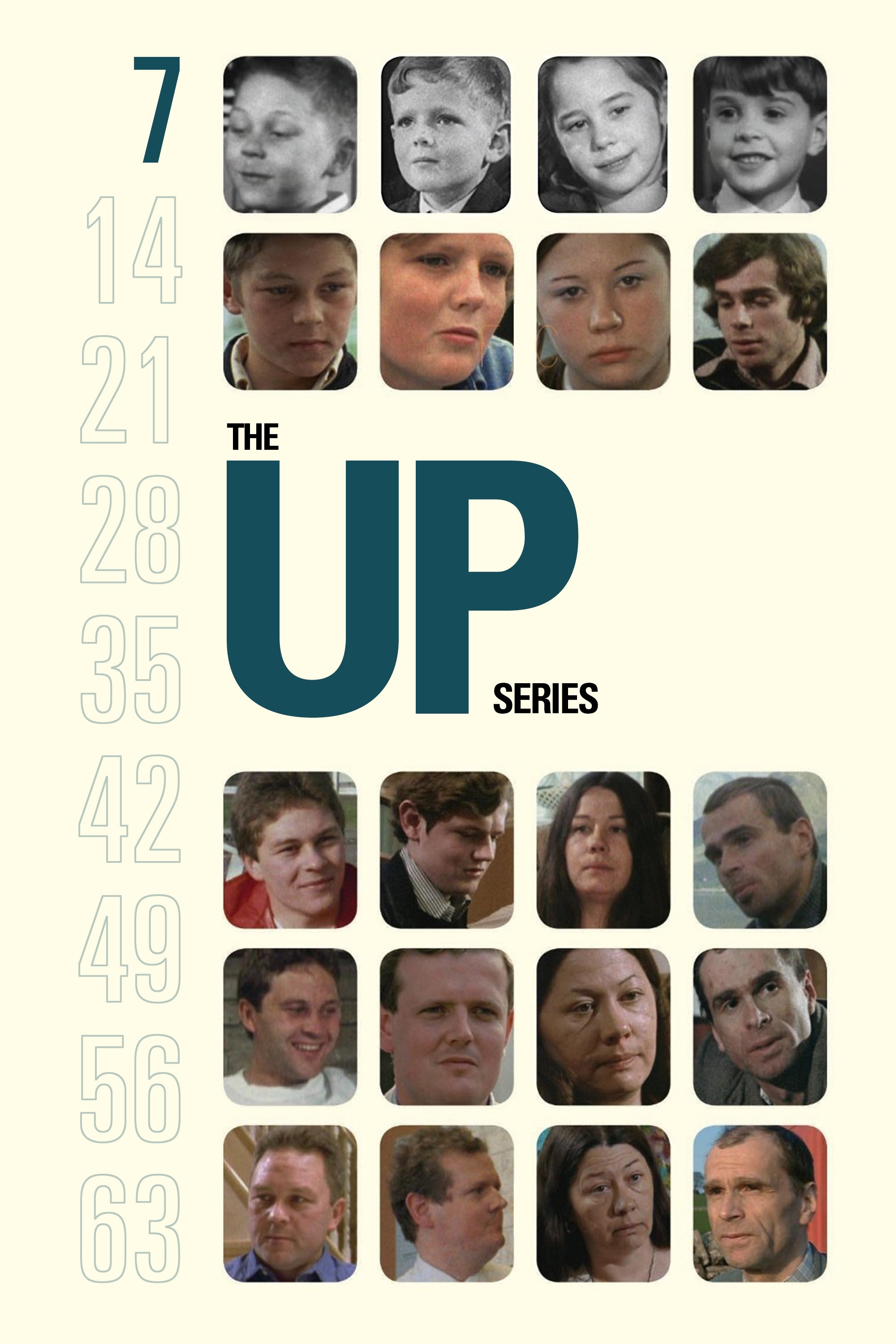
A group of British children aged 7 from widely ranging backgrounds are interviewed about a range of subjects. The filmmakers plan to re-interview them at 7 year intervals to track how their lives and attitudes change as they age.
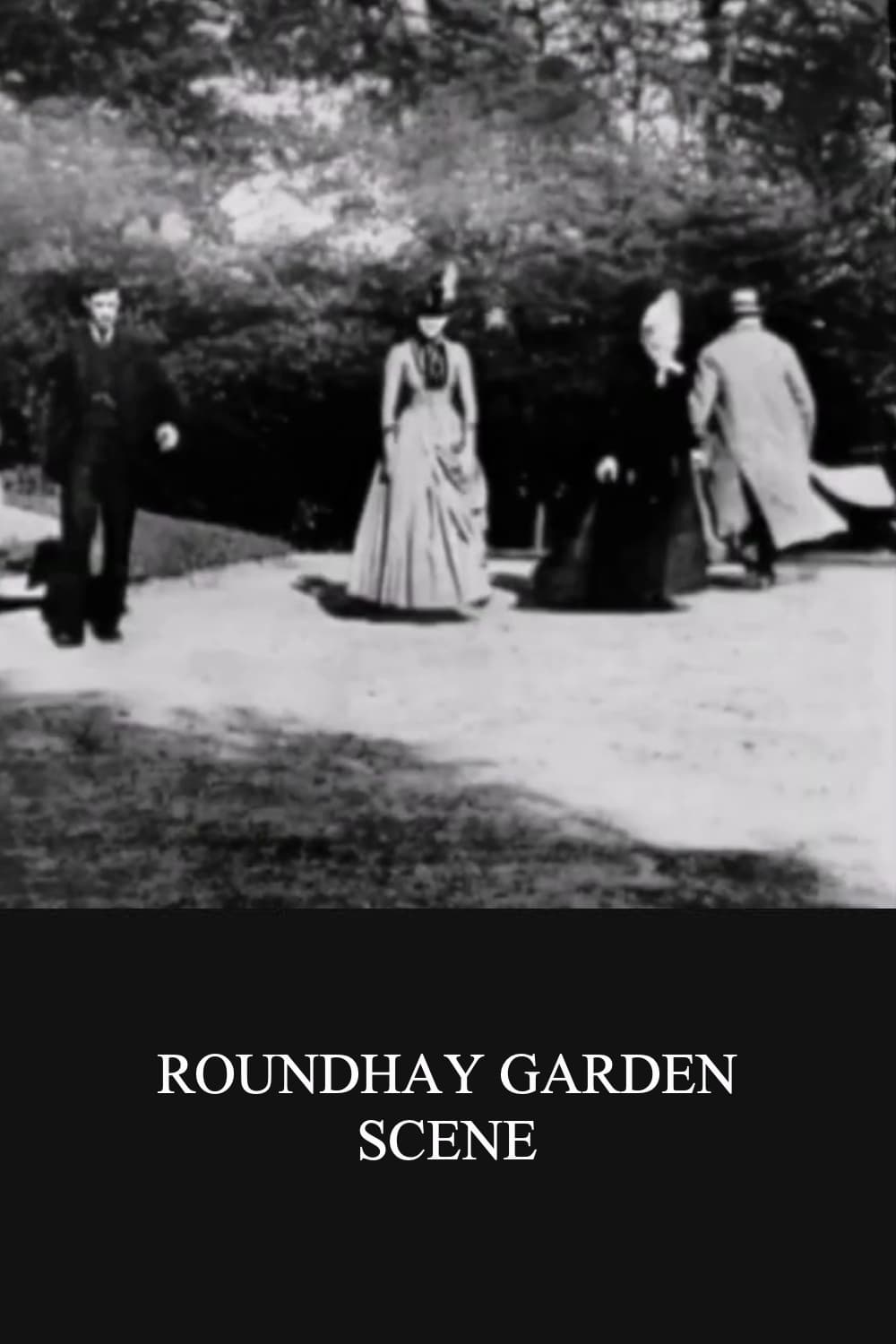
The earliest surviving motion-picture film, and believed to be one of the very first moving images ever created, was shot by Louis Aimé Augustin Le Prince using the LPCCP Type-1 MkII single-lens camera. It was taken on paper-based photographic film in the garden of Oakwood Grange, the Whitley family house in Roundhay, Leeds, West Riding of Yorkshire (UK), on 14 October 1888. The film shows Adolphe Le Prince (Le Prince’s son), Mrs. Sarah Whitley (Le Prince’s mother-in-law), Joseph Whitley, and Miss Harriet Hartley walking around in circles, laughing to themselves, and staying within the area framed by the camera. Roundhay Garden Scene is often associated with a recording speed of around 12 frames per second and runs for about 2 to 3 seconds.
Alternately hilarious and horrifying, Overnight chronicles one man's misadventures of making a Hollywood movie. It starts out as a rags to riches story as Troy Duffy, a Boston-bred bartender, sells his first screenplay for The Boondock Saints.
A feature length documentary about the all-women team at the helm of Pixar's original feature, Turning Red. With unprecedented behind-the-scenes access to Director Domee Shi and her core leadership crew, this story shines a light on the powerful professional and personal journeys that brought this incredibly comical, utterly relatable, and deeply heartfelt story to the screen.
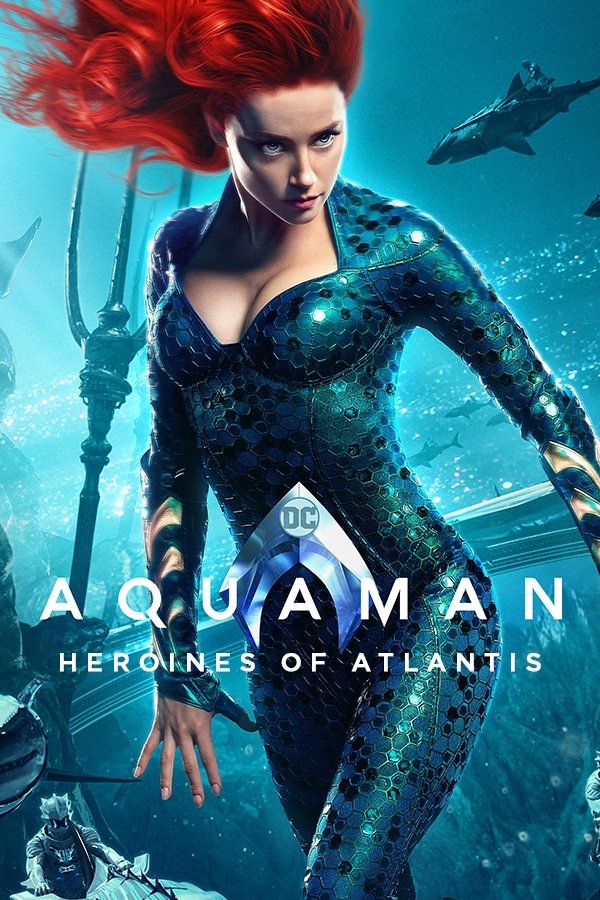
Amber Heard and Nicole Kidman discuss their characters Mera and Atlanna.
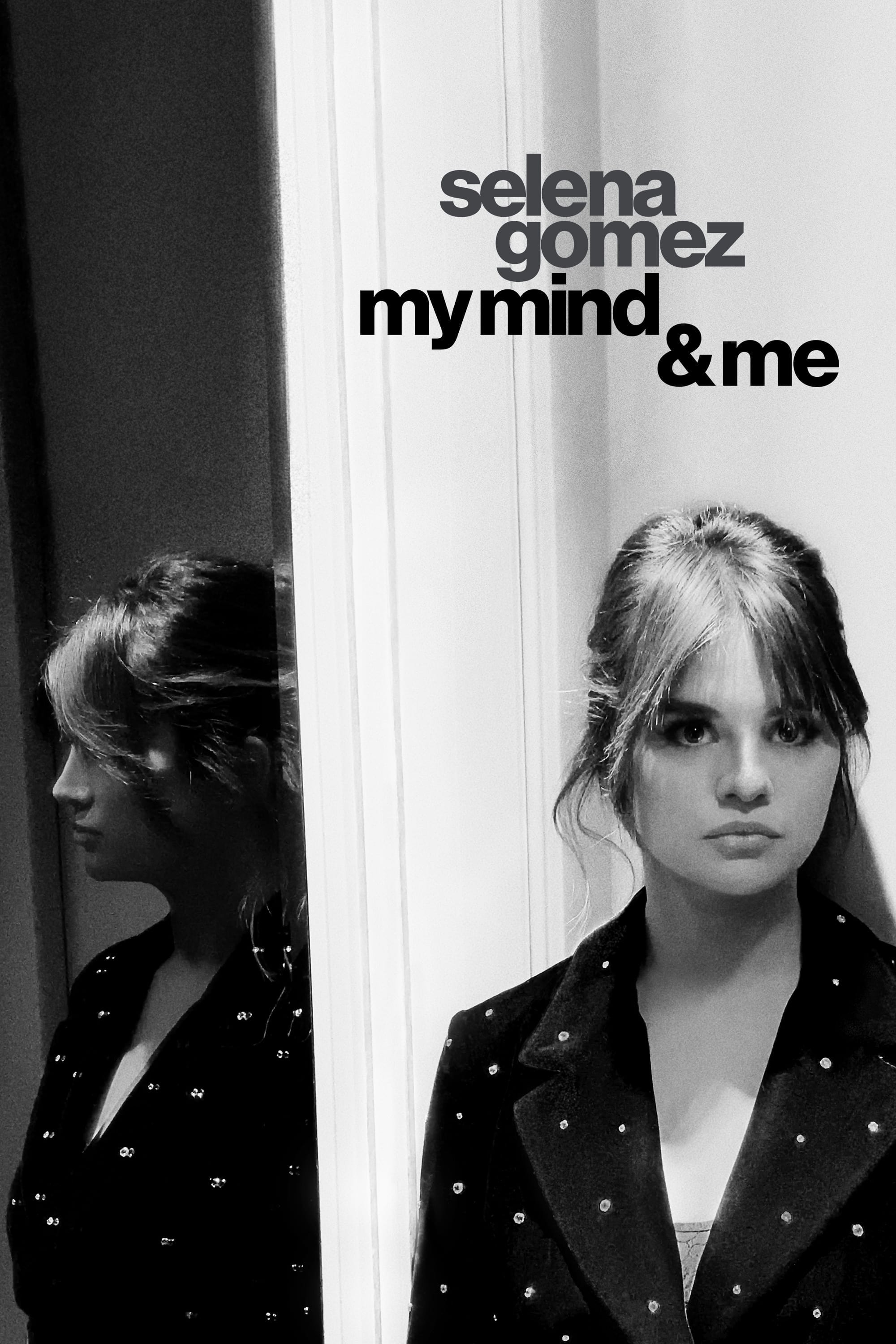
After years in the limelight, Selena Gomez achieves unimaginable stardom. But just as she reaches a new peak, an unexpected turn pulls her into darkness. This uniquely raw and intimate documentary spans her six-year journey into a new light.
Featuring interviews with filmmakers and industry legends, discover the origins and evolution of The Joker, and learn why The Clown Prince of Crime is universally hailed as the greatest comic-book supervillain of all time.
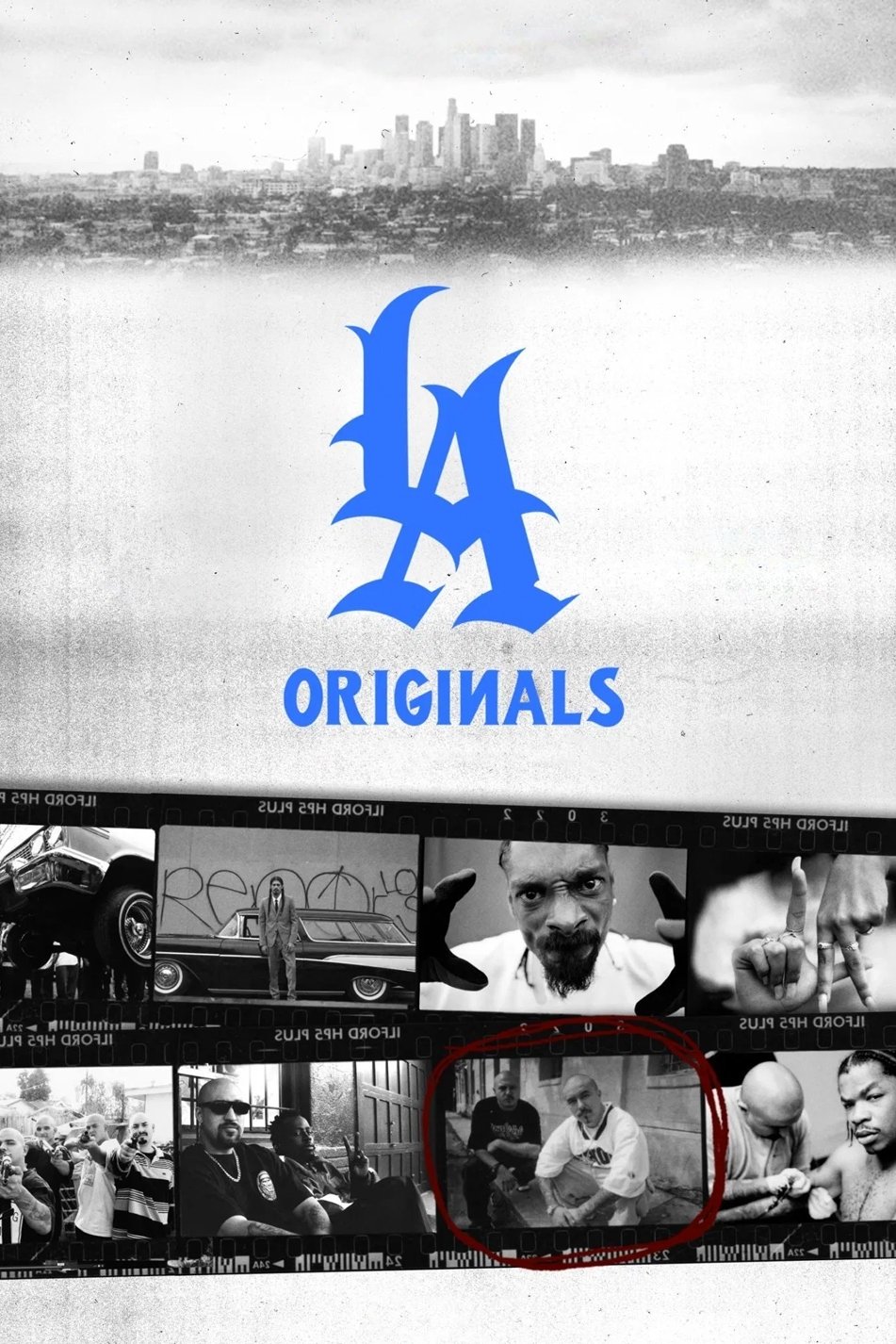
Photographer Estevan Oriol and artist Mister Cartoon turned their Chicano roots into gritty art, impacting street culture, hip hop and beyond.
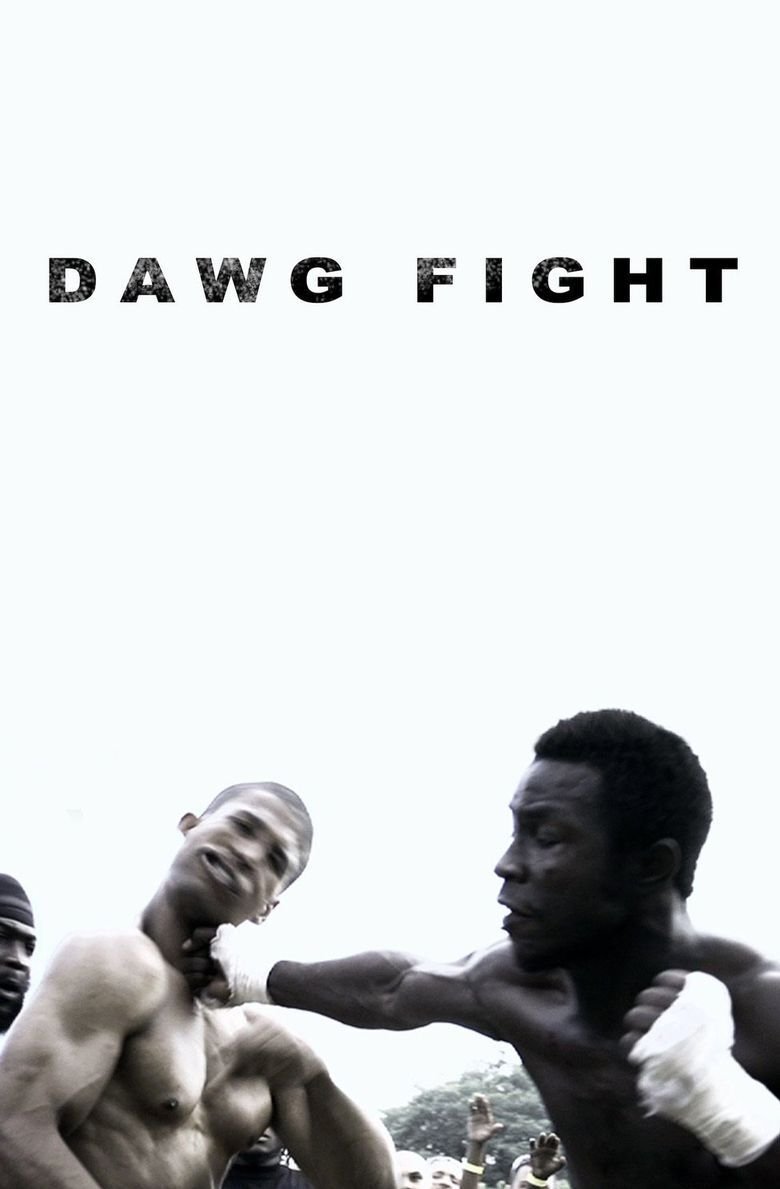
In a crime-plagued neighborhood near Miami, brutal, bare-knuckled backyard fights give young men a chance to earn money -- and self-respect.
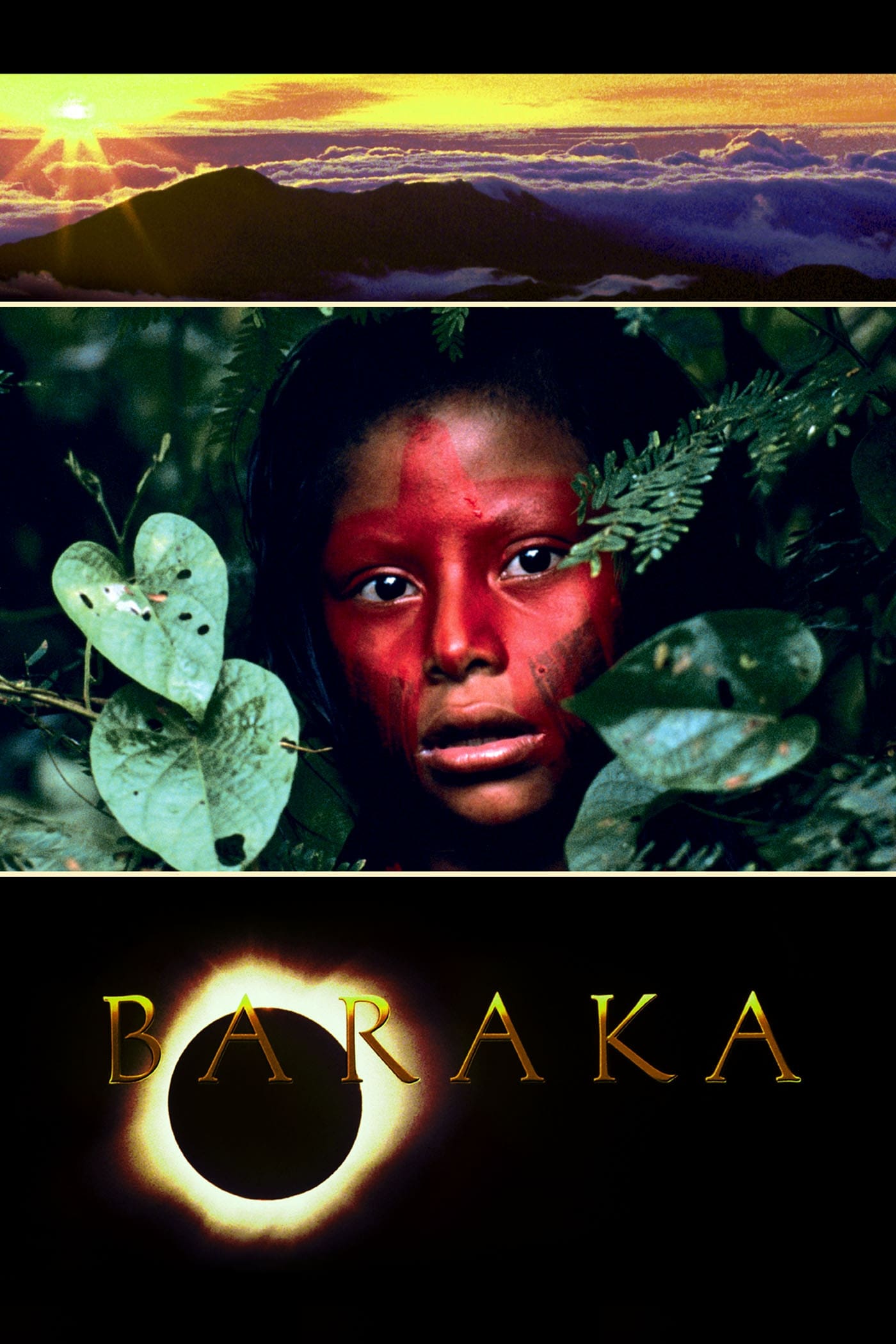
A paralysingly beautiful documentary with a global vision—an odyssey through landscape and time—that attempts to capture the essence of life.
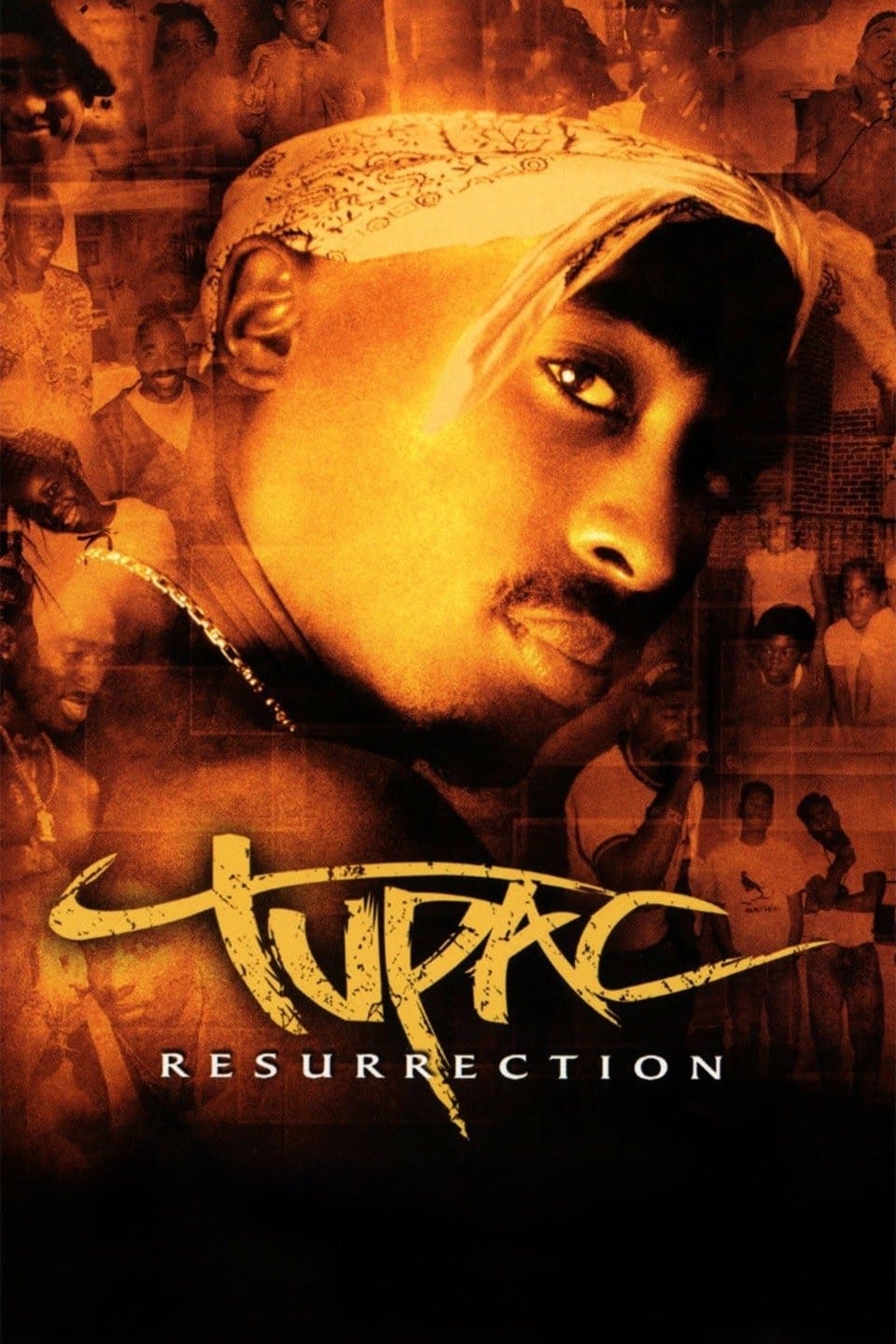
Home movies, photographs, and recited poetry illustrate the life of Tupac Shakur, one of the most beloved, revolutionary, and volatile hip-hop MCs of all time.
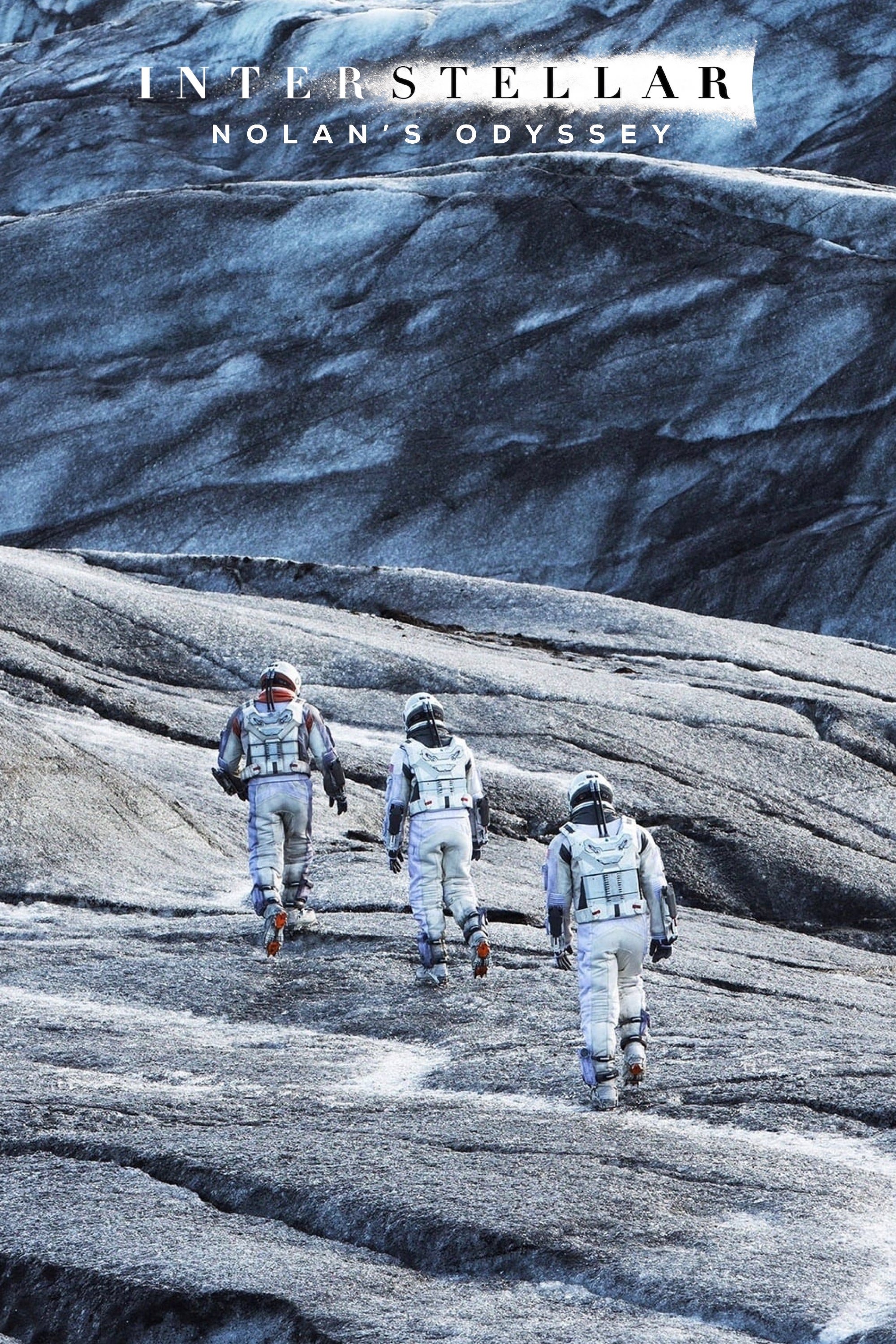
A look behind the lens of Christopher Nolan's space epic.
A purely observational non-fiction film that takes viewers into the ethically murky world of end-of-life decision making in a public hospital.
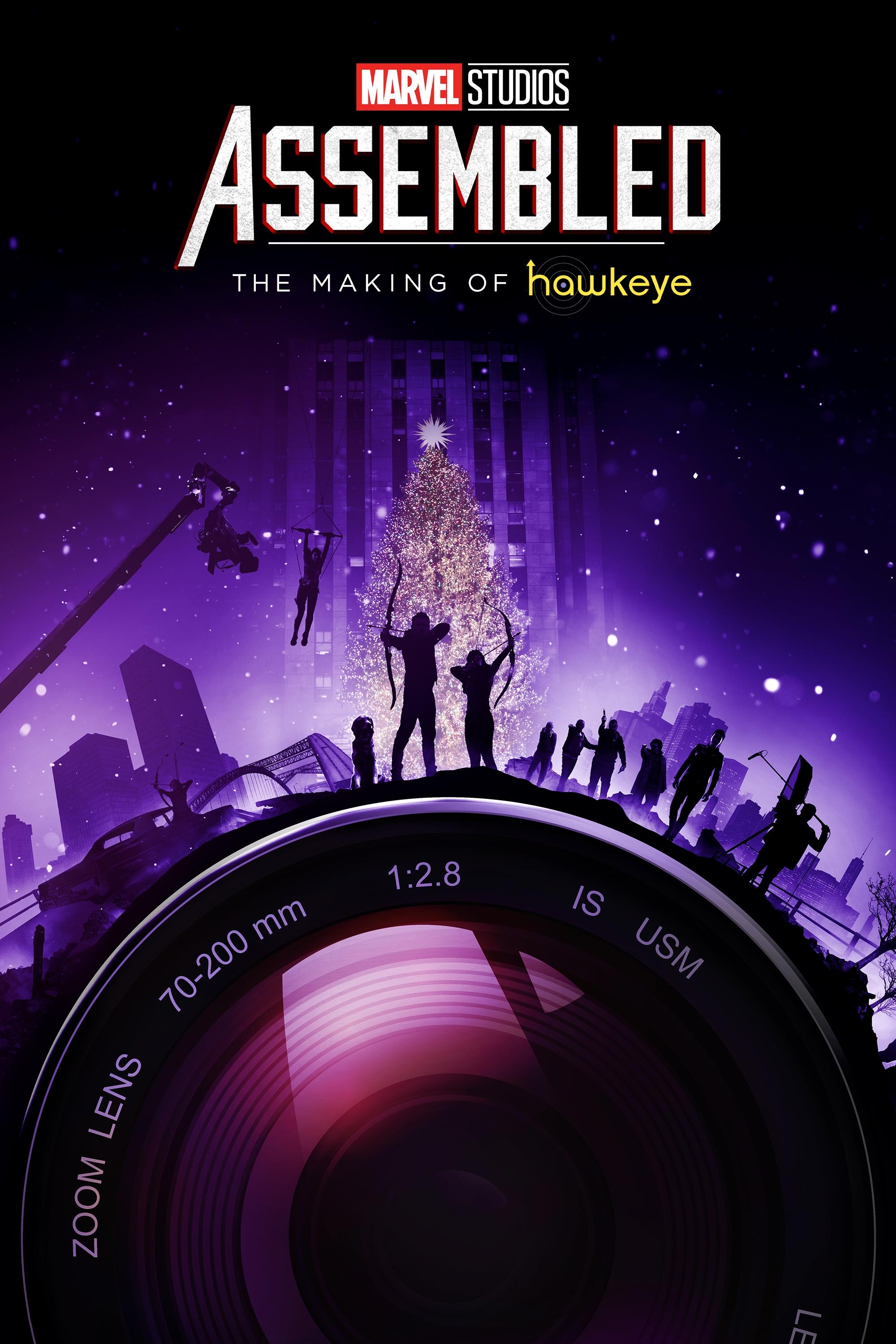
Join the likes of Jeremy Renner, Hailee Steinfeld, Florence Pugh, and Vincent D’Onofrio as they reveal how Marvel Studios’ “Hawkeye” was conceived and created. Witness firsthand what it took to pull off the show’s pulse-pounding action set pieces, and discover how iconic characters from the pages of Marvel Comics such as Kate Bishop were adapted and brought to life for the six-episode series.
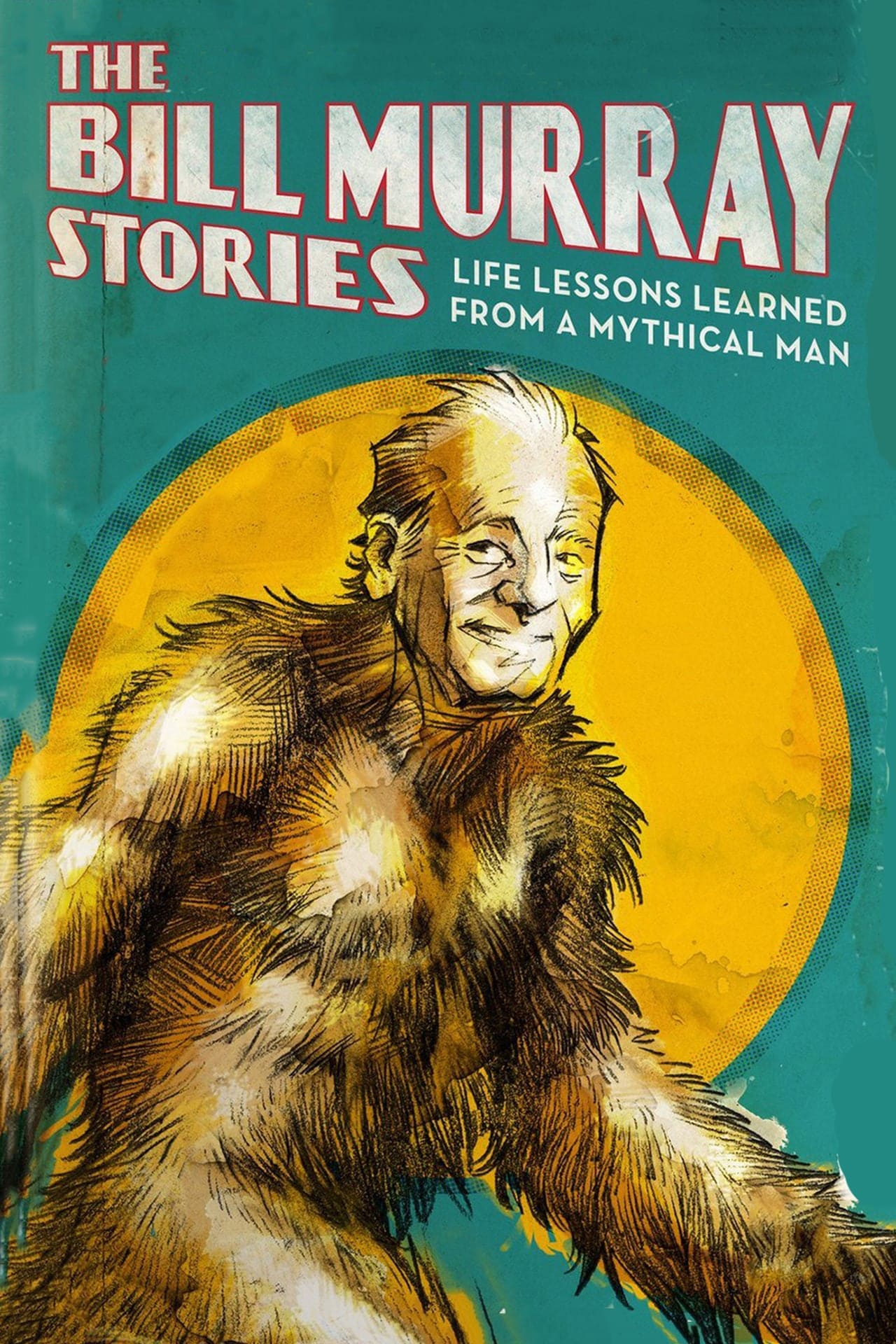
One man’s journey to find meaning in Bill Murray’s many unexpected adventures with everyday people, rare and never-before seen footage of the comedic icon participating in stories previously presumed to be urban legend.
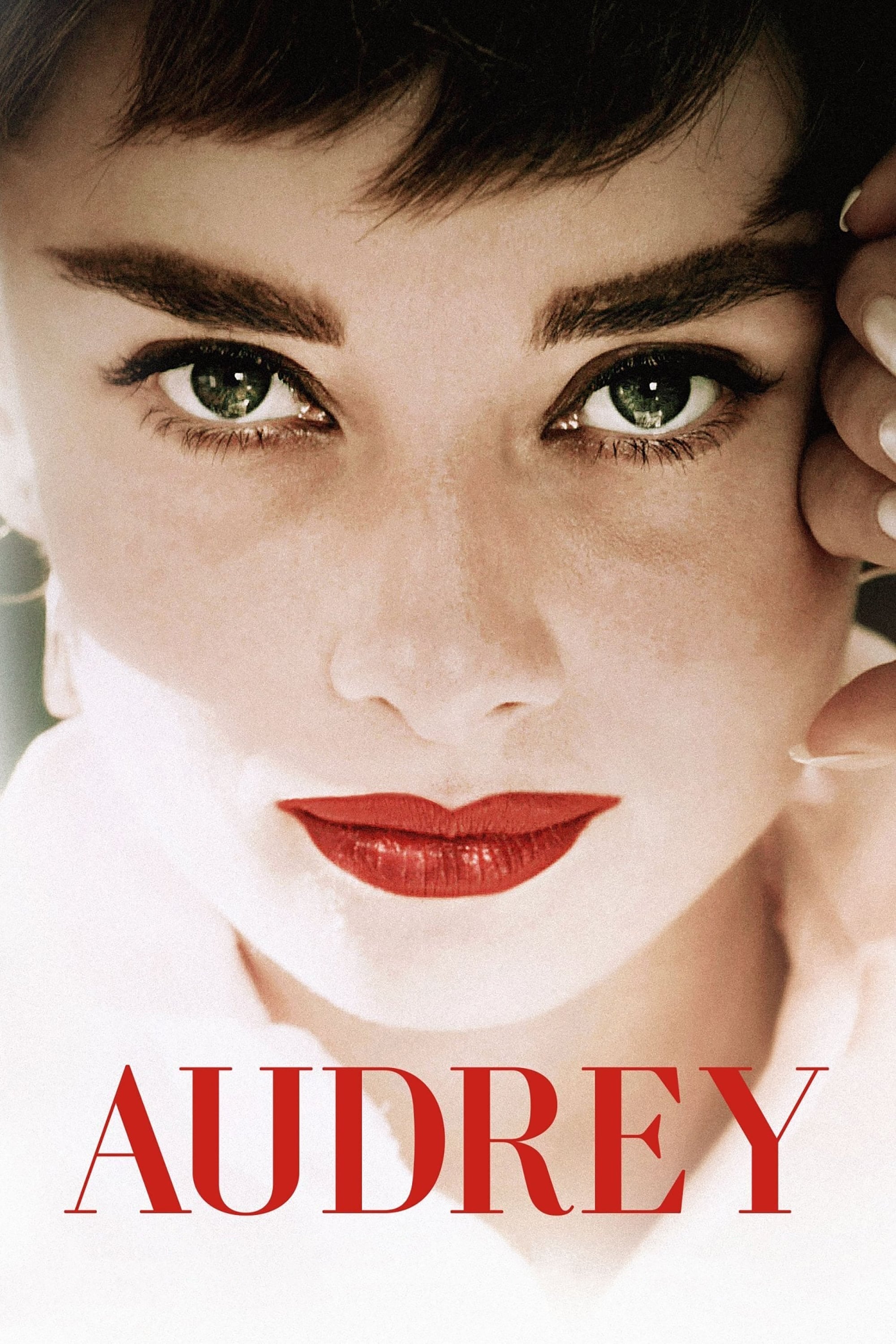
An unprecedented and intimate look at the life, work and enduring legacy of British actress Audrey Hepburn (1929-1993).