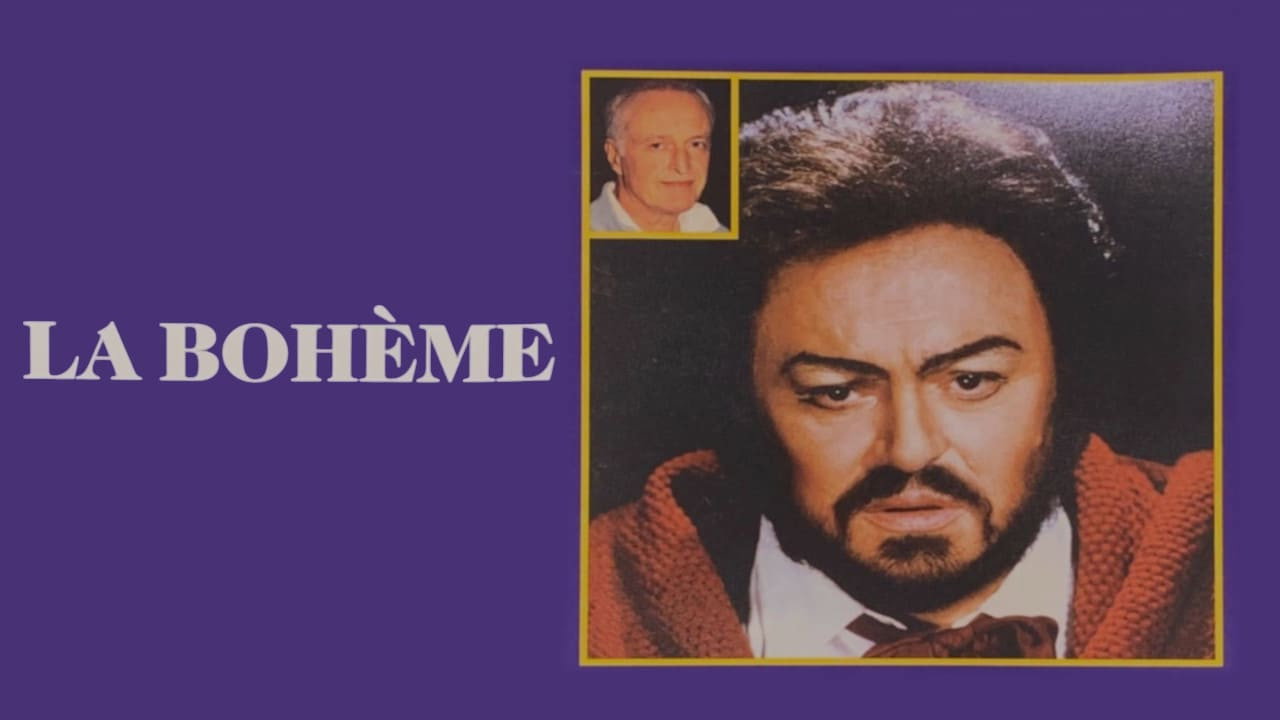
Performance of La Bohème in Teatro alla Scala, 1979.
Social & External
The people behind it
Luciano Pavarotti
Rodolfo
Giorgio Giorgetti
Schaunard
Claudio Giombi
Benoît
Ileana Cotrubas
Mimì
Lorenzo Saccomani
Marcello
Evgeny Nesterenko
Colline
Alfredo Giacomotti
Alcindoro
Lucia Popp
Musetta
Saverio Porzano
Parpignol
Carlo Meliciani
Sergente dei doganieri
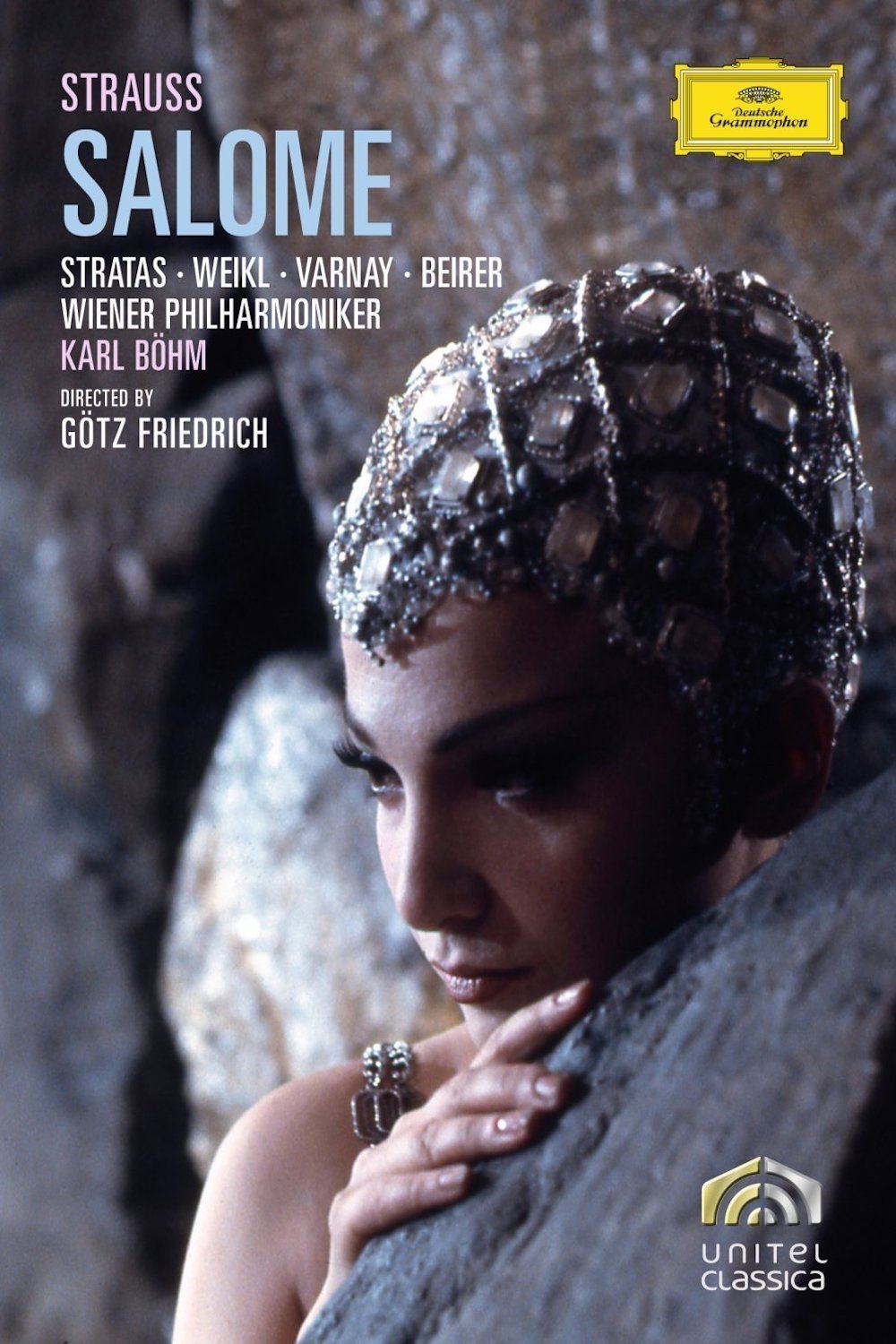
This filmed version of Strauss' shocker features Teresa Stratas as opera's most depraved teenager, and she's as perfect a Salome as one would ever hope to see or hear. Stratas inhabits the role, exploring the character's sensuousness as she vainly woos Jochanaan, her venomous hatred when she's rejected, the crazed look in her eyes when she demands his head--on a silver platter, no less. Such complete identification with a role, especially of a character so malignant helps make this 1974 Salome stand out among the many fine DVDs of the opera.
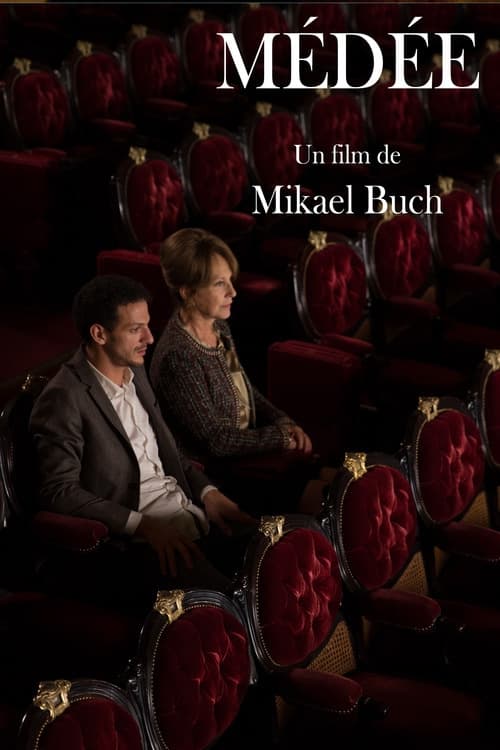
A lonely mother and her son go to the opera where a performance of Cherubini’s opera Medea is given. It is the mother’s birthday and she wanted to surprise her son by inviting him to the opera. But, the son’s plan were different and he is quite upset about it. His mother tries to break the silent barrier behind which he hides. A semblance of discussion begins, not without humour. Tension is present but, as the performance goes on, both find themselves astounded, captured, alone in the opera house.
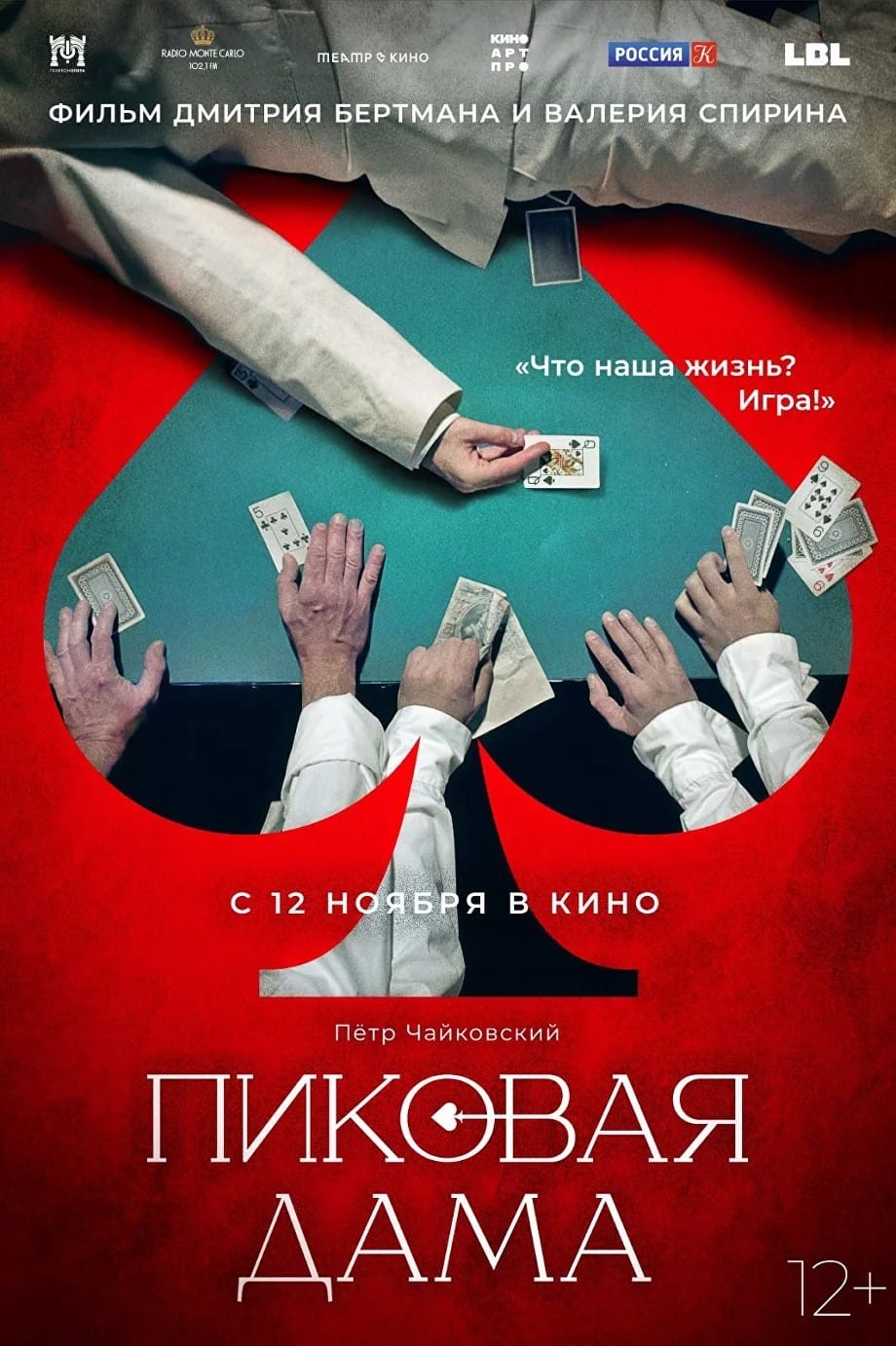
"The Queen of Spades" is considered Tchaikovsky's best creation by the world-famous conductor, People's Artist of the USSR Vladimir Ivanovich Fedoseev. He took over the leadership of the musical process of recreating the production at Helikon Opera. The original reading, modern stage language, love for Tchaikovsky's music, which became the hallmarks of Helikon's "Queen of Spades," are preserved in the new version. To this were added the thoughtful gaze of maestro Fedoseev, the stunning stage capabilities of the new hall and the artistic talent of the Helikon troupe.
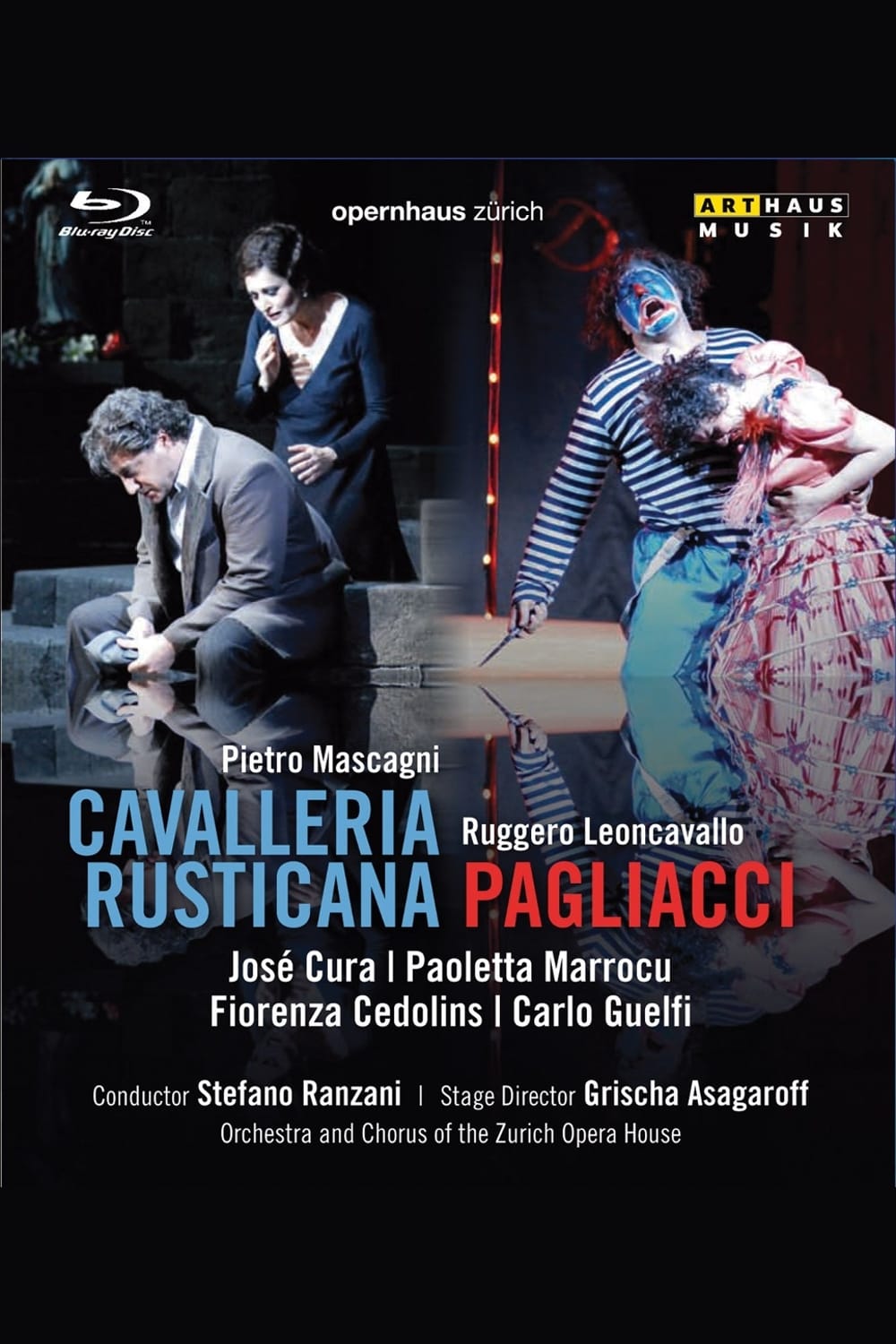
Pietro Mascagni's opera recorded in 2009. Conductor Stefano Ranzani leads the orchestra and chorus of the Zurich Opera House, with performances by Argentinian tenor Jose Cura and soprano Pauletta Marrocu.
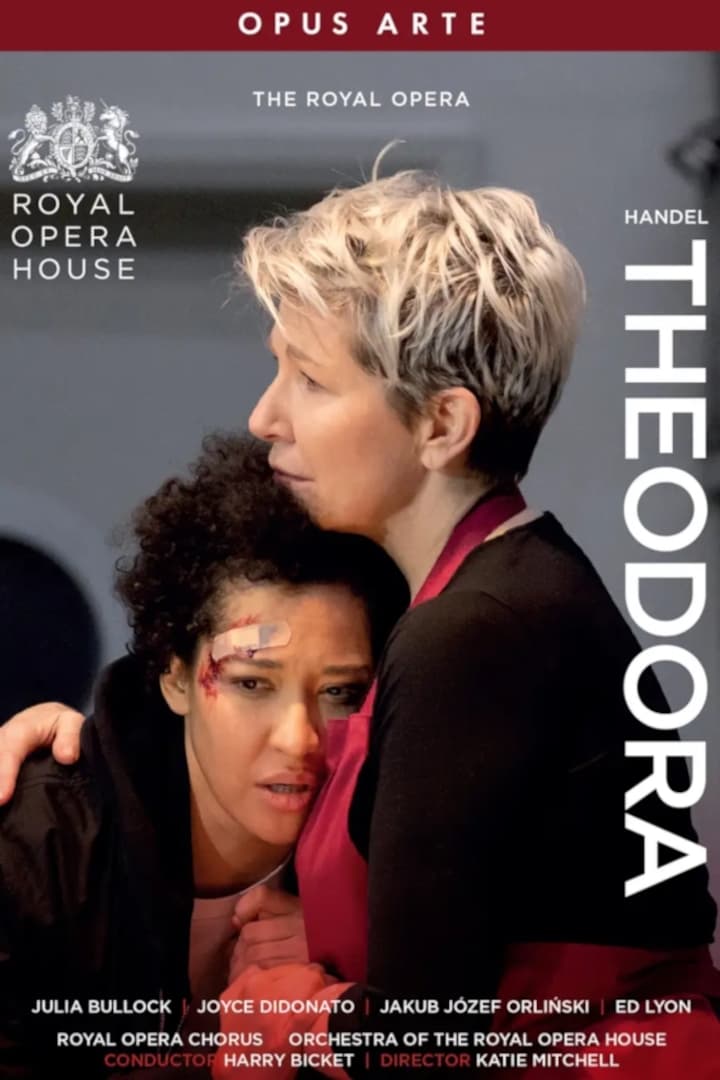
Julia Bullock, Joyce DiDonato and Jakub Jozef Orlinski star in Katie Mitchell’s thrilling new production of Handel’s Theodora in an alternative modern-day reality, Theodora, a religious fundamentalist, plots for the resistance against the Roman occupation. But when her secret plan to destroy the Roman embassy is discovered, she learns the true brutality of her oppressors. Harry Bicket conducts the Orchestra of the Royal Opera House
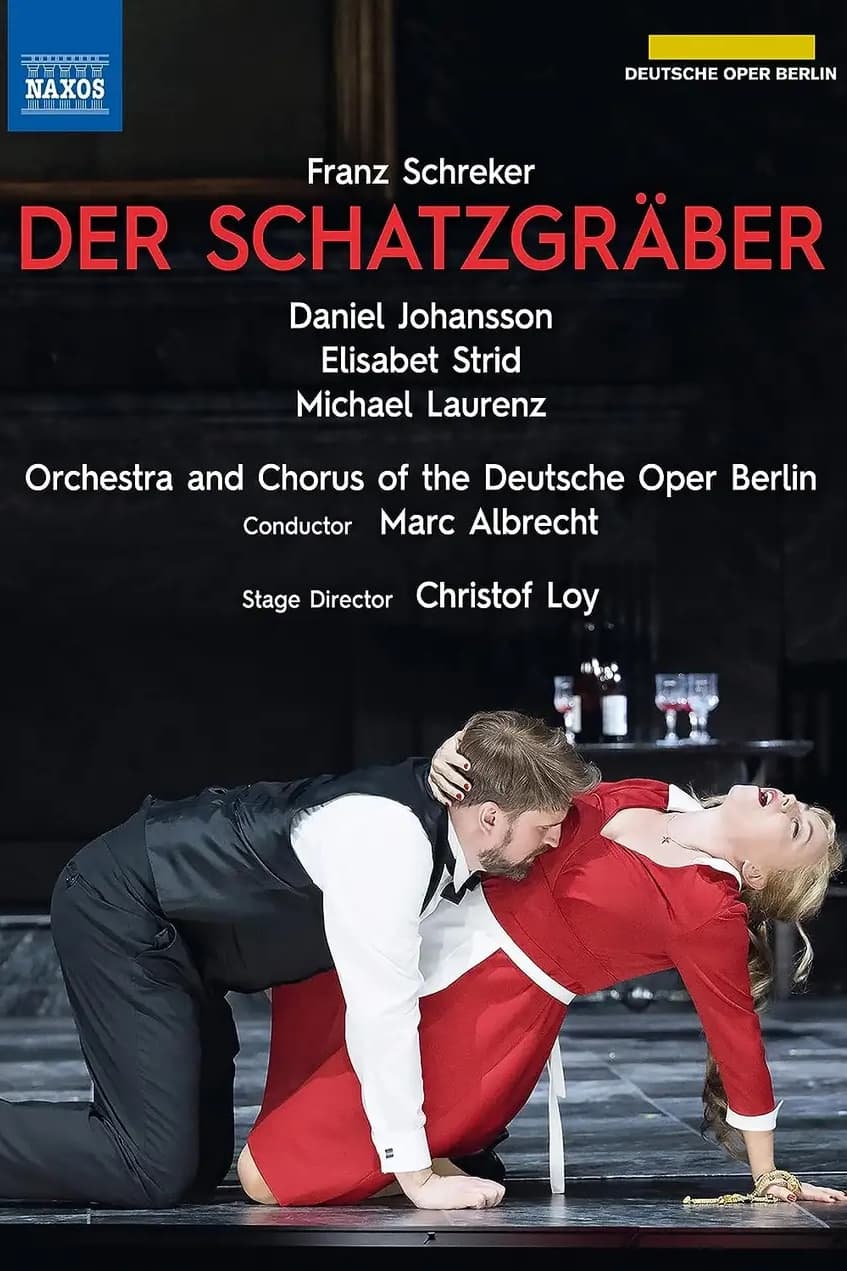
Franz Schreker’s career was cut short by the events of 1933 in Germany but he achieved real fame with his operas, and the huge success of Der Schatzgräber (‘The Treasure Hunter’) in the 1920s was the high point of his career. In a complex and ultimately tragic tale of destructive greed, desire and toxic social hierarchy, the innkeeper’s daughter Els is forced to confront the consequences of her murderous intent in what conductor Marc Albrecht considers ‘a work of exceptional quality, concentration and significance’. Following the huge success of Korngold’s Das Wunder der Heliane (Naxos DVD 2.110584–85 / Blu-ray NBD0083V), director Christof Loy continues his exploration of strong female characters and neglected 20th-century masterpieces with this highly acclaimed Deutsche Oper Berlin production.
Riccardo Chailly inaugurates the 2024-2025 Opera Season with a new production of La forza del destino, conducting his ninth Verdi title at La Scala. Leo Muscato will direct yet another cast of extraordinary prestige. A complex opera in terms of dramaturgy, first performed in St. Petersburg in 1862 and debuting in its final form at La Scala in 1869 with the creation of the famous overture, La forza del destino offers some of the most memorable Verdi melodies. It has been absent from the programme since the Verdi centennial in 2001, when it was brought to La Scala by the artists of the Mariinsky Theatre of St. Petersburg; the La Scala Orchestra and Choir have not performed it since 1999.
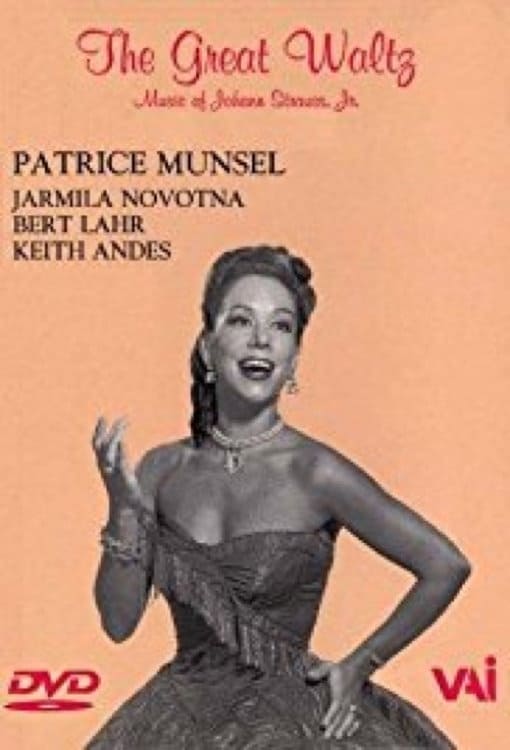
Johann Strauss, Jr., a would-be composer of waltzes in mid-19th Century Vienna, attempts to thwart his father's efforts to prevent his success when the older man becomes jealous of his melodic skill.
German silent film operetta (Filmoperette)
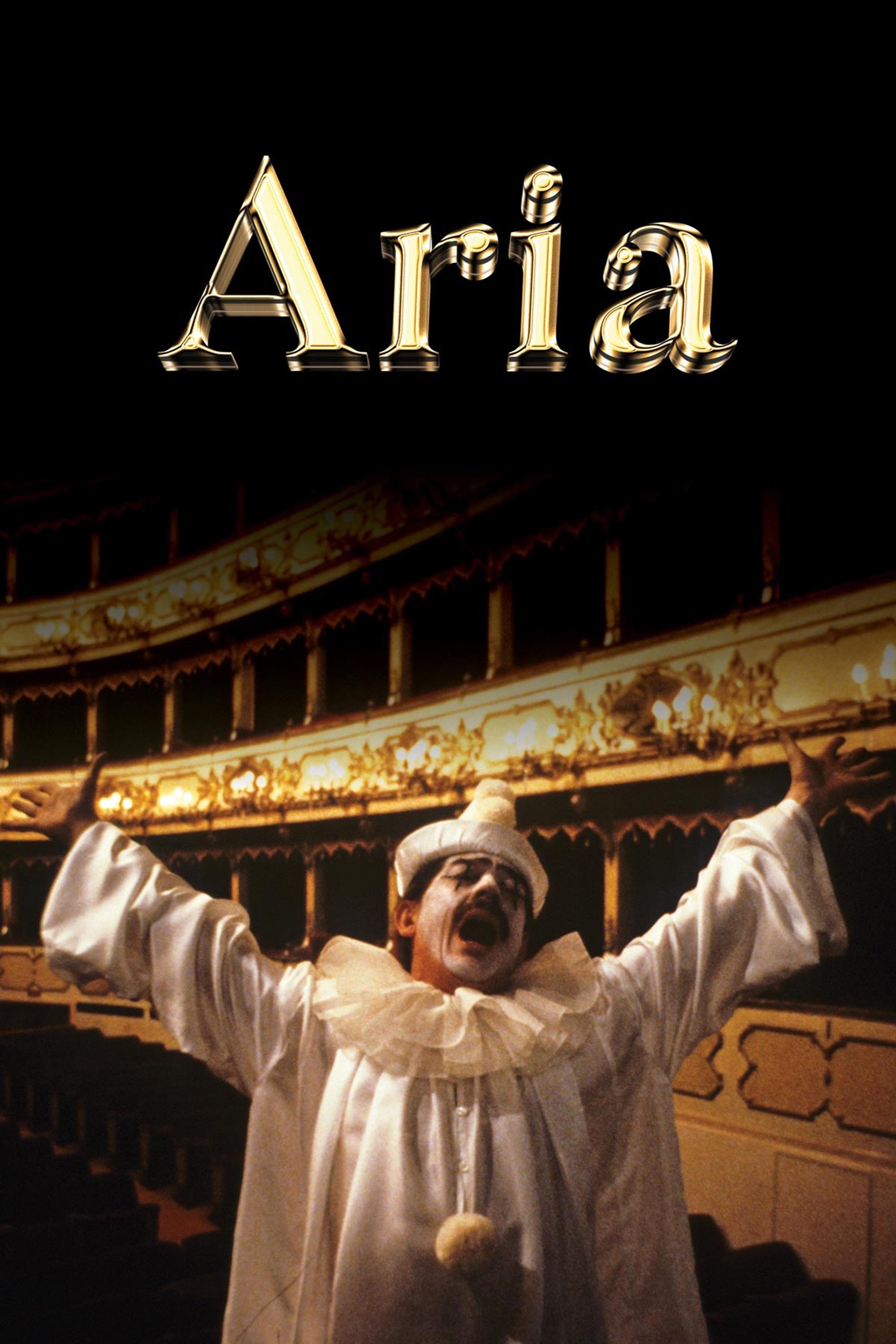
Ten short pieces directed by ten different directors, including Ken Russell, Jean-Luc Godard, Robert Altman, Bruce Beresford, and Nicolas Roeg. Each short uses an aria as soundtrack/sound, and is an interpretation of the particular aria.
Two noble women, bored of their lives, disguise themselves as country wenches and go to the market at Richmond Fair, where two young farmers fall in love with them.
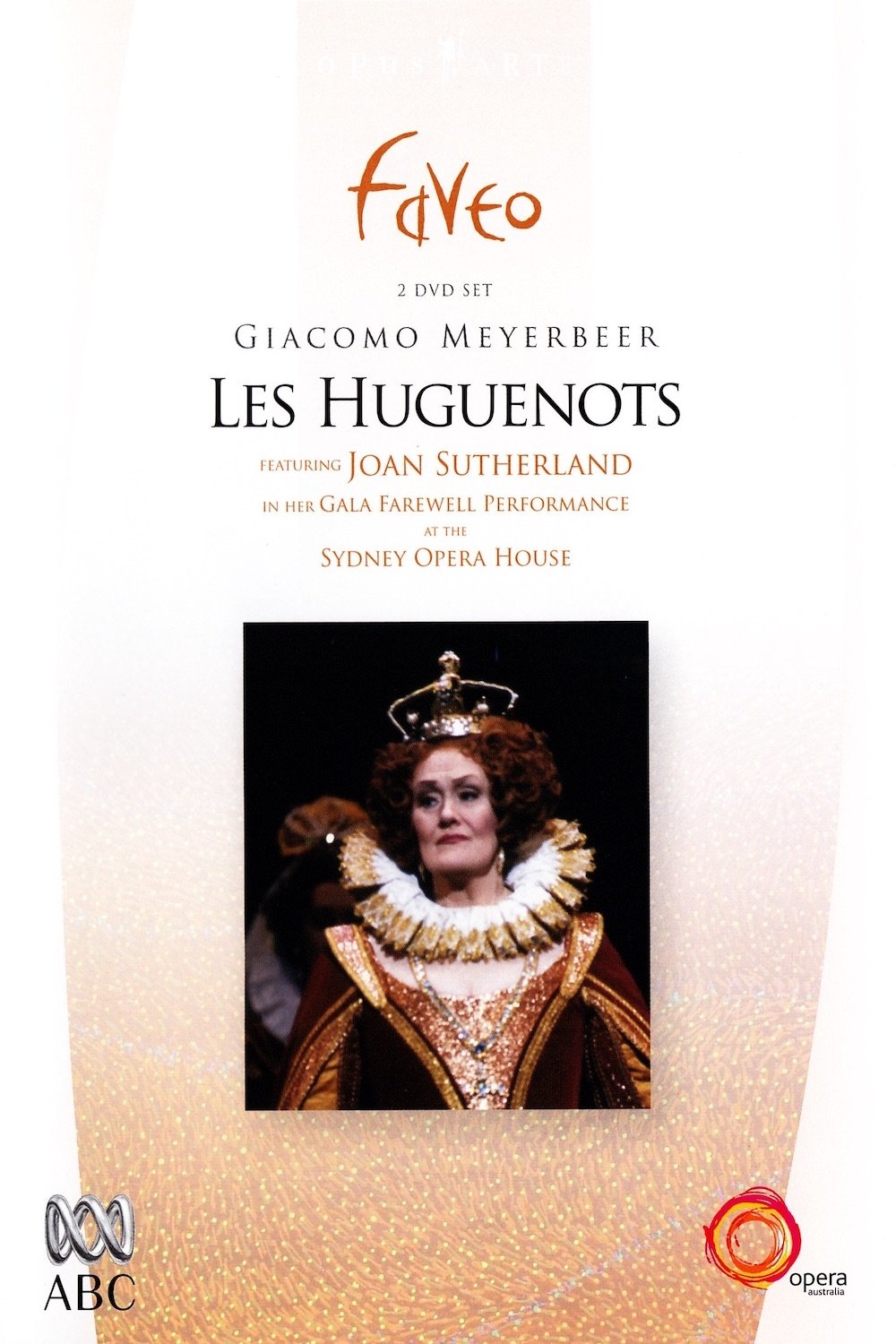
Joan Sutherland's farewell performance to the operatic stage offsets this story of the St. Bartholomew's Day massacre and the magnificence of 16th century France.
A colorful and comedic staging of the classic opera buffa by the Vienna State Opera.
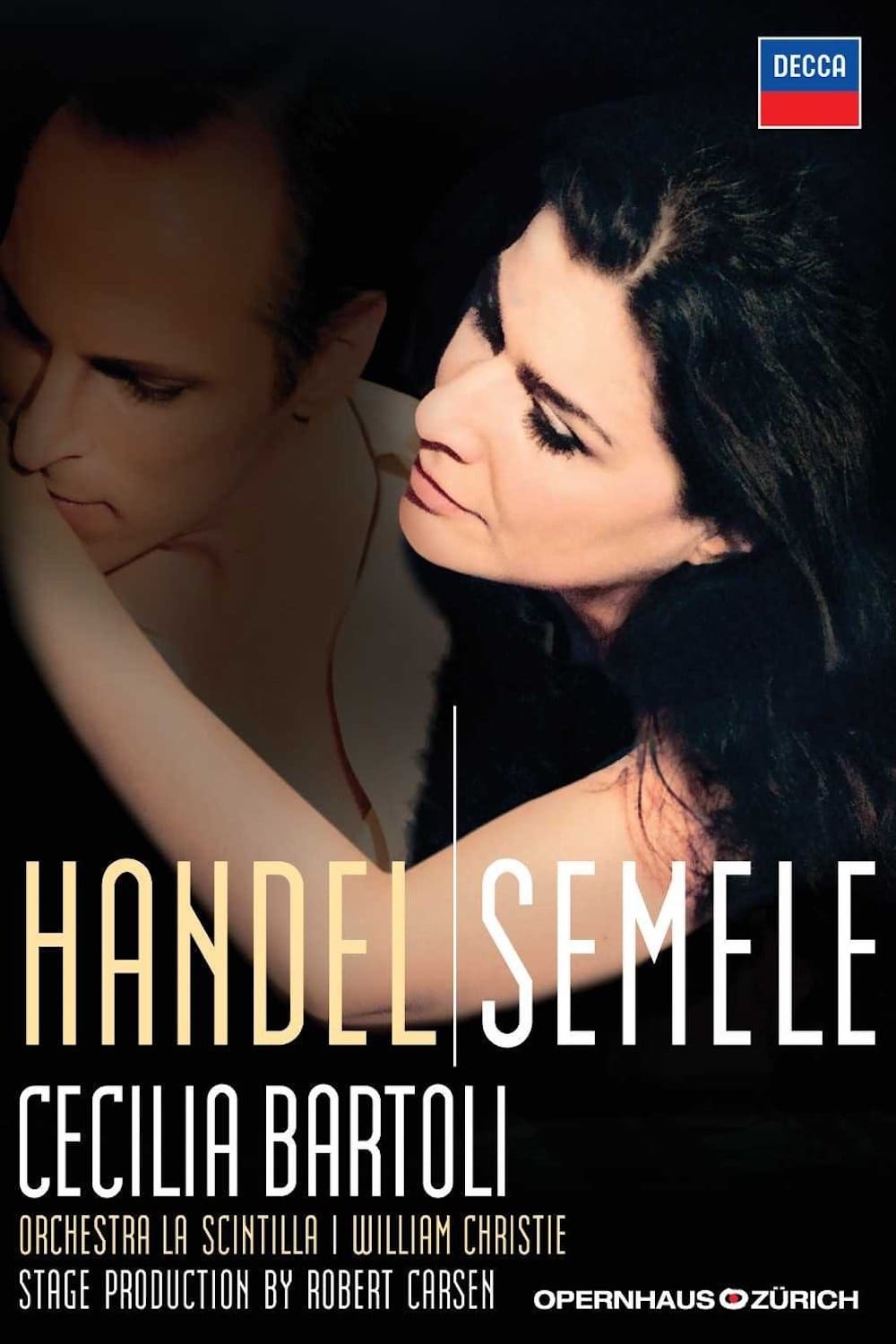
Opera superstar Cecilia Bartoli offers her first operatic release on DVD in 12 years, and also her first opera in English. Bartoli stars as Semele (a role usually taken by a soprano) in Handel s late opera, which features such well-known arias as Endless pleasure, endless love, Myself I shall adore, and Oh sleep, why dost though leave me? Robert Carsen s stylish modern dress production hints at parallels with the problematic relationship between the late Princess Diana and the British Royal Family. Recorded live at the Zurich Opera House in January, 2007.
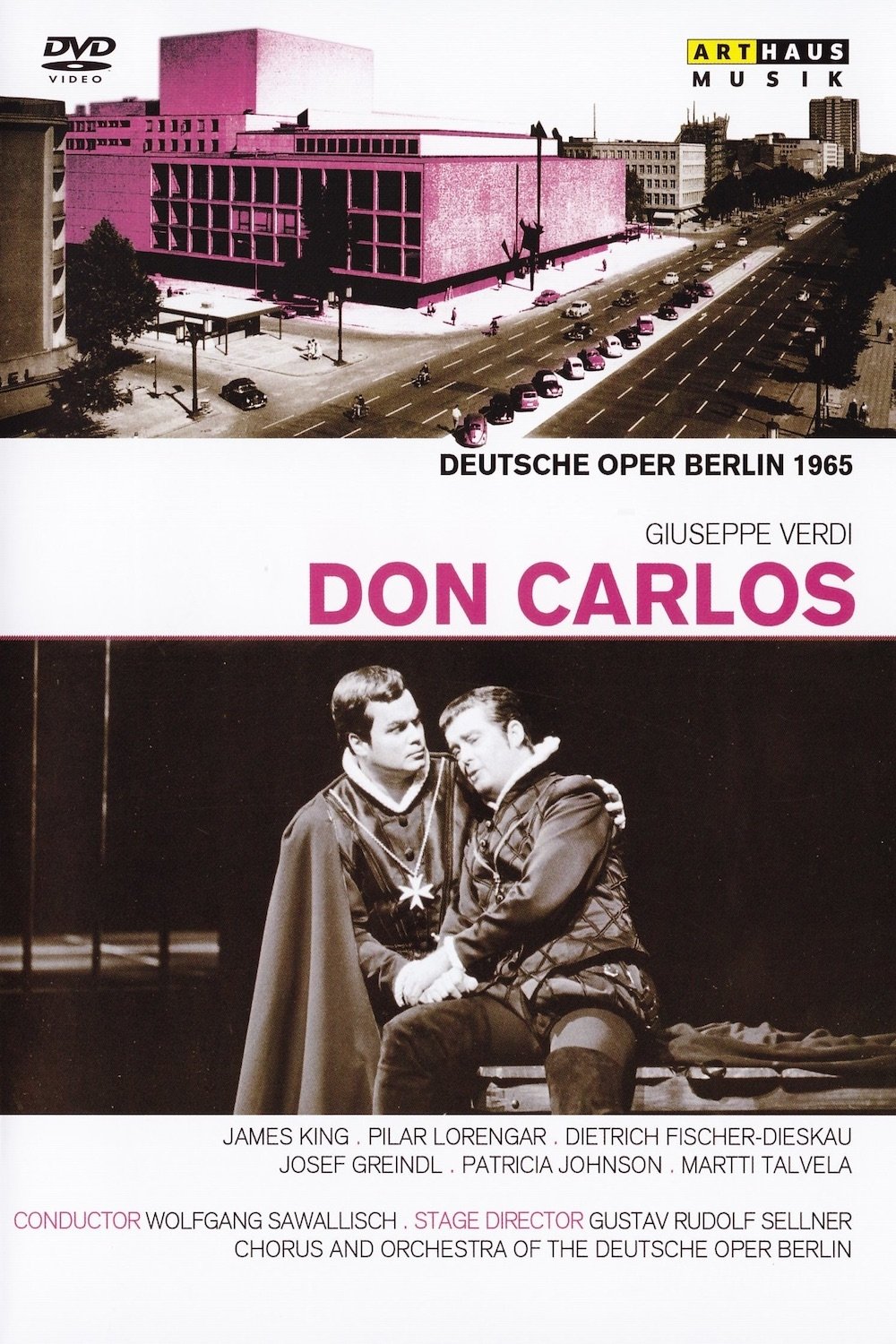
The production by Deutsche Oper Berlin achieves a beautiful balance between the stage drama and the music. It proves that there are still singers who can perform Verdi's melodies at the highest level and that it is also possible to bring them together into an ensemble. The production fulfills all one's expectations of the modern city of Berlin in terms of stylishness and performance.
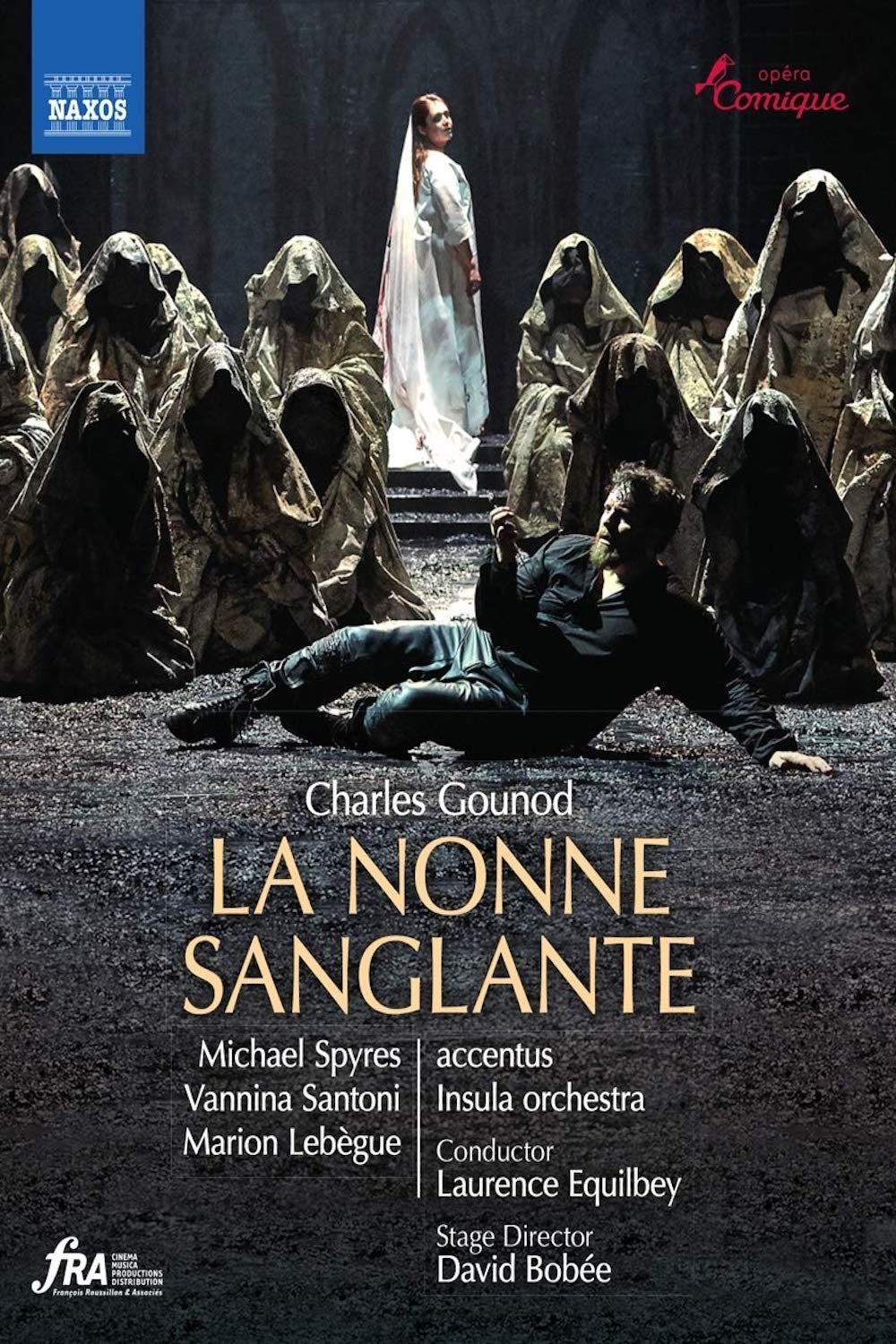
This Blu-ray is a splendid record of a creative production with terrific voices and direction, as good as the Met's videos any day. It also tends to be creepy and atmospheric, with music as good as anything Gounod wrote for his FAUST. Recommended to lovers of horror and opera!
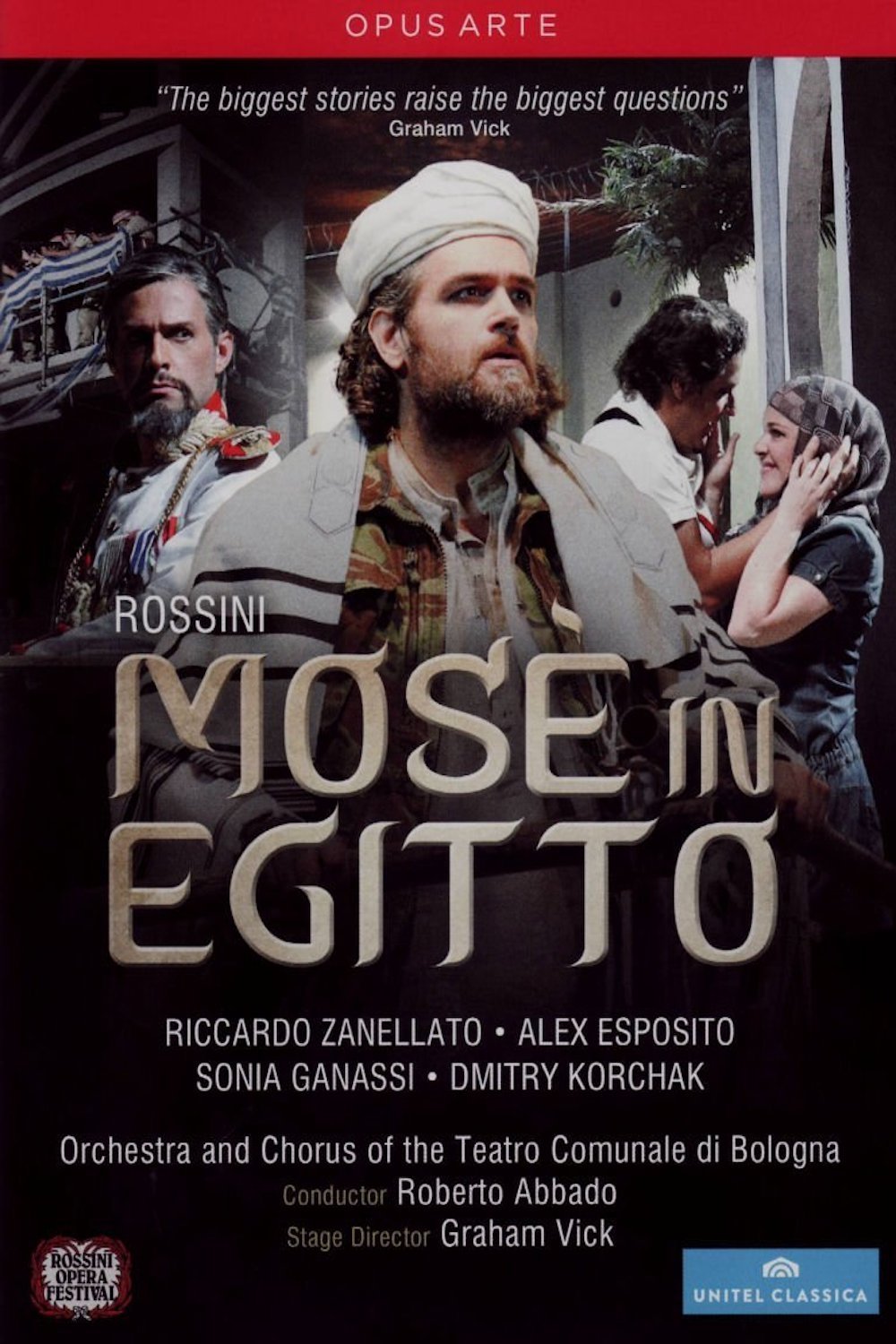
This thought-provoking, modern-day interpretation of Rossini's 'Mosè in Egitto' sets the scene for superior music-making at the prestigious Rossini Festival in Pesaro. For conductor Roberto Abbado, the transposition of the action to the present day releases the energy of Rossini's music. At his disposal is a cast of top-quality vocalists such as the “refined bel canto artist(Bresciaoggi) Sonia Ganassi as Elcia, and the “outstanding” Dmitry Korchak as the Pharaoh's son, two lovers fatefully drawn into the political turmoil and catastrophes of their time. Also among the protagonists are the “thoroughly brilliant” (DeutschlandRadio Kultur) baritone Alex Esposito as Faraone and, in his Rossini Festival debut, young, full-bodied bass Riccardo Zanellato as Moses. Conductor Roberto Abbado “inspired his musicians to deliver a spectacular performance” (Salzburger Nachrichten).
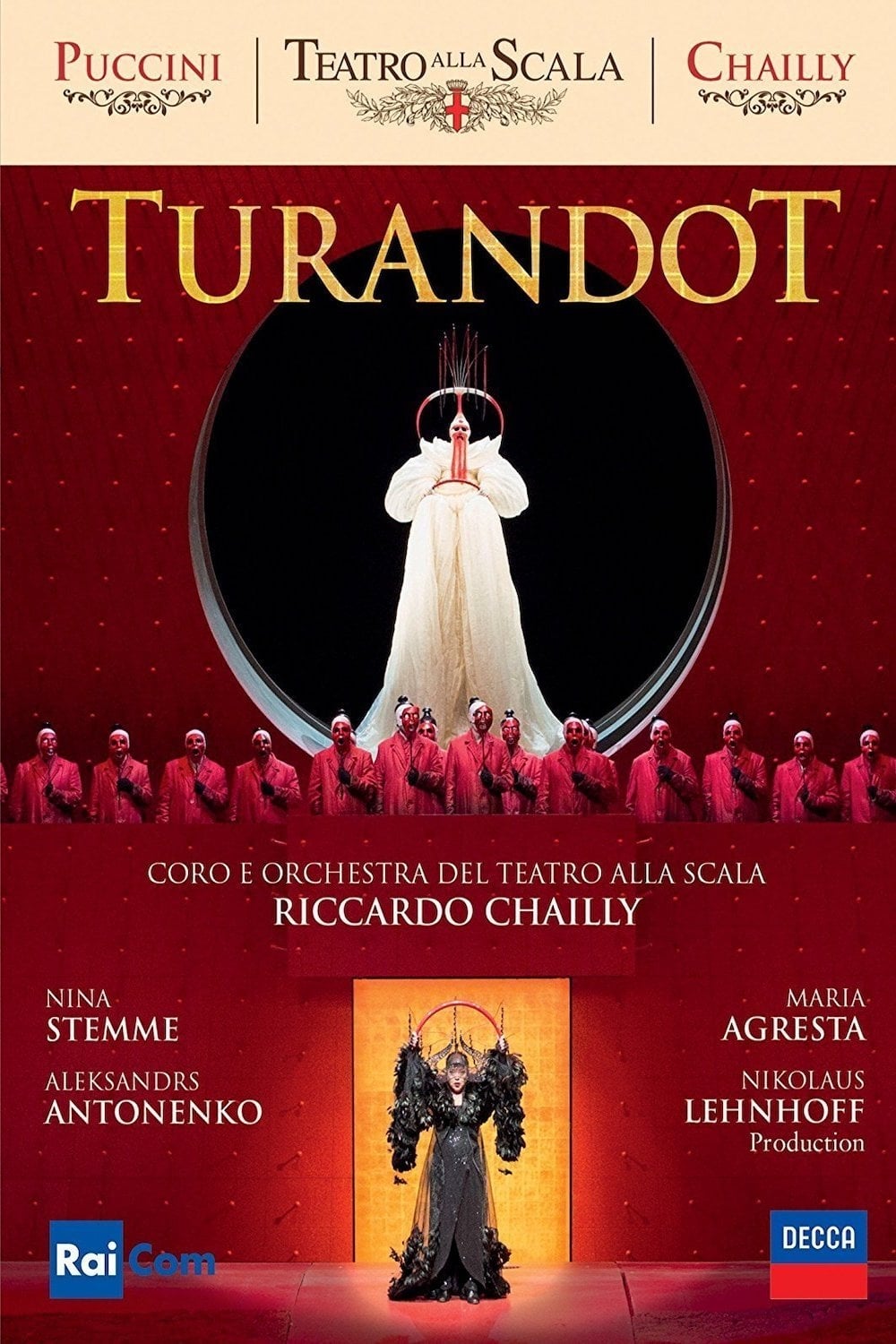
Visually this is a gripping production which captures the drama of this opera perfectly. It's downright exciting! and I found the singing, acting, and orchestral playing reasonably fine. I found only one major problem with it, a problem that kept Puccini for quite a few years. Turandot has been looking for an opportunity to kill Calif and Calif has singlemindedly tried to get Turandot to love and wed him focusing on her and ignoring a better looking girl who loves him truly. The problem is how to get the audience to applaud the match once Calif gets his wish. Puccini couldn't figure out how to do it. The traditional quick ending doesn't do it, and Berio's attempt is longer , tries its best, but ends up making it plain this is one wierd couple.
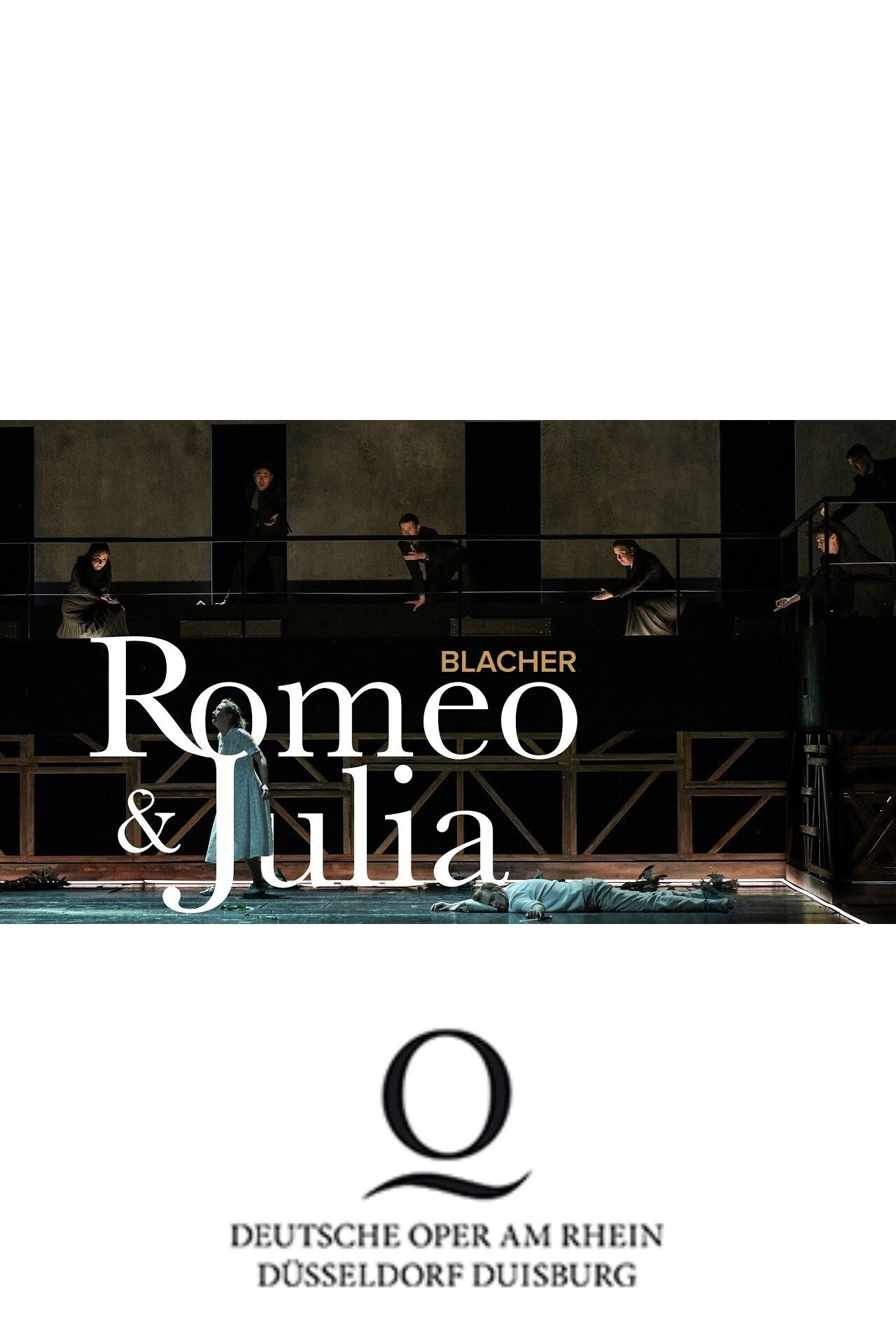
While a roaring ball stirs up spirits inside, a boy and a girl meet on the sidelines – and fall in love at first sight. But because they belong to warring families, Romeo and Juliet's love may be immortal, but it is above all forbidden. The chamber opera by the German-Baltic composer Boris Blacher, written in 1943, condenses Shakespeare’s famous tragedy to its essence: the fate of Romeo and Juliet. Scenic miniatures conjure a foggy world hostile to love. Characters occasionally materialise like ghostly apparitions, while a Brechtian chansonnier comments with humour and with harshness on the failure of the greatest love story of all.
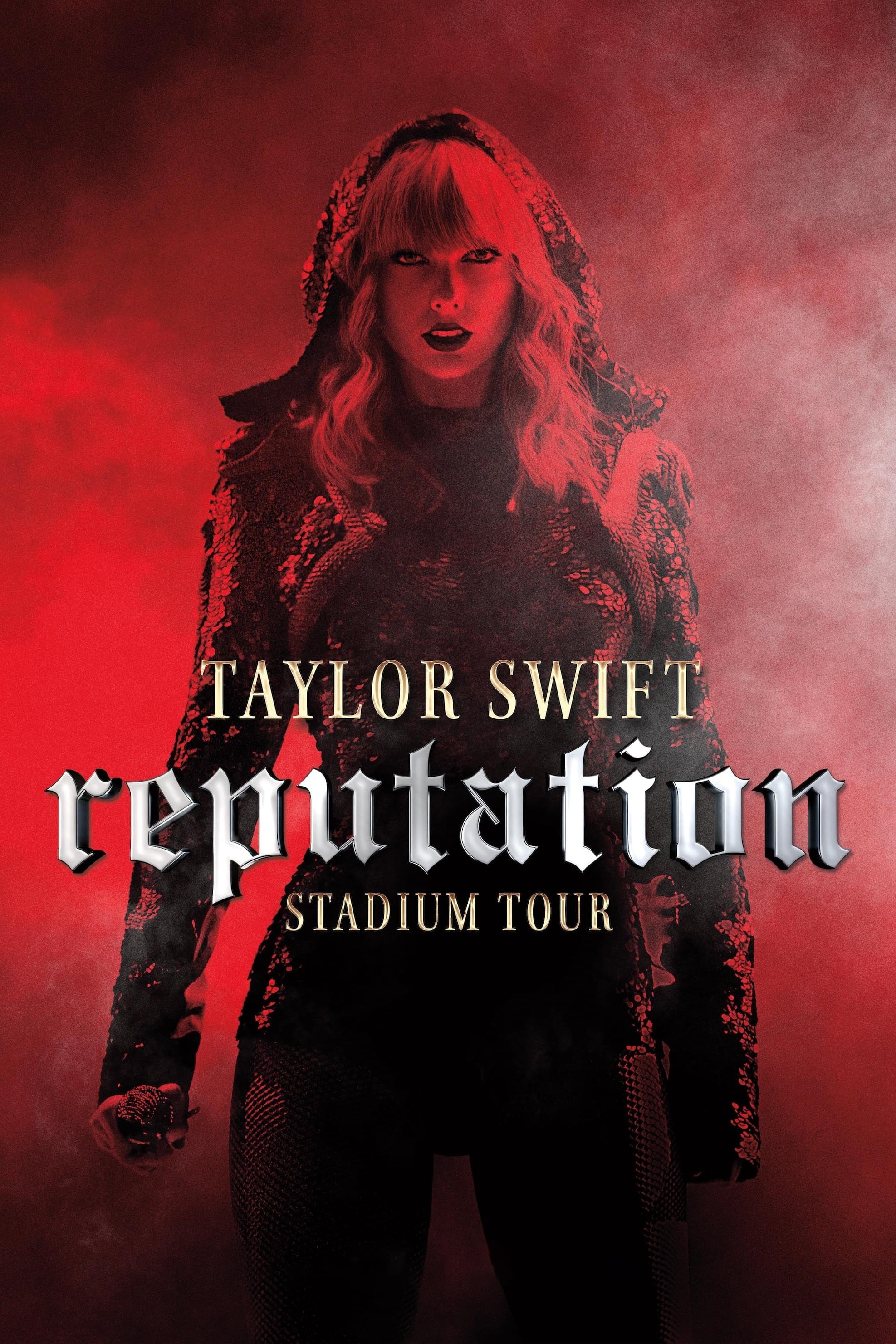
Taylor Swift takes the stage in Dallas for the Reputation Stadium Tour and celebrates a monumental night of music, memories and visual magic.
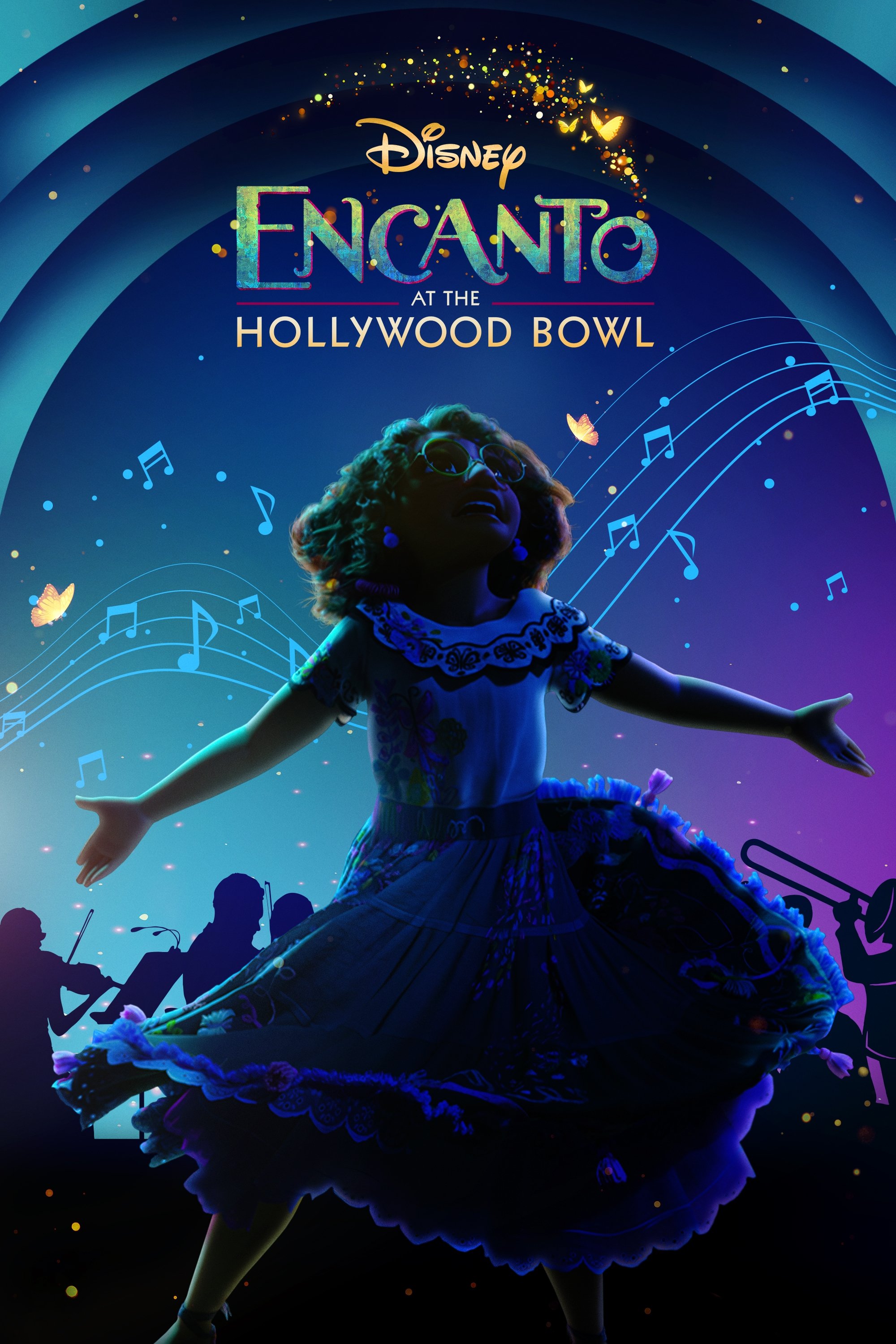
Step into Casa Madrigal for a special concert spectacular as the original voice cast of Disney Animation's Oscar®-winning "Encanto," Stephanie Beatriz, Adassa, Carolina Gaitán, Jessica Darrow, Diane Guerrero, Mauro Castillo, Angie Cepeda and Olga Merediz, along with special guests including Colombian superstar Carlos Vives, reunites for "Encanto at the Hollywood Bowl." This unprecedented concert experience gives you a front-row seat to the musical extravaganza celebrating the global phenomenon.
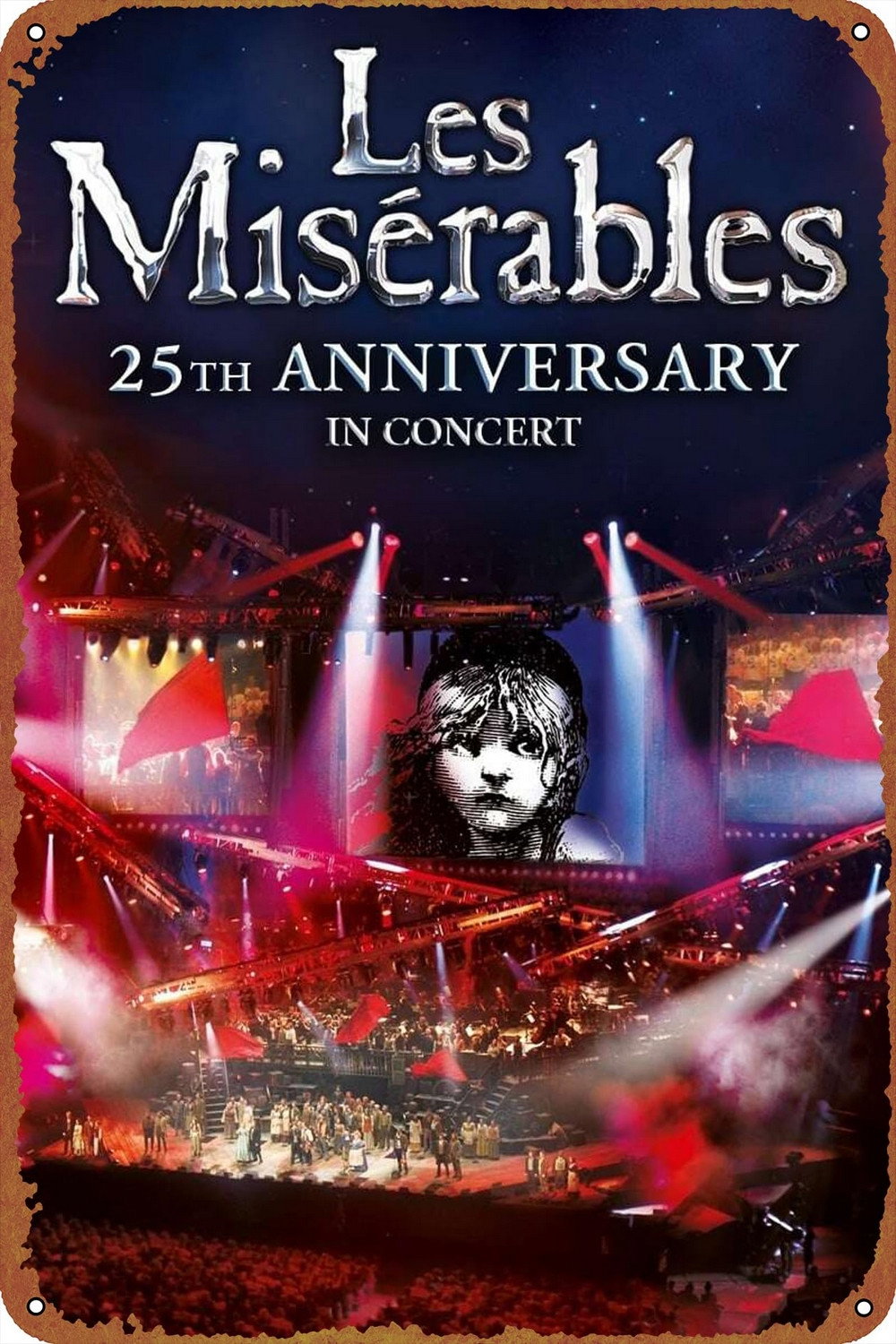
This concert, recorded to celebrate the 25th anniversary of the landmark musical Les Miserables, gathers the casts of the show's 2010 original production at the Queen's Theatre, the 1985 original production by the London company, and the 2010 production at the Barbican together for one performance. Together with talents like Michael Ball, Hadley Fraser, and John Owen-Jones, the performers present the play's musical numbers in a semi-theatrical style, fully costumed and with all the emotion of the musical's heyday.
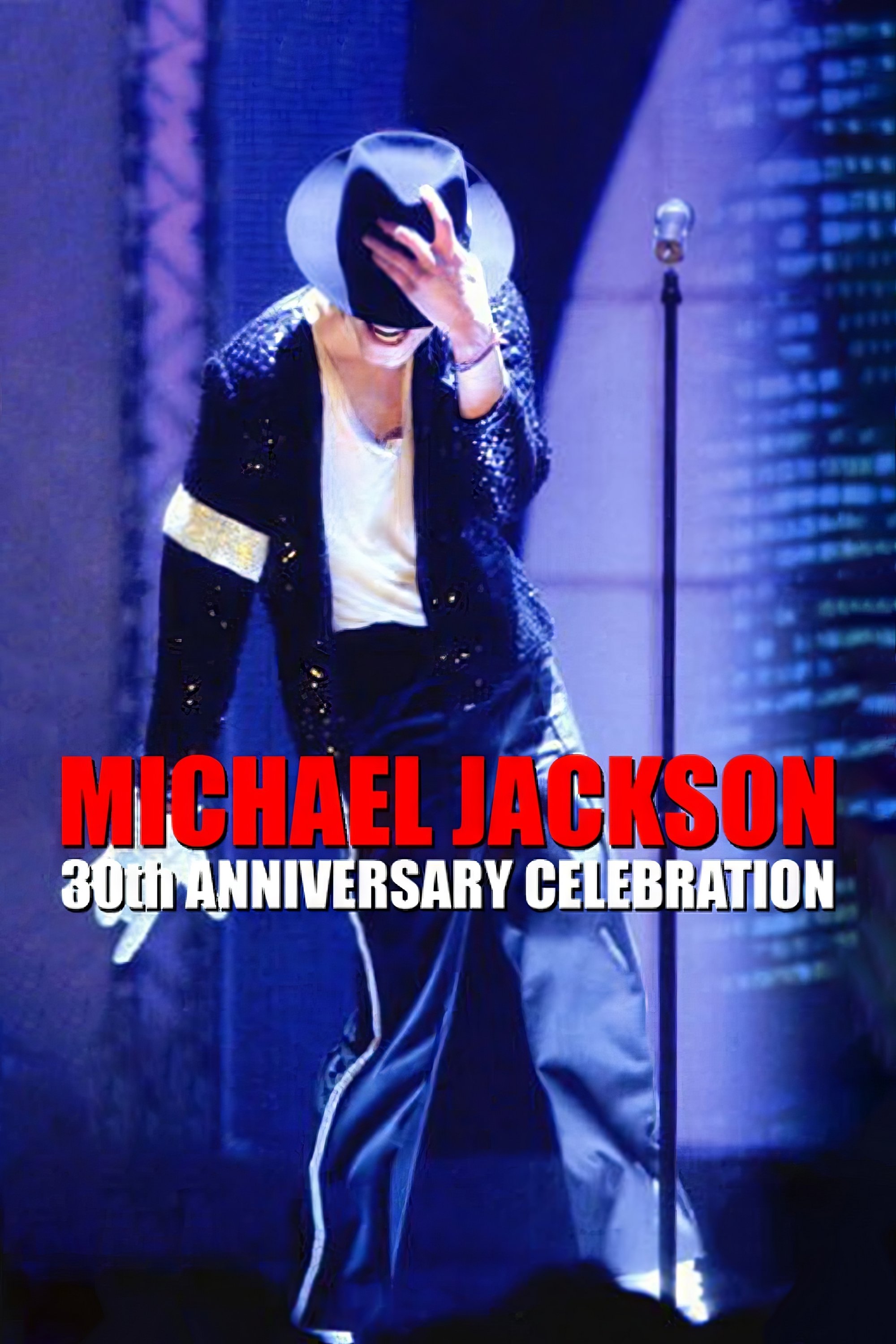
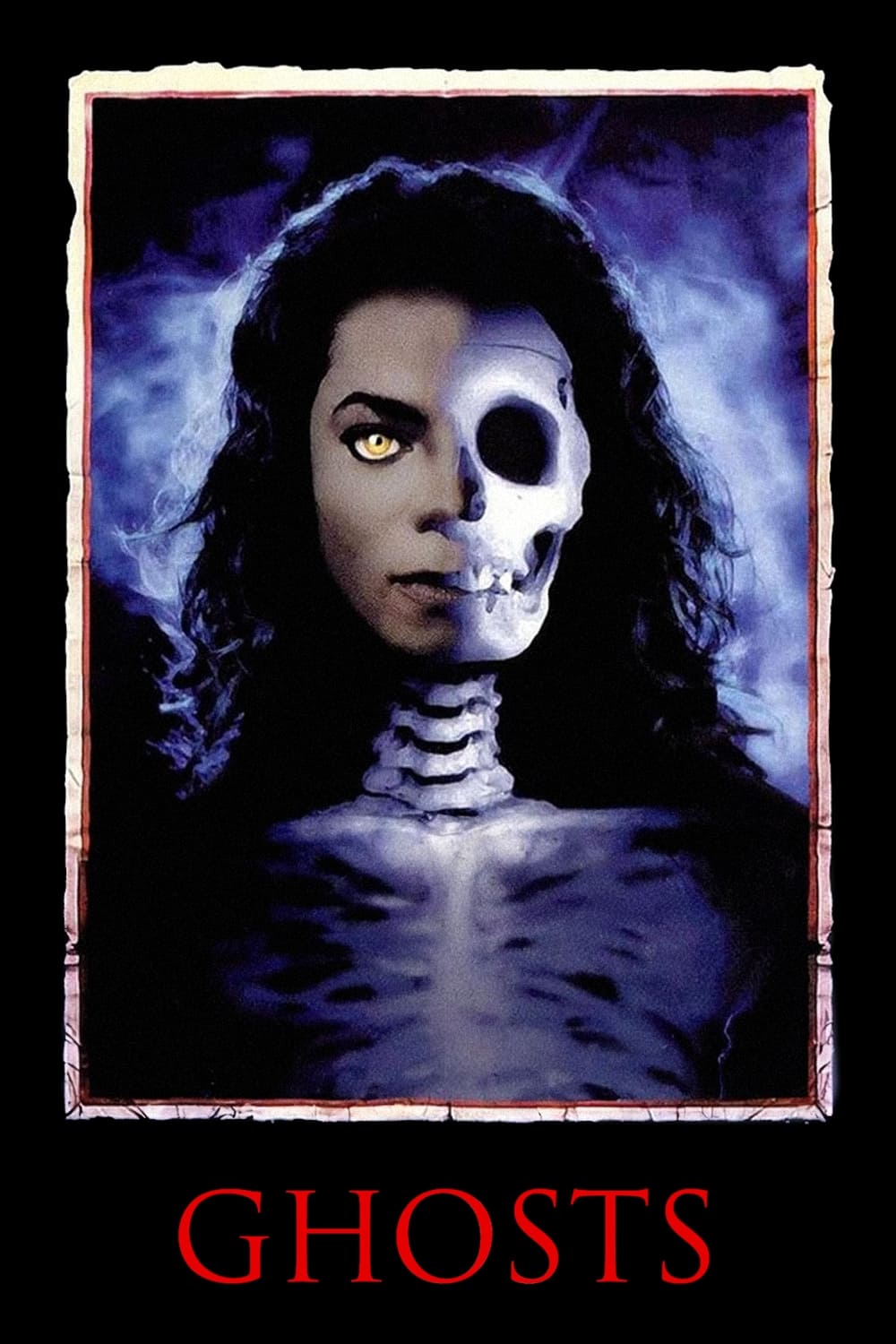
Celebrating the 30 year anniversary of Michael Jackson's solo career, this legendary performance took place on September 10, 2001.
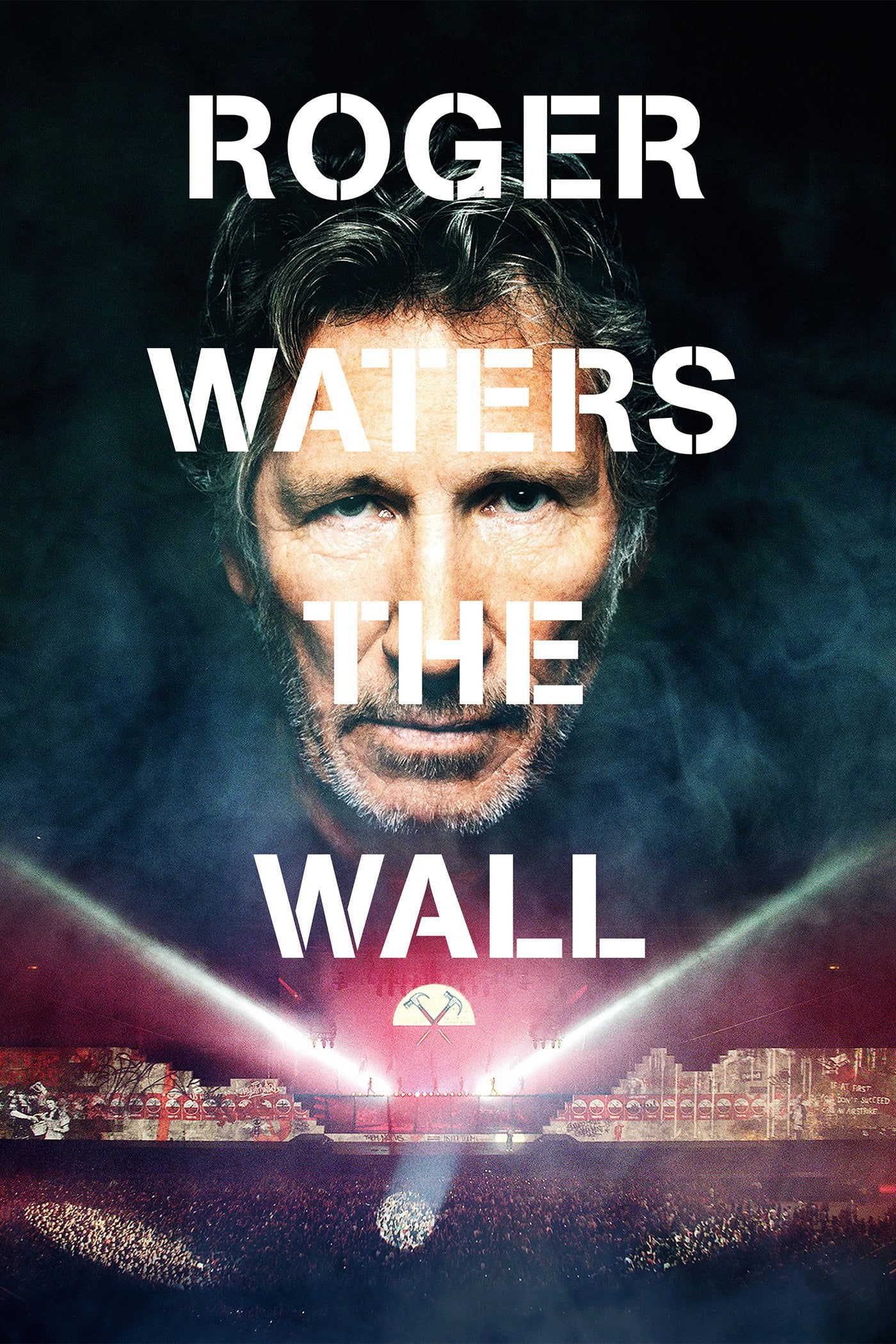
A concert film that the former Pink Floyd singer-songwriter made on various tour dates between 2010 and 2013, when he was playing his former group's 1980 double-album in its entirety.
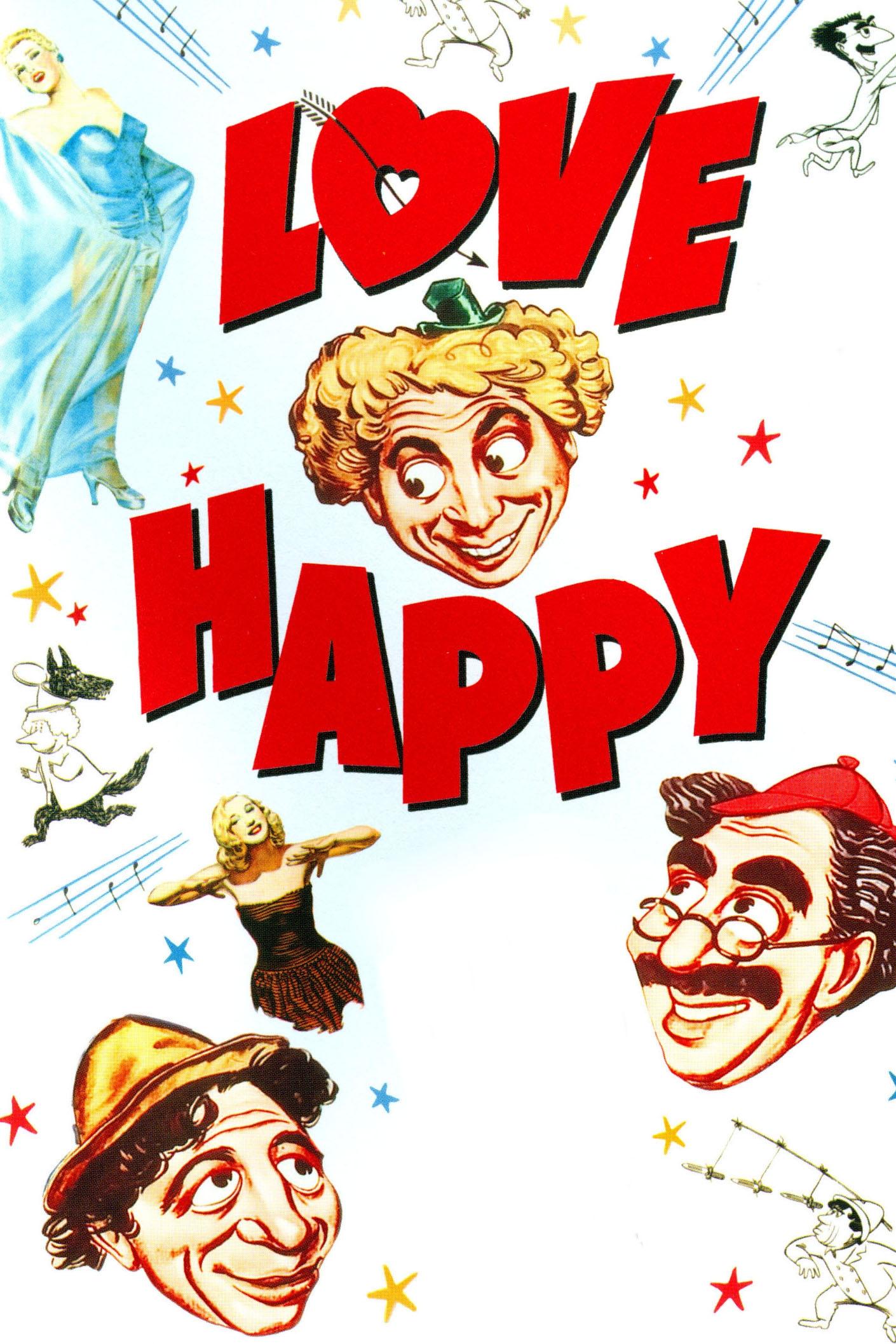
The Marx Brothers take on high society and the opera world to bring two lovers together. A sly business manager and two wacky friends of two opera singers help them achieve success while humiliating their stuffy and snobbish enemies.
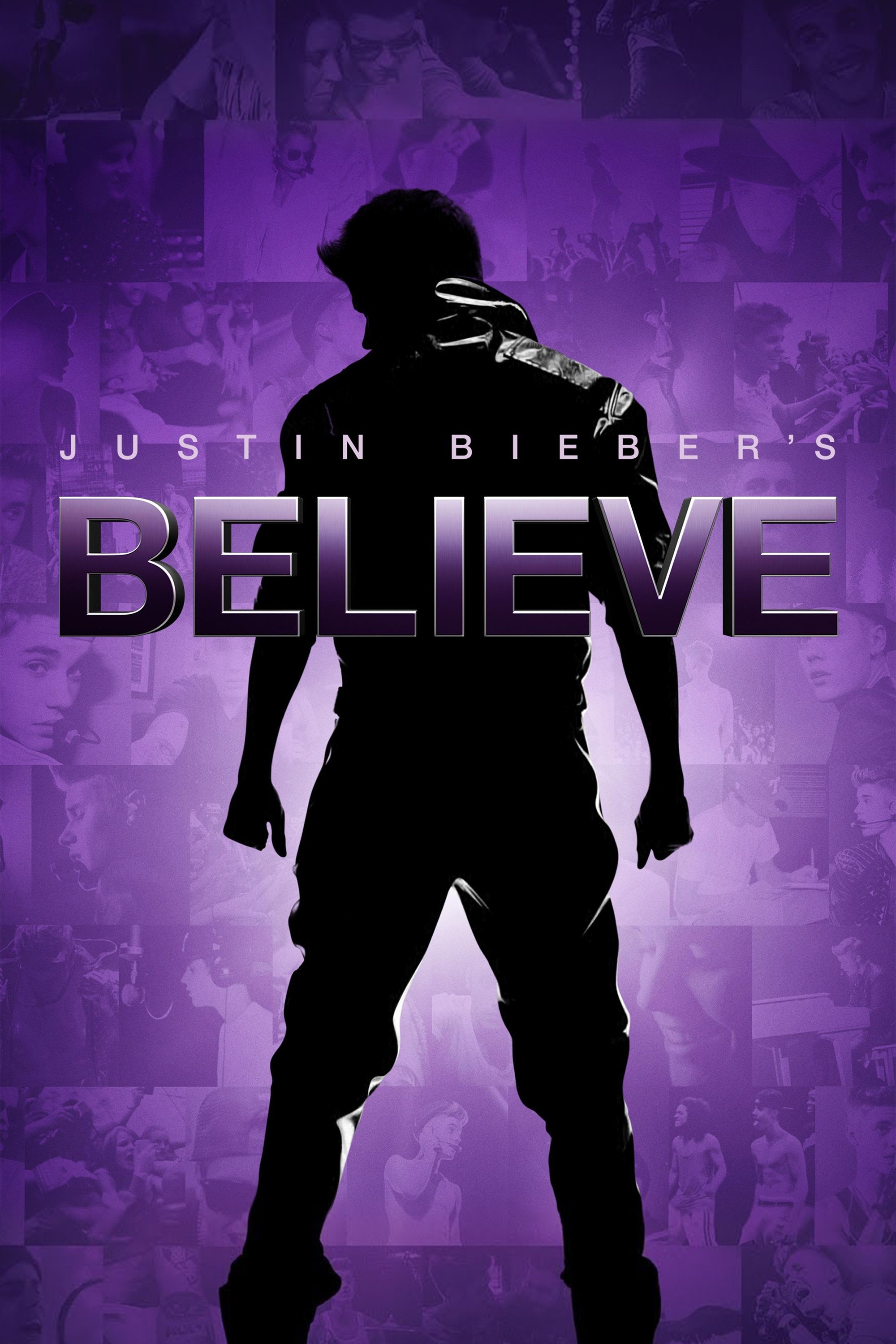
A backstage and on-stage look at Justin Bieber during his rise to super stardom.
The Marx Brothers help young Broadway hopefuls when they get mixed up with gangsters due to a tin of sardines containing Romanoff diamonds.
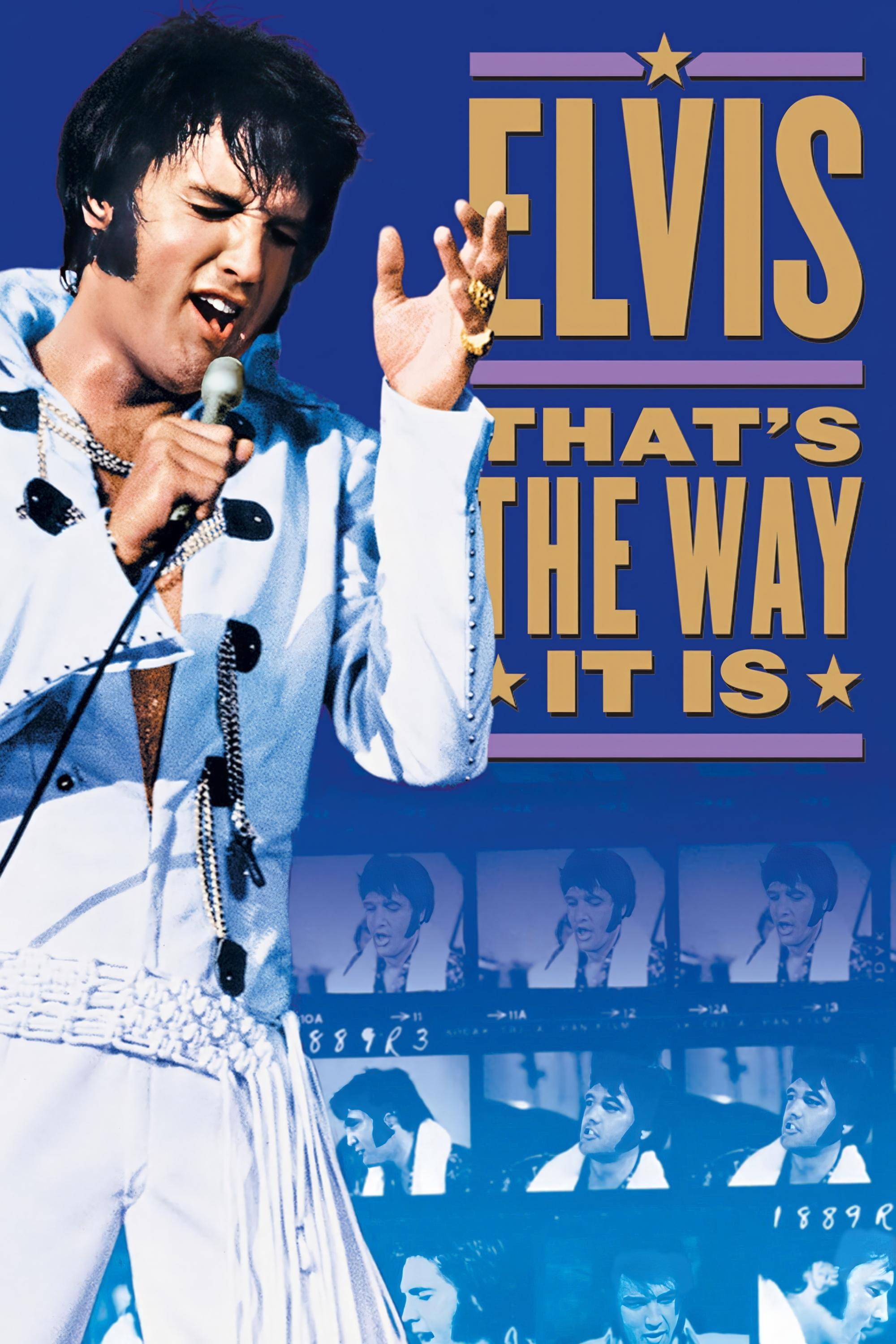
On July 31, 1970, in Las Vegas, Nevada, Elvis Presley staged a triumphant return to the concert stage from which he had been absent for almost a decade. His series of concerts broke all box office records and completely reenergized the career of the King of Rock ‘n’ Roll.
In the town of Normal Valley, an eccentric magician named Maestro entertains the local children every day in his spooky mansion. One stormy night, the town's mayor leads a group of angry citizens to the mansion in an attempt to run Maestro out of town.
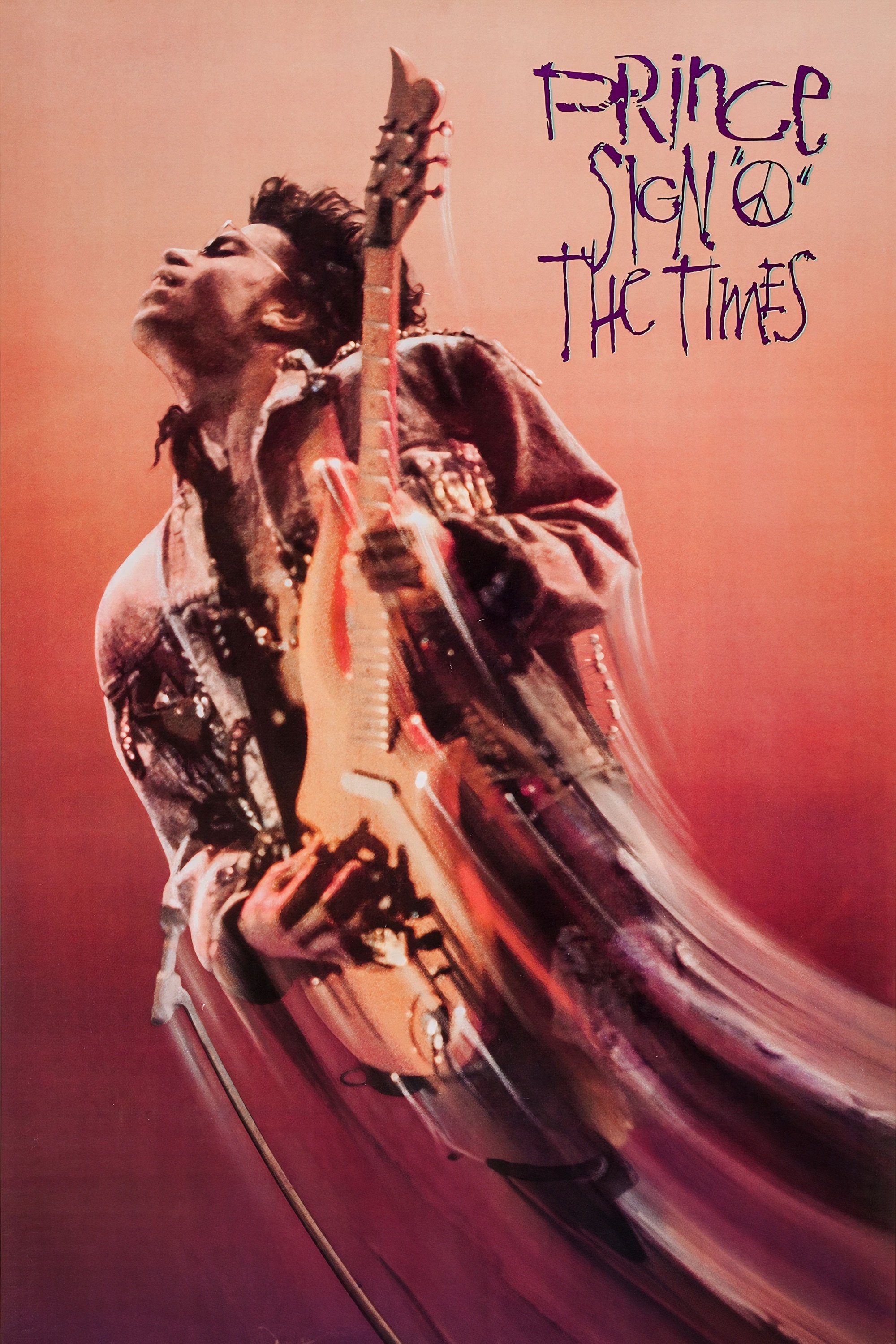
In 1987, to capitalize on his growing success in Europe, Prince toured extensively to promote the album of the same name and sales increased accordingly. However, the United States remained resistant to his latest album, and sales began to drop; it was at this point that Prince decided to film a live concert promoting the new material, for eventual distribution to theaters in America. Featuring the band that accompanied Prince on his 1987 Sign o' the Times Tour, including dancer Cat Glover, keyboardist Boni Boyer, bassist Levi Seacer, Jr., guitarist Miko Weaver, drummer Sheila E. and former member of The Revolution keyboardist Dr. Fink, the film sees the group perform live on stage (although "U Got the Look" is represented by its promotional music video).
This film follows the remarkable and inspirational true story of Paul Potts, a shy, bullied shop assistant by day and an amateur opera singer by night.
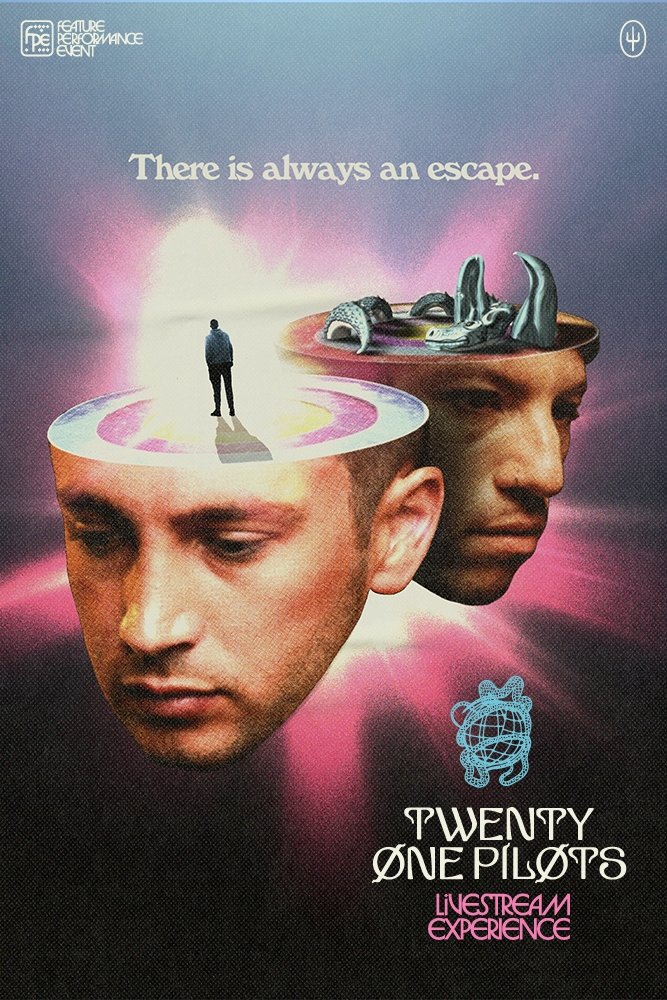
A one-night livestream concert performed by Twenty One Pilots on May 21, 2021, introducing their newest album "Scaled and Icy".
A shy teenager living on the Isle of Wight dreams of pop stardom. With the help of an unlikely mentor, she enters a singing competition that will test her integrity, talent, and ambition.
Live Aid was held on 13 July 1985, simultaneously in Wembley Stadium in London, England, and the John F. Kennedy Stadium in Philadelphia, United States. It was one of the largest scale satellite link-ups and television broadcasts of all time: watched live by an estimated global audience of 1.9 billion, across 150 nations. "It's twelve noon in London, seven AM in Philadelphia, and around the world it's time for Live Aid...!"
XOXO follows six strangers whose lives collide in one frenetic, dream-chasing, hopelessly romantic night.
The late, great impresario Florenz Ziegfeld looks down from heaven and ordains a new revue in his grand old style.
A pair of star-crossed dancers in New York find themselves at the center of a bitter rivalry between their brothers' underground dance clubs.
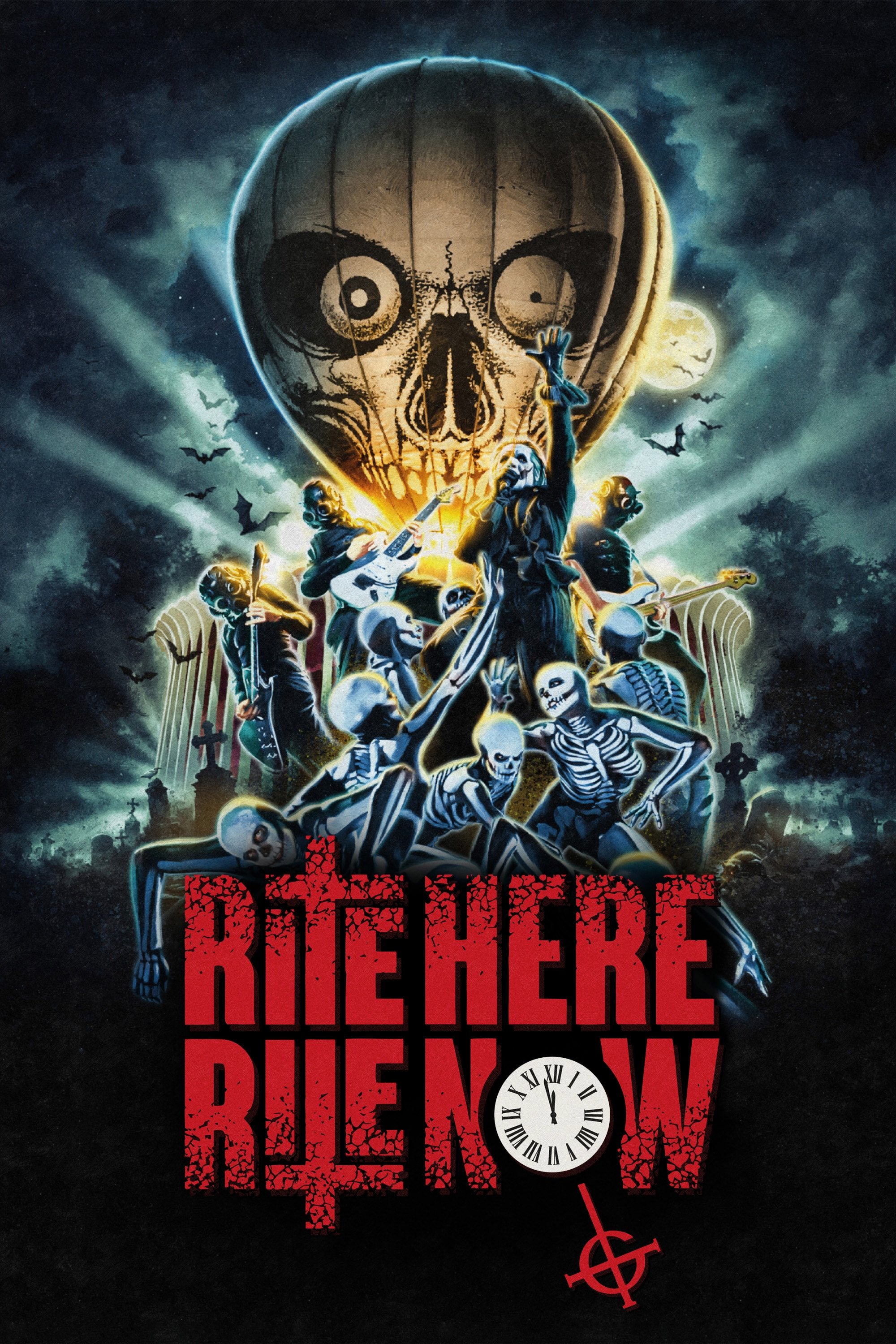
Whether you’re a devoted disciple looking to relive treasured memories of the GHOST live spectacle or among the curious uninitiated, RITE HERE RITE NOW will put you right there: putting your phones down and living in the moment—as a shadow of uncertainty looms—completely spellbound and in the thrall of this bombastic yet intimate cinematic portrait of GHOST.
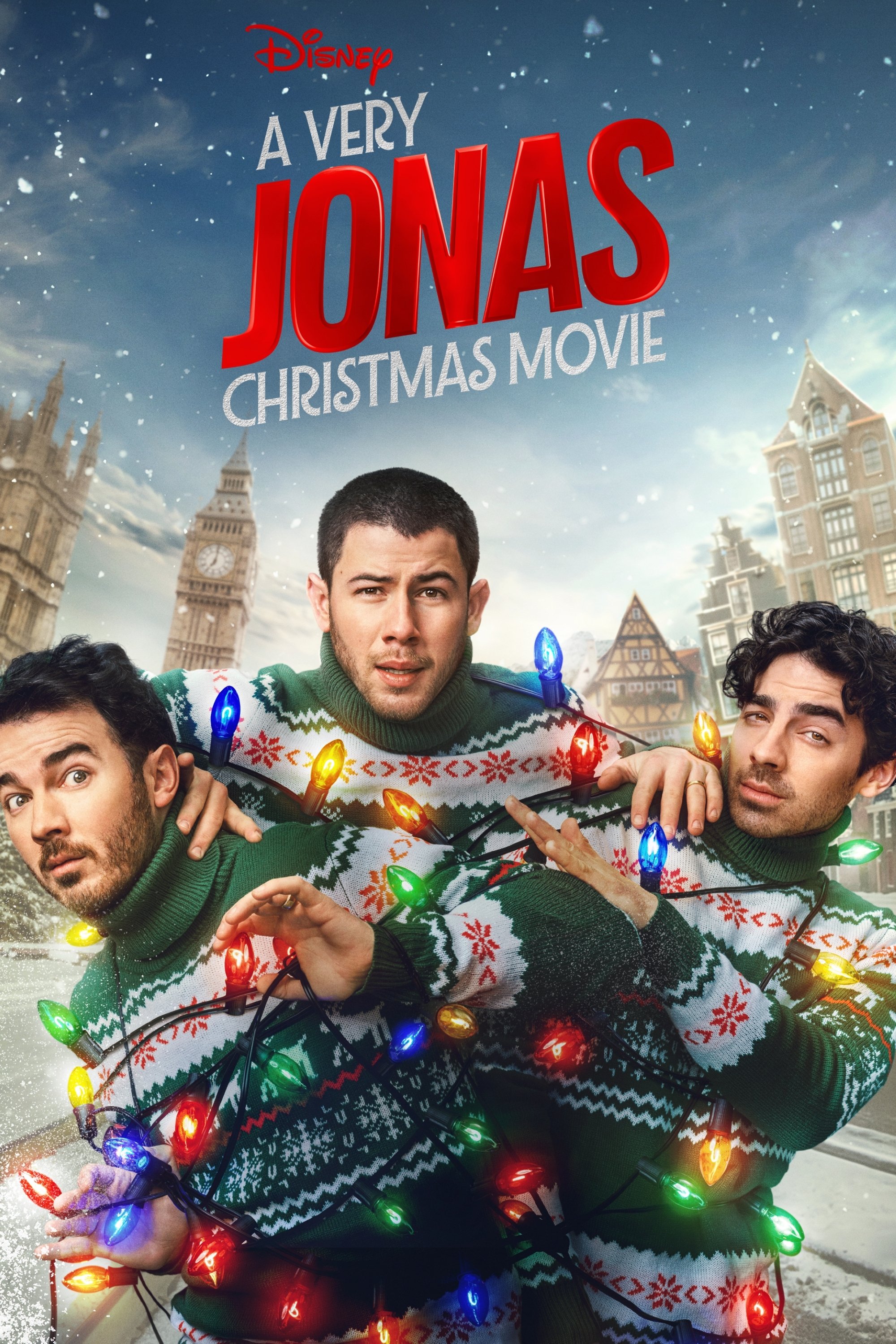
Kevin, Nick, and Joe Jonas face a series of escalating obstacles as they struggle to make it from London to New York in time to spend Christmas with their families.