Social & External
Is American foreign policy dominated by the idea of military supremacy? Has the military become too important in American life? Jarecki's shrewd and intelligent polemic would seem to give an affirmative answer to each of these questions.
In search of the lucrative matsutake mushroom, two former soldiers discover the means to gradually heal their wounds of war. Roger, a self-described 'fall-down drunk' and sniper in Vietnam, and Kouy, a Cambodian refugee who fought the Khmer Rouge, bonded in the bustling tent-city known as Mushroom Camp, which pops up each autumn in the Oregon woods. Their friendship became an adoptive family; according to a Cambodian custom, if you lose your family like Kouy, you must rebuilt it anew. Now, however, this new family could be lost. Roger's health is declining and trauma flashbacks rack his mind; Kouy gently aids his family before the snow falls and the hunting season ends, signaling his time to leave.
To mark 30 years since the Falklands War, this documentary follows three men back to the islands. For veteran Simon Weston, the journey is an opportunity to experience some of the stunning wildlife on Sea Lion Island.
A drama-documentary film about the fatal effect of poor living conditions on health – the so-called "social inheritance." The principal characters in the film are two fourteen or fifteen-year-old children, Carl and Hanne. Covering a hundred-year period and drawing on case stories recorded by actual hospital staff, the film illustrates a number of variations of "the same old story."
Giorgio Mattia describes his experiences during the second attack on the Italian Army in Nasiriya, Iraq 2006.
Sons, daughters and grandchildren of the greatest generation travel to England to uncover the history of a disappearing World War II air base.
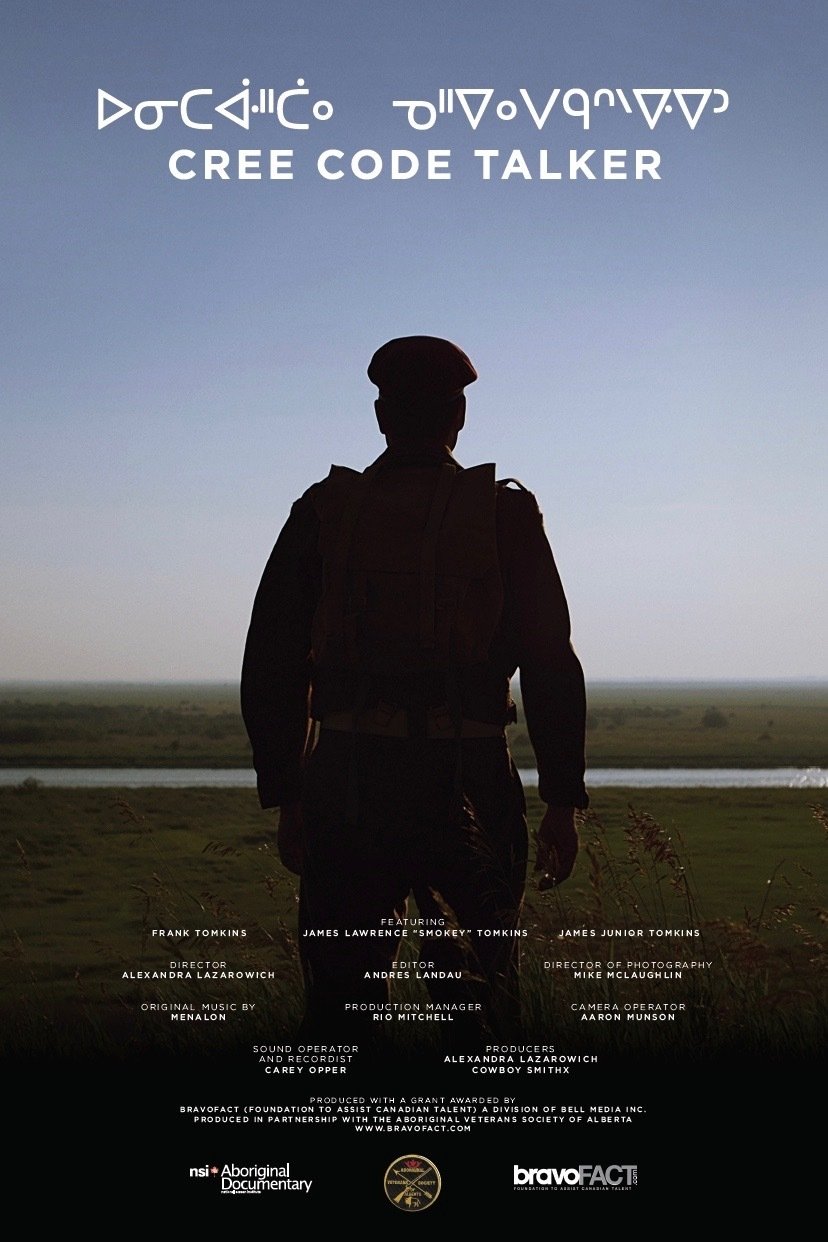
CREE CODE TALKER reveals the role of Canadian Cree code talker Charles 'Checker' Tomkins during the Second World War. Digging deep into the US archives it depicts the true story of Charles' involvement with the US Air Force and the development of the code talkers communication system, which was used to transmit crucial military communications, using the Cree language as a vital secret weapon in combat.
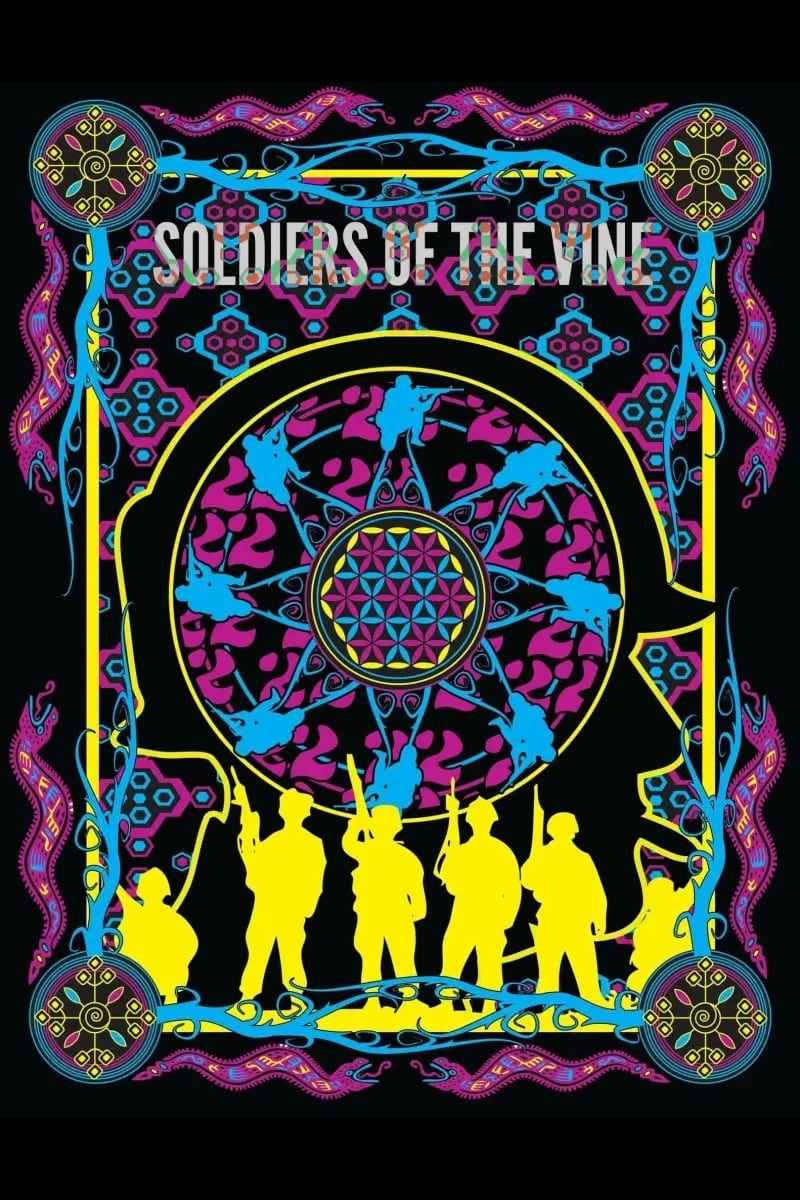
After years of suffering from post-traumatic stress disorder, six US veterans of the wars in Iraq and Afghanistan travel to Peru on a quest for healing. With the help and guidance of three brothers who are traditional healers, they take ayahuasca and other plant medicines during a 10-day retreat in the Amazon rainforest.

Many times during his presidency, Lyndon B. Johnson said that ultimate victory in the Vietnam War depended upon the U.S. military winning the "hearts and minds" of the Vietnamese people. Filmmaker Peter Davis uses Johnson's phrase in an ironic context in this anti-war documentary, filmed and released while the Vietnam War was still under way, juxtaposing interviews with military figures like U.S. Army Chief of Staff William C. Westmoreland with shocking scenes of violence and brutality.
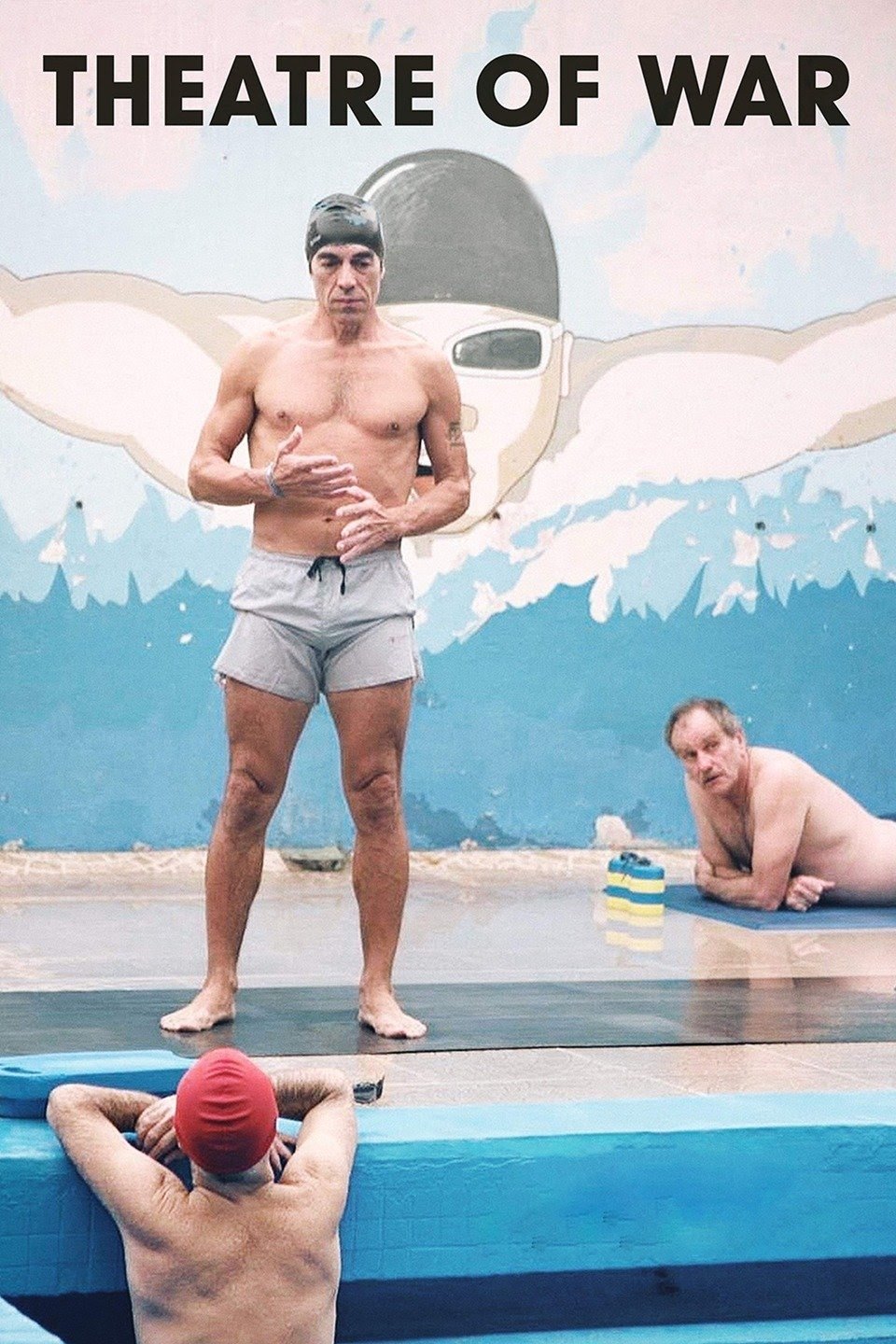
Theatre of War is an essay on how to represent war, performed by former enemies. British and Argentinian veterans of the Falklands war come together to discuss, rehearse and re-enact their memories 35 years after the conflict.
A meditation on youth, war and stunning bravery, featuring footage, taken from the National Archives, from the documentary filmed in 1943 by legendary Hollywood director William Wyler about the famous Memphis Belle flying fortress and the gripping narration from some of the last surviving B-17 pilots.
A portrait of several Vietnam War veterans living "off the grid." Upon returning home from the war, these men found themselves unable to exist in normal society due to the lasting psychological scars from Vietnam, and, subsequently, chose to live a life of solitude and survival in the American wilderness.
After many years of life marked by PTSD, men and women veterans of the wars in Vietnam, Afghanistan, and Iraq travel to the Peruvian Amazon to participate in shamanic ceremonies to heal their traumas.
Workers Compensation, is the Worker's Con, a process flawed, buried in bureaucracy, adding insult to injury.
Eleven veterans returning from Iraq and Afghanistan join an expedition to climb the 20,000 foot Himalayan giant Mount Lobuche. With blind adventurer Erik Weihenmayer and a team of Everest summiters as their guides, they set out on an emotional and gripping climb to reach the top in an attempt to heal the emotional and physical wounds of the longest war in U.S. history.
Documentary directed by Tom Kleespie inspired from Korean War veterans who recall memories both painful and patriotic, putting a human face on an often forgotten conflict. Stories include wartime recollections, such as one soldier's first moments seeing a MiG fighter up close, and veterans' often-tragic experiences returning home, where Americans largely neglected to welcome them back.
Despite a war raging close by, mud treatments and electroshock therapies continue at Kuyalnik Sanatorium, an enormous 1970s brutalist building on the shores of Odesa, where a small group search for love, healing, and happiness.
How do we heal our deepest wounds? Two combat veterans, suffering from severe trauma, abandon pharmaceuticals in order to seek healing through psychedelic medicines. Recent scientific research has shown that these substances can help people to recover from post-traumatic stress disorder (PTSD). Beyond the personal stories, From Shock to Awe raises fundamental questions about war, the pharmaceutical industry, and the US legal system.
A documentary film about veterans with PTSD who find that, after other treatments fall short, a service dog helps them return to an independent feeling life.