Social & External
Niña
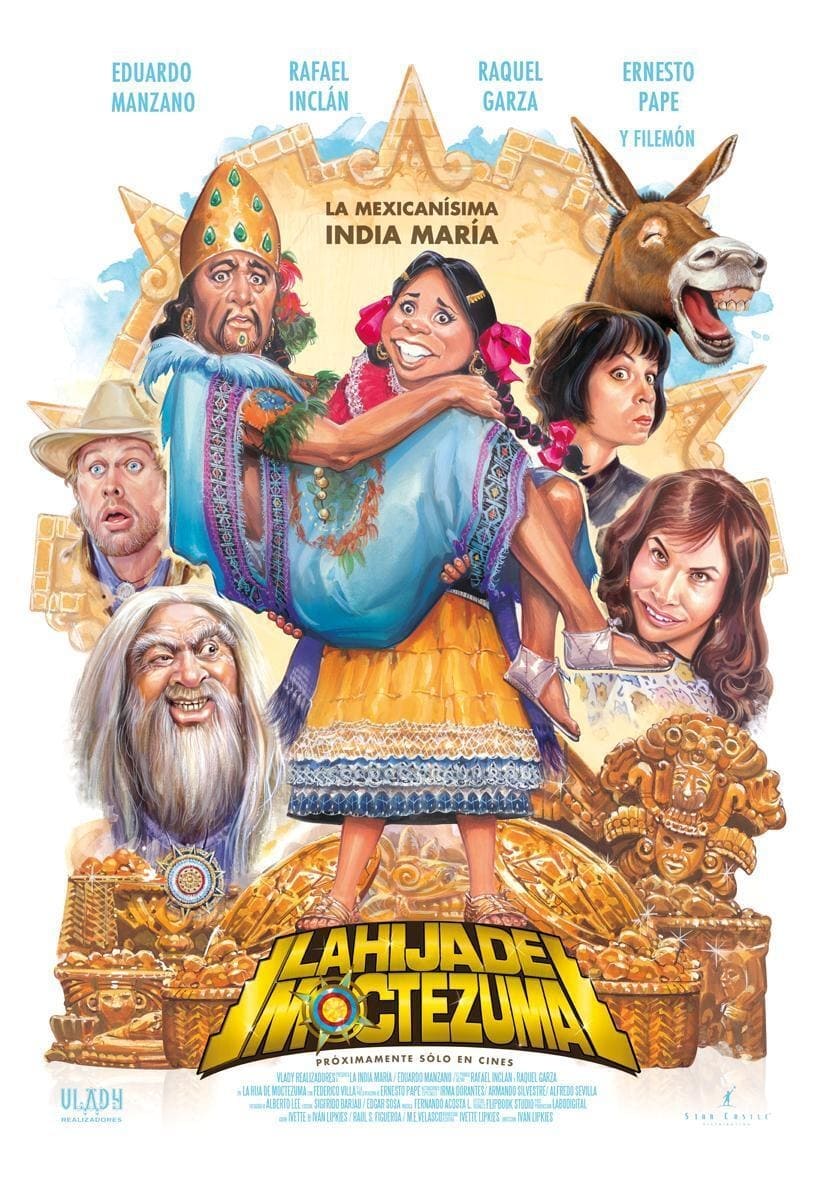
La India María must find at all costs in the recesses of a mountain the Magic Black Mirror of Tezcatlipoca, since the spirit of his great-grandfather Moctezuma II ordered her to find it in to prevent the destruction of Mexico. Alonso, a handsome Spanish archaeologist, Bianchi, an antiquities dealer and Brigida Troncoso - an ambitious governor, are aware of the existence of such mirror, of the mysterious treasure of Moctezuma and of María, so all undertake a frantic chase after her to seize the magic glass and the gold.
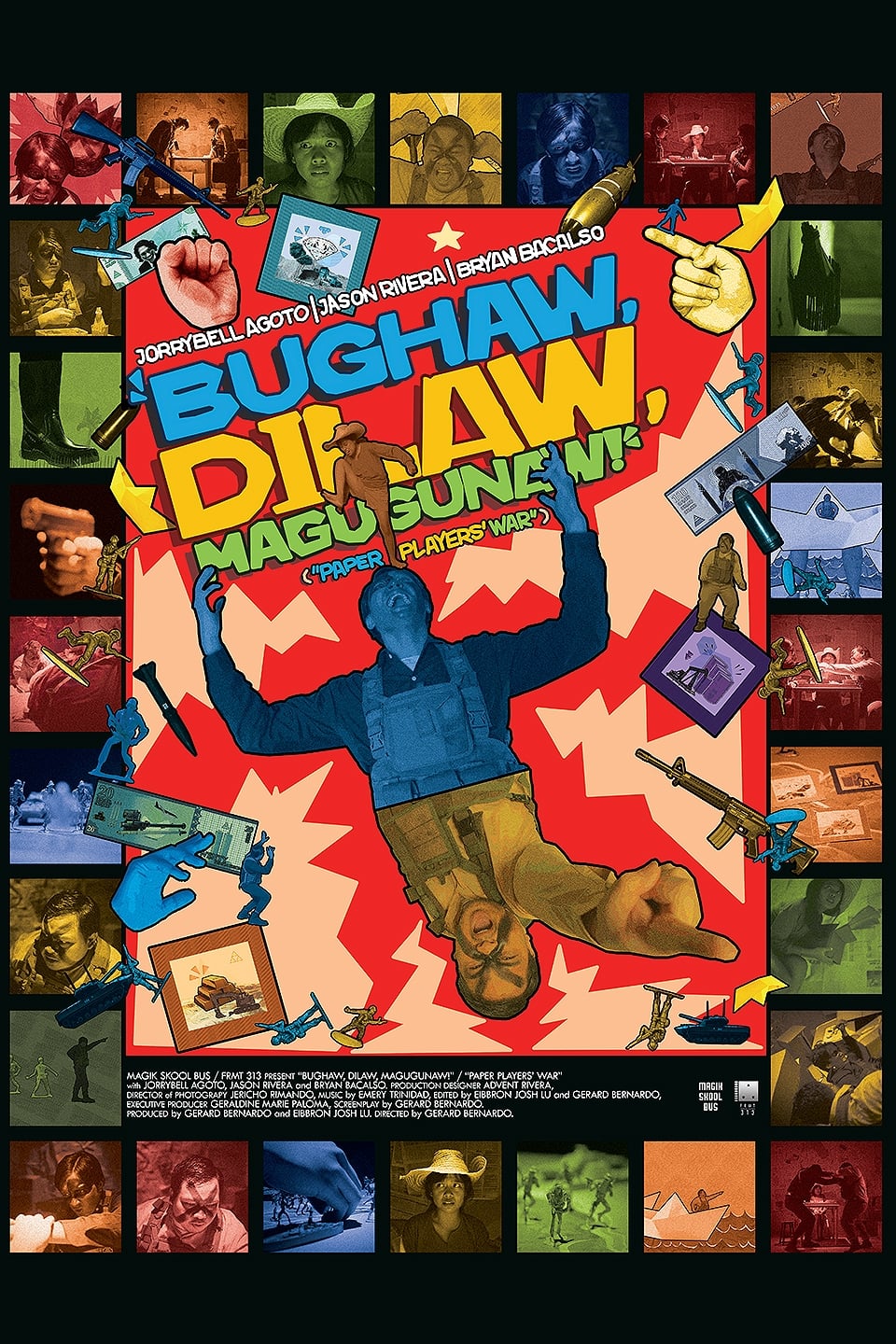
A Blue Soldier and a Yellow Soldier play a board game trying to outwit each other, struggling for control over a piece of land. The Farmer who belongs to the land is not allowed to play and must pick a side. As the fighting escalates, what side does she choose?
Two young women are about to receive the great honor of being sacrificed to their Mexica gods; but the cruel and bloody ritual does not go as expected.
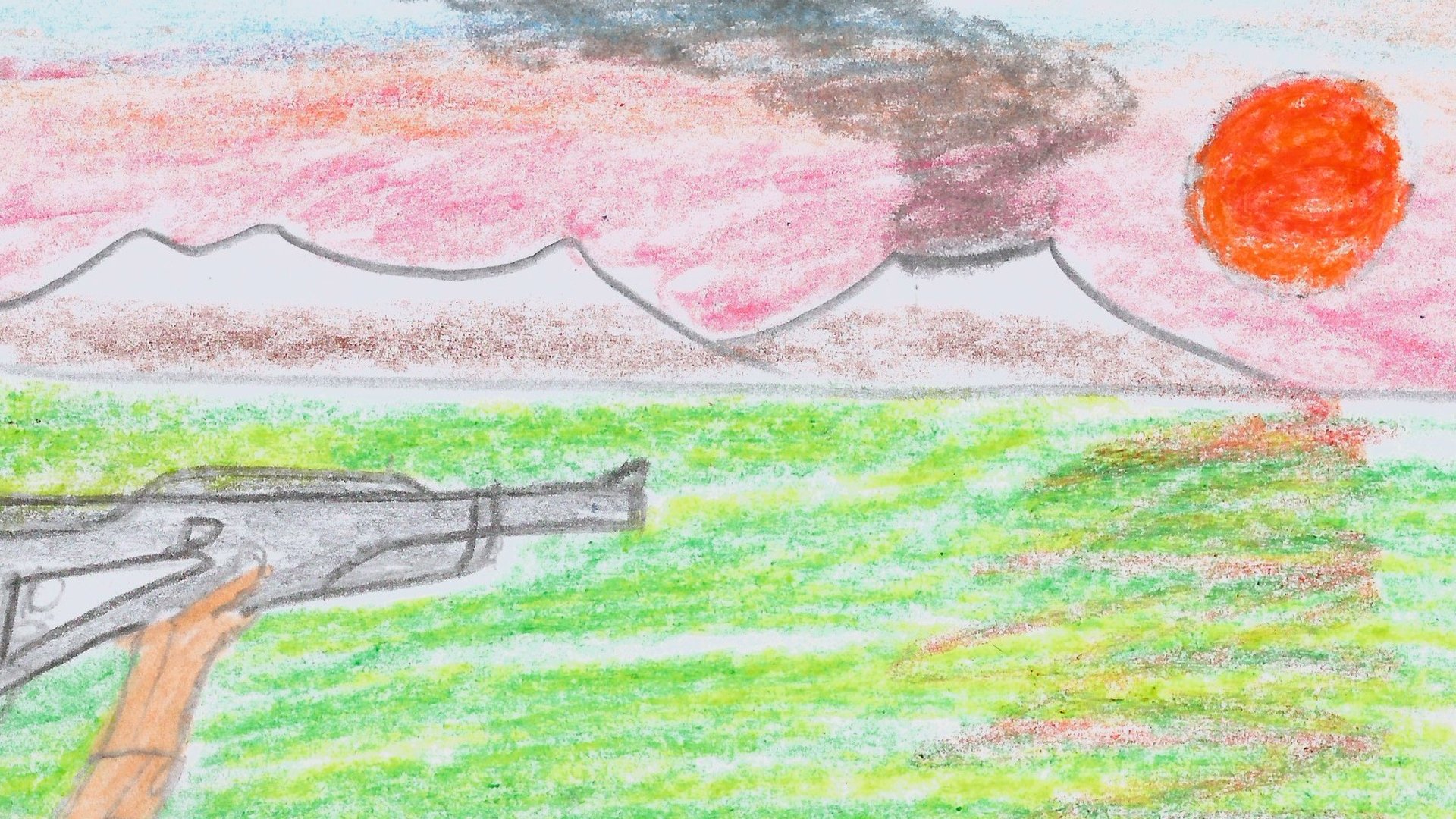
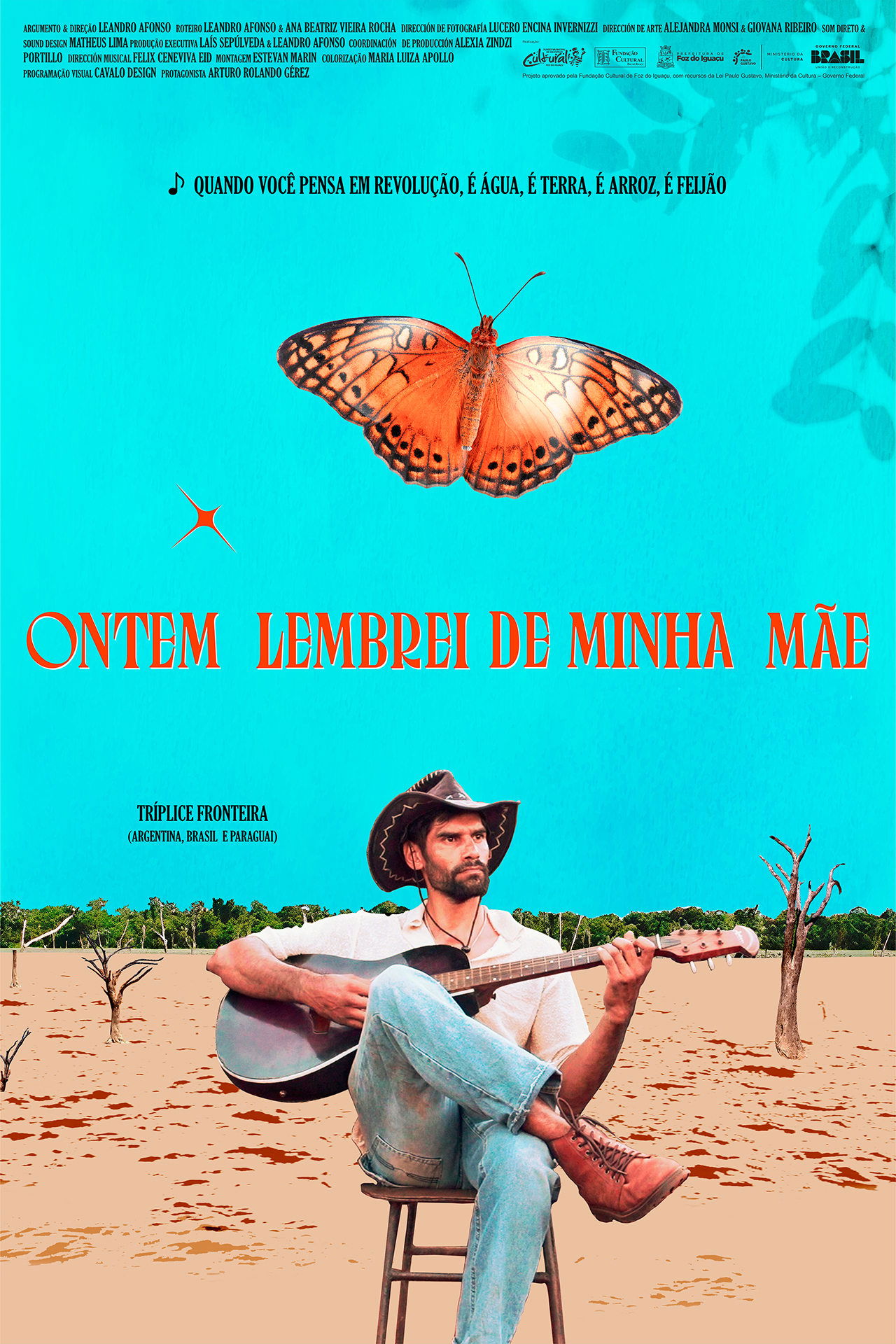
A childhood episode comes back to the memory of a man with no land
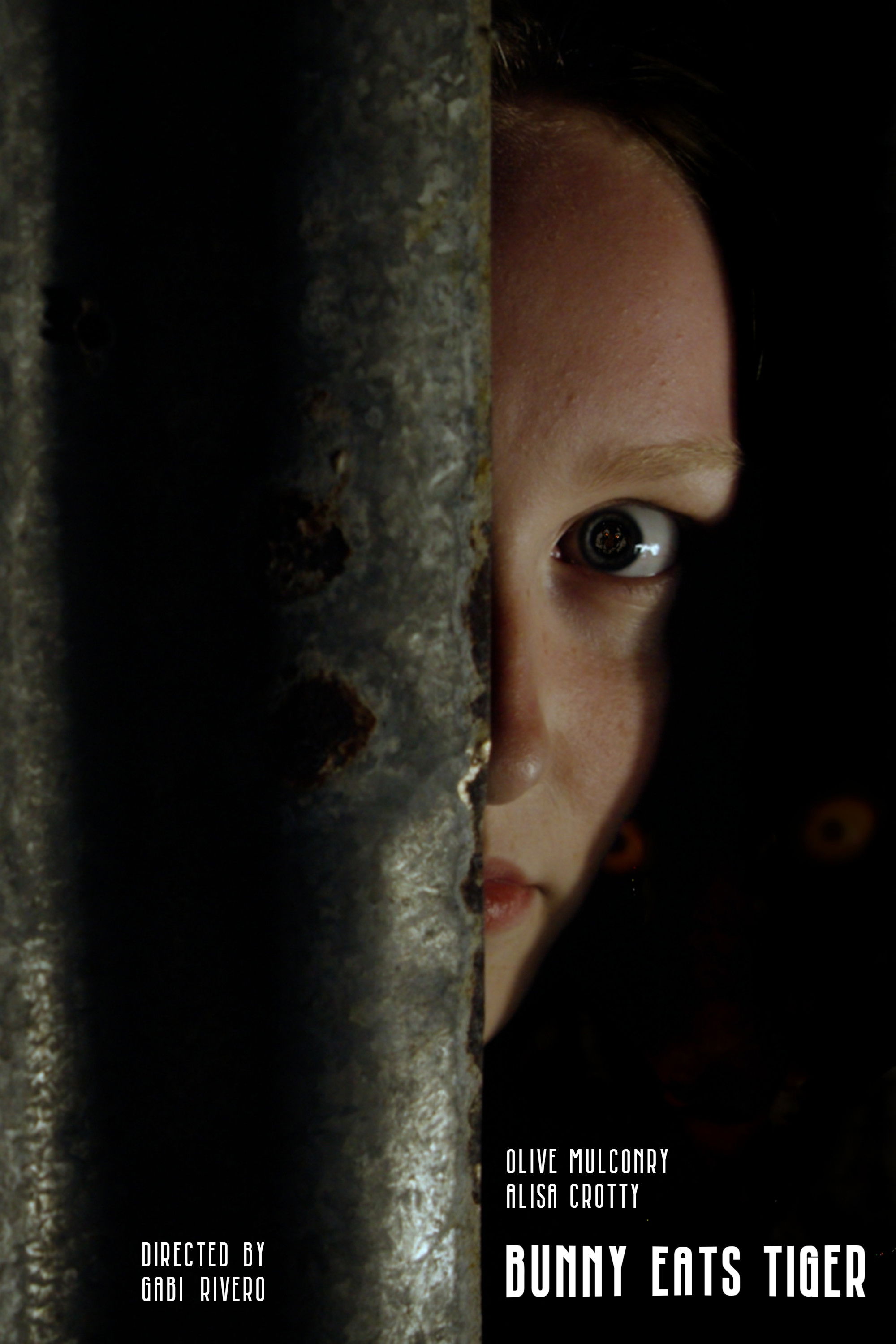
A child finds a spellbound book on her way to school. The strange book foretells a murderous tiger coming to kill them and everything in their path.
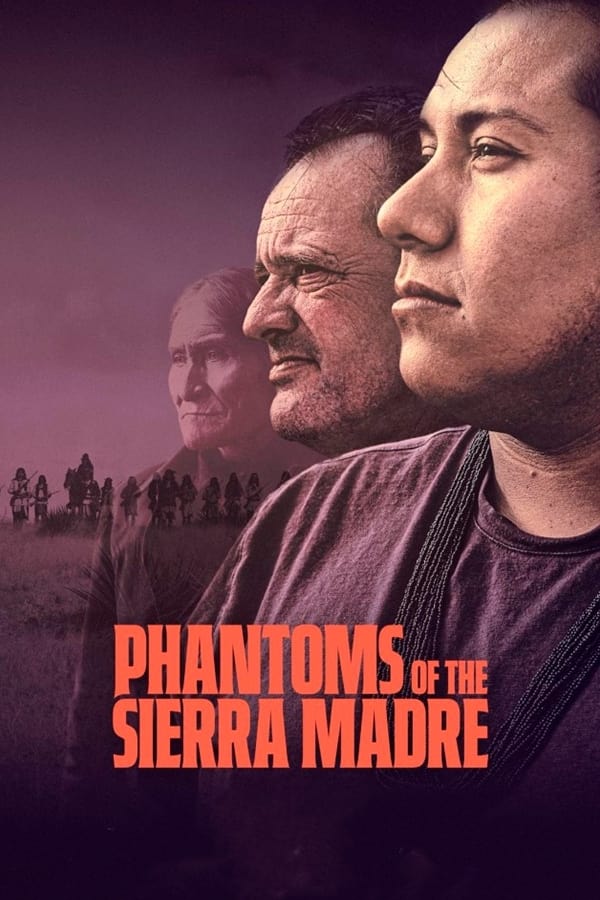
A Danish writer travels to Mexico with the purpose of locating a mysterious Apache tribe that fervently seeks to remain in obscurity.
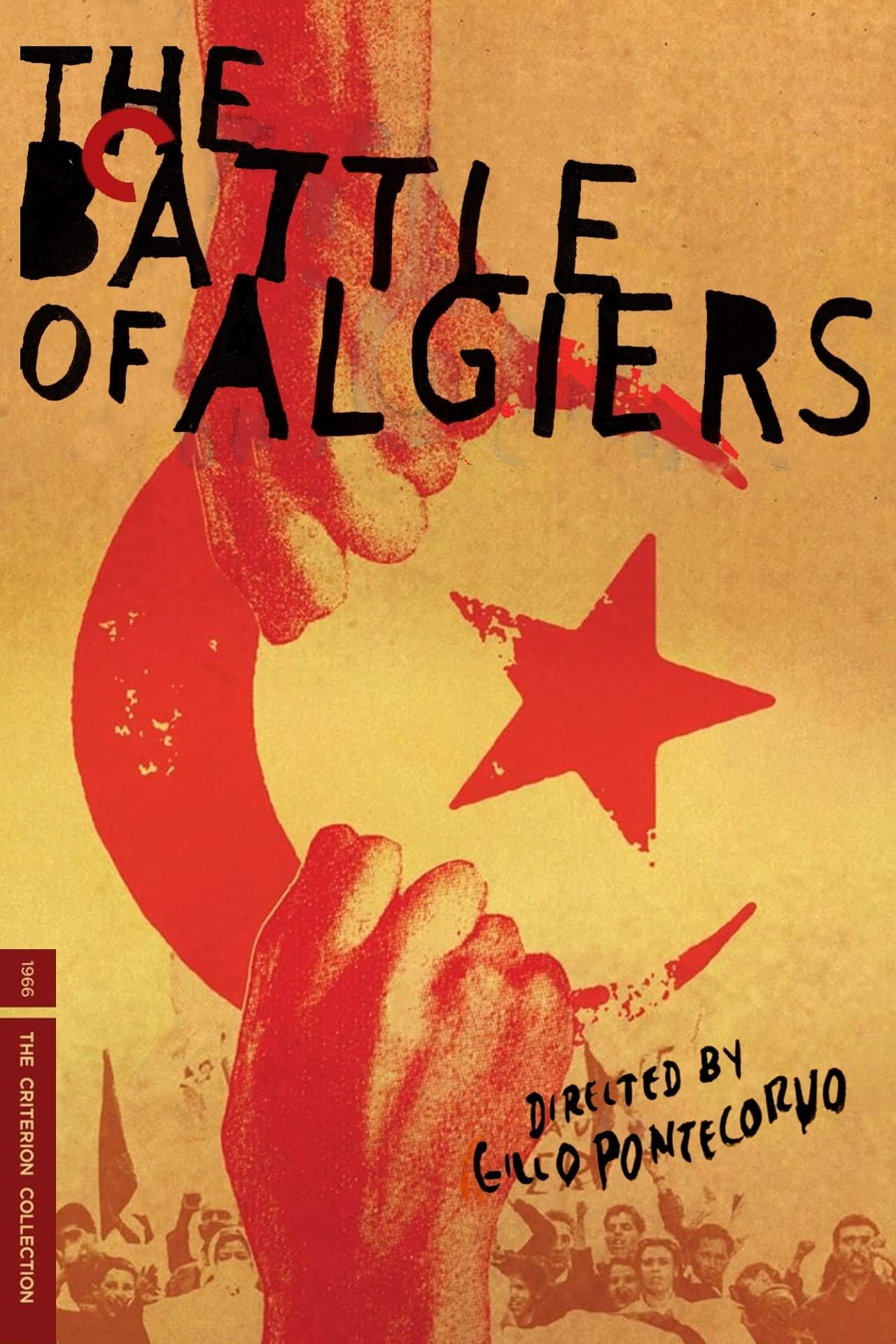
This 17-minute documentary is featured on the 3-Disc Criterion Collection DVD of The Battle of Algiers (1966), released in 2004. An in-depth look at the Battle of Algiers through the eyes of five established and accomplished filmmakers; Spike Lee, Steven Soderbergh, Oliver Stone, Julian Schnabel and Mira Nair. They discuss how the shots, cinematography, set design, sound and editing directly influenced their own work and how the film's sequences look incredibly realistic, despite the claim that everything in the film was staged .
A meticulous chronicle of the evolution of the Algerian national movement from 1939 until the outbreak of the revolution on November 1, 1954, the film unequivocally demonstrates that the "Algerian War" is not an accident of history, but a slow process of suffering and warlike revolts, uninterrupted, from the start of colonization in 1830, until this "Red All Saints' Day" of November 1, 1954. At its center, Ahmed gradually awakens to political awareness against colonization, under the gaze of his son, a symbol of the new Algeria, and that of Miloud, half-mad haranguer, half-prophet, incarnation of Popular memory of the revolt, the liberation of Algeria and its people.
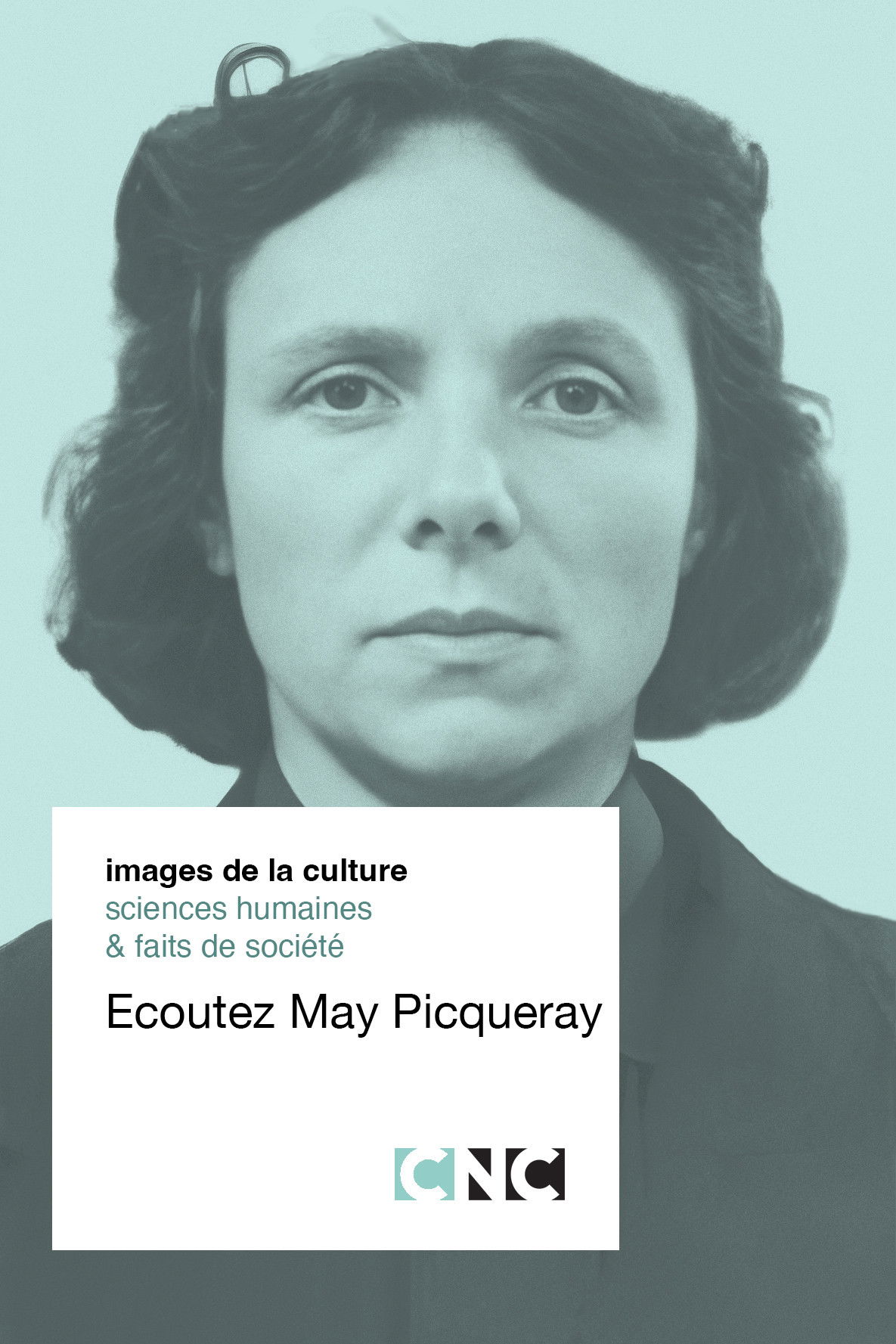
"Well, I believe in anarchy! And I believe it will come true one day." That's what "May the Rebel," a union activist, anti-militarist, and anarchist, always ready to denounce oppression and defend victims, affirms at 85. Born in Brittany, she earned her living at age 10 delivering butter. In Paris, at 20, she became involved with the Anarchist Union. Sébastien Faure became her mentor. She used a grenade to trigger the Sacco-Vanzetti affair. A union delegate in Moscow in 1922, she sang "Hymn to Anarchy" before Trotsky. Children during the Spanish Civil War, Jews during the Second World War, conscientious objectors alongside Louis Lecoin during the Algerian War, and later, through her newspaper Le Réfractaire, the Larzac, Plogoff, and Creys-Malville protests—all these were battlegrounds for May Picqueray. To the very end, she remained true to her commitment to defending peace and individual liberties.
Resistance leader Omar Mukhtar opposes Italian colonization before World War II. The brutal guerrilla war against Italian General Rodolfo Graziani and the Fascist forces of Benito Mussolini highlights the struggle for Libyan independence and the harsh tactics utilised by the colonisers.
A short documentary that emerge at the center of round table debate, participating in it there's three students from the Superior School of Arts and Design, Caldas da Rainha - Portugal. This conversation go along with a video essay about Afrofuturism and Pop Culture. Also, during the debate, an interview with another student gives some real example of how afrofuturism can be applied when it comes to in taking control of the colonial narratives into a black person perspective.
"I often say sociology is a martial art, a means of self-defence. Basically, you use it to defend yourself, without having the right to use it for unfair attacks." (Pierre Bourdieu) The world has witnesses who speak out loud what others keep to themselves. They are neither gurus, nor masters, but those who consider that the city and the world can be thought out. The sociologist, Pierre Bourdieu is one such witness." Over a three- year period, Pierre Carles' camera followed him through different situations: a short conversation with Günter Grass, a lively conference with the inhabitants of a working-class suburb, his relations with his students and colleagues and his plea that sociology be part of the life of the city. His thinking has a sort of familiarity, which means it is always within our reach. It is the thinking of a French intellectual who has chosen to think his times.
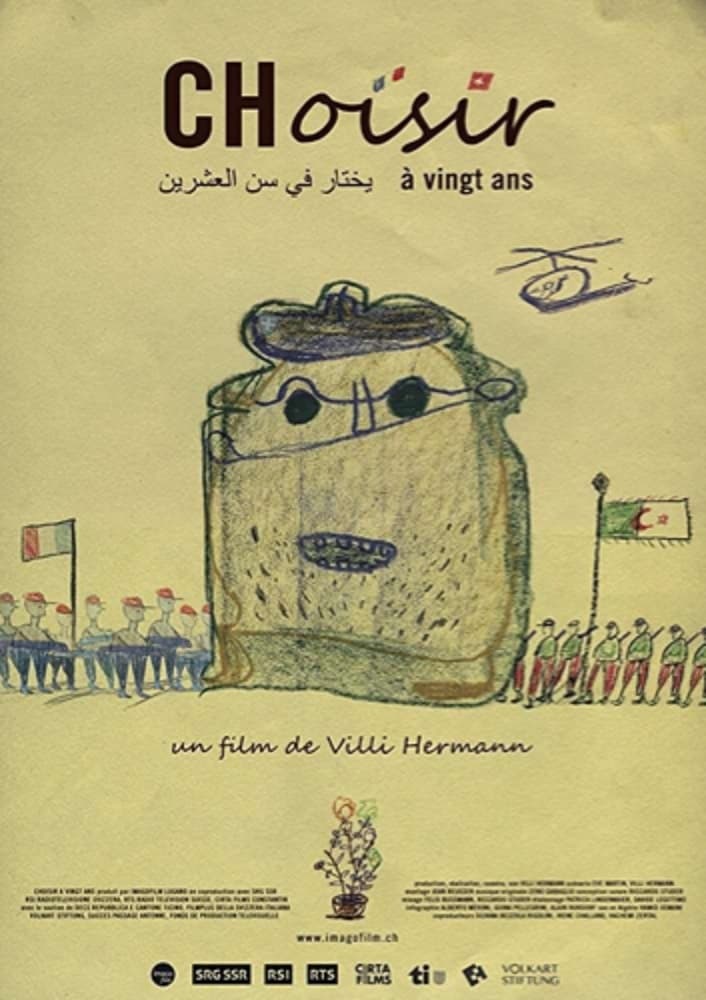
Between 1954-1962, one hundred to three hundred young French people refused to participate in the Algerian war. These rebels, soldiers or conscripts were non-violent or anti-colonialists. Some took refuge in Switzerland where Swiss citizens came to their aid, while in France they were condemned as traitors to the country. In 1962, a few months after Independence, Villi Hermann went to a region devastated by war near the Algerian-Moroccan border, to help rebuild a school. In 2016 he returned to Algeria and reunited with his former students. He also met French refractories, now living in France or Switzerland.
The first French anti-colonialist film, derived from an assignment in which the director was to document educational activities by the French League of Schooling in West Africa. Vautier later filmed what he actually saw: “a lack of teachers and doctors, the crimes committed by the French Army in the name of France, the instrumentalization of the colonized peoples.” For his role in the film, Vautier was imprisoned for several months. The film was banned from public screening for more than 40 years.
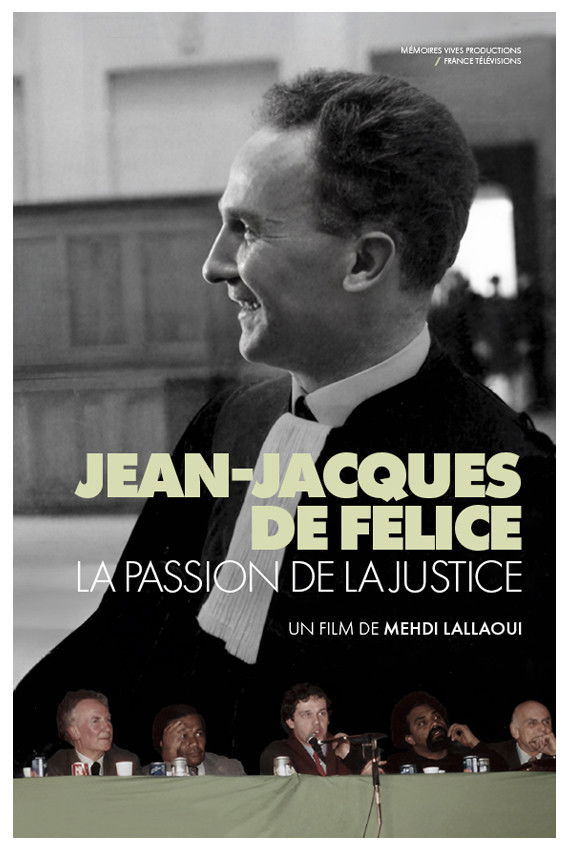
From the rights of minors before the juvenile court, young offenders from the neighborhoods of eastern Paris, or children of Algerian origin from the shantytowns of Nanterre, to the defense of colonized Kanaks and Polynesians; from the fight for conscientious objector status to the denunciation of torture and the death penalty, lawyer Jean-Jacques de Félice has been involved in every struggle. His pacifism knows no bounds: with organizations like Cimade, LDH, and the Louis-Lecoin Committee, he assists draft dodgers in numerous countries. These include Portuguese conscientious objectors refusing to fight in the wars in Angola and Mozambique, American deserters opposed to the Vietnam War, and Israeli objectors refusing to serve in the Occupied Territories. It is no surprise that, as early as 1971, he was one of the very first lawyers representing the farmers of the Larzac plateau.
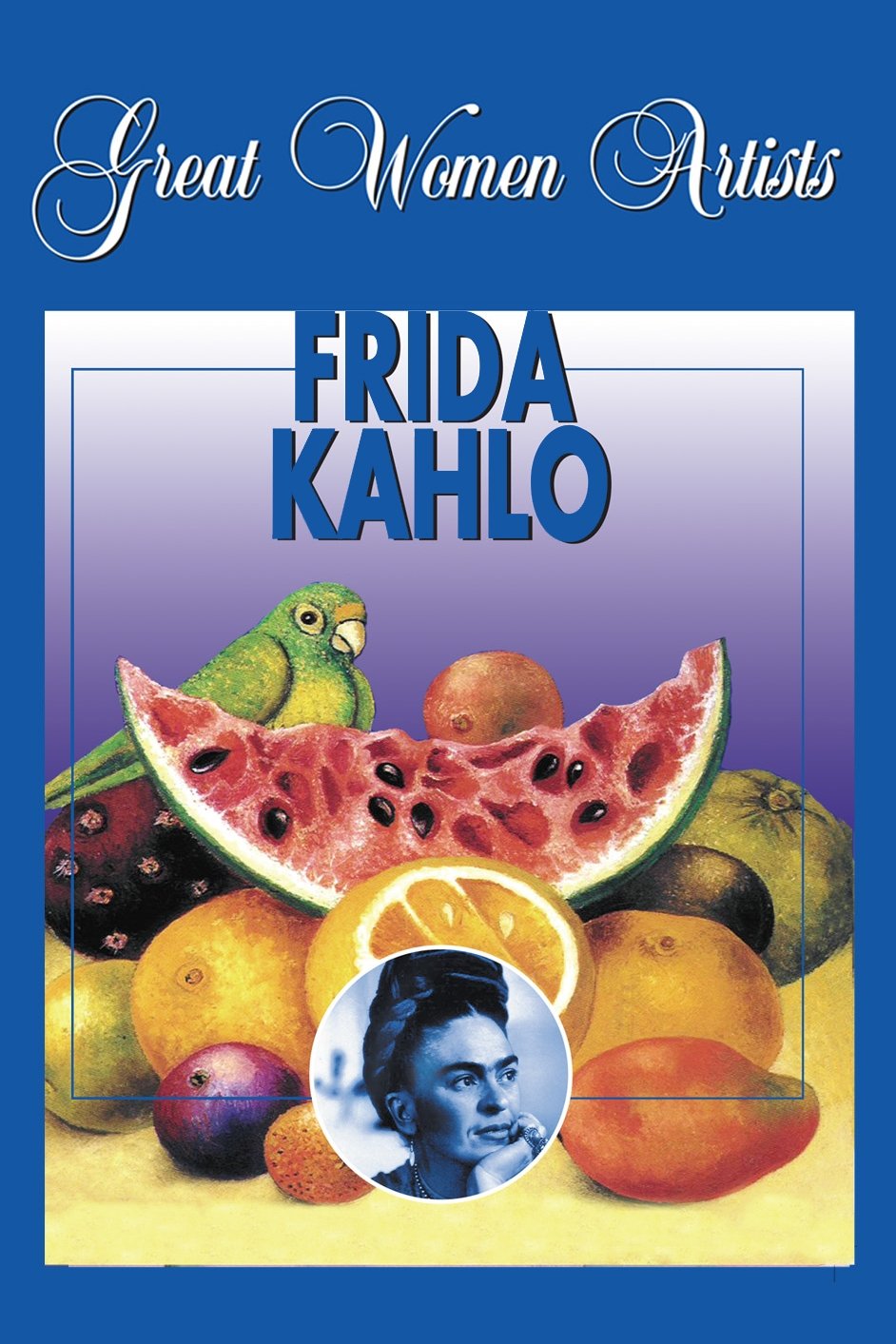
Frida Kahlo began to paint in 1925 while recovering from a streetcar accident that left her permanently disabled. Many of her 200 paintings directly relate to her experiences with physical pain. They also chronicle her turbulent relationship with artist Diego Rivera. Today Kahlo's work is critically and monetarily as prized as that of her male peers, sometimes more so.
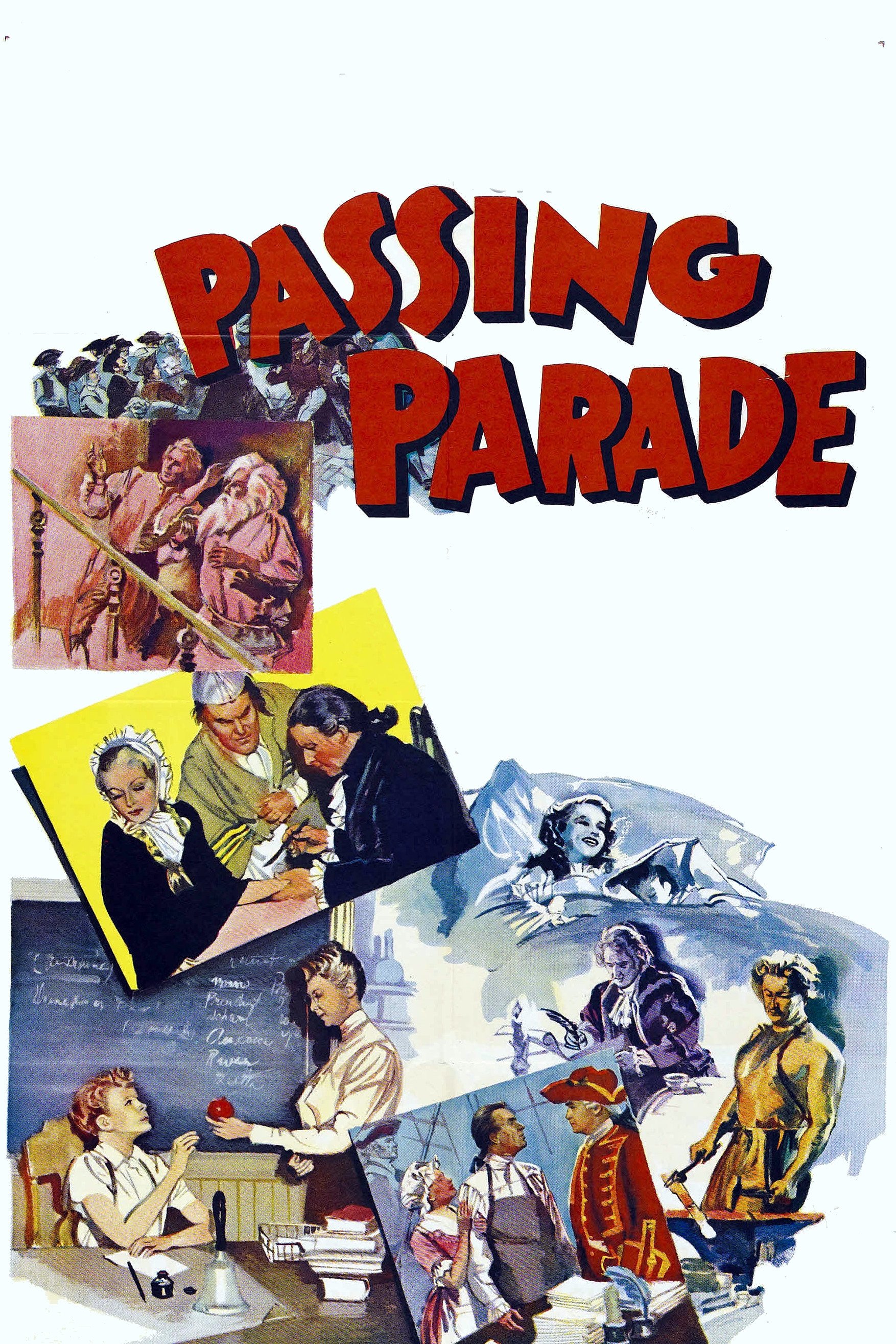
This Passing Parade series short chronicles the political life of Francisco Madero, who tried to bring democracy and land reform to Mexico.
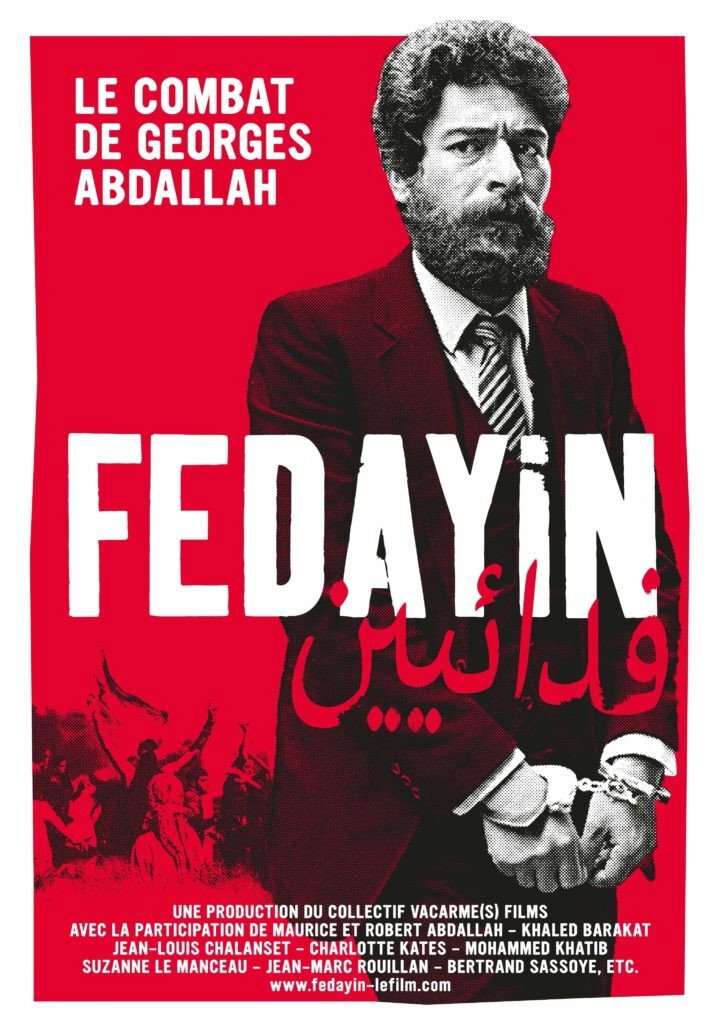
A leading figure in the Palestinian cause and the fight against imperialism, the Lebanese communist activist Georges Ibrahim Abdallah had been languishing in French prisons for thirty-eight years—a unique case in France. Arrested in Lyon in 1984 with false papers, he was sentenced two years later to four years in prison for possession of weapons and explosives, then in 1987 received a life sentence for complicity in the assassinations in Paris five years earlier of an Israeli Mossad agent and an American military attaché—charges he has always denied. Although he has been eligible for release since 1999, French political authorities, under pressure from the United States and Israel, opposed his release. Interventions by Palestinian figures, his relatives, his lawyer and ex-prisoners from the extreme left, retrace the journey of the village schoolteacher who became an anti-colonial activist.
Pas De Blanc À La Une, by Youcef Bouchouchi, treatises the brutality of the conflict during the war of independence in Algeria from 1854 to 1962, and the systematic use of torture which pushes even the most hesitant to make up their minds.
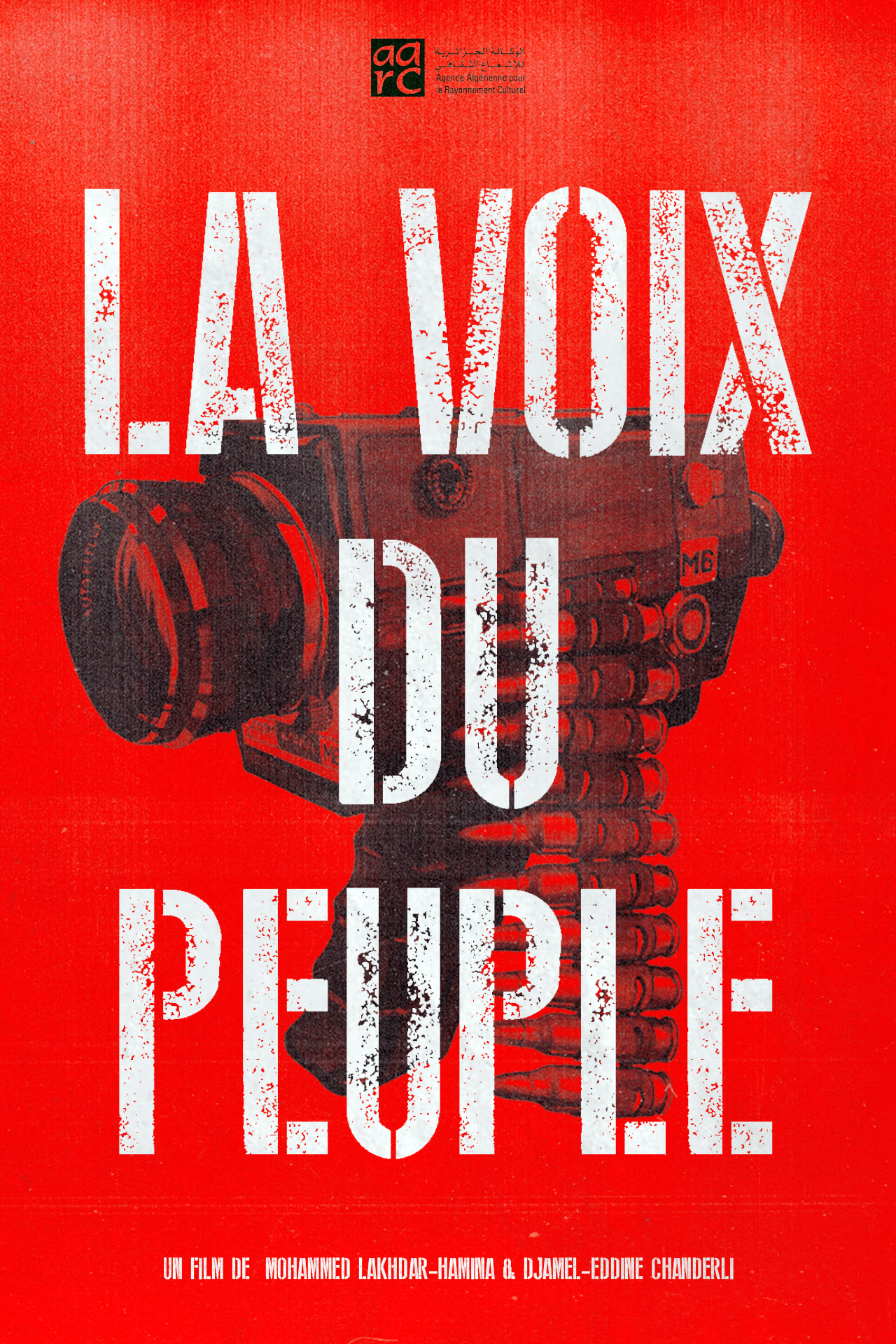
“La Voix du Peuple,” composed of archival photographs by René Vauthier and others, exposes the root causes of the armed conflict of the Algerian resistance. Participating in a war of real images against French colonial propaganda, these images aimed to show the images that the occupier had censored or distorted, by showing the extortions of the French occupation army: torture, arrests and arbitrary executions, napalm bombings, roundabout fires, erasing entire villages from the map, etc. This is what the French media described as a “pacification campaign”.
Draculaura’s Sweet 1600th birthday is an extra special occasion to party at Monster High! But her high expectations lead to deadly results when she’s faced with the choice between practical boyfriend Clawd, and new vampire heartthrob, Valentine, a romantic blast from her past.
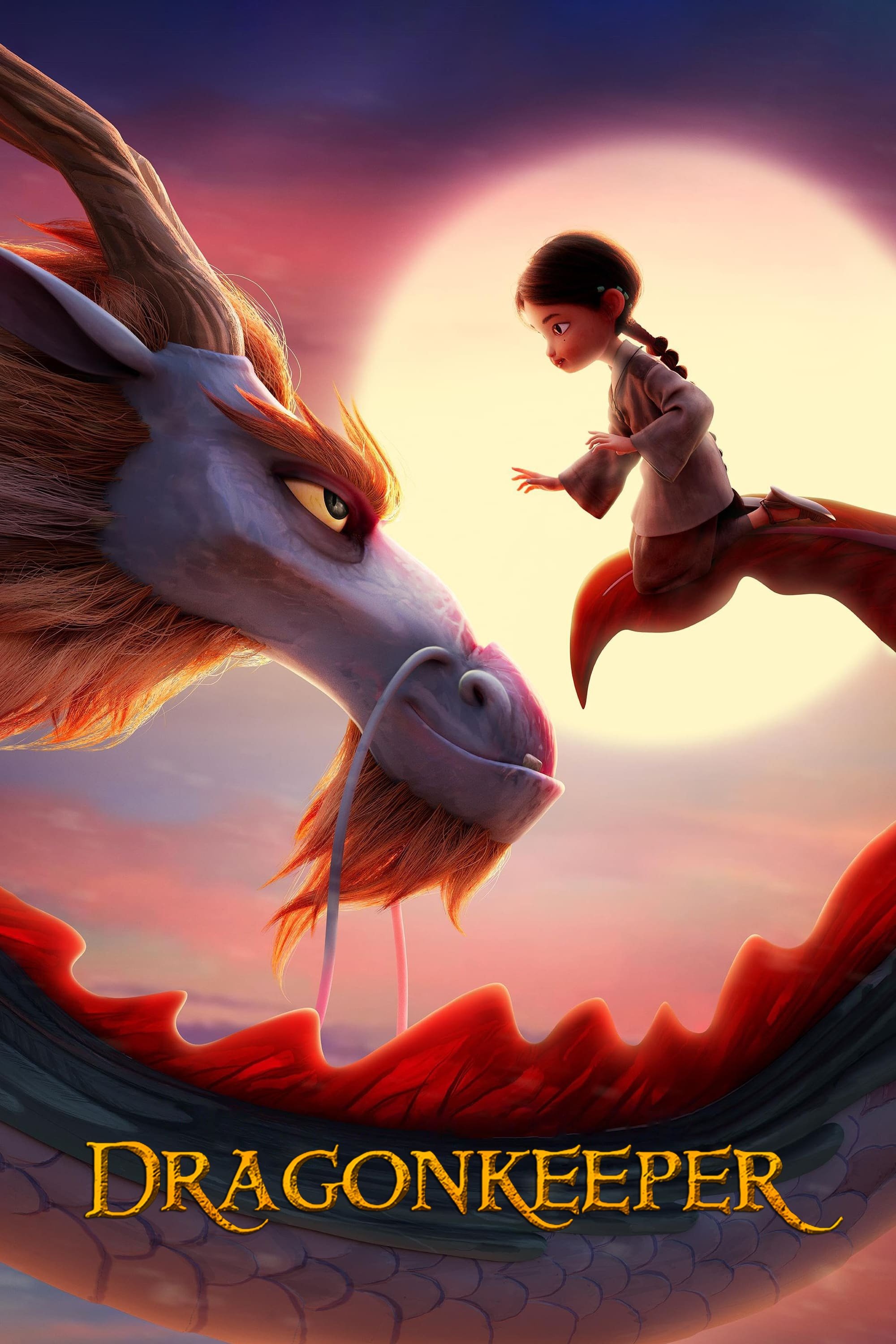
Set in Han Imperial China, the plot follows the adventures of enslaved girl Ping with ancient dragon Long Danzi. Dragons had been banished from the kingdom. Ping, an orphan, finds one of the last remaining dragon eggs. Palace guards force Ping to run away in order to return the dragon egg to the ocean and save all dragons from extinction. Ping discovers that she is a true Dragonkeeper.
A pampered cat takes for granted the lucky hand he has been dealt after he is rescued and loved by Rose, a kind-hearted and passionate student. When he loses his ninth life, fate steps in to set him on a transformative journey.
The Monstruitas of Monster High are obsessed with going to Scaris, The City of Frights for Fashion international competition where the winner will become the apprentice of the world famous Madame Ghostier designer.
Tad accidentally unleashes an ancient spell, endangering the lives of his friends Mummy, Jeff, and Belzoni. With everyone against him and only helped by Sara, he sets off on an adventure to end the Curse of the Mummy.
A brave young animal explorer teams up with two trusty friends to find a powerful artifact before his greedy uncle can get his paws on it.
It's been ten years since the dragons moved to the Hidden World, and even though Toothless doesn't live in New Berk anymore, Hiccup continues the holiday traditions he once shared with his best friend. But the Vikings of New Berk were beginning to forget about their friendship with dragons. Hiccup, Astrid, and Gobber know just what to do to keep the dragons in the villagers' hearts. And across the sea, the dragons have a plan of their own...
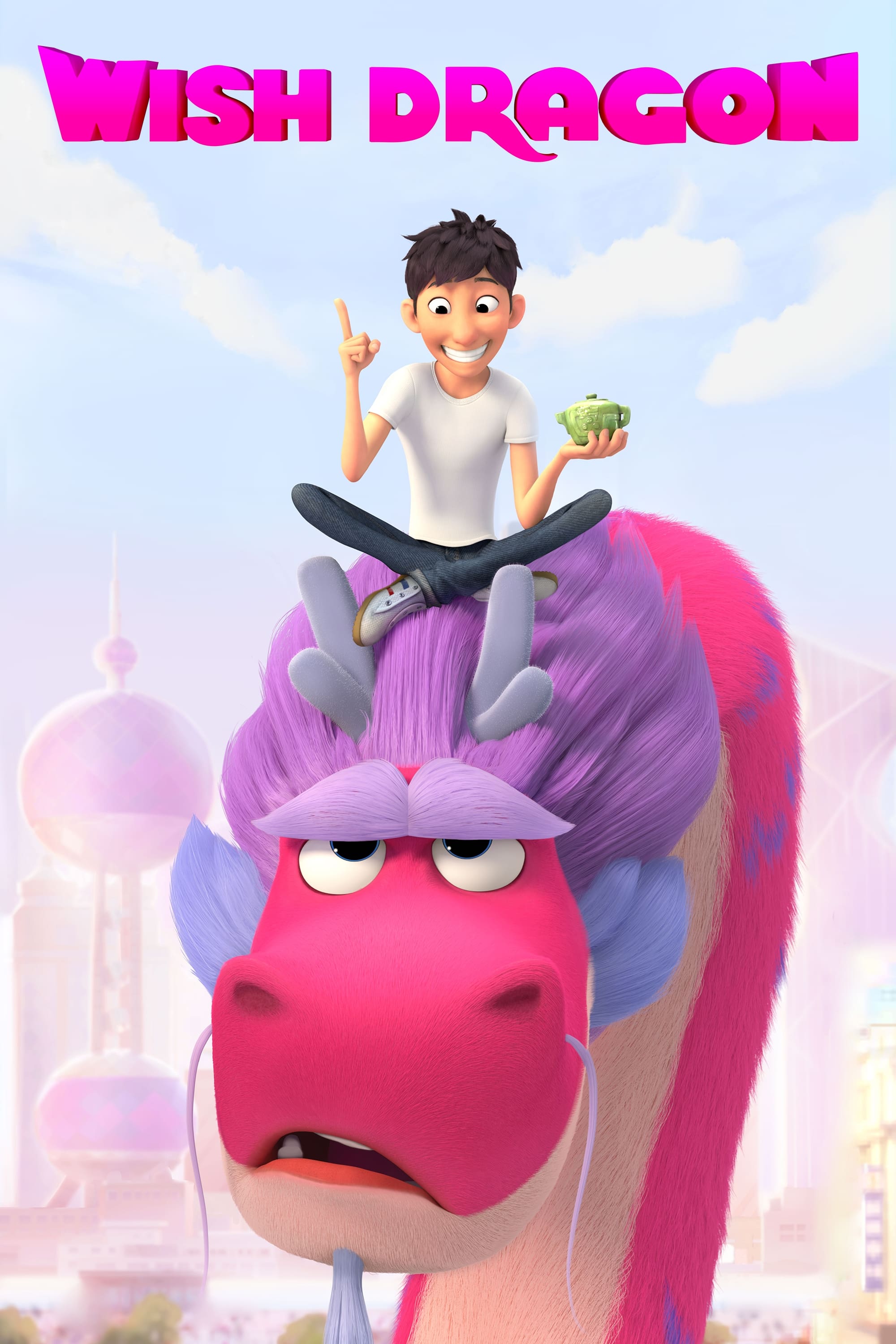
Determined teen Din is longing to reconnect with his childhood best friend when he meets a wish-granting dragon who shows him the magic of possibilities.
A hunt for a lost sheep turns into a competition between Hiccup and friends as they compete to become the first Dragon Racing champion of Berk.
Animals band together to save the day when the evil Otto Von Walrus hatches a sinister scheme to accelerate global warming and melt the Arctic Circle.
A Pixar short about a lost-and-found box and the unseen monster within.
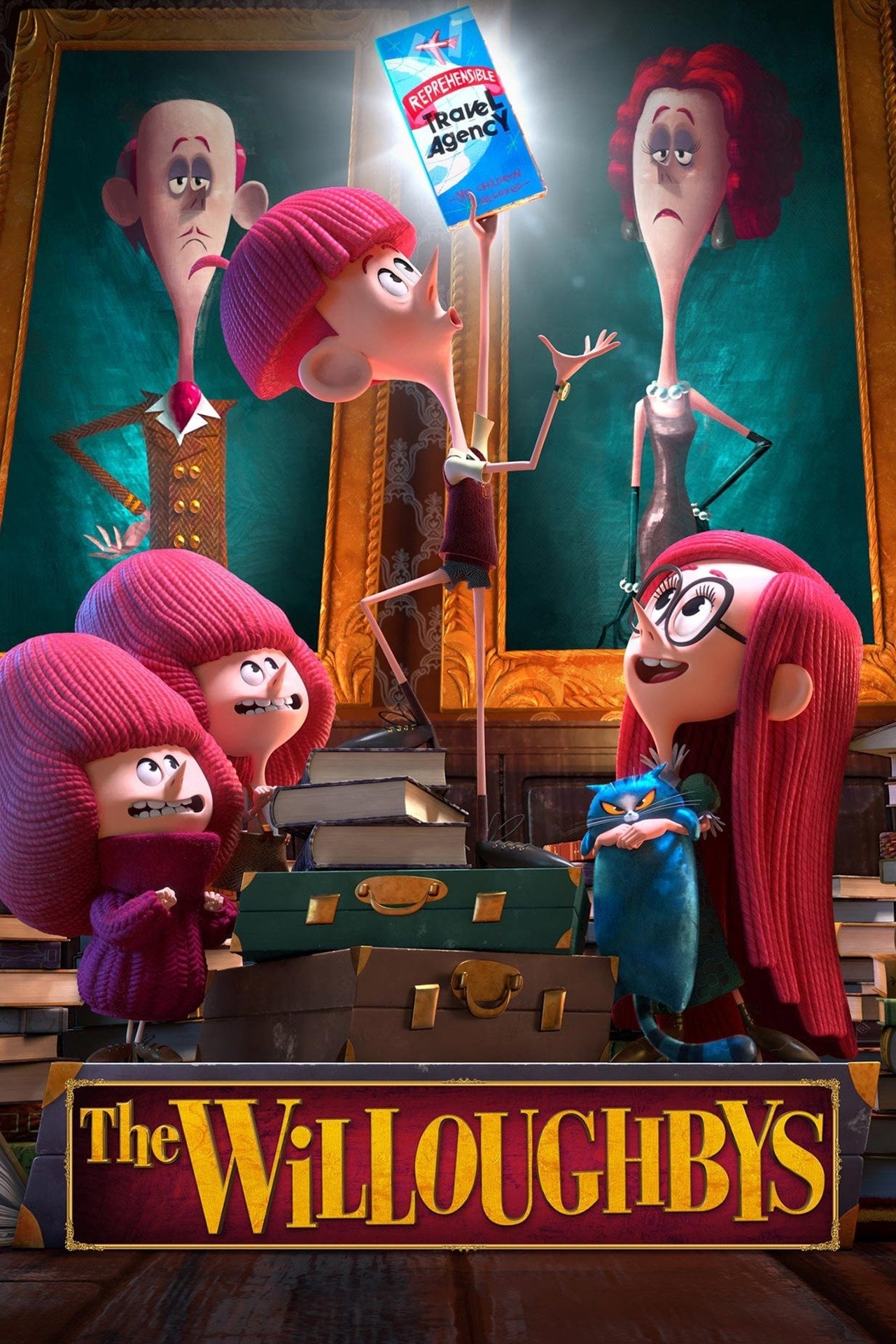
When the four Willoughby children are abandoned by their selfish parents, they must learn how to adapt their Old-Fashioned values to the contemporary world in order to create something new: The Modern Family.
After tumbling into a magic storybook, Puss in Boots must fight, dance and romance his way through wild adventures as he searches for an escape.
Po and the Furious Five uncover the legend of three of kung fu's greatest heroes: Master Thundering Rhino, Master Storming Ox, and Master Croc.
When Brainy Smurf is favored to win the annual Smurfberry Hunt for the ninth year in a row, Gutsy Smurf sets out to discover how Brainy wins every year. Gutsy’s investigation takes him into spooky Smurfy Hollow–and right into Gargamel’s trap! Can Brainy and Gutsy, with the help of Smurfette, put aside their rivalry before Gargamel captures them–or worse, they come face-to-face with the legendary ghost, the Headless Horseman?
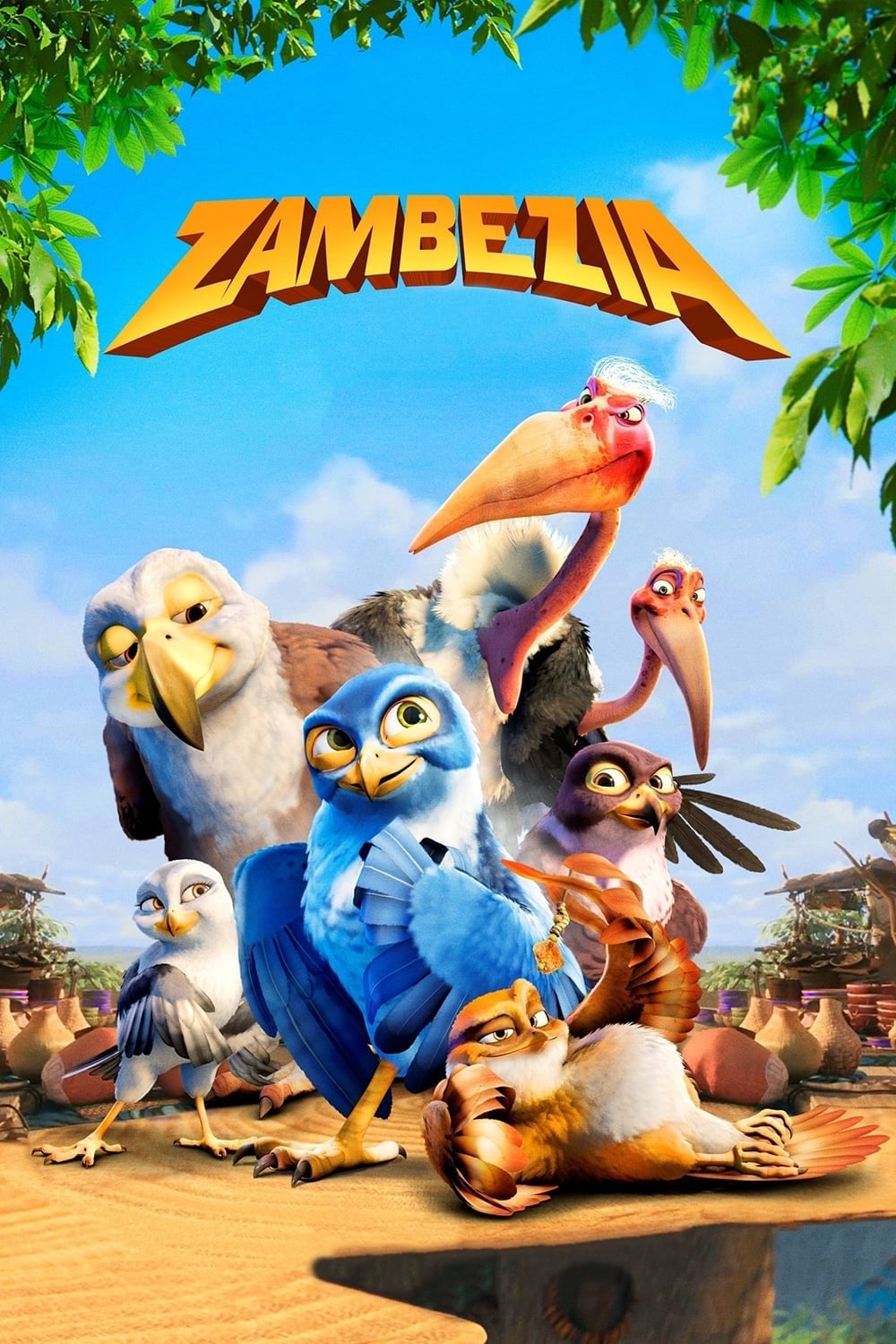
Set in a bustling bird city on the edge of the majestic Victoria Falls, "Zambezia" is the story of Kai - a naïve, but high-spirited young falcon who travels to the bird city of "Zambezia" where he discovers the truth about his origins and, in defending the city, learns how to be part of a community.
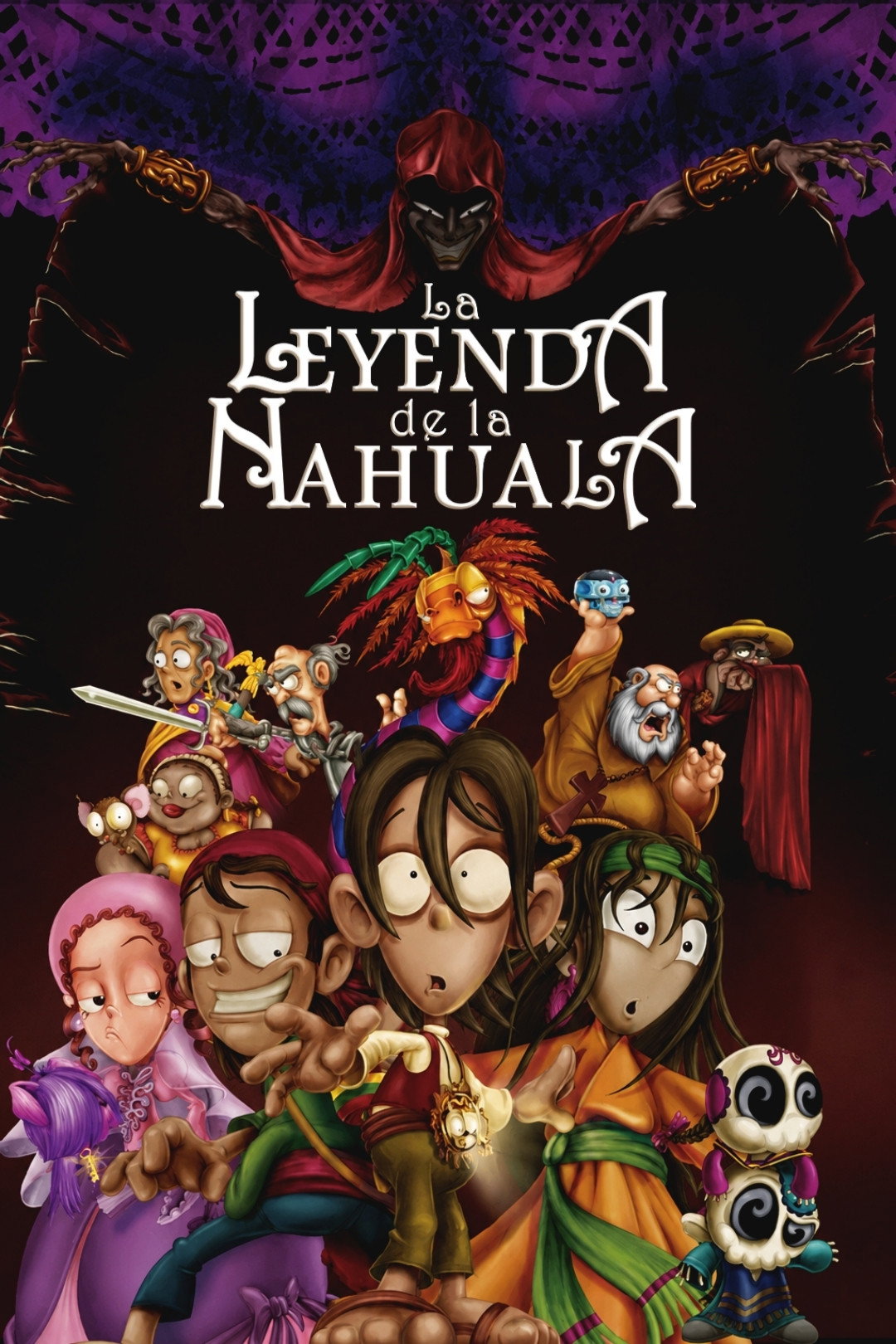
Leo San Juan, an insecure child of nine years old, lives eternally frightened by horror stories that Nando tells his older brother. Within these stories it is 'The Legend of Nahuala', according to which, an old abandoned Casona is possessed by the spirit of an evil witch known as the Nahuala.
When Draculaura is led to believe she's the rightful heir to the vampire throne, she and her best ghoulfriends are whisked away to Transylvania for a royal coronation to die for. But they soon discover the hunt for the queen is not over yet. The Ghouls must locate an ancient artifact known as the Vampire's Heart in order to discover the identity of the true Vampire Queen. It's a fangtastic adventure that will lead them from the Tower of Londoom, to a haunted river boat in New Goreleans and finally to the glamorous boo-vie lots of Hauntlywood. Could this be the moment when Draculara finally receives her vampire powers and discovers screams really can come true?
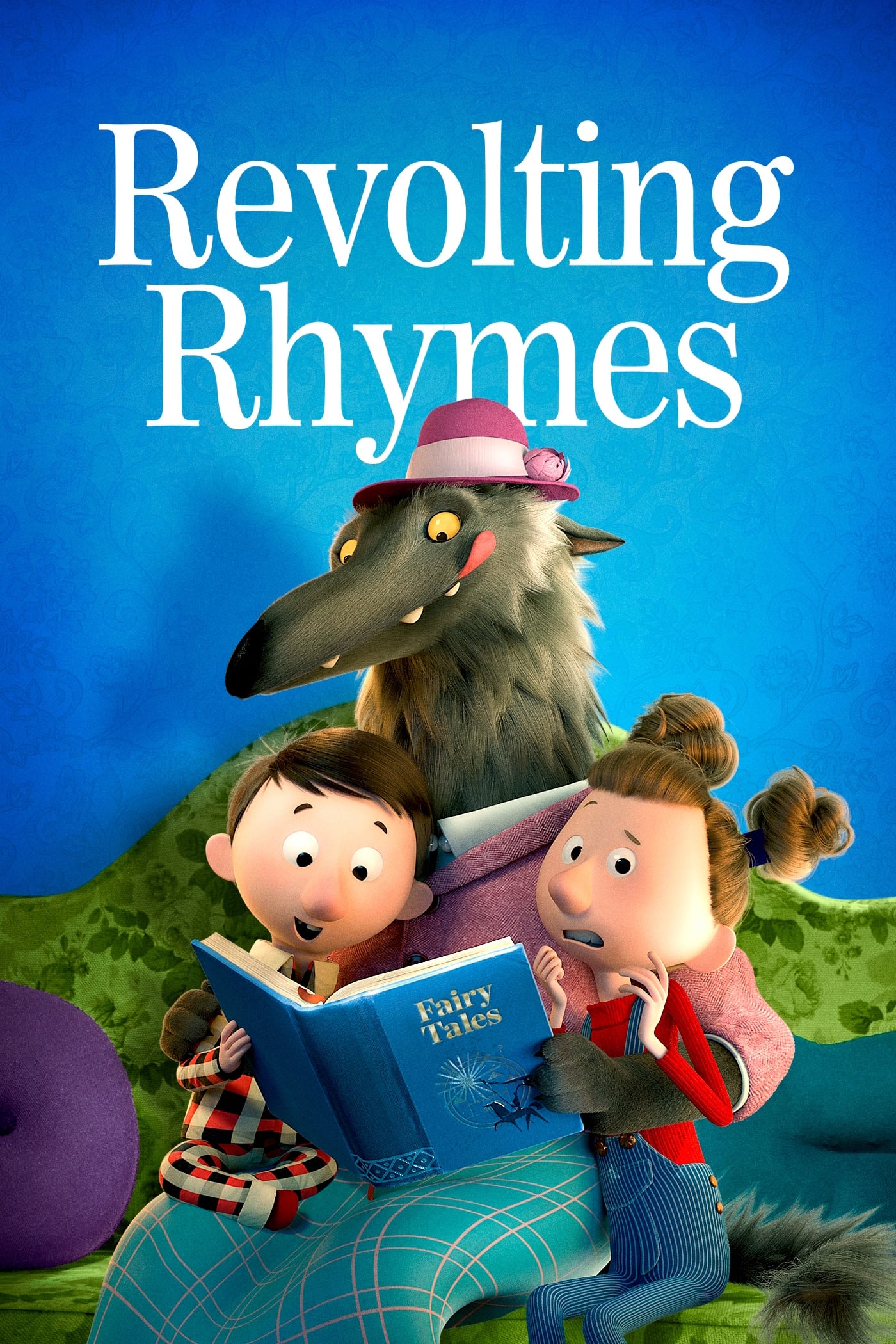
Two half-hour animated films based on the much-loved rhymes written by Roald Dahl and illustrated by Quentin Blake.
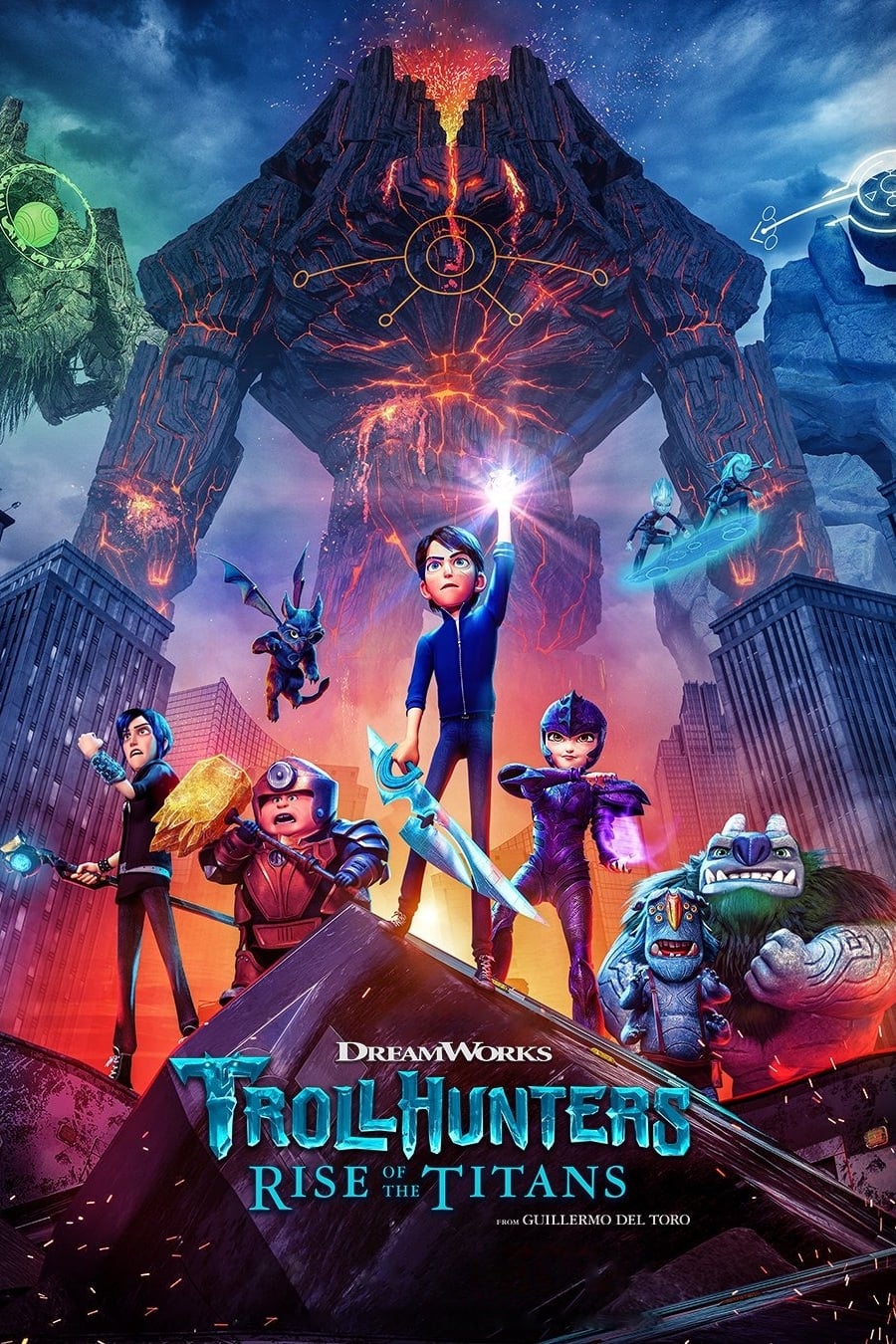
The Guardians of Arcadia reunite to battle the nefarious Arcane Order, who've reawakened the primordial Titans.