Life is a movie.
Social & External
The people behind it
A documentation of artist JP Meldrum as he prepares for an experimental gig with noise-rock drummer Maxwell Paterson. A concert film, a rehearsal, and an exploration of Victoria outlets and ways-of-creating beyond the traditional spaces.
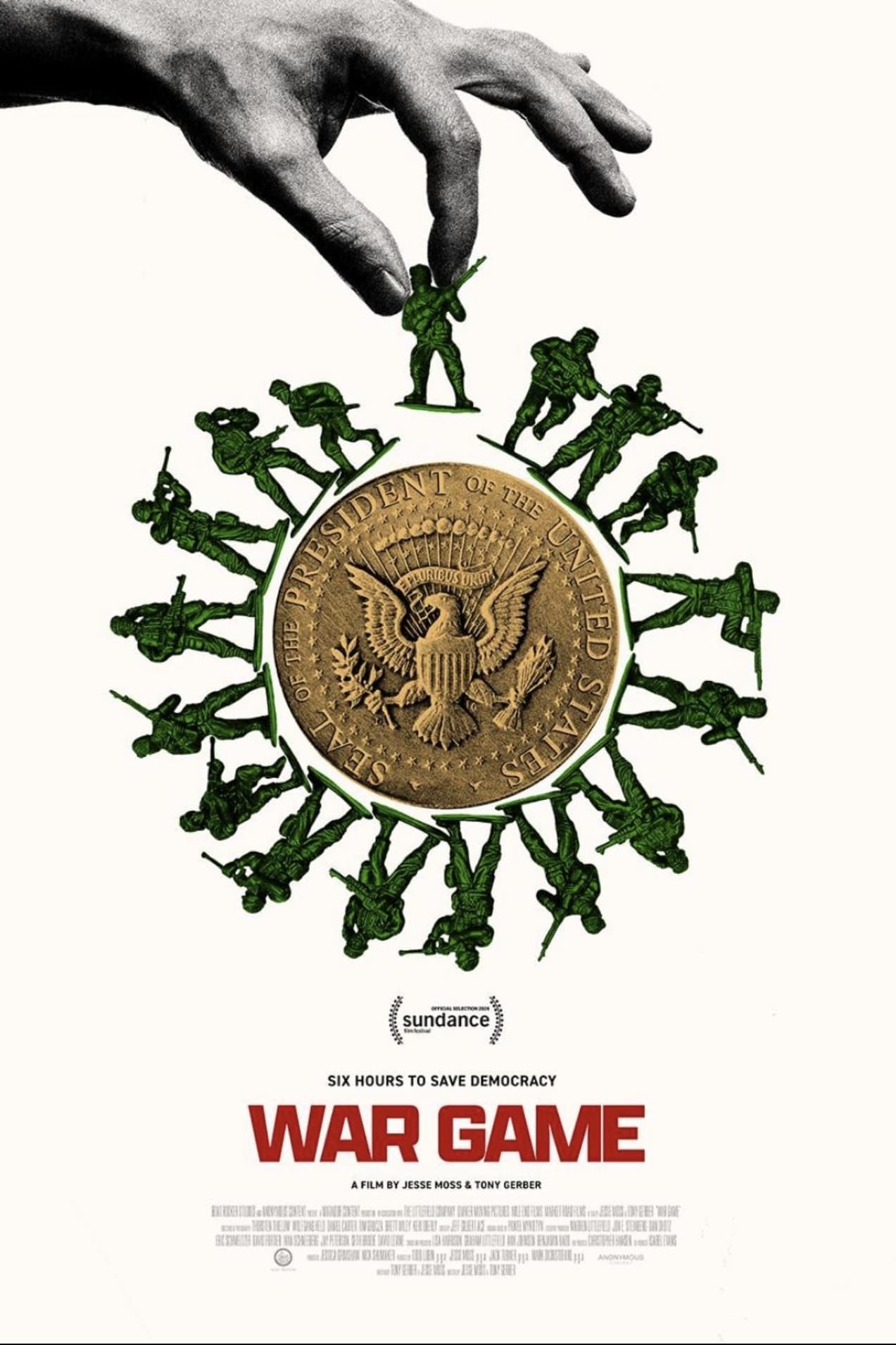
A bipartisan group of U.S. defense, intelligence, and elected policymakers spanning five presidential administrations participate in an unscripted role-play exercise in which they confront a political coup backed by rogue members of the U.S. military, in the wake of a contested presidential election.
Experimental Documentary on Sound & Cannabis
In recent years, more than 2,500 books have been removed from school districts around the US, labeled as banned, restricted, or challenged, and made unavailable to millions of students. By no accident, the themes targeted are the usual scapegoats of the American Right—LGBTQ+ issues, Black History, and women’s empowerment—impeding the power of future generations to develop their own thoughts and opinions on critical social issues. By weaving together a lyrical montage of young readers and authors, THE ABCs OF BOOK BANNING reveals the voices of the impacted parties, and inspires hope for the future through the profound insights of inquisitive youthful minds.
In 1968, Billy and Antoinette Edwards participated in a landmark documentary that would intimately observe their turbulent relationship. Over 50 years later, their son Bogart sat down to view and discuss the resulting film, A Married Couple.
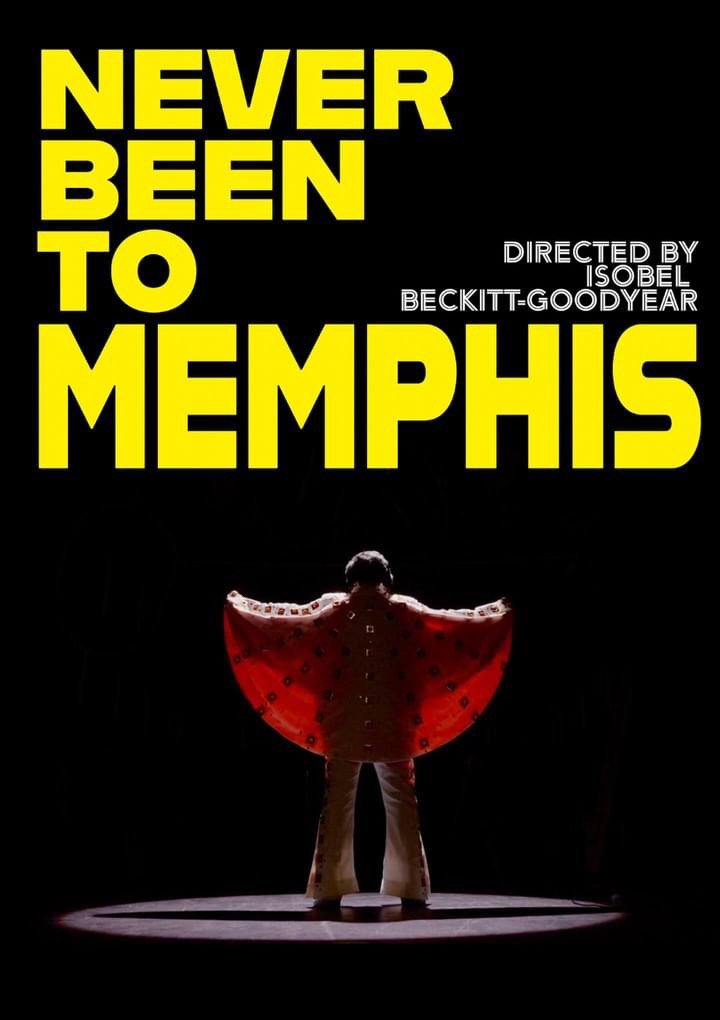
Follow Elvis tribute artist Stan, as he prepares for the biggest Elvis competition in the Southern Hemisphere. A funny and moving tribute to a man who would be King.
A behind-the-scenes look at P!NK as she balances family and life on the road, leading up to her first Wembley Stadium performance on 2019's "Beautiful Trauma" world tour.
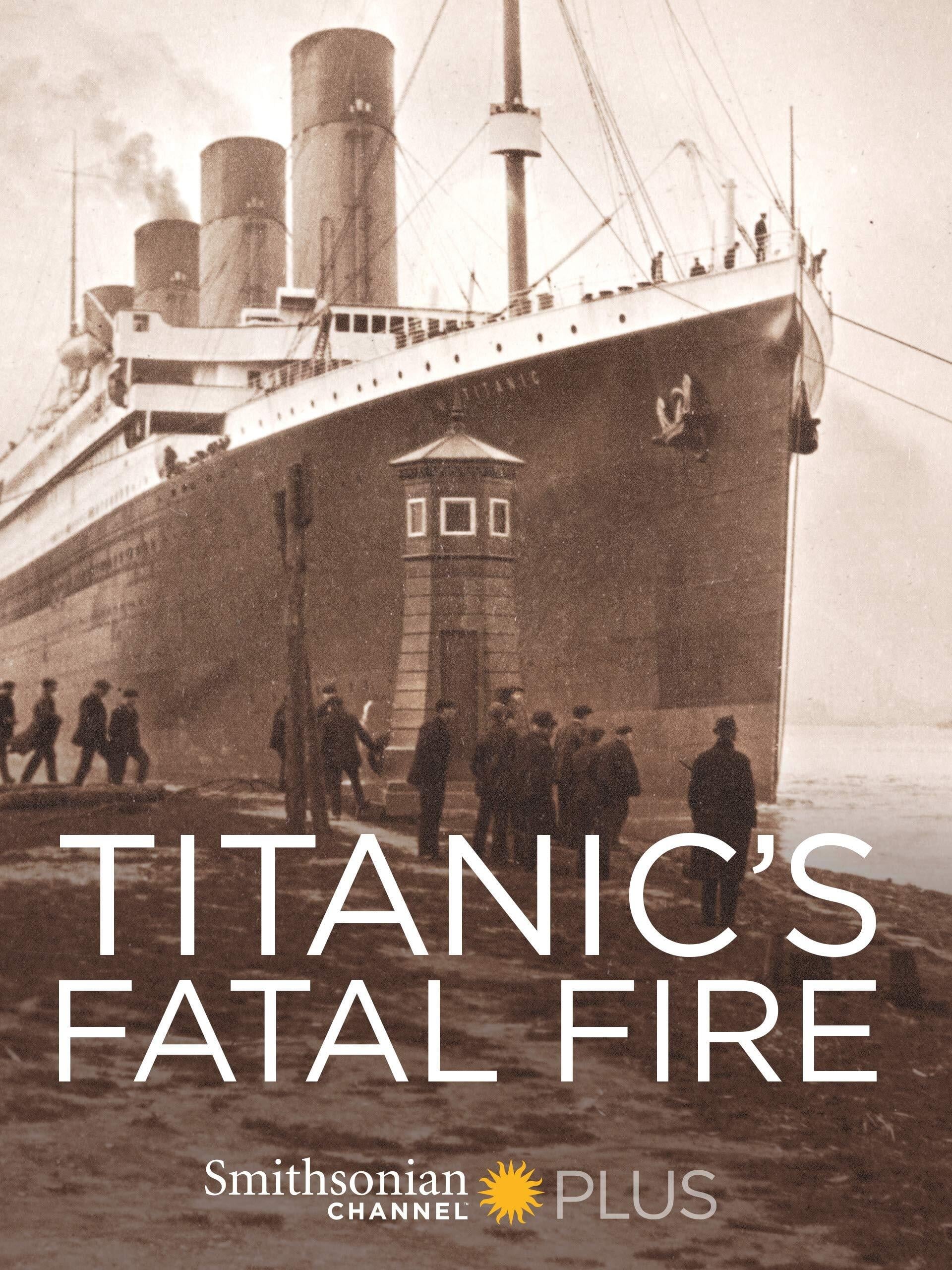
The sinking of the Titanic sent shockwaves around the world and started debates that continue to this day. But new, explosive evidence from the most unlikely of sources may finally lay all arguments to rest and reveal, for the first time, the full story of what possibly doomed the "unsinkable" liner. Join us as we unveil recently discovered and never-before-seen photographs of the super ship that exposes shocking clues that investigators and historians once dismissed but can no longer ignore.
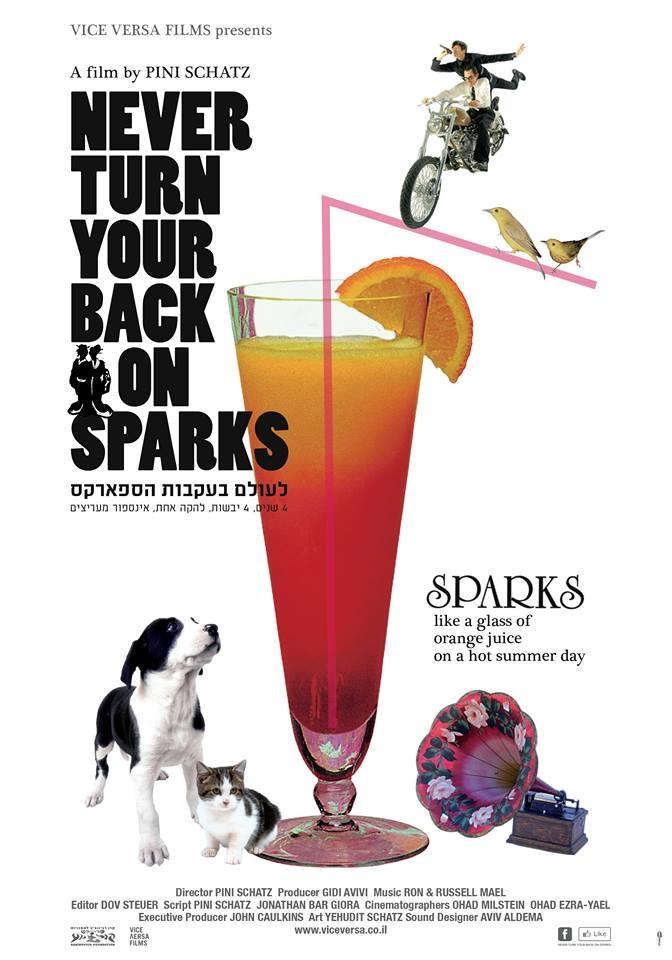
As he turns 50, filmmaker Pini Schatz sets out to explore his life-long obsession with the band Sparks (the brothers Ron and Russell Mael). Pini charts the impact of Sparks on his life while meeting with fellow Sparks fans, among them famous musicians, in Tel Aviv, London, Berlin, Rotterdam and NYC. Structured as a personal quest of the filmmaker to prove that Sparks are the coolest underrated band in the history of popular music, this docu-comedy explores the universal themes of growing old and being an outsider, the importance of art in daily life and the power of non-conformism.
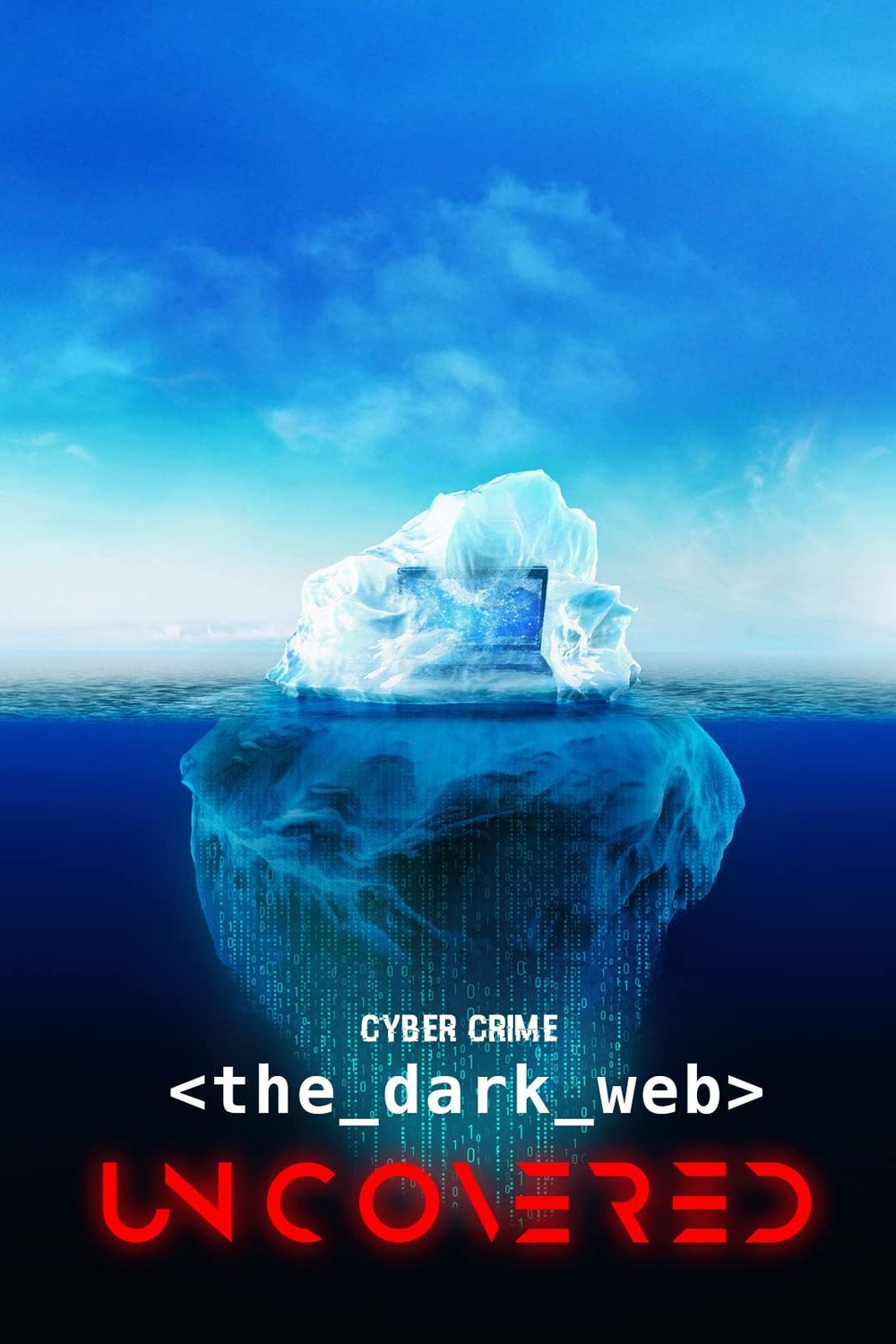
11 of the world's top cyber security experts gather to explore and answer questions about the dark web. What is the dark web? What can you find there? And most important of all, how can business owners take the proper steps to reduce their chances of becoming victims of cybercrime?
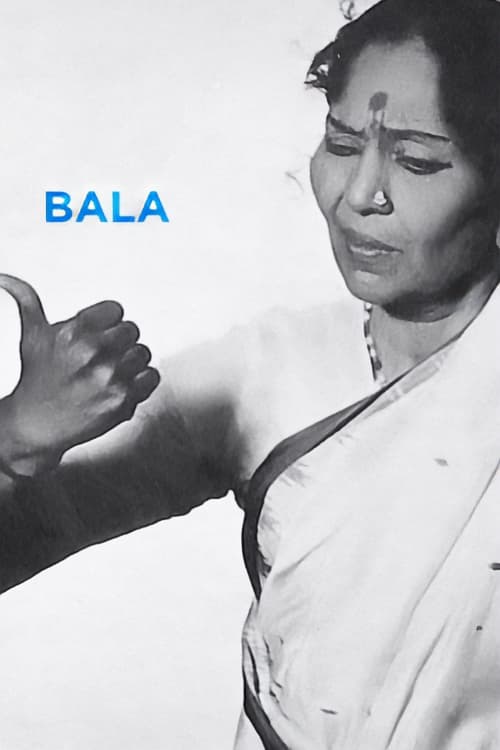
A documentary about the aging prima ballerina Balasaraswati (popularly known as "Bala"), the most famous exponent of the Bharatanatyam dance.
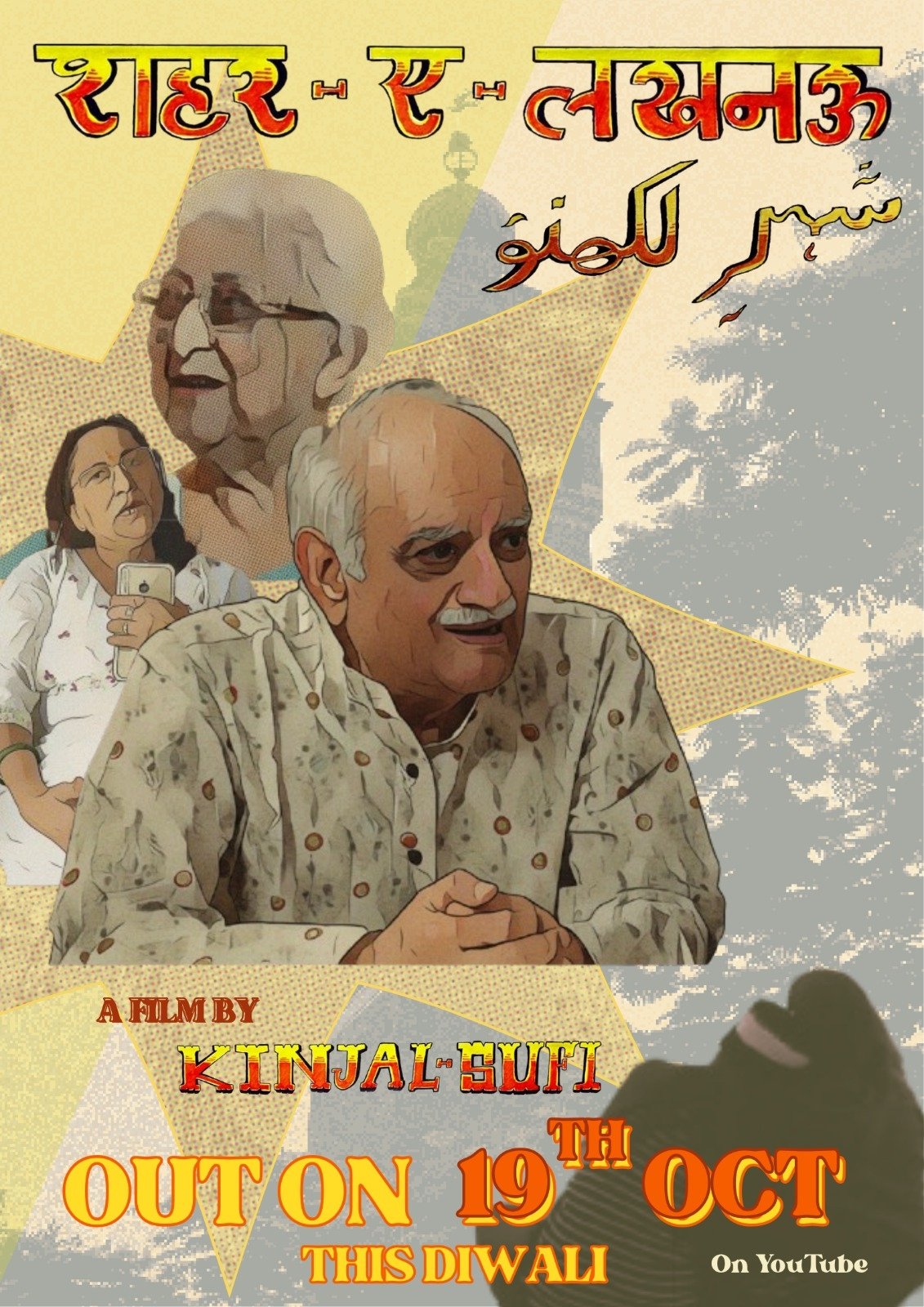
A docu-film about the city Lucknow where the creators ask their family members important questions they have always wanted answers to, while indulging in tomfoolery around town. The film showcases the differences in the way three different generations perceive Lucknow. An ode to the city, and an attempt to provide solace to the social misfits of the creators' hometown.
An account of a young Italian boy who was taken in by a Canadian military unit during World War II.
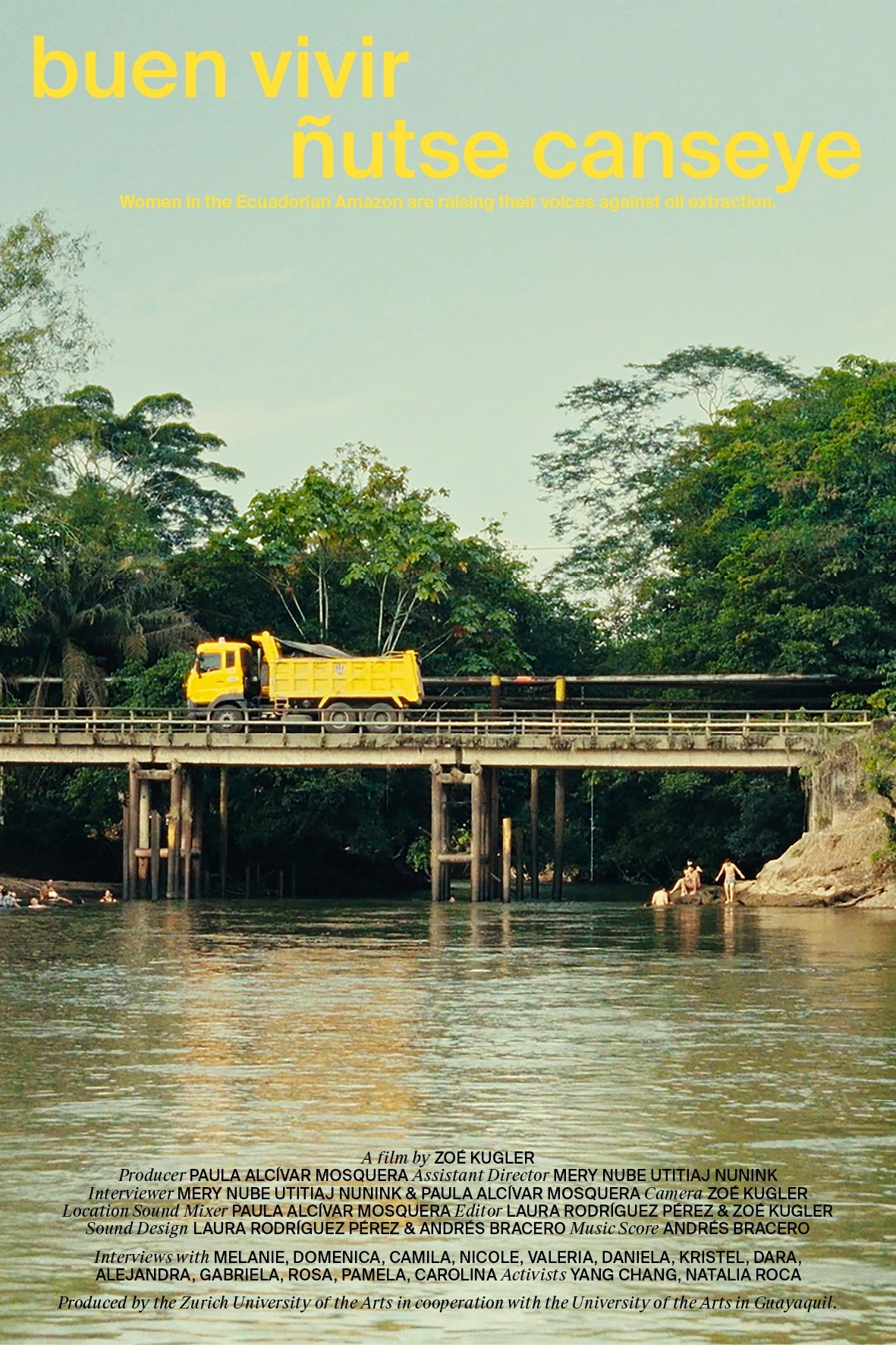
Oil extraction in the Amazon region is contaminating the land and water of a natural paradise. A slow process that threatens the health and traditional culture of local communities. Thirteen women raise their voices against the destruction of their land. Through protests and silent resistance, they confront an opaque global power structure.
Ed is commissioned to make a documentary intending to change those habits of society that are harmful to animals. But completely alien to the animal protection movement, he will realize that to carry out the project, he must first convince himself.
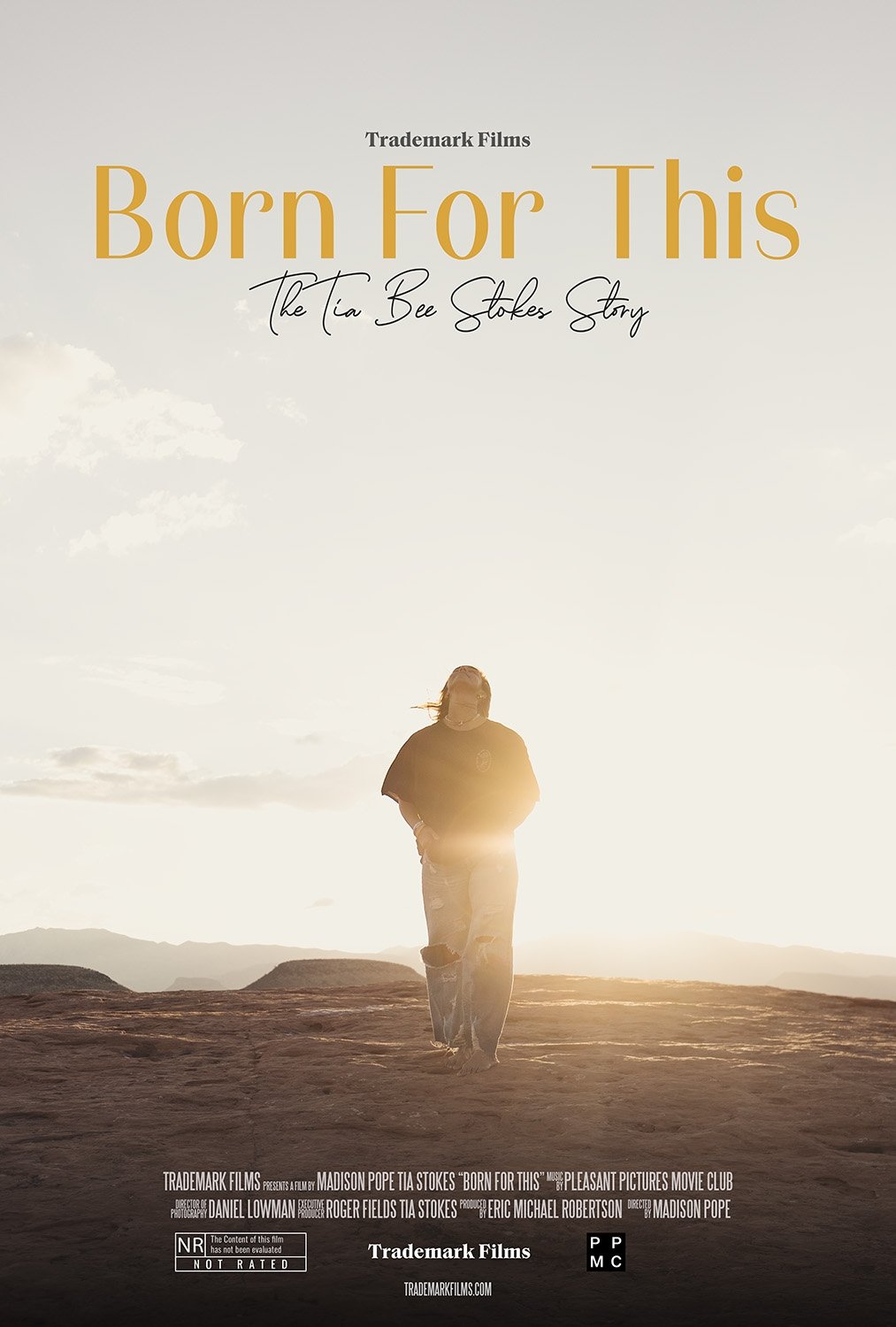
"Born For This" chronicles the inspiring journey of Tia Bee Stokes, a mother of five who, while battling cancer, danced for 15 minutes every day, turning her fight into a powerful testament of resilience and hope.
SEDUCED AND ABANDONED combines acting legend Alec Baldwin with director James Toback as they lead us on a troublesome and often hilarious journey of raising financing for their next feature film. Moving from director to financier to star actor, the two players provide us with a unique look behind the curtain at the world's biggest and most glamourous film festival, shining a light on the bitter-sweet relationship filmmakers have with Cannes and the film business. Featuring insights from directors Martin Scorsese, 'Bernando Bertolucci' and Roman Polanski; actors Ryan Gosling and Jessica Chastain and a host of film distribution luminaries.
A documentary about the life and films of director John Ford.
Stars of "The Walking Dead," Andrew Lincoln and Danai Gurira, walk down memory lane and visit iconic locations where pivotal moments between their characters, Rick and Michonne, were filmed.
In the Realms of the Unreal is a documentary about the reclusive Chicago-based artist Henry Darger. Henry Darger was so reclusive that when he died his neighbors were surprised to find a 15,145-page manuscript along with hundreds of paintings depicting The Story of the Vivian Girls, in What is Known as the Realms of the Unreal, of the Glodeco-Angelinnian War Storm, Cased by the Child Slave Rebellion.
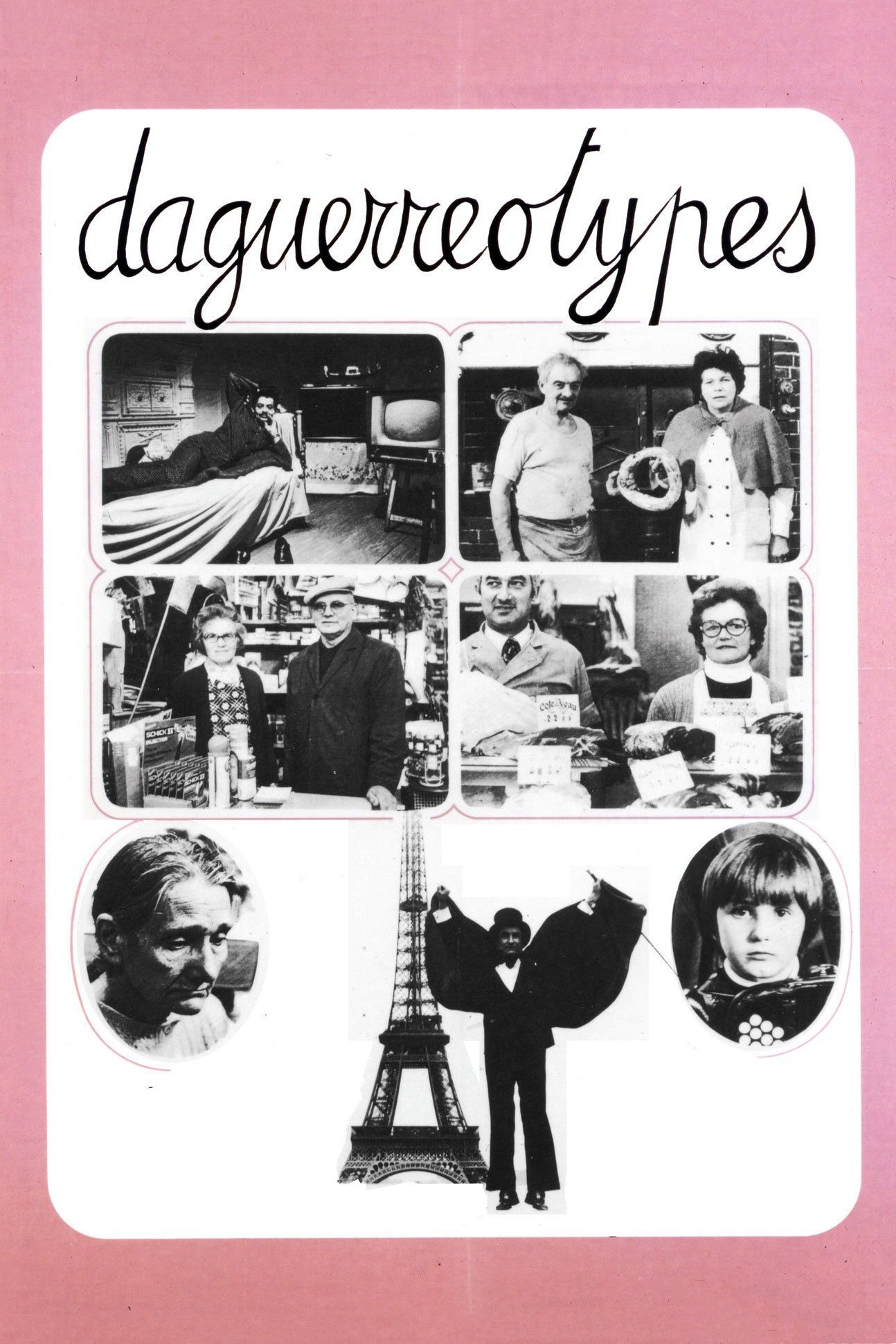
An intimate portrait of the small shops and shopkeepers of the Rue Daguerre in Paris, a picturesque street that has been the filmmaker’s home for more than 50 years.
Alexander McQueen's rags-to-riches story is a modern-day fairy tale, laced with the gothic. Mirroring the savage beauty, boldness and vivacity of his design, this documentary is an intimate revelation of McQueen's own world, both tortured and inspired, which celebrates a radical and mesmerizing genius of profound influence.
A visual montage portrait of our contemporary world dominated by globalized technology and violence.
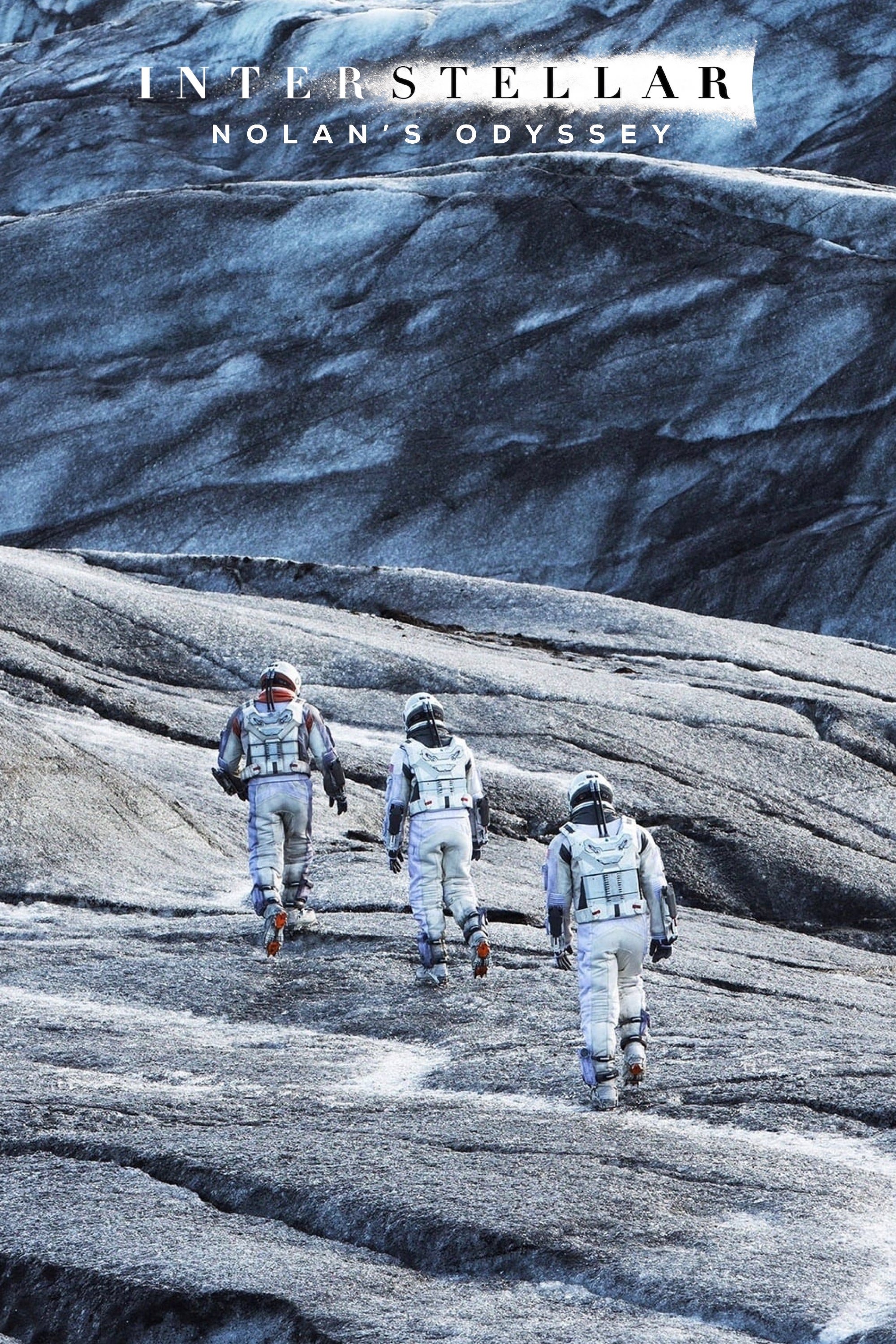
A look behind the lens of Christopher Nolan's space epic.
The film is based on interviews with 2,000 women from 50 countries, and covers the status of women all over the world. The topics covered include forced marriages, sexual assault, female genital mutilation, acid attacks, motherhood, sexuality, menstruation, education and the professional success of women.
Daniel Craig candidly reflects on his 15 year adventure as James Bond. Including never-before-seen archival footage from Casino Royale to the upcoming 25th film No Time To Die, Craig shares his personal memories in conversation with 007 producers, Michael G Wilson and Barbara Broccoli.
After years in the limelight, Selena Gomez achieves unimaginable stardom. But just as she reaches a new peak, an unexpected turn pulls her into darkness. This uniquely raw and intimate documentary spans her six-year journey into a new light.
This documentary focuses on the actors and their journey over two summers to create the remake to the original IT, by Stephen King. The documentary originally released as bonus material, bundled with IT: Chapter Two.
The film follows adventurer Jeff Johnson as he retraces the epic 1968 journey of his heroes Yvon Chouinard and Doug Tompkins to Patagonia.
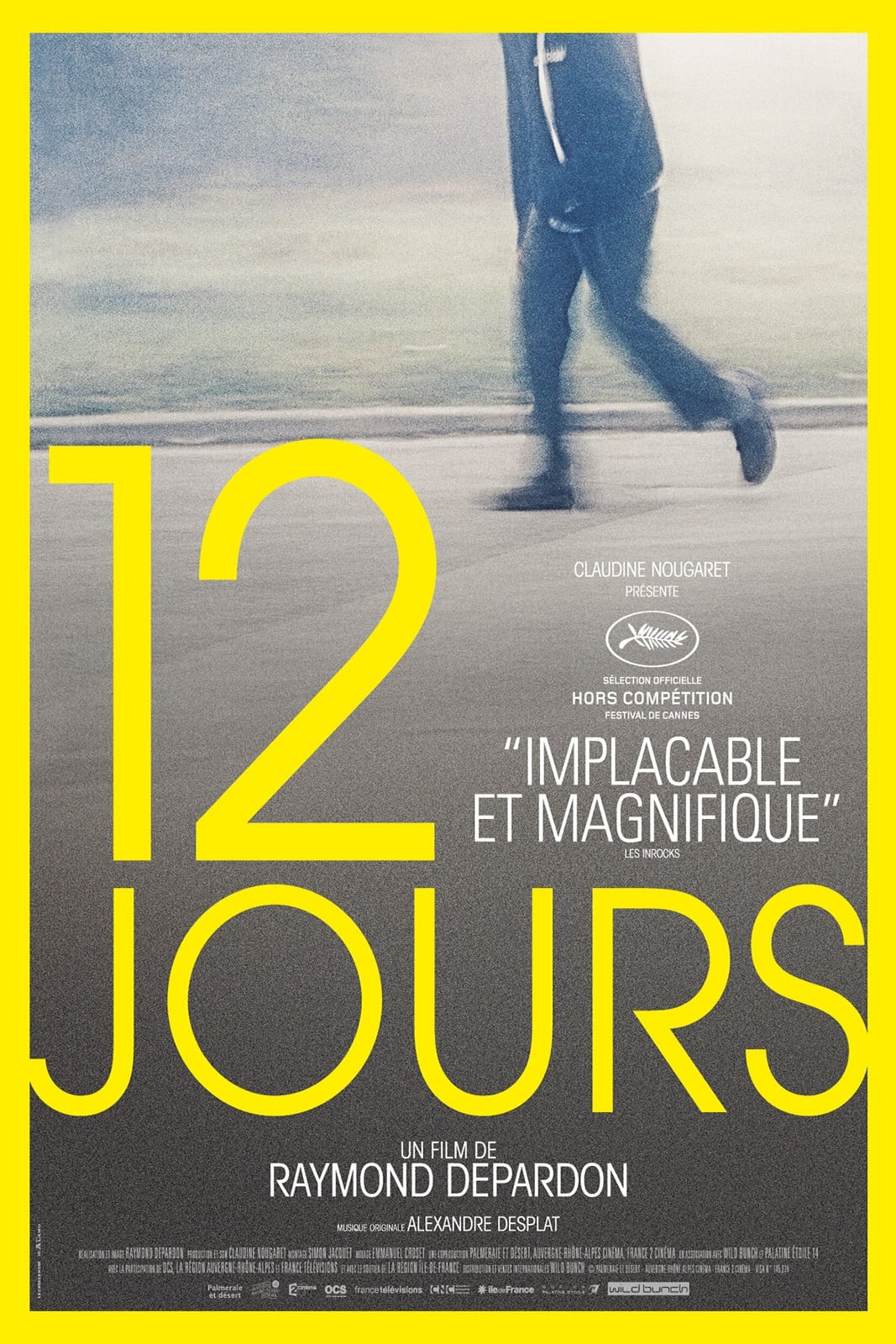
A new documentary by filmmaker-photographer Raymond Depardon – where justice and psychiatry meet.
A purely observational non-fiction film that takes viewers into the ethically murky world of end-of-life decision making in a public hospital.
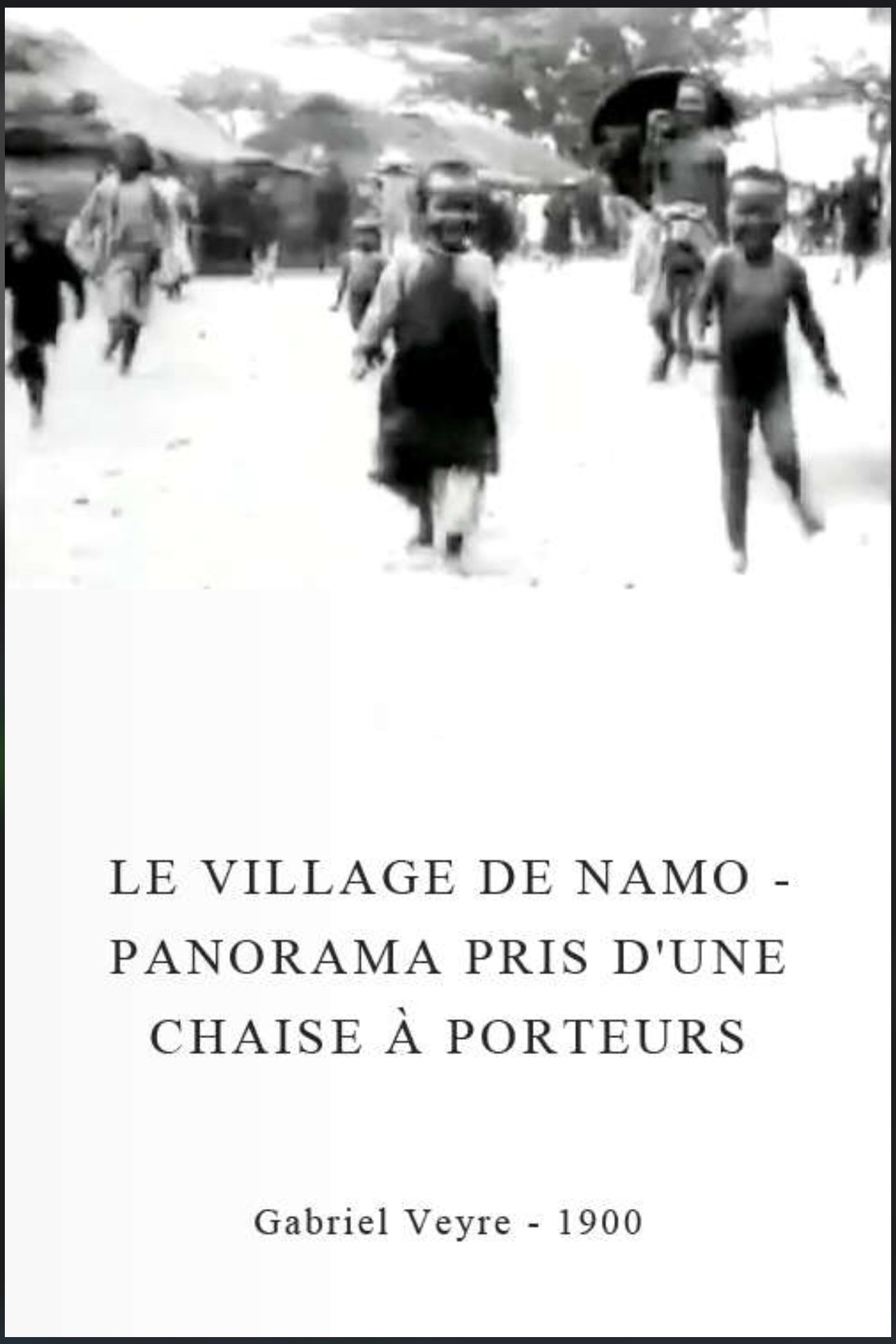
The film is a panorama shot-scene lasting just under a minute. The panorama film, as coined by Lumière, is a moving-camera shot--usually accomplished by placing the camera on a moving transport, such as a boat or train.
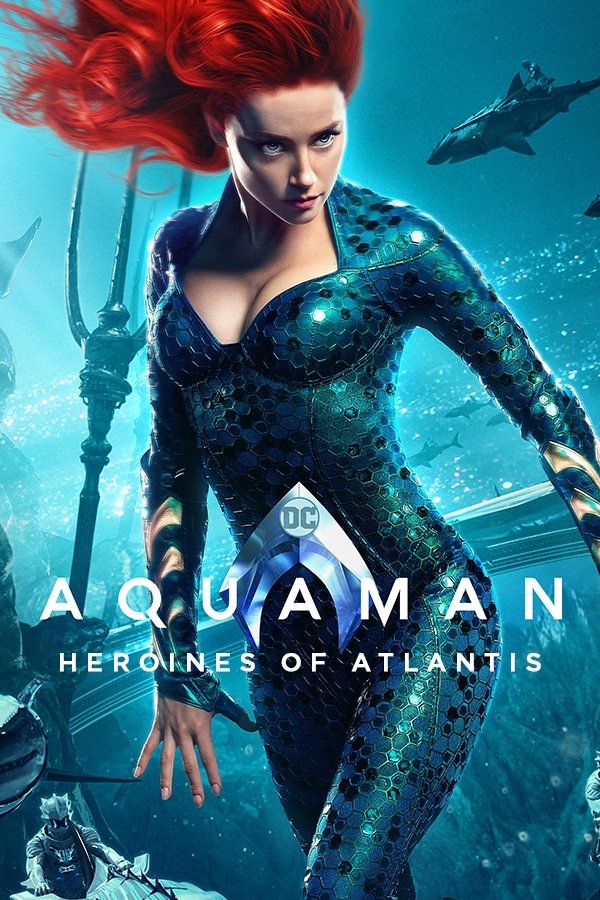
Amber Heard and Nicole Kidman discuss their characters Mera and Atlanna.
Since the late 18th century American legal decision that the business corporation organizational model is legally a person, it has become a dominant economic, political and social force around the globe. This film takes an in-depth psychological examination of the organization model through various case studies. What the study illustrates is that in the its behaviour, this type of "person" typically acts like a dangerously destructive psychopath without conscience. Furthermore, we see the profound threat this psychopath has for our world and our future, but also how the people with courage, intelligence and determination can do to stop it.
Director Michael Apted revisits the same group of British-born adults after a 7 year wait. The subjects are interviewed as to the changes that have occurred in their lives during the last seven years.
While in San Francisco for the promotion of her last film in October 1967, Agnès Varda, tipped by her friend Tom Luddy, gets to know a relative she had never heard of before, Jean Varda, nicknamed "Yanco". This hitherto unknown uncle lives on a boat in Sausalito, is a painter, has adopted a hippie lifestyle and loves life. The meeting is a very happy one.