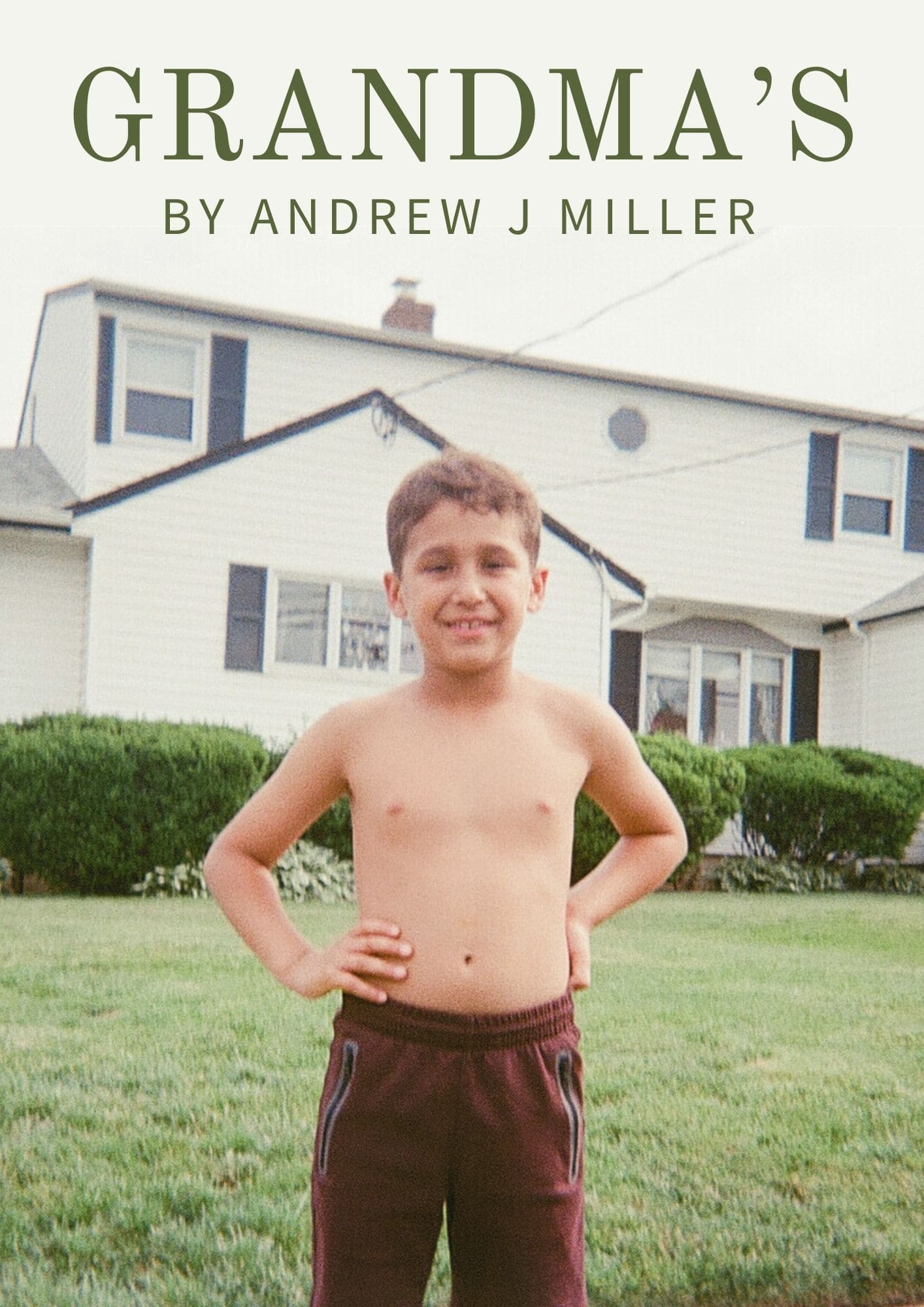
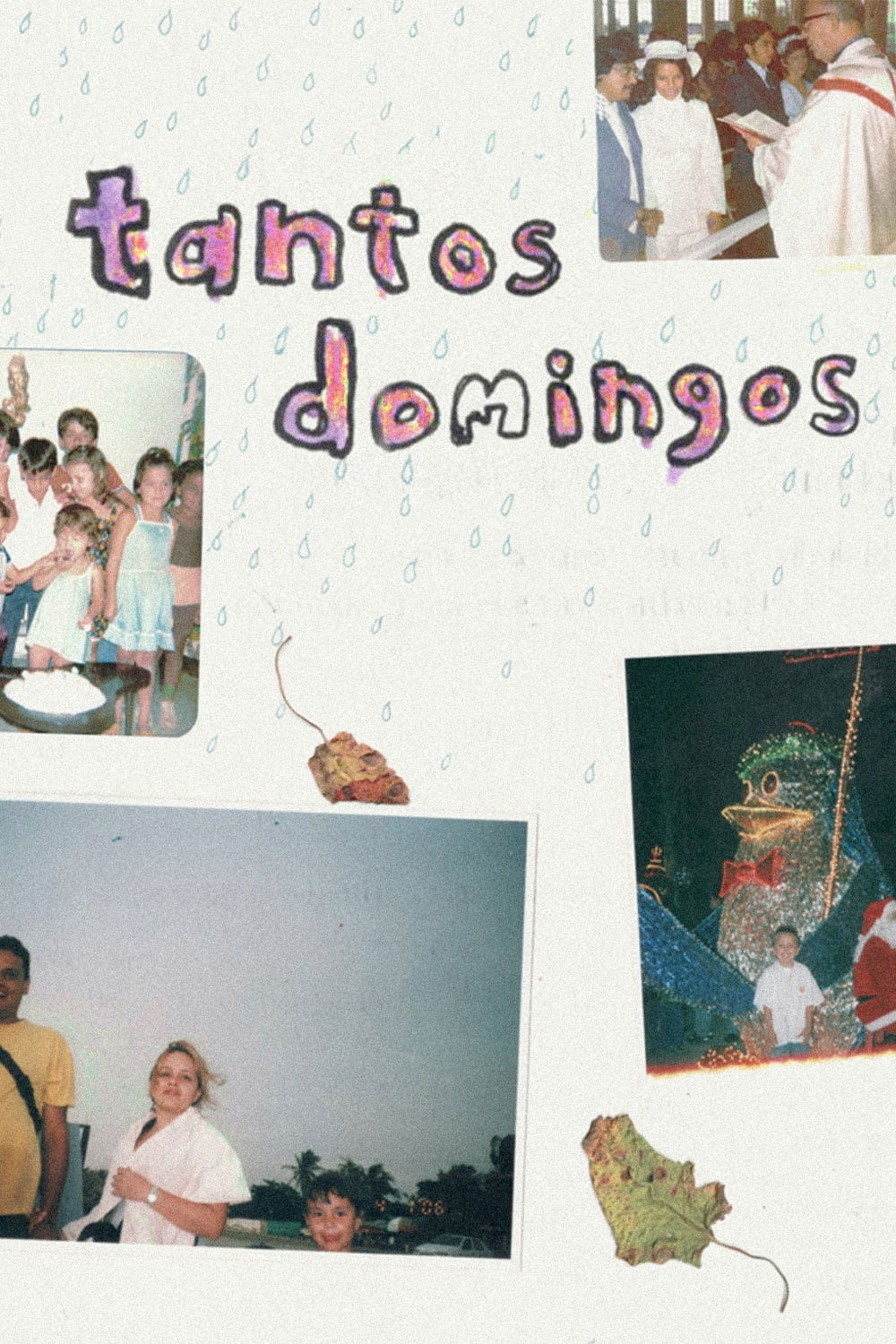
A staged birthday celebration and a visit to the director’s father’s home. From the interplay of memory and imagination, the film explores how family archives shape fictions of the past.
Social & External

Janete
Edilia
The film follows Yudale, a religious youth from the settlements, as he experiences a crisis of faith. As he receives a camera from Michal, a Tel Aviv director who teaches him how to film, Yehuda documents his life on the line between the settlement Tko’a and Tel Aviv: his final conversations with his dying father—Rabbi Menachem Fruman– their joint study, and saying goodbye to him. When his father dies, Yehuda chooses to take off his kippah. During the year of mourning, he continues to document his life outside the religious world: exploring Tel Aviv, talking to Michal, and his new perspective on his family and their way of life. Elisheva, a newly observant Jew orphaned from her mother, comes into his life as a soul mate exactly at the moment when he loses hope of finding his way.
In this 21st century, under the cloak of capitalism, governments, and other systems by which society is governed, this short film shows the true social reality of many people “on the street”.
By reversing the image of the burning and destruction of Chinese-Indonesian homes and cultures in the May 1998 tragedy, the filmmaker documents a funeral and cremation she conducted in response to the ethnic hatred that was still being discussed 20 years after the 1998 atrocities. Can memories be erased? What can we choose to forget? What continues to haunt us?
Ten years after the death of iconic French filmmaker, Chris Marker. A filmmaker, hoping to rediscover that unique sensibility against the uncertainty of the new century, returns to the places synonymous with those incomparable and unforgettable films-- From the cat cemetery of Sans Soleil, to the mausoleum of The Last Bolshevik; The caves of Level Five to the rooftops of The Case of the Grinning Cat. A biographical portrait of one of the 20th century's greatest and most misunderstood filmmakers.
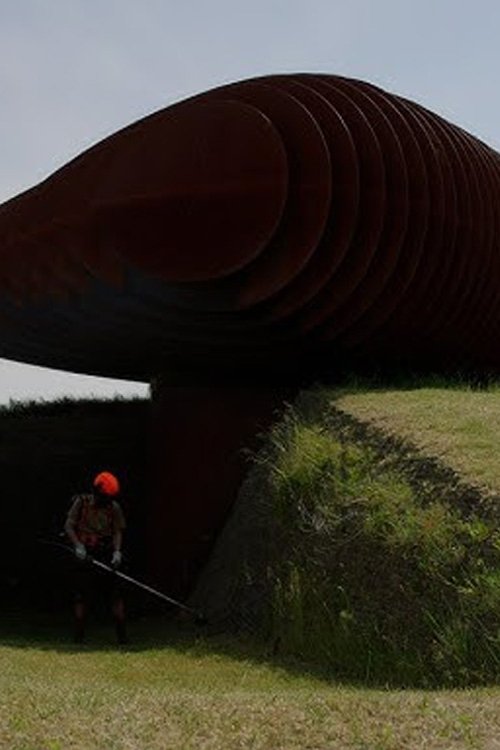
X-ray images were invented in 1895, the same year in which the Lumière brothers presented their respective invention in what today is considered to be the first cinema screening. Thus, both cinema and radiography fall within the scopic regime inaugurated by modernity. The use of X-rays on two sculptures from the Bilbao Fine Arts Museum generates images that reveal certain elements of them that would otherwise be invisible to our eyes. These images, despite being generally created for technical or scientific purposes, seem to produce a certain form of 'photogénie': they lend the radiographed objects a new appearance that lies somewhere between the material and the ethereal, endowing them with a vaporous and spectral quality. It is not by chance that physics and phantasmagoria share the term 'spectrum' in their vocabulary.
Jone is ready to fly. She finds herself at the beginning of something new, but before she moves on, there needs to be a closure. Jone is one of Mollies, the queer-feminist collective that had been living for a decade at a trailer park next to Ostkreuz, Berlin.
In Uganda, AIDS-infected mothers have begun writing what they call Memory Books for their children. Aware of the illness, it is a way for the family to come to terms with the inevitable death that it faces. Hopelessness and desperation are confronted through the collaborative effort of remembering and recording, a process that inspires unexpected strength and even solace in the face of death.
7-year-old Sasha has always known that she is a girl. Sasha’s family has recently accepted her gender identity, embracing their daughter for who she truly is while working to confront outdated norms and find affirmation in a small community of rural France.
Archive footage from 2006 - 2010 of a young girl growing up during the ages of four to eight. Only fragments of what is remembered exists. Words from a transgender man float to the surface as fleeting memories go on.
Experimental documentary that poetically exposes the reality of public transport in the city of Curitiba.
An Austrian director followed five successful African music and dance artists with his camera and followed their lives for a year. The artists, from villages in Ghana, Gambia and Congo, were the subjects of Africa! Africa! touring across Europe, but they have unbreakable roots to their homeland and their families. Schmiderer lovingly portrays his heroes, who tell their stories about themselves, their art and what it means to them to be African with captivating honesty. The interviews are interwoven with dance scenes and colourful vignettes set to authentic music.
SauAcker depicts the obstacles faced by Philipp, a young farmer determined to modernize his father's old-fashioned farm. His motto is "I'll do it my way". Philipp is fully committed and is even risking his relationship to attain his goals. The documentary paints a funny and charming picture of the two wayward heroes and presents an entertaining angle on the realities of contemporary society.
A family gathering around what used to be an everyday activity.
In the remote village of El Echo that exists outside of time, the children care for the sheep and their elders. While the frost and drought punish the land, they learn to understand death, illness and love with each act, word and silence of their parents. A story about the echo of what clings to the soul, about the certainty of shelter provided by those around us, about rebellion and vertigo in the face of life. About growing up.
On June 11th, 1997, Philippe Kahn created the first camera phone solution to share pictures instantly on public networks. The impetus for this invention was the birth of Kahn's daughter, when he jerry-rigged a mobile phone with a digital camera and sent photos in real time. In 2016 Time Magazine included Kahn's first camera phone photo in their list of the 100 most influential photos of all time.
"My mother is spending all her time with her dying father. I’m spending all my time filming her. As the end is getting closer, my mother and I start doing the filming more and more together. It becomes our way of dealing with the time we have left." —Marius Dybwad Brandrud
Un germà explores the emotional and physical distance between two brothers, through archival footage and present-day material, the film blends past and present to show the difficulties they face in reconnecting.
An interconnected look at tradition, colonialism, property, faith, and science, as seen through labor practices that link an endangered salamander, mass-produced apples, and the evolving fields of genomics and machine learning.
Two elderly sisters share the delicate art of making traditional Hungarian strudel and reveal a deeply personal family story about their mother, who taught them everything they know.