Social & External
The people behind it
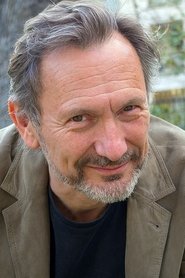
Christian Gonon
Narrator (voice over)
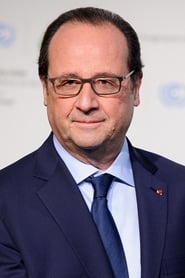
François Hollande
Self : Président de la République (2012-2017)
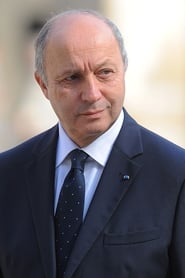
Laurent Fabius
Self : Ministre des Affaires étrangères (2012-2016)
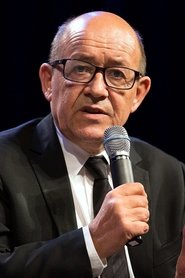
Jean-Yves Le Drian
Self : Ministre des Affaires étrangères (2017-2022)
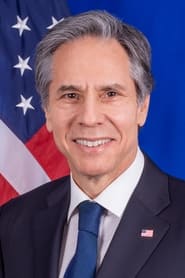
Antony Blinken
Self : Conseiller de Barack Obama (2012-2017)
Vladimir Iakounine
Self : Oligarque proche de Vladimir Poutine, Président de l’Institut DOC
Konstantin Malofeev
Self : Oligarque, proche de Vladimir Poutine
Konstantin Kosachev
Self : Président de la Commission des Affaires étrangères du Parlement russe
John Sipher
Self : Ancien chef d’antenne de la CIA à Moscou
Dmitri Trenin
Self : Directeur du centre Carnegie à Moscou
In an age of revolution, Marie Antoinette and her protector Oscar François de Jarjayes face tough choices as women growing into their distinct roles.
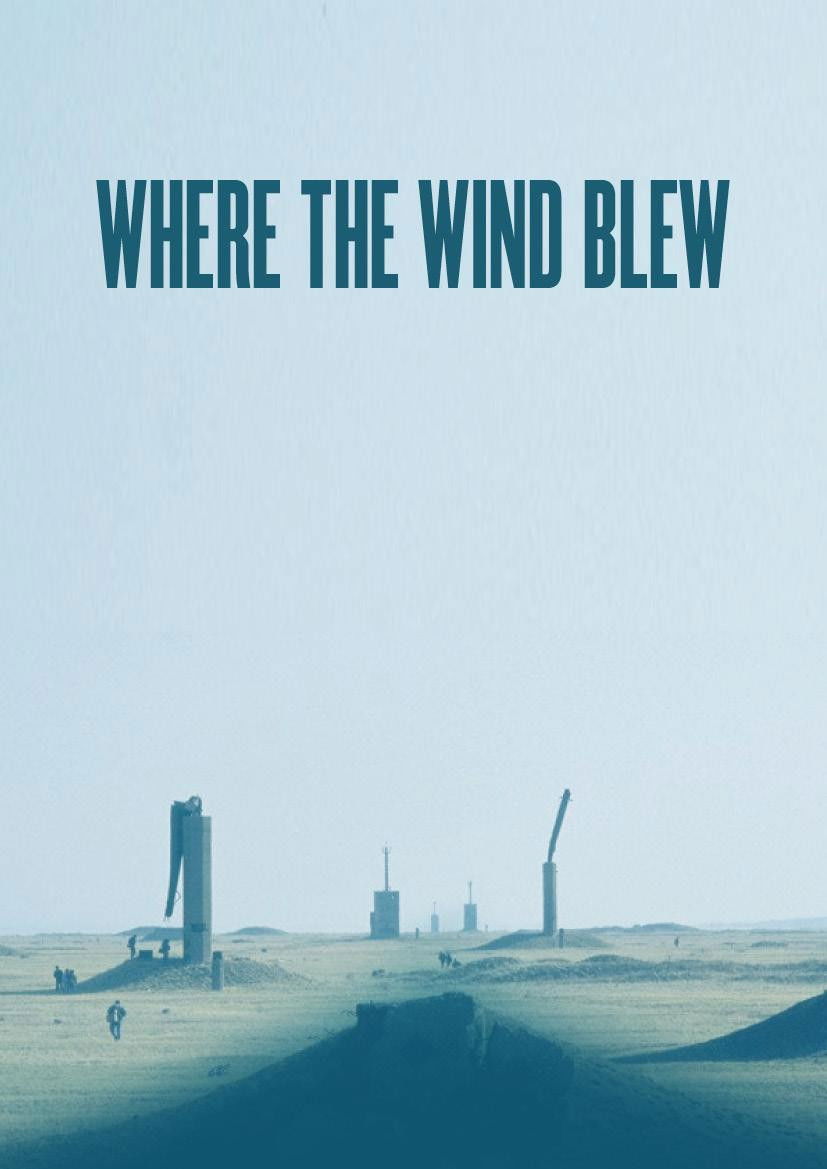
Where the Wind Blew, looks at the legacy of nuclear bomb testing during the Cold War in Kazakhstan (USSR) and Nevada (USA) told through the eyes of the victims, activists and participants.
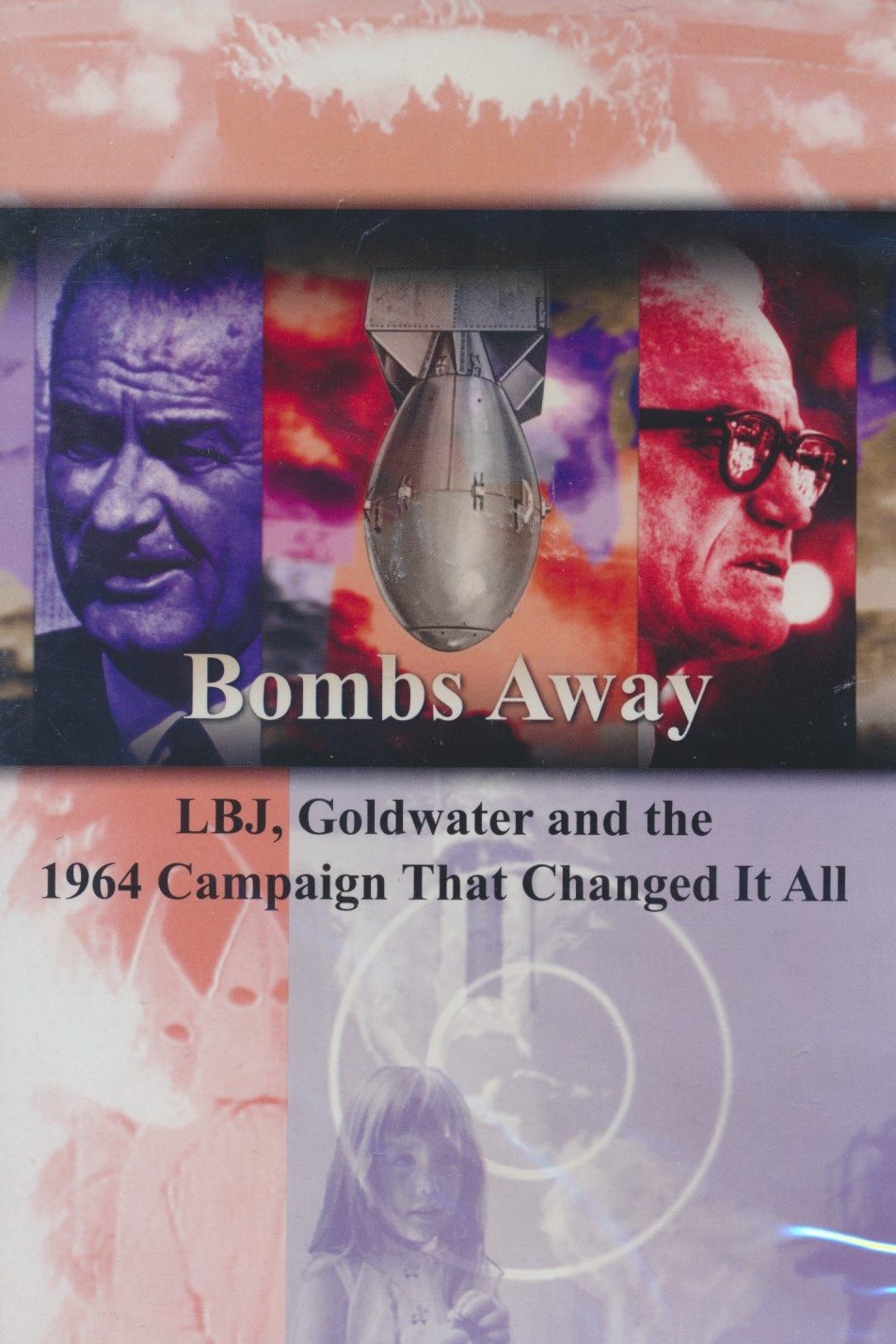
The political ad "Peace Little Girl" aired during the 1964 presidential campaign ushered in a new era of the television attack ad. The campaign also reshaped the American political landscape in other significant ways ultimately ending up with the establishment of the contemporary geopolitical map of red and blue states. Includes interviews with historians and participants in the campaign.
After landing in Normandy, a squad of soldiers are split and must find each other whilst taking back Normandy.
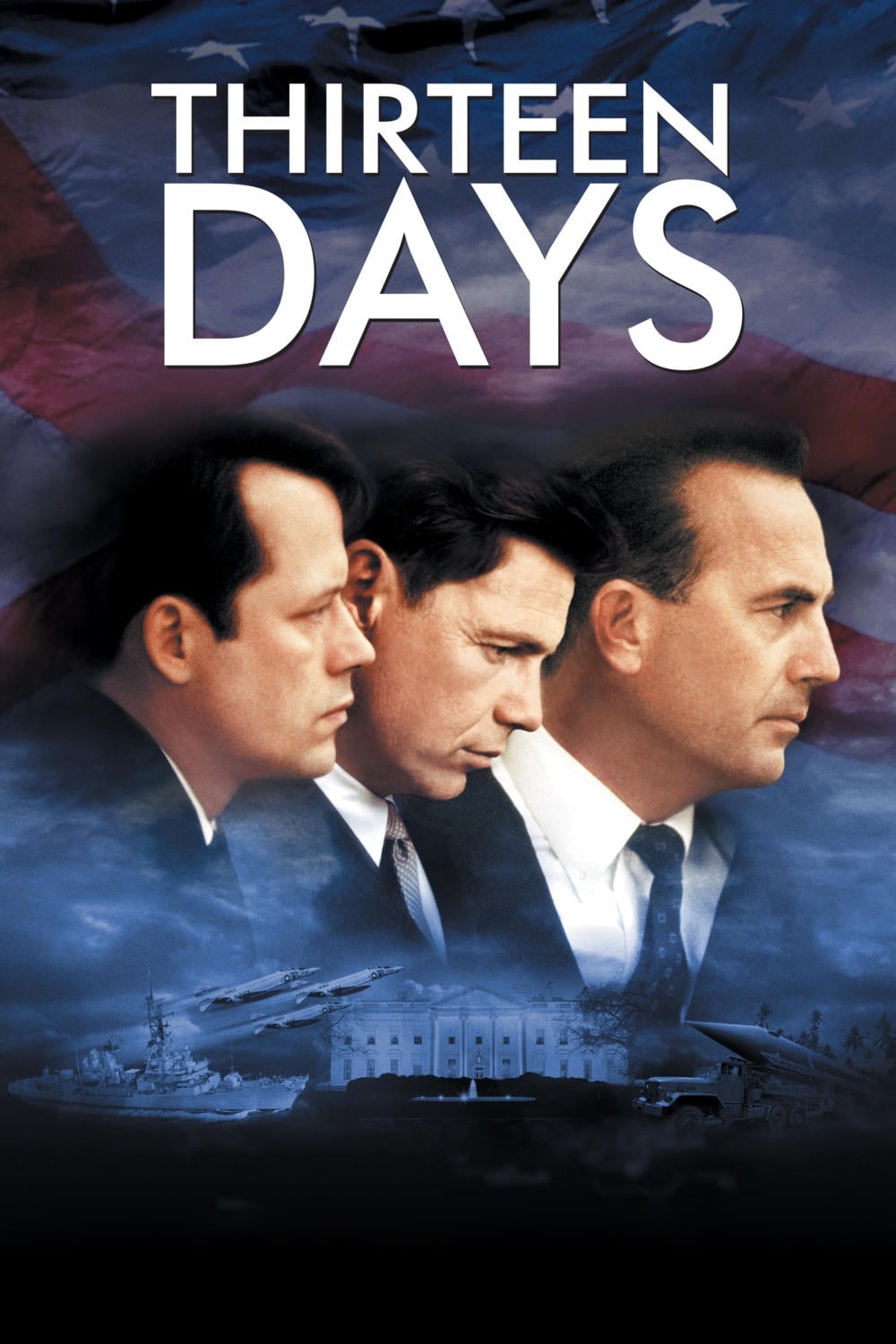
The story of the Cuban Missile Crisis in 1962—the nuclear standoff with the USSR sparked by the discovery by the Americans of missile bases established on the Soviet-allied island of Cuba.
True story of Ashraf Marwan, who was President Nasser's son-in-law and special adviser and confidant to his successor Anwar Sadat - while simultaneously Israeli Intelligence's most precious asset of the 20th century. Based on NYT bestselling book 'The Angel: The Egyptian Spy Who Saved Israel' by Uri Bar-Joseph.
Carne Ross was a government highflyer. A career diplomat who believed Western Democracy could save us all. But working inside the system he came to see its failures, deceits and ulterior motives. He felt at first hand the corruption of power. After the Iraq war Carne became disillusioned, quit his job and started searching for answers.
Over half a century of public service, Valéry Giscard d'Estaing embodied the dream of a united and strong Europe. From the youthful enthusiasm of the 1950s to the disillusionment of the 2005 referendum, his career chronicles an ideal confronted with the realities of power, national resistance, and populist winds. He tirelessly attempted to realize his youthful dream: a United States of Europe.
This documentary celebrates the life of former President Kim Dae-joong, who fought for democracy in South Korea and peace in the Korean Peninsula. It marks the 10th anniversary of his passing and covers his challenging journey, from his childhood on an island to his imprisonment, exile, near-death experiences, and ultimately becoming the president.
In this home movie collection of gay men, memory serves as an act of hope, power, and above all, resilience.
The story of the senior-level preparations for the D-Day invasion on June 6, 1944 from the time of Dwight D. Eisenhower's appointment as the Supreme Allied Commander in Europe, to the establishment of the beachhead in Normandy.
Dance of Deception is a tense political thriller set during the German occupation of Denmark in World War II. Journalist Marylin Rutherford conducts an interview with Frits Clausen, the controversial leader of the Danish pro-Nazi political party. What begins as a formal conversation escalates into a dangerous psychological confrontation, as Marylin hides a motive, and a searing personal loss. The line between truth and performance blurs—until everything shatters in a haunting final twist.
In 2017, podcaster and comedian Ben Kissel ran for Brooklyn Borough President to stand up for his neighborhood. Facing New York City's political establishment, Ben and his team documented the campaign to show that even in the country's largest city, a "tall man for the small man" can make a big difference!
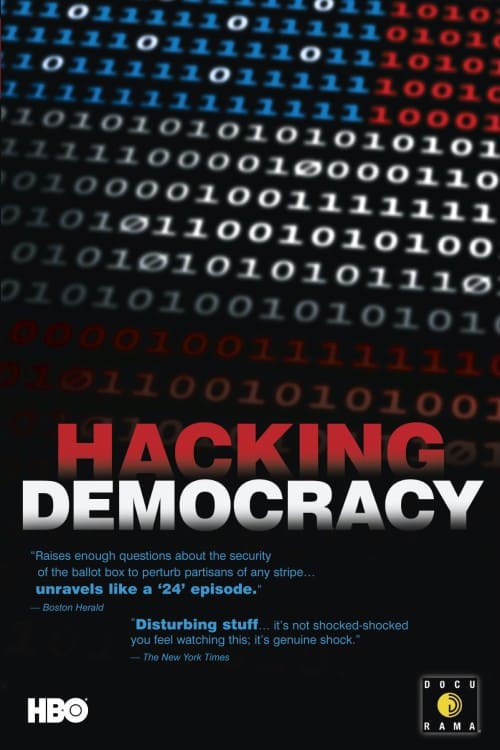
Documentary film investigating allegations of election fraud during the 2004 U.S. presidential election. Electronic voting machines count approximately 90% of America's votes in county, state and federal elections. The technology is also increasingly being used across the world, including in Canada, the United Kingdom, Europe and Latin America. The film uncovers incendiary evidence from the trash cans of Texas to the ballot boxes of Ohio, exposing secrecy, votes in the trash, hackable software and election officials rigging the presidential recount.Ultimately proving our votes can be stolen without a trace "Hacking Democracy" culminates in the famous 'Hursti Hack'; a duel between the Diebold voting machines and a computer hacker from Finland - with America's democracy at stake.
The Blocher Experience tells the story of Switzerland’s most controversial political leader. It also chronicles the face-to-face encounter between a film-maker and a man of power, through a year of exclusive, up-close interviews and access to his private life.
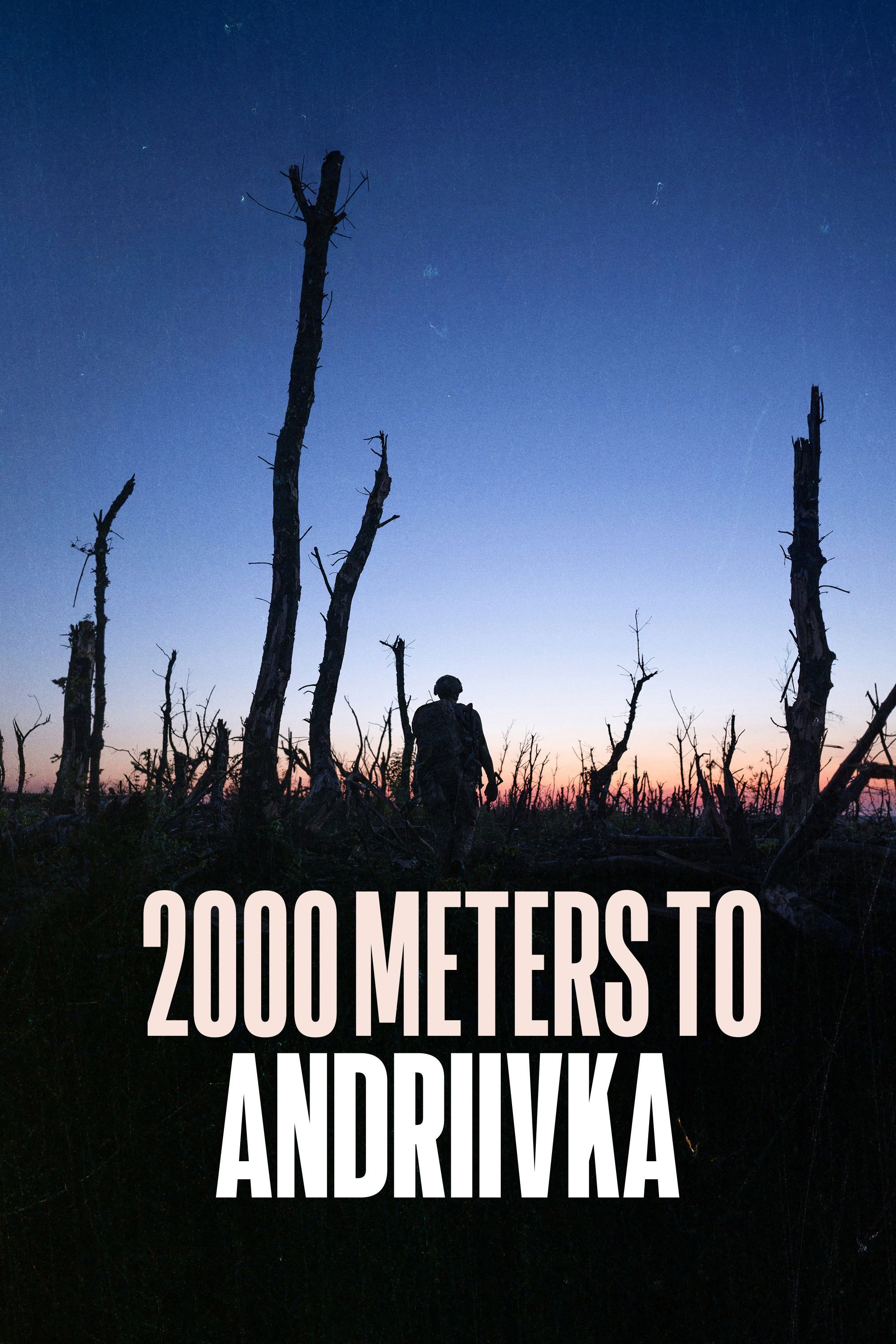
Amid the failing counteroffensive, a journalist follows a Ukrainian platoon on their mission to traverse one mile of heavily fortified forest and liberate a strategic village from Russian occupation. But the farther they advance through their destroyed homeland, the more they realize that this war may never end.
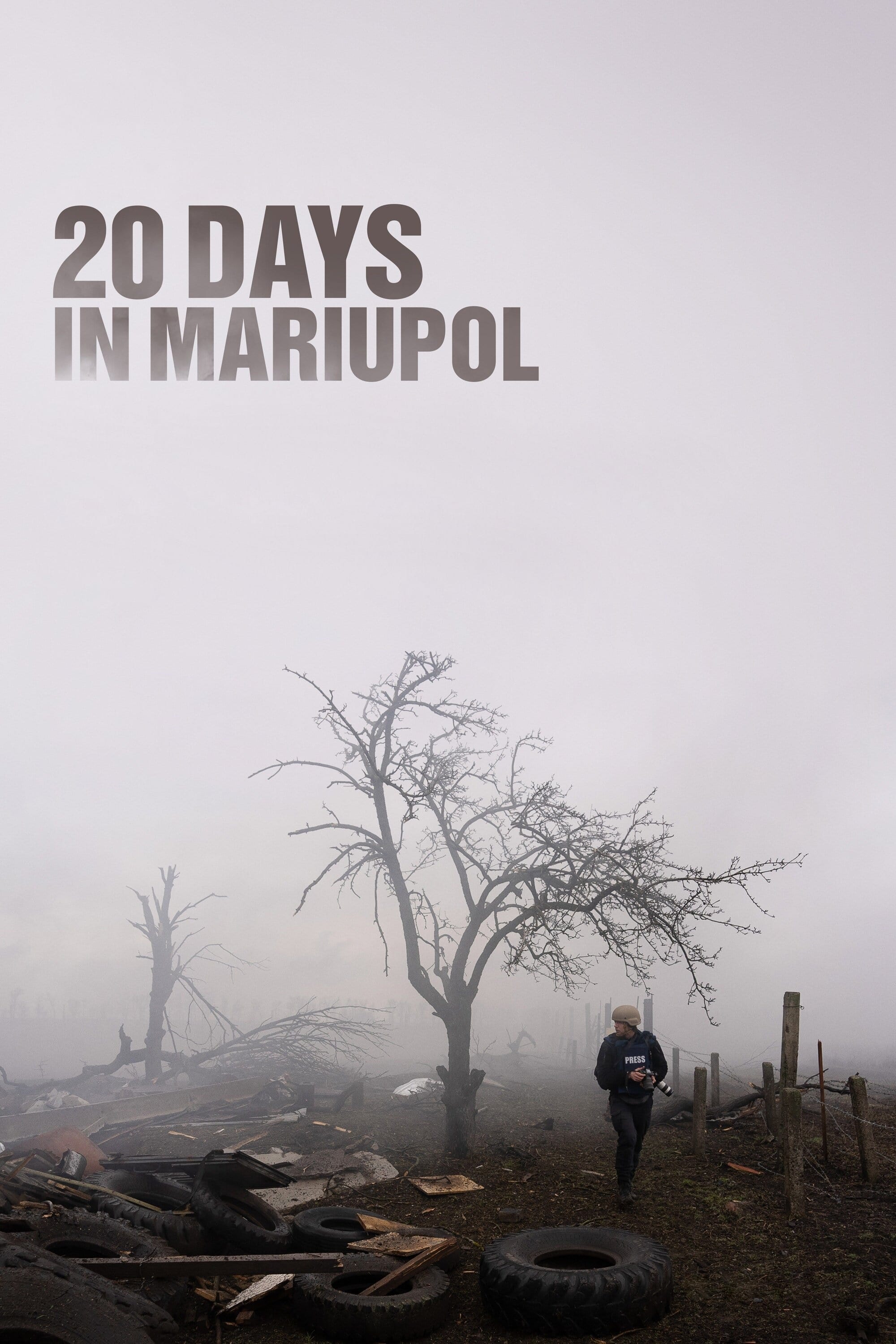
As the Russian invasion begins, a team of Ukrainian journalists trapped in the besieged city of Mariupol struggle to continue their work documenting the war's atrocities.
Prelude to War was the first film of Frank Capra's Why We Fight propaganda film series, commissioned by the Pentagon and George C. Marshall. It was made to convince American troops of the necessity of combating the Axis Powers during World War II. This film examines the differences between democratic and fascist states.
“The Soviet Story” is a story of an Allied power, which helped the Nazis to fight Jews and which slaughtered its own people on an industrial scale. Assisted by the West, this power triumphed on May 9th, 1945. Its crimes were made taboo, and the complete story of Europe’s most murderous regime has never been told. Until now...
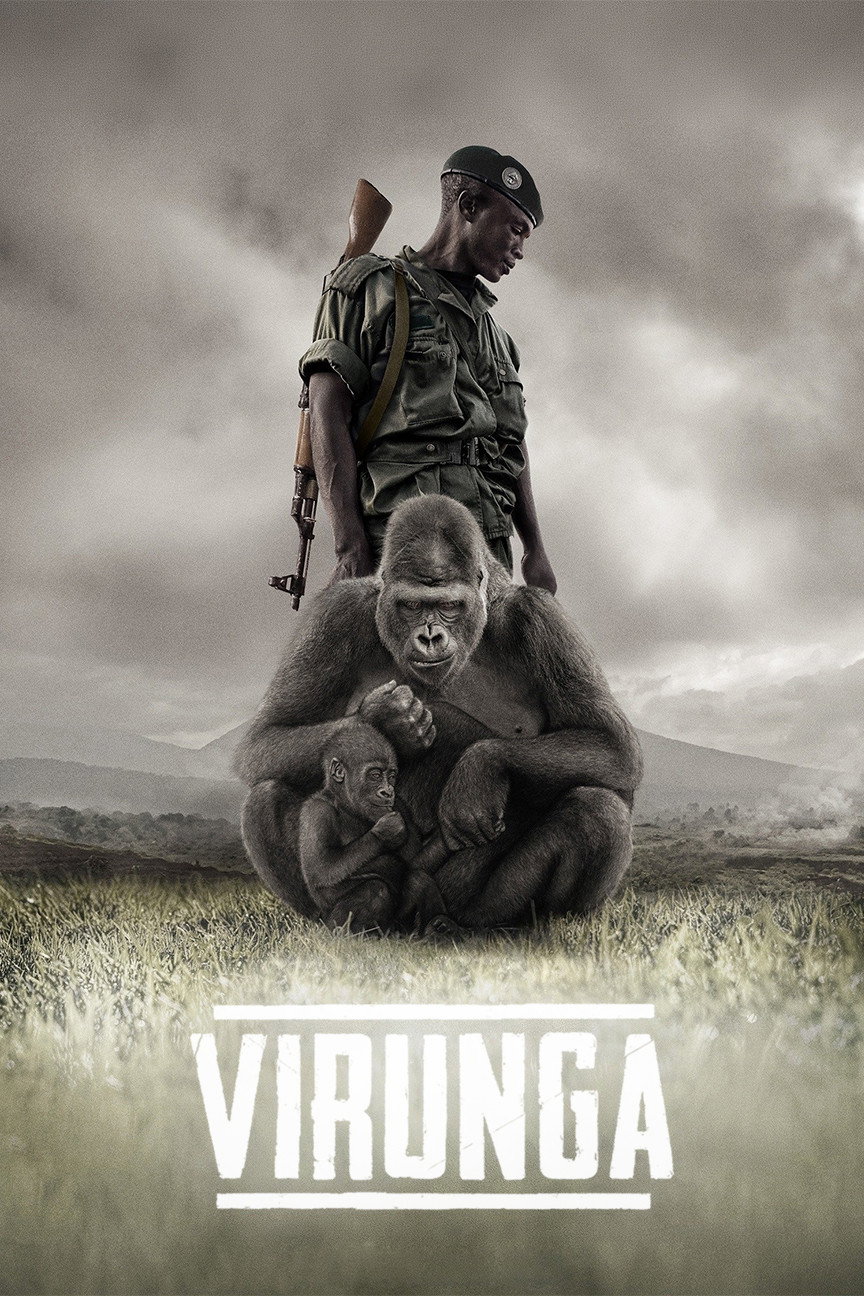
Virunga in the Democratic Republic of the Congo is Africa’s oldest national park, a UNESCO world heritage site, and a contested ground among insurgencies seeking to topple the government that see untold profits in the land. Among this ongoing power struggle, Virunga also happens to be the last natural habitat for the critically endangered mountain gorilla. The only thing standing in the way of the forces closing in around the gorillas: a handful of passionate park rangers and journalists fighting to secure the park’s borders and expose the corruption of its enemies. Filled with shocking footage, and anchored by the surprisingly deep and gentle characters of the gorillas themselves, Virunga is a galvanizing call to action around an ongoing political and environmental crisis in the Congo.
A documentary about World War I with never-before-seen footage to commemorate the centennial of Armistice Day, and the end of the war.
This documentary movie is about the battle of San Pietro, a small village in Italy. Over 1,100 US soldiers were killed while trying to take this location, that blocked the way for the Allied forces from the Germans. Preserved by the Academy Film Archive in 2005.
Over a period of two years, Mark Cowen and his crew travelled to thirty U.S. states and ten European cities, to interview the veterans of Easy Company. The stories told by the veterans themselves, create a history of the Second World War from the point of view of this heroic company of men, made famous in the mini-series Band of Brothers.
Meet the real-life airmen who inspired Masters of the Air as they share the harrowing and transformative events of the 100th Bomb Group.
A love letter from a young mother to her daughter, the film tells the story of Waad al-Kateab’s life through five years of the uprising in Aleppo, Syria as she falls in love, gets married and gives birth to Sama, all while cataclysmic conflict rises around her. Her camera captures incredible stories of loss, laughter and survival as Waad wrestles with an impossible choice– whether or not to flee the city to protect her daughter’s life, when leaving means abandoning the struggle for freedom for which she has already sacrificed so much.
When Sgt. First Class Brian Eisch is critically wounded in Afghanistan, it sets him and his sons on a journey of love, loss, redemption and legacy.
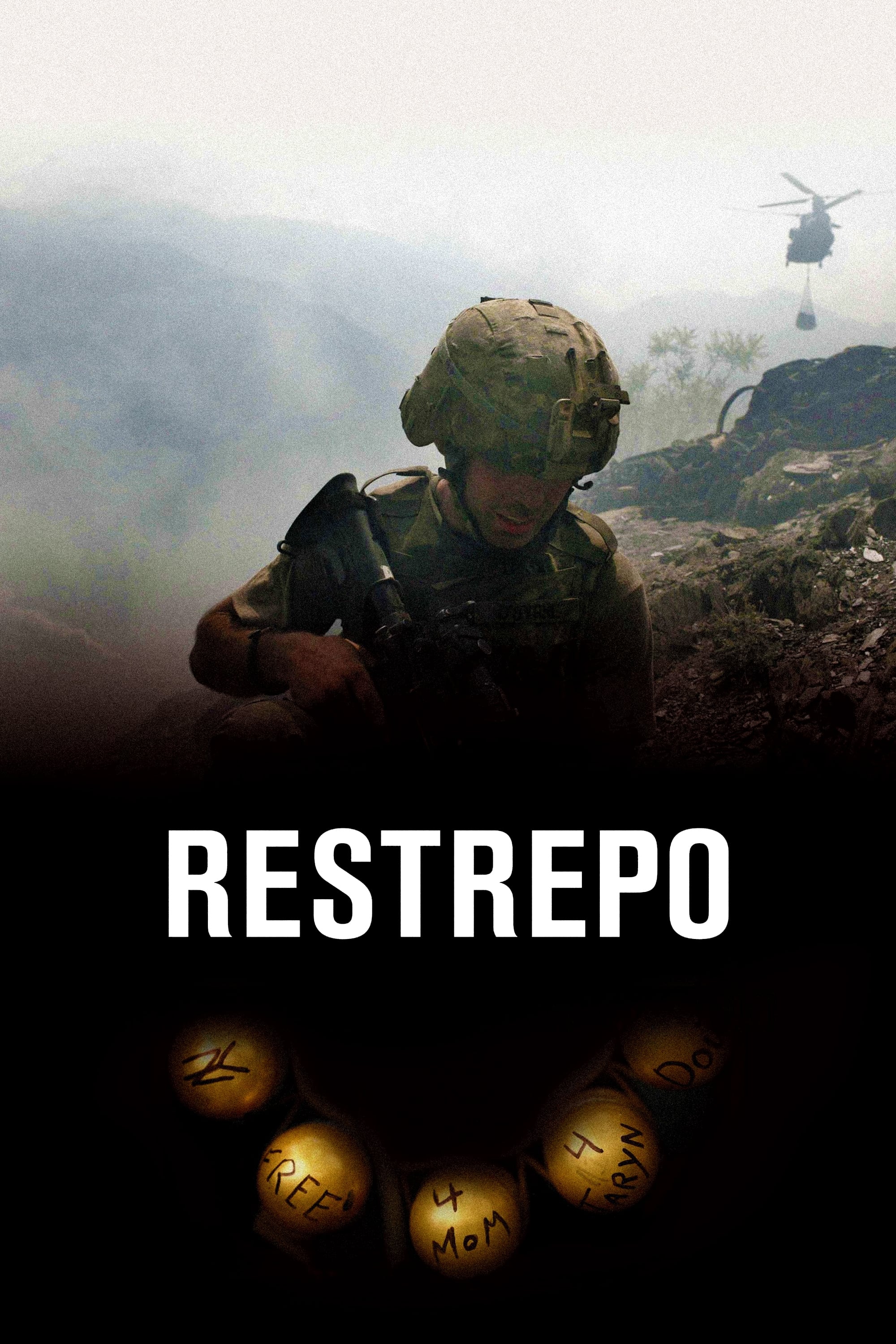
Korengal picks up where Restrepo left off; the same men, the same valley, the same commanders, but a very different look at the experience of war.
Experience the events of September 11, 2001 through the eyes of President Bush and his closest advisors as they personally detail the crucial hours and key decisions from that historic day.
Filmmaker Alain Resnais documents the atrocities behind the walls of Hitler's concentration camps.
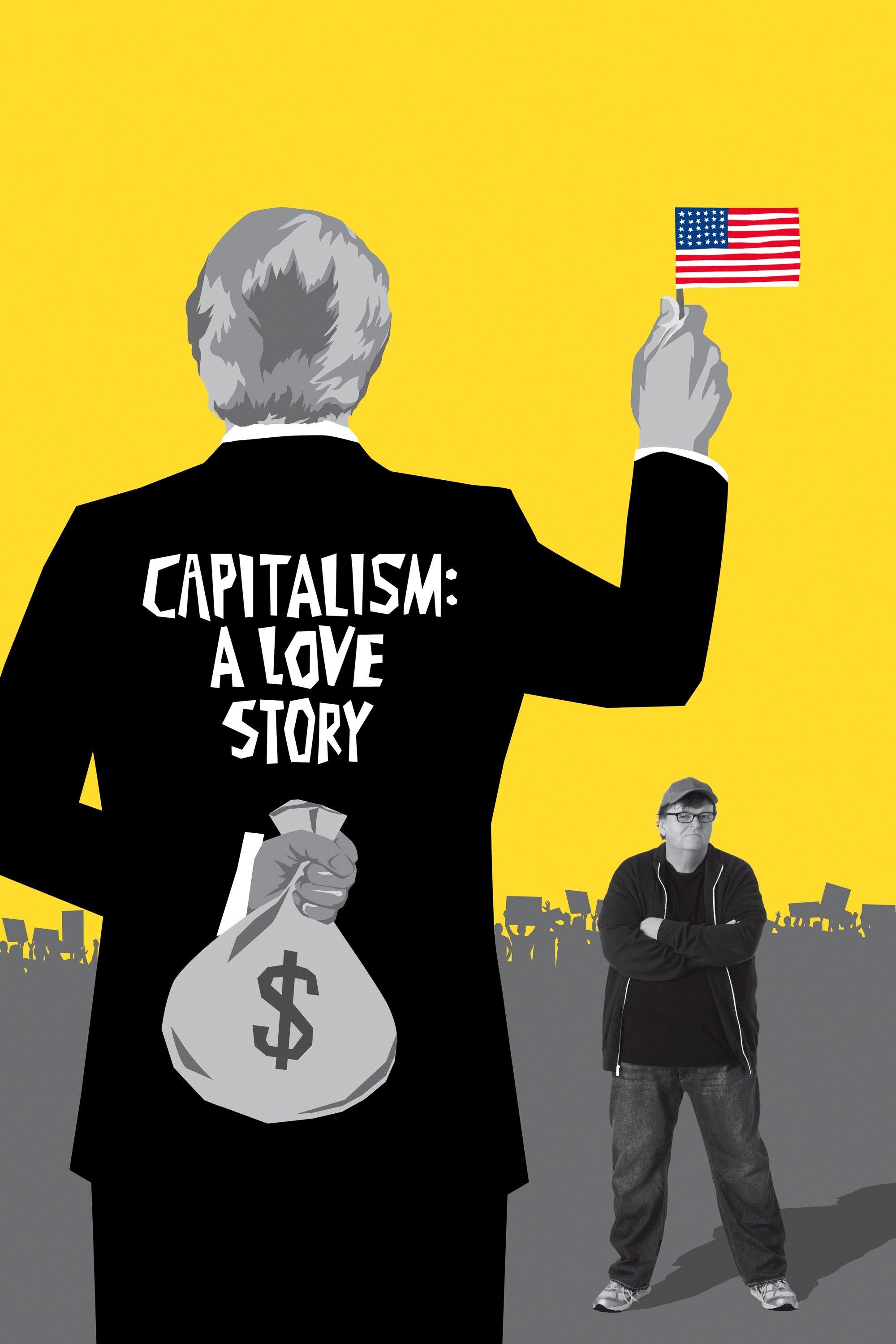
Michael Moore comes home to the issue he's been examining throughout his career: the disastrous impact of corporate dominance on the everyday lives of Americans (and by default, the rest of the world).
Directors Hetherington and Junger spend a year with the 2nd Battalion of the United States Army located in one of Afghanistan's most dangerous valleys. The documentary provides insight and empathy on how to win the battle through hard work, deadly gunfights and mutual friendships while the unit must push back the Taliban.
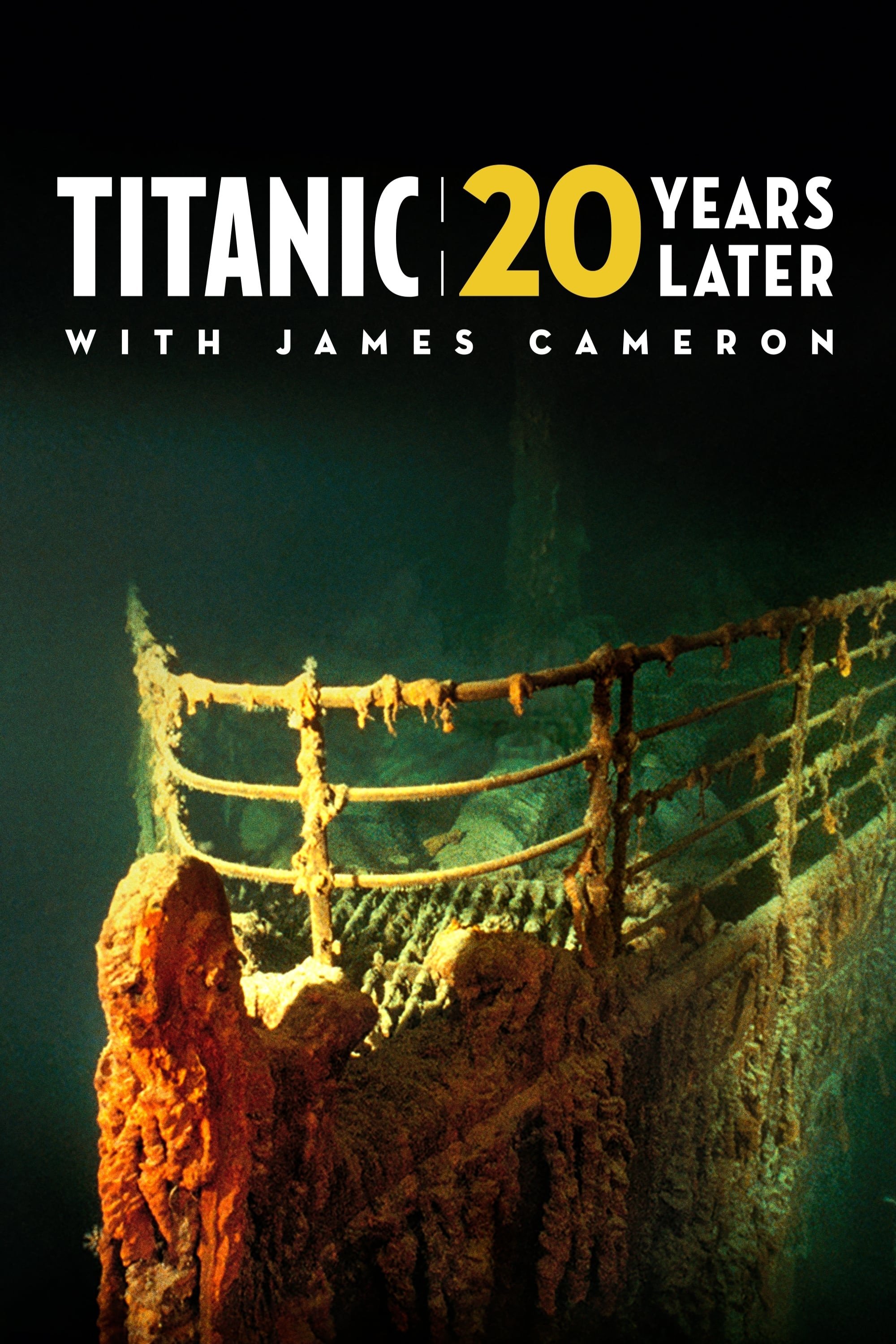
For the 20th anniversary of "Titanic," James Cameron reopens the file on the disaster.
The history of cinematic sound, told by legendary sound designers and visionary filmmakers.
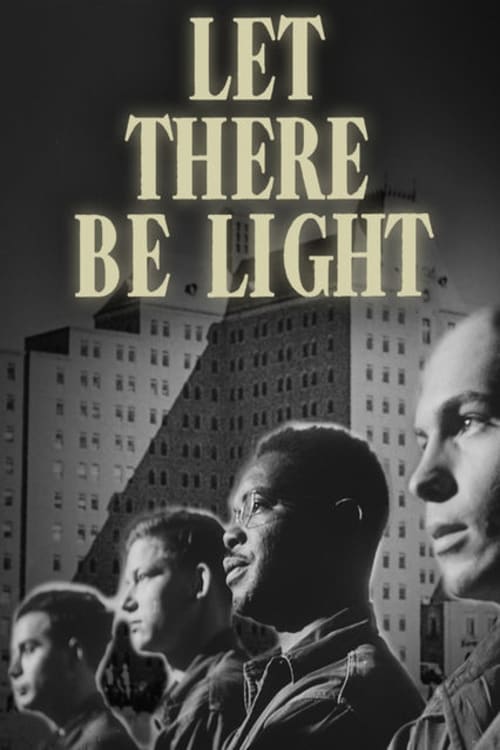
The final entry in a trilogy of films produced for the U.S. government by John Huston. Some returning combat veterans suffer scars that are more psychological than physical. This film follows patients and staff during their treatment. It deals with what would now be called PTSD, but at the time was categorised as psychoneurosis or shell-shock. Government officials deemed this 1946 film counterproductive to postwar efforts; it was not shown publicly until 1981.
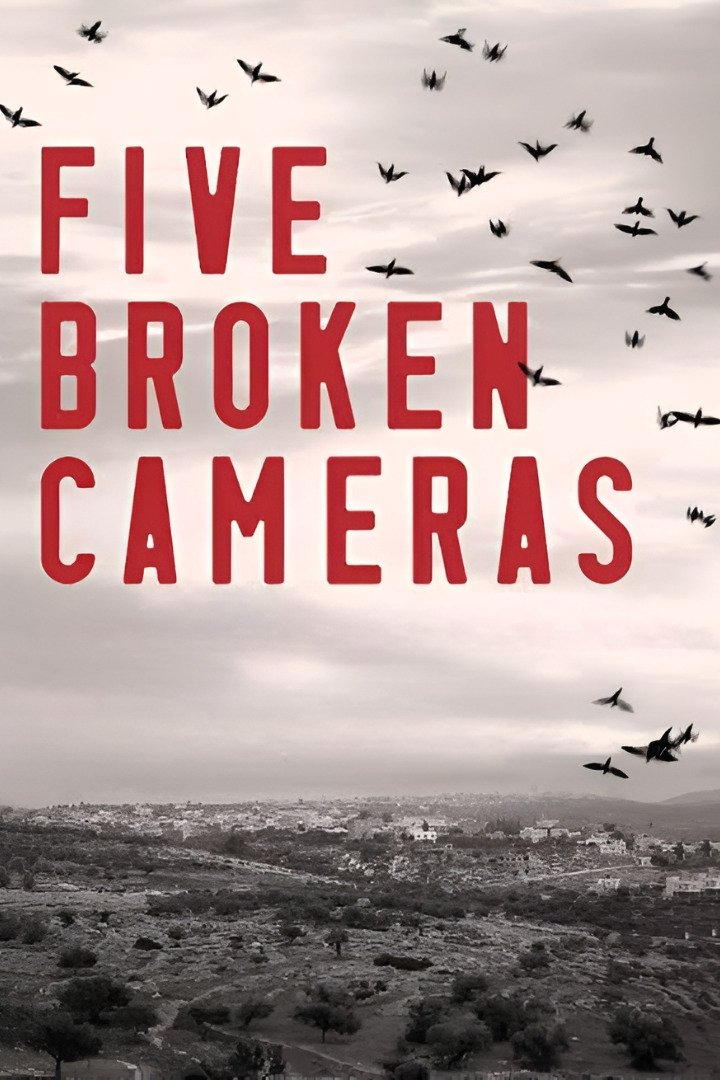
Five broken cameras – and each one has a powerful tale to tell. Embedded in the bullet-ridden remains of digital technology is the story of Emad Burnat, a farmer from the Palestinian village of Bil’in, which famously chose nonviolent resistance when the Israeli army encroached upon its land to make room for Jewish colonists. Emad buys his first camera in 2005 to document the birth of his fourth son, Gibreel. Over the course of the film, he becomes the peaceful archivist of an escalating struggle as olive trees are bulldozed, lives are lost, and a wall is built to segregate burgeoning Israeli settlements.