Social & External
The people behind it
Danilo Rosa
Magali Possenti
Giovanna Mota
Through interspersed conversation and prose, this experimental documentary follows a poet and a neuroscientist as they explore the definition of love, what it means, and why it matters.
From our food, fuel, money, even freedom of speech ... who is really in control? Kevin Stocklin presents his investigation in this eye-opening documentary about ESG (Environmental Social and Governance), a new global alliance affecting everyone's way of life. As a business reporter who has written extensively on ESG issues, he uncomplicates the complicated in this Epoch Original. "The Shadow State" reveals the surprising truth behind the driving force of this global alliance, the multi-trillion dollar ESG industry which unites governments and corporations.
After more than 100 years in business, an Italian family-owned butcher shop that is a staple of South Philadelphia faces a crossroads and an uncertain future.
Amidst the paralysis of downtown São Paulo, the film follows the journey of 5 characters to the same place - a common meeting point. The voices and experiences of each reveal something greater: a new perspective on life, movement and art.
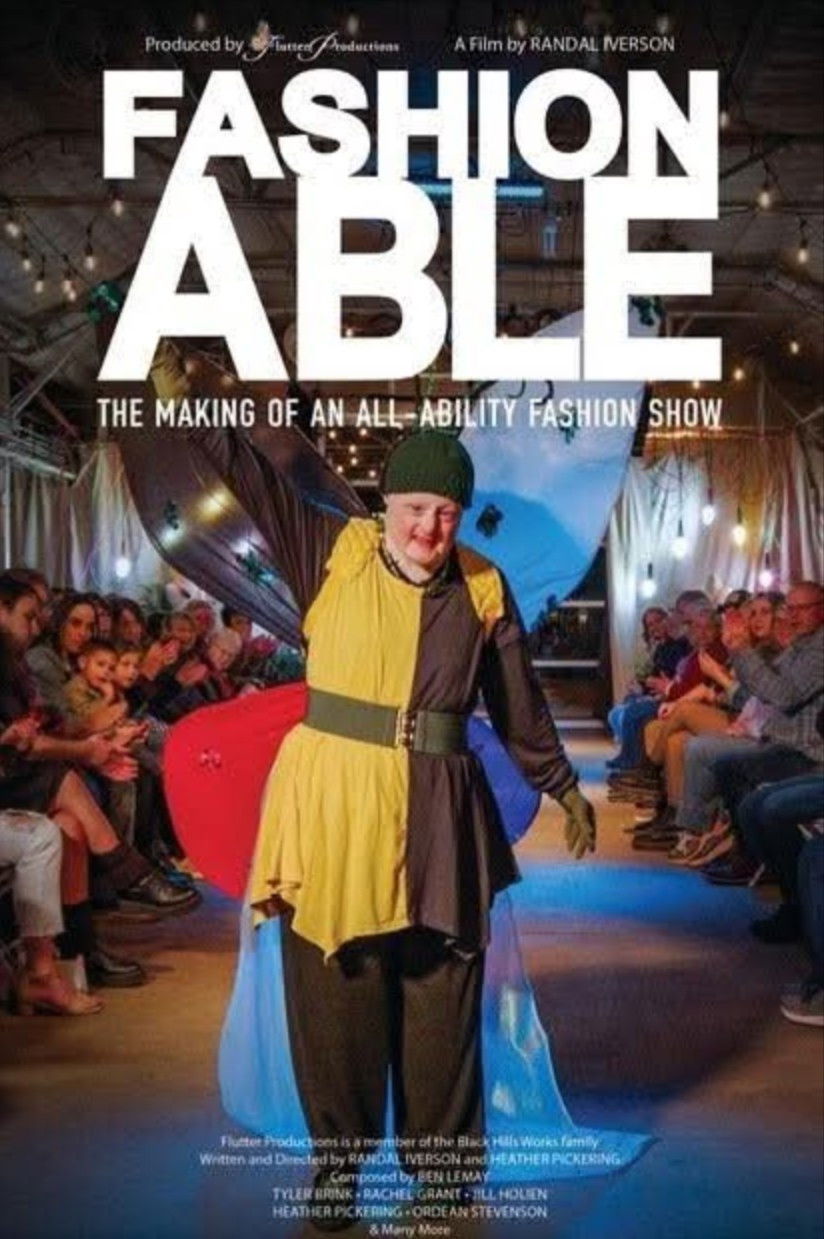
FashionABLE follows 26 designers with various intellectual and physical disabilities that are partnered one-on-one with community volunteers to bring their one-of-a-kind fashion design to life. This intimate glimpse into the lives of several of the designers and the challenged they rise to, illustrates the ability that the arts have to change perceptions and celebrate the human spirit.
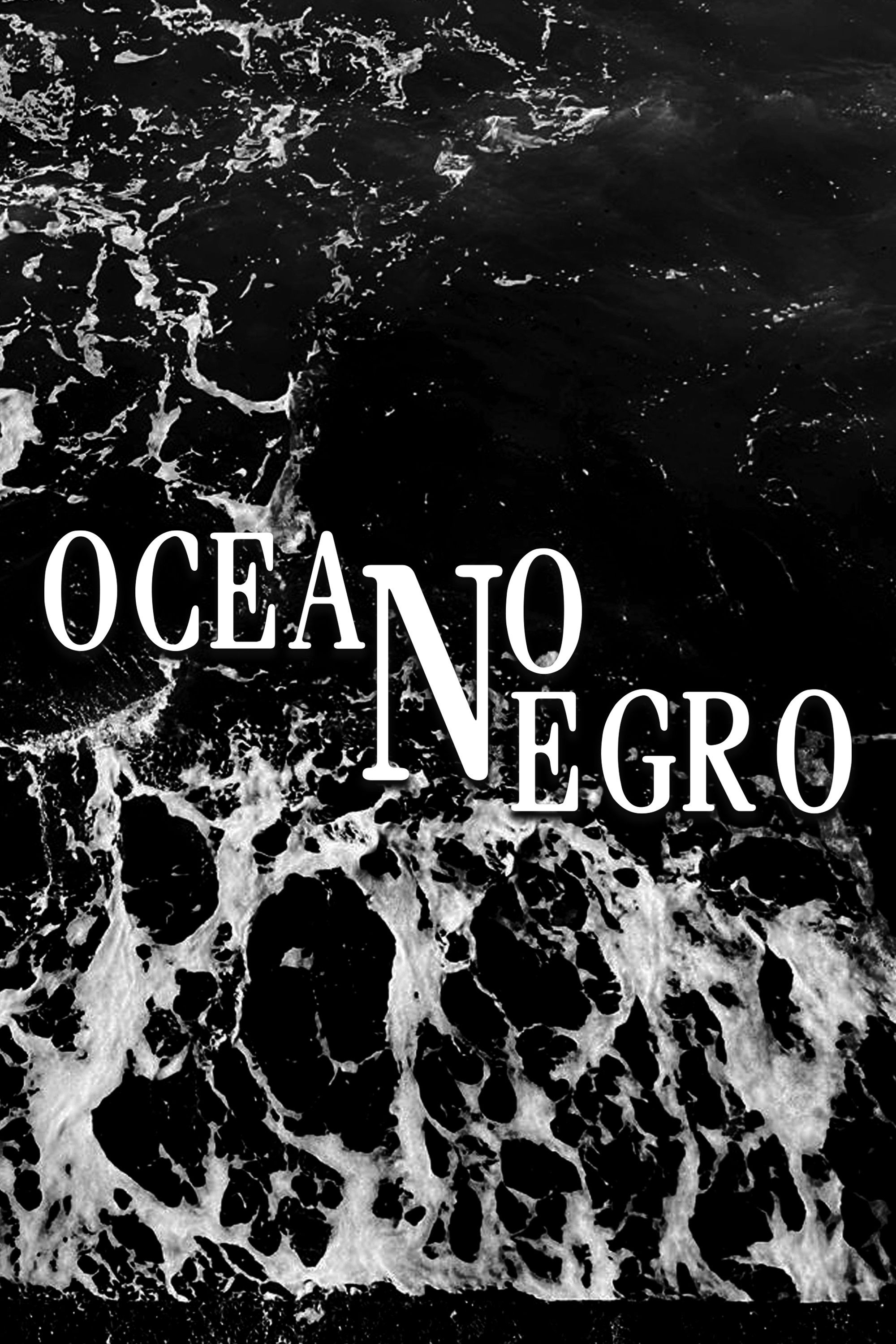
Carlos Carreto, photographer, and María Fernández, painter, join forces to bring forth the exhibition “Océano Negro”. A brief journey not only through their work, but also within themselves. An excuse to talk about water in all its forms and provocations. Rain, clouds, reflections, distortion... everything is water to be shaped with the gaze.
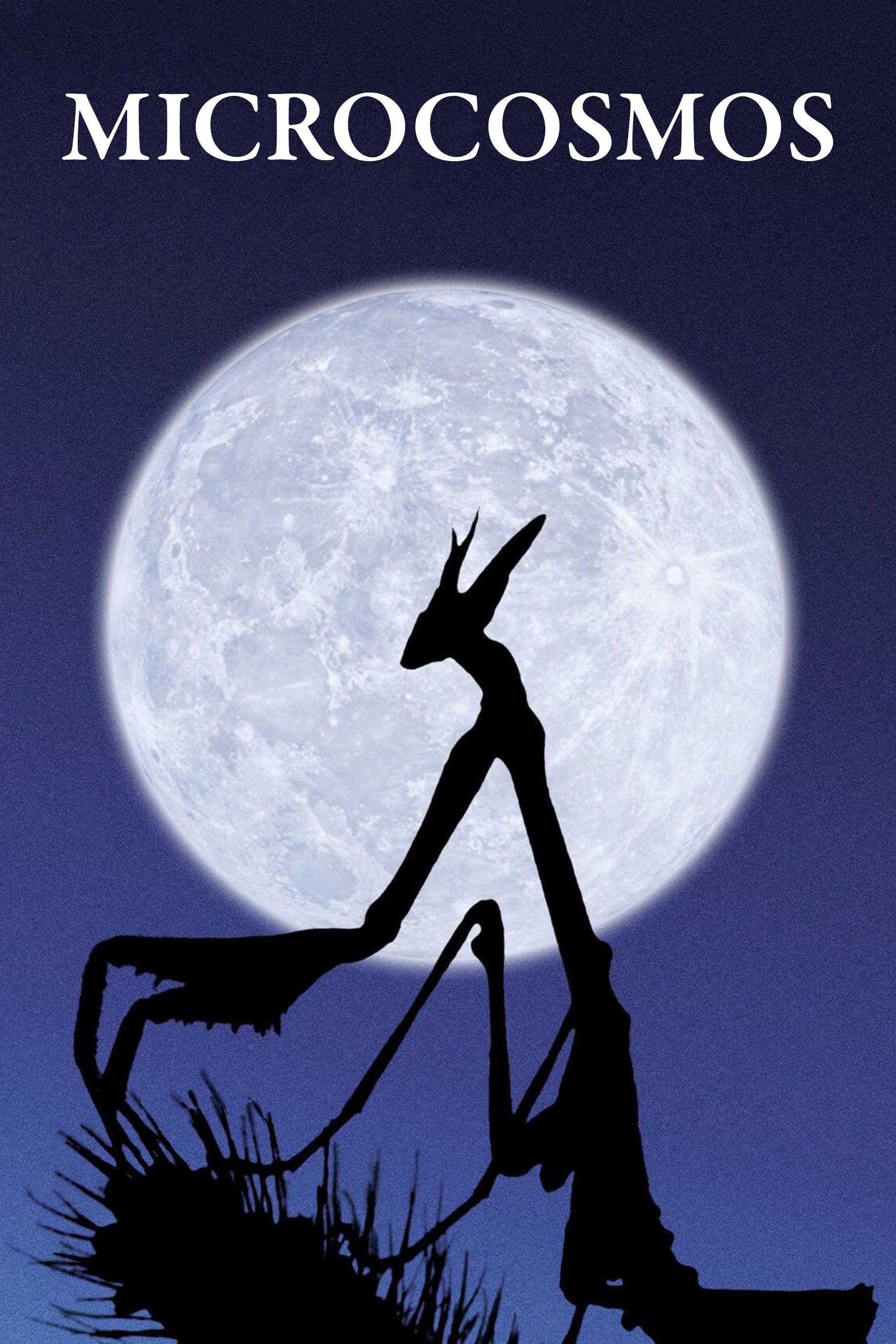
A documentary of insect life in meadows and ponds, using incredible close-ups, slow motion, and time-lapse photography. It includes bees collecting nectar, ladybugs eating mites, snails mating, spiders wrapping their catch, a scarab beetle relentlessly pushing its ball of dung uphill, endless lines of caterpillars, an underwater spider creating an air bubble to live in, and a mosquito hatching.
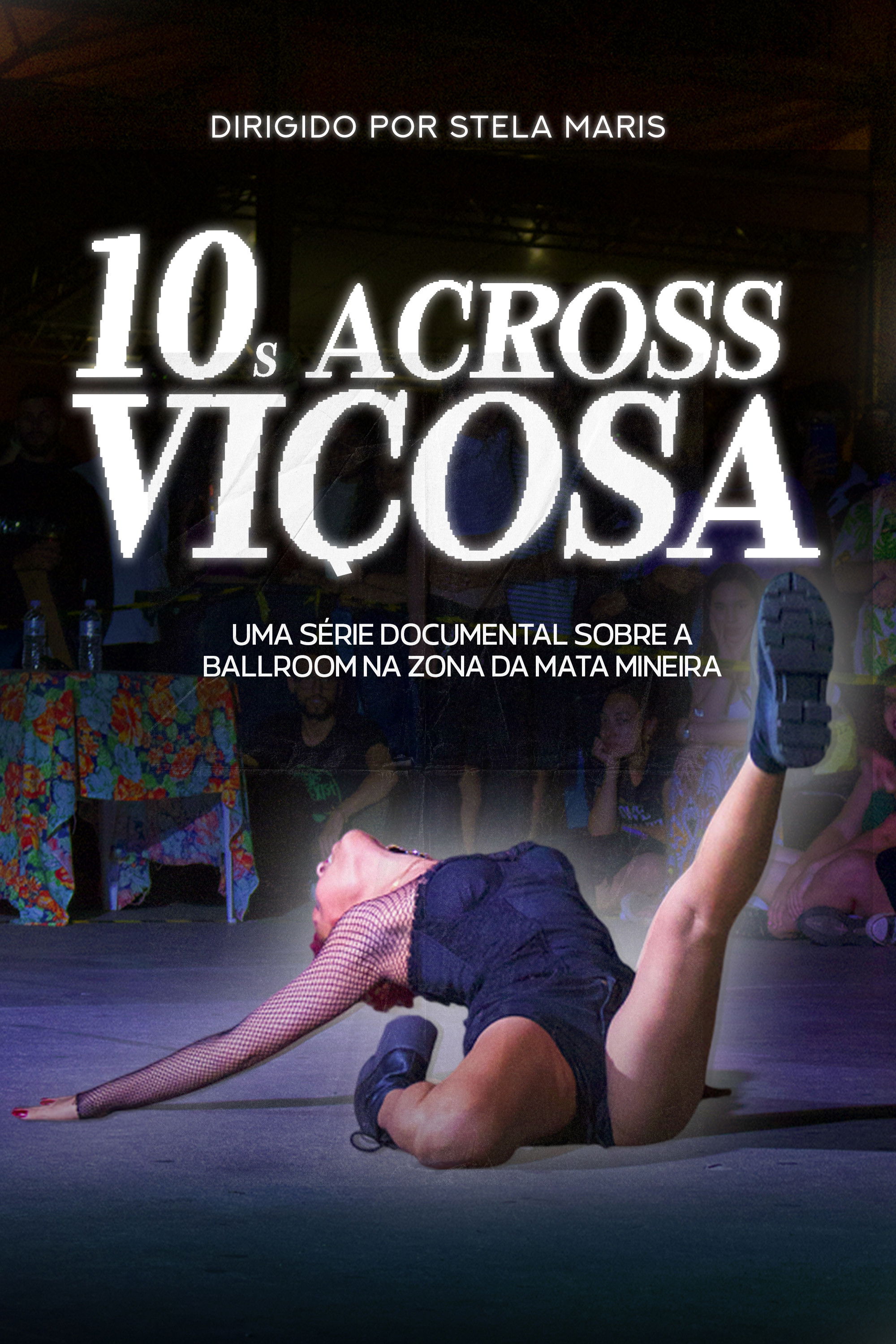
A documentary exploring the vibrant ballroom scene in Viçosa, Minas Gerais. Through the lives of local performers, it highlights how queer, trans, and non-binary communities create spaces of self-expression, creativity, and resilience. The film captures the energy of balls, the art of voguing, and the deep sense of community, while also examining the challenges participants face in a society that often marginalizes them. By documenting this unique subculture, the film celebrates LGBTQ+ identity, pride, and the transformative power of performance in shaping belonging and visibility.
A documentary about three different physical media shop owners "nerding out" about the media that their store specializes in and their thoughts on how one day physical media may become obsolete.
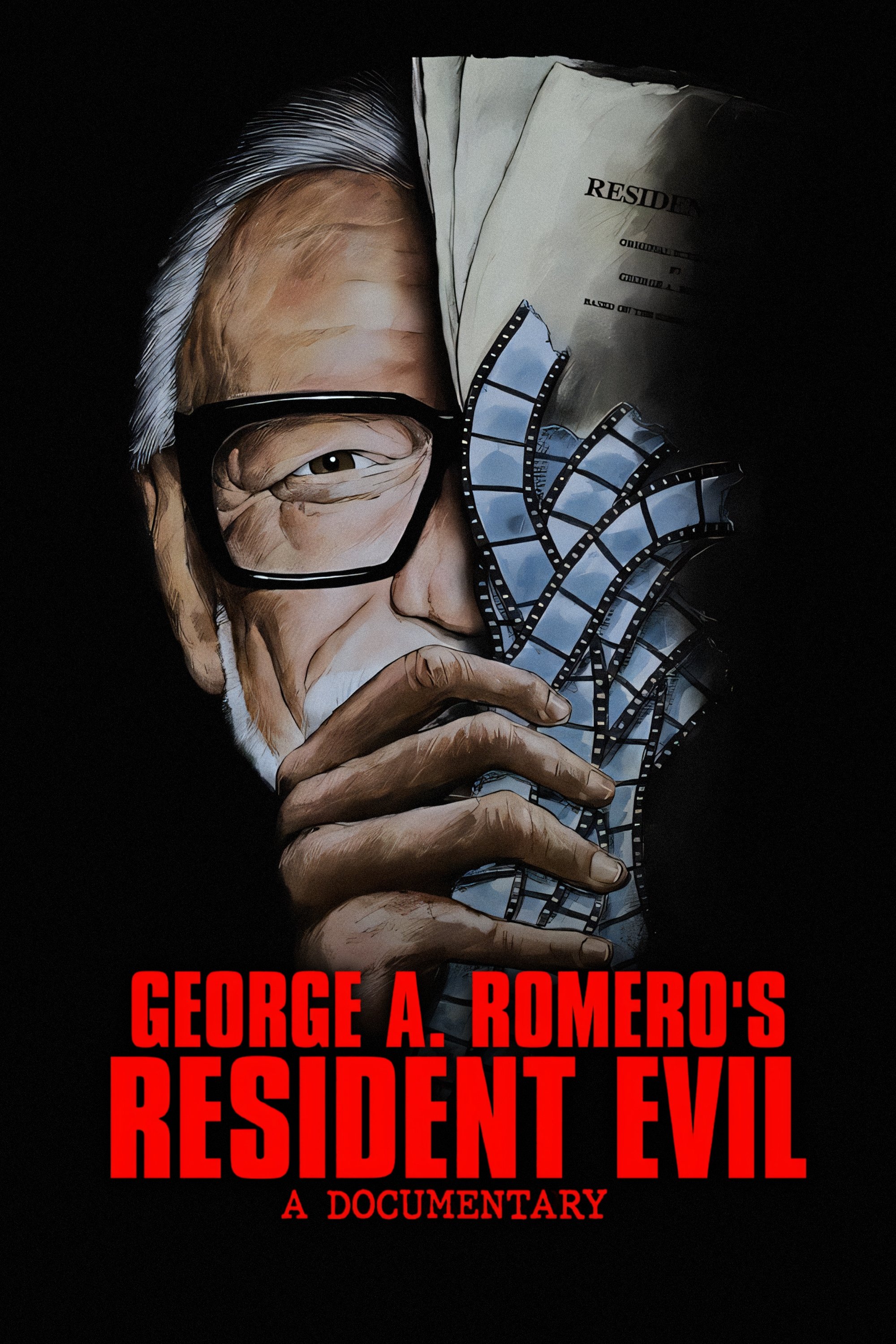
A documentary that brings to light the vision that director George A. Romero had for an adaptation of Resident Evil, using newly filmed interviews with those who were there, and unravels the secrets behind why it was never produced.
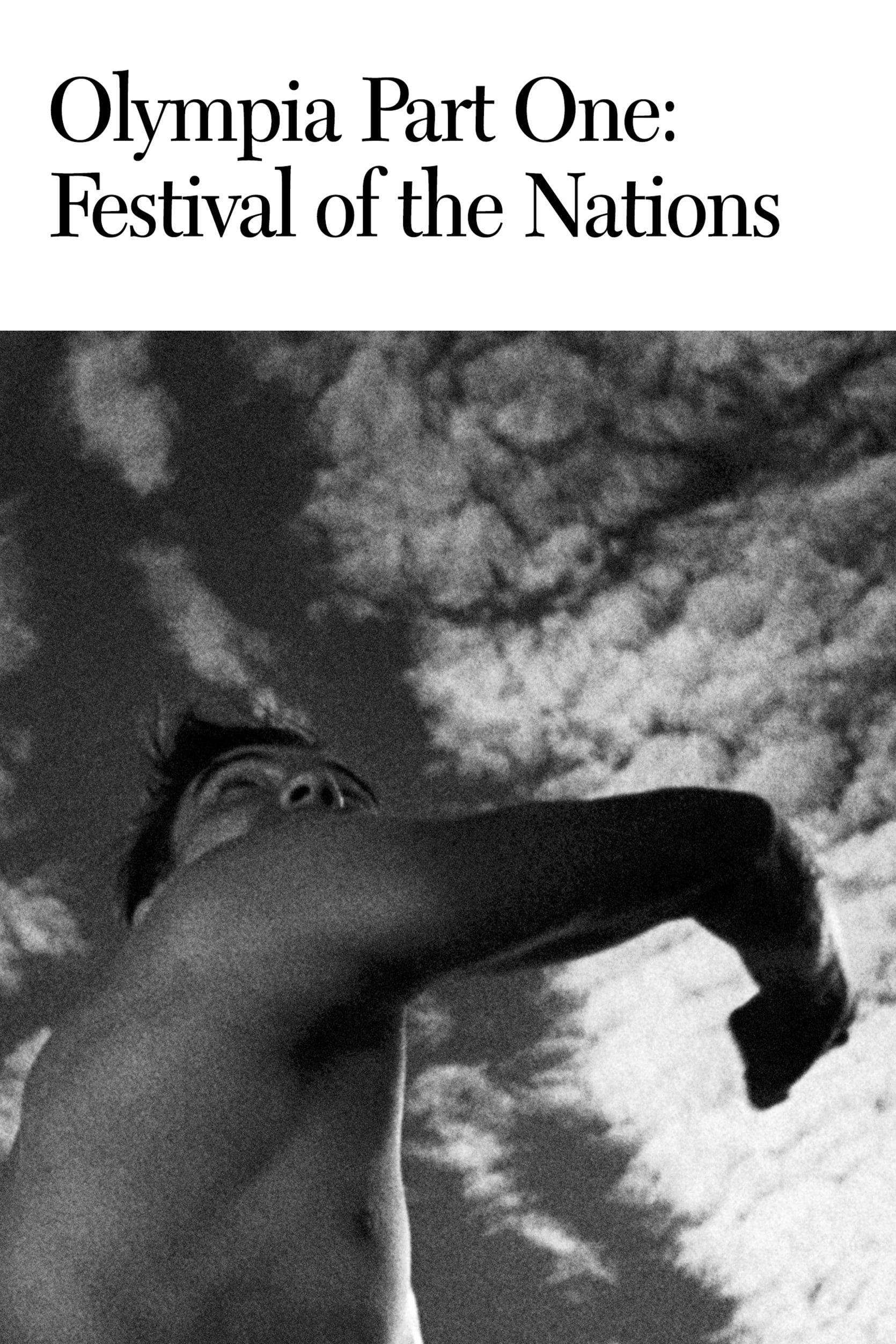
Starting with a long and lyrical overture, evoking the origins of the Olympic Games in ancient Greece, Riefenstahl covers twenty-one athletic events in the first half of this two-part love letter to the human body and spirit, culminating with the marathon, where Jesse Owens became the first track and field athlete to win four gold medals in a single Olympics.
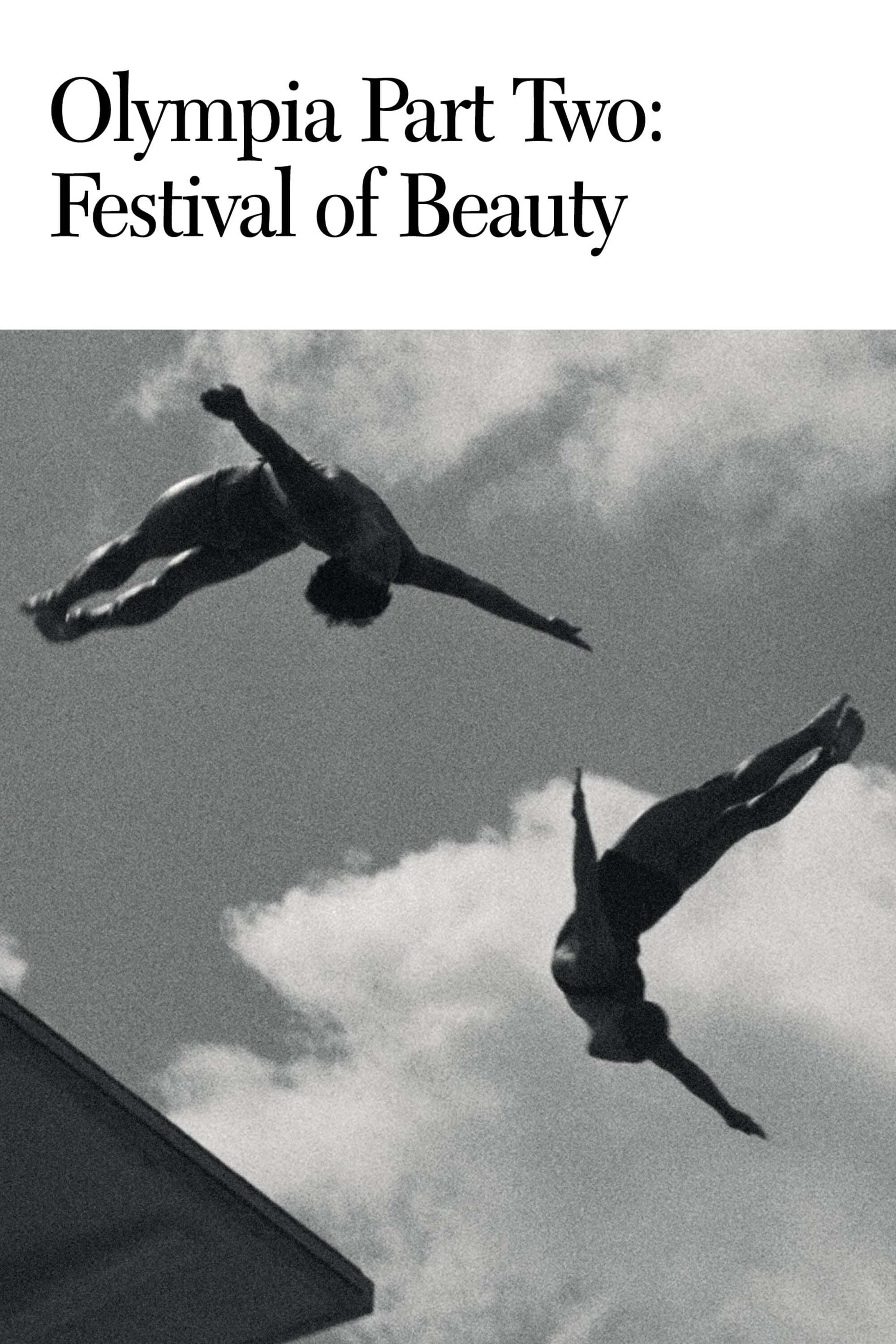
Part two of Leni Riefenstahl's monumental examination of the 1938 Olympic Games, the cameras leave the main stadium and venture into the many halls and fields deployed for such sports as fencing, polo, cycling, and the modern pentathlon, which was won by American Glenn Morris.
A day in the city of Berlin, which experienced an industrial boom in the 1920s, and still provides an insight into the living and working conditions at that time. Germany had just recovered a little from the worst consequences of the First World War, the great economic crisis was still a few years away and Hitler was not yet an issue at the time.
An unprecedented and intimate look at the life, work and enduring legacy of British actress Audrey Hepburn (1929-1993).
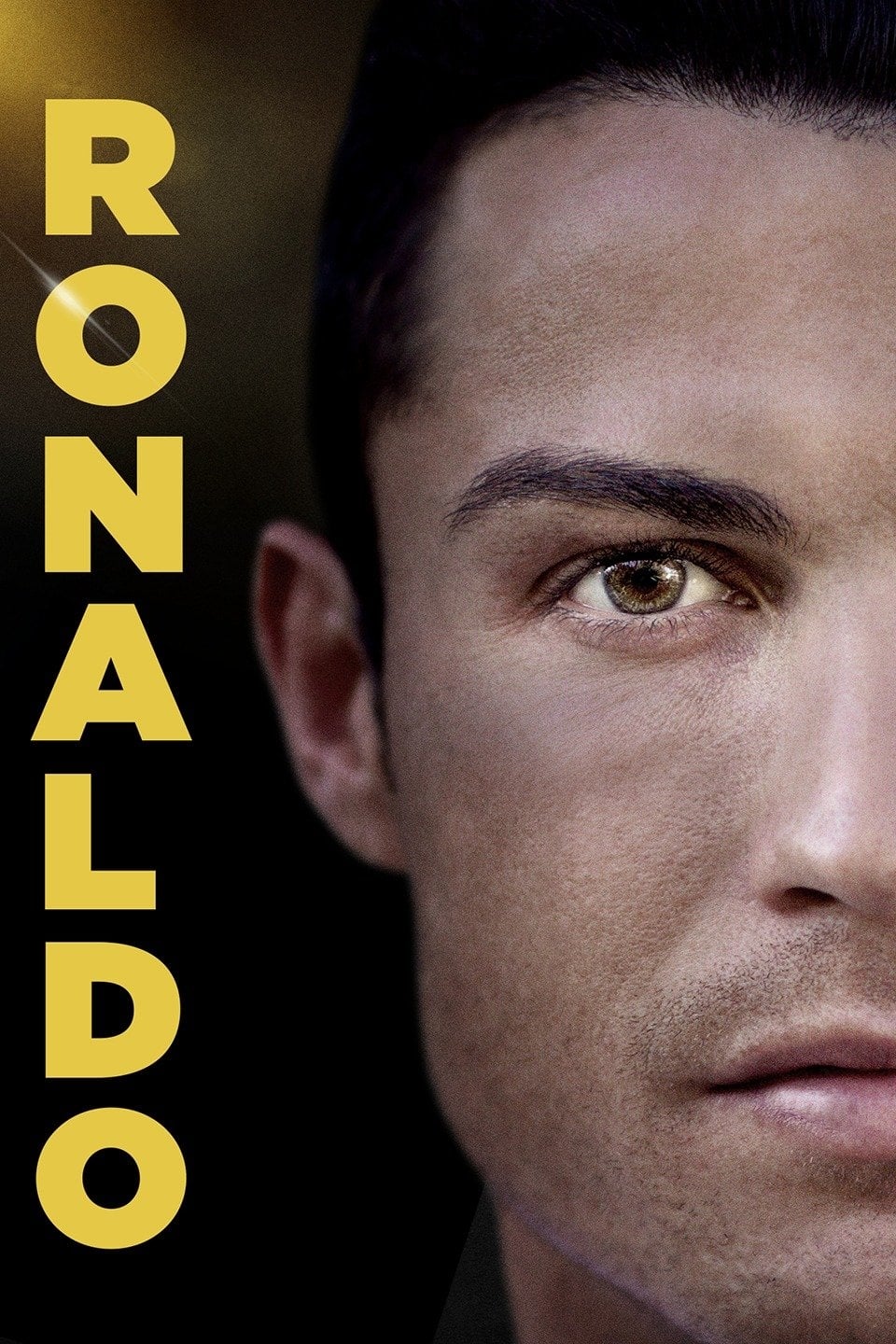
Filmed over 14 months with unprecedented access into the inner circle of the man and the sport, this is the first official and fully authorised film of one of the most celebrated figures in football. For the first time ever, the world gets vividly candid and un-paralleled, behind-closed-doors access to the footballer, father, family-man and friend in this moving & fascinating documentary. Through in-depth conversations, state of the art football footage and never before seen archival footage, the film gives an astonishing insight into the sporting and personal life of triple Ballon D'Or winner Cristiano Ronaldo at the peak of his career. From the makers of ‘Senna’ and ‘Amy’, Ronaldo takes audiences on an intimate and revealing journey of what it’s like to live as an iconic athlete in the eye of the storm.
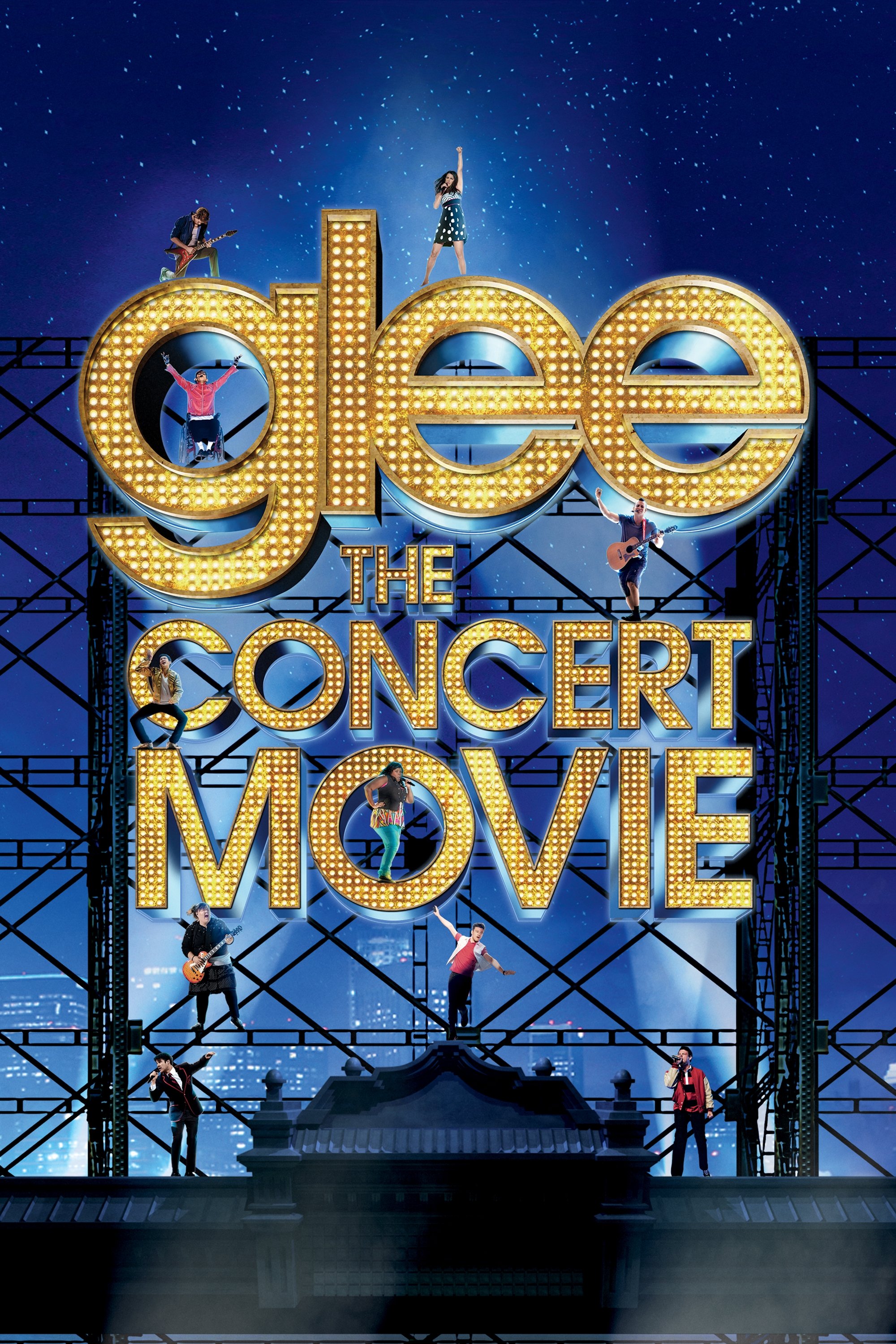
A concert documentary shot during the Glee Live! In Concert! summer 2011 tour, featuring song performances and fans' life stories and how the show influenced them.
Echo is a youngster who can't quite decide if it's time to grow up and take on new responsibilities-or give in to her silly side and just have fun. Dolphin society is tricky, and the coral reef that Echo and his family call home depends on all of its inhabitants to keep it healthy. But Echo has a tough time resisting the many adventures the ocean has to offer.
The history of cinematic sound, told by legendary sound designers and visionary filmmakers.
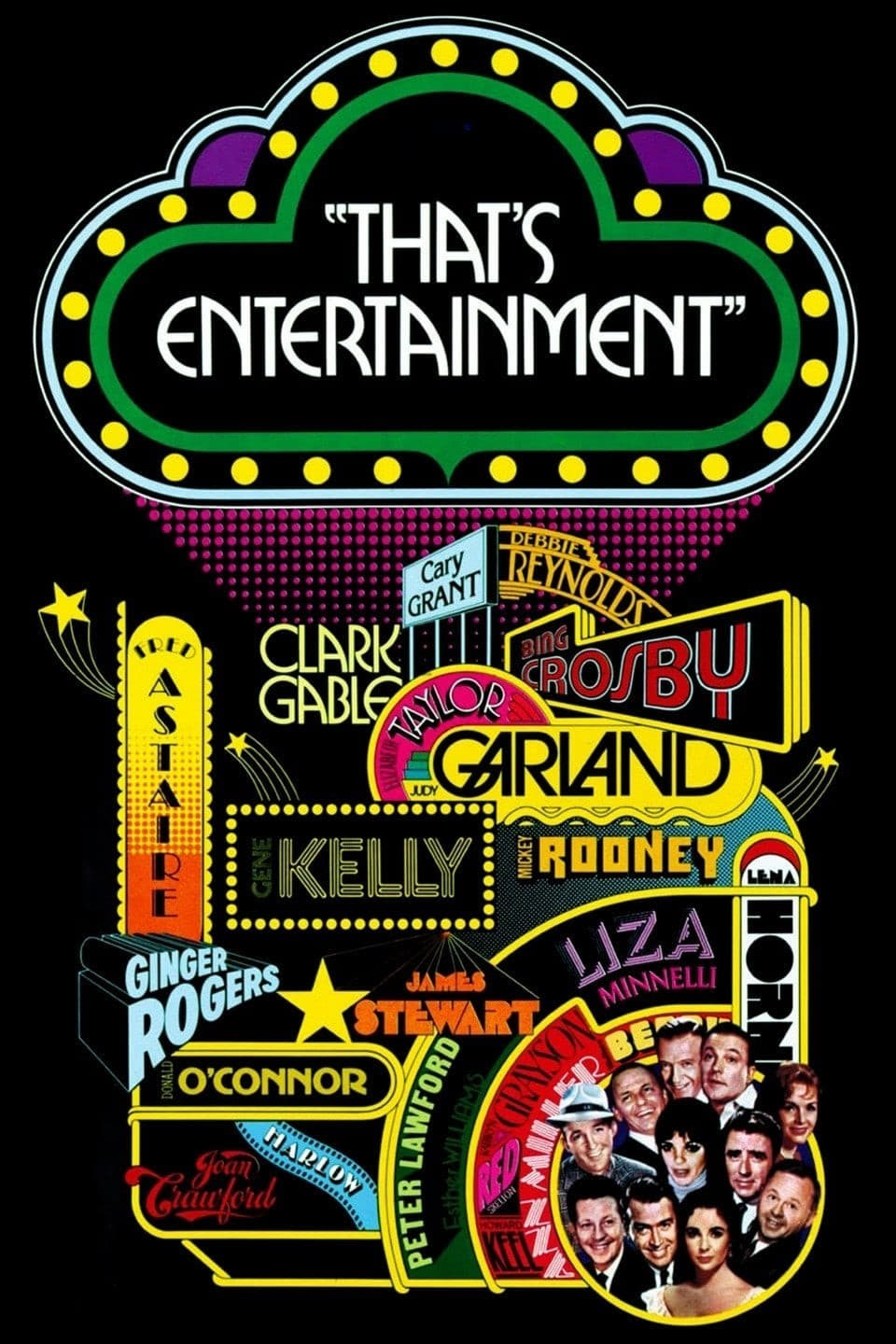
Various MGM stars from yesterday present their favorite musical moments from the studio's 50 year history.
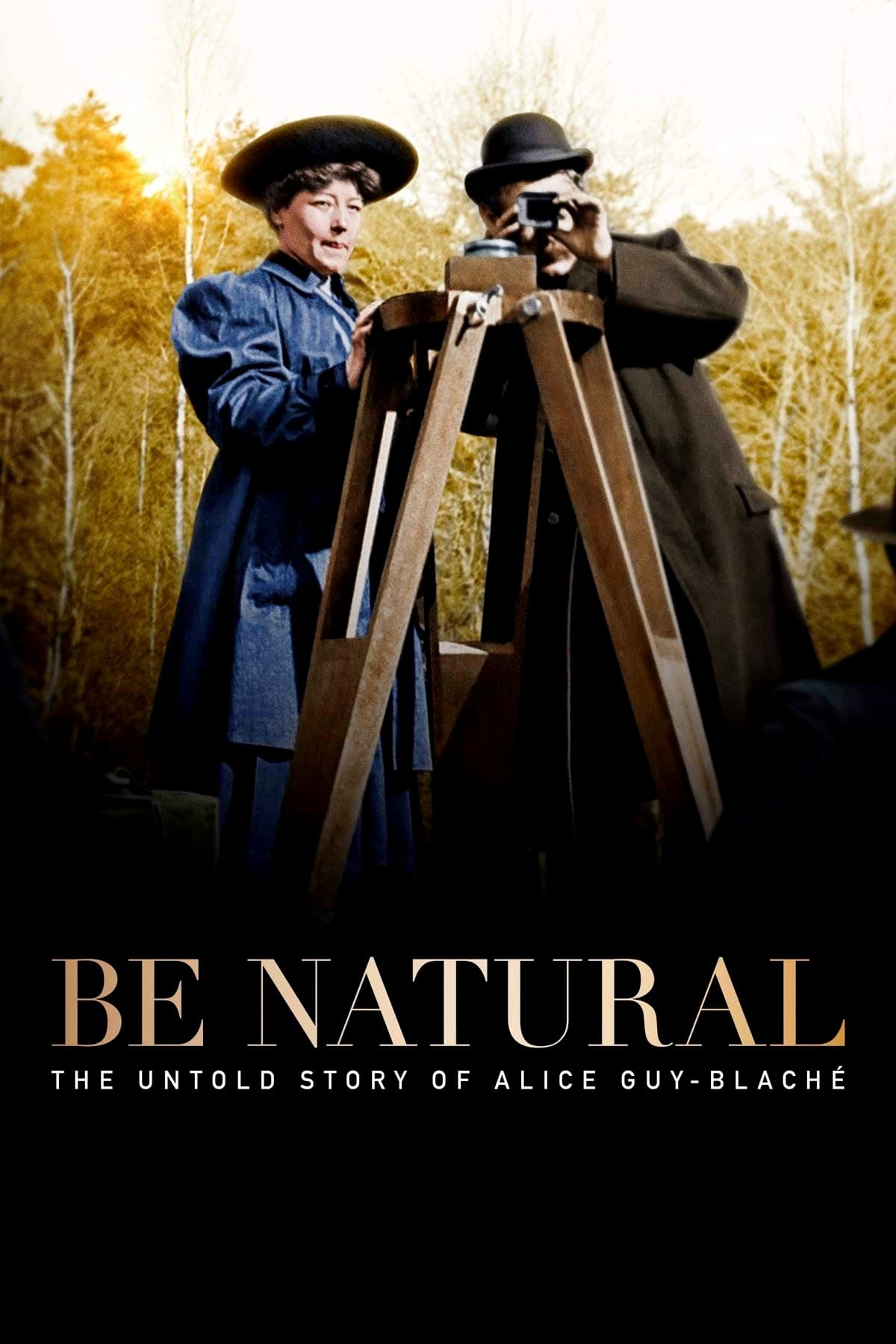
The epic life story of Alice Guy-Blaché (1873–1968), a French screenwriter, director and producer, true pioneer of cinema, the first person who made a narrative fiction film; author of hundreds of movies, but banished from history books. Ignored and forgotten. At last remembered.
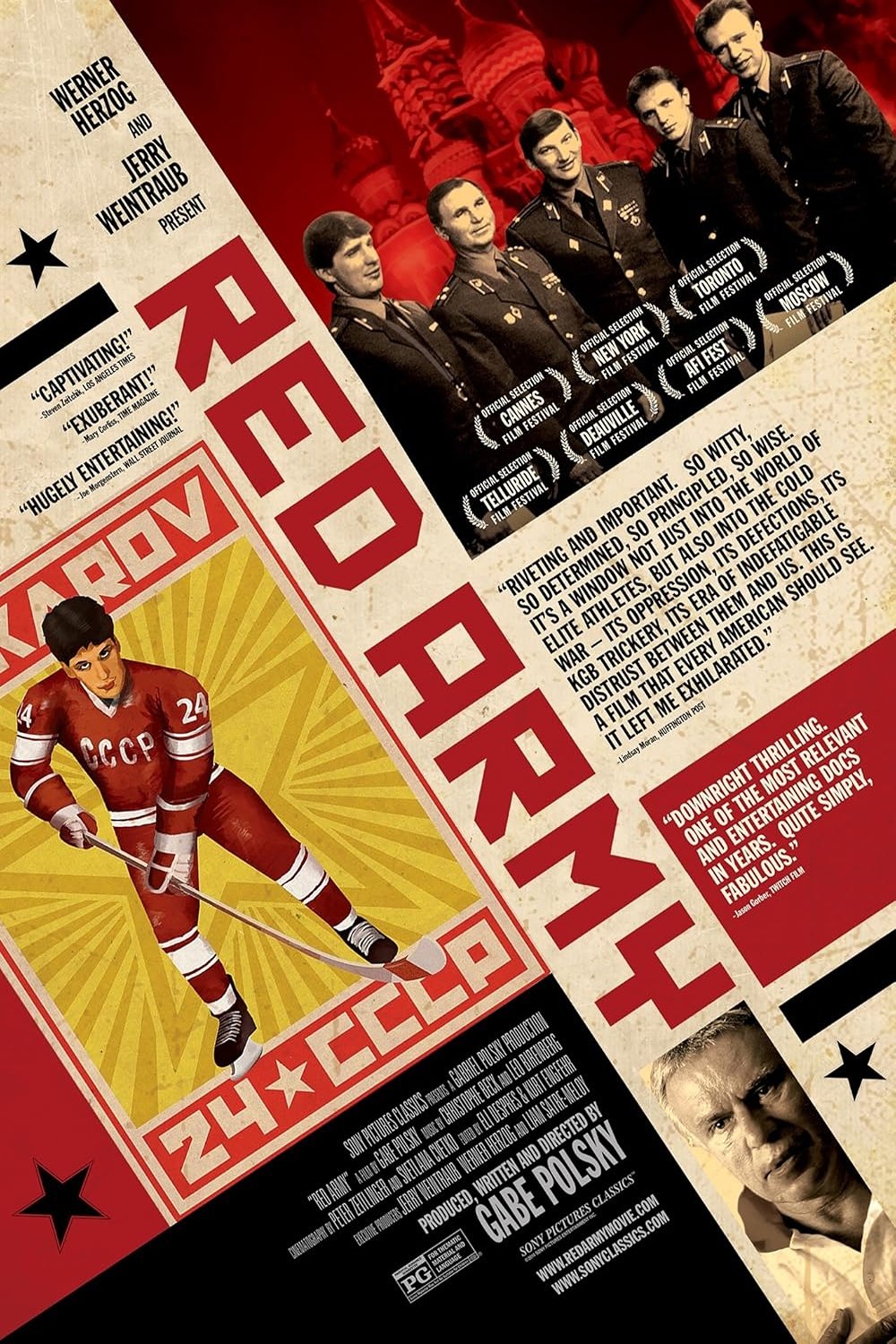
A documentary highlighting the Soviet Union's legendary and enigmatic hockey training culture and world-dominating team through the eyes of the team's Captain Slava Fetisov, following his shift from hockey star and celebrated national hero to political enemy.
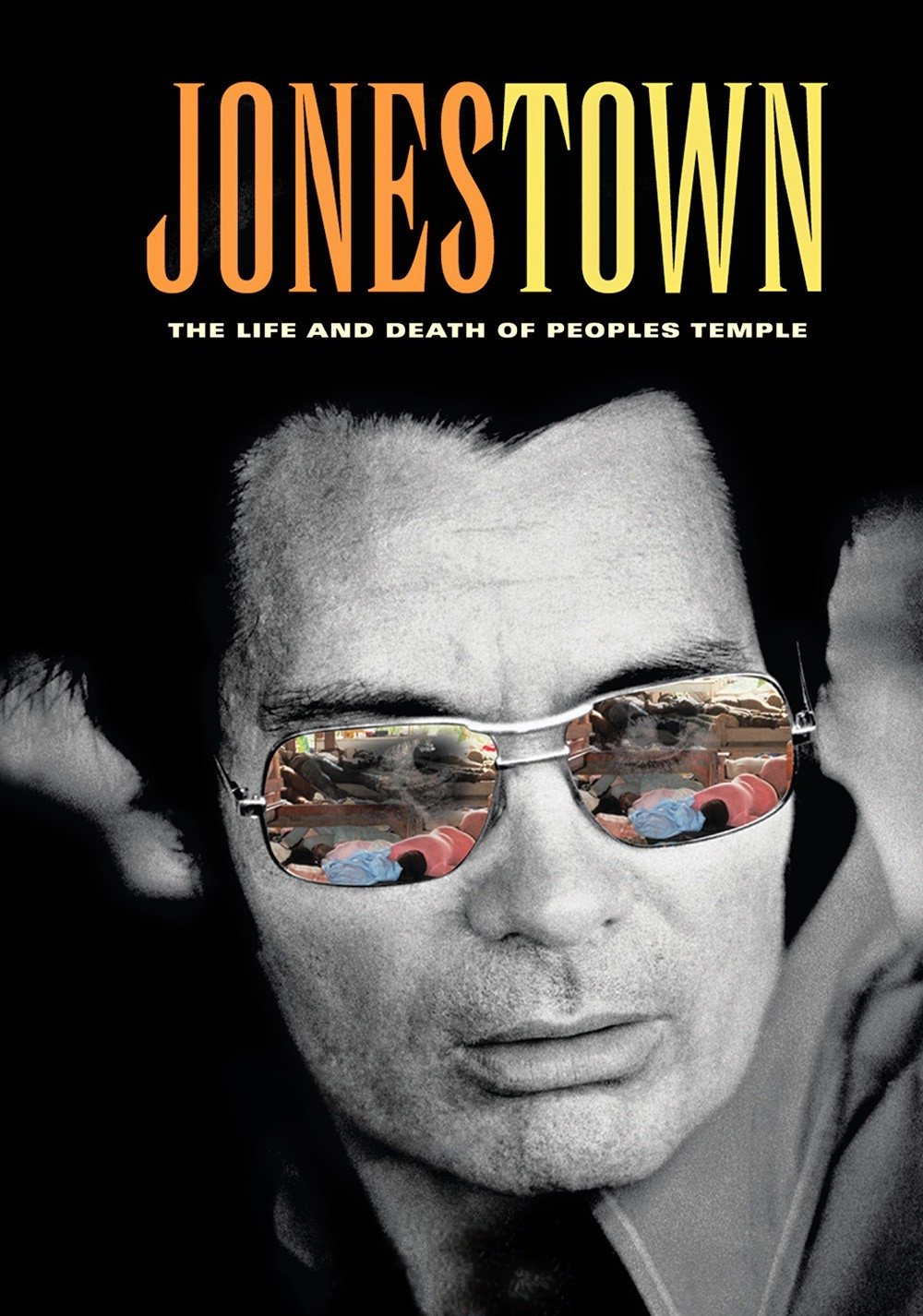
Featuring never-before-seen footage, this documentary delivers a startling new look at the Peoples Temple, headed by preacher Jim Jones who, in 1978, led more than 900 members to Guyana, where he orchestrated a mass suicide via tainted punch.
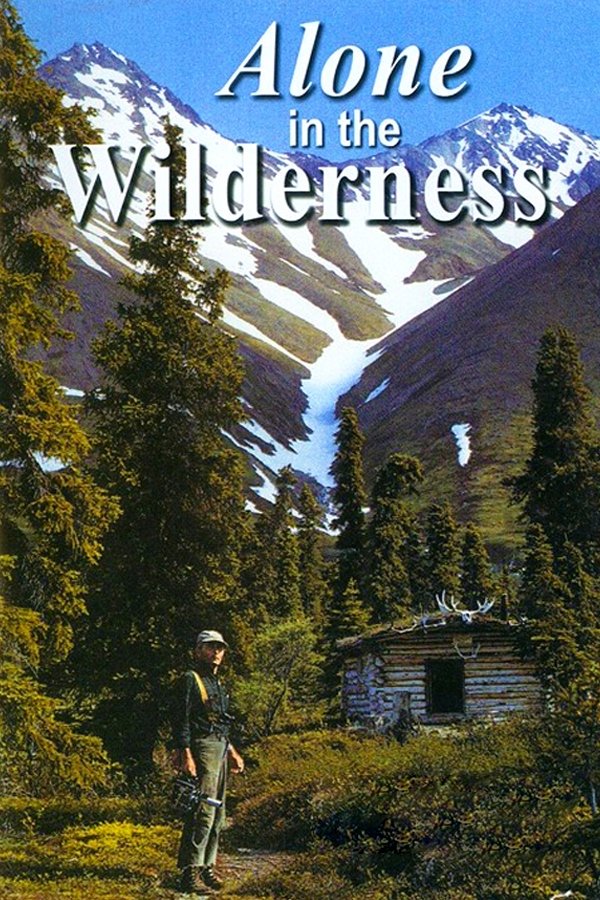
Dick Proenneke retired at age 50 in 1967 and decided to build his own cabin in the wilderness at the base of the Aleutian Peninsula, in what is now Lake Clark National Park. Using color footage he shot himself, Proenneke traces how he came to this remote area, selected a homestead site and built his log cabin completely by himself. The documentary covers his first year in-country, showing his day-to-day activities and the passing of the seasons as he sought to scratch out a living alone in the wilderness.
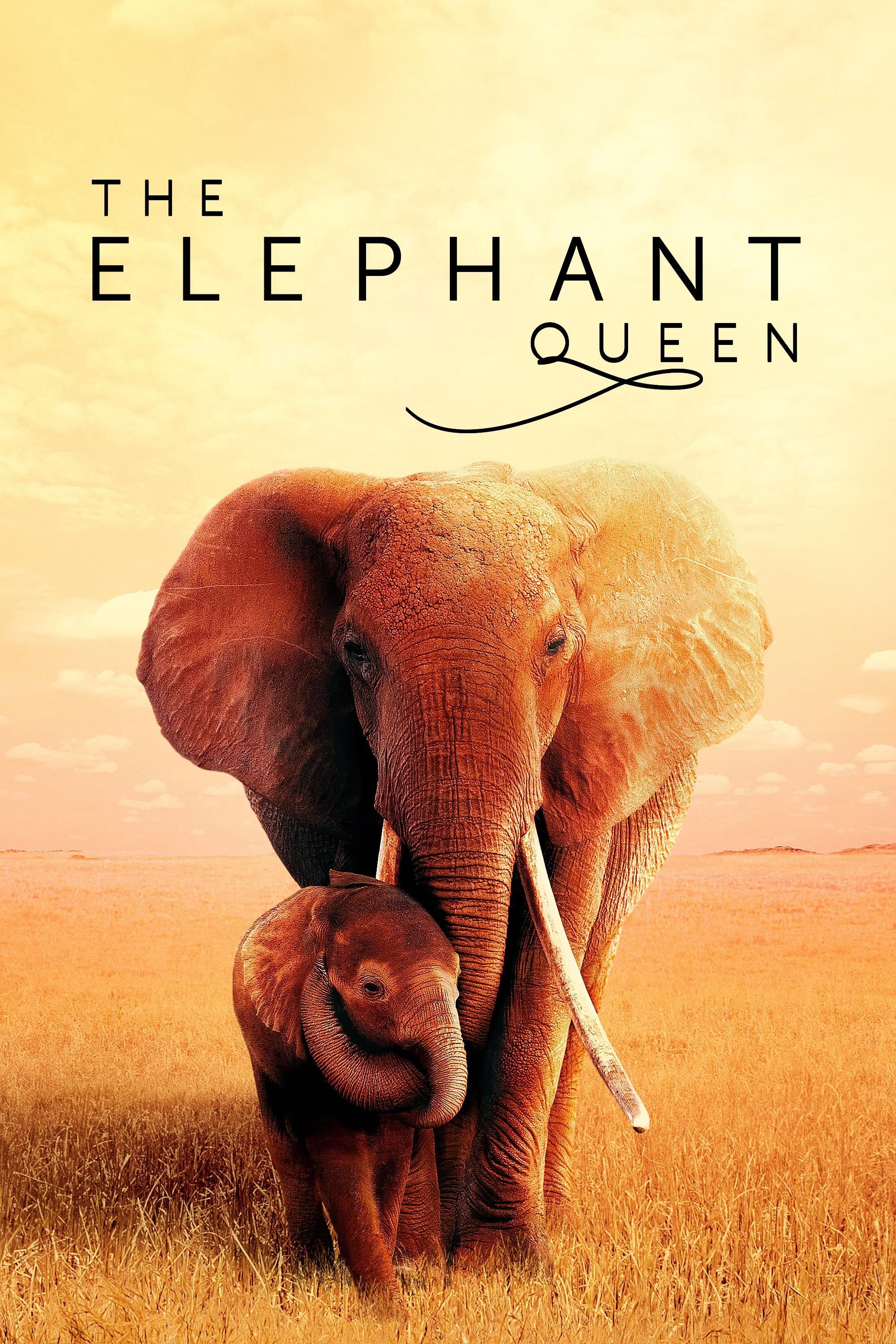
Embark on an epic journey of family, courage, and coming home in this feature-length documentary. Join Athena, the majestic matriarch, as she leads her elephant herd across an unforgiving African landscape filled with vibrant wildlife.
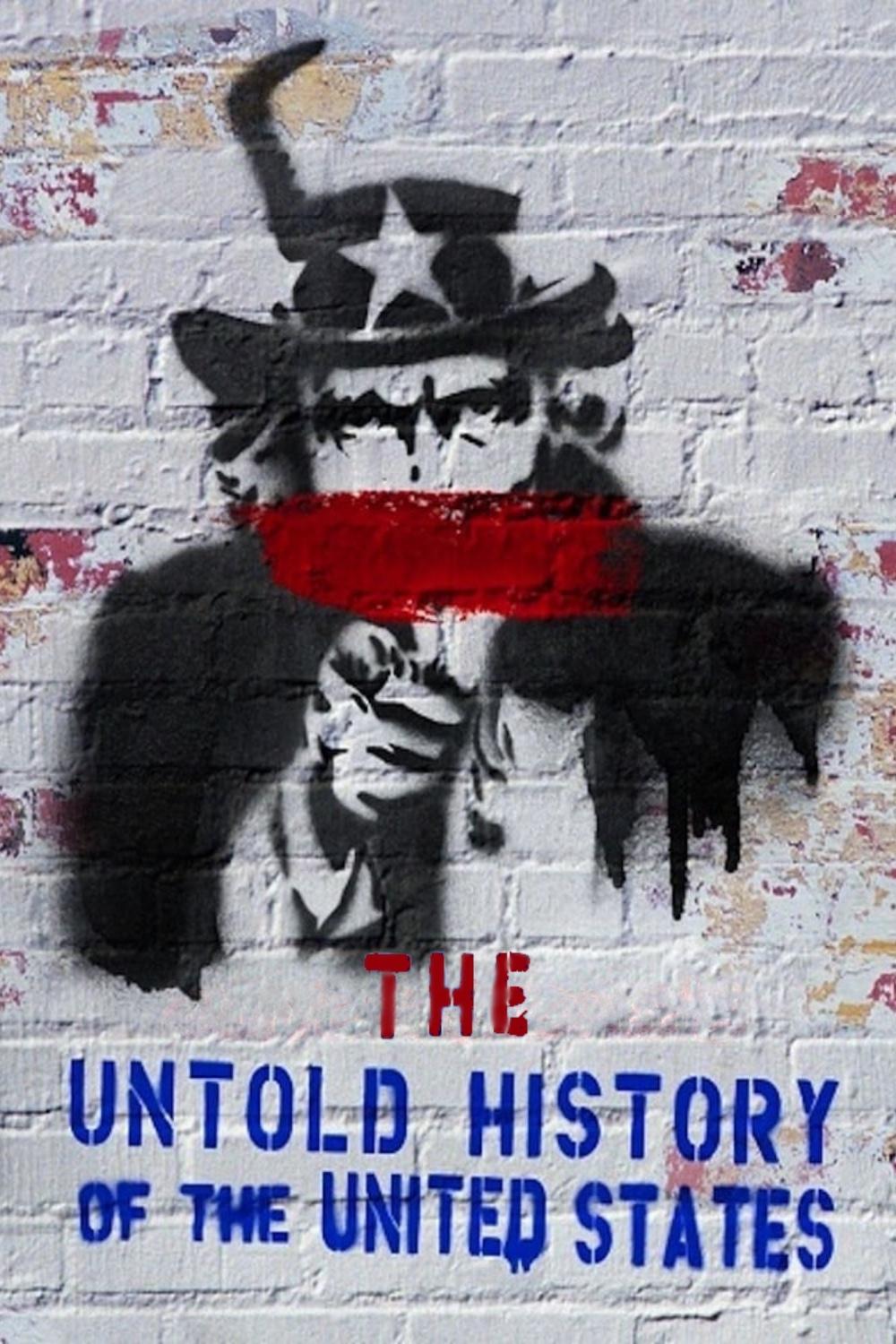
Oliver Stone charts the history of the United States from the Second World War to the present.
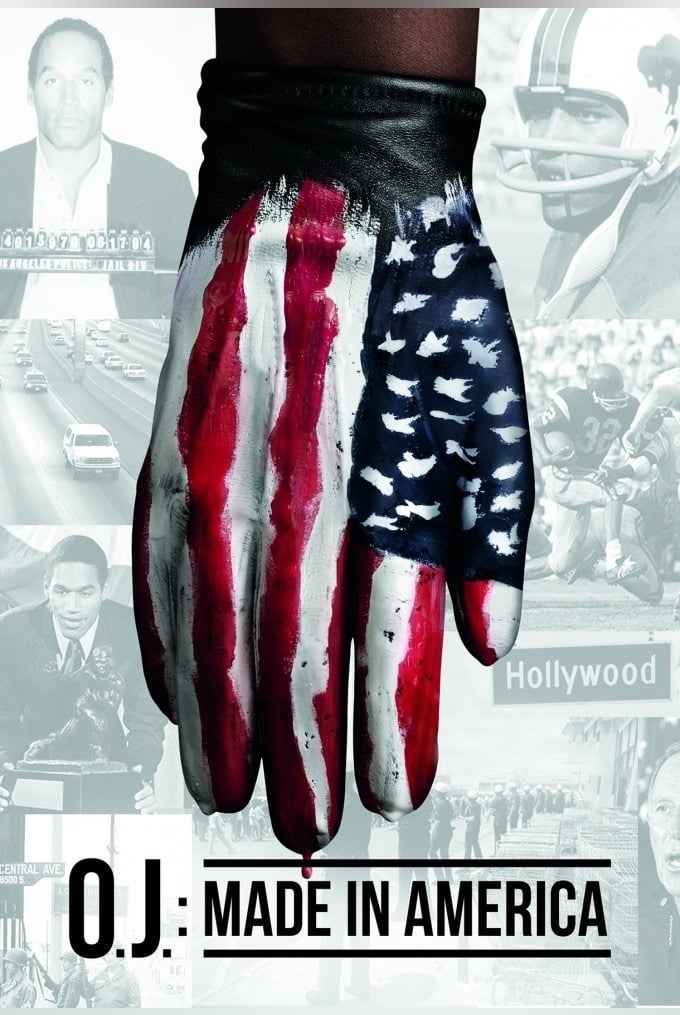
A chronicle of the rise and fall of O.J. Simpson, whose high-profile murder trial exposed the extent of American racial tensions, revealing a fractured and divided nation.
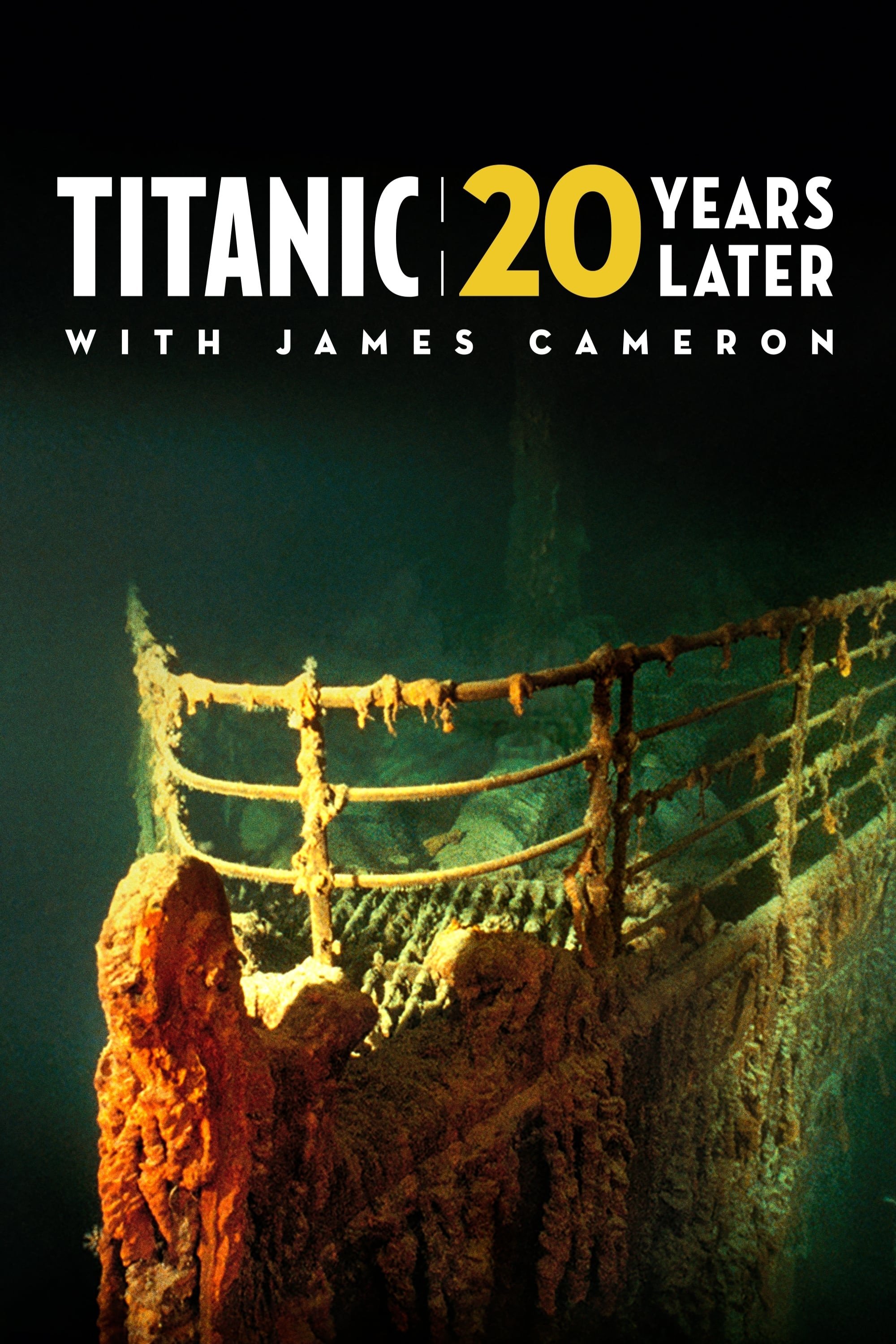
For the 20th anniversary of "Titanic," James Cameron reopens the file on the disaster.
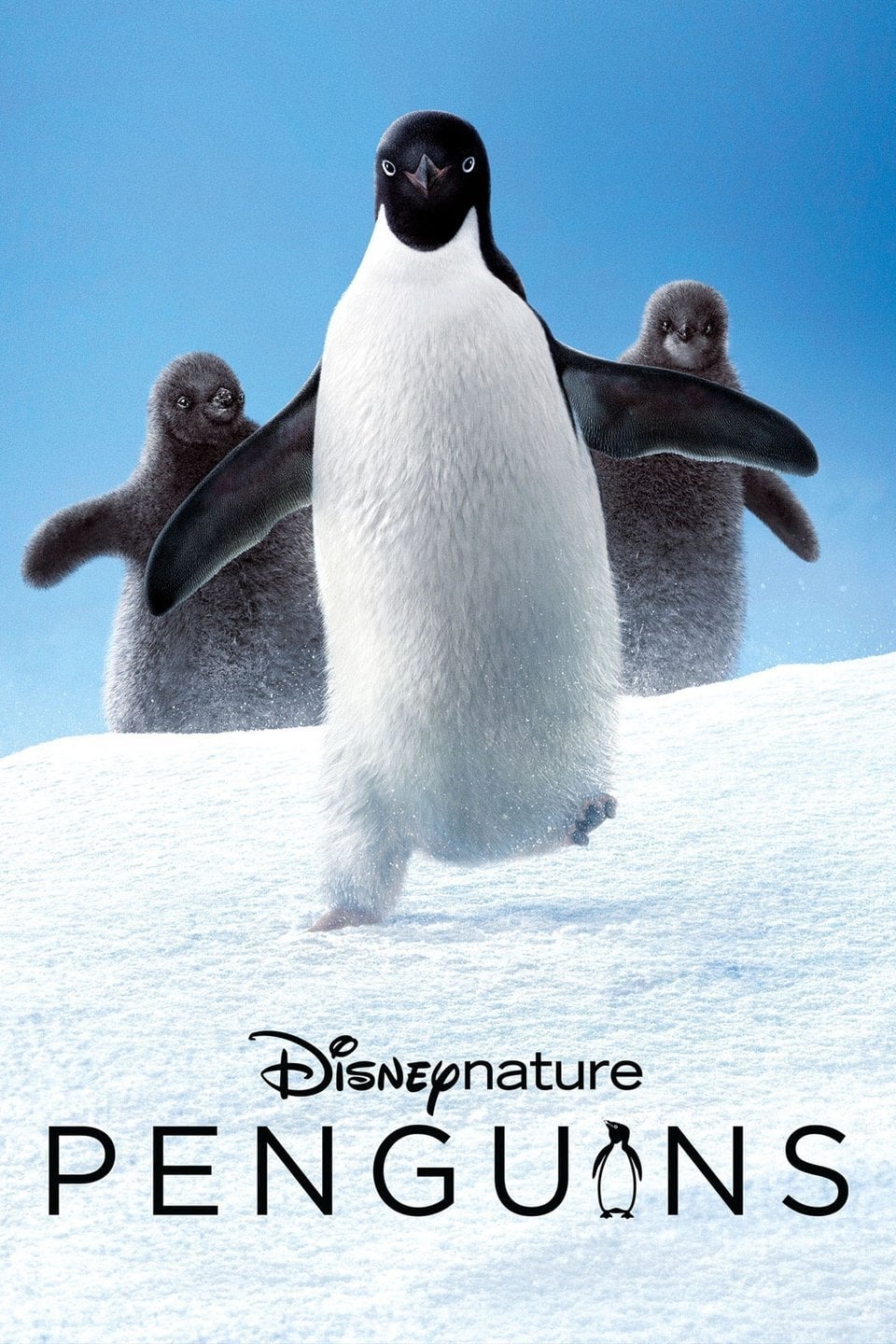
The story of Steve, an Adélie penguin, on a quest to find a life partner and start a family. When Steve meets with Wuzzo the emperor penguin they become friends. But nothing comes easy in the icy Antarctic.
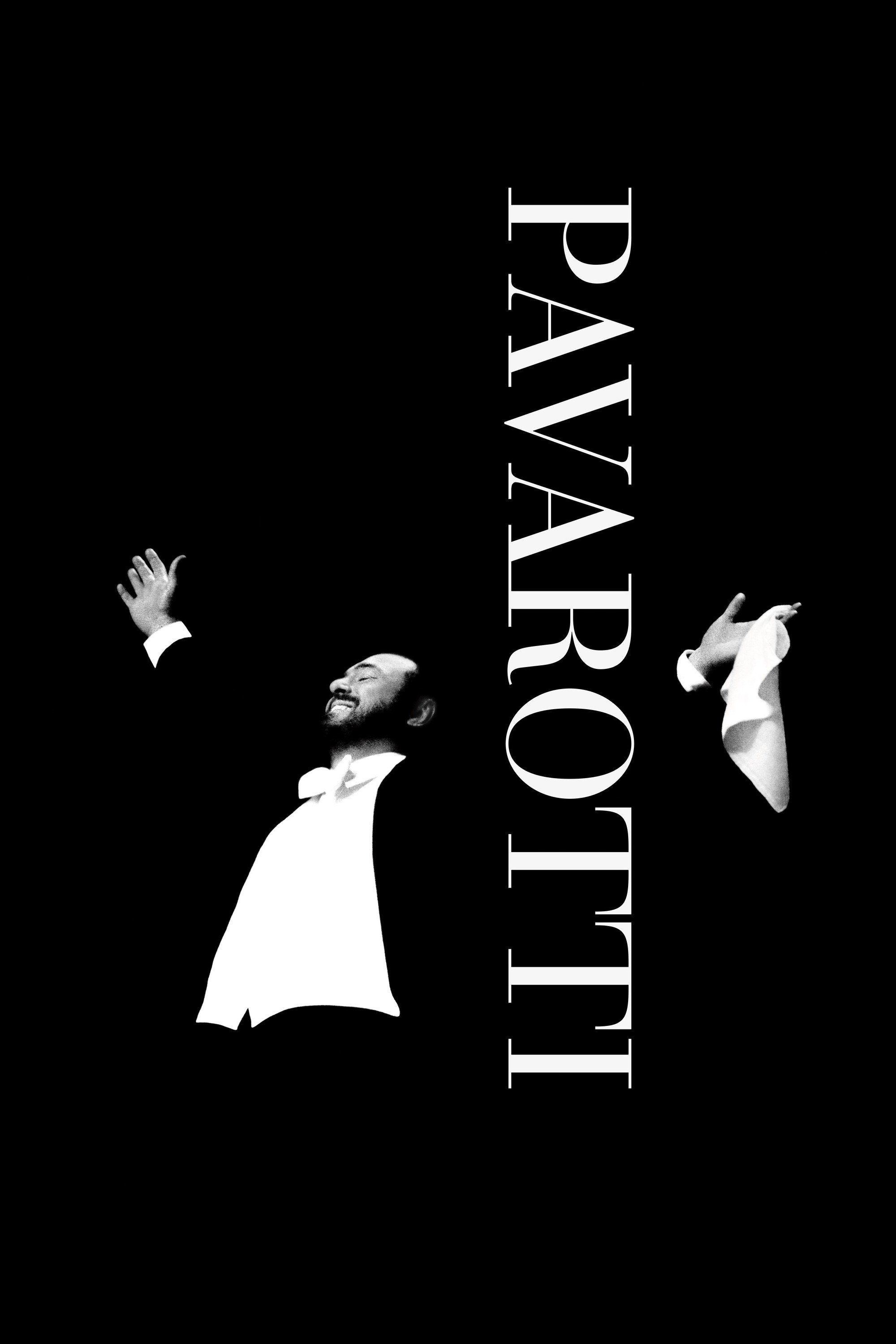
Featuring never-before-seen footage, concert performances and intimate interviews, filmmaker Ron Howard examines the life and career of famed opera tenor Luciano Pavarotti.
"Trinity and Beyond" is an unsettling yet visually fascinating documentary presenting the history of nuclear weapons development and testing between 1945-1963. Narrated by William Shatner and featuring an original score performed by the Moscow Symphony Orchestra, this award-winning documentary reveals previously unreleased and classified government footage from several countries.
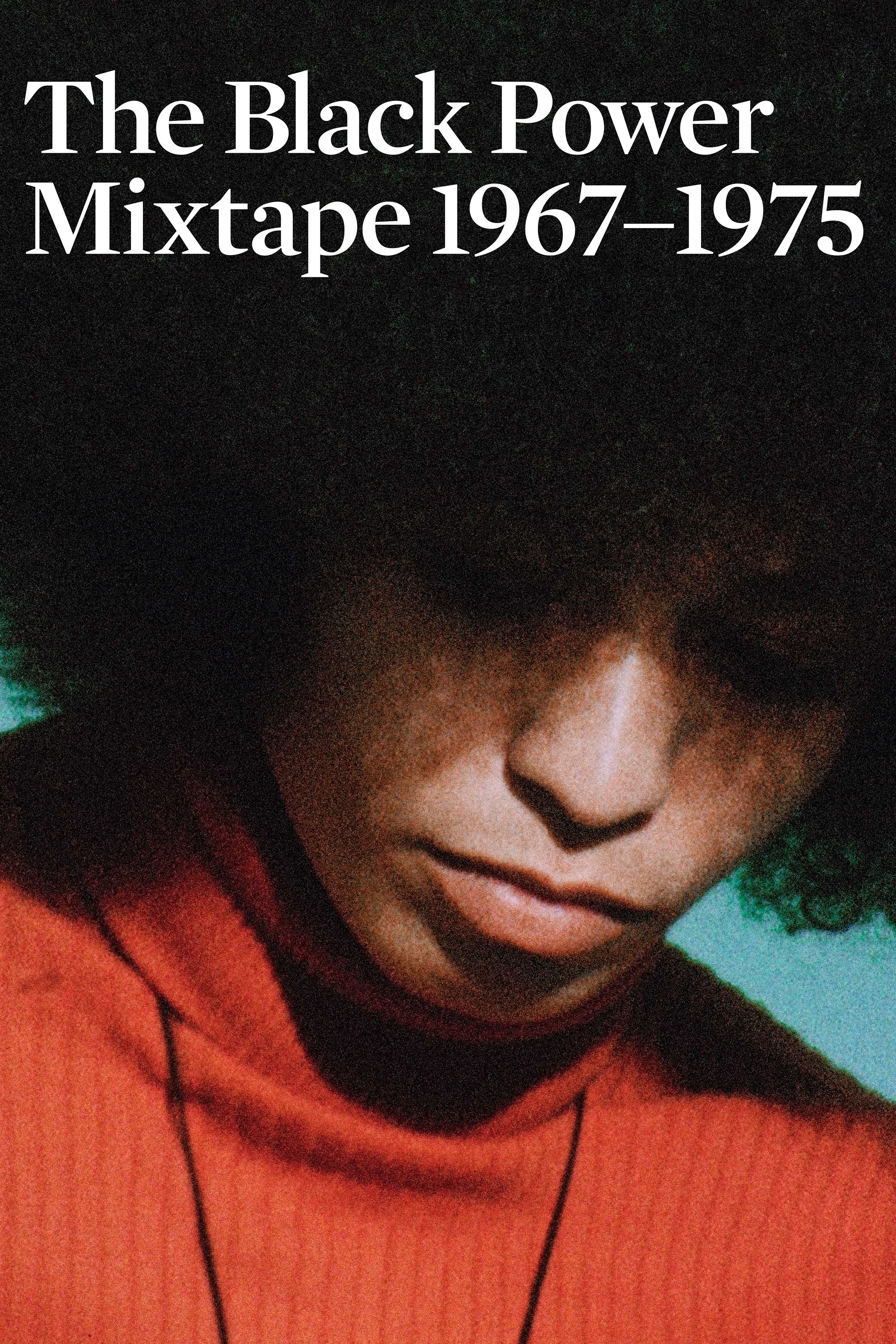
Examines the evolution of the Black Power Movement in US society from 1967 to 1975. It features footage of the movement shot by Swedish journalists in the United States during that period and includes the appearances of Angela Davis, Bobby Seale, Huey P. Newton, Eldridge Cleaver, and other activists, artists, and leaders central to the movement.
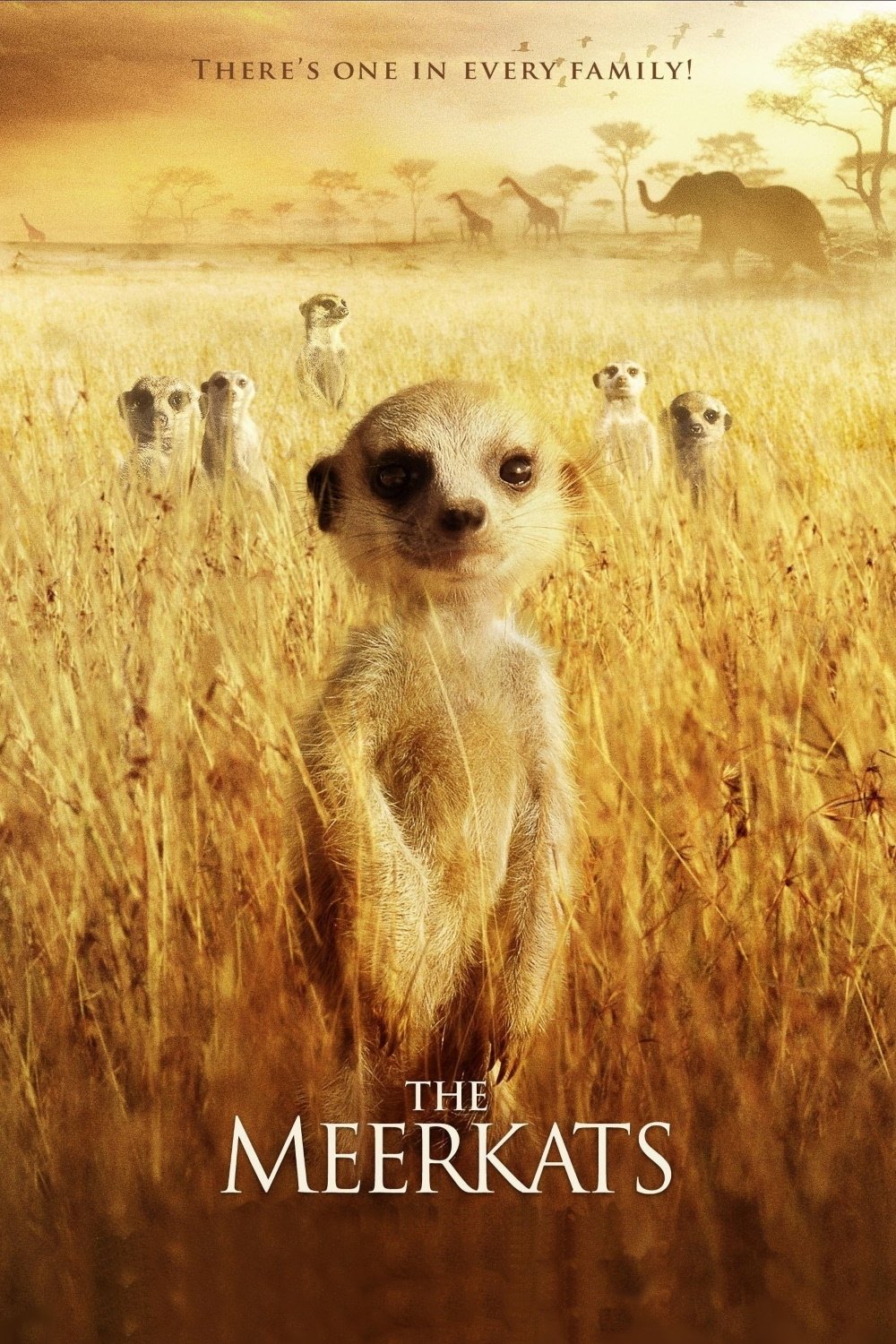
A coming of age story following a young meerkat pup, Kolo, growing up in the Kalahari desert; and an inspiring look at how one family's connection to each other and their surroundings is a model of resilience and fortitude for us all. Shot using ground-breaking techniques, this dramatised documentary is a one-of-a-kind presentation from The Weinstein Company and the BBC, featuring narration by Paul Newman.
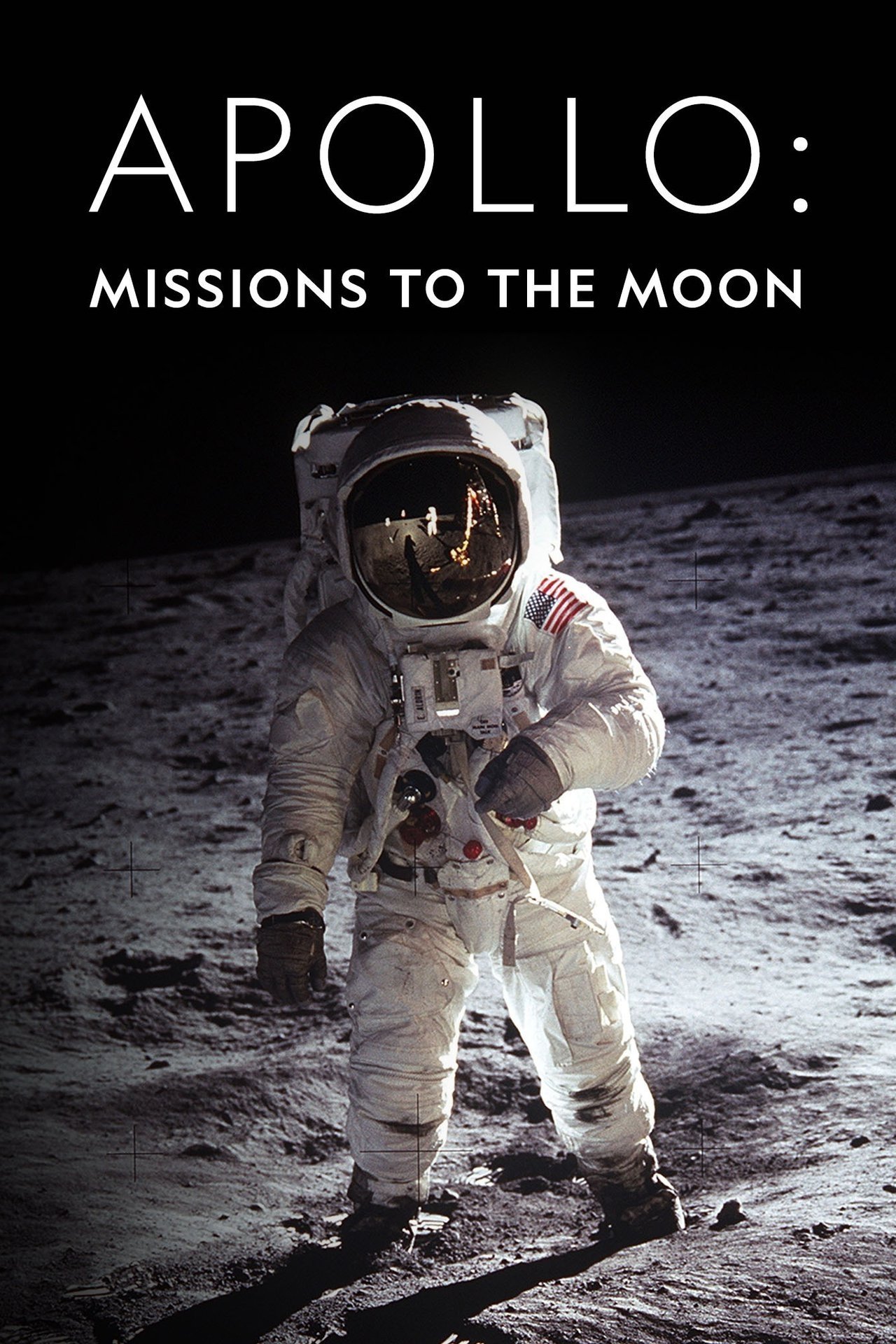
National Geographic's riveting effort recounts all 12 crewed missions using only archival footage, photos and audio.