Social & External
The people behind it
The personal stories lived by the Uncle, the Father and the Son, respectively, form a tragic experience that is drawn along a line in time. This line is comparable to a crease in the pages of the family album, but also to a crack in the walls of the paternal house. It resembles the open wound created when drilling into a mountain, but also a scar in the collective imaginary of a society, where the idea of salvation finds its tragic destiny in the political struggle. What is at the end of that line? Will old war songs be enough to circumvent that destiny?
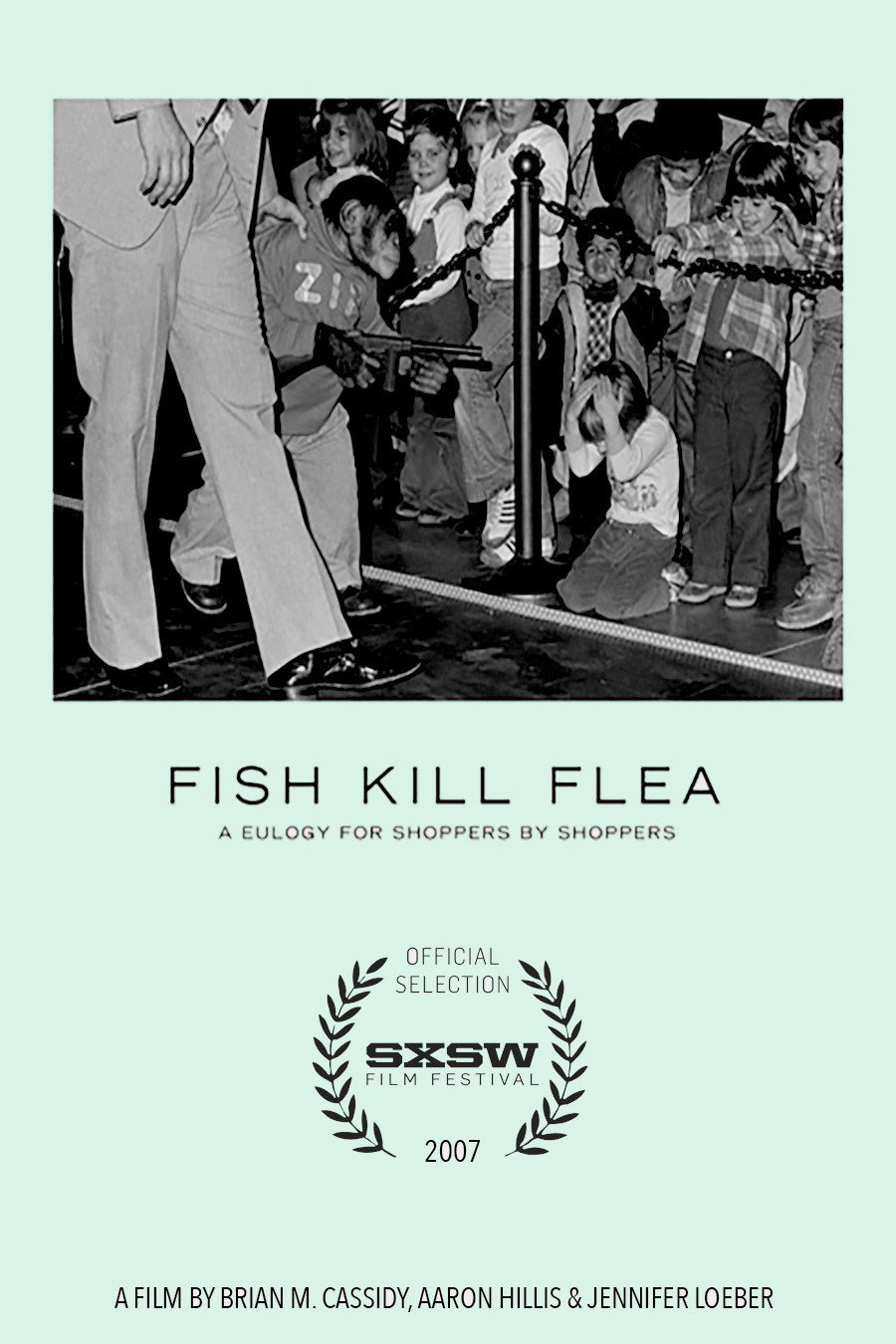
Once thriving, a dead mall in upstate New York is now home to a ragtag flea market, living proof that the American Dream is in perpetual decay. Blending vérité with a stylized wit, this heartbreaking portrait raises questions about our disposable culture through the unfiltered lives of its eccentric community.
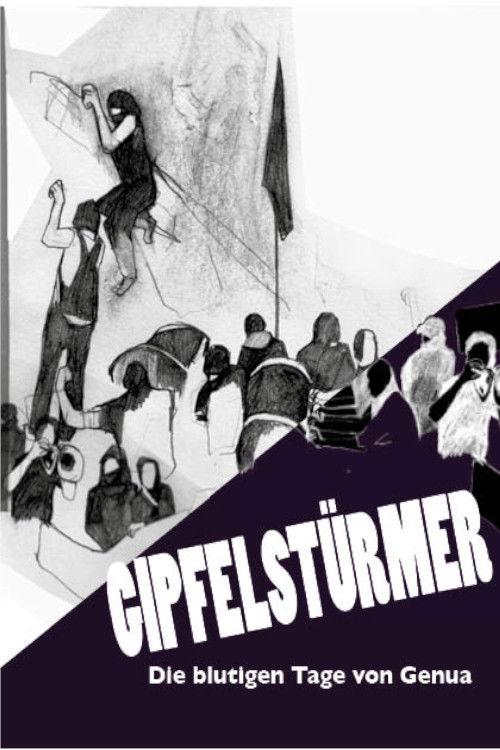
A documentary about the police tactics during the G-8 summit in Genoa in 2002 which lead to the death of one person and left many people wounded.
Police have been killing people in Columbus, Ohio, with near impunity for more than two decades, leaving behind a community bound together by grief – and a system that refuses to call these killings murder. In a searing indictment of the police and justice system at large, educator and curator Ingrid Raphael and journalist Melissa Gira Grant have collaborated in this short film, which spotlights the testimonies and resistance strategies of the loved ones of Henry Green, Tyre King, Donna Dalton and Julius Tate. These are the mothers, sisters, and grandmothers of those who were killed by Columbus police, women seeking justice for their family members, despite knowing that it is unlikely to be found within the system that caused their wrongful deaths.
A shocking 2 hour full length movie from B.A. Brooks that will change the way you look at our leadership within America's government and military today.
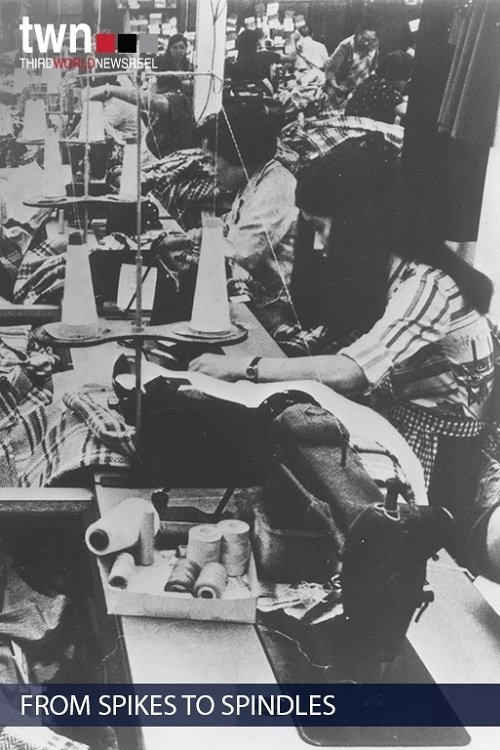
This raw, gutsy portrait of New York's Chinatown captures the early days of an emerging consciousness in the community. We see a Chinatown rarely depicted, a vibrant community whose young and old join forces to protest police brutality and hostile real estate developers. With bold strokes, it paints an overview of the community and its history, from the early laborers driving spikes into the transcontinental railroad to the garment workers of today.
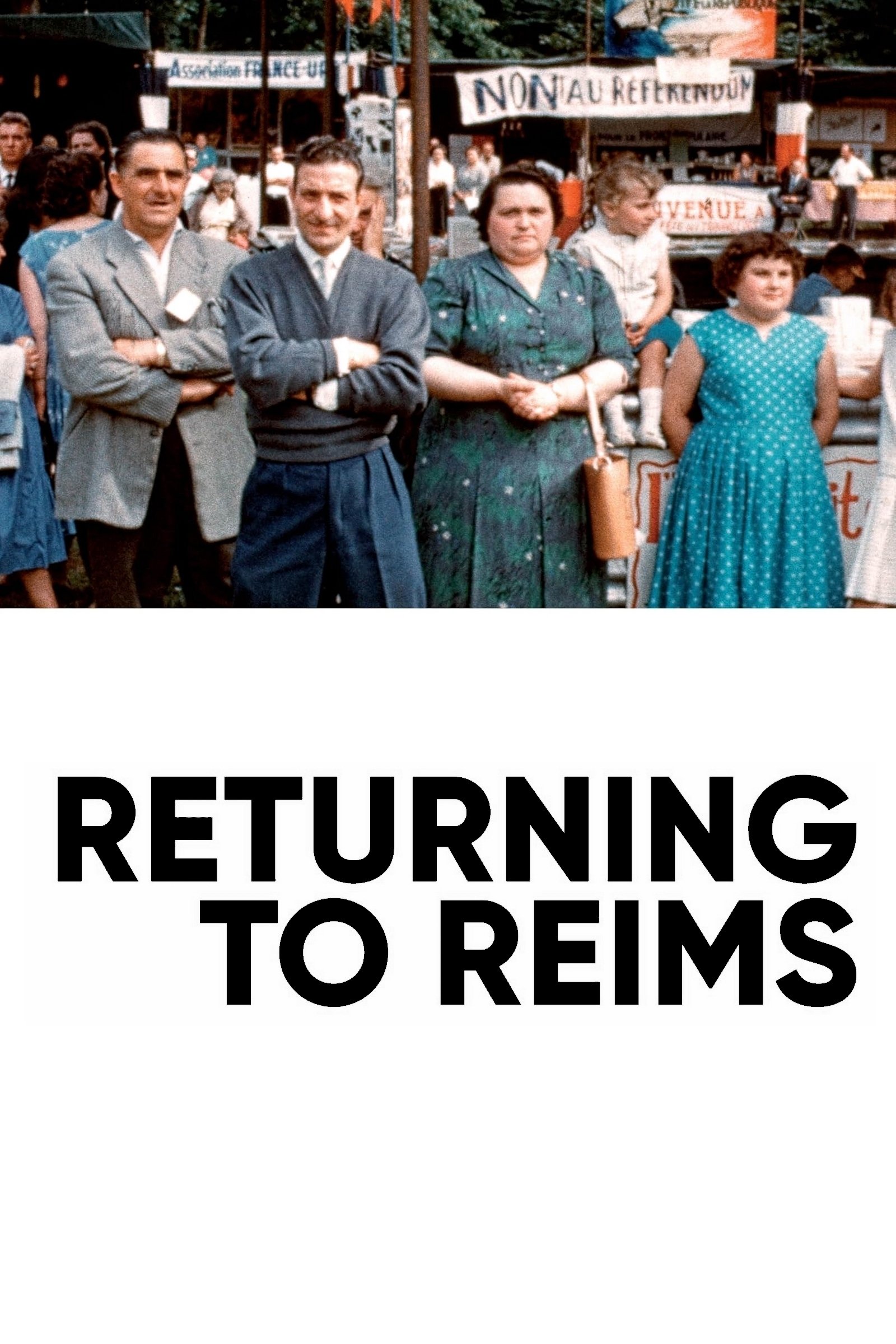
An intimate and political history of the French working class from the early 1950s to the present day.
A documentary about a case of police brutality in the 80's NYC, the killing of graffiti artist Michael Stewart
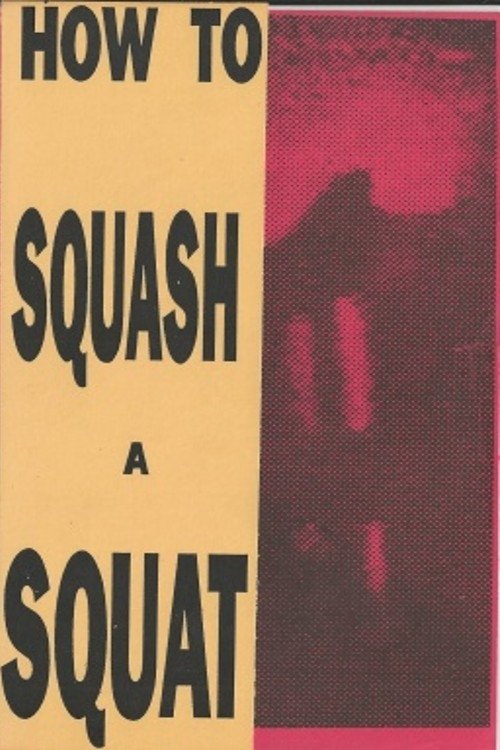
1989, New York City's Alphabet City and East Village. A year after the Tompkins Square Park Riot, squatters and their community allies try to stop the demolition of their building after an arson. Police forces occupy the neighborhood while the demolition continues. A portrait of an East Village that is no more. An homage to the voices and sounds of a neighborhood before its gentrification.
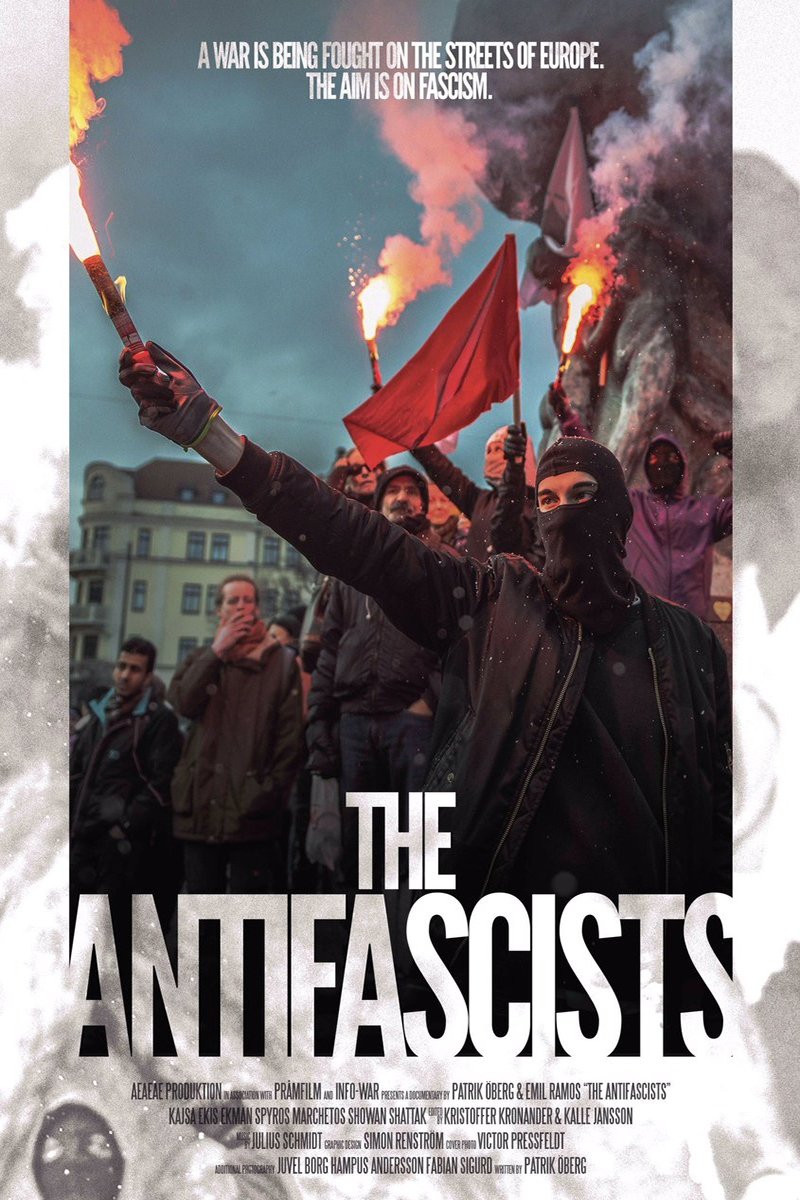
A low-intensity war is being fought on the streets of Europe and the aim is on fascism. This critically acclaimed documentary takes us behind the masks of the militants called antifascists. In 2013 a group of armed nazis attacks a peaceful demonstration in Stockholm where several people are injured. In Greece the neo-nazi party Golden Dawn becomes the third largest in the election and in Malmö the activist Showan Shattak and his friends are attacked by a group of nazis with knives and he ends up in a coma. In this portrait of the antifascists in Greece and Sweden we get to meet key figures that explain their view on their radical politics but also to question the level their own violence and militancy.
Summer 1936: young unemployed communist David Carr leaves Liverpool to join the fight against fascism in Spain. He joins an international group of Militia-men and women, the POUM (Partido Obrero de Unificación Marxista). After being wounded, he goes to Barcelona, where he joins another group of fighters.
Hundreds of thousands − perhaps even millions − of protestors have taken to the streets of Hong Kong since early June. Sparked initially by the government's plans for a controversial extradition bill, the movement has now transformed into a broader push for greater freedoms and democracy, with anger over police brutality fuelling a cycle of violence. The protests are Hong Kong's biggest challenge to Beijing since its return to China in 1997. If We Burn looks at the movement through the eyes of Hong Kongers whose fates, like their city's future, now hang in the balance.
After losing their family home in Algeria in the 1920s, three brothers and their mother are scattered across the globe. Messaoud joins the French army fighting in Indochina; Abdelkader becomes a leader of the Algerian independence movement in France and Saïd moves to Paris to make his fortune in the shady clubs and boxing halls of Pigalle.
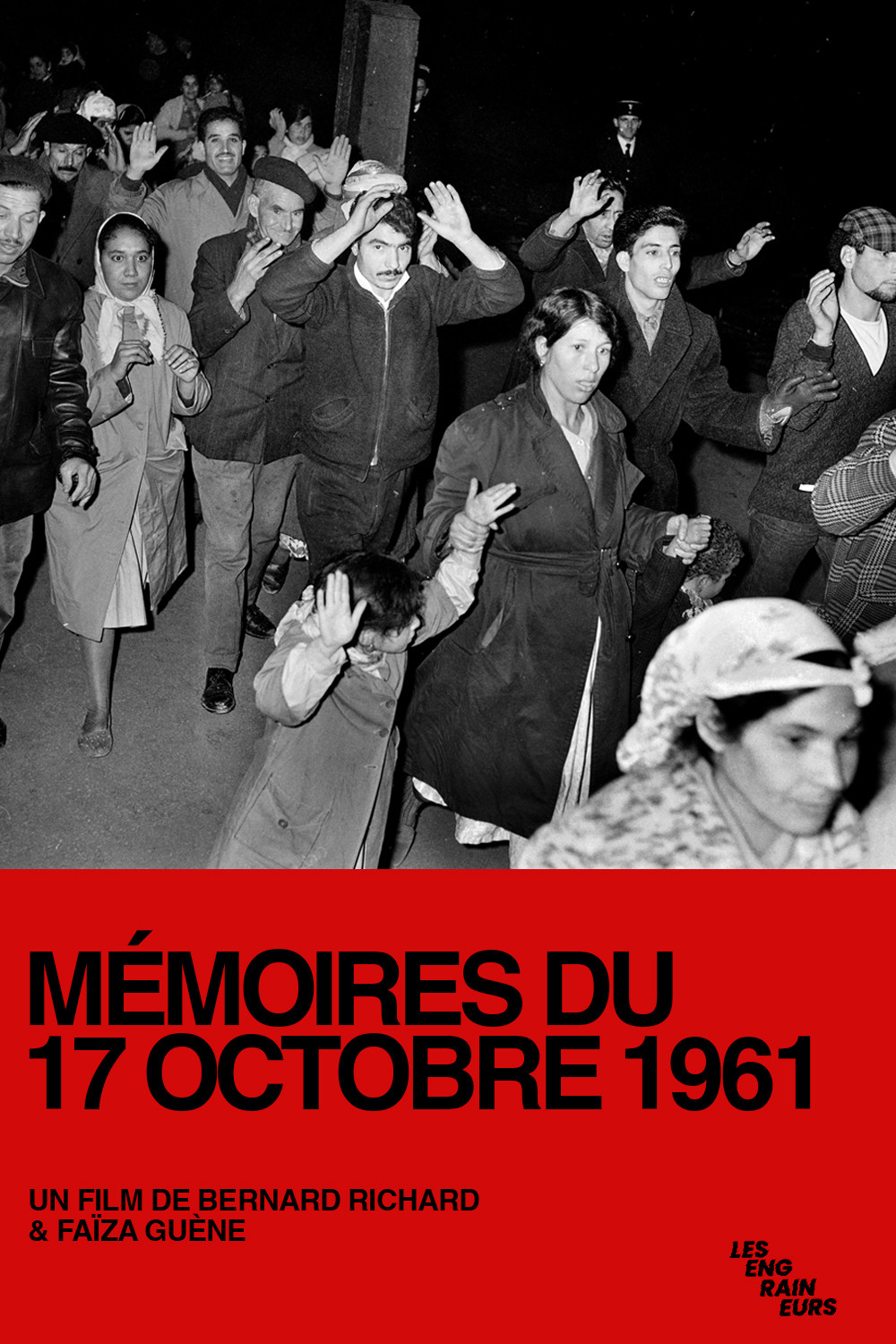
On October 17, 1961, in response to the curfew imposed on Muslim Algerians by Paris police prefect Maurice Papon, the FLN Federation of France organized a peaceful demonstration in the streets of the capital. The demonstration turned into a bloody crackdown: unprecedented violence, thousands of arrests, hundreds missing, and dozens dead. Today, much is known about the violence of that night: at least 200 Algerians were killed, beheaded, beaten, or thrown into the Seine; 11,500 others were arrested and often tortured. Hundreds were deported back to Algeria. Long silenced, the repression has been acknowledged thanks to the work of remembrance and eyewitness accounts.
On October 17 and 18, 1961, during a non-violent demonstration against the imposed curfew, dozens of Algerians were murdered in Paris by police officers acting on orders from their superiors. For forty years, this crime has been concealed; yet these events, the deadliest on French soil since the Second World War, resemble, in some respects, the darkest hours of the collaboration. Why has this history been hidden? Under what conditions, and in the name of what reasons, did officials of a democratic state conceal the scale and gravity of such events?
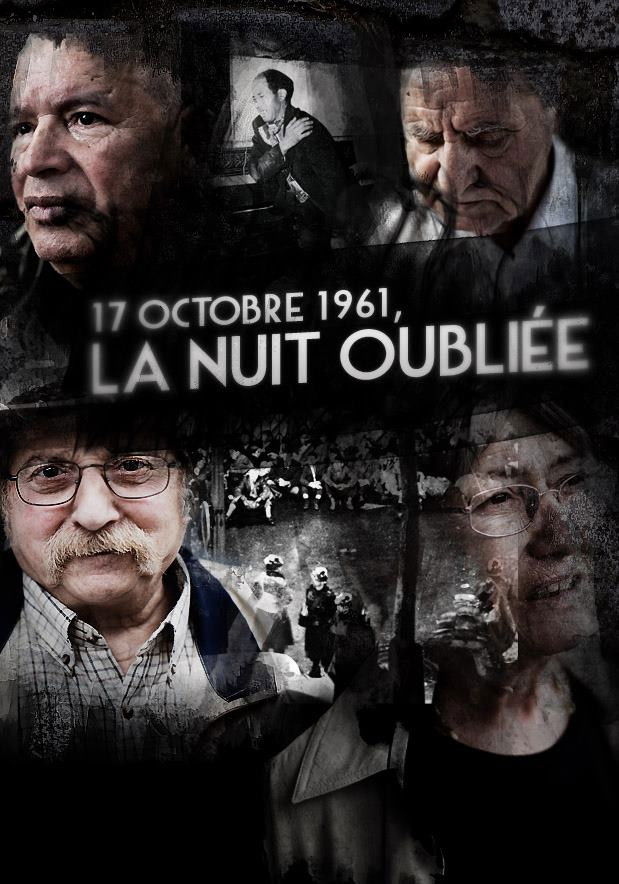
Three demonstrators from October 17, 1961, and a journalist recount the peaceful success of the demonstration and its brutal repression in the streets of Paris. Five months before the end of the Algerian War, the Gaullist government violently suppressed (40 to 300 deaths in a single evening, according to various sources) a peaceful demonstration by the entire Algerian civilian population of the Paris region, protesting the curfew imposed solely on this population (all participants held French citizenship). The government long denied this state crime; the official version: 3 deaths! In 1962, these events were granted amnesty by a simple decree (later enacted into law) issued by the same Gaullist government.
A serious crisis has shaken Spain since the referendum on self-determination and the proclamation of the independence of Catalonia by the government of Carles Puigdemont, bold actions firmly fought by the Spanish government by applying the constitutional article that allows it to place a region under guardianship. While Spain is on the verge of implosion, Europe is holding its breath.
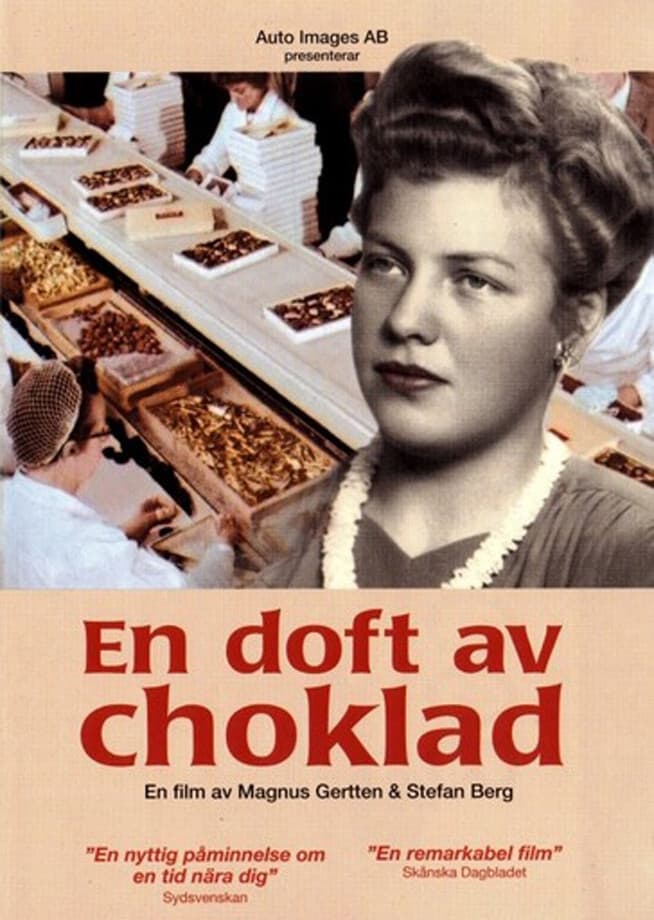
Documentary about Margit Nielsen and her work at the Malmö chocolate factory.
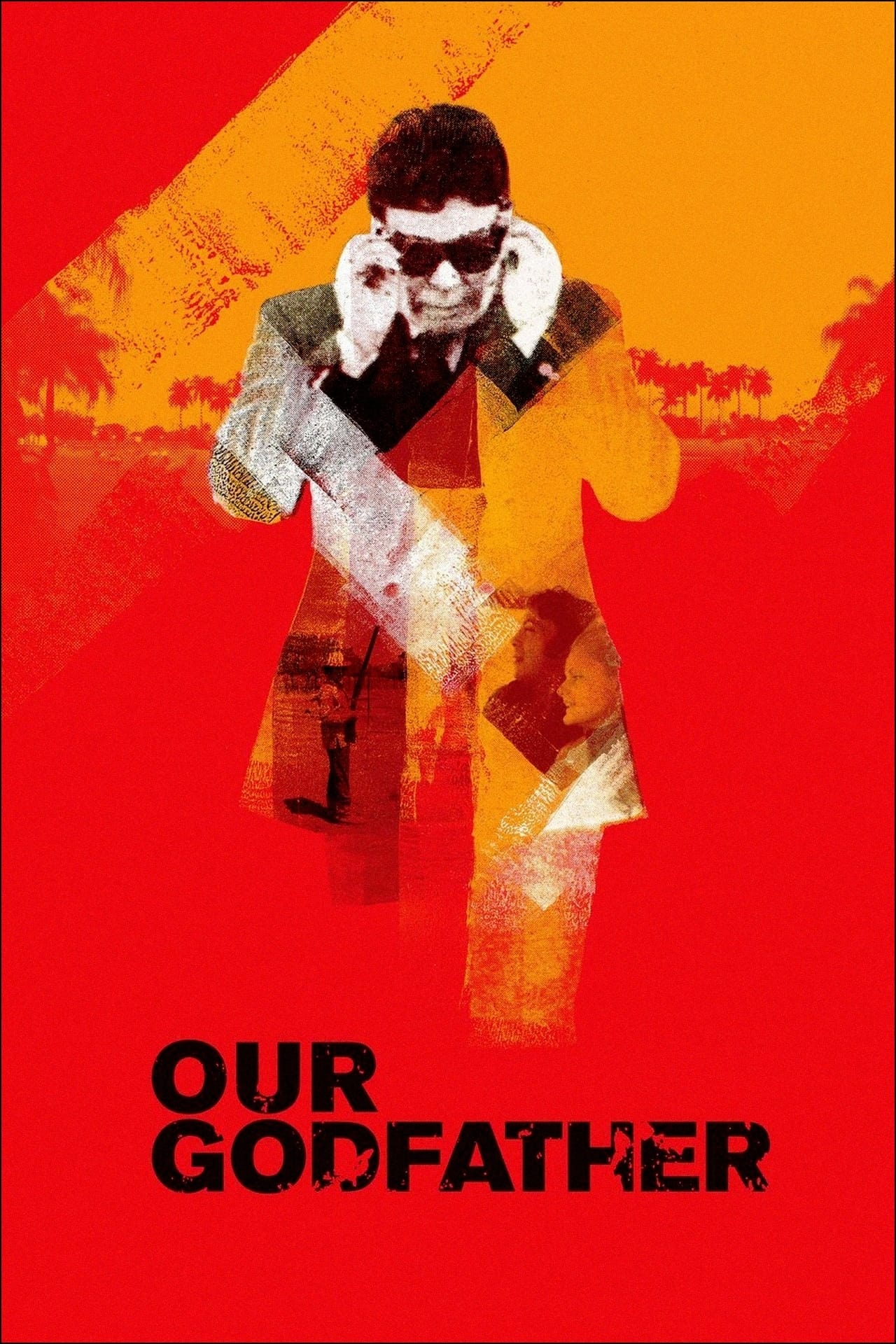
The story of how Sicilian Mafia boss Tommaso Buscetta (1928-2000), the Godfather of Two Worlds, revealed, starting in 1984, the deepest secrets of the organization, thus helping to convict the hundreds of mafiosi who were tried in the trial held in Palermo between 1986 and 1987.
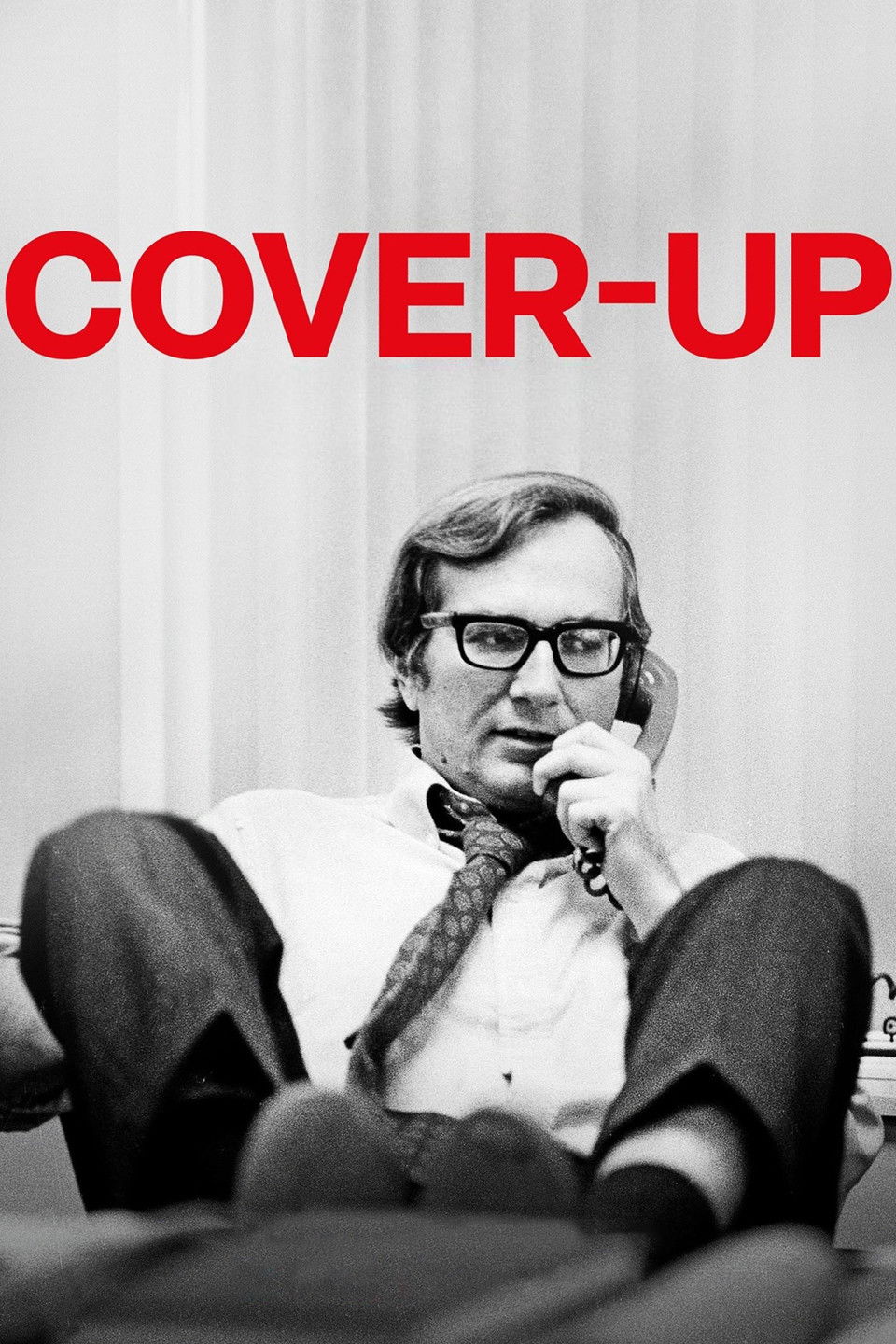
He's devoted his career to uncovering stories the powerful want buried. From My Lai to Abu Ghraib, dig into the life's work of journalist Seymour Hersh.
An exploration —manipulated and staged— of life in Las Hurdes, in the province of Cáceres, in Extremadura, Spain, as it was in 1932. Insalubrity, misery and lack of opportunities provoke the emigration of young people and the solitude of those who remain in the desolation of one of the poorest and least developed Spanish regions at that time.
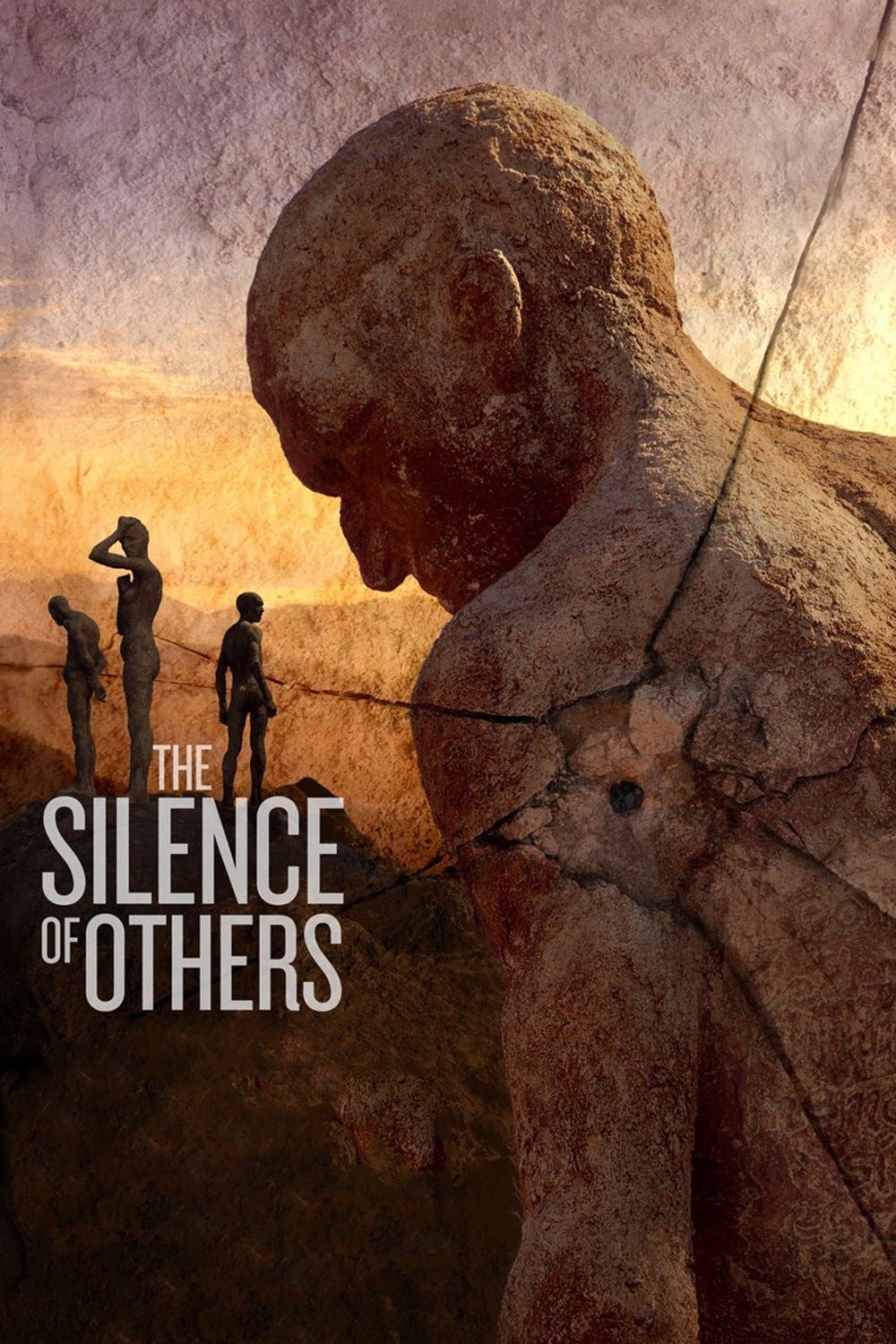
The story of the tortuous struggle against the silence of the victims of the dictatorship imposed by General Franco after the victory of the rebel side in the Spanish Civil War (1936-1975). In a democratic country, but still ideologically divided, the survivors seek justice as they organize the so-called “Argentinian lawsuit” and denounce the legally sanctioned pact of oblivion that intends to hide the crimes they were subjects of.
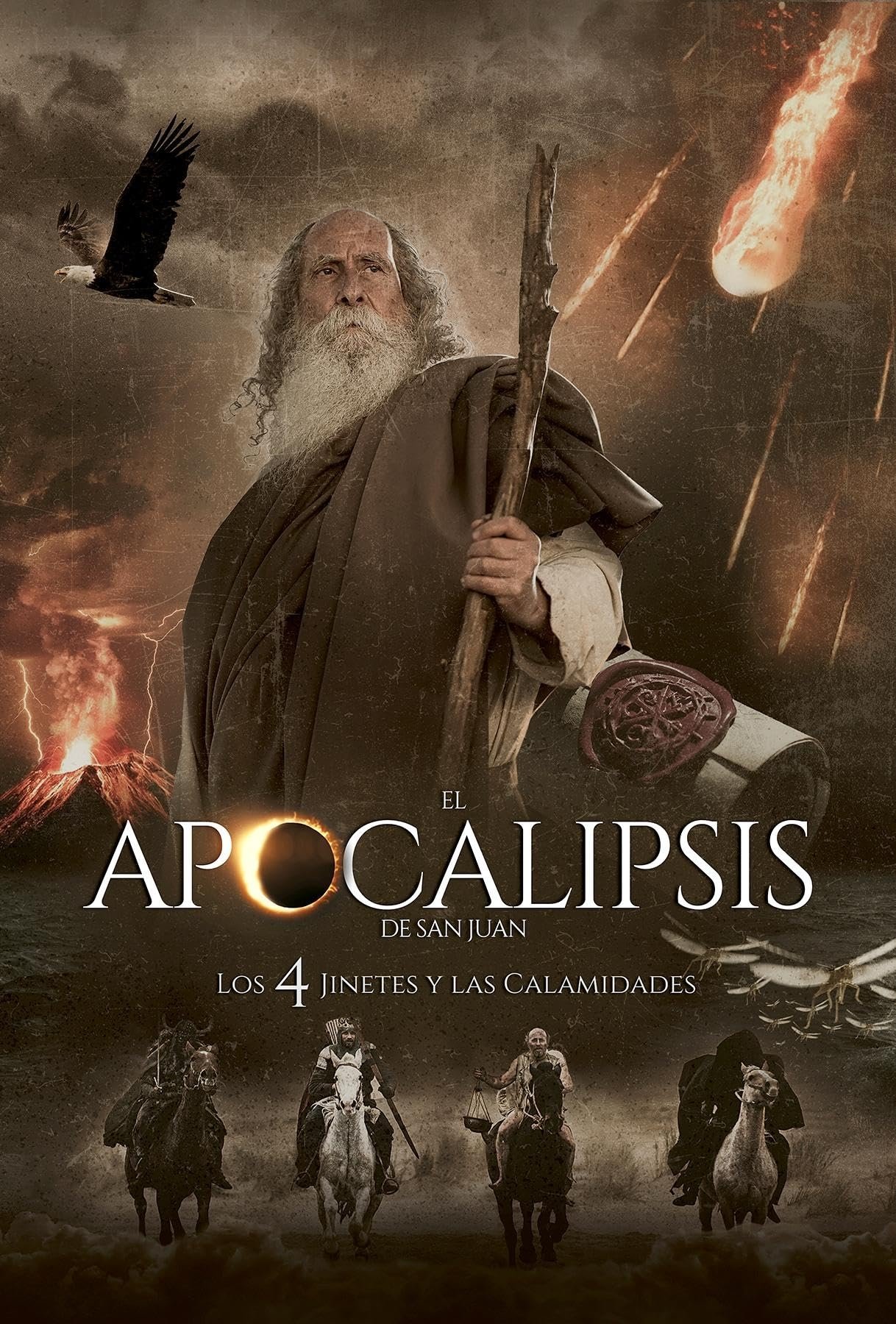
Embark on an epic journey through time and faith with 'The Apocalypse of Saint John.' Join the Apostle John in a stunning visual narrative that unravels the visions of the End Times. Experience each vision like never before, with striking visual effects and epic scenes that immerse you in the apocalyptic narrative.
A documentary on the expletive's origin, why it offends some people so deeply, and what can be gained from its use.
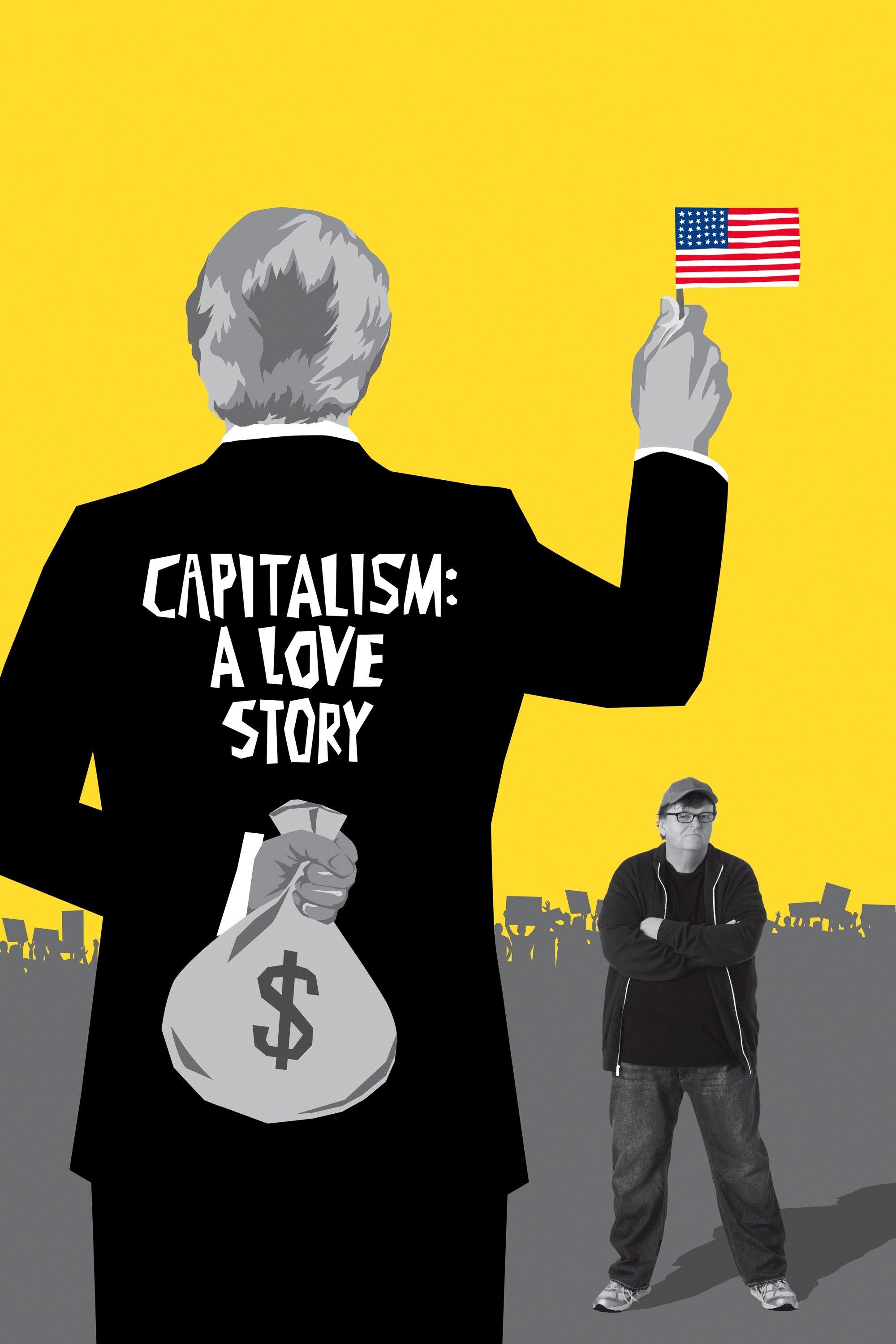
Michael Moore comes home to the issue he's been examining throughout his career: the disastrous impact of corporate dominance on the everyday lives of Americans (and by default, the rest of the world).
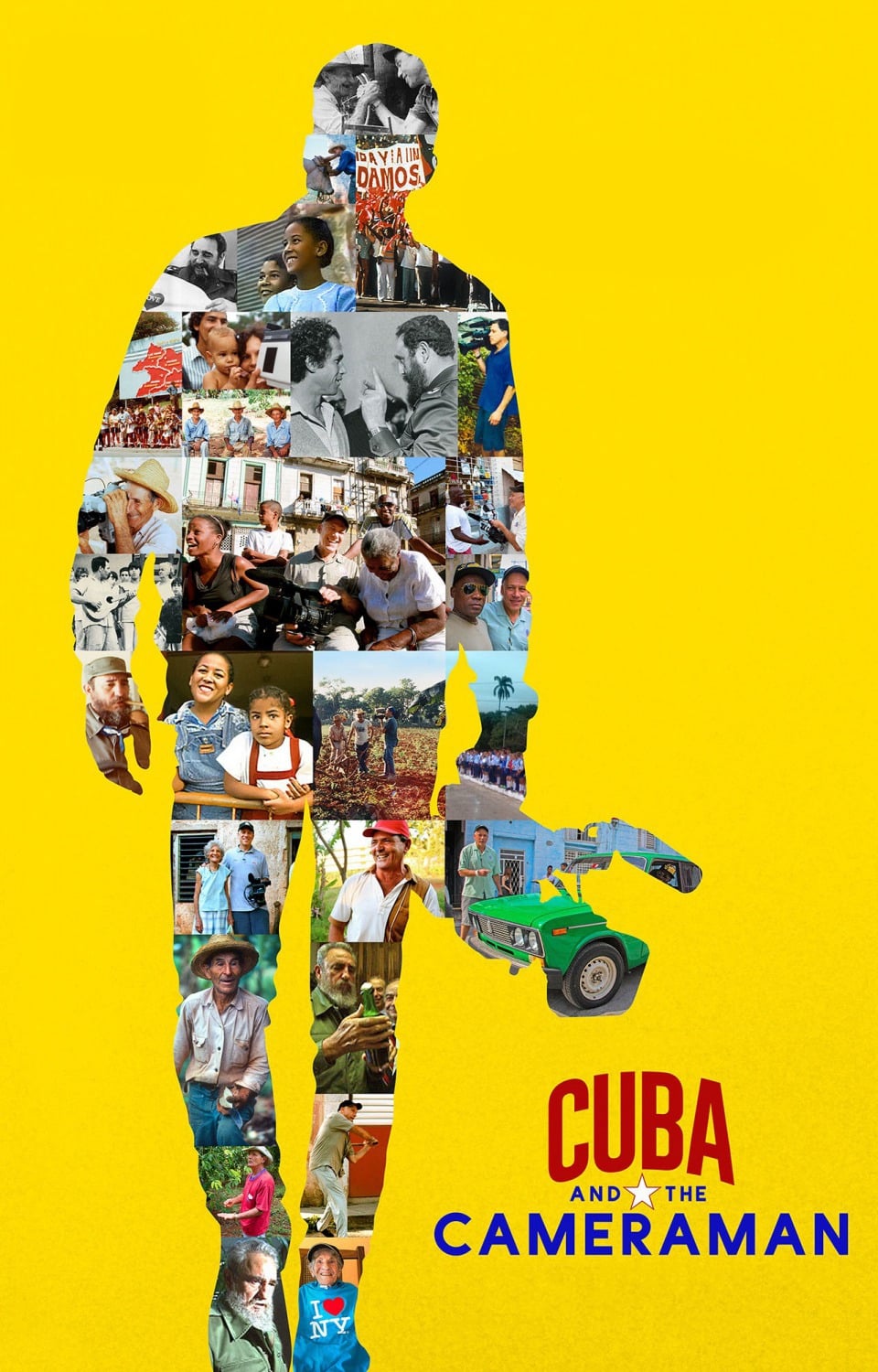
This revealing portrait of Cuba follows the lives of Fidel Castro and three Cuban families affected by his policies over the last four decades.
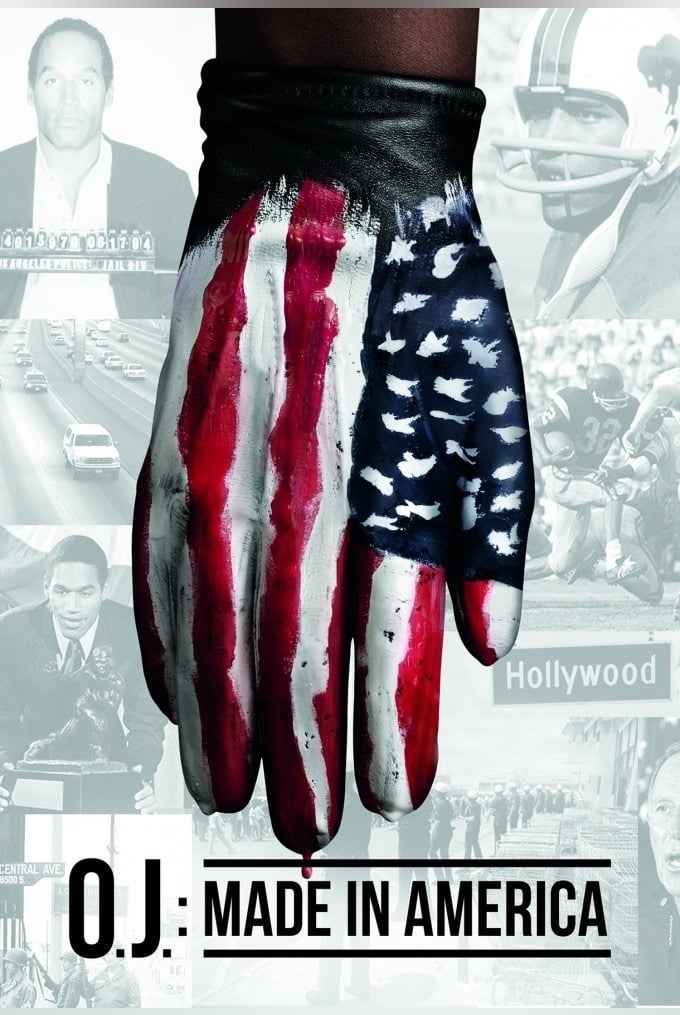
A chronicle of the rise and fall of O.J. Simpson, whose high-profile murder trial exposed the extent of American racial tensions, revealing a fractured and divided nation.
When Allied forces liberated the Nazi concentration camps in 1944-45, their terrible discoveries were recorded by army and newsreel cameramen, revealing for the first time the full horror of what had happened. Making use of British, Soviet and American footage, the Ministry of Information’s Sidney Bernstein (later founder of Granada Television) aimed to create a documentary that would provide lasting, undeniable evidence of the Nazis’ unspeakable crimes. He commissioned a wealth of British talent, including editor Stewart McAllister, writer and future cabinet minister Richard Crossman – and, as treatment advisor, his friend Alfred Hitchcock. Yet, despite initial support from the British and US Governments, the film was shelved, and only now, 70 years on, has it been restored and completed by Imperial War Museums under its original title "German Concentration Camps Factual Survey".
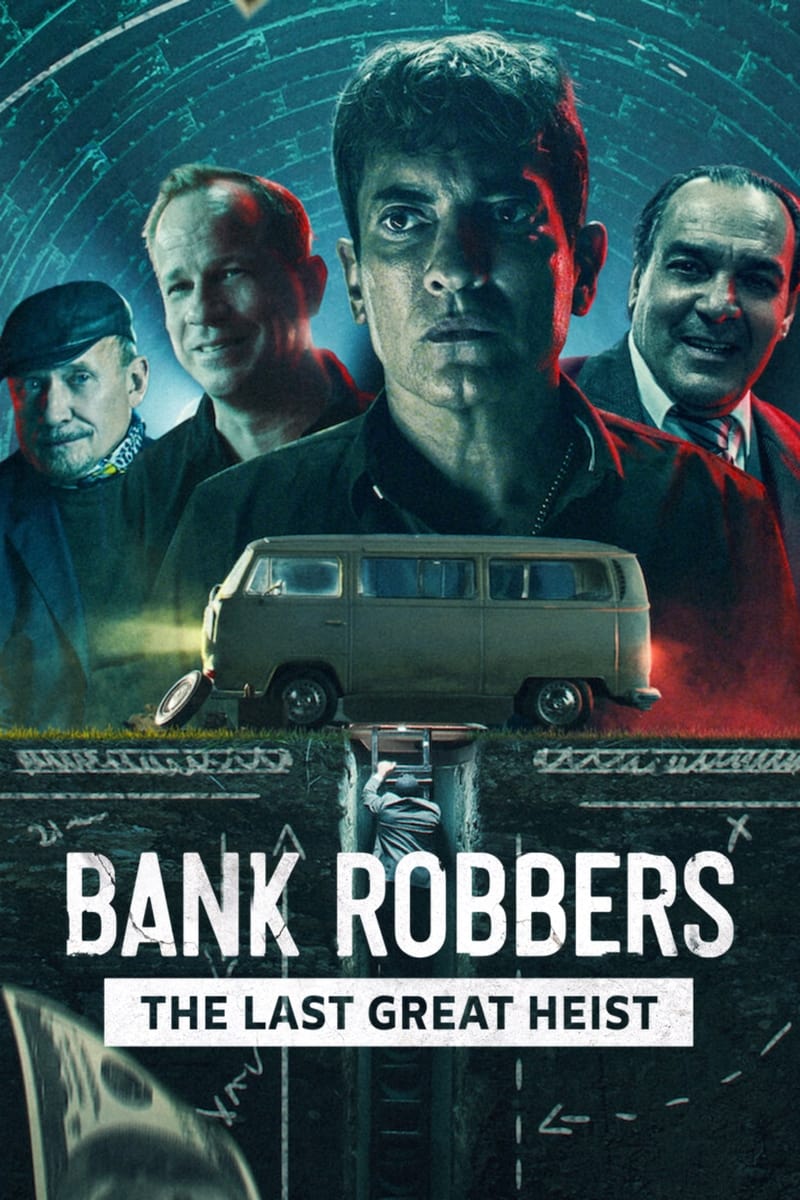
Through candid interviews, the perpetrators of Argentina's most notorious bank heist detail how — and why — they carried out the radical 2006 operation.
The film follows adventurer Jeff Johnson as he retraces the epic 1968 journey of his heroes Yvon Chouinard and Doug Tompkins to Patagonia.
“The Soviet Story” is a story of an Allied power, which helped the Nazis to fight Jews and which slaughtered its own people on an industrial scale. Assisted by the West, this power triumphed on May 9th, 1945. Its crimes were made taboo, and the complete story of Europe’s most murderous regime has never been told. Until now...
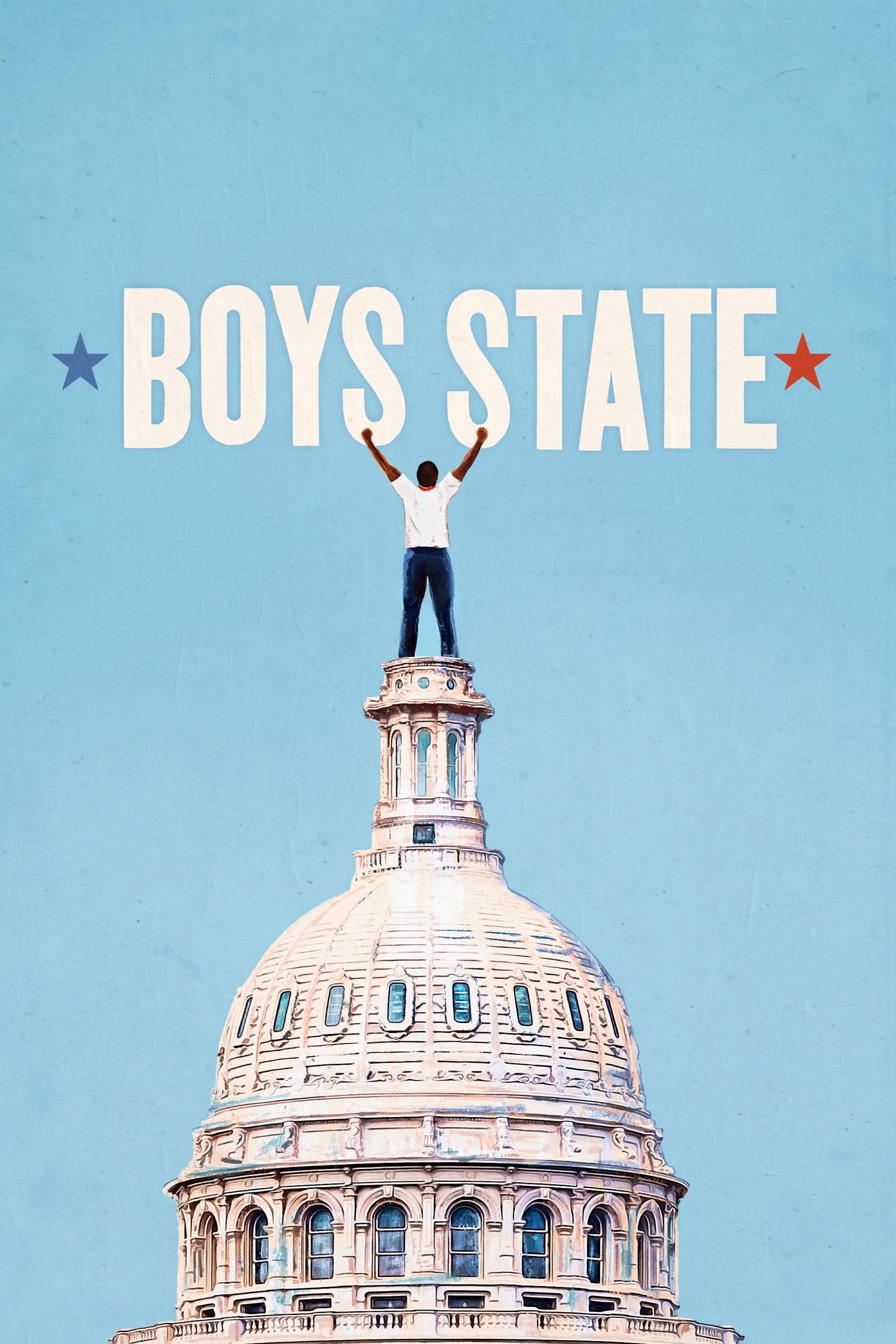
This raucous journey into the heart of democracy captures an unusual rite of passage: 1,100 teenage boys from across Texas coming together to build a representative government from the ground up.
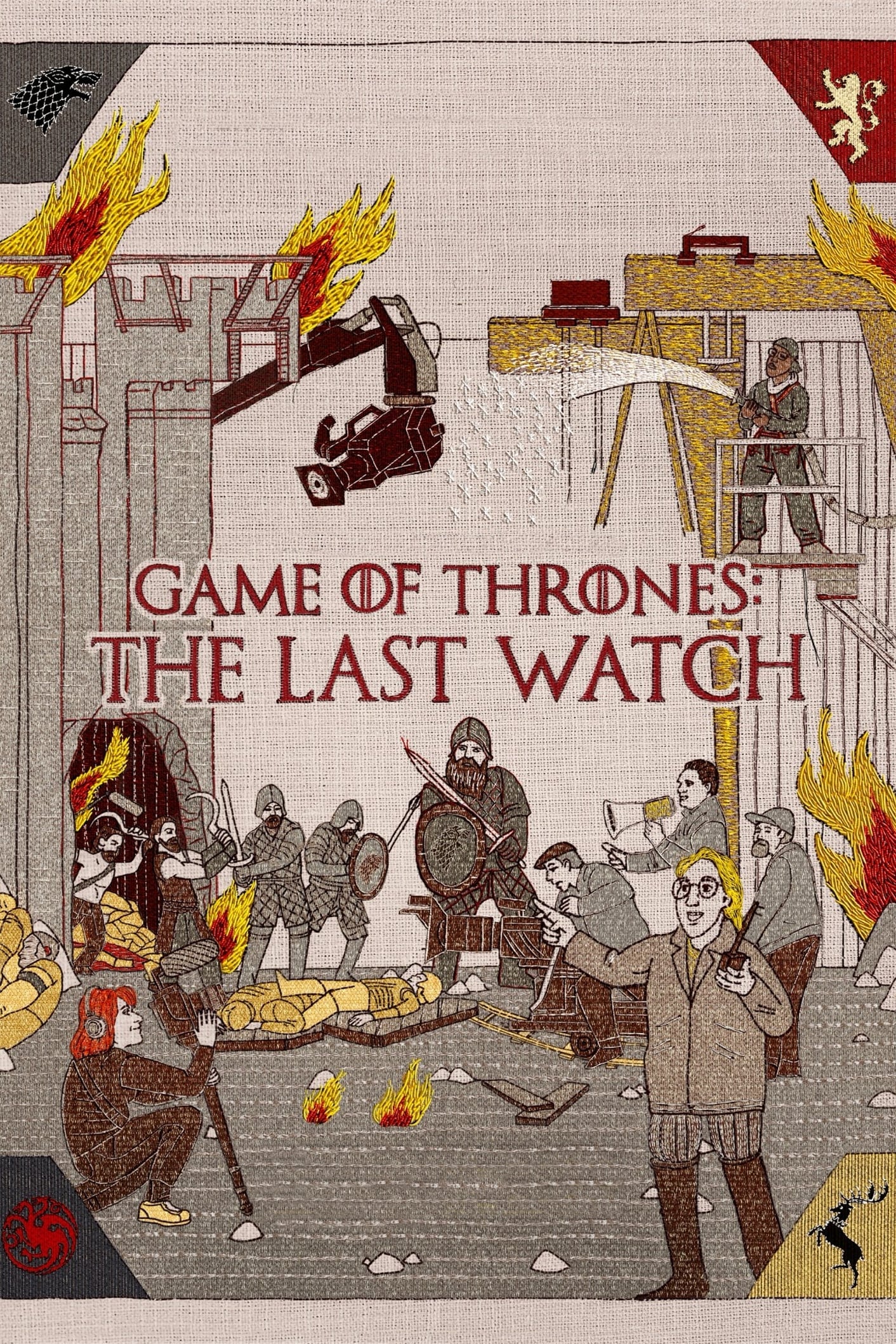
For a year, acclaimed British filmmaker Jeanie Finlay was embedded on the set of the hit HBO series “Game of Thrones,” chronicling the creation of the show’s most ambitious and complicated season. Debuting one week after the series 8 finale, GAME OF THRONES: THE LAST WATCH delves deep into the mud and blood to reveal the tears and triumphs involved in the challenge of bringing the fantasy world of Westeros to life in the very real studios, fields and car-parks of Northern Ireland. Made with unprecedented access, GAME OF THRONES: THE LAST WATCH is an up-close and personal portrait from the trenches of production, following the crew and the cast as they contend with extreme weather, punishing deadlines and an ever-excited fandom hungry for spoilers. Much more than a “making of” documentary, this is a funny, heartbreaking story, told with wit and intimacy, about the bittersweet pleasures of what it means to create a world – and then have to say goodbye to it.
Ranjit, a farmer in India, takes on the fight of his life when he demands justice for his 13-year-old daughter, the victim of a brutal gang rape. His decision to support his daughter is virtually unheard of, and his journey unprecedented.
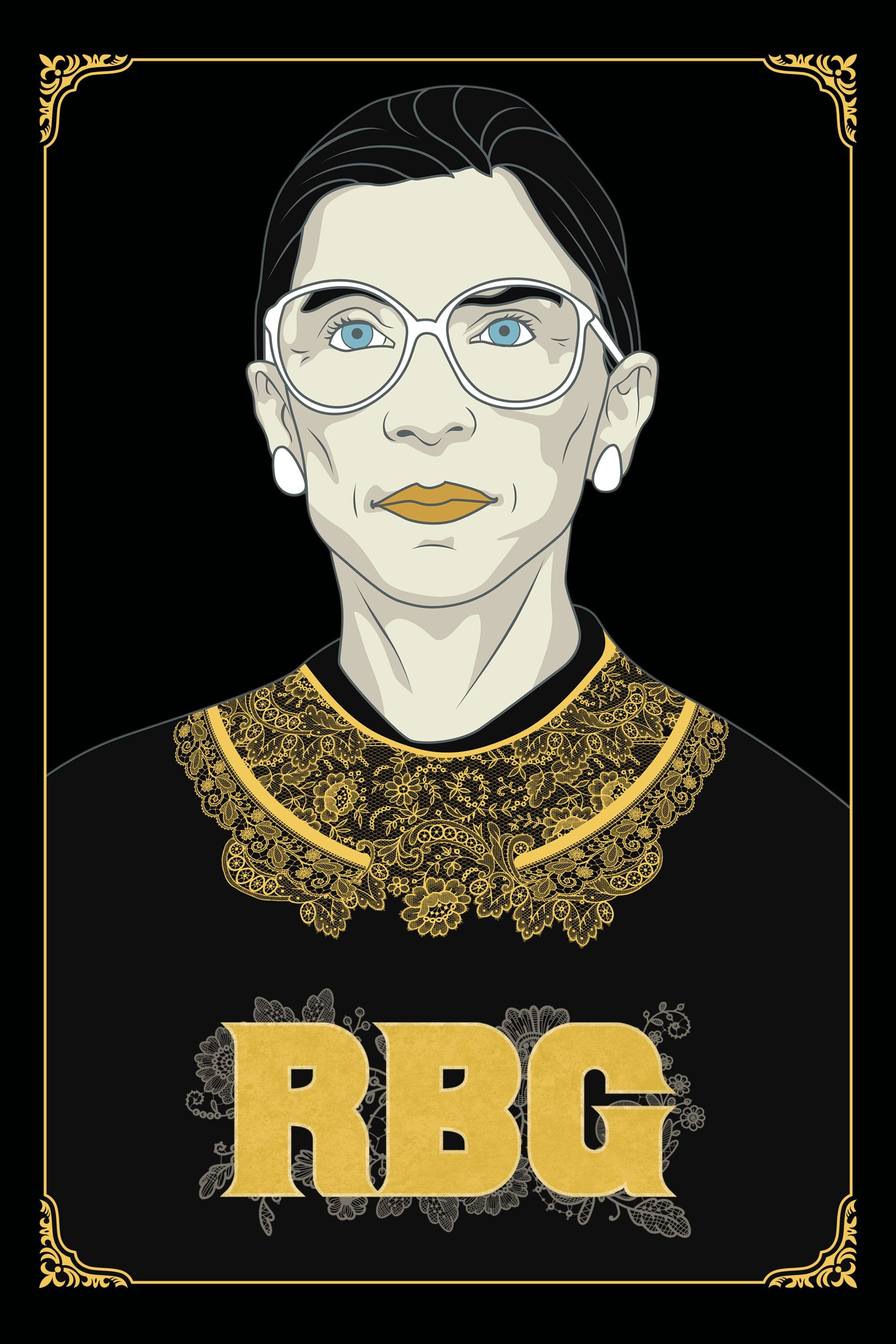
Justice Ruth Bader Ginsburg now 84, and still inspired by the lawyers who defended free speech during the Red Scare, Ginsburg refuses to relinquish her passionate duty, steadily fighting for equal rights for all citizens under the law. Through intimate interviews and unprecedented access to Ginsburg’s life outside the court, RBG tells the electric story of Ginsburg’s consuming love affairs with both the Constitution and her beloved husband Marty—and of a life’s work that led her to become an icon of justice in the highest court in the land.
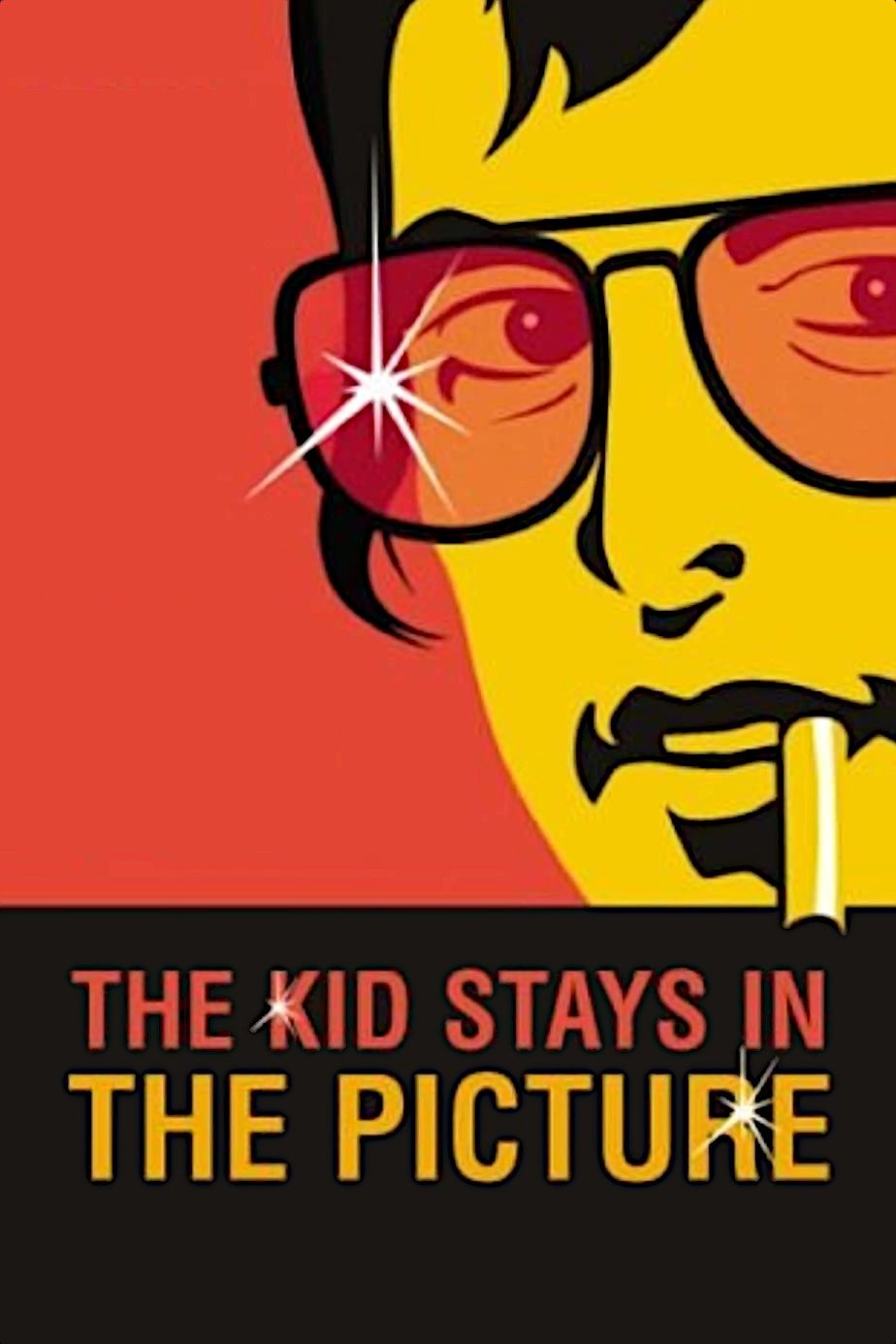
Documentary about legendary Paramount producer Robert Evans, based on his famous 1994 autobiography.
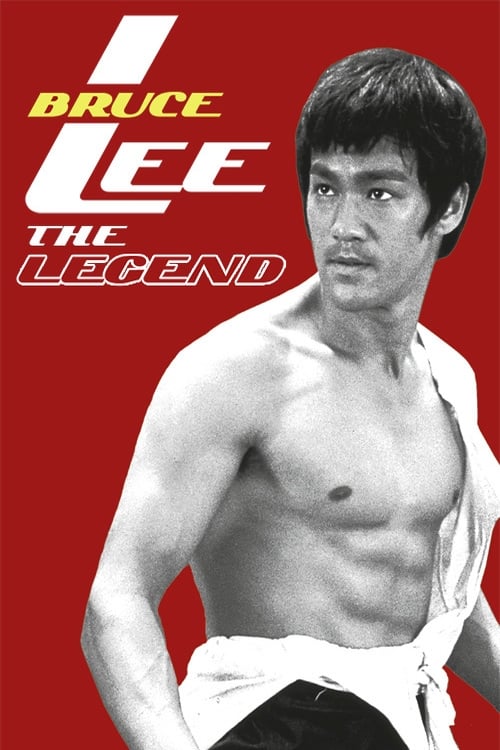
The Official Golden Harvest tribute to the Master of the Martial Arts Film, Bruce Lee.
Unravel the case of Utah therapist Jodi Hildebrandt, whose child abuse arrest with parenting YouTuber Ruby Franke exposed a twisted tale of manipulation.